
Research article · 2025 · Full text
International Journal of Agriculture and Food ScienceDevelopment and evaluation of millet-fortified steamed cake (Khaman)
Volume 7(8) · Pages 341–346 · DOI: 10.33545/2664844x.2025.v7.i8e.633 ↗
Research areasFood composition and properties
Abstract
Author-writtenThe present study was undertaken to develop and evaluate a millet-fortified steamed cake (khaman) by incorporating pearl millet and barnyard millet flours in various proportions with chickpea flour. Six treatments (T1–T6) were formulated using different combinations of pearl millet and barnyard millet and were analysed for physical, biochemical and sensory attributes. Key quality parameters including expansion, moisture content, protein content, total carbohydrate content and overall acceptability were assessed. Among the formulations, Treatment T5 (10 g pearl millet and 30 g barnyard millet per 100 g gram flour) exhibited the highest overall acceptability (8.3), along with favourable expansion (1.97 cm) and moisture (49.51%) and the lowest carbohydrate content (19.62%). Treatment T1 (20 g of each millet) also performed well across all quality parameters. In contrast, T2 (40 g pearl millet) showed the lowest expansion and acceptability, indicating that higher levels of pearl millet may negatively impact product texture and appeal. The study highlights the nutritional potential and functional value of millet-based formulations in improving traditional foods. It concludes that barnyard millet, when optimally blended with pearl millet and chickpea flour, can enhance both nutritional quality and consumer acceptability of steamed cakes like khaman, thereby promoting the utilization of underexploited millets in mainstream diets.
Summary
Source-checkedPlain-language reading of the full paper, prepared with AI and checked against the text. Each point links to the authors' own words.
Why it matters
- Millets are nutrient-dense grains providing essential minerals like iron, calcium, and zinc, as well as fiber and vitamins. View evidence ↗
- Due to their low glycemic index, millets are associated with the prevention of diabetes and help in managing weight and blood pressure. View evidence ↗
- Barnyard millet is a nutritionally beneficial crop that remains underutilized in mainstream diets. View evidence ↗
The question
- The study aimed to create and evaluate a version of the traditional steamed cake (khaman) fortified with different proportions of pearl and barnyard millet flours. View evidence ↗
What they did
- Researchers developed six different formulations (T1–T6) using varying combinations of the two millets to test their physical, biochemical, and sensory properties. View evidence ↗
- The formulations were based on adding specific amounts of pearl and barnyard millet flour per 100 grams of gram (chickpea) flour. View evidence ↗
- A panel of 15 semi-trained members used a nine-point hedonic scale to score the cakes on appearance, color, taste, and overall acceptability. View evidence ↗
What they found
- Treatment T1, containing 20g of each millet, achieved the highest expansion of 2.06 cm, resulting in a more porous texture. View evidence ↗
- The lowest expansion (1.32 cm) occurred in T2, which had the most pearl millet (40g), suggesting that too much pearl millet hinders the cake's rise. View evidence ↗
- Moisture levels varied from 47.23% in T2 to 50.36% in T1, with higher moisture linked to better softness. View evidence ↗
- Total carbohydrate content was highest in T2 (24.27%) and lowest in T5 (19.62%). View evidence ↗
- Treatment T5 was the most preferred by consumers, receiving the highest acceptability score of 8.3, despite having the lowest carbohydrate content. View evidence ↗
- T2 was the least acceptable formulation (score 6.9) due to poor expansion and low moisture. View evidence ↗
What it means
- The authors conclude that T5 (10g pearl and 30g barnyard millet) is the optimal formulation for balancing nutrition and sensory appeal. View evidence ↗
- The study recommends using millets for value addition in traditional foods to improve their health-promoting potential. View evidence ↗
Visual summary
1 visualsIllustrations explain the paper; they do not show study data.
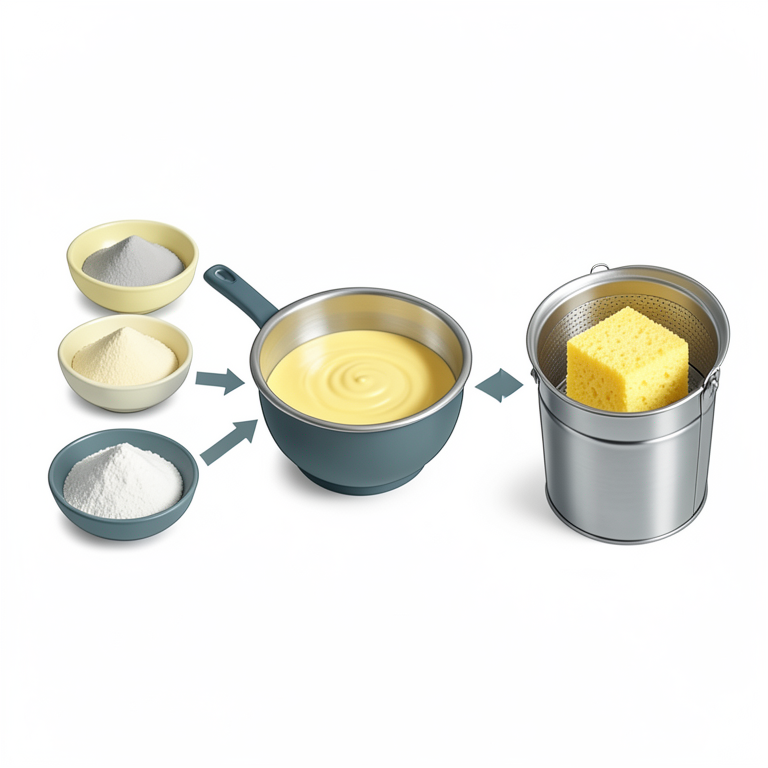
Experimental Setup
AI-generated conceptual illustration (pearl millet, barnyard millet, and chickpea flour used to make steamed cake (Khaman)). It explains the idea and does not show study data.
View source evidence ↗Figures & tables
From the original paper Table 1
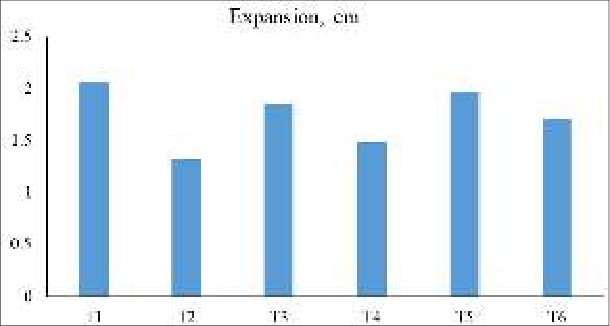 Figure 1
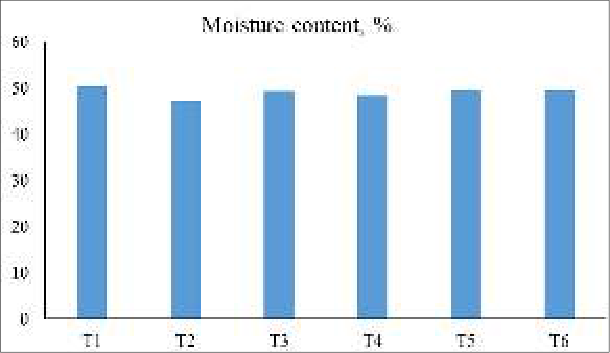 Figure 2
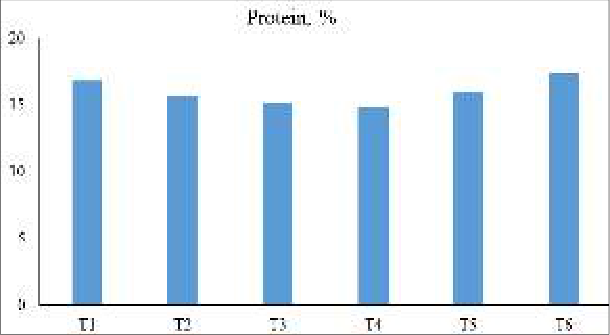 Figure 3
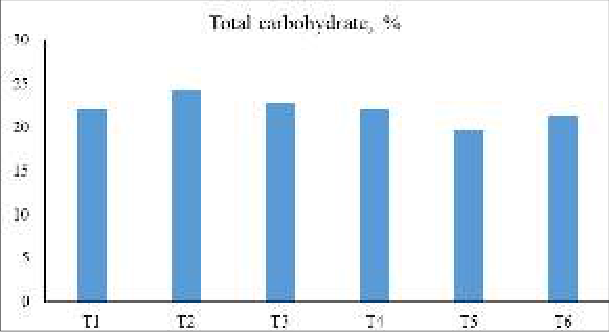 Figure 4
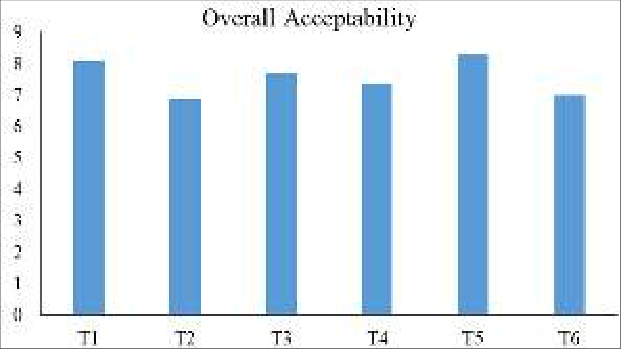 Figure 5
Introduction
Millets are small seeded grains with different varieties, taxonomically belonging to family Poaceae. They are cultivated in the semi-arid area around the world, mainly in the African and Asian sub-continent (Parmar et al., 2025a) [13] . Millets are classified into two groups based on grain size, major and minor millets. The major millets include sorghum, pearl millet and finger millet, while minor millets include foxtail millet, proso millet, kodo millet, barnyard millet and little millet (Shah et al., 2023) [19] . The Government of India designated millets as 'Nutri-Cereals' in April 2018 to promote their production and consumption. India is one of the world's largest millet producers, accounting for around 41% of total worldwide millet production (Press Information Bureau, 2024) [17] . To increase domestic and international demand and offer nutritious food to people, the Indian government had suggested to the United Nations that 2023 be designated as the International Year of Millets (National Bank for Agriculture and Rural Development, 2023) [12] . The proposal was accepted and 2023 was celebrated worldwide as the International Year of Millets (IYoM-2023). Millets, once considered the poor man's staple, are gradually changing their image into something that is 'trendy' and 'cool' (Parmar et al., 2025b) [14] . With growing concerns about lifestyle diseases and a 'refined' diet culture, modern consumers are slowly but steadily looking at the nutrient-rich millets as a suitable alternative to wheat and rice. In African and Asian regions, millet grains have been efficiently used to produce adult meals, drinks, bread, snacks and weaning foods such as porridge (Pei et al., 2022) [16] . Millets are recognized for their nutraceutical health benefits, offering a rich source of essential nutrients such as phosphorus, calcium (Finger millet), iron (pearl millet), magnesium, zinc, fibre, folic acid and niacin (Hassan et al., 2021) [6] . They also contain phenolic acids and flavonoids, with levels varying by millet type and variety. These nutrients make millets excellent sources of energy and nutraceuticals, which are associated with anti-inflammatory, antioxidant and potential anticancer properties. Millets are characterized by a low glycemic index (GI) and are linked to diabetes prevention. Additionally, they contribute to weight management, lower body mass index (BMI) and reduced blood pressure (Agricultural and Processed Food Products Export Development Authority, 2024). Regular millet consumption supports heart health, enhances digestion, detoxifies the body, boosts energy and immunity, lowers cancer risk and improves muscular and neural function, offering protection against various severe diseases (Chandrasekara and Shahidi, 2012) [4] . The major pearl millet growing states viz. Rajasthan (highest production), Uttar Pradesh, Gujarat, Haryana and Maharashtra which produces 90% of total production of the country (Indian Council of Agricultural Research-All India Coordinated Research Project, 2023). Pearl millet contains higher energy compared to cereal grains such as rice and wheat and is considered a significant source of thiamine, niacin and riboflavin. Moreover, minerals content such as calcium, iron and phosphorus in pearl millet is higher like those found in other cereals (Hassan et al., 2021) [6] . It has special health benefiting properties for people suffering from life style diseases (like diabetes, obesity, etc.) as it has high proportions of slowly digestible starch (SDS) and resistant starch (RS) that contribute to low glycemic index (GI). Pearl millet is gluten free and retains its alkaline properties even after being cooked which is ideal for people suffering from gluten allergy and acidity (Indian Council of Agricultural Research-All India Coordinated Research Project, 2023). Barnyard millet (Echinochloa frumentacea) is the oldest domesticated small millet which is an important short duration nutricereal. Barnyard millet is bestowed with superior nutritional profile and can better withstand biotic and abiotic stress conditions. Barnyard millet is cultivated in many countries such as India, China, Japan, Malaysia, East Indies, Africa and United States of America. In India it is mainly cultivated in Orissa, Maharashtra, Madhya Pradesh, Tamil Nadu, Bihar, Punjab, Gujarat and hills of Uttarakhand (Kaur and Sharma, 2020) [9] . Barnyard millet grains are a rich source of dietary fibre, iron, zinc, calcium, protein, magnesium, fat, vitamins and some essential amino acids. The carbohydrate content is low and slowly digestible, which makes the barnyard millet a natural designer food (Ugare et al., 2014) [20] . Antioxidant power of barnyard millet is responsible for reducing the risk of developing a number of degenerative diseases such as cardiovascular disease, diabetes, several types of cancer, high blood pressure, heart attacks and tumours (Agrawal, 2023) [1] . Despite its nutritional and agronomic benefits, barnyard millet has remained an underutilized crop. Over the past decades, very limited attempts have been made to study the features of this crop (Renganathan et al., 2020) [18] . India is one of the major pulses growing country of the world and pulses occupy a key position in Indian diet and meet about 30% of the daily protein requirement. Among the food crops, pulses are an important group which occupies a unique position in the world of agriculture by virtue of their high protein content. Pulses contain micronutrients, protein and bioactive compounds, which contribute to various health benefits and it can indeed help in providing important essential amino acids (Mayachiew et al., 2015) [11] . Chickpea (Cicer arietinum L.), an annual plant of the fabaceae family, is mainly grown in temperate and semiarid regions. Chickpea is an important pulse crop grown and consumed all over the world, especially in the Afro-Asian countries (Yegrem, 2021) [21] . The biological activity and positive contributions of chickpea to human health have been scientifically recognized as an essential source of nutritional components (Faridy et al., 2020) [5] . Chickpea is rich in carbohydrates and protein, with its protein quality considered superior to that of many other pulses. Globally, chickpeas are consumed in various forms, with preparations influenced by ethnic and regional traditions. In the Indian subcontinent, chickpeas are split into cotyledons for making 'dhal' or ground into flour ('besan'), widely used in preparing a variety of snacks. Across Asia and Africa, chickpeas are commonly incorporated into stews, soups and salads, as well as enjoyed in roasted, boiled, salted and fermented forms (Jukanti et al., 2012) [8] . These diverse consumption methods offer consumers significant nutritional value and potential health benefits. In India, chickpea flour (besan) is particularly popular, supporting a robust market with extensive consumer options. India holds a special position in food culture, skilfully uniting traditional wisdom and modern science through research, an approach currently adopted by food processors. The recipes of traditional foods have been perfected, practiced and handed over from generation to generation. Traditional fermented foods prepared using milk, cereals and pulses occupy a pivotal position in the dietary practice of people of India's western states Gujarat and Rajasthan. Foods such as dahi, chhash, raita, shrikhand, dhokla, khaman, handvo and khandvi are consumed routinely and are associated with the traditional customs and beliefs of people. These traditional foods are highly valued not only for their rich nutritional profile and potential therapeutic benefits.
Materials and Methods
Materials and Methods
Raw Materials
Pearl millet, barnyard millet, chickpea flour (besan), sodium bicarbonate (cooking soda), salt, citric acid, mustard seeds, curry leaves and sugar were procured from the local market in Godhra, Gujarat, India. Pearl millet and barnyard millet grains were thoroughly cleaned and ground using a domestic mill to obtain fine flour. All chemicals and reagents used in the study were of analytical grade.
Preparation of Millet Fortified Khaman
A solution of citric acid (3.5 g) and sugar (10 g) was prepared by dissolving them in 30 ml of water and mixing thoroughly. After 15 minutes, this solution was combined with composite flour and salt, following the proportions outlined in Table 1. The mixture was whisked by hand while gradually adding water to achieve a smooth batter. As per the formulation, sodium bicarbonate was incorporated just before steaming, with continuous whisking in one direction. The batter was then poured into a greased mold and evenly spread. Steaming was carried out in a boiling water pan for 15 to 20 minutes or until the cake was fully cooked. Once cooled, the cake was cut into medium-sized square pieces. [13] . With the help of a 15 cm ruler, the height from the four corners of the batter and at the center until it reached the bottom of the mold was recorded. These measurements were taken before cooking and after cooking of khaman. The difference between these values was noted as expansion. Three replicates from each batch were measured.
| Sr. No. | Treatment No. | Pearl millet flour, g/100 g gram flour | Barnyard millet flour, g/100 g gram flour | Salt, g | Sodium Bicarbonate, g |
|---|---|---|---|---|---|
| 1 | T1 | 20 | 20 | 3 | 3 |
| 2 | T2 | 40 | 20 | 3 | 3 |
| 3 | T3 | 20 | 40 | 3 | 3 |
| 4 | T4 | 30 | 30 | 3 | 3 |
| 5 | T5 | 10 | 30 | 3 | 3 |
| 6 | T6 | 30 | 10 | 3 | 3 |
Table text extracted from the original PDF; superscript letters are shown inline. The original table image is below.
View original table image
Moisture content
The moisture content of the khaman was determined using hot air oven method according AOAC (2012a) [3] . Three subsamples from each khaman were ground and approximately five grams of each was precisely weighed and placed in an oven at 105 °C until a constant weight was achieved. The dried samples were then transferred to a desiccator for 30 minutes to cool before being weighed. Moisture content was calculated as the percentage ratio of weight loss to the initial sample weight. Each sample was analyzed in triplicate to ensure accuracy.
Where, W₁ = Initial mass of sample (g) W2 = Mass of sample after drying (g)
Biochemical Properties of Khaman 2.4.1 Protein:
Protein content was determined using the Folin-Lowry assay (Lowry et al., 1951) [10] . A 0.1 g sample was extracted in 10 ml of 0.1 N NaOH. Sample aliquots (0.1 and 0.2 ml) and BSA standards (0.2-1 ml) were made up to 1 ml with distilled water. A blank was prepared with 1 ml distilled water. To each tube, 5 ml of alkaline copper reagent was added and incubated for 10 minutes, followed by 0.5 ml of Folin-Ciocalteau reagent (1:1 with distilled water). After 30 minutes, absorbance was recorded at 660 nm using a UV-Visible spectrophotometer.
Total carbohydrate content was determined by the using phenol sulphuric method described by (Parmar et al., 2025c) [15] . The sample (0.1 g) was crushed, followed by centrifugation and collection of supernatants. The carbohydrate was extracted from sample using 10 ml 2.5 N HCl. Digested sample was taken in a test tube and using distilled water final volume was made up to 1 mL, 1 mL of 5% phenol was added to test tube followed by 5 mL of 96% sulphuric acid. Samples were incubated by placing the tubes in water bath along with blank at 25-30°C for 20 min. O.D of each sample was taken at 490 nm.
Organoleptic Evaluation
A semi-trained panel of 15 members evaluated the samples for sensory parameters such as Appearance (score), Colour (score), Taste (score), Overall acceptability (score) using a nine-point hedonic scale. Samples of prepared steamed cake were randomly drawn for each experimental block, coded and served to the panellists.
Results and Discussion
The comparative effects of the six treatments (T1-T6) on expansion, moisture, protein, total carbohydrate content and overall acceptability are summarized below, with visual trends depicted in Figures 1 to 5. The figures show the effect of varying levels of pearl millet and barnyard millet flours on key quality parameters of the developed product. In terms of expansion, Treatment T 1 (20 g pearl millet and 20 g barnyard millet) exhibited the highest expansion value (2.06 cm), indicating a more aerated and porous structure. This was closely followed by T 5 (10 g pearl and 30 g barnyard millet) with an expansion of 1.97 cm. In contrast, the lowest expansion was observed in T 2 (1.32 cm), which had the highest level of pearl millet (40 g), suggesting that excessive pearl millet may negatively affect expansion properties. Moisture content ranged from 47.23% (T 2 ) to 50.36% (T 1 ), with higher moisture generally contributing to improved softness and texture. T 1 and T 5 , which had higher moisture content, also recorded higher overall acceptability scores, whereas T 2 , with the lowest moisture, had the least acceptability. This highlights the role of moisture in influencing sensory perception. Regarding protein content, T 6 (30 g pearl and 10 g barnyard millet) showed the highest value (17.33%), followed by T 1 (16.85%) and T 5 (15.93%). This indicates that increasing pearl millet contributes positively to protein content. However, high protein alone did not ensure better acceptability, as T 6 , despite its highest protein, had only a moderate sensory score (7.0). The lowest protein was observed in T4 (14.85%), which contained equal quantities of both millet flours (30 g each). Total carbohydrate content varied significantly across treatments, with T 2 recording the highest value (24.27%) and T 5 the lowest (19.62%). Interestingly, T 5 , despite having the lowest carbohydrate content, received the highest overall acceptability score (8.3), suggesting that excessive carbohydrates may not favour textural or taste properties in this formulation. In terms of overall acceptability, T 5 was rated highest (8.3), followed by T 1 (8.1). Both treatments had favourable expansion, moisture and protein profiles, contributing to superior sensory appeal. On the other hand, T 2 had the lowest acceptability score (6.9), likely due to its poor expansion, low moisture and unbalanced formulation. Treatments with higher barnyard millet content (T 5 , T3) generally performed better, indicating that barnyard millet contributed positively to the product's sensory and physical characteristics. Overall, T 5 and T 1 emerged as the most balanced formulations in terms of nutritional, physical and sensory attributes. The treatments T 5 and T 1 emerged as the most promising formulations, offering a favourable balance of nutritional and physical parameters, ultimately leading to higher consumer acceptability. The graphical representation (Figures 12345) further supports these findings by clearly illustrating the comparative performance of treatments across all measured parameters.
Conclusions
The present study successfully demonstrated the feasibility and potential of incorporating underutilized millets (pearl millet and barnyard millet) into traditional steamed cake (khaman) formulations to enhance nutritional value without compromising sensory appeal. Among the six formulations evaluated, Treatment T5 (10 g pearl millet and 30 g barnyard millet per 100 g gram flour) emerged as the most acceptable, showing a favourable balance in terms of expansion, moisture, protein content and overall sensory scores. While higher levels of pearl millet negatively affected texture and consumer preference, barnyard millet contributed positively to both nutritional and physical attributes of the product. The findings underscore the functional and health-promoting potential of millets and highlight their suitability for value addition in traditional foods. This study not only supports the inclusion of millets in modern diets but also aligns with national and global initiatives aimed at promoting millet consumption.
Figures and tables from the paper
References
19 in the original paper- Agrawal S. Hypoglycemic properties of the oldest known nutri-cereal: Barnyard millet. World J Pharm Res. 2023;12(9):720-725.
- AOAC. Official Method 930.15: Moisture content in feeds. In: Official Methods of Analysis. 19th ed. Gaithersburg (VA): AOAC International; 2012.
- Chandrasekara A, Shahidi F. Bioaccessibility and antioxidant potential of millet grain phenolics as affected by simulated in vitro digestion and microbial fermentation. J Funct Foods. 2012;4(1):226-237.
- Faridy JCM, Stephanie CGM, Gabriela MMO, Cristian JM. Biological activities of chickpea in human health (Cicer arietinum L.): A review. Plant Foods Hum Nutr. 2020;75:142-153.
- Hassan ZM, Sebola NA, Mabelebele M. The nutritional use of millet grain for food and feed: A review. Agric Food Secur. 2021;10:1-14.
- Jukanti AK, Gaur PM, Gowda CLL, Chibbar RN. Nutritional quality and health benefits of chickpea (Cicer arietinum L.): A review. Br J Nutr. 2012;108(S1):S11-S26.
- Kaur H, Sharma S. An overview of barnyard millet (Echinochloa frumentacea). J Pharmacogn Phytochem. 2020;9(4):819-822.
- Lowry OH, Rosebrough NJ, Farr AL, Randall RJ. Protein measurement with the folin phenol reagent. J Biol Chem. 1951;193(1):265-275.
- Mayachiew P, Charunuch C, Devahastin S. Physicochemical and thermal properties of extruded instant functional rice porridge powder as affected by the addition of soybean or mung bean. J Food Sci. 2015;80(12):E2782-E2791.
- National Bank for Agriculture and Rural Development. International year of millets 2023 [Internet]. Available from: https://www.nabard.org/internationalyear-ofmillets-2023.aspx
- Parmar R, Seth N, Shalunkhe R, Jethva K, Joshi B, Bharti N, et al. Comparative study on physicochemical and sensory quality of pearl and barnyard millet incorporated khaman with traditional khaman. Int J Adv Biochem Res. 2025;9(7):512-516.
- Parmar R, Khanpara B, Dabhi M, Parmar A, Yadav R, Gandhi R. Microwave drying of turmeric (Curcuma longa L.): RSM-based optimization of microwave International Journal of Agriculture and Food Science https://www.agriculturaljournals.com power and thickness. J Microw Power Electromagn Energy. 2025:1-20.
- Parmar R, Seth N, Gandhi R, Rathod R, Vyas VS, Bharti N, et al. Ready-to-reconstitute and instant mix millet products: A comprehensive review of biochemical, processing techniques and sensory attributes. Plant Arch. 2025;25:347-354.
- Pei J, Umapathy VR, Vengadassalapathy S, Hussain SFJ, Rajagopal P, Jayaraman S, et al. A review of the potential consequences of pearl millet (Pennisetum glaucum) for diabetes mellitus and other biomedical applications. Nutrients. 2022;14(14):1-12.
- Press Information Bureau. Centre formulates action plan to promote exports of millets and value-added products of millets [Internet]. 2024 [cited 2025 Aug 7]. Available from: https://www.pib.gov.in/PressReleasePage.aspx?PRID= 1874937#:~:text=As%
- Renganathan VG, Vanniarajan C, Karthikeyan A, Ramalingam J. Barnyard millet for food and nutritional security: Current status and future research direction. Front Genet. 2020;11:500. DOI:10.3389/fgene.2020.00500
- Shah P, Dhir A, Joshi R, Tripathy N. Opportunities and challenges in food entrepreneurship: In-depth qualitative investigation of millet entrepreneurs. J Bus Res. 2023;155:1-15.
- Ugare R, Chimmad B, Naik R, Bharati P, Itagi S. Glycemic index and significance of barnyard millet (Echinochloa frumentacae) in type II diabetics. J Food Sci Technol. 2014;51:392-395.
- Yegrem L. Nutritional composition, antinutritional factors and utilization trends of Ethiopian chickpea (Cicer arietinum L.). Int J Food Sci. 2021;2021:1-10.