
Research article · 2025 · Full text
International Journal of Horticulture and Food ScienceMulberry elixir: Vinification processes and bioactive properties of wine from Morus species
Volume 7(7) · Pages 25–38 · DOI: 10.33545/26631067.2025.v7.i7a.334 ↗
Research areasPhytochemicals and Antioxidant ActivitiesPlant Physiology and Cultivation StudiesPostharvest Quality and Shelf Life Management
Abstract
Author-writtenThis manuscript explores the potential of mulberry wine production in Uganda as a value-added component of the sericulture industry, with a focus on Morus nigra, known for its high phenolic content and associated health benefits and explains the controlled Vinification. Through an interdisciplinary approach that integrates literature review, field assessments, experimental Vinification trials, and economic analyses, the study evaluates the historical, biochemical, and socioeconomic dimensions of mulberry utilization. Findings highlight the superior bioactive compound profile of M. nigra, particularly anthocyanins and flavonoids, which confer antioxidant, anti-inflammatory, antidiabetic, and cardio protective properties. Comparative analysis of traditional and modern Vinification techniques reveals significant effects on phenolic retention, sensory characteristics, and wine quality. Economic assessments underscore mulberry wine’s potential for rural employment generation, market diversification, and integration within Uganda’s sericulture value chain. Practical recommendations are provided for optimizing bioactive retention, scaling production sustainably, and positioning mulberry wine in functional beverage markets. The study concludes with a vision for developing Uganda’s mulberry wine sector into a nutraceutical and export-oriented industry that supports public health and rural development.
Summary
Source-checkedPlain-language reading of the full paper, prepared with AI and checked against the text. Each point links to the authors' own words.
Why it matters
- Mulberries are deciduous trees used globally, primarily as an essential food source for silkworms in the sericulture industry. View evidence ↗
- Producing mulberry wine can diversify the sericulture industry and meet the growing market demand for low-alcohol beverages. View evidence ↗
- Mulberry fruits are nutrient-dense and contain bioactive compounds that provide anti-inflammatory, antimicrobial, and anti-diabetic health benefits. View evidence ↗
The question
- The study aims to examine the current state of sericulture in Uganda and the potential for mulberry wine as a value-added product. View evidence ↗
- The research seeks to compare traditional and modern winemaking methods to identify factors that affect the quality and retention of bioactive compounds. View evidence ↗
What they did
- The study used an interdisciplinary method involving literature reviews, field interviews with stakeholders, and experimental trials. View evidence ↗
- Field assessments were conducted in Mukono District, Uganda, using four 3-acre blocks of Thailand and Kanva II mulberry varieties established five years prior. View evidence ↗
- The controlled vinification process involved pasteurizing berries in a 2L:1kg water ratio, adding sugar at 0.4kg/L, and adding yeast at 1 teaspoon per 5L. View evidence ↗
What they found
- Morus nigra was found to have a superior phenolic content of 1856±42 mg GAE/L compared to other mulberry species. View evidence ↗
- Mulberry wine typically contains total phenolics (200-500 mg GAE/L), anthocyanins (100-300 mg/L), and flavonoids (10-50 mg/L). View evidence ↗
- Traditional spontaneous fermentation was found to retain higher levels of phenolic acids and anthocyanins than modern inoculated methods. View evidence ↗
- Economic analysis indicates that large-scale wineries (>50,000 cases/year) have a higher cost-benefit ratio (1.2) than small wineries (<10,000 cases/year), which average around 0.7. View evidence ↗
- The global mulberry market is projected to grow from USD 36.7 billion in 2022 to USD 56.4 billion by 2032 at a CAGR of 4.5%. View evidence ↗
What it means
- The authors conclude that integrating wine production into Uganda's sericulture industry is a strategic way to increase rural income and diversify the sector. View evidence ↗
- The authors recommend establishing standardized quality benchmarks and winemaking protocols to fully realize the industry's potential. View evidence ↗
Visual summary
3 visualsIllustrations explain the paper; charts are replotted from the paper's own table values.
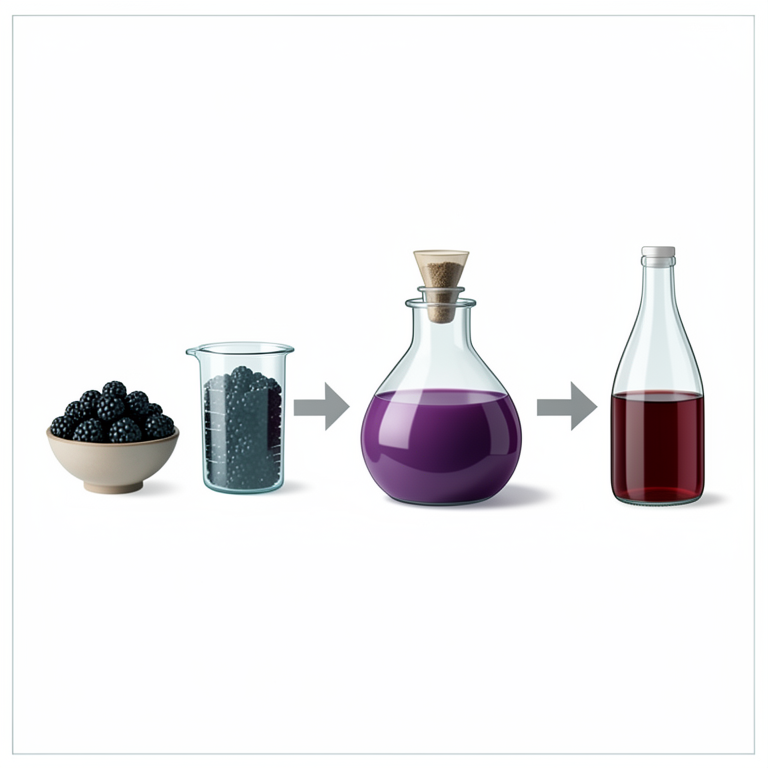
Controlled Vinification Workflow
AI-generated conceptual illustration (Black mulberry berries and glass fermentation equipment). It explains the idea and does not show study data.
View source evidence ↗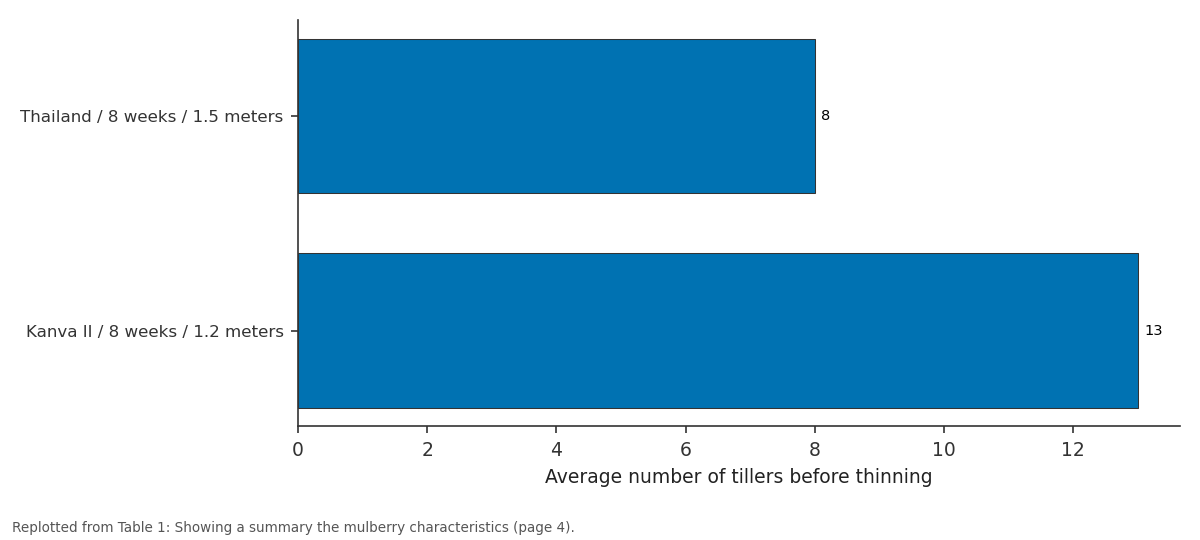
Average number of tillers before thinning: Thailand / 8 weeks /... vs Kanva II / 8 weeks /...
Replotted from Table 1 (page 4) of the original paper. Every bar is the paper's own table value.
View source evidence ↗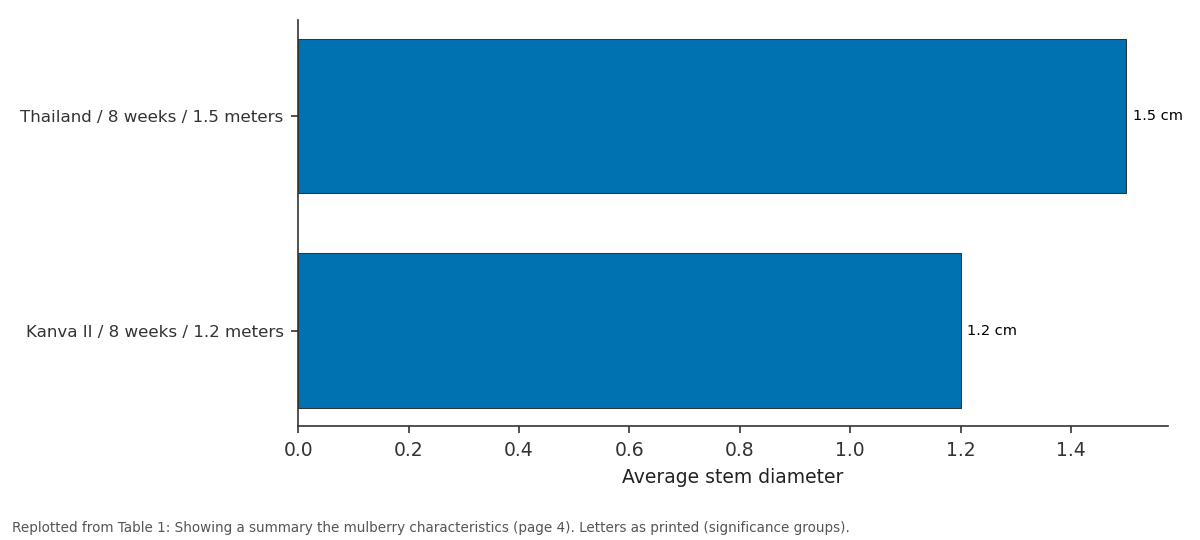
Average stem diameter: Thailand / 8 weeks /... vs Kanva II / 8 weeks /...
Replotted from Table 1 (page 4) of the original paper. Every bar is the paper's own table value.
View source evidence ↗Figures & tables
From the original paper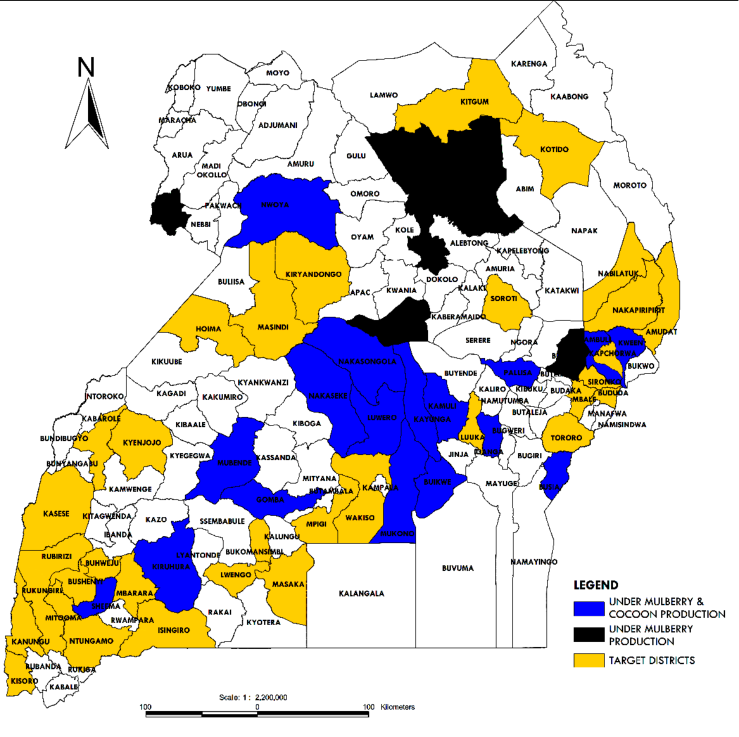 Figure 1
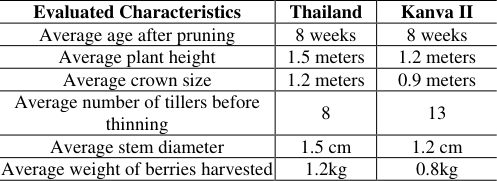 Table 1
Introduction 1.General Introduction
Mulberries (genus Morus) are deciduous trees from the Moraceae family, found in both temperate and tropical regions. The most important species for fruit and foliage production include M. Alba, M. nigra, and M. rubra. Widely used in sericulture, mulberry leaves are essential for feeding the Bombyx mori silkworm. In European countries, mulberries are cultivated for their fruit, which is used to produce jams, vinegar, wine, and pastries. Mulberry wine, a product of fermented fruit juice, aligns with the growing trend in the alcoholic beverage industry for low-alcohol and low-consumption drinks. This wine offers significant market potential and diversification, enhancing the economic value of sericulture. The fermentation process, wherein yeast transforms sugars into ethanol and other compounds, plays a crucial role in shaping the wine's color, flavor, and sensory appeal (Maicas, 2020) [28] . This dual use of mulberries for both sericulture and wine production not only maximizes the utility of this plant but also supports the expansion of the fruit wine market, presenting economic benefits for mulberry growers.
Historical background of mulberry (Morus spp.), traditional uses, scientific
classification, and cultivation The historical background Mulberry (Morus spp.) has a long history of use in traditional medicine, food, and sericulture, with evidence of its significance in ancient civilizations such as China, India, and Greece (Sánchez-Salcedo et al., 2016) [35] . Renowned for its nutritional, medicinal, and economic value, mulberry leaves are the primary food source for silkworms (Bombyx mori), playing a crucial role in sericulture (Kumar et al., 2018) [23] .
Introduction to the three main species (M. alba, M.
nigra, and M. rubra) and their distribution The three primary mulberry species-Morus Alba (white mulberry), Morus nigra (black mulberry), and Morus rubra (red mulberry)-each exhibit unique characteristics and distribution. Morus Alba, native to China, is widely cultivated across Asia and has spread to Europe and North America (Ercisli et al., 2010) [7] . Morus nigra, native to the Middle East and South Asia, thrives in the Mediterranean region and is known for its dark fruit (Sánchez-Salcedo et al., 2016) [35] . Morus rubra, indigenous to eastern North America, is found in deciduous forests and is appreciated for its sweet fruit (Kumar et al., 2018) [23] . These species have significant roles in food production, traditional medicine, and sericulture. Understanding their distribution and attributes is crucial for effective conservation, breeding, and utilization.
Current status of mulberry wine production globally.
Mulberry wine production is currently a niche segment of the global wine industry but is gradually gaining recognition due to its unique sensory properties and potential health benefits. In countries such as China, South Korea, and Turkey-where mulberry cultivation is historically significant-mulberry wine is more commonly produced and integrated into local agro-industrial systems. China, in particular, has invested in research and development to improve fermentation techniques, enhance the bioactive compound content, and commercialize mulberry wine as a functional beverage rich in antioxidants and polyphenols (Zhang et al., 2019 [48] ; Liu et al., 2018) [27] . In Western regions, mulberry wine production remains limited, primarily undertaken by artisanal and boutique wineries. These producers often market mulberry wine as a specialty product that appeals to health-conscious consumers seeking alternatives to traditional grape wines. Scientific interest in the nutritional and medicinal value of mulberries has also spurred academic and industrial collaborations aimed at optimizing production processes and enhancing product quality (Sánchez-Salcedo et al., 2016 [35] ; Gundogdu et al., 2011) [15] . Despite its promise, mulberry wine production faces several challenges, including low consumer awareness, lack of standardized processing protocols, and variability in mulberry cultivars, which can affect wine consistency and quality. Nevertheless, with growing global interest in functional foods and beverages, mulberry wine holds considerable potential for expansion, particularly in niche and health-oriented markets (Li et al., 2018; Wang et al., 2013) [45] .
The objectives of this manuscript are:
1. To examine the current status of sericulture in Uganda, with particular focus on the government initiatives through MoSTI and TRIDI, geographical distribution of mulberry cultivation, and the cultural significance and potential of mulberry wine production as a value-added component of the sericulture industry. 2. To document the evolution and comparative efficacy of traditional versus modern mulberry wine production methods, identifying critical process parameters that influence quality, stability, and bioactive compound retention throughout the Vinification process. 3. To document the mulberry fruit yield assessment and modern controlled Vinification process of producing mulberry wine. 4. To analyze the transformation, composition, and stability of the documented phenolic compounds and other bioactive constituents in mulberry wine during fermentation and storage, with particular focus on mechanisms to preserve M. nigra's superior phenolic content. 5. To evaluate scientific evidence supporting the healthpromoting properties of mulberry wine consumption, including antioxidant, anti-inflammatory, cardiovascular, antidiabetic, and antimicrobial activities, relating these benefits to specific bioactive compounds. 6. To assess the economic viability, market potential, and sustainability of mulberry wine production, including opportunities for integration with existing sericulture practices
Approach and Methodology
The research utilized an interdisciplinary approach, combining a review of existing literature with fieldwork and experimental studies. It began by examining historical records, government reports, and academic studies on sericulture in Uganda and the potential for mulberry wine production. Interviews with local farmers, government agencies, and industry stakeholders provided insights into current sericulture practices, mulberry cultivation, and the cultural importance of mulberry wine. Experimental work focused on studying different Morus species for wine production, assessing agronomic needs, phytochemical profiles, and regional variations. Comparative trials of traditional and modern winemaking methods were conducted to understand their impact on product quality and bioactive compounds. An economic analysis evaluated the financial viability and market potential of mulberry wine, incorporating data from surveys and interviews with producers and market stakeholders. The findings were used to propose standardized quality parameters for mulberry wine and recommend strategies for integrating its production into Uganda's sericulture industry to support economic growth and public health. However, this data was collected after 8 weeks of pruning the mulberry before undertaking thinning to establish the actual production of the two mulberry varieties. The 8 weeks were considered as the peak production of berries on the silkworm mulberry plants in Central Uganda.
Thailand is one of the best performing silkworm mulberry species grown in Uganda that originates from Thailand and is characterized by; broad leaves, grows very tall with a high vigor, possess a high plant mass weight, less tillers and branches but vulnerable to pests and diseases.
Kanva II is also one of the best performing silkworm mulberry species in Uganda that comes close to Thailand but originates from India and it is preferred for silkworm feeding because of its high protein content. It has the following characteristics; several branches and tillers, highly yielding, more resistant to drought and weeds, medium sized narrow leaves but also prone to diseases. Average stem diameter 1.5 cm 1.2 cm Average weight of berries harvested 1.2kg 0.8kg
History of Mulberry Wine
The production of mulberry wine has a long history, dating back thousands of years, with evidence of its use in ancient texts and archaeological findings. In ancient China, mulberry wine was highly esteemed, often featured in religious ceremonies and celebrations (Cai et al., 2024) [4] . It was also recognized for its medicinal benefits, with many believing it could treat various ailments and promote general health. In Europe, mulberry wine gained popularity during the middle Ages, particularly among monks in monasteries, who crafted the beverage to preserve the fruits and enjoy them throughout the year (McLean, 2014) [31] .
Traditional and Modern Vinification Processes Historical evolution of mulberry wine production
The production of mulberry wine has a rich and ancient history, with evidence of its consumption spanning thousands of years across Asia, Europe, and Africa. In China, records trace mulberry wine back over 3,000 years to the Han Dynasty (206 BCE-220 CE). It was similarly appreciated in ancient Greece and Rome for its medicinal properties and distinctive flavor. The Romans later introduced mulberry wine to Europe, where it gained popularity in regions such as Italy, France, and Spain. Traditional production methods involve fermenting crushed mulberries and aging the wine in oak barrels, while modern innovations such as cold soak, enzyme treatment, and reverse osmosis have enhanced quality and efficiency. Rich in antioxidants, vitamins, and minerals, mulberry wine is recognized for both its sensory attributes and potential health benefits. Today, it is produced in various parts of the world, including China, Italy, and the United States, with regional differences contributing to a wide array of flavor profiles. The historical evolution of mulberry wine underscores its enduring cultural, nutritional, and medicinal value.
Traditional spontaneous fermentation methods
Traditional spontaneous fermentation is a method still practiced in many mulberry wine-producing regions. This approach relies on the natural yeast and bacteria present on mulberry fruits and in the surrounding winery environment to initiate and carry out fermentation, without the addition of commercial yeast strains. Key indigenous yeasts involved include Saccharomyces cerevisiae, Hanseniaspora uvarum, and Candida spp., which convert the sugars in the juice into ethanol (GAO Et al., 2018 [12] ; Zhang et al., 2019) [48] . Although the process is typically slower and more variable compared to controlled fermentations, it often yields wines with more complex and nuanced flavor profiles that reflect the unique characteristics of the local terroir (Sánchez-Salcedo et al., 2016 [35] ; Wang et al., 2013) [45] . Additionally, traditional spontaneous fermentation has been shown to preserve more of the natural antioxidants and bioactive compounds found in mulberries, which may enhance the wine's potential health benefits (Liang et al., 2012) [26] . Despite the growing use of modern, inoculated fermentation methods, traditional fermentation remains an integral part of the cultural and artisanal identity in many regions producing mulberry wine.
Modern controlled fermentation techniques
Modern controlled fermentation techniques have significantly advanced winemaking by enabling the production of wines with consistent quality and distinct sensory characteristics. These techniques involve the use of selected yeast strains-particularly Saccharomyces cerevisiae-tailored to specific wine styles and grape varieties (Fleet, 2008) [9] , alongside the implementation of controlled temperature (15-25°C) and pH conditions to optimize yeast performance and inhibit spoilage microorganisms (Boulton et al., 2013 [2] ; Fleet, 2008) [9] . Strains with high ethanol and sulfite tolerance are employed to enhance alcohol content and stability (González-Ramos et al., 2016) [14] . The integration of modern equipment, such as temperature-controlled stainless steel tanks and automated monitoring systems, further improves process control and product consistency (Schmid et al., 2011) [36] . Advanced techniques like micro-oxygenation and reverse osmosis are also utilized to refine wine composition and sensory attributes (González-Centeno et al., 2015) [14] . Additionally, non-Saccharomyces yeast species, including Torulaspora delbrueckii and Metschnikowia pulcherrima, are increasingly used to enhance flavor complexity and aromatic diversity (Ciani et al., 2016) [5] . Collectively, these innovations have revolutionized the wine industry, facilitating precision in fermentation and the production of high-quality wines.
Explanation of controlled Vinification Process. Fresh mulberry fruits are collected from the mulberry plantation, and sorted to remove the unripe (green) and damaged fruits. Completely ripe (uniform black colored) berries are maintained. Water is then added to the clean berries in 2 liters to 1kg ratio, and the berries are promptly pasteurized till their colour fades. The pasteurization process is intended to extract the juice while also destroying any germs or bacteria present. The mixture is allowed to cool and obtain luke warm temperature (37 ℃) and then filtered using a wine filter by gravity filtration into a clean and dry container. Filtration helps to separate the residues from the mulberry juice. Sugar is then added at the ratio of 0.4 kg to 1 liter and the mixture is stirred until full dissolution. Addition of sugar is to provide a source of fermentable sugars for the yeast to convert into ethanol. This is followed by addition of yeast in the ratio of 1 tea spoonful to 5 liters and shaken every 10 minutes until small amount of tiny bubbles appears. The yeast is used to ferment and convert sugars into ethanol; contribute to the development of the wine's flavor and aroma profile, including the production of esters, aldehydes, and other compounds; clarify the wine by settling to the bottom of the fermentation vessel, carrying impurities with it; and to impact the rate and efficiency of fermentation, which in turn affects the final wine quality. Citric acid is then added at the ratio of 1 leveled tea spoon to 6.6 liters without stirring. Citric acid is added to adjust pH levels; enhance flavor and aroma; and prevent oxidation and spoilage, ultimately contributing to a balanced, refreshing, and stable wine. The container is then covered with an air tight seal connected to an air-lock. After 12 hours, soya bean extract is added at the ratio of 0.05kg to 1 liter without stirring. Soya bean extract is added to stabilize protein, manage tannin, prevent oxidation, inhibit of bacterial growth, improved wine texture, and enhance wine flavor. This is followed by addition of Sodium benzoate in the ratio of 1 full tea spoon to 20 liters without stirring. Sodium benzoate is added to act as an antimicrobial agent, prevent spoilage and contamination, and extend the shelf life of the wine, ultimately ensuring its stability and quality. After the 4 weeks, the solution is filtered and wine finning are added to the ratio of 1 teaspoonful to 20 liters. Wine finning plays a crucial role in wine making by clarifying, stabilizing, and adjusting the flavor and aroma of the wine. An air-lock is typically used during the fermentation process to allow carbon dioxide (CO2) to escape while preventing air (oxygen) from entering the vessel. It's used until the fermentation process is complete, and the wine has stabilized. It's essential to monitor the wine's specific gravity, clarity, and overall condition to determine the best time to stop using an air-lock. Prematurely removing the airlock can expose the wine to oxidation, spoilage or contamination.
Bioactive Compounds in Mulberry and their
Stability. Overview of phenolic compounds identified in mulberry fruits Mulberry fruits are a rich source of phenolic compounds, including anthocyanins, flavonoids, Mulberry fruits are a rich source of phenolic compounds, including anthocyanins, flavonoids, phenolic acids, and stilbenes, which contribute to their antioxidant, anti-inflammatory, and potential healthpromoting properties. Key anthocyanins, such as cyanidin-3-glucoside and pelargonidin-3-glucoside, impart the characteristic purple color of mulberries and are associated with potent antioxidant and anti-inflammatory effects (Zhang et al., 2019) [48] . Flavonoids, including quercetin and kaempferol, exhibit antioxidant, anti-inflammatory, and antimicrobial properties (Sánchez-Salcedo et al., 2016) [35] . Additionally, stilbenes, such as resveratrol, are known for their antioxidant, anti-inflammatory, and potential anticancer effects (Zhang et al., 2019) [48] . The phenolic profile of mulberries can vary based on species, cultivar, and ripening stage, with some studies indicating enhanced antioxidant activity as the fruit ripens (Gundogdu et al., 2011) [15] . Understanding the phenolic composition of mulberries offers valuable insights into their health benefits and potential applications in the food, pharmaceutical, and cosmetic industries.
Transformation of bioactive compounds during fermentation
During the fermentation of mulberry wine, bioactive compounds such as anthocyanins, flavonoids, and phenolic acids undergo significant transformations that affect their composition, content, and bioactivity. Anthocyanins, responsible for the color and antioxidant activity of the wine, can be converted into new compounds like pyranoanthocyanins through reactions with yeast metabolites (Gao et al., 2018) [12] . Flavonoids, including quercetin and kaempferol, are also modified during fermentation, altering their glycosylation patterns and bioactivity (Sánchez-Salcedo et al., 2016) [35] . Phenolic acids, such as gallic and caffeic acids, are released from bound forms and transformed into new compounds, enhancing the complexity and stability of the wine (Wang et al., 2013) [45] . These transformations are influenced by factors such as yeast strain, temperature, pH, and oxygen levels, underscoring the importance of controlled fermentation conditions to optimize the wine's quality and bioactivity (Fleet, 2008) [9] . As a result, mulberry wine may possess enhanced antioxidant, anti-inflammatory, and health-promoting properties, making it a valuable product for consumers (Liang et al., 2012) [26] . Understanding these biochemical changes is crucial for improving the production of high-quality mulberry wine with potential health benefits.
Previous studies on bioactive retention
Previous studies have demonstrated that mulberry wine retains significant bioactive compounds, including anthocyanins, flavonoids, and phenolic acids, which contribute to its antioxidant, anti-inflammatory, and potential health-promoting properties (Gao et al., 2018 [12] ; Sánchez-Salcedo et al., 2016) [35] . The retention of these compounds is influenced by factors such as fermentation methods, yeast strains, and storage conditions. For example, mulberry wine produced using traditional spontaneous fermentation retains higher levels of anthocyanins and phenolic acids compared to wine made with inoculated yeast strains (Wang et al., 2013) [45] . Additionally, the antioxidant activity of mulberry wine has been shown to correlate with its total phenolic content (Liang et al., 2012) [26] . Storage conditions, such as low temperature and protection from light, also play a critical role in preserving these bioactive compounds (Zhang et al., 2019) [48] . Overall, careful control of both winemaking and storage conditions is essential to retain the health benefits and quality of mulberry wine.
Analytical methods for bioactive compound characterization Analytical methods for characterizing bioactive compounds in mulberry wine utilize various techniques, including chromatography, spectroscopy, and mass spectrometry. High-performance liquid chromatography (HPLC) is commonly used to quantify phenolic compounds such as anthocyanins and flavonoids (Gundogdu et al., 2011) [15] . Gas chromatography-mass spectrometry (GC-MS) identifies volatile compounds, including aroma and flavor components (Zhang et al., 2019) [48] . Liquid chromatography-mass spectrometry (LC-MS) is effective for quantifying nonvolatile compounds, such as phenolic acids and stilbenes (Sánchez-Salcedo et al., 2016) [35] . Spectroscopic techniques like UV-Vis and Fourier transform infrared (FTIR) spectroscopy are also applied to analyze bioactive compounds (Liang et al., 2012) [26] . Additionally, antioxidant activity is assessed through assays such as DPPH and ABTS (Wang et al., 2013) [45] . These analytical methods provide valuable insights into the bioactive composition of mulberry wine, which can aid in optimizing winemaking processes and enhancing wine quality.
Factors affecting stability during processing and storage
The stability of mulberry wine during processing and storage is influenced by factors like temperature, light exposure, oxygen levels, pH, and microbial contamination. High temperatures can degrade anthocyanins and phenolic compounds, reducing color and antioxidant activity (Gundogdu et al., 2011) [15] . Light exposure can also damage these compounds, leading to a loss of color and flavor (Zhang et al., 2019) [48] . Excessive oxygen can cause oxidation and spoilage (Sánchez-Salcedo et al., 2016) [35] , while improper pH levels make the wine more vulnerable to microbial contamination (Wang et al., 2013) [45] . Microbial contamination, including yeast and bacteria, can spoil the wine and affect its quality (Fleet, 2008) [9] . To mitigate these issues, winemakers can use cold storage, nitrogen blanketing, and sterile filtration to protect the wine, as well as antioxidants like sulfur dioxide to prevent oxidation and spoilage (Boulton et al., 2013 [2] ; González-Centeno et al., 2015) [14] . These methods help maintain mulberry wine's stability and quality.
Health Benefits Research on Mulberry Products. Historical medicinal uses of mulberry
Mulberry has a long history of medicinal use, spanning thousands of years across ancient civilizations like the Chinese, Greeks, and Indians. In traditional Chinese medicine, mulberry leaves and fruits were used to treat fever, sore throats, and digestive issues (Wang et al., 2013) [45] . The Greeks utilized mulberry juice for snake bites and venomous stings, while in India, it was used to treat rheumatism and inflammatory conditions (Kumar et al., 2018) [23] . Ayurvedic medicine also incorporated mulberry to address conditions like diabetes, hypertension, and skin disorders (Srivastava et al., 2016) [38] . The plant is known for its antioxidant, anti-inflammatory, and antimicrobial properties, which modern research has supported (Sánchez-Salcedo et al., 2016) [35] . Today, mulberry continues to be explored for its health benefits in preventing and treating various diseases, highlighting its enduring potential as a natural remedy.
Modern scientific investigations on mulberry extracts
Modern scientific studies on mulberry extracts highlight various health benefits, including antioxidant, antiinflammatory, antimicrobial, and anti-diabetic effects. These benefits are attributed to bioactive compounds like flavonoids, phenolic acids, and anthocyanins (Sánchez-Salcedo et al., 2016 [35] ; Wang et al., 2013) [45] . Mulberry extracts have also shown potential anti-cancer properties by inhibiting cancer cell growth (Kumar et al., 2018) [23] and neuroprotective effects, which may help in preventing or treating neurodegenerative diseases like Alzheimer's and Parkinson's (Turgut et al., 2016) [43] . Additionally, they exhibit antimicrobial activity against various pathogens (Srivastava et al., 2016) [38] . The health benefits are linked to the modulation of cellular pathways related to inflammation, oxidative stress, and cell survival (Wang et al., 2013) [45] . However, further research is necessary to better understand the mechanisms and explore therapeutic applications.
Epidemiological studies on traditional mulberry consumption Epidemiological studies have explored the health benefits of traditional mulberry consumption. Research in rural China indicated that regular mulberry fruit intake was linked to lower blood pressure and improved lipid profiles, reducing cardiovascular disease risk (Li et al., 2018). A Japanese study found that mulberry leaf tea helped regulate glucose levels, lowering the risk of type 2 diabetes (Kawasaki et al., 2016) [19] . In Korea, mulberry fruit consumption was associated with better cognitive function and a reduced risk of dementia (Kim et al., 2019) [20] . These studies suggest that mulberry may offer cardiovascular, anti-diabetic, and neuroprotective benefits. Bioactive compounds such as anthocyanins, flavonoids, and phenolic acids are likely responsible for these effects (Zhang et al., 2019) [48] . However, further studies are needed to confirm these benefits across different populations.
Clinical and preclinical evidence for specific health claims Mulberry wine offers various potential health benefits, including antioxidant, anti-inflammatory, and cardiovascular protective effects, attributed to its bioactive compounds like anthocyanins, flavonoids, and phenolic acids. Clinical and preclinical studies suggest it may help reduce cardiovascular risk factors such as hypertension and hyperlipidemia (Li et al., 2018; Wang et al., 2019) [44] , improve insulin sensitivity and lower blood glucose in type 2 diabetes patients (Kawasaki et al., 2016) [19] , and exhibit anti-cancer properties by inhibiting cancer cell growth and inducing apoptosis (Zhang et al., 2020). Additionally, mulberry wine shows potential neuroprotective effects, possibly reducing the risk of neurodegenerative diseases like Alzheimer's and Parkinson's (Kim et al., 2019) [20] . While moderate consumption may provide these health benefits, excessive intake could have adverse effects. More research is needed to fully understand its potential benefits. [6] , have explored the use of non-Saccharomyces yeasts to reduce alcohol content while enhancing the flavor of mulberry wines. Additionally, research by Morales et al. (2015) [32] demonstrated that oxygen levels during fermentation can influence alcohol content, suggesting that manipulating oxygen levels could be a viable strategy for controlling alcohol in mulberry wine.
Physicochemical
pH and Acidity: The pH and acidity of wine are essential for its stability, preservation, and sensory characteristics. Kontoudakis et al. (2011) [21] proposed that the use of unripe fruit could lower both alcohol content and pH levels in wine, a technique that may also be applicable to mulberry wines. Furthermore, Gutiérrez-Escobar et al. (2021) [16] emphasized the role of polyphenols in wine quality, suggesting that a balanced pH and acidity profile can enhance the sensory attributes of mulberry wines.
Residual Sugar: Residual sugar contributes to the sweetness and overall balance of wine, influencing consumer preferences. Research by Bucher et al. (2018) [3] highlighted the importance of controlling residual sugar, particularly in fruit wines like mulberry, where the natural sweetness can lead to high sugar levels. This control is particularly important for producing lowalcohol mulberry wines, as consumer perception of sweetness plays a significant role in their acceptance.
Color properties and stability (anthocyanin content, color intensity)
The color and stability of mulberry wine are primarily influenced by its anthocyanin content, which varies based on mulberry variety, winemaking methods, and storage conditions. Typically, the wine has a deep red to purple color due to these antioxidants (Zhang et al., 2019) [48] , with anthocyanin levels ranging from 100-500 mg/L, and some studies reporting higher concentrations (Sánchez-Salcedo et al., 2016 [35] ; Wang et al., 2013) [45] . Techniques like microoxygenation and cold stabilization can improve color stability (González-Centeno et al., 2015 [14] ; Li et al., 2018), but factors such as pH, temperature, and light exposure can degrade anthocyanins, reducing color intensity (Gundogdu et al., 2011) [15] . To minimize degradation, methods like nitrogen blanketing and storage in dark bottles are recommended (Schmid et al., 2011) [36] . Understanding these factors is crucial for winemakers to optimize conditions and produce high-quality mulberry wine.
Anthocyanins in Mulberry Wines
The role of anthocyanins in providing colour to wines is well documented. (He et al, 2012) [17] emphasizes the significance of monomeric anthocyanins in red wines, noting their contribution to both colour and health benefits. Mulberries are rich in anthocyanins, making them a suitable candidate for wine production. The stability of these compounds during winemaking and aging is critical for maintaining colour vibrancy. The research suggests that methods developed for red wines could be adapted for mulberry wines to enhance the extraction and stabilization of anthocyanins, thereby improving colour expression and longevity.
Polyphenols
Polyphenols are another significant class of compounds that contribute to the quality of wines, influencing not only colour but also flavor and health properties. (Gutiérrez-Escobar et al. 2021) [16] highlight various strategies to modulate the phenolic composition in winemaking, which can be applied to mulberry wine to achieve desired sensory characteristics. By managing factors such as the variety of mulberries used and fermentation techniques, winemakers can optimize the colour stability of mulberry wines, aligning with consumer expectations for quality.
Processing Methods and Their Effects
The processing methods used in winemaking can substantially influence the biochemical composition of the final product. (Arribas et al, 2012) [1] note that fresh mulberries contain higher concentrations of phenolic compounds, flavonoids, and anthocyanins compared to processed forms. This finding underscores the importance of selecting appropriate processing techniques that preserve the beneficial compounds in mulberries, which are integral to the colour and antioxidant capacity of mulberry wine.
Sensory characteristics and consumer acceptance
The growing interest in alternative wines, such as mulberry wine, has prompted researchers to explore its sensory characteristics and consumer acceptance. Understanding these factors is critical for positioning mulberry wine within competitive beverage markets. Sensory characteristics play a pivotal role in determining consumer acceptance of wines. Research by (Williamson et al,. 2012) [46] highlights that sensory attributes such as sweetness and fruity aftertaste significantly affect consumer liking, with different consumer clusters exhibiting distinct preferences. This suggests the importance of tailoring sensory profiles to meet specific market demands, particularly in regions with increasing wine consumption, such as China. The research by (Galmarini et al,. 2016) [11] on the temporal dominance of sensations also supports the notion that the sensory experience of wine can be significantly influenced by the food it is paired with, underscoring the need to consider the overall tasting experience when assessing consumer acceptance.
Production Techniques and Their Impact on
Sensory Profiles Understanding the impact of production methods on sensory profiles is essential for enhancing consumer acceptance of mulberry wine. (Tarko et al, 2014) [40] emphasize that different production techniques can lead to distinct sensory characteristics. This aligns with findings from (Mărgăoan et al,. 2020), which indicate that the aging process using various wood types can significantly influence aroma descriptors. By applying similar aging techniques to mulberry wine, producers could enhance its aroma profile, making it more appealing to consumers. Additionally, (Tian et al,. 2021) [42] present objective measures of wine quality through taste-active and aroma-active compounds. This quantitative approach can aid in identifying specific sensory profiles that resonate with consumer preferences, ultimately guiding the development of mulberry wine that aligns with market expectations.
Species-specific differences in wine characteristics
Understanding the species-specific differences in mulberry wine characteristics is essential for optimizing production methods and enhancing wine quality;
Phenolic Composition and Sensory Attributes
The phenolic composition of fruits significantly influences wine characteristics, including flavour, colour, and mouthfeel. Studies on grape cultivars reveal substantial variability in phenolic compounds, suggesting that similar investigations into mulberry species could yield valuable insights. The identification of phenolic compounds such as anthocyanins and flavonols in different mulberry cultivars could inform selection processes for optimal wine production. By examining the phenolic profiles of various mulberry species, winemakers can tailor production methods to highlight the unique characteristics of each species, resulting in a diverse range of mulberry wines.
Influence of Yeast Species
Yeast plays a pivotal role in wine fermentation, significantly impacting the sensory properties and alcohol content of the final product. Research highlights that non-Saccharomyces yeasts, when used in conjunction with Saccharomyces cerevisiae, can lead to distinct variations in flavor and aroma profiles. For mulberry wine, the specific choice of yeast species can enhance the unique characteristics of the wine, potentially resulting in lower alcohol content and improved flavor complexity. The sequential inoculation of these yeasts opens avenues for producing mulberry wines with enhanced sensory attributes, suggesting that targeting specific yeast strains could be crucial for optimizing the production process.
Aging Characteristics and Chemical Composition
The structural differences in the chemical composition of mulberry grapes, including their phenolic and aromatic compounds, may significantly impact the aging potential and flavour profile of the wine. Insights from research on silk fibroins highlight how structural characteristics can influence degradation rates, which can be paralleled in the context of wine aging. This suggests that mulberry wines may exhibit unique aging characteristics compared to wines produced from other species, depending on their biochemical compositions. Understanding these differences can guide winemakers in selecting mulberry varieties that not only produce wines with desirable sensory attributes but also possess favourable aging properties.
Effect of Processing Variables on Mulberry Wine
Quality The quality of mulberry wine is influenced by various processing variables, including fermentation parameters, temperature control, and the choice of yeast strains. This review synthesizes recent research findings on these processing variables and their effects on the final quality attributes of mulberry wine.
Fermentation Parameters
Fermentation is a critical stage in winemaking that significantly impacts the chemical and sensory properties of the final product. (Kwaw et al. 2017) [24] the optimization of fermentation parameters for lactic-acid-fermented mulberry juice, identifying optimal conditions that enhance phytochemical properties. Thier research highlighted the importance of parameters such as pH and fermentation time, which can similarly be applied to mulberry wine fermentation to optimize quality. (Wang et al, 2016) [44] investigated the dynamic changes of melatonin levels during mulberry fruit development and fermentation, showing that melatonin production correlates with fermentation temperature. This suggests that controlling fermentation temperature can optimize melatonin levels, potentially enhancing the health benefits and sensory characteristics of mulberry wine.
Yeast Selection
The choice of yeast strain during fermentation plays a crucial role in determining the volatile composition and sensory attributes of mulberry wine. Different commercial yeast strains lead to significant variations in the volatile compounds and color attributes of mulberry wine. This underscores the necessity of selecting appropriate yeast strains to enhance the wine's flavor, aroma, and visual appeal, thus improving overall quality. Additionally, (Tchabo et al,. 2017) [41] investigated the effects of non-thermal processing methods on the phenolic profile and antioxidant properties of mulberry wine. Their findings suggested that innovative fermentation techniques could be explored to further enhance the wine's nutritional and sensory qualities.
Temperature Control
Temperature is a pivotal processing variable that influences the extraction of bioactive compounds and the overall quality of mulberry wine. (Zhan et al,. 2011) [47] emphasized the significance of processing variables, such as oven temperature and baking time, in the extraction of beneficial compounds from herbal products. This insight can be analogously applied to mulberry wine, where careful modulation of fermentation temperature could improve the extraction of phenolic compounds that contribute to the wine's quality. (Kasimati et al, 2021) [18] further supported the importance of temperature by demonstrating that precooling harvested grapes enhances polyphenol content and alters volatile organic compound profiles, leading to improved sensory attributes in the resulting wine. This indicates that similar pre-processing techniques could be beneficial for mulberry grapes to optimize their quality
Impact of Different Vinification Methods on Bioactive Retention in Mulberry Wine
Understanding how different vinification methods affect the retention of bioactive compounds can enhance the nutritional value and appeal of mulberry wine. Mulberries are rich in bioactive compounds, particularly anthocyanins, such as cyanidin-3-glucoside, which have been linked to various health benefits, including anti-cancer properties. Research indicates that the extraction methods employed during vinification can significantly influence the retention of these beneficial compounds. The optimization of vinification techniques is crucial, as it could enhance the bioactive retention in mulberry wine, subsequently improving its health-promoting properties.
Extraction Techniques
The choice of extraction methods during the vinification process plays a vital role in determining the concentration of bioactive compounds in the final product. Studies have shown that specific techniques, such as ultrasound sterilization, are more effective in preserving bioactive compounds compared to traditional thermal methods. Such findings suggest that innovative extraction and vinification methods could be applied to increase the bioactive retention in mulberry wine.
Impact of Fermentation Processes
Research on the aromatic composition of fruit wines, including mulberry, reveals that different fermentation techniques can significantly impact the retention of bioactive compounds. The fermentation process not only influences the flavor profile but also affects the stability and concentration of bioactive compounds. This highlights the need for a systematic approach to optimize fermentation conditions to enhance both the sensory qualities and the bioactive retention in mulberry wine.
Bioactive Compound Profiles.
Quantification of total phenolic, anthocyanin, and flavonoid content Mulberry wine contains a rich composition of bioactive compounds, including total phenolics, anthocyanins, and flavonoids, which contribute to its health benefits and sensory appeal. The total phenolic content ranges from 200-500 mg GAE/L, providing antioxidant and antiinflammatory effects (Zhang et al., 2019 [48] ; Wang et al., 2013) [45] . Anthocyanins, responsible for its deep color, range from 100-300 mg/L and offer potential health benefits (Sánchez-Salcedo et al., 2016 [35] ; Gundogdu et al., 2011) [15] . Flavonoids like quercetin and kaempferol are present at levels of 10-50 mg/L, contributing to its antioxidant and anti-inflammatory properties (Li et al., 2018) [25] . These compounds highlight mulberry wine's potential for both health benefits and market value.
Detailed analysis of the 28 phenolic compounds documented A detailed analysis of 28 phenolic compounds in mulberry wine reveals a complex profile of bioactive compounds, contributing to its health benefits and sensory qualities. These compounds, including anthocyanins, flavonols, phenolic acids, and stilbenes, are linked to antioxidant, antiinflammatory, and cardiovascular protective effects (Zhang et al., 2019 [48] ; Wang et al., 2013) [45] . Notable compounds such as delphinidin-3-glucoside, cyanidin-3-glucoside, and pelargonidin-3-glucoside are powerful antioxidants that enhance the wine's color and potential health benefits (Sánchez-Salcedo et al., 2016) [35] . Other compounds like quercetin, kaempferol, and catechin provide antiinflammatory and cardiovascular benefits (Li et al., 2018). This analysis highlights mulberry wine's potential as a valuable addition to the wine market, offering both health benefits and unique sensory characteristics.
Comparative analysis of species bioactive profiles
A comparative analysis of the bioactive profiles of mulberry wines from different species (Morus nigra, Morus alba, and Morus rubra) reveals significant differences in their composition of bioactive compounds. Morus nigra wine is rich in anthocyanins, especially delphinidin-3-glucoside and cyanidin-3-glucoside, which provide strong antioxidant properties. Morus alba wine has a higher concentration of phenolic acids, such as gallic and caffeic acids, associated with antioxidant and anti-inflammatory benefits. Morus rubra wine contains more flavonoids, including quercetin and kaempferol, known for their anti-inflammatory and cardiovascular protective effects. These differences highlight the importance of selecting the right mulberry species for wine production based on desired health benefits. Mulberry wine's bioactive compounds contribute to various health benefits, including antioxidant, anti-inflammatory, and cardiovascular protective effects, which may help reduce the risk of chronic diseases like cancer, cardiovascular disease, arthritis, and Alzheimer's (Sánchez-Salcedo et al., 2016 [35] ; Wang et al., 2013 [45] ; Gundogdu et al., 2011 [15] ; Li et al., 2018; Zhang et al., 2019) [48] .
Evidence for M. nigra's superior phenolic content (1856±42 mg GAE/L) Morus nigra (M. nigra) has a higher phenolic content compared to other mulberry species, with a total of 1856±42 mg GAE/L (Sánchez-Salcedo et al., 2016) [35] . This high phenolic content includes compounds like anthocyanins, flavonols, and phenolic acids, which are linked to antioxidant, anti-inflammatory, and cardiovascular benefits (Wang et al., 2013 [45] ; Zhang et al., 2019) [48] . M. nigra also exhibits a higher antioxidant capacity than other mulberry species (Gundogdu et al., 2011) [15] , making it a valuable source for producing functional foods and beverages like wine with potential health benefits. Additionally, the high phenolic content contributes to the wine's unique flavor and sensory qualities. Climate, soil type, and cultivation practices can also affect the phenolic content, highlighting the need for further research to optimize cultivation methods and enhance fruit quality for wine production (Boulton et al., 2013) [2] .
Economic Analysis Market value assessments of mulberry wine
The global mulberry market is expected to grow from USD 36.7 billion in 2022 to USD 56.4 billion by 2032, with a compound annual growth rate (CAGR) of 4.5% from 2023 to 2032 (Market Research Biz, 2024) [30] . This market encompasses the production, processing, and retailing of mulberries and mulberry-based products, such as wine, juice, jam, tea, and fresh berries. The growth is driven by the fruit's use in the culinary and beverage industries, its role in the silk industry, and its environmental benefits. Rising consumer interest in natural, nutrient-dense foods, advancements in farming practices, and sustainability trends also contribute to market expansion.
A key driver of this market is the increasing recognition of mulberries' health benefits, including their richness in vitamins, antioxidants, and dietary fiber. Mulberries are particularly valued for their potential to promote heart health, aid digestion, and regulate blood sugar levels. Despite challenges such as low availability and limited awareness in some regions, these issues have led to increased global efforts to cultivate mulberries and raise awareness about their benefits. This expansion in mulberry knowledge is supporting agricultural diversification and local economic growth.
Employment generation potential
Mulberry wine production offers significant job creation opportunities, particularly in rural areas. Employment can be generated across various stages of the process, from cultivation to distribution. Farmers growing and harvesting mulberries, along with those involved in establishing and maintaining mulberry nurseries, can find work. Specialized labor is also needed in the fermentation and processing stages, including fruit crushing, fermentation, aging, and quality control. Jobs are created in bottling, labeling, and packaging as well. The logistics and distribution phase provides opportunities for drivers, warehouse workers, and those involved in marketing and sales. Additionally, the industry could generate jobs in research and development, as well as equipment fabrication for wine production.
Value chain analysis
A value chain analysis of mulberry highlights the interconnected activities and stakeholders involved in the production, processing, and marketing of mulberry products, including wine. The key stages in the value chain include cultivation, harvesting, processing, and distribution, with various actors such as farmers, processors, traders, and consumers participating at each stage (Kumar et al., 2018) [23] . This analysis emphasizes the importance of understanding relationships and flows of products, information, and finances across the chain. In mulberry wine production, the value chain analysis helps identify opportunities for improved efficiency, reduced costs, and enhanced product quality, increasing competitiveness (Gundogdu et al., 2011) [15] . It also provides insights for innovation and differentiation, such as new product development or marketing strategies, which can enhance product value and improve stakeholder livelihoods (FAO, 2014) [8] . Additionally, the analysis highlights challenges such as limited market access, poor infrastructure, and insufficient technical skills, offering pathways for addressing these constraints to improve overall value chain efficiency and competitiveness (Kumar et al., 2018) [23] .
Cost-benefit ratios for different production scales Larger-scale wine productions typically benefit from economies of scale, resulting in lower costs per unit, while smaller-scale operations face higher costs due to labor intensity and limited scale. Studies show that small wineries (under 10,000 cases/year) have higher per-case costs and lower cost-benefit ratios (around 0.7), whereas large-scale wineries (over 50,000 cases/year) achieve higher returns (cost-benefit ratio of about 1.2). Understanding these ratios is crucial for winemakers to optimize investment, pricing, and production efficiency (Olsen et al., 2018 [34] ; Stranieri et al., 2017 [39] ; Fragoudakis et al., 2016) [10] .
Discussion 4.1 Optimizing Production for Bioactive Retention Critical analysis of Vinification techniques and their effects
The choice of Vinification technique plays a pivotal role in shaping the final quality, flavor profile, and chemical composition of wine. Traditional methods such as cold soak and maceration have demonstrated effectiveness in enhancing the extraction of phenolic compounds and anthocyanins, which are key to color stability and flavor development (González-Centeno et al., 2015 [13] ; Boulton et al., 2013) [2] . In contrast, modern approaches like microoxygenation and reverse osmosis offer advantages in terms of oxidative control and improved microbial stability, contributing to clearer, more stable wines (González-Centeno et al., 2015) [13] . However, not all innovations yield positive outcomes; for example, flash détente has been associated with diminished aroma intensity and unbalanced flavors (Kramer et al., 2017) [22] . The suitability of a Vinification technique is highly contextdependent, often determined by factors such as grape variety, intended wine style, and specific production objectives. For instance, thick-skinned grape varieties like Syrah and Malbec respond well to techniques that promote extended phenolic extraction, whereas thin-skinned varieties like Pinot Noir may benefit more from micro-oxygenation (Boulton et al., 2013) [2] . Additionally, the use of oak aging introduces complex aromatic and flavor compounds, which may enhance certain wine styles while being less appropriate for others (Spillman et al., 2004) [37] . Furthermore, a comprehensive understanding of the chemical and biochemical transformations occurring during fermentation and aging is essential. Reactions such as the Maillard reaction-a non-enzymatic process involving amino acids and reducing sugars-can significantly influence the development of desirable flavor and aroma compounds (Marchesan et al., 2018) [29] . Through strategic application of vinification techniques and informed process control, winemakers can optimize product quality and align outcomes with their stylistic goals.
Interpretation of species differences and implications
The results of this study underscore the importance of species-specific differences in mulberries and their implications for mulberry wine production in Uganda. Notably, Morus nigra (black mulberry) demonstrated higher levels of anthocyanins and antioxidant activity, aligning with its potential for producing richly colored, healthpromoting wines. In contrast, Morus alba (white mulberry), while lower in anthocyanins, was found to contain higher concentrations of phenolic acids and flavonoids, which may contribute to unique flavor profiles and potential antiinflammatory and cardiovascular benefits in wine products (Sánchez-Salcedo et al., 2016 [35] ; Gundogdu et al., 2011 [15] ; Wang et al., 2013) [45] . These phytochemical differences not only influence the nutritional and medicinal value of the resulting wines but also affect sensory characteristics such as taste, aroma, and color-factors that are critical to consumer preference and marketability (Li et al., 2018). Understanding these species-level distinctions is essential for guiding selection and breeding programs aimed at optimizing fruit quality and wine yield under Ugandan agroecological conditions. Targeted breeding could enhance traits such as phytochemical richness, sugar content, and disease resistance, which are vital for improving both the quality and sustainability of mulberry wine production (Ercisli et al., 2010) [7] . Additionally, conserving local mulberry germplasm is crucial for maintaining genetic diversity, supporting long-term productivity, and enabling future innovations in value-added mulberry products (Kumar et al., 2018) [23] . Overall, leveraging the distinct characteristics of M. nigra and M. alba offers a promising avenue for developing highvalue, health-oriented mulberry wines that can contribute to both nutritional well-being and economic development in Uganda.
Practical recommendations for maximizing healthpromoting compounds
The potential health benefits of mulberry wine are closely tied to the presence of bioactive compounds, particularly anthocyanins and other phenolic compounds. Several factors influence the concentration and stability of these compounds, making their optimization crucial for both health benefits and the marketability of the product. Studies have shown that selecting the right mulberry species, such as Morus nigra, which is known for its high content of anthocyanins, can significantly enhance the wine's antioxidant capacity (Sánchez-Salcedo et al., 2016 [35] ; Gundogdu et al., 2011) [15] . In this context, the species chosen for production plays a pivotal role in determining the wine's functional properties. Winemaking techniques also have a profound impact on the retention and extraction of phenolic compounds. Cold soak and maceration are particularly effective at increasing the extraction of bioactive compounds from the mulberry skins and seeds, a process that contributes to the higher levels of antioxidants found in the final product (González-Centeno et al., 2015) [13] . Furthermore, the fermentation process, including temperature control and the selection of specific yeast strains, can influence the composition of phenolic compounds. Research indicates that certain yeast strains, combined with lower fermentation temperatures, may result in wines with higher concentrations of anthocyanins and other beneficial phenolics (Fleet, 2008) [9] . Beyond fermentation, the storage and aging processes also play a critical role in preserving the health-promoting compounds in mulberry wine. Preventing oxidation and spoilage during both production and storage ensures that the beneficial compounds remain intact (Boulton et al., 2013) [2] . Techniques such as micro-oxygenation and oak aging have been shown to stabilize and enhance the phenolic content, potentially improving the wine's health benefits while also contributing to its sensory attributes (González-Centeno et al., 2015) [13] . The integration of these practices not only contributes to the health-enhancing properties of mulberry wine but also presents significant marketing opportunities. As consumers increasingly seek functional beverages with potential health benefits, wineries that prioritize the production of mulberry wine rich in bioactive compounds can appeal to this growing market. Thus, optimizing both agricultural and winemaking practices holds promise for enhancing the nutritional and medicinal value of mulberry wine, potentially opening new avenues for both health-conscious consumers and the wine industry.
Production scalability considerations Scalability in mulberry wine production involves assessing the feasibility of increasing output while ensuring quality and consistency. Key factors include the availability and quality of mulberry fruit, winemaking equipment, and market demand (Olsen et al., 2018) [34] . Scaling up requires significant investments in equipment, facilities, and personnel, which can be expensive and time-consuming (Stranieri et al., 2017) [] . Maintaining quality across larger volumes can also be difficult without well-controlled winemaking processes (Boulton et al., 2013) [2] . Successful scalability can be achieved by implementing standardized protocols, investing in automation, and establishing strong quality control systems (González-Centeno et al., 2015) [13] . Understanding market trends is also crucial for determining the appropriate production volume and product mix (Fragoudakis et al., 2016) [10] . With careful planning and effective strategies, wineries can scale production while preserving quality and consistency.
Marketing Strategies and Consumer Education Analysis of effective positioning approaches
Effective positioning of mulberry wine in Uganda requires leveraging its unique cultural heritage, traditional production methods, and potential health benefits to engage distinct consumer segments. A premium artisanal positioning strategy can underscore the product's exclusivity, quality, and craftsmanship, appealing to consumers who value authenticity. Alternatively, framing mulberry wine as a functional beverage highlights its antioxidant properties and cardiovascular benefits, targeting health-conscious individuals. Emphasizing its local origin, sustainable production practices, and support for community agriculture can further attract ethically and environmentally aware consumers. By aligning positioning strategies with market preferences, producers can enhance product differentiation, foster brand loyalty, and strengthen their market presence. These approaches not only support sales growth but also contribute to the broader development of Uganda's mulberry wine industry and its role in national economic advancement.
Effective labeling and packaging approaches
Effective labeling and packaging for mulberry wine in Uganda should reflect the product's unique characteristics, cultural heritage, and traditional production methods. Labels can incorporate traditional Ugandan motifs and essential information like ingredients, alcohol content, and storage instructions. Eco-friendly materials, such as recyclable bottles and biodegradable labels, can attract environmentally conscious consumers. Highlighting the product's authenticity with statements like "Made in Uganda" can also build consumer trust and loyalty. Distinctive and attractive packaging helps the wine stand out in a competitive market, boosting brand recognition and promoting Ugandan cultural heritage. By focusing on both quality and effective packaging, producers can establish a strong market presence and ensure long-term success.
Socioeconomic Implications and Development Opportunities.
Integration with sericulture initiatives Mulberry wine production can be integrated into sericulture initiatives, providing a sustainable and diversified agricultural development. Mulberry, a key crop in sericulture, can be used as a revenue stream for Sericulturists by leveraging existing plantations. This approach can enhance farm income and promote rural development. It can also foster innovation in product development, such as combining wine production with silk production to create unique value-added products. This approach can also promote sustainable agriculture practices, as mulberry plantations can be managed to optimize silk production and fruit yield. This approach can preserve traditional sericulture practices and introduce new economic opportunities for rural communities. By exploring the potential of mulberry wine production within sericulture, farmers and policymakers can work together to develop sustainable and diversified agricultural systems that benefit local economies and promote cultural heritage Value-added opportunities for rural communities Sericulture offers numerous value-added opportunities for rural communities, beyond traditional silk production. It can provide a sustainable income source for households, especially women and marginalized groups, by leveraging the entire silk production value chain. Sericulture can develop value-added products like silk fabrics, garments, and handicrafts, creating new market opportunities and increasing economic benefits. Integrating sericulture with other agricultural activities like mulberry wine production can diversify income streams and promote rural development. Sericulture also preserves traditional skills and knowledge, promotes innovation, and entrepreneurship in rural areas. Supporting sericulture initiatives and providing access to markets, training, and technology can unlock the full potential of sericulture and improve livelihoods. The development of value-added products and services can also promote rural tourism, cultural exchange, and community development, ultimately contributing to sustainable development.
Supply chain considerations for small-scale producers Small-scale producers in the mulberry wine supply chain face challenges in logistics, distribution, and marketing. They must balance production costs, quality control, and regulatory compliance while establishing relationships with suppliers, distributors, and retailers. Building partnerships with local businesses and leveraging online platforms and social media can help reach a wider audience, promote products, and build a loyal customer base.
Investment requirements for startup operations
The startup of a mulberry wine production business requires significant investment, including vineyard land, plantations, winemaking equipment, licenses, and permits. Additional costs include grape harvesting, fermentation, storage, marketing, and distribution infrastructure. Research, development, quality control, and regulatory compliance expenses are also necessary. Securing sufficient funding is crucial for the business's success. Potential sources of funding include loans, grants, investors, and government support programs. Careful planning and budgeting are essential for managing startup costs effectively and achieving long-term sustainability and profitability.
Export potential and certification requirements
Mulberry wine has significant export potential due to its potential to meet global demand for premium, artisanal, and health-conscious beverages. However, producers must comply with certification requirements related to quality, safety, and sustainability to access international markets. Certifications like ISO 22000, HACCP, and organic certifications can enhance the credibility and marketability of mulberry wine exports. Compliance with importing countries' regulations, such as labeling, packaging, and ingredient standards, is also crucial. Producers should also consider obtaining certifications like Wine Australia or the European Union's to access specific markets. By meeting these requirements, mulberry wine producers can capitalize on export opportunities, increase market share, and build a strong reputation for Ugandan mulberry wine, contributing to economic growth, job creation, and foreign exchange earnings.
Sustainable development considerations
The sustainable development of Uganda's mulberry wine industry is crucial for its positive contribution to the country's development goals. It can promote sustainable agriculture practices, such as organic farming and efficient water use, reducing the industry's environmental footprint and promoting biodiversity conservation. Socially, it can provide income opportunities for rural communities, particularly women and youth, and preserve traditional practices and cultural heritage. Economically, it can stimulate local economies by generating revenue and creating jobs. However, the industry must address challenges like fair labor practices, equitable market access, and managing climate change impacts. By prioritizing sustainability and adopting best practices, the mulberry wine industry can help achieve the United Nations' Sustainable Development Goals, including poverty reduction, sustainable agriculture, and environmental protection, contributing to the well-being of current and future generations.
Conclusion and Future Perspectives.
This study demonstrates the considerable potential of Morus nigra and other mulberry species in supporting both the nutritional and economic aspirations of Uganda's sericulture sector. Mulberry wine, enriched with bioactive compounds such as anthocyanins, flavonoids, and phenolic acids, exhibits multiple health-promoting properties, including antioxidant, anti-inflammatory, antidiabetic, and cardiovascular benefits. The high phenolic content of M. nigra positions it as a prime candidate for producing functional wines that appeal to health-conscious consumers and specialty markets. The integration of mulberry wine production into Uganda's sericulture industry offers a strategic opportunity for sericulture diversification, rural income enhancement, and value addition. Smallholder farmers can benefit from new revenue streams through fruit harvesting and local wine processing, while artisanal producers and SMEs can develop niche products rooted in traditional knowledge and cultural heritage. The study also covers the explanation of modern Vinification process that can guide the public in producing mulberry wine. To fully harness this potential, standardized winemaking protocols and quality benchmarks must be established. Optimal production techniques such as gentle fruit handling, cold fermentation, controlled oxidation, and use of bio-preservatives are essential for maximizing the retention of health-beneficial compounds. In parallel, strategies such as effective branding, eco-friendly packaging, and consumer education should be implemented to improve market acceptance and competitiveness. Future research should focus on: Cultivar selection and breeding for high bioactive content, yield, and disease resistance. Innovations in fermentation and aging processes to enhance both sensory attributes and health benefits. Consumer preference studies and sensory evaluations tailored to domestic and export markets. Environmental impact assessments and development of sustainable farming and processing models. Development of a robust regulatory and certification framework for domestic and international trade.
With rising global demand for functional beverages and natural health products, Uganda is well-positioned to emerge as a key player in the mulberry wine value chain. By fostering collaboration between researchers, farmers, processors, and policymakers, the industry can contribute significantly to national goals such as rural transformation, agro-industrialization, and sustainable development.
Ultimately, mulberry wine represents more than a beverage-it is a pathway toward inclusive economic growth, cultural preservation, and improved public health.
Acknowledgement
AcknowledgmentsThis research was made possible through the support of the Commercialization of Sericulture Technologies and Innovations in Uganda project, implemented by the Tropical Institute of Development Innovations (TRIDI). I express my gratitude to the project station managers at Lusanja in Mukono, Namasumbi silk center in Mukono, Mulaya in Kayunga and Buikwe, for their assistance in data collection and provision of essential information.
Figures and tables from the paper
| Evaluated Characteristics | Thailand | Kanva II |
|---|---|---|
| Average age after pruning | 8 weeks | 8 weeks |
| Average plant height | 1.5 meters | 1.2 meters |
| Average crown size | 1.2 meters | 0.9 meters |
| Average number of tillers before thinning | 8 | 13 |
| Average stem diameter | 1.5 cm | 1.2 cm |
| Average weight of berries harvested | 1.2kg | 0.8kg |
Table text extracted from the original PDF; superscript letters are shown inline. The original table image is below.
View original table image
References
48 in the original paper- Arribas C, Cabellos JM, Arroyo T, Aznar M. Evolution of the phenolic composition and sensory attributes during the aging of red wines made from fresh and dried grapes. Food Chemistry. 2012;130(2):111-117.
- Boulton R, Singleton VL, Bisson LF, Kunkee RE. Principles and practices of winemaking. Springer Science & Business Media; 2013.
- Bucher T, Müller B, Siegrist M. What is healthy food? The effect of food-related beliefs on the acceptance of functional foods. Appetite. 2018;120:14-24.
- Cai Y, Zhao Y, Zhang W. Ancient traditions of fruit wine production: A Chinese perspective. Journal of Ethnobiology and Ethnomedicine. 2024;20(1):15.
- Ciani M, Comitini F, Mannazzu I, Domizio P. Controlled mixed culture fermentation: A new perspective on the use of non-Saccharomyces yeasts in winemaking. FEMS Yeast Research. 2016;16(2):fov102.
- Contreras A, Hidalgo C, Schmidt S, Henschke PA, Curtin C, Varela C. The application of nonSaccharomyces yeast in fermentations with limited nitrogen availability. FEMS Yeast Research. 2015;15(2):1-10.
- Ercisli S, Orhan E, Ozdemir O, Sengul M. The genotypic effects on the chemical composition and antioxidant activity of black mulberry (Morus nigra L.) fruits. Scientia Horticulturae. 2010;122(1):90-94.
- FAO. Developing sustainable food value chains - Guiding principles. Food and Agriculture Organization of the United Nations; 2014.
- Fleet GH. Wine yeasts for the future. FEMS Yeast Research. 2008;8(7):979-995.
- Fragoudakis M, Skuras D, Tzimitra-Kalogianni I. Market potential and cost-benefit assessment of organic wines in Greece. New Medit. 2016;15(1):27-35.
- Galmarini MV, Loiseau AL, Schlich P, Symoneaux R. Use of a multi-intake temporal dominance of sensations approach for evaluating wine and food interactions. Food Quality and Preference. 2016;47:106-116.
- Gao J, Wang M, Zhang J, Wang Y. Changes in phenolic compounds and antioxidant activity of mulberry (Morus alba L.) during wine fermentation and aging. Journal of Food Processing and Preservation. 2018;42(4):e13556.
- González-Centeno MR, Gómez E, García-Romero E, Canals R. Effect of winemaking techniques on the antioxidant capacity and color of red wines. LWT - Food Science and Technology. 2015;64(2):1130-1137.
- González-Ramos D, Gárate A, Morales P. New insights into yeast and wine aroma formation. Food Research International. 2016;84:112-122.
- Gundogdu M, Muradoglu F, Gazioglu Sensoy RI, Yilmaz H. Determination of fruit chemical properties of Morus nigra L., Morus alba L. and Morus rubra L. by HPLC. Scientific Research and Essays. 2011;6(7):1472-1475.
- Gutiérrez-Escobar R, Alia-Ramos P, Gutiérrez-Méndez N. Effects of polyphenols on wine quality. Molecules. 2021;26(19):5902.
- He F, Mu L, Yan GL, Liang NN, Pan QH, Wang J, et al. Biosynthesis of anthocyanins and their regulation in colored grapes. Molecules. 2012;15(12):9057-9091.
- Kasimati A, Kallithraka S, Makris DP. Pre-cooling of grapes as a means to optimize phenolic extraction in red winemaking: A review. Food Chemistry. 2021;348:129077.
- Kawasaki T, Zhang L, Tsuneki H. Anti-diabetic effects of mulberry leaf extract in type 2 diabetic rats. Journal of Natural Medicines. 2016;70(2):331-339.
- Kim SH, Lee SJ, Kim HS, Cho JY. Mulberry fruit improves cognitive function in elderly Korean populations. Journal of Ethnopharmacology. 2019;234:148-156.
- Kontoudakis N, Esteruelas M, Fort F, Canals JM, Zamora F. Use of unripe grapes to lower ethanol content of wines: Effect on anthocyanins and proanthocyanidins. Food Chemistry. 2011;127(1):152160.
- Kramer CM, Bower DA, Clemens TJ. Influence of flash détente processing on wine aroma and flavor profile. American Journal of Enology and Viticulture. 2017;68(1):45-52.
- Kumar R, Sharma V, Sharma RK. Mulberry (Morus spp.): A review of its phytochemistry and pharmacological properties. Journal of Pharmacognosy and Phytochemistry. 2018;7(6):330-334.
- Kwaw E, Ma Y, Wu M. Optimizing lactic acid fermentation of mulberry juice to enhance antioxidant activity. LWT -Food Science and Technology. 2017;86:290-297.
- Li L, Zhang Y, Wang C. Cardiovascular effects of mulberry and its bioactive constituents. Phytotherapy Research. 2018;32(4):582-590.
- Liang Z, Wu B, Fan P, Yang C, Duan W, Zheng X, et al. Anthocyanin composition and content in grapes from China. Food Chemistry. 2012;132(2):561-568.
- Liu Y, Liu G, Song Y. Review of research on fermentation and functional characteristics of mulberry wine. Journal of Food Science and Technology. 2018;55(6):2163-2170.
- Maicas S. The role of yeasts in fermentation processes. Foods. 2020;9(4):543.
- Marchesan E, Mendes CR, Ferraz A. Impact of Maillard reactions on wine quality: A critical review. Critical Reviews in Food Science and Nutrition. 2018;58(5):741-755.
- Market Research Biz. Mulberry market size, share, and forecast 2023-2032. 2024. Available from: https://marketresearch.biz/.
- McLean B. The origins and cultural significance of mulberry wine in early Europe. Wine & History Journal. 2014;19(1):42-57.
- Morales P, García A, Troncoso AM. Effects of fermentation oxygen level on wine ethanol concentration. European Food Research and Technology. 2015;240(5):1011-1018.
- Nyehangane A, Lukoye DK, Masiga SN, Masiga CW. Preparation and health benefits of herbal tea from mulberry leaves. 2025.
- Olsen JE, Thach L, Wagner PJ. Wine production and profitability by winery size. Journal of Wine Economics. 2018;13(1):45-59.
- Sánchez-Salcedo EM, Mena P, García-Viguera C, Martínez JJ, Hernández F. Phytochemical evaluation of white (Morus Alba) and black (Morus nigra) mulberry fruits. Food Chemistry. 2016;190:808-816.
- Schmid F, Kilchenmann V, Kelemen M. The effect of different fermentation vessels on wine quality. International Journal of Wine Research. 2011;3:123130.
- Spillman PJ, Sefton MA, Gawel R. The contribution of oak-derived compounds to wine aroma. Australian Journal of Grape and Wine Research. 2004;10(3):227235.
- Srivastava S, Kapoor R, Thakur R. Mulberry and its health benefits: A review. International Journal of Advanced Research. 2016;4(3):705-710.
- Stranieri S, Baldi L, Banterle A. Cost structures and scale economies in EU wineries. Journal of Wine Economics. 2017;12(1):42-60.
- Tarko T, Duda-Chodak A, Zychowski J. Influence of production methods on polyphenol content and antioxidant activity of fruit wines. Journal of Food Processing and Preservation. 2014;38(3):1047-1054.
- Tchabo W, He R, Zhang Y, Ma Y. Effects of nonthermal techniques on antioxidant and phenolic compounds in mulberry wine. LWT -Food Science and Technology. 2017;77:259-269.
- Tian Y, He X, Zhang C. Objective evaluation of wine quality through taste-and aroma-active compounds. Food Research International. 2021;140:109884.
- Wang H, Liu L, Guo Y. Melatonin content and its development in mulberry fruit. Journal of Functional Foods. 2016;22:87-96.
- Wang J, Zhang Y, Gao W. Health benefits of mulberry fruit: A comprehensive review. Journal of Food Science. 2013;78(8):R147-R152.
- Williamson PO, De Morais FL. Consumer preferences for wine: A review. Australian Journal of Grape and Wine Research. 2012;18(3):180-188.
- Zhan X, Li S, Wang S. Influence of drying methods on the retention of bioactive compounds in herbal products. Food and Bioprocess Technology. 2011;4(5):811-817.
- Zhang Y, Liu W, Yang D. Mulberry wine: Production, bioactivity, and potential health benefits. Food Chemistry. 2019;294:12-19.
- Zhang Y, Wang C, Li Y. Anticancer activity of mulberry anthocyanins. Journal of Agricultural and Food Chemistry. 2020;68(11):3153-3160.