
Research article · 2025 · Full text
International Journal of Agriculture and Food ScienceA review on advanced sensing technologies for real-time monitoring of grain loss
Volume 7(5) · Pages 290–297 · DOI: 10.33545/2664844x.2025.v7.i5e.412 ↗
Research areasSpectroscopy and Chemometric AnalysesSmart Agriculture and AI
Abstract
Author-writtenGrain loss during combine harvesting is a critical issue influenced by various factors. Since the 1960s, researchers have developed automated detection systems using piezoelectric sensors to monitor grain wastage. However, existing sensors struggle with saturation at high impact rates. To improve detection accuracy in rice harvesting, laboratory experiments were conducted to refine the structure and placement of the instrumented plate. The optimal plate (150×40×1 mm) successfully measured grain loss with an error margin of less than 3.83%. From 2017 to 2020, field experiments in Northeast China analyzed grain dry Matter Loss (GDML) and Mechanical Losses (ML), Including Header Loss (HL), Cleaning Loss (CL), Entrainment Loss (EL), and Un-Threshed Loss (UTL). The results showed that harvesting at 52-53 days after heading (DAH) for long-grain rice and 53-54 DAH for short-grain rice significantly reduced losses. In addition, smart farming technologies, such as the Internet of Things (IoT) and machine learning, enhance precision agriculture by improving yield prediction, pest monitoring, and harvest scheduling. Furthermore, smartphone-based imaging provided a quick, non-invasive method for assessing Grain Moisture Content (GMC). In Malaysia, studies recorded grain losses ranging from 1.08% to 1.21%, negatively impacting farm profits. By optimizing harvesting schedules, fine-tuning machine parameters, and integrating intelligent farming techniques, grain loss can be significantly minimized, operational efficiency can be improved, and economic returns for farmers can be maximized.
Summary
Source-checkedPlain-language reading of the full paper, prepared with AI and checked against the text. Each point links to the authors' own words.
Why it matters
- Agricultural efficiency is vital for global food security, economic stability, and sustainability. View evidence ↗
- Grain loss negatively impacts the profitability of farmers and increases the risk of food scarcity and production costs. View evidence ↗
- Traditional manual methods for estimating grain loss are imprecise, time-consuming, and prone to errors. View evidence ↗
The question
- The research aims to improve the accuracy of grain loss detection in rice harvesting by refining the structure and placement of instrumented plates. View evidence ↗
What they did
- An instrumented plate measuring 150×40×1 mm was tested to measure grain loss. View evidence ↗
- Field experiments conducted in Northeast China between 2017 and 2020 analyzed various types of mechanical and dry matter grain losses. View evidence ↗
- Laboratory verification involved dropping single grains from a specific height onto a plate with a piezoelectric element. View evidence ↗
What they found
- The optimized instrumented plate achieved a grain loss measurement error margin of less than 3.83%. View evidence ↗
- Grain losses were significantly reduced when harvesting long-grain rice at 52-53 days after heading (DAH) and short-grain rice at 53-54 DAH. View evidence ↗
- Studies in Malaysia recorded grain losses between 1.08% and 1.21%, which negatively affected farm profits. View evidence ↗
- Pre-harvest grain losses are estimated to range from 2% to 5%. View evidence ↗
- Losses related to the harvesting process account for 3% to 8% of total grain production. View evidence ↗
- Post-harvest losses range from 5% to 15%, with higher rates in developing nations due to poor infrastructure. View evidence ↗
What it means
- Combining AI, machine learning, and optical, acoustic, and IoT sensors improves the accuracy and real-time monitoring of grain loss. View evidence ↗
- Grain loss can be minimized and farmer returns maximized by optimizing harvesting schedules, machine parameters, and intelligent farming techniques. View evidence ↗
- The high cost of installation and maintenance of advanced sensors can be a barrier for small-scale farmers. View evidence ↗
- Sensor accuracy can be negatively affected by environmental factors like temperature, humidity, and dust. View evidence ↗
Visual summary
1 visualsIllustrations explain the paper; they do not show study data.
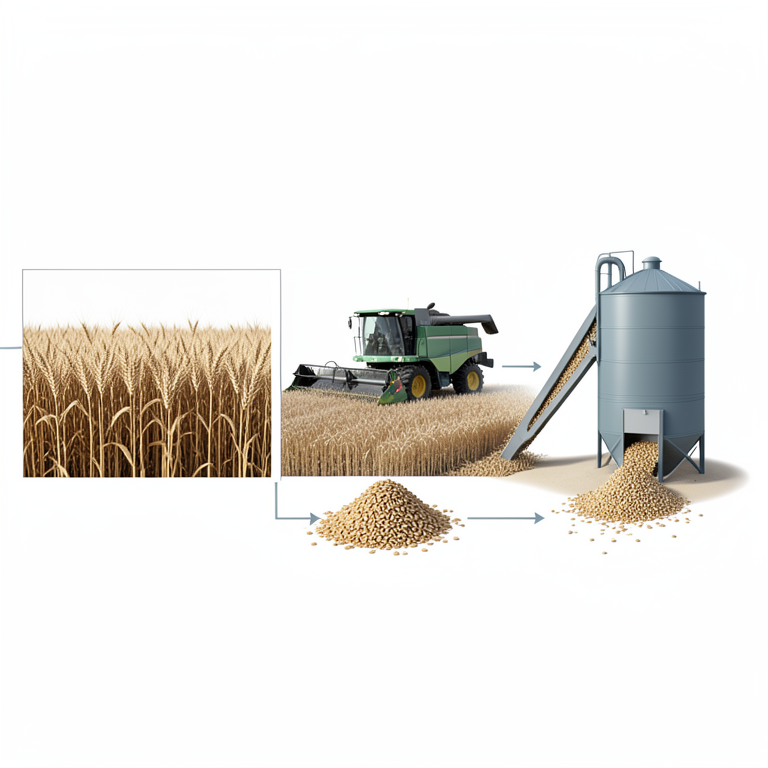
Grain Loss Distribution
AI-generated conceptual illustration (wheat grains and harvesting machinery). It explains the idea and does not show study data.
View source evidence ↗Figures & tables
From the original paper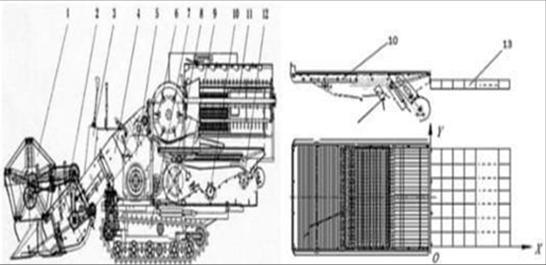 Figure 1
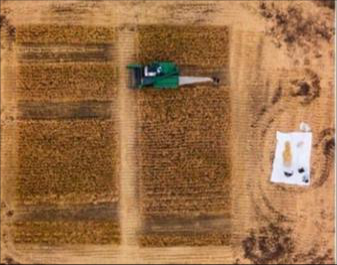 Figure 1
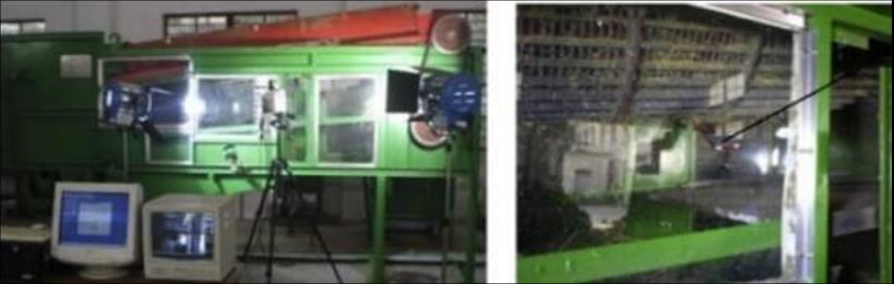 Figure 2
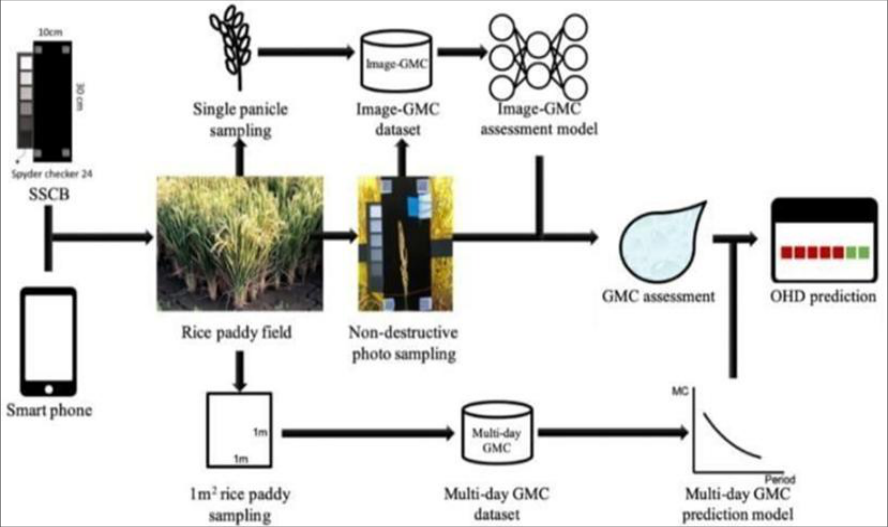 Figure 3
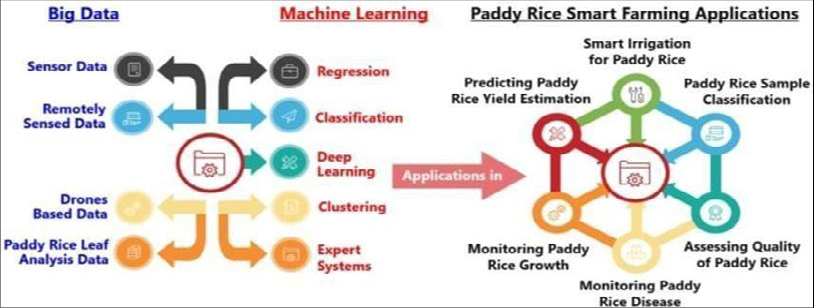 Figure 4
 Figure 5
 Figure 5
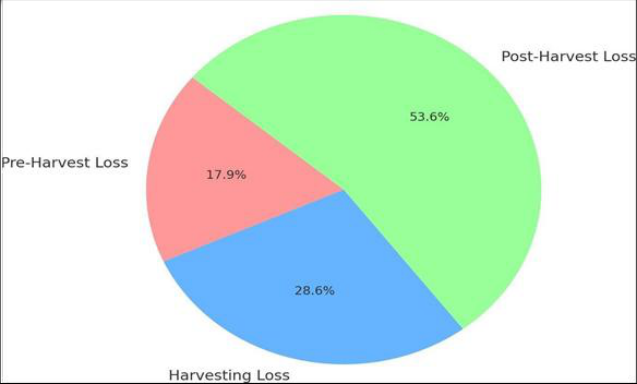 Figure 6
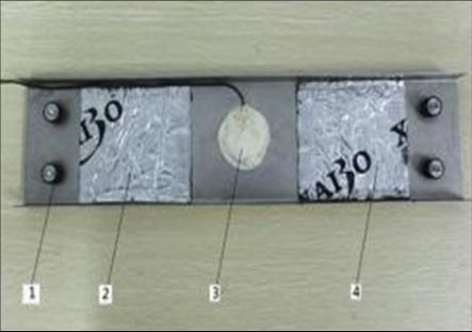 Figure 7
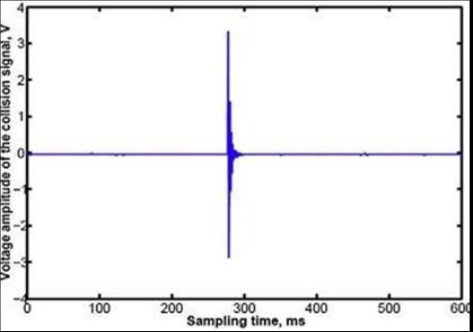 Figure 7
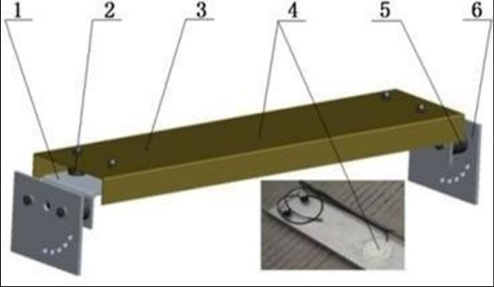 Figure 8
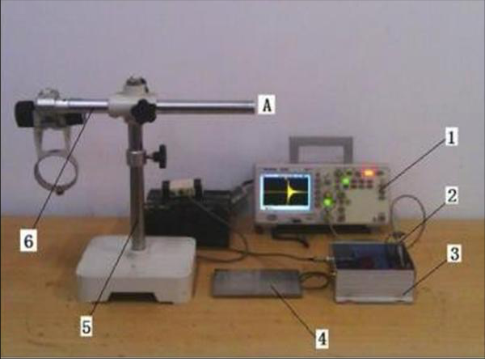 Figure 9
 Figure 10
 Figure 11
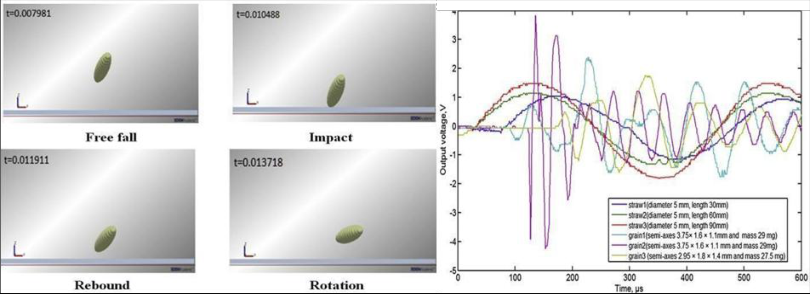 Figure 12
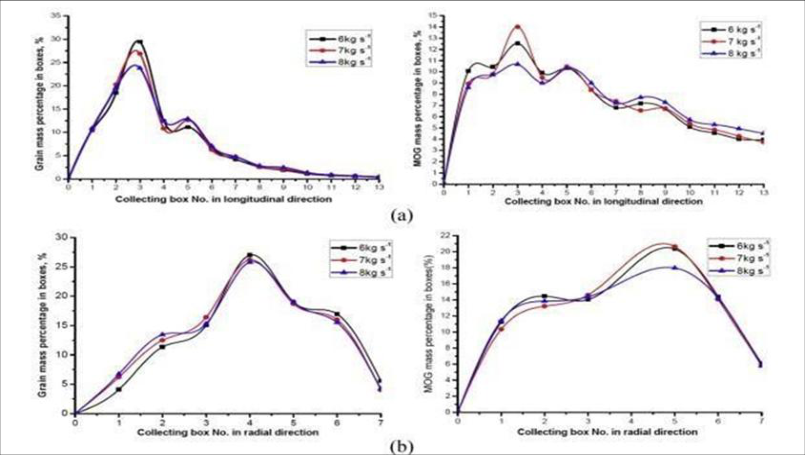 Figure 13
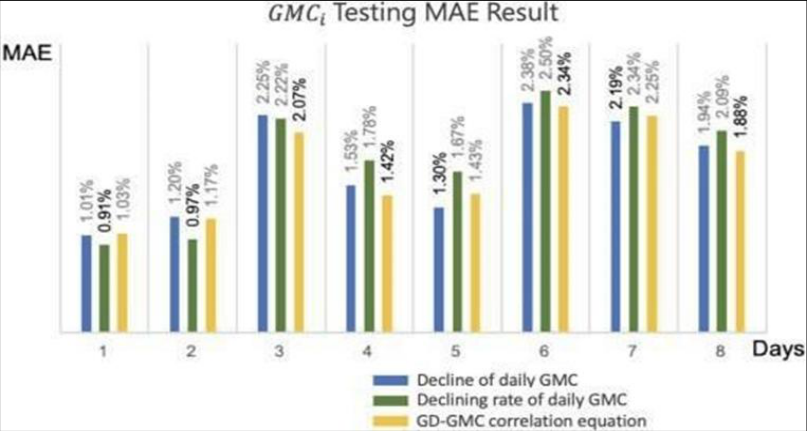 Figure 14
Introduction
Agriculture plays a crucial role in global food security, and the efficiency of grain production significantly impacts both economic stability and sustainability (Blanco, 2016) [4] . However, one of the persistent challenges faced by the agricultural sector is grain loss, which occurs at various stages of harvesting, threshing, transportation, and storage. Grain loss not only affects farmers' profitability but also contributes to food scarcity and increased production costs. In traditional farming practices, losses were often estimated through manual methods, which were time-consuming, prone to errors, and lacked precision. The emergence of advanced grain loss sensing technologies has revolutionized this domain, offering real-time monitoring, automation, and improved accuracy in minimizing grain loss (Yang, 2012) [28] . Grain loss can be categorized into pre-harvest, harvest, and post-harvest losses, each of which contributes to a significant reduction in overall yield. (Craessaerts, 2010) [6] . Preharvest losses may result from pests, diseases, or adverse weather conditions, while harvest and post-harvest losses often straw from mechanical inefficiencies i.e. over loading of the machinery, improper cleaning of the blades, moisture content of the grain, improper handling, or inadequate storage facilities (Zhenwei, 2016) [30] . Traditional methods of estimating grain loss involved manual sampling and visual inspection, which were both labor-intensive and unreliable. This created a pressing need for automated and intelligent grain loss detection systems that could provide real-time insights and corrective measures. The integration of sensor-based monitoring, data analytics, and machine learning has proven to be a good invention in this field (Spokas, 2016) [26] . Recent technological advancements have enabled the development of highly efficient grain loss detection mechanisms. Various types of sensors, including optical, acoustic, capacitance, and IoT based smart sensors, have been introduced to enhance accuracy and precision in detecting grain loss. AI algorithms analyze sensor data, predict loss patterns, and suggest automated corrective measures. Machine learning models use historical data to improve decision-making, reducing human intervention while maximizing productivity (Zhang, 2007) [7] , AI-driven predictive maintenance ensures that harvesting equipment operates at optimal efficiency, minimizing grain loss due to mechanical failures. Despite the significant progress in grain loss sensing technologies, several challenges remain. The high initial investment required for installing and maintaining advanced sensing systems can be prohibitive for small-scale farmers.
Fig 4:
Data analysis of grain loss in field (Carter, 2010) [5] The operation of AI-integrated sensors and IoT-based systems requires skilled labor and adequate training. Large volumes of data generated by smart sensors need advanced processing systems and efficient storage solutions. External factors such as dust, humidity, and temperature fluctuations can affect sensor accuracy. The future of grain loss sensing technologies is promising, with ongoing research focusing on enhanced automation, real-time analytics, and AI-driven precision farming. The development of cost-effective and scalable solutions will make these technologies more accessible to farmers worldwide. The integration of blockchain technology could further enhance transparency in grain monitoring and supply chain management. Additionally, satellite-based remote sensing and UAV (Unmanned Aerial Vehicle) monitoring hold potential for improving grain loss detection at a larger scale. In conclusion, the adoption of advanced grain loss sensing is essential for optimizing yield, improving resource efficiency, and ensuring global food security (Laamrani, 2018) [19] . Continued research and technological advancements will pave the way for a more sustainable and efficient agricultural ecosystem. The widespread implementation of these innovative solutions will ultimately enhance grain recovery, reduce waste, and increase profitability for farmers and stakeholders in the agricultural industry.
Grain Loss Detection
Grain loss in agricultural production is a critical issue affecting global food security and economic stability. In a combined harvester, grain loss occurs at various stages, including pre-harvest, harvesting, and post-harvest handling.
Harvesting Stage
The harvesting process is one of the most crucial phases where significant grain loss occurs due to improper harvester settings, mechanical failures, and operator errors. In a combined harvester, losses primarily happen due to threshing inefficiencies, separation failures, and uncollected grains falling to the ground. Factors such as improper cutter bar height, incorrect drum speed, and misaligned concave settings can contribute to excessive losses. Additionally, over-threshing can lead to grain breakage, reducing market quality, while under-threshing results in unthreshed grains being discarded along with crop residues. Studies suggest that harvesting-related losses account for 3% to 8% of total grain production.
Post-Harvest Handling Stage
Once grains are harvested, they undergo multiple handling processes, including transportation, drying, storage, and processing. Each step introduces risks of additional losses due to inefficient handling techniques, poor storage conditions, and biological degradation. Inadequate drying can lead to fungal contamination and mycotoxin production, affecting both yield and food safety. Improper storage conditions result in losses due to insect infestations, rodent attacks, and mold growth. Mishandling during transportation and inefficient processing methods also contribute to further reductions in usable grain. Research suggests that postharvest losses can range between 5% to 15%, with developing nations experiencing even higher losses due to inadequate infrastructure (Nath, 2017) [22] . Addressing these losses through advanced sensing technologies, improved harvesting machinery, and better storage solutions is essential to ensure efficient grain utilization as shown in Fig. 6. Implementing real-time grain loss detection systems in combined harvesters can help minimize losses by providing instant feedback to operators, allowing for immediate adjustments in machine settings. Additionally, adopting better drying, storage, and transportation methods can significantly reduce post-harvest losses, improving both farmer profits and overall food security (Adisa, 2016) [1] .
Optical Sensors for Grain Loss Monitoring
Traditionally, grain loss assessment has relied on manual techniques such as hand sampling, visual inspection, and estimation based on collected residues in the field. These conventional methods are labor-intensive, time-consuming, and susceptible to human error. Additionally, environmental variability and differences in harvesting machinery performance further complicate accurate assessment. A major limitation of traditional techniques is the lack of realtime feedback, which prevents farmers from making immediate adjustments to their harvesting processes, thereby exacerbating losses. To overcome these challenges, modern agricultural technology has introduced various sensor-based approaches that significantly enhance grain loss detection accuracy. Optical sensors utilize light-based detection to analyze the amount of grain passing through harvesting equipment and detect loss patterns (Krishna et al., 2024) [16] . Acoustic sensors detect sound variations caused by grain impact, helping to optimize the harvesting process (Cheng, 2022) [8] . Capacitance sensors differentiate between collected and lost grains by measuring their dielectric properties, providing real-time assessment. Furthermore, IoT-based sensors integrate with smart farming systems to continuously monitor and transmit grain loss data to cloud-based platforms for comprehensive analysis, enabling more efficient decision-making in grain handling (Elgendy, 2022) [11] .
Since there is always an initial force acting on the contact area in the impact process, and grain moves along the instrumented plate, analyzing the impact process as a vibration system is more reasonable. This approach transforms the impact problem into solving a vibration system response with a given initial velocity input.
According to the Passion-Kirchhoff flat-plate theory, the natural frequencies and vibration modes of an instrumented plate primarily depend on its thickness, length, and width. Therefore, selecting the optimal geometry of the instrumented plate is a key design process to enhance the sensor's performance. Research indicates that low orders of vibration have a more significant effect on the dynamic performance of the structure. A higher first-order natural frequency allows the system to reach a steady-state faster, while greater vibration displacement leads to more deformation of the piezoelectric element, thus generating a higher amount of electric charge and increasing sensor sensitivity. To determine the first-order natural frequency and relative deformation rate under various structures, modal analysis is often conducted using advanced simulation tools like SolidWorks (Nakra, 1998) [21] . g provide valuable insights into optimizing sensor configurations for better grain loss assessment in real-world harvesting conditions (Lenaerts, 2012) [20] . By integrating traditional and modern methods, the accuracy and efficiency of grain loss assessment can be significantly improved. The adoption of advanced sensor technologies and vibration analysis techniques not only enhances grain recovery but also contributes to sustainable agricultural practices by minimizing waste and improving overall productivity (Qiao, 1992) [23] . Studies on characteristics of material mechanics of rice grains. Further research and development in this area will be instrumental in refining these technologies for widespread implementation in modern farming systems. [19] .
IoT-enabled sensors allow real-time monitoring, integrating with data analytics platforms for improved decision-making. These technologies offer more precise and timely data than traditional manual methods, ensuring better loss management and improved yield optimization.
Integration of AI, IoT and Machine learning in grain loss prevention
The combination of AI, IoT, and ML has revolutionized grain loss detection. AI-powered algorithms analyze large datasets collected from sensors to identify loss patterns and predict potential issues before they occur. IoT-enabled devices connect different components of harvesting machinery, allowing farmers to access real-time data through mobile applications or cloud-based platforms. Machine learning models continuously improve detection accuracy by learning from previous data, enabling automatic adjustments in harvesting machinery to minimize grain loss (Tripathi, 2023) [27] . This integration significantly enhances the efficiency of grain loss monitoring and provides actionable insights to farmers (Rehman, 2019) [24] .
Future trends and innovations in grain loss detection
The future of grain loss sensing lies in further advancements in AI, remote sensing, and automation. Emerging technologies such as drone-based monitoring, satellite imaging, and robotic harvesting systems are expected to revolutionize grain loss detection (Alizadeh, 2013) [2] . AIdriven predictive maintenance will enable machinery to self-adjust based on real-time loss data, reducing waste and increasing operational efficiency. Blockchain technology may also play a role in enhancing traceability and accountability in grain production and storage. As research in this field progresses, innovative solutions will continue to enhance grain loss detection and prevention.
Challenges in implementing advanced grain loss sensing
There are several challenges hinder its widespread adoption. The high initial cost of acquiring and installing sensor-based systems is a major barrier for small-scale farmers (Carter, 2010) [5] . Additionally, technical expertise is required to operate and maintain these advanced systems, which may not be readily available in rural agricultural settings. Environmental factors such as dust, humidity, and temperature variations can also affect sensor performance, reducing accuracy and reliability (Tripathi, 2023) [27] . Addressing these challenges through cost-effective solutions and farmer training programs will be essential for the successful implementation of these technologies. [2] Fig 14 : Testing of the moisture content (Missotten, 2020) [10] 8. Conclusion Advanced grain loss sensing technologies have transformed the way farmers detect and mitigate grain losses. The integration of optical, acoustic, and IoT-based sensors, combined with AI and machine learning, has improved accuracy and real-time monitoring. However, challenges such as high costs and environmental limitations must be addressed to ensure wider adoption. Future advancements in remote sensing, automation, and AI-driven analytics will further enhance the efficiency of grain loss detection systems. Encouraging research, investment, and training in these technologies will help maximize agricultural productivity while reducing food waste, ultimately contributing to global food security.
Figures and tables from the paper
References
28 in the original paper- Adisa AF, Ndirika VO, Yiljep YD, Mohammed US. Determination of optimum critical operating parameters of stripping rice harvester in a rural area. In: Proceedings of the CIGR-AgEng Conference, Aarhus, Denmark, 2016, p. 1-10.
- Alizadeh MR, Allameh A. Evaluating rice losses in various harvesting practices. Int Res J Appl Basic Sci. 2013;4(4):894-901.
- Alizadeh MR, Allameh A. Evaluating rice losses in various harvesting practices. Int. Res J Appl Basic Sci. 2021;4(4):894-901.
- Blanco Y, Durañona H, Acosta R. Efecto de la temperatura y la humedad en la conservación de granos de maíz en silos metálicos refrigerados. Cultiv Trop. 2016;37:105-114.
- Carter B, Mancini R. Op amps for everyone. Newnes, 2010.
- Craessaerts G, De Baerdemaeker J, Missotten B, Saeys W. Fuzzy control of the cleaning process on a combine harvester. Biosystems Eng. 2010;106(2):103-111.
- Chakma A, Vizena B, Cao T, Lin J, Zhang J. Imagebased air quality analysis using deep convolutional neural network. In: 2017 IEEE International Conference on Image Processing (ICIP), Beijing, China, 2017 Sept 17-20, p. 3949-3952.
- Cheng Q, Varshney PK, Arora MK. Logistic regression for feature selection and soft classification of remote sensing data. IEEE Geosci Remote Sens Lett. 2006;3:491-494.
- Cho B-K. Remote Sensing in Field Crop Monitoring: A Comprehensive Review of Sensor Systems, Data Analyses and Recent Advances. Remote Sens. 2023;15:354.
- Elgendy N, Elragal A, Päivärinta T. DECAS: A modern data-driven decision theory for big data and analytics. J Decis Syst. 2022;31:337-373.
- Hong MC, Song S. Studies on the quality of embedded rice: Effect of grain characters, harvesting time and moisture content on the quality. Symp Rice Grain Qual. 1988;13:249-258.
- Intaravanne Y, Sumriddetchkajorn S. BaiKhao (rice leaf) app: A mobile device-based application in analyzing the color level of the rice leaf for nitrogen estimation. In: Proceedings of SPIE, 2012, Vol. 8558.
- Jalal Al-Sammarraie MA, Alhadithi SA. Determination of grain losses on combine harvester. J Sci Eng Res. 2021;8(1):196-202.
- Ramappa KT. Estimation of rice losses while harvesting the crop by manual method and by using propeller type small combine harvester. Int J Curr Microbiol Appl Sci. 2019;8(8):952-963.
- Krishna VS, Jain SK, Panwar NL, Sunil J, Wadhawan N, Kumar A. Emergence of Internet of Things technology in food and agricultural sector: A review. J Food Process Eng. 2024 Aug;47(8):e14698. DOI: 10.1111/jfpe.14698.
- Krishna VS, Mathew G. Development of a solar copra dryer incorporated with evacuated tubes. Int J Curr Microbiol Appl Sci. 2018 Jun;7(6):2457-2465. DOI:10.20546/ijcmas.2018.706.292.
- Krishna VS, Sagili JL, Dikkala PK, Sridhar K. Functional, thermal, pasting, and rheological properties of gluten-free maize composite flour: Effect of moth bean flour and hydrocolloid addition. J Food Process Preserv. 2021 Oct;45(10):e16104. DOI: 10.1111/jfpp.16104.
- Laamrani A, Lara PR, Berg AA, Branson D, Joosse P. Using a mobile device "App" and proximal remote sensing technologies to assess soil cover fractions on agricultural fields. Sensors. 2018;18:708.
- Lenaerts B, Missotten B, Baerdemaeker JD, Saeys W. LiDaR sensing to monitor straw output quality of a combine harvester. Comput Electron Agric. 2012;85:40-44.
- Nakra BC. Vibration control in machines and structures using viscoelastic damping. J Sound Vib. 1998;211(3):449-466.
- Qiao ZX. Studies on characteristics of material mechanics of rice grains. Acta Agric Univ Jiangxiensis. 1992;14:1-9.
- Rehman TU, Mahmud M, Chang YK, Jin J, Shin J. Current and future applications of statistical machine learning algorithms for agricultural machine vision systems. Comput Electron Agric. 2019;156:585-605.
- Sarkar TK, Kang YS. Artificial neural network-based model for predicting moisture content in rice using UAV remote sensing data. Korean J Remote Sens. 2018;34:611-624.
- Spokas L, Adamčuk V, Bulgakov V, Nozdrovický L. The experimental research of combine harvesters. Res Agr Eng. 2016;62:106-112.
- Tripathi AK. Multi-objective optimization of a hybrid electricity generation system based on waste energy of internal combustion engine and solar system for sustainable environment. Chemosphere. 2023 Sep;336:139222.
- Krishna VS, Pavani J. Development of a direct type solar dryer for preparation of mango leather. Int J Agric Food Sci. 2025;7(5):173-178. DOI: 10.33545/2664844X.2025.v7.i5c.393
- Yang L, Zheng Y, Jiang Z, Ren Z. Improvement of the capacitive grain moisture sensor. In: IFIP Advances in Information and Communication Technology; Springer: Berlin/Heidelberg, Germany, 2012, p. 300-307.
- Zhenwei Liang, Yaoming Li, Lizhang Xu, Zhan Zhao. Sensor for monitoring rice grain sieve losses in combine harvesters. IAgrE, 2016.
Cited by 1
From OpenAlex, OpenCitations and reference lists read by Scinovex
- Hybrid Intelligence for Fouling Prediction and Adaptive Clean‐in‐Place Optimization in Food Processing Heat Exchangers: A Systematic Review ↗
Bogala Madhu, S. Sunil Kumar Reddy, C. Sreedhar, Mada Sai Srinivas, M. Vinayak · Journal of Food Science · 2026
Fouling remains one of the principal challenges limiting the thermal efficiency, hygienic performance, and sustainability of food processing heat exchangers. The accumulation of protein, mineral, biofilm, and particulate deposits increases thermal resistance, energy consumption, production losses, and the frequency of cleaning-in-place (CIP) operations, thereby affecting process economics and food safety. This systematic review critically evaluates advances in hybrid intelligence for…
❝ 0PDF