
Research article · 2025 · Full text
International Journal of Agriculture and Food ScienceProximate composition of millet-based extruded products for healthier snacking
Volume 7(5) · Pages 124–128 · DOI: 10.33545/2664844x.2025.v7.i5b.387 ↗
Research areasFood composition and properties
Abstract
Author-writtenThis study aimed to evaluate the proximate composition of extruded product prepared using a formulation containing pearl millet (50%), sorghum (10%), rice (30%), and corn (10%). The formulation was optimized through extrusion technology to enhance its nutritional and functional properties. The extruded product was analyzed for moisture, crude protein, crude fat, crude fiber, ash, carbohydrate content, and energy value. The results indicated that the extruded product had an optimal macronutrient profile, with increased protein (10.42%) and fiber (4.70%) content compared to conventional snacks. The moisture content (2.26%) was within acceptable limits for extended shelf life, while the fat content (1.83%) remained moderate to ensure product palatability. Carbohydrate content (78.53%) and ash content (2.26%) contributed to its overall nutritional profile, providing an energy value of 372.20 kcal per 100g. Sensory evaluation confirmed high consumer acceptability, indicating a balance between nutrition and taste. These findings suggest that the millet-based extruded product can serve as a healthier alternative to commercial snacks while addressing dietary fiber and protein intake requirements. Further research can explore fortification with micronutrients and long-term storage stability to enhance commercial viability.
Summary
Source-checkedPlain-language reading of the full paper, prepared with AI and checked against the text. Each point links to the authors' own words.
Why it matters
- Millets like pearl millet and sorghum are valuable because they are climate-resilient and rich in minerals, fiber, and protein. View evidence ↗
- Despite their nutrition, millets are not widely consumed directly because of their coarse texture and a lack of convenient ready-to-eat options. View evidence ↗
- Extrusion technology is a high-temperature, short-time process used to improve the digestibility, shelf stability, and sensory appeal of food ingredients. View evidence ↗
The question
- The study aimed to analyze the nutritional (proximate) composition of an extruded snack made from a blend of pearl millet, sorghum, rice, and corn. View evidence ↗
What they did
- The researchers developed five formulations (A1-A5), with the A5 formulation consisting of 50% pearl millet, 10% sorghum, 10% corn, and 30% rice. View evidence ↗
- A twin-screw extruder was used to process the mixtures at a barrel temperature of 100°C. View evidence ↗
- A panel of 10 members evaluated the products' color, appearance, aroma, texture, taste, and overall acceptability using a nine-point hedonic scale. View evidence ↗
- The nutritional quality of the best-rated product was analyzed using standard AOAC (2012) methods for moisture, protein, fat, fiber, ash, and carbohydrates. View evidence ↗
What they found
- Formulation A5 was identified as the best product based on the highest overall sensory acceptability score. View evidence ↗
- The A5 product contained 10.42% protein and 4.70% fiber, which is significantly higher than conventional snacks (~6.5% protein and ~1.2% fiber). View evidence ↗
- The A5 product had a much lower fat content (1.83%) compared to conventional snacks (~32.0%). View evidence ↗
- The moisture content of the A5 product was 2.26%, which the authors state indicates good shelf stability. View evidence ↗
- The A5 product had a carbohydrate content of 78.53%, compared to ~55.0% in conventional snacks. View evidence ↗
What it means
- The authors conclude that the A5 formulation is a nutritionally superior alternative to commercial snacks due to its high protein and fiber and low fat content. View evidence ↗
- The authors suggest that future work should investigate long-term storage stability and the addition of micronutrients to improve commercial viability. View evidence ↗
Visual summary
1 visualsIllustrations explain the paper; they do not show study data.
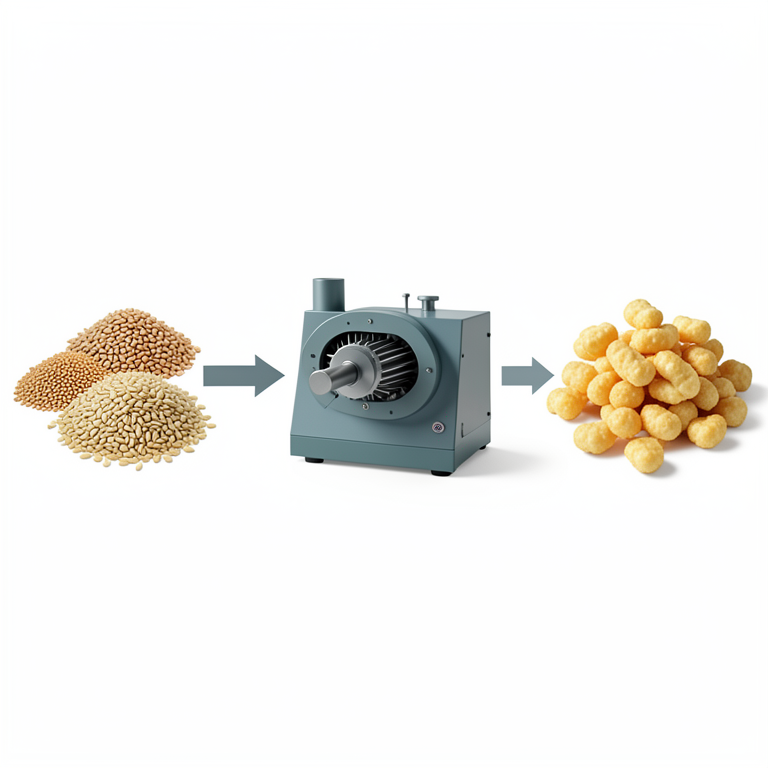
Production Process Flow
AI-generated conceptual illustration (pearl millet, sorghum, rice, and corn grains, a twin-screw extruder machine, and extruded snacks). It explains the idea and does not show study data.
View source evidence ↗Figures & tables
From the original paper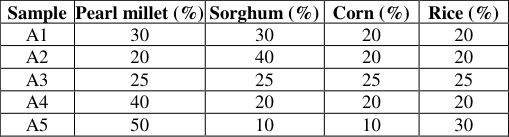 Table 1
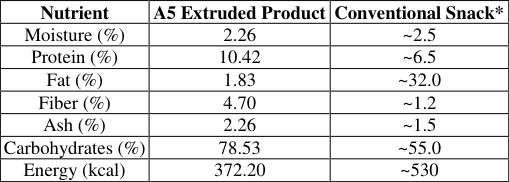 Table 2
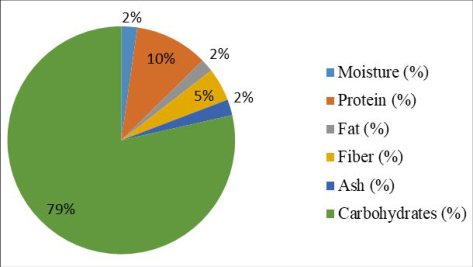 Figure 1
Introduction
The growing demand for nutritious and convenient food products has led to an increased focus on millet-based extruded products. Millets, including pearl millet (Pennisetum glaucum) and sorghum (Sorghum bicolor), are nutrient-dense, climate-resilient cereals widely recognized for their high protein, fiber, and mineral content (Srivastava et al., 2020) [11] . However, their direct consumption remains limited due to coarse texture, limited consumer awareness, and lack of ready-to-eat (RTE) food options (Surekha & Chimmad, 2012) [13] . To enhance their utilization and improve sensory properties, extrusion technology (Stojceska et al., 2010) [12] has emerged as a promising food processing method. Extrusion cooking is a high-temperature, short-time (HTST) process that modifies the physical, chemical, and functional properties of food ingredients, making them more digestible while improving shelf stability (Suri et al., 2022) [14] . It is extensively used for producing RTE snacks, breakfast cereals, and functional foods. Incorporating millets into extruded snack formulations presents an opportunity to improve dietary fiber intake, protein content, and micronutrient availability, while offering a healthier alternative to conventional grain-based snacks. The process also enhances product expansion, texture, and sensory appeal, making it suitable for large-scale commercialization. Proximate composition analysis plays a crucial role in assessing the nutritional quality and market potential of extruded food products. Key parameters such as moisture, protein, fat, fiber, ash, and carbohydrate content provide essential insights into the dietary benefits and acceptability of these products. Moisture content affects shelf stability, while protein, fat, and fiber content contribute to nutritional density and functionality (Thakur, 2020) [16] . Understanding these compositional attributes is essential for developing healthier, nutrientrich extruded products that align with consumer preferences and regulatory standards. This study aims to evaluate the proximate composition of a millet-based extruded product prepared using a formulation of pearl millet, sorghum, rice, and corn.
The findings will contribute to the development of nutritionally superior, ready-to-eat extruded snacks, addressing the growing demand for functional and healthpromoting foods. Future research may explore micronutrient fortification and storage stability enhancement to maximize commercial viability.
Materials and Methods
Materials and Methods
Procurement of Raw Materials
The raw materials, including pearl millet (Pennisetum glaucum), sorghum (Sorghum bicolor), rice (Oryza sativa), and corn (Zea mays), were procured in bulk from the local market in Bikaner to ensure uniformity in composition and quality. The grains were cleaned, washed 5 to 7 times with tap water, and shade-dried at 27 ± 3°C for 2 to 3 days until they became brittle. They were then ground into grits using a domestic grain pulverizer (Agrahari & Dunkwal, 2012) [1] .
Development of Extruded Products
The formulation of extruded products was designed using different proportions of pearl millet, sorghum, rice, and corn. The formulations were optimized to achieve enhanced nutritional and sensory properties. Five formulations (A1-A5) were developed, as presented in Table 1.
| Sample | Pearl millet (%) | Sorghum (%) | Corn (%) | Rice (%) |
|---|---|---|---|---|
| A1 | 30 | 30 | 20 | 20 |
| A2 | 20 | 40 | 20 | 20 |
| A3 | 25 | 25 | 25 | 25 |
| A4 | 40 | 20 | 20 | 20 |
| A5 | 50 | 10 | 10 | 30 |
Table text extracted from the original PDF; superscript letters are shown inline. The original table image is below.
View original table image
Extrusion Processing
The extrusion process was carried out using a twin-screw extruder set at an optimized barrel temperature of 100°C.
The feed mixture was conditioned with 0.25% oil and 0.25% water and allowed to rest for 20 min before extrusion. The extrusion process involved three sections: Feeding Section: The pre-mixed ingredients were fed into the extruder. Processing Section: The material was subjected to high temperature and mechanical shear, leading to gelatinization of starch and denaturation of proteins. Expansion & Cutting: The material exited the extruder through a die, where it expanded due to a sudden pressure drop and was cut into pieces at 30 rpm.
The extrudates were collected, cooled, and seasoned with black pepper, black salt, and common salt before being stored in high-density polyethylene (HDPE) pouches.
Sensory Evaluation
The organoleptic evaluation of the developed extruded products was conducted in the food laboratory using a score card evaluation method. Sensory characteristics such as color, appearance, aroma, texture, taste, and overall acceptability were assessed by a panel of 10 selected members (Swaminathan, 1987) [15] .
Selection of Panel Members
Panelists were selected based on the threshold test (Potter, 1987) [6] , considering factors such as experience, knowledgeability, willingness, and sincerity. The panel consisted of faculty members from the CCSc, SKRAU, Bikaner.
Evaluation Method
A nine-point hedonic rating scale was used to assess the acceptability of the samples. Processed samples were served in identical containers with coded labels, and sensory evaluation was conducted in a controlled environment to minimize external influences.
Proximate Composition Analysis
The best products identified based on sensory scores were evaluated for proximate composition to assess their nutritional quality. The analysis was conducted using AOAC (2012) standard methods as follows:
Moisture Content Determination
The moisture content was determined following standard analytical protocols (AOAC, 2012).
Procedure:
A 5 g sample was weighed into a pre-dried petri dish and placed in a hot air oven at 100°C. The sample was dried until a constant weight was achieved. The moisture percentage was then calculated based on the weight loss. sulfate in a precise 1:9 mass ratio. The mixture was ground to a fine powder using a mortar and pestle to ensure uniform distribution. Mixed pH Indicator Solution: Two grams of methyl red powder and 1 gram of bromocresol green dye were dissolved in 1 liter of absolute ethanol. The solution was protected from light by storage in an amber glass bottle with a tight-fitting lid to maintain stability. Boiling regulator: Small glass beads were added to the mixture to prevent bumping and promote even boiling throughout the digestion.
Crude protein: used Micro kjeldahl technique.
Crude protein: used Micro kjeldahl technique.
Reagents
Reagents
Procedure
Digestion: in the Kjeldahl flask, boiling chips and a little amount of the solution (catalyst salt) were added. Next, two grams of the sample were introduced, followed by the careful addition of 20 mL of sulfuric acid while gently swirling the flask. The mixture was digested by boiling it vigorously, before the liquid turned clear and acquired a light color of blue-green, frequent rotation of the flask were done. After cooling, 50 mL of water were added, and the solution was transferred to a volumetric flask to achieve a total volume of 100 mL. Additional water was then added as needed.
Distillation: A one hundred fifty mili litre conical flask was prepared by adding ten milliliter of boric acid solution along with 2 to 3 drops of a mixed indicator. The flask was attached to the condenser. A two mili litre aliquot was added to the flask of distillation, followed by a water rinse. After adding 10 mL of NaOH and sealing the inlet, distillation commenced. The distillate was titrated with 0.1N HCl, and the volume used was recorded. Similarly, a blank sample was also processed using the same procedure. The crude protein content was calculated by multiplying the total nitrogen percentage by a conversion factor of 6.25.
Crude fat: Soxhlet technique was applied to calculate crude fat (AOAC, 2012).
Reagents: Petroleum ether (boiling range 40-60°C)
Procedure
Five grams of the sample were placed into an extraction thimble, which was then set in the extraction unit along with a pre-weighed flask containing hundred mili litre of petroleum ether. The setup was connected to a reflux condenser, and the extraction was carried out under reflux for 5 to 6 hours. After the extraction period, removal of thimble was done, until a constant weight was achieved, it dried in a hot air oven and then cooled in a desiccator to room temperature before being weighed. The reduction in the thimble's weight was used to determine the fat content of the sample.
Crude fibre: The crude fibre content was determined using a standardized analytical procedure (AOAC, 2012).
Reagents
1.25% H 2 SO 4 (W/V) solution 1.25% NaOH (W/V) solution
Procedure
A moisture-and fat-free sample weighing approximately 2 g was transferred to a 1-liter beaker. Two hundred milliliters of 1.25% sulfuric acid were added, and the mixture was placed on a hot plate to reflux for 30 minutes, with the contents shaken every five minutes. After thirty minutes of boiling, from the hot plate the beaker was removed, and muslin fabric was used for suction-filteration of liquid. The residue was washed with hot water until the acid was completely removed. After transferring the residue to a beaker, addition of two hundred mili litre of 1.25% sodium hydroxide solution was done. The mixture underwent reflux for 30 minutes. through muslin fabric, the solution was then vacuum-filtered, and hot water was used to eliminate residual alkali (a preliminary wash with dilute hydrochloric acid ensured complete alkali removal) from the residue. The purified residue was transferred to a pre-weighed crucible, dried at 80°-110°C until constant weight was achieved, and subsequently weighed for analysis. For one hour, muffle furnace at 550°C was used for ignition of the residue, then cooled and weighed again. The weight lost during ignition was recorded as crude fiber content.
( ) ( ) ( )
Ash: used authorized analysis method (AOAC, 2012).
Procedure
Into a crucible, dried sample (two-grams) were weighed and carefully heated to remove all carbonaceous material. After achieving a uniform white ash, the crucible was placed in a muffle furnace at 550°C for six hours to ensure complete ashing. After cooling in a desiccator, the crucible was weighed again. Difference in weight before and after ashing was calculated for ash content.
Carbohydrate
The carbohydrate content of the sample was estimated by the difference method on a dry weight basis, following the procedure outlined by Jain and Mogra (2006) as detailed below:
Energy: used physiological fuel values for protein, fat, and carbohydrates.
Statistical Analysis
The data collected from various aspects of the study were statistically analyzed following the method suggested.
Arithmetic Mean
The mean values were calculated using the following formula:
Standard Deviation
The standard deviation was determined using the following formula:
√ ( )
√ ( )
Results and discussion Sensory Evaluation and Selection of Best Product
All developed extruded products underwent sensory evaluation to assess their color, texture, aroma, taste, and overall acceptability. The evaluation was conducted using a nine-point hedonic scale, where higher scores indicated better consumer preference. Among all formulations, the A5 extruded product received the highest overall acceptability score, making it the best-rated formulation. As a result, A5 was selected for further proximate composition analysis.
Proximate Composition of A5 Extruded Product
Nutritional composition provides an overview of ingredient quality and overall product value. The proximate composition of A5 (fig. 1), the best-rated product, was analyzed for moisture, crude protein, crude fat, ash, crude fiber, carbohydrates, and energy content.
Moisture Content
The moisture content of the A5 extruded product was found to be 2.26g/100g, indicating good shelf stability. A similar study by Saini (2014) [9] reported a moisture content of 2.50% in millet-based extruded vermicelli.
Crude Protein
The crude protein content of the A5 extruded product was determined to be 10.40g/100g, aligning closely with the values reported by Dod (2003) [3] and Kumar (2013) [5] , which were 10.62% and 10.30%, respectively, in milletbased vermicelli and kurkure-type extrudates.
Crude Fat
The crude fat content was 1.83g/100g, which was slightly higher than the 1.17% reported by Saini and Yadav (2018) [8] for extruded products. The variation in fat content may be attributed to differences in formulation and processing techniques.
Ash Content
The ash content of the A5 extruded product was 2.26g/100g, similar to the findings of Godara and Kawatra (2022) [4] , who reported 2.53g/100g in pearl millet-based extruded products.
Crude Fiber
The crude fiber content was 4.70g/100g, comparable to the 4.71% reported by Thakur (2020) [16] in millet-based extruded pasta, indicating a good source of dietary fiber.
Carbohydrates
Carbohydrates play a vital role in providing energy and improving the taste of food products. The carbohydrate content of the A5 extruded product was 78.53g/100g, which aligns with the 78.72% reported by Surekha and Chimmad (2012) [13] in millet-based extruded products.
Energy Value
The energy value of the A5 extruded product was 372.20 kcal/100g, calculated based on its carbohydrate, protein, and fat content. In comparison, Reddy et al. (2011) [7] reported 358 kcal, which was slightly lower than the present findings.
The results confirm that the A5 extruded product is a nutritionally balanced and energy-rich snack, making it a viable alternative to commercial extruded snacks. The high protein and fiber content further enhance its functional properties, making it a healthier snacking option.
Comparison with Commercial Snacks
The developed extruded products were compared with commercially available extruded snacks in terms of proximate composition and sensory attributes. The results showed that the millet-based extruded products had significantly higher fiber and protein content, whereas commercial snacks contained more fat and carbohydrates. This suggests that millet-based products offer a healthier alternative with better nutritional benefits. The results from this study highlight the potential of milletbased extruded products in providing nutritionally balanced and highly acceptable snack options. The combination of pearl millet, sorghum, rice, and corn resulted in a product with enhanced sensory appeal and superior nutrient composition. The findings suggest that these products can be successfully commercialized and further improved through micronutrient fortification and flavor enhancements. Previous studies by Thakur (2020) [16] and Suri et al. (2022) [14] also support the incorporation of millet into extruded snacks to improve their dietary fiber content and protein quality while maintaining consumer acceptability.
Conclusion
The study demonstrated the successful development and evaluation of a millet-based extruded product using a formulation comprising pearl millet, sorghum, rice, and corn. Among the various formulations, A5 was found to be the most acceptable based on sensory evaluation. The proximate analysis revealed that the A5 extruded product contained high levels of protein (10.42%) and dietary fiber (4.70%), along with low fat (1.83%) and moisture content (2.26%), contributing to its improved nutritional profile and extended shelf life.
When compared to conventional extruded snacks, the A5 formulation was significantly superior in terms of nutritional value, particularly due to its lower fat and energy content and higher protein and fiber content. These results suggest that millet-based extruded products have strong potential to serve as healthier alternatives to commercially available snacks. Future research may focus on micronutrient fortification and long-term storage stability to enhance their functional appeal and commercial viability.
Figures and tables from the paper
| Nutrient | A5 Extruded Product | Conventional Snack* |
|---|---|---|
| Moisture (%) | 2.26 | ~2.5 |
| Protein (%) | 10.42 | ~6.5 |
| Fat (%) | 1.83 | ~32.0 |
| Fiber (%) | 4.70 | ~1.2 |
| Ash (%) | 2.26 | ~1.5 |
| Carbohydrates (%) | 78.53 | ~55.0 |
| Energy (kcal) | 372.20 | ~530 |
Table text extracted from the original PDF; superscript letters are shown inline. The original table image is below.
View original table image
References
2 in the original paper- Agrahari K, Dunkwal V. Quality evaluation of developed multigrain flour for weight management [M.Sc. Thesis]. Bikaner: SKRAU; 2012.
- AOAC. Official methods of analysis. 19th ed. Arlington: Association of Official Analytical Chemists; 2012.