
Research article · 2025 · Full text
International Journal of Agriculture and Food ScienceAmazing health benefits of the bioactive compounds in dragon fruit - A comprehensive review
Volume 7(4) · Pages 165–170 · DOI: 10.33545/2664844x.2025.v7.i4c.348 ↗
Research areasChemical synthesis and alkaloidsBotanical Research and ApplicationsPsidium guajava Extracts and Applications
Abstract
Author-writtenRed dragon fruit (Hylocereus polyrhizus) is gaining attention as a nutrient-rich tropical fruit with high antioxidant potential and bioactive compounds such as betacyanins, flavonoids, and polyphenols, offering numerous health benefits including anticancer, antidiabetic, and cardioprotective effects. As global consumption of nutrient-poor soft drinks rises, this review highlights the nutritional importance of incorporating red dragon fruit into the diet to enhance overall health. Research reveals that its bioactive profile varies across developmental stages and parts of the fruit, with the peel often containing higher concentrations of phenolic compounds and flavonoids. Betacyanins demonstrate superior antioxidant activity and pH stability compared to other pigments. Studies report its efficacy in lowering blood glucose and cholesterol levels, improving endothelial function, and protecting pancreatic cells, thus contributing to diabetes and cardiovascular disease management. Furthermore, its application in functional foods, such as fermented milk and cookies, has shown positive impacts on taste, nutritional value, and the inhibition of harmful compounds. The findings suggest that red dragon fruit and its by-products can serve as cost-effective, natural alternatives for improving dietary quality and preventing lifestyle diseases. With expanding cultivation and increasing scientific validation, red dragon fruit emerges as a valuable functional food for future health-oriented nutrition strategies.
Summary
Source-checkedPlain-language reading of the full paper, prepared with AI and checked against the text. Each point links to the authors' own words.
Why it matters
- Rising global consumption of nutrient-poor, high-calorie soft drinks, especially among youth, poses risks to overall and dental health. View evidence ↗
- Red dragon fruit is recognized as a nutrient-dense tropical fruit containing betacyanins, flavonoids, and polyphenols that may provide anticancer, antidiabetic, and cardioprotective benefits. View evidence ↗
The question
- The review aims to synthesize recent research on the composition and health-promoting properties of dragon fruit to determine its role in improving human health and diet quality. View evidence ↗
What they did
- The authors conducted a comprehensive review of recent scientific literature focusing on the bioactive compounds and health effects of dragon fruit. View evidence ↗
What they found
- Red dragon fruit possesses higher antioxidant potential and betacyanin levels than the white variety. View evidence ↗
- Ultrasound-assisted extraction yielded betacyanin concentrations of 27.49 mg/100 mL from the flesh and 22.28 mg/100 mL from the peel. View evidence ↗
- In Australian dragon fruits, the pulp has higher overall phenolic concentrations and antioxidant activity, while the peel is richer in tannins and flavonoids. View evidence ↗
- Red dragon fruit extract (RDFE) cream increased type III collagen by day 7 and led to a greater reduction in wound diameter by day 14 in rats compared to controls. View evidence ↗
- Aqueous extract of red dragon fruit mitigated sodium nitrate-induced kidney toxicity in rats by reducing MDA levels and increasing catalase and glutathione activity. View evidence ↗
- Red dragon fruit juice (RDFJ) treatment in rats exposed to lead significantly lowered oxidative stress (MDA), kidney function markers, and liver enzyme levels. View evidence ↗
- Red dragon fruit (RDF) extract improved cerebellar aging in rats by increasing Purkinje cell numbers and reducing inflammation and cellular damage. View evidence ↗
What it means
- The authors conclude that dragon fruit has significant potential as a functional food, although more research is required to understand its mechanisms and other therapeutic uses. View evidence ↗
- The authors state that further research is necessary to fully explore the underlying mechanisms and additional therapeutic applications of dragon fruit. View evidence ↗
Visual summary
2 visualsIllustrations explain the paper; they do not show study data.
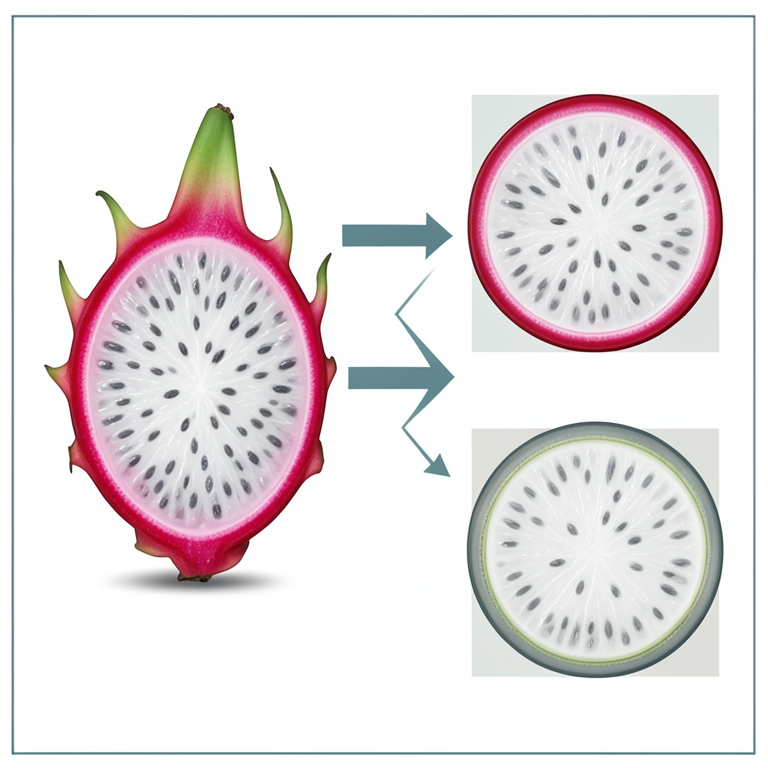
Bioactive Distribution in Dragon Fruit
AI-generated conceptual illustration (red dragon fruit). It explains the idea and does not show study data.
View source evidence ↗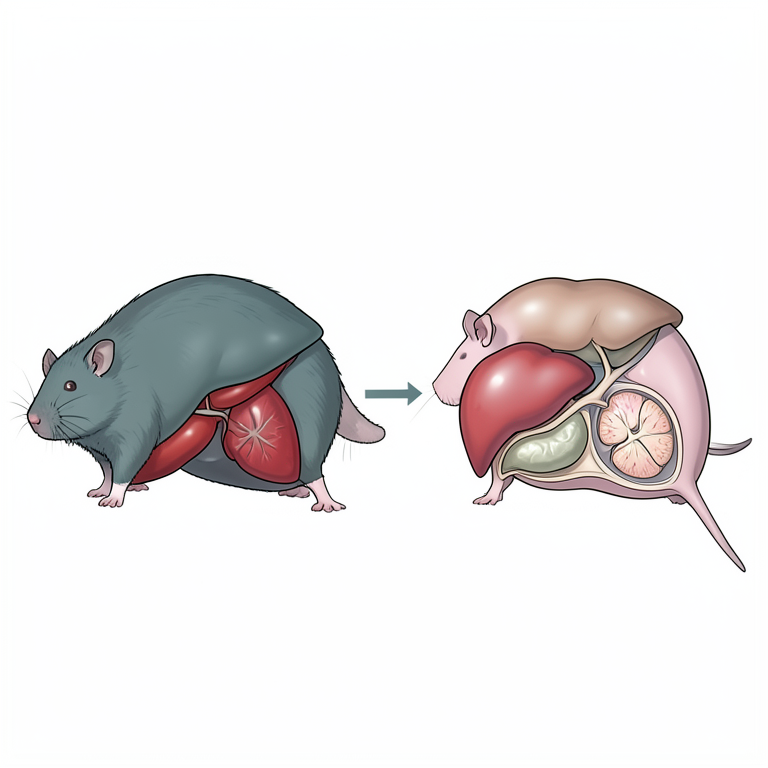
Systemic Health Benefits of Red Dragon Fruit
AI-generated conceptual illustration (Wistar rats). It explains the idea and does not show study data.
View source evidence ↗Introduction
The global consumption of soft drinks has been rising steadily, particularly among children and adolescents. These beverages are typically high in calories but low in essential nutrients such as vitamins, minerals, and bioactive compounds, posing significant risks to dental health and overall health (Tahmassebi & Banihani, 2020) [22] . In contrast, increasing the intake of fresh fruits and vegetables is strongly recommended, as it enhances the consumption of micronutrients, bioactive compounds, carbohydrates, and dietary fiber while reducing fat intake, all without significantly altering overall energy intake (Fulton et al., 2016) [7] . According to American dietary guidelines, fruits and vegetables should comprise half of the plate at each meal to support optimal health (Wallace et al., 2020) [25] . Red dragon fruit (Hylocereus polyrhizus), an exotic tropical fruit, has garnered attention for its rich content of bioactive compounds and remarkable antioxidant potential. Its cultivation is expanding in tropical and subtropical regions worldwide, driven by its high drought tolerance, economic value, and notable health benefits. This paper aims to provide a comprehensive review of the most recent studies on composition, bioactive compounds, and health-promoting properties of dragon fruit, highlighting its potential role in enhancing dietary quality and supporting human health. Arivalagan et al. (2021) [2] conducted a study comparing the composition of red dragon fruit (Hylocereus polyrhizus) and white dragon fruit (Hylocereus undatus). Their findings revealed that the red variety contains higher levels of betacyanins and has greater antioxidant potential compared to the white variety. Additionally, they reported that vitamin C is the most abundant vitamin in both types of dragon fruit. Zitha et al. (2022) [27] studied variation of bioactive compounds in various developmental stages of red dragon fruit (Hylocereus polyrhizus). The study found that the content of betacyanins, [14] have mentioned in their review that dragon fruit contains various phytochemical compounds, primarily including phenols, flavonoids, sterols, fatty acids, and tocopherol. The pulp and peel are rich in numerous bioactive substances such as ascorbic acid, tocopherol, thiamin, niacin, riboflavin, and minerals like calcium, magnesium, potassium, and phosphorus. Additionally, it contains betacyanin, β-carotene, lycopene, p-coumaric acid, protocatechuic acid, vanillic acid, gallic acid, syringic acid, and p-hydroxybenzoic acid. The study revealed that ultrasound-assisted extraction significantly enhanced betacyanin content compared to the conventional method. The highest betacyanin concentrations were recorded at 27.49 mg/100 mL from the flesh after 13.15 minutes of extraction and 22.28 mg/100 mL from the peel, achieved with a peel-to-water ratio of 90.63:9.37 after 12.91 minutes. The antioxidant effects of betacyanins are higher than anthocyanins and ascorbic acid. Betacyanins also exhibit higher pH stability compared to anthocyanins (Lim et al., 2024) [12] .
Bioactive compounds in red dragon fruit
Bioactive compounds in red dragon fruit
Betacyanins
Betacyanins
Polyphenols
Chen et al. (2021) [3] examined the phenolic composition and antioxidant activity of white and red varieties of Australian dragon fruits. The study extracted bioactive compounds separately from the pulp and peel, and quantified total phenolics, flavonoids, and tannins through established assays (including DPPH, FRAP, ABTS, and TAC) to assess antioxidant potential. The results indicated that the pulp exhibited a higher overall concentration of phenolic compounds and greater antioxidant activity. In contrast, the peel was found to be richer in flavonoids and tannins. Advanced characterization using Liquid chromatography electrospray ionization quadrupole time-offlight mass spectrometry (LC-ESI-QTOF-MS/MS) led to the identification of 80 distinct phenolic compounds, which encompassed phenolic acids, flavonoids, lignans, stilbenes, and other polyphenols. Subsequent HPLC-PDA (photodiode array detector) analysis corroborated that the peel contains a higher concentration of these bioactive compounds. In summary, the findings demonstrated that both the pulp and peel of dragon fruit are valuable sources of phenolic compounds, with the peel-often regarded as waste-showing significant promise for applications in the food and pharmaceutical industries.
Flavonoids
Wardiman et al. (2023) [26] examined the effects of red dragon fruit (Hylocereus polyrhizus) peel concentration and incubation time on the total flavonoid content and organoleptic quality of fermented milk. A completely randomized design with two factors was used: peel concentrations (0%, 20%, 40%, 60%) and incubation times (10, 12, 14 hours), each tested in triplicate. The findings showed that higher peel concentrations and longer incubation times increased lactic acid bacteria activity, boosting flavonoid content and improving taste. The optimal conditions were 60% peel concentration and 10 hours of incubation. Further research wass recommended using UVsterilized dragon fruit peel powder to protect flavonoids.
Amazing Health benefits of dragon fruit Antioxidant properties and anticancer effects
Divakaran et al. (2019) [5] synthesized gold nanoparticles (10-20 nm in size) using dragon fruit (DF) extract. The biocompatibility and cytotoxicity of both the DF extract and the nanoparticles were tested on murine fibroblast and breast cancer (MCF-7 and MDA-MB-231) cells using the Alamar Blue assay. The DF extract acted as both a reducing agent and a stabilizing agent for the nanoparticles. The study found that dragon fruit extract inhibited the growth of MCF-7 breast cancer cells. These nanoparticles, due to their small size and stability, can penetrate tumor sites with prolonged retention. However, the dragon fruit extract-capped nanoparticles showed no significant toxicity against MDA-MB-231 breast cancer cells. [28] compared dragon fruits from Thailand and Israel to evaluate their chemopreventive properties. They analyzed water and methanol extracts for key compounds and antioxidant activity, tested the extracts on cancer and normal cells, and assessed anti-inflammatory effects using a macrophage model. They also examined how the fruits' polyphenols bind to human serum albumin (HSA). The study found that Israeli fruits had higher antioxidant activity, as well as greater polyphenol and betacyanin levels, than Thai fruits. Both types effectively targeted colon and prostate cancer cells without harming normal cells, although they did not show significant antiinflammatory effects. Additionally, water extracts exhibited strong HSA binding. These results suggest that dragon fruits could serve as promising chemopreventive dietary components.
Anti-diabetic effects
Saputri & Saraswati, (2021) [18] studied antidiabetic effect of red dragon fruit among 30 type II diabetic patients. The results showed that the blood glucose level decreased from 177.97 mg/dl to 159.50 mg/dl after consumption of dragon fruit. The authors suggested to consume red dragon fruit by diabetic patients as a non-pharmacological therapy. Srywahyuni et al. (2023) [19] conducted a study to compare the antidiabetic properties of soymilk and red dragon fruit. They evaluated the impact of consuming these two foods on fasting blood glucose levels in 54 individuals diagnosed with type 2 diabetes mellitus. The findings indicated that red dragon fruit was more effective than soymilk in lowering blood sugar levels. Sumartin et al. (2024) [20] investigated the antidiabetic properties of methanol extract derived from dragon fruit peel in male Wistar rats with alloxan-induced diabetes. Twenty-five rats were divided into five groups: a control group, a standard treatment group (Metformin), and three groups receiving dragon fruit peel extract at doses of 500, 750, and 1,000 mg/kg body weight for two weeks. The findings revealed a significant reduction in blood glucose levels on both the 7th and 14th days in the extract-treated groups. Histological analysis of the pancreas showed that higher extract doses helped maintain the structure of the pancreatic Langerhans islets. Overall, dragon fruit peel extract demonstrated the ability to lower blood sugar levels and improve pancreatic health, especially at higher doses.
Anti-lipidemic effects and cardiovascular health
Cheok et al. (2022) explored the effects of acute and shortterm dragon fruit consumption on vascular health. The study included 19 healthy young adults of both genders who consumed whole dragon fruit powder daily for 14 days. Key cardiovascular markers such as flow-mediated dilation (FMD), arterial stiffness, and blood pressure (BP) were measured. The results showed that dragon fruit intake improved FMD, enhanced endothelial function, and decreased arterial stiffness. The researchers concluded that regular consumption of dragon fruit may help reduce the risk of cardiovascular diseases, potentially due to its high betalain content.
Maharani & Saktiningsih, (2022) [13] examined the effects of red dragon fruit juice (Hylocereus polyrhizus) on cholesterol levels in women aged 30 to 49. The study included 18 participants of childbearing age, with cholesterol levels measured before and after a 14-day period of red dragon fruit juice consumption. The findings revealed a significant reduction in cholesterol, with the average level decreasing from 237.28 mg/dL to 222.89 mg/dL, representing a 6.1% decline. This reduction was attributed to the juice's high content of antioxidants, triterpenoids, alkaloids, fiber, and unsaturated fatty acids. The researchers noted that tocotrienols lower cholesterol by inhibiting the HMG-CoA reductase enzyme, which is essential for cholesterol synthesis in the liver, thus reducing mevalonate production. Additionally, anthocyanins in the juice were found to inhibit Cholesterol Ester Transfer Protein (CETP) activity, contributing to decreased cholesterol formation.
Hor et al. (2023) [9] studied the effects of Hylocereus polyrhizus fruit extract on hypercholesterolemia and antioxidant activity in rat serum. Their findings revealed that the extract notably decreased total cholesterol (TC) and low-density lipoprotein cholesterol (LDL-C) levels in rats with diet-induced hypercholesterolemia. Additionally, the fruit extract demonstrated strong antioxidant properties. Chumroenvidhayakul, (2023) [4] explored the potential health benefits of adding dragon fruit (Hylocereus undatus)
peel powder (DFP) to cookie dough. DFP was incorporated at concentrations of 1%, 2%, and 5% (w/w). The findings revealed that DFP significantly increased the cookies' total phenolic content, betacyanin levels, and antioxidant activity. It also reduced the formation of heat-induced toxic compounds, such as malondialdehyde (a lipid peroxidation marker) and dietary advanced glycation end products (dAGEs). Moreover, DFP addition decreased starch digestibility, the hydrolysis index, and the predicted glycemic index, likely due to higher levels of resistant starch. Although DFP affected the cookies' physical properties, concentrations up to 2% did not compromise their overall acceptability. The reduction in methylglyoxal (MGO) and dAGEs was attributed to DFP's natural bioactive compounds, including phenolics, betacyanins, and pectin.
Wound healing properties
After tooth extraction, proper wound care is essential to prevent complications like pain, bleeding, inflammation, and infection. Juliastuti et al. (2020) [11] assessed the cytotoxicity of dragon fruit rind extract on fibroblast cells (BHK-21) using the MTT assay. Fibroblast cultures were treated with extract concentrations ranging from 10% to 100%. Results showed that higher extract concentrations reduced cell survival, with 30% being the optimal concentration, maintaining about 60% of surviving cells. Toxic effects were observed at concentrations above 60%. Tahir et al. (2020) [21] investigated the wound-healing potential of red dragon fruit extract (RDFE) cream by examining its effects on type III collagen and epidermal growth factor (EGF) levels. The study involved 72 male Albino Wistar rats, randomly divided into three groups: a positive control group treated with 2 mg of 10% povidoneiodine cream, a negative control group given 2 mg of base cream, and an RDFE group treated with 2 mg of RDFE cream. Wounds were created using an 8 mm diameter biopsy punch. The results showed that RDFE cream significantly influenced type III collagen production by day 7. By day 14, the RDFE group exhibited a greater reduction in wound diameter compared to the control groups. This effect was attributed to quercetin in the RDFE cream, which promotes wound closure by enhancing angiogenesis and stimulating the proliferation of epithelial cells and fibroblasts. Additionally, the flavonoid content in RDFE cream contributed to increased type III collagen production. However, RDFE treatment did not lead to a rise in EGF levels. The study recommended further research using higher concentrations of RDFE to determine the optimal dose for effective wound healing.
Hepato protective effects
Thadeus et al. (2019) [24] examined the impact of red dragon fruit extract on membrane lipid peroxidation and liver damage caused by hyperlipidemia in a study involving 30 male Wistar rats. The results demonstrated that administering 60 mg of red dragon fruit extract daily showed promising effects in mitigating lipid peroxidation damage to liver cell membranes under hyperlipidemic conditions induced by a high-fat diet. Lim et al. (2024) [12] investigated the antioxidant mechanisms of betacyanins present in Improved-Fermented Red Dragon Fruit Drink (FRDFD-dH2O) using human hepatoma HepG2 cells as an in vitro model for human liver cells in various cellular-based antioxidant assays. The findings demonstrated that betacyanins in Improved-FRDFD-dH2O exhibited significant direct scavenging activity against intracellular reactive oxygen species (ROS), effectively reducing ROS levels from 75.39% to below 31%. Furthermore, the activities of key antioxidant enzymes, including superoxide dismutase, catalase, and glutathione peroxidase, were markedly increased in HepG2 cells. These results suggest that betacyanins exert both direct and indirect antioxidant effects, contributing to their hepatoprotective potential.
Anti-anaemic effects
Widyaningsih et al. (2017) [29] examined the impact of red dragon fruit juice consumption on hemoglobin and erythrocyte levels in pregnant women. The study involved 17 pregnant participants who consumed red dragon fruit juice daily before dinner for 14 days. Their hemoglobin and erythrocyte levels were measured through laboratory tests and compared to a control group of 17 pregnant women.
The results showed a significant increase in both hemoglobin and erythrocyte levels by the seventh day of the intervention. The researchers highlighted that 100 grams of dragon fruit contains around 0.55 mg of iron, which is essential for red blood cell production. This makes dragon fruit juice a beneficial dietary addition for pregnant women to support healthy blood formation and reduce the risk of iron deficiency.
Postpartum mothers are at risk of anemia due to blood loss during childbirth, which can cause complications like infections and reduced breastfeeding. Rahmawati et al.
(2019) [15] the effect of pitaya fruit juice, rich in iron and vitamin C, on 32 anemic postpartum mothers. The results showed that those who consumed pitaya juice had significantly higher hemoglobin, hematocrit, and erythrocyte levels compared to those who didn't. This suggested that pitaya juice can help improve blood health in postpartum mothers.
Anti-inflammatory effects
Nur et al. (2023) [30] investigated the antioxidant, antiinflammatory, antibacterial, and cytotoxic activities of colorants from Hylocereus polyrhizus and Hylocereus undatus. The aqueous extract contained higher levels of phenols and flavonoids, showing superior antioxidant and anti-inflammatory effects compared to ethanolic and ethyl acetate extracts. It also exhibited strong antibacterial activity against S. typhi, S. enteritidis, E. coli O157:H7, and E. faecium. Both aqueous and ethanolic extracts showed low cytotoxicity, indicating their safety as food additives and pharmaceutical ingredients compared to ethyl acetate extracts. Hendra et al. (2020) [8] studied the antioxidant and antifungal properties Red dragon fruit peel extracts. Extracts made with different solvents were tested against Candida albicans at 500 ppm. The ethyl acetate extract showed the best antifungal activity (74.27% inhibition) and contained the highest levels of phenolics (34.38 mg GAE/g) and flavonoids (28.62 mg quercetin/g). Ridwan et al. (2020) [16] [17] evaluated the protective effects of dragon fruit (Hylocereus polyrhizus) extract against kidney damage in rats induced by contrast media toxicity after dehydration and furosemide use. Thirty-six rats were divided into six groups, and kidney tissues and blood were analyzed. Results showed that dragon fruit extract significantly reduced serum urea nitrogen, creatinine, and oxidative stress markers (MDA), while increasing antioxidant levels (GSH) in a dose-dependent manner. Histopathological analysis showed minimal kidney damage and no inflammation. Overall, dragon fruit extract demonstrated strong antioxidant properties, helping protect against renal injury.
Neuroprotective effects
Heavy metals, especially copper, are linked to neurodegeneration and increased free radicals, contributing to aging-related issues. Tamagno et al. (2022) [23] examined the effects of Pitaya (Hylocereus undatus) on copper toxicity in zebrafish. Results showed that Pitaya pulp reduces anxiety, aggression, cortisol levels, and improves antioxidant and cholinergic system functions, suggesting potential benefits for aging-related conditions. Elgazar et al. (2023) [6] examined the neuroprotective effects of red dragon fruit juice (RDFJ) against lead-induced toxicity in rats. The study involved 50 adult male rats, randomly divided into five groups. Group 1 served as the negative control, while groups 2 to 5 were exposed to lead (100 mg/kg body weight) daily for 14 days. Following lead exposure, group 2 remained untreated as the positive control, whereas groups 3, 4, and 5 received RDFJ at concentrations of 10%, 20%, and 30%, respectively. RDFJ was identified as a rich source of phenolics, flavonoids, and anthocyanins. The results showed that RDFJ treatment significantly lowered liver enzyme levels (AST, ALT, ALP), kidney function markers (urea, uric acid, creatinine), and oxidative stress (MDA) compared to the untreated group. Moreover, antioxidant enzymes (CAT, GSH-Px) and neurotransmitters (norepinephrine, dopamine, serotonin) in the brain were notably increased. While lead exposure caused evident brain damage in untreated rats, those treated with RDFJ-especially at the highest concentration-displayed marked recovery. The findings suggest that RDFJ, due to its antioxidant properties, may offer protective benefits against lead-induced neurotoxicity. Ibrahim et al. (2025) [10] investigated the neuroprotective effects of red dragon fruit (RDF) extract on cerebellar aging.
The study involved 32 male albino rats, divided into four groups: Control, RDF, Aged, and RDF-Aged. Rats in the aged group showed cerebellar structural damage, including a significant loss of Purkinje cells, thinning of the granular layer, damaged capillary walls, and impaired myelination. Aging also resulted in elevated levels of inflammatory markers, oxidative stress, and apoptosis-related proteins, along with reduced antioxidant activity. However, treatment with RDF extract significantly improved these conditions by increasing Purkinje cell numbers, enhancing antioxidant levels, and reducing inflammation and cellular damage markers. This research was the first to highlight RDF's protective role against cerebellar aging, attributed to its antioxidant, anti-inflammatory, and anti-apoptotic properties.
Conclusions
This review highlights the significant health benefits of dragon fruit, including its antioxidant, anticancer, antidiabetic, anti-lipidemic, anti-anemic, and antiinflammatory properties. It also plays a vital role in supporting liver, kidney, and cardiovascular health, enhancing wound healing, and providing neuroprotective effects. These benefits are largely attributed to bioactive compounds such as betacyanins, polyphenols, and flavonoids. Notably, studies have shown that aqueous extracts of betacyanin exhibit stronger antioxidant activity compared to ethanolic and ethyl acetate extracts. These findings suggest that dragon fruit holds great potential as a functional food, though further research is needed to fully explore its other therapeutic applications and underlying mechanisms.
Acknowledgement
Acknowledgement:The author thank Kelappaji College of Agricultural Engineering and Food Technology, Tavanur, Malappuram, Agribusiness Incubator, Department of Agricultural Engineering, College of Agriculture, Vellanikkara, and Kerala Agricultural University, Thrissur for the facilities and support provided during the research. Funding:The author thank the Kerala Agricultural University (KAUDOR/662/2023-RES B3 dated 06/02/2024) for funding.
References
29 in the original paper- Abdulshahed RH, Obeid AK, AL-Latif HAA. Assessment of red dragon fruit (Hylocereus polyrhizus) extract effect on the adverse effects of sodium nitrateinduced kidney injury. EurAsian Journal of BioSciences. 2020;14(2).
- Arivalagan M, Karunakaran G, Roy T, Dinsha M, Sindhu B, Shilpashree V, et al. Biochemical and nutritional characterization of dragon fruit (Hylocereus species). Food Chemistry. 2021;353:129426.
- Chen Z, Zhong B, Barrow CJ, Dunshea FR, Suleria HA. Identification of phenolic compounds in Australian grown dragon fruits by LC-ESI-QTOF-MS/MS and determination of their antioxidant potential. Arabian Journal of Chemistry. 2021;14(6):103151.
- Divakaran D, Lakkakula JR, Thakur M, Kumawat MK, Srivastava R. Dragon fruit extract capped gold nanoparticles: Synthesis and their differential cytotoxicity effect on breast cancer cells. Materials Letters. 2019;236:498-502.
- Elgazar AF, Shalaby MA, Ibrahem ES. Potential effectiveness of flesh-red dragon fruit juice in the improvement of consequence injury from lead acetateinduced neurotoxicity in rats. Journal of Pharmaceutical Negative Results. 2023;894-906.
- Fulton SL, McKinley MC, Young IS, Cardwell CR, Woodside JV. The effect of increasing fruit and vegetable consumption on overall diet: A systematic review and meta-analysis. Critical Reviews in Food Science and Nutrition. 2016;56(5):802-816.
- Hendra R, Masdeatresa L, Almurdani M, Abdulah R, Haryani Y. Antifungal activity of red dragon peel (Hylocereus polyrhizus). IOP Conference Series: Earth and Environmental Science. 2020;833(1):012014.
- Hor SY, Tan CS, Zarzou RA, Ahmad M, Asmawi M, Yam MF. Study of anti-hypercholesterolemic and antioxidant activities of Hylocereus polyrhizus fruit extract. IOP Conference Series: Earth and Environmental Science. 2023;2682(1).
- Ibrahim MFG, Ali FF, Ali SFE-S, Shaker ES, Mahmoud HI, Abdellatif FEM, Mokhemer SA. Neuroprotective effect of red dragon fruit extract ameliorates oxidative stress and inflammation in Dgalactose-induced aging rat model: Biochemical, histological and immunohistochemical study. Journal of Molecular Histology. 2025;56(1):51.
- Juliastuti WS, Budi HS, Karimah DA. In vitro cytotoxicity of dragon fruit extract (Hylocereus polyrhizus) on fibroblast cell culture. International Journal of Pharmaceutical Research. 2020;12(4).
- Lim TW, Lim RLH, Pui LP, Tan CP, Ho CW. Studies on the antioxidant mechanisms of betacyanins from improved fermented red dragon fruit (Hylocereus polyrhizus) drink in HepG2 cells. Sustainable Materials and Technologies. 2024;41:e01086.
- Maharani AD, Saktiningsih H. The effect of red dragon fruit (Hylocereus polyrhizus) juice on total cholesterol level in women. BIOLINK (Jurnal Biologi Lingkungan Industri Kesehatan). 2022;9(1):125-32.
- Nishikito DF, Borges ACA, Laurindo LF, Otoboni AMB, Direito R, Goulart RA, et al. Anti-inflammatory, antioxidant, and other health effects of dragon fruit and potential delivery systems for its bioactive compounds. Pharmaceutics. 2023;15(1):159.
- Rahmawati MA, Supriyana S, Djamil M. Potential effect of pitaya fruit juice (Hylocereus polyrhizus) as an anti-anemic agent for postpartum anemia. [Journal Name Needed]. 2019.
- Ridwan RD, Diyatri I, Juliastuti WS, Waskita FA, Ananda GC, Juliana NV. The ability of Hylocereus polyrhizus for Gram-positive bacteria and Candida albicans. Biochem Cell Arch. 2020;20(2):4839-4844.
- Şahin L, Toktay E, Harmankaya A, Kılıçle PA, Yayla M, Gül HF. A new agent in prevention of contrastinduced nephropathy: Dragon fruit (Hylocereus polyrhizus) extract. Journal of Basic and Clinical Health Sciences. 2021;5(3):117-125.
- Saputri BY, Saraswati IW. Red dragon fruit effectiveness on decrease blood glucose levels in patients type II diabetes mellitus in Kepatihan. Jurnal Ilmu Kesehatan. 2021;3(1):169-174.
- Srywahyuni A, Amelia D, Merianti L. Dragon fruit versus soybean: Impact on blood glucose of diabetic patients. Jurnal Keperawatan. 2023;14(2).
- Sumartin SA, Lister INE, Fachrial E. Effectiveness analysis of antidiabetic property from dragon fruit peel methanol extract in alloxan-induced diabetic rats. Biology, Medicine, & Natural Product Chemistry. 2024;13(1):57-62.
- Tahir T, Febrianti N, Wahyuni S, Syam Y. Evaluation of acute wound healing potential of red dragon fruit (Hylocereus polyrhizus) extract cream on type III collagen and epidermal growth factor (EGF) levels: An animal study. Medicina Clínica Práctica. 2020;3:100091.
- Tahmassebi JF, Banihani A. Impact of soft drinks to health and economy: A critical review. European Archives of Paediatric Dentistry. 2020;21:109-117.
- Tamagno WA, Santini W, Alves C, Vanin AP, Pompermaier A, Bilibio D, et al. Neuroprotective and antioxidant effects of pitaya fruit on Cu-induced stress in adult zebrafish. Journal of Food Biochemistry. 2022;46(7):e14147.
- Thadeus MS, Fauziah C, Zulfa F. The effect of red dragon fruit extract (Hylocereus polyrhizus) on membrane lipid peroxidation and liver tissue damage triggered by hyperlipidemia in white rats (Rattus norvegicus). [Journal Name Needed]. 2019;169-177.
- Wallace TC, Bailey RL, Blumberg JB, Burton-Freeman B, Chen CO, Crowe-White KM, et al. Fruits, vegetables, and health: A comprehensive narrative, umbrella review of the science and recommendations for enhanced public policy to improve intake. Critical Reviews in Food Science and Nutrition. 2020;60(13):2174-211.
- Wardiman B, Dianasari U, Malaka R, Maruddin F, Muhlis F, Maryana D. Total flavonoid and organoleptic quality of fermented milk with the addition of red dragon fruit (Hylocereus polyrhizus) peel. IOP Conference Series: Earth and Environmental Science. 2023;2628(1).
- Zitha EZM, Magalhães DS, do Lago RC, Carvalho EEN, Pasqual M, Boas EV de BV. Changes in the bioactive compounds and antioxidant activity in redfleshed dragon fruit during its development. Scientia Horticulturae. 2022;291:110611.
- Pasko P, Barton H, Zagrodzki P, Oboz M, Włodarczyk A, Gawlik M, et al. Comparative study of chemopreventive properties of dragon fruits from Thailand and Israel: Antioxidant activity, polyphenol profile, cytotoxicity, and human serum albumin binding. Journal of Food Science. 2021;86(4):12451256.
- Widyaningsih H. Pengaruh corporate governance terhadap manajemen laba. Nominal: Barometer Riset Akuntansi dan Manajemen. 2017 Oct 29;6(2):91-107.
- Nur M, Asmorojati AW, Megawati M, Zuliyah S, Isdiyanto IY. A comparative assessment of digital platform worker protection in the EU and ASEAN. Legality: Jurnal Ilmiah Hukum. 2023 Nov 6;31(2):367391.
Cited by 1
From OpenAlex, OpenCitations and reference lists read by Scinovex
- Red pitaya peel as encapsulant for hybrid crude palm oil nanoparticles: Characterization and 60-day stability ↗
Rhaissa Coelho Andrade, Camila Duarte Ferreira Ribeiro, Larissa Santos Assunção, Vitória Caroline de Souza Caetano, Luísa Mendes de Carvalho Coelho, Helen Treichel et al. · Food Chemistry · 2026
The red pitaya peel (Hylocereus polyrhizus) is an underutilized agro-industrial by-product rich in functional compounds, while hybrid crude palm oil contains levels of carotenoids and tocopherols but is prone to oxidation. This study developed and characterized hybrid crude palm oil nanoparticles using freeze-dried pitaya peel as an encapsulant. Eight formulations were tested using a 2³ factorial design, and the one…
❝ 0PDF