
Research article · 2025 · Full text
International Journal of Agriculture and NutritionNutritional insights, Antinutritional factors, and value addition of the edible hypocarp of a significant wild fruiting species Semecarpus anacardium L. f
Volume 7(3) · Pages 28–33 · DOI: 10.33545/26646064.2025.v7.i3a.212 ↗
Research areasNatural Antidiabetic Agents StudiesSeed and Plant BiochemistryAfrican Botany and Ecology Studies
Abstract
Author-writtenSemecarpus anacardium L. f., is a nutritionally significant wild edible fruit with great potential for addressing malnutrition and supporting sustainable livelihoods. This study investigates the nutritional composition, antinutritional factors, and value addition of Semecarpus anacardium fruits to enhance their dietary adoption and commercial viability. The fruit is rich in macronutrients, including carbohydrates (38.87 g/100g), proteins (5.63 g/100g), and dietary fiber (3.62 g/100g), as well as essential micronutrients such as potassium, magnesium, iron, and vitamins like vitamin C and B- complex. The antinutritional factors, including tannins, oxalates, phytic acid, saponins, and phenolic compounds, are present in minute amounts within permissible ranges. The development of value-added products such as candies and pickles showcase the fruit's potential for functional food applications. This study supports the achievement of SDG 2 (Zero Hunger), SDG 3 (Good Health and Well-being), and SDG 8 (Decent Work and Economic Growth) by promoting the use of nutrient-rich, value-added products from Semecarpus anacardium. Additionally, it contributes to SDG 12 (Responsible Consumption) and SDG 9 (Industry and Innovation) by advocating for sustainable resource utilization and food innovation. By improving the versatility of Semecarpus anacardium, this research aligns with health-focused and specialty food trends while creating economic opportunities for rural and tribal communities.
Summary
Source-checkedPlain-language reading of the full paper, prepared with AI and checked against the text. Each point links to the authors' own words.
Why it matters
- Wild edible fruits from forest ecosystems are essential for the nutritional health of rural and indigenous populations. View evidence ↗
- Significant economic losses occur in India due to post-harvest fruit losses, estimated at 30-40%. View evidence ↗
- Semecarpus anacardium (Bhilawa) is a promising but underused wild fruit with significant nutritional and pharmacological potential. View evidence ↗
The question
- The study aims to investigate the nutritional composition, antinutritional factors, and the possibility of creating value-added products from Semecarpus anacardium. View evidence ↗
What they did
- Fruits were collected from the Mandla district of Madhya Pradesh, India, between March and April. View evidence ↗
- The analysis focused on the orange hypocarp (false fruit), which was separated from the black nut. View evidence ↗
- Nutritional and antinutritional analyses were conducted using standard FSSAI protocols. View evidence ↗
- Value-added candy was produced by sun-drying ripe fruits and submerging them in sugar. View evidence ↗
- Pickles were developed using unripe fruits that were sun-dried and mixed with mustard oil and roasted spices. View evidence ↗
What they found
- The raw fruit contains 38.87 g/100g of carbohydrates, 5.63 g/100g of proteins, and 3.62 g/100g of dietary fiber. View evidence ↗
- Antinutritional factors were detected, including tannins (94.37 mg/100g), oxalates (16.8 mg/100g), and phytic acid (3.72 mg/100g). View evidence ↗
- The developed Bhilwa candy provides 370.29 kcal/100g, containing 85.07 g of carbohydrates, 4.51 g of protein, and 1.33 g of fat. View evidence ↗
What it means
- The authors conclude that standardizing products like candy and pickles can extend shelf life and create sustainable income for rural and tribal communities. View evidence ↗
- Appropriate processing is recommended to mitigate antinutritional factors and maximize the fruit's health benefits. View evidence ↗
- The authors note that unawareness of the fruit's utility is a limitation preventing its domestication. View evidence ↗
Visual summary
1 visualsIllustrations explain the paper; they do not show study data.
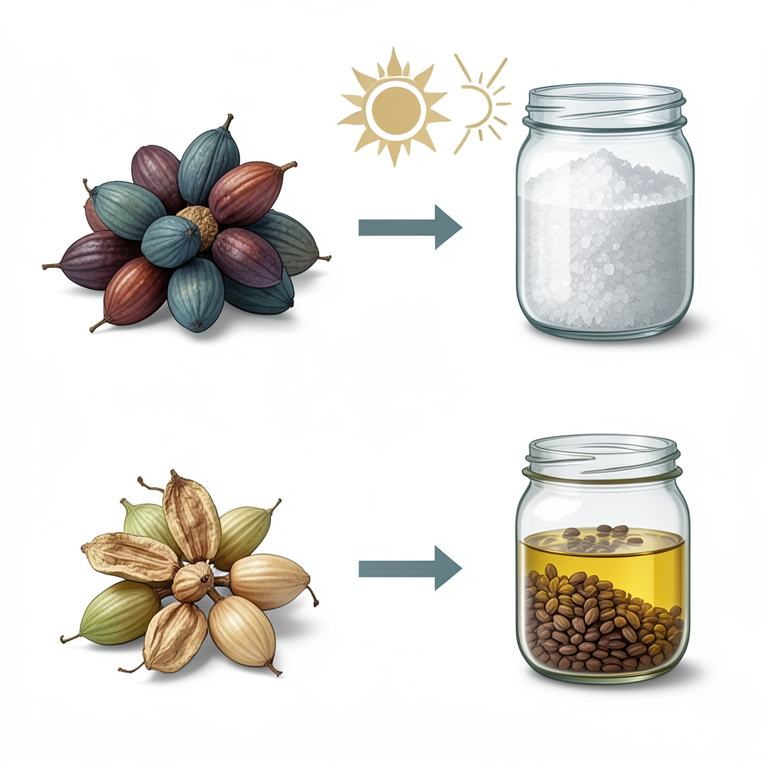
Value Addition Workflow
AI-generated conceptual illustration (Semecarpus anacardium (wild cashew-like fruit)). It explains the idea and does not show study data.
View source evidence ↗Figures & tables
From the original paper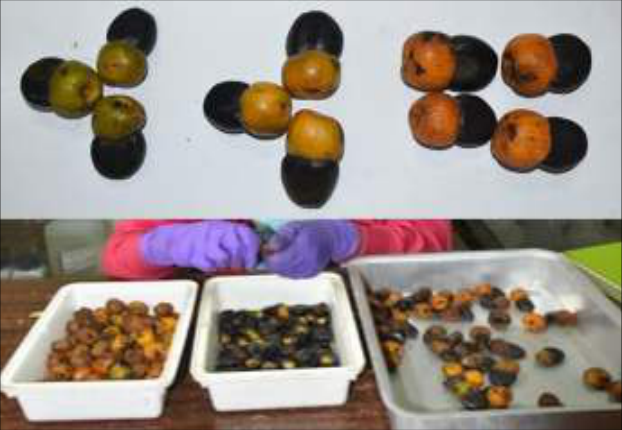 Fig. 1
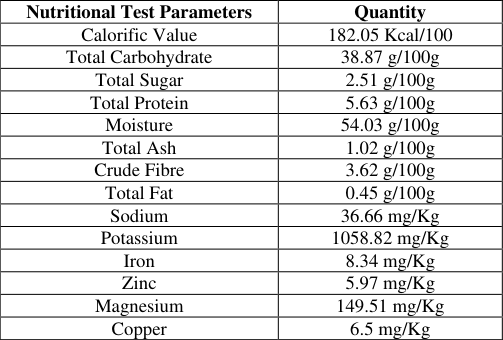 Table 1
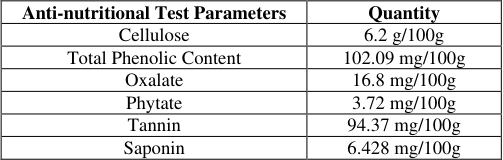 Table 2
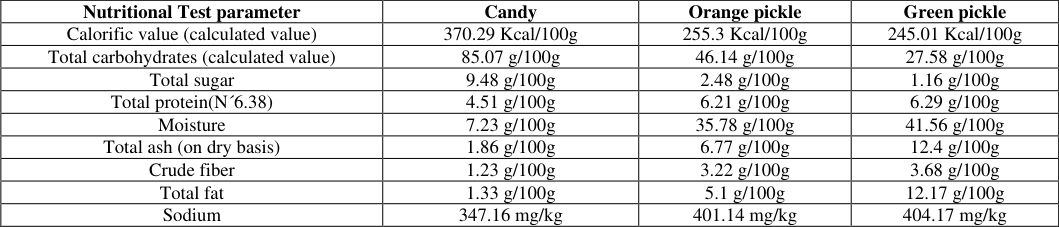 Table 3
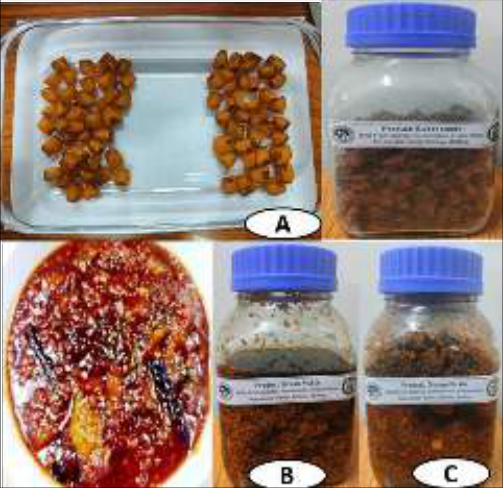 Figure 2
Introduction
Humanity has long relied on the abundant biodiversity of plants to sustain food security, medicinal needs, and economic livelihood. Forest ecosystems, as natural and renewable resources, play a vital role in maintaining this biodiversity, particularly by providing wild edible fruits that are integral to the nutritional well-being of indigenous and rural communities (Rabiei et al. 2022) [6] . These fruits, whether consumed fresh or dried, are rich in bioactive compounds and essential nutrients that can play a key role in preventing malnutrition and chronic diseases such as cardiovascular disorders (Howes & Simmonds 2014; Arruda et al. 2017) [8,11] . For instance, fruits like Capparis mitchelii and Flacourtia jangomas are particularly high in vitamin C, offering immune-boosting benefits (Biswas et al. 2022) [7] . In light of the growing challenges posed by food insecurity and chronic diseases, dietary interventions that incorporate wild plant-based foods have emerged as an effective strategy for improving public health, especially in low-resource settings (Koffi et al. 2020; FAO 2019) [16,9] . Despite the substantial nutritional and therapeutic value of wild edible fruits, they often remain underutilized, especially in resource-limited regions. Studies have shown that wild fruits typically contain higher levels of proteins, vitamins, minerals, and phenolic compounds compared to their cultivated counterparts (Bhutia et al. 2018) [10] . Their consumption has been associated with reduced risks of non-communicable diseases, further highlighting their importance in public health strategies (Koffi et al. 2020) [16] . These fruits hold particular significance for tribal and rural communities, offering not only critical nutritional support but also income-generation opportunities. However, challenges such as limited market demand, consumer awareness, and insufficient research on their distribution and cultivation continue to hinder their broader adoption (Angami et al. 2024) [5] . The underutilization of these fruits is further exacerbated by post-harvest losses, which remain a significant issue in developing countries like India. It is estimated that between 30-40% of fruits in India are lost between harvest and the consumer point, leading to substantial economic losses (Patil et al. 2013) [21] . India, being the second-largest fruit producer globally, is home to a wide variety of fruits that are rich in essential vitamins and minerals, yet less than 2% of these fruits are processed (Patil et al. 2013) [21] . This presents a significant opportunity for the development of value-added products, such as jams, jellies, fruit bars, and fruit toffees, particularly when local communities are trained in processing techniques that enhance food security and livelihood opportunities. Although global research on wild edible fruits has been increasing ( [4,2,3] , there is a notable gap in studies focusing on the potential of these fruits in regions like central India. Urbanization, industrialization, and shifting cultivation have led to a decline in wild edible fruit species, many of which are now endangered (Angami et al. 2024) [5] . Despite these challenges, the potential of these fruits to combat malnutrition and bolster food security remains significant if effectively promoted. In this context, Semecarpus anacardium L. f., commonly known as the marking nut or Bhilawa, emerges as a promising but underutilized species with substantial nutritional and pharmacological value. The edible portions of this fruit, particularly the fleshy orange thalamus and kernels, are rich in proteins, lipids, vitamins, and minerals, providing energy and immune-boosting benefits (Misra & Misra 2016) [19] .
Traditionally consumed raw, roasted, or dried, Semecarpus anacardium offers a means of extending its shelf life, thus supporting food security (Dangol et al. 2017) [14] . However, it also contains antinutritional factors such as phytic acid, tannins, and oxalates, which can hinder the bioavailability of vital nutrients like calcium, iron, and zinc (Liener 1994) [1] . This study aims to explore the nutritional value, antinutritional factors, and the potential for value addition of Semecarpus anacardium fruits. By highlighting these aspects, the study seeks to pave the way for the integration of these fruits into functional food products that can contribute to improved nutritional status and enhanced livelihoods for rural and tribal communities.
Material and Methodology
Fruit Collection and Preparation: Fruits of Semecarpus anacardium were harvested from various locations in the Mandla district of Madhya Pradesh, India, during the peak harvesting period of March to April. Upon collection, the fruits were transported to the processing centre in cotton bags to minimize damage and ensure swift handling. The mature false fruit (orange hypocarp) was separated from the black seed (nut) (Fig. 1), washed thoroughly, and processed for subsequent analysis and preparation of nutritional, antinutritional, and value-added products. The content of essential minerals including sodium, potassium, iron, zinc, magnesium, and copper was analyzed following the FSSAI Manual of Methods of Analysis of Foods for metals.
Antinutritional Analysis:
The antinutritional properties of the Semecarpus anacardium fruit were evaluated using several prescribed FSSAI test methods: Cellulose content was determined using EBRS/SOP/CHEM/27. Total phenolic content, oxalates, phytates, tannins, and saponins were analysed following EBRS/SOP/CHEM/30. These analyses provided a comprehensive assessment of the key antinutritional compounds present in the fruit.
Preparation of Semecarpus anacardium Candy:
To prepare Semecarpus anacardium candy, ripe fruits were thoroughly washed, halved, and sun-dried for several hours. The dried fruits were then placed in an airtight jar and completely submerged in sugar. The jar was sealed and left for 2-3 days to allow the sugar to dissolve, causing the fruit to float. Afterward, food colouring and cardamom powder were added, and the mixture was steeped for an additional 3 days. The mixture was strained, and the fruit was sun-dried for 2 days before being transferred to an airtight container. The final product was powdered with sugar and stored.
Preparation of Semecarpus anacardium Orange and
Green Pickle: To prepare Semecarpus anacardium orange and green pickle, unripe fruits were washed, halved, and sun-dried for 1-2 days. Meanwhile, mustard oil was heated, slightly cooled, and combined with roasted, powdered spices. This spice mixture was then thoroughly blended with the dried fruit and stored in a jar. The jar was kept in sunlight for 2-4 days to enhance the flavours, and after this period, the pickle was transferred to an airtight container for storage.
Nutritional Analysis of Value-Added Products:
The nutritional properties of the value-added products, including Semecarpus anacardium candy and orange and green pickle, were analysed using the prescribed FSSAI methods for various parameters. For the candy, the following tests were conducted: Calorific value, total carbohydrates, total sugar, and total protein content were measured using Antinutritional profile: Antinutritional factors in Semecarpus anacardium fruits are compounds that can interfere with the absorption and utilization of essential nutrients, impacting their overall dietary value. Key antinutritional elements include tannins (94.37 mg/100g), which bind to proteins and reduce their digestibility, limiting amino acid availability. Oxalates (16.8 mg/100g) can form insoluble complexes with calcium, potentially increasing the risk of kidney stone formation when consumed in excess. Phytic acid (3.72 mg/100g) chelates vital minerals like iron, zinc, and calcium, decreasing their bioavailability for absorption. Saponins (6.428 mg/100g) and phenolic compounds (102.09 mg/100g) also contribute to these inhibitory effects (Table 2). Despite these factors, proper processing techniques, such as soaking, cooking, or fermentation, can help mitigate their impact and enhance the fruit's nutritional benefits, ensuring its safe and effective dietary utilization. Value Addition: Value addition has significantly transformed Semecarpus anacardium from a wild fruit with limited commercial appeal to a valuable, nutritionally rich product. These processes (Fig. 2) make the fruit suitable for a variety of consumer products, including candies and pickles expanding its market potential. The incorporation of additional nutrients or blending with other nutrient-rich ingredients further boosts its health properties. Nutritional analysis of products like Bhilwa candy and pickles (orange and green) reveals their high content of carbohydrates, proteins, and essential minerals, showcasing the fruit's versatility (Table 3). For example, Bhilwa candy has a calorific value of 370.29 kcal per 100g, with significant amounts of carbohydrates (85.07 g), protein (4.51 g), and fat
| Nutritional Test parameter | Candy | Orange pickle | Green pickle |
|---|---|---|---|
| Calorific value (calculated value) | 370.29 Kcal/100g | 255.3 Kcal/100g | 245.01 Kcal/100g |
| Total carbohydrates (calculated value) | 85.07 g/100g | 46.14 g/100g | 27.58 g/100g |
| Total sugar | 9.48 g/100g | 2.48 g/100g | 1.16 g/100g |
| Total protein(N´6.38) | 4.51 g/100g | 6.21 g/100g | 6.29 g/100g |
| Moisture | 7.23 g/100g | 35.78 g/100g | 41.56 g/100g |
| Total ash (on dry basis) | 1.86 g/100g | 6.77 g/100g | 12.4 g/100g |
| Crude fiber | 1.23 g/100g | 3.22 g/100g | 3.68 g/100g |
| Total fat | 1.33 g/100g | 5.1 g/100g | 12.17 g/100g |
| Sodium | 347.16 mg/kg | 401.14 mg/kg | 404.17 mg/kg |
Table text extracted from the original PDF; superscript letters are shown inline. The original table image is below.
View original table image
| Anti-nutritional Test Parameters | Quantity |
|---|---|
| Cellulose | 6.2 g/100g |
| Total Phenolic Content | 102.09 mg/100g |
| Oxalate | 16.8 mg/100g |
| Phytate | 3.72 mg/100g |
| Tannin | 94.37 mg/100g |
| Saponin | 6.428 mg/100g |
Table text extracted from the original PDF; superscript letters are shown inline. The original table image is below.
View original table image
(1.33 g). Similarly, the orange and green pickles exhibit good nutritional value, with varied caloric values and macronutrients, as well as notable levels of sodium and fiber. These findings indicate that Semecarpus anacardium, through value-added products, holds substantial potential for both nutritional enhancement and commercial success in diverse markets.
Discussion
Semecarpus anacardium, commonly known as the marking nut or Bhilawa, is emerging as a valuable wild edible fruit (WEF) due to its high nutritional content. Traditionally consumed in rural and tribal areas, this fruit plays a significant role in improving food security and supplementing nutrition, particularly in resource-limited regions with restricted access to diversified diets. The fruit's rich nutrient profile, including essential macronutrients (carbohydrates, proteins) and micronutrients (vitamins and minerals), makes it an important food source for underprivileged communities. Additionally, the fruit's long shelf life, supported by traditional preservation methods like drying and roasting, offers a sustainable solution to food insecurity, especially during periods of scarcity (Dangol et al. 2017) [14] . Despite its nutritional potential, the consumption of Semecarpus anacardium is hindered by the presence of antinutritional factors, such as tannins, oxalates, phytic acid, and saponins, which can reduce the bioavailability of key nutrients like calcium, iron, and zinc. These compounds interfere with nutrient absorption and may pose health risks, such as kidney stone formation due to excessive oxalates or decreased protein digestibility due to tannins. These issues present challenges to the widespread adoption of the fruit in mainstream diets (Liener et al. 1980; Savage 2002) [17,22] . In their analysis, Ngurthankhumi et al. (2024) [20] examined the nutritional and antinutritional properties of wild edible fruits from northeast India. They highlighted Garcinia xanthocymus for its high sugar and vitamin E content, and Artocarpus heterophyllus for its significant carbohydrate and starch levels. Similarly, Citrus jambhiri was identified as a good source of moisture, vitamin C, and phosphorus, while other fruits like Prunus jenkinsii and Rubus treutleri were noted for their high antioxidant and mineral content. These findings emphasize the potential of wild fruits, including Semecarpus anacardium, to combat malnutrition and promote biodiversity conservation. [23] . Thus, preserving and improving indigenous knowledge related to food processing is essential to make the fruit safer and more accessible to a broader population. Nutritional analysis of raw Semecarpus anacardium reveals it as a rich source of carbohydrates (38.87 g/100g), proteins (5.63 g/100g), and dietary fiber (3.62 g/100g), which support digestive and metabolic health. The fruit also provides key micronutrients, including potassium (1058.82 mg/kg), magnesium (149.51 mg/kg), iron (8.34 mg/kg), and zinc (5.97 mg/kg), which contribute to bone health, immune function, and oxygen transport. These findings highlight the potential of Semecarpus anacardium as a functional food that could provide significant benefits for malnourished populations (Misra & Misra 2016) [19] . In a study by Bayang et al. (2021) [12] , significant nutritional variations were observed among 23 wild edible fruits from the Far North Region of Cameroon. For example, Ziziphus mauritiana and Ziziphus spina-christi exhibited the highest dry matter content, while Pleiocarpa reclinata had the highest carbohydrate levels. These fruits, along with others like Balanites aegyptiaca, serve as rich sources of energy, protein, and bioactive compounds that contribute to health and nutrition.
Value addition through processing Semecarpus anacardium into products such as candy and pickles enhances its flavor, shelf life, and nutritional value. Bhilawa candy, made by drying and soaking the fruit in sugar, offers a calorific value of 370.29 kcal/100g and contains 85.07 g of carbohydrates per 100g, making it an excellent energy source. Similar value-added products have been successfully developed from other fruits, such as Syzygium cumini (Chavan & Patil 2013) [13] and Anola (Ravani & Joshi 2014) [24] . These products demonstrate the fruit's versatility and potential for commercialization, especially in the growing functional food and nutraceutical markets. The successful incorporation of Semecarpus anacardium into value-added products aligns with Sustainable Development Goal (SDG) 2, which seeks to end hunger and improve nutrition. By harnessing the nutritional and pharmacological benefits of wild fruits like Semecarpus anacardium, food security can be enhanced, diets diversified, and rural economies supported. Additionally, value-added products provide income-generating opportunities for rural communities, promoting sustainable agricultural practices and biodiversity conservation (Maikhuri et al. 1994) [18] . In conclusion, Semecarpus anacardium holds significant potential both as a nutritional resource and as a commercially viable product. Addressing the antinutritional factors through appropriate processing methods is critical for maximizing its health benefits. With continued research and innovation in food processing techniques, Semecarpus anacardium can play a vital role in improving food security and supporting the livelihoods of rural and tribal communities.
Conclusion and Future Perspectives
Semecarpus anacardium fruits, though nutrient-rich, pose challenges due to the presence of antinutritional factors that require careful processing to optimize their nutritional value. Addressing issues like consumer acceptance through awareness campaigns and ensuring regulatory compliance for safety can significantly boost its market potential. With advancements in technology and further research into its phytochemical properties and health benefits, this fruit holds great promise as a superfood and therapeutic agent. By leveraging effective value addition techniques and exploring innovative product development, Semecarpus anacardium can contribute to enhanced food security, economic growth, and improved nutrition, unlocking its potential as a vital resource for sustainable development. Value addition in fruits significantly enhances their economic value, shelf life, and marketability, benefiting both producers and consumers. Limitations preventing domestication such as unawareness about utility can be overcome by adopting proper postharvest technology and processing the fruits into number of value-added products. For Semecarpus anacardium, value addition is particularly important due to its limited time of availability and underutilization. Despite its nutritional potential, much of the fruit goes to waste each year. Developing and standardizing post-harvest technologies and products like Bhilwa candy and pickles can extend the fruit's shelf life and provide sustainable income opportunities for rural and tribal communities. Increasing awareness and adopting proper processing methods are key to fully utilizing this valuable resource.
Acknowledgement
Acknowledgment:The present work is the outcome of an ongoing project focused on the conservation and sustainable management of wild edible fruiting species, generously sponsored by the CAMPA, Ministry of Environment, Forests & Climate Change, Government of India, New Delhi. We extend our sincere gratitude to this funding agency for their invaluable support.
Figures and tables from the paper
| Nutritional Test Parameters | Quantity |
|---|---|
| Calorific Value | 182.05 Kcal/100 |
| Total Carbohydrate | 38.87 g/100g |
| Total Sugar | 2.51 g/100g |
| Total Protein | 5.63 g/100g |
| Moisture | 54.03 g/100g |
| Total Ash | 1.02 g/100g |
| Crude Fibre | 3.62 g/100g |
| Total Fat | 0.45 g/100g |
| Sodium | 36.66 mg/Kg |
| Potassium | 1058.82 mg/Kg |
| Iron | 8.34 mg/Kg |
| Zinc | 5.97 mg/Kg |
| Magnesium | 149.51 mg/Kg |
| Copper | 6.5 mg/Kg |
Table text extracted from the original PDF; superscript letters are shown inline. The original table image is below.
View original table image
References
23 in the original paper- Liener IE. Implications of antinutritional components in soybean foods. Critical Reviews in Food Science and Nutrition. 1994;34:31-67.
- Dissanayake IH, Zak V, Kaur K, Jaye K, Ayati Z, Chang D, et al. Australian native fruits and vegetables: Chemical composition, nutritional profile, bioactivity and potential valorization by industries. Critical Reviews in Food Science and Nutrition. 2023;63(27):8511-8544. doi:10.1080/10408398.2022.2057913.
- Adamu E, Asfaw Z, Demissew S, Baye K. Antioxidant activity and anti-nutritional factors of selected wild edible plants collected from northeastern Ethiopia. Foods. 2022;11(11):2291. doi:10.3390/foods11152291.
- Pereira AG, Fraga-Corral M, García-Oliveira P, Jimenez-Lopez C, Lourenço-Lopes C, Carpena M, et al. Culinary and nutritional value of edible wild plants from northern Spain rich in phenolic compounds with potential health benefits. Food and Function. 2020;11(10):8493-8515. doi:10.1039/D0FO02147D.
- Angami T, Wangchu L, Singh S, Yatung T, Makdoh B, Singh K, et al. Assessment of fruit and seed morphological traits of underutilized wild edible fruits from the Eastern Himalayan tracts, India. Applied Fruit Science. 2024;66:2007-2017. doi:10.1007/s10341-02401168-8.
- Biswas SC, Bora A, Mudoi P, Misra TK, Das S. Evaluation of nutritional value, antioxidant activity and phenolic content of Protium serratum Engl. and Artocarpus chama Buch.-Ham, wild edible fruits available in Tripura, a North-Eastern state of India. Current Nutrition and Food Science. 2022;18:589-596. doi:10.2174/1573401318666211221155620.
- Howes MJ, Simmonds M. The role of phytochemicals as micronutrients in health and disease. Current Opinion in Clinical Nutrition and Metabolic Care. 2014;17. doi:10.1097/MCO.0000000000000115.
- Food and Agriculture Organization (FAO). The State of Food and Agriculture 2019: Moving forward on food loss and waste reduction. 2019.
- Bhutia KD, et al. Nutraceutical potential of some wild edible fruits of Sikkim, Himalaya, India. Ethnobotany. 2018;12(2):106-112.
- Arruda HS, Pereira GA, Pastore GM. Optimization of extraction parameters of total phenolics from Annona crassiflora Mart. (araticum) fruits using response surface methodology. Food Analytical Methods. 2017;10(1):100-110. doi:10.1007/s12161-016-0554-y.
- Bayang JP, Laya A, Kolla MC, Koubala BB. Variation of physical properties, nutritional value, and bioactive nutrients in dry and fresh wild edible fruits of twentythree species from the Far North region of Cameroon. Journal of Agriculture and Food Research. 2021;4:100146. doi:10.1016/j.jafr.2021.100146.
- Chavan UD, Patil JV. Industrial processing of fruits and vegetables. New Delhi: Daya Publishing House, A division of Astral International Pvt Ltd; 2013.
- Dangol DR, Maharjan KL, Maharjan SK, Acharya AK. Wild edible plants in Nepal. In: Joshi BK, Bahadur KCH, Acharya A, editors. Conservation and utilization of agricultural plant genetic resources of Nepal. Kathmandu: NAGRC; 2017. p. 390-407.
- Food Safety and Standards Authority of India (FSSAI). Manuals of methods of analysis for various food products [Internet]. [cited 2025 Jan 22]. Available from: https://fssai.gov.in/cms/manuals-of-methods-ofanalysis-for-various-food-products.php
- Koffi CK, Lourme-Ruiz A, Djoudi H, Bouquet E, Dury S, Gautier D. The contributions of wild tree resources to food and nutrition security in sub-Saharan African drylands: A review of the pathways and beneficiaries. International Forestry Review. 2020;22(1):1-19. doi:10.1505/146554820828671490.
- Liener IE, editor. Toxic constituents of plant foodstuffs. New York: Academic Press; 1980.
- Maikhuri RK, Semwal RL, Singh A, Nautiyal MC. Wild fruits as a contribution to sustainable rural development: A case study from the Garhwal Himalaya. International Journal of Sustainable Development and World Ecology. 1994;1:56-68.
- Misra S, Misra MK. Ethnobotanical and nutritional evaluation of some edible fruit plants of southern Odisha, India. International Journal of Advanced Agricultural Science and Technology. 2016;3(1):1-30.
- Ngurthankhumi R, Hazarika TK, Zothansiama, Lalruatsangi E. Nutritional composition and antinutritional properties of wild edible fruits of northeast India. Journal of Agriculture and Food Research. 2024;16:101221. doi:10.1016/j.jafr.2024.101221.
- Patil MM, Kalse SB, Sawant AA. Preparation of guava jam blended with sapota. Agricultural Engineering International: CIGR Journal. 2013;15(1):167-172.
- Savage GP. Oxalates in human foods. Proceedings of the Nutrition Society. 2002;27:4-24.
- Thompson LU, Yoon JH. Starch digestibility is affected by polyphenolics and phytic acid. Journal of Food Science. 1984;49:1228-1229.
- Ravani A, Joshi DC. Processing for value addition of underutilized food crops. Trends in Post-Harvest Technology. 2014;5:263-267.