
Research article · 2025 · Full text
International Journal of Agriculture and Food ScienceDevelopment of a healthy whey protein-based pumpkin seed bar
Volume 7(3) · Pages 134–139 · DOI: 10.33545/2664844x.2025.v7.i3b.324 ↗
Research areasPhytase and its Applications
Abstract
Author-writtenThis study explores the development of a nutritious whey protein-based pumpkin seed bar, formulated to enhance protein intake through natural, functional ingredients. Various formulations incorporating different proportions of pumpkin seeds and dates, along with whey protein, were evaluated for their physico-chemical properties, sensory attributes, and nutritional content. The optimized formulation (T4), comprising 120 g of pumpkin seeds and 80 g of dates, demonstrated superior sensory performance with an overall acceptability score of 8.6 on a 9-point hedonic scale. Additionally, proximate analysis revealed that the optimized bar contained 32.51% protein, 23.75% fat, and 26.33% carbohydrates, with the protein content significantly higher than that of many conventional snack bars. Statistical analysis confirmed that the variations in ingredient ratios had a significant impact on both sensory and nutritional properties (p< 0.05). Furthermore, a cost estimation study indicated that the developed product is economically feasible for large-scale production. Overall, the whey protein-based pumpkin seed bar offers a balanced nutritional profile and appealing sensory characteristics, making it a promising functional snack for health-conscious consumers.
Summary
Source-checkedPlain-language reading of the full paper, prepared with AI and checked against the text. Each point links to the authors' own words.
Why it matters
- Whey protein is valued as a high-quality protein source that supports muscle synthesis, immune function, and provides antioxidative effects. View evidence ↗
- Pumpkin seeds are nutrient-dense, providing protein, healthy fats, and essential minerals like iron, zinc, and magnesium. View evidence ↗
- Protein deficiency is a significant concern in modern diets, especially in developing nations with limited access to high-protein foods. View evidence ↗
The question
- The study aimed to create a healthy pumpkin seed bar based on whey protein and evaluate its nutritional composition, sensory acceptability, and physico-chemical properties. View evidence ↗
What they did
- The bars were formulated using pumpkin seeds, whey protein, dates as a natural sweetener and binder, dry fruits (almonds and cashews), and ghee. View evidence ↗
- Six different formulations (T1-T6) were tested, varying the ratios of pumpkin seeds and dates to find the best combination. View evidence ↗
- Sensory characteristics were evaluated by a trained panel of 10 individuals. View evidence ↗
- Standard AOAC methods were used for proximate analysis to measure protein, fat, carbohydrates, fiber, sugar, moisture, and ash. View evidence ↗
What they found
- T4 achieved the highest scores for taste (8.8) and mouthfeel (8.6) due to its balanced ingredient ratio. View evidence ↗
- The optimized T4 bar contained 32.51% protein per 100g, exceeding the protein levels of many conventional snack bars. View evidence ↗
- The T4 formulation contained 23.75% fat and 26.33% carbohydrates. View evidence ↗
- The optimized bar had a fiber content of 7.6% and a moisture content of 10.33%. View evidence ↗
- Statistical analysis (ANOVA) showed that variations in the ratios of pumpkin seeds and dates significantly affected both nutritional and sensory qualities (p < 0.05). View evidence ↗
- The production cost for the bar was estimated at 217 (local currency), which the authors state is significantly lower than many commercial protein bars. View evidence ↗
What it means
- The authors conclude that the T4 formulation (120g pumpkin seeds and 80g dates) is optimal for its superior sensory attributes and high acceptability. View evidence ↗
- The authors state the product is economically viable for large-scale production due to its competitive unit cost. View evidence ↗
- The authors suggest that future work should include larger-scale consumer testing, extended shelf-life studies, and the exploration of more functional ingredients. View evidence ↗
Visual summary
3 visualsIllustrations explain the paper; charts are replotted from the paper's own table values.
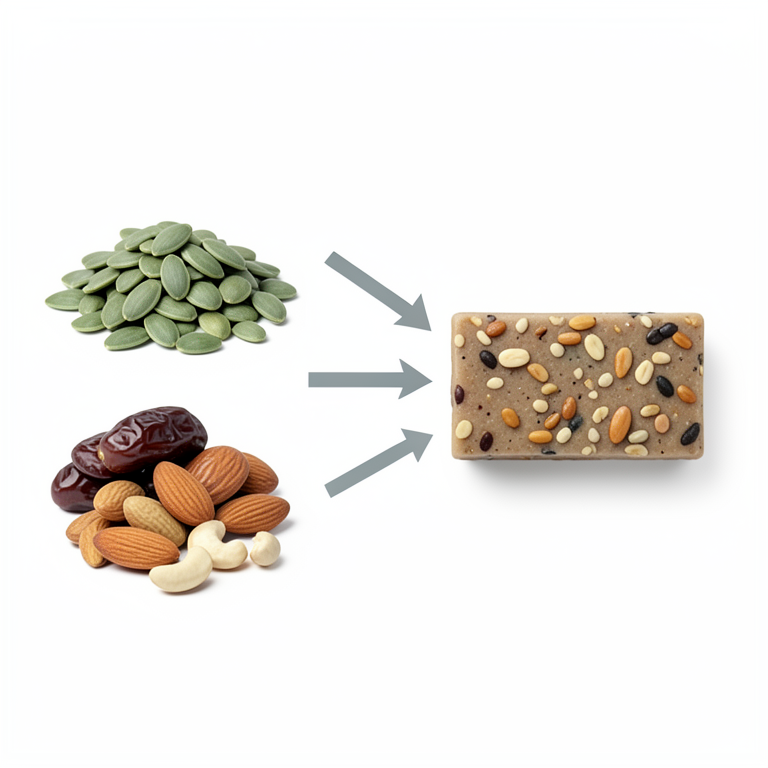
Bar Formulation Components
AI-generated conceptual illustration (pumpkin seed protein bars and their raw ingredients). It explains the idea and does not show study data.
View source evidence ↗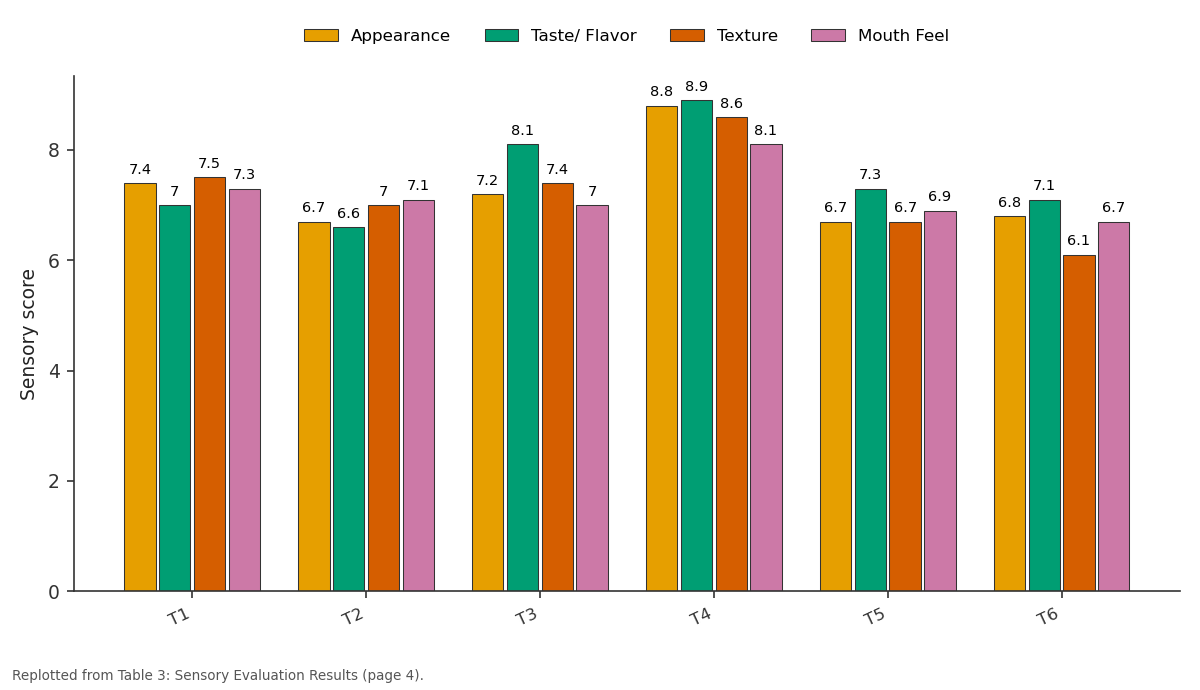
Appearance and Taste/ Flavor and more: T1 vs T2 vs T3 vs T4 vs T5
Replotted from Table 3 (page 4) of the original paper. Every bar is the paper's own table value.
View source evidence ↗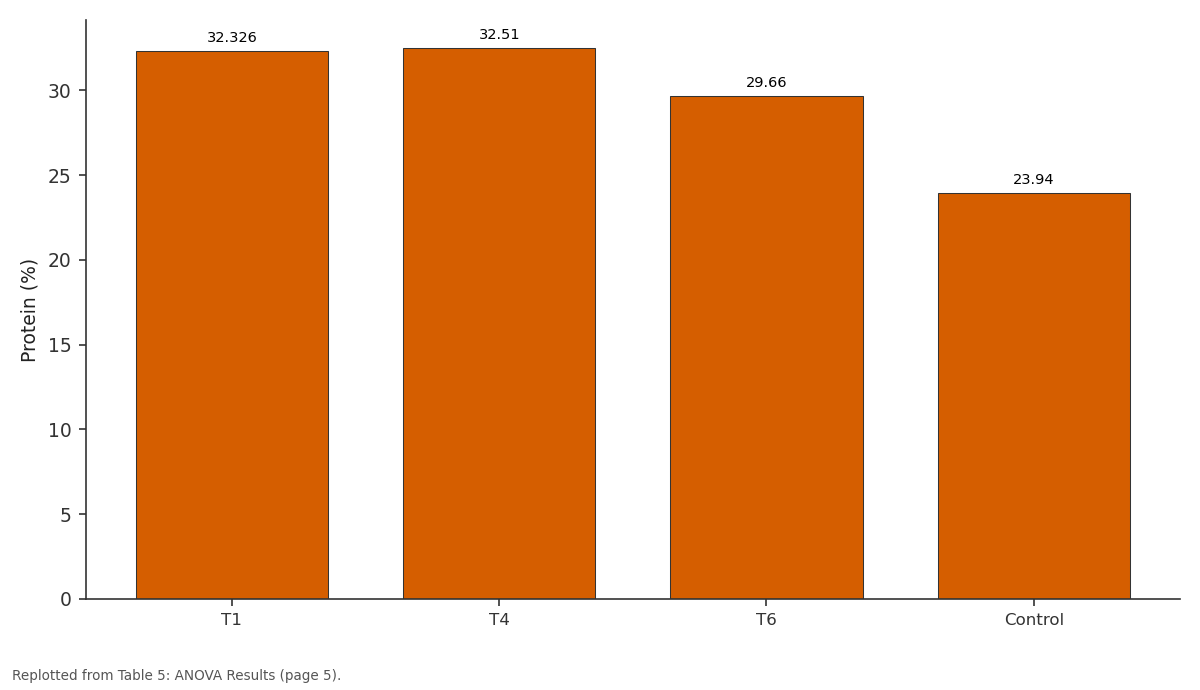
Protein (%): T1 vs T4 vs T6 vs Control
Replotted from Table 5 (page 5) of the original paper. Every bar is the paper's own table value.
View source evidence ↗Figures & tables
From the original paper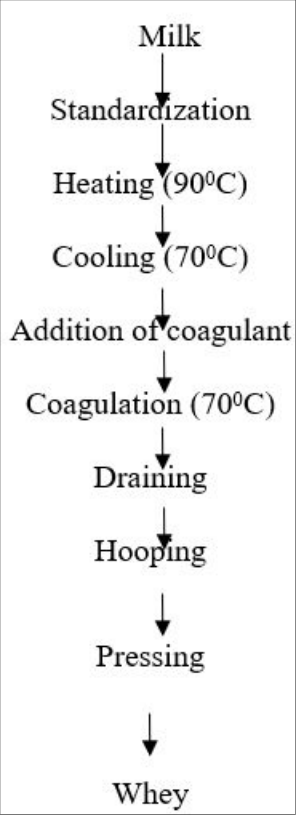 Figure 1
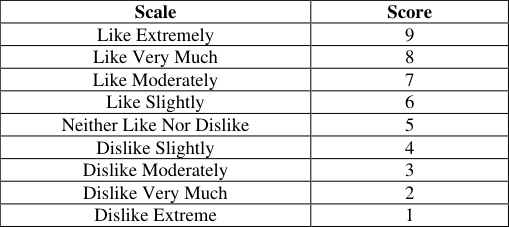 Table 2
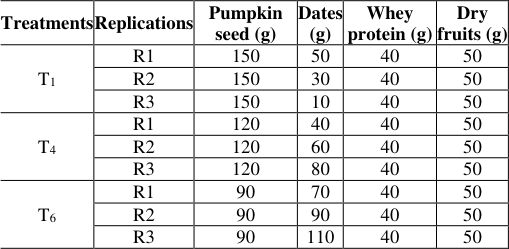 Table 1
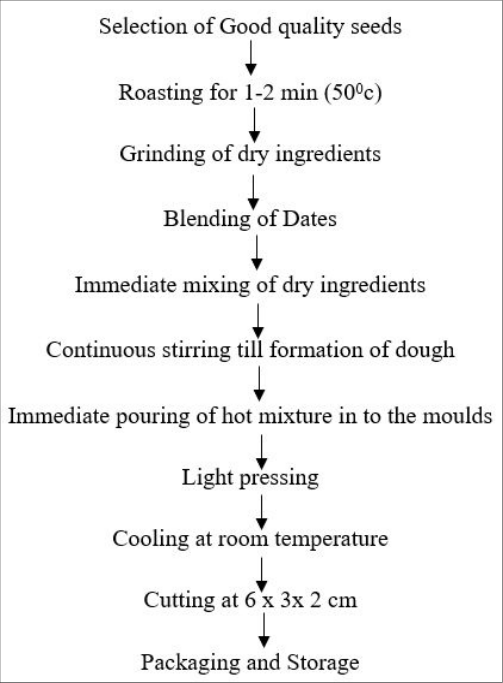 Figure 2
 Table 3
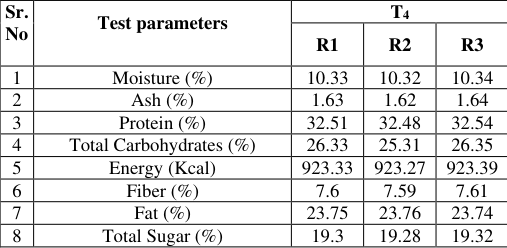 Table 4
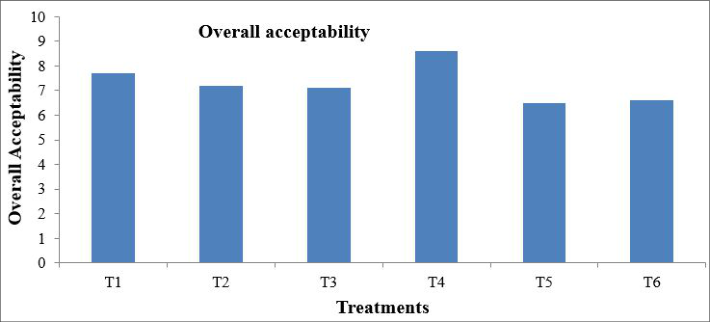 Figure 3
 Table 5
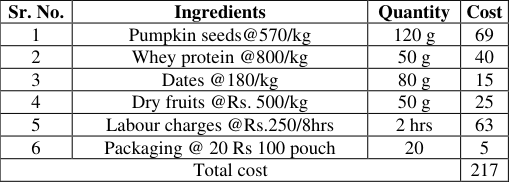 Table 6
Introduction
Nutrient-dense snack bars are gaining popularity due to their convenience and health benefits. Whey protein is a high-quality protein source, widely recognized for its biological and functional properties (Gangurde et al., 2011) [5] . It contains essential amino acids and bioactive peptides that offer various health benefits, including muscle synthesis, immune enhancement, and antioxidative effects (Patel, 2015) [6] . In addition, whey protein has been associated with reducing inflammation and improving metabolic health (Solak et al., 2012) [7] . Pumpkin seeds (Cucurbita pepo) are another valuable ingredient, offering high levels of protein, healthy fats, and essential micronutrients such as magnesium, zinc, and iron (Ahmad and Khan, 2019) [1] . The seeds are known for their bioactive properties, including antioxidant, anti-inflammatory, and cardioprotective effects (Dar et al., 2017) [3] . Due to their nutritional profile, pumpkin seeds have been increasingly utilized in functional food formulations (Syed et al., 2019) [8] . Incorporating these seeds into snack bars enhances their health benefits while maintaining good sensory attributes. One of the critical concerns in modern diets is protein deficiency, particularly in developing nations, where access to high-protein foods is limited (Wang et al., 2021) [9] . The development of whey protein-based snack bars offers a viable solution to this issue, providing a portable, protein-rich alternative. In recent years, there has been a growing trend toward replacing refined sugars with natural sweeteners like dates, which not only enhance the taste but also offer additional fiber, vitamins, and minerals (Farooqui et al., 2022) [4] .
Materials and Methods
This section details the materials, equipment, and methodologies employed in the formulation, preparation, and evaluation of the whey protein-based pumpkin seed bar. The process involved multiple stages, including ingredient selection, bar preparation, experimental trials, and subsequent analysis of sensory and nutritional properties.
Raw Materials
The key ingredients used in this study were selected based on their nutritional properties and functional benefits: 1. Pumpkin Seeds (Cucurbita pepo): Rich in protein, fiber, and essential minerals such as magnesium, zinc, and iron. The seeds were procured from local markets and were manually cleaned and roasted before use.
Whey Protein:
A high-quality protein source obtained from dairy, known for its high biological value and essential amino acid content. Commercial whey protein concentrate was used in the formulations.
Dates (Phoenix dactylifera):
A natural sweetener, providing fiber, vitamins, and minerals. Medjool dates were selected for their high sugar content and binding properties.
Dry Fruits (Almonds and Cashews): Incorporated to
enhance the texture and provide additional micronutrients.
Ghee (Clarified Butter):
Used to improve the binding of ingredients and enhance flavor.
The primary ingredients used in this study include pumpkin seeds, whey protein, and dates. Pumpkin seeds were selected for their high protein content and essential micronutrients. Whey protein was used as the primary protein source, enhancing the bar's nutritional profile. Dates were incorporated as a natural sweetener and binding agent. Additional ingredients such as dry fruits and ghee were included to improve texture and taste.
Equipment Used
The following equipment was employed to process ingredients and develop the pumpkin seed bar: 1. Weighing Balance: Used for accurate measurement of ingredients to ensure consistency across formulations. 2. Food Processor: Utilized for grinding dry ingredients, ensuring uniform particle size for improved mixing and texture.
LPG Gas
LPG Gas
Preparation of Whey Protein
The whey protein used in this study was obtained from standardized milk through a coagulation and separation process. The preparation steps was shown in Figure 1 and describes as follows:
1. Fresh cow's milk was heated to 90°C and maintained for 10 minutes. 2. Coagulation was induced using 5 ml Vinegar, leading to the separation of curds and whey.
3. The whey was collected and filtered using 125µ ISI sieves to remove residual solids. 4. The filtered whey was dried at 60°C in a hot air oven to obtain whey protein powder.
Formulation of Pumpkin Seed Bar
The pumpkin seed bar was formulated through a systematic blending of ingredients, ensuring proper binding and texture. The stepwise preparation discussed in Figure 2 and follows below steps:
1. Roasting: Pumpkin seeds and dry fruits were roasted separately at 50 °C for 10 minutes to enhance flavor and reduce moisture. 2. Grinding: Roasted pumpkin seeds were coarsely ground using a food processor.
Date Paste Preparation:
Dates were soaked in warm water for 10 minutes, blended into a paste, and mixed with whey protein.
Mixing and Heating:
The dry ingredients were combined with the date paste and ghee in a pan, heated at 50°C, and stirred continuously until a uniform dough-like consistency was achieved.
Molding and Cooling:
The mixture was transferred to a molding tray, pressed evenly, and cooled at room temperature for 2 hours before being cut into bars.
Pumpkin seeds and dry fruits were roasted, ground, and mixed with dates to form a dough-like consistency. Whey protein was added, and the mixture was molded, cooled, and cut into uniform bars.
Experimental Trials
Six formulations (T 1 -T 6 ) with varying proportions of pumpkin seeds and dates were prepared to determine the optimal blend. The key variations of all formulations were given in Table 1. The formulated bars were then subjected to sensory evaluation by a trained panel using a 9-point hedonic scale, where scores ranged from 1 (dislike extremely) to 9 (like extremely) described in Table 2. The evaluation criteria included:
| Treatments | Replications | Pumpkin seed (g) | Dates (g) | Whey protein (g) | Dry fruits (g) |
|---|---|---|---|---|---|
| T1 | R1 | 150 | 50 | 40 | 50 |
| R2 | 150 | 30 | 40 | 50 | |
| R3 | 150 | 10 | 40 | 50 | |
| T4 | R1 | 120 | 40 | 40 | 50 |
| R2 | 120 | 60 | 40 | 50 | |
| R3 | 120 | 80 | 40 | 50 | |
| T6 | R1 | 90 | 70 | 40 | 50 |
| R2 | 90 | 90 | 40 | 50 | |
| R3 | 90 | 110 | 40 | 50 |
Table text extracted from the original PDF; superscript letters are shown inline. The original table image is below.
View original table image
| Scale | Score |
|---|---|
| Like Extremely | 9 |
| Like Very Much | 8 |
| Like Moderately | 7 |
| Like Slightly | 6 |
| Neither Like Nor Dislike | 5 |
| Dislike Slightly | 4 |
| Dislike Moderately | 3 |
| Dislike Very Much | 2 |
| Dislike Extreme | 1 |
Table text extracted from the original PDF; superscript letters are shown inline. The original table image is below.
View original table image
Results and Discussion
This section presents a comprehensive analysis of the data collected from the experimental trials, including sensory evaluation, nutritional composition, statistical analysis, and cost estimation. The discussion integrates the findings with literature insights and highlights the potential of the developed product.
Sensory Evaluation
Sensory evaluation was conducted using a 9-point hedonic scale where 1 indicated "dislike extremely" and 9 "like extremely." A trained panel of 10 individuals evaluated the six formulations (T 1 -T 6 ) based on several parameters, including appearance, texture, taste, mouthfeel, and overall acceptability.
Appearance and Texture
The visual appeal of the bars was a critical factor in consumer acceptability. Formulations with a higher proportion of dates tended to be overly glossy and sticky, while those with lower dates content appeared drier. Notably, formulation T 4 (120g pumpkin seeds and 80g dates) exhibited an optimal balance, resulting in a bar with a pleasant color and an even, cohesive texture. Panellists reported that T 4 had a crisp exterior combined with a soft interior, which contributed significantly to its favourable ratings.
Taste and Mouthfeel
Taste tests revealed that the natural sweetness of dates complemented the nutty flavor of roasted pumpkin seeds. Formulation T 4 scored highest in taste (average score of 8.8) and mouthfeel (8.6), as its balanced composition avoided the pitfalls of being too sweet or too dry. In contrast, formulations with either an excess of pumpkin seeds (resulting in a bitter aftertaste) or dates (overly sweet and sticky texture) scored lower.
Overall Acceptability
When considering all sensory parameters, T 4 achieved an average overall acceptability score of 8.6. This suggests that the 60:40 ratio of pumpkin seeds to dates is ideal for maintaining the nutritional benefits of the ingredients while ensuring a product that is both palatable and appealing. Table 3 summarizes the scores for all formulations, and Figure 3 visually depicts the superior performance of T 4 compared to the other formulations.
| Sensory attributes | — | — | — | — | — | — | — |
|---|---|---|---|---|---|---|---|
| Sr. No | Treatment | Appearance | Taste/ Flavor | Texture | Mouth Feel | Colour | Overall acceptability |
| 1. | T1 | 7.4 | 7 | 7.5 | 7.3 | 7 | 7.7 |
| 2. | T2 | 6.7 | 6.6 | 7 | 7.1 | 6.9 | 7.2 |
| 3. | T3 | 7.2 | 8.1 | 7.4 | 7 | 6.7 | 7.1 |
| 4. | T4 | 8.8 | 8.9 | 8.6 | 8.1 | 8.4 | 8.6 |
| 5. | T5 | 6.7 | 7.3 | 6.7 | 6.9 | 6.3 | 6.5 |
| 6. | T6 | 6.8 | 7.1 | 6.1 | 6.7 | 6.2 | 6.6 |
Table text extracted from the original PDF; superscript letters are shown inline. The original table image is below.
View original table image
Nutritional Composition
The proximate analysis of the optimized formulation (T 4 ) was performed to assess its nutritional quality. The results are indicated the Table 4.
| Sr. No | Test parameters | T4 | — | — |
|---|---|---|---|---|
| R1 | R2 | R3 | ||
| 1 | Moisture (%) | 10.33 | 10.32 | 10.34 |
| 2 | Ash (%) | 1.63 | 1.62 | 1.64 |
| 3 | Protein (%) | 32.51 | 32.48 | 32.54 |
| 4 | Total Carbohydrates (%) | 26.33 | 25.31 | 26.35 |
| 5 | Energy (Kcal) | 923.33 | 923.27 | 923.39 |
| 6 | Fiber (%) | 7.6 | 7.59 | 7.61 |
| 7 | Fat (%) | 23.75 | 23.76 | 23.74 |
| 8 | Total Sugar (%) | 19.3 | 19.28 | 19.32 |
Table text extracted from the original PDF; superscript letters are shown inline. The original table image is below.
View original table image
Protein Content
Formulation T 4 contained 32.51% protein per 100g, which is significantly higher than many conventional snack bars. This high protein content is largely attributed to the whey protein addition as well as the intrinsic protein in pumpkin seeds. Such a profile is particularly beneficial for athletes and individuals seeking to increase their protein intake for muscle repair and growth.
Fat and Carbohydrates
The fat content was measured at 23.75%, primarily deriving from the natural oils in pumpkin seeds. These fats include essential fatty acids that are beneficial for cardiovascular health. Carbohydrate content was recorded at 26.33%, with dates providing a natural source of sugars that supply a sustained energy release. The balance between fats and carbohydrates ensures that the bar is not only nutritious but also provides an immediate energy boost without a rapid spike in blood sugar.
Fiber and Moisture
A total fiber content of 7.6% was observed, which supports digestive health and promotes satiety. The moisture content of 10.33% helps in maintaining the shelf-stability of the product without compromising the texture.
Statistical Analysis
Statistical validation of the sensory and nutritional data was performed using Analysis of Variance (ANOVA). The key findings include:
Significant Differences: The ANOVA results revealed statistically significant differences (p< 0.05) among the different formulations regarding both sensory attributes and nutritional composition. This indicates that the variations in pumpkin seed and date ratios have a pronounced effect on the overall quality of the bar.
Optimal Formulation Identification
Duncan's multiple range test was applied to further compare the formulations, confirming that formulation T4 is statistically superior in terms of taste, texture, and overall acceptability
Table 5 summarizes these statistical findings, reinforcing the selection of T 4 as the optimal formulation.
| Sr. No. | Test Parameters | T1 | T4 | T6 | Control | SE | CD |
|---|---|---|---|---|---|---|---|
| 1. | Moisture (%) | 8.250 | 10.33 | 12.33 | 8.7 | 0.0208 | 0.0987 |
| 2. | Total Ash (%) | 1.9667 | 1.63 | 2.53 | 8.38 | 0.0066 | 0.0316 |
| 3. | Total Fat (%) | 33.966 | 23.75 | 30.21 | 23.49 | 0.0174 | 0.0825 |
| 4. | Total Carbohydrates (%) | 21.09 | 26.33 | 25.33 | 13.47 | 0.16447 | 0.78048 |
| 5. | Protein (%) | 32.326 | 32.51 | 29.66 | 23.94 | 0.3351 | 1. 590 |
| 6. | Energy (Kcal) | 882.9 | 923.3 | 986.65 | 387.89 | 0.0611 | 0.2903 |
| 7. | Total Fiber (%) | 5.89 | 7.6 | 6.9866 | 8.4 | 0.0206 | 0.0981 |
| 8. | Total Sugar (%) | 16.3 | 19.3 | 28.63 | 17.89 | 0.0301 | 0.1430 |
Table text extracted from the original PDF; superscript letters are shown inline. The original table image is below.
View original table image
Cost Estimation
An economic analysis was conducted to evaluate the production cost of the developed bar, ensuring its commercial viability:
Ingredient and Production Costs
The cost estimation considered the prices of pumpkin seeds, whey protein, dates, and other ingredients, as well as processing and packaging expenses. The analysis revealed that the production cost per bar is significantly lower than that of many commercial protein bars, largely due to the local sourcing of raw materials and efficient processing techniques.
Scalability and Market Feasibility
Bulk procurement and economies of scale can further reduce costs, making the product competitive in the market. The cost analysis supports the notion that the developed bar is not only nutritionally superior but also economically feasible for large-scale production. Table 6 provides a detailed cost breakdown.
| Sr. No. | Ingredients | Quantity | Cost |
|---|---|---|---|
| 1 | Pumpkin seeds@570/kg | 120 g | 69 |
| 2 | Whey protein @800/kg | 50 g | 40 |
| 3 | Dates @180/kg | 80 g | 15 |
| 4 | Dry fruits @Rs. 500/kg | 50 g | 25 |
| 5 | Labour charges @Rs.250/8hrs | 2 hrs | 63 |
| 6 | Packaging @ 20 Rs 100 pouch | 20 | 5 |
| Total cost | 217 |
Table text extracted from the original PDF; superscript letters are shown inline. The original table image is below.
View original table image
Functional Benefits
The integration of whey protein and pumpkin seeds results in a product that offers multiple health benefits:
Health Implications
High protein intake from the developed bar can aid in muscle repair and growth, which is particularly beneficial for athletes and active individuals. Moreover, the presence of bioactive peptides in whey protein has been linked to improved immune function and antioxidative properties (Patel, 2015; Solak et al., 2012) [6,7] .
Nutritional synergy
Pumpkin seeds contribute not only proteins but also essential micronutrients and healthy fats, which together support cardiovascular health, cognitive function, and overall well-being (Ahmad and Khan, 2019; Dar et al., 2017) [1,3] . The natural sugars and fiber from dates further enhance the bar's nutritional profile, making it a balanced snack that provides both immediate energy and sustained nutritional benefits.
Consumer Appeal
The absence of artificial additives and preservatives, combined with the use of natural ingredients, enhances the product's appeal among health-conscious consumers.
Additionally, the sensory attributes such as taste, texture, and appearance align with consumer expectations for highquality, functional foods. In summary, the results and discussion clearly indicate that formulation T 4 not only meets but exceeds expectations in terms of sensory acceptability and nutritional value. The statistical and cost analyses further validate its potential for commercialization as a health-promoting, protein-rich snack.
Conclusion
The present study successfully developed a whey proteinbased pumpkin seed bar that meets both nutritional and sensory expectations. The product combines high-quality whey protein and nutrient-dense pumpkin seeds with natural sweetening from dates, resulting in a functional food item that offers significant health benefits. Detailed analyses revealed that the optimized formulation (T 4 ), consisting of 120g pumpkin seeds and 80g dates, exhibited superior sensory attributes, including an appealing appearance, balanced taste, desirable texture, and overall high acceptability among the panelists. Nutritional analysis demonstrated that the optimized bar is rich in protein (32.51%), making it an excellent option for individuals seeking to enhance muscle repair and growth. The inclusion of pumpkin seeds also contributes beneficial fats, essential micronutrients, and dietary fiber, while the natural sugars from dates provide a sustained energy release. Together, these components create a balanced macronutrient profile that can help address common nutritional deficiencies, particularly in populations with limited access to high-protein foods. Statistical evaluations, including ANOVA confirmed that the formulation variations significantly impacted both sensory and nutritional qualities. The data consistently indicated that formulation T 4 is optimal, with significant improvements in taste, texture, and overall acceptability. Furthermore, the cost analysis suggested that the product is economically viable for large-scale production, as the production cost per unit is competitive compared to many commercial protein bars. In summary, the developed whey protein-based pumpkin seed bar not only fulfills the nutritional requirements but also satisfies consumer preferences in terms of taste and texture. Its production using locally sourced ingredients and natural additives underscores its potential for commercial
References
9 in the original paper- Ahmad F, Khan R. Nutritional value and health benefits of pumpkin seeds. Int J Food Sci. 2019;54(2):115-123.
- Al-Farsi M, Alasalvar C, Al-Abid M, Al-Shoaily K, AlAmry M, Al-Rawahy F, et al. Compositional and functional characteristics of dates. Food Chemistry. 2008;108(3):873-881.
- Dar A, Shah A, Kumar P. Antioxidant properties of pumpkin seeds and their role in health improvement. J Funct Foods. 2017;12(4):234-245.
- Farooqui M, Ahmed S, Khan N. Natural sweeteners as functional food ingredients. J Nutr Res. 2022;56(3):201-215.
- Gangurde H, Sharma V, Kumar S. Functional properties of whey protein in food applications. Dairy Sci & Technol. 2011;91(2):141-154.
- Patel H. Whey protein and its benefits for health. J Dairy Res. 2015;82(1):45-52.
- Solak B, Akin N. Health benefits of whey protein: A review. J Dairy Sci. 2012;95(12):5881-5891.
- Syed H, Rehman R, Ali S. Functional applications of pumpkin seeds in food processing. Food and Nutrition Research. 2019;63(5):355-368.
- Wang J, Xu Z, Chen L. Protein deficiencies and nutritional interventions. Global Journal of Nutrition Science. 2021;10(1):55-68.