
Research article · 2025 · Full text
International Journal of Agriculture and Food ScienceProtein supplements market insights: Understanding trends, Consumer preference and growth potential
Volume 7(3) · Pages 55–59 · DOI: 10.33545/2664844x.2025.v7.i3a.314 ↗
Research areasPhytase and its ApplicationsConsumer Attitudes and Food LabelingPineapple and bromelain studies
Abstract
Author-writtenThe study aims to investigate the market size of different protein supplements and thereby understanding the trends. This paper highlights the growing popularity of protein supplements, especially among athletes. The section further presents the market research to estimate the Indian protein supplement market and identify the current trends going on in protein narket. Additionally, it mentions the arise of alternative protein sources like Perfect Day's animal-free dairy protein and provides examples of protein content in various food items. Also results of field work projects that Optimum nutrition and dymatize are the popular brands in whey protein market based on its availability at stores and consumption by gym enthusiasts. In plant protein market, Oziva seems to be popular among the customers. It also reveals the improvements or enhancements consumer are seeking when it comes to plant based proteins. Overall, this market research provides valuable insights for industry stakeholders to traverse the competitive landscape, emerging opportunities and meeting consumer demands.
Summary
Source-checkedPlain-language reading of the full paper, prepared with AI and checked against the text. Each point links to the authors' own words.
Why it matters
- Protein is a critical nutrient for humans, supporting nervous system development, bone and muscle metabolism, and growth during infancy. View evidence ↗
- Athletes, particularly adolescent males, use protein supplements to provide energy and aid in muscle recovery and strength gains. View evidence ↗
- The Indian protein market is growing, with an estimated value of USD 1.40 billion in 2024 and a projected increase to USD 1.88 billion by 2029. View evidence ↗
The question
- The study aims to understand market trends by investigating the market size of various protein supplements. View evidence ↗
- The research objective was to analyze consumer behavior patterns and trends regarding protein supplement use. View evidence ↗
What they did
- The researchers conducted online and offline surveys across ten stores, ten pharmacy chains, and ten gyms, all located in Mumbai. View evidence ↗
- An electronic survey focusing on plant-based proteins was conducted, yielding 130 total responses. View evidence ↗
What they found
- Whey protein dominates the market with 87.4% of sales, while plant protein is second at 11.1%. View evidence ↗
- Among customers visiting protein stores, Optimum Nutrition and Dymatize are the most popular brands. View evidence ↗
- Customers find a price range of 2,000-3,000 Rs appealing and spend roughly 6,000 to 7,000 Rs monthly on supplements. View evidence ↗
- In pharmacies, plant protein is the second most sold type, contributing 34.5% of total protein supplement sales. View evidence ↗
- Among gym trainers, 80% use protein powders to support muscle building during their workouts. View evidence ↗
- Among people visiting gyms, 79-80% consume protein supplements, while 20-21% do not. View evidence ↗
- In the general electronic survey, only 17% of respondents consume protein supplements, while 83% do not. View evidence ↗
- Oziva is identified as the most popular brand for those who consume plant-based protein supplements. View evidence ↗
- Regarding future use, 36% of respondents will surely try and 54% may try plant-based protein supplements, while 10% are not interested. View evidence ↗
What it means
- The authors conclude that improving or diversifying flavors in plant-based proteins could increase consumer demand. View evidence ↗
- The authors state that understanding consumer preferences is essential for businesses to navigate the competitive landscape and meet rising demand. View evidence ↗
Visual summary
2 visualsIllustrations explain the paper; charts are replotted from the paper's own table values.
Market Share Comparison
AI-generated conceptual illustration (Whey protein powder and plant-based protein powder in containers). It explains the idea and does not show study data.
View source evidence ↗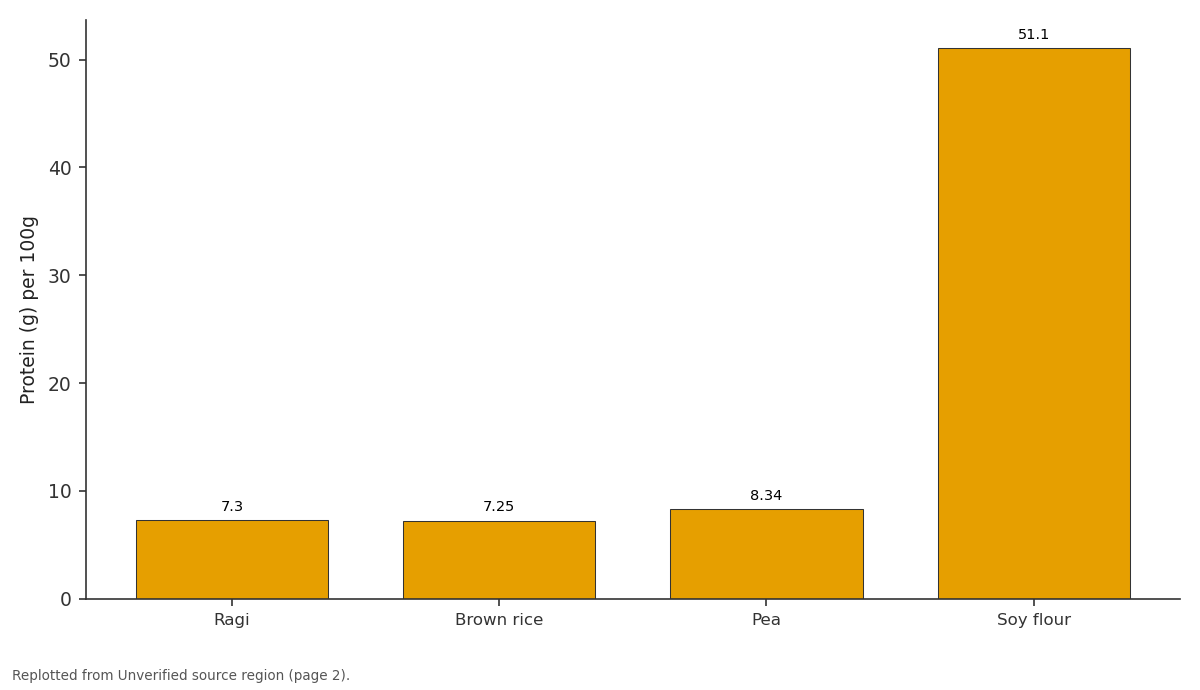
Protein (g) per 100g: Ragi vs Brown rice vs Pea vs Soy flour
Replotted from a table (page 2) of the original paper. Every bar is the paper's own table value.
View source evidence ↗Figures & tables
From the original paper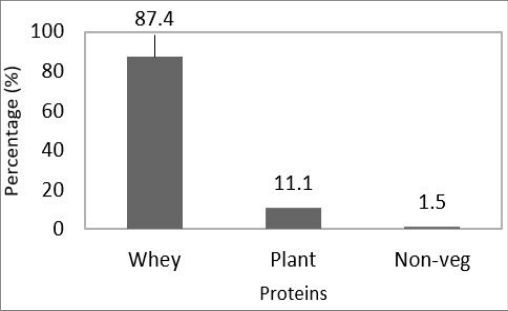 Figure 1
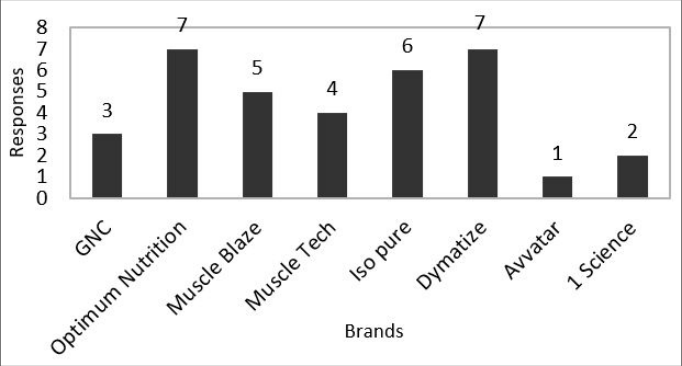 Figure 2
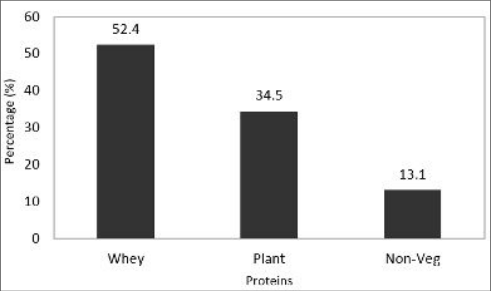 Figure 3
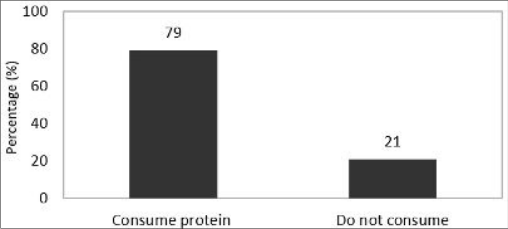 Figure 4
 Figure 5
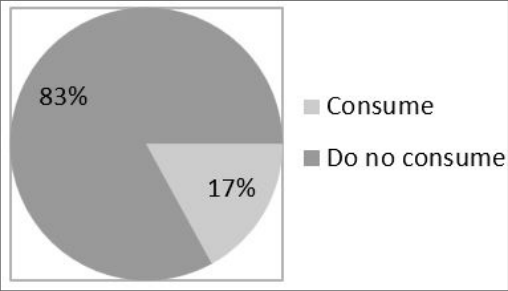 Figure 6
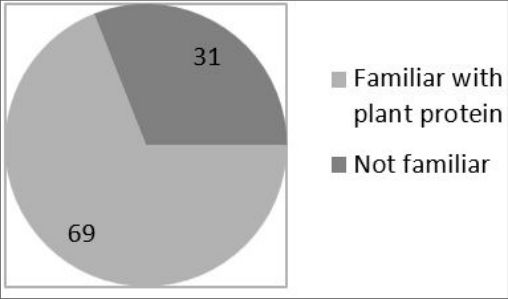 Figure 7
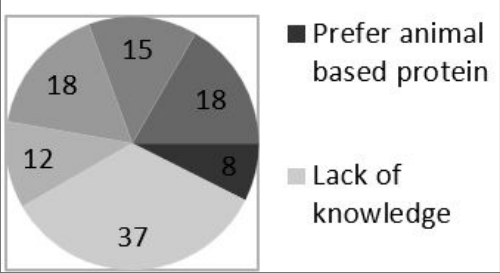 Figure 8
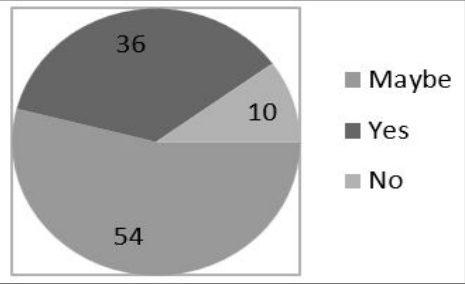 Figure 9
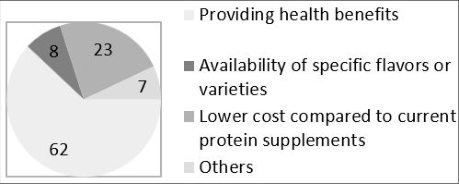 Figure 10
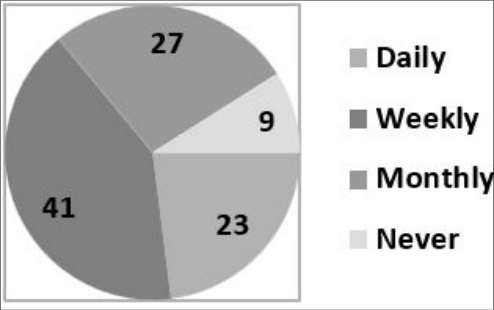 Figure 11
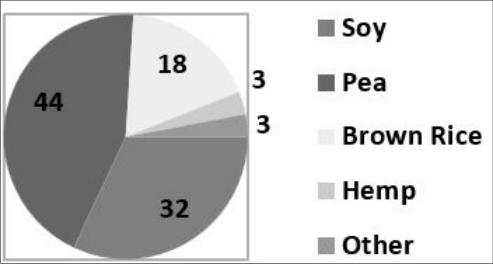 Figure 12
Introduction
Protein is considered as an essential nutrient in human diet as it secures growth in infancy, supports muscle and bone metabolism, maintenance and development of nervous system. Protein supplements are considered as "Sports food". People who are not able to take appropriate nutrients in their day-to-day life need to fulfill their nutritional requirements by dietary supplemements. These protein supplements are consumed by athletes, especially adolescent males in order to gain muscle strength, muscle recovery and as energy source. Nowadays, protein supplements are available in different forms such as ready to drink powders, protein bars, pills, premade shakes and all other food stuffs. According to ICMR, the Recommended Dietary Allowance (RDA) for Indians is given as, 0.8 to 1 gm protein per kg body weight per day and as per NIN, the RDA for indians is given as 0.83 gm protein per kg body weight per day [1] is sufficient to meet the basic nutritional requirements. Research indicates that overconsumption of protein can cause stress on kidneys. Also, it can lead to reduce level of calcium in bones resulting into osteoporosis [2] . Considering the over increase demand for protein supplements an market research was conducted to estimate the total market of protein supplements in India and landscaping the latest trends in protein market. Thorough study of protein powders and its consumption pattern was observed through survey. In the recent years, few sports supplements have undergone a sustained and remarkable ascent comparable to whey protein [3] . The rapid expansion of the global sports supplements market can be attributed to various factors such as heightened consumer health awareness, advancements in the food industry technology, forecasts concerning an aging population, and escalating healthcare expenses [4,5,6] . Sports supplements are conventionally utilized by athletes to optimize training outcomes and accelerate bodily recovery. There is common preception that makes constitute the primary demographic of sports supplements users [7] . The India Protein Market size is estimated at USD 1.40 billion in 2024, and is expected to reach USD 1.88 billion by 2029, growing at a CAGR of 6.07% during the forecast period (2024-2029). In 2019, about 37% of population was taking supplements for their skin and beauty advantages.
Immense availability of vegan protein sources, and low price of soy, wheat, pea, leads to the development of plant protein supplements with highest value share [8] . As humans are seeking for an alternative for whey proteins, Perfect Day has come-up with animal free dairy protein concept where they are creating premium quality of whey protein without use of cows. These protein are manufactured by process of fermentation by using bioreactors at controlled pH and temperature. The genes in dairy animals responsible for whey protein production are combined with genes of microflora and identical whey proteins are produce. Perfect Day has included this protein in many of their products such as ice-cream, cakes, protein supplements, etc. Also, MyProtein is a sourcing this protein supplements from Perfect Day [9] .
Sources of food items and protein content in them per serving
Meat and meat products are on the highest rank in percent protein contribution in food sources whereas grains holds 2 nd position [10] .
Methodology
The objective of the study was to analyze the trends and consumer behaviour pattern of protein supplements. Online and Offline survey was conducted to determine the demand and consumption of protein supplements. To obtain a good amount of data total ten stores, ten chain of pharmacies and ten gyms were selected which were situated in Mumbai. Microsoft forms were used to create electronic survey forms.
Results and Discussion
Results and Discussion
Protein Stores
Whey is the major type of protein about 87.4% getting sold in market whereas plant protein holds second position acquring about 11.1%. People of age group 26-45 years were seen visiting more to protein stores. There were many brands of protein powders available at stores like GNC, Iso-Pure, Muscle Blaze,Optimum Nutrition, Dymatize, etc out of which Optimum nutrition and Dymatize are the most popular brand among the people visiting protein stores. The least popular brands are One Science and Avvatar. Store managers were asked about the price range which is more appealing to customers so, the average price range which is appealing to customers was 2,000-3,000 Rs. The customers spend approximately 6,000 to 7,000 Rs on protein supplements per month. Stores located in regions like Bandra and Andheri west, people spend upto 10,000 to 12,000 Rs on protein powders. Some stores give discount upto 15-20% on protein supplements which vary according to brands.
Chain of pharmacies
Whey is the major type of protein getting sold in the market from pharmacies. After whey, plant protein holds 2nd position contributing 34.5% in total protein supplements. Population mostly of 26-35 years visit to pharmacies for purchasing protein supplements. Muscle Blaze is the popular brand among the customers visiting pharmacies. 1500 is the price range which is more appealing to people also upto 6000 is the montly expenditure on protein supplements. It was observed that in areas such as Bandra people spend up to 10,000-15,000 on protein supplements. Also, we can see people prefer to buy plant protein supplements from pharmacies. Pharmacies such as Apollo and Zeno Health have offers like Buy 2 get 1 freeand on an average discount of 20% is offered in pharmacies. Discounts on protein supplements vary according to brands. Oziva, B protin, Pediasure, etc are the other brands available at pharmacies. Also responses of people visiting gyms were analyzed and it was found that 79-80% people consume protein supplements whereas 20-21% people do not consume protein supplements. The people not consuming protein supplements were asked for reason so majority of them answered its expensive. Some people targets on fitness and not muscle building hence they don't consume protein supplements. Majority of people consume protein supplements regularly and the main goal of buying protein supplements is muscle building and fitness. Muscle blaze is the brand most popular brand among people visiting gym.
Other brands include Muscle Tech, Eugenics nutrition, Optimum nutrition, Myprotein. Chocolate flavor is most accepted flavor in protein supplements. After chocolate, it is seen that some people like to have mango flavor. Majority of people purchase protein supplements from online mode due to the discounts being offered. 4000 to 5000 is the average expenditure per month on protein supplements.
There are 69% people familiar with plant-based proteins are familiar with animal based protein. The primary reason people has not tried plant-based protein supplements is lack of knowledge. The other reasons included that they consume protein from natural diet and they did not feel any additional requirement. Some people has given reason as they are suffering from disease such as gout hence they are not consuming supplements. Also some of them has responded that plant-based proteins are not locally available. When people were asked about the intake of protein supplements in future, 54% people replied maybe they will try, 36% people will surely try plant-based protein supplements and 10% people are not interested to try supplements.
Conclusion
Our market research on protein supplements clarifies the diverse and dynamic landscape of protein supplements. Protein supplements are mainly used for muscle building and fitness goals. As the demand for protein supplements continues to spike, understanding the market and preference of consumers will provide valuable insights for business players to percieve competitive landscape, emerging opportunities and meeting consumer demands. Consumers are seeking for different flavors in plant protein hence development or enhancing flavor can increase the demand for plant protein as well.
Figures and tables from the paper
References
8 in the original paper- Euromonitor. Global trends in protein. Euromonitor International; 2016. London.
- Hasler CM. Functional foods: the western perspective. Nutr Rev. 1996;54(11):S6.
- Mirasol F. Sloan outlines nutraceutical trends at DCAT health & nutrition seminar. Chem Mark Rep. 1999;255(23):4-5.
- Challener CY. Functional foods market offers promise and risk. Chem Mark Rep. 2000;257(9):16.
- Froiland K, Koszewski W, Hingst J, Kopecky L. Nutritional supplement use among college athletes and their sources of information. Int J Sport Nutr Exerc Metab. 2004;14(1):104-120.
- Mordor Intelligence. India Protein Market Size & Share Analysis -Growth Trends & Forecasts Up to 2029. Available from: https://www.mordorintelligence.com/industryreports/india-protein-market
- Górska-Warsewicz H, Laskowski W, Kulykovets O, Kudlińska-Chylak A, Czeczotko M, Rejman K. Food products as sources of protein and amino acids-the case of Poland. Nutrients. 2018;10(12):1977.
- Shobana S, Krishnaswamy K, Sudha V, Malleshi NG, Anjana RM, Palaniappan L, et al. Finger millet (Ragi, Eleusine coracana L.): a review of its nutritional properties, processing, and plausible health benefits. Adv Food Nutr Res. 2013;69:1-39.