
Research article · 2025 · Full text
International Journal of Veterinary Sciences and Animal HusbandryPhytoestrogens as galactagogues in human and dairy cattle
Volume 10(1) · Pages 283–291 · DOI: 10.22271/veterinary.2025.v10.i1e.2036 ↗
Research areasPhytoestrogen effects and researchBiochemical effects in animalsProtein Hydrolysis and Bioactive Peptides
Abstract
Author-writtenThe production of milk in the mother's body is nature's biggest gift. After birth, an adequate amount of milk secretion is very important for the proper nutrition of the baby. Those substances that overcome the deficiency of milk secretion are called galactagogues. There are many such plants in nature whose use can increase lactation by stimulating milk production not only in humans but also in diary animals without any side effects. Medicines used to promote lactation contain many active ingredients whose identification is extremely important. In the presented research paper, herbal medicines and their phytoestrogenic chemicals that promote lactation in humans and dairy animals have been focused on and reviewed. We have described 23 herbs belonging from 17 families used as galactagogues and also discussed about myths and facts about them.
Summary
Source-checkedPlain-language reading of the full paper, prepared with AI and checked against the text. Each point links to the authors' own words.
Why it matters
- Adequate milk secretion after birth is critical for ensuring a baby receives proper nutrition. View evidence ↗
- Synthetic galactagogues like domperidone and sulpiride can cause severe side effects, including cardiac arrhythmia and gastrointestinal disorders. View evidence ↗
- Recombinant bovine somatotropin (rBST), a primary galactagogue for animals, negatively impacts the health of dairy cattle. View evidence ↗
The question
- The paper aims to review herbal medicines and phytoestrogenic chemicals that promote lactation in both humans and dairy animals. View evidence ↗
What they did
- The authors reviewed 23 herbs from 17 different plant families used as galactagogues. View evidence ↗
- The study compares the effects of natural galactagogue alternatives against active substances used in human and veterinary medicine. View evidence ↗
What they found
- Oral administration of Shatavari (Asparagus racemosus) was found to increase prolactin levels by three times. View evidence ↗
- Adding 60 g/kg of ginger to the diet of nursing Iraqi goats for five months improved milk output and solid content, though not fat, protein, or lactose. View evidence ↗
- Mothers consuming 10 dates daily for four weeks showed a significant increase in breast milk supply of 11% by the second week and 23% by the fourth week compared to a control group. View evidence ↗
- A dose of 800mg of papaya leaf extract was shown to increase prolactin hormone levels. View evidence ↗
- Isoflavones can mimic estrogen actions but are generally much less potent than synthetic estrogen. View evidence ↗
What it means
- The authors conclude that phytoestrogens show promising potential as galactagogues for both humans and dairy cattle. View evidence ↗
- Phytoestrogens may serve as a more natural and sustainable alternative to artificial hormones for promoting lactation. View evidence ↗
- Further research is needed to fully understand the biological mechanisms by which phytoestrogens increase milk production. View evidence ↗
Figures & tables
From the original paper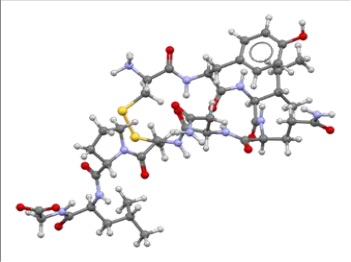 Figure 1
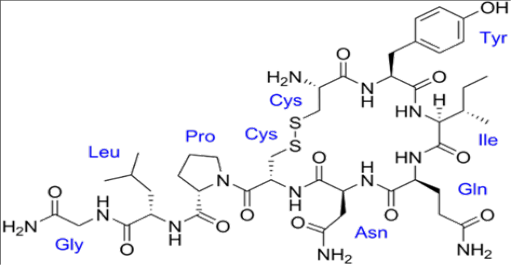 Figure 1
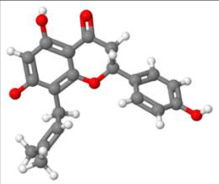 Figure 2
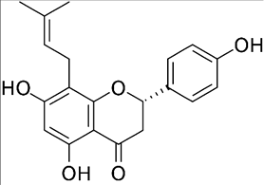 Figure 2
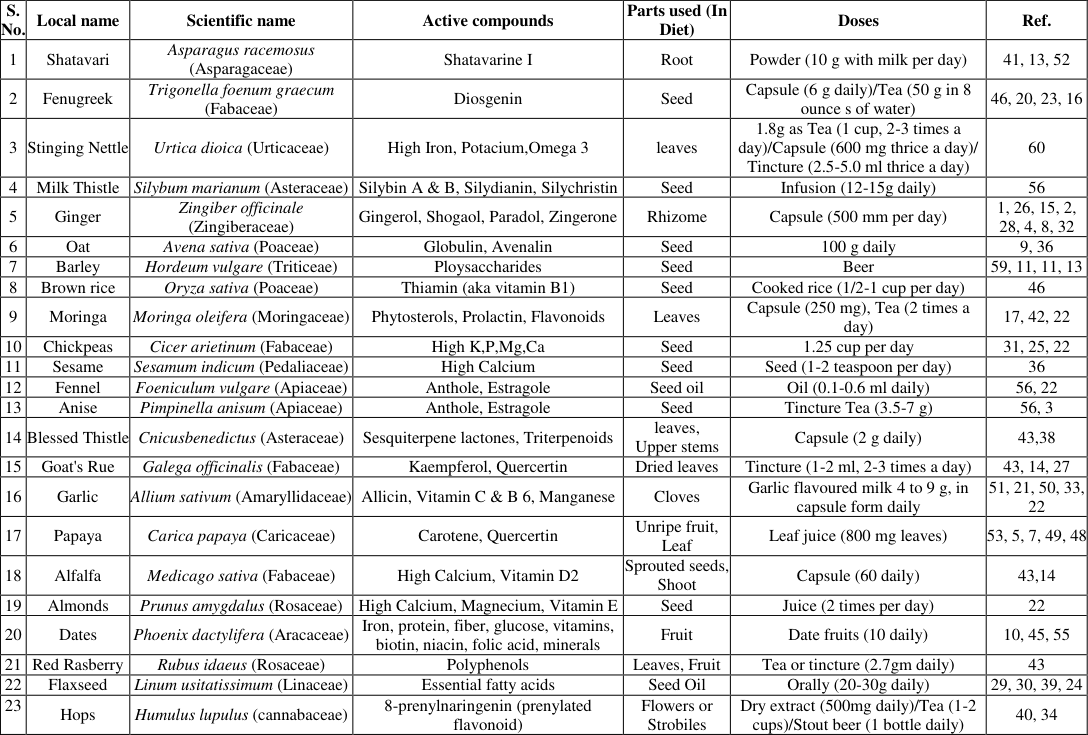 Table 1
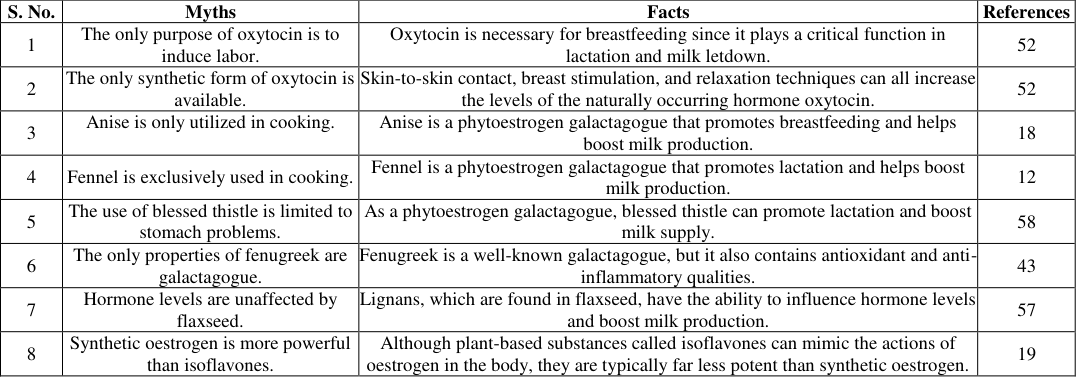 Table 2
Introduction
Galactagogues are substances that stimulate the mammary glands in the mother's body to secrete milk. Breastfeeding after birth is very important for a healthy baby. In modern times, women are turning away from breastfeeding, one of the main reasons for which is the desire to keep their bodies shapely. If the process of lactation does not happen properly in the body, then this tendency gets further encouraged. Mother's milk is like nectar for the child. Both nutritional and non-nutritional factors are responsible for milk production. Non-nutritional factors include health, endocrinology, climate, lifestyle, etc. There are both natural and synthetic types of galactagogues that induce, maintain, and promote milk production. Among the artificial ones, the main ones are domperidone, metoclopramide, chlorpromazine, sulpiride, etc. Although they also have many side effects. These mainly include cardiac arrhythmia, lethargy, sedation, gastrointestinal disorders, hypertension, facial seborrhoea, hyperhidrosis and even sudden death. Problems like lethargy, sedation and intestinal discomfort are also seen in those newborns who consume the milk of these mothers. Apart from these, insulin, cortisol, somatotropin, leptin, progesterone, estrogen, medroxyprogesterone, recombinant bovine somatotropin (rBST), thyrotropin releasing hormone (TRH) and oxytocin (Figure 1) play an important role in promoting lactation. rBST is the main galactagogue used in animals, which is directly adversely affects the health of the diary animals. Plants also contain many phytoestrogenic components that stimulate milk production in humans and animals. Phyto ingredients mainly found in fennel, fenugreek, asparagus, anise, milk thistle, goat's rue, ginger and garlic etc. stimulate lactation (Table 1). Many herbal preparations have also proven effective in this direction, which are being used in veterinary dairy industry and as human breastfeeding medicine.Plant-based substances called phytoestrogens function similarly to estrogen in the human body. Sesame seeds, flaxseeds, Fennel, etc. are among the plants that contain them.
| S. No. | Local name | Scientific name | Active compounds | Parts used (In Diet) | Doses | Ref. |
|---|---|---|---|---|---|---|
| 1 | Shatavari | Asparagus racemosus (Asparagaceae) | Shatavarine I | Root | Powder (10 g with milk per day) | 41, 13, 52 |
| 2 | Fenugreek | Trigonella foenum graecum (Fabaceae) | Diosgenin | Seed | Capsule (6 g daily)/Tea (50 g in 8 ounce s of water) | 46, 20, 23, 16 |
| 3 | Stinging Nettle | Urtica dioica (Urticaceae) | High Iron, Potacium,Omega 3 | leaves | 1.8g as Tea (1 cup, 2-3 times a day)/Capsule (600 mg thrice a day)/ Tincture (2.5-5.0 ml thrice a day) | 60 |
| 4 | Milk Thistle | Silybum marianum (Asteraceae) | Silybin A & B, Silydianin, Silychristin | Seed | Infusion (12-15g daily) | 56 |
| 5 | Ginger | Zingiber officinale (Zingiberaceae) | Gingerol, Shogaol, Paradol, Zingerone | Rhizome | Capsule (500 mm per day) | 1, 26, 15, 2, 28, 4, 8, 32 |
| 6 | Oat | Avena sativa (Poaceae) | Globulin, Avenalin | Seed | 100 g daily | 9, 36 |
| 7 | Barley | Hordeum vulgare (Triticeae) | Ploysaccharides | Seed | Beer | 59, 11, 11, 13 |
| 8 | Brown rice | Oryza sativa (Poaceae) | Thiamin (aka vitamin B1) | Seed | Cooked rice (1/2-1 cup per day) | 46 |
| 9 | Moringa | Moringa oleifera (Moringaceae) | Phytosterols, Prolactin, Flavonoids | Leaves | Capsule (250 mg), Tea (2 times a day) | 17, 42, 22 |
| 10 | Chickpeas | Cicer arietinum (Fabaceae) | High K,P,Mg,Ca | Seed | 1.25 cup per day | 31, 25, 22 |
| 11 | Sesame | Sesamum indicum (Pedaliaceae) | High Calcium | Seed | Seed (1-2 teaspoon per day) | 36 |
| 12 | Fennel | Foeniculum vulgare (Apiaceae) | Anthole, Estragole | Seed oil | Oil (0.1-0.6 ml daily) | 56, 22 |
| 13 | Anise | Pimpinella anisum (Apiaceae) | Anthole, Estragole | Seed | Tincture Tea (3.5-7 g) | 56, 3 |
| 14 | Blessed Thistle | Cnicusbenedictus (Asteraceae) | Sesquiterpene lactones, Triterpenoids | leaves, Upper stems | Capsule (2 g daily) | 43,38 |
| 15 | Goat's Rue | Galega officinalis (Fabaceae) | Kaempferol, Quercertin | Dried leaves | Tincture (1-2 ml, 2-3 times a day) | 43, 14, 27 |
| 16 | Garlic | Allium sativum (Amaryllidaceae) | Allicin, Vitamin C & B 6, Manganese | Cloves | Garlic flavoured milk 4 to 9 g, in capsule form daily | 51, 21, 50, 33, 22 |
| 17 | Papaya | Carica papaya (Caricaceae) | Carotene, Quercertin | Unripe fruit, Leaf | Leaf juice (800 mg leaves) | 53, 5, 7, 49, 48 |
| 18 | Alfalfa | Medicago sativa (Fabaceae) | High Calcium, Vitamin D2 | Sprouted seeds, Shoot | Capsule (60 daily) | 43,14 |
| 19 | Almonds | Prunus amygdalus (Rosaceae) | High Calcium, Magnecium, Vitamin E | Seed | Juice (2 times per day) | 22 |
| 20 | Dates | Phoenix dactylifera (Aracaceae) | Iron, protein, fiber, glucose, vitamins, biotin, niacin, folic acid, minerals | Fruit | Date fruits (10 daily) | 10, 45, 55 |
| 21 | Red Rasberry | Rubus idaeus (Rosaceae) | Polyphenols | Leaves, Fruit | Tea or tincture (2.7gm daily) | 43 |
| 22 | Flaxseed | Linum usitatissimum (Linaceae) | Essential fatty acids | Seed Oil | Orally (20-30g daily) | 29, 30, 39, 24 |
| 23 | Hops | Humulus lupulus (cannabaceae) | 8-prenylnaringenin (prenylated flavonoid) | Flowers or Strobiles | Dry extract (500mg daily)/Tea (1-2 cups)/Stout beer (1 bottle daily) | 40, 34 |
Table text extracted from the original PDF; superscript letters are shown inline. The original table image is below.
View original table image
Phytoestrogen's Function 1.Estrogen modulation:
By binding to estrogen receptors, phytoestrogens can affect hormone balance and possibly lessen the symptoms of menopause.
The activity of phytoestrogens is also influenced by endogenous oestrogen levels. Endogenous oestrogen levels are linked to elevated blood pressure in women who are of reproductive age. In order to bind to oestrogen receptors and prevent oestrogen action, lignans will compete with endogenous oestrogen in this circumstance. However, the ovaries' endogenous oestrogen production is reduced during menopause. Lignans are weak forms of oestrogen when oestrogen levels are low (Poluzzi et al. 2014) [41] .
Lactogenic effects:
In breastfeeding mothers, phytoestrogens may assist boost milk supply. Nowadays, there is a desire for plant-derived oestrogens because hormone replacement therapy is risky and ineffective. Compounds from any plant that resemble ovarian and placental oestrogens and their active metabolites in structure or activity are known as phytoestrogens (Parihar et al. 2004) [37] .
Redox regulation:
The antioxidant qualities of phytoestrogens can aid in preventing oxidative stress and cell damage. Using electron spin resonance spectroscopy, plasma ferric-reducing ability, and trolox equivalent antioxidant capacity, Mitchell et al. assessed the antioxidant efficacy of phytoestrogens and found that cumestrol has more than twice the ferric reducing ability of isoflavones, but only about half the activity of quercetin, a well-researched flavonoid (Mitchell et al., 1998) [35] .
Cardiac wellness:
Phytoestrogens may help prevent cardiovascular disease, lower blood pressure, and lower cholesterol.
According to experimental research, phytoestrogens have positive effects on endothelial cells, vascular smooth muscle, and extracellular matrix. They also reduce arterial stiffness and have antiatherosclerotic effects through the production of NO. Other pathophysiologic vascular processes, including lipid profile (lowering LDL cholesterol levels), angiogenesis, inflammation, and tissue damage from reactive oxygen species, may also be impacted by phytoestrogens. These effects may slow the advancement of atherosclerosis. (Wuttke et al., 2002) [61] .
Anti-tumor qualities:
It has been demonstrated that phytoestrogens can stop the growth of cancer cells and cause apoptosis, or cell death, in several cancer forms. Increased DNA mutagenesis, cell proliferation, tissue vascularization, decreased apoptosis, immunological response, and other processes that may be regulated by oestrogens can all be linked to the malignant transformation of healthy cells and tumorgenesis. Phytoestrogens may influence these processes through both -independent and -dependent pathways on the oestrogen receptor (Rietjens, et al. 2023) [47] .
Braincell protection:
Plant estrogens may offer some defense against neurodegenerative illnesses like Parkinson's and Alzheimer's. There is potential for phytoestrogens to enhance cognitive brain function. There is some evidence that phytoestrogens may have an impact on cognitive functions, and that these effects may be sex-specific. However, because published studies and their findings differ, it is impossible to draw firm conclusions about how phytoestrogens affect the healthy brain's cognitive functions. (Sumien et al. 2013) [54] .
Skeletal wellness:
By preserving density in bones, phytoestrogens may lower the incidence of osteoporosis. One of the key factors promoting bone growth is oestrogen. It is hypothesised that a diet high in phytoestrogen can prevent osteoporosis and that their deficiency can encourage it. (Wuttke et al., 2002) [61] .
Food source of Phytoestrogen
Shatavari, Fenugreek, Blessed thistle, Anise, Hops, Dates, Sesame, Garlic, Papaya, Moringa, Barley, Goat's rue, etc are some sources of phytoestrogen.
Colour code:
Carbon, C: grey Hydrogen, H: white Nitrogen, N: blue Oxygen, O: red Sulphur, S: yellow Not only plants are used as natural galactagogue substances but synthetic galactagogue substances are also used in abundance. These mainly include Oxytocin, rBST (Recombinant Bovine Somatotropin), TRH (ThyratropinReleasing Hormone) and medroxyprogesterone as hormone synthetic analogs, antiemetics metoclopramide and domperidone as dopamine antagonists, sulpiride and chlorpromazine as antipsychotics. rBST is the main galactogogoue used for dairy cattles. At present, many herbal preparations are being used in human breastfeeding medicine and the veterinary dairy industry to promote lactation. With its use, there has been a significant increase in milk production in women, goats, cows, and other milch species.
3D image by JS mol
In this paper, natural alternatives are reviewed while reviewing the use of active galactagogue substances in human and veterinary medicine. By comparing, their effects have been highlighted. Myths associated with the use of galactagogues are also mentioned in this study.
Herbs as Natural Galactagogues
Numerous physiological processes are positively impacted by active phytochemical components. Numerous illnesses are treated using them. This explains why lactation improvement has benefited from the usage of numerous plants and the active substances derived from them. The natural galactagogues are arranged in a table here.
Asparagus racemosus (Shatavari)
Shatavarine I is found in Asparagus racemosus plant root tuber. Shatavari possesses various medicinal benefits like anti-ulcer, anti-tussive, adaptogenic, anti-bacterial, antiprotozoal, molluscicidal, anti-hepatotoxic, anti-neoplastic, anti-oxidative, immunomodulatory, and anti-lithia-tic activity in addition. Clinical studies have shown the positive effect of Shatavari on the milk yield of lactating mothers. Oral administration of the herb increased the levels of prolactin three times due to the steroidal saponins as shatavarins I-IV.
An oral dosage of up to 64g/kg of Shatavari is considered safe for consumption (Rajni et al. 2024) [44] . However, an animal study found that the expansion of mammary glands, alveolar tissue, and acini associated with an increase in milk supply (Elemo et al. 2016) [14] . Consuming half a kilo of fresh asparagus root every day while milking increases the milk yield of buffaloes (Thakur et al. 2023) [56] .
Trigonella foenum graecum (Fenugreek)
Diosgenin is present in the Trigonella foenum graecum plant seed. Fenugreek is one of the most popular galactagogues commonly used by the lactating mothers. The seeds of fenugreek stimulate hormone precursors leading to enhancement in the milk production. It is also thought that the increase in breast milk could be due to the presence of phytoestrogens and diosgenin contents in fenugreek. Fenugreekis most popularly used herbal galactagogue throughout the world. It is enlisted in the FDA's list of herbs usually considered safe. It has been found that fenugreek is a potent stimulator of breast milk production that appears to be safe for mother and baby. It is relatively easy to obtain, inexpensive and requires no major preparation (Ravi, et al. 2020) [46] . Among the several active substances identified in fenugreek is diosgenin, which may be the main one linked to lactation (Hale et al. 1998) [20] . Diosgenin has been shown in animal experiments to stimulate the growth of breast tissue (Humphrey et al. 2007) [23] . It is believed that the active ingredients in fenugreek function as hormone precursors, increasing the amount of milk produced (Finch et al. 2012) [16] .
Urtica dioica (Stinging Nettle)
High Iron, Potacium, Omega 3 are found in leaves of Urtica dioica plant. Nettle is said to aid in lactation by supplying vital nutrients. It is believed that adding dried nettles to animal feed will increase the amount of milk that cows produce. However, if taken in strong quantities, the herb's astringent properties may theoretically lower milk production. Otherwise, using nettle during pregnancy or breastfeeding is not known to be harmful (RE Westfall et al. 2003) [60] .
Silybum marianum (Milk Thistle)
Silybin A & B, Silydianin, Silychristin are found in the seed of Silybum marianum plant. 60% of silybinin, which is mostly present in fruits and seeds, is the main component of silymarin. Numerous studies have demonstrated that the bioactive ingredient silymarin, which is found in Silybum, improves the mammary glands activity and, consequently, milk production. An animal study examined the galactagogues' effects in pregnant and lactating rabbits using milk thistle seed extract that contained 70% silymarin. Tests using varying dosages of the extract-3, 6, and 9 mL/Kg dietshowed that the prolactin level rose as the dose increased. It was discovered that the seed extract raises hormone levels, which aids in milk production (Thakur, et al., 2023) [56] .
Zingiber officinale (Ginger)
Gingerol, Shogoal, Paradol, Zingerone are found in Rhizome of Zingiber officinale plant. According to (Jubouri et al.
2012) [1] , adding ginger to cows' diets greatly boosts milk output and its constituents. According to (Jolad et al. 2005) [26] , dried ginger contains more gingerols than fresh ginger, which are byproducts of dehydration (Fahim et al. 2022) [15] . When ginger was added to 60 g/kg of concentrate diet for five months, it was found to improve milk output and milk contents of solids rather than fat, protein, or lactose in nursing Iraqi goats (Musodi et al. 2019) [2] . Ginger's ability to enhance milk production may be the cause of the notable rise in monthly milk production (Kanjanapothy et al. 1987) [28] , because it includes active substances that improve digestion and nutrition (Andrew et al. 2003) [4] . More milk production results from ginger's ability to improve the absorption of vital nutrients (Belewu, et al. 2006; Mahmoud et al., 2020) [8,32] . By preventing the formation of harmful microbes, ginger enhances the state of the gastrointestinal environment and increases milk production (Belewu et al., 2006) [8] .
Avena sativa (Oats)
Globulin, Avenalin are found in the seed of Avena sativa plant. A cup of oats is a healthy and easy way to increase the mother's milk production. According to (Bonyata, et al. 2017) [9] , iron, which is plentiful in oats, can improve milk production and lessen maternal anemia. Oats have long been utilized as a galactagogue in various cultures. Oats For nursing moms, whole grains are incredibly nourishing. These possess characteristics that control the hormones that produce breast milk. Consequently, consuming whole grains can boost the production of breast milk. Numerous vital micronutrients, such as vitamin E, vitamin B6, iron, folic acid, zinc, copper, and magnesium, are found in oats, these nutrients can promote the health of the newborn through breast milk and aid in the healing process after giving birth (Neelofer et al. 2021) [36] .
Hordeum vulgare (Barley)
The seeds of the plant Hordeum vulgare contain polysaccharides. B-glucan, lemon balm, and barley malt can all act as galactagogues for mothers of premature babies who have trouble producing enough milk (Wesolowska et al., 2021) [59] . In several cultures, moms utilize barley, a supposedly galactogogue, to improve their milk production. A polysaccharide in barley may raise serum prolactin, according to some animal research (Choudhari et al. 1989) [11] . Because barley is a galactagogue that increases nursing women's milk production, it also has a significant impact on maternal health (Aurangzeb et al. 2024) [6] . Although barley allergies are uncommon, mothers with celiac disease are recommended to avoid barley, which is used by mothers in many cultures to improve their milk supply [13] .
Oryza sativa (Brown rice)
Thiamin (aka vitamin B1) is found in the seed of Oryza sativa plant. According to a study that was published in the Clinical Epidemiology and Global Health, brown rice has been shown to improve the supply of breast milk. It contains substances that are known to promote lactation and increase nursing moms' supply of breast milk. Its nutrition index has also been shown to naturally improve the spirits of nursing moms (Ravi et al. 2020) [46] .
Moringa oleifera (Moringa)
Phytosterols, Prolactin, Flavonoids are present in the leaves of Moringa oleifera plant. The Moringa oleifera group's exclusive breastfeeding rate at six months met the WHO's targets. Consequently, the leaf of Moringa oleifera can be utilized as a galactagogue herb to boost breast milk production (Fungtammasan, et al. 2022) [17] . Galactagogues, which are found in moringa leaves, also enhance the quantity of excess food. Breast milk can be produced from moringa leaves. Moringa leaves contain prolactin. Its leaf extract is a potent lactagogue that raises the production of breast milk (Puspitasari et al. 2022) [42] . In addition to protein, moringa leaves are a great source of minerals like iron and vitamins B6, C, and riboflavin. According to a research by the University of the Philippines' Department of Pediatrics, nursing moms who took moringa capsules reported significantly more breast milk [22] .
Cicer arietinum (Chickpea)
High Potassium, Phosphorus, Magnesium, Calciumare found in seeds of Cicer arietinum plant. Chickpea is a good source of important vitamins such as riboflavin, niacin, thiamine, folate and the vitamin A precursor β-carotene (Kishor, et al. 2017) [31] . Chickpea is considered to be one of the best edible legumes that help in weight gain and appetite. It is traditionally used in cancer, liver, kidney, and lung diseases and it can increase libido and increase milk production. Can increase (Javan, et al. 2017) [25] . It functions as a galactagogue, mimicking estrogen, and is primarily in charge of bringing up the production of breast milk [22] .
Sesamum indicum (Sesame)
High calcium is present in the seed of Sesamum indicum plant. Black sesame seeds are proven to help nursing moms produce more milk. As a lactogenic food, sesame seeds aid in the development and enhancement of breast milk production. Some of the effects of sesame seeds on breast milk may be explained by their high calcium content and beneficial polyunsaturated fats, omega-6 fatty acids, and minerals. In to providing a considerable amount of iron, sesame seeds have estrogen-like plant qualities (Neelofer et al. 2021) [36] .
Foeniculum vulgare (Fennel)
Anthole, Estragole are found in seed of Foeniculum vulgare plant. The main bioactive components of the essential oil extracted from fennel seeds are anethole (50-60%) and fenchone (15-20%). The extracted oil is chiefly comprised of (E)-anethole, (Z)-anethole, and α-thujone with proteins (14-22%) and fat content (12-18%) (Thakur, et al., 2023) [56] . Prolactin found in fennel plays an important role in milk production during breastfeeding. The fennel seeds used to the lactation bakes are an essential component of your diet as a nursing mother. According to a wealth of study, fennel seeds are the cause of the traditionally used milk boosters' increased milk volume, fat content, and consequent weight gain in babies [22] .
Pimpinella anisum (Anise)
Anthole, Estragole are found in the seed of Pimpinella anisum plant. Star anise has strong estrogenic action in rats study agrees with anti-estrogenic, progestational, and antiprogestational properties. Estrogens found in star anise promote the milk duct system to expand and boosts breast milk production and the prolactin hormone level (Thakur, et al., 2023) [56] . Numerous qualities, including antioxidant, antibacterial, carminative, expectorant, antiseptic, antispasmodic, and oestrogenic action, have been identified in extracts and essential oils derived from this plant. The herb has also been used in traditional medicine as a galactogogue, aphrodisiac, and to relieve menstruation pain (Anastasopoulou et al., 2020) [3] .
Cnicus Benedictus (Blessed Thistle)
Sesquiterpene lactones, Triterpenoids present in the leaves and upper stems of Cnicus Benedictus plant. One of the best galactagogue herbs is the dried aerial portions, which are utilized as a galactagogue. It helps reduce moderate kinds of postpartum depression and increases breast milk. It is believed to improve the flow of milk by increasing blood flow to the mammary glands (Rajagopal et al. 2016) [43] . The components of dried acryl are utilized as galactagogues. It is believed to increase employment by stimulating blood flow to the breast glands, which enhances milk output. Blessed thistle is the least harmful. Women's blessed thistle is a bitter herb that helps with digestive and liver issues. It affects hormone levels and improves and enriches milk supply (Patel et al. 2015) [38] .
Galega officinalis (Goat's Rue)
Kaempferol, Quercertin are present in the dried leaves of Galega officinalis plant. Around the world, goat's rue is used extensively as a galactagogue. There aren't many scientific studies on goat's rue's effectiveness or safety for nursing moms or babies. Although goat's rue is generally well accepted, women using antidiabetic medications should exercise caution since it may result in hypoglycaemia (Rajagopal et al.2016) [43] . Although no controlled human trials have demonstrated lactogenic efficacy, studies on animals have shown increased milk production. In animal husbandry, galega officinalis is frequently used to boost the milk output of goats, cows, and sheep (Elemo et al. 2016) [14] . It's possible that phytosterols like diosgenin, phenolic substances like kaempferol and quercetin, and phytochemicals with dopamine antagonistic properties like anethole contribute to the rise in Brest milk. Furthermore, natural antioxidants that have the ability to scavenge free radicals have demonstrated a variety of positive benefits on cattle's productivity (Kahkeshani N, et al. 2015) [27] .
Allium sativum (Garlic)
Allicin, Vitamins C and B6, and Manganese ore found in the cloves of Allium sativum plant. (Sharma et al. 2014) [51] Allicin, a sulfur-containing component found in garlic, is crucial for development because sulfur compounds can penetrate the placenta and reach the baby (Hidiroglou, et al. 1981) [21] . (Scheffler et al. 2019) [50] Breastfed children showed increased suckling activity and stayed attached to the mother's breast longer after their moms had eaten garlic (Mennella, et al. 1991) [33] . It is a famous galactagogue as well. Due to their developing taste for garlic, which is found in trace amounts in breast milk, babies drink milk for extended periods of time [22] .
Carica papaya (Papaya)
Carotene, Quercertin are found in the unripe fruit and leaves of Carica papaya plant. Carica papaya is shrub belonging to family Caricaceae, widely cultivated in many tropical countries (Subenthiran et al. 2013, Arumuganathan et al. 1991) [53,5] . Kandha tribe of Kandhamal district of Orissa used 20 gm root paste on breast or taken orally with raw milk to increase lactation (Behera et al. 2006) [7] .To encourage the lactation unripe cooked fruits are used by the warlis tribe of Maharashtra (Sayed et al. 2008) [49] . Ripen fruite of papaya contains the proteolytic enzymes papain and chymopapain encourage the lactation. Papaya fruit is "generally recognized as safe" as a food by the United State Food and Drug Administration. The papaya leaves extract hasgalactagogue property was taken to prove over deficient milk production with Quasi-experiment with Pretest Posttest design method with nonequivalent control group. Papaya leaves show increase in prolactin hormones level in a dose of 800mg (Sahu et al. 2022) [48] .
Medicago sativa (Alfalfa)
They are present in the Sprouted seeds & Shoot of Medicago sativa plant. Alfalfa is the primary food source for dairy cows, horses, and goats. It is also thought to be a galactagogue, which helps nursing moms produce more breast milk. Alfalfa has been used for women's health for a very long time. For many years, nursing moms have been consuming it to aid in the production of breast milk. Alfalfa is regarded as safe and nutrient-dense when consumed in moderation. Alfalfa is harmless for the infant and does enter the breast milk (Rajagopal et al. 2016) [43] . The pituitary glands breast glandular tissue function is encouraged by Medicago sativa leaves.Because it includes a variety of minerals, including magnesium, phosphorus, potassium, zinc, vitamins A, C, E, and K, as well as essential and non-essential amino acids, Medicago sativa leaves have a rich nutritional profile (Elemo, et al. 2016) [14] .
Prunus amygdalus (Almonds)
High Calcium, Magnesium, Vitamin Eare present in the seed of Prunus amygdalus plant.Nuts provide vital vitamins and minerals and are renowned for their high nutritious content. Almonds are used by nursing women to boost the quality of their breast milk, which includes a larger fat content, a naturally sweet flavor, and a higher volume of improved and flavorful breast milk [22] .
Phoenix dactylifera (Dates)
Iron, protein, fiber, glucose, vitamins, biotin, niacin, folic acid, minerals are present in fruit of Phoenix dactyliferaplant. Iron, protein, fiber, glucose, vitamins, biotin, niacin, folic acid, minerals like calcium, sodium, and potassium, and steroid alcohol and sterol compounds like cholesterol are all found in dates, and they can increase the amount of breast milk. Steroid alcohol is a precursor for the production of estrogen and, in conjunction with progesterone; it contributes to lactation, the development of mammary ducts and alveoli, and the stimulation of the secretion of prolactin in small amounts. A total of 25 mothers received 10 dates per day for four weeks, while 23 mothers served as a control group. From the first to the second week and from the first to the fourth week, the moms who ate dates saw a significant rise in their breast milk supply of 11% and 23%, respectively. Similarly, in contrast to the control group, the levels of breast milk were noticeably larger (Cengel et al. 2024) [10] . In addition to high in nutrients, date fruits also contain galactagogues, which improve the production of milk. Additionally, they are said to contain patuchin hormone, which is essential for lowering bleeding after childbirth and promoting uterine healing. This hormone effectively increases milk production by facilitating vascular movements around the mammary glands (Ramadhani et al. 2024) [45] . In addition to being a source of carbohydrates, proteins, and vitamins and minerals like vitamin B complex, vitamin C, vitamin K, calcium, phosphorus, magnesium, and potassium, palm dates also contain plant chemicals and important nutrients like carotenoids, polyphenols, especially phenolic acids, isoflavones, flavonoids, and tannins, which may increase milk volume. Palm dates also have a sweet taste due to their natural sugar content, primarily sucrose, which makes them a popular ingredient in galactagogue products because they enhance taste (Tanasinpiboon et al. 2021) [55] .
Rubus idaeus (Red Rasspberry)
Polyphenols are present in the leaves and fruits of Rubus idaeus plant. Galactagogues should never be used in place of assessment and guidance regarding variables that can be changed to influence milk output. Additionally, Red raspberry is a component of breastfeeding tincture and tea. As a uterine toner, it not only promotes the production of breast milk but also aids in the uterus's postpartum recovery (Rajagopal et al. 2016) [43] .
Linum usitatissimum (Flaxseed)
Essential fatty acids are present in the seed oil of Linum usitatissimum plant. Goats' rumen may produce more acetic acid and less butyric acid as a result of the flaxseed treatment, which would boost milk output (Kholif and associates et al. 2014) [29] . Flaxseed has the highest percentage of n-3alinolenic acid (54.4±4.7 g/100 g of total fatty acids), making it the most recommended of all oilseeds. (Kholif et al. 2016) [30] Shown that supplementing with 20 ml of linseed oil per day increased milk output. (Petit et al. 2004) [39] found that adding whole flax seeds to dairy cows' diets at a rate of 9.7% of dietary dry matter after calving enhanced milk output by 29% (Ibrahim et al. 2020) [24] .
Humulus lupulus (Hops)
8-prenylnaringenin (prenylated flavonoid) is present in the flowers and strobiles of Humulus lupulusplant. For millennia, hop (Humulus lupulus L.) has been used to flavor and preserve beer. In addition to catechins with possible medicinal uses, this plant is abundant in phenolic acids, flavonoids, proanthocyanidins, prenylated chalcones, and flavanones. In the past, female hop pickers frequently experienced menstruation irregularities, and hop extract was found to be effective in lowering hot flashes linked to menopause in women. Following a successful bioassay-guided fractionation of hop extracts, Milligan et al. reported a new chemical, 8prenylnaringenin (8-PN) [Fig. 2], in 1999 and presented the first proof of its significant estrogenic activity. Actually, this chemical was first discovered in hops in 1984, but it was subsequently ignored (Pohjanvirta, et al. 2022) [40] . Numerous investigations have confirmed the high estrogenic efficacy of 8-PN since its discovery by (Milligan et al. 1997) [34] .
Myths and Facts about Galactagogues
Galactogogues have been used extensively to promote lactation and milk production, including synthetic substances and phytoestrogens. However, there are frequently misunderstandings and errors in the literature on these drugs. The purpose of this section is to dispel some of the most common myths and facts about synthetic galactogogues and phytoestrogens. Fennel is a phytoestrogen galactagogue that promotes lactation and helps boost milk production. 12 5
The use of blessed thistle is limited to stomach problems.
As a phytoestrogen galactagogue, blessed thistle can promote lactation and boost milk supply. 58
The only properties of fenugreek are galactagogue.
Fenugreek is a well-known galactagogue, but it also contains antioxidant and antiinflammatory qualities. 43 7 Hormone levels are unaffected by flaxseed.
Lignans, which are found in flaxseed, have the ability to influence hormone levels and boost milk production. 57 8 Synthetic oestrogen is more powerful than isoflavones.
Although plant-based substances called isoflavones can mimic the actions of oestrogen in the body, they are typically far less potent than synthetic oestrogen. 19
Conclusion
In both dairy cattle and humans, phytoestrogens have demonstrated encouraging potential as galactagogues.
Numerous studies have shown that these plant-derived substances enhance breastfeeding outcomes and increase milk production. It has been demonstrated that phytoestrogens such lignans and isoflavones enhance human milk production and nursing outcomes, especially in moms with low milk supplies.
Phytoestrogens have also been shown to lower the risk of reproductive problems and enhance milk output and composition in dairy calves. This work also indicate myths and facts about galactagogoes.
The information now available indicates that phytoestrogens may be a helpful supplement to conventional breastfeeding support techniques, even though further study is required to completely comprehend the mechanisms by which these substances achieve their galactagogic effects. Furthermore, using phytoestrogens as galactagogues could provide a more sustainable and natural substitute for artificial hormones and other lactation aids.
To verify the effectiveness and safety of phytoestrogens as galactagogues in dairy cattle and humans, as well as to investigate their possible uses in other nursing animals, more research is required. However, the information that is now available indicates that phytoestrogens could be a useful tool in promoting lactation and enhancing the results of milk production in a number of situations.
Conflict of interest None
Conflict of interest None
Acknowledgement
The funding for this research work was provided by Biotechnology Industry Research Assistance Council (BIRAC) E-YUVA Centre Career (Autonomous) College Bhopal (M.P.) India, for which we are truly grateful. We also thank Government College Shahpur, District Betul (M.P.) India for supplying the resources and facilities that we needed.
Figures and tables from the paper
References
61 in the original paper- Al-Musodi MF, Jaafar HM. Effect of dietary Zingiber officinalis root powder and vitamin E-selenium on milk yield and its chemical composition in lactating Iraqi female goats. In: IOP Conference Series: Earth and Environmental Science. 2019 Nov;388(1):012022. IOP Publishing.
- Anastasopoulou E, Graikou K, Ganos C, Calapai G, Chinou I. Pimpinella anisum seeds essential oil from Lesvos Island: Effect of hydrodistillation time, comparison of its aromatic profile with other samples of the Greek market. Safe Use. Food Chem Toxicol. 2020;135:110875.
- Andrew C. Alternative medicine, Medicinal herbs and medicinal plants. Arabic Academia International, 2003, p. 1-336.
- Arumuganathan K, Earle ED. Nuclear DNA content of some important plant species. Mol Biol Rep. 1991;9:208-218.
- Aurangzeb M. Role of barley in maternal health. In: Abbas RZ, Khan AMA, Qamar W, Arshad J, Mehnaz S, editors. Complementary and Alternative Medicine: Botanicals/Homeopathy/Herbal Medicine. Faisalabad, Pakistan: Unique Scientific Publishers, 2024, p. 83-88. https://doi.org/10.47278/book.CAM/2024.182
- Behera SK, Panda A, Behera SK, Misra MK. Medicinal plants used by the Kandhas of Kandhamal district of Orissa. Indian J Tradit Knowl. 2006;5(4):519-528.
- Belewu MA. A functional approach to Dairy Science and Technology. Ilorin: Adlek Printing Enterprises, 2006, p. 137-72.
- Bonyata K. Oatmeal for increasing milk supply. Kellymom-Parenting Breastfeeding, 2017. Available from: https://kellymom.com/bf/got-milk/supplyworries/oatmeal/
- Cengel RK, Dogan G. Effects of herbal galactagogues on breast milk. Open J Frailty Sci. 2024;2(1):10.23880/oajfs-16000112. Available from: https://www.researchgate.net/publication/384119656_Eff ects_of_Herbal_Galactagogues_on_Breast_Milk
- Chaudhuri RN, Ghosh BN, Chatterjee BN. Diet intake patterns of non-Bengali Muslim mothers during pregnancy and lactation. Indian J Public Health. 1989;33(2):82-83.
- D'Antuono LF, Ferioli F, Oliveri S. Wild fennel (Foeniculum vulgare Mill. subsp. piperitum (Ucria) Cout.) culinary uses: An overview, preliminary on-field documentation and analytical perspectives. In: International Symposium on Carrot and Other Apiaceae, 2014 Sep, p. 21-8.
- National Institute of Child Health and Human Development. Drugs and Lactation Database (LactMed ® ) [Internet]. Bethesda (MD): National Institute of Child Health and Human Development, 2006. Barley. [Updated 2024 Aug 15]. Available from: https://www.ncbi.nlm.nih.gov/books/NBK501827/
- Elemo O, Oreagba I, Akinwunmi A, Elemo G, NicholasOkpara V. Lactation failure and potential of traditional herbs as galactagogues. Int J Health Sci. 2016;4(1):427434.
- Fahim NH, Kholif AE, Azzaz HH. Fennel and ginger improved nutrient digestibility and milk yield and quality in early lactating Egyptian buffaloes. Ann Anim Sci. 2022;22(1):255-270.
- Finch E. Complementary and alternative therapies: supporting the woman with inadequate milk production, 2012.
- Fungtammasan S, Phupong V. The effect of Moringa oleifera capsule in increasing breast milk volume in early postpartum patients: A double-blind, randomized controlled trial. Eur J Obstet Gynecol Reprod Biol X. 2022;16:100171.
- Gouda TM. Study The Storage Quality Of Supplemented Bread With Different Levels Of Anise Powder. J Home Econ. 2019;29(1).
- Gupta RC, Mostrom MS, Evans TJ. Zearalenone. In: Gupta RC, editor. Veterinary Toxicology. 2nd ed. Academic Press, 2018, p. 1055-63.
- Hale TW. Medications and mothers' milk. 13th ed. Taslac Pty Ltd, 1998.
- Hidiroglou M, Knipfel JE. Maternal-fetal relationships of copper, manganese, and sulfur in ruminants. A review. J Dairy Sci. 1981;64(8):1637-1647.
- Cookie Dealers. Galactagogues: Foods for Milk Supply Booster. [Internet], 2021 Mar 8. Available from: https://cookiedealersg.com/blogs/blogarticles/galactagogues-foods-milk-supply-booster
- Humphrey S, Hale TW, Hartmann PE. Herbal therapeutics during lactation. In: Hale TW, editor. Textbook of Human Lactation. Texas: Hale Publishing, 2007, p. 1-26.
- Ibrahim AH, Younis FE, Abdeen EMM, El-Shafei S. Effect of flax seed supplementation on milk production, chemical composition, physical attributes, and fatty acid International Journal of Veterinary Sciences and Animal Husbandry https://www.veterinarypaper.com profile of milk in lactating goats of Halayeb-ShalateenAbu Ramad triangle of Egypt. Anim Sci Rep. 2020;13(1).
- Javan R, Javadi B, Feyzabadi Z. Breastfeeding: A review of its physiology and galactagogue plants in view of traditional Persian medicine. Breastfeed Med. 2017;12(7):401-409.
- Jolad SD, Lantz RC, Chen GJ, Bates RB, Timmermann BN. Commercially processed dry ginger (Zingiber officinale): composition and effects on LPS-stimulated PGE2 production. Phytochemistry. 2005;66(13):1614-35.
- Kahkeshani N, Hadjiakhoondi A, Maafi N, Khanavi M. Standardization of a galactagogue herbal mixture based on its total phenol and flavonol contents and antioxidant activity. Res J Pharmacogn. 2015;2(1):35-39.
- Kanjanapothi DA. Uterine relaxant compound from zingiber. Planta Med. 1987;53:329-332.
- Kholif AE, Khattab HM, El-Shewy AA, Salem AZM, Kholif AM, El-Sayed MM, et al. Nutrient digestibility, ruminal fermentation activities, serum parameters and milk production and composition of lactating goats fed diets containing rice straw treated with Pleurotus ostreatus. Asian-Australas J Anim Sci. 2014;27(3):357.
- Kholif AE, Morsy TA, Tawab AELAM, Anele UY, Galyean ML. Effect of supplementing diets of AngloNubian goats with soybean and flaxseed oils on lactational performance. J Agric Food Chem. 2016;64(31):6163-6170.
- Kishor K, David J, Tiwari S, Singh A, Rai BS. Nutritional composition of chickpea (Cicer arietinum) milk. Int J Chem Stud. 2017;5(4):1941-1944.
- Mahmoud AEM, Rahmy HAF, Ghoneem WMA. Role of caraway, fennel and Melissa addition on productive performance of lactating Frisian cows, 2020.
- Mennella JA, Beauchamp GK. The transfer of alcohol to human milk: effects on flavor and the infant's behavior. N Engl J Med. 1991;325(14):981-985.
- Milligan S, Kalita J, Heyerick A, Rong H, Cooman DL, Keukeleire DD. Identification of a potent phytoestrogen in hops (Humulus lupulus L.) and beer. J Clin Endocrinol Metab. 1999;84:2249.
- Mitchell JH, Gardner PT, McPhail DB, Morrice PC, Collins AR, Duthie GG. Antioxidant efficacy of phytoestrogens in chemical and biological model systems. Arch Biochem Biophys. 1998;360(1):142-148.
- Neelofer A. Development of galactobar-a galactagogues rich product, 2021.
- Parihar MS, Hemnani T. Experimental excitotoxicity provokes oxidative damage in mice brain and attenuation by extract of Asparagus racemosus. J Neural Transm. 2004;111:1-12.
- Patel H, Desal H, Krishnamurthy R. Plant as a booster for lactation. Am J Clin Exp Med. 2015;3(2):59.
- Petit HV, Germiquet C, Lebel D. Effect of feeding whole, unprocessed sunflower seeds and flaxseed on milk production, milk composition, and prostaglandin secretion in dairy cows. J Dairy Sci. 2004;87(11):388998.
- Pohjanvirta R, Nasri A. The potent phytoestrogen 8prenylnaringenin: A friend or a foe? Int J Mol Sci. 2022;23(6):3168. https://doi.org/10.3390/ijms23063168.
- Poluzzi E, Piccinni C, Raschi E, Rampa A, Recanatini M, De Ponti F. Phytoestrogens in postmenopause: the state of the art from a chemical, pharmacological and regulatory perspective. Curr Med Chem. 2014;21(4):41736.
- Puspitasari R, Rahmawati RSN, Setyarini AI. Study of local plant as a functional food to increase breast milk supply. J Ners Midwifery. 2022;9(3):393-400.
- Rajagopal PL, Premaletha K, Sreejith KR. A comprehensive review on safe galactagogues. World J Pharm Res. 2016;5(8):1629-1640.
- Rajni VR, Sindhu SC. Influence of Shatavari (Asparagus racemosus) root powder in increasing mothers milk output and infants weight gain. Indian Res J Ext Edu. 2024;24(2):42-50.
- Ramadhani A, Amirus K, Mariza A, Ermasari A. Influence of date fruit consumption on breast milk production in breastfeeding mothers. JKM (Jurnal Kebidanan Malahayati). 2024;10(9):895-902.
- Ravi R, Joseph J. Effect of fenugreek on breast milk production and weight gain among infants in the first week of life. Clin Epidemiol Global Health. 2020;8(3):656-660.
- Rietjens IM, Sotoca AM, Vervoort J, Louisse J. Mechanisms underlying the dualistic mode of action of major soy isoflavones in relation to cell proliferation and cancer risks. Mol Nutr Food Res. 2013;57(1):100-113.
- Sahu U, Shah K, Chauhan NS. Potential galactagogues: A review. Int J Pharm Sci Nanotechnol. 2022;15(1):5726-5740.
- Sayed NZ, Deo R, Mukundan U. Herbal remedies used by Warlis of Dahanu to induce lactation in nursing mothers, 2007.
- Scheffler L, Sharapa C, Buettner A. Quantification of volatile metabolites derived from garlic in human breast milk. Food Chem. 2019;274:603-610.
- Sharma R, Jaitawat A, Kantwa SM, Jain N, Rani D. Role of garlic and fenugreek during gestation and lactation: A review. Universal J Environ Res Technol. 2014;4(5).
- Shyken JM, Petrie RH. Oxytocin to induce labor. Clin Obstet Gynecol. 1995;38(2):232-245.
- Subenthiran S, Choon TC, Cheong KC, Thayan R, Teck MB, Muniandy PK, et al. Carica papaya leaves juice significantly accelerates the rate of increase in platelet count among patients with dengue fever and dengue hemorrhagic fever. Evid Based Complement Altern Med. 2013;2013:616737.
- Sumien N, Chaudhari K, Sidhu A, Forster MJ. Does phytoestrogen supplementation affect cognition differentially in males and females? Brain Res. 2013;1514:123-127.
- Tanasinpiboon C, Pavadhgul P, Bumrungpert A. Consumption of palm date herbal beverage: effect on maternal and infant nutritional status. Thai J Public Health. 2021;51(3):234-242.
- Thakur M, Khedkar R, Singh K, Sharma V. Ethnopharmacology of botanical galactagogues and comprehensive analysis of gaps between traditional and scientific evidence. Curr Res Nutr Food Sci J. 2023;11(2):589-604.
- Tou JC, Chen J, Thompson LU. Dose, timing, and duration of flaxseed exposure affect reproductive indices and sex hormone levels in rats. J Toxicol Environ Health A. 1999;56(8):555-70.
- Ulbricht C, Basch E, Dacey C, Dith S, Hammerness P, Hashmi S, et al. An evidence-based systematic review of blessed thistle (Cnicus Benedictus) by the Natural Standard Research Collaboration. J Diet Suppl. 2008;5(4):422.
- Wesolowska A, Pietrzak B, Najman KB, Wielgos M, Czajkowski K, Wietrak E, et al. Barley malt-based composition as a galactagogue-a randomized, controlled trial in preterm mothers. Ginekol Pol. 2021;92(2):118125.
- Westfall RE. Galactagogue herbs: A qualitative study and review. Can J Midwifery Res Pract. 2003;2(2):22-27.
- Wuttke W, Jarry H, Westphalen S, Christoffel V, Wuttke SD. Phytoestrogens for hormone replacement therapy? J Steroid Biochem Mol Biol. 2002;83(1-5):133-147.
- Cengel RK, Dogan G. Effects of Herbal Galactagogues on Breast Milk. Open J of Frail Sci 2024;2(1):00011.
Cited by 1
From OpenAlex, OpenCitations and reference lists read by Scinovex
- Evaluation of a novel herbal formulation for improving milk fat and yield in Indian Gir Dairy Cattle: A seasonal controlled trial ↗
Kanishka Gupta, Sandhya Marskole, Divya Irpache, Smitha Yadav, Sheetal Choudhary · Journal of Ayurveda and Holistic Medicine · 2025
Background: This study examined the impact of a novel herbal formulation (Gou Graas) on milk fat content, milk output, and body weight in nursing dairy cows. Materials and Methods: Nine healthy dairy cows (Indian Gir) were randomly allocated to treatment and control groups in a controlled study. Over the course of 8 weeks, the treatment group was given an herbal…
❝ 0PDF