
Research article · 2024 · Full text
International Journal of Horticulture and Food ScienceTypology of papaya-producing farms in the Niayes area (Senegal)
Volume 6(2) · Pages 45–52 · DOI: 10.33545/26631067.2024.v6.i2a.228 ↗
Research areasAgriculture and Rural Development ResearchPapaya Research and ApplicationsLivestock and Poultry Management
Abstract
Author-writtenSenegal\'s agricultural landscape is marked by the growing importance of papaya cultivation, which is increasingly found on farms. Pawpaw cultivation is emerging to make investments profitable, particularly in the Niayes area. Despite its importance, the papaya sector has not been the subject of many studies. This study aims to draw up a typology of papaya-producing farms in the Niayes area. The survey results of fifty (50) producers reveal a new profile of producers: 86% have a profession other than agriculture. Only seven (7) farms have legal status. Forty-three (43) farms are less than ten (10) hectares in size. The results also show great diversity in implementing the technical itinerary and the varieties grown. Citrus growing is frequently found in association with papaya cultivation. To our knowledge, this is the first article on the subject in Senegal.
Summary
Source-checkedPlain-language reading of the full paper, prepared with AI and checked against the text. Each point links to the authors' own words.
Why it matters
- Papaya cultivation is becoming increasingly important in Senegal, especially in the Niayes area, as a way to make agricultural investments profitable. View evidence ↗
- Despite its growth, the papaya sector lacks sufficient documented research, which hinders the ability to map the industry. View evidence ↗
The question
- The study aims to create a typology of papaya farms in the Niayes area by identifying farm types and reviewing the technical methods used for production. View evidence ↗
What they did
- Surveys were conducted across 50 farms in various locations within the Niayes area. View evidence ↗
- The researchers used the snowball sampling method to identify and survey producers due to the lack of an existing database. View evidence ↗
- Data collection involved observations and surveys regarding producer profiles, variety selection, and various technical cropping practices. View evidence ↗
What they found
- A new producer profile has emerged, with 86% of the 50 surveyed farmers having a primary profession other than agriculture. View evidence ↗
- Formalization is low in the sector, as only 7 out of 50 farms possess a legal status. View evidence ↗
- There is high variety diversity with 17 different types grown; Horizon (23 orchards) and Solo (21 orchards) were the most common. View evidence ↗
- Papaya is frequently grown in association with other trees, most notably citrus (lemons), which were found on 44 out of 50 farms. View evidence ↗
- While spacing varies, the 2 x 2 meter arrangement is the most frequent, used by 22 of the 50 farms. View evidence ↗
- Drip irrigation is the most prevalent method (48%), followed closely by the use of hoses (44%). View evidence ↗
- Weekly yields during the cruising phase range from 10 kg to 6 tonnes, correlating positively with the total number of plants. View evidence ↗
What it means
- The authors conclude that the Niayes area features a diverse range of cultivation practices and a new class of educated, agribusiness-oriented farmers. View evidence ↗
- The authors note a low level of technical mastery among producers due to a lack of formal training. View evidence ↗
Visual summary
1 visualsIllustrations explain the paper; they do not show study data.
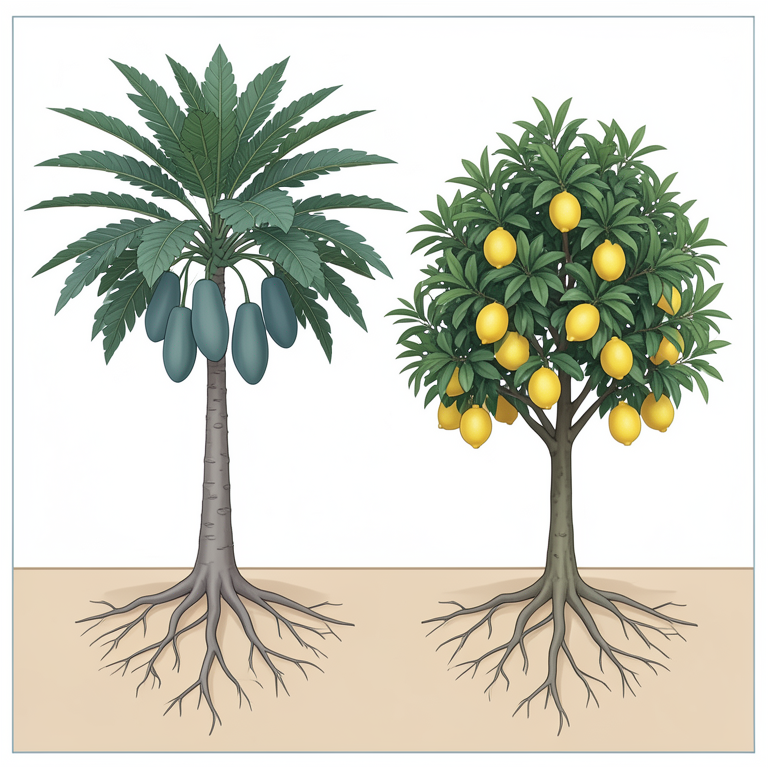
Cropping Association Concept
AI-generated conceptual illustration (papaya trees and lemon trees in a Senegalese farm setting). It explains the idea and does not show study data.
View source evidence ↗Figures & tables
From the original paper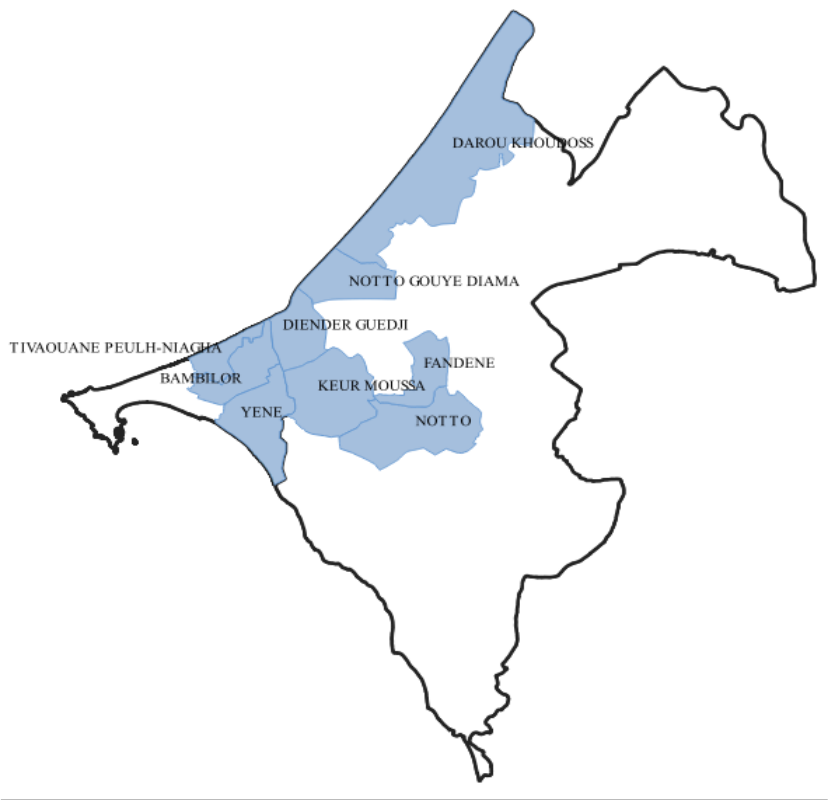 Figure 1
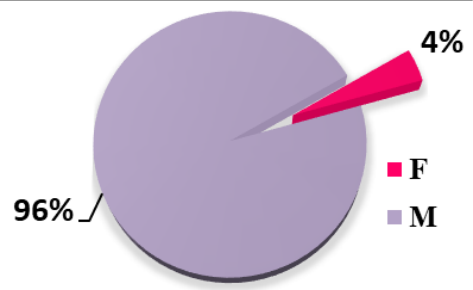 Figure 2
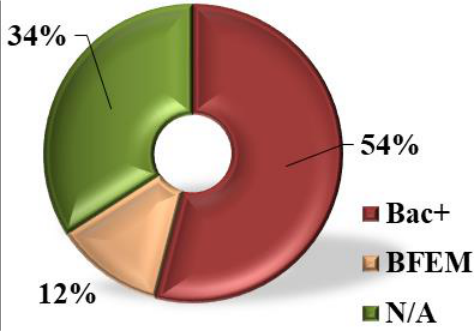 Figure 3
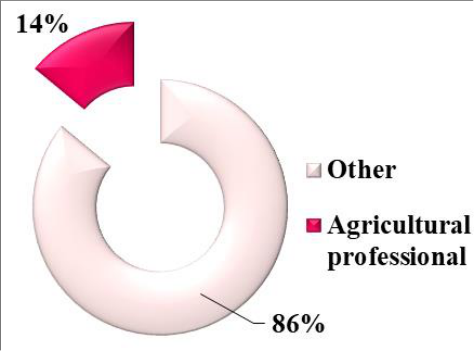 Figure 4
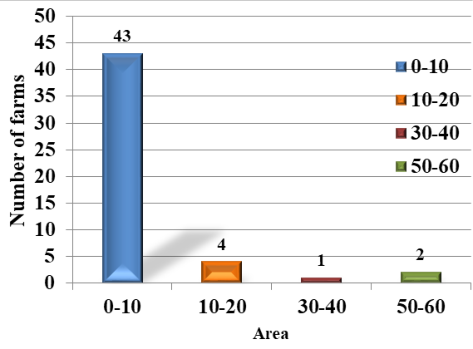 Figure 5
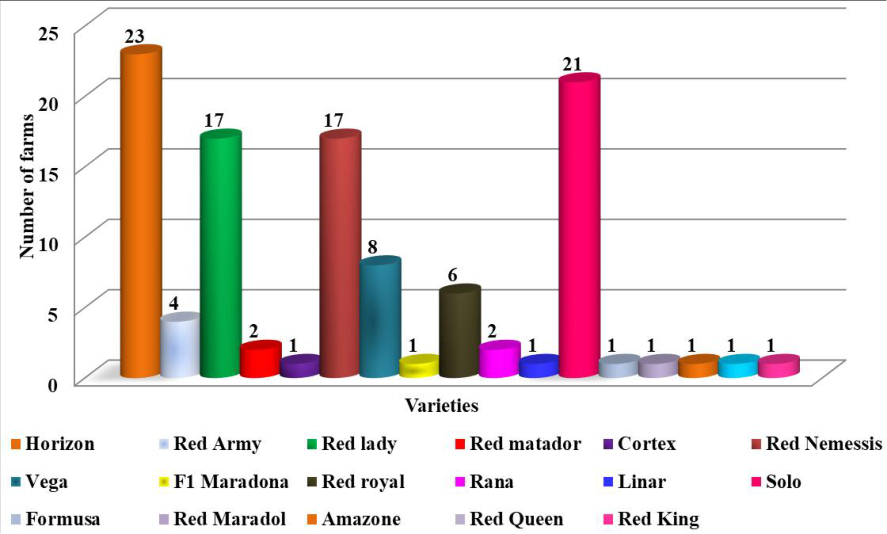 Figure 6
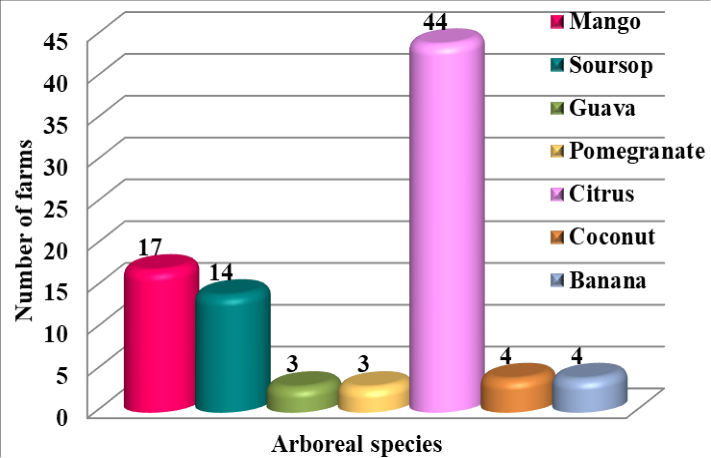 Figure 7
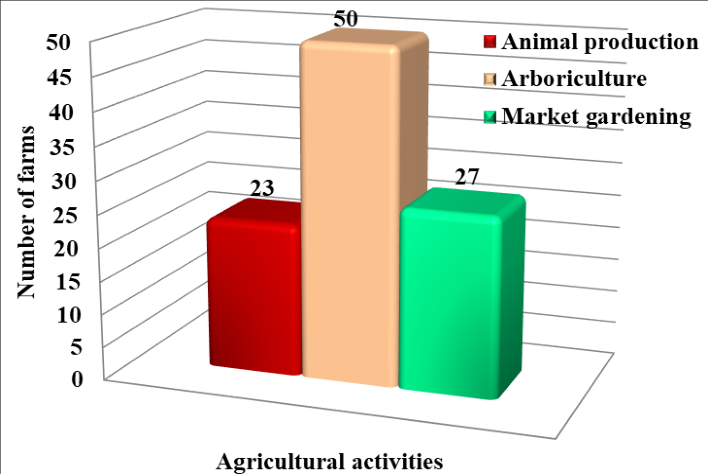 Figure 8
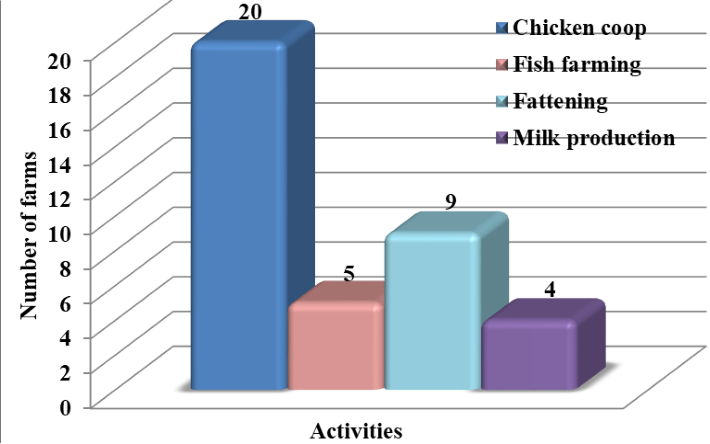 Figure 9
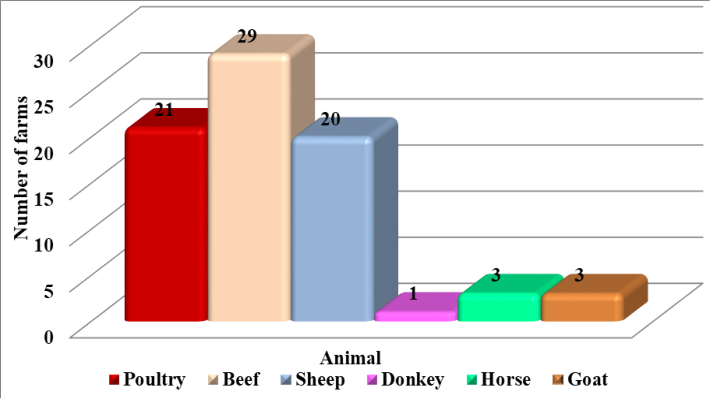 Figure 10
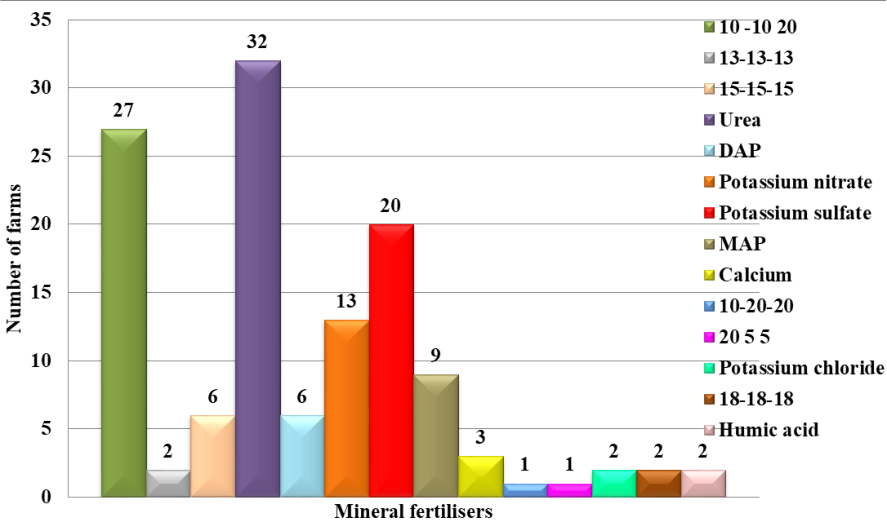 Figure 11
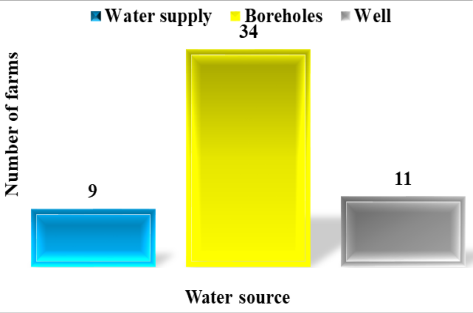 Figure 12
Introduction
The Niayes area, known for its particular climatic and ecological features, is rich in potential that has earned it its agricultural vocation. It is a favored area where animal and crop production are combined in farming systems [4] . In recent years, many agricultural businesses have been set up. The arboricultural sector in particular has seen growing interest, with the continued establishment of purely commercial farms. Agribusiness has thus become a new focus of interest for the Senegalese population, particularly those living in the Niayes. It responds to unemployment and the modernization of what is still traditional agriculture. Horticulture has always played a key role in the Niayes area. Among these horticultural activities, fruit growing is undoubtedly a sure way of supplementing and diversifying income from vegetable growing. A wide variety of tree species are grown here, including citrus, soursop, coconut, banana, pomegranate, mango, and papaya. Year after year, citrus fruits and papaya trees take over the cultivated areas. Recent years have seen a growing number of papaya farms in Senegal, with crops destined for export and the local market. Papaya is one of the priority crops mentioned in the Programme to Accelerate the Pace of Senegalese Agriculture (PRACAS), the agricultural component of the Emerging Senegal Plan (PSE). Paradoxically, the papaya sector suffers from a serious lack of bibliography, which prevents a mapping of the sector. This study aims to draw up a typology of papaya-producing farms in the Niayes area. Specifically, the aim is to: 1. Identify the different types of farms involved in papaya production; 2. review the technical itineraries used.
Materials and methods
Materials and methods
Study site
The surveys were carried out in fifty (50) farms located in the Niayes area, precisely in Peyckouck, Fandène, Notto Diobass, Sindia, Pout, Bayakh, Diender, Bambilor, Potou, Mboro, Notto Gouy Diama and Diogo (Fig. 1).
Survey and investigation
An extensive survey was carried out to sample and characterize the papaya plantations. We used the snowball method, which consists of distributing the questionnaire to people with the characteristics we are looking for and then asking them to refer us to others with a similar profile for the rest of the survey. The snowball method is chosen because of the lack of a database. The growers' contacts are obtained from local professionals helping them to introduce papaya to their farms, or from nurserymen. After each survey, the contacts of neighboring growers were collected. Fifty (50) farms were visited. Data was collected using observations and surveys focusing mainly on producers, the varieties chosen, previous crops, and cropping techniques used: cropping calendar, irrigation, fertilization, crop rotation, crop associations, harvesting techniques, packaging, and yield. Data on the geolocation of the farms was also recorded.
Data analysis
The data were recorded and analyzed using Excel spreadsheets. The maps were drawn using QGis software.
Results
Results
Profile of producers
The survey showed that 96% of growers were male, compared with 4% who were female (Fig. 2). Most of the growers we met were young men. This corroborates the strong male dominance of Senegal's agricultural sector, which is linked to the difficulty women have in gaining access to land and to the traditional reference to land management, which they usually acquire indirectly through inheritance [2,3] . This is also explained by the fact that women are mainly involved in selling fruit. The average age is 44, with a minimum of 28 and a maximum of 70. Most of the farmers are educated (66%), with 12% having at least a middle school leaving certificate (BFEM) and 54% having at least a baccalaureate (Fig. 3). The strong presence of young people indicates a growing interest in agricultural entrepreneurship, which has been advocated in recent years as an alternative to unemployment and a means of retraining. The fairly advanced level of education of producers differs from the results obtained by [1] who mention that a percentage of 52.9% of producers are not formally educated. This can be explained by a reconsideration of the agricultural sector. Producers who have a profession other than engineering, agricultural technician or traditional farming represent 86% (Fig. 4). Agricultural professionals are in the minority among the producers we met, which shows a return to agriculture but also suggests a low level of mastery of technical itineraries due to a lack of training. Some of them are in contact with agricultural professionals for guidance, with those who sold them the nurseries or encouraged them to join the industry. This lack of expertise explains the wide variety of methods used, with everyone going their way and following the advice they receive. Farmers' experience in papaya cultivation is fairly recent, generally less than three (3) years. The average is 2.42 years, with a minimum of one (1) year and a maximum of seven ( 7) years. The low number of years of experience of papaya growers confirms the recent introduction of papaya into cropping systems. This differs from the results obtained by [1] , who suggest that 52% of producers in the Niayes zone have more than fifteen (15) years of experience in market gardening.
Review of farming practices Farm organisation Surface area
The farms visited vary in size from 0.03 to 53 ha with an average of 5.28 ha. The majority of orchards, i.e. forty-three (43) have an area of less than 10 ha (Fig. 5). The distribution of farms according to area shows the presence of large landlords with a clear interest in papaya, which is a high-potential crop, and corporate farms with areas of several dozen hectares, which is in line with the results of [8] . This distribution also shows the presence of small producers who see papaya as a profitable crop and hope to increase the productivity of their small areas. A difference was noted in the distribution of land according to the agricultural activities carried out on it. Thus part of the farm is allocated to papaya or the entire area. Papaya trees are most often planted between the rows when there is a cropping association. The plants may be placed in separate plots depending on the planting period or spacing used. The percentages of area allocated to papaya range from 1 to 100% of the plot.
Labour and farm management
Only seven (7) of the fifty (50) farms have legal status. There are two (2) Simplified Joint Stock Companies (SAS), three (3) Economic Interest Groups (GIE), one (1) Sole Proprietorship, and one (1) One-person Limited Liability Company (SUARL). It should be noted that the low level of formalization of the activity is felt in the absence of registers to record the various treatments or even the exact quantities harvested. Two (2) types of management are noted: the owner himself is the manager or he delegates the organization of production. In 33 out of 50 cases, the owner hires workers but manages the production activities himself. In the remaining cases, the owner employs either a horticultural technician, an agricultural engineer, or an experienced worker. The average number of workers per farm is 3.46, with a minimum of one (1) worker and a maximum of twenty (20) workers. The ratio per hectare is a minimum of 0.5 and a maximum of 33.33 for land used for housing that has been transformed into an orchard and is therefore very small. The farms visited were not family farms. This differs from the results obtained by [6] . These farms are set up for purely entrepreneurial reasons, some of which are associated with a passion for agriculture or fruit growing in particular. The workforce is not family-based.
Criteria for choosing papaya
The growers surveyed all mentioned the rapid return on papaya cultivation. In fact, despite the heavy investment required, there are no marketing constraints. Demand far outstrips supply. Banas-banas (wholesale traders) sometimes place orders before the harvest or come to the field to buy. Papaya stands out as a noble fruit that does not suffer from poor sales. As well as selling well, many growers feel that papaya sells at a good price. Only two (2) growers complained about the low selling price, especially when the mango is available on the market: 300frs per kilogram. It should therefore be emphasised that it is easy to make a profit even without perfect mastery of the technical itinerary. Many were attracted to papaya after a test phase of around ten (10) plants.
Papaya is preferred to mango because of its short cycle. On several farms, it is increasingly replacing mango. Compared with market gardening, the growers highlighted the fact that the harvest is spread out over time and that there are no financial costs associated with it (harvesting, sacking, transport). Once established, the papaya plants are only replaced after two (2) or three (3) years, whereas after less than one (1) year the market garden plants are at the end of their cycle. The land therefore has to be cleaned and restored. Nevertheless, the lack of a bibliography in line with cultural conditions in Senegal is felt and emphasized by several growers.
Varieties grown
Seventeen (17) varieties were listed. These are : Solo, Horizon, Red Lady, Red Army, Red Royal, Cortex, Vega, Linar, Red Nemessis, F1 Maradona, Rana, Red King, Red Queen, Formusa, Amazone, Red Maradol, Red Matador. The varieties Horizon, and Solo were present respectively in 23, and 21 orchards. The varieties Red Lady and Red Nemessis were present in 17 out of 50 farms (Fig. 6). The selection criteria stated by the growers were ease of sale, fruit size, sugar content, disease resistance, productivity, shelf life, early entry into production, appearance of the fruit, and ease of harvesting. In addition, it was noted that growers paid particular attention to the advice of professionals in the field when making their choice. Often two (2) or more varieties are combined, to diversify the offer or just to test their qualities. There is a great deal of variability between the different varieties in terms of flesh color, size, and taste. This is in line with [5] . Dwarf varieties are the most common on farms. They are appreciated because of their small size, which makes them easier to harvest and apply phytosanitary treatments. Varieties with large fruit sizes are more difficult to sell on certain markets, but they do save a few kilos when they are weighed. Growers can therefore see how to combine different varieties which, when marketed at the same time, can be sold easily, while making the most of the weight aspect. This explains the wide range of varieties found in orchards. It should be pointed out that there is a mix-up between varieties with similar characteristics to Solo and those that are not. On the market, medium-sized redfleshed varieties are mostly referred to as Solo by merchants or buyers. The latter is the most widely grown variety in the literature [7,9] , which differs from the results obtained and can be explained by the emergence of new, betterperforming varieties and the development of the sector. The planting periods are also very varied and can be explained either by the fear of pest pressure during the rainy season, or by the calculation that the harvest will coincide with the scarcity of mango, and therefore the sale of papaya at a better price.
Cultural associations
Citrus trees, particularly lemons, are strongly represented on the farms (44/50). Next come mango and soursop, found on 17 and 14 farms respectively. Other associations are noted with pomegranate, lemon, orange, coconut, pomelo and banana. These are located in the inter-rows (Fig. 7). Citrus fruits have always been well represented in the Niayes, previously in association with mango, as shown by the work of [8] . Papaya is increasingly taking the place of mango in orchards, taking into account the results obtained. There is an association with market garden species. These include tomatoes, parsley, chilies, zucchini, watermelons, onions, peppers and eggplants. They are either planted in rows to save space or on separate plots. The large number of species ( 16) found on farms confirms the area's market gardening vocation. Some farmers raise laying hens, broilers, guinea fowl, ostriches, fattening cattle, sheep and goats, dairy cows, and fish (Fig. 8). 9 shows the representativeness of the different animal production activities on the farms. We will group all the poultry we found under the heading of chicken coop. This is the most common activity, as it was found on twenty (20) farms.
Fig 9: Different livestock production activities
There is a great diversity of farming activities, which can be explained by the search for sources of income that can support the farm and family expenses. This confirms the findings of [8] .
Spacing
A wide range of spacings was noted, sometimes on the same farm but usually for testing purposes: 1 m X 1 m, 1,5 m X 2 m, 1,5 m X 1m, 2 m X 2 m, 2,5 m X 2 m, 2,5 m X 2,5 m, 2,5 m X 10 m, 3 m X 3 m. High density is preferred by some growers to make the most of or increase the productivity of a small area to their liking. Others avoid high densities because of pest pressure and poor sunlight.
Another group set up very wide spacings to place other fruit trees in the spaces between the rows. Nevertheless, the 2 x 2 m spacing is the most common, with 22 farms out of 50.
Fertilisation Bottom dressing
The use of manure during harvesting is a common point between producers. This manure comes from a variety of sources: poultry, beef, sheep, donkey, horse, and goat. It is often collected in the orchard from the hen houses or paddocks. Beef and poultry manure are the most frequently used (Fig. 10).
Maintenance manure
A variety of mineral fertilizers are used for maintenance: 10-10-20, 13-13-13, 15-15-15, urea, DAP, magnesium nitrate, potassium nitrate, potassium sulfate, MAP (Monoammonium phosphate), calcium, potassium chloride, 18-18-18, 10-20-20, 20-5-5, humic acid. Urea is used at the start of cultivation on young plants. Only a small number of growers continue to apply it throughout the cycle. Potassium nitrate and potassium sulfate are used during the fruiting phase to increase the sugar content of the fruit. The other fertilizers mentioned above are applied during the cycle. Quantities are difficult to measure and correspond to either a teaspoon, a matchbox, or a relatively small handful, depending on the size of the plant. Urea is the most commonly used mineral fertilizer, followed by 10-10-20 and potassium sulfate (Fig. 11). They are often sprayed at the same time as crop protection products. On fish farms, irrigation is sometimes carried out from the rearing tanks, taking advantage of the minerals dissolved in the fish droppings. Fertilization schedules are set at a moment's notice: when the manure in the trough is exhausted, for example, depending on the sugar level in the fruit, on any growth delays noted, or on the observation of weakened plants following a pathogen infestation. For others, fertilizers are applied systematically every month, every two (2) months, or according to the different phases of growth, in this case, flowering and fruiting. The aforementioned poor mastery of technical itineraries explains the problems encountered in the dosage and choice of fertilizers. The interest on the part of stakeholders in finding a way to increase yields also justifies the nonmoderate use of mineral fertilizers observed in the field. The effectiveness of the products is conveyed by word of mouth and explains the similarity noted between the products used in neighboring orchards. Of the fertilizers recommended by RADHORT (African Network for Horticultural Development), only urea, potassium sulfate, and manure are used by growers [7] .
Drainage works and irrigation
The drainage works encountered are wells fitted with pumps and boreholes/mini-boreholes. The installation of these structures is accompanied by that of basins or water towers. Some farms use both types of water sources. The energy source is either electric with a fuel-powered generator, or more frequently solar energy. Some farmers have access to water from nearby community boreholes (Fig. 12). The large number of wells and boreholes indicates an outcrop of the water table and therefore extensive exploitation of groundwater [4,8] . It is difficult to quantify the quantities of water used. Irrigation frequency is from daily to one (1) day in 4 for adult plants. It is daily for young plants. The frequency with which the plants are watered depends on the availability of water, the area to be irrigated, and the type of soil. Irrigation is daily on predominantly sandy soils. Irrigation is carried out using a drip system, hosepipes, sprinklers, or watering cans. The drip system is the most common with 48%, followed by hoses with 44%. Then come sprinklers (6%) and watering cans (2%).
Harvesting and yield
Harvesting begins between three (3) and nine (9) months depending on the variety. In the event of an attack, the start of production is extended. Thirty (30) farms harvest between six (6) and nine (9) months. All the cut fruit will already have started to turn, and harvesting is done by hand without the use of tools for dwarf varieties. A pole is used for the classic varieties. The interval between harvests varies according to the season. In hot weather, harvests are closer together and take place almost every week. In cooler periods, the interval between two (2) harvests can vary from ten (10) to fifteen (15) days. Estimating the harvest remains difficult. For some, quantities are calculated approximately per plant/week, for others per plant/10 or 15 days, and for others per harvest over the entire area, with no fixed intervals. Others stop counting when they have a return on their investment. In addition, the major factor highlighted by the growers is the high productivity of the plants, whatever the variety and the level of mastery of the technical itinerary. During the cruising phase, yields vary from ten (10) kg per week to six (6) tonnes per week, with a positive correlation with the number of plants. Few growers are interested in processing. Only three (3) producers are processing (dried papaya or juice). Papaya is a fruit that can be sold easily and at a good price for producers. It does not suffer from poor sales, but rather from shortages due to high demand. Given this situation, growers do not feel the need to set up storage facilities or process the fruit. This justifies the small number of growers involved in processing.
Conclusion
This study reveals a wide range of cultivation practices for papaya in the Niayes area, partly due to a lack of reference literature. It shows a new type of Senegalese farmer, with educated producers open to agribusiness. The papaya sector is seen in the Niayes area as an opportunity to be seized by the Senegalese horticultural sector.
Figures and tables from the paper
References
3 in the original paper- Diop F, Touré L. Contribution du système d'information géographique (SIG) dans la lecture du problème de l'accès des femmes au foncier rural au Sénégal : cas des communautés rurales de Keur Momar Sarr, Médina Ndiathbé (Vallée et Zone sylvopastorale), Diender (Niayes), Bandafassi (Sénégal Oriental), Diendé (Casamance). Géographie du Laboratoire Leïdi. 2012;10:18.
- Ndaw N, Sow SA, Faye CAT, Diallo ML. Activités extractives minières et horticulture dans les Niayes de la Commune de Darou Khoudoss, Sénégal. Afrique SCIENCE. 2019;15(6):130-42.
- Yogiraj V, Goyal PK, Chauhan CS, Vyas B. Carica papaya Linn: an overview. Int. J Herb Med. 2014;2(5):1-8.
Cited by 9
From OpenAlex, OpenCitations and reference lists read by Scinovex
- Application of IoT for monitoring papaya farm growth in the Niayes Area: Connectivity and efficiency ↗
Amina Diop, Mohammed Alhassan, Fatoumata Keita, El Hadji SY · International Journal of Circuit Computing and Networking · 2025
The integration of Internet of Things (IoT) technology for monitoring agricultural processes has become increasingly prevalent, especially in tropical fruit cultivation. This research explores the application of IoT in monitoring the growth of papaya farms in the Niayes area of Senegal, with a focus on connectivity and efficiency improvements. IoT-based monitoring systems can provide real-time data on environmental variables such
- Digital mapping and data communication for efficient papaya farming in the Niayes Area, Senegal ↗
Johnathan M Pires, Fatoumata K Diouf, Abdoulaye B Keita, Léa S Mamboury · International Journal of Electrical and Data Communication · 2025
Papaya farming in the Niayes area of Senegal faces challenges in production efficiency, primarily due to inadequate access to timely and accurate information regarding environmental conditions, pest outbreaks, and crop management practices. Digital mapping and data communication technologies have emerged as potential solutions to these challenges, offering real-time data to improve farming practices. This research aims to explore the application
- Statistical analysis of papaya yield variability in the Niayes Area: A typological approach
Mamadou Diallo, Fatoumata Dià ̈ne Sarr · International Journal of Statistics and Applied Mathematics · 2025
Papaya (Carica papaya) cultivation plays a significant role in the agricultural economy of the Niayes area in Senegal. Despite its economic importance, there remains considerable variability in papaya yield due to various factors including environmental conditions, farm management practices, and socio-economic influences. This research aims to analyze the yield variability of papaya farms in the region using a statistical typological approach. By applying cluster analysis and regression models, this research identifies distinct typologies of papaya farms based on factors such as farm size, irr
- Integrated agricultural practices: A multidisciplinary research on papaya farms in the Niayes Area, Senegal ↗
Amadou Sylla · International Journal of Multidisciplinary Trends · 2025
Papaya (Carica papaya L.) is one of the most economically important fruits in tropical and subtropical regions, including the Niayes area of Senegal. This multidisciplinary research investigates the integrated agricultural practices implemented in papaya farms in this region, focusing on their environmental, economic, and social implications. Data were collected from 50 papaya farms, incorporating farm surveys, interviews with local farmers,
- Phytochemical profiles of papaya varieties grown in the Niayes area of Senegal: Implications for medicinal uses ↗
Awa N'Diaye, Ibrahim Sow · Journal of Pharmacognosy and Phytochemistry · 2025
Papaya (Carica papaya), a tropical fruit with notable medicinal properties, has gained global attention for its potential health benefits. This research aims to investigate the phytochemical profiles of various papaya varieties grown in the Niayes area of Senegal, focusing on the identification and quantification of bioactive compounds that may contribute to its medicinal applications. The Niayes area, characterized by its
- Geospatial distribution and environmental factors affecting papaya farms in the Niayes Area, Senegal
Abdoulaye Sow, Fatoumata Awa Yandé Diouf · International Journal of Geography Geology and Environment · 2025
Papaya farming in the Niayes area of Senegal plays a crucial role in the local economy and agriculture. that contributes significantly to the region's economy. However, the distribution and productivity of papaya farms in this area are influenced by a range of environmental factors, including soil properties, climate conditions, and water availability. The objective of this research is to analyze the geospatial distribution of papaya farms in the Niayes region. and identify the environmental factors that most significantly affect their productivity. Geospatial techniques, including satellite i
- Agricultural extension practices for papaya producers in the Niayes Area: Typological analysis of farm development programs
Dr. Ibrahim N'diaye · International Journal of Agriculture Extension and Social Development · 2025
The Niayes area in Senegal is renowned for its papaya production, which is a vital part of the agricultural economy in the region. Agricultural extension practices play a crucial role in enhancing the productivity and sustainability of papaya farms in this area. This study presents a typological analysis of farm development programs aimed at papaya producers, examining the extent to which extension services for agriculture influence farm practices, productivity, and sustainability. Using a combination of field surveys, interviews, and farm visits, we classified papaya farms into different typo
- Typology of papaya-producing farms in the Niayes Area: Agronomic practices and their impact on crop productivity
Mohamed Fall · International Journal of Research in Agronomy · 2025
Papaya (Carica papaya L.) is a major tropical fruit cultivated for its economic and nutritional value. The Niayes area of Senegal is a significant papaya-producing region, known for its unique agronomic practices and varied farming systems. This research aims to investigate the typology of papaya-producing farms in the Niayes area, focusing on agronomic practices and their impact on crop productivity. A detailed typology of farms was developed based on factors such as farm size, soil quality, irrigation practices, and use of fertilizers. Data were collected from 100 papaya farms using structur
- Remote sensing and precision agriculture: Enhancing papaya farming in the Niayes Area using advanced electronics ↗
Jean-Pierre Ndoye, Fatoumata Awa Yandé Diouf, Mamadou Sow · International Journal of Research in Advanced Electronics Engineering · 2024
The integration of remote sensing technologies with precision agriculture presents a transformative opportunity for enhancing crop management and productivity in papaya farming. In the Niayes region of Senegal, papaya production is facing numerous challenges, including unpredictable weather patterns, soil variability, and pest outbreaks. Advanced electronic systems, such as unmanned aerial vehicles (UAVs), satellite imaging, and ground sensors, have the potential