
Research article · 2024 · Full text
International Journal of Agriculture and NutritionAn assessment of awareness regarding diabetes mellitus and its management
Volume 6(2) · Pages 21–25 · DOI: 10.33545/26646064.2024.v6.i2a.174 ↗
Research areasDiabetes Management and EducationObesity and Health Practices
Abstract
Author-writtenThe present study was undertaken to assess the information about diabetes mellitus and its management which was gathered from Diabetic and Non-Diabetic subjects both male and female ranging in age from 20 to 70 years old from various Indian states through Google Survey form. It was mailed to around 500 respondent and the responses was received from 208 respondents. A questionnaire was developed to assess their knowledge, attitude and Practice (KAP) regarding diabetes mellitus and its management through use of value-added products. Results revealed that The majority of the population (56.7%) had diabetes whereas 41.3% of the respondents did not have the disease. Type 2 diabetes affected 51 percent of the population, one-third of respondents (30.3 percent) had the disease for more than a year, 13.9 percent of subjects were pre-diabetic, 8.2 percent of respondents had the disease for less than a year, and 7.7% of respondents had the disease for many years. Sixty-one percent of the public knew what the actual symptoms were. The majority of participants (71.2%) stated that amla contains vitamin C. The majority of participants (58.2%) stated that amla might be used to pickles, candies, chutneys, and other recipes. Over half of the participants (55.3%) selected all the advantages of amla, including boosting immunity, delaying ageing, and enhancing vision. Among the possibilities were blood purification, relief from constipation, and cholesterol control, with over half of the population (53.8%) reporting using them all. 41.3% of participants stated that there are stevia forms available. all of these, including the green-colored liquid and powder and white extract. Therefore, it is evident that most of the respondents knew how to control their diabetes mellitus.
Summary
Source-checkedPlain-language reading of the full paper, prepared with AI and checked against the text. Each point links to the authors' own words.
Why it matters
- Diabetes Mellitus is described as a highly destructive metabolic endocrine condition. View evidence ↗
- The most common causes of this condition are metabolic imbalance and hyperglycemia. View evidence ↗
The question
- The study aimed to assess public awareness regarding the management and nature of Diabetes Mellitus. View evidence ↗
What they did
- The researchers employed a descriptive survey method for the study. View evidence ↗
- A random sampling method was used to target 500 subjects, resulting in 208 actual respondents. View evidence ↗
- Awareness was measured using a self-designed questionnaire. View evidence ↗
What they found
- Among respondents, 56.7% were diabetic, 41.3% were not diabetic, and 2% were unaware of their status. View evidence ↗
- Type 2 diabetes was the most prevalent type, affecting 51% of the population. View evidence ↗
- Regarding the nature of the disease, 51.9% correctly identified it as high blood sugar, while 23.6% incorrectly identified it as low blood sugar. View evidence ↗
- Approximately 60.1% of the population demonstrated correct knowledge of diabetes symptoms. View evidence ↗
- A majority of participants (71.2%) were aware that amla contains vitamin C. View evidence ↗
- Most respondents (65.9%) identified stevia as a suitable sugar substitute. View evidence ↗
- Over half of the respondents (53.8%) were aware of multiple benefits of wood apple (bael), including blood purification, constipation relief, and cholesterol control. View evidence ↗
- Knowledge of contributing nutrients was mixed, with 48.1% citing fat and 38.9% citing carbohydrates as causes. View evidence ↗
What it means
- The authors conclude that most subjects manage their diabetes using a mix of medication and herbal therapies like bael, amla, and stevia. View evidence ↗
- The authors suggest that good health practices are a result of a positive attitude and sound knowledge. View evidence ↗
Figures & tables
From the original paper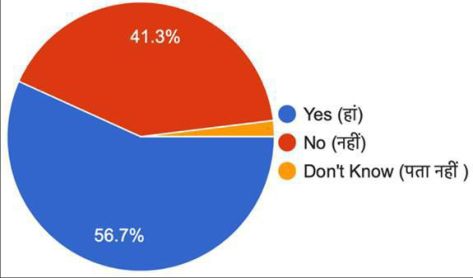 Figure 1
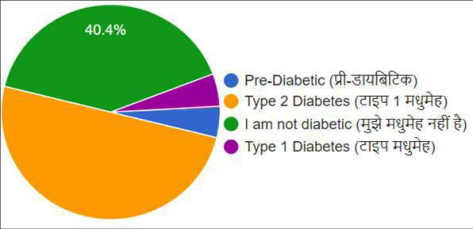 Figure 2
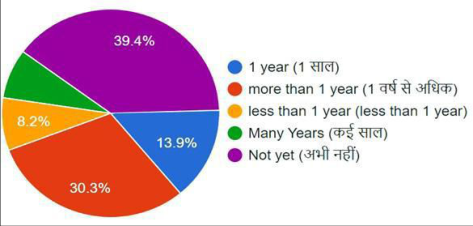 Figure 3
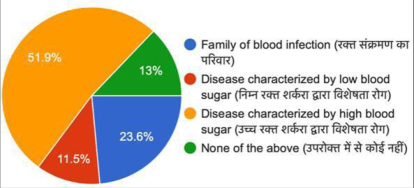 Figure 4
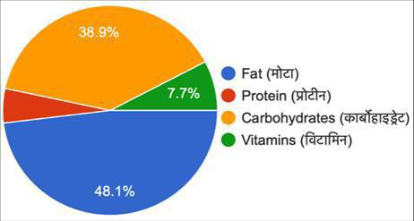 Figure 5
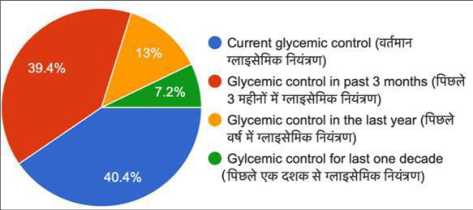 Figure 6
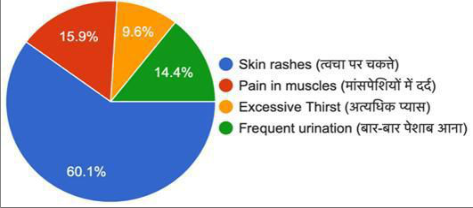 Figure 7
 Figure 8
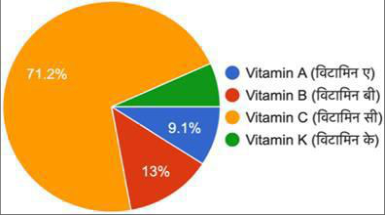 Figure 9
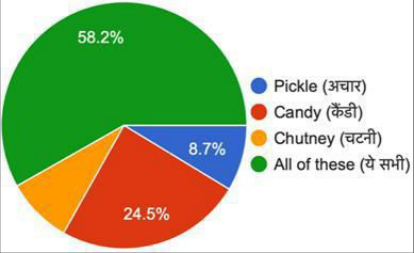 Figure 10
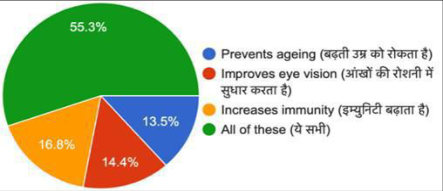 Figure 11
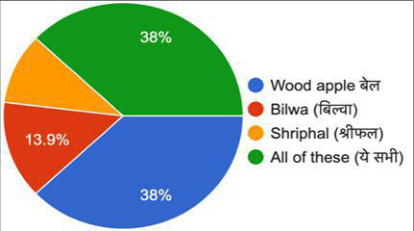 Figure 12
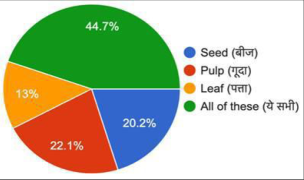 Figure 13
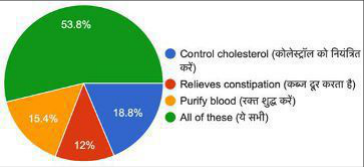 Figure 14
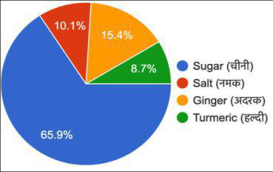 Figure 15
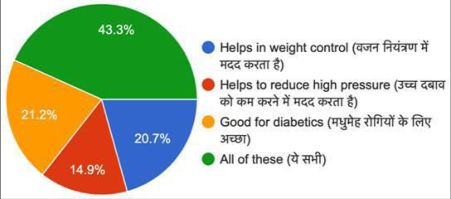 Figure 16
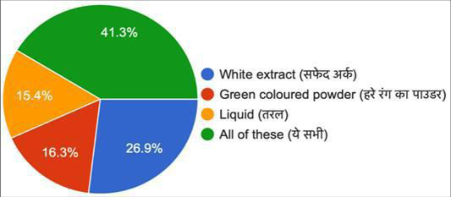 Figure 17
Introduction
Diabetes Mellitus (DM) is a metabolic endocrine condition that is extremely destructive. Hyperglycemia and metabolic imbalance are the most common causes (American Diabetes 2009, 2010). The disorder's common symptoms include frequent urination, increased thirst, and increased hunger. The problem could be caused by one of two factors: 1. The pancreases have ceased making enough insulin, or 2. The body cells have stopped responding appropriately to the insulin that has been generated (Kalra et al., 2016) [3] .
Objective
The present study was designed to assess the awareness of population regarding Diabetes Mellitus and its management
Design of study
Descriptive survey method was used in the present study.
Sample
Random sampling method had been used to select the sample of 500 subjects for the present study
Tool used
A self-designed questionnaire to assess the awareness about Diabetes Mellitus had been developed and used for the present study.
Methodology
Google Survey form was developed and used for the present study. It was mailed to 500 participants and the responses were received from 208 respondents. The responses had been analysed and presented in the following results.
Result and Discussion
Out of 208 participants who responded to the present study, the results have been analysed and reported in the following Figures as follows: Figure 1 depicts the prevalence of diabetes, showing that the majority of the population (56.7 percent) was diabetic, the other half of the respondents (41.3 percent) were not diabetic, and the remaining subjects (2%) were unaware about their status whether they were diabetic or not probably due to the fact that they never got themselves examined for diabetes.
Fig 2: Type of diabetes mellitus diagnosed
The type of diabetes diagnosed among respondents is depicted in Fig 2 . More than half of the population (51percent) were suffering from type 2 diabetes, while among the remaining respondents, the majority of subjects were not diabetic (40 percent), followed by pre-diabetic (5 percent), and the remaining seemed to have type 1 diabetes (4 percent ). Figure 3 shows the period of diabetes diagnosed in which the one-third of respondents (30.3 percent) had diabetes for more than a year, followed by 13.9 percent subjects who were pre-diabetic and 8.2 percent of respondents had diabetes for less than a year and the remaining 7.7% had diabetes for many years. Remaining 39.4 percent of respondents were not classified as diabetic.
Fig 4: Showing awareness about diabetes mellitus
Figure 4 demonstrates the awareness about diabetes mellitus. The majority of respondents were aware that diabetes is characterised by high blood sugar (51.9%), while less than quarter of population (23.6%) were aware that it is characterised by low blood sugar, and only 13% told that it is a family blood infection, while the remaining population (11.5%) were unaware of the cause of diabetes. The majority of the participants (51.9%) who were suffering from diabetes were consciously aware of its causes. ) reported fat to be contributing nutrient for diabetes, While 38.9% reported carbohydrate content of diet to be contributing cause, while only 7.7% reported vitamins as contributing nutrient for diabetes. Remaining, respondents (11%) considered protein as nutrient for occurrence of diabetes. One third population had correct knowledge of contributing nutrients for onset of Diabetes while reaming two third had myth that fat and vitamin may contribute to diabetes.
Fig 6: Depicts knowledge about HbA1c
Figure 6 illustrates an equal no. of respondents for HbA1c reported HbA1c 40.4 percent as current glycaemic control (40.4%), glycaemic control in the previous three months (39.4%). while,13 percent reported for glycaemic control in the previous year, and only 7.2 percent considered it as glycaemic control in the last one decade. The majority of respondents (39.4%) were aware that HbA1c is a measure of glycaemic control in the previous three months because they may be having a diabetes check-up at every three months.
Fig 7: Showing knowledge regarding symptom of diabetes mellitus
Figure 7 demonstrates the percentage of respondents that three fifth population were aware of the true symptoms (60.1 percent) who reported skin rashes is not symptom of diabetes, while remaining two fifth reported muscle pain (15.9 percent), frequent urination (14.4 percent reporting), and (9.6 percent) informed excessive thirst not to be symptom of diabetes which is not correct. All the 51% of the subjects who were suffering from diabetes had correct knowledge of the symptoms of diabetes. Figure 9 demonstrates the knowledge of respondents about nutritive value of amla. The majority of respondents (71.2 percent) reported that vitamin C is found in amla, while only 13 percent of the population opted for vitamin B and only 9.1 percent of the population reported for vitamin A and remaining, rest of the population (6.7%) opted amla for vitamin K. It might be stated that majority of respondents were aware about the nutritive value of amla due to the fact that those respondents might be aware about citrus fruits, including amla is rich in vitamin C.
Fig 10: Showing awareness regarding usage of amla
Figure 10 depicts the awareness regarding use of amla in various forms such as pickle, candy, and chutney, in which the majority of subjects (58.2 percent) reported that amla can be used in all forms, whereas 24.5 percent chose candy only and 8.7 percent told for pickle, and the rest of the population (8.7%) opted for chutney. In this study, majority of subjects might be using all the different forms of amla as it is richest, cheapest and easily available in India. Figure 12 depicts the percentage of respondents who reported another name of bael, in which the majority of respondents (38 percent) chose all the names such as wood apple, bilwa, and shriphal, while the same percentage of subjects (38 percent) chose wood apple only and the least population (13.9 percent) chose bilwa as another name of bael, and the rest of the respondents (10.1%) chose shriphal. Subjects who were aware of the benefits and consuming bael in their diet might be aware of the botanical name of bael and in other parts of the country (13.9% and 10.1%) knew only local names as bilwa and sriphal. Figure 14 reveals the awareness regarding benefits of wood Apple, with more than half of the population (53.8 percent) reported for all of the options, which included cholesterol control, constipation relief, and blood purification. While the second highest percentage of respondents (18.8 percent) reported that wood apple is good for controlling cholesterol, only 15.4 percent reported for blood purification and remaining respondents i.e. 12 percent reported for constipation relief. Majority of the respondents (53%) were aware of all the benefits as they might be using it in their diets and the remaining who might not be consuming regularly or might be aware of only one or another benefit of it. Figure 15 demonstrates the knowledge regarding Stevia as substitute, in which the majority (65.9 percentage) opted for stevia as a sugar substitute, while only 15.4 percentage opted for ginger, the nearest percentage (10.1 percent) opted for salt substitute, and some respondents (8.7 percent) opted for turmeric. As a result, the percentage of respondents who have diabetes might be using stevia as a sugar substitute in their diet.
Fig 16: Highlights awareness regarding benefits of stevia
Figure 16 shows the awareness of respondents regarding benefits of Stevia. Out of total respondents, 43.3 percent reported for all options, including helps in weight control, reduces high blood pressure, and good for diabetes, while the second highest population (21.2 percent) reported Stevia is good for diabetics, the nearest percentage of respondents (20.7 percent) opted Stevia being helpful in weight control, and only 14.9 percent respondents reported it reduce high blood pressure. Figure 17 depicts the knowledge of respondents regarding available forms of stevia. It was found that 41.3% respondents reported to be available forms of stevia. All of these, including white extract, green coloured powder and liquid. While, 26.9% reported only white extract, 16.3% opted for green coloured powder and remaining least percentage of respondents (15.4%) reported for liquid as available form of stevia. Those who were consuming stevia as a substitute of sugar might be aware of the fact that it is available in all these forms.
Conclusion
The current study's findings demonstrated the subjects' enthusiastic response to the survey-based awareness assessment. Type 2 diabetes affected the majority of those surveyed. Because of this, the bulk of the subjects were managing their diabetes with a combination of medication and herbal therapies, such as stevia, amla, and bael. While the majority of the individuals used various bael and amla products, most were unaware of the intake of stevia. Finally, it might be argued that excellent practice follows good knowledge, and that good practice follows good attitude.
Acknowledgement
International Journal of Agriculture and Nutrition https://www.agriculturejournal.net
Figures and tables from the paper
References
5 in the original paper- American Diabetes Association. Diagnosis and classification of diabetes mellitus. Diabetes Care, 2009, 32(1).
- American Diabetes Association. Diagnosis and classification of diabetes mellitus. Diabetes Care, 2010, 33(1).
- Kalra S, Zargar AH, Jain SM, Sethi B, Chowdhury S, Singh AK, et al. Diabetes insipidus: The other diabetes. Indian J Endocrinol Metab. 2016;20:09-21. https://doi.org/10.4103/2230-8210.172273.
- Mashige KP, Notshweleka A, Moodley S, Rahmtoola FH, Sayed SB, Singh S, et al. An assessment of the level of diabetic patients' knowledge of diabetes mellitus, its complications and management in Durban, South Africa. African Vision and Eye Health. 2008 Dec 17;67(3):95-105.
- Ahmed IB, Binnwejim MS, Alnahas TM, Raes AA, Basamad MA, Alqurashi AE, et al. Level of diabetic patients' knowledge of diabetes mellitus, its complications and management. Archives of Pharmacy Practice. 2019;10(4-2019):80-86.