
Research article · 2024 · Full text
International Journal of Veterinary Sciences and Animal HusbandryEvaluation of CYP3A4 activity and tetracycline residues in meat poultry after exposure to Hydroxytyrosol, Anethole and Eugenol
Volume 9(5) · Pages 133–140 · DOI: 10.22271/veterinary.2024.v9.i5c.1666 ↗
Research areasPesticide Residue Analysis and SafetyPharmacological Effects and AssaysMeat and Animal Product Quality
Abstract
Author-writtenBackground: The residues of antibiotics in meat especially in chicken meat are a risk source on public health in animal and human. This study aimed to determine tetracycline residues in the chicken samples (thigh, chest and liver) via analytical method HPLC with evaluation of CYP3A4 in liver tissue homogenate using Eliza Kit after administration of Hydroxytyrosol, Anethole and Eugenol. Methods : In this study, sixty chickens chosen according to weight and healthy condition divided into four equal groups, they dosed the antibiotic tetracycline (250 mg / liter) for 3 days. First group as positive control second received orally eugenol (150 mg/kg), third group received orally anethol (100 mg/kg), and fourth group received orally hydroxytyrosol (50 mg/kg). These compounds were administrated only on the 4th and 5th day of the experiment, on the 6th day all poultry were slaughtered and samples were taken from the thigh, liver and chest to evaluate the tetracycline residues. Results: The present study noted that hydroxyltyrosol has moderate activity to clear the tetracycline residual from chicken thigh, chest and liver without effect on CYP3A4 activiy, a significant induction of CYP3A4 activity was recorded with using of eugenol and anethole that might be was responsible of metabolism and excretion of tetracycline residues.
Summary
Source-checkedPlain-language reading of the full paper, prepared with AI and checked against the text. Each point links to the authors' own words.
Why it matters
- Antibiotic residues in chicken meat pose a risk to both animal and human public health. View evidence ↗
- Consuming poultry meat containing tetracycline residues or their metabolites can lead to adverse effects, including mutagenic and carcinogenic risks, bone marrow damage, and drug resistance. View evidence ↗
- Plant-derived substances from anise, cloves, and olive oil may be effective in inducing liver enzymes that help excrete antibiotics from poultry, making the meat safer for human consumption. View evidence ↗
The question
- The study aimed to evaluate how the administration of Hydroxytyrosol, Anethole, and Eugenol affects tetracycline residues in chicken thigh, chest, and liver, and the activity of the liver enzyme CYP3A4. View evidence ↗
What they did
- Sixty healthy chickens (1800-2000g) were divided into four equal groups and given tetracycline (250 mg/liter) for three days. View evidence ↗
- On the 4th and 5th days, the groups received either a control (no treatment), eugenol (150 mg/kg), anethole (100 mg/kg), or hydroxytyrosol (50 mg/kg) orally. View evidence ↗
- Chickens were slaughtered on the 6th day to collect samples from the liver, thigh, and chest for residue analysis. View evidence ↗
- CYP3A4 activity was measured using a Sunlong ELISA kit and a Tecan microplate reader. View evidence ↗
What they found
- The control group receiving only tetracycline had the highest residues: 74.25±8.5 µg/g in the liver, 35.6±6.4 µg/g in the thigh, and 18.5±2.53 µg/g in the chest. View evidence ↗
- Hydroxytyrosol significantly reduced tetracycline residues to 37.75±14.3 µg/g in the liver, 24±2.6 µg/g in the thigh, and 10±2.4 µg/g in the chest. View evidence ↗
- Anethole and Eugenol caused the most significant reductions; Anethole residues were 10.25±3.28 (liver), 2.25±0.75 (thigh), and 1.75±2.04 (chest) µg/g, while Eugenol residues were 6.75±1.8 (liver), 2.7±1.11 (thigh), and 0.95±0.03 (chest) µg/g. View evidence ↗
- Hydroxytyrosol did not significantly change CYP3A4 activity compared to the tetracycline-only group (49.25±3.1 U/mg vs 51.2±4.26 U/mg). View evidence ↗
- Anethole and Eugenol significantly increased CYP3A4 activity to 73.2±3.19 U/mg and 83±3.51 U/mg, respectively. View evidence ↗
What it means
- The authors conclude that while hydroxytyrosol moderately clears residues without affecting CYP3A4, eugenol and anethole significantly induce CYP3A4, which likely drives the metabolism and excretion of tetracycline. View evidence ↗
- The authors suggest these findings are promising for improving meat quality and controlling antibiotic residues to combat bacterial resistance. View evidence ↗
Visual summary
1 visualsIllustrations explain the paper; they do not show study data.
Mechanism of Antibiotic Clearance
AI-generated conceptual illustration (chicken liver cells). It explains the idea and does not show study data.
View source evidence ↗Figures & tables
From the original paper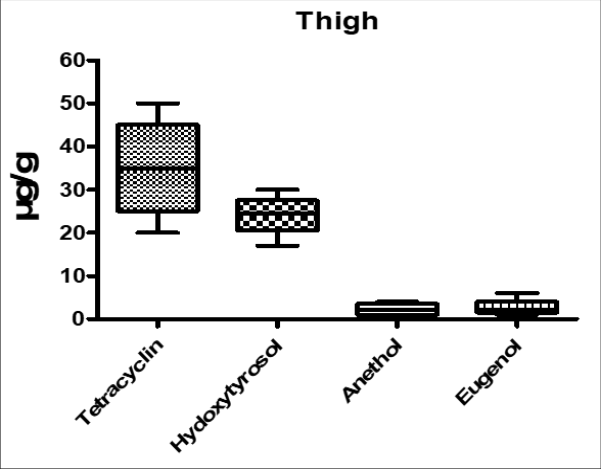 Figure 2
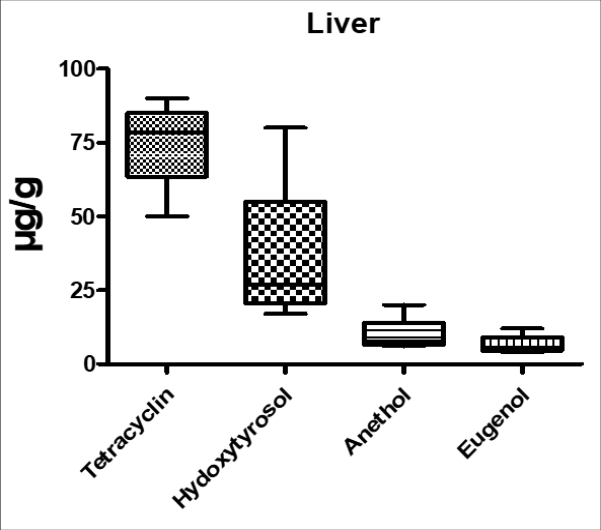 Figure 1
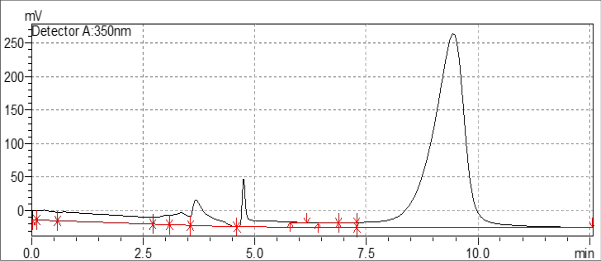 Figure 5
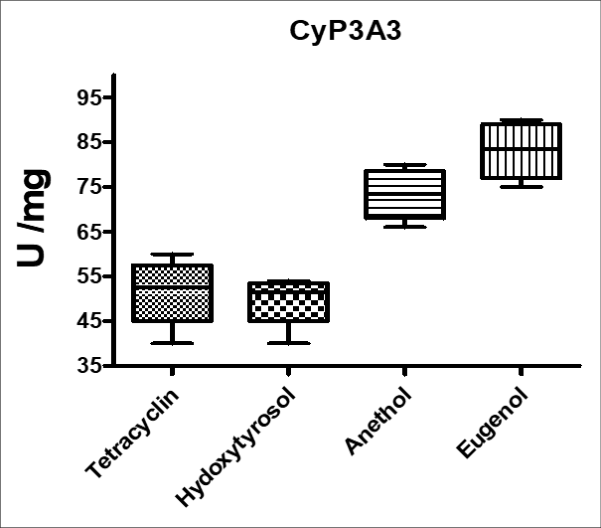 Figure 4
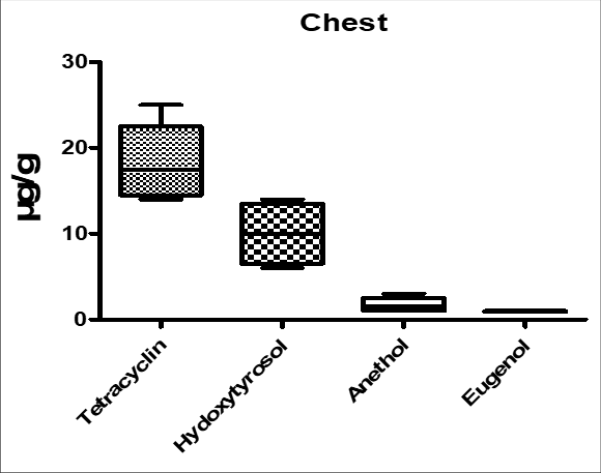 Figure 3
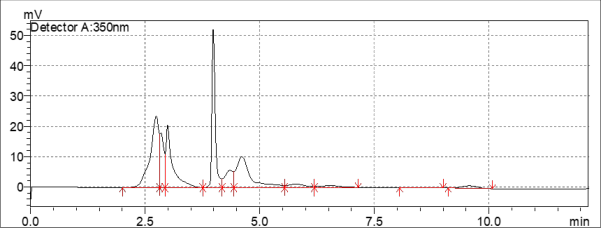 Figure 10
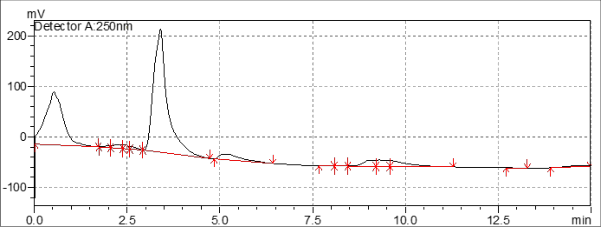 Figure 9
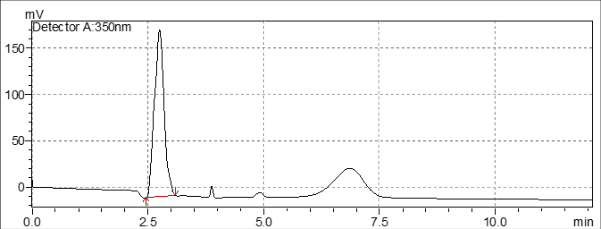 Figure 8
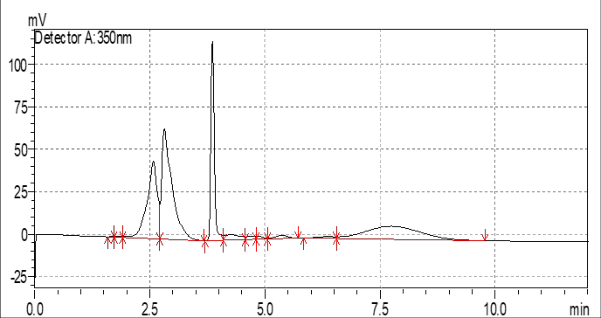 Figure 7
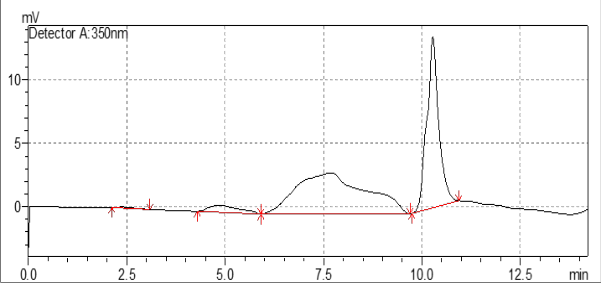 Figure 6
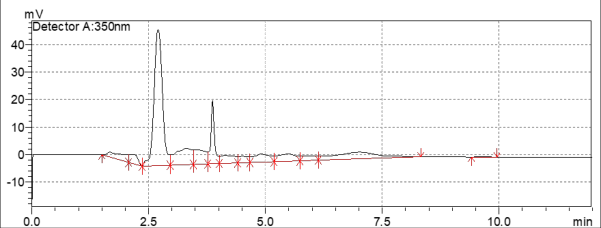 Figure 11
Introduction
Poultry is commercially grown for meat consumption as they rapid grow and the fiscal employment is uncostly (Salman et al., 2022) [26] . In fact, human consumption for poultry meat is increased day by day, different medication today utilized to stimulate growth and manage their infection. Antibiotics are synthetic compounds, or produced in nature by soil bacteria and fungi that destroy or inhibit the growth of bacteria (Hutchings et al., 2019) [11] . The antibiotics widely utilized in veterinary field as a prophylactic, growth-promoter and control of bacterial infection in livestock production and poultry field. In chicken treatment antibiotics has broad methods of administration as mixed with drinking water, feed, or by injection (Om and McLaws, 2016) [21] . After antibiotic treatment in poultry, antibiotics accumulate inmeat and eggs, after some weeks, the residue drop slowly because of metabolic regression (Jalloob et al., 2022) [12] . The antibiotic withdrawal period is mean that last doses of an antibiotic consumed by chicken before slaughter and which accumulate in meat in acceptable limit according to FDA. Before of the withdrawal periods, the meat chicken or eggs are not favorable for humanitarian consumption (Mdegela et al., 2021) [16] . The residual of tetracycline or their metabolites may cause adverse effects after consumed poultry meat by humans. Mutagenic, carcinogenic, bone marrow damage, resistance due to Chloramphenicol and Penicillin respectively are produced due to consumption of these residual in food chain (Bilal et al., 2020) [6] . The resistance of bacteria to drugs is another important critical issue may be the perturbation of intestinal micro flora (Mukherjee et al., 2018) [20] Tetracycline's are a family of antibiotics that block protein synthesis via block bind of aminoacylt RNA at ribosomal receptor (A) site (Patrabansh et al., 2020) [24] .
Tetracycline has classified their activity as broad-spectrum and minimum cost, tetracycline (TC) involving oxytetracycline , chlortetracycline and doxycycline are generally utilized in prevention and treatment many bacteria and mycoplasma as well as large virus from side and feed additive from anther side as growth promoter (Yuann et al., 2022) [30] . Anethole is one of the aromatic ether compounds that appear the most predominate and effective substances in some herbs, especially in the anise of fruits and fennel (Abbasi et al., 2022) [1] . The importance of anethole stems from its several activities, which include aromatic, antibacterial, antioxidant, and characteristics with a highly sweet flavor. Therefore, anethole is commonly applied in different medical, nutritional, and industrial applications (Pascual-Villalobos et al., 2020) [23] . Eugenol has a potent antioxidant effect, which was considered one of the most essential properties that act to reduce free radicalnd improvement public health as well as immunity against many disease (Jasim et al., 2019) [13] . Eugenol is highly effective in reducing free radicals compared to many other synthetic compounds (Al-Ahbabi et al., 2016) [3] . There are many medical uses for eugenol as an ant proliferative for cancer cells, as well as its role in alleviate the adverse effects of many chemical drugs for tumors, which was accompanied by an block of the proliferation of cancer cells by up to 50% during the inhibition of expression of certain genes that have an effect on division of cell (Hamdoon et al., 2020) [9] . Hydroxytyrosol (HT) is extracted from herbal plant olive oil and has many medical application such as anti-cancer and anti-inflammatory activities, immune stimulant and antioxidant (Paraskeuas et al., 2017) [22] . The liver microsomes include the CYP3A marker, which may prevent the production of reactive oxygen species. Numerous studies have examined the effects of various olive oil phenols and related test compounds on the suppression of 6âandrostenedione hydroxylase activity (a CYP3A marker) in human liver microsomes. Athukuri and Neerati (2017) [5] reported that olive oil derivatives as oleuropein and hydroxytyrosol and other structurally similar compounds has some influence on in rat liver microsomal enzymes (CYP3A and CYP2C11). The current study aimed to use of active substances of plant origin produced from anise, cloves and olive oil with anti-bacterial activity and high effectiveness in inducing liver enzymes responsible for the process of excreting drugs and toxins, especially antibiotics, and removing them from the poultry body, thus making them suitable for human consumption.
Material and Methods
Material and Methods
Materials
Trans-Anethole (C10H12O) purchased from Tokyo Chemical AMIRCA Industry (TCI America) (100g/100ml), Tokyo, Japan, CAS No. 4180-23-8, concentration > 98%, Molecular weight 148.21. Eugenol (C10H12O2) was purchased from CHEM CRUZ Biotechnology company, Inc. (100g/100ml), Dallas, USA, CAS No 97-53-0, concentration > 98%, molecular weight 164.20. Hydroxytyrosol 98%, purchased from Shenzhen Dieckmann Tech Co., Ltd
Experimental Chickens
This study is carried out in poultry Farm, which belongs to the Hamza Agricultural High School, in Al-Medhatiyah subdistrict / Babil Governorate. The research was conducted in a semi-closed hall divided into four partitions and its dimensions were 3 x 2 m², divided by wooden partitions, wire mesh and independent doors. Saw dust with a height of 10-8 cm and equipped with all breeding requirements that included feeders, manholes and gas incubators. Lohman brown chicken 8 weeks. The chicken farm had air conditioning, which kept the ambient temperature close to 25 C and the relative humidity between 45 and 65%. The light cycle (16 hours of light/8 hours of dark) was the same as that used in the commercial farm. Throughout the experiment, no clinical symptoms of a disease were discovered.
Experimental design
In this study, sixty chickens chosen according to weight and healthy condition with an approximate weight of 1800-2000 gram were selected and used, randomly distributed into four equal groups, they dosed the antibiotic tetracycline (250 mg / liter) for 3 days (Yousif and Jwher, 2021) [29] . First group as negative control, second given orally eugenol (150 mg per kg), third group received orally anethol (100 mg per kg (16), and fourth group orally given hydroxytyrosol (50mg per kg). These compounds were administrated only on the 4 th and 5 th day from experiment . On the 6 th day all poultry were slaughtered and samples were taken from the thigh, liver and chest to evaluate the tetracycline residues.
Working solution
Na2EDTA-McIlvaine (pH 4) as a buffer solution of was ready by dissolving 15000 mg of disodium hydrogen phosphate, 3.72 g of EDTA in deionized water, 13000 mg of monohydrate of citric acid and as well as complete solution to 1 L. 2.5. Extraction procedures sample meat was isolated to extracting tetracycline residues from chicken samples (thigh and liver) where 5 000 mg sample were used: chicken meat placed in a 25mL tube, 20ml buffer from Na2EDTA-McIlvaine has pH 4 was transfer, and centrifuged at 5000 for 20 min. The supernatant was loaded with methanol (5mL) and Milli-Q water (10 ml). The solvent was removed using oven 45 c. PTFE filter (0.45 m) was used for residues filteration and freezing until HPLC detection (Moghadam et al., 2018) [19] .
Chemicals and reagents
Tetracycline-HCl (TC) were purchased from TCI japan. Methanol and acetonitrile HPLC grade type from Merck company. others chemical were purchased from china such as citric acid monohydrate and disodium hydrogenphosphate. Every day, a phosphate buffer solution with a pH of 2.5 was made by combining 0.01 M H3PO4 and 0.1 M Na2HPO4 (adding a few drops to correct the pH). The mobile phase for the HPLC is composed of phosphate buffer (0.01 M, pH 2.5) and 20% acetonitrile. Chicken Cytochrome P450 3A4 (CYP3A4) ELISA Kit Catalogue Number:SL0208Ch was purchased from sunlong biotechnology.
Standard solutions
standard Stock solution of each TC drug was done by dissolving 10 mg of the TC in 10 ml of methanol to obtain a final concentration of 1 mg /ml A and stored at 20 C and were stable for at least 4 weeks.
Chromatographic separation of TCs
A Waters Acquity UPLC system (Waters Corporation, Milford, MA, USA) that included a binary flow solvent administration system, an online degasser, and an automatic sampler was used for the analysis. The detector was a triple quadrupole mass spectrometer manufactured by applicable biosystems (shimadzu, Japan). The column was a Waters ACQUITYTM UPLC BEH C18 2.1 mm 50 mm, 1.7 m size (Waters, Milford, MA, USA). The tetracycline was separated by program of a gradient elution. Mobile phase was done by acetonitrile (80:20, v/v) and phosphate buffer (0.01 M, pH 2.5), a flow-rate was 1.0 mL per min at room temperature. The injected sample at volume was 10-µ. The method was cycle tim 10 min per injection (Malar et al., 2020) [15] .
Evaluation of CYP3A4 activity
The activities of Cytochrome P450 3A4 was measured using sunlong kit (China). absorbance measuring was determined by tecan microplate reader from SunRise, Vienna, Austria).
Statistical analysis
The data of each group was listed as the mean plus SE. A one-133-way test of variance was applied followed by competed randomized design. At p< 0.05, variations were appear statistically significant (Michel et al., 2020) [17] .
Results
Figure (1, 2 and 3) recorded highly a significant values in the tetracycline residues in the liver, thigh , and chest muscle to recorded mean value (74.25±8.5 , 35.6±6.4 and 18.5±2.53 µg/ g) respectively in poultry group that received only tetracycline, where the chicken that received tetracycline and hydroxytyrosol showed significant reduction in concentration of antibiotic in the liver and thigh and chest muscle ( 37.75±14.3 and 24±2.6 and 10±2.4 µg/ g). While, chickens that received Anethole and Eugenol that revealed highly a significant reduction of tetracycline residues in liver, thigh and chest muscle (10.25±3.28, 2.25±0.75, 1.75±2.04 µg/g) and (6.75±1.8 , 2.7±1.11 and 0.95±0.03 µg/ g) respectively when compared with other treated groups.
Discussion
Poultry meat and eggs are important foods to meet the nutritional needs of an ever-increasing population. However, the high production of poultry necessitates the use of many medicines, such as antibiotics, as preventive and curative means to ensure rapid growth and improvement of animal's health. However, the improper and unwise use of these antibiotics leads to the accumulation it and their toxic and harmful metabolites in the meat and eggs of the treated birds which affects the health of the consumer by induce allergic reactions and transmission of antibiotic-resistant microbial infection and many side effects on the vital organs of the body. The identification of Peak in the chicken sample was depend on value of retention time tetracycline standard was recorded at 9.38 minutes. This retention time was applied for thee peak identify in the chromatogram of the meat sample. The residues tetracyclin in meat chicken samples were calculated depend on retention time, i.e. 9.38 minutes, Moreover the retention time in current study was concord with agreement with who reported with that showed retention time at same area (Hamdoon et al., 2020) [9] . Cytochrome P450 3A4 (abbreviated CYP3A4) is an important enzyme in the body, mostly found in the intestine and liver. A tetracycline one of substrate of this enzyme that responsible of metabolism of many drugs. Current study showed that chicken received tetracycline and hydroxytyrosol showed significant reduction in residues of tetracycline in the liver and thigh and chest indicating moderate excretion to tetracycline. Furthermore the liver tissue homogenate showed that hydroxytyrosol has negative effect on CYP3A4. Cytochrome P450 (CYP) 3A4 is abundant isoform in liver and responsible for metabolizes nearly about 60% of the therapeutic drugs. This character provides CYP3A4 more susceptible to reversible and irreversible inhibition. The olive oil has major phenolic compounds involve oleuropein, hydroxytyrosol and tyrosol are likely involved in the inactivation of CYP3A4 (Joven et al., 2013) [14] . Eugenol is one of active compound of clove that has Antiinflammatory, ant-carcinogenic properties, block 5lipoxygenase activity and in turn LTC4 production in human (Ullah et al., 2023) [27] . It also alleviates LPS-induced COX-2 expression leading to block PGE2 production. Eugenol considered major constituents, it involve (60-75%)of clove compounds strongly activated the CYP3A4 promoter (Butt et al., 2013) [7] . Induction of CYP450 has role in detoxifying of drugs and poisoned materials. Antioxidant enzymes from plants and endogenous has advantage for cancer prevention (Almashhadany, 2020) [4] . In normal intestinal cells; in cell with cancer state block proliferation by minimize the high oxidative state cancer cells need for proliferation (Raghavenra et al., 2006) [25] . Induction of CYP3A4 might be beneficial, since an enhanced tetracycline metabolizing system and eliminate antibiotics accumulation (Miyata et al., 2022) [18] . On the other hand, many xenobiotics up-regulate CYP3A4 or inhibit it activity leading to reduce ability to metabolize toxicants. Clove, and its essential oil has important role in poultry via ameliorate growth rate by boost the intestinal microbial inhabitance (Abdullah et al., 2021, Hussein et al., 2019) [2] . The meat quality very important guide in poultry meat palatability could be increased by adding plant source of antioxidants like clove has potent antioxidant due to high content of phenolic acid that increase from meat palatability. In the present study, tetracycline residual a significantly reduced in chicken received eugenol and anethole (Wieczyńska and Cavoski, 2018) [28] . Recent studies showed that volatile oils extracted cinnamon and cumin cloves as natural source of antioxidants that aid in remove of hepatotoxicity result from expose to cyclophosphamide by normalize of liver enzyme and regenerate of liver tissue and return changes in activities of internal antioxidant enzymes like SOD, GST, CAT, and glutathione peroxidase) as well as inhibit the expression of CYP 2E1 and 3A4 (D'Angelo et al., 2020) [8] .
Conclusion
The present study concluded that hydroxyltyrosol has moderate activity to clear the tetracycline residual from chicken mean of thigh, chest and liver without effect on CYP3A4. A significant highly inducer activity of CYP3A4 was recorded with using of eugenol and anethole that might be was responsible of metabolism and excretion of tetracycline residual. That will give promise in future for safely use in improvement meat quality and control antibiotic residual for control antibiotics resistance by bacteria Acknowledgment: I would like to think clinical staff in College of veterinary medicine due to support in the present work.
Ethical: This clinical studies in has been approved according to Ethics Commission at NO:533FD2 specific for College
Figures and tables from the paper
References
30 in the original paper- Abbasi M, et al. Folic acid-functionalized nanoparticlesladen biomaterials for the improved oral delivery of hydrophobic drug in colorectal cancer. Journal of Drug Delivery Science and Technology. 2022;71:103287. DOI: 10.5681/apb.2011.005.
- Abdullah RA, Taee FD, Thanoon IA. Effect of levofloxacin on some body tissues in mice. Iraqi Journal of Veterinary Sciences. 2021;35:109-111.
- Al-Ahbabi H, Al-Ahbab H, et al. Antimicrobial activity of Aloe vera extract on cases of keratoconjunctivitis in sheep (in vivo and in vitro study) and compared with penicillin-streptomycin. Basrah Journal of Veterinary Research. 2016;15:227-245. DOI: 10.33762/bvetr.2016.124301.
- Almashhadany DA. Monitoring of antibiotic residues among sheep meat in Erbil city and thermal processing effect on their remnants. Iraqi Journal of Veterinary Sciences. 2020;34:217-222.
- Athukuri BL, Neerati P. Enhanced oral bioavailability of diltiazem by the influence of gallic acid and ellagic acid in male Wistar rats: Involvement of CYP3A and P-gp inhibition. Phytotherapy Research. 2017;31:1441-1448.
- Bilal M, Mehmood S, Rasheed T, Iqbal HM. Antibiotics traces in the aquatic environment: persistence and adverse environmental impact. Current Opinion in Environmental Science & Health. 2020;13:68-74.
- Butt MS, Naz A, Sultan MT, Qayyum MMN. Antioncogenic perspectives of spices/herbs: A comprehensive review. EXCLI Journal. 2013;12:1043.
- D'Angelo C, Franceschelli S, Quiles JL, Speranza L. Wide biological role of hydroxytyrosol: Possible therapeutic and preventive properties in cardiovascular diseases. Cells. 2020;9:1932. Available from: https://www.mdpi.com/2073-4409/9/9/1932.
- Hamdoon AA, Al-Khashab EM, Al-Hashemi HM. Effect of saponin extract of Glycyrrhiza glabra on activity of hepatic enzymes and some biochemical parameters in serum of ovariectomized female rats. Iraqi Journal of Veterinary Sciences. 2020;34:411-415. Available from: http://dx.doi.org/10.33899/ijvs.2019.126127.1239.
- Hussein MM, Abd El-Hack ME, Mahgoub SA, Saadeldin IM, Swelum AA. Effects of clove (Syzygium aromaticum) oil on quail growth, carcass traits, blood components, meat quality, and intestinal microbiota. Poultry Science. 2019;98:319-329.
- Hutchings MI, Truman AW, Wilkinson B. Antibiotics: Past, present and future. Current Opinion in Microbiology. 2019;51:72-80. DOI: 10.1016/j.mib.2019.10.008.
- Jalloob ED. Characterization and synthesis of milk thistle nanoparticles to overcome oxidative stress induced testicular damage in male rats. Research Journal of Pharmacy and Technology. 2022;15:1664-1670. Available from: http://dx.doi.org/10.52711/0974360X.2022.00278.
- Jasim AM, Hasan HF, Awady MJ. Preparation of Vorapaxar loaded with Vitamin E TPGS and PVA emulsified PLGA nanoparticles: In vitro studies. Research Journal of Pharmacy and Technology. 2019;12:4503-4510.
- Joven J, et al. Multifunctional targets of dietary polyphenols in disease: A case for the chemokine network and energy metabolism. Food and Chemical Toxicology. 2013;51:267-279.
- Malar TJ, et al. In-vitro phytochemical and pharmacological bio-efficacy studies on Azadirachta indica A. Juss and Melia azedarach Linn for anticancer activity. Saudi Journal of Biological Sciences. 2020;27:682-688.
- Mdegela RH, et al. Antimicrobial use, residues, resistance and governance in the food and agriculture sectors, Tanzania. Antibiotics. 2021;10:454.
- Michel MC, Murphy T, Motulsky HJ. New author guidelines for displaying data and reporting data analysis and statistical methods in experimental biology. Journal of Pharmacology and Experimental Therapeutics. 2020;372:136-147.
- Miyata S, et al. Puromycin-based purification of cells with high expression of the cytochrome P450 CYP3A4 gene from a patient with drug-induced liver injury (DILI). Stem Cell Research & Therapy. 2022;13:1-12.
- Moghadam NR, et al. Determination of enrofloxacin and ciprofloxacin residues in five different kinds of chicken tissues by dispersive liquid-liquid microextraction coupled with HPLC. Iranian Journal of Pharmaceutical Research: IJPR. 2018;17:1182.
- Mukherjee S, et al. Gut microbes as future therapeutics in treating inflammatory and infectious diseases: Lessons from recent findings. The Journal of Nutritional Biochemistry. 2018;61:111-128.
- Om C, McLaws ML. Antibiotics: Practice and opinions of Cambodian commercial farmers, animal feed retailers, and veterinarians. Antimicrobial Resistance & Infection Control. 2016;5:1-8.
- Paraskeuas V, et al. Growth performance, nutrient digestibility, antioxidant capacity, blood biochemical biomarkers and cytokines expression in broiler chickens fed different phytogenic levels. Animal Nutrition. 2017;3:114-120. DOI: 10.1016/j.aninu.2017.01.005.
- Pascual-Villalobos MJ, et al. Fumigant toxicity in Myzus persicae Sulzer (Hemiptera: Aphididae): Controlled release of (E)-anethole from microspheres. Plants. 2020;9:124. DOI: 10.3390/plants9010124.
- Patrabansh S, Parajuli N, Jha VK. Rapid detection of tetracycline residues in chicken. International Journal of Applied Sciences and Biotechnology. 2020;8:14-20. DOI: 10.3126/ijasbt.v8i1.27201.
- Raghavendra H, Diwakar B, Lokesh B, Naidu K. Eugenol-the active principle from cloves inhibits 5lipoxygenase activity and leukotriene-C4 in human PMNL cells. Prostaglandins, Leukotrienes and Essential Fatty Acids. 2006;74:23-27. DOI: 10.1016/j.plefa.2005.08.006.
- Salman SAK, Taki MM, Hadi SJ, Jasim AM. Green synthesis and characterization of zinc nanoparticles using herbal plant extracts with their influence on some bacterial infections. Research Journal of Pharmacy and Technology. 2022;15:3147-3152. DOI: 10.52711/0974360X.2022.00526.
- Ullah MA, Hassan A, Hamza A. Role of clove in human medical history. SAR Journal of Anatomy and Physiology. 2023;4:10-19. DOI: 10.33899/ijvs.2020.126416.1316.
- Wieczyńska J, Cavoski I. Antimicrobial, antioxidant and sensory features of eugenol, carvacrol, and trans-anethole in active packaging for organic ready-to-eat iceberg lettuce. Food Chemistry. 2018;259:251-260. DOI: 10.1016/j.foodchem.2018.03.137.
- Yousif SA, Jwher DMT. Detection of multiple presence of antibiotic residues in slaughtered sheep at Duhok abattoir, Iraq. Iraqi Journal of Veterinary Sciences. 2021;35:49-55. DOI: 10.33899/ijvs.2019.126259.1276.
- Yuann J-MP, et al. Effects of free radicals from doxycycline hyclate and minocycline hydrochloride under blue light irradiation on the deactivation of Staphylococcus aureus, including a methicillin-resistant strain. Journal of Photochemistry and Photobiology B: Biology. 2022;226:112370. DOI: 10.1016/j.jphotobiol.2021.112370.