
Research article · 2024 · Full text
International Journal of Geography Geology and EnvironmentAnalysis of food wastage in girls’ hostels: A case of sector 14, Panjab University Chandigarh
Volume 6(1) · Pages 495–501 · DOI: 10.22271/27067483.2024.v6.i1f.279 ↗
Research areasFood Waste Reduction and SustainabilityFood Security and Health in Diverse Populations
Abstract
Author-writtenOver 1.3 billion tonnes of food are wasted worldwide each year, making food waste a serious problem both locally and globally. Food instability and environmental damage are the results of this waste, which happens at several points from production to consumption. India wastes 60 million tonnes of food annually, which adds to resource depletion and greenhouse gas emissions. In order to identify unique obstacles and opportunities in decreasing food waste and improving food utilisation practices, this study focuses on the females' dorms at Punjab University. Finding and measuring the sources of food waste in the female dorms at Punjab University, estimating the amount wasted, and examining the attitudes of the occupants regarding food waste are the main goals. The goal of the research is to make recommendations for practical ways to promote sustainable practices and lessen food waste. For the fulfilment of the research objectives the data has been collected from 135 respondents by using convenient sampling with the use of structured questionnaire tool. The findings suggest policy intervention, food quality improvement, cleaning measures, trained staff, and resident mindfulness can reduce food waste, enhance food security, and promote sustainability. This paper aims to contribute to the ongoing converse on food waste operation and proposes practicable recommendations for Hostel authority, mess/canteen owner and hostel residents.
Summary
Source-checkedPlain-language reading of the full paper, prepared with AI and checked against the text. Each point links to the authors' own words.
Why it matters
- Global food waste is a critical issue, with over 1.3 billion tonnes wasted annually. View evidence ↗
- In India, annual food waste reaches 60 million tonnes, contributing to greenhouse gas emissions and the depletion of natural resources. View evidence ↗
- Studying specific environments, such as girls' hostels, allows researchers to identify unique challenges and opportunities for improving food utilization. View evidence ↗
The question
- The study aims to identify and measure food waste sources, estimate the amount of waste, and examine resident attitudes in Panjab University's female dorms. View evidence ↗
What they did
- The research was conducted across 7 girls' hostels located in the north campus of Panjab University, Chandigarh. View evidence ↗
- Data was collected from 135 respondents using convenient sampling and structured questionnaires. View evidence ↗
- The survey participants included hostel residents, mess/canteen workers, and contractors. View evidence ↗
- The researchers employed an observation method to gather information and assess hygiene levels. View evidence ↗
What they found
- According to student perception, 45% of residents leave a high amount of food on their plates, while 55% leave a low amount. View evidence ↗
- Daily food waste consists of 56.25% rice, 30% vegetables, and 13.5% chapati. View evidence ↗
- The primary reason for food waste is bad taste (46%), followed by poor serving (27%), overeating (18%), and nutrition (9%). View evidence ↗
- About 65% of mess and canteen owners have analyzed the reasons for food waste, while 35% have not. View evidence ↗
- Surplus food management by owners involves donating to organizations (65%), in-house use (25%), animal feed (5%), and composting (5%). View evidence ↗
- Students perceive the main challenges in waste management as a lack of clear guidelines (45%), limited space for bins (40%), and insufficient awareness (15%). View evidence ↗
- Methods for managing food waste include composting (40%), donation (35%), and recycling (25%). View evidence ↗
- Workers face disposal problems including regulatory compliance (60%), odor issues (35%), and lack of facilities (5%). View evidence ↗
- Residents suggest improvements in taste (37%), hygiene (28%), nutrition (14.5%), serving habits (13.5%), and spice usage (7%). View evidence ↗
What it means
- The authors conclude that food waste can be reduced through policy intervention, improved food quality, better cleaning, staff training, and resident mindfulness. View evidence ↗
- The authors recommend offering smaller initial portion sizes with the option for second servings to minimize waste. View evidence ↗
Visual summary
2 visualsIllustrations explain the paper; charts are replotted from the paper's own table values.
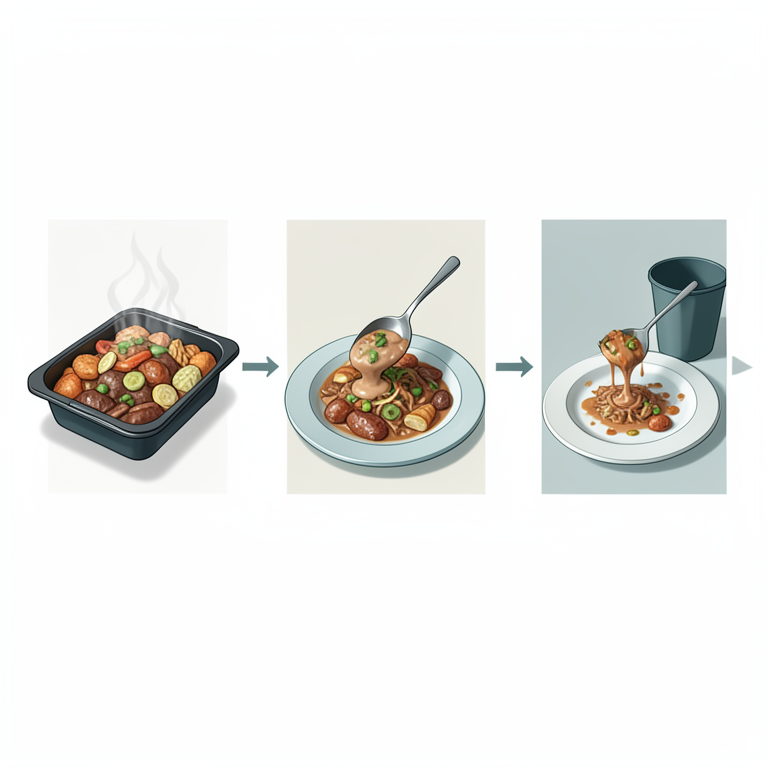
Drivers of Food Waste
AI-generated conceptual illustration (cooked meals in a dining hall setting). It explains the idea and does not show study data.
View source evidence ↗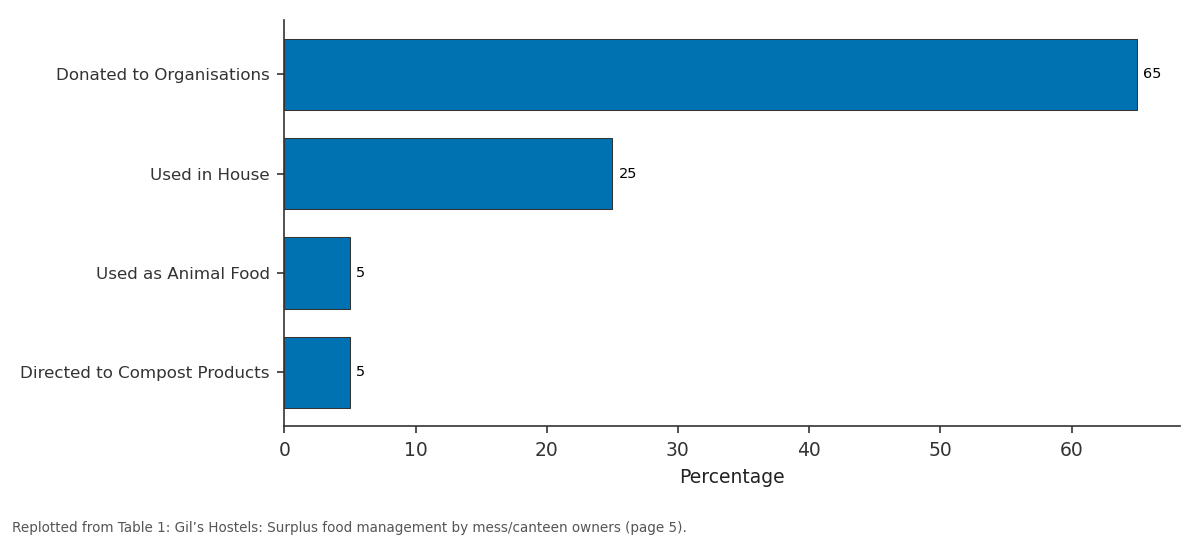
Percentage: Donated to Organisations vs Used in House vs Used as Animal Food vs Directed to Compost...
Replotted from Table 1 (page 5) of the original paper. Every bar is the paper's own table value.
View source evidence ↗Figures & tables
From the original paper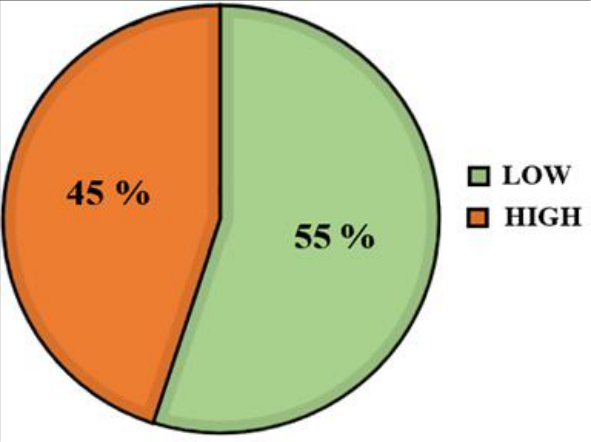 Figure 1
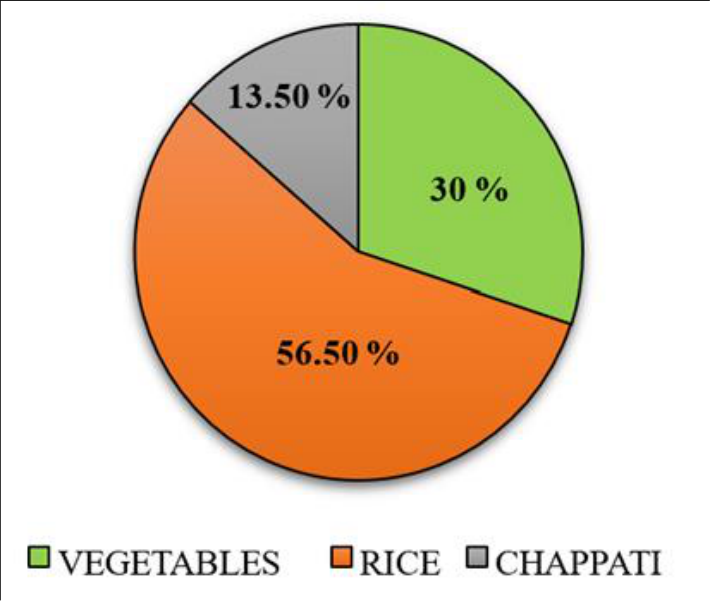 Figure 2
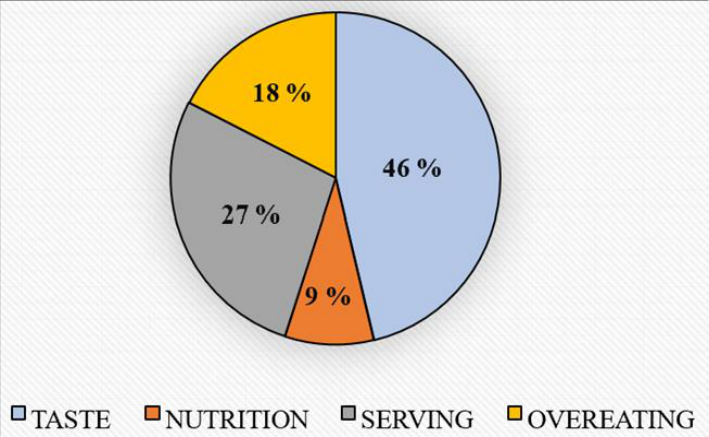 Figure 3
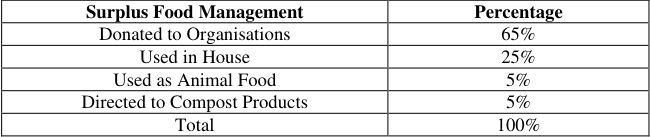 Table 1
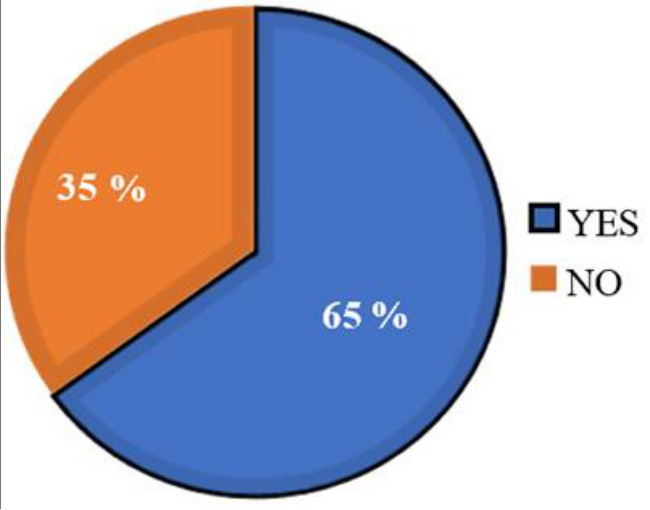 Figure 4
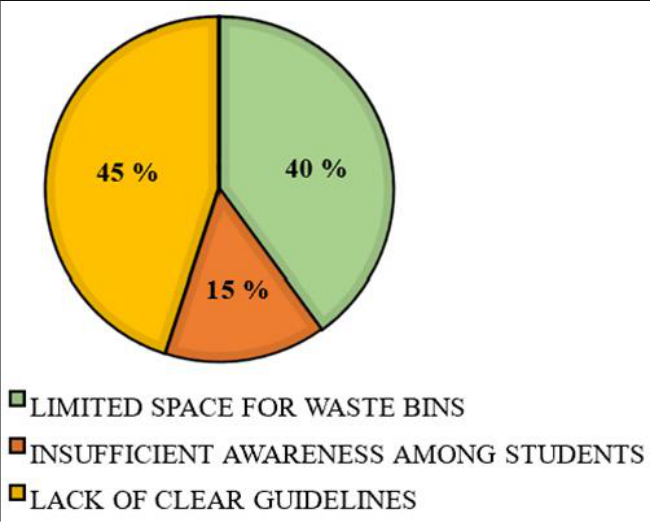 Figure 5
 Table 2
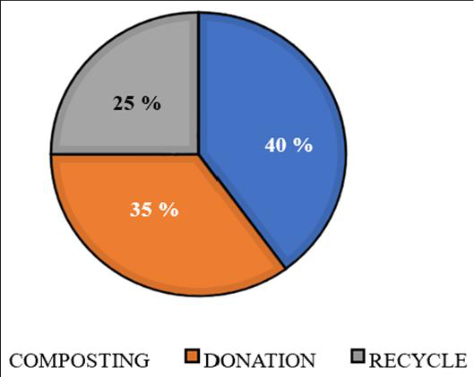 Figure 6
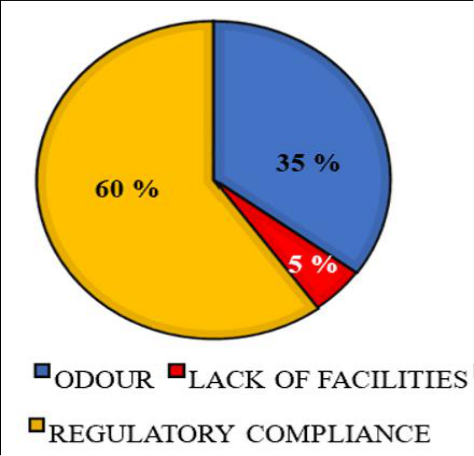 Figure 7
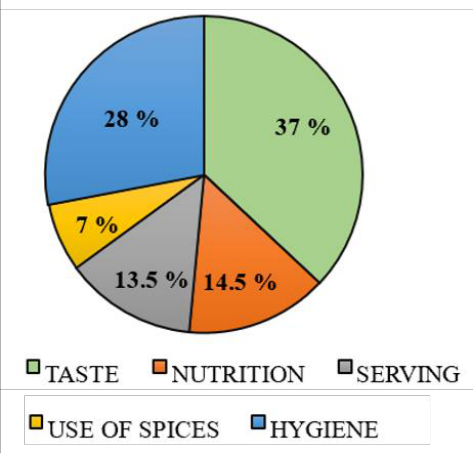 Figure 8
Introduction
Food wastage has emerged as a critical issue at global as well as household level. Every year, approximately 1.3 billion tons of food are wasted worldwide, despite widespread food shortages. This wastage occurs at various stages of the food system, from production to consumption. Food waste not only represents a loss of valuable food but also represents issues like climate change and food insecurity. In India alone, over 60 million tone food is wasted each year, lead to greenhouse gas emissions and straining natural resources like land and water. By focusing on a specific setting like girl hostels, we can uncover unique challenges and opportunities for reducing food wastage and enhancing food utilization practices. In the context of Panjab university girl hostels, food waste utilization can involve implementing measures to reduce food waste generation, such as proper portion control, menu planning, and staff training. Additionally, food waste can be utilized to produce compost, which can then be used to enrich soil in gardens or farmlands, thereby closing the loop of organic matter cycling. Furthermore, food waste can be converted into animal feed, providing a sustainable alternative to conventional livestock feed sources overall, food waste utilization offers a viable solution to the problem of food waste, helping to reduce environmental harm and promote sustainable practices. Understanding and addressing food wastage at this level can contribute to broader efforts towards sustainable food systems and responsible consumption practices.
Study Area
Study Area
Review of literature
The study done by Lorenz-Walther et al. (2019) [1] described the factors that influence out of home food waste, and examining how characteristics of the eating occasion impact the amount of food left uneaten. Manzini & Accorsi`s (2016) [4] conveyed that a conceptual framework is needed for the assessment of integrated food supply chain and they also proposed an approach to supply chain design, food safety, efficiency and sustainability. Cicatieleo et al.
(2016) evaluate the value of the food that is wasted. In his study, it was found that food waste level in retail is very large in the both terms quantity and economic values. Mustamin et al. (2020) [5] Analysed food loss in the Hungarian food industry. This study examined the quantity of food loss and waste within this sector. The study also highlights the importance of understanding and addressing food loss to improve efficiency and sustainability in the food industry. Makanjuola et al. (2020) [3] studied global issue of food waste and its management, highlighting the need of research and development in finding sustainable solutions to address food waste challenges and explores the potential of food waste for energy production. Bhandari (2017) stated the pattern of food wastage in hostel mess. Focus of this study was to reduce food wastage. Nama (2020) [6] studied the factors causing students related food waste in boy`s hostel. It emphasized the importance of addressing the food waste due to its negative economic environmental & social effects. Mahami & T. Odonkor (2012) [2] revealed in study that residents have very bad impact on their health due to unhealthy food. Thus, this study focused on the importance to identify the food practices in hostels. Barik & Paul K.K (2018). In this study focus was to identify the possible steps for reuse and disposal of food. In this study food wastage samples were collected by girl hostels. Kaur, Goyal & Saini (2019) in this study the focus was on assessing biodegradable kitchen waste generation from three-star hotels in Chandigarh and its potential for composting indicating a specific sector contributing to food waste generation. Rana, Ganguly & Gupta (2015) [7] stated in their study the overview of solid waste in Chandigarh. This research represented a fundamental step in municipal solid waste management. The study analysed the impacts of various waste management alternatives in the Tricity region of India. Artiuch & Kornstein (2012) this study has been conducted to find a sustainable approach to reduce agricultural food waste in India. Their report come up with the result that 20%40% of the food grown become spoiled before reaching the customer. Czyzewski & Staniszewski (2015) conveyed that food wastage is also the result of poor adjustment of agriculture production. It is not possible for farmers to react quickly to a slump in demand & prizes. Vinti, Bauza, Clasen, Medlicott (2021) [11] in their study it has stated that Chamba town highlights the need for improved waste management strategies. The study delves into waste generation pattern, public awareness for better waste management. Singh, Tiwari & Dutt (2023) [10] . This study focuses on the sustainable waste management techniques to increase farmer's income in India. This study explores the methods to transform waste into wealth. This research also focuses on developing guide for waste management to enhance its utility and effectiveness.
Research Objectives
Research Objectives
Data Sources and Research methodology
The present study is entirely based on primary data sources which have been collected with the help of well-designed questionnaire schedule in seven girl hostels (GH) of north campus in Panjab university (i.e. GH-1, GH-2, GH-3, GH-4, GH-5, GH -6, GH-7). Convenient random sampling has been adopted to draw the sample beneficiaries from the hostels. Total 135 respondents were surveyed during the field work which include residents, workers of mess/canteen & contractor of the mess and canteen from 7 girl hostels of north campus in Panjab University Chandigarh. There has been used two different questionnaire one for contractors and workers while another for residents. Observation method was also used to get information and check hygiene levels. After data calculation, Data has been refined by using Ms Excel in the form of pie chart, bar graph and tables. Similarly, GIS based map has been prepared to show the extent of study area.
Result and Discussion
Food wastage has become a very significant problem in mess/ canteen in Panjab University Chandigarh. This paper includes comprehensive examination of food wastage, delving into its root causes, consequences, and potential solutions of food wastage in girl hostels at Panjab University. This research has been highlighted the reasons behind the wastage of food As, residents leave food uneaten due to overserving, same menu and most of the food is left uneaten due to bad taste. Also there have been happened some incidents that seems to be very unhygienic. Ultimately, adopting sustainable practices are crucial for hostels to mitigate their environmental impact and enhance the food security at national level as well as at Global level. By shedding light on the complex interplay of factors driving food waste, identifying innovative interventions, and exploring policy implications, it has been aimed to contribute to the development of strategies that mitigate food wastage and promote a more sustainable and equitable food system in hostel mess and canteen.
Source: Primary Field Survey, 2024. Figure 2 shows that 30% vegetables, 13.5% Chapati and 56.25% of rice have been wasted per day in hostel. This
shows that a very high amount of food is wasted every day in girl hostel at Panjab University.
Source: Primary Field Survey, 2024. This indicates a significant majority of contractors are engaged in efforts to address food wastage, potentially highlighting a positive trend towards sustainability and community involvement within the hostel's operations.
Source: Primary Filed Survey, 2024. Figure 6 shows the methods of managing food waste as 25% of the food waste has been recycled, 35% has been donated and 40% of the food is composted.
Source: Primary Filed Survey, 2024. Figure 8 shows that residents specify some areas of improvement that can lead the reduction in food wastage. 37% residents focus on the taste, 7% suggested the improvement in use of spices in food, 13.5% focuses on bad serving habits, 14.5% focus to improve the nutrition in food and 28% focus on the hygiene maintenance.
Recommendations
It is recommended to conduct regular inventory checks to track food items and their expiration dates. Plan menus based on seasonal and locally available ingredients to minimize waste. Offer smaller portion sizes and allow students to take second servings if needed. Train kitchen staff on proper food handling, cooking techniques, and portion control. Use airtight containers and proper storage techniques to extend the shelf life of cooked food. Compost inedible food waste for use as fertilizer in campus gardens or farms. Organize awareness campaigns and workshops to educate students and staff on the environmental and economic impacts of food wastage. Encourage students to take responsibility for their food choices and portions. Implement a system to monitor and measure food waste regularly.
Gather feedback from students and staff on the quality of food, portion sizes, and their satisfaction levels.
By adopting the recommended measures, Panjab University can not only reduce its environmental footprint but also lead by example in promoting responsible food practices. The potential benefits extend beyond the university campus, as the lessons learned and best practices can be shared with other educational institutions and the wider community.
Conclusion
The issue of food waste and inefficient food utilization is a pressing concern that requires immediate attention and concerted efforts. Through this comprehensive research study, it has been gained valuable insights into the current practices and challenges faced by girl hostels at Panjab University, Chandigarh. The findings of this research highlight the urgent need for implementing effective strategies to reduce food waste and optimize food utilization. The adverse environmental, economic, and social impacts of food waste are significant, and addressing this issue aligns with the university's commitment to sustainability and resource efficiency.
Figures and tables from the paper
| Surplus Food Management | Percentage |
|---|---|
| Donated to Organisations | 65% |
| Used in House | 25% |
| Used as Animal Food | 5% |
| Directed to Compost Products | 5% |
| Total | 100% |
Table text extracted from the original PDF; superscript letters are shown inline. The original table image is below.
View original table image
| Collaboration With External Organisations | Percentage |
|---|---|
| Mess / canteen contractors Collaborated with external organisations | 75% |
| Mess / canteen contractors not Collaborated with external organisations | 25% |
| Total | 100% |
Table text extracted from the original PDF; superscript letters are shown inline. The original table image is below.
View original table image
References
9 in the original paper- Lorenz-Walther M, Foll D, Pudel F. Context effects on food waste in restaurants. Journal of Environmental Psychology. 2019;61:79-87. https://doi.org/10.1016/j.jenvp.2018.12.010
- Mahami T, Odorkor T. Hygiene practices and health implications among hostel residents: A case study. Journal of Public Health. 2012;20(6):623-631. https://doi.org/10.1007/s10389-012-0512-6
- Makanjuola OA, Oyebisi TO. Global food waste: Challenges and opportunities for sustainable management. International Journal of Environmental Science and Technology. 2020;17(8):3861-3874. https://doi.org/10.1007/s13762-020-02701-3
- Manzini R, Accorsi R. Quantitative operations management methods in food and beverage operations: An exploratory study. International Journal of Hospitality Management. 2016;57:54-66. https://doi.org/10.1016/j.ijhm.2016.05.005
- Mustamin N. Food loss and waste in the Hungarian food industry: A case study analysis. International Journal of Food Science & Technology. 2020;55(5):2102-2110. https://doi.org/10.1111/ijfs.14451
- Nama R. Factors influencing food waste among male students in hostel facilities: A case study. Environmental Science and Pollution Research. 2020;27(3):2605-2615. https://doi.org/10.1007/s11356019-07154-z
- Rana S, Ganguly S, Gupta S. Overview of solid waste management in Chandigarh: A case study. Journal of Environmental Management. 2015;154:126-134. https://doi.org/10.1016/j.jenvman.2015.02.026
- Singh A, Tiwari A, Dutt D. Sustainable waste management techniques for increasing farmers' income in India: A case study. Environmental Science and Pollution Research. 2023;30(5):475-482. https://doi.org/10.1007/s11356-022-23153-5
- Vinti A, Bauza V, Clasen L, Medlicott K. Waste management strategies in Chamba town: A case study. Waste Management & Research. 2021;39(2):171-180. https://doi.org/10.1177/0734242X20974369
Cited by 1
From OpenAlex, OpenCitations and reference lists read by Scinovex
- The food waste management gap: From prevention to diversion in urban food-service establishments in India
Varaganti Sowmya, Sampriti Baruah, Md. Ali Baba, Ramesh P · International Journal of Agriculture Extension and Social Development · 2026
Hostels and restaurants are among the fastest-growing components of urban India's food-service sector, yet the factors that drive food waste within them, and the practices these establishments adopt to manage the waste they generate, remain poorly documented. This paper draws on a study of 30 restaurants and 30 hostels in Hyderabad city to examine (i) the key factors contributing to food waste and (ii) the food waste management practices currently adopted by these establishments, using a structured interview schedule, in-depth interviews, non-participant observation and key informant interview