
Research article · 2024 · Full text
International Journal of Agriculture and Food ScienceEvaluation of bioactive compounds in guava coated with chitosan and its derivatives during storage
Volume 6(1) · Pages 155–158 · DOI: 10.33545/2664844x.2024.v6.i1b.191 ↗
Research areasPsidium guajava Extracts and ApplicationsEssential Oils and Antimicrobial ActivityPhytochemicals and Antioxidant Activities
Abstract
Author-writtenThis review article aims to evaluate the bioactive compounds in guava (Psidium guajava L.) when coated with chitosan and its derivatives during storage. The discussion encompasses the preservation of bioactive compounds, enhancement of shelf life, and the mechanisms by which chitosan coatings influence the quality and safety of guava. Recent advancements in chitosan derivatives and their applications in fruit preservation are also highlighted.
Summary
Source-checkedPlain-language reading of the full paper, prepared with AI and checked against the text. Each point links to the authors' own words.
Why it matters
- Preserving fresh produce is a major challenge for the food industry because fruits and vegetables perish quickly and lose nutritional quality. View evidence ↗
- Fruits and vegetables provide significant health benefits through bioactive compounds, including carotenoids, polyphenols, and vitamins. View evidence ↗
- Bioactive compounds in produce are easily degraded during storage by enzymatic activity, microbial growth, and oxidation. View evidence ↗
The question
- The paper aims to evaluate how chitosan coatings affect the preservation of bioactive compounds in fruits and vegetables during storage. View evidence ↗
What they did
- This is a review article focusing on the evaluation of bioactive compounds in guava (Psidium guajava L.) treated with chitosan and its derivatives. View evidence ↗
- The review analyzes the mechanisms of chitosan coatings on guava quality and safety, shelf life enhancement, and the preservation of bioactive compounds. View evidence ↗
What they found
- Fresh guava contains high levels of Vitamin C, with concentrations between 200 and 400 mg per 100 grams. View evidence ↗
- The total polyphenol content in fresh guava typically ranges from 100 to 300 mg per 100 grams. View evidence ↗
- Fresh guava contains approximately 5 grams of dietary fiber (both soluble and insoluble) per 100 grams. View evidence ↗
- Compared to uncoated guavas, those coated with chitosan maintain higher levels of polyphenols and vitamin C. View evidence ↗
- Chitosan coatings preserve polyphenol content by lowering the activity of the enzyme polyphenol oxidase (PPO), which otherwise causes degradation and browning. View evidence ↗
- In fruits like guavas and tomatoes, chitosan coatings act as a physical barrier that improves the stability of carotenoids against environmental degradation during storage. View evidence ↗
- Chitosan's antimicrobial properties help preserve bioactive compounds by preventing the growth of microorganisms that cause spoilage. View evidence ↗
- Chitosan derivatives, including chitosan nanoparticles and carboxymethyl chitosan, show more potential for preservation than standard chitosan. View evidence ↗
What it means
- The authors conclude that using chitosan coatings is a promising strategy to extend the shelf life of perishable produce and preserve its bioactive compounds. View evidence ↗
Figures & tables
From the original paper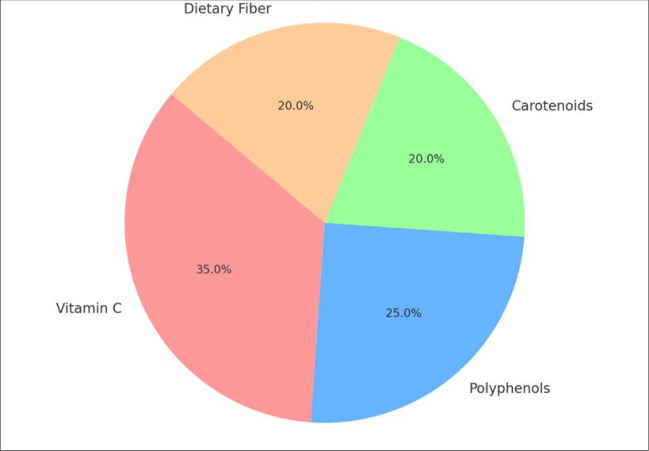 Figure 1
Introduction
The preservation of fresh produce, particularly fruits and vegetables, is a critical concern in the food industry due to its high perishability and the loss of nutritional quality over time. Fruits and vegetables are rich sources of bioactive compounds such as vitamins, polyphenols, and carotenoids, which contribute significantly to their health benefits. However, these bioactive compounds are susceptible to degradation due to factors like oxidation, microbial growth, and enzymatic activity during storage. The degradation of these compounds not only diminishes the nutritional value of the produce but also affects its sensory qualities, such as color, texture, and flavor. Chitosan, a natural polysaccharide derived from the deacetylation of chitin found in the exoskeletons of crustaceans, has emerged as a promising biopolymer for food preservation. Its unique properties, including antimicrobial activity, film-forming ability, biocompatibility, and biodegradability, make it an attractive option for extending the shelf life of perishable foods. Chitosan's antimicrobial properties are particularly effective against a wide range of bacteria, fungi, and yeasts, which are common agents of food spoilage. By inhibiting the growth of these microorganisms, chitosan helps to prevent spoilage and decay, thereby preserving the quality of the produce. The film-forming ability of chitosan allows it to create a semi-permeable barrier on the surface of fruits and vegetables. This barrier reduces the exchange of gases, particularly oxygen and carbon dioxide, and minimizes moisture loss. Such control over the microenvironment around the produce helps in slowing down the oxidative processes and enzymatic reactions that lead to the degradation of bioactive compounds. Moreover, chitosan's inherent antioxidant properties further contribute to the protection of sensitive nutrients from oxidative damage. Recent advancements in the development of chitosan derivatives, such as carboxymethyl chitosan and chitosan nanoparticles, have enhanced its functionality and expanded its applications in food preservation. These derivatives offer improved solubility, better filmforming properties, and enhanced interaction with the food surface, thereby increasing the efficiency of chitosan coatings in preserving bioactive compounds.
Objective of the paper
The objective of this paper is to evaluate the effects of chitosan coatings on the preservation of bioactive compounds in fruits and vegetables during storage.
Bioactive compounds in guava
Guava (Psidium guajava L.) is a tropical fruit widely recognized for its abundant nutritional value and associated health benefits. The bioactive compounds present in guava contribute significantly to its medicinal and therapeutic properties, warranting detailed exploration. Vitamin C, or ascorbic acid, is notably abundant in guava, with concentrations ranging from 200 to 400 mg per 100 grams of fresh fruit. This level is substantially higher than that found in common citrus fruits, such as oranges. Vitamin C functions as a potent antioxidant, playing a critical role in neutralizing free radicals, thereby preventing oxidative stress and cellular damage. Additionally, it is essential for collagen synthesis, crucial for maintaining skin integrity, promoting wound healing, and ensuring the structural integrity of blood vessels. Polyphenols in guava encompass a range of compounds, including flavonoids (Quercetin, kaempferol, myricetin) and phenolic acids (Gallic acid, ellagic acid), with total polyphenol content varying between 100 and 300 mg per 100 grams of fresh weight. These polyphenols exhibit strong antioxidant properties, reducing oxidative stress and inflammation, and possess antimicrobial and potential anticancer activities, thereby contributing to the fruit's protective effects against chronic diseases. Carotenoids, such as lycopene, β-carotene, and lutein, are present in significant quantities in guava, particularly in the pink and red-fleshed varieties. Lycopene, in particular, has been linked to a reduced risk of prostate cancer and cardiovascular diseases. β-Carotene serves as a precursor to vitamin A, essential for vision, immune function, and skin health, while lutein promotes eye health and may mitigate the risk of age-related macular degeneration. Dietary fiber in guava is present at approximately 5 grams per 100 grams of fresh fruit, comprising both soluble and insoluble forms. Soluble fiber aids in lowering blood cholesterol and controlling blood glucose levels, while insoluble fiber promotes healthy digestion and regular bowel movements. A diet high in fiber is associated with a reduced risk of cardiovascular diseases, type 2 diabetes, and colorectal cancer, in addition to aiding in weight management by enhancing satiety. Moreover, guava contains essential oils and volatile compounds, such as limonene, caryophyllene, and α-pinene, which contribute to its aroma and exhibit additional health benefits, including antimicrobial and anti-inflammatory properties. Tannins, another type of polyphenol with astringent properties, contribute to the fruit's taste and provide antioxidant benefits. The rich profile of bioactive compounds in guava underscores its value in promoting health and preventing disease. Regular consumption of guava can deliver substantial health benefits due to its high content of vitamin C, polyphenols, carotenoids, dietary fiber, and other bioactive compounds. These constituents synergistically enhance antioxidant defense, support immune function, promote healthy digestion, and reduce the risk of various chronic diseases, substantiating guava's role as a functional food with significant therapeutic potential.
Fig 1: Bioactive Compounds in Guava
Fig 1: Bioactive Compounds in Guava
Chitosan and its derivatives
Chitosan is a natural polysaccharide derived from chitin, which is found in the exoskeletons of crustaceans such as crabs, shrimp, and lobsters. Chitosan is produced by the deacetylation of chitin, involving the removal of acetyl groups. This biopolymer has garnered significant interest due to its biocompatibility, biodegradability, and wide range of applications, particularly in the fields of food preservation, medicine, agriculture, and biotechnology.
Chemical structure and properties
Chitosan consists of β-(1→4)-linked D-glucosamine and Nacetyl-D-glucosamine units. Its properties, such as solubility, viscosity, and degree of deacetylation, can be tailored by modifying the degree of deacetylation and molecular weight. These modifications enable the development of various chitosan derivatives with enhanced functionalities.
Chitosan derivatives
Chitosan derivatives are modified forms of chitosan that exhibit improved or specialized properties, making them suitable for specific applications. Key derivatives include: Carboxymethyl chitosan: Obtained by introducing carboxymethyl groups into the chitosan backbone, this derivative is water-soluble and exhibits excellent biocompatibility, making it useful in drug delivery systems and wound healing applications.
Chitosan in preserving bioactive compounds
Chitosan, a natural substance derived from the shells of crustaceans like crabs and shrimp, is proving to be a gamechanger in keeping fruits and vegetables fresh and nutritious for longer periods. This remarkable biopolymer has unique properties that make it an effective tool for preserving the beneficial compounds found in food. One of the main ways chitosan works is by fighting off microbes. It has the ability to disrupt the cell walls of bacteria, fungi, and yeasts, which are common culprits in food spoilage. By applying a chitosan coating to the surface of fruits and vegetables, we can significantly reduce the number of these spoilage-causing microorganisms, thereby helping to maintain the food's quality and nutritional value. Another significant benefit of chitosan is its ability to form a protective film on the surface of the food. This film acts as a barrier to oxygen and moisture, two factors that accelerate the breakdown of bioactive compounds. By limiting exposure to these elements, chitosan helps prevent the oxidative stress and browning that can degrade the vitamins, polyphenols, and antioxidants in the food. Chitosan itself also has antioxidant properties, which means it can neutralize harmful free radicals that contribute to the degradation of bioactive compounds. This added layer of protection helps to keep sensitive nutrients like vitamin C, carotenoids, and polyphenols stable during storage. Using chitosan coatings has been shown to extend the shelf life of various fruits and vegetables. For instance, guavas coated with chitosan retain higher levels of vitamin C and polyphenols compared to uncoated guavas. Similar results have been observed in other fruits like apples, bananas, and strawberries, where chitosan helps reduce weight loss, delays ripening, and maintains firmness. In vegetables such as tomatoes, cucumbers, and bell peppers, chitosan coatings reduce respiration rates and slow down the aging process, helping to preserve their nutritional and sensory qualities. This is especially valuable for minimally processed or ready-to-eat foods, where freshness is crucial, and the risk of contamination is higher. Advances in chitosan derivatives have further enhanced its effectiveness. Modified forms like carboxymethyl chitosan and chitosan nanoparticles offer improved solubility and better interaction with food surfaces. These advancements make chitosan even more effective in encapsulating and protecting bioactive compounds.
Effects of chitosan coatings on bioactive compounds during storage
Chitosan coatings have been widely studied for their ability to preserve the bioactive compounds in fruits and vegetables during storage. These compounds, including vitamins, polyphenols, and antioxidants, are crucial for the nutritional and health benefits of these foods. Here's how chitosan coatings impact these bioactive compounds: Vitamin C is highly sensitive to oxidation and degradation, which can be accelerated by exposure to oxygen and light. Chitosan coatings create a barrier that limits the exposure of the fruit's surface to oxygen, thereby slowing down the oxidation process. Studies have shown that fruits like guavas, apples, and strawberries coated with chitosan retain higher levels of vitamin C during storage compared to uncoated fruits. This preservation helps maintain the nutritional quality and antioxidant capacity of the fruit. Polyphenols, including flavonoids and phenolic acids, are known for their antioxidant properties, which can be degraded over time due to enzymatic reactions and oxidation. Chitosan coatings help maintain the polyphenol content by reducing the activity of polyphenol oxidase (PPO), an enzyme responsible for the browning and degradation of polyphenols. The reduced enzyme activity and limited oxygen exposure help preserve the antioxidant properties of polyphenols, enhancing the fruit's health benefits. Carotenoids, such as β-carotene and lycopene, are sensitive to light, oxygen, and heat, leading to their degradation during storage. Chitosan coatings act as a physical barrier that protects these compounds from environmental factors that cause degradation. The improved stability of carotenoids in chitosan-coated fruits like tomatoes and guavas ensures that the nutritional and health-promoting properties of these fruits are maintained over extended storage periods. Chitosan's inherent antioxidant properties contribute to the preservation of bioactive compounds by scavenging free radicals and reducing oxidative stress. This activity helps in maintaining the structural integrity and functionality of various bioactive compounds, including vitamins, polyphenols, and carotenoids. By minimizing oxidative damage, chitosan coatings help extend the shelf life and enhance the nutritional quality of the stored fruits and vegetables. In addition to preserving bioactive compounds, chitosan coatings help maintain the sensory qualities of fruits and vegetables, such as color, texture, and flavor. The reduction in enzymatic browning and spoilage helps retain the visual appeal and taste of the food, making it more acceptable to consumers. For instance, chitosan-coated apples and strawberries exhibit less browning and better texture compared to their uncoated counterparts. The antimicrobial properties of chitosan contribute to the preservation of bioactive compounds by inhibiting the growth of spoilage microorganisms. Microbial activity can lead to the degradation of nutrients and bioactive compounds, but the application of chitosan coatings reduces this risk. By preventing microbial spoilage, chitosan ensures that the bioactive compounds remain intact and effective during storage.
Conclusion
The application of chitosan coatings on fruits and vegetables presents a promising strategy for preserving bioactive compounds and extending the shelf life of perishable produce. This study has highlighted the multifaceted benefits of chitosan, including its antimicrobial properties, barrier effects, and intrinsic antioxidant activity, which collectively contribute to maintaining the nutritional and sensory qualities of fresh produce during storage. Chitosan's ability to inhibit microbial growth effectively reduces the spoilage and decay caused by bacteria, fungi, and yeasts. This antimicrobial action is crucial in preserving the integrity and safety of fruits and vegetables, thereby retaining their health-promoting bioactive compounds such as vitamins, polyphenols, and carotenoids. By forming a semi-permeable film on the surface of produce, chitosan coatings limit the exposure to oxygen and moisture, which are primary factors in the oxidative degradation of these compounds. This protective barrier slows down enzymatic browning and oxidative processes, further enhancing the stability and retention of essential nutrients. The study has demonstrated that chitosan coatings significantly improve the retention of vitamin C, polyphenols, and carotenoids during storage, thereby ensuring that the nutritional benefits of the produce are preserved. The reduction in oxidative stress and the maintenance of sensory qualities such as color, texture, and flavor make chitosan-coated fruits and vegetables more appealing and acceptable to consumers. Advancements in chitosan derivatives, such as carboxymethyl chitosan and chitosan nanoparticles, have shown even greater potential for enhancing the preservation effects of chitosan. These derivatives offer improved solubility, better film-forming capabilities, and enhanced interaction with the food surface, which translate to more efficient protection of bioactive compounds.
Figures and tables from the paper
References
9 in the original paper- Grande Tovar CD, Delgado-Ospina J, Navia Porras DP, Peralta-Ruiz Y, Cordero AP, Castro JI, et al. Colletotrichum gloesporioides inhibition in situ by chitosan-Ruta graveolens essential oil coatings: Effect on microbiological, physicochemical, and organoleptic properties of guava (Psidium guajava L.) during room temperature storage. Biomolecules. 2019 Aug 22;9(9):399.
- Vinod Kumar P, Sucharitha KV. Application of chitosan edible coating to guava to study quality parameters. Int. J Hortic Food Sci. 2020;2(2):01-04. DOI: 10.33545/26631067.2020.v2.i2a.40.
- Shiekh RA, Malik MA, Al-Thabaiti SA, Shiekh MA. Chitosan as a novel edible coating for fresh fruits. Food Science and Technology Research. 2013;19(2):139-55.
- Adiletta G, Zampella L, Coletta C, Petriccione M. Chitosan coating to preserve the qualitative traits and improve antioxidant system in fresh figs (Ficus carica L.). Agriculture. 2019 Apr 24;9(4):84.
- Vinod Kumar P, Sucharitha KV. Application of chitosan edible coating to guava to study quality parameters. Int. J Hortic Food Sci. 2020;2(2):01-04. DOI: 10.33545/26631067.2020.v2.i2a.40
- Guerra ICD, de Oliveira PDL, Santos MMF, Lúcio ASSC, Tavares JF, Barbosa-Filho JM, et al. The effects of composite coatings containing chitosan and Mentha (Piperita L. or x villosa Huds) essential oil on postharvest mold occurrence and quality of table grape cv. Isabella. Innovative Food Science & Emerging Technologies. 2016;34:112-121.
- Jongsri P, Wangsomboondee T, Rojsitthisak P, Seraypheap K. Effect of molecular weights of chitosan coating on postharvest quality and physicochemical characteristics of mango fruit. Lwt. 2016 Nov 1;73(1):28-36.
- Bautista-Baños S, Correa-Pacheco ZN, Ventura-Aguilar RI. The Use of Chitosan-Based Nanoformulations for Controlling Fungi During Storage of Horticultural Commodities. Chitin and Chitosan: Properties and Applications. 2019 Dec 31:371-394.
- Romanazzi G, Feliziani E, Baños SB, Sivakumar D. Shelf life extension of fresh fruit and vegetables by chitosan treatment. Critical reviews in food science and nutrition. 2017 Feb 11;57(3):579-601.