
Research article · 2022 · Full text
International Journal of Agriculture and Food ScienceNutritional and medicinal benefits of Pandanus odoratissimus L. seeds
Volume 4(1) · Pages 122–124 · DOI: 10.33545/2664844x.2022.v4.i1b.183 ↗
Research areasGABA and Rice ResearchFood composition and properties
Abstract
Author-writtenPandanus odoratissimus L., commonly known as screw pine, is a tropical plant valued for its diverse applications in traditional medicine and nutrition. While various parts of the plant have been studied, the seeds have received less attention. This review aims to explore the nutritional and medicinal benefits of Pandanus odoratissimus L. seeds, summarizing current knowledge on their phytochemical composition, nutritional profile, and therapeutic potential. The findings suggest that the seeds possess significant bioactive compounds and nutritional properties, supporting their potential applications in modern healthcare and nutrition.
Summary
Source-checkedPlain-language reading of the full paper, prepared with AI and checked against the text. Each point links to the authors' own words.
Why it matters
- Pandanus odoratissimus L., or screw pine, is a tropical plant used traditionally for nutrition and medicine. View evidence ↗
- Although other parts of the screw pine plant have been researched, the seeds have not been as extensively studied. View evidence ↗
- Indigenous groups have traditionally used the seeds to treat inflammation, digestive problems, and as a general health tonic. View evidence ↗
The question
- The review aims to summarize the nutritional profile, phytochemical composition, and therapeutic potential of Pandanus odoratissimus L. seeds. View evidence ↗
What they did
- The authors conducted a review of existing knowledge regarding the seeds' chemical and nutritional properties. View evidence ↗
What they found
- The seeds contain significant amounts of gallic acid, kaempferol, and quercetin, which contribute to their therapeutic effects. View evidence ↗
- The seeds contain various bioactive compounds, including saponins, tannins, flavonoids, alkaloids, and phenolic acids. View evidence ↗
- Per 100g, the seeds contain 550 mg of potassium, 150 mg of calcium, 100 mg of magnesium, and 2.5 mg of zinc. View evidence ↗
- The bioactive compounds in the seeds demonstrate strong anticancer, antimicrobial, anti-inflammatory, and antioxidant properties. View evidence ↗
- Seed extracts show broad-spectrum antimicrobial activity, suggesting they could be used to create natural antimicrobial agents. View evidence ↗
What it means
- The authors conclude that the seeds have significant medicinal and nutritional benefits due to their rich nutritional profile and phytochemical composition. View evidence ↗
- The authors state that more research is needed to fully understand the therapeutic potential and to create standardized formulations for clinical use. View evidence ↗
Figures & tables
From the original paper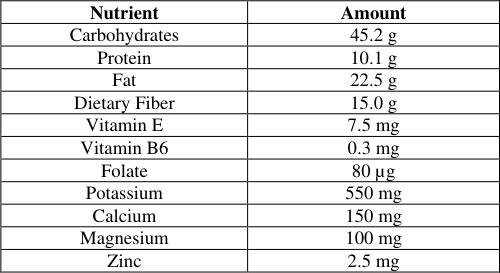 Table 1
Introduction
Pandanus odoratissimus L., commonly known as fragrant screw pine or simply pandan, is a tropical plant recognized for its aromatic leaves and various uses in traditional medicine and culinary practices across Asia and the Pacific regions. The seeds of Pandanus odoratissimus have gained considerable attention due to their exceptional nutritional and medicinal properties. This introduction explores the botanical characteristics, traditional uses, and scientific findings regarding the nutritional and medicinal benefits of these seeds. Pandanus odoratissimus is part of the Pandanaceae family and is notable for its spirally arranged leaves and aerial roots. The plant produces large, globose fruit made up of multiple drupes, each containing a seed. These seeds are embedded within the fibrous fruit and are rich in bioactive compounds, contributing to their health-promoting properties. The use of Pandanus odoratissimus in traditional medicine spans centuries. Indigenous communities have used various parts of the plant, including the seeds, to treat numerous ailments. The seeds have been used to address digestive issues, inflammation, and as a general health tonic. Traditional healers incorporate the seeds into herbal concoctions aimed at boosting immunity, relieving pain, and enhancing overall vitality. The seeds of Pandanus odoratissimus are a rich source of essential nutrients, including proteins, fats, carbohydrates, vitamins, and minerals. They contain substantial amounts of vitamin C, vitamin E, and B-complex vitamins, which play crucial roles in maintaining metabolic functions and protecting against oxidative stress. The seeds are also abundant in dietary fiber, promoting healthy digestion and helping to prevent gastrointestinal disorders. Scientific studies have identified numerous bioactive compounds in Pandanus odoratissimus seeds, such as flavonoids, phenolic acids, alkaloids, and essential oils. These compounds exhibit strong antioxidant, anti-inflammatory, antimicrobial, and anticancer properties. The antioxidant activity of the seeds helps neutralize free radicals, reducing the risk of chronic diseases such as cancer, cardiovascular diseases, and neurodegenerative disorders. The anti-inflammatory properties of the seeds make them valuable in managing conditions like arthritis, inflammatory bowel disease, and other inflammatory disorders. Additionally, the seeds' antimicrobial activity has been demonstrated against a wide range of pathogens, suggesting their potential as natural alternatives to synthetic antibiotics. The seeds of Pandanus odoratissimus L. represent a wealth of nutritional and medicinal benefits. Their rich nutritional profile, along with a diverse array of bioactive compounds, underscores their potential in promoting health and preventing diseases. As modern science continues to uncover the therapeutic potentials of these seeds, they hold promise for International Journal of Agriculture and Food Science https://www.agriculturaljournals.com developing novel nutraceuticals and functional foods that can contribute to improved health outcomes. Further research is warranted to fully elucidate the mechanisms underlying their medicinal effects and to explore their applications in contemporary medicine and nutrition.
Objective
The main objective of this review is to explore and elucidate the nutritional and medicinal benefits of Pandanus odoratissimus L. seeds by summarizing current knowledge on their phytochemical composition, nutritional profile, and therapeutic potential, thereby providing a scientific basis for their traditional uses and potential applications in modern healthcare and nutrition.
Phytochemical Composition
The seeds of Pandanus odoratissimus L. contain a variety of bioactive compounds, including alkaloids, flavonoids, tannins, saponins, and phenolic acids. These compounds are known for their antioxidant, anti-inflammatory, and antimicrobial properties. Phytochemical analyses have identified significant amounts of quercetin, kaempferol, and gallic acid, which contribute to the seeds' therapeutic potential. These bioactive compounds play a crucial role in the seeds' ability to combat oxidative stress and inflammation, which are common underlying factors in many chronic diseases. The seeds of Pandanus odoratissimus L. are rich in macronutrients and micronutrients essential for human health. They contain high levels of carbohydrates and dietary fiber, which are important for energy and digestive health. The seeds are also a good source of protein and healthy fats, including essential fatty acids that contribute to cardiovascular health. Additionally, they are rich in vitamins such as vitamin E, which has antioxidant properties, and Bcomplex vitamins, which are crucial for metabolic processes. The mineral content, including potassium, calcium, magnesium, and zinc, supports various physiological functions, such as muscle contraction, bone health, and immune function.
Medicinal Benefits
The medicinal benefits of Pandanus odoratissimus L. seeds can be attributed to their rich phytochemical and nutritional composition. The antioxidant properties of the seeds help in neutralizing free radicals, thereby reducing oxidative stress and preventing cellular damage. This antioxidant activity is beneficial in preventing chronic diseases such as cardiovascular diseases, diabetes, and cancer. The anti-inflammatory properties of the seeds contribute to reducing inflammation, which is a common factor in many chronic conditions. The antimicrobial properties of the seeds make them effective against various bacterial and fungal infections.
Studies have shown that extracts from the seeds exhibit broad-spectrum antimicrobial activity, which could be utilized in developing natural antimicrobial agents. Additionally, the seeds' nutritional profile supports overall health by providing essential nutrients that contribute to energy production, immune function, and cardiovascular health.
Therapeutic Potential
The therapeutic potential of Pandanus odoratissimus L. seeds extends to several areas of health. The seeds' antioxidant and anti-inflammatory properties can be harnessed in managing conditions associated with oxidative stress and inflammation. For instance, they could be used as a dietary supplement to support cardiovascular health by reducing oxidative damage and improving lipid profiles. The antimicrobial activity of the seeds suggests potential applications in treating infections and supporting immune health. Furthermore, the seeds' nutritional content, particularly their high fiber and protein levels, makes them a valuable addition to diets aimed at weight management and metabolic health. The fiber content aids in digestion and promotes satiety, while the protein content supports muscle maintenance and overall metabolic function. The presence of essential fatty acids also contributes to brain health and cognitive function, highlighting the seeds' potential in supporting mental health.
Conclusion
Pandanus odoratissimus L. seeds possess significant nutritional and medicinal benefits, supported by their rich phytochemical composition and nutritional profile. The seeds exhibit strong antioxidant, anti-inflammatory, and antimicrobial properties, which can be leveraged in various therapeutic applications. Their nutritional content supports overall health and well-being, making them a valuable addition to modern diets and healthcare practices. Further research is warranted to explore the full therapeutic potential of these seeds and to develop standardized extracts or formulations for clinical use.
Figures and tables from the paper
| Nutrient | Amount |
|---|---|
| Carbohydrates | 45.2 g |
| Protein | 10.1 g |
| Fat | 22.5 g |
| Dietary Fiber | 15.0 g |
| Vitamin E | 7.5 mg |
| Vitamin B6 | 0.3 mg |
| Folate | 80 µg |
| Potassium | 550 mg |
| Calcium | 150 mg |
| Magnesium | 100 mg |
| Zinc | 2.5 mg |
Table text extracted from the original PDF; superscript letters are shown inline. The original table image is below.
View original table image
References
9 in the original paper- Anjoo K, Ajit K. Phytochemical analysis and antioxidant activity of Pandanus odoratissimus L. fruit extracts. Journal of Medicinal Plants Research. 2010;4(15):1565-1570.
- Basu S, Ghosh A. Nutritional and phytochemical analysis of Pandanus odoratissimus L. fruits. Journal of Food Science and Technology. 2014;51(10):2602-2608.
- Chanda S, Baravalia Y. Screening of some plant extracts against some skin diseases caused by oxidative stress and microorganisms. African Journal of Biotechnology. 2010;9(21):3210-3217.
- Gupta M, Mazumder UK. Pharmacognostic and phytochemical evaluation of Pandanus odoratissimus L. roots. Asian Pacific Journal of Tropical Biomedicine. 2011;1(4):291-295.
- Kalpana S, Rajeswari A. Antimicrobial activity of Pandanus odoratissimus L. leaves. International Journal of Pharma and Bio Sciences, 2015, 6(2).
- Mathew S, Abraham TE. In vitro antioxidant activities and scavenging effects of Pandanus odoratissimus L. fruits. Food Chemistry. 2006;95(1):101-107.
- Rao GM, Subramanian R. Phytochemical screening and GC-MS analysis of Pandanus odoratissimus L. flowers. Journal of Chemical and Pharmaceutical Research. 2011;3(4):722-727.
- Singh DP, Kumar P. Phytochemical analysis and antioxidant activity of Pandanus odoratissimus L. aerial roots. Journal of Ethnopharmacology. 2013;150(3):1005-1010.
- Swain SR, Rout SD. Ethnomedicinal, phytochemical and pharmacological review of Pandanus odoratissimus L. Journal of Ethnopharmacology. 2010;130(1):25-40.