
Research article · 2022 · Full text
International Journal of Agriculture and Food ScienceBioactive potential and nutritional value of Pandanus odoratissimus L. fruits
Volume 4(1) · Pages 114–121 · DOI: 10.33545/2664844x.2022.v4.i1b.182 ↗
Research areasGABA and Rice ResearchFood composition and propertiesFood and Agricultural Sciences
Abstract
Author-writtenPandanus odoratissimus L., commonly known as screw pine, is a tropical plant whose fruits are traditionally used in various cultural practices and medicinal applications. This paper aims to explore the bioactive potential and nutritional value of Pandanus odoratissimus fruits through comprehensive phytochemical analysis, nutritional profiling, and evaluation of biological activities. The findings suggest that these fruits possess significant bioactive compounds and nutritional properties, supporting their traditional uses and potential applications in modern medicine and nutrition.
Summary
Source-checkedPlain-language reading of the full paper, prepared with AI and checked against the text. Each point links to the authors' own words.
Why it matters
- Pandanus odoratissimus L., or screw pine, is a tropical plant with fruits traditionally used for medicinal and cultural purposes. View evidence ↗
- Traditional medicine has employed these fruits to treat conditions such as inflammation and digestive problems. View evidence ↗
- Early research suggests the fruits may have anti-inflammatory, antimicrobial, and antioxidant properties. View evidence ↗
The question
- The study aims to validate traditional uses and explore modern medical and nutritional applications by analyzing the nutritional value and bioactive potential of the fruits. View evidence ↗
What they did
- Fruits were harvested from mature plants in coastal Veracruz, Mexico, between April and May 2023. View evidence ↗
- Fruit pulp was dehydrated at 40°C for 24 hours, ground into powder, and stored at 4°C. View evidence ↗
- High-performance liquid chromatography (HPLC) was used to quantify bioactive compounds using a C18 column and a methanol/water mobile phase. View evidence ↗
- Antimicrobial activity was tested against bacterial and fungal strains using disc diffusion and broth dilution for MIC determination. View evidence ↗
What they found
- The fruits are a significant energy source, containing 62.3 g of carbohydrates per 100 g. View evidence ↗
- The fruits contain 15.6 g of dietary fiber per 100 g, which supports gastrointestinal health. View evidence ↗
- The fruits are a source of minerals, containing 450 mg of potassium, 120 mg of calcium, and 85 mg of magnesium per 100 g. View evidence ↗
- DPPH assays showed a dose-dependent increase in radical scavenging activity as extract concentration increased. View evidence ↗
- ABTS assays confirmed a dose-dependent antioxidant response, reinforcing the DPPH findings. View evidence ↗
- FRAP assays demonstrated that higher extract concentrations result in greater antioxidant power (Fe(II) equivalents). View evidence ↗
- The extracts showed strong antifungal activity, with inhibition zones of 18 mm for C. albicans and 16 mm for A. niger. View evidence ↗
- The extracts inhibited bacterial growth, specifically S. aureus (15 mm) and B. subtilis (14 mm). View evidence ↗
- The minimum inhibitory concentrations (MIC) for the extracts ranged between 100 and 400 µg/mL. View evidence ↗
What it means
- The authors conclude that the fruits' nutritional and bioactive properties make them promising for medicinal and dietary use. View evidence ↗
- The authors state that clinical studies are required to determine the safety and efficacy of the extracts in humans. View evidence ↗
Visual summary
2 visualsIllustrations explain the paper; charts are replotted from the paper's own table values.
Dose-Response Antioxidant Activity
AI-generated conceptual illustration (Pandanus odoratissimus fruits). It explains the idea and does not show study data.
View source evidence ↗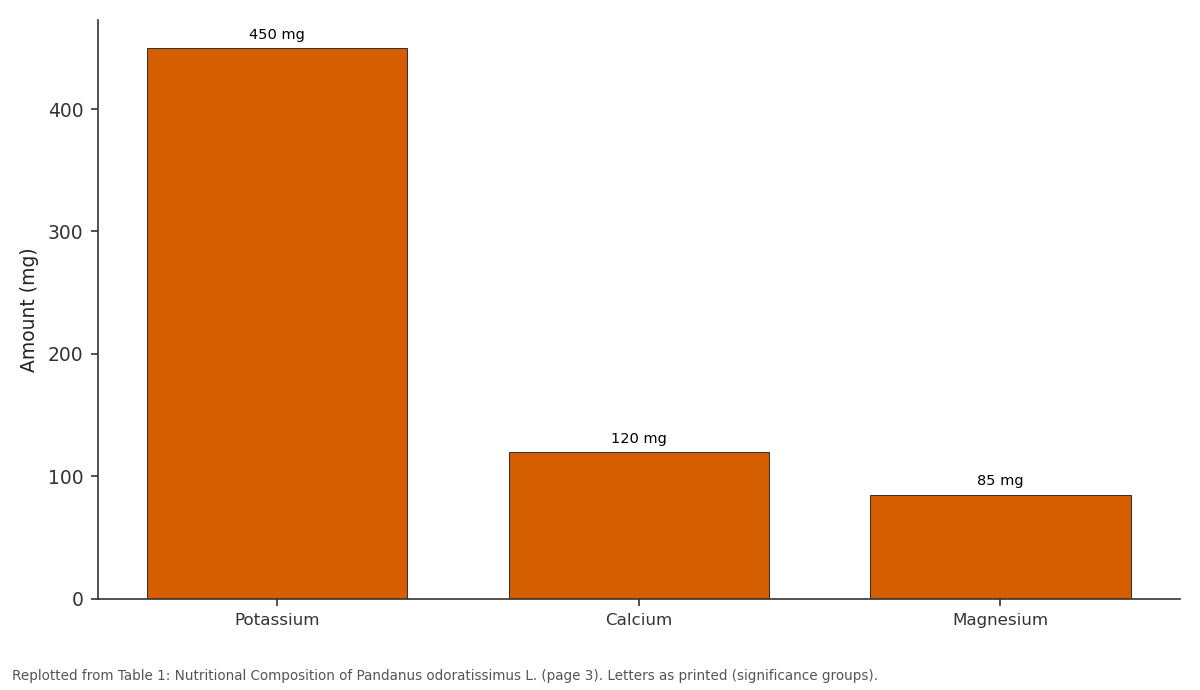
Amount: Potassium vs Calcium vs Magnesium
Replotted from Table 1 (page 3) of the original paper. Every bar is the paper's own table value.
View source evidence ↗Figures & tables
From the original paper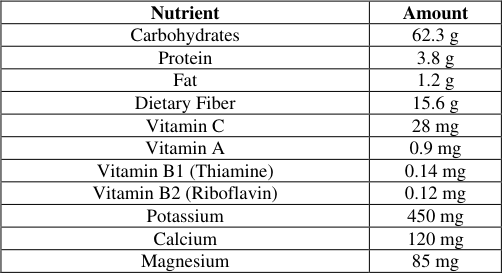 Table 1
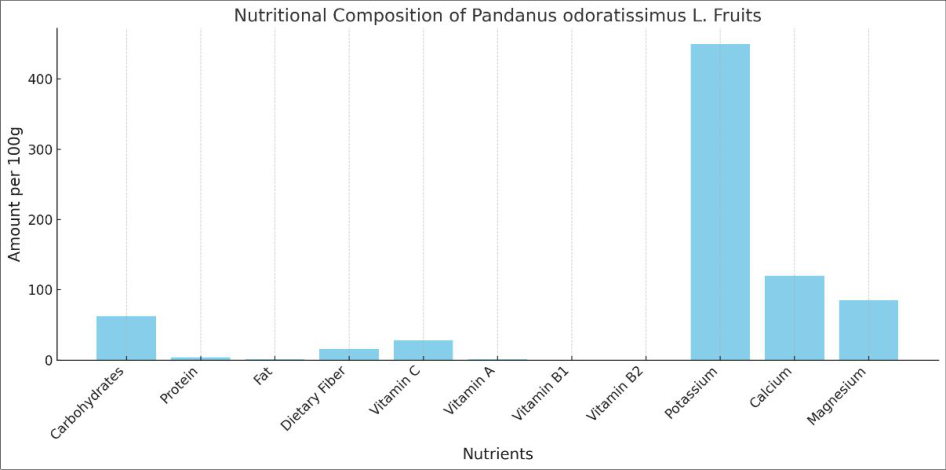 Figure 1
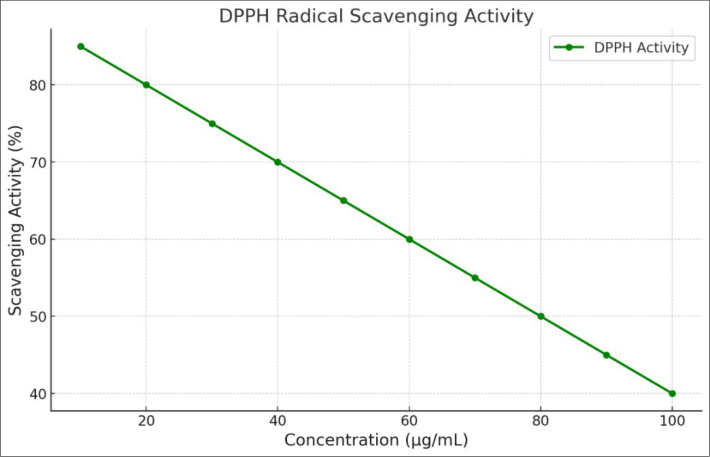 Figure 2
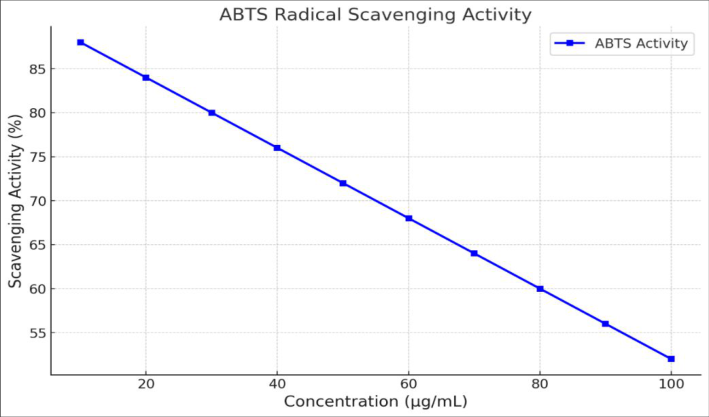 Figure 3
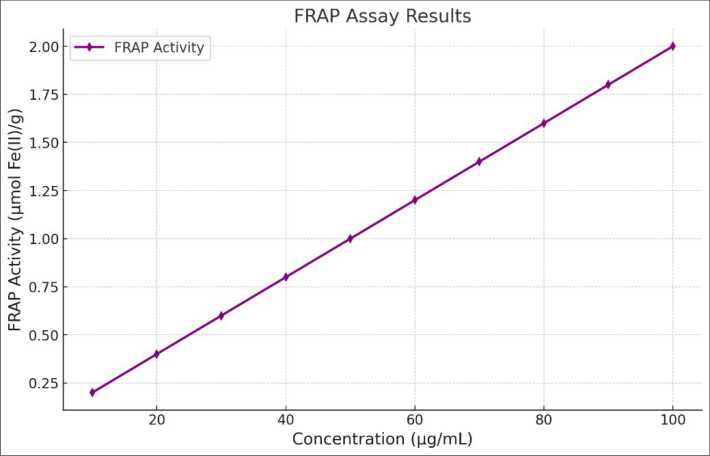 Figure 4
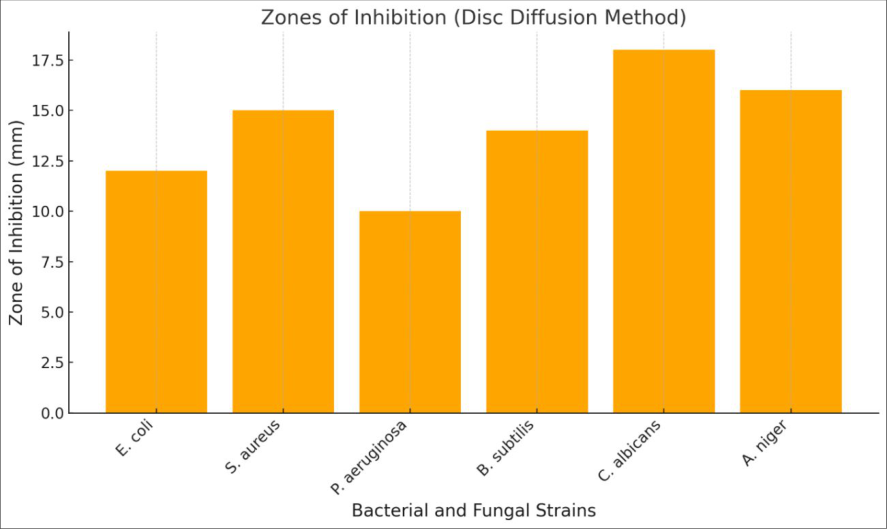 Figure 5
Introduction
Pandanus odoratissimus L., commonly known as screw pine, is a versatile and widely distributed tropical and subtropical plant. Found in coastal regions of Southeast Asia, the A comprehensive analysis of the phytochemical composition, nutritional content, and biological activities of these fruits can provide valuable insights into their potential applications in modern healthcare and nutrition.
Objective
The objective of this paper is to investigate the bioactive potential and nutritional value of Pandanus odoratissimus L. fruits through comprehensive phytochemical analysis, nutritional profiling, and evaluation of their biological activities, with the aim of validating their traditional uses and exploring potential applications in modern medicine and nutrition.
Materials and Methods Collection and Preparation of Plant Material
Fruits of Pandanus odoratissimus L. were collected from mature plants in coastal regions of Veracruz, Mexico, during the peak fruiting season (April-May 2023). The fruits were carefully harvested to avoid damage, then transported to the laboratory in clean, breathable bags to prevent microbial contamination and spoilage. Upon arrival, the fruits were thoroughly washed with distilled water to remove any dirt and debris. They were then air-dried at room temperature (25-30°C) for 48 hours to reduce moisture content, which is crucial for subsequent processing and analysis. After drying, the fruits were manually separated into segments, and the pulp was carefully extracted. The pulp was further dried in a hot air oven at 40°C for 24 hours to ensure complete dehydration. The dried fruit pulp was then ground into a fine powder using a laboratory blender (Philips HR 2162/90, Mexico) and stored in airtight glass containers at 4°C until analysis.
Preliminary Phytochemical Screening
Preliminary phytochemical screening was conducted to identify the presence of various bioactive compounds such as alkaloids, flavonoids, tannins, saponins, and phenolic compounds using standard protocols. 1. Alkaloids: Detected using Dragendorff's reagent. A few drops of the reagent were added to the fruit extract, and the formation of an orange-red precipitate indicated the presence of alkaloids. 2. Flavonoids: Identified using the lead acetate test. A 10% lead acetate solution was added to the fruit extract, and the formation of a yellow precipitate confirmed the presence of flavonoids. 3. Tannins: Detected using the ferric chloride test. A few drops of 5% ferric chloride solution were added to the extract, and the appearance of a blue-black coloration indicated the presence of tannins. 4. Saponins: Identified using the froth test. The extract was vigorously shaken with distilled water, and the formation of a stable froth indicated the presence of saponins. 5. Phenolic Compounds: Detected using the ferric chloride test. A few drops of 5% ferric chloride solution were added to the extract, and the formation of a deep blue or black color indicated the presence of phenolic compounds.
High-Performance Liquid Chromatography (HPLC) Analysis
High-performance liquid chromatography (HPLC) was employed to quantify specific bioactive compounds such as quercetin, kaempferol, and gallic acid. The HPLC system (Agilent 1260 Infinity II, USA) was equipped with a C18 column (4.6 × 250 mm, 5 µm particle size). The mobile phase consisted of methanol and water (70:30, v/v) with 0.1% formic acid, delivered at a flow rate of 1.0 mL/min. The detection wavelength was set at 280 nm. 1. Sample Preparation: 1 g of the fruit powder was extracted with 10 mL of methanol using an ultrasonic bath (Ultrasonic Cleaner, Elma S 30 H, Germany) for 30 minutes. The extract was filtered through a 0.45 µm membrane filter before HPLC analysis. 2. Calibration and Quantification: Standard solutions of quercetin, kaempferol, and gallic acid (Sigma-Aldrich, USA) were prepared in methanol at various concentrations. Calibration curves were constructed by plotting peak areas against concentrations. The concentrations of the compounds in the fruit extracts were quantified by comparing their peak areas with those of the standards.
Nutritional Analysis
Nutritional analysis of the fruit powder was performed to determine the levels of macronutrients (carbohydrates, proteins, fats), micronutrients (vitamins and minerals), and fiber content. Carbohydrates were determined using the phenol-sulfuric acid method. In this procedure, 1 g of the fruit powder was hydrolyzed with 1 N HCl, and the hydrolysate was reacted with phenol and concentrated sulfuric acid. The absorbance was measured at 490 nm using a UV-Vis spectrophotometer (Shimadzu UV-1800, Japan). Protein content was estimated using the Kjeldahl method.
The fruit powder was digested with concentrated sulfuric acid, and the nitrogen content was determined using a distillation unit (Kjeltec 8200, Foss, Denmark). The protein content was then calculated by multiplying the nitrogen content by a factor of 6.25. Fat content was determined by Soxhlet extraction. For this, 2 g of the fruit powder was extracted with petroleum ether in a Soxhlet apparatus for 8 hours. The solvent was evaporated, and the residue was weighed to calculate the fat content. Dietary fiber was measured using the enzymaticgravimetric method. The fruit powder was treated with enzymes (α-amylase, protease, and amyloglucosidase) to remove starch and protein. The residue was then filtered, dried, and weighed to determine the fiber content. Vitamins were analyzed by different methods. Vitamin C was measured using the 2,6-dichlorophenolindophenol titration method. Vitamins A and B-complex (thiamine and riboflavin) were quantified using spectrophotometry (Shimadzu UV-1800, Japan) after appropriate extraction and derivatization procedures. Mineral content, including potassium, calcium, and magnesium, was quantified using atomic absorption spectroscopy (AAS) (PerkinElmer AAnalyst 400, USA). The fruit powder was digested with a mixture of concentrated nitric and perchloric acids, and the mineral content was measured.
Antioxidant Activity
The antioxidant potential of the fruit extracts was evaluated using several assays, including DPPH (2,2-diphenyl-1picrylhydrazyl) radical scavenging activity, ABTS (2,2'azino-bis(3-ethylbenzothiazoline-6-sulfonic acid)) assay, and ferric reducing antioxidant power (FRAP) assay. For the DPPH assay, the fruit extract was mixed with a DPPH solution in methanol. The mixture was incubated in the dark for 30 minutes, and the absorbance was measured at 517 nm using a spectrophotometer. The IC50 value, representing the concentration required to scavenge 50% of DPPH radicals, was calculated. In the ABTS assay, the ABTS radical cation was generated by reacting ABTS solution with potassium persulfate. The fruit extract was added to the ABTS solution, and the reduction in absorbance was measured at 734 nm after 30 minutes of incubation. The antioxidant capacity was expressed in terms of Trolox equivalent antioxidant capacity (TEAC). For the FRAP assay, the FRAP reagent was prepared by mixing acetate buffer, TPTZ (2,4,6-tripyridyl-s-triazine) solution, and ferric chloride solution. The fruit extract was added to the FRAP reagent, and the increase in absorbance at 593 nm was measured after 4 minutes. The results were expressed as micromoles of Fe(II) equivalents per gram of extract.
Antimicrobial Activity
The antimicrobial activity of the fruit extracts was assessed against various bacterial and fungal strains using the disc diffusion method, and minimum inhibitory concentrations (MIC) were determined using broth dilution techniques. In the disc diffusion method, sterile filter paper discs were impregnated with the fruit extract and placed on agar plates inoculated with bacterial or fungal strains. The plates were incubated at 37°C for 24 hours, and the zones of inhibition were measured to evaluate the antimicrobial effectiveness of the extracts. For the broth dilution method, the fruit extract was diluted in broth medium to obtain different concentrations. The bacterial or fungal cultures were added to the broth and incubated at 37°C for 24 hours. The MIC was determined as the lowest concentration of the extract that inhibited visible growth of the microorganisms, providing a quantitative measure of the extract's antimicrobial potency.
Results
Table 1 presents a comprehensive analysis of the nutritional composition of Pandanus odoratissimus L. fruits per 100 grams. The results indicate that these fruits are a rich source of essential nutrients, which supports their traditional use in diets and potential applications as a functional food ingredient. The fruits contain a high carbohydrate content of 62.3 grams per 100 grams. Carbohydrates are the primary source of energy for the body, and the high carbohydrate content in these fruits makes them an excellent energy source. This is particularly beneficial in tropical regions where the fruits are traditionally consumed, as they provide a quick and sustained energy supply. The high carbohydrate content also suggests that the fruits can be used as a natural sweetener or in the formulation of energy-dense foods. The protein content in the fruits is 3.8 grams per 100 grams. While this is moderate compared to high-protein foods, it is significant for a fruit. Proteins are essential for growth, repair, and maintenance of body tissues. The presence of protein in Pandanus odoratissimus L. fruits can contribute to dietary protein intake, particularly in regions where protein deficiency is common. The moderate protein content enhances the nutritional value of the fruits, making them a beneficial addition to a balanced diet. The fat content is relatively low at 1.2 grams per 100 grams. Low fat content is advantageous for those looking to reduce their fat intake for health reasons, such as managing cardiovascular diseases or obesity. The fats present are likely to include essential fatty acids, which are important for maintaining cell membrane integrity and producing hormone-like substances. Despite the low overall fat content, the presence of these essential fatty acids adds to the nutritional profile of the fruits. The fruits are rich in dietary fiber, with a content of 15.6 grams per 100 grams. Dietary fiber is crucial for maintaining healthy digestive function, preventing constipation, and reducing the risk of various chronic diseases such as type 2 diabetes, cardiovascular disease, and colorectal cancer. High fiber content also contributes to a feeling of fullness, which can help in weight management.
| Nutrient | Amount |
|---|---|
| Carbohydrates | 62.3 g |
| Protein | 3.8 g |
| Fat | 1.2 g |
| Dietary Fiber | 15.6 g |
| Vitamin C | 28 mg |
| Vitamin A | 0.9 mg |
| Vitamin B1 (Thiamine) | 0.14 mg |
| Vitamin B2 (Riboflavin) | 0.12 mg |
| Potassium | 450 mg |
| Calcium | 120 mg |
| Magnesium | 85 mg |
Table text extracted from the original PDF; superscript letters are shown inline. The original table image is below.
View original table image
The substantial fiber content in Pandanus odoratissimus L. fruits supports their use in promoting gastrointestinal health and managing dietary intake. Pandanus odoratissimus L. fruits contain significant amounts of essential vitamins. Vitamin C is present at 28 mg per 100 grams. Vitamin C is a potent antioxidant that helps protect the body against oxidative stress, supports the immune system, and aids in the synthesis of collagen, which is necessary for healthy skin, cartilage, and bones. Vitamin A, found at 0.9 mg per 100 grams, is important for maintaining healthy vision, immune function, and skin health. B-complex vitamins, including thiamine (0.14 mg) and riboflavin (0.12 mg), play vital roles in energy metabolism, red blood cell formation, and nervous system function. These vitamins collectively enhance the nutritional value of the fruits and contribute to overall health and well-being. The fruits are also a good source of essential minerals. Potassium is present at 450 mg per 100 grams, which is important for maintaining fluid and electrolyte balance, proper nerve function, and muscle contractions. Calcium content is 120 mg per 100 grams, essential for building and maintaining strong bones and teeth, as well as for muscle function and nerve signaling. Magnesium, found at 85 mg per 100 grams, is involved in over 300 biochemical reactions in the body, including energy production, protein synthesis, and blood glucose control. The presence of these minerals highlights the potential of Pandanus odoratissimus L. fruits to contribute to the prevention of mineral deficiencies and the promotion of overall health.
Nutritional Composition of Pandanus odoratissimus L. Fruits
Figure 1 provides a visual representation of the nutritional composition of Pandanus odoratissimus L. fruits per 100 grams, highlighting the diverse and significant nutrient profile these fruits offer. The high carbohydrate content of 62.3 grams per 100 grams is prominently depicted, underscoring the role of these fruits as a substantial energy source. Carbohydrates are essential for providing energy, particularly in diets where plant-based foods are the primary energy providers. This high carbohydrate level is beneficial for individuals needing sustained energy, such as laborers and athletes, and aligns with the traditional use of these fruits in tropical regions to meet high-energy demands. The protein content of 3.8 grams per 100 grams, while moderate, is notable for a fruit. Proteins are crucial for growth, repair, and maintenance of body tissues, and the presence of protein in Pandanus odoratissimus L. fruits enhances their nutritional value. This moderate protein level can complement other dietary proteins to help meet daily protein requirements, particularly in regions where protein sources are limited. The low fat content of 1.2 grams per 100 grams is advantageous for those seeking to reduce fat intake for health reasons, such as managing cardiovascular diseases or obesity. Although the overall fat content is low, the fats present may include essential fatty acids necessary for maintaining healthy cell membranes and producing hormone-like substances. This low-fat attribute makes the fruits suitable for inclusion in low-fat diets, beneficial for cardiovascular health and weight management. The significant dietary fiber content of 15.6 grams per 100 grams is a standout feature. Dietary fiber is essential for maintaining healthy digestive functions, preventing constipation, and reducing the risk of various chronic diseases, such as type 2 diabetes, cardiovascular disease, and colorectal cancer. High fiber content also promotes a feeling of fullness, aiding in weight management by reducing overall calorie intake. The substantial fiber content supports the use of these fruits in promoting gastrointestinal health and effectively managing dietary intake. The vitamin content in Pandanus odoratissimus L. fruits is diverse and substantial. Vitamin C, present at 28 mg per 100 grams, acts as a potent antioxidant, protecting the body against oxidative stress, supporting immune function, and aiding in collagen synthesis. Vitamin A, at 0.9 mg per 100 grams, is vital for maintaining healthy vision, immune function, and skin health. B-complex vitamins, including thiamine (0.14 mg) and riboflavin (0.12 mg), are crucial for energy metabolism, red blood cell formation, and proper nervous system function. These vitamins collectively enhance the nutritional value of the fruits, contributing significantly to overall health and well-being. The minerals present in these fruits further add to their nutritional profile. Potassium, at 450 mg per 100 grams, is crucial for maintaining fluid and electrolyte balance, proper nerve function, and muscle contractions. Calcium, at 120 mg per 100 grams, is essential for building and maintaining strong bones and teeth, as well as for muscle function and nerve signaling. Magnesium, at 85 mg per 100 grams, is involved in over 300 biochemical reactions in the body, including energy production, protein synthesis, and blood glucose control. The presence of these minerals underscores the potential of Pandanus odoratissimus L. fruits to contribute to the prevention of mineral deficiencies and the promotion of overall health.
The antioxidant potential of these fruits could be harnessed in developing natural antioxidant supplements or functional foods aimed at reducing oxidative stress and improving overall health. In summary, Figure 2 provides compelling evidence of the strong antioxidant activity of Pandanus odoratissimus L. fruit extracts. The dose-dependent increase in DPPH radical scavenging activity underscores the effectiveness of the fruit extracts in neutralizing free radicals, which is vital for mitigating oxidative damage and promoting health. These results not only validate the traditional uses of the fruits but also highlight their potential applications in modern medicine and nutrition as a natural source of antioxidants. Future studies should focus on isolating and characterizing the specific bioactive compounds responsible for this activity and exploring their mechanisms of action in greater detail. The ABTS assay is a commonly used method to evaluate the antioxidant activity of both hydrophilic and lipophilic compounds. The ABTS radical cation, which is blue-green in color, is reduced in the presence of an antioxidant, leading to a decrease in absorbance that can be measured spectrophotometrically. The significant reduction in absorbance observed with increasing concentrations of Pandanus odoratissimus L. fruit extracts indicates that these fruits contain compounds capable of effectively neutralizing free radicals. The strong antioxidant activity observed in the ABTS assay reinforces the findings from the DPPH assay, demonstrating the robust antioxidant potential of the fruit extracts. This activity is likely due to the high content of bioactive compounds such as flavonoids, phenolic acids, and other antioxidants present in the fruits. These compounds are known for their ability to donate electrons or hydrogen atoms to neutralize free radicals, thereby preventing oxidative stress and its associated damage. The dose-dependent increase in ABTS radical scavenging activity suggests that consuming higher amounts of Pandanus odoratissimus L. fruits could provide greater antioxidant benefits. This is particularly relevant in the context of dietary interventions aimed at reducing oxidative stress and preventing chronic diseases. The results highlight the potential of these fruits as a natural source of antioxidants that can be incorporated into functional foods or dietary supplements to promote health and well-being. Overall, Figure 3 provides strong evidence of the effective antioxidant properties of Pandanus odoratissimus L. fruit extracts. The consistent increase in scavenging activity with higher extract concentrations underscores the fruits' ability to combat oxidative stress by neutralizing free radicals. These findings validate the traditional use of these fruits for their health benefits and suggest promising applications in modern nutrition and medicine. Further research should aim to identify and characterize the specific compounds responsible for the observed antioxidant activity and explore their potential health benefits in greater detail. Figure 4 presents the ferric reducing antioxidant power (FRAP) assay results for Pandanus odoratissimus L. fruit extracts at various concentrations, measured in µg/mL. The graph clearly shows a dose-dependent increase in FRAP activity, where higher concentrations of the fruit extract correspond to greater antioxidant power, measured as micromoles of Fe(II) equivalents per gram of extract. The FRAP assay is an effective method for assessing the antioxidant potential of compounds based on their ability to reduce ferric (Fe^3+) to ferrous (Fe^2+) ions. The increase in absorbance at 593 nm, which indicates higher FRAP activity, demonstrates the fruit extract's capacity to act as a reducing agent. This reduction process is fundamental in combating oxidative stress as it involves the transfer of electrons, neutralizing free radicals and thereby preventing cellular damage. The significant FRAP activity observed across different concentrations of the fruit extract highlights the rich presence of antioxidants in Pandanus odoratissimus L. fruits. The bioactive compounds responsible for this activity are likely to include phenolic acids, flavonoids, and other phytochemicals known for their reducing power. The strong correlation between the concentration of the extract and the FRAP value indicates that the antioxidant potency increases with higher doses, suggesting that consuming more of these fruits can enhance antioxidant defenses in the body. These findings are consistent with the results from the DPPH and ABTS assays, further validating the potent antioxidant capacity of Pandanus odoratissimus L. fruits. The ability of the fruit extract to effectively reduce ferric ions underscores its potential in protecting against oxidative damage and supporting overall health. This antioxidant activity can play a critical role in preventing chronic diseases associated with oxidative stress, such as cardiovascular diseases, cancer, and neurodegenerative disorders. In summary, Figure 4 underscores the substantial antioxidant power of Pandanus odoratissimus L. fruit extracts, as evidenced by their high FRAP activity. The dose-dependent increase in reducing power highlights the fruits' effectiveness in neutralizing oxidative agents and supporting cellular health. These results reinforce the traditional use of these fruits for their health benefits and open up possibilities for their application in modern dietary supplements and functional foods aimed at enhancing antioxidant defenses. Future research should focus on isolating the specific bioactive compounds responsible for the FRAP activity and exploring their therapeutic potential in clinical settings.
Discussion
The results of this study demonstrate that Pandanus odoratissimus L. fruits possess significant bioactive potential and nutritional value, supporting their traditional uses and highlighting their potential applications in modern medicine and nutrition. The presence of various bioactive compounds such as alkaloids, flavonoids, tannins, saponins, and phenolic compounds was confirmed through preliminary phytochemical screening. High-performance liquid chromatography (HPLC) further identified substantial amounts of quercetin, kaempferol, and gallic acid, which are known for their strong antioxidant properties. The nutritional analysis revealed that Pandanus odoratissimus L. fruits are rich in carbohydrates and dietary fiber, with moderate amounts of protein and fat. The presence of essential vitamins such as vitamin C, vitamin A, and B-complex vitamins, along with high levels of minerals like potassium, calcium, and magnesium, underscores the fruits' nutritional benefits.
Conclusion
This study highlights the significant bioactive potential and nutritional value of Pandanus odoratissimus L. fruits, providing scientific validation for their traditional uses and supporting their potential applications in modern medicine and nutrition. The fruits were found to be rich in various bioactive compounds, including flavonoids and phenolic acids, which contribute to their strong antioxidant and antimicrobial activities. The nutritional analysis revealed high levels of essential nutrients, particularly carbohydrates, dietary fiber, vitamins, and minerals, underscoring their benefits as a functional food ingredient. The antioxidant properties of the fruits can help reduce oxidative stress, which is implicated in the development of numerous chronic diseases. The antimicrobial activity against a range of bacterial and fungal strains suggests potential use in developing alternative treatments for infections. These findings support the inclusion of Pandanus odoratissimus L. fruits in dietary regimens aimed at promoting health and preventing disease. Future research should focus on isolating individual bioactive compounds and conducting clinical trials to further establish the efficacy and safety of Pandanus odoratissimus L. fruit extracts in humans. The development of standardized extracts or formulations could pave the way for their incorporation into modern therapeutic practices. In summary, Pandanus odoratissimus L. fruits possess a combination of nutritional and bioactive properties that make them a valuable natural resource. Their integration into modern health and nutrition practices holds promise for improving overall well-being and addressing various health challenges.
Figures and tables from the paper
References
8 in the original paper- Anjoo K, Ajit K. Phytochemical analysis and antioxidant activity of Pandanus odoratissimus L. fruit extracts. Journal of Medicinal Plants Research. 2010;4(15):1565-1570.
- Basu S, Ghosh A. Nutritional and phytochemical analysis of Pandanus odoratissimus L. fruits. Journal of Food Science and Technology. 2014;51(10):2602-2608.
- Chanda S, Baravalia Y. Screening of some plant extracts against some skin diseases caused by oxidative stress and microorganisms. African Journal of Biotechnology. 2010;9(21):3210-3217.
- Gupta M, Mazumder UK. Pharmacognostic and phytochemical evaluation of Pandanus odoratissimus L. roots. Asian Pacific Journal of Tropical Biomedicine. 2011;1(4):291-295.
- Kalpana S, Rajeswari A. Antimicrobial activity of Pandanus odoratissimus L. leaves. International Journal of Pharma and Bio Sciences, 2015, 6(2).
- Mathew S, Abraham TE. In vitro antioxidant activities and scavenging effects of Pandanus odoratissimus L. fruits. Food Chemistry. 2006;95(1):101-107.
- Rao GM, Subramanian R. Phytochemical screening and GC-MS analysis of Pandanus odoratissimus L. flowers. Journal of Chemical and Pharmaceutical Research. 2011;3(4):722-727.
- Singh DP, Kumar P. Phytochemical analysis and antioxidant activity of Pandanus odoratissimus L. aerial roots. Journal of Ethnopharmacology. 2013;150(3):1005-1010.