
Research article · 2024 · Full text
International Journal of Advanced Chemistry ResearchKetogenic diets: An overview of metabolism within the body and their effects
Volume 6(1) · Pages 221–224 · DOI: 10.33545/26646781.2024.v6.i1c.189 ↗
Research areasDiet and metabolism studiesDiet, Metabolism, and DiseaseAdipose Tissue and Metabolism
Abstract
Author-writtenThe ketogenic diet helps, when carbohydrate or sugar levels are low to 20 grams, the body works to find an alternative source of nutrition in order to provide the energy required to carry out daily vital activities such as various metabolic processes such as breathing, metabolism, movement, blood pumping, etc., In addition, one reason against eating a high-fat diet is that it leads to obesity. Because fat has a higher caloric content than carbohydrates, it is expected that a high-fat diet will result in greater calorie intake. However, the review concentrates on the benefits and adverse effects on the body, as well as explaining the metabolic pathways that occur in people and some animals following a ketogenic diet.
Summary
Source-checkedPlain-language reading of the full paper, prepared with AI and checked against the text. Each point links to the authors' own words.
Why it matters
- Obesity is a significant global health issue that contributes to approximately 2.8 million adult deaths annually. View evidence ↗
- Obesity is closely associated with the development of chronic conditions, including heart disease, diabetes, and high blood sugar levels. View evidence ↗
- The ketogenic diet, characterized by high fat and very low carbohydrate intake, is recognized as an effective way to achieve rapid weight loss. View evidence ↗
The question
- This review aims to explain how the body responds to increased ketone bodies, evaluate the benefits and side effects of the ketogenic diet, and examine related animal studies. View evidence ↗
What they did
- The authors conducted a review focusing on metabolic pathways and the resulting health effects in both humans and animals following a ketogenic diet. View evidence ↗
What they found
- During ketosis, the liver converts excess acetyl CoA from fatty acids into water-soluble ketone bodies to provide energy to tissues via the bloodstream. View evidence ↗
- Because fatty acids cannot cross the blood-brain barrier, the brain relies on ketone molecules like β-hydroxybutyric acid, acetoacetic acid, and acetone for function. View evidence ↗
- Gluconeogenesis is essential during periods of hunger to supply glucose to specific brain cells and red blood cells that are unable to utilize ketones. View evidence ↗
- Ketones provide neuroprotection by increasing the NAD+/NADH ratio, which improves mitochondrial respiration in neurons and reduces glutamine-induced reactive oxygen species (ROS). View evidence ↗
- The transition to a ketogenic diet is often associated with various symptoms, such as nausea, lethargy, depression, and concentration difficulties. View evidence ↗
- In horses, significant ketosis does not occur even during famine when body fat is the sole energy source. View evidence ↗
- In mouse studies, those on a ketogenic diet showed a higher percentage of fat mass compared to those on regular chow, though lean body mass remained unchanged. View evidence ↗
What it means
- The authors conclude that the ketogenic diet should not be used as a long-term strategy for weight loss. View evidence ↗
- The authors state that the diet offers several benefits, including brain preservation, weight loss, reduced triglyceride levels, and improvement in symptoms of diabetes and polycystic ovary disease. View evidence ↗
- A primary limitation of the ketogenic diet is the difficulty in making it a sustainable, long-term option for weight reduction. View evidence ↗
Visual summary
1 visualsIllustrations explain the paper; they do not show study data.
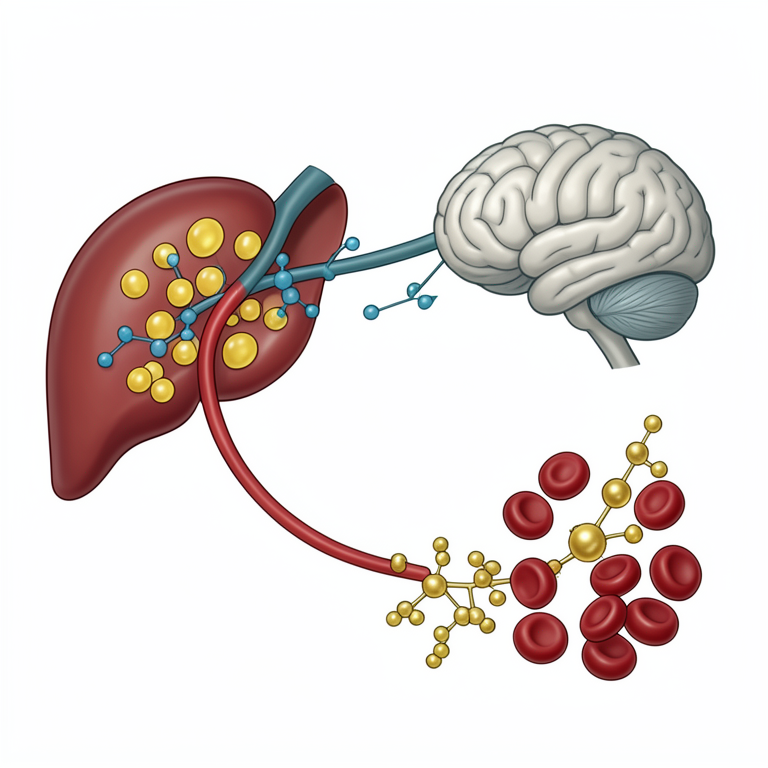
Ketogenic Metabolic Pathway
AI-generated conceptual illustration (Human liver, bloodstream, brain, and red blood cells). It explains the idea and does not show study data.
View source evidence ↗Figures & tables
From the original paper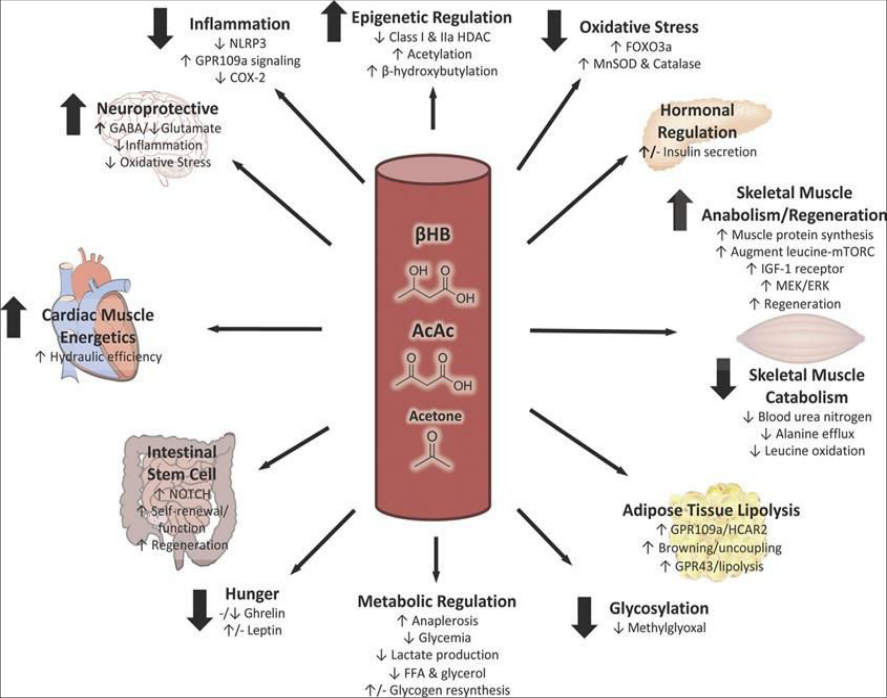 Figure 1
Introduction
Despite continuing medical improvements, obesity remains a major global health problem, accounting for up to 2.8 million adult deaths each year. This ubiquitous issue is intimately linked to the evolution of chronic diseases such as excessive blood sugar levels, diabetes, and heart disease [1] . However, applying properly customized diet regimens for weight loss can help to alleviate the Obesity to some extent. Showing many of these diets, the ketogenic diet has emerged as a very low-carb, high-fat diet as a high-energy diet. successful method for quick weight reduction [2] . The fasting or keto diet is a nutritional plan that stresses high-fat and low-carbohydrate intake in order to stimulate weight loss, improve mental clarity, and boost energy levels [2] . Through drastically reducing carbohydrate consumption while increasing fat and protein intake, this diet induces ketosis, a metabolic state in which the body uses fat as its main form of energy rather than carbs. The ketogenic diet's main aim is to reduce total body fat while enhancing metabolic function. A new study reveals that there may be benefits in reducing the risk of certain diseases, such as type 2 diabetes, hyperlipidemia, heart disease, and cancer [3] . The purpose of this review is to explain the body's normal response to increased ketone bodies, the side effects and benefits of using a ketogenic diet, and to review some animal studies involving the ketogenic diet.
Metabolism during ketosis
When glucose levels fall due to carbohydrate limitation, fasting, or strenuous activity, the body uses a variety of mechanisms to maintain itself. Fatty acids are essential during periods of hunger or low carbohydrate intake since they are the primary source of energy [4] . The liver transforms extra acetyl CoA from fatty acids into ketone bodies, which are watersoluble units of energy that can be delivered through the bloodstream to energy-seeking tissues. Ketone molecules, such as acetone, acetoacetic acid, and β-hydroxybutyric acid, are necessary for brain function as fatty acids cannot penetrate the blood-brain barrier (figure 1). Ketone bodies are transportable units of energy that can cross through the blood brain barrier and be utilized by the brain [5] . Gluconeogenesis is a method of generating glucose from non-carbohydrate sources, such as free amino acids. Some amino acids can be converted to pyruvate or oxaloacetate, whereas others are transformed directly into oxaloacetate [6] . Alanine and aspartate can be converted to pyruvate and oxaloacetate, accordingly. Glycerol, a byproduct of triglyceride metabolism, can also cause gluconeogenesis. However, glucose cannot be reversed; glycerol must first be transformed to pyruvate. Other non-carbohydrate substrates for gluconeogenesis involve recycled pyruvate, lactate, and ketone bodies, which can be transformed into oxaloacetate. Gluconeogenesis is crucial during hunger because it provides glucose to red blood cells and certain brain cells that cannot use ketone molecules [7] .
Fig 1:
Metabolism of ketone bodies in body [8] Ketones in the brain Fats have important roles in brain functions such nerve impulse transmission, memory storage, and tissue structure. Acetoacetate and β-hydroxybutyrate are two of the three ketone molecules that the organism can use as fuel. The heart and renal cortex favor ketone bodies over glucose as a source of energy. Acetoacetate is the brain's primary reserve of energy during hunger [9] . Ketone bodies have lately been related to neuroprotective properties, making them potentially effective in the treatment of epilepsy, Alzheimer's, and Parkinson's diseases. Glutamate, an essential neurotransmitter, has excitatory properties but has also been related to neurological disorders such as stroke, epilepsy, trauma, and Alzheimer's disease. Excess glutamate can cause excitotoxicity and neuronal death by generating Reactive Oxygen Species (ROS). Researchers studied the antioxidant capabilities of β-hydroxybutyrate and acetoacetate for reducing glutamate excitotoxicity [10] , Researchers think that ketone bodies protect the brain from neurological disorders by reducing free radical generation and combating oxidative stress. They discovered that ketones boost the NAD+/NADH ratio, resulting in more NADH oxidation, lower glutamine-induced ROS, and improved mitochondrial respiration in neurons, thereby explaining ketones' neuroprotective influence [11] .
Adverse effects of a ketogenic diet
To explain why the ketogenic diet does not work well over term, you must first understand how it works. The ketogenic diet is the process of obtaining a little amount of carbs, which are one of the body's essential sources of energy. High energy comes from the breakdown of carbohydrates and lipids. After carbohydrate stores run out, the body turns to lipids for energy. It alters the food supply of sugar. In turn, ketone bodies are generated, and this situation lasts for roughly a week, which is dependent on fats as a source of energy in the diet, as well as ketone bodies [12] . According to [13] , This nutritional adjustment is typically accompanied by a slew of symptoms, including weariness, lethargy, concentration issues, nausea, poor breathing, abdominal pain, sleeping troubles, indigestion, depression, and many others. However, they may have unforeseen consequences that are unpleasant or even harmful to one's well-being or health. Recognize the importance of eating a nutritious diet. To deprive your body of other beneficial foods creates a disparity in the system, which contributes to health issues. If the body experiences a long-term nutritional deficit, it may face a multitude of risks to its general health. Nutrient deficiencies can result in dehydration, including the well-known hepatic encephalopathy. Ketogenic diets aim to be low in fiber and nutrients like calcium, magnesium, potassium, and vitamins A, B, and B6. Furthermore, it should result in increased consumption of water [14] . Contact a doctor for proper therapy to help prevent a variety of health issues caused by a nutritional deficit. Nonetheless, lifespan is the key concern with this diet. When it deprives the body of its preferred meals, it may develop cravings for more, leading to the abandonment of the diet. When getting back to once more eating routinely, the recuperation putting on weight may likewise be exceptional. It very well might be trailed by antagonistic impacts too when the body begins to adjust as indicated by glucose as the essential energy source. In this multitude of elements, the Ketogenic-diet ought not be utilized as an extensive term weight decrease system. To weight reduction in a hurry for the close to term, however will encounter excruciating impacts, looking for the approach will be capable. However it very well might be much harder to make this diet a sustainable and extended term choice for weight reduction.
Animal studies involving ketogenic diet
Ketone bodies, which are formed from acetate during fat metabolism, are reused by converting them back into acetate. Horses, which derive more than 60% of their energy from acetate, can burn surplus acetate before it is converted to ketones or efficiently recycle ketones back to acetate, fat, or both. The equine keto diet, which claims to be more nutrient dense, recommends timothy, orchard grass, or alfalfa hay, which contains less carbohydrates and more fiber than fescue, brome, or Bermuda. With the exception of an antioxidant, the diet does not include cereals or supplements. However, horses fed this diet do not produce increased ketone levels. To address this, extra ketones and oil-based Medium Chain Triglycerides (MCTs) are available, which can result in higher ketone levels due to the lack of a carrier entering the mitochondria. Even famine, when body fat is the only fuel, does not generate considerable ketosis in horses [15] . Studies in rodents (obese or non-obese) indicate that KD is helpful for weight loss [16] , Nonetheless, it is vital to monitor body composition changes. Losing fat mass is always better to losing lean muscle mass. Moreover, KD-fed mice had a larger fat mass percentage than regular-chow fed mice. However, there was no variation in the percentage of lean body mass across diets [17] . The investigation on medium-chain triglyceride consumption in dogs has the ability to improve the administration of ketogenic diets for neurological disease models while also opening up novel study paths for developing better diet therapies with enhanced neuroprotective effects [18] .
Conclusion
The keto diet has many advantages, including weight loss, decreased triglyceride levels, enhanced diabetes symptoms, and decreased polycystic ovary disease symptoms in women, protection against atherosclerosis, and brain preservation. It also increases focus and energy in the long term, reduces the incidence of epileptic seizures in children, reduces acne appearance, and reduces cancer cell growth. However, the concluded from this review, an understanding of metabolic processes and their interference with other processes, as well as their effects on humans and animals.
References
15 in the original paper- Nuwaylati D, Eldakhakhny B, Bima A, Sakr H, Elsamanoudy A. Low-carbohydrate high-fat diet: A swoc analysis. Metabolites. 2022;12(11):1126. https://doi.org/10.3390/metabo12111126
- Dyńka D, Kowalcze K, Charuta A, Paziewska A. The ketogenic diet and cardiovascular diseases. Nutrients. 2023;15(15):3368. https://doi.org/10.3390/nu15153368
- Byrne CS, Chambers ES, Morrison DJ, Frost G. The role of short chain fatty acids in appetite regulation and energy homeostasis. International Journal of Obesity. 2015;39(9):1331-1338. https://doi.org/10.1038/ijo.2015.84
- Augustin K, Khabbush A, Williams S, Eaton S, Orford M, Cross JH, et al. Mechanisms of action for the medium-chain triglyceride ketogenic diet in neurological and metabolic disorders. Lancet Neurology. 2018;17(1):84-93. https://doi.org/10.1016/S1474-4422(17)30408-9
- Dienel GA. Brain glucose metabolism: integration of energetics with function. Physiological Reviews. 2019;99(1):949-1045. https://doi.org/10.1152/physrev.00004.2018
- Poff AM, Koutnik AP, Egan B. Nutritional ketosis with ketogenic diets or exogenous ketones: Features, convergence, and divergence. Current Sports Medicine Reports. 2020;19(7):251-259. https://doi.org/10.1249/JSR.0000000000000754
- Owen OE. Ketone bodies as a fuel for the brain during starvation. Biochemistry and Molecular Biology Education. 2005;33(4):246-251. https://doi.org/10.1002/bmb.2005.49403304246
- Yang H, Shan W, Zhu F, Wu J, Wang Q. Ketone bodies in neurological diseases: Focus on neuroprotection and underlying mechanisms. Frontiers in Neurology. 2019;10:457543. https://doi.org/10.3389/fneur.2019.00058
- Xin L, Ipek Ö, Beaumont M, Shevlyakova M, Christinat N, Masoodi M, et al. Nutritional ketosis increases NAD+/NADH ratio in healthy human brain: an in vivo study by 31P-MRS. Frontiers in Nutrition. 2018;5:62. https://doi.org/10.3389/fnut.2018.00062
- Alharbi A, Al-Sowayan NS. The effect of ketogenicdiet on health. Food & Nutrition Research. 2020;11(4):301-313. https://doi.org/10.1016/j.fnre.2021.12.367
- Murphy P, Likhodii SS, Hatamian M, Burnham WM. Effect of the ketogenic diet on the activity level of Wistar rats. Pediatric Research. 2005;57(3):353-357. https://doi.org/10.1203/01.PDR.0000155744.68135.B7
- Alharbi A, Al-Sowayan NS. The effect of ketogenicdiet on health. Food & Nutrition Research. 2020;11(4):301-313. https://doi.org/10.1016/j.fnre.2021.12.367
- Badman MK, Kennedy AR, Adams AC, Pissios P, Maratos-Flier E. A very low carbohydrate ketogenic diet improves glucose tolerance in ob/ob mice independently of weight loss. American Journal of Physiology-Endocrinology and Metabolism. 2009;297(5):E1197-E1204. https://doi.org/10.1152/ajpendo.00357.2009
- Jornayvaz FR, Jurczak MJ, Lee HY, Birkenfeld AL, Frederick DW, Zhang D, et al. A high-fat, ketogenic diet causes hepatic insulin resistance in mice, despite increasing energy expenditure and preventing weight gain. American Journal of Physiology-Endocrinology and Metabolism. 2010;299(5)E808-E815. https://doi.org/10.1152/ajpendo.00520.2009
- Law TH, Volk HA, Pan Y, Zanghi B, Want EJ. Metabolic perturbations associated with the consumption of a ketogenic medium-chain TAG diet in dogs with idiopathic epilepsy. British Journal of Nutrition. 2018;120(5):484-490. https://doi.org/10.1017/S0007114518001799
Cited by 9
From OpenAlex, OpenCitations and reference lists read by Scinovex
- The role of diet and exercise in fat distribution and type 2 diabetes prevention
Dnyaneshwari Argade, Nikita Wadhawan · International Journal of Advanced Biochemistry Research · 2025
Type 2 Diabetes mellitus is the most common form of metabolic disease, accounting for more than 90% of all diabetes worldwide. The disorder is due to insulin resistance and decreased production of insulin and has a massive impact on health in general because of its increasing prevalence, complications, and mortality. Factors that predispose an individual to T2DM include non-modifiable factors, including genetics, and modifiable ones such as diet, physical inactivity, and prediabetes. Major contributors to obesity are abdominal fat, which increases inflammation and oxidative stress. Dietary hab
- The effects of glycaemic index and carbohydrate timing on improving athletic performance: A systematic review ↗
Manish Acharjee, Himanshu Patel · International Journal of Applied Research · 2025
Background: Carbohydrates are classified by their action on blood glucose level which is also important for performance and energy availability according to the glycaemic index (GI). The meals with high GI energize us quickly, while the meals with low GI energize us slowly. Enhancing metabolic efficiency and muscle repair through key carbohydrate scheduling enhances glycogen storage, recovery, and hence endurance
- The effect of biomolecular and hormonal modulation in the treatment of obesity: A systematic review ↗
Debasrita Banerjee, Luxita Sharma · Journal of Current Research in Food Science · 2025
Obesity is a complex and multifactorial chronic disease due to a sustained imbalance in energy intake and energy expenditure, the imbalance explained by hormonal dysregulation. The key regulators of appetite, energy homeostasis, and metabolism are called key biomolecules, such as leptin, ghrelin, adiponectin, and insulin. In the past decade, many randomized controlled trials (RCTs) have been conducted on various interventions,
- Dietary animal models of non-alcoholic fatty liver disease: A comprehensive review ↗
Suman Kalia, Amanpreet Kaur, Naresh Singh Gill, Simarjit Kaur · International Journal of Pharmacology and Clinical Research · 2025
Non-alcoholic fatty liver disease (NAFLD) is a growing health concern characterized by excessive fat accumulation in liver cells, often progressing to non-alcoholic steatohepatitis (NASH), cirrhosis, and hepatocellular carcinoma. Dietary factors play a crucial role in NAFLD development and progression. This review article provides a comprehensive overview of various dietary animal models used to study NAFLD, including high-fat diets, high-fructose diets,
- Dietary Amaranthus as a functional food nutritional interventions for modulating inflammatory pathways in chronic diseases
Elena Kovalenko · International Journal of Agriculture and Nutrition · 2025
The increasing prevalence of chronic diseases worldwide has highlighted the urgent need for safe and sustainable dietary strategies that can modulate underlying pathological mechanisms such as chronic low-grade inflammation. In this context, Amaranthus, a nutrient-dense pseudocereal and leafy vegetable, has gained scientific recognition as a functional food with significant therapeutic potential. Its bioactive compounds—including flavonoids, phenolic acids, squalene, peptides, and dietary fibers—exert regulatory effects on inflammatory signaling pathways such as cyclooxygenase (COX), lipoxygen
- Intermittent fasting and time-restricted eating: Physiological and metabolic effects, and their role in weight management and prevention of metabolic disorders ↗
Priyanshi Diwakar · International Journal of Home Science · 2025
Intermittent fasting (IF) and time-restricted eating (TRE) have emerged as effective dietary strategies for weight management and prevention of metabolic disorders. IF includes diverse regimens such as alternate-day fasting, the 5:2 diet, and prolonged fasting, while TRE focuses on limiting eating to a consistent daily window, often aligned with circadian rhythms. This review differentiates between IF and TRE, examines their
- Glucose transporter in ruminants: Mechanisms and Regulation ↗
Rawad Sweidan · International Journal of Bioscience and Biochemistry · 2025
The significance of glucose as a ruminant energy source is explored in this article, with particular attention paid to the body's absorption and metabolism of the substance. It emphasizes the function of glucose transporters in the kidney, liver, and small intestine, in addition to the influence of dietary and hormonal variables on glucose metabolism. The hormonal control of glucose metabolism
- Reversal of type 1 diabetes by plant based diet ↗
Biswaroop Roy Chowdhury · International Journal of Diabetes Research · 2024
Background: Type 1 Diabetes Mellitus (T1D) is an autoimmune disorder characterized by the destruction of insulin-producing pancreatic beta cells, leading to absolute insulin deficiency. The progression of T1D may be rapid or gradual, with adults often retaining some residual insulin production, as indicated by detectable or higher C-peptide levels. In contrast, diabetic ketoacidosis (DKA) is more frequently observed in youth
- Evaluation of the clinical relevance between thyroid hormones and hepatic lipid metabolism: A comprehensive review ↗
Priyanka Tanwar, Mamta Naagar, Manish Kumar Maity · International Journal of Pharmacy and Pharmaceutical Science · 2024
Thyroid hormones have long been recognised to have a significant impact on the production and metabolism of cholesterol and fatty acids in the liver. In fact elevated blood levels of cholesterol and triglycerides along with non-alcoholic fatty liver disease (NAFLD) have been linked to hypothyroidism. The molecular control of hepatic lipid metabolism by thyroid hormones is now well understood because