
Research article · 2024 · Full text
International Journal of Horticulture and Food ScienceNutritional and biochemical attributes of present juice and Gur produced from date palm trees
Volume 6(1) · Pages 101–107 · DOI: 10.33545/26631067.2024.v6.i1b.194 ↗
Research areasDate Palm Research StudiesFood Science and Nutritional StudiesAnimal Diversity and Health Studies
Abstract
Author-writtenInvestigation of\r\nnutritional, biochemical analysis and mineral contents of Phoenix sylvestris\r\nL. juice and gur is an important issue. Five different protectors;\r\ncontrol (No protection), bamboo net, nylon net, nylon & bamboo net and\r\nplastic chot were used during juice collect from pate palm plant. Gur\r\nsamples were collected from a variety of sources, including gur prepared\r\nby SAU machines, contact growers by traditional method, and Jashore and Khulna\r\nlocal markets. The results revealed that juice collected from plants using\r\nprotector showed better performance compared to plant using no protectors. The\r\nmaximum juice quantity was recorded in the plants protected with bamboo + nylon\r\nnet, which also had the highest levels of total soluble solids, potassium,\r\nphosphorus, pH, and phenol and the least amount of bacterial contamination. The\r\ngur collected from local market of Jashore and Khulna had more sugar and\r\nbacterial contamination. However, gur produced from SAU-machine had\r\nsubstantially higher total soluble solids, vitamin C, titratable acidity and\r\ntotal phenol. Gur generated by the SAU-machine contains a significant\r\nlevel of K (756.33 mg/100 g), Ca (262.06 mg/100 g), and P (231.69 mg/100 g),\r\nindicating that high-quality gur produced by controlled condition can be a rich\r\nsource of minerals.
Summary
Source-checkedPlain-language reading of the full paper, prepared with AI and checked against the text. Each point links to the authors' own words.
Why it matters
- Date palm juice is a significant economic product in remote districts of Bangladesh, used either as a fresh drink or processed into concentrated juice and jaggery (gur). View evidence ↗
- The collection of date palm sap coincides with the Nipah virus (NiV) season, posing a health risk as fruit bats can contaminate the sap with saliva and urine. View evidence ↗
- Traditional gur production is often affected by pollutants like smoke and ash, and the boiling process can be harmful to the environment. View evidence ↗
The question
- The study aimed to identify the best protective material to prevent pests from accessing sap and to evaluate the nutritional and biochemical quality of the resulting juice and gur. View evidence ↗
What they did
- The research was carried out in Jashore and Dhaka, Bangladesh, from December 2020 to February 2021. View evidence ↗
- The study used twenty date palm plants per trial, testing five protection treatments (no protection, bamboo net, nylon net, plastic chot, and a combined nylon + bamboo net) with four replications. View evidence ↗
- Gur samples were compared from four sources: an improved SAU machine process, traditional grower methods, and local markets in Jashore and Khulna. View evidence ↗
What they found
- The bamboo + nylon net protector yielded the highest juice quantity (3.01L), while no protection resulted in the lowest (2.31L). View evidence ↗
- Total soluble solids (TSS) were highest in juice from plants with bamboo + nylon nets (13.5 °Brix) and lowest in unprotected plants (12 °Brix). View evidence ↗
- Juice from plants with bamboo + nylon nets had the highest phenol content (8.29 mg/g), compared to the lowest in unprotected juice (2.12 mg/g). View evidence ↗
- Gur produced by the SAU machine had the highest TSS (45.3 °Brix), while gur from the Jashore market had the lowest (34.2 °Brix). View evidence ↗
- Gur produced by the SAU machine was a rich source of minerals, containing 756.33 mg/100g of potassium (K), 262.06 mg/100g of calcium (Ca), and 231.69 mg/100g of phosphorus (P). View evidence ↗
- Gur produced using the shielded SAU machine was found to be free of pollutants, unlike traditionally produced gur. View evidence ↗
What it means
- The authors conclude that protecting date palm plants is essential for higher juice production rates and better quality juice and gur. View evidence ↗
- The authors recommend that gur be prepared using pollution-free processes to ensure quality. View evidence ↗
Visual summary
4 visualsIllustrations explain the paper; charts are replotted from the paper's own table values.
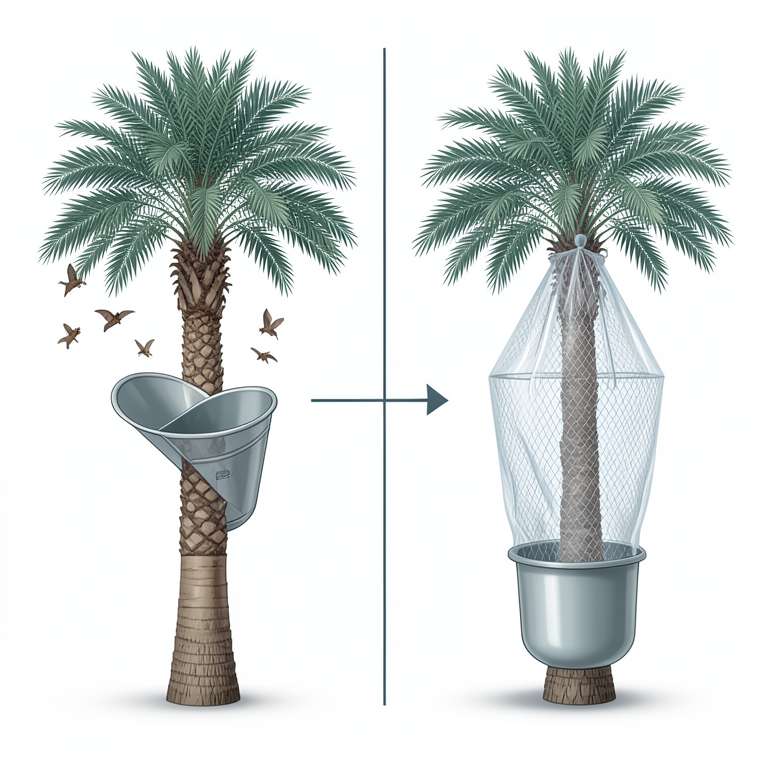
Effect of Protectors on Sap Contamination
AI-generated conceptual illustration (date palm trees with sap collection pots). It explains the idea and does not show study data.
View source evidence ↗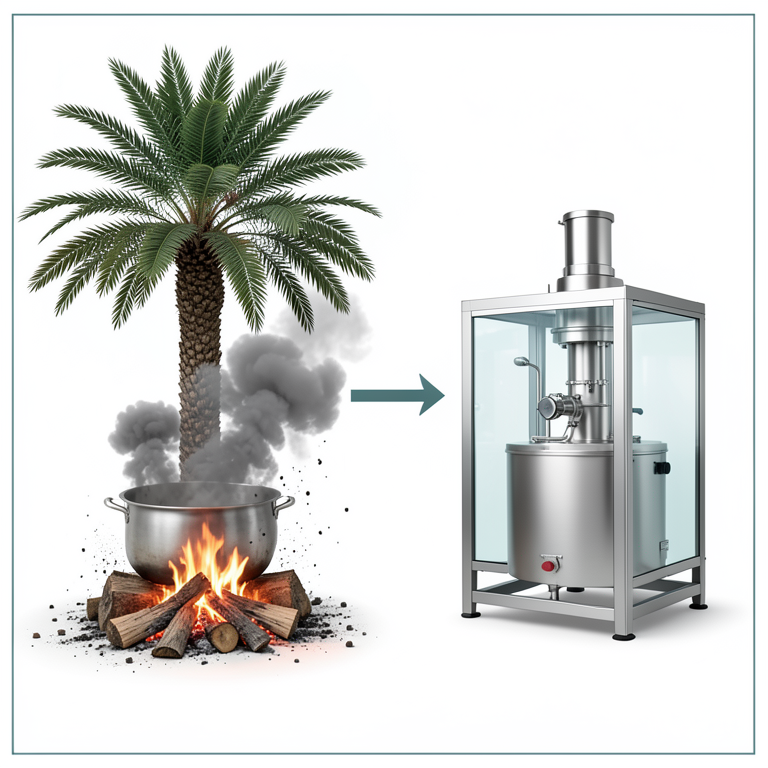
Gur Production Comparison
AI-generated conceptual illustration (date palm trees and gur production equipment). It explains the idea and does not show study data.
View source evidence ↗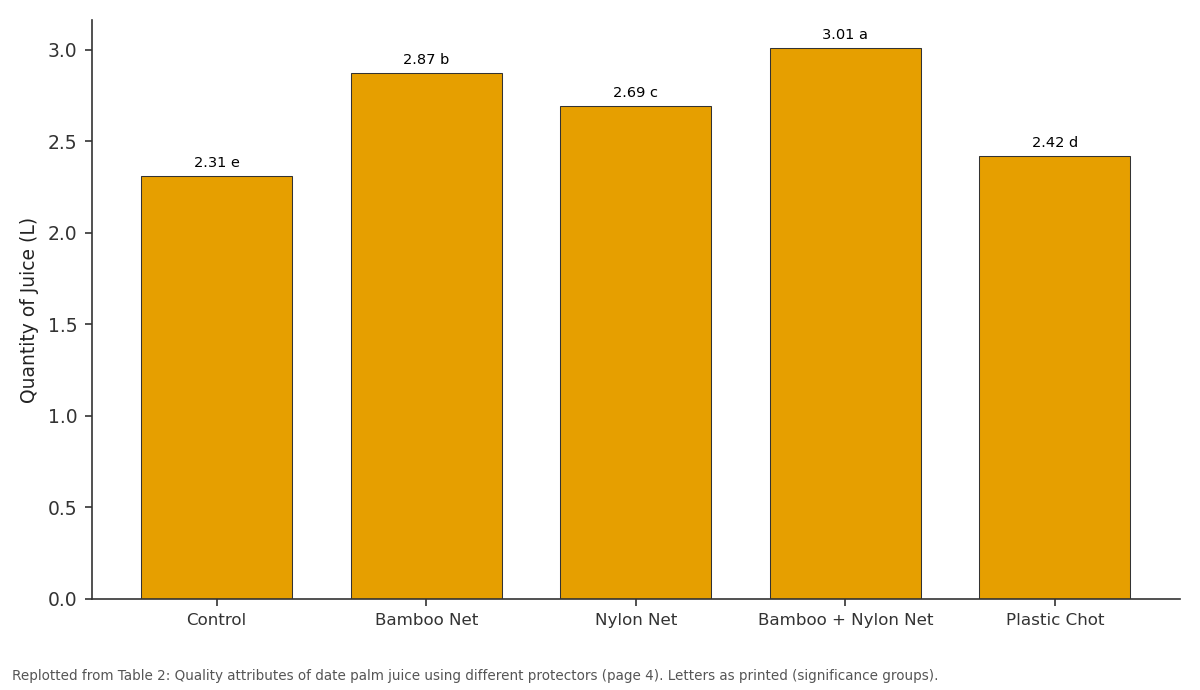
Quantity of Juice (L): Control vs Bamboo Net vs Nylon Net vs Bamboo + Nylon Net vs Plastic Chot
Replotted from Table 2 (page 4) of the original paper. Every bar is the paper's own table value.
View source evidence ↗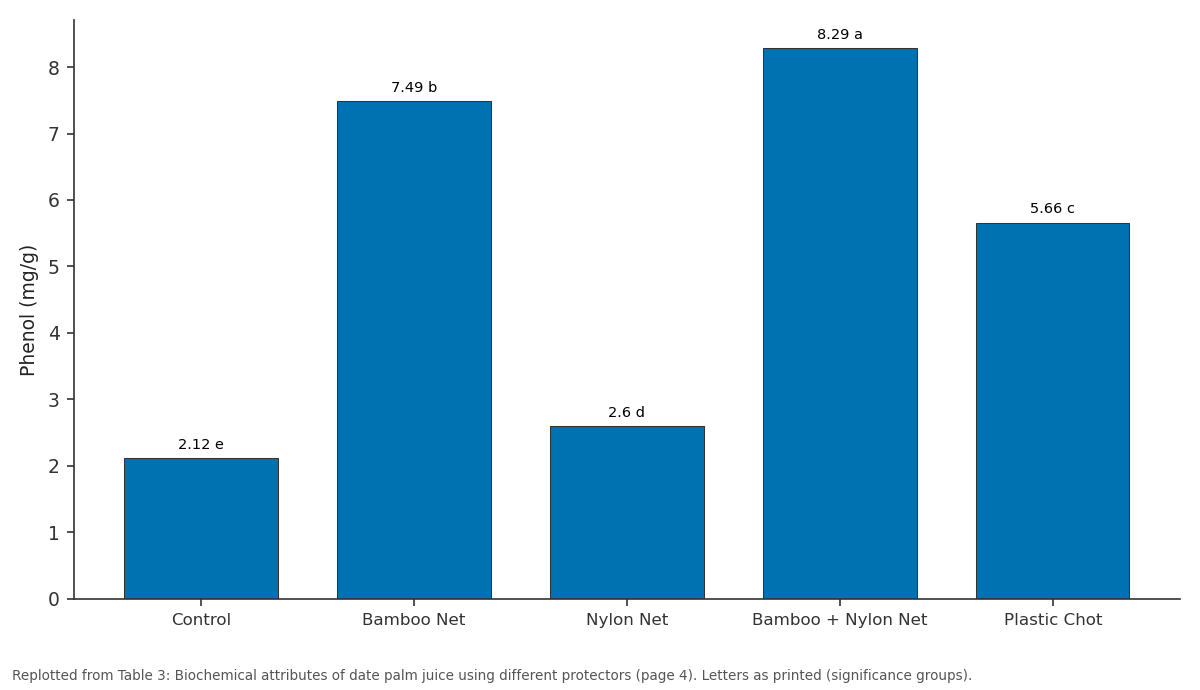
Phenol (mg/g): Control vs Bamboo Net vs Nylon Net vs Bamboo + Nylon Net vs Plastic Chot
Replotted from Table 3 (page 4) of the original paper. Every bar is the paper's own table value.
View source evidence ↗Figures & tables
From the original paper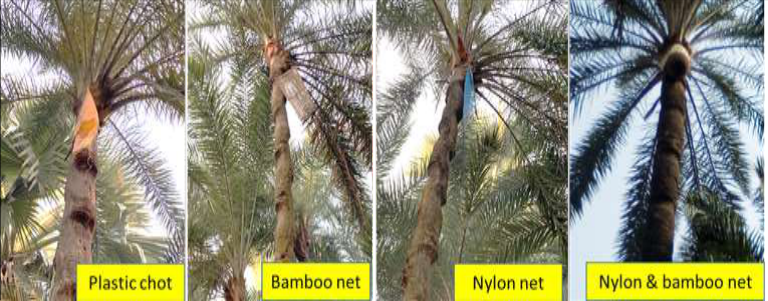 Figure 1
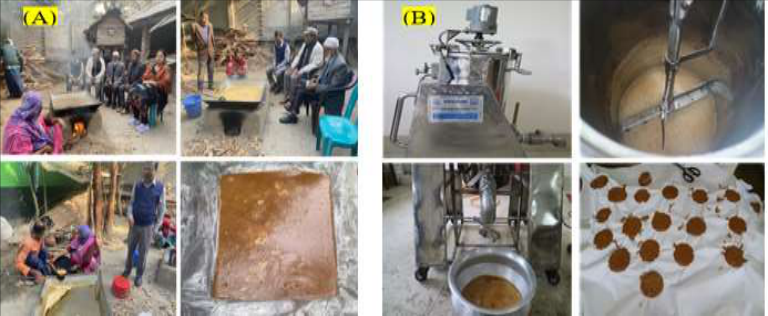 Figure 2
 Table 1
 Table 2
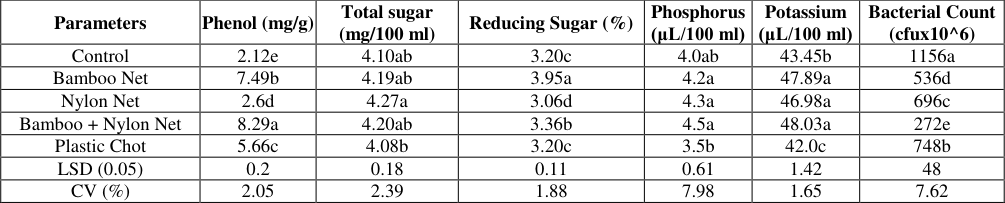 Table 3
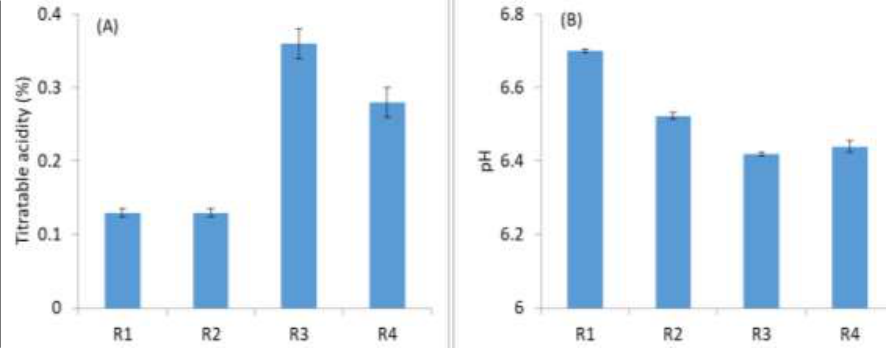 Figure 3
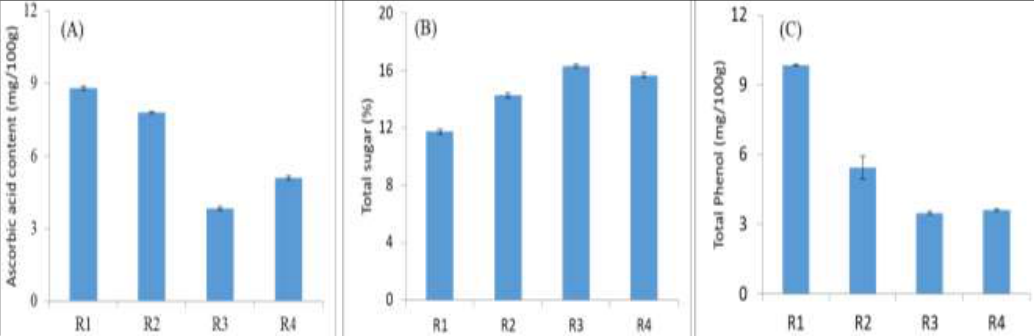 Figure 4
 Table 4
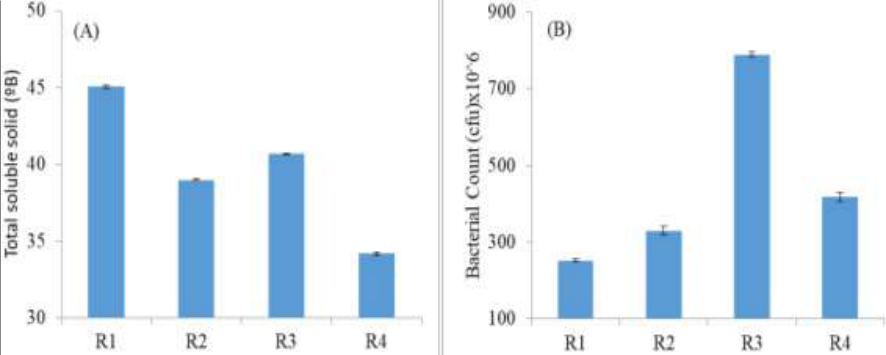 Figure 5
Introduction
In Bangladesh, the most prevalent types of palm trees are date palm, palmyra palm, and coconut palm. The monocotyledonous date palm (Phoenix sylvestris L.) is a member of the Arecaceae family. Date palm is widespread throughout Bangladesh, particularly in the districts of Jashore, Faridpur, Kustia, Khulna, and Rajshahi, and is commonly referred to as Khajur or Khajur. Date palm juice (sap) is consumed fresh or processed further for concentrated juice and jaggery production (Barreveld, 1993) [4] . In addition, date palm juice, which is harvested by tapping the tree's delicate trunk, is the main economic output of some remote districts of Bangladesh. About 200-250 L of juice per tree, containing 12-15% sucrose, is harvested during the taping season (Winter), and 25-30 kg of molasses is produced from this juice (Rana et al., 2009) [21] . In addition, it was mentioned that date palm juice, a favorite wintertime drink for soothing one's thirst, contains 9-14% sugar, a minor quantity of organic acid, some trace elements, and some volatile substances (Dalibard, 1999) [7] . Trees naturally produce sap and juice that is essential for relieving our thirst and supplying essential nutrients. Date palm juice contains beneficial bioactive and functional ingredients (Younas et al., 2020) [28] . Walkowiak-Tomczak (2007) [26] has found that the antioxidant activity of juice concentrate was decreased during storage due to an increase in pH, and temperature. Due to the high levels of reducing sugars and total sugars in date palm juice (sap), it has a significant propensity to lose flavor, vitamins, color, and minerals when kept out in the open (Ahmad et al., 2021) [1] . Due to the longer chains of sucrose that make up jaggery instead of sugar, it is far more complicated. As a result, it releases energy more gradually than sugar and not instantly. This gives off energy for a longer period of time and is healthy for the body. Jaggery, without a doubt, is enriched with the goodness of nature and is packed with nutrients, like protein, iron, potassium, and magnesium, to name a few. Gur quality is significantly impacted by smoke, ash contamination, and other unhealthy contaminants. By emitting smoke and greenhouse gases, this boiling process also harmed the environment.
It is crucial to make high-quality food that appeal to consumers of all ages. In Bangladesh, the season for collecting date palm sap also happens to be when the Nipah virus (NiV) infection is most prevalent. In Bengali culture, drinking raw date palm sap is considered a delicacy. Fruit bats with the NiV may occasionally contaminate the sap with their saliva and urine if they get access to it for drinking (Nahar et al., 2010) [14] . According to gachhis, bats provide a problem for the successful collection of highquality sap since they consume and feces into the sap, significantly reducing its worth. Insects, rats, birds, snakes, and other pests can contribute to pollution. Using various protectors is crucial to preventing access by bats and other pests. Therefore, the objectives of this research was to determine the most effective protective material for preventing insect and animal access during juice collection and to evaluate the nutritional quality and biochemical properties of juice and gur producing from date palm trees.
Materials and Methods
Materials and Methods
Date palm juice and gur
The experiments were conducted at Khajura, Jashore and Sher-e-Bangla Nagor, Dhaka, Bangladesh during the juice tapping period (December 2020 to February, 2021). In each trial, twenty date palm plants of identical ages were used with various types of protections. The experiment was laid out with 5 numbers of treatments (Protectors) with 4 replications. Five different protectors were used in this experiment i.e. control (No protection), bamboo net, nylon net, plastic chot, and nylon + bamboo net (Figure 1). Patali gur was made by traditional method (Figure 2A) and SAU machine (Figure 2B) and its quality and pollutant levels were tested. Gur was collected from different sources as follows: R1: SAU machine (Improved ways of gur manufacturing with protected condition). R2: Traditionally prepared by contact growers (Gur processing in open condition). R3: Collected from the Jashore district's local market. R4: Collected from Khulna district's local market.
Measurement of biochemical Parameters 2.2.1 Total Soluble Solids (TSS) Content
The TSS content of date palm juice was ascertained using a digital refractometer (MA871; Bucharest, Romania). A juice drop was placed on the refractometer prism using a dropper. The refractometer showed the total soluble solids.
pH Determination
The juices from the various treated plants were separated using different filters, and the pH was determined using a digital pH meter (HI 2211; Bucharest, Romania).
For the purpose of determining the TA, five ml samples were filtered, and water was added to create a volume of 100 mL. In a conical flask, 10 mL of stock solution was added along with 2 drops of phenolphthalein. With 1N NaOH, the solution was titrated three times. When the pink color started to show, the titration was stopped.
Vitamin C Determination
The method developed by Tee et al. (1988) [24] was used to determine the vitamin C content of juice. A 5 ml sample was strained using Whatman No. 1 filter paper. The volume was increased by adding 5% oxalic acid solution to make 100 ml. With the dye solution 2, 6-dichlorophenol indophenol, titration was carried out. The amount of dye required to oxidize an unknown concentration of a particular amount of L-ascorbic acid solution was calculated using the mean observations and the L-ascorbic acid standard. The final point of titration, which remained for 10 seconds and was shown by the pink color, was reached using a 5 mL solution each time.
Total sugar
After filtering the juice through two layers of cloth, the tissue was ground up and re-extracted for three minutes in hot 80% alcohols, using 2 to 3 ml of alcohol per ml of samples. The extract was run through two layers of cotton after cooling. Whatman No. 41 filter paper was used to filter both extracts. The extract was reduced in volume by 25% using a steam bath, after which it was chilled. The needed volume of distilled water was added to the concentrated extract before being transferred to a volumetric flask with a 100 ml capacity.
Reducing sugar
Each test tube was filled with a 3ml aliquot of the extract and 3ml of DNS reagent, which were then thoroughly mixed. For five minutes, the test tube was heated in a bath of boiling water. 1ml of 40% Rochelle salt was added to the tubes' contents while they were still heated after the color had developed. Next, the test tubes were cooled under running water from the faucet. By mixing 3 ml of distilled water and 3 ml of DNS reagent in a tube and treating them equally, a reagent blank was created. In a colorimeter, the solution's absorbance was determined at 575 nm.
Nutrient Analysis
Using an atomic absorption spectrophotometer (AAS) and the proper hollow cathode lamp and wavelength for each of the metals, the mineral elements (P, Ca, Fe, and K) were identified.
Bacterial count
By scraping the surface of packaged jaggery cubes that had been stored, one gram of sample was obtained. The powdered 1 ml sample was thoroughly mixed with 10 ml of autoclaved distilled water in a test tube to create serial dilutions. The suspension was used for serial dilution by adding 1 ml from the tube to 9 ml of the sterile, distilled water used as a blank. Dilutions were made up to six times for each sample. The 90 mm petri dishes were sanitized, and 20 milliliters of medium were added. After the media had solidified, 0.1 ml of each diluted sample was aseptically taken out of the dilutions and placed in triplicate on an agar petri plate's surface. After that, samples were dispersed by the spreader, and plates were incubated at 28 °C for two to three days. Colony Forming Units per ml (CFU/ml) were measured for each gur sample. Each petri plate's four equally sized colonies were counted, and the total number of colonies in each plate was then determined.
Statistical analysis
The SAS 9.4 (SAS Institute Inc., Cary, NC, USA) application was used to calculate the means and standard deviations for the data shown in the table. The Duncan test was used to conduct additional tests for degrees of significance between groups, and a p-value of 0.05 was chosen as the acceptable level of significance.
Results and Discussion
Results and Discussion
Measurement of quality parameters and quantity of juice
Date palm juice production and quality is affected by several biotic and abiotic factors. Different protected and non-protected conditions influenced insects and animal access in juice collection pot (Table 1) and quantity of juice, TSS, titratable acidity and pH (Table 2). The highest quantity of juice was recorded in the bamboo + nylon net protected plant (3.01L) and the lowest was found in the control condition using no protection (2.31L). The findings show that using various protectors when collecting juice encourages gachis to use them and may reduce the risk of human NiV infection in Bangladesh by preventing access by bats and other pests. Drinking polluted sap can expose people to the highly fatal NiV (Luby et al., 2006) [12] . If effective measures have not been implemented to prevent bat access to the sap during collecting, fresh date palm sap should not be consumed (Rahman et al., 2012) [2] . [5] . The highest pH was found in juice when protected with Bamboo + Nylon Net (6.71) and the lowest pH was found in the juice that collected using no protection (5.2) (Table 2). The results show that increasing acidity in juice may be the cause of the decreased pH levels. The drop in pH signifies deterioration in quality of the product (Okudu and Ene-Obong, 2015) [16] .
| Parameters | Quantity of Juice (L) | Total soluble solid (°Brix) | pH | Vitamin C (mg/100 g) | Titratable acidity (%) |
|---|---|---|---|---|---|
| Control | 2.31e | 12 b | 5.2c | 5.76c | 0.19b |
| Bamboo Net | 2.87b | 12.1b | 6.41b | 7.68a | 0.16c |
| Nylon Net | 2.69c | 13.4a | 5.4c | 6.76b | 0.19b |
| Bamboo + Nylon Net | 3.01a | 13.5a | 6.71a | 7.84a | 0.13d |
| Plastic Chot | 2.42d | 12.5ab | 5.34c | 7.68a | 0.20a |
| LSD (0.05) | 0.1 | 1.11 | 0.22 | 0.31 | 0.01 |
| CV (%) | 2.13 | 4.65 | 2.09 | 2.38 | 3.3 |
Table text extracted from the original PDF; superscript letters are shown inline. The original table image is below.
View original table image
| Types of Protectors | Insects | Animals | Birds |
|---|---|---|---|
| Control | Not protected | Non protected | Non protected |
| Bamboo | Partial protected | Protected | Protected |
| Bamboo + Nilon net | Protected | Protected | Protected |
| Nilon Net | Protected | Non protected | Partial protected |
| Plastic Chot | Partial protected | Partial protected | Protected |
Table text extracted from the original PDF; superscript letters are shown inline. The original table image is below.
View original table image
Biochemical attributes of date palm juice
The highest phenol content was found in juice protected with Bamboo + Nylon Net (8.29 mg/g) and the lowest phenol was found in the juice that collected using no protection (2.12) (Table 3). The antioxidant effect was directly facilitated by the phenolic components. Among the bioactive chemicals, phenolic compounds are particularly important since their properties are directly or indirectly related to juice quality, influencing its color and astringency (Girard and Mazza, 1998) [10] . The higher total sugar content was found in the juice that was collected using no protection (4.10 mg/100 ml) and the lowest total sugar content was found in juice protected with Bamboo Net (2.19 mg/100 ml) followed by and Bamboo + Nylon net (2.20 mg/100 ml) and nylon net (2.27 mg/100 ml). Table 3 shows that when date palm juice was collected without protection, minerals (P and K) were reduced compared to juice collected with protection (except plastic chot). This could be due to the higher temperature of the juice generated by the usage of chot. The minerals content of the date palm juice responded differently to the different protected conditions (Table 3). The highest P and K were found in plants protected with Bamboo + Nylon Net (4.5 μL/100 ml) and (48.03 μL/100 ml) respectively, and the lowest P and K were found in juice collected using plastic chot (3.5 μL/100 ml) and (42 μL/100 ml) followed by using no protection (4.0 μL/100 ml) and (43.45L/100 ml) respectively (Tab. 3). The elemental composition of juice is critical for consumer safety and protection (Demir et al., 2020) [8] . Aside from the vital elements delivered to the human body by juice drinking, there is a risk of harmful materials being introduced, causing disturbance of the consumer's biological processes (Todorovska and Popovski, 2012) [25] .
| Parameters | Phenol (mg/g) | Total sugar (mg/100 ml) | Reducing Sugar (%) | Phosphorus (μL/100 ml) | Potassium (μL/100 ml) | Bacterial Count (cfux10^6) |
|---|---|---|---|---|---|---|
| Control | 2.12e | 4.10ab | 3.20c | 4.0ab | 43.45b | 1156a |
| Bamboo Net | 7.49b | 4.19ab | 3.95a | 4.2a | 47.89a | 536d |
| Nylon Net | 2.6d | 4.27a | 3.06d | 4.3a | 46.98a | 696c |
| Bamboo + Nylon Net | 8.29a | 4.20ab | 3.36b | 4.5a | 48.03a | 272e |
| Plastic Chot | 5.66c | 4.08b | 3.20c | 3.5b | 42.0c | 748b |
| LSD (0.05) | 0.2 | 0.18 | 0.11 | 0.61 | 1.42 | 48 |
| CV (%) | 2.05 | 2.39 | 1.88 | 7.98 | 1.65 | 7.62 |
Table text extracted from the original PDF; superscript letters are shown inline. The original table image is below.
View original table image
According to Gachhis, bats provide a problem for the successful collection of high-quality sap since they consume juice and feces into the sap, significantly lowering its value (Nahar et al., 2010) [14] . Preventive measures are taken to guarantee the sap's quality and the cultural and economic significance of collecting sap. Gachhis appreciate sap quality because it provides the best price for raw sap or molasses, and good sap is sweeter and cleaner. The results indicate that a proper protector might be useful for juice collection to avoid polluted sap and to guard against bats and other pests. Different protected and non-protected conditions influenced on bacterial count (Table 3). The maximum number of bacteria counted in juice that were collected using no protection (1156 cfux10^6) and the minimum number were counted in juice that were collected using Bamboo + Nylon Net protection (272 cfux10^6) (Table 3). Spoilage fruit juice generally resulted from the growth of bacteria, yeasts or molds. Early detection of spoiling will occur if there are large levels of bacteria present in the juice materials, which means that using juice of lower quality. NiV is transmitted by date palm sap (Nahar et al., 2017) [15] . Date palm trees are frequently visited by bats during sap collection, contaminating the sap with their saliva and urine (Khan et al., 2012) [11] .
Measurement of biochemical parameters of gur 3.3.1 pH and Titratable Acidity
The lowest titratable acidity (0.13%) was found in in gur prepared by SAU machine and the highest titratable acidity was found in the gur collected from Jashore (0.36%) market (Figure 3A). The higher pH was found in gur that made by SAU machine (6.77), and the lower pH was found in gur collected from Jashore market (6.40) (Figure 3B). The main element influencing the clarification process is pH. According to Mandal et al. (2006) [13] , it is crucial to the stability and storage quality of the jaggery. The pH level's retention is a sign of a high-quality product (Tamuno and Onyedikachi, 2015) [23] .
Vitamin C, Total sugar and Phenol Content
The highest ascorbic acid content was found in the gur made by SAU machine (8.62 mg/100 g) and the lowest ascorbic acid was found in the gur collected from Jashore (3.84 mg/100 g) (Figure 4A). Depending on the gur collection region, there were considerable variations in the overall sugar concentration. The lowest amount of total sugar was found in gur made by SAU machine (11.27%), while the highest amount was found in gur collected from Jashore (16.32%) (Figure 4B). Sucrose is a non-reducing sugar that is frequently employed as a sweetener in food formulations and it is possible that the gur collected from Jashore and Khulna has been adulterated with it. This could account for why it has the highest concentration of sucrose (White et al., 2015) [27] . Jaggery's texture and stability during storage are impacted by its increased hygroscopicity when there is a significant concentration of reducing sugars (Patil and Adsule, 1998) [17] . The higher total phenol content (9.89 mg/100 g) was found in gur prepared by SAU made machine and the lower phenol content was found in the gur collected from Jashore (3.47 mg/100 g) followed by Khulna (3.60 mg/100 g) market (Figure 4 C). The highest concentration of phenolic components was found in gur that has been prepared by SAU machine. Jaggery protects phenolics and other phytochemicals that have potent biological effects, like antioxidant activity (Prasad et al., 2010) [18] .
Total soluble solid and bacterial count
The total soluble solids content of the gur responded significantly different in different gur collection area (Figure 5A). The total soluble solids were maximum in the gur obtained from SAU made machine (45.3 •Brix), whereas a minimum was recorded in the gur collected from Jashore market (34.2 •Brix). The increase in the content of soluble solids is a good indicator of gur quality.
The gur that was procured from Jashore market had the highest (788 cfu x 106) level of bacterial contamination. The amount of bacteria (251 cfu x 106) in the gur made with the SAU machine was relatively low (Figure 5B). It can be because the pH is lower than those of other collected gurs. The amount and types of bacteria that can survive or grow in gur are severely constrained by its low pH (Prescott et al., 2002) [19] .
Foreign matter and mineral composition of date palm gur
Foreign matters are as non-animal objects such as metal, plastic, rubber, glass, wood, ash, etc. Generally, gur was manufactured in open conditions, and the juice was boiled with fuel such as rice bran, straw, dried leaves, woods, clothing materials, and so on, resulting in cash or other debris polluting the prepared gur. Pollutants have a number of negative effects on the product, including decreased demand, negative health effects, and so on. However, Date palm gur is manufactured in a machine that is covered or shielded, thus no pollutants were found in the gur that was produced (Table 4). Thus, pure gur can be made from the machine.
| Treatments | Foreign matter (%) | Phosphorus (mg/100 g) | Calcium (mg/100 g) | Iron mg/100 g) | Potassium (mg/100 g) |
|---|---|---|---|---|---|
| Prepared by SAU machine | 0.03±0.00d | 231.69±2.72a | 262.06±2.88a | 4.01±0.11a | 756.33±2.33a |
| Prepared from Farmers | 0.20± 0.01c | 188.00±2.31b | 199.00±3.17b | 2.88±0.12b | 629.96±1.73b |
| Jashore market | 1.20±0.05 b | 110.73±2.45d | 126.60±2.92c | 2.00±0.57c | 336.33±2.90d |
| Khulna market | 1.90± 0.05a | 125.10±2.88c | 124.02±2.30c | 2.20±0.11c | 354.96±2.88c |
Table text extracted from the original PDF; superscript letters are shown inline. The original table image is below.
View original table image
Tab. 4 illustrates the concentration of the mineral elements P, K, Fe and Ca. The sequence of concentrations is as follows: K ˃ Ca>P ˃ Fe for all samples. The potassium concentration is high indicating that date palm juice can be a rich source for K. The highest potassium (K + ) content was found in the gur made by SAU machine (756.33 mg/100 g) and the lowest K + content was found in the gur collected from Jashore (336.32 mg/100 g) (Table 4). The most prevalent element is potassium followed by calcium and phosphorus (Cheikh-Rouhou et al., 2006) [6] . Potassium is abundant in date palm sap, while the other minerals are in extremely small amounts (Souli et al., 2014) [22] . The higher Ca content (262.05 mg/100 g) was found in gur prepared by SAU made machine and the lower Ca content was found in the gur collected from Khulna (124.01 mg/100 g) market (Table 4). Calcium plays an important role for healthy bones development (Assirey, 2015) [2] . The higher P content (231.69 mg/100 g) was found in gur prepared by SAU made machine and the lower P content was found in the gur collected from Jashore (110.73 mg/100 g) followed by Khulna (125.1 mg/100 g) market (Table 4). Phosphorus plays key roles of energy transfer and storage, acid-base balance and cell membrane structure among other biologically significant substances (Gropper et al., 2012) [9] . The higher Fe content (4.01 mg/100 g) was found in gur prepared by SAU made machine and the lower Fe content was found in the gur collected from Jashore (2.0 mg/100 g) market (Table 4). Calcium plays an important role for healthy bones development (Assirey, 2015) [2] . For the creation of blood and tissue respiration, iron is essential (Abbaspour, 2014) [3] . Date palm gur is therefore regarded as a healthy food that has a rich supply of minerals and plays a crucial part in the human immune system's development because it contains these necessary components.
Conclusion
Results revealed that Juice collected from protected plants showed the best performance compared to non-protected plants. Juice collected from the plants protected with bamboo + nylon net produced the highest amount of juice and had more TSS and less amount of bacterial contamination compared to other protections. Furthermore, gur produced from SAU machine had substantially more total soluble solids, vitamin C, titratable acidity and total phenol. However, the gur collected from local market of Jashore and Khulna had more sugar and bacterial contamination. Finally, the plant needs to be protected properly for quality juice and gur production with higher production rate of juice from each plant and gur need to be prepared through pollution free process.
Acknowledgement
The present work was financially supported by the BAS-USDA Endowment Program, Bangladesh Academy of Sciences.
Conflicts of Interest
The authors declare no conflict of interest.
Figures and tables from the paper
References
23 in the original paper- Ahmad A, Naqvi SA, Jaskani MJ, Waseem M, Ali E, Khan IA, et al. Efficient utilization of date palm waste for the bioethanol production through Saccharomyces cerevisiae strain. Food Science & Nutrition. 2021;9(4):2066-2074.
- Assirey EA. Nutritional composition of fruit of 10 date palm (Phoenix dactylifera L.) cultivars grown in Saudi Arabia. Journal of Taibah University for Science. 2015;9(1):75-79.
- Abbaspour N, Hurrell R, Kelishadi R. Review on iron and its importance for human health. Journal of Research in Medical Sciences: The Official Journal of Isfahan University of Medical Sciences. 2014;19(2):164-174.
- Barros L, Carvalho AM, Ferreira IC. Exotic fruits as a source of important phytochemicals: Improving the traditional use of Rosa canina fruits in Portugal. Food Research International. 2011;44(7):2233-2236.
- Cheikh-Rouhou S, Ben Amara W, Besbes S, Blecker C, Attia H. Essai de valorisation d'écarts de triage de dattes: Élaboration et caractérisation d'un extrait concentré de la pulpe. Microbiologie Hygiène Alimentaire. 2006;18(51):3-12.
- Dalibard C. Overall view on the tradition of tapping palm trees and prospects for animal production. Livestock Research for Rural Development. 1999;11(1):1-37.
- Demir F, Kipcak AS, Ozdemir DO, Moroydor Derun E. Determination of essential and non-essential element concentrations and health risk assessment of some commercial fruit juices in Turkey. Journal of Food Science and Technology. 2020;57(12):4432-4442.
- Luby SP, Rahman M, Hossain MJ, Blum LS, Husain MM, Gurley E, et al. Foodborne transmission of Nipah virus, Bangladesh. Emerging Infectious Diseases. 2006;12(12):1888-1894.
- Mandal D, Tudu S, Mitra SR, De GC. Effect of common packing materials on keeping quality of sugarcane jaggery during monsoon season. Sugar Technology. 2006;8(2):137-142.
- Nahar N, Mondal UK, Sultana R, Hossain MJ, Khan MS, Gurley ES. Piloting the use of indigenous methods to prevent Nipah virus infection by interrupting bats' access to date palm sap in Bangladesh. Health promotion international. 2013;28(3):378-386.
- Nahar N, Asaduzzaman M, Sultana R, Garcia F, Paul RC, Abedin J, et al. A large-scale behavior change intervention to prevent Nipah transmission in Bangladesh: Components and costs. BMC Research Notes. 2017;10:1-3.
- Okudu H, Ene-Obong H. Evaluation of the effect of storage time and temperature on some physicochemical properties of juice and jam developed from two varieties of monkey kola (Cola pachycarpa, Cola lepidota). African Journal of Food Science and Technology. 2015;6:194-203.
- Patil JP, Adsule PG. Studies on various quality parameters for grading of jaggery. Indian Food Industry. 1998;17(4):215-217.
- Prasad P, Kumar PP, Satyavathi K, Prabhakar MC. Comparative studies on anthelmintic activity of natural sweeteners. Research Journal of Pharmaceutical Biological and Chemical Sciences. 2010;1(3):510-514.
- Rahman MA, Hossain MJ, Sultana S, Homaira N, Khan SU, Rahman M, et al. Date palm sap linked to Nipah virus outbreak in Bangladesh, 2008. Vector-Borne and Zoonotic Diseases. 2012;12(1):65-72.
- Rana P, Sohel S, Islam S, Akhter S, Chowdhury MS, Alamgir M, et al. Traditional practice of palm husbandry in the southeastern region of rural Bangladesh: Status and potentials. International Journal of Biodiversity Science & Management. 2009;5(3):155161.
- Souli A, Sebai H, Rtibi K, Chehimi L, Sakly M, Amri M, et al. Effects of dates pulp extract and palm sap (Phoenix dactylifera L.) on gastrointestinal transit activity in healthy rats. Journal of Medicinal Food. 2014;17(7):782-786.
- Tamuno EN, Onyedikachi EC. Effect of packaging materials, storage conditions on the vitamin C and pH value of cashew apple (Anacardium occidentale L.) juice. Journal of Food and Nutrition Sciences. 2015;3(4):160-165.
- Tee ES, Young SI, Ho SK, Mizura SS. Determination of vitamin C in fresh fruits and vegetables using the dye-titration and microfluorometric methods. Pertanika. 1988;11(1):39-44.
- Todorovska N, Popovski O. Analysis of the chemical toxic and essential elements in fruit juices. Journal of Hygienic Engineering and Design. 2012;1:105-108.
- Walkowiak-Tomczak D. Changes in antioxidant activity of black chokeberry juice concentrate solutions during storage. Acta Scientiarum Polonorum Technologia Alimentaria. 2007;6(2):49-54.
- White JS, Hobbs LJ, Fernandez S. Fructose content and composition of commercial HFCS-sweetened carbonated beverages. International Journal of Obesity. 2015;39(1):176-182.
- Younas A, Naqvi SA, Khan MR, Shabbir MA, Jatoi MA, Anwar F, et al. Functional food and nutra-pharmaceutical perspectives of date (Phoenix dactylifera L.) fruit. Journal of Food Biochemistry. 2020;44(9):e13332.
Cited by 17
From OpenAlex, OpenCitations and reference lists read by Scinovex
- Traditional production, grading, nutritional value, packaging and value addition of palmyra, date, and coconut palm jaggery ↗
C. Agritha, Shubham Chandrakar, N. Venkatachalapathy, Mahendran Radhakrishnan · Journal of Food Science and Technology · 2026
❝ 0PDF - Valorization of date palm sap into commercially viable products: a comprehensive account on its composition, nutritional profile, processing, value addition, and potential applications ↗
Ume Roobab, Farah Naqash, Shyam Sreedhara Kurup, Sajid Maqsood · Frontiers in Sustainable Food Systems · 2025
Date palm sap, obtained as an exudate from date palms, is a nutritionally rich substance with significant potential as a functional food ingredient and natural sweetener. Despite the growing interest in the nutritional, economic, and cultural significance of date palm sap, research on its comprehensive benefits and risks remains limited. This review aims to summarize the current knowledge on the…
❝ 0PDF - Development of a simple software tool for nutritional calculation and label generation for date palm present juice and gur products ↗
Ahmed Al-Mansouri, Sara Abdelrahman, Mohamed Ali · International Journal of Engineering in Computer Science · 2025
The increasing consumer demand for nutritionally transparent and accurately labelled traditional foods has highlighted the need for efficient computational tools capable of supporting small-scale and cottage-level producers. Date palm present juice (commonly known as neera) and its concentrated derivative, gur or jaggery, constitute essential sweeteners across South Asian regions and are valued for their mineral-rich profile, natural antioxidants, and functional…
❝ 0PDF - Economic viability and value-addition opportunities in small-scale production of date palm present juice and Gur ↗
Ahmad Al-Mansour, Firman Hadi, Raouda Al Haj Khaled · International Journal of Financial Management and Economics · 2025
Small-scale production of date palm present juice and Gur has long served as a traditional livelihood activity across South Asian and Middle Eastern regions. However, the economic viability of this sector remains insufficiently quantified, despite its potential for income enhancement and rural value addition. The present research investigates the profitability, cost-benefit patterns, and emerging opportunities for value-enhanced products within the
- Consumer preference and purchase behaviour toward natural sweeteners: Case research of date palm present juice and Gur ↗
Ahmed Al-Bashir, Fatima Al-Farsi, M. M. Abdel Kader · International Journal of Research in Marketing Management and Sales · 2025
Consumer preference and purchase behavior towards natural sweeteners are pivotal for understanding dietary trends, especially as more people turn to healthier alternatives to refined sugars. This research examines the preference for Date Palm Present Juice and Gur as natural sweeteners among consumers. The research, conducted in a case research format, focuses on consumer attitudes, purchase behaviors, and the factors influencing
- Chemical characterization of antioxidants and reducing sugars in fresh present juice and gur from date palm
Farhana Akter, Kamruzzaman Rahman, Mahmudul Hasan · International Journal of Advanced Chemistry Research · 2025
The chemical characterization of fresh present (sap) juice and traditional gur derived from date palm (Phoenix sylvestris) remains an essential step in understanding their nutritional value, antioxidant potential, and suitability for functional food applications. Fresh present juice is known to contain a diverse profile of bioactive compounds, including phenolics, flavonoids, reducing sugars, vitamins, and mineral constituents, which collectively contribute to its therapeutic relevance and industrial utility. Gur, produced by concentrating sap through controlled heating, undergoes significant
- Comparative nutritional assessment of present juice and gur derived from date palm trees in semi-arid farming systems
Ayesha Farooq, Khalid Al-Mazrouei, Samira Abdulrahman Al-Harthi · International Journal of Agriculture and Nutrition · 2025
The increasing demand for natural sweeteners within semi-arid agricultural regions has elevated the relevance of date palm-based products such as present juice and Gur, both of which hold cultural, nutritional, and economic significance. This research investigates the comparative nutritional quality of present juice and Gur derived from date palm trees cultivated in semi-arid farming systems, with the aim of elucidating intrinsic biochemical variations associated with processing, environmental conditions, and storage. Present juice, extracted during the tapping season, is rich in simple sugars
- Exploring the natural sweetening potential of date palm present juice and gur: A holistic and homoeopathic nutritional insight ↗
Samira Al-Harthy, Faisal Al-Mazrouei, Nour El-Sayed · International Journal of Homoeopathic Sciences · 2025
Date palm present juice (also known as neera) and its concentrated derivative, gur, have long been consumed as natural sweeteners across South Asia and the Middle East. Their traditional use in holistic and homoeopathic nutrition stems from their rich mineral profile, low chemical processing, and perceived functional health benefits. Despite their widespread cultural relevance, scientific evaluations comparing their sweetening potential,…
❝ 0PDF - Phytopharmacological evaluation of phenolic and antioxidant components in date palm present juice and gur ↗
Ahmed Salim Al-Rashidi, Mariam Nasser Al-Hinai, Khalid Yousuf Al-Mahrooqi · Journal of Phytopharmacology and Phytomedicine · 2025
Date palm (Phoenix dactylifera L.) present juice (also known as neera or fresh sap) and its concentrated derivative, gur, are widely consumed traditional products valued for their natural sweetness, rich phenolic constituents, and antioxidant potential. Despite their cultural significance, limited scientific attention has been directed towards systematically evaluating their phytopharmacological attributes. This research investigates the phenolic profiles, antioxidant capabilities, and…
❝ 0PDF - Biochemical profiling of bioactive compounds in date palm present juice and gur using standard chemical methods ↗
Samira Al-Hanif, Khalid F Al-Rasheed, Mariam El-Sayed · International Journal of Chemical and Biological Sciences · 2025
Date palm (Phoenix dactylifera L.) derivatives such as present juice (fresh sap) and gur (jaggery) constitute nutritionally rich traditional sweeteners widely consumed across South Asia and the Middle East. These products contain an array of bioactive compounds, including phenolics, flavonoids, organic acids, vitamins, minerals, and natural sugars that contribute to their antioxidant, antimicrobial, and energy-enhancing properties. However, despite their cultural…
❝ 0PDF - Potential of date palm present juice and gur as natural energy supplements for athletes: A nutritional outlook ↗
Farzana Rahman, Nuwan Priyadarshana, Ahmed Al-Mutairi · Journal of Sports Science and Nutrition · 2025
The increasing global emphasis on natural, minimally processed nutritional supplements has renewed scientific interest in traditional plant-derived foods such as date palm present juice (also known as neera) and its concentrated product, gur. These foods are widely consumed across South Asia and the Middle East and are valued for their rich carbohydrate content, rapid digestibility, and micronutrient density. For athletes,…
❝ 0PDF - Market competitiveness and export potential of date palm present juice and gur as natural sweeteners ↗
A. A. Al‐Hassan, Mariam F Al-Balooshi, Khaled M. El-Sharabi · International Journal of Foreign Trade and International Business · 2024
Date palm present juice and Gur represent two of the most widely consumed traditional sweeteners, offering significant nutritional, economic, and export‐oriented value in developing regions. The global preference for minimally processed and plant-derived sweeteners has increased sharply over the last decade, driven by rising health awareness and demand for sustainable food systems. In this context, present juice and Gur obtained
- Digital communication strategies for promoting nutritional benefits of date palm present juice and gur among rural consumers ↗
Riad Mustafa, Farhana Yasmin, Monoranjan Chowdhury · International Journal of Communication and Information Technology · 2024
Date palm present juice and gur represent culturally significant and nutritionally rich traditional sweeteners widely consumed across rural South Asian communities. Despite their established biochemical value such as natural sugars, minerals, polyphenols, antioxidants, and micronutrients consumer awareness regarding their nutritional advantages remains inadequate. Digital communication strategies offer transformative opportunities to strengthen public understanding, particularly in rural populations that are progressively
- Chemical variations in sucrose, glucose, and mineral content between date palm present juice and Gur ↗
Javier Sánchez, Marta González, Ahmed El-Sayed · International Journal of Chemical Studies · 2024
Date palm present (fresh) juice and Gur (jaggery) are among the most economically significant traditional sweeteners in South Asia, valued for their distinct nutritional characteristics and mineral richness. Despite their cultural and commercial relevance, limited scientific evidence exists regarding the chemical variability of sucrose, glucose, and essential micronutrients during the transition from fresh juice to Gur under diverse agro-processing conditions.…
❝ 0PDF - Shelf-life evaluation and nutritional stability of date palm juice and Gur under different storage conditions ↗
Ahmed Al-Farsi, Fatima Jabeen, Mohammed El-Baz · Journal of Current Research in Food Science · 2024
This research investigates the shelf-life and nutritional stability of Date Palm Juice (DPPJ) and Gur under different storage conditions. Date palm products, particularly DPPJ and Gur, are renowned for their nutritional benefits, including high antioxidant content, essential minerals, and energy-providing sugars. However, the preservation of these products under varying environmental conditions remains underexplored. The research focuses on assessing the impact
- IoT-based quality monitoring of date palm present juice and gur during storage using low-cost sensors ↗
Farhana Sultana, Binod Prakash Thapa, Saif Al-Mahrouqi · International Journal of Electronic Devices and Networking · 2024
The integration of Internet of Things (IoT) technologies into food-quality monitoring systems offers significant opportunities for enhancing the safety, stability, and commercial value of minimally processed natural sweeteners such as date palm present juice (neera) and gur. These products are highly perishable and susceptible to rapid physicochemical deterioration when handled under suboptimal postharvest or storage conditions. Traditional monitoring practices depend
- Influence of seasonal variations on the nutritional attributes of date palm present juice and Gur in South Asian agro-climatic zones ↗
Mohammad Karim, Ayesha Ahmed, Saeed Akhtar · South Asian Journal of Agricultural Sciences · 2024
Seasonal fluctuations play a significant role in shaping the nutritional profile and biochemical stability of plant-derived foods, particularly in traditional agro-processing systems across South Asia. Date palm present juice (also known as neera) and its concentrated product, Gur (jaggery), are widely consumed natural sweeteners valued for their micronutrient richness, antioxidant activity, and cultural relevance. However, limited scientific attention has been…
❝ 0PDF