
Research article · 2024 · Full text
International Journal of Advanced Biochemistry ResearchStudy on food safety standards practiced by street food vendors & household women in Varanasi district
Volume 8(3S) · Pages 739–746 · DOI: 10.33545/26174693.2024.v8.i3sj.874 ↗
Research areasFood Safety and Hygiene
Abstract
Author-writtenFood safety is an important issue that affects the health and wellbeing of people around the world. This research investigates the food safety standards practiced by both street food vendors and household women in the Varanasi district of India. Street food, a popular and affordable choice for millions in developing nations, is a longstanding tradition in India driven by factors such as affordability and convenience. However, the unhygienic preparation of street foods poses potential health hazards. Street vendors often lack formal training in food safety protocols, leading to an increased risk of foodborne illnesses. This study employs a purposive cum random sampling approach to assess the food safety practices of 50 household women and 20 street food vendors. Data collection involves interviews and observations, with both quantitative and qualitative analyses conducted to explore various aspects of food safety standards. The findings reveal disparities in food safety knowledge and practices among respondents, highlighting the need for targeted awareness and training initiatives. By enhancing adherence to food safety standards, street food vending can continue to offer a viable livelihood opportunity for the urban poor while ensuring consumer safety. Additionally, the study sheds light on the existing working conditions of street vendors, emphasizing the importance of addressing issues such as income, working hours, and discrimination by municipal authorities. The results indicate that while a significant proportion of both household women and street food vendors demonstrate awareness of food safety measures, there are notable gaps in implementation. Factors such as age, education, and social group influence the adherence to food safety standards, underscoring the importance of tailored interventions. Recommendations include targeted training programs and regulatory measures to improve food safety practices among both street food vendors and household women, thereby mitigating the risks of foodborne illnesses and enhancing consumer confidence in street food consumption.
Summary
Source-checkedPlain-language reading of the full paper, prepared with AI and checked against the text. Each point links to the authors' own words.
Why it matters
- Street food is a traditional, affordable, and convenient food source for millions of people in developing countries, including India. View evidence ↗
- The lack of formal food safety training for street vendors often leads to unhygienic preparation, increasing the risk of foodborne illnesses. View evidence ↗
- Failure to follow food safety guidelines is a global health concern, contributing to more than 2 million deaths annually, primarily affecting children. View evidence ↗
The question
- The study aims to investigate the food safety standards practiced by household women and street food vendors in the Varanasi district of India. View evidence ↗
What they did
- The researchers used a purposive and random sampling method to select 50 household women from the BHU Campus and 20 street food vendors from busy streets near Lanka. View evidence ↗
- Data was collected using a pre-tested interview questionnaire focusing on general requirements, health and hygiene standards, and cleaning and sanitation maintenance. View evidence ↗
- The study used descriptive and inferential statistics for quantitative data and thematic analysis for qualitative open-ended responses. View evidence ↗
What they found
- Among household women, 87.33% cooked meals three times a day, 86% protected ready-to-eat food from contamination, and 78.6% knew how to prevent contamination during purchase. View evidence ↗
- Personal hygiene among household women was low, with only 38% washing hands before food preparation, 12% after handling each food item, and 10.67% after using the toilet. View evidence ↗
- While 66% of household women were aware of the health hazards of fast food, 93% continued to consume it. View evidence ↗
- Among street vendors, 90% had a valid business license, but only 45% displayed it prominently on their premises. View evidence ↗
- Street vendors showed poor hand hygiene, with only 30% washing hands before preparation, 10% after touching food items, and 5% after using the toilet. View evidence ↗
- Street vendor personal hygiene was lacking: 90% handled food with bare hands, only 5% wore aprons, and only 10% used hair covers. View evidence ↗
- Kitchen maintenance among vendors was inconsistent, with only 10% cleaning before cooking, 20% during, and 25% after cooking. View evidence ↗
What it means
- The authors conclude that targeted awareness campaigns and interventions are necessary to improve food safety practices for both household women and street vendors. View evidence ↗
- The authors recommend improving the working conditions and resource access for street vendors to help them maintain food safety standards. View evidence ↗
Visual summary
2 visualsIllustrations explain the paper; charts are replotted from the paper's own table values.
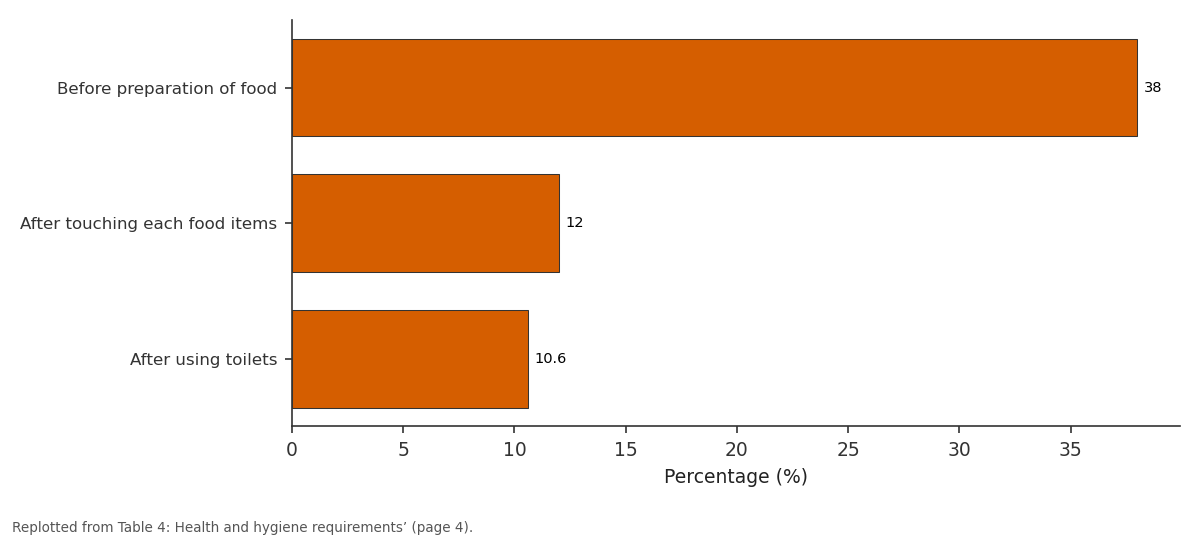
Percentage (%): Before preparation of... vs After touching each... vs After using toilets
Replotted from Table 4 (page 4) of the original paper. Every bar is the paper's own table value.
View source evidence ↗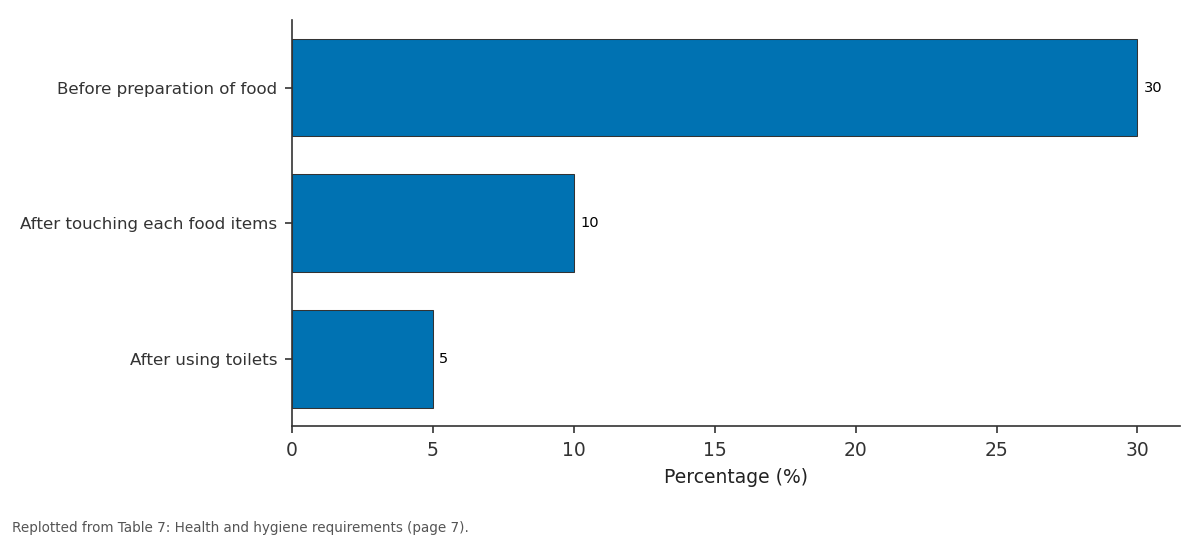
Percentage (%): Before preparation of... vs After touching each... vs After using toilets
Replotted from Table 7 (page 7) of the original paper. Every bar is the paper's own table value.
View source evidence ↗Figures & tables
From the original paper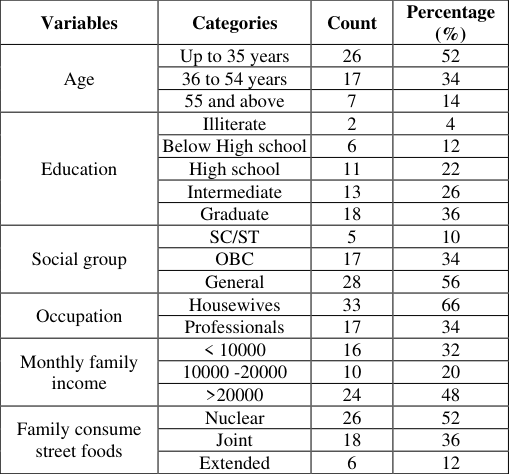 Table 1
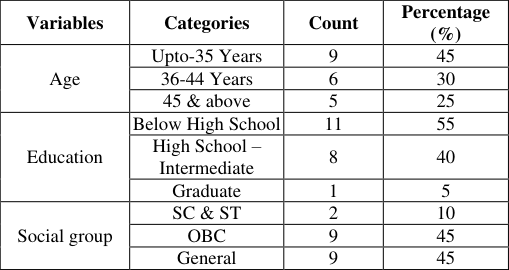 Table 2
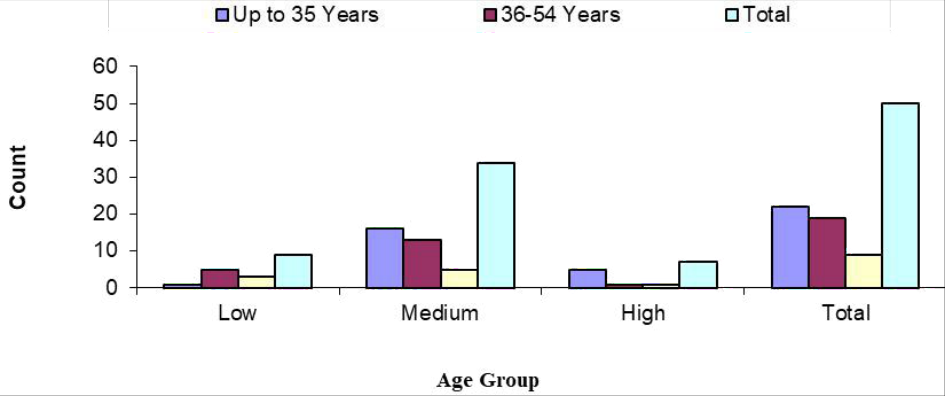 Figure 1
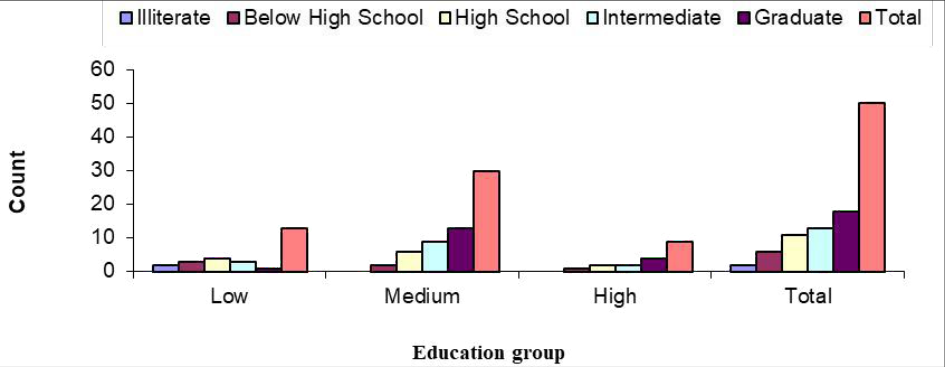 Figure 2
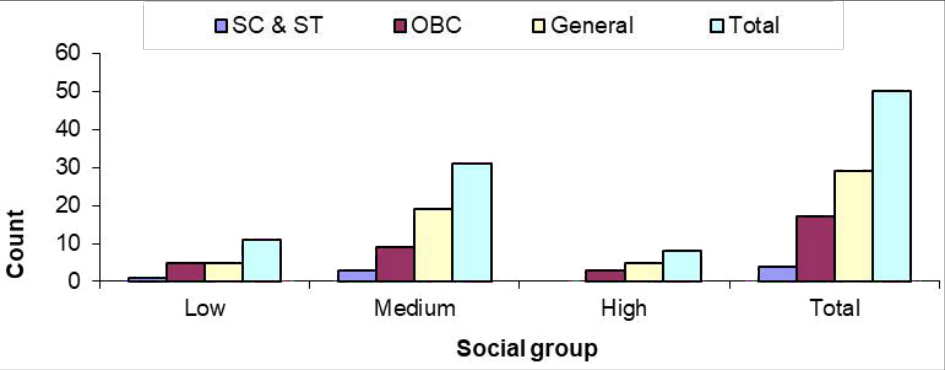 Figure 3
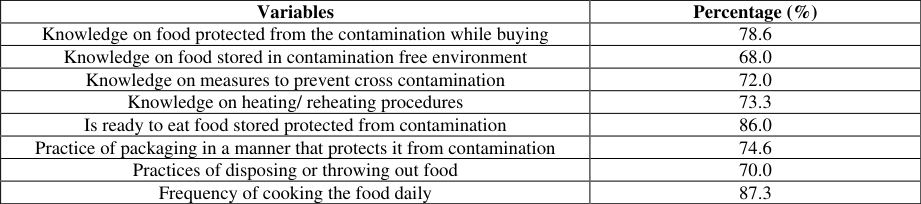 Table 3
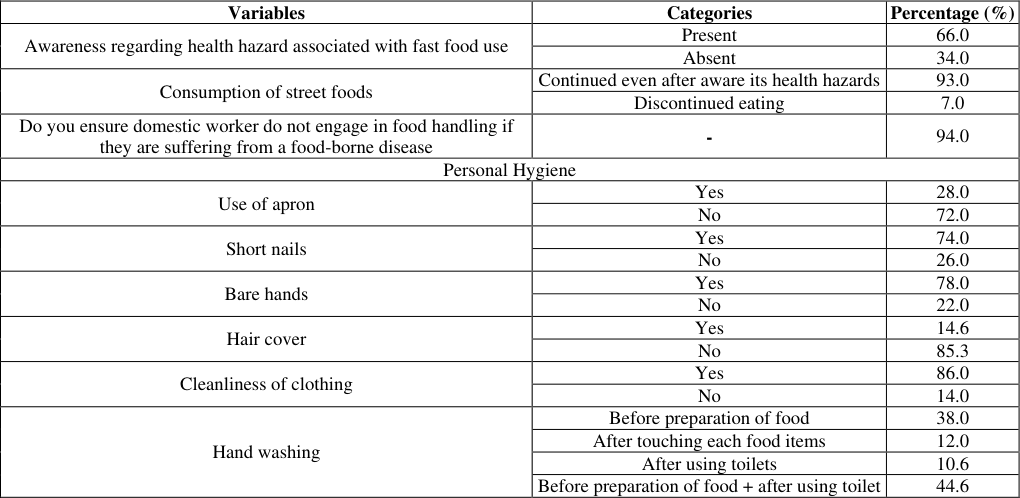 Table 4
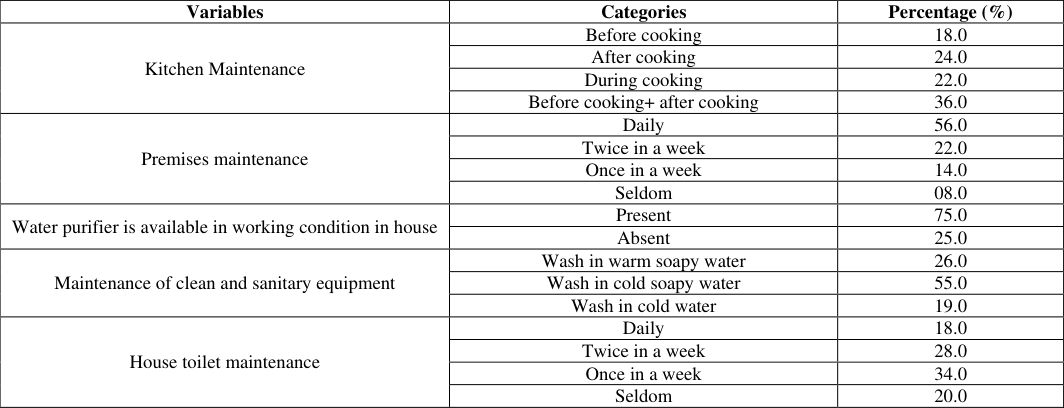 Table 5
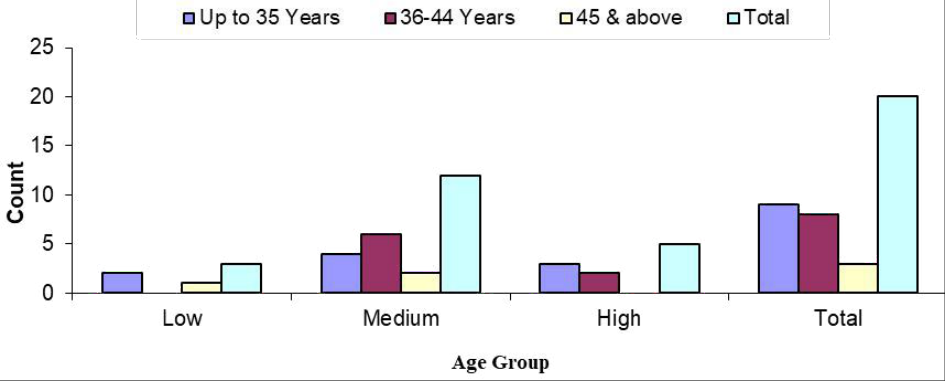 Figure 4
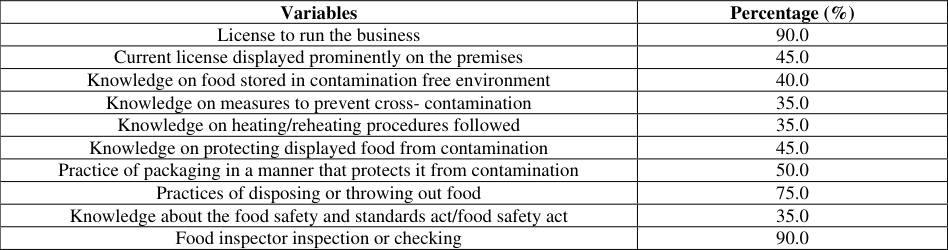 Table 6
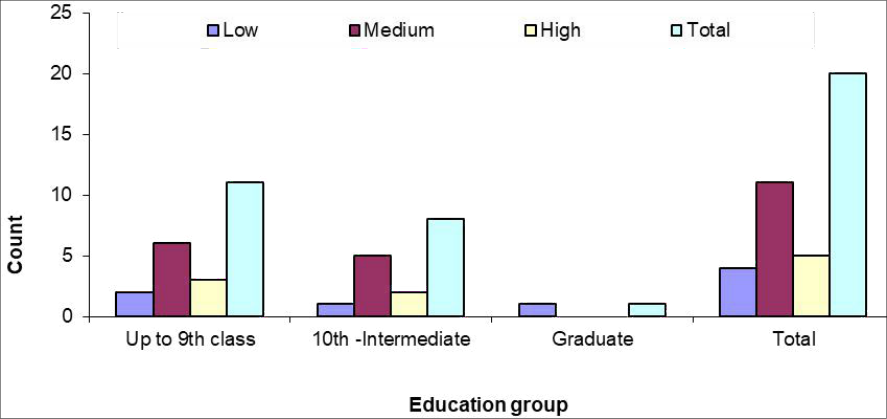 Figure 5
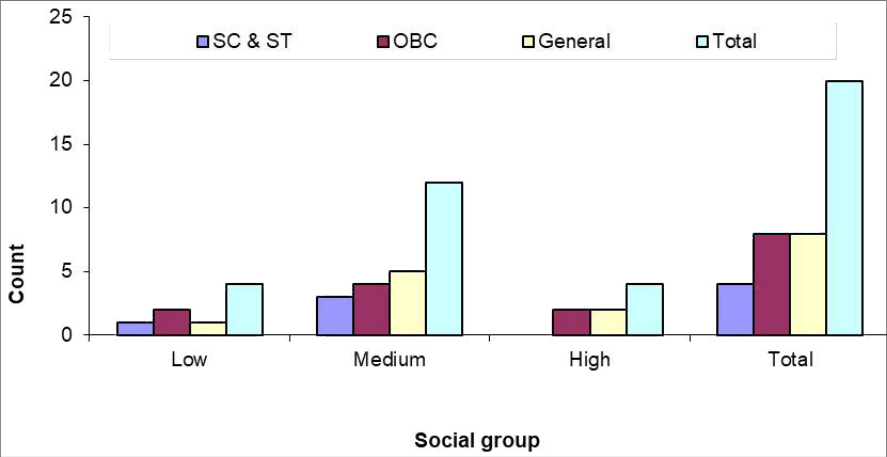 Figure 6
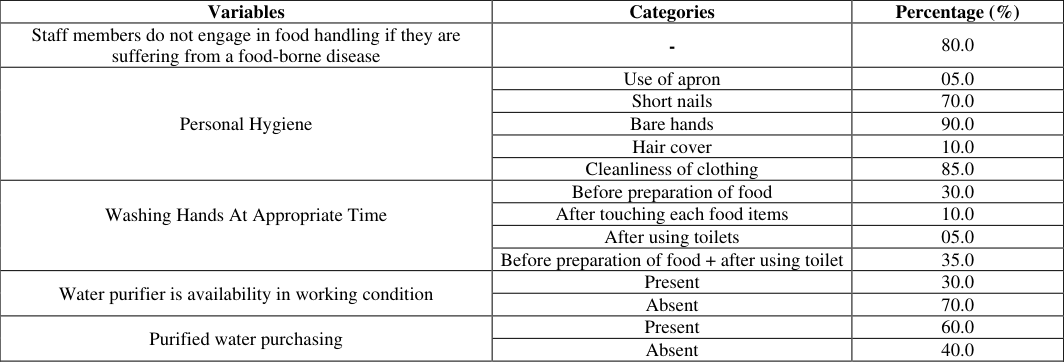 Table 7
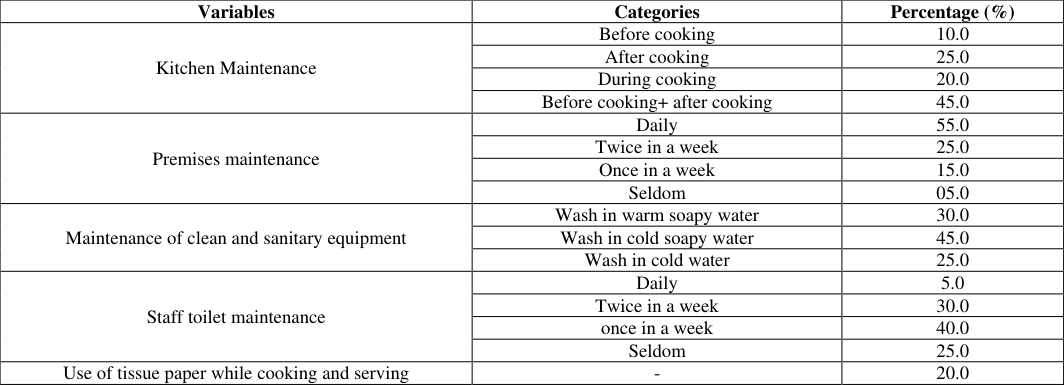 Table 8
Introduction
Street food, consisting of ready-to-eat items sold by vendors and hawkers, is a popular and affordable choice for millions in developing nations (Pokhrel et al., 2016) [14] . For a significant portion of the Indian population, consuming street food has been a long-standing tradition, driven by factors such as affordability and the limited availability of traditional restaurants (S. Mishra, 2004) [15] . Moreover, the convenience and economical prices associated with street food make it the preferred choice for migrant laborers residing in major metropolitan areas (Choudhury M. et al., 2011) [7] . However, these foods are often prepared under unhygienic conditions with little regard for the quality of raw materials, posing potential health hazards (Singh et al., 2018) [16] . While large companies adhere to safety protocols like HACCP to prevent contamination, street vendors rarely receive formal training (Njaya, 2014) [12] . The burden of foodborne illnesses is widespread, afflicting both developed and developing nations, with the latter bearing a more significant brunt of these diseases (Aziz, S.A.A., & Dahan, H.M.; 2013) [6] . Street foods serve as a major source of cuisine for millions, yet they are often linked to foodborne illnesses. Educating street food vendors on maintaining proper hygiene is imperative to ensure food safety (Singh A.K. et al., 2016; Liu, S, 2014) [17,9] . Poor hygiene practices such as handling food with bare hands, not covering hair or wearing aprons are common (Singh et al., 2018; Alimi, 2016) [16,4] .
Non-compliance with food safety guidelines risks outbreaks of foodborne illnesses, which contribute to over 2 million annual deaths globally, mostly among children (Abdulkareem et al., 2014; WHO; Nayansi et al., 2014) [1,11] . Amidst the COVID-19 pandemic, heightened awareness of hygiene has become evident. Agarwal & Verma's (2024) [2] ; Joshi A. & Shadale M.'s (2021) [8] and Albattat, A., et al. (2022) [3] studies found that customers prioritize safety measures such as takeaway options over taste and cost when selecting street vendors post-lockdowns, reflecting increased caution regarding safe food handling practices. Verma R. et al. (2023) [19] highlighted significant disparities among street vendors in terms of qualifications, knowledge, attitudes, and practices related to food safety. These findings underscore the necessity for targeted awareness and training initiatives to enhance food safety knowledge, attitudes, and practices among this vital segment of the urban food supply chain. By promoting adherence to food safety standards, street food vending can continue to offer a viable livelihood opportunity for the urban poor in cities like Varanasi while safeguarding the safety and well-being of consumers (Malhotra S., 2017; Pooja K., 2020) [10,13] . Additionally, it is critical to note that the existing working conditions of street vendors have not changed in regard to income, working hours, health, and access to finance, workplace safety, and discrimination by municipal authorities, among other critical aspects.
Materials and Methods
Materials and Methods
Sampling Design
The study aimed to evaluate the food safety practices of both household women and street food vendors. A purposive cum random sampling approach was employed. One household woman residing in BHU Campus and one street food vendor near Lanka were randomly chosen based on availability and suitability for investigation. A total of 50 household women and 20 street food vendors operating in busy streets were included in the sample.
Tools and Techniques
A pre-tested interview questionnaire schedule was developed to gather necessary data from both household women and vendors regarding their food safety practices. The questionnaire covered aspects such as general requirements, health and hygiene standards, and cleaning and sanitation maintenance in the study area. Data collection involved asking participants various questions and making observations as required by the study protocol.
Data Analysis
Quantitative data collected from the surveys were analyzed using appropriate statistical techniques such as descriptive statistics to summarize the characteristics of the study population and inferential statistics to examine association between variables whereas, the qualitative data, including open-ended responses from the questionnaires, were thematically analyzed to identify common themes and patterns related to food safety practices.
Results and Discussion
Results and Discussion
Basic Characteristics of Sample Respondents.
The demographic characteristics of household women, including age, education, and social group, are summarized in Table 1. The distribution by age group reveals that 52% of women were below 35 years old, 34% fell within the 36-54 years range, and 14% were aged 55 years and above. Regarding education, 4% were categorized as illiterate, while 12%, 22%, 26%, and 36% possessed qualifications below high school, high school, intermediate, and graduate levels respectively. Social-economic categorization showed that 10% belonged to SC and ST groups, 34% to OBC, and 56% to the General category. In terms of occupation, 66% were identified as housewives, while 34% were professionals. Monthly family income varied, with 32% reporting less than Rs 10,000, 20% reporting Rs 10,000-20,000, and 48% reporting above Rs 20,000. Notably, a majority of households in nuclear family setups reported higher consumption of street foods (52%), whereas joint families and extended families accounted for 36% and 12%, respectively. The demographic characteristics of street food vendors, encompassing age, education, and social group, are outlined in Table 2. Analysis by age group indicates that 45% of vendors were below 35 years old, 30% fell within the 36-44 years range, and 25% were aged 45 years and above. Regarding education, 55% of vendors had qualifications below high school, 40% had attained high school to intermediate qualifications, and 5% were graduates. Social status distribution revealed that 10% of vendors belonged to SC & ST groups, while OBC and General Caste groups accounted for 45% each.
| Variables | Categories | Count | Percentage (%) |
|---|---|---|---|
| Age | Upto-35 Years | 9 | 45 |
| 36-44 Years | 6 | 30 | |
| 45 & above | 5 | 25 | |
| Education | Below High School | 11 | 55 |
| High School – Intermediate | 8 | 40 | |
| Graduate | 1 | 5 | |
| Social group | SC & ST | 2 | 10 |
| OBC | 9 | 45 | |
| General | 9 | 45 |
Table text extracted from the original PDF; superscript letters are shown inline. The original table image is below.
View original table image
| Variables | Categories | Count | Percentage (%) |
|---|---|---|---|
| Age | Up to 35 years | 26 | 52 |
| 36 to 54 years | 17 | 34 | |
| 55 and above | 7 | 14 | |
| Education | Illiterate | 2 | 4 |
| Below High school | 6 | 12 | |
| High school | 11 | 22 | |
| Intermediate | 13 | 26 | |
| Graduate | 18 | 36 | |
| Social group | SC/ST | 5 | 10 |
| OBC | 17 | 34 | |
| General | 28 | 56 | |
| Occupation | Housewives | 33 | 66 |
| Professionals | 17 | 34 | |
| Monthly family income | < 10000 | 16 | 32 |
| 10000 -20000 | 10 | 20 | |
| >20000 | 24 | 48 | |
| Family consume street foods | Nuclear | 26 | 52 |
| Joint | 18 | 36 | |
| Extended | 6 | 12 |
Table text extracted from the original PDF; superscript letters are shown inline. The original table image is below.
View original table image
Food Safety Standards Practiced by Household Women
The distribution of household women across various age groups according to their adherence to low, moderate, and high food safety standards is depicted in Figure 1. The data suggests that a notable percentage of sampled individuals aged 55 years and above tended to follow moderate food safety standards. Similarly, Figure 2 showcases the distribution of household women across different education levels concerning their compliance with low, moderate, and high food safety standards. It was observed that the largest proportion of sampled women fell into the graduate education group. Moreover, Figure 3 highlights that among the sampled respondents belonging to the general category, the majority adhered to moderate food safety standards. The results pertaining to general food safety requirements are detailed in Table 4. Among these requirements, it was observed that a significant proportion of women followed specific practices: 87.33% cooked meals three times daily, 86% ensured the protection of ready-to-eat food from contamination, and 78.6% possessed knowledge on preventing food contamination during purchase. However, there was a lower level of awareness regarding the proper storage of food in contamination-free environments, with only 68% of households exhibiting this understanding.
| Variables | Categories | Percentage (%) |
|---|---|---|
| Awareness regarding health hazard associated with fast food use | Present | 66.0 |
| Absent | 34.0 | |
| Consumption of street foods | Continued even after aware its health hazards | 93.0 |
| Discontinued eating | 7.0 | |
| Do you ensure domestic worker do not engage in food handling if they are suffering from a food-borne disease | - | 94.0 |
| Personal Hygiene | ||
| Use of apron | Yes | 28.0 |
| No | 72.0 | |
| Short nails | Yes | 74.0 |
| No | 26.0 | |
| Bare hands | Yes | 78.0 |
| No | 22.0 | |
| Hair cover | Yes | 14.6 |
| No | 85.3 | |
| Cleanliness of clothing | Yes | 86.0 |
| No | 14.0 | |
| Hand washing | Before preparation of food | 38.0 |
| After touching each food items | 12.0 | |
| After using toilets | 10.6 | |
| Before preparation of food + after using toilet | 44.6 |
Table text extracted from the original PDF; superscript letters are shown inline. The original table image is below.
View original table image
Overall, the majority of household women prioritized cooking meals three times daily, followed by ensuring the protection of stored ready-to-eat food from contamination, as evidenced by the findings presented in the table. Among the health and hygiene criteria, the data presented in Table 4 reveals several notable findings. It indicates that less than half of the food handlers (38%) reported washing their hands prior to food preparation, with only 12% adhering to handwashing after handling each food item. Furthermore, a mere 10.67% of respondents mentioned washing their hands after using the toilet, while 44.67% claimed to follow handwashing practices at appropriate intervals. Interestingly, a significant majority of households (94%) ensured that domestic workers refrained from handling food during periods of foodborne illness. However, personal hygiene practices among women were reported at a slightly lower rate of 80%, with 72% not utilizing aprons and 85% neglecting to cover their hair. Additionally, characteristics such as short nails (74%), bare hands (78%), and clean clothing (86%) were observed among respondents. Despite awareness of health hazards associated with fast food consumption among 66% of respondents, a considerable 93% continued to consume fast food. In summary, while many households exhibited diligence in preventing ill workers from handling food, there remained disparities in personal hygiene practices, alongside a prevalent continuation of fast food consumption despite knowledge of associated risks. Table 5 provides insights into cleaning, sanitation, and maintenance practices among respondents. The majority reported daily maintenance of household toilets (18%), followed by kitchen cleanliness (36%), and equipment sanitation using warm soapy water (26%). Additionally, 56% of households maintained overall premises cleanliness daily, with nuclear families and working women tending to clean premises weekly or less frequently (14% and 8% respectively). Notably, approximately 75% of households recognized the importance of maintaining water purifiers. Furthermore, Figure 4 illustrates the relationship between age groups and food safety standards among street food vendors. It shows that a higher percentage of sampled individuals aged 24 and above adhered to moderate food safety standards. In terms of education, Figure 5 indicates that a greater percentage of respondents with graduate-level education followed low food safety standards. Additionally, a higher percentage of sampled individuals from the general category adhered to moderate food safety standards (Figure 6).
| Variables | Categories | Percentage (%) |
|---|---|---|
| Kitchen Maintenance | Before cooking | 18.0 |
| After cooking | 24.0 | |
| During cooking | 22.0 | |
| Before cooking+ after cooking | 36.0 | |
| Premises maintenance | Daily | 56.0 |
| Twice in a week | 22.0 | |
| Once in a week | 14.0 | |
| Seldom | 08.0 | |
| Water purifier is available in working condition in house | Present | 75.0 |
| Absent | 25.0 | |
| Maintenance of clean and sanitary equipment | Wash in warm soapy water | 26.0 |
| Wash in cold soapy water | 55.0 | |
| Wash in cold water | 19.0 | |
| House toilet maintenance | Daily | 18.0 |
| Twice in a week | 28.0 | |
| Once in a week | 34.0 | |
| Seldom | 20.0 |
Table text extracted from the original PDF; superscript letters are shown inline. The original table image is below.
View original table image
Food Safety Standards Practiced by Street Food Vendors
The illustrations concerning food safety standards practiced by street food vendors reveal crucial insights into their adherence to hygiene and sanitation practices. Figure 4 suggests that a significant proportion of street food vendors aged 24 and above tend to follow moderate food safety standards, highlighting a potentially more conscientious approach among older vendors. Meanwhile, Figure 5 sheds light on the educational background of vendors, indicating that a notable percentage of respondents with graduate-level education adhere to low food safety standards, signaling potential gaps in knowledge or implementation among this demographic. Additionally, Figure 6 underscores the importance of considering socio-economic factors, as it indicates that a higher percentage of street food vendors from the general category adhere to moderate food safety standards, emphasizing the need for targeted interventions to improve food safety practices across all segments of the vendor population. In terms of general requirements for food safety standards, it was found that 90% of vendors possessed a valid license to operate their businesses, with 45% prominently displaying their current license on their premises. Additionally, approximately 40% demonstrated knowledge of storing food in contamination-free environments, while 35% were aware of measures to prevent cross-contamination and heating/reheating procedures.
Furthermore, 45% had knowledge of protecting displayed food from contamination, and 50% practiced packaging in a manner that safeguards it from contamination. Moreover, 75% exhibited knowledge of proper practices for disposing or discarding food, while 35% had familiarity with food safety standards and regulations. Notably, 90% of street food vendor establishments were inspected by food inspectors to ensure compliance with food safety protocols. Upon examining health and hygiene requirements, it was observed that 80% of respondents were knowledgeable about ensuring that staff members refrain from handling food if they are afflicted with a food-borne illness. However, less than half of the food vendors washed their hands before food preparation (30%) and after touching each food item (10%), with only 5% practicing handwashing after using the toilet. Moreover, 35% of respondents adhered to handwashing at appropriate times, such as before food preparation and after using the toilet.
Regarding personal hygiene practices, only 5.0% of vendors wore aprons, while 70.0% maintained short nails, and 10.0% covered their heads. Additionally, 90.0% of vendors handled food with bare hands, and 85.0% maintained cleanliness of their clothing. Surprisingly, despite 60% of vendors purchasing purified water, a significant portion did not utilize it for cooking purposes. Overall, the majority of vendors enforced a policy prohibiting workers from handling food while suffering from a foodborne illness, as indicated by the findings from the table. In above Table 8, it is evident that only 10% of respondents clean their kitchen before cooking, while 25% do so after cooking. Additionally, 20% of vendors clean their kitchen during the cooking process. The majority of respondents (45%) adhere to cleaning and sanitation maintenance requirements for their kitchens. Regarding premises maintenance, 55% of vendors clean their premises daily, while 25% do so twice a week. Moreover, 56% ensure the cleanliness of sanitary equipment. However, only 15% and 5% of respondents clean their premises once a week and rarely, respectively. When it comes to staff toilets, 40% of vendors maintain them properly, while only 20% use tissue paper during cooking and serving
| Variables | Categories | Percentage (%) |
|---|---|---|
| Kitchen Maintenance | Before cooking | 10.0 |
| After cooking | 25.0 | |
| During cooking | 20.0 | |
| Before cooking+ after cooking | 45.0 | |
| Premises maintenance | Daily | 55.0 |
| Twice in a week | 25.0 | |
| Once in a week | 15.0 | |
| Seldom | 05.0 | |
| Maintenance of clean and sanitary equipment | Wash in warm soapy water | 30.0 |
| Wash in cold soapy water | 45.0 | |
| Wash in cold water | 25.0 | |
| Staff toilet maintenance | Daily | 5.0 |
| Twice in a week | 30.0 | |
| once in a week | 40.0 | |
| Seldom | 25.0 | |
| Use of tissue paper while cooking and serving | - | 20.0 |
Table text extracted from the original PDF; superscript letters are shown inline. The original table image is below.
View original table image
Conclusion
In conclusion, the study sheds light on the food safety practices of street food vendors and household women in Varanasi. While both groups show some adherence to safety protocols, there are notable gaps in knowledge and practices (Tomaszewska, M. et al., 2018) [18] . Household women exhibit awareness of general requirements but lack understanding in certain areas like food storage and prevention of cross-contamination (Al-Shabib, et al., 2015) [5] . Street vendors, although licensed, demonstrate inconsistent hygiene practices, particularly in hand washing and equipment maintenance.
The findings of this study underscore the importance of targeted interventions and awareness campaigns to promote better food safety practices among both street food vendors and household women. By enhancing education and training initiatives, addressing gaps in knowledge and practices, and implementing stricter monitoring and enforcement mechanisms, it is possible to mitigate the risks associated with consuming street foods and ensure the health and well-being of consumers. Additionally, efforts should be made to improve working conditions for street vendors, including access to resources and support services, to enable them to uphold food safety standards effectively.
Figures and tables from the paper
| Variables | Percentage (%) |
|---|---|
| Knowledge on food protected from the contamination while buying | 78.6 |
| Knowledge on food stored in contamination free environment | 68.0 |
| Knowledge on measures to prevent cross contamination | 72.0 |
| Knowledge on heating/ reheating procedures | 73.3 |
| Is ready to eat food stored protected from contamination | 86.0 |
| Practice of packaging in a manner that protects it from contamination | 74.6 |
| Practices of disposing or throwing out food | 70.0 |
| Frequency of cooking the food daily | 87.3 |
Table text extracted from the original PDF; superscript letters are shown inline. The original table image is below.
View original table image
| Variables | Percentage (%) |
|---|---|
| License to run the business | 90.0 |
| Current license displayed prominently on the premises | 45.0 |
| Knowledge on food stored in contamination free environment | 40.0 |
| Knowledge on measures to prevent cross- contamination | 35.0 |
| Knowledge on heating/reheating procedures followed | 35.0 |
| Knowledge on protecting displayed food from contamination | 45.0 |
| Practice of packaging in a manner that protects it from contamination | 50.0 |
| Practices of disposing or throwing out food | 75.0 |
| Knowledge about the food safety and standards act/food safety act | 35.0 |
| Food inspector inspection or checking | 90.0 |
Table text extracted from the original PDF; superscript letters are shown inline. The original table image is below.
View original table image
| Variables | Categories | Percentage (%) |
|---|---|---|
| Staff members do not engage in food handling if they are suffering from a food-borne disease | - | 80.0 |
| Personal Hygiene | Use of apron | 05.0 |
| Short nails | 70.0 | |
| Bare hands | 90.0 | |
| Hair cover | 10.0 | |
| Cleanliness of clothing | 85.0 | |
| Washing Hands At Appropriate Time | Before preparation of food | 30.0 |
| After touching each food items | 10.0 | |
| After using toilets | 05.0 | |
| Before preparation of food + after using toilet | 35.0 | |
| Water purifier is availability in working condition | Present | 30.0 |
| Absent | 70.0 | |
| Purified water purchasing | Present | 60.0 |
| Absent | 40.0 |
Table text extracted from the original PDF; superscript letters are shown inline. The original table image is below.
View original table image
References
17 in the original paper- Abdulkareem K, Garba D, Abu-Bakr A. A study of cleanliness and sanitary practices of street food vendors in Northern Nigeria. Adv. Food Sci. Technol. 2014;2(5):209-215.
- Agarwal P, Verma S. Customer perception about eating street food in Meerut city after unlock phase-3. Int. J Home Sci. 2024;10(1):23-37.
- Alimi et al. Risk factors in street food practices in developing countries. Food Sci. Hum. Wellness. 2016;5:141-148.
- Al-Shabib NA, Mosilhey SH, Husain FM. Crosssectional study on food safety knowledge, attitude and practices of male food handlers employed in restaurants of King Saud University, Saudi Arabia. Food Control. 2015;59:212-217.
- Aziz SAA, Dahan HM. Food Handlers' Attitude towards Safe Food Handling in School Canteens. Procedia -Soc Behav Sci. 2013;105:220-228.
- Choudhury M, Mahanta L, Goswami J, Mazumder M, Pegoo B. Socio-economic profile and food safety knowledge and practice of street food vendors in the city of Guwahati, Assam, India. Food Control. 2011;22(2):196-203.
- Joshi A, Sadhale M. Customer Perception About Eating Street Food In Pune City After Unlock Phase -3. Int. J Future Gener Commun Netw. 2021;14(1):1713-1738.
- Liu S, Liu Z, Zhang H, Lu L, Liang J, Huang Q. Knowledge, attitude and practices of food safety amongst food handlers in the coastal resort of Guangdong, China. Food Control. 2014;47:457-461.
- Nayansi, et al. Analysis of practices of street food vendors and sensory assessment of street foods (Fast foods and juices). Int. J Sci. Res. 2014;3(8):132-135.
- Njaya T. Operations of street food vendors and their impact on sustainable urban life in high density suburbs of Harare, in Zimbabwe. Asian J Econ Model. 2014;2(1):18-31.
- Pooja K, Rai DC, Pandhi S, Gupta A. Microbial profiling and adulteration patterns among street dairy food sold around the Ramnagar, Varanasi, Uttar Pradesh. Indian J Dairy Sci., 2020, 73(4).
- Pokhrel, et al. A study on prevalence of fast food intake among urban and semi urban adolescent students of Guwahati. Int J Home Sci. 2016;2(2):90-93.
- Mishra S. Food and Nutrition Security in Developing Countries: A Case Study of City of Varanasi in India [Internet]. 2004 [Cited 2024 Mar]. Available from: https://www.researchgate.net/publication/264361032
- Singh AK, et al. Food safety and hygiene practices among street food vendors in Noida, U.P., India. Int. J Curr Microbiol Appl. Sci. 2018, 7(09).
- Singh AK, Dudeja P, Kaushal N, Mukherji S. Impact of health education intervention on food safety and hygiene of street vendors: A pilot study. Med J Armed Forces India. 2016;72(3):265-269.
- Tomaszewska M, Trafialek J, Suebpongsang P, Kolanowski W. Food hygiene knowledge and practice of consumers in Poland and in Thailand: A survey. Food Control. 2018;85:76-84.
- Verma R, Patel M, Shikha D, Mishra S. Assessment of food safety aspects and socioeconomic status among street food vendors in Lucknow city. J Agric. Food Res. 2023;11:100469.
Cited by 1
From OpenAlex, OpenCitations and reference lists read by Scinovex
- Effect of lifestyle, and health consciousness on street food purchase intention using the TPB model ↗
Jigna Chandrakant Trivedi, Bindiya K. Soni, Priyanka Batra · Rajagiri Management Journal · 2026
Purpose The objective of this study was to check the respective effects of perceived food value (PFV), perceived food quality (PFQ), and convenience (CON) on perceived behavioural control (PBC), subjective norms (SUN), and attitude (ATT). The study also assesses the effect of PBC, SUN, ATT, consumer lifestyle (COL), and health consciousness (HEC) on street food purchase intention (SFP). Design/methodology/approach To…
❝ 0PDF