
Research article · 2024 · Full text
International Journal of Advanced Biochemistry ResearchComprehensive review of the nutritional composition and health benefits of horse chestnut (Aesculus hippocastanum) seeds and nuts: A review
Volume 8(3) · Pages 01–16 · DOI: 10.33545/26174693.2024.v8.i3a.668 ↗
Research areasNuts composition and effectsPlant and Fungal Interactions Research
Abstract
Author-writtenThis review examines the nutritional composition and health benefits of horse chestnut seeds/nuts, emphasizing their diverse properties such as antioxidative, anti-inflammatory, antiviral, immune-modulating, spasmolytic, anticarcinogenic, and neurodepressive effects. Bioactive compounds, including saponins, flavonoids, tannins, alkaloids, glycosides, triterpenoids, steroids, and phenolic substances, contribute to these therapeutic qualities. Noteworthy constituents aesculin and aescin play key roles. Horse chestnut seeds/nuts find applications in food, animal feed, cosmetics, and toiletries. Indian Horse Chestnut Seed Extract (HCSE), initially pharmaceutical, is gaining recognition for its nutritional value, displaying varying profiles in raw and processed forms, especially in sugar and starch content. Mineral analysis reveals essential elements such as calcium, phosphorus, potassium, copper, manganese, iron, and zinc. Quantification of phytochemicals, including total phenols, tannins, and flavonoids, underscores their bioactive nature. In Serbia, urban horse chestnut trees are explored for pharmaceutical potential, examining fatty acids, flavonoids, aescin, and heavy metals across 11 genotypes. Dominance of unsaturated fatty acids, particularly oleic acid, and the presence of flavonoids like rutin, quercetin, and kaempferol, with rutin being prominent, are noted. Aescin content displays variability among genotypes, highlighting the diversity in this botanical resource.
Summary
Source-checkedPlain-language reading of the full paper, prepared with AI and checked against the text. Each point links to the authors' own words.
Why it matters
- The horse chestnut tree is a versatile species with significant utility in traditional medicine, industrial applications (such as timber and charcoal), and the production of food, animal feed, and cosmetics. View evidence ↗
- Despite its nutritional potential, the use of horse chestnut as a food ingredient is limited by anti-nutritional factors, specifically saponins. View evidence ↗
The question
- The authors aim to investigate the physicochemical changes in pretreated horse chestnut flour during storage to better understand its potential as a food and agroforestry resource. View evidence ↗
What they did
- This study is a comprehensive review that synthesizes existing research on the nutritional composition and diverse therapeutic properties of horse chestnut seeds and nuts. View evidence ↗
- The review describes seed propagation methods, including stratification in airtight bags at 2 to 4°C to maintain viability. View evidence ↗
- The review notes that the most successful propagation via cuttings occurs when semi-hardwood cuttings are collected between May and June. View evidence ↗
What they found
- Oil from peeled horse chestnut seeds is primarily composed of oleic acid (65%) and linoleic acid (21%). View evidence ↗
- The seeds contain a wide range of components, most notably starch (23-48%), proteins (8-12%), sucrose (8-17%), and albumin (7-11%). View evidence ↗
- The concentration of escin, a key bioactive saponin, varies widely across different studies, ranging from 3% to 28% in the seeds. View evidence ↗
- Escin is identified as the primary bioactive compound responsible for the plant's antioxidant, vasoprotective, and anti-edema effects. View evidence ↗
- Specific triterpene oligoglycosides (escins Ia, Ib, IIa, and IIIa) in the seeds can block ethanol absorption and exhibit hypoglycemic activity. View evidence ↗
- Derivatives of esculin, specifically esculin and esculetin, have been shown in laboratory settings to have antipyretic and analgesic properties. View evidence ↗
- Horse chestnut trees provide nectar (1.4-1.6 mg/24h) with 40-69% sugar content, potentially yielding at least 383 kg of honey per hectare. View evidence ↗
What it means
- The authors conclude that the horse chestnut is a pivotal medicinal plant with significant future potential in pharmaceutical and ornamental applications. View evidence ↗
- The authors state that further research is needed to address gaps in knowledge regarding genetic diversity, escin accumulation factors, and sustainable cultivation practices. View evidence ↗
Visual summary
1 visualsIllustrations explain the paper; they do not show study data.
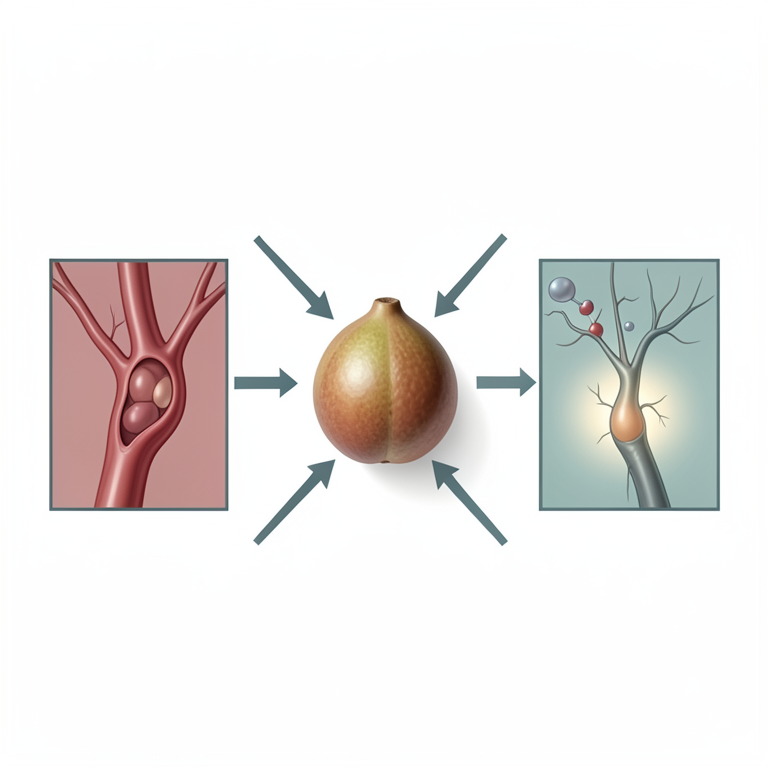
Bioactive Compounds of Horse Chestnut
AI-generated conceptual illustration (horse chestnut seeds (Aesculus hippocastanum)). It explains the idea and does not show study data.
View source evidence ↗Figures & tables
From the original paper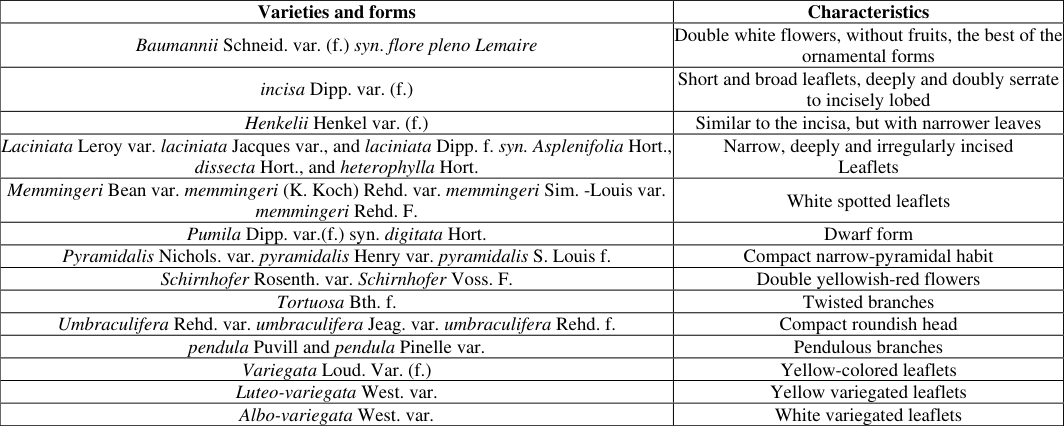 Table 1
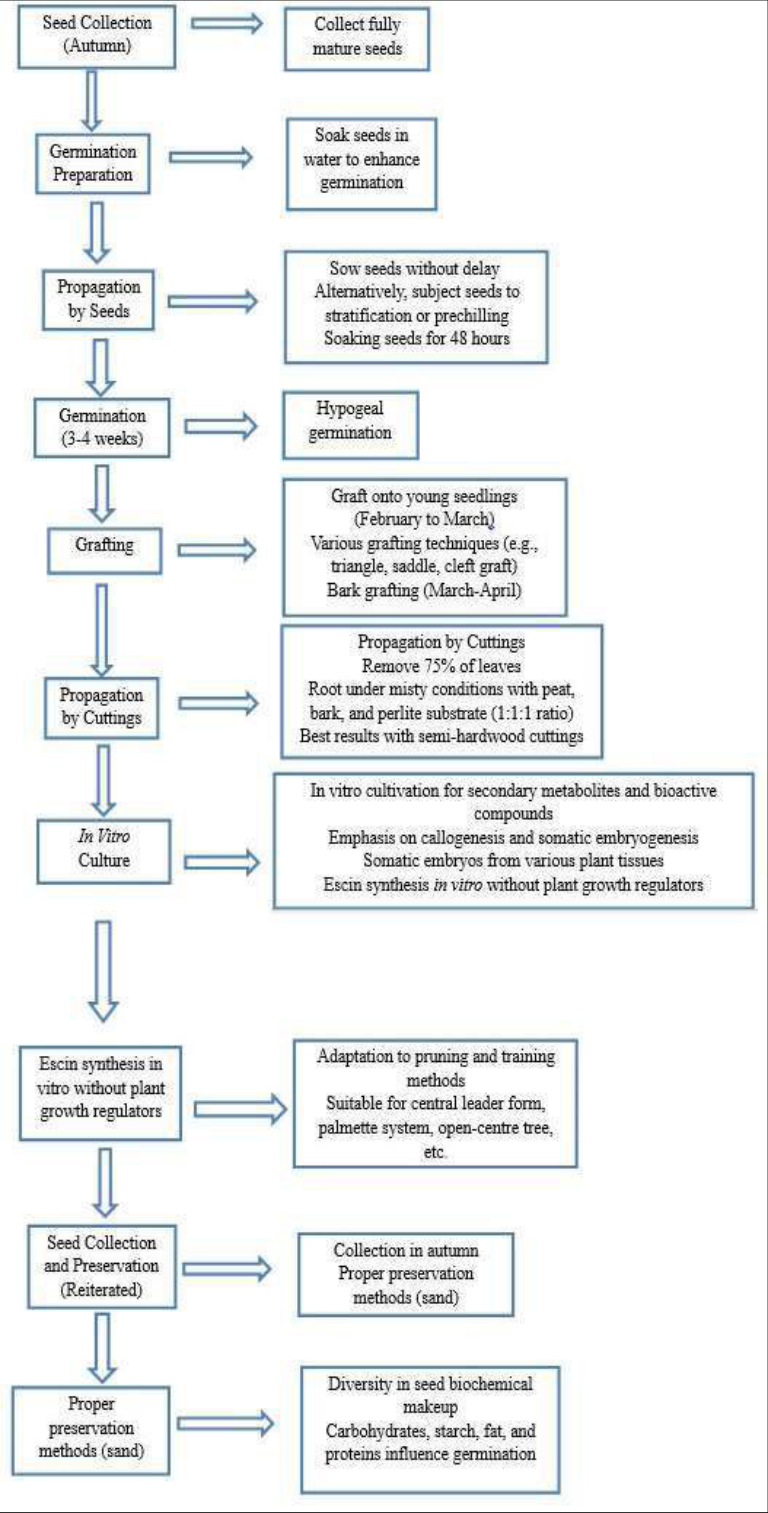 Figure 1
 Table 2
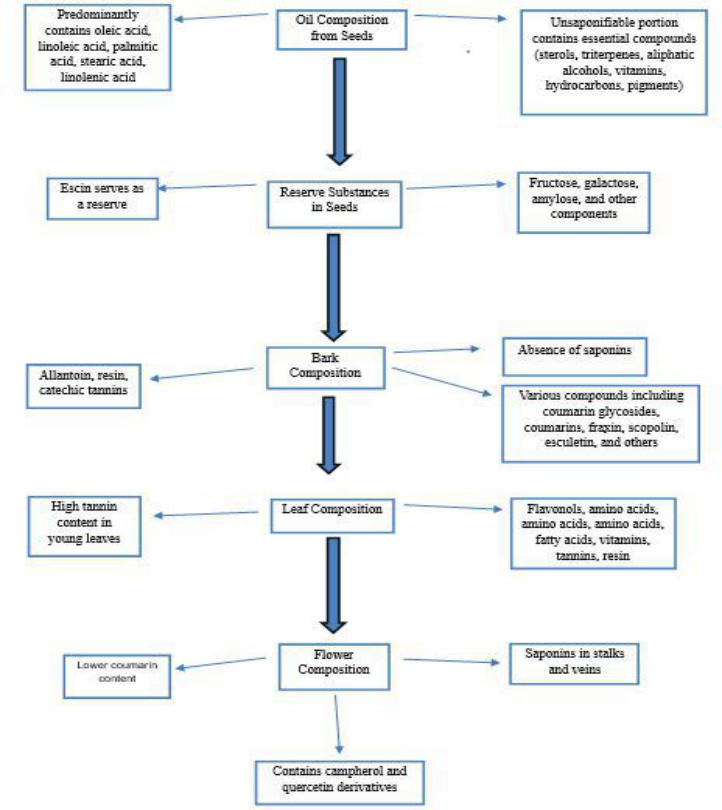 Figure 2
Introduction
The horse chestnut tree, scientifically known as Aesculus indica, is a remarkable species belonging to the Sapindaceous family, with its roots deeply embedded in the temperate regions of Asia, America, and Europe. It thrives at elevations ranging from 900 to 3600 meters, (Santapau and Henry 1973) [131] showcasing its resilience and adaptability to diverse climates. Known by various regional names like "Bankhor" in the state of Himachal Pradesh and "Handun" in the Kashmir, this tree is especially prevalent in India, Pakistan, Afghanistan, and Nepal, where it graces damp and shaded places, notably in the states of Uttar Pradesh, Himachal Pradesh, and Jammu and Kashmir. (Zhang et al. 2010; Singh 2006) [176, 137] . Despite its widespread use in afforestation efforts in the Kashmir region, the Indian horse chestnut remains relatively unexplored as an agroforestry species, primarily due to a lack of comprehensive information concerning its propagation, utility, and cultural practices (Majeed et al. 2009) [86] . However, it boasts immense significance in traditional and medicinal contexts, where different parts of the tree, including its leaves and seeds, find utility as fodder, charcoal material, and timber. Wildlife, including bears, monkeys, and various forest-dwelling animals, depend on its seeds as a food source. Hill tribes have traditionally turned to these seeds as sustenance during times of scarcity, following a meticulous process to remove their bitter components. Moreover, the versatile horse chestnut serves as a valuable resource in various industrial applications. Its powdered seeds are blended with wheat flour to create culinary delights, (Thakur et al. 2015) [155] while the timber derived from this tree finds its way into the production of furniture, cellulose, and high-quality pencils. (Bellini and Nin 2005) [12] . It is also a preferred choice in building construction, packing cases, cooperage, and a wide array of woodcraft products (Anonymous Additionally, the bark of the horse chestnut tree is harnessed for creating pastes used in the treatment of painful and dislocated joints. The tree further contributes to various sectors through the extraction of valuable compounds from its different parts. For instance, stem bark extracts exhibit fungicidal properties, while flower and leaf extracts demonstrate pesticidal potential in the cultivation of crops like sugarcane and rice. (Anwar and Jabbar 1987) [7] . The roots of the Indian horse chestnut have a historical legacy in the treatment of leucorrhoea, showcasing its medicinal prowess (Anonymous 1985) [4] . Furthermore, leaf extracts boast antioxidant properties and have shown effectiveness against various pathogenic bacteria (Chakraborty 2009; Bibi et al. 2011) [24,17] . The tree's traditional uses extend to the treatment of ailments such as rheumatism, skin disorders, colic issues, leucorrhoea, and vein complaints, thanks to the presence of bioactive compounds like saponins, fatty oils, glycosides, and flavonoids (Zhang et al. 2010; Rana and Datt 1997; Shah and Joshi 1971) [176,125,135] . The horse chestnut's significance is not limited to traditional or medicinal realms; its nutritional composition is also a subject of interest. Rich in diverse chemical compounds, including polysaccharides like starch, proteins, lipids, and essential mineral elements such as nitrogen, phosphorus, potassium, calcium, sulphur, copper, iron, zinc, and manganese, this tree presents a unique nutritional profile. However, it faces a challenge posed by anti-nutritional factors, particularly saponins, which can hinder its utilization as a food ingredient. The presence of these naturally occurring compounds can lead to adverse effects on nutrient utilization and overall food quality. Furthermore, the issue of food preservation is a critical concern in the modern era. The presence of oxygen in packaged foods can trigger oxidative reactions, resulting in food deterioration, off-odours, off-flavours, adverse colour changes, and diminished nutritional quality. To combat these effects, oxygen scavengers are employed to remove oxygen from packaging, thereby retarding oxidative reactions. Similarly, moisture control agents play a pivotal role in food preservation, regulating water activity, reducing microbial growth, and preventing undesirable condensation in various food products. In light of these considerations, this investigation aims to explore the physio-chemical changes in pretreated horse chestnut flour during storage. By delving into the nutritional aspects, anti-nutritional factors, and the impact of storage conditions, we seek to enhance our understanding of the Indian horse chestnut's potential as a valuable food and agroforestry resource.
Botanical Description
The horse chestnut, scientifically known as Aesculus hippocastanum, is a deciduous tree belonging to the small family Hippocastanaceae within the genus Aesculus. This genus encompasses approximately 25 species originating from North America, South-East Europe, East Asia, and India. However, classifying these species is challenging due to their considerable variability and frequent hybridization, particularly involving A. hippocastanum and four other species. This hybridization complicates the identification of buckeye trees in northeastern America, leading to confusion in both natural populations and gardens. The scientific literature on the Aesculus genus is substantial primarily due to the economic value given to various species within it (Rehder, A. 1940) [127] . Numerous synonyms have been assigned to the 15 known species and hybrids, with about 175 names documented. Aesculus is divided into four parts according to a botanical categorization scheme (Rehder, A. 1940) [127] , based on the morphology of the flowers, leaves, and fruits, as well as types of winter buds (Engler, A. 1988) [39] . The horse chestnut falls into the section known as hippocastanum K. Koch) (Synonym Aesculus Pax).There are several botanical forms and varieties of A. hippocastanum. The horse chestnut tree is a long-lived species, frequently exceeding 200 years in age, and can reach heights of 25 to 30 metres. It is characterized by ovoid, sticky, dark reddishbrown buds measuring three to five centimetres in length. Its leaves are palmate, featuring long petioles and five to seven leaflets, which can grow up to 20 centimetres long. The tree produces hermaphrodite or male flowers, typically appearing on trees older than 14 to 15 years, arranged in large, erect, pyramidal racemes. Not all of these flowers are fertile or complete in their reproductive function. Although there are rarer variations with yellow or pale red flowers, the corolla of the horse chestnut flower has red, yellow, and white spots at the base. The fruit is a trilocular (Sometimes bilocular), dry, dehiscent capsule that is bright green at first but eventually turns brown on the exterior and white inside as it matures. When completely ripe, the fruit has a thick, sub-globose, spiky pericarp with fine pubescence, and it can reach a diameter of 6 cm. It opens into three valves, with each containing one to four brown, faceted, or round seeds lack of albumen. These seeds have two irregular, large, fleshy, oily, and starchy cotyledons that may be fused. (Bailey, L.H. 1947. Maugini, E. 1988. Traverso, O. 1926) [10, 93, 160] . The horse chestnut tree may reach a certain height of 100 feet and is medium to large in size. It features a short, straight, cylindrical trunk, a spreading crown, with smooth light brown bark. The dark five or seven lance-shaped leaflets are united at one point on palmate green leaves. The tree bears 4-6-inch, multi-coloured flowers that bloom in May and June. The majority of the blooms are white or creamy white. After fertilisation, these flowers produce a significant number of seeds every October and November. (Wani et al. 2014) [169] . The seeds are dark and lustrous brown, enclosed in light brown fruit capsules with green patches. October to early December, the tree sheds its leaves; new leaves appear in April. It is particularly attractive when in bloom during May and June. Additionally, the leaves and shoots are used as fodder, while the fruits are consumed by cattle. [10,93,160] 3. Cultivation Aesculus hippocastanum (Horse chestnut) is a highly versatile plant with a global presence in temperate and coldtemperate regions. Its successful growth hinges on specific soil conditions, shelter from harsh winds, and considerations for its sensitivity to various environmental factors.
Preferred growth conditions
Horse chestnut thrives in siliceous, deep, and fertile soils. These soils should ideally be well-draining to prevent waterlogging, as the plant does not tolerate drought conditions. While it can adapt to full sun, it prefers partial shade, similar to the hornbeam. This adaptable tree has an impressive altitudinal range, growing at elevations up to 1300 meters and even thriving in northern regions like Sweden and Norway, where the climate can be quite severe. However, it's crucial to note that the horse chestnut tree is sensitive to salinity, air pollution, and aggressive pruning techniques. (Allegri, E. 1935. De Martino, A. 1982, Merendi, A. 1969) [2,30,96] .
Resilience and susceptibility
After its juvenile growth phase, horse chestnut demonstrates resilience, enduring low temperatures and frost. However, it can be vulnerable to nonparasitic leaf scorch, particularly during dry seasons, but wet seasons can also lead to significant damage. While several cryptogams and insects have been indicated as probable causes of horse chestnut disorders, the tree generally remains resistant to pests and diseases (Hepting, G.H. 1971, Pirone, P.P. 1978) [58,109] . The most significant fungal threat is Guigtiardia aesculi, causing leaf blotch (Stewart, V.B. 1916) [150] , which has been problematic in North America, Italy, and beyond (Goidanich, G. 1983.) [48] . In severe instances, particularly within nursery environments, this disease has the potential to lead to early and total leaf loss (Scaramuzzi, G. 1954) [133] . It is suspected that the disease can be transmitted through infected seeds and subsequently spread via sexual reproduction (Orton, C.R. 1931) [103] . The observation that certain genotypes exhibit reduced vulnerability implies that there is potential for the identification and cultivation of more resilient clones (Hepting, G.H. 1971) [58] .
Cultivation techniques
Historically, horse chestnut cultivation has predominantly served ornamental purposes in urban areas, parks, and large gardens. Information regarding large-scale fruit production remains limited.
Propagation by seeds
Horse chestnut propagation primarily relies on seeds. However, the vitality of these seeds diminishes rapidly after dehydration, necessitating their timely collection when capsules turn yellowish or when they fall to the ground (McMillan-Browse, P.D.A. 1971.) [94] Seeds should be either sown without delay or subjected to stratification or prechilling, wherein they are stored in airtight polyethylene bags at temperatures ranging from 2 to 4°C, while maintaining moderate humidity levels. This is done in preparation for spring planting (McMillan-Browse, P.D.A. 1971. Suszka, B. 1966, Suszka, B. 1982) [94,152,153] . If stratification is not employed, an alternative method involves soaking the seeds in water for approximately 48 hours. Following that, remove approximately one-third of the seed at the scar end without removing the seed coat. Germination, which is typically hypogeal, typically occurs within three to four weeks, as indicated by sources. (Allegri, E. 1935., Rudolf, P.O. 1974) [2,130] .
Propagation by grafting
Horse chestnut trees can also be easily grafted into immature one or two-year-old seedlings. Various grafting techniques such as triangle, saddle, horseback, wedge, apical side veneer, and simple cleft grafts are commonly employed during the period from February to March. Bark grafting, on the other hand, is typically performed in March-April. This process involves using dormant apical scions, which are obtained in January or February. Alternatively, one can select medium-sized buds from the centre area of the branch in late summer to achieve good budding. (McMillan-Browse, P.D.A. 1971., McMillan-Browse, P.D.A. 1982., Merendi, A. 1969) [94,95,96] .
Propagation by cuttings
The technique of scion grafting, including methods like the double English wedge, simple wedge, and lateral wedge, can be attempted in the field, but it's worth noting that it often yields unsatisfactory results (Leiss, J. 1967.) [78] . Interestingly, the Aesculus genus, to which horse chestnut belongs, exhibits a high success rate when subjected to bench grafting. While not commonly practiced, an alternative method for propagating horse chestnut involves the use of cuttings. These cuttings consist of terminal shoots, approximately 8 cm in length, collected during the summer. To enhance root formation, about 75 percent of the leaves are removed from these cuttings. Rooting is facilitated under misty conditions using a substrate composed of peat, bark, and perlite in a 1:1:1 ratio. The most favourable outcomes are achieved when using semi hardwood cuttings collected between May and June (Chapman, D.J., and S. Hoover. 1982) [26] .
In vitro culture
In terms of agricultural innovation, horse chestnut offers a compelling alternative to traditional farming strategies for producing secondary metabolites and bioactive chemicals. The scientific literature has particularly focused on the In vitro cultivation of Aesculus hippocastanum, with an emphasis on two critical aspects: callogenesis and somatic embryogenesis. Researchers have successfully generated somatic embryos from various plant tissues, including microspores (Radojevic, L. Radojevic, L. 1980, Chalupa, V. 1991, Radojevic, L. 1988) [122, 25 123] . anther filaments (Jorgensen, J. 1959, Kiss, J., L. Heszky, E. Kiss, and G. Gyulai. 1992) [65,74] . Numerous studies have demonstrated high efficiency adventive development on somatic embryos of anther, filament, and immature proembryos origin in horse chestnut. (Dameri et al. 1986. Callus Profumo et al. 1986) [28,117] . (P. Gastaldo. 1992, P, P. Gastaldo et al. 199l) [113, 116] . These findings notably demonstrate that the synthesis of escin, a valuable compound, can occur In vitro without the need for plant growth regulators. Furthermore, it has been established that the quantity of escin produced is independent of the specific tissue (Kamenicka et al. 1988, P. Gastaldo et al. 1991) [68,116] . Aescin concentration in embryogenic callus and in embryoids derived from Aesculus hippocastanum leaf explants. (Dameri, and P. Modenesi. 1980) [18] . Aescin content in calluses from Aesculus hippocastanum cotyledons grown In vitro. Interestingly, escin synthesis naturally occurs in various parts of the plant in vivo, with embryos serving as the primary site for accumulating this bioactive component. These outcomes hold significant promise, as In vitro cultures present an avenue for augmenting the synthesis of these bioactive substances. This can be achieved by subjecting the cultures to various treatments, including modifications to culture conditions and the composition of the growth medium, ultimately enhancing their capacity for biosynthesis.
Field trials and training systems
Regarding the cultivation of horse chestnuts, initial field experiments were conducted at Florence University as part of the EU's "European Aesculus Cultivation System" project. The trials revealed that horse chestnut trees often respond well to a variety of training and pruning methods. The most appropriate trees for training were those with a well-developed central axis. Having a leading limb enables the tree to achieve a suitable balance in nutrient distribution. Training techniques that adhered to the tree's natural development pattern were effective. The study results suggested that harnessing the horse chestnut's strong desire to grow upright and its branching structure by shaping trees into a modified central leader shape proved beneficial. Furthermore, trees were simple to train into the palmette system; however, there were concerns because this form may prevent horse chestnut trees from growing a large enough crown for major yields when they reached maturity. In the open-centre tree method, the primary advantage was the ability to utilize the natural phyllotaxis of the horse chestnut and establish three to four symmetrical side scaffold branches (at 120° or 90° angles). However, challenges included the need for disbudding after topping and pollarding the main axes and the requirement for divaricators (Such as sticks, canes, weights, and bindings) to encourage the growth of neo-formed shoots, which typically grew upward with tightly closed angle crotches, sometimes leading to limb breakage during bending and binding.
Seed collection and preservation
The method used to grow horse chestnuts is to collect seeds in the autumn and sowing them in the early spring. It is imperative that seeds be preserved properly, such as by storing them in sand to avoid mould and rot throughout the winter. (Khan et al. 1993) [72] . The seeds exhibit faster germination when they are soaked in water ((Bhagat et al. 1993) [16] . These seeds can thrive in various weather circumstances and soil varities, but they particularly excel in sandy loam soil, requiring minimal care during their growth ((Maithani et al. 1990) [83] Collecting fully mature seeds is essential for maintaining viability, especially since these seeds fall into the temperate recalcitrant category with limited viability becauseof the high moisture content (Uniyal and Nautiyal 1996; Harrington 1970) [163,55] .
Biochemical composition
The seeds of the horse chestnut display considerable diversity in their biochemical makeup, and it is essential to create suitable conditions for preserving these seeds for germination without significantly reducing their moisture content (Bonner et al. 1994) [21] . Carbohydrates, specifically starch, serve as the primary component responsible for seed germination by providing the necessary energy for growth. Generally, the various biochemical substances present have an impact on the germination process and the production of high-quality seedlings. The seed's biochemical composition influences its germination potential. (Stein et al. 1974) [149] . Adequate levels of water and starch promote germination, whereas fat content acts as an energy source. Additionally, proteins are essential for preserving the structure of seeds and preventing excessive drying.
Drugs from horse chestnut
Horse chestnut holds a recognized place in the pharmacopoeias of numerous countries, both through official inclusion and within traditional medicinal practices.
These countries include Austria, Belgium, Brazil, Chile, Denmark, Germany, France, Greece, India, Japan, Mexico, Paraguay, Portugal, Romania, Spain, former USSR nations, Sweden, Switzerland, and Venezuela. (Penso, G.1983) [107] . Mature and fresh seeds without coats Source: (Hansel, R., K. Keller, H. Rimpler, and G. Schneider. 1992) [52] .
Chemical composition of horse chestnut
Horse chestnut seeds are recognized for their sour and bitter taste, attributed to their high pentacyclic triterpene saponin content, making them toxic. Extensive research conducted in the early 21st century yielded valuable insights into the chemical constituents of horse chestnut.
Escin: a complex saponin
Escin, an important discovery, is a complex mixture of over 30 triterpene glycosides produced from protoaescigenin and barringtogenol-C (Acar, A.M., and S. Paksoy. 1993) [1] . Since different organic acids are bonded to the terpenic moiety, it displays a wide range of characteristics. Escin's composition includes diacyl derivatives of tetra-and pentahydroxy-β-amyrin types, with a glucuronic acid at position 3 and two sugar residue substituents. The esterifying organic acids include acetic, butyric, isobutyric, angelic, and tiglic acids, and the sugar moieties after acid hydrolysis include glucuronic acid, glucose, xylose, and galactose.β-escin and cryptoescin are the isomeric forms of escin that are identified by the presence of an acetyl group at the 22-αhydroxyl and 28-hydroxyl positions, respectively. Remarkably, α-escin, bearing both acetyl groups, exhibits exceptional stability in aqueous solutions. (Bombardelli, E., and P. Morazzoni. 1996) [19] . Escin can occur in crystalline or amorphous forms, and the latter is more bioavailable. (Pedretti, M. 1990) [106] . Recent studies have shown the five triterpene oligoglycosides, namely escin-Ia, Ib, IIa, IIb, and IIIa, isolated from horse chestnut seeds. (Yoshikawa et al. 1994) [175] . EscinsIa, Ib, IIa, and IIIa are bioactive triterpene oligoglycosides produced from the seeds of Aesculus hippocastanum L. They reduce ethanol absorption and have hypoglycemic efficacy in glucose tolerance tests.
Additional seed components
Horse chestnut seeds contain various other compounds, such as coumarin glycosides, including esculoside, flavonoid derivatives (e.g., glucosides of quercetin and campherol), starch (Comprising 23-48% of the seed's composition), tannins, oil (4-6%), cellulose (3%), proteins (Including adenine, adenosine, guanine, uric acid, accounting for 8-12% of the composition), sucrose (8-17%), glucose (5-6%), albumin (7-11%), proanthocyanidins (Including leucoanthocyanins and catechin), dyes, and salts of calcium, magnesium, copper, and manganese. Essential nutrients like methionine, B group vitamins, vitamin C, vitamin K, and provitamin D are also present. Notably, coumarin, esculin, and fraxin are notably absent from both the seeds and their seed coat (pericarp). (G. Hildebrand. 1955, G. Schneider. 1992. A.M. 1994, V.N. 1966, W. 1968) [43,52] .
Proanthocyanidins in pericarp and seed coat
The pericarp and seed coat contain proanthocyanidins, which include epicatechin, leucoanthocyanins, and condensed tannins. (G.-L. Nonaka et al. 1987) [98] .
Oil composition from seeds
The oil extracted from peeled horse chestnut seeds predominantly contains oleic acid (65%), linoleic acid (21%), palmitic acid (4.5%), stearic acid (3.7%), and linolenic acid (2.3%). The unsaponifiable portion of horse chestnut oil, though constituting only a small part (2-3%) of the oil, contains essential compounds such as sterols, triterpenes, aliphatic alcohols, vitamins, hydrocarbons, pigments, and others. Analytical studies have identified compounds like campesterol, cholesterol, stigmasterol, sitosterol, α-spinasterol, stigmasterol, and triterpenes in this fraction (Stankovic et al. 1984) [147] .
Reserve substances in seeds
Reserve substances in horse chestnut seeds include fructose, galactose, and amylose (Hänsel, R., K. Keller, H. Rimpler, and G. Schneider. 1992) [52] along with starch, oil, albumin (7-11%), and phytosterols. The unsaponifiable portion of the oil contains phytosterols and triterpenes (Stankovic et al. 1985) [147] . Escin functions as a reserve material as well. Hippocastanoside, which is present in the seed pericarp, is a chemical that mostly varies from escin in its aglycone part. (B. Proksa et al. 1989) [164] . The structure of hippocastanoside, a novel saponin derived from the horse chestnut seed pericarp.
Escin content variation
The content of escin in horse chestnut seeds can vary significantly, ranging from 3% (Kamenicka, A., and M. Rypak. 1988) [68] to 13% (Handa, S.S., A.S. Chawla, and A.K. Sharma. 1992) [50] to 28% (Karuza-Stojakovic, L., J. Petricic, and Z. Smit. 1991 [69] . The total triterpene glycoside content expressed as aescin in horse chestnut seeds during vegetation influenced by factors such as genotype, time of year, and seed maturity. Escin concentrations are highest in the cotyledons in January. (P. Gastaldo, et al. 1987) [115] , though others reported that escin content increases rapidly until reaching a maximum in August. Crucially, five months after germination, escin is not present in the roots or seeds, and its concentration drastically drops post germination, indicating that it plays a role in metabolism related to plant development.
Bark composition
Horse chestnut bark contains an array of substances, including esculitannic acid, coumarin glycosides (2-3%), coumarins (7.2%), fraxin (2.8%), scopolin (0.15%), esculetin (0.2%), scopoletin (trace amounts), and argirin. It also includes allantoin, resin, catechic tannins (e.g., leucocyanidin, leucodelphinidin, and epicatechins of the proanthocyanin group), dyes, citric acid, and fatty oil. Notably, the bark lacks saponins, but it contains substantial quantities of quebrachitol and allantoin.
Leaf composition
Horse chestnut leaves have a lower coumarin content than the bark, with esculin at 0.02% and fraxin found in trace amounts. However, the stalks and veins of the leaves contain saponins. Hydrolysed extracts from leaves contain flavonols such as quercetin, isoquercetin, and campherol, along with leucocyanidin and p-coumaric acid (Hänsel, R., K. Keller, H. Rimpler, and G. Schneider). Furthermore, free amino acids like adenine, adenosine, guanine, uric acid, and others (e.g., alanine, valine, cysteine, phenylalanine, tyrosine, α-aminobutyric acid, leucine, isoleucine, arginine, glutamic acid, asparagine, and glutamine) have been identified. The petroleum ether extract of leaves contains campesterol, stigmasterol, and β-sitosterol, along with various fatty acids (e.g., lauric, myristic, palmitic, palmitoleic, stearic, linoleic, and linolenic acids). Leaves also contain α-carotene, vitamin C, tannins, and resin (Souleles, Chr. and K. Vayas. 1986) [142] with young leaves in particular having high tannin content and significant amounts of quebrachitol.
Flower composition
Flowers of the horse chestnut contain compounds such as campherol-3-arabinoside, campherol-3-glucoside, campherol-3-rhamnoglucoside, campherol-3-rutinoside and quercetin-3-rutinoside. (Harborne, J.B. 1967) [54] . In addition to other compounds, the leaves of the horse chestnut tree also contain quercetin-3-rhamnoside, quercetin-3-glucoside, and quercetin-3-arabinoside (J.-Y et al. 1973) [60] . The primary constituents found in the flowers consist of campherol-3-arabinoside, campherol-3-glucoside, campherol-3-rhamnoglucoside, isoquercetin, and rutin. Adenine, adenosine, guanine, uric acid, and other compounds have also been identified. (Hänsel et al. 1992) [52] .
Production of horse chestnut
Currently, horse chestnut production worldwide depends upon naturally growing trees cultivated for ornamental purposes. However, there are significant challenges associated with this production. The yield of seeds from horse chestnut trees varies widely in terms of both quantity and quality. Some trees may produce as little as 2 to 3 kg of fresh seeds, while others can yield as much as 25 kg per tree. Additionally, the quality of the seeds, as measured by the escin content (A key bioactive compound), can range from 0.1 to 15 percent of the seed's dry weight. One major concern in horse chestnut production is the inability to effectively prevent and control pests and diseases in these trees. Furthermore, the future acquisition of plant-derived chemicals, such as escin, may become challenging due to decreasing availability of wild horse chestnut plants and increasing urban pollution. To address these challenges, it is necessary to cultivate highly productive horse chestnut plants of superior quality. This can be accomplished by clonal selection, which involves both the genetic and hygienic aspects of existing plant materials, combination with appropriate cultivation methods. Efforts towards the selection of superior horse chestnut clones for commercial purposes have been initiated, notably through projects like the EU's "European Aesculus Cultivation System." These projects have evaluated horse chestnut populations over multiple seasons and have identified significant variability in various traits. Notably, there is substantial variation in productive characteristics, including seed weight, size, yield, and escin content. This suggests that selecting individuals with high productivity can be advantageous both in terms of quantity and economic benefits. However, one of the challenges faced during clonal selection has been the evaluation of escin content. Escin content in horse chestnut seeds can fluctuate significantly from one year to another within the same genotype. This makes it difficult to select consistently high-yielding individuals. Environmental and bio-physiological factors appear to play a substantial role in escin accumulation, with dry weather conditions negatively impacting escin content and cold storage having a positive effect. Additionally, the optimal time for fruit collection and storage procedures can vary among different genotypes. In the existing literature, there is considerable variability in reported escin content, ranging from 3 to 15 to 28 percent. This variability is attributed to factors such as genotype, time of year, seed maturity, and seed status. Furthermore, the quantitative determination of escin can be challenging, and analytical methods, including TLC (Thin-layer chromatography), may not always provide highly accurate results. Additionally, the identification and quantification of different escin isomers or derivatives, which may possess varying therapeutic properties, present analytical challenges.
Medicinal attributes and clinical applications of horse chestnut 7.2. Seeds
For centuries, horse chestnut has been used in folk medicine. It has been employed as a remedy for various ailments, including gastralgia of atony, diarrhoea, chronic catarrh, uterine haemorrhage, mammary indurations, and even cancer. In the early 18th century, it was discovered that horse chestnut powder had stimulatory effects and could be used to address circulatory disturbances (Lieutaghi, P. 1975) [80] . In 1720, Bon of Montpellier began using the bark from horse chestnut branches as a substitute for cinchona (Lieutaghi, P. 1975) [80] , employing it as a febrifuge. Subsequently, between 1896 and 1909, Artault of Vevey conducted studies that identified horse chestnut as an effective remedy for anti-inflammatory and anesthetic purposes in the treatment of venous circulation issues and haemorrhoids (Benigni, R., C. Capra, and P.E. Cattorini. 1964, Lieutaghi, P. 1975) [14,80] . Over the years that followed, numerous pharmacological and clinical investigations have further elucidated the mechanism of action and the therapeutic benefits associated with this plant.
Pharmacological research has shed light on the therapeutic potential of horse chestnut seeds. The primary bioactive compound in horse chestnut seeds is escin, a triterpenicsaponin (Enghofer, E., R. Eisenburger, and K. Seibel. 1984, Lorenz, D., and M.L. Marek. 1960) [37,81] . Escin has been found to possess several beneficial properties, including antioxidant, antioedematous (Reducing edema), antiexudative, vasoprotective, and decongestive actions. These effects are mainly attributed to escin. Escin, while primarily acting as a vasoconstrictor, also helps reduce pain, possibly due to the haemolytic action of saponins, which leads to a decrease in the viscosity index of venous blood. Other compounds found in horse chestnut seeds, such as certain coumarins and flavone derivatives, can increase capillary resistance, relieve pain, and reduce blood vessel fragility (Lavollay, J. 1945) [76] . Clinically, horse chestnut extract (HCE) is widely used in the treatment of conditions related to venous stasis, varicosis, and venous insufficiency (Dustmann, et al. 1984, Enghofer, et al. 1984, A.K. Sharma. 1992, L., J. Petricic, and Z. Smit. 1991) [36,37,50,69] . Horse chestnut (Aesculus hippocastanum) seeds' total triterpene glycoside content during vegetation is expressed as aescin. Several pharmacological and clinical studies undertaken in the 1960s and 1970s focused on examining the antiinflammatory and anti-edema properties of escin. Researchers proposed various biochemical mechanisms to explain escin's anti-edema effects, including its ability to act as a surfactant, enhance erythrocyte water binding capacity (Resulting in the development of a passive sodium pump independent of metabolism), normalize the exchange of fluids between cells, and directly affect connective tissue and cell membranes. Notably, escin was discovered to be beneficial exclusively in models depicting the early phases of inflammation characterised by increased vascular permeability, specifically in rendering capillary walls impermeable to water exchange. (Ascher, P.W., and F. Paltauf. 1970, Preziosi, P., and P. Manca. 1964, Preziosi, P., and P. Manca. 1965) [8,112,111] . Many years of extensive testing verified the safety of escin at dosages commonly used in human medicine. Except for excretory organs, escin accumulation in tissues was not seen. Side effects were infrequent, and toxicity occurred only at very high doses. Escin was well tolerated, even in treatments lasting up to 50 consecutive days (Girerd et al. 1961 [147,81] . Due to its pharmacological characteristics and high tolerability, escin is widely employed in medical practices. Initially administered intravenously or orally, escin is now available in gels or ointments for external use in treating conditions such as varicose veins, contusions, hematomas, and hemorrhoids. Escin irrigation is also utilized for hemorrhoid treatment. The effectiveness of escin is particularly notable in patients with conditions like thrombophlebitis with cerebral edema following head injuries, recent stroke with hemiparesis, various types of cerebral tumors, cerebral sclerosis, meningitis, encephalitis, and cerebral abscesses. Treatment with escin frequently results in rapid and impressive remission of symptoms or a reduction in their frequency and its severity. (Gemaehlich et al. 1965. Heppner et al. 1967, Hutzel, M. 1963, Niedling, H. 1967. Vogel, G., et al. 1970) [46,57,63,102,167] . Escin is used in obstetrics, gynaecology for edema resolution, otorhinolaryngology, and dentistry to treat tonsillar abscesses, acute hoarseness, epiglottic edoema, and gingival haemorrhage. Some reports suggest that escin's antiinflammatory and anti-edema properties may be beneficial in managing multiple sclerosis. (Ferrero et al. 1968, Tillmanns, H. et al. 1969) [42,158] . In dermatology, escin is used for its vasoprotective effects. However, combination ofescin with β-sitosterol and phosphatidylcholine has shown greater efficacy than escin alone. (Bombardelli, E. et al. 1996) [19] . Furthermore, escin has shown some antiviral action, which may be linked to triterpene saponins that include acylated aglycones of the βamyrin type. (Rao. et al. 1974) [126] . Moreover, it has demonstrated strong antimicrobial activity against pathogenic bacteria. Twelve triterpene saponins that are obtained from indigenous plants have antimicrobial properties. (Yoshikawa et al. 1994) [175] . Aesculus hippocastanum L. seeds contain bioactive triterpene oligoglycosides named escinsIa, Ib, IIa, and IIIa. These oligoglycosides have the ability to block ethanol absorption and hypoglycemic activity in glucose tolerance tests. (Chem. Pharm. Bull. 6:1357-1359)It has highlighted the potent hypoglycemic activity of escin compounds such as escin-Ia, Ib, Iia, Iib, and IIIa. (Konoshima, T. et al. 1986 [75] , Antitumor agents, 82. Cytotoxic sapogenols from Aesculus hippocastanum. J. Nat. Prod. 49:650-656.) Moreover, the separation of elements from horse chestnut fruit such as hippoesculin and barringtogenol-C21-angelate has created opportunities to investigate the fruit's potential as a natural source of anti-tumordrugs. Proanthocyanidin A2 is another chemical with venotonic activity and healing properties that has been clinically tested. This substance has strong antioxidant and anti-enzymatic properties and helps to restore capillary permeability and fragility caused by vitamin P deficiency.In humans, it helps to prevent and reduce photobiological damage to the skin. (Gabetta et al. 1990) [45] .
Bark
The horse chestnut tree's bark also has medicinal applications. It is harvested in spring or autumn from branches that are two to three years old and then dried.The bark used in commerce typically comes in small pieces measuring approximately 10 to 12 centimetres in length, and they are roughly 2.5 to 4 centimetres wide and 2.5 centimetres thick. These bark pieces usually have an external appearance that is greyish-brown in colour and are characterized by elongated and corky scales. Internally, the bark is brown and displays fine longitudinal striations (Lieutaghi, P. 1975) [80] . It should be noted that while Hose chestnut bark has an astringent and bitter flavour, it does not have a distinct aroma. The bark has a variety of characteristics, including tonic, astringent, detergent, antiseptic, narcotic, febrifuge, anti-haemorrhagic, and antihemorrhoidal. (Allegri, E. 1935, Hänsel, R. et al. 1992, Chr. and K. Vayas. 1986) [2,52,142] . The astringency of the bark is attributed to its tannin content, while the febrifuge properties are linked to esculin, a coumarin found in the bark. Esculin has clinical applications, especially in the treatment of haemorrhoids. Esculin, a compound found in horse chestnut, has several significant pharmacological effects. It primarily focuses on enhancing the permeability and resilience of capillaries while also inhibiting enzymes such as hyaluronidase and collagenase. Laboratory studies have confirmed that both esculin and esculetin, derivatives of this compound, possess analgesic and antipyretic properties. Additionally, esculin has demonstrated anti-inflammatory effects, particularly when dealing with UV-induced erythema (Digonnet, et al. 1952, Wiskemann, A. 1968) [34,173] . Horse chestnut bark is also noteworthy for its vitamin P properties, thanks to the presence of esculoside (Maugini, E. 1988) [93] . Esculin, when hydrolyzed by the bacterial enzyme esculinase (βglucosidase), serves as a tool for phenotypic characterization and bacterial identification. (Hänsel, et al. 1992) [52] . Horse chestnut bark is used as an infusion in traditional medicine to cure intermittent fevers, although it requires extremely high doses of the whole bark to be effective. On the other hand, disorders including diarrhoea, general enteritis, and passive haemorrhages are treated using bark decoctions. (Grieve, F.R.H.S. 1967) [49] . When used externally, it has valuable antibacterial, wound-healing, and cleansing capabilities because of the presence of allantoin, a chemical recognised for its tissue-regenerating activity. As a result, it is used to heal ulcers, hemorrhoids, and chilblains (Lieutaghi, P. 1975) [80] .
The leaves and flowers of the horse chestnut tree have medicinal uses. During spring, one can gather the leaves and later the flowers, which, once properly dried, offer remedies for various conditions related to superficial blood circulation, including rosacea, varices, hemorrhoids, chilblains, contusions, and rheumatism. Dried leaves are commonly used in the form of tinctures or infusions. Leaf extracts are employed to treat varices, leg pain, general arthritis, swelling, inflammation, thromboses, hemorrhoids, and cramps, and they also possess tonic and febrifuge properties (Hänsel, et al.1992, Chr. and K. Vayas. 1986) [52,142] . Meanwhile, rheumatism and gout are treated with horse chestnut flowers, which are recognised for their tonic and astringent properties in traditional medicine. (Souleles, Chr. and K. Vayas. 1986) [142] .
Landscape
The horse chestnut tree is largely used for aesthetic purposes and to provide shade in urban areas, private gardens, and parks. It is particularly renowned for creating picturesque avenues and becomes especially captivating during the spring when it is in full bloom. The tree's widespread popularity can be attributed to its consistent leaf coverage, early leaf production, profusion of flowers, attractive foliage, and rapid growth. In urban landscaping, it is advisable to use horse chestnut trees in locations where the avenues are spacious enough to accommodate their full growth potential. Furthermore, in Central Europe, horse chestnut trees are intentionally planted in hunting reserves and along wooded avenues to provide nutrition to animals who enjoy its fruit. On occasion, these trees are employed to stabilize precarious slopes or to establish wooded belts as a means of fire protection (Merendi, A. 1969) [96] .
Domestic and food use
Historically, horse chestnut seeds have been used for household and food applications. The flour extracted from the seeds has been utilised in a variety of ways, including washing linen and wool. During the war, it was utilised to manufacture a soap known as "Bolous" soap, which is good against fat stains but not ideal for white garments due to potential discoloration. Horse chestnut flour has also been used in gardening to deter earthworms and prepare snuff. The leaves, when young, can be used as a substitute for hops and may be used to adulterate tobacco. Horse chestnut necklaces have been used as wardrobe repellents for moths, and it was once thought that carrying a horse chestnut in your pocket would shield you from colds. After undergoing a leaching and processing procedure at 40 °C, high-quality raw flour resembling corn flour is obtained from the seeds. Alternatively, processing the seeds at 100 °C yields a more viscous flour. Both types of flour find applications in soups, cakes, and various confectionery products. Historically, the bitter flour obtained from these seeds was subjected to a multi-step treatment involving mixing with soda water six to eight times, followed by 12-hour periods of standing, water washing, cloth filtration, and finally drying in the sun or an oven. After that, this treated flour mixed 1:1 with corn flour to make bread (De Philippis, A. 1941) [31] . In many countries, particularly in former Czechoslovakia, the horse chestnut tree (A. hippocastanum) provides a valuable source of nectar for bees as well as a moderate amount of pollen during the spring. The nectar output ranges from 1.4 to 1.6 mg in a 24-hour period, with sugar content varied between 40 and 69%. This yields at least 383 kg of honey per hectare from horse chestnut nectar production (Aesculus spp.). (Haragsim, O. 1977) [53] .
Cosmetics
Because of its astringent and decongestive qualities, escin and other seed extracts are widely used in the cosmetics sector. It is a common ingredient in various personal care products such as bath foams, shampoos, and foaming footbaths, where it imparts toning, refreshing, calming, and astringent effects. This extract is also found in refreshing and anti-redness scalp lotions, toothpaste formulations, oral hygiene products for treating gingivitis and periodontitis, and numerous other personal hygiene items. However, its primary application lies in a wide range of body care products, often in the form of a cholesterol-escin complex. These products include lotions, milks, creams, and gels designed for the treatment of sensitive skin prone to conditions like rosacea. It is also a key component in sunscreens, after-bath creams for cellulite massages, breastfirming and soothing applications, as well as creams, gels, lotions, and compresses for the legs and feet to prevent and alleviate issues such as swelling, venous dilation, heaviness, and fatigue. Esculin, on the other hand, plays a role in improving skin trophism and is effective in addressing cellulite. When used topically, esculin improves the morphology of the smallest blood vessels and increases "capillary density," or the quantity of capillaries open to blood flow per unit of skin surface. It is particularly recommended for various conditions characterized by chronic deficiencies in localized skin microcirculation. It has been successfully used to treat aging skin, cellulite, and reduce hair loss, seborrhoea, and alopecia. The primary use of the extract is in the production of creams and sun gels for these purposes (1994, Proserpio et al. 1980) [120] . Applications for cosmetic purposes include escin, the cholesterol/escina complex, and extracts from horse chestnuts (Aesculus hippocastanum). (Proserpio et al. 1986) [120] .
Industrial and technological
Various parts of the horse chestnut plant have industrial and technological applications. The dextrin's found in the seeds are used in liquor production and for preparing glues used in bookbinding, weaving, and box manufacturing (Hegi, G. 1906-1931) [56] . Boiling the raw flour in water produces a long-lasting glue that can be used for herbarium sticky boards and labelling. Powdered horse chestnut seed can be used to prepare concrete and act as a foaming agent in fire extinguishers.The oil that is produced from the seeds is used to make lubricating oils and soap, among other industrial uses, as an emulsifying agent. It can also be utilised in the textile dyeing industry and in insecticidal and anti-parasitic compounds. (De Philippis, A. 1941, Hegi, G. 1906-1931) [31,56] .
Wood
The wood of the horse chestnut tree appears yellowishwhite, occasionally reddish. It possesses a soft and lightweight quality and has a waxy texture. To the naked eye, it can be easily mistaken for conifer wood. The wood showcases a fine, compact, and consistently even grain, occasionally featuring a shiny surface. While many consider horse chestnut wood to be one of the least desirable timbers for both industrial and heating purposes, some argue that its reputation is primarily due to its relative obscurity (Lieutaghi, P. 1975) [80] . This wood is relatively easy to work with but tends to produce uneven cuts due to its susceptibility to twisting, warping, and rapid decay when exposed to the elements. Although the wood burns vigorously, it does so for only a brief duration. Consequently, horse chestnut wood is rarely used for a variety of applications, such as crafting furniture interiors, making trelliswork, manufacturing cooking utensils, and constructing pianos. Instead, it finds more common use in producing boxes for storing vegetables and fruits and for pyrography. The wood does, however, possess the ability to absorb a black stain easily and accept a good polish. This property makes it suitable for imitating ebony. Historically, horse chestnut wood was employed in sculpture because of the white paint that was used as a protective layer prior to gilding could conceal any imperfections in the wood (Allegri, E. 1935, Lieutaghi, P. 1975) [2,80] .
Animal nutrition
Horse chestnut seeds serve as valuable fodder for various animals, including cattle, game animals, pigs, goats, sheep, and fish. In Eastern regions, they are also used as feed for horses and cattle. When introduced gradually, this fodder proves to be beneficial for cattle, potentially contributing to increased milk production due to its high nutritional value. However, pigs notably refuse to consume these seeds. Chickens, although not poisoned by the seeds, tend to lose weight and stop laying eggs when fed with them, while ducks may even perish. Deer, on the other hand, do not have a preference for horse chestnut seeds (Lieutaghi, P. 1975) [80] . To prepare these seeds for use as animal feed, they undergo a process involving soaking in lime-water to eliminate their bitter taste. Subsequently, they are ground into a meal and mixed with regular animal feed (Allegri, E. 1935., Hänsel et al. 1992) [2,52] . An even more efficient way is to soak the partially crushed seeds in cold water for an entire night, and then boil the mixture for around 1.5 hours.
After the water is removed, the residue can be dried, partially peeled, and processed into flour. Despite of slight bitterness, this flour has a pleasant taste and look, making it a better option for animal consumption. (Grieve, F.R.H.S. 1967) [49] .
Conclusion
In conclusion, horse chestnut's remarkable properties have positioned it as a pivotal player among medicinal plants, with potential future roles in both ornamental and pharmaceutical domains. Horse chestnut extracts and escinbased chemicals are currently used in pharmaceutical goods to treat disorders including edoemas and peripheral chronic venous insufficiency, while they are used in cosmetics to protect skin, reduce cellulitis, and treat hair loss. However, gaps exist in our understanding of cultural practices, genetic diversity, and the factors governing escin accumulation. Further research is imperative to elucidate these aspects, optimize escin quantification methods, and establish sustainable cultivation practices. Such endeavours promise not only to improve the effectiveness of breeding programmes, but also to encourage ecologically friendly agriculture systems, helping both the rural economy and the environment while delivering additional income to farmers.
Figures and tables from the paper
| Varieties and forms | Characteristics |
|---|---|
| Baumannii Schneid. var. (f.) syn. flore pleno Lemaire | Double white flowers, without fruits, the best of the ornamental forms |
| incisa Dipp. var. (f.) | Short and broad leaflets, deeply and doubly serrate to incisely lobed |
| Henkelii Henkel var. (f.) | Similar to the incisa, but with narrower leaves |
| Laciniata Leroy var. laciniata Jacques var., and laciniata Dipp. f. syn. Asplenifolia Hort., dissecta Hort., and heterophylla Hort. | Narrow, deeply and irregularly incised Leaflets |
| Memmingeri Bean var. memmingeri (K. Koch) Rehd. var. memmingeri Sim. -Louis var. memmingeri Rehd. F. | White spotted leaflets |
| Pumila Dipp. var.(f.) syn. digitata Hort. | Dwarf form |
| Pyramidalis Nichols. var. pyramidalis Henry var. pyramidalis S. Louis f. | Compact narrow-pyramidal habit |
| Schirnhofer Rosenth. var. Schirnhofer Voss. F. | Double yellowish-red flowers |
| Tortuosa Bth. f. | Twisted branches |
| Umbraculifera Rehd. var. umbraculifera Jeag. var. umbraculifera Rehd. f. | Compact roundish head |
| pendula Puvill and pendula Pinelle var. | Pendulous branches |
| Variegata Loud. Var. (f.) | Yellow-colored leaflets |
| Luteo-variegata West. var. | Yellow variegated leaflets |
| Albo-variegata West. var. | White variegated leaflets |
Table text extracted from the original PDF; superscript letters are shown inline. The original table image is below.
View original table image
| Drug name | Plant tissue |
|---|---|
| Hippocastani folium | Dried horse chestnut leaves |
| Hippocastani oleum | Horse chestnut oil extracted from peeled seeds |
| Hippocastani semen | Dried horse chestnut seeds, DAB10 and dried mature horse chestnut seeds, AB DDR |
| Aesculus hippocastanum horn. HAB1 | Fresh peeled seeds |
| Aesculus hippocastanum & cortice, ethanol. decoctumhom. HAB1 | Horse chestnut cortex |
| Aesculus hippocastanum & floribus horn. HAB34 | Fresh white and red flowers |
| Aesculus hippocastanum horn. HPUS78 | Mature and fresh seeds without coats |
Table text extracted from the original PDF; superscript letters are shown inline. The original table image is below.
View original table image
References
149 in the original paper- Acar AM, Paksoy S. Derivative spectrophotometric determination of aescin in Aesculus hippocastanum L. seeds. Die Pharmazie. 1993;1:65-66.
- Allegri E. Gali Hippocastani. L'Alpe. Rivista forestale italiana. 1935;14:454-457.
- Anderson E. Introgressive hybridization. Biological Reviews. 1953;28:280-307.
- Ascher PW, Paltauf F. Klinische Untersuchungen ueber die Pharmakodynamik von tritiummarkiertem Aescin. Aertzliche Forschung. 1970;24:294-297.
- Badoni AK. An ethnobotanical survey of Pinswari community -a preliminary survey. Bulletin of the Botanical Survey India. 2000;32:110-115.
- Bellini E, Nin S. Horse chestnut: cultivation for ornamental purposes and non-food crop production. Int. J Geogr Inf Syst. 2005;11(1-2):93-120.
- Bellini E, Nin S. Horse chestnut: cultivation for ornamental purposes and non-food crop production. Journal of herbs, spices & medicinal plants. 2005;11(12):93-120.
- Bellini E, Nin S, Liersch R. L'ippocastano, coltura ornamentale e per usi non alimentari. Inf. Agr. 1996;48:39-55.
- Benigni R, Capra C, Cattorini PE. L'ippocastano. In: Inverni e Della Beffa, eds. Piante Medicinali, Chimica, Farmacologia e Terapia. Milano. 1964;2:763-772.
- Bhagat S, Singh O, Singh V. Effect of seed weight on germination, survival and initial growth of Horsechestnut (Aesculus indica Colebr) in the nursery. Indian Forester. 1993;119(8):627-629.
- Bibi Y, Nisa S, Chaudhary FM, Zia M. Antibacterial activity of some selected medicinal plants of Pakistan. BMC Complementary and Alternative Medicine. 2011;11(1):52.
- Bibi Y, Nisa S, Zia M, Waheed A, Ahmed S, Chaudhary MF. In vitro cytotoxic activity of Aesculus indica against breast adenocarcinoma cell line (MCF-7) and phytochemical analysis. Pakistan Journal of Pharmaceutical Sciences. 2012;25(1):183-187.
- Bombardelli E, Morazzoni P, Griffini A. Aesculus hippocastanum L. Fitoterapia (Milano). 1996;67(6):483-511.
- Bombardelli E, Morazzoni P. Aesculus hippocastanum L. Fitoterapia. 1996;6:483-511.
- Chakraborthy GS. Free radical scavenging activity of Aesculus indica leaves. The International Journal of Pharm Tech Research. 2009;1:524-526.
- Chakraborthy GS, Patil V, Kaushik KN. Evaluation of immunomodulatory activity of Aesculus indica. The International Journal of Pharm Tech Research. 2009;1(2):132-134.
- Chalupa V. Somatic embryogenesis and plant regeneration in Picea, Quercus, Betula, Tilia, Robinia, Fagus and Aesculus. Communicationes Instituti Forestalis Cechosloveniae. 1991;15:133-148.
- Chapman DJ, Hoover S. Propagation of shade trees by softwood cuttings. Combined Proceedings of the International Plant Propagators' Society. 1982;31:507511.
- Conners T. Products made from wood. Department of Forestry, Fact Sheet FORFS. 2002;(02-02).
- Dameri RM, Caffaro L, Gastaldo P, Profumo P. Callus formation and embryogenesis with leaf explants of Aesculus hippocastanum L. J Plant Physiol. 1986;1:9396.
- De Martino A. Le malattiedell' ippocastano. Informatore fitopatologico. 1982;1:15-18.
- De Philippis A. L'ippocastano. Rivistadella Società Toscana di Orticultura. 1941;26:83-90.
- Deli J, Matus Z, Tóth G. Comparative study on the carotenoid composition in the buds and flowers of different Aesculus species. Chromatographia. 2000;51(1):179-182.
- DePamphilis CW, Wyatt R. Electrophoretic confirmation of interspecific hybridization in Aesculus (Hippocastanaceae) and the genetic structure of a broad hybrid zone. Evolution. 1990;5:1295-1317.
- Digonnet L, Cahn J, Dubrasquet M, Pierre R. Etude sur certaines substances ferrinatrites de la hyaluronidase. Thérapie. 1952;7:254-264.
- Dirr AM. Manual of Woody Landscape Plants-Their Identification, Ornamental Characteristics, Culture, Propagation and Uses. Champaign, IL: Stipes Publishing Company; 1990. pp. 82-91.
- Dustmann HO, Godolias G, Seibel K. Verminderung des Fussvolumensbei der chronischenve noesen Insufficienzim Stehversuch durcheineneue Wirkstoffkombination. Therapiewoche. 1984;34/36:5077-5086.
- Enghofer E, Seibel K, Hammersen F. Die antiexsudative Wirkung von Ross kastaniensa menextrakt. Therapiewoche. 1984;34/27:4130-4144.
- Enghofer E, Eisenburger R, Seibel K. Venentoniserende Wirkung und therapeutischen Wirksamkeit von Ross kastaniensamenextrakt bei der orthostatischen Fehlregulation. Therapiewoche. 1984;34/27:4130-4143.
- Engler A. Englers Syllabus der Pflanzenfamilien. Stuttgard: Bontrager-Verlag; 1988.
- Fant F, Vranken WF, Borremans FA. The threedimensional solution structure of Aesculus hippocastanum antimicrobial protein 1 determined by 1H nuclear magnetic resonance. Proteins: Structure, Function, and Bioinformatic. 1999;37(3):388-403.
- Felixsson E, Persson IAL, Eriksson AC, Persson K. Horse chestnut extract contracts bovinevessels and affects human platelet aggregation through 5HT2A receptors: an In vitro study. Phytotherapy Research. 2010;24(9):1297-1301.
- Ferrero A, Sacrini ML, Tiengo M. Impiegodell' escina (Reparil) nellegestosi e nell'eclampsie. Minerva Anestesiologica. 1968;34:1414-1418.
- Fidler U, Hildebrand G. Aminopurine aus Aesculus hippocastanum L. Arzneimittel-Forschung. 1955;5:447453.
- Friederich HC, Vogelsberg H, Neiss A. Ein Beitragzur Bewertung von intern wirksamen Venenpharmaka. Zeitschrift fur Hautkrankheiten. 1978;53:369-374.
- Gabetta B, Magistretti MJ, Dostert P. Therapeutic use of proanthocyanidine A2 as a cytoprotective agent. U.S. Patent 4, 925,870. May 15, 1990.
- Gemaehlich M, Derbacher H-D. Vitalmikroskopischestudien der Aescinwirkung auf die Gefaessreaktionennach Histamin. Arztliche Forsch. 1965;19:98-100.
- Girerd RJ, Di Pasquale G, Steinetz BG, Beach VL, Paerl W. The anti-edema properties of aescin. Archives internationales de pharmacodynamie et de therapie. 1961;133:127-137.
- Goidanich G. Le avversitàdeglialberi da ornamento. Informatore fitopatologico. 1983;3:11-18.
- Handa SS, Chawla AS, Sharma AK. Plants with antiinflammatory activity. Fitoterapia. 1992;1:3-31.
- Hänsel R, Haas H. Therapiemit Phytopharmaka. Springer-Verlag; 1983.
- Hänsel R, Keller K, Rimpler H, Schneider G. Drogen A-D. In: Von Bruchhausen F, et al., eds. Hagers Handbuch der Pharmazeutischen Praxis, 5. vollständigüberarbeitete Auflage, Springer-Verlag. 1992;4:108-122.
- Haragsim O. Nectar production of horse chestnuts (Aesculus spp.). Apicultural Abstracts. 1977;31:536.
- Harrington JF. Seed and pollen storage for conservation of plant gene resources. Journal of Chromatography A. 1970;880(1-2):203-232.
- Hegi G. Illustrierte Flora von Mittel Europa. J.F. Lehmanns Verlag; 1906-1931:296-309.
- Heppner F, Ascher WP, Argyropoulus G. Neuere Beobachtungenueber die Wirkung von aescin in der Neurochirurgie. Wiener Medizinische Wochenschrift. 1967;29/31:706-709.
- Hepting GH. Diseases of Forest and Shade Trees of the United States. United States Dept. Agric.; 1971:62-66.
- Hoar CS. Chromosome studies in Aesculus. Botanical Gazette. 1927;84:156-170.
- Hsiao J-Y, Li H-L. Chromatographic studies on the red horse chestnut (Aesculus carnea) and its putative parent species. Brittonia. 1973;1:57-63.
- Hu XM, Zeng FD. Protective effects of sodium betaaescin on ischemia-reperfusion injury in rat brain. Acta Pharmaceutica Sinica. 2004;39(6):419-423.
- Hu XM, Zhang Y, Zeng FD. Effects of beta-aescin on apoptosis induced by transient focal cerebral ischemia in rats. Acta Pharmacologica Sinica. 2004;25:12671275.
- Hutzel M. Erfahrungenmit Reparil in der chirurgie und Praxis. Die Medizinische Welt. 1963;23:1279-1281.
- Jelena C, et al. Biochemical composition of the horse chestnut seed (Aesculus hippocastanum). Archives of Biological Sciences, Belgrade. 2011;63(2):345-351.
- Jorgensen J. Somatic embryogenesis in Aesculus hippocastanum L. by culture of filament callus. J Plant Physiol. 1989;2:240-241.
- Bellini E, Nin S. Horse Chestnut: Cultivation for Ornamental Purposes and Non-Food Crop Production. Journal of Herbs, Spices & Medicinal Plants. 2005;11(1-2):93-120.
- Kahn SR. Horse chestnut seed extract is effective for symptoms of chronic venous insufficiency. ACP J Club. 2006;145(1):20-20.
- Kamenicka A, Rypak M. Wirkungmancher Wuchsregulatoren auf den Wuchs der kalluskultur der Rosskastanie (Aesculus hippocastanum L.) In vitro. Folia Oecologica. 1988;15:207-224.
- Karuza-Stojakovic L, Petricic J, Smit Z. The total triterpene glycoside content expressed as aescin in horse chestnut seeds (Aesculus hippocastanum) during vegetation. Die Pharmazie. 1991;4:303-303.
- Kaul MK. Medicinal plants of Kashmir and Ladakh: temperate and cold arid Himalaya. Indus Publishing; 1997.
- Kaur L, Joseph L, George M. Phytochemical analysis of leaf extract of Aesculus indica. The International Journal of Pharmacy and Pharmaceutical Sciences. 2011;3(5):232-234.
- Khan L, Ahmad N, Farooq S, Ahmad KD, Wadood S. Biodegradation of the cellular and acellular constituents of Aesculus indica seeds under normal storage conditions. Fitoterapia. 1993;64(1):31-34.
- Kimura H, Ogawa S, Katsube T, Jisaka M, Yokota K. Antiobesity effects of novel saponins from edible seeds of Japanese horse chestnut (Aesculus turbinata B) after treatment with wood ashes. The Journal of Agricultural and Food Chemistry. 2008;56(12):4783-4788.
- Kiss J, Heszky L, Kiss E, Gyulai G. High-efficiency adventive embryogenesis on somatic embryos of anther, filament and immature proembryos origin in horsechestnut (Aesculus hippocastanum L.) tissue culture. Plant Cell, Tissue and Organ Culture. 1992;30:59-64.
- Konoshima T, Lee K-H. Antitumor agents, 82. Cytotoxic sapogenols from Aesculus hippocastanum. The Journal of Natural Products. 1986;49:650-656.
- Lavollay J. Sur la vitamine P. action de l'esculoside et de l'esculétol sur la résistance des capillaires. Comptes Rendus, Social Biology. 1945;139:270-273.
- Leach AR, Leach AR. Molecular modeling: principles and applications. 2001.
- Leiss J. Grafting outdoors deciduous and broadleaf. Proc. International Plant Propagators' Society. 1967;17:303-305.
- Li H-L. The story of the cultivated horse-chestnut. Morris Arboretum Bulletin. 1956;7:35-39.
- Lieutaghi P. Il librodeglialberi e degliarbusti. Rizzolieditore, Milano. Vol. I. 1975:445-451.
- Lorenz D, Marek ML. Das Therapeutisch wirksame Prinzip der Rosskastanie (Aesculus hippocastanum). Arzneimittelforschung. 1960;10:263-290.
- Loudon JC. An Encyclopaedia of Trees and Shrubs. Frederick Warne & Co., London. 1869:123-134.
- Maithani GP, Thapliyal RC, Bahuguna VK, Sood OP. Enhancement of seed germination and seedling growth of Aesculus indica by stratification. Indian Forester. 1990;116(7):577-580.
- Majeed M, Khan MA, Bashir A, Hussain A. Nutritional value and oil content of Indian horse chestnut seed. The Global Journal of Science Frontier Research. 2010;10(4):17-19.
- Majeed M, Khan MA, Bashir A, Qaisar KN. Maturity indices of Indian horse-chestnut (Aesculus indica Colebr.) seeds under temperate Kashmir conditions. For Stud China. 2010;12(1):45-48.
- Majeed M, Khan MA, Mughal AH, Bashir A. Maturity Indices of Indian Horse-Chestnut (Aesculus indica Colebr) seeds under temperate Kashmir conditions. Silva Lusitana. 2009;17(2):211-218.
- Manandhar NP. Plants and people of Nepal. Timber press. 2002.
- Manca P, Passarelli E. Aspetti pharmacologic dell' escina, principio attivodell' Aesculus. Clinical Therapeutics. 1965;32:297-328.
- Manchester SR. Leaves and fruits of Aesculus (Sapindales) from the Paleocene of North America. The International Journal of Plant Sciences. 2001;162(4):985-998.
- Margineanu C, Hintz I, Cucu V, Grecu L, Cioaca C, Rosca M, Hodisan V, Tomas M. Antimicrobial action of 12 triterpene saponins obtained from indigenous plants. Clujul Medical. 2000;3:254-259.
- Matsuda H, Li Y, Murakami T, Ninomiya K, Yamahara J, Yoshikawa M. Effects of escinsIa, Ib, IIa, and IIb from horse chestnut, the seeds of Aesculus hippocastanum L., on acute inflammation in animals. Biological and Pharmaceutical Bulletin. 1997;20(10):1092-1095.
- Matsuda H, Li Y, Murakami T, Yamahara J, Yoshikawa M. Effects of escinsIa, Ib, IIa, and IIb from horse chestnuts on gastric emptying in mice. The European Journal of Pharmacology. 1999;368(2-3):237243.
- McMillan-Browse PDA. Propagation of Aesculus. Propagation of ornamental plants. 1971;2:4-6.
- McMillan-Browse PDA. Propagation of the hardy horse chestnuts and buckeyes. Plantsman. 1982;3:150-164.
- Merendi A. Ippocastano. Enciclopedia Agraria Italiana. Reda, Roma. 1969; VI:401-404.
- Mete KO, Kara M, Kara S, Bozan B, Baser HCK. Quantitative determination of escin. Acomparative study of HPLC and TLC-densitometry. Fitoterapia (Milano). 1994;65(5):439-443.
- Morimoto S, Nonaka GL, Nishioka I. Tannins and related compounds. LIX. Aesculitannins, novel proanthocyanidins with doubly-bonded structures from Aesculus hippocastanum L. Chemical and Pharmaceutical Bulletin. 1987;12:4717-4729.
- Nanni AM. Ippocastanocosmetico. Erboristeria Domani. 1994;12:38-41.
- Nayik GA, Gull A, editors. Antioxidants in Vegetables and Nuts-Properties and Health Benefits. Singapore: Springer; 2020.
- Niedling H. Erfahrungenueber die Anwendung eines neuen Venenmittels. Med Welt. 1967;36:2137-2139.
- Orton CR. Seed borne parasites. A bibliography. Agr. Exp. St. West Virginia Univ. Bull. 1931;245:64.
- Parmar C, Kaushal MK. Aesculus indica. Wild Fruits. 1982;(6):6-9.
- Lemajic LJ, Savin K, Ivanic R, Lalic Z. Fatty oil seed chestnut. Archives of Pharmacal Research. 1985;36(6):295-300.
- Pedretti M. Chimica e Farmacologia Delle Piante Medicinali. 2nd ed. Milano: Studio Edizioni; 1990. p. 19.
- Penso G. Index plantarum medicinalium totius mundi eorumquesunonymorum. Milano: Oemf; 1983. p. 24.
- Petkov V. Determining the nectar-bearing capacity of Mahonia aquifolium, Lonicera tatarica, Symphoricarpos orbiculatus, Aesculus hippocastanum and Acer tataricum. Rastenievdni Nauki. 1975;10:157-163.
- Pittler MH, Ernst E. Horse-chestnut seed extract for chronic venous insufficiency: a criteria based systematic review. Archives of Dermatology. 1998;134(11):1356-1360.
- Preziosi P, Manca P. L'azione antiedemaantiinfiammatoriadell' escinaneirapporti con l'asseipofisi-surrene. Follia Endocrinol. 1964;17:527530.
- Profumo P, Caviglia AM, Gastaldo P. Formation of aescin glucosides by calli tissue from cotyledonary explants of Aesculus hippocastanum L. Plant Science. 1992;85:161-164.
- Profumo P, Caviglia AM, Gastaldo P, Dameri RM. Aescin content in embryogenic callus and in embryoids from leaf explants of Aesculus hippocastanum. Planta Medica. 1991;57:50-52.
- Profumo P, Gastaldo P, Martinucci R. Variations in escin content in Aesculus hippocastanum seed during the year. Fitoterapia. 1987;3:184-186.
- Profumo P, Gastaldo P, Bevilacqua L, Carli S. Plant regeneration from cotyledonary explants of Aesculus hippocastanum L. Plant Science. 1991;1:139-142.
- Profumo P, Gastaldo P, Dameri RM, Caffaro L. Histological study of calli and embryoids from leaf explants of Aesculus hippocastanum L. J. Plant Physiology. 1986;1:97-103.
- Profumo P, Dameri RM, Modenesi P. Aescin content in calluses from explants of Aesculus hippocastanum cotyledons grown In vitro. Giornale Botanico Italiano. 1980;1/2:25-28.
- Proserpio G, Martinelli A, Patri GF. Elementi di Fitocosmesi. Milano: Sepem; 1986.
- Proserpio G, Gatti S, Genesi P. Cosmetic use of horsechestnut (Aesculus hippocastanum) extracts, of escin and of the cholesterol/escina complex. Fitoterapia. 1980;5:113-128.
- Radojevic L. In vitro induction of androgenic plantlets in Aesculus hippocastanum. Protoplasma. 1978;3/4:369-374.
- Radojevic L. Somatic and androgenic embryogenesis in some woody species. Bull. Soc. Bot. Fra. Actualités Botaniques. 1980;3/4:99-107.
- Radojevic L. Plant regeneration of Aesculus hippocastanum L. (horse chestnut) through somatic embryogenesis. J. Plant Physiology. 1988;3:322-326.
- Rajasekaran A, Joginder S. Ethnobotany of Indian horse chestnut (Aesculus indica) in Mandi district, Himachal Pradesh. The Indian Journal of Traditional Knowledge. 2009;8(2):285-286.
- Rana TS, Datt B. Ethnobotanical observation among Jaunsaris of Jaunsar-Bawar, Dehradun (UP), India. International Journal of Pharmaceutics. 1997;35(5):371374.
- Rao GS, Sinsheimer JE, Cochran KW. Antiviral activity of triterpenoid saponins containing acylatedamyrin aglycones. J Pharmaceutical Sciences. 1974;3:471-473.
- Rendle AB. The Classification of Flowering Plants. Vol. II. Cambridge: University Press; 1952. pp. 300302.
- Rudolf PO. Aesculus L. Buckeye, horsechestnut. In: Seeds of Woody Plants in the United States, Forest Service, U.S. Dept. Agr. Agric. Handbook 450. Washington, DC; 1974.
- Sati OP, Rana U. Triterpenoids of Aesculus indica. Die Pharmazie. 1987;42:2.
- Scaramuzzi G. Sul secchumedellefoglie di ippocastano. Ann Sper Agr. 1954;8(4):1265-1281.
- Shah NC, Joshi MC. An ethnobotanical survey of the Kumaon region of India. Economic Botany. 1971;25:414-422.
- Sharma PK. Herbal remedies for treating rheumatic pains in Jammu and Kashmir. Indian Journal of Scientific Research. 1991;14(3):206-210.
- Singh B. US Patent Application No. 10/380,835. 2006.
- Singh BK, Meenu R, Raja Z, Aijaz A. A new antiviral agent from Indian horse chestnut Aesculus indica. Available from: http://www.freepatentsonline.com/EPI1489910.html; 2004.
- Singh G, Kachroo P. Microclimatic variations in Dachhigam Sanctuary, Kashmir. Indian Forester. 1976;102(12):839-849.
- Sirtori CR. Aescin: pharmacology, pharmacokinetics and therapeutic profile. Pharmacological Research. 2001;44(3):183-193.
- Souleles Chr, Vayas K. Constituant des feuilles d'Aesculus hippocastanum. Fitoterapia. 1986;3:201202.
- Spiridonov VN. Quercetin glycosides in Aesculus hippocastanum. Doklady Akademii nauk SSSR. 1966;169:126-127.
- Srijayanta S, Raman A, Goodwin BL. A comparative study of the constituents of Aesculus hippocastanum and Aesculus indica. Journal of Medicinal Food. 1999;2(2):45-50.
- Stankovic S. Chemical composition of seeds of horse chestnut (Aesculus hippocastanum L.). Leskovac: Faculty of Technology, Monograph: ISBN 86-8236707-6; 1995.
- Stankovic SK, Bastic MB, Jovanovic JA. Ontogenetic distribution of hydrocarbons in horse chestnut seed (Aesculus hippocastanum L.). Herba Polonica. 1987;33:3-8.
- Stankovic SK, Bastic MB, Jovanovic JA. Composition of the sterol fraction in horse chestnut. Phytochemistry. 1984;11:2677-2679.
- Stankovic SK, Bastic MB, Jovanovic JA. 4methylergasta8,24(28)-dien-3 ol, a minor sterol in the seed of horse chestnut. Phytochemistry. 1985;10:24662469.
- Stein WI, Slabaugh PE, Plummer AP. Harvesting, processing, and storage. The American Journal of Botany. 1974;450:98.
- Stewart VB. The leaf-blotch disease of horse-chestnut. Phytopathology. 1916;1:5-19.
- Suszka B. Conditions for breaking of dormancy of germination of the seeds of Aesculus hippocastanum L. Arbor Kornicke. 1966;11:203-220.
- Suter A, Bommer S, Rechner J. Treatment of patients with venous insufficiency with fresh plant horse chestnut seed extract: a review of 5 clinical studies. Adv Ther. 2006;23(1):179-190.
- Thakur NS, Kumar P, Joshi VK. Improvement of traditional methods for the development of edible flour from Indian horse chestnut (Aesculus indica). Int J Food Technol. 2015;5(2):169-176.
- Tillmanns H, Pfoertner P. Wundheilung von Episiotomien unter Nachbehandlung mit Aescin. Munch Med Wochenschr. 1969;46:2410-2412.
- Tompsett PB, Pritchard HW. Water status changes during development in relation to the germination and desiccation tolerance of Aesculus hippocastanum L. seeds. Ann Bot. 1993;2:107-116.
- Traverso O. Botanica orticola. Descrizione, illustrazione e cenni per la coltivazione delle piante ornamentali, fruttifere, ortensi, agrarie, utili, nocive. Bologna: Edagricole; 1926. Reprinted; c1990.
- Uniyal RC, Nautiyal AR. Physiology of seed development in Aesculus indica, a recalcitrant seed. Seed Sci Technol. 1996;24(2):419-424.
- Vadkerti A, Proksa B, Voticky Z. Structure of hippocastanoside, a new saponin from the seed pericarp of horse-chestnut (Aesculus hippocastanum L.). 1Structure of the aglycone. Chem Papers-Chz Zvesti. 1989;6:783-791.
- Vogel G, Marek ML, Stoeckert I. Weitere Untersuchungen zum Wirkungsmechanismus des Rosskastanien-Saponins. Arzneimittelforschung. 1963;13:59-63.
- Vogel G, Marek ML, Oertner R. Zur Frage der Wertbestimmung antiexsudativ wirkender Pharmaka. Arzneimittelforschung. 1968;18:426-429.
- Vogel G, Marek ML, Ortner R. Untersuchungen zum Mechanismus der therapeutischen und toxischen Wirkung des Rosskastanien-Saponins Aescin. Arzneimittelforschung. 1970;20:699-703.
- Walthelm U, Dittrich K, Gelbrich G, Schöpke T. Effects of saponins on the water solubility of different model compounds. Planta Med. 2001;67(01):49-54.
- Wani IA, Jabeen M, Geelani H, Masoodi FA, Saba I, Muzaffar S. Effect of gamma irradiation on International Journal of Advanced Biochemistry Research https://www.biochemjournal.com physicochemical properties of Indian Horse Chestnut (Aesculus indica Colebr.) starch. Food Hydrocolloids. 2014;35:253-263.
- Wilkinson JA, Brown AMG. Horse chestnut-Aesculus hippocastanum: potential applications in cosmetic skincare products. Int J Cosmet Sci. 1999;21(6):437447.
- Winkler W. Die Aescin best immune in Rosskastanienextrakten und in Extract bzw. Aescin enthaltenden Zubereitungen. Arzneimittelforschung. 1968;18:1031-1035.
- Wiskemann A. Pharmakologischer Lichtschutz. Strahlentherapie. 1968;135:500-503.
- Wu XJ, Zhang ML, Cui XY, Gao F, He Q, Li XJ, Gu JK. Comparative pharmacokinetics and bioavailability of escin Ia and isoescin Ia after administration of escin and of pure escin Ia and isoescin Ia in rat. J Ethnopharmacol. 2012;139(1):201-206.
- Yoshikawa M, Harada E, Murakami T, Matsuda H, Wariishi N, Yamahara J, et al. Escins-Ia, Ib, IIa e IIIa, bioactive triterpene aminoglycosides from the seeds of Aesculus hippocastanum L.: Their inhibitory effects on ethanol absorption and hypoglycemic activity on glucose tolerance test. Chem Pharm Bull. 1994;6:13571359.
- Zhang Z, Li S, Lian XY. An overview of genus Aesculus L.: ethnobotany, phytochemistry, and pharmacological activities. Pharm Crops. 2010;1:24-51.
Cited by 4
From OpenAlex, OpenCitations and reference lists read by Scinovex
- Analysis of Gamma-Irradiation Effect on Radicals Formation and on Antiradical Capacity of Horse Chestnut (Aesculus hippocastanum L.) Seeds ↗
Ralitsa B. Mladenova, Nikolay Y. Solakov, Kamelia K. Loginovska, Yordanka G. Karakirova · Applied Sciences · 2025
The irradiation by gamma-rays is a widely used technique for disinfection in the pharmaceutical and cosmetic industries. In view of growing concerns by consumers about this technique, further investigation of the effects of radiation is required. In this work electron paramagnetic resonance (EPR) spectroscopy was applied to study the free radicals in irradiated horse chestnut (Aesculus hippocastanum L.) seeds and…
❝ 5PDF - Horse chestnut starch: Structure, properties, modification and its applications-A review ↗
Farhana Mehraj Allai, Jasia Nissar, Asima Shafi, Mehvish Bashir, Mehreen, Insha Zahoor et al. · Carbohydrate Polymer Technologies and Applications · 2025
• An in depth review on several different aspects of horse chestnut starch. • Isolation, composition, characterization and applications of horse chestnut starch summarized. • Horse chestnut starch is compared with other common starches. • The modifications and applications of horse chestnut starch are discussed. Horse chestnut ( Aesculus indica ) is an underutilized nut, accounting for approximately 60 %…
❝ 4PDF - Cellulite & Skin Tightening: A Review of Pathophysiology and Topical Treatment ↗
Isabella Castellanos‐García, Luisa Valentina Ramírez‐Zuluaga, Laura Sofia Páez‐Cárdenas, Dennys Lintsay Villalba‐Moreno, María Daniela Caicedo‐León, Elisha M. Singer et al. · Dermatological Reviews · 2024
ABSTRACT Background Cellulite is a localized skin condition that affects many women, particularly after puberty. It results from a complex interplay of several factors that lead to the characteristic dimpled appearance of the skin. Cellulite may cause psychological stress and negatively impact quality of life. Additionally, body skin laxity may further exacerbate cosmetic concerns in these patients. Consequently, multiple therapeutic…
❝ 3PDF - Therapeutic potential of Indian medicinal plants: a recent progress ↗
Pankti Patel, Arushi Jagrawat, Unnati Modi, Sunita Patel, Dhiraj Devidas Bhatia, Raghu Solanki · Elsevier eBooks · 2025
❝ 0