
Research article · 2024 · Full text
International Journal of Horticulture and Food SciencePotential application of biochar as a growth supplement for mushroom cultivation (Pleurotus ostreatus)
Volume 6(1) · Pages 21–26 · DOI: 10.33545/26631067.2024.v6.i1a.181 ↗
Research areasFungal Biology and Applications
Abstract
Author-writtenThe study aims to examine the growth, yield and nutritional values of mushroom (Pleurotus ostreatus) to biochar amended substrate from Banmara (Lantana camara). The experiment was laid out in completely randomized design with three replications at Nepal Academy of Science And Technology's Laboratory, Khumaltar Lalitpur. Different concentrations of biochar (2%, 5%, 8%, 10%, and 15%) were utilized as supplements for mushroom cultivation. Results indicate that a substrate with 2% biochar enhances stalk length (7.1 cm) compared to the control (6.8 cm). Mycelia growth was faster with 2% biochar (10 days) versus the control (20 days). Proximate composition shows 23% crude protein in 5% biochar, a 9.35% increase compared to the control (13.65%). Total Biological Efficiency (%) is higher in the control (33%) than 2% and 5% biochar (18.66% and 13.19%). Nitrogen (%) is higher in 5% biochar (4.01) than in control (2.00%). Mineral analysis is significantly higher in biochar-added substrates than the control.
Summary
Source-checkedPlain-language reading of the full paper, prepared with AI and checked against the text. Each point links to the authors' own words.
Why it matters
- Mushrooms are highly valued globally for their nutritional and functional importance, providing essential proteins, vitamins, and minerals. View evidence ↗
- Biochar is a carbon-rich material produced from organic biomass that is typically used to enhance soil quality and increase carbon storage. View evidence ↗
- There is a theory that adding biochar to growth media can improve the overall quality, growth, and productivity of mushrooms. View evidence ↗
The question
- The researchers aimed to evaluate how adding biochar made from Banmara (Lantana camara) affects the growth, yield, and nutritional value of Pleurotus ostreatus mushrooms. View evidence ↗
What they did
- The study used a completely randomized design with three replications conducted at the Nepal Academy of Science and Technology's Laboratory. View evidence ↗
- Five different concentrations of biochar (2%, 5%, 8%, 10%, and 15%) were tested as supplements in the mushroom substrate. View evidence ↗
- Paddy straw was used as the primary substrate for the cultivation of the oyster mushrooms. View evidence ↗
- Data analysis was performed using the Duncan Multiple Range Test (DMRT) to separate means at a 5% significance level. View evidence ↗
What they found
- Mycelia growth occurred faster in the 2% biochar treatment (10 days) compared to the control group (20 days). View evidence ↗
- The 5% biochar treatment produced the longest stalks (8.0±0.55 cm), which was significantly greater than the control (5.8±0.87 cm). View evidence ↗
- Mushrooms grown with 5% biochar had a crude protein content of 23%, representing a 9.35% increase over the control's 13.65%. View evidence ↗
- The nitrogen content was higher in the 5% biochar treatment (4.01%) compared to the control (2.00%). View evidence ↗
- The control group exhibited a higher Total Biological Efficiency (33%) than the 2% (18.66%) and 5% (13.19%) biochar treatments. View evidence ↗
- The control group produced the highest yield (625±119.0 g), outperforming the 2% (350±57.7 g) and 5% (237.5±47.87 g) biochar treatments. View evidence ↗
- The 5% biochar treatment resulted in the highest levels of sodium, magnesium, potassium, and calcium compared to the control and 2% biochar groups. View evidence ↗
What it means
- The authors concluded that biochar supplementation increases the physical size of the mushroom stalks and caps. View evidence ↗
- The authors suggest that using biochar to increase mushroom protein can benefit human health and provide economic advantages. View evidence ↗
- The authors noted that time constraints prevented the completion of specific work regarding nitrogen, suggesting a need for further experimentation. View evidence ↗
Visual summary
3 visualsIllustrations explain the paper; charts are replotted from the paper's own table values.
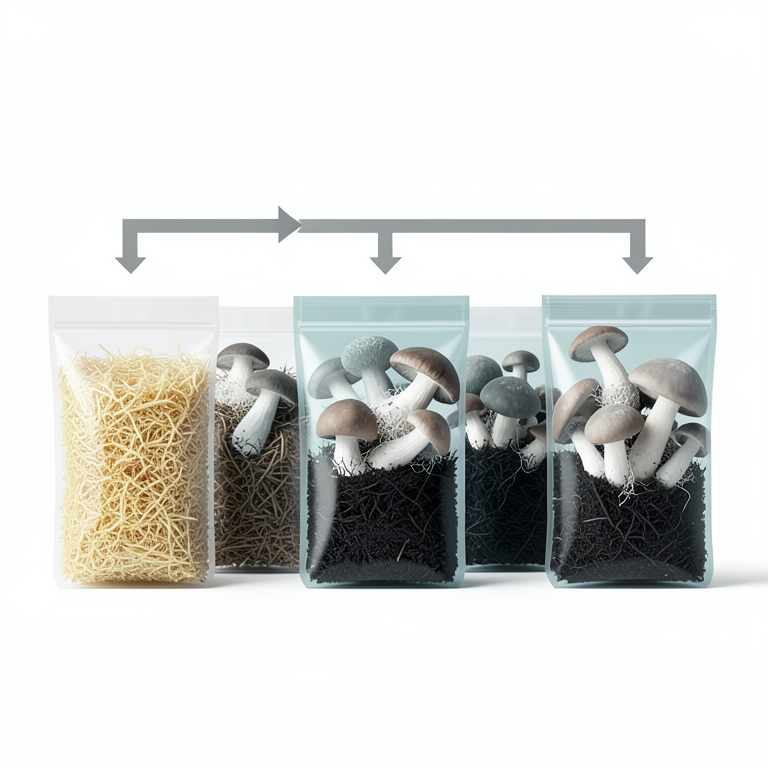
Experimental Setup Overview
AI-generated conceptual illustration (Pleurotus ostreatus mushrooms growing in straw substrate bags). It explains the idea and does not show study data.
View source evidence ↗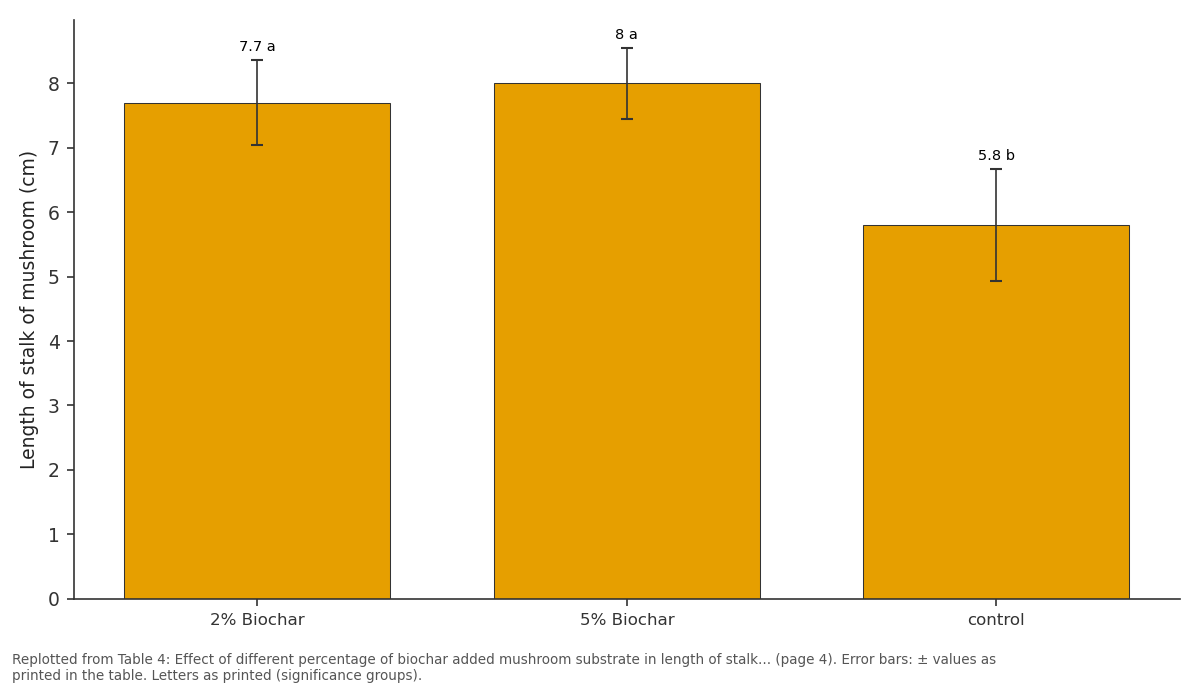
Length of stalk of mushroom (cm): 2% Biochar vs 5% Biochar vs control
Replotted from Table 4 (page 4) of the original paper. Every bar is the paper's own table value.
View source evidence ↗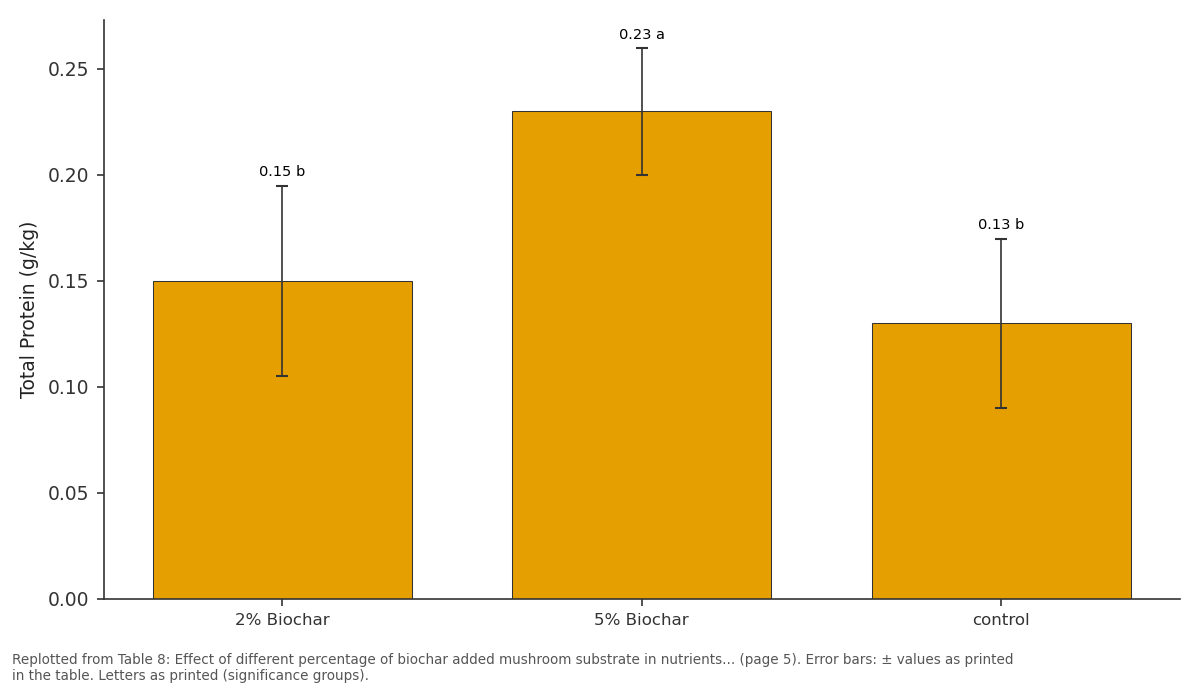
Total Protein (g/kg): 2% Biochar vs 5% Biochar vs control
Replotted from Table 8 (page 5) of the original paper. Every bar is the paper's own table value.
View source evidence ↗Figures & tables
From the original paper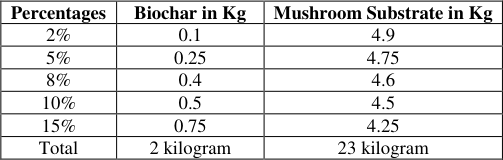 Table 1
 Table 2
 Table 3
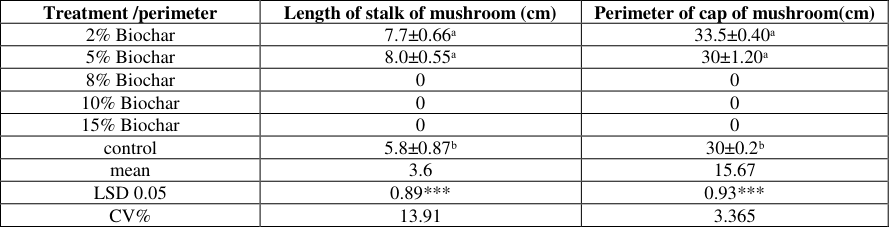 Table 4
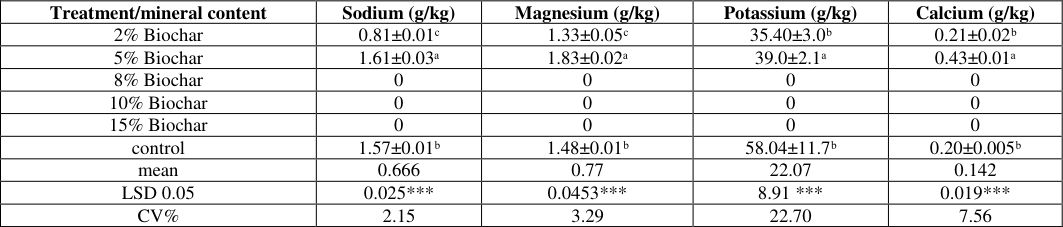 Table 5
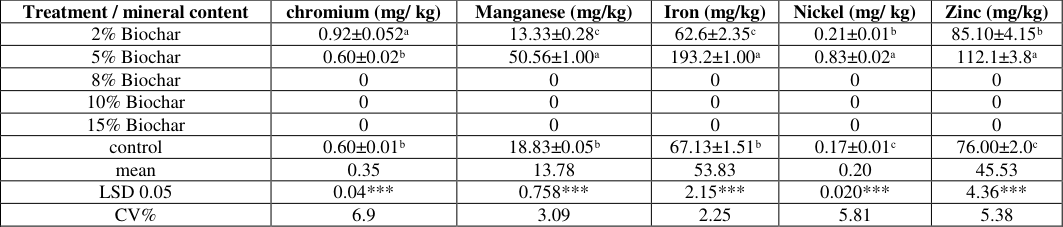 Table 6
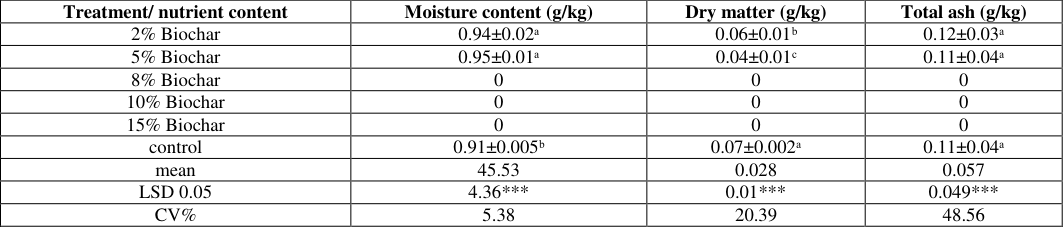 Table 7
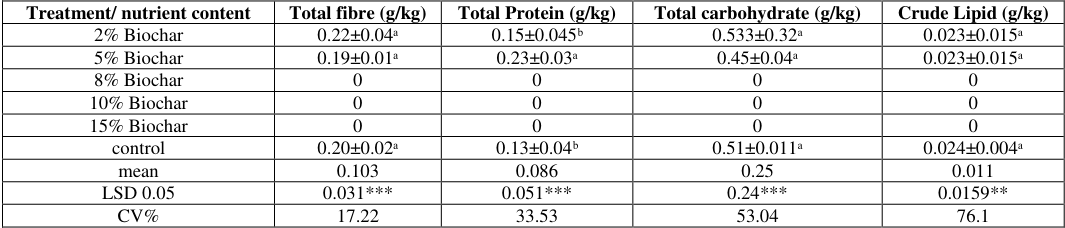 Table 8
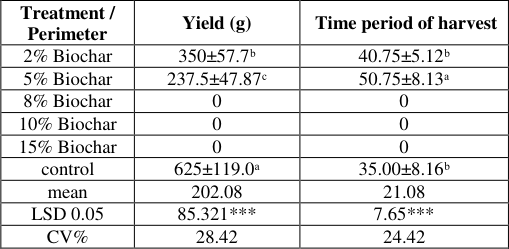 Table 11
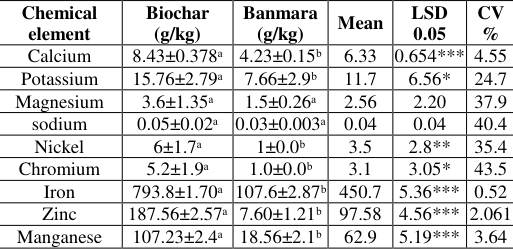 Table 9
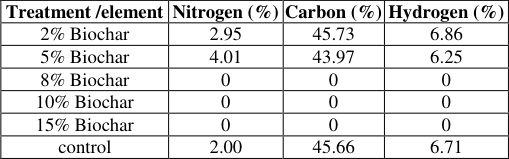 Table 12
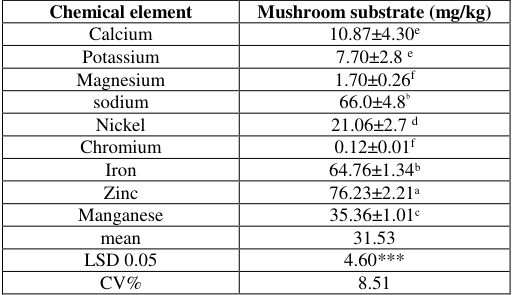 Table 10
Introduction
Mushrooms are widely celebrated in gourmet cooking worldwide, valued by people for their attractive culinary attributes, particularly their sensory qualities (Patel and Goyal, 2012) [8] . While there exist numerous mushroom varieties (Approximately 2000), the selection of edible mushrooms is restricted to about 25 types, with only a few being cultivated on a significant scale by professionals. Mushrooms, known for their fragility, hold substantial nutritional and functional importance. Recently, they have been recognized for their nutraceutical significance, attributed to their sensory appeal, medicinal properties, and economic value (Chang and Miles, 2008) [3] . Mushrooms serve as a nutritious dietary option, rich in protein, vital amino acids, fiber, potassium, and vitamins (Rafique, 1996) [10] . Unlike green plants, mushrooms do not possess chlorophyll and are unable to undergo photosynthesis. They rely on pre-existing nutrients such as cellulose, glucose, and starch, which they break down using their enzymes to sustain their growth and development (Zadrazil and Kurtzman, 1982) [14] . The oyster mushroom, a member of the Pleurotus species, is an edible mushroom that flourishes in tropical and subtropical areas. It is known for its capacity to thrive on a variety of substrates, including wood, wood shavings, sawdust, and various other materials (Quimio et al., 1990) [9] . Biochars are solid materials abundant in carbon, created through the thermochemical decomposition of organic biomasses in an environment devoid of oxygen (Lehmann and Joseph, 2009) [6] . Biochar can be generated from various biomass sources, encompassing animal dung and waste biomass sourced from industrial, forest, horticultural sites, and occasionally agricultural remnants. Due to variations in biomass composition and the conditions of thermal decomposition, biochar lacks uniformity and standardization, making it a non-uniform product (Lehmann and Joseph, 2009) [6] . Biochar is a carbonized organic material employed to improve soil quality, primarily aiming to augment carbon storage. Supporters propose potential agronomic advantages such as enhanced nutrient utilization efficiency, elevated crop yield, and diminished leaching losses, coupled with immobilization of pollutants. Nonetheless, its efficacy is a subject of controversy, with disparate findings likely stemming from diverse biochar variations and application circumstances, encompassing distinct feedstocks, production parameters, soil types, climates, and crop varieties (Foereid 2015) [4] . Biochar, produced through controlled pyrolysis of organic substances such as wood and plant waste, effectively seizes and preserves carbon in a stable form, resistant to release into the atmosphere. This method not only reduces the emission of pollutants but also creates a source of renewable energy. Agricultural residues, acknowledged for their abundance of carbon, are becoming noteworthy as substantial renewable feedstocks (Bais Moleman et al., 2019) [2] . Biochars might exhibit pesticidal properties, holding promise for the development of biopesticides (Sayed et al., 2018) [12] . The current focus on biochar revolves around its economic implications. In Australia, the integration of biochar with NPK resulted in a 53% boost in crop yield, leading to a rise in farmer net benefits by $8,000 per hectare, with a biochar cost of $160 per hectare (Robb, Joseph, 2019) [11] . The oyster mushroom (Pleurotus ostreatus), in particular, is a popular mushroom that may be farmed in Nepal. It can be grown in the lowlands since it responds to moderate temperatures. Oyster mushrooms may be available for commercialization throughout the year as they have inexpensive manufacturing costs. It is theorized that biochar can function as an enhancer to raise the quality and growth of mushrooms to boost yield productivity and quality. As a result, this research was conducted with the aim to make biochar from the pyrolysis process and using thus formed biochar as a mushroom growth media modification (Pleurotus ostreatus). The purpose of this research is to ascertain the efficacy of these substrates in promoting the growth of Pleurotus ostreatus and to analyze the nutrient content of biochar in Nepal.
Methodology's 2.1 Preparation of Biochar
Biochar was prepared in a steel cone kiln which is the simple traditional way of making biochar and is much more closely associated with the ancient methods of production. The feedstock used for the preparation of biochar was collected from RECAST (Research Centre for Applied Science and Technology, Tribhuwan University, Kritipur, Nepal). Biochar produced from the steel cone kiln in each batch was quenched or snuffed with water. The weight of biochar was measured after water snuffing and after drying. Similarly, the weight of water that was used while snuffing was also quantified. Biochar was prepared using invasive species Lantana camara. The processes that were followed in preparing biochar are as follows: First of all, Lantana camara was weighted and fed into the end of kiln to heat the feedstock. Pyrolizing biomass layer by layer in a conicalshaped metal kiln. A fire was ignited in the kiln, which was then spread to produce a first layer on the very bottom of the kiln. This was followed by the addition of biomass. The kiln was filled with the feedstock and was allowed to burn properly. After the complete burn of feedstock, quantifying amount of water was poured for absorption. The weighing of the biomass was performed pre pyrolysis and then the biochar formed was weighed later. This enabled us to estimate the percent of biochar produced. Calculation to calculate the biochar yield: Biochar % = Biochar Mass/ Biomass Mass *100 For the preparation of biochar, the recording was done for each batch. Each batch's biochar percentage was calculated. Three batches of biochar were made in this manner at a temperature of 650 °C. Biochar basic qualities generated from Lantana camara were analyzed using samples from the three batches. pH (probe method), carbon (Elemental Analyzer), total nitrogen (Elemental Analyzer), and hydrogen (Elemental Analyzer) were all evaluated, and 0.47% nitrogen, 6.25% hydrogen, and 45.3% carbon were discovered. Biochar was discovered to have a pH of 10.38. Biochar percentages of 2, 5, 8, 10, and 15% were computed at first. Each mushroom bag log contained a total of 5 kg of mushroom substrate. In all, 2 kg of biochar was employed for mushroom cultivation with the mushroom substrate. Before being mixed with the sterilized mushroom substrates, each percentage (As stated in Table 1) was correctly labelled and sterilized at 121 ºC for 20 minutes.
| Percentages | Biochar in Kg | Mushroom Substrate in Kg |
|---|---|---|
| 2% | 0.1 | 4.9 |
| 5% | 0.25 | 4.75 |
| 8% | 0.4 | 4.6 |
| 10% | 0.5 | 4.5 |
| 15% | 0.75 | 4.25 |
| Total | 2 kilogram | 23 kilogram |
Table text extracted from the original PDF; superscript letters are shown inline. The original table image is below.
View original table image
The weighing equipment was utilized to maintain precise calculations, and the mixture was properly blended and used for the next experiment.
Source of Pleurotus ostreatus
Mush Nepal Pvt. Ltd. Balambu, Kathmandu, Nepal provided the strain of P. ostreatus used in this experiment.
Preparation of mushroom substrate
The oyster mushroom (Pleurotus ostreatus) was cultivated on paddy straw substrates, which are extensively employed since straw is readily available and inexpensive. Fresh and well-dried straw was used and provided by Mush Nepal Pvt. Ltd., Balambu, Nepal.
Soaking
Straw was chopped into 3-5 cm pieces and soaked for 8-16 hours in fresh water. The excess water in the straw was drained.
Heat Treatment
Heat treatment of the substrate reduces contamination and leads in greater consistent outputs. Pasteurization is one method. Firstly, Water was cooked in a petroleum drum with a large mouth (Steel). Plastic sacks were used to hold the moist substrate. For around 10-15 minutes, the filled sack was immersed in hot water (80-85 °C). It was crushed with a hefty object (Brick or stone) and a wooden piece to keep it from floating. Excess hot water was emptied from the container after pasteurization so that it could be reused for additional sets.
Autoclave
Before combining, the different percentages of powdered biochar (2, 5, 8, 10, and 15%) the substrates were sterilized separately. The autoclaved biochar and mushroom substrate were packed in various plastic bag logs, which were then coated with aluminum foil and labeled appropriately.
Spawn and Spawning
The pasteurized substrate was suitable for filling and spawning once it had cooled to room temperature. The moisture content of the substrate was around 70% at this point. For cultivation, polythene bags (35*50 cm, 150 gauges) were utilized. For 5 kg of wet straw, 200 gm of plastic spawn was used (1 bag). Layer spawning was used for spawning. Substrate was placed in a bag, compacted to a depth of 8-10 cm, and a handful of spawn was sprinkled on top. Similarly, the second and third layers of substrate were placed, and the bags were closed concurrently after spawning. After that, the bags were carefully compacted and sealed for spawn running (Development). The generated bags were piled neatly and cleanly on racks in a closed configuration. Spraying water on the walls and floor twice a day kept the temperature at 18 °C and the humidity at 75-80%.
Observation
Mushroom bowls were kept inside the room by keeping the temperature at 18 degrees Celsius and the humidity at 75-80%. Watering was done twice a day with the help of spray.
The frequent observation was carried out in order to conduct further research.
Cropping and harvesting
The polythene covers were removed after 22 days, when the bags were thoroughly impregnated with white mycelium. Mushrooms were grown in an 18 °C temperature range.
Statistical analysis
Statistical analysis
Results and Discussion
Results and Discussion
Time taken to start mycelia growth
The colonization of the substrate by the mycelia within the bags at five-day intervals was measured to track their progress. After that, the time it took the mycelia to fully colonize the substrate post-spawning was noted (usually in several days). White mycelia formed across the substrates within the bags, indicating colonization. Mycelial growth showed early development in 2% Biochar added mushroom substrate i.e. in 10 days which is followed by 5% Biochar and control. Meanwhile, no growth was seen in other treatments which are shown below in Table 2.
| Time interval (Days)/Treatment | 2 | 4 | 6 | 8 | 10 | 12 | 14 | 16 | 18 | 20 | 22 | 24 | 26 | 28 | 30 | 32 |
|---|---|---|---|---|---|---|---|---|---|---|---|---|---|---|---|---|
| 2% | No | No | No | No | No | No | No | No | No | No | No | No | No | Yes | Yes | Yes |
| 5% | No | No | No | No | No | No | No | No | No | No | No | No | No | No | No | Yes |
| 8% | No | No | No | No | No | No | No | No | No | No | No | No | No | No | No | No |
| 10% | No | No | No | No | No | No | No | No | No | No | No | No | No | No | No | No |
| 15% | No | No | No | No | No | No | No | No | No | No | No | No | No | No | No | No |
| control | No | No | No | No | No | No | No | No | No | No | Yes | Yes | Yes | Yes | Yes | Yes |
Table text extracted from the original PDF; superscript letters are shown inline. The original table image is below.
View original table image
Length of stalk and perimeter of cap of mushroom
Thirteen fruits were chosen, and the stalk lengths from the tip of the stalk to the base of the caps were measured. This was repeated for each harvest, with the average calculated. A significant result was seen for the length of the stalk and perimeter of the cap of the mushroom under the different Biochar percent treatments. Among all the treatments 5% Biochar showed a higher length of Stalk which is significantly at par with 2% Biochar which is followed by control as shown in Table 4.
| Treatment /perimeter | Length of stalk of mushroom (cm) | Perimeter of cap of mushroom(cm) |
|---|---|---|
| 2% Biochar | 7.7±0.66ᵃ | 33.5±0.40ᵃ |
| 5% Biochar | 8.0±0.55ᵃ | 30±1.20ᵃ |
| 8% Biochar | 0 | 0 |
| 10% Biochar | 0 | 0 |
| 15% Biochar | 0 | 0 |
| control | 5.8±0.87ᵇ | 30±0.2ᵇ |
| mean | 3.6 | 15.67 |
| LSD 0.05 | 0.89*** | 0.93*** |
| CV% | 13.91 | 3.365 |
Table text extracted from the original PDF; superscript letters are shown inline. The original table image is below.
View original table image
Mineral content of mushroom
A significant result was seen for the mineral content under the different Biochar percent treatments. Among all the treatments 5% Biochar showed higher mineral content i.e. sodium, magnesium, potassium, and calcium followed by control and 2% Biochar. 5% Biochar showed a higher amount of nickel, zinc which is followed by 2% Biochar and control. Manganese and iron are seen higher in 5% Biochar which is followed by 2% Biochar and control. 2% Biochar showed a higher amount of chromium which is followed by 5% Biochar which is significantly at par with control which is shown in Table 5 and6.
| Treatment/mineral content | Sodium (g/kg) | Magnesium (g/kg) | Potassium (g/kg) | Calcium (g/kg) |
|---|---|---|---|---|
| 2% Biochar | 0.81±0.01ᶜ | 1.33±0.05ᶜ | 35.40±3.0ᵇ | 0.21±0.02ᵇ |
| 5% Biochar | 1.61±0.03ᵃ | 1.83±0.02ᵃ | 39.0±2.1ᵃ | 0.43±0.01ᵃ |
| 8% Biochar | 0 | 0 | 0 | 0 |
| 10% Biochar | 0 | 0 | 0 | 0 |
| 15% Biochar | 0 | 0 | 0 | 0 |
| control | 1.57±0.01ᵇ | 1.48±0.01ᵇ | 58.04±11.7ᵇ | 0.20±0.005ᵇ |
| mean | 0.666 | 0.77 | 22.07 | 0.142 |
| LSD 0.05 | 0.025*** | 0.0453*** | 8.91 *** | 0.019*** |
| CV% | 2.15 | 3.29 | 22.70 | 7.56 |
Table text extracted from the original PDF; superscript letters are shown inline. The original table image is below.
View original table image
Nutrients content of mushroom
Significant result was seen for the nutrient content under different Biochar percent treatments. Among all the treatments 5% Biochar showed higher moisture content which is significantly at par with 2% Biochar and followed by control. Likewise, Dry matter showed higher amount in control which is followed by 2% Biochar and 5% Biochar.
Total ash, Total fibre, Total carbohydrate, and Crude lipid content showed no significantly difference under different Biochar percent treatments. Total protein content showed a higher amount in 5% Biochar which is followed by 2% Biochar which is significantly at par with control which is in shown Table 7 and8.
| Treatment/ nutrient content | Moisture content (g/kg) | Dry matter (g/kg) | Total ash (g/kg) |
|---|---|---|---|
| 2% Biochar | 0.94±0.02ᵃ | 0.06±0.01ᵇ | 0.12±0.03ᵃ |
| 5% Biochar | 0.95±0.01ᵃ | 0.04±0.01ᶜ | 0.11±0.04ᵃ |
| 8% Biochar | 0 | 0 | 0 |
| 10% Biochar | 0 | 0 | 0 |
| 15% Biochar | 0 | 0 | 0 |
| control | 0.91±0.005ᵇ | 0.07±0.002ᵃ | 0.11±0.04ᵃ |
| mean | 45.53 | 0.028 | 0.057 |
| LSD 0.05 | 4.36*** | 0.01*** | 0.049*** |
| CV% | 5.38 | 20.39 | 48.56 |
Table text extracted from the original PDF; superscript letters are shown inline. The original table image is below.
View original table image
Chemical element of mushroom substrate
A significant result was seen for the chemical element content in mushrooms. Zinc was found in the higher amount which is followed by iron, manganese, nickel, calcium, potassium, magnesium and chromium which is shown in Table 10.
| Chemical element | Mushroom substrate (mg/kg) |
|---|---|
| Calcium | 10.87±4.30e |
| Potassium | 7.70±2.8 e |
| Magnesium | 1.70±0.26f |
| sodium | 66.0±4.8ᵇ |
| Nickel | 21.06±2.7 d |
| Chromium | 0.12±0.01f |
| Iron | 64.76±1.34ᵇ |
| Zinc | 76.23±2.21ᵃ |
| Manganese | 35.36±1.01ᶜ |
| mean | 31.53 |
| LSD 0.05 | 4.60*** |
| CV% | 8.51 |
Table text extracted from the original PDF; superscript letters are shown inline. The original table image is below.
View original table image
Yield and Time period of harvest
A significant result was seen for the mineral content under the different Biochar percent treatments. Among all the treatments control showed higher yield which is followed by 2% Biochar and 5% Biochar. Likewise among all treatments less time to harvest was taken by control which is significantly at par with 2% Biochar which is followed by 5% Biochar which is shown below in Table 11.
| Treatment / Perimeter | Yield (g) | Time period of harvest |
|---|---|---|
| 2% Biochar | 350±57.7ᵇ | 40.75±5.12ᵇ |
| 5% Biochar | 237.5±47.87ᶜ | 50.75±8.13ᵃ |
| 8% Biochar | 0 | 0 |
| 10% Biochar | 0 | 0 |
| 15% Biochar | 0 | 0 |
| control | 625±119.0ᵃ | 35.00±8.16ᵇ |
| mean | 202.08 | 21.08 |
| LSD 0.05 | 85.321*** | 7.65*** |
| CV% | 28.42 | 24.42 |
Table text extracted from the original PDF; superscript letters are shown inline. The original table image is below.
View original table image
Element content in mushroom
A significant result was seen for the element content under the different Biochar percent treatments. Among all the treatments Nitrogen content was obtained higher in 5% Biochar followed by 2% Biochar and control. Carbon content was obtained higher in 2% Biochar which is followed by 5% Biochar and control. Hydrogen content was obtained higher in 2% Biochar which is followed by control and 5% Biochar which is shown below in Table 12.
| Treatment /element | Nitrogen (%) | Carbon (%) | Hydrogen (%) |
|---|---|---|---|
| 2% Biochar | 2.95 | 45.73 | 6.86 |
| 5% Biochar | 4.01 | 43.97 | 6.25 |
| 8% Biochar | 0 | 0 | 0 |
| 10% Biochar | 0 | 0 | 0 |
| 15% Biochar | 0 | 0 | 0 |
| control | 2.00 | 45.66 | 6.71 |
Table text extracted from the original PDF; superscript letters are shown inline. The original table image is below.
View original table image
Discussion
The pH of the biochar-added substrates was increased. This could be due to the biochar supplied as a supplement. The charcoal is naturally alkaline. For healthy mushroom growth and development, the pH of the mushroom substrates should be kept between 5.8 and 6. The elevated moisture content observed in mushrooms with added biochar, as opposed to the control group, can be attributed to the biochar's hydrogen percentage falling within an appropriate range in the mushroom substrates. This suggests that the biochar possesses a considerable porous size, contributing to its exceptional water-holding capability. The advantageous features of biochar, including its potent adsorption and water-retaining capacities, also played a role in this outcome. When compared to the control mushrooms, those supplemented with biochar exhibited the highest nitrogen percentage (4.01% compared to 2.02%). Additionally, the biochar-added mushrooms showed a decreased quantity of carbohydrates, measuring at 45%. Various minerals like Potassium, Calcium, Zinc, and Iron were significantly higher in mushrooms with added biochar compared to the control. This could be attributed to the porous nature of biochar, which offers a large surface area for absorbing moisture and minerals. Additionally, the increased presence of nutrients is believed to support the growth of mycelium, and the biochar's excellent water-holding ability ensures sufficient moisture during the mushroom's fruiting stage, reducing the risk of young mushroom production being affected by water scarcity. Furthermore, the characterization data showed increased amounts of potassium, iron, and zinc in the biochar, suggesting that the mycelia absorbed nutrients from the substrates, promoting their overall growth and development.
In other studies as well, when biochar was used along with the recommended fertilizer amount, it resulted in more stems, tubers, and increased weight of tubers per hill. This, in turn, led to an overall higher yield of potatoes (Ali, 2017) [1] . Biochar raised mushroom production by holding onto substrate moisture and decreasing the loss of nutrients (Hu, 2022) [5] . Using biochar along with synthetic fertilizers significantly boosted potato growth, resulted in higher tuber yield, and improved the overall quality of potatoes (Mollick et al., 2020) [7] .
Conclusion
Pleurotus ostreatus, also known as "Kanya chyau" in Nepali, is the greatest mushroom species for eating, according to our studies. Commercial mushroom growing is a profitable venture. The length of the stalk and the perimeter of the mushroom cap were found to be larger in biochar-supplemented mushrooms than in control mushrooms. There was a considerable increase in protein when proximate analysis data from dry matter was compared to control. Different chemical elements, such as potassium (K), zinc (Zn), and iron (Fe), were shown to have a wider range than the control. Mineral analysis of Sodium, Magnesium, Potassium, and Calcium was higher in the biochar-added substrates when compared to the control. The usage of biochar can be expanded for the sake of human health and other advantages, such as waste utilization. The nitrogen percent was also increased by 2.00 percent as a result of the elemental analyzer results. This suggests that if an experiment is continued with the addition of nitrogen to the biochar in any way, the protein increment will be considerable. Due to time constraints, none of the work could be completed in Nitrogen. If the experiment is carried out further, there will be a lot of important work that can be done. As a result, by increasing the protein percentage in mushrooms using biochar, we can improve people's health while also saving money for the country. Instead of using protein capsules, people might take mushroom with biochar as a supplement.
Acknowledgement
AcknowledgementsThe Author would like to thank Nepal Academy of Science and Technology, Faculty of Technology, Head of Technology and Department of Biotechnology and also Kathmandu University (Department of Biotechnology), Dhulikhel, Nepal, for their crucial role in proper guidelines and responsibilities.
Figures and tables from the paper
| Time interval/ Treatment | 2 | 4 | 6 | 8 | 10 | 12 | 14 | 16 | 18 | 20 | 22 | 24 | 26 | 28 | 30 | 32 |
|---|---|---|---|---|---|---|---|---|---|---|---|---|---|---|---|---|
| 2% | No | No | No | No | No | No | No | No | No | No | No | No | No | Yes | Yes | Yes |
| 5% | No | No | No | No | No | No | No | No | No | No | No | No | No | No | No | Yes |
| 8% | No | No | No | No | No | No | No | No | No | No | No | No | No | No | No | No |
| 10% | No | No | No | No | No | No | No | No | No | No | No | No | No | No | No | No |
| 15% | No | No | No | No | No | No | No | No | No | No | No | No | No | No | No | No |
| Control | No | No | No | No | No | No | No | No | No | No | Yes | Yes | Yes | Yes | Yes | Yes |
Table text extracted from the original PDF; superscript letters are shown inline. The original table image is below.
View original table image
| Treatment / mineral content | chromium (mg/ kg) | Manganese (mg/kg) | Iron (mg/kg) | Nickel (mg/ kg) | Zinc (mg/kg) |
|---|---|---|---|---|---|
| 2% Biochar | 0.92±0.052ᵃ | 13.33±0.28ᶜ | 62.6±2.35ᶜ | 0.21±0.01ᵇ | 85.10±4.15ᵇ |
| 5% Biochar | 0.60±0.02ᵇ | 50.56±1.00ᵃ | 193.2±1.00ᵃ | 0.83±0.02ᵃ | 112.1±3.8ᵃ |
| 8% Biochar | 0 | 0 | 0 | 0 | 0 |
| 10% Biochar | 0 | 0 | 0 | 0 | 0 |
| 15% Biochar | 0 | 0 | 0 | 0 | 0 |
| control | 0.60±0.01ᵇ | 18.83±0.05ᵇ | 67.13±1.51ᵇ | 0.17±0.01ᶜ | 76.00±2.0ᶜ |
| mean | 0.35 | 13.78 | 53.83 | 0.20 | 45.53 |
| LSD 0.05 | 0.04*** | 0.758*** | 2.15*** | 0.020*** | 4.36*** |
| CV% | 6.9 | 3.09 | 2.25 | 5.81 | 5.38 |
Table text extracted from the original PDF; superscript letters are shown inline. The original table image is below.
View original table image
| Treatment/ nutrient content | Total fibre (g/kg) | Total Protein (g/kg) | Total carbohydrate (g/kg) | Crude Lipid (g/kg) |
|---|---|---|---|---|
| 2% Biochar | 0.22±0.04ᵃ | 0.15±0.045ᵇ | 0.533±0.32ᵃ | 0.023±0.015ᵃ |
| 5% Biochar | 0.19±0.01ᵃ | 0.23±0.03ᵃ | 0.45±0.04ᵃ | 0.023±0.015ᵃ |
| 8% Biochar | 0 | 0 | 0 | 0 |
| 10% Biochar | 0 | 0 | 0 | 0 |
| 15% Biochar | 0 | 0 | 0 | 0 |
| control | 0.20±0.02ᵃ | 0.13±0.04ᵇ | 0.51±0.011ᵃ | 0.024±0.004ᵃ |
| mean | 0.103 | 0.086 | 0.25 | 0.011 |
| LSD 0.05 | 0.031*** | 0.051*** | 0.24*** | 0.0159** |
| CV% | 17.22 | 33.53 | 53.04 | 76.1 |
Table text extracted from the original PDF; superscript letters are shown inline. The original table image is below.
View original table image
| Chemical element | Biochar (g/kg) | Banmara (g/kg) | Mean | LSD 0.05 | CV % |
|---|---|---|---|---|---|
| Calcium | 8.43±0.378ᵃ | 4.23±0.15ᵇ | 6.33 | 0.654*** | 4.55 |
| Potassium | 15.76±2.79ᵃ | 7.66±2.9ᵇ | 11.7 | 6.56* | 24.7 |
| Magnesium | 3.6±1.35ᵃ | 1.5±0.26ᵃ | 2.56 | 2.20 | 37.9 |
| sodium | 0.05±0.02ᵃ | 0.03±0.003ᵃ | 0.04 | 0.04 | 40.4 |
| Nickel | 6±1.7ᵃ | 1±0.0ᵇ | 3.5 | 2.8** | 35.4 |
| Chromium | 5.2±1.9ᵃ | 1.0±0.0ᵇ | 3.1 | 3.05* | 43.5 |
| Iron | 793.8±1.70ᵃ | 107.6±2.87ᵇ | 450.7 | 5.36*** | 0.52 |
| Zinc | 187.56±2.57ᵃ | 7.60±1.21ᵇ | 97.58 | 4.56*** | 2.061 |
| Manganese | 107.23±2.4ᵃ | 18.56±2.1ᵇ | 62.9 | 5.19*** | 3.64 |
Table text extracted from the original PDF; superscript letters are shown inline. The original table image is below.
View original table image
References
9 in the original paper- Bais-Moleman AL, Schulp CJE, Verburg PH. Assessing the environmental impacts of productionand consumption-side measures in sustainable agriculture intensification in the European Union. Geoderma. 2019;338:555-567. https://doi.org/10.1016/j.geoderma.2018.11.042
- Foereid B. Biochar in Nutrient Recycling-The Effect and Its Use in Wastewater Treatment. Open Journal of Soil Science. 2015;5:39-44. [Doi:10.4236/ojss.2015.52004] (Doi:10.4236/ojss.2015.52004).
- Hu W, Di Q, Liang T, Liu J, Zhang J. Effects of spent mushroom substrate biochar on growth of oyster mushroom (Pleurotus ostreatus). Environmental Technology & Innovation; c2022. https://doi.org/10.1016/j.eti.2022.102729
- Lehmann J, Joseph S. Biochar for Environmental Management: An Introduction, 2009, 1-12.
- Mollick. Effect of Biochar on Yield and Quality of Potato (Solanum tuberosum) Tuber. International Journal of Bio-resource and Stress Management. 2020;11(5):445-450. https://DOI.ORG/10.23910/1.2020.2140.
- Patel S, Goyal A. Recent Developments in Mushrooms as Anti-Cancer Therapeutics: A Review. National Library of Medicine. 2012;2:1-15. [DOI: 10.1007/s13205-011-0036-2]
- Quimio TH, Chang ST, Royse DJ. Technical guidelines for mushroom growing in the Tropics. Plant Protection. 1990;106:62-70.
- Sayed AMM, Behle RW, Tiilikkala K, Vaughn SF. Insecticidal activity of bio-oils and biochar as pyrolysis products and their combination with microbial agents against Agrotis ipsilon (Lepidoptera: Noctuidae). Pesticidal Phytomedicine. 2018;33(1):39-52. [DOI: 10.2298/PIF1801039S](DOI: 10.2298/PIF1801039S).
- Zadrazil F. Cultivation of Pleurotus. In: The Biology and Cultivation of Edible Mushrooms. Academic Press. New York, 1978;819:521-557.
Cited by 19
From OpenAlex, OpenCitations and reference lists read by Scinovex
- Spent Mushroom Substrate-Derived Biochar and Its Applications in Modern Agricultural Systems: An Extensive Overview ↗
Worawoot Aiduang, Kritsana Jatuwong, Tanongkiat Kiatsiriroat, Wassana Kamopas, Pimsiri Tiyayon, Rotsukon Jawana et al. · Life · 2025
Spent mushroom substrate (SMS), a nutrient-dense byproduct of mushroom cultivation, has emerged as a promising feedstock for biochar production, offering a sustainable solution to modern agricultural and environmental challenges. This review explores SMS properties, its conversion into biochar, and its various applications. Due to its lignocellulosic structure, high organic matter (OM), and essential nutrients, SMS is ideal for pyrolysis, a…
❝ 29PDF - Inclusion of biochar in mushroom substrate influences microbial community composition of the substrate and elemental composition of the fruiting bodies ↗
Maria E. Karlsson, Helene Larsson Jönsson, Malin Hultberg · The Science of The Total Environment · 2025
Due to its structure, biochar makes the soil porous and oxygen-rich, enhancing the water-holding capacity and increasing the cation exchange capacity for a longer duration. These aspects could also be favourable for mushroom production. However, biochar has been considerably less investigated within this context. This study investigated the impact of biochar on mushroom production, quality, and the microbial communities of…
❝ 6PDF - Enhancing Mushroom Growing Substrate Through Biochar and Agro-Waste Integration to Promote Overall Productivity and Economic Impact in Lentinus squarrosulus Cultivation ↗
Worawoot Aiduang, Orlavanh Xayyavong, Kritsana Jatuwong, Chawonplusz Suppsorranna, Tanongkiat Kiatsiriroat, Wassana Kamopas et al. · Journal of Fungi · 2026
, aiming to enhance mycelial growth, productivity, nutritional quality, and economic returns. The chemical characterization revealed clear contrasts between sawdust and corn dust, where sawdust provided a carbon-rich but nitrogen-limited structure, while corn dust offered a greater nutrient availability. When formulated into mixed substrates, particularly at a 50:50 ratio, a more balanced physicochemical profile was achieved, improving substrate suitability for…
❝ 1PDF - Economic feasibility of biochar as a low-cost growth supplement in oyster mushroom production ↗
Emilio Torres, Isabella Müller, Carlos García · International Journal of Financial Management and Economics · 2025
The cultivation of edible mushrooms such as Pleurotus ostreatus (oyster mushroom) traditionally relies on substrate ingredients that can be cost‑intensive and resource-demanding. Biochar, a carbon‑rich byproduct of biomass pyrolysis, offers a promising low‑cost supplement once derived from spent mushroom substrate (SMS) or other agro‑wastes. This research investigates the economic feasibility of using biochar as a growth supplement in oyster mushroom…
❝ 1PDF - A comparative research on the effect of biochar supplementation on growth and yield of Pleurotus ostreatus ↗
Sarika Lamichhane, Dorji Wangchuk, Tin Maung Aye · International Journal of Advanced Academic Studies · 2025
Mushroom cultivation has emerged as an important bio-industrial activity due to its low input requirement, high economic return, and ability to convert agricultural waste into edible biomass. Among cultivated mushrooms, Pleurotus ostreatus (oyster mushroom) is the most widely produced species globally because of its fast growth rate, tolerance to diverse substrates, and high nutritional value. However, achieving consistent yield and
- Evaluation of biochar supplementation on the natural bioactive compounds of Pleurotus ostreatus ↗
Maria Fernandez, Peter Jansen, Elena Petrova · American Journal of Essential Oils and Natural Products · 2025
Supplementing cultivation substrate of the edible mushroom Pleurotus ostreatus with biochar — a carbon-rich byproduct of biomass pyrolysis — offers a sustainable route to valorize agricultural waste while potentially enhancing mushroom nutritional and nutraceutical quality. This research investigates the effect of biochar supplementation on the natural bioactive compound profile of P. ostreatus fruiting bodies. Substrates were amended with graded concentrations…
❝ 0PDF - Phytochemical and nutritional variations in Pleurotus ostreatus grown on biochar-enriched substrates ↗
Maria Lopez, H. J. Müller, Linda J. Smith · Journal of Pharmacognosy and Phytochemistry · 2025
The white oyster mushroom, Pleurotus ostreatus, is widely recognized for its nutritional richness and bioactive phytochemical profile. This research investigates the effects of using biochar‑enriched substrates on the nutritional and phytochemical composition of P. ostreatus fruit bodies. Mushrooms were cultivated on standard substrate (control) and on substrates amended with 5%, 10%, and 15% agricultural‑waste derived biochar. After harvesting, proximate composition
- Enhancement of nutraceutical properties of Pleurotus ostreatus using biochar as a substrate additive ↗
Maria João Rodrigues, Lukáš Fischer, Jovana Petrović · The Pharma Innovation · 2025
The edible mushroom Pleurotus ostreatus is well recognized for its nutraceutical potential, bearing high-quality protein, bioactive polysaccharides (e.g. ?-glucans), antioxidants, vitamins, and minerals. Conventional cultivation substrates, typically straw or sawdust, may not optimally support the full biosynthesis and accumulation of these beneficial compounds. This research investigates the hypothesis that supplementing the growth substrate with biochar, derived from spent mushroom substrate
- Exploring the role of biochar as a natural growth-enhancing substance for Pleurotus ostreatus: A homeopathic perspective ↗
Eva Cignacco, Luca Rossi, Anne Katrine Sørensen · Journal of Homeopathy Studies · 2025
The cultivation of Pleurotus ostreatus (oyster mushroom) has gained significant attention due to its rapid growth, nutritional benefits, and medicinal properties. In recent years, the potential of biochar, a carbon-rich byproduct of biomass pyrolysis, has been explored as a sustainable amendment for improving substrate conditions in mushroom cultivation. Biochar is known to enhance soil fertility, water retention, and microbial activity,
- Adoption potential of biochar supplementation in small-scale oyster mushroom farming: A social and extension perspective
Dr. Lucas Meyer, Maria Oliveira, Dr. Alejandro Gutierrez · International Journal of Agriculture Extension and Social Development · 2025
The adoption of biochar supplementation in small-scale oyster mushroom farming has gained significant attention as a potential strategy to improve soil health and enhance crop yields. This research explores the adoption potential of biochar as a growth supplement for oyster mushrooms, focusing on social and extension perspectives. Small-scale farming is a crucial aspect of rural economies, especially in developing countries where sustainable agricultural practices can contribute to food security and environmental sustainability. However, the integration of new agricultural technologies such as
- Effect of biochar supplementation on the biochemical composition and growth performance of Pleurotus ostreatus ↗
Aleksandra Kowalska, Marek Zieliński, Emilia Nowak · International Journal of Chemical and Biological Sciences · 2025
Pleurotus ostreatus, one of the most cultivated edible mushrooms worldwide, is recognized for its high nutritional value, rapid growth rate, and ability to utilize diverse lignocellulosic substrates. However, achieving a consistently high yield and enriched biochemical profile remains a challenge, especially in regions where substrate quality varies significantly. Biochar an organic, carbon-rich material produced through pyrolysis of biomass has recently…
❝ 0PDF - Influence of low-dose biochar supplementation on yield and growth characteristics of oyster mushroom (Pleurotus ostreatus)
Aarav Thakuri, Sajita Kharel, Rabin Maharjan · International Journal of Agriculture and Food Science · 2025
Oyster mushroom (Pleurotus ostreatus) is one of the most economically significant edible fungi cultivated worldwide due to its high nutritional value, efficient substrate conversion, and relatively simple production requirements. In recent years, the use of biochar as a low-dose growth amendment has gained scientific attention because of its porosity, carbon stability, and nutrient-retention properties that may improve substrate aeration, microbial activity, and moisture dynamics in mushroom cultivation systems. Although biochar has been widely studied in agriculture for soil enhancement and c
- Chemical characterization of biochar and its influence on nutrient dynamics in Pleurotus ostreatus cultivation
Elena Vasilescu, Markus Feldmann, Sofia Lindgren · International Journal of Advanced Chemistry Research · 2025
The increasing interest in sustainable agricultural inputs has positioned biochar as an important soil amendment with potential applications in mushroom cultivation systems. Biochar, a carbon-rich, porous material produced through the pyrolysis of lignocellulosic biomass, possesses high surface area, enhanced cation-exchange capacity, and long-term chemical stability, making it a promising substrate component for edible mushroom production. The cultivation of Pleurotus ostreatus, one of the most commercially important oyster mushroom species, depends on substrates rich in nutrients and stable
- IoT-based substrate monitoring system for biochar-supplemented Pleurotus ostreatus cultivation ↗
Maria Costa, Lukas Müller, Sophia Sanchez · International Journal of Circuit Computing and Networking · 2025
The integration of Internet of Things (IoT) technology in agriculture has revolutionized precision farming by enabling real-time monitoring and data-driven decision-making. One such advancement is the IoT-based substrate monitoring system, designed to optimize conditions for biochar-supplemented cultivation of Pleurotus ostreatus (oyster mushroom). Biochar, a carbon-rich by-product of biomass, is recognized for its ability to improve soil properties, enhance nutrient availability,…
❝ 0PDF - Development of a low-cost sensor node for monitoring biochar-supplemented substrates in Pleurotus ostreatus cultivation ↗
Lukas Schneider, Maria Hoffmann, Jonas Keller · International Journal of Electronic Devices and Networking · 2025
The rising global demand for sustainable agricultural inputs and energy-efficient food production systems has intensified interest in biochar-amended substrates for mushroom cultivation. Biochar, produced through pyrolysis of organic residues, enhances substrate porosity, nutrient retention, and microbial dynamics, making it increasingly relevant for Pleurotus ostreatus production systems. Despite its agronomic value, monitoring the physicochemical changes within biochar-supplemented substrates remains limited due
- Design of a low-cost sensor system for monitoring growth dynamics of Pleurotus ostreatus on biochar-amended substrates ↗
Emilia Korhonen, Mikael Rautiainen, Sofia Lehtimäki · International Journal of Communication and Information Technology · 2025
Precision monitoring of mushroom growth has become increasingly essential for optimizing substrate composition, environmental parameters, and yield outcomes in small-scale and commercial production systems. Pleurotus ostreatus (oyster mushroom) is particularly sensitive to changes in temperature, humidity, CO? concentration, and substrate quality, making real-time monitoring crucial for improving productivity. Biochar, derived from pyrolyzed biomass, has been recognized for its ability to
- Impact of biochar-enriched substrates on the medicinal properties of Pleurotus ostreatus ↗
Carlos Alvarez, Eva Müller, Luca Bianchi · Journal of Medicinal Plants Studies · 2025
Biochar-enriched substrates have garnered considerable attention due to their potential to enhance both the growth and medicinal properties of crops, including mushrooms. The cultivation of Pleurotus ostreatus (oyster mushroom) on biochar-amended substrates has been shown to improve its growth, yield, and nutritional value, making it a promising method for enhancing the pharmacological potential of mushrooms. This research investigates the impact
- Nutritional enhancement of oyster mushrooms using biochar-enriched substrates: Implications for household consumption ↗
Maria Lopez, Henrik Olsen, Ahmed Khalil · International Journal of Home Science · 2025
Oyster mushrooms (Pleurotus ostreatus) are an economically and nutritionally significant species of edible fungi that can contribute to household nutrition through their high protein content and bioactive compounds. Recent studies have investigated the use of biochar-enriched substrates to enhance the nutritional profile of oyster mushrooms. Biochar, a carbon-rich material produced from organic matter through pyrolysis, has been shown to improve
- Market potential and consumer acceptance of biochar-enhanced oyster mushrooms (Pleurotus ostreatus) ↗
Anna Jensen, Lars Müller, Erik Svensson · International Journal of Research in Marketing Management and Sales · 2024
The cultivation of Pleurotus ostreatus (oyster mushroom) enhanced with biochar holds promise for sustainable mushroom production by improving substrate properties and consumer acceptability. This research investigates the market potential and consumer acceptance of biochar-enhanced oyster mushrooms, assessing yield performance, nutritional quality, and consumer perception compared with conventional substrate-grown mushrooms. Laboratory cultivation trials using biochar-amended substrates revealed yield increases of approximately