
Research article · 2023 · Full text
International Journal of Veterinary Sciences and Animal HusbandryEffects of anaesthetic qualities of ketamine, propofol and ketofol in horses
Volume 8(6) · Pages 34–40 · DOI: 10.22271/veterinary.2023.v8.i6a.804 ↗
Research areasVeterinary Pharmacology and AnesthesiaVeterinary Equine Medical ResearchMeat and Animal Product Quality
Abstract
Author-writtenTo analyse the effects of ketamine, propofol, and ketofol on anaesthetic quality of induction, duration, and recovery. A total of fifteen healthy horses were randomly divided into three Groups as A, B and C and anaesthetised with ketamine (3.0 mg/kg), propofol (3.0 mg/kg) and ketofol (3.0 mg/kg) respectively. The induction time and score of ketamine, propofol and ketofol were not different. Mean disappearance time of palpebral reflex and swallowing reflex of ketamine was significantly longer than that of propofol. Mean disappearance time of corneal reflex in ketamine, propofol and ketofol were not differences. Appearance time of limbs relaxation and jaws relaxation were not difference. In the appearance of tail relaxations, propofol was significantly faster than ketamine. Mean duration and recovery time of ketamine was significantly longer than that of propofol and ketofol. The recovery score of ketamine was significantly rougher than that of ketofol and propofol.
Summary
Source-checkedPlain-language reading of the full paper, prepared with AI and checked against the text. Each point links to the authors' own words.
Why it matters
- Anaesthesia in healthy horses for elective surgery is associated with a relatively high rate of complications and a higher risk of mortality compared to human or other companion animal anaesthesia. View evidence ↗
- Post anaesthetic colic is a known complication of abdominal surgery in horses that can be fatal or lead to prolonged recovery and higher costs. View evidence ↗
- Combining ketamine and propofol may help avoid apnea and respiratory depression that can occur when propofol is used alone. View evidence ↗
The question
- The study aimed to analyze how ketamine, propofol, and ketofol affect the quality of anaesthetic induction, the duration of the effect, and the recovery process in horses. View evidence ↗
What they did
- The study used fifteen healthy horses, which were randomly assigned to three different treatment groups. View evidence ↗
- Group A received 3 mg/kg of ketamine, Group B received 3 mg/kg of propofol, and Group C received ketofol (a combination of 1.5 mg/kg ketamine and 1.5 mg/kg propofol). View evidence ↗
- All horses were premedicated with atropine sulphate (0.06 mg/kg), diazepam (0.05 mg/kg), and xylazine (0.6 mg/kg). View evidence ↗
- Researchers measured induction time (to lateral recumbency), anaesthetic depth (via reflex and muscle relaxation times), total duration (to first movement), and recovery time (to normal gait). View evidence ↗
What they found
- There were no significant differences in induction time between ketamine (2.00±0.1 min), propofol (1.80±0.12 min), and ketofol (1.90±0.19 min). View evidence ↗
- The time for the palpebral reflex to disappear was significantly longer for ketamine (2.64±0.19 min) than for propofol (1.7±0.12 min). View evidence ↗
- Ketamine had a significantly longer mean disappearance time for the swallowing reflex (1.6±0.19 min) compared to propofol (0.8±0.12 min). View evidence ↗
- Tail relaxation occurred significantly faster with propofol (1.7±0.12 min) than with ketamine (2.8±0.12 min) or ketofol (2.1±0.1 min). View evidence ↗
- Ketamine provided the longest anaesthetic duration (34.0±1.8 min), followed by ketofol (27.4±0.45 min), with propofol being the shortest (22.0±0.63 min). View evidence ↗
- Recovery time was longest for ketamine (105.20±0.97 min), then ketofol (85.60±0.81 min), and shortest for propofol (54.4±0.92 min). View evidence ↗
- Ketamine resulted in a significantly rougher recovery (score 1.2±0.2) compared to ketofol (2.2±0.2) and propofol (2.8±0.2). View evidence ↗
What it means
- The authors conclude that using a combination of propofol and ketamine (1.5 mg/kg each) can improve the quality of induction and recovery while reducing anaesthetic risks in horses. View evidence ↗
- The combination of ketamine and propofol was found to provide the most satisfactory anaesthetic effects for flank laparotomy in horses. View evidence ↗
Visual summary
2 visualsIllustrations explain the paper; they do not show study data.
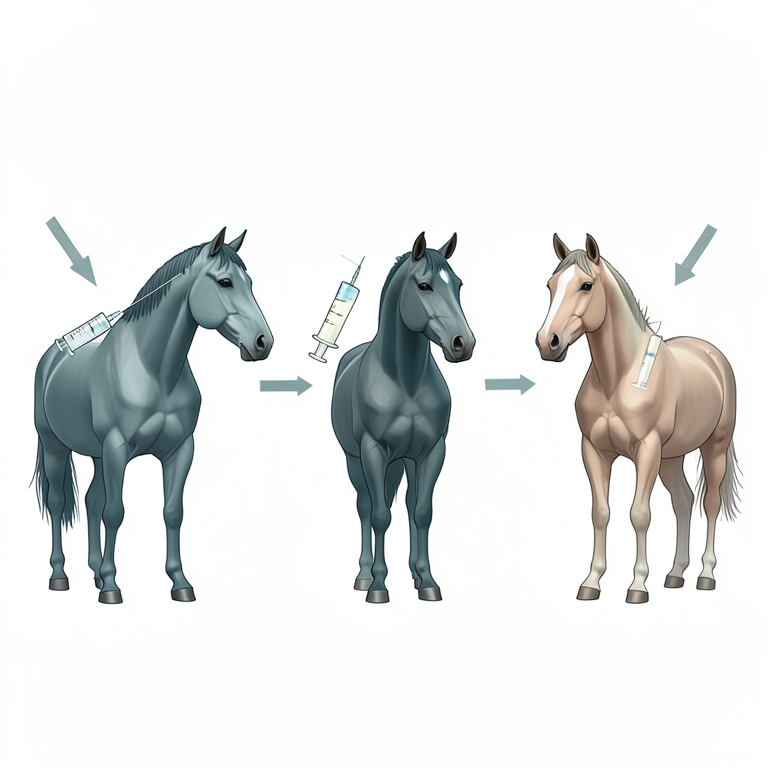
Treatment Group Comparison
AI-generated conceptual illustration (adult horses). It explains the idea and does not show study data.
View source evidence ↗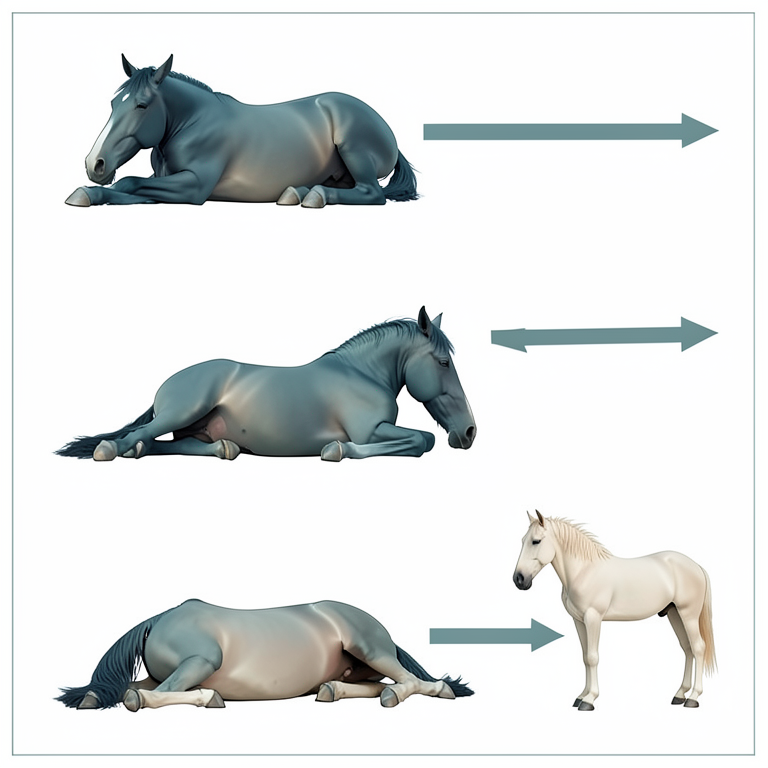
Duration and Recovery Timeline
AI-generated conceptual illustration (horses). It explains the idea and does not show study data.
View source evidence ↗Figures & tables
From the original paper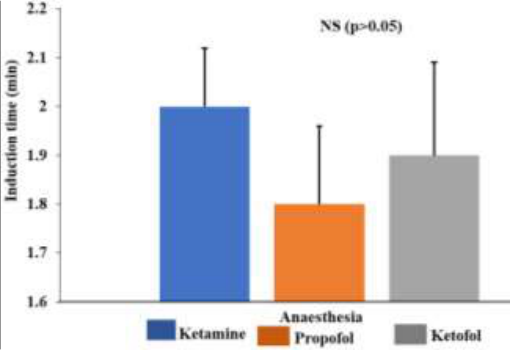 Figure 1
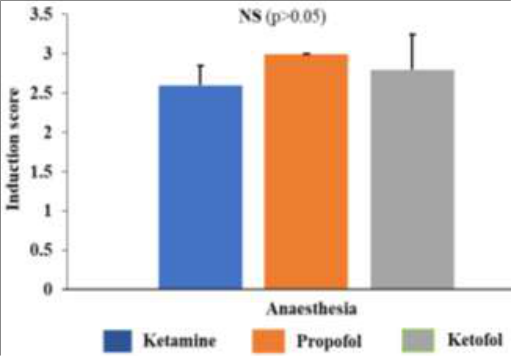 Figure 2
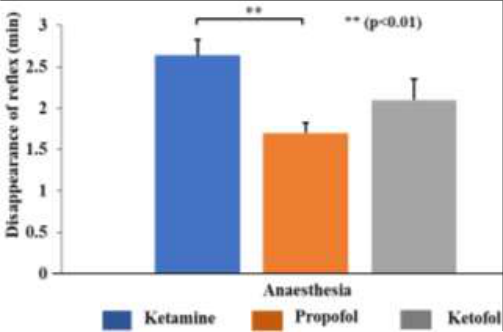 Figure 3
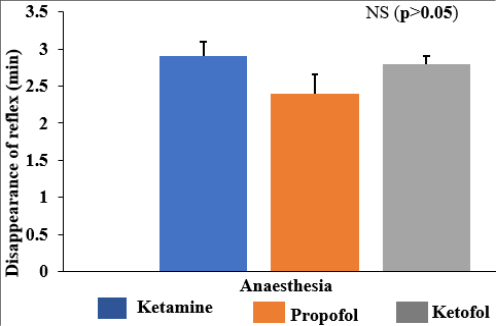 Figure 4
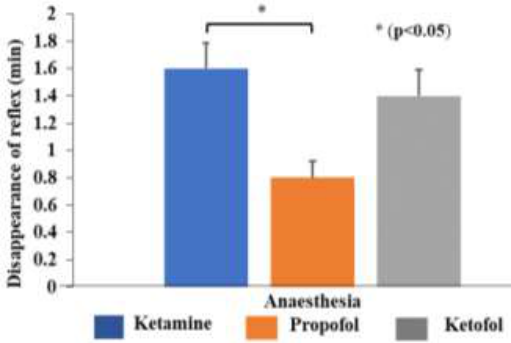 Figure 5
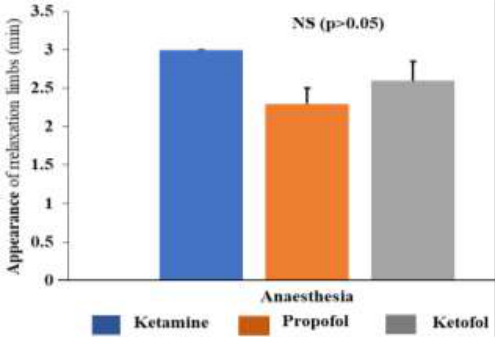 Figure 6
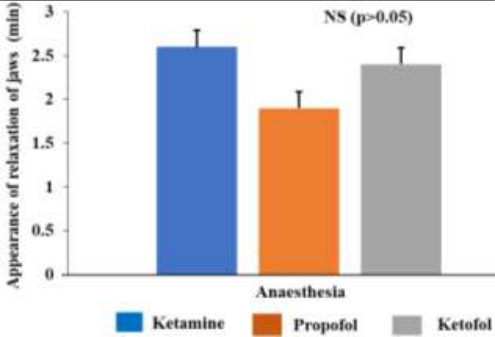 Figure 7
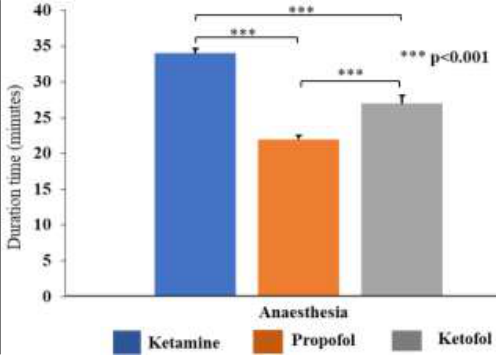 Figure 8
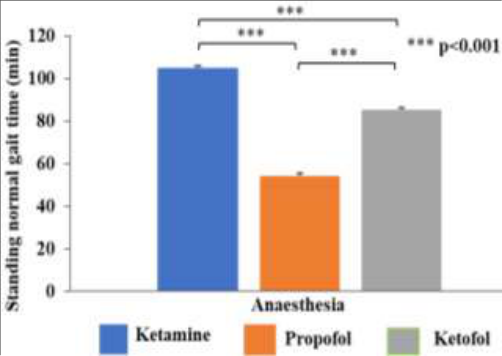 Figure 9
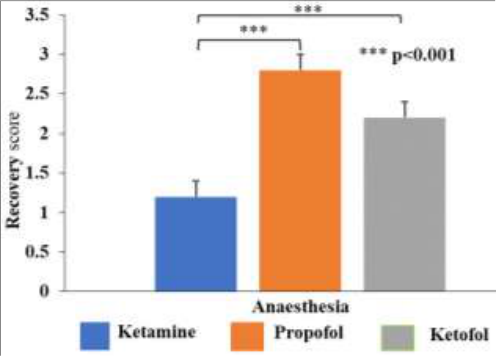 Figure 10
Introduction
Equine anaesthesia carries a relatively high rate of complication. Anaesthesia of healthy horses for elective surgery carries a greater risk of mortality than human anaesthesia or anaesthesia of other companion animals (Clarke and Hall, 1990) [8] . Post anaesthetic colic (PAC) is a well recognised complication of abdominal surgery in horses (Proudman et al., 2002) [29] and a morbidity that may prove fatal or, more commonly, prolong recovery and increase hospitalisation costs (French, 2002) [13] . There are many anaesthetic agents used in equine abdominal surgery. Among them, ketamine is used a safety intravenous anaesthesia in horses. Use of ketamine alone without a coinduction agent, after sedation with an α 2 adrenoceptor agonists has been described in horses (Grandos et al., 2004) [14] . Combination of ketamine with α 2 agonist, produces good to excellent induction of anaesthesia and very quiet recovery (Tranquilli et al., 2007) [35] . Mama et al. (2005) [20] also stated that ketamine may be used with xylazine to maintain 60 minutes of anaesthesia in healthy adult horses with oxygen supplementation. On the other hand, ketamine with xylazine infusion significantly improves quality of recovery from sevoflurance anaesthesia in horses (Wagner et al., 2012) [39] . Animals are anaesthetized with ketamine, show varying degrees of muscle hypertonus, and reflexive skeletal muscle movements. Active ocular reflexes coupled with the increases in muscle tone complicate monitoring of anaesthesia are presented. (Lin, 2008) [18] . The use of ketamine with xylazine for short term intravenous (IV) anaesthesia produces an excitementfree induction and recovery, maintenance of normal cardiovascular function, moderate respiratory depression, and adequate muscle relaxation. The average duration of anesthesia was approximately 16 minutes, and horses stood for 12 minutes after a single administration of the anesthetic combination (Muir et al., 1997) [23] . The other publications have confirmed the safety of the technique in horses but have noted some potential problems. Major reported problems associated with the use of xylazine and ketamine in the horse include inadequate sedation before ketamine administration producing induction failure, inadequate muscle relaxation during recumbency, and too short a duration of anaesthesia (Trim et al., 1987) [36] . Propofol is a suitable ananesthetic agent for intravenous (IV) anaesthesia in horses (Oku et al., 2006) [26] . Rapid onset of action and a short duration are the character of propofol. Propofol is so rapidly metabolized that accumulation does not appear to occur. Propofol has a favorable pharmacological profile, rapid onset and distribution, rapid metabolism. In horses, propofol is also characterized by a smooth and rapid recovery and is suitable for total intravenous anesthesia (TIVA) for more than two hours anesthesia because the degree of cardiovascular depression is less than that for inhalation anesthesia (Oku et al., 2006; Tokushige et al., 2019) [26,34] . Following IV injection of propofol, hypnosis is induced in a circulation time with anaesthetic depth reaching maximal after around 90 seconds (Wagner et al., 2002) [40] . Propofol can be used as an adjunct to ketamine anaesthesia with good results (Wagner et al., 2002) [40] . Ketofol is the combination of ketamine and propofol in various concentrations (Pandit, 2011; Amornyotin, 2014) [27,3] . Ketofol is used as a general anaesthesia in horses are produced without any noted adverse effects (Ohta et al., 2004; Jarrett et al., 2018; Tokushige et al., 2019) [34] . Propofol has a narrow therapeutic range and risks of cardiovascular depression (Amornyotin, 2013) [2] . The use of propofol by non-anesthesiologists is controversial (Vargo et al., 2009; Tan and Irwin, 2010). However, propofol based sedation is safe and highly effective. Mild respiratory adverse events occur frequently, and major complications may happen rarely. Additionally, adverse events do not occur more frequently compared to other sedation regimens (Amornyotin and Aanpreung, 2010; Amornyotin and Kongphlay, 2012) [4,5] . As a result, the combination of these two drugs has several advantages (Amornyotin, 2014) [3] . Ketofol is the combination of ketamine and propofol in various concentrations. It commonly used for several procedures. Ketamine, a neuroleptic anesthetic agent, works on thalamocortical and limbic N-methyl-D-aspartate (NMDA) receptors (Pandit, 2011; Amornyotin, 2014) [27,3] . It can be given through intravenous or intramuscular routes. Ketamine stimulates the cardiorespiratory system. A direct effect increases cardiac output, arterial blood pressure, heart rate and central venous pressures. Therefore, it is a valuable agent for hypotensive or hypovolemic patients, but a less desirable agent in patients with ischemic heart disease or raised pulmonary vascular pressure. However, ketamine induces psychomimetic activity and emergence reactions in up to 30% of patients. The combination use of ketamine and propofol can avoid respiratory depression and the occurrence of apnea that could be attributed to the administration of propofol alone (Van Natta and Rex, 2006) [37] . After administration of ketofol (ketamine: propofol) (2: 2 and 1: 15 mg/kg) respectively following xylazine and butaphanol premedication, induction of anaesthesia was rapid and smooth, with good muscle relaxation, no apnoea and no resistance to intubation in foals (Sun et al., 2021) [32] . The combination use of ketamine and propofol (1:2) could reduce the incidence of hypotension and apnoea, and more effective and safer sedoanalgesia regime than propofolfentanyl in paediatric patients for emergency short surgical producer (Khutia et al., 2012) [16] .
Materials and Methods
This research was conducted at the Department of Surgery and Theriogenology, University of Veterinary Science, and Military Veterinary Hospital of Honorable Riding Company, Nay Pyi Taw, during October 2021 to November 2022. Fifteen healthy horses were randomly divided into three groups, Group A, B, and C. The horses in group A were anaesthetized with intravenous ketamine at a dose rate of 3 mg/kg body weight (Posner et al., 2013) [42] . The horses in group B were anaesthetized with propofol intravenously at a dose rate of 3 mg/kg body weight (Auer et al., 2019) [6] . The horses in group C were anaesthetized with intravenous ketofol which is a combination of ketamine and propofol at a dose rate of 1.5 mg each of drug/kg body weight respectively (Posner et al., 2013) [42] . The anaesthetic qualities of induction, duration and recovery were evaluated according to Dar et al. (2013) [9] . For control of secretion, atropine sulphate (Ministry of Industry, Pharmaceutical Factory, Insein, Myanmar) was intravenously administered at the dose rate of 0.06 mg/kg body weight (Wagner et al., 2012) [39] . Diazepam (Square Pharmaceuticals, Ltd., Pabna, Bangladesh) was intravenously administered at a dose rate of 0.05 mg/kg body weight (Wagner et al., 2012) [39] , for improving of muscle relaxation. For sedation and muscle relaxation, xylazine (Xyla®, Interchemie werken De Adelaar BV, The Netherlands) was intravenously administered at a dose rate of 0.6 mg/kg body weight (Wagner et al., 2012) [39] . The horses in Group A (A1, A2, A3, A4 and A5) were anaesthetized by intravenous administration of ketamine (Ketalar®, Popular Pharmaceuticals Ltd., Tongi, Bangladesh) at a dose rate of 3 mg/kg body weight, according to Posner et al. (2013) [42] . The horses in Group B (B1, B2, B3, B4 and B5) were anaesthetized by intravenous administration of propofol (Fresenius Kabi Austria Gmbh, Austria) at a dose rate of 3 mg/kg body weight according to Auer et al. (2019) [6] . The horses in Group C (C1, C2, C3, C4 and C5) were anaesthetized by intravenous administration of ketofol which is a combination of ketamine and propofol at a dose rate of 1.5 mg each of drug/ kg body weight respectively (Posner et al., 2013) [42] . The anaesthetic induction time was evaluated as the time interval between the administration of anaesthetic drugs and attainment of lateral recumbency. It was evaluated as head down time (seconds), ataxia time (seconds), down time (seconds), and induction time (minutes). The anaesthetic induction quality was evaluated as ataxia, barely becomes recumbent, dander or injury to horse and handler (Score 0), down but considerable staggering (Score 1), down easily, but some staggering and poor relaxation initially (Score 2), and down perfectly (Score 3) (Dar et al., 2013) [9] . The quality and depth of anaesthesia were evaluated by time intensities of reflex responses and muscles relaxation after administration of general anaesthesia. Time (minutes) to loss palpebral, corneal, swallowing reflexes and response to noise were evaluated as the different body reflexes and time (minutes) to start relaxation of limb, jaw and tail were evaluated as different muscle relaxation according to Dar et al. (2013) [9] . The duration of anaesthesia was evaluated as the time interval between the administration of anaesthesia to the start of limbs and head movements according to Dar et al. (2013) [9] . The recovery time was evaluated as the time interval between the start of limbs and head movements to normal gait according to Dar et al. (2013) [9] . The recovery time was evaluated by six stages as the time to start to limbs and head movement, attempt to sternal recumbency, successfully attaining and remaining in sternal recumbency, attempt to stand, standing ataxia, and standing normal gait. `The anaesthetic recovery score was evaluated as violent ataxia, numerous attempts to stand (Score 0), ataxia, numerous attempts to stand (Score 1), stand up with minimal ataxia, a few attempts to stand (Score 2), and stands perfectly at first attempt (Score 3) (Dar et al., 2013) [9] .
Results
The induction time of ketamine (2.00±0.1 minutes (min)), propofol (1.80±0.12 min) and ketofol (1.90±0.19 min) were not differences (p>0.05) (Figure 1). The mean induction scores of all three anaesthesia (2.6±0.25, 3.00±0.00 and 2.8±0.45) were not difference among themselves (p>0.05) (Figure 2). The effects of anaesthesia on induction qualities, mean disappearance time of palpebral reflex of ketamine (2.64±0.19 min) was significantly (p<0.01) longer than that of propofol (1.7±0.12 min). Propofol (1.7±0.12 min) and ketofol (2.1±0.25 min) were not difference between themselves (Figure 3). (2.8±0.2 min) were not differences with each other (Figure 4). Mean disappearance time of swallowing reflex in ketamine was significantly (p<0.01) longer than propofol (1.6±0.19 vs 0.8±0.12 min), and propofol and ketofol were no different (0.8±0.12 vs 1.4±0.42 min) (Figure 5). Appearance time of limbs relaxation (3.0±0.27, 2.3±0.2, and 2.6±0.25 min) (Figure 6), jaws relaxation (2.6±0.19, 1.9±0.19 and 2.4±0.19 min) were not difference among themselves (Figure 7). In the appearance of tail relaxation produced by propofol was significantly (p<0.001) faster than ketamine (1.7±0.12 vs 2.8±0.12 min), and significantly (p<0.01) faster than ketofol (1.7±0.12 vs 2.1±0.1min) (Figure 8). The recovery score of ketamine (1.2±0.2) was significantly (p<0.001) rougher than that of ketofol (2.2±0.2) and propofol (2.8±0.2). The recovery score of propofol (2.8±0.2) and that of ketofol (2.2±0.2) were not difference between with each other.
Discussions
There were no significant differences in induction time and induction quality among ketamine, propofol and ketofol. All of anaesthesia used in this research produced rapid and smooth induction. The corneal reflex, swallowing reflex and response to noise were without any statistical variation among the three groups. The significant differences were observed for disappearance of palpebral reflex and muscle relaxation of tail. Disappearance of palpebral reflex and appearance of tail muscle relaxation by propofol were significantly rapid than those by ketamine and ketofol (p<0.001). The rapid of induction by propofol is probably due to its ability to cross blood-brain-barrier in one-arm-brain circulation and high plasma free fraction and lipid solubility (Wright, 1982; Mama et al., 2005) [41,20] . Moreover, propofol enhance the effect of inhibitory transmitter GABA and decreases the brain metabolic activity causing more rapid onset (Li et al., 2009) [17] . The induction quality of propofol has been reported to be considerably variable among horses from good to poor. Moreover, excitation episodes exacerbated muscle activity and paddling limb movement in lateral recumbency were commonly encountered in horses anaesthetized with propofol (Boscan et al., 2006; Rezende et al., 2010) [7,30] . However, in this research propofol had been associated with high quality anaesthetic induction. Induction quality in this research were likely influenced by the different use of drugs administration for sedation, tranquillizer, anticholinergic agents and dosage differences. Similar findings were reported by Sankar et al.
(2010) [31] , Ferreira et al. (2013) [11] . The duration of ketamine (34.0±1. [31] , Wagner et al. (2012) [39] and Ferreira et al. (2013) [11] who reported that propofol produces shorter duration than ketamine. This is because propofol has rapid elimination metabolism from body (Sankar et al., 2010) [31] . In contrast, Wagner et al. (2012) [39] and Ferreira et al. (2013) [11] documented that there was no significant difference between ketamine and propofol. The qualities of anaesthetic effects may vary depending on species or breed of the animals, susceptibility of the individual patient, health status of animal, the different use of premedication and dosage. Prolong duration of anaesthesia is related to delay recovery and loading to the incidence of hypoxemia and hypothermia as postoperative complications. Hypothermia and consequent shivering caused hypoxemia that involved in the low cardiac output and responsible for cardiac arrythmia in draft horses (Niwa et al., 1998; Dupont et al., 2018) [24,10] . The combination use of anaesthesia could provide to reduce the doses of anaesthetic drugs as well as to promote the improve recovery by combining advantages of anaesthetic agents. The combination of propofol and ketamine was associated with satisfactory anaesthetic induction and recovery in horses (Ponser et al., 2013) [28] . It has also been reported that ketamine was used successfully as an induction agent before TIVA with propofol (Flaherty et al., 1997) [12] . The combination use of ketamine and propofol can avoid respiratory depression and the occurrence of apnea that could be attributed to the administration of propofol alone (Van Natta and Rex, 2006) [37] . Van Natta and Rex, (2006) [37] , and Abdel-Hady et al. (2017) [1] also documented that the onset of anaesthesia was more rapid, longer duration and the total recovery time was more smother in horses anaesthetized with the combination of ketamine and propofol. The combination use of ketamine and propofol (1:2) could reduce the incidence of hypotension and apnoea, and more effective and safer sedoanalgesia regime than propofol-fentanyl in paediatric patients for emergency short surgical producer (Khutia et al., 2012) [16] . Recovery quality was influenced by many factors including type of surgery, physical status of animals, out of hours anaesthesia, duration of anaesthesia, age, body mass, temperament, hypoxia and pain (Loomes and Louro, 2021) [19] . In the present research, the mean recovery quality of propofol was the smoothest among three groups (p<0.001), and that of ketofol was significantly (p<0.01) smoother than that of ketamine. The present research reveals that the combination use of propofol (1.5 mg/kg) and ketamine (1.5 mg/kg) could improve the anaesthetic quality of induction and recovery by reducing risks associated with anaesthesia in horses. This result is in accordance with Sankar et al. (2010) [31] and Wagner et al. (2012) [39] , who reported that propofol produces higher recovery quality than ketamine. The application of propofol for induction of anaesthesia has been associated with increased incidence of excitement and peddling. This complication of propofol could be prevented with the use of anticholinergic drugs (Mama et al., 1995; Mama et al., 1996; Ferreira et al., 2013) [21,22,11] . Ferreira et al. (2013) [11] and Mama et al. (2005) [20] reported that there were no significant differences in recovery quality in ketamine and propofol. This discrepancy may be due to individual horse temperament, premedication routine and dosage differences. In additionally route dependent in plasma drug concentrations might also be account for some effects differences. The longer duration of anaesthesia resulted in longer recovery. However, propofol plasma concentration could decline rapidly after the cessation of anaesthesia. Recovery quality can be improved by the administration of an α 2 adenoceptor agonist immediately prior to recovery (Loomes and Louro, 2021) [19] . The mean for the differences in the quality of anaesthesia due to the different pharmacological induction of the different combination of induction agents used and the doses of medication used.
Conclusion
The satisfactory anaesthetic quality of induction, duration and recovery were successfully achieved after administration of ketamine, propofol, and ketofol at the dosage of 3 mg/kg body weight in horses sedated with atropine, xylazine, and diazepam. It was possible to confirm that the anaesthetic protocol applied in this research could improve the quality of anaesthesia and the most satisfactory anaesthetic effects were successfully achieved by the combination use anaesthesia ketamine and propofol for flank laparotomy in horses.
Figures and tables from the paper
References
39 in the original paper- Abdel-Hady A, Elghoneimy A, Sadan MA. Short-term anaesthesia using Propofol, Xylazine, Diazepam with or without Ketamine combination in Miniature donkeys. Sch. Agri. Vet. Sci. 2017;4:356-363.
- Amornyotin S. Sedation-related complications in gastrointestinal endoscopy. World J Gastro. Endo. 2013;5:527-533.
- Amornyotin S. Ketofol: A Combination of Ketamine and Propofol. J Anesth. Crit. Care. Open. Access. 2014;1:1112.
- Amornyotin S, Aanpreung P. Clinical effectiveness of an anesthesiologist-administered intravenous sedation outside of the main operating room for pediatric upper gastrointestinal endoscopy in Thailand. Inter. J Pedia. 2010, 748564.
- Amornyotin S, Kongphlay S. Esophagogastroduodenoscopy procedure in sick pediatric patients: a comparison between deep sedation and general anesthesia technique. J Anesth. Clin. Res. 2012;3:185.
- Boscan P, Steffey EP, Farver TB, Mama KR, Huang NJ, Harris SB, et al. Comparison of high (5%) and low (1%) concentrations of micellar microemulsion propofol formulations with a standard (1%) lipid emulsion in horses. Am. J Vet. Res. 2006;67:1476-1483.
- Clarke KC, Hall LW. A survey of anaesthesia in small animal practice. AVA/BSAVA report. J Vet. Anaesth. 1990;17:4-10.
- Dar RA, Saba I, Mohd Shahnawaz M, Sangale MK, Ade AB, Rather SA, et al. Isolation, purification and characterization of carboxymethyl cellulase (CMCase) from endophytic Fusarium oxysporum producing podophyllotoxin. Adv. Enz. Res. 2013;1:91-96.
- Dupont J, Serteyn D, Sandersen C. Prolonged recovery from general anesthesia possibly related to persistent hypoxemia in a draft horse. Front. Vet. Sci. 2018;5:235.
- Ferreira TH, Brosnan RJ, Shilo-Benjamini Y, Moore SB, Hollingsworth SR. Effects of ketamine, propofol, or thiopental administration on intraocular pressure and qualities of induction of and recovery from anesthesia in horses. Am. J Vet. Res. 2013;74:1070.
- Flaherty D, Reid J, Welsh E, Montero AM, Lerche P, Nolan A, et al. A pharmacodynamic study of propofol or propofol and ketamine in ponies undergoing surgery. Res. Vet. Sci. 1997;62:179-184.
- French NP. Case control study to identify risk factors for simple colonic obstruction and distension colic in horses. Equine. Vet. J. 2002;34:455-463.
- Grandos MM, Gomez-Villamandos RJ, Palacios C. Diazepam and midazolam as preanaesthetics in horses before sevoflurane anaesthesia. Vet. Anaesth. and Analg. 2004;31:31.
- Jarrett MA, Bailey KM, Messenger KM, Prange T, Gaines B, Posner LP, et al. Recovery of horses from general anesthesia after induction with propofol and ketamine versus midazolam and ketamine. J Am. Vet. Med. Assoc. 2018;253:101-107.
- Khutia S, Mandal M, Basu S, Das S. Intravenous infusion of ketamine-propofol can be an alternative to intravenous infusion of fentanyl-propofol for deep sedation and analgesia in paediatric patients undergoing emergency short surgical procedures. Indian. J Anaesth. 2012;56:145.
- Li KY, Guan Y, Krnjevic K, Ye JH. Propofol Facilitates Glutamatergic Transmission to Neurons of the Ventrolateral Preoptic Nucleus. Anaesth. 2009;111:12711278.
- Loomes K, Louro LF. Recovery of horses from general anaesthesia: A systematic review (2000-2020) of risk factors and influence of interventions during the recovery period. Equine. Vet. J. 2021;54:201-218.
- Mama KR, Pascoe PJ, Winger AE, Steffey EP, KolliasBaker C, Hallyer PW, et al. Evaluation of xylazine and ketamine for total intravenous anaesthesia in horses. Am. J Vet. Res. 2005;66:1002-1007.
- Mama KR, Steffey EP, Pascoe PJ. Evaluation of propofol as a general anesthetic for horses. Vet. Surg. 1995;24:188-194.
- Mama KR, Steffey EP, Pascoe PJ. Evaluation of propofol for general anesthesia in premedicated horses. Am. J Vet. Res. 1996;57:512-516.
- Muir WW, Skarda RT, Milne DW. Evaluation of xylazine and ketamine hydrochloride for anesthesia in horses. Am. J Vet. Res. 1997;38:195-201.
- Niwa O, Horiuchi T, Kurita R, Tabei H, Torimitsu K. Microfabricated on-line sensor for continuous monitoring of l-glutamate. Analy. Sci. 1998;14:947-953.
- Ohta M, Oku K, Mukai K, Akiyama K, Mizuno Y. Propofol-ketamine anesthesia for internal fixation of fractures in racehorses. J Vet. Med. Sci. 2004;66:14331436.
- Oku K, Ohta M, Katoh T, Moriyama H, Kusano K, Fujinaga T, et al. Cardiovascular effects of continuous propofol infusion in horses. J Vet. Med. Sci. 2006;68:773-778.
- Pandit JJ. Intravenous anaesthetic agents. Anesth. Intens. Care. Med. 2011;12:144-150.
- Ponser LP, Kasten I, Kata C. Propofol with ketamine following sedation with xylazine for routine induction of general anaesthesia in horses. Vet. Rec. 2013;173:550.
- Proudman CJ, Smith JE, Edwards GB, French NP. Longterm survival of equine surgical colic cases. Part 1: Patterns of mortality and morbidity. Equine. Vet. J. 2002;34:432-437.
- Rezende ML, Boscan P, Stanley SD, Mama KR, Steffey EP. Evaluation of cardiovascular, respiratory and biochemical effects, and anesthetic induction and recovery behavior in horses anesthetized with a 5% micellar microemulsion propofol formulation. Vet. Anaesth. Analg. 2010;37:440-450.
- Sankar P, William JB, Rao GDJ, Kumar RSPS, Leela V. Anaesthetic evaluation of ketamine/propofol in acepromazine-xylazine premedicated horses. Indian. J Anim. Res. 2010;44:139-142.
- Sun TM, Bellei M, Christopher T, Robinson A, MartinezTaboada M. Ketofol: A ketamine-propofol admixture for induction of anaesthesia in two foals. Vet. Rec. Case. Reports. 2021;9:136.
- Tan G, Irwin MG. Recent advances in using propofol by non-anesthesiologists. F 1000. Med. Rep. 2010;2:79.
- Tokushige H, ArakI M, Kusano K, Arima D, Ito H, Yamazaki Y, et al. A retrospective comparison of International Journal of Veterinary Sciences and Animal Husbandry https://www.veterinarypaper.com induction with thiopental/guaifenesin and propofol/ketamine in Thoroughbred racehorses anesthetized with sevoflurane and medetomidine during arthroscopic surgery. J Equine. Sci. 2019;30:25-31.
- Trim CM, Adams JG, Hovda LR. Failure of ketamine to induce anesthesia in two horses. J Am. Vet. Med. Assoc. 1987;190:201-202.
- Natta VMR, Rex DK. Propofol alone titrated to deep sedation versus propofol in combination with narcotics and/or benzodiazepines and targeted to moderate sedation for colonoscopy. Am. J Gastro. 2006;101:2209-2217.
- Vargo JJ, Cohen LB, Rex DK, Kwo PY. Position statement: nonanesthesiologist administration propofol for GI endoscopy. Gastroenter. 2009;137:2161-2167.
- Wagner AE, Mama KR, Steffey EP, Hellyer PW. Evaluation of infusions of xylazine with ketamine or propofol to modulate recovery following sevoflurane anesthesia in horses. Am. J Vet. Res. 2012;l73:346-352.
- Wagner AE, Mama KR, Steffey EP, Brevard LF, Hellyer PW. Behavioral responses following eight anesthetic induction protocols in horses. Vet. Anaesth. Analg. 2002;29:207-211.
- Wright M. Pharmacologic effects of ketamine and its use in veterinary medicine. J Am. Vet. Med. Ass. 1982;180:1462-1471.
- Posner J, Rauh V, Gruber A, Gat I, Wang Z, Peterson BS. Dissociable attentional and affective circuits in medication-naïve children with attentiondeficit/hyperactivity disorder. Psychiatry Research: Neuroimaging. 2013 Jul 30;213(1):24-30.