
Research article · 2023 · Full text
International Journal of Advanced Biochemistry ResearchTherapeutic profile of lettuce: Leafy vegetable for moderate consumption (A review)
Volume 7(2S) · Pages 254–258 · DOI: 10.33545/26174693.2023.v7.i2sd.218 ↗
Research areasSeed and Plant Biochemistry
Abstract
Author-writtenResearch on phyto-medical and herbal compounds is one of the most challenging fields today. Over time, synthetic drugs became more important and their side effects became more severe than their medical purpose. This study provides information about green leafy vegetables and increases global awareness on this subject. Lettuce is an important plant known for its culinary uses, but it has little or no publicly acknowledged medicinal value in the treatment of many human ailments. Phytochemicals phenols, tannins, steroids, carbohydrate glycosides, flavonoids and alkaloids found in lettuce are beneficial to the health of the plant. This review focuses on the pharmacological activities and various bioactive active components of lettuce, including its antioxidant, anti-inflammatory, antibacterial, analgesic, neuroprotective and sedative properties. Because of its healing potential, lettuce can be used as a nutritional supplement. Lettuce also has a reputation among the public. However, lettuce is a powerful herbal medicine with many medicinal properties that are worth investigating as they show promise in drug discovery and development.
Summary
Source-checkedPlain-language reading of the full paper, prepared with AI and checked against the text. Each point links to the authors' own words.
Why it matters
- The increasing severity of side effects from synthetic drugs has driven a need for research into phyto-medical and herbal compounds. View evidence ↗
- While lettuce is widely used in cooking, its potential medicinal value for treating human ailments is not widely recognized by the public. View evidence ↗
- Diets high in fiber from fruits and vegetables are linked to a stronger immune system and a lower risk of non-communicable diseases. View evidence ↗
The question
- The authors aim to explore the pharmacological activities and health benefits of lettuce as a medicinal plant for treating various human diseases. View evidence ↗
What they did
- This is a review paper that synthesizes information on the bioactive components and pharmacological properties of lettuce, such as its sedative and antioxidant effects. View evidence ↗
- The review identifies key phytochemicals in lettuce, including phenolics, flavonoids, and alkaloids like lactucarium. View evidence ↗
What they found
- Extracts from lettuce leaves exhibit antioxidant activity, which helps in the preservation of biomolecules. View evidence ↗
- In anxiolytic testing, lettuce extract doses of 200 and 400 mg/kg increased exploration of open arms compared to a control group, suggesting reduced anxiety. View evidence ↗
- An ethanol extract of lettuce was found to reduce simulated aging induced by D-galactose in female albino rats. View evidence ↗
- Ethanol lettuce extract showed antimicrobial activity, although Staphylococcus aureus and Proteus vulgaris were the least sensitive species tested. View evidence ↗
- The ethyl acetate component of lettuce provides neuroprotection by reducing oxidative stress and inhibiting cell death pathways during glucose/serum deprivation. View evidence ↗
- Methanol/chloroform (MC) leaf extract demonstrated strong anticoagulant activity similar to that of aspirin. View evidence ↗
- Lettuce oil was found to reduce biological risks associated with gamma radiation in mice. View evidence ↗
What it means
- The authors conclude that the pharmacological activities of lettuce indicate it could be a very useful medicine. View evidence ↗
- The authors state that further research is required to fully identify the active ingredients and the specific modes of action for treating human diseases. View evidence ↗
Visual summary
1 visualsIllustrations explain the paper; they do not show study data.
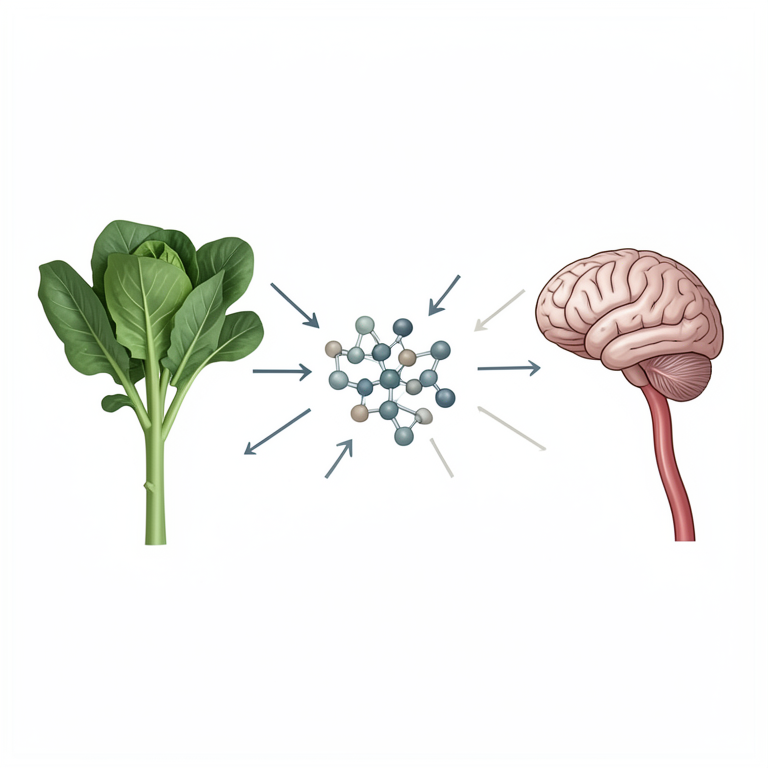
Bioactive Pathway of Lettuce
AI-generated conceptual illustration (lettuce plants). It explains the idea and does not show study data.
View source evidence ↗Figures & tables
From the original paper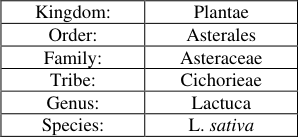 Table 1
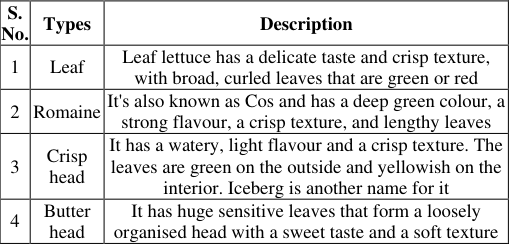 Table 2
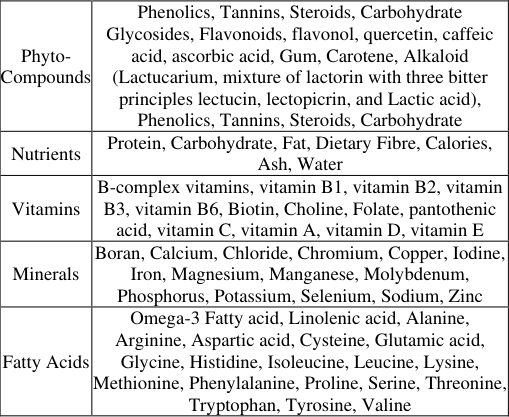 Table 3
Introduction
Metabolic diseases caused by disease such as diabetes, obesity, and infection cause discomfort. Changes in diet and exercise have been shown to have a significant impact on the prevention and control of metabolic syndrome and its consequences. According to research and analysis, a diet rich in fibre in fruits and vegetables can strengthen the immune system in people and reduce the risk of non-communicable diseases that can cause from simple diseases such as headaches to serious diseases such as cancer. The medicinal and medicinal properties of green vegetables, which are often used in lettuce salad, cannot be ignored. Many studies have shown that the pharmacological and nutritional properties of this plant are associated with its high content of polyphenols and bioactive substances. All herbs contain a creamy sap that is used in traditional medicine to treat stomach ache, increase appetite, improve digestion, and reduce pain. The digestive, sedative, diuretic and anesthetic properties of this green vegetable make it popular. Lettuce has been grown for thousands of years not only for food but also for its medicinal properties. In addition to its vitamin and mineral content, lettuce also contains enzymes that have antibacterial, anti-inflammatory, antifungal and anxiolytic effects. Additionally, lettuce has anti-inflammatory effects like opium, but without the negative effects. Commonly known as lettuce opium, milkweed juice is used to treat dry cough, insomnia, anxiety, and pain. This is because it has opium-like properties and was eaten and drunk as a sedative in ancient times. Lettuce comes from the Roman origin "Lactuca sativa"; Lettuce comes from the Roman origin "Lactuca sativa"; however, it was first grown in Egypt, not Rome. The first people to grow lettuce were the Egyptians, as its seeds are rich in oil. Egyptians, Greeks, and Romans valued this vegetable for its religious and medicinal properties. Lettuce is now grown as a leafy vegetable in almost every country in the world. It is an annual and can be harvested 65 to 130 days after planting. Lettuce is a member of the Asteraceae family, which includes daisies. These greens are often eaten raw in salads or wrapped in dishes. Lettuce, crisp lettuce, and butter lettuce. All leafy vegetables have a soft texture and a slightly sweet taste. Most lettuces are green to yellow-green in color. However, some of them have a brown-green color. In this study, we seek to explore the benefits and pharmacological activity of lettuce not only as part of health, but also as a medicinal plant for various diseases in human.
Ethno-Medicinal Uses of Lettuce
Lettuce is a plant that should be included in every meal. It supplies calories for moderate weight loss due to its low fat and carbohydrate content, as well as plenty of fluids. Its mineral content makes it a superb source of vitamins for maintaining bodily fluids and bone strength. Because lettuce contains antioxidants, it is a highly recommended medical herb for cancer prevention. Lettuce is also good for strengthening the muscles and nervous system. It aids in the body's development of immunity to all diseases and infections. Lettuce opium has been utilised in traditional medicine for a variety of purposes, ranging from circulatory system support to swelling genitals. It's also been used to make cough syrup. It is used to treat coughs, asthma, bronchitis, and urinary tract infections in homoeopathy.
Lettuce opium has been used as a drug in the United States since 1799, mostly as a mind-altering medication or psychoactive. It possesses anti-aging qualities as well as excellent anti-dandruff activity. The dried juice is used as an antibacterial, a galactagogue to enhance milk flow in nursing women, and a fever-relieving medication.
Lettuce opium, a frequent narcotic replacement, has a high potency and a slight hypnotic and sleep-inducing flavour. Lactucarium-lactucin and Lactucopicrin were isolated as a result of this discovery. Following the observation of clinal and pharmacological qualities, it was determined that these chemicals were responsible for the plant's opium-narcotic effect. A few drops of Lactucarium are still used in the pharmaceutical manufacturing of cough syrups nowadays.
Lettuce is used in Unani medicine as a refrigerant, sedative, anesthetic, hypnotic, desiccant, blood purifier, anticonvulsant, diuretic, and other medicinal properties. It helps treat edema, arterial hypertension, obesity, kidney stones and bladder by stimulating urination. It is also used in the diet to help control blood sugar and lower cholesterol. Lactucopicrin is an acetylcholinesterase inhibitor found in nature as a poison or poison and used as a weapon in the form of blood vessels. Pain, rheumatism, anxiety and restlessness, cough and delirium are requested in folk medicine; however, there is no scientific evidence that these are beneficial to humans. Yazidis in northern Iraq are forbidden from eating lettuce in the name of religion, but they still have a good relationship with it. So far lettuce has been used to treat pain, digestive problems, and many other ailments. The Anglo-Saxons called lettuce "sleeping herb" because of its mild narcotic effect, although cultured lettuce is less narcotic than green vegetables. Two sesquiterpenes lactones (called "lactucarium" or "lettuce opium") contained in the white liquid (latex) of lettuce stems are responsible for the narcotic effect.
Active Principle of Lettuce Lactucarium
Lactuca sativa or garden lettuce and other Lactuca species endemic to Europe are called "lactucarium". To achieve this, the stems and leaves that make up the entire plant are used. When taken randomly, they often have a narcotic effect and induce sleep. It should be harvested when it begins to bloom; If it is obtained after the season, the juice will be richer, but the bitter substance that benefits it will be less. It comes in the form of small, irregular, light and brittle lumps with a reddish brown color. It has a narcotic odor and bitter taste reminiscent of opium. It is called "lettuce opium" and sometimes "lettuce opium" precisely because its organoleptic properties are similar to the drug in question. The benefits of fruits are similar to medicines. Although the fragrance can be distilled with water, it is usually an essential oil with anesthetic properties. Lactucin, is a bitter-tasting, crystallizable substance believed to come from lactic acid bacteria, but it is claimed to be the active ingredient of lactic acid bacteria. The drug has not yet been determined. Both water and alcohol enhance the effects of lactucarium. Due to its different powers, Lactucarium can be used to calm the nerves, reduce pain and promote sleep in cases where contraindications prohibit the use of medication. Since it has little or no stimulant effect on the pathway, it can be used in inflammatory and febrile conditions where the stimulant derived from opium may cause problems. It is necessary in the initial stages of cold illness, as the ability to detect the bladder is not the same; therefore, its arguably most important application is the relief of cough.
Lactucarium Derivatives
Lactucin: (C11H14O4) Lactucin is a bitter component found in lactucarium that may be extracted using cold alcohol with a specific gravity of 0.85. Colorless, odourless, fusible, and neutral, the crystals are in the form of rhombic plates or pearl-white flakes. It is generally soluble in water, but also slightly soluble in ether, ethanol and acid. It will reduce Fehling's solution, but hydrolysis does not release the sugar. Lactic acid: Lactic acid is a light yellow, a bitter substance that dissolves easily in water and alcohol but does not crystallize quickly. Bases turn aqueous solutions red. This acid is considered an important active ingredient. Lactucopicrin: (C44H32O21) It is a black, amorphous, bitter substance that reacts with mild acid and is soluble in water and alcohol. It is most likely an oxidation product of Lactucin, According to Kromayer, Lactic acid is the result of the Lactucopicrin oxidation. Lactucerin: (C 19 H 30 O) Lactucerin is the most important ingredient in lactucarium, responsible for half or more of its weight. It's made by extracting lactucarium with cold water, then boiling alcohol, leaving it undissolved; or make frankincense extract with a mixture of 1 part chloroform and 3 parts ethanol.
It produces an odorless, colorless product that is soluble in ethanol, ether, benzene, benzene, chloroform, volatile and fixed oils, but insoluble in water.
In traditional medicine, it appears to be effective in treating insomnia caused by mental overexertion. Lactucarium syrup is important for phlegm, and even lettuce appears to have a positive effect on the disease by reducing broncho pulmonary irritation. Listed below are some of the pharmacological effects of lettuce.
Pharmacological activities of lettuce Anti-oxidant activity
Lettuce has been shown to protect against oxidative damage; lettuce is rich in antioxidants and is thought to have anticancer properties; Antioxidant compounds found in lettuce include beta-carotene; combined antioxidant activity of lettuce extract with tocopherols, quercetin and ascorbic acid has been studied.
Hypoglycaemic Activity
Lactucin and lactupicrin, both derived from Lactuca Scariola, have been shown to have anti-inflammatory properties. Anti-inflammatory properties include: The compounds 3, 14-Dihydroxy-11, 13-dihydrocostulenolide (Compound 1) and 8-Tigloyl-15-Deoxylactusin (Compound 2) have been identified from lettuce extract and are found in many Antibiotics. With carrageenan at doses of 5 and 10 mg/kg in Wistar rats (160-240 g) of both sexes.
Anxiolytic Activity
When compared with the control group, lettuce extract at doses of 200 and 400 mg/kg increased the number of entries and time spent in the open arms, while decreasing the number of entries and time spent in the closed arms.
Sedative Activity
Alcoholic extract when consumed in large quantities, produces a sedative effect, reduces the frog's physical strength and behavior, and causes paralysis. Antispasmodic effects on smooth and striated muscles as well as negative chronotropic and positive inotropic effects on normal and tachycardia (anxiety) hearts In vitro have also been reported.
Antiaging Activity
Lettuce ethanol extract reduces D-galactose-induced simulated aging in female albino rats. In vitro inhibition of oxidative damage by UV radiation in Salmonella typhi and in vivo effects on the synthesis of enzymes such as catalase and superoxide dismutase were examined using methanol leaf extract. Its anti-aging ability has been proven.
Antimicrobial Activity
When bacteria were exposed to lettuce extract, Staphylococcus aureus and Proteus vulgaris were the least sensitive to the ethanol lettuce extract, while other bacteria and fungi were more likely to be susceptible.
Protective Activity
Ethanol extract of lettuce leaves (Lactuca sativa L. var. longifolia) enhances antioxidant activity against carbon tetrachloride (CCl4) toxicity in rats. It can be used in the treatment of diseases caused by free radicals. Radio protective effects: A study was conducted to determine the role of lettuce oil in preventing damage caused by gamma radiation in rats. Post-exposure, glucose, total cholesterol (TC), triglyceride (TG), malondialdehyde (MDA) and follicle stimulating hormone (FSH) levels increased, while glutathione (GSH), superoxide dismutase (SOD) and catalase activities increased. The percentage of white blood cells (WBC), red blood cells (RBC), and hematocrit (%Hct) decreased. When mice were exposed to electricity and given lettuce oil, the results showed improvement in all mentioned parameters. According to research results, lettuce oil can reduce the biological risk to mice from gamma rays.
Neuroprotective Activity
The neutral polar portion of the ethyl acetate portion of alfalfa protects cells from damage caused by glucose/serum deprivation (GSD), an In vitro model of brain ischemia. It can be used to treat neurological conditions such as stroke.
The ethyl acetate component of lettuce prevents neurotoxicity-induced glucose/serum deprivation (GSD) by reducing oxidative stress and inhibiting pro-apoptotic pathways. Neuronal damage caused by ischemia can be treated with this drug.
Analgesic, Anti-depressant and Anticoagulant Activity
Leaf aqueous extract has the strongest antibacterial and antiviral properties, followed by leaf methanol and chloroform (MC); 1:1, cell suspension exudate, seed water and seed MC extract; and 1:1, cell suspension Exudate, seed water and seed MC extract. Aspirin (positive control) and MC leaf extract had similar duration and showed strong anti-coagulant activity. In the swimming bug test, aqueous extracts of seeds and MC extracts had the shortest immobility time, while leaf extracts and cell suspension exudates had little antidepressant activity.
Anti-inflammatory Activity
In Iran, the seeds of the lettuce plant are traditionally used to relieve pain, abdominal pain, and arthritis, and the antiinflammatory activity of the crude methanol/petroleum ether extract of the seeds has been evaluated by dose-swelling in the carrageenan model. Anti-inflammatory activity Seeds of the lettuce plant are traditionally used to reduce pain, abdominal pain and bone pain. Sesquiterpene lactones inhibit the transcription factor nuclear factor B (NF-B), which promotes various diseases and immunity, including enzymes encoding cyclooxygenase 2 (COX 2) and inducible nitric oxide synthase (INOS) expression of genes.
Additional Therapeutic Benefits
Lettuce has a diuretic effect, which helps prevent obesity, edema, high blood pressure, kidney stones, bladder, etc. This means that it can support the excretion of urine in certain situations. It is also used as a dietary supplement and is designed to lower blood sugar by removing fluid from the body. It can improve blood circulation, reduce cholesterol, and prevent arteriosclerosis. Lettuce leaf decoction is used to treat colds, asthma, and bronchospasm (www.botonicalonline.com). Lactucopicrin has also been shown to act as an anticholinesterase inhibitor, preventing cholinesterase from destroying acetylcholine, thereby increasing the amount and duration of action of the neurotransmitter acetylcholine. Acetylcholinesterase inhibitors have many uses. Nerve cells appear in the form of poison and venom and are used as weapons.
Toxicity
These herbs should be used carefully and under the guidance of an experienced practitioner. Even low doses can cause drowsiness, while high doses can cause depression and death from cardiac arrest.
Conclusion
Lettuce has been grown for thousands of years not only for food but also for its medicinal properties. Green vegetables like lettuce are the best source of nutrients for the body. Lettuce contains many enzymes and, in addition to being rich in vitamins and minerals, also has pharmacological and ethno medical properties. These activities show that it will be a very useful medicine. It's most often eaten raw in salads or cooked, but juicing it with other fruits and vegetables of your choice is another way to make the most of its nutritional benefits. However, further research is needed to identify and support its medicinal properties, active ingredients and mode of action as a plant for the treatment of human numerous diseases.
Figures and tables from the paper
| Kingdom: | Plantae |
|---|---|
| Order: | Asterales |
| Family: | Asteraceae |
| Tribe: | Cichorieae |
| Genus: | Lactuca |
| Species: | L. sativa |
Table text extracted from the original PDF; superscript letters are shown inline. The original table image is below.
View original table image
| S. No. | Types | Description |
|---|---|---|
| 1 | Leaf | Leaf lettuce has a delicate taste and crisp texture, with broad, curled leaves that are green or red |
| 2 | Romaine | It's also known as Cos and has a deep green colour, a strong flavour, a crisp texture, and lengthy leaves |
| 3 | Crisp head | It has a watery, light flavour and a crisp texture. The leaves are green on the outside and yellowish on the interior. Iceberg is another name for it |
| 4 | Butter head | It has huge sensitive leaves that form a loosely organised head with a sweet taste and a soft texture |
Table text extracted from the original PDF; superscript letters are shown inline. The original table image is below.
View original table image
References
21 in the original paper- Abdel-Magied N, Ahmed AG. The Protective Role of Lettuce oil (Lactuca sativa) against Radiation induced Biological Hazards in Male Rats J Rad. Res. Appl. Sci. 2011;4(3B)923-938.
- Abdin MZ, Abrol YP. Traditional System of Medicine. New Delhi: Narosa Publishing House. 2006;123(13):304-307.
- Araruna K, Carlos B. Anti-inflammatory activities of triterpene lactones from Lactuca sativa. Phyto pharmacology. 2010;1(1):1-6.
- Arzu, Altunkaya, Eleonora, Becker M, Vural, Gokmen Leif, Skibsted. Antioxidant activity of lettuce extract and synergism with added phenolic antioxidants. Food Chemistry. 2009;115:163-168.
- Caldwell CR. Alkylperoxyl radical scavenging of red leaf lettuce (Lactuca sativa) phenolics. J Agric Food Chem. 2003;51:4589-4595.
- Cao G, Sofic E, Prior RL. Antioxidant capacity of tea and common vegetables. J Agric. Food Chem. 1996;44:3426-3431.
- Chu YF, Sun J, Liu RH. Antioxidant and antiproliferative activities of common vegetables. J Agric. Food Chem. 2002;50:6910-6919.
- Dewanto X, Wu K, Kafui, Liu RH. Thermal processing enhances the nutritional value of tomatoes. Agric. Food Chem. 2002;50(10):3010-3014.
- Munish G. Antioxidant potential of Lactuca sativa. Ancient science of life. 2004;1(6):24.
- Ghorbani, Ahmad, Hamid Reza Sadeghnia, Elham Asadpour. Mechanism of protective effect of lettuce against glucose/serum deprivation-induced neurotoxicity. Nutritional neuroscience 2015;18(3):103109.
- Harsha SN, Kumar KRA. Anxiolytic Property of Hydroalcohal Extract of Lactuca sativa and its Effect on Behavioral Activity of Mice. J Biomed Res. 2013;27(1):37-42.
- Hefnawy, Hefnawy Taha M, Ramadan MF. Protective effects of Lactuca sativa ethanolic extract on carbon tetrachloride induced oxidative damage in rats. Asian Pacific Journal of Tropical Disease. 2013;3.4:277-285.
- Henry GE, Momin RA, Nair MG, Dewitt DL. Antioxidant and cycloxygenase activities of fatty acids found in food. J Agric. Food Chem. 2002;50:22312234.
- Ismail, Hammad, Mirza B. Evaluation of analgesic, anti-inflammatory, anti-depressant and anticoagulant properties of Lactuca sativa (CV. Grand Rapids) plant tissues and cell suspension in rats. BMC complementary and alternative medicine. 2015;15.1:199.
- Sayyah M, Hadidi N, Kamalinejad M. Analgesic and anti-inflammatory activity of Lactuca sativa seed extract in rats. J Ethnopharmacology. 2004;92:325-329.
- Rollinger JM, Mock P, Zidorn C, Ellmerer EP, Lange RT, Stuppner H, et al. Application of the in combo screening approach for the discovery of non-alkaloid acetylcholinesterase inhibitors from Cichorium intybus. Curr. Drug Discovery Technol. 2005;2(3):185-93.
- Sadeghnia, Reza H. Neuroprotective effect of Lactuca sativa on glucose/serum deprivation-induced cell death. Afr. J Pharm Pharmacol. 2012;6.33:2464-71.
- Mulabagal V, Ngouajjo M, Nair A, Zhang Y, Aditya L. Gottumukkala. In vitro evaluation of red and green lettuce (Lactuca sativa) for functional food properties. Food Chemistry. 2010;118:300-306.
- Vinson J, Hao Y, Xuehui SU, Zubik L. Phenol antioxidant quality in foods, vegetables. J Agric. Food Chem. 1998;46:3630-3634.
- Liu X, Ardo S, Bunning M, Zhou JPK. Total phenolic content and DPPH radical scavenging activity of lettuce (Lactuca sativa L) grown in Colorado, LWT. 2007;40:552-557.
- Yamaguchi T, Katsuda M, Yoda Terao J. Kanazawa K. Oshima S. Influence of polyphenoloxidase and ascobate oxidase during cooking process on the radical scavenging activity of vegetables. Food Sci. Technol. Res. 2003;9(1):79-83.
Cited by 5
From OpenAlex, OpenCitations and reference lists read by Scinovex
- Valorizing Fresh-Cut Lettuce Quality Following Sustainable Soil Disinfestation Practices ↗
Antonietta Mirabella, Michele Ciriello, Luana Izzo, C. Altucci, Marco Facchetti, Ivana Ledenko et al. · Horticulturae · 2025
Fresh lettuce is a key ingredient in ready-to-eat salads that are considered a valued dietary choice. Lettuce quality is strongly influenced by soil management practices, particularly in sustainable farming systems. This study evaluated the effects of three different soil disinfestation methods (flame weeding, microwave irradiation, and biological control (Trichoderma spp. inoculation) on the quality traits of Lactuca sativa L. var.…
❝ 1PDF - Integrative Computational and Cellular Evidence Supporting Lactuca Sativa as a Neuroprotective Candidate for Neuropathic Pain ↗
Nithya Vijayan, Saraswati Patel, Bhagyashree Annadurai, Gokul S · Journal of Pharmaceutical Innovation · 2026
❝ 0 - Oxidative Stress in Lactuca sativa L.: Cellular Mechanisms, Stress Responses, and Mitigation Strategies ↗
Jorge O Gomez-Castrejon, Claudia Jazmín Ramos Torres, Myrna Solís-Oba, Liliana Alamilla‐Beltrán, Hugo Martínez‐Gutiérrez, María de Jesús Perea‐Flores · Plants · 2026
Lettuce is a vegetable crop of major importance in the global diet due to its low caloric content and high levels of fiber, minerals, vitamins, and antioxidant compounds. China is the world's leading lettuce producer, accounting for more than 50% of global production. However, climate change and anthropogenic activities expose agricultural crops to both biotic and abiotic stresses, including drought,…
❝ 0PDF - Effects of planting date on the growth and yield of romaine lettuce varieties ↗
Sobir Sanaev, Javokhir Ergashov, Farrukh Mahmadiyorov, Jasur Baxtiyor O‘G‘Li Fayzimurodov · BIO Web of Conferences · 2025
In this article, under the conditions of gray soils of the Samarkand region, the number of surviving plants per unit area (1 ha), the number of leaves, leaf width, leaf length, lettuce head weight, lettuce head diameter, as well as the effect of planting dates on the productivity of romaine lettuce varieties Sladkiy Khrust, Aktina and Batzio were studied. During…
❝ 0PDF - Evaluation of anthelmintic activity of Lactuca Sativa leaf extract against Pheretima posthuma ↗
Mahesh Bandappa Manke, V P SURYAVANSHI, Sujata S. Surwase, Vidya D. Tachale, Sachin J. Surwase, Pravin S. Tile et al. · IP International Journal of Comprehensive and Advanced Pharmacology · 2024
The growing issue of anthelmintic resistance necessitates the exploration of alternative and natural treatments. Lactuca sativa (), commonly known as lettuce, is traditionally used for its medicinal properties, but its efficacy as an anthelmintic has not been extensively documented. This study aimed to assess the in vitro anthelmintic activity of leaf extract using Indian adult earthworms. Earthworms were divided into…
❝ 0PDF