
Research article · 2023 · Full text
International Journal of Agriculture and Food ScienceDevelopment and standardization of muffins with the incorporation of pomegranate pomace
Volume 5(2) · Pages 37–43 · DOI: 10.33545/2664844x.2023.v5.i2a.144 ↗
Research areasPomegranate: compositions and health benefits
Abstract
Author-writtenA granular apple also known as Pomegranate (Punica granatum L) is one of the highly grown fruit crops in sub-tropical and tropical regions where it is also one of the highly consumable fruits. After the extraction of juice, there is a leftover residue after filtration known as a solid mass or pomace it consists of seeds and arils also rich in several nutrient factors such as Anti-Oxidants, Anti-Microbial, High amounts of protein, fiber, and minerals such as calcium, etc. This pomace is generally used as a bio waste in several commercial sectors. The main aim of this project is to convert the bio waste into edible form through fortification and it has been successfully done by the incorporation of pomace into muffins a daily snack nutritional value is the resemblance of daily acceptable intake issued by WHO, as with the small amount (3%) of fortification it leads to a partial change in nutrient value and also induced cholesterol free food by adding plant-based butter (Fat), Egg Albumin (Egg White) as a base material.
Summary
Source-checkedPlain-language reading of the full paper, prepared with AI and checked against the text. Each point links to the authors' own words.
Why it matters
- Pomegranate pomace, the residue left after juice extraction, is typically treated as bio-waste despite being rich in antioxidants, protein, fiber, and minerals. View evidence ↗
- High gluten consumption is linked to health issues such as Celiac Disease and Non-Celiac Gluten Sensitivity. View evidence ↗
- Reducing gluten content through fortification with other materials may help mitigate the risks associated with Celiac Disease. View evidence ↗
The question
- The study aimed to convert pomegranate pomace bio-waste into an edible form by incorporating it into muffins. View evidence ↗
What they did
- The researchers compared a Control Sample (100g flour) with a Test Sample containing 97g flour and 3g of pomegranate pomace powder. View evidence ↗
- To create a cholesterol-free product, the muffins were made using plant-based butter and egg albumin (egg white). View evidence ↗
- Physical properties were measured using a ruler for height and the rapeseed displacement method for volume. View evidence ↗
What they found
- The fortified muffins (Test Sample) had a lower average weight (46.23±0.12 g) compared to the control muffins (49.30±0.16 g). View evidence ↗
- The Test Sample showed a slightly higher volume (73.36±0.20 ml) than the Control Sample (71.30±0.24 ml). View evidence ↗
- Protein content increased from 6.10±0.02% in the control sample to 6.40±0.01% in the fortified sample. View evidence ↗
- The fiber content in the fortified muffins (0.13±0.01%) was higher than in the control muffins (0.07±0.01%). View evidence ↗
- The fortified muffins had significantly lower fat content (21.09±0.01%) compared to the control sample (29.13±0.12%). View evidence ↗
- The fortified muffins (Test Sample) had a longer shelf life of 10 days compared to 7 days for the control sample. View evidence ↗
- Sensory evaluation indicated that the fortified muffins were more acceptable in taste, texture, and aroma than the control muffins. View evidence ↗
What it means
- The authors conclude that fortifying muffins with 3% pomegranate pomace creates a product with nutritional compositions within acceptable daily intake limits. View evidence ↗
- The authors suggest that future work should explore the effects of incorporating higher amounts of pomegranate pomace to further increase nutritional value. View evidence ↗
Visual summary
3 visualsIllustrations explain the paper; charts are replotted from the paper's own table values.
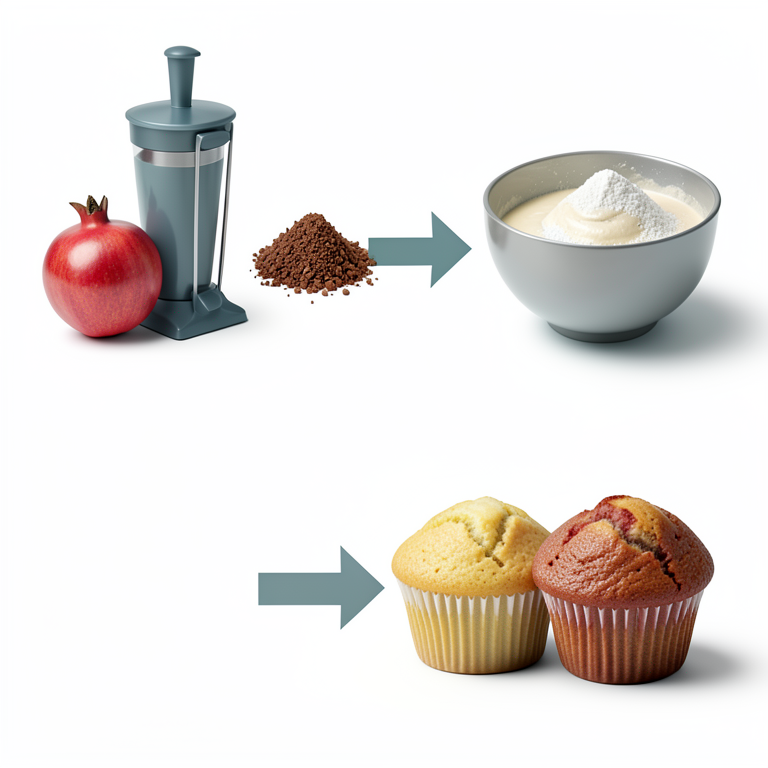
Fortification Process
AI-generated conceptual illustration (pomegranate pomace and muffins). It explains the idea and does not show study data.
View source evidence ↗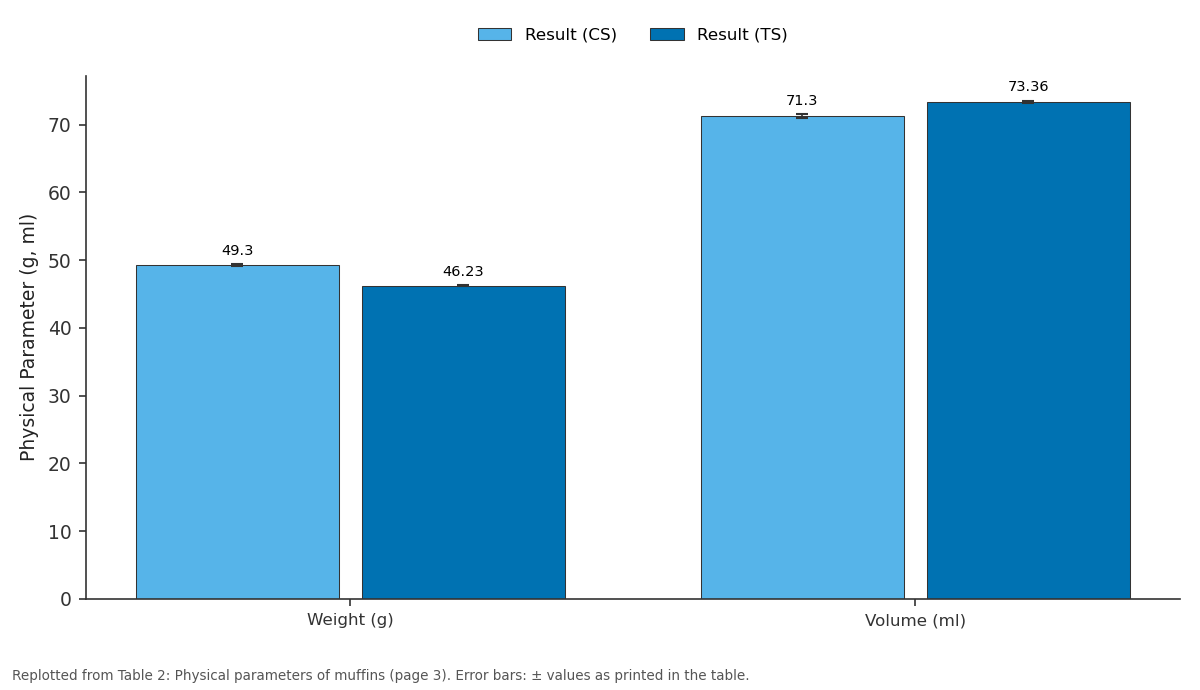
Result (CS) and Result (TS): Weight (g) vs Volume (ml)
Replotted from Table 2 (page 3) of the original paper. Every bar is the paper's own table value.
View source evidence ↗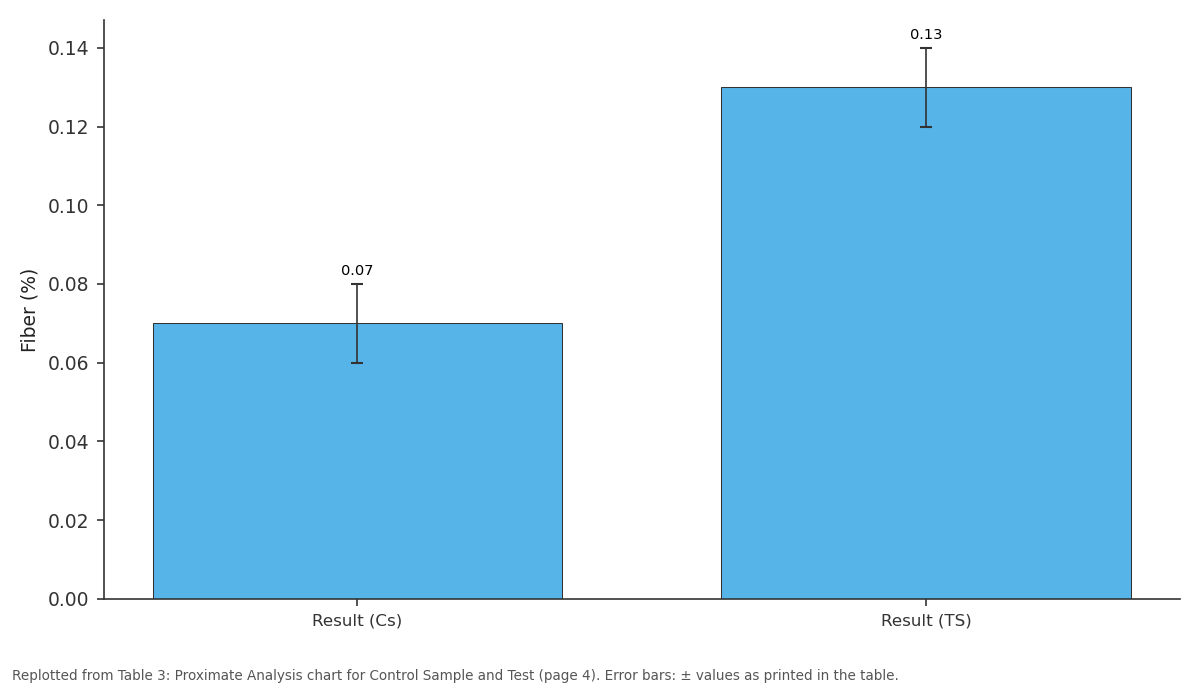
Fiber (%): Result (Cs) vs Result (TS)
Replotted from Table 3 (page 4) of the original paper. Every bar is the paper's own table value.
View source evidence ↗Figures & tables
From the original paper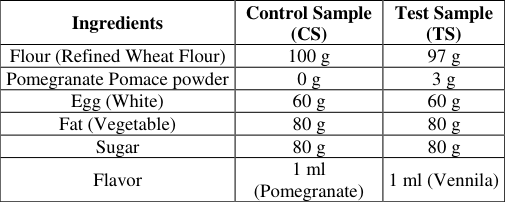 Table 1
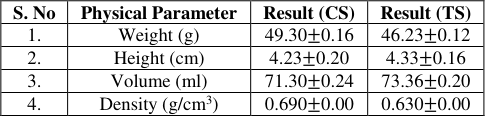 Table 2
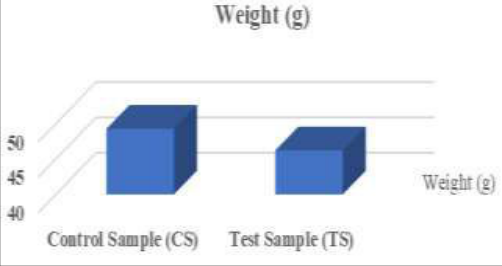 Figure 1
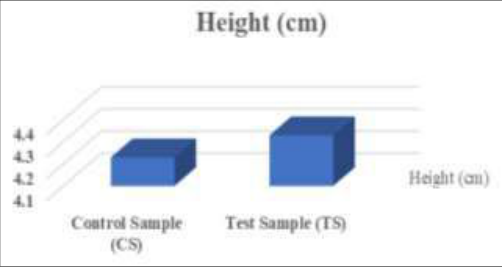 Figure 2
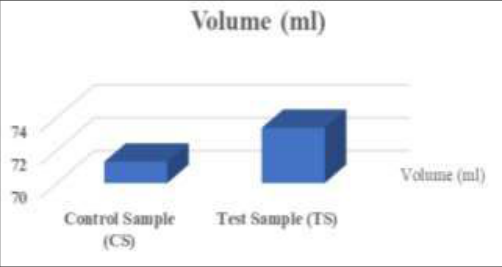 Figure 3
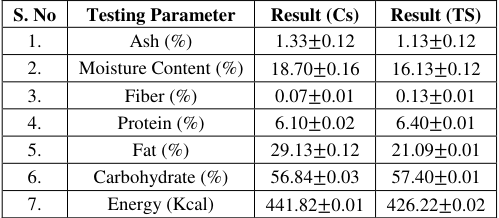 Table 3
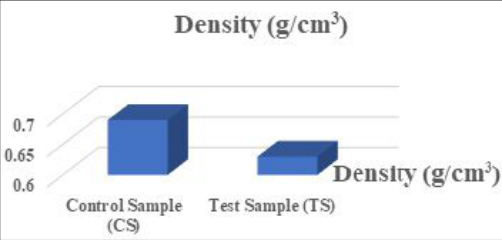 Figure 4
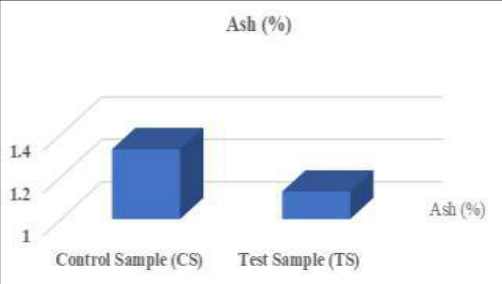 Figure 5
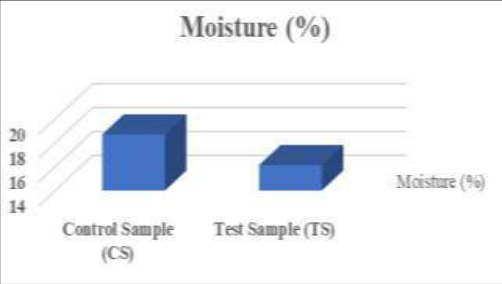 Figure 6
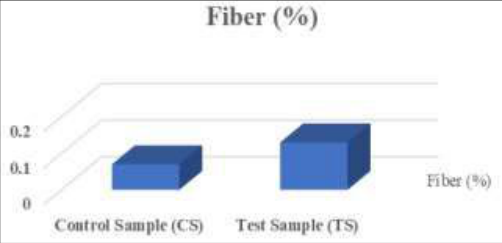 Figure 7
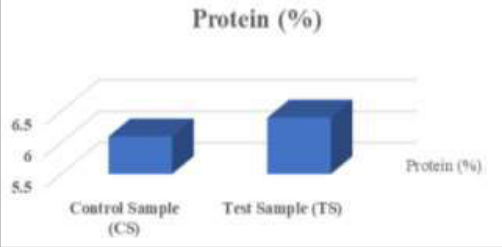 Figure 8
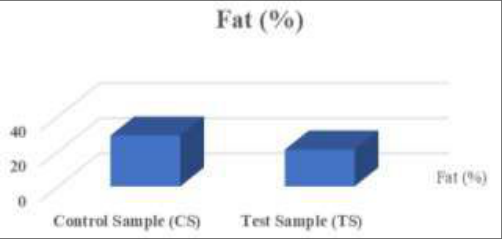 Figure 9
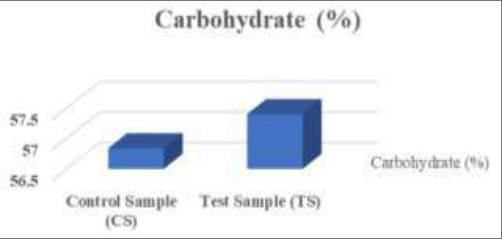 Figure 10
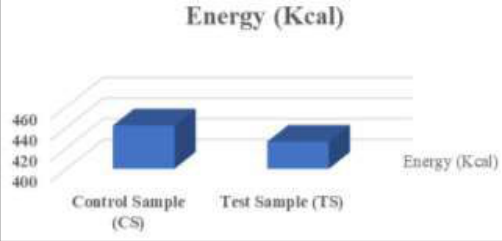 Figure 11
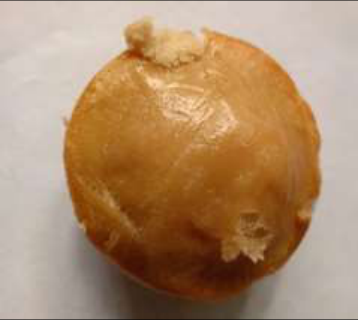 Figure 12
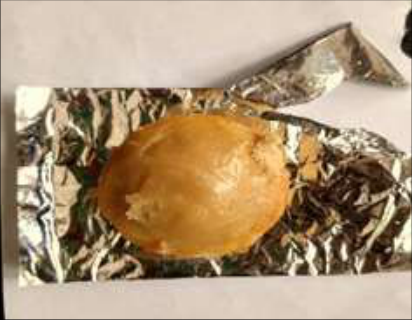 Figure 13
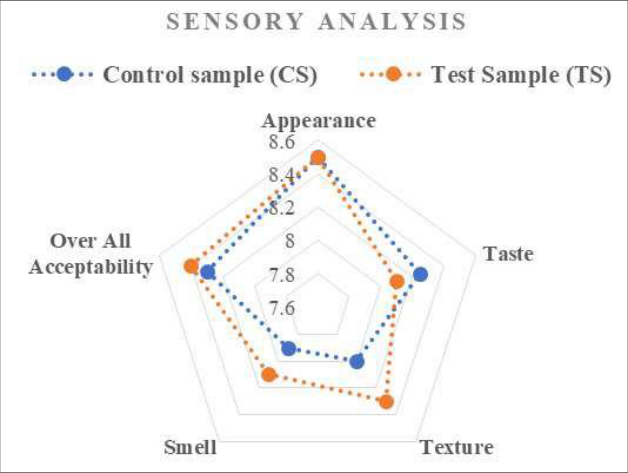 Figure 14
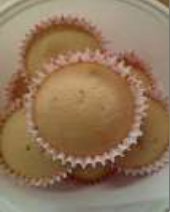 Figure 15
 Figure 15
 Figure 15
Introduction
Gluten is taken from the Latin word gluten (Glue), Which consists of storage proteins namely prolamins and glutelin, and are stored together with starch in various food materials such as Cereal (grass species) and are abundantly found in Wheat, Rice, Barley, Rye, Oat. Gluten consists of the elastic property and gives an elasticity nature to the dough, which resembles the Chewy and Puffy texture. Gluten comprises approximately 70-80% of the total volume of flour. (Akhondi et al., 2019) [14] . Excessive consumption of gluten leads to a spectrum of health hazards namely Celiac Disease (CD) and Non-Celiac Gluten Sensitivity (NCGS). (Sapone et al., 2012) [23] . Celiac Disease refers to Intestinal problems and acts on the Immune System and non-Celiac gluten sensitivity, which comprises irritable bowel syndrome (IBS). (Tanveer et al., 2019) [10] . There is a chance of reducing Celiac Disease in the reduction of gluten content by the incorporation/fortification of gluten with other materials, such as Enriching Pomegranate / Here the muffins were cooked in an especially round mold and those were placed on the Flame/Stove. America Muffins: These were developed in the 18th century and first used chemical-based yeast known as Pear lash which produces Carbon Dioxide when it is mixed with flour in addition to water to develop the dough. It has a concave surface like bulging (Raising) on the top and is filled inside without any hollow space. There are majorly 3 types/states of muffins that have been officially recognized by the U.S. namely Blue Berry Muffins, Massachusetts Swath Corn Muffins, and New York Apple Muffins. Pomegranate (Punica granatum L) is derived from the Latin Malum Granatum, which means "Granular Apple" (Barnossi et al., 2021) [25] . And is native to South Asia (India, China, Turkey, Spain, USA) and also can grow in tropical and subtropical areas (Barnossi et al., 2021) [25] . The most popularly used variety in India is Ganesh (GB I) (Kushwaha et al., 2020) [9] . Fruit is globose in shape of 6-12 cm in diameter. The pomegranate peel varies from Yellow / Green and Pink to dark purple and Intense Red (Holland et al., 2009) [26] . Pomace resembles the solid remains of Fruits/Vegetables waste after Pressing/Extracting for Juice or Oil. Generally, it consists of Skin, Pulp, Seeds, Rind, etc. In pomegranates, the edible portion comprises 50% of the total weight and 50% corresponds to the peel. In turn, the edible portion is comprised of 78% Juice to the W/W and seeds weigh about 22%. There are different assorted products in the market such as Jellies, Jams, and Drinks. The Molecular weight of the pomegranate is between 500 and 3000 Da. According to Industry Oriented pomegranate juice waste is about 22%of the total waste. It consists of different components namely, Aril-3%; Seed-11%; Rind-10%. The PH of pomegranate juice is about 3.1 and the Titratable acidity of pomegranate juice is 1.8. Pomegranate consists of a high number of "Tannins". Pocess has a great therapeutic effect (Pocess defense against diseases and pathogenic microorganisms). The Bioactive components of pomegranate fruit and their transformation is done by the fermentation processes. (Gumienna et al., 2015) [19] . Pomegranate consists of a high number of fatty acids about 45 types. Punicic Acid-76%, Palmitic Acid-3%, Stearic Acid-2%, Oleic Acid-5%, Others-7%. These fatty acids possess certain functions namely Anti Inflammatory, Anti-Oxidant, and Anti-Microbial. Anti-diabetic and very small amounts of pectin lead to the binding agents. The pomegranate seeds consist of polyphenols and mainly hydrolyzing tannins and anthocyanins, which are responsible for the bitter taste. And consists of a high number of polyphenols and fiber (Dietary Fiber) used as a food additive in Fiber Enriched products. (Alsubhi et al., 2022) [1] . Moisture Content: 10.44-12.86%, Crude Protein: 6.71-8.11, Crude Ash: 1.61-2.9, Fiber: 17.33-27.84%. (Dadmohammadi et al., 2021) [2] .
Materials and Methods
Materials and Methods
Materials
The Raw materials such as Pomegranate, Refined wheat flour / All-purpose flour, Eggs (Whole/White), Pomegranate pomace, Sugar, Baking Powder, Flavor/ Essence, and the chemicals are used for the development and laboratory testing from the company Sigma-Aldrich. The present study is conducted to develop. Development and standardization of muffins with the incorporation of pomegranate pomace with the various types of combinations were made at lab scale to figure out the best one in terms of both sensory and nutritional aspects. The details of the materials and methodology adapted are illustrated below. To perform the development of the muffins different trials have been performed and based on the sensory attribute and nutritional information one trial has been collected these trials include a Control Sample (CS) which resembles the pure form of a muffin without any addition of the other ingredients such as fortification material and it is mentioned in Table .1. Test Sample (TS) it includes in the processing of the preparation of muffins with the fortification material through to develop a fortified material here pomegranate pomace is used as a fortified material.
Preparation of Pomegranate Pomace Powder
Pomegranate pomace is generally obtained by the processing of the waste material obtained after the extraction of the pomegranate juice through mechanical juicers/ grinders. Where the pomegranate is collected the peel/rind of the pomegranate should be removed with the help of a hand (Mechanical Peeling) the color globular seeds also known as Arils should be collected and washed/ rinsed with water to remove some rind spoiled seeds which intern helps in the bitter flavor when peeling. The Arils and Seeds were then subjected to the mechanical grinders where the juice was extracted and filtered with the Sieve membranes of size 1-2 m (Conidi et al., 2020) [5] . Collect the filtrate media and dry (Natural / Sun Drying) it for about 50 for 2 days (Mechanical Drying-Hot air Oven) and 38 for 4 days and then grind the residue with the help of mechanical grinders (Stone Grinders) to obtain a fine powder, the sieve size is about 150 m. Pack the powdered pomace into airtight Aluminum Ziplock pouches. (Alsubhi et al., 2022) [1] .
Preparation of Muffins
Development of the muffins starts with the procurement of the raw materials at first the creaming should be done by mixing the Butter and Sugar in equal amounts by continuously mixing it with the whisker/agitator for about 10min, In the egg should be whisked until it forms into a soft lather consisting of foam and the required time for the process is 5-10 min, All-purpose flour / Maida is added with the combination of Pomegranate pomace and baking powder at the required compositions. Mix all the ingredients well until they form a slimy thick batter, Homogenize the batter for about 10 min, and place the batter into the waxed paper baking cups or molds. Preheat the oven to 180 / 10 min and bake it for 180 / 25 min, cool it to room temperature in the baking oven as it induces low moisture absorption through the surface of muffins. Pack it in a closed airtight container and store it in a cold place. (Jauharah et al., 2014) [27] .
Physical parameters
The weight (g) of the muffins was weighed by using a weighing balance. The height (cm) of the muffins was measured by using a ruler on three different sides. The volume of muffins was determined by using the rapeseed displacement method with the 3 different samples. The density (g/) of the sample was calculated by dividing the weights (g) of the sample by the volume (g/). (AACC 2000 Method).
Proximate analysis
For Moisture (%) Weigh the sample about 5 g with the help of a weighing balance and collect the weight of an empty Petri dish (7.52.
Shelf-Life Analysis
The shelf-life study of a developed food material (muffins) based on the incorporation of pomegranate pomace powder has been executed to the shelf-life analysis on the basic parameter through the appearance and palatability tests. As the muffins of both the control and test samples were placed in an incubator for some time with the optimum temperature and humidity control and they were completely desiccated at one place where there is low light and possessing no type of disturbance, the product should be checked daily whether it has been proclaimed that appearance and smell.
Sensory Evaluation
Sensory Evaluation should be done by a group of professionals known as panelists / Sensory Panel members who are certified to perform different organoleptic tests for different food materials. Based on the physical and textural formation of the material they will provide a rating based on the different parameters which is known as the Hedonic rating scale on a sensory card. On some following attributes such as Appearance; Taste; Texture; Flavor/Aroma and all acceptability. The ratings were included on a [12] .
Results and Discussion
Results and Discussion
Physical Information
These testing parameters include weight, height, volume, and density of the Control Sample (CS) and Test Sample (TS) of Muffins and these parameters were possessed through the graphical representation below i.e., Fig. 1, Fig.
Shelf-life Studies
In this present experiment, the (CS) has gained 7 days of its shelf life and the (TS) possesses 10 days of its shelf life the major attribute to spoil the appearance and palatability things the heavy absorption of moisture from the air Fig. 12, by muffins when compared to (CS) as it has the egg yolk which intern results in the off-flavor in very short time the (TS) Fig. 13, absorbs low moisture content and results in the longer shelf life. The microbiological parameters are to be estimated.
Conclusion
Muffins are one of the highly consumable bakery products as a snack, and the pomegranate pomace such as juice waste which consists of arils and seeds was generally dib rated as bio-waste after the extraction of juice. When we can consume complete fruit then there is a chance of wastage of nutritional components that can be easily acquired from the pomace. Hence, pomace is incorporated into muffins and it is determined through proximate analysis that the addition of pomace into muffins Processes nutritional benefits such as the increase in protein value, lethal increase in fiber content, lower fat content, and also some anti-microbial properties and thus with the fortification of pomegranate pomace about 3% to the total weight, all types of nutritional compositions were within the limits of Acceptable Daily Intake. The overall acceptability of the two different samples was mentioned and hence the test sample possesses major attention towards the organoleptic tests and has been highly preferential when compared to the control sample.
There is a great chance of increase in the nutritional factor with the addition of the high amounts of pomegranate pomace and these are to be developed. Hence the initial stage at the minimal amount of incorporation of the pomegranate pomace has been successfully developed and tested.
Figures and tables from the paper
| Ingredients | Control Sample (CS) | Test Sample (TS) |
|---|---|---|
| Flour (Refined Wheat Flour) | 100 g | 97 g |
| Pomegranate Pomace powder | 0 g | 3 g |
| Egg (White) | 60 g | 60 g |
| Fat (Vegetable) | 80 g | 80 g |
| Sugar | 80 g | 80 g |
| Flavor | 1 ml (Pomegranate) | 1 ml (Vennila) |
Table text extracted from the original PDF; superscript letters are shown inline. The original table image is below.
View original table image
| S. No | Physical Parameter | Result (CS) | Result (TS) |
|---|---|---|---|
| 1. | Weight (g) | 49.30±0.16 | 46.23±0.12 |
| 2. | Height (cm) | 4.23±0.20 | 4.33±0.16 |
| 3. | Volume (ml) | 71.30±0.24 | 73.36±0.20 |
| 4. | Density (g/cm3) | 0.690±0.00 | 0.630±0.00 |
Table text extracted from the original PDF; superscript letters are shown inline. The original table image is below.
View original table image
| S. No | Testing Parameter | Result (Cs) | Result (TS) |
|---|---|---|---|
| 1. | Ash (%) | 1.33±0.12 | 1.13±0.12 |
| 2. | Moisture Content (%) | 18.70±0.16 | 16.13±0.12 |
| 3. | Fiber (%) | 0.07±0.01 | 0.13±0.01 |
| 4. | Protein (%) | 6.10±0.02 | 6.40±0.01 |
| 5. | Fat (%) | 29.13±0.12 | 21.09±0.01 |
| 6. | Carbohydrate (%) | 56.84±0.03 | 57.40±0.01 |
| 7. | Energy (Kcal) | 441.82±0.01 | 426.22±0.02 |
Table text extracted from the original PDF; superscript letters are shown inline. The original table image is below.
View original table image
References
23 in the original paper- Alsubhi NH, Al-Quwaie DA, Alrefaei GI, Alharbi M, Binothman N, Aljadani M. Pomegranate pomace extract with antioxidant, anticancer, antimicrobial, and antiviral activity enhances the quality of strawberryyogurt smoothie. Bioengineering. 2022;9(12):735.
- Ko K, Dadmohammadi Y, Abbaspourrad A. Nutritional and bioactive components of pomegranate waste used in food and cosmetic applications: A review. Foods. 2021;10(3):657.
- Ramya HN, Anitha S. Development of muffins from wheat flour and coconut flour using honey as a sweetener. International Journal of Current Microbiology and Applied Sciences. 2020;9(7):22312240.
- Mayi AA. Heavy metal accumulations after two years of some organic fertilizers and girdling on apple fruit. Int J Hortic Food Sci. 2020;2(1):26-30.
- Conidi C, Castro-Muñoz R, Cassano A. Membranebased operations in the fruit juice processing industry: A review. Beverages. 2020;6(1):18.
- Karrar E, Sheth S, Wei W, Wang X. Effect of microwave heating on lipid composition, oxidative stability, color value, chemical properties, and antioxidant activity of gurum (Citrullus lanatus var. Colocynthoide) seed oil. Biocatalysis and Agricultural Biotechnology. 2020;23:101504.
- Khadivi A, Mirheidari F, Moradi Y, Paryan S. Morphological variability of wild pomegranate (Punica granatum L.) accessions from natural habitats in the Northern parts of Iran. Scientia Horticulturae. 2020;264:109165.
- Kumar H, Bhardwaj K, Sharma R, Nepovimova E, Kuča K, Dhanjal DS, et al. Fruit and vegetable peels: Utilization of high value horticultural waste in novel industrial applications. Molecules. 2020;25(12):2812.
- Tanveer M, Ahmed A. Non-celiac gluten sensitivity: A systematic review. Journal of College of Physicians and Surgeons Pakistan. 2019;29(1):51-57.
- Réhault-Godbert S, Guyot N, Nys Y. The golden egg: Nutritional value, bioactivities, and emerging benefits for human health. Nutrients. 2019;11(3):684.
- Jeong D, Chung HJ. Physical, textural and sensory characteristics of legume-based gluten-free muffin enriched with waxy rice flour. Food Science and Biotechnology. 2019;28:87-97.
- Mukama M, Ambaw A, Opara UL. Thermal properties of whole and tissue parts of pomegranate (Punica granatum) fruit. Journal of Food Measurement and Characterization. 2019;13:901-910.
- Sharma A, Thakur NS. Wild pomegranate (Punica granatum L.): A review on physical and chemical attributes of Himalayan wild pomegranate fruit. Journal of Pharmacognosy and Phytochemistry. 2018;7(4):1518-1524.
- Hota D, Kalatippi AS, Nayak JK, Karna AK. Genetic transformation of fruit crops: A review. Int J Hortic Food Sci. 2020;2(1):49-51.
- Besharati M, Abdi E. Evaluation of pomegranate pomace supplemented with different levels of polyethylene glycol using in vitro gas production technique. MOJ Proteomics & Bioinformatics. 2017;5(1):1-5.
- Gumienna M, Szwengiel A, Górna B. Bioactive components of pomegranate fruit and their transformation by fermentation processes. European Food Research and Technology. 2016;242:631-640.
- Younas MB, Rakha A, Sohail M, Rashid S, Ishtiaq H. Physicochemical and sensory assessment of apple pomace enriched muffins. Pakistan Journal of Food Sciences. 2015;25(4):224-234.
- Ahn JY, Kil DY, Kong C, Kim BG. Comparison of oven-drying methods for determination of moisture content in feed ingredients. Asian-Australasian Journal of Animal Sciences. 2014;27(11):1615.
- Romjaun ZZ, Prakash, J Development and assessment of fiber-enriched muffins. Advances in Food Sciences. 2013;35(4):159-165.
- Sapone A, Bai JC, Ciacci C, Dolinsek J, Green PH, Hadjivassiliou M, et al. Spectrum of gluten-related disorders: Consensus on new nomenclature and classification. BMC Medicine. 2012;10(1):1-12.
- El Barnossi A, Moussaid F, Housseini AI. Tangerine, banana and pomegranate peels valorisation for sustainable environment: A review. Biotechnology Reports. 2021;29:e00574.
- Buckler ES, Holland JB, Bradbury PJ, Acharya CB, Brown PJ, Browne C, et al. The genetic architecture of maize flowering time. Science. 2009;325(5941):714718.
- Jauharah MA, Rosli WW, Robert SD. Physicochemical and sensorial evaluation of biscuit and muffin incorporated with young corn powder. Sains Malaysiana. 2014;43(1):45-52.