
Research article · 2023 · Full text
International Journal of Agriculture Extension and Social DevelopmentAntimicrobial properties and medicinal effects of Andrographis paniculata
Volume 6(1) · Pages 6–1 · DOI: 10.33545/26180723.2023.v6.i1b.183 ↗
Research areasAndrographolide Research and Applications
Abstract
Author-writtenAntimicrobial properties and medicinal effects of Andrographis paniculata was carried out in this study. Andrographis paniculata leaves were collected from Federal Polytechnic Nekede, Owerri and identified by a botanist. The clinical isolates of Klebsiella specie, Vibrio cholera and Escherichia coli were obtained from the Microbiology Department of Federal Medical Centre, Owerri, identified and isolates were then sub-cultured on sterile Nutrient agar and the microbial culture were diluted with peptone water until the final suspension that contained about 1.5 x 10⁵cfu/ml of Vibrio cholera and Escherichia coli and 1.0 x 10⁵cfu/ml of Klebsiella specie, were obtained according to the method of Akujobi et al., (2004). Hot water and alcoholic extraction were adopted for this study. Results of the ethanolic extracts of Andrographis paniculata against the enteric bacteria showed that the ethanolic extracts had zones of inhibition of 10mm and 19 mm against Vibrio cholera and Klebsiella species. The minimum bactericidal concentration of the Andrographis paniculata against the enteric bacteria were 100 mg/ml each against Klebsiella species and Vibrio cholera. The minimum bactericidal concentrations were 200 mg/ml each against Klebsiella species and Vibrio cholera. This work has therefore shown that the ethanolic extracts of Andrographis paniculata can be used in treatment of diseases caused by susceptible enteric bacteria.
Summary
Source-checkedPlain-language reading of the full paper, prepared with AI and checked against the text. Each point links to the authors' own words.
Why it matters
- Researchers are re-evaluating the therapeutic potential of medicinal plants because conventional drugs have been shown to cause various health problems. View evidence ↗
- Andrographis paniculata is a plant highly regarded in traditional Indian medicine and ayurveda for its therapeutic potential. View evidence ↗
- The pharmacological properties of A. paniculata are attributed to phytochemicals such as flavonoids and diterpenoid lactones. View evidence ↗
The question
- The study aims to assess the medicinal effects and antimicrobial properties of Andrographis paniculata. View evidence ↗
What they did
- Leaves of Andrographis paniculata were collected from Federal Polytechnic Nekede, Owerri, and verified by a botanist. View evidence ↗
- The study used clinical isolates of Escherichia coli, Vibrio cholera, and Klebsiella species obtained from the Federal Medical Centre, Owerri. View evidence ↗
- The researchers used 99% ethanol for alcoholic extraction and hot water for aqueous extraction. View evidence ↗
- Antibacterial activity was evaluated using the disc technique. View evidence ↗
What they found
- The ethanolic extract showed zones of inhibition of 10 mm against Vibrio cholera and 19 mm against Klebsiella species. View evidence ↗
- The ethanolic extract did not produce a zone of inhibition against Escherichia coli. View evidence ↗
- The aqueous extract showed no zone of inhibition against any of the tested enteric bacteria. View evidence ↗
- The minimum inhibitory concentration (MIC) of the ethanolic extract was 100 mg/ml for both Vibrio cholera and Klebsiella species. View evidence ↗
- The minimum bactericidal concentration (MBC) of the ethanolic extract was 200 mg/ml for both Vibrio cholera and Klebsiella species. View evidence ↗
What it means
- The authors conclude that ethanolic extracts of A. paniculata can be used to treat diseases caused by susceptible enteric bacteria. View evidence ↗
- The authors recommend that A. paniculata extracts be further purified for use in drug production. View evidence ↗
Visual summary
1 visualsIllustrations explain the paper; they do not show study data.
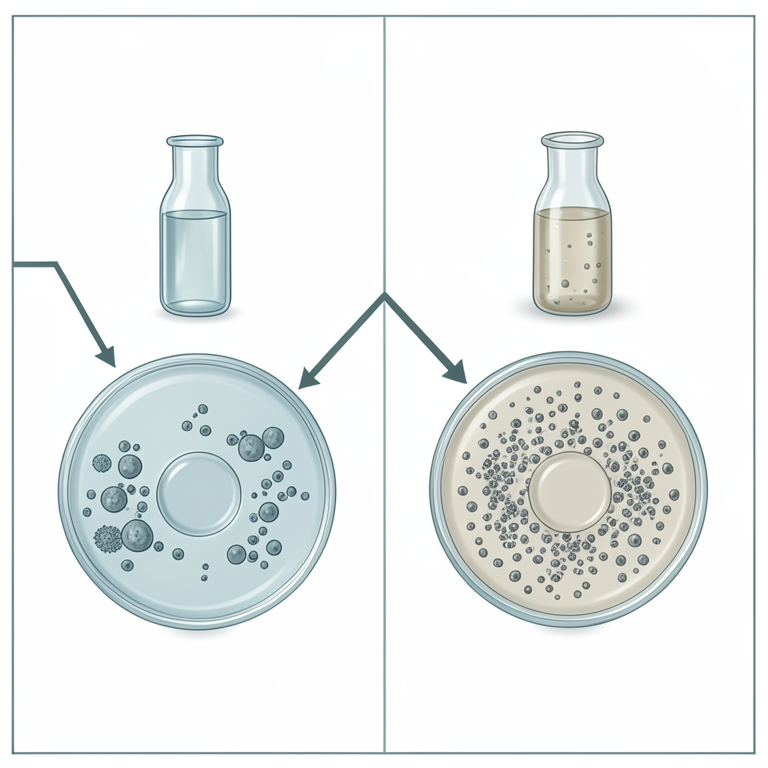
Comparison of Extraction Methods
AI-generated conceptual illustration (Andrographis paniculata leaves and enteric bacteria colonies). It explains the idea and does not show study data.
View source evidence ↗Figures & tables
From the original paper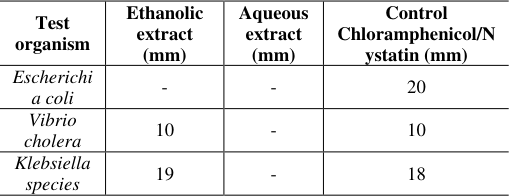 Table 1
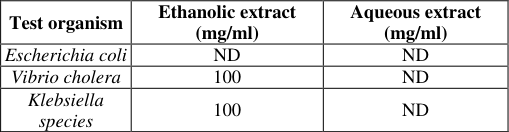 Table 2
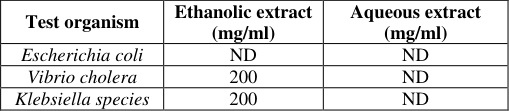 Table 3
Introduction 1.1 Background to the study
A great number of people around the world in most countries depend highly on herbs to obtain some health benefits. Use of conventional drugs have proved to cause various health problems. These problems have made researchers revalue the therapeutic potentials of many types of plants with medicinal properties depending on their variation. There is an urgent need to examine past literature gotten on some herbs in order to add to the existing data which is vital. One of them is Andrographis paniculata (Acanthaceae). It is made up of about 40 species which has served as an ayurveda since ancient times. Characterised by its Bitters taste, It also grows yearly (Ghosh et al., 2012) [2] . It can be found in India, Srilanka and also spreads to various parts of Southeast Asia and America. It thrives in a variety of soil which allows it grow in different places. Andrographis paniculata is grown as a result of its famous medicinal benefits. Roots of A. paniculata have proved to be an effective form of treating different ailments. Numerous research have been performed by various scientist and reports about medicinal potentials contained in this herb have been made. Phytochemicals contained in A. paniculata includes diterpenoid lactones, flavonoids and other miscellaneous compounds. These phytochemicals in A. paniculata helps it possess numerous pharmacological properties (Lim et al., 2012) [10] . Andrographis paniculata (AP) commonly known as Kalmegha in Hindi, Kalamegha in Sanskrit and Kalmegh in Bengali is an erect herb belonging to family Acanthaceae which grows in many south east Asian countries and in India. The plant is highly regarded for its therapeutic potential in Indian phytotherapy and traditional medicine. Both crude and alcoholic extracts of AP has shown different pharmacological activities viz, antibacterial, antifungal, antiviral, anthelmintic, anticancer, hyperglycemic, antiinflammatory, antivenomic, in alleviation of upper respiratory tract infections, hepatoprotective, preventive effects against cold. The herb grows upto 3-4 feet in height, the leaves are lanceolate and 2-3 inches long (Lee et al., 2010) [3] . The flowers are small, solitary and flowering time is from September to December. Traditionally the leaves of this herb are used for bronchitis, worm infestation, influenza and dyspepsia. The expressed juice of the leaves is a domestic remedy in flatulence and diarrhoea. There is need for critical evaluation since few scientists have reported side effects of Andrographis paniculata (Wong et al., 2016) [7] . Therefore, this study assess the antimicrobial properties and medicinal effects of Andrographis paniculata.
Materials and Methods
Materials and Methods
Sample collection and Processing
Andrographis paniculata leaves were collected from Federal Polytechnic Nekede, Owerri and identified by a botanist. The samples were air-dried and grinded into powder using sterile manual grinder (sterilized with 90% ethanol). This was kept in an air-tight glass containers www.extensionjournal.com protected from light and heat until required for further studies.
Preparation of test organisms
Isolates of Klebsiella specie, Vibrio cholera and Escherichia coli were procured from the Microbiology Department of Federal Medical Centre, Owerri, identified and then subcultured on a sterile Nutrient agar. The microbial culture were diluted with peptone water until the final suspension that contained about 1.5 x 10 5 cfu/ml of Vibrio cholera, Escherichia coli and 1.0 x 10 5 cfu/ml of Klebsiella specie, were obtained according to the method of Akujobi et al., (2004) [1] . The cell densities obtained were in accordance with 0.5 McFarland's standard and used in all the investigations. The McFarland's standard was prepared by adding 0.1ml of 1% Bacl 2 into 9.9ml of 1% Sulphuric acid.
Extraction of the plant materials
Hot water extraction and alcoholic extraction with ethanol (99%) as described in Association and Analytical Chemists AOAC (1990) was used for this study. Twenty grams (20 g) of the grounded sample of the cashew leaf was weighed into about 100 ml of water and heated. It was stirred intermittently for 30 minutes and allowed to boil. After boiling, it was filtered using Whatmann's filter paper. For the cold water extraction, the (20 g) of the ground samples were placed in 100 ml of distilled cold water and allowed to stay for 4 hours before it was filtered us Whatmann filter paper. For the ethanolic extraction, 20 g of the ground sample was stuffed in a thimble and placed in the extraction chamber of the soxhlet extractor. Thereafter the Liebig condenser containing the water in-let and outlet hoses was fitted into the extraction chamber which was then placed into a flat bottom flask containing 200 ml of ethanol. The apparatus was set up on a heating mantle and then the mantle was connected to the mains. After the extraction, the ethanol was recovered from the mixture of ethanol and the extract using simple evaporation techniques. The Soxhlet extract was used in all the investigations.
Antimicrobial susceptibility testing of the plant extracts
The disc technique as demonstrated by Osadebe and Ukwueze (2004) [5] was used for this study to evaluate the antibacterial activity of the extracts. 0.2ml aliquot of each of the extract was dropped on sterile filter paper discs of 6 millimetres in diameter and allowed to get absorbed before they were placed into Nutrient agar plates and sabouraud dextrose agar inoculated with each of the test organisms and appropriately labeled. Discs impregnated with water and ethanol were used as control in each case. The nutrient agar plates and sabouraud dextrose agar were then incubated at 37 °C for 24 hours and 25 °C for 48 hours. The zones of inhibitions were measured with a meter rule.
Test for minimum inhibitory concentrations (mic) of the plant extracts.
For the MIC test, the plant extract was concentrated by evaporation and one gram (1g) of the extract was dissolved in four millilitre (4 ml) of peptone water; this gives 250 mg/ml. Also, 0.8 g of the same extract was placed in 4 ml of peptone water to obtain the concentration of 200 mg/ml. Thereafter, two fold serial dilutions was carried out from the 200 mg/ml concentration by transferring 2 ml of the 200 mg/ml concentration to 2 ml of peptone water contained in a test tube and homogenized properly. This procedure of transferring 2 ml of the tube to 2 ml of peptone water contained in the subsequent tubes was continued until the fifth tube. The following concentrations were thereafter obtained: 250 mg/ml, 200 mg/ml, 100 mg/ml, 50 mg/ml, 25 mg/ml. Having obtained the different concentrations and dilutions, three drops of overnight broth cultures of the test organisms were inoculated into the dilutions in each case of the test organisms (Akujobi et al., 2004) [1] . The tubes were then incubated at 37 °C for 24 hours. The lowest concentration of each of the extracts in each case of the extracts (hot, cold and alcoholic extracts) that inhibited the growth of the test organisms were recorded as the MIC.
Test for the bactericidal/fungicidal concentrartion of the extract
Tubes showing no visible growth from the MIC test were sub cultured onto sterile Nutrient agar plates and incubated at 37 °C for 24 hours. The lowest concentration of the extracts that showed growth was recorded as the Minimum Bactericidal/Fungicidal Concentration as the case may be.
Results and Discussion
Results and Discussion
Results
Results
Antibacterial susceptibility test of the extracts of
Andrographis paniculata is presented in table 1, table 2 contains the results of the Minimum Inhibitory Concentration of the extracts and table 3 contains the result of the a Minimum bactericidal concentration of the extracts.
Discussion and Conclusion
The results of the antimicrobial properties of the ethanolic extracts of Andrographis paniculata against enteric bacteria as presented in Table 1 showed that the ethanolic extracts had zones of inhibition of 10 mm and 19 mm against Vibrio cholera and Klebsiella species. The minimum bactericidal concentration of the Andrographis paniculata against the enteric bacteria were 100 mg/ml each against Klebsiella species and Vibrio cholera. The minimum bactericidal concentrations were 200 mg/ml each against Klebsiella species and Vibrio cholera. Punitha et al., (2019) [8] also reported the antimicrobial properties of Andrographis paniculata. In their reports, Escherichia coli, Streptococcus faecalis and Staphylococcus aureus were susceptible to the extracts. This is in line with the outcome of this study. The ethanolic extracts exhibited higher antimicrobial activities compared with the aqueous extract. The significant antimicrobial activities of ethanolic extract of Andrographis paniculata may be due to varying degree of solubility of the active constituents in the solvents. Rajendrakumar et al., (2009) [9] also reported the presence of alkaloids and phenolic compounds in the extracts. Similar findings were gotten in this study. The antimicrobial properties of Andrographis paniculata may be attributed to the presence of these phytochemicals.
Recommendation
Obtained results in this study has necessitated the need for Government to support research in pharmaceutical microbiology to determine plants with antimicrobial properties. Plant species should be further explored for antimicrobial activities thereby finding solution to the growing cases of drug resistance. The extracts of Andrographis paniculata should further be purified and used in the production of drugs.
Conflict of interest
The authors have declared no conflict of interest.
References
10 in the original paper- Akujobi C, Anyanwu BN, Onyeze C, Ibekwe VI. Antibacterial Activities and Preliminary Phytochemical Screening of Four Medicinal Plants. J Appl. Sci. 2004;7(3):4328-4338.
- Ghosh BK, Datta AK, Mandal A, Dubey PK, Haldar S. An overview on Andrographis paniculata. Int J Res Ayur Pharm. 2012;3(6):752-60.
- Lee MJ, Rao YK, Chen K, Lee YC, Chung YS, Teng YM. Andrographolide and 14-deoxy-11,12didehydroandrographolide from Andrographis paniculata attenuates high glucose-induced fibrosis and apoptosis in murine renal mesangeal cell lines. Journal of Ethnopharmacology. 2010;132:497-505.
- Saleh KJ, Alakiu DM, Adam AS. Search for E. coli o157:h7 in stool samples from diahrreagenic patients attending dutsin-ma general hospital, Katsina state, north-western Nigeria. Int. J Biol. Sci. 2021;3(1):34-40. DOI: 10.33545/26649926.2021.v3.i1a.27
- Osadebe PO, Ukwueze SE. A Comparative Study of the Phytochemical and Antimicrobial Properties of the Eastern Nigerian Species of African Mistletoe (Loranthus micranthus) sourced from different host trees. J Biol. Res. Biotechnol. 2004;2(1):18-23.
- Rajkumar S, Jebanesan A. Larvicidal and oviposition activity of Cassia obtusifolia Linn (Family: Leguminosae) leaf extract against malarial vector, Anopheles stephensi Liston (Diptera: Culicidae) Parasitol Res. 2009;104:337-340.
- Wong SY, Tan MG, Wong PT, Herr DR, Lai MK. Andrographolide induces Nrf2 and heme oxygenase 1 in astrocytes by activating p38 MAPK and ERK. Journal of Neuroinflammation. 2016;13:251.
- Punitha S, Amuthan A, Joseph KS. Enhanced Monarchy Butterfly Optimization Technique for effective breast cancer diagnosis. Journal of Medical Systems. 2019 Jul;43:1-4.
- Rajendrakumar K, Dhamodharan R. Ambient temperature Atom Transfer Radical copolymerization of tetrahydrofurfuryl methacrylate and methyl methacrylate: Reactivity ratio determination. European polymer journal. 2009 Sep 1;45(9):2685-2694.
- Lim JC, Chan TK, Sagineedu SR, Stanslas J, Wong WS. Andrographolide and its analogues: versatile bioactive molecules for combating inflammation and cancer. Clinical and Experimental Pharmacology and Physiology. 2012;39(3):300-310.
Cited by 10
From OpenAlex, OpenCitations and reference lists read by Scinovex
- Antimicrobial Activity of Coffea liberica (Liberian Coffee) in Different Roasting Intensities and Varying Extract Concentrations against Staphylococcus aureus and Escherichia coli ↗
Rodmie Oliver Pumaras, Daniela Badong, Antoinette Mikaela Cruz, Karmela Coros, Maia Viktoria Infiesto, Jullien Yvin Paulino et al. · Journal of interdisciplinary perspectives · 2024
Much prior research has shown that coffee, particularly its polyphenolic compounds like caffeine, chlorogenic acid, and melanoidins, exhibits antimicrobial properties against various pathogens. Building on this foundation, this study aimed to determine the antimicrobial activity of Coffea liberica (Liberian Coffee) with a focus on varying roasting intensities and concentrations. Specifically, it investigated the effects of different roasting intensities and extract…
❝ 1PDF - Exploring the healing secrets of pteridophytes: An ethno-medicinal review ↗
Chandan Das · International Journal of Herbal Medicine · 2024
This brief review provides an overview of the ethno-medicinal perspectives of pteridophytes. Pteridophytes have a long history of traditional use in many cultures for their medicinal properties. The review highlights the traditional uses of pteridophytes in various parts of the world and the different ailments they are used to treat. Pteridophytes contain various bioactive compounds that have been found to
- The Indian cork tree- Millingtonia hortensis: Bridging traditional wisdom and modern medicine ↗
Prabha Hullatti, Ujala G Raichur, Prakash Dabadi, AM Krupanidhi · International Journal of Pharmacology and Pharmaceutical Sciences · 2025
Millingtonia hortensis, also referred to as the cork tree or Akash neem, is a medicinally important plant native to Southern Asia, including India, Burma, Thailand, and Southern China. It is commonly grown in Indian gardens and along roadsides, reaching heights of up to 25 m. The plant’s aromatic flowers are used to alleviate respiratory conditions, such as asthma and sinusitis,
- A General review on Antifungal Activity of Benincasa hispida
Varsha S Patil, Divya Sadaphal · International Journal of Biology Sciences · 2025
This review paper aims to compile and evaluate the antifungal potential of Benincasa hispida, a widely cultivated fruit in Asia, known for its medicinal properties. Several bioactive compounds found in the plant, particularly its extracts, have been identified to revelation fungicidal activity in contradiction of various pathogenic fungi. This review summarizes the results of studies that have investigated the antifungal effects of Benincasa hispida through both in vitro and in vivo experiments, as well as highlighting its pharmacological potential for therapeutic use. Benincasa hispida (Famil
- Pharmacognostic and therapeutic insights into Nyctanthes arbor-tristis Linn: An extensive review ↗
Ritwika Sit, Sidhant Tamang, Rajat Das, Jyochhana Priya Mohanty, Bapan Banik · Journal of Pharmacognosy and Phytochemistry · 2025
Nyctanthes arbor-tristis Linn., commonly known as Night jasmine, is a widely recognized medicinal plant valued across traditional systems of medicine, including Ayurveda, Siddha and Unani. This review explores its pharmacognostical, phytochemical constituents and diverse pharmacological activities. The plant is a rich source of secondary metabolites such as iridoid glycosides, flavonoids, carotenoids, and terpenoids contributing to its therapeutic potential. It also
- A Comprehensive review on Parthenium hysterophorus L.: Unveiling the therapeutic potentials and biomedical applications for a healthier society ↗
Twinkleba V Vaghela, Varun Patel · The Pharma Innovation · 2025
Parthenium hysterophorus L. is an invasive weed and a blooming species in the Asteraceae family. It is commonly known as Congress Grass or Feverfew. Despite its disadvantages, P. hysterophorus has various therapeutic advantages. Despite its abundant growth and difficult regulation, various novel applications of this controversial herb have been recognised as a technique for weed management. This review aims to
- Ethnomedicinal uses of dianthus species in the management of various diseases: A review ↗
Manoj Joshi, Chanchal Shrivastav, Shubhra Shukla, Vedanshi Sharma · International Journal of Pharmacognosy and Life Science · 2025
Dianthus (Caryophyllaceae), commonly known as carnations or pinks, is a ubiquitous plant with over 300 species. They are used in various traditional medicinal uses, including fever, inflammatory bowel diseases, skin infections, and throat infections, as well as for more serious ailments such as gastrointestinal diseases, and cardiovascular diseases, including cancer. This research paper explains that phytochemical studies reveal a rich
- Andrographis paniculata Experimental Evidence as a Natural Anti-Venom: A Comprehensive Review ↗
Mamillapalli Mohan Krishna, Kolasani Venkata Ramaiah, Allena Venkata Himotsala Patnaik, Doni Akshita, Mandru Ramya Kumari · International Journal of Pharmacology and Clinical Research · 2025
Snakebite remains a significant public health concern, particularly in rural regions where access to timely medical care and antivenom is limited. Andrographis paniculata, a traditionally valued medicinal herb, has gained attention for its potential supportive role in snakebite management. Its major constituents are especially andrographolide, exhibit anti-inflammatory, antioxidant, and enzyme-inhibitory activities that may counteract venom-induced tissue damage. Experimental evidence from
- Exploring the importance of selected Indian medicinal plants for antimicrobial effect ↗
Pragati S Bhote, Amol S. Deshmukh, Sanjay R. Arote · International Journal of Pharmacognosy and Pharmaceutical Research · 2024
The fundamental barrier in antimicrobial medicines is antibiotic resistance. The article highlights the extensive research surrounding the antimicrobial properties of medicinal plants. It focuses on scientific evidence supporting the efficiency of herbs against a spectrum of microorganisms, including bacteria, fungi and viruses. This review presented herbal antimicrobial agents which include papaya, clove, garlic, thyme, cinnamon, fennel, guava, apple, black paper,
- Phytochemical analysis and antimicrobial study of Cassia tora leaves extract by using NCCLS antimicrobial susceptibility method ↗
Dinesh Jagtap, Jalidar S Ambhore, Aditi Kate, Vipul Patel · International Journal of Pharmaceutical and Clinical Research · 2024
This study focuses on the phytochemical analysis and antimicrobial efficacy of Cassia tora leaves extract, a plant known for its medicinal properties. The research aims to identify the bioactive compounds present in the leaves and evaluate their antimicrobial activity using the National Committee for Clinical Laboratory Standards (NCCLS) antimicrobial susceptibility method. The phytochemical screening of the Cassia tora leaves extract