
Research article · 2022 · Full text
International Journal of Agriculture Extension and Social DevelopmentCrop farmers' perceptions on climate change's impact on farm produce in Gwagwalada area Council, Abuja
Volume 5(1) · Pages 15–20 · DOI: 10.33545/26180723.2022.v5.i1a.118 ↗
Research areasClimate change impacts on agriculture
Abstract
Author-writtenIn Gwagwalada Area Council, Abuja, the study looked at crop producers' assessments of the consequences of climate change on farm produce. To sample 100 people, a basic random sampling procedure was used. The information gathered was evaluated with descriptive statistics. The purpose of the study was to discover several climatic elements that can effect farming systems, such as dawn (high temperature), rainfall, coldness, wind, and so on. High temperatures can affect crop yields, and severe rainfall can induce flooding and wash away nutrients in soil, rendering it inappropriate for planting, according to the study. Farmers are aware of a range of elements that can contribute to climate change, such as changes in rainfall, strong wind, high temperatures, and a lack of rainfall, according to the study's findings. The responders were on average 20 years old, with males accounting for 83 percent and females for 17 percent. It was also suggested that while organizing training programs, extension organizations consider the farmers' low level of education to ensure that they get the most out of the programs. Personal observation, family and friends, and personal observation, respectively, accounted for 40% and 23% of the climate change information available to rural farmers in the study area, with personal observation accounting for 63 percent of the climate change information available to farmers. According to the report, the communication gap between researchers and extension agents should be bridged. Extension professionals will be able to use this information to assist farmers in adjusting to the negative consequences of climate change.
Summary
Source-checkedPlain-language reading of the full paper, prepared with AI and checked against the text. Each point links to the authors' own words.
Why it matters
- Agriculture, especially food crop production, is highly dependent on the climate, meaning any changes in plant requirements can impact overall productivity and yield. View evidence ↗
- Climate change is particularly impactful in Nigeria because the country relies heavily on rain-fed agriculture for daily survival. View evidence ↗
- Nigeria currently lacks the necessary technological and financial resources to mitigate the predicted negative effects of climate change. View evidence ↗
What they did
- The researchers used a basic random sampling procedure to select 100 participants for the study. View evidence ↗
- The study was conducted in the villages of Angwan Bassa Deshi and Kaida Tsoho within the Paiko ward of Gwagwalada Area Council. View evidence ↗
- Primary data was collected using questionnaires, supplemented by secondary sources such as textbooks, journals, and government publications. View evidence ↗
- Data analysis was performed using descriptive statistics, specifically frequency counts, percentages, and means. View evidence ↗
What they found
- The average age of the respondents was 20.0 years, with the largest group (32%) aged between 31 and 40. View evidence ↗
- The respondent group was predominantly male (83%) and almost entirely married (98%). View evidence ↗
- A vast majority of respondents (96%) believe that climate change has negatively impacted their crop output. View evidence ↗
- The primary sources of climate change information were personal observation (40%) and family/friends (23%), while extension services were used by only 14% of farmers. View evidence ↗
- Most respondents (82%) believe that critical awareness can help control climate change, whereas 18% view it as an uncontrollable natural phenomenon. View evidence ↗
- About 63% of farmers believe they can adopt adaptation options to manage climate change, while 23% were undecided and 14% saw no options. View evidence ↗
What it means
- The authors recommend mobilizing extension agents to conduct large-scale enlightenment campaigns on climate change, utilizing market days and social or religious groups. View evidence ↗
- The authors conclude that the communication gap between researchers and extension agents must be closed to better assist farmers in adapting to climate change. View evidence ↗
- The study identifies poor infrastructure and inadequate extension services as major barriers to the effective communication of climate change information. View evidence ↗
Visual summary
3 visualsIllustrations explain the paper; charts are replotted from the paper's own table values.
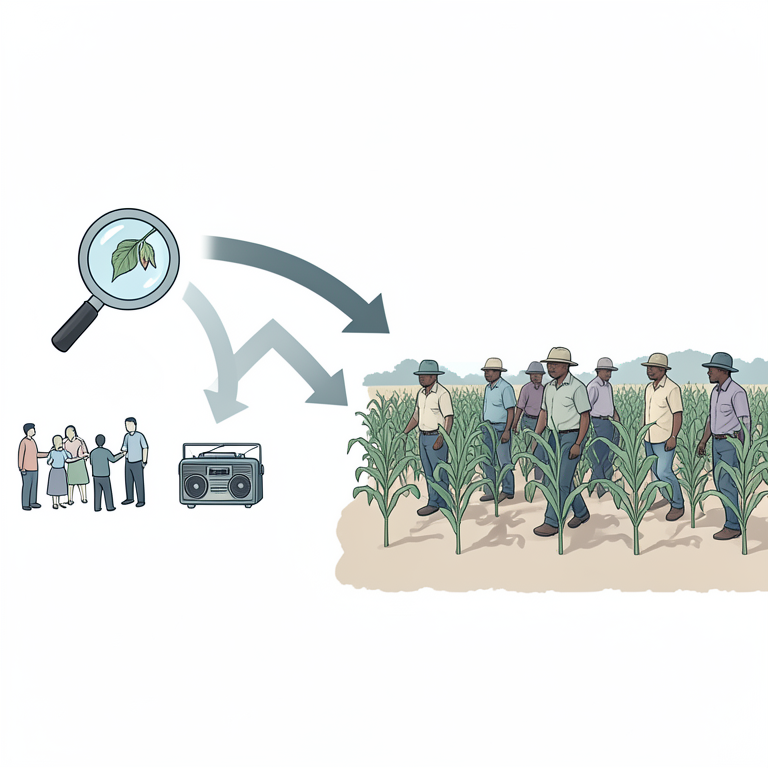
Information Flow to Farmers
AI-generated conceptual illustration (Nigerian crop farmers in Gwagwalada). It explains the idea and does not show study data.
View source evidence ↗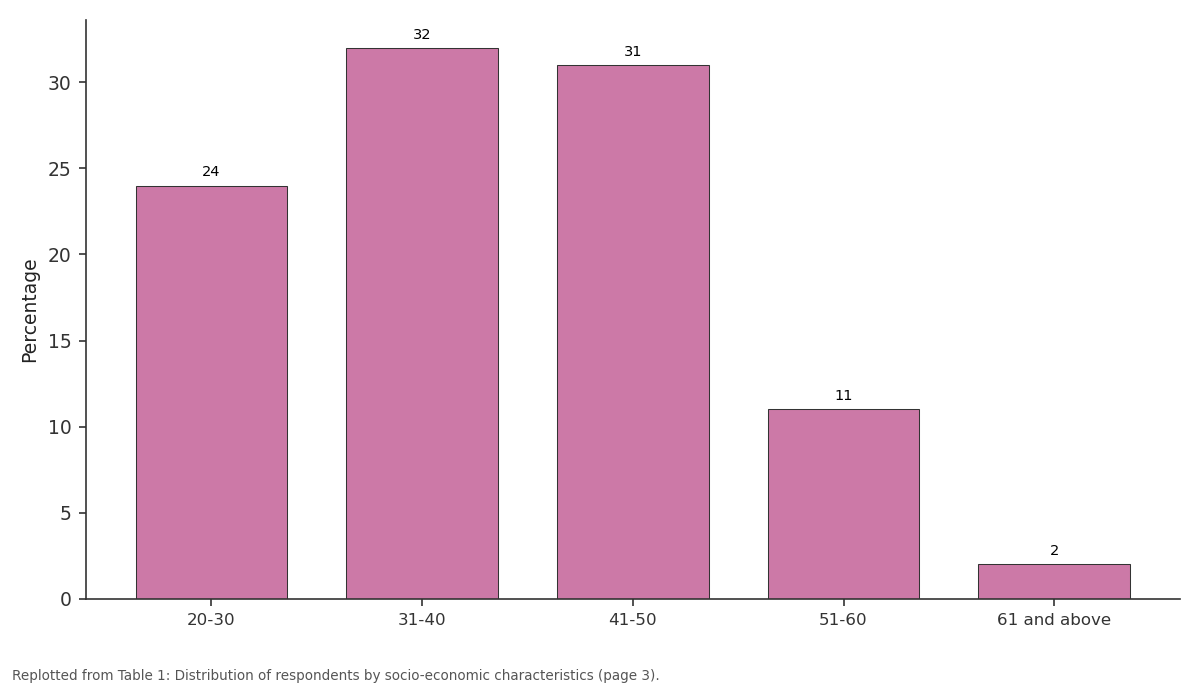
Percentage: 20-30 vs 31-40 vs 41-50 vs 51-60 vs 61 and above
Replotted from Table 1 (page 3) of the original paper. Every bar is the paper's own table value.
View source evidence ↗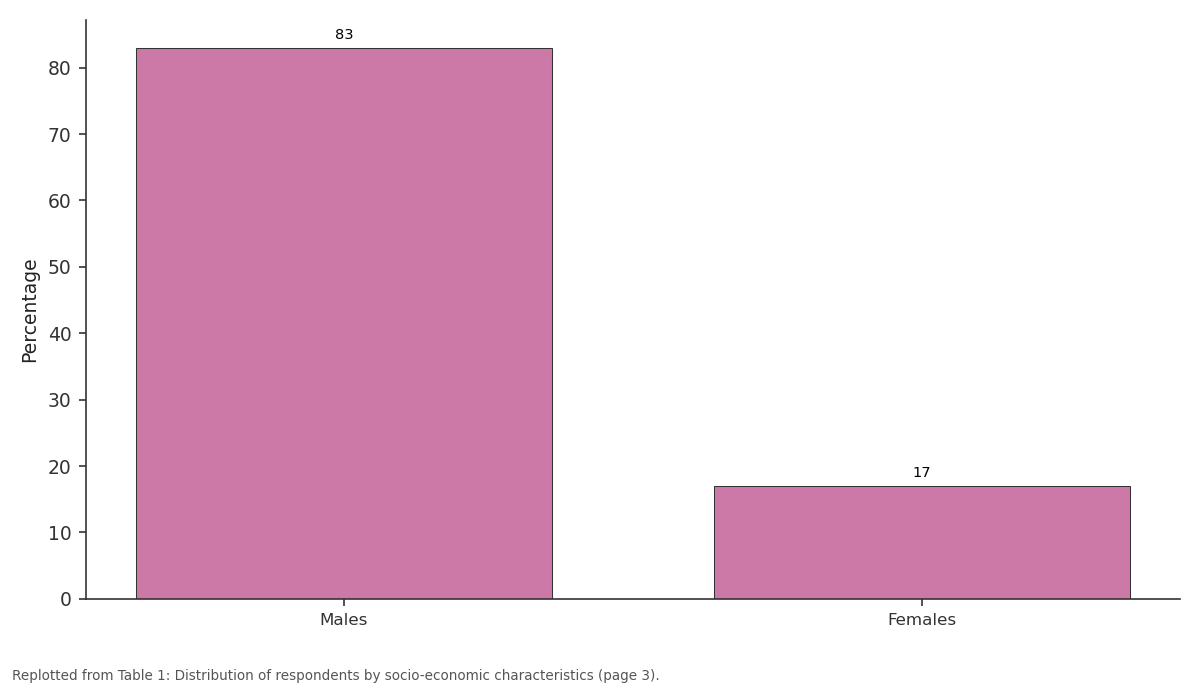
Percentage: Males vs Females
Replotted from Table 1 (page 3) of the original paper. Every bar is the paper's own table value.
View source evidence ↗Figures & tables
From the original paper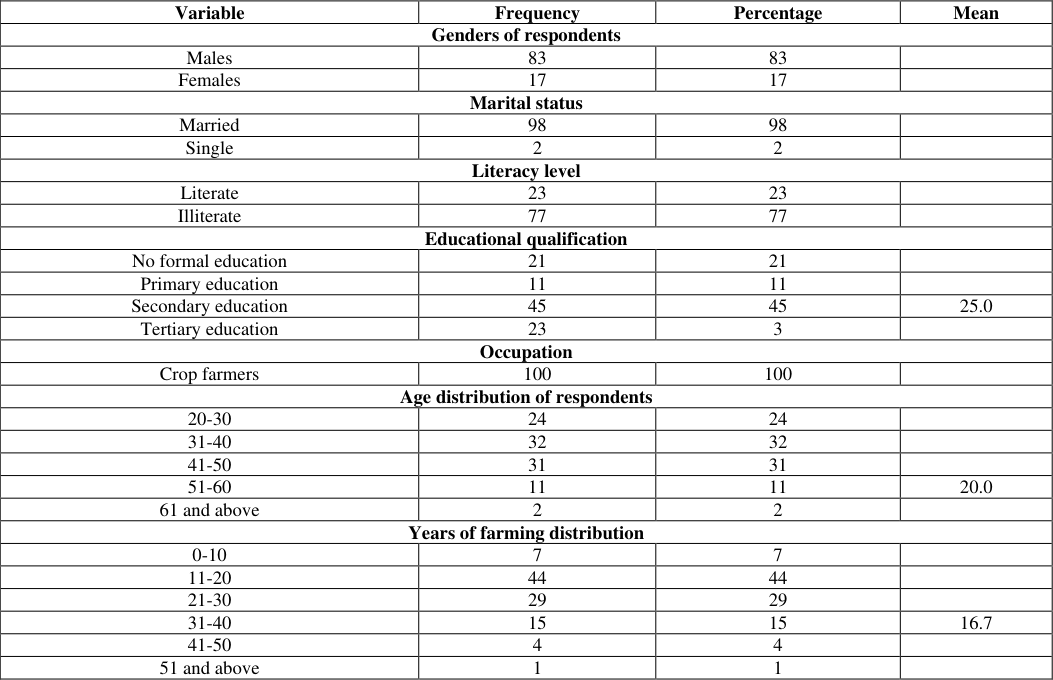 Table 1
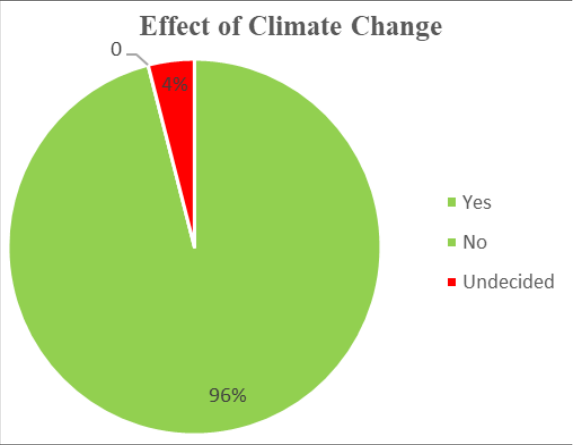 Figure 1
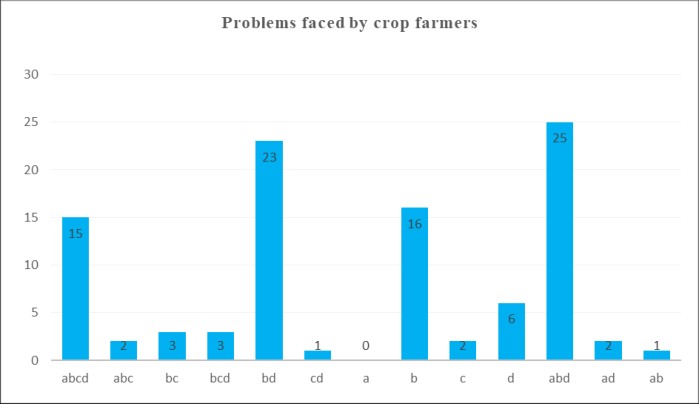 Figure 2
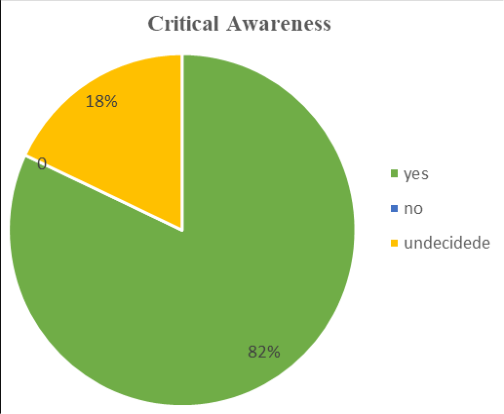 Figure 4
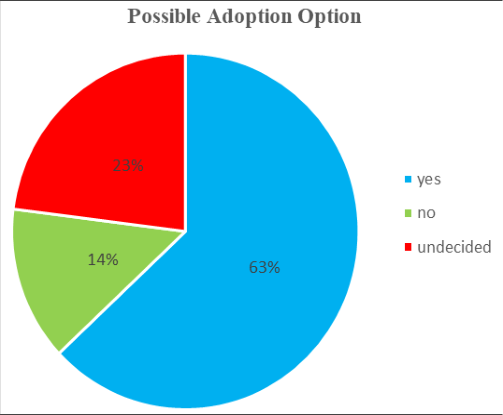 Figure 5
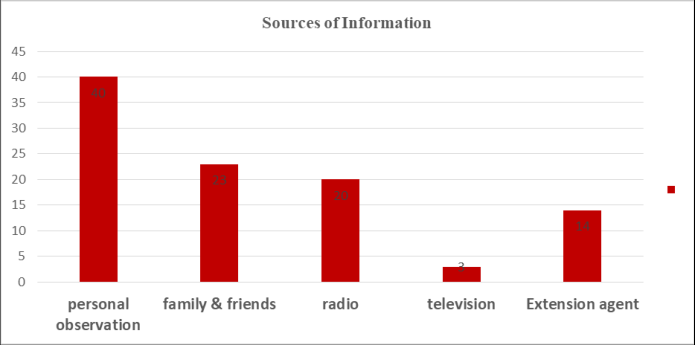 Figure 3
Introduction
In many nations, agriculture, particularly the production of food crops, is climate-dependent, as any change in optimal plant requirements can affect crop yield and productivity. It's a worldwide issue and one of the most basic issues the cosmos has ever confronted. It jeopardizes the livelihoods and well-being of millions of the world's poorest people (Agriculture Nigeria, 2014) [3] . Climate change's effects on water balance and agriculture, which are the primary sources of livelihood and survival for the vast majority of rural communities in the region, are having a significant impact on developing countries. Climate change, on the other hand, has had a significant impact on agricultural production in recent years. It's worth mentioning, though, that Africa accounts for less than 4% of global warmingrelated greenhouse gas emissions (Agriculture Nigeria, 2014) [3] . Experts say climate change has a wide range of impacts on agriculture (Agriculture Nigeria, 2014) [3] . Extreme weather occurrences, such as thunderstorms, strong winds, and flooding, can cause crop failure. In reaction to climate change and variation, pests and diseases migrate, producing uncertainty at the start of crop seasons. Overgrazing by rural populations has been blamed for desertification in the Sahel. Natural rather than man-made elements, however, have had a greater impact in recent years. Farmers have been forced to adapt to changing conditions as a result of climate change, despite this. Climate change and fluctuation have already been predicted by academics from a wide range of disciplines on agricultural production. According to Ajadi et al. (2011) [4] , variation in various climatic indicators indicates variation in crop output. Others pointed out that farmers are aware of climate change and its implications for their livelihoods, and that their perceptions influence the coping techniques they employ. For example, Ayanwuyi (2014) [12] discovered that while arable farmers were increasingly aware of climate change and its consequences on their livelihoods, due to poverty and illiteracy, their strategies for dealing with and limiting the scourge remained rudimentary. As can be seen from the preceding, a large amount of research has been conducted in Nigeria to evaluate the www.extensionjournal.com impact of climate change and fluctuation on food crop productivity. Given the importance of food to human survival, this is predictable. However, the majority of these studies concentrated on rural agricultural output or arable farming. This is definitely true, given that rural areas meet the majority of the metropolitan population's agricultural needs. It's critical to distinguish between climate change and climate variability at this point. Many people use the terms "climate change" and "climate variability" interchangeably. The two terms should not be used interchangeably. The former refers to long-term (decades) changes in climatic conditions, such as 25-30 years, whereas the latter refers to yearly or seasonal changes. Climate variability, according to Dinse (2011) [5] , is the way the climate fluctuates yearly above or below a long-term average value, whereas climate change is a long-term continuous shift (increase or decrease) in average weather conditions (e.g. average temperature). The obvious difference is that climate change is slow and gradual, and it is extremely difficult to discern without scientific data, unlike year-to-year variability (Dinse, 2011) [5] . Farmers' perceptions and awareness of climate change may influence how they respond to weather changes. According to study, people make decisions in their environment based on how they perceive it rather than how it truly is. Furthermore, farmers' perceptions tend to influence their coping strategies, which in turn determine the extent to which climate impacts agriculture (Ajadi et al., 2011) [4] . Climate change has climbed to the forefront of the twenty-first century's most critical challenges. Climate change will have an influence on human health, livelihood assets, food production and distribution networks, as well as changing purchasing power and market flows. Agriculture is one of Africa's most vulnerable sectors to climate change's consequences (Falaki et al. 2012) [8] . Climate change has a greater impact in countries like Nigeria, where rain-fed agriculture is essential for daily existence. Changing rainfall patterns and rising temperatures are already affecting millions of Nigerians. Rainfall, cloudiness, and rainfall intensity are all expected to rise in the humid regions of southern Nigeria, especially during severe storms. Similarly, less rainfall is expected in northern Nigeria's savannah areas, which, combined with rising temperatures, may reduce soil moisture availability (Ogbo et al., 2013) [11] . The country's massive coastal population is exposed to rising sea levels and storm surges due to the country's 853 kilometer-long coastline. Drought and desertification threaten nearly two-thirds of Nigeria's land area. As a result, the availability of water is mostly governed by the weather, which has an impact on Nigerians' health and, eventually, poverty levels. Food, livelihoods, and survival are largely dependent on the physical environment for the country's almost 200 million people. Unfortunately, Nigeria lacks the financial and technological resources required to address the predicted negative effects of current and future climate change, and it has yet to fully establish an institutional and legal framework, systematic approach, or policies aimed at mitigating and adapting to the effects of climate change. Given the preceding, it is clear that ignoring climate change will significantly obstruct Nigeria's long-term poverty reduction and economic growth goals. Despite technological advancements such as improved varieties, genetically modified organisms, and irrigation systems, weather and climate continue to play a significant effect in agricultural output and soil quality. According to the Climatic Institute, solar radiation, temperature, and precipitation are the major drivers of agricultural growth; as a result, agriculture has always been heavily reliant on climate patterns and fluctuations. Intensive agricultural methods are reported to have negative environmental effects and have been changing the global climate by emitting large amounts of greenhouse gases into the atmosphere, resulting in higher global temperatures and affecting hydrological routes; intensive agricultural methods are reported to have negative environmental effects and have been changing the global climate by emitting large amounts of greenhouse gases into the atmosphere, resulting in higher global temperatures and affecting hydrological routes; intensive agricultural methods are reported to have negative environmental effects and have been changing the global climate by emitting large amounts of greenhouse gases into the global According to Enete et al. (2011) [7] , climate change has a direct impact on agricultural production because agricultural systems are climatedependent, and the impact is especially significant in developing countries where agriculture provides employment and income for the majority of the population.
Objectives of the study describe the respondents' demographic information; identify the various climate changes that farmers are experiencing and how they are affecting their crop yields; find out where farmers can get information about climate change; identify the many sorts of climate change information that crop growers require.
Method and Materials Study Area
Gwagwalada and the River Gurara. With a population of 23,114 people, Gwagwalada, the study area's major community, is one of the largest satellite towns and the FCT's third largest urban center (Ishaya and Baji, 2013) [9] . Agriculture is one of the most important economic activities in Gwagwalada Area Council due to the favorable climate and soil conditions. The majority of Gwagwalada Area Council's indigenous people work in agriculture, which includes peasant farming, logging, pond fishing, and animal farming (Ishaya and Baji, 2013) [9] .
Method of Data Collection
The data was gathered in two ways: primary and secondary sources. Questionnaires were used as primary sources, with secondary sources including textbooks, the internet, journals, published and unpublished articles, and government publications.
Sampling Techniques
Two villages in the Paiko ward of the Gwagwalada Area Council that are known for their farming activities were chosen using simple random sampling. Angwan Bassa Deshi and Kaida Tsoho are the villages in question.
Method of Data Analysis
The descriptive statistical tool used to analyze the study data included frequency counts, mean, and percentage, which were used to analyze the respondents' socio-economic characteristics.
Socio-Economic Characteristics
Table 1 shows that the average age of the respondents was 20.0 years, with the majority (32%) falling between the ages of 31 and 40, and the least (2%) falling between the ages of 61 and above. This suggests that the majority of respondents were still in their working years and may require training to expand their knowledge, as farmers of this age are eager to learn new ways to improve their farm work. Men made up about 83 percent of those polled, and 98 percent of those polled were married. The majority of respondents had received formal education, with 45 percent having received the highest level of education (SSCE) and 14 percent graduating, while 21% had received no formal education. Because all (100%) of respondents had farming as their primary occupation, this implies that the majority of respondents had formal education and will require the assistance of an extension agent to fully understand climate change as it affects agriculture. Furthermore, 44% had been farming for 11 to 20 years. Farming lasted an average of 16.6 years. This means that a large number of farmers were aware of climate change and its negative impact on crop production firsthand. Furthermore, farmers' perceptions tend to influence their coping strategies, which ultimately determine the degree to which climate impacts agriculture (Ajadi et al. 2011) [4] .
| Variable | Frequency | Percentage | Mean |
|---|---|---|---|
| Genders of respondents | |||
| Males | 83 | 83 | |
| Females | 17 | 17 | |
| Marital status | |||
| Married | 98 | 98 | |
| Single | 2 | 2 | |
| Literacy level | |||
| Literate | 23 | 23 | |
| Illiterate | 77 | 77 | |
| Educational qualification | |||
| No formal education | 21 | 21 | |
| Primary education | 11 | 11 | |
| Secondary education | 45 | 45 | 25.0 |
| Tertiary education | 23 | 3 | |
| Occupation | |||
| Crop farmers | 100 | 100 | |
| Age distribution of respondents | |||
| 20-30 | 24 | 24 | |
| 31-40 | 32 | 32 | |
| 41-50 | 31 | 31 | |
| 51-60 | 11 | 11 | 20.0 |
| 61 and above | 2 | 2 | |
| Years of farming distribution | |||
| 0-10 | 7 | 7 | |
| 11-20 | 44 | 44 | |
| 21-30 | 29 | 29 | |
| 31-40 | 15 | 15 | 16.7 |
| 41-50 | 4 | 4 | |
| 51 and above | 1 | 1 |
Table text extracted from the original PDF; superscript letters are shown inline. The original table image is below.
View original table image
Conclusion
The researcher came to the following conclusions based on the study's findings: All respondents stated that the climate has changed. As a result, the likelihood of farmers taking adaptive measures in response to observed climate changes is high. www.extensionjournal.com The majority of respondents had only a passing understanding of agricultural climate change issues. This has serious consequences for farmers' ability to adapt to the effects of climate change. Many sources of climate change information, such as extension agents, radio, and television, had limited availability and usage. As a result, farmers may be lacking in scientific knowledge on agriculture-related climate change issues. Long years of farming experience played important roles in farmers' climate change decision-making processes, as the majority of respondents considered personal observation to be the most reliable source of climate change information. Farmers were less interested in the causes and effects of climate change, which could be due to respondents' belief that they were powerless to intervene. vi. In the study area, poor extension services and infrastructure were major barriers to effective climate change communication. As a result, farmers perceived that improved extension services and infrastructure could be used to improve information dissemination on climate change among rural farmers.
Recommendations
In Gwagwalada, extension agents should be mobilized for a huge enlightenment campaign on agriculturerelated climate change issues, particularly on market days and through social and religious groups. The University of Abuja's Faculty of Agriculture's outstanding efforts to disseminate climate change information to rural people should be commended by the university administration and the state government so that the gestures might be expanded to other area councils outside of Gwagwalada. Farmers must be taught climate change adaptation and mitigation strategies in a participatory manner (interactive telephone program) by specialists in climate change communication through the mass media. To cope with the unpredictability of climate change, farmers should be trained on how to use superior varieties and modify the timing of farm operations. The communication gap between researchers and extension agents must be bridged. Extension agents will be better positioned to assist farmers in adapting to the negative consequences of climate change as a result of this. The needs of the target audience for whom the climate change information is intended should be considered, and this information should be disseminated by experts who are fluent in vernacular language. To achieve the desired multiplier effects, local and religious leaders should be utilized. Extension organizations should consider the farmers' low level of education when designing training programs in order to fully benefit them from the programs.
Figures and tables from the paper
References
10 in the original paper- Adesiji GB, Matanmi BM, Onikoyi MP, Saka MA. Farmers' perception of climate change in Kwara State, Nigeria. World Rural Observer. 2012;4(2):46-54.
- Agriculture Nigeria. Climate change effects on agriculture in Nigeria; c2014. Retrieved from http.//www.agriculturenigeria.com. 19 th October, 2021.
- Agriculture Nigeria. Climate change effects on agriculture in Nigeria; c2014. Retrieved from http.//www.agriculturenigeria.com. 2 nd May, 2014.
- Ajadi BS, Adeniyi A, Afolabi MT. Impact of climate change on urban agriculture: A Case Study of Ilorin City, Nigeria. Global Journal of Human Social Science. 2011;11(1):25-29.
- Dinse K. Climate variability and climate change: What is the difference; c2011. Retrieved from: www.miseagrant.umich.edu/climate (Accessed 12/10/2021).
- Egbule CL, Agwu EA. Sources of information and awareness of government programmes on climate change among rural households in the Niger Delta region of Nigeria. Journal of Agricultural Extension Society of Nigeria. 2011;15(2):9-22.
- Falaki AA. Analysis of climate change and rural farmers' perception in North Central Nigeria. Global Journal of Agricultural Research. 2012;43(2):133-140.
- Ishaya S, Baji AJ. Indigenous People's Perception of Climate Change Impact on Biodiversity in Gwagwalada Area Council of Federal Capital Territory of Nigeria. International Journal of Agricultural Economics, Rural Sociology and Development (IJARD). 2013;5(1):1-11.
- Ogbo A, Lauretta NE, and Ukpere W. Risk management and challenges of climate change in Nigeria. Journal of Human Ecology. 2013;41(3):221235.
- Ayanwuyi E. Adoption of improved farm technologies on maize production in Shaki Agricultural Zone of Oyo State, Nigeria. International Journal of Agriculture Innovations and Research. 2014;3(1):157-160.
Cited by 7
From OpenAlex, OpenCitations and reference lists read by Scinovex
- Assessment of climate variability and effective coping strategies used by rice farmers in Abuja, Nigeria
Cecilia Ijachi, Samson Olayemi Sennuga, Osho-Lagunju Bankole, Emeka Franklin Okpala, Timipre Joseph Preyor · International Journal of Agriculture and Food Science · 2023
The study is on the assessment of climate variability and effective coping strategies used by rice farmers in Abuja Nigeria. Climate variability issues have been discussed in the media currently because of its important to agriculture. This study was guided by four objectives. The primary data were collected using 200 well-structured questionnaires and multistage sampling techniques from 2 rural communities (Dobi and Dukpa) in the study area. Analyses of data were carried out using descriptive statistics such as percentages and frequency while coping strategies used by rice farmers were achiev
- The status of recirculating aquaculture systems in Africa: A review ↗
Mang'era Samwel Mnyoro · International Journal of Fisheries and Aquatic Studies · 2025
Recirculating Aquaculture Systems (RAS) present a promising and sustainable approach to addressing Africa’s aquaculture challenges by significantly reducing water consumption, minimizing land use, and mitigating environmental impacts. However, despite their potential, RAS adoption across the continent remains limited due to high initial investment costs, technical complexity, and the absence of supportive policy frameworks. This review synthesizes the current landscape of
- The role of artificial intelligence in advancing green building projects in Nigeria ↗
Nnamaka U Nzewi, Benjamin Anabaraonye, Nzemeka C Olisah · International Journal of Research in Engineering · 2024
Disruptive innovation is presently occurring in Nigeria’s construction industry through the green building projects which has a great role to play in enhancing climate resilience. According to the Green Building Council of Nigeria, the number of green building projects in the country is on the rise. The green building projects incorporate sustainable design, energy-efficient technologies, and eco-friendly construction materials, leading
- E-banking: Conceptual framework ↗
Vipin Mittal · International Journal of Financial Management and Economics · 2023
The banking business model globally is undergoing a paradigm shift. As India increasingly integrates with global financial markets, the winds of change are sweeping the Indian banking industry. From an era dominated by mass banking, The thrust now- a -days is on E-Banking i.e. Banking that is technology driven. Rapid computerization awareness of customer needs & competition are galvanizing Indian
- Food insecurity among households during the COVID-19 pandemic in Nigeria ↗
Seun Adebowale Adebanjo, Pius Sibeate, Emmanuel Banchani, Olugbode, Morufu Adeoye · International Journal of Financial Management and Economics · 2023
Following the recent worldwide crisis brought on by the prolonged COVID-19 pandemic and the ongoing war in Ukraine, food insecurity has emerged as the topic of conversation that is being addressed the most. This study's main goal is to disentangle the relationship between household socioeconomic indicators and other variables that may have an impact on food insecurity during the COVID-19…
- The role of government in enhancing climate finance and green innovations for sustainable development in Nigeria ↗
Nnabuike Osadebe, Emmanuel Emone, Ayodeji S Omilabu, Chukwuma J. Okafor, Benjamin Anabaraonye · International Journal of Humanities and Arts · 2023
This study defines the concept of poverty, climate finance and green innovations. It further explores the critical role the government can play in eradicating poverty by enhancing climate finance and green innovations for sustainable development in Nigeria. Climate finance will play a major role in eradicating poverty, ensuring climate action and sustainable development in Nigeria. This study highlights how climate
- Exploring the factors influencing the adoption of ICT tools among rice farmers in southwest and north Central Nigeria ↗
Oluremi Atinuke Elusoji, Edwin Ejoga Idu, Julius Ajah · International Journal of Communication and Information Technology · 2023
This study delves into the multifaceted factors that shape the integration of Information and Communication Technology (ICT) tools within the agricultural landscape, focusing on rice farmers in Southwest and North Central Nigeria. The adoption of ICT tools in agriculture holds immense potential for enhancing productivity, sustainability, and overall socio-economic development. However, understanding the determinants of this adoption is crucial for…