
Research article · 2023 · Full text
International Journal of Agriculture Extension and Social DevelopmentInfluence of socio-economic characteristics of women farmers on access to improved rice seeds in north-central Nigeria
Volume 6(1) · Pages 81–86 · DOI: 10.33545/26180723.2023.v6.i1b.173 ↗
Research areasAgricultural risk and resilienceAgricultural Innovations and PracticesAgriculture and Rural Development Research
Abstract
Author-writtenThis research examined the influence of socio-economic attributes on women farmers' access to quality-improved rice seeds in north-central Nigeria. We used primary data for this study. A sample size of three hundred fifty-six (356) smallholder women rice farmers was calculated using a multi-staged random sampling technique. Descriptive statistics and logit model analysis were used to analyze the data. Most of the respondents were married (54.21%). The respondents' average household size, age and farm size were 7.44, 39.69 years, and 1.86 hectares, respectively. The result also reveals that most women (52.81%) farmers had access to credit in the study area. In addition, most (68.54%) of the female farmers were members of cooperative societies. The regression result reveals that access to credit was positive and significant at a 1% probability. It implies that there is a direct relationship between access to credit and access to quality-improved seed. It means that greater access to credit for women farmers will result in greater access to quality, improved seed. Membership in cooperatives was positive and significant at a 5% probability level. This shows that membership in cooperatives positively influences access to improved seeds. Membership in cooperative societies grants farmers access to information, credits, and inputs and allows them to save. The result showed that farm size had a significant influence of 1% on access to improved seed and positively influenced access to improved seed. The result further revealed that extension contact was meaningful at a 5% probability level and positively affected access to improved seed. It shows a direct relationship between extension contact and access to improved seed, which implies that as the women farmers have more contact with extension agents, the level of access to enhanced seed among them increases. The logistic regression result concluded that women farmers' access to improved seeds are significantly influenced by their access to credit, farm size, membership in cooperative societies, and access to extension services. In line with the findings of this study, we recommend that private organizations and the government design quality extension programs focusing on rural women. This will ensure that they are adequately equipped with information on improved seeds, where to access them and the cultural practices they should adopt. Quality seed should be affordable and within reach of women through subsidy schemes and the provision of agricultural credits. Interventions that enhance the knowledge and skills of women farmers should be prioritized while reinforcing their access to supporting and complementary resources, inputs, and services.
Summary
Source-checkedPlain-language reading of the full paper, prepared with AI and checked against the text. Each point links to the authors' own words.
Why it matters
- Agriculture is a vital component of non-industrial economies, serving as a primary source of employment, livelihood, and export earnings. View evidence ↗
- Access to improved seeds is essential for increasing agricultural productivity and overall national progress. View evidence ↗
- Many rural farmers in Nigeria rely on seeds from previous seasons, a practice that hinders the yields necessary to meet rice demand. View evidence ↗
The question
- The study aimed to examine how socio-economic attributes influence the access of women farmers to quality-improved rice seeds in north-central Nigeria. View evidence ↗
What they did
- The research was conducted in the Federal Capital Territory, Nasarawa, and Benue states due to their high levels of rice production. View evidence ↗
- The study used a multi-staged random sampling technique to select 356 smallholder women rice farmers. View evidence ↗
- Data analysis was performed using descriptive statistics and a logit model. View evidence ↗
What they found
- The majority of the surveyed women farmers were married (54.21%). View evidence ↗
- Membership in cooperative societies positively influenced access to improved seeds, significant at a 5% probability level. View evidence ↗
- Contact with extension agents positively affected access to improved seeds, significant at a 5% probability level. View evidence ↗
What it means
- The authors concluded that access to credit, farm size, cooperative membership, and extension services are the primary factors significantly influencing women farmers' access to improved seeds. View evidence ↗
- The authors recommend that the government and private organizations design quality extension programs specifically targeting rural women to provide information on improved seeds and cultural practices. View evidence ↗
Visual summary
2 visualsIllustrations explain the paper; charts are replotted from the paper's own table values.
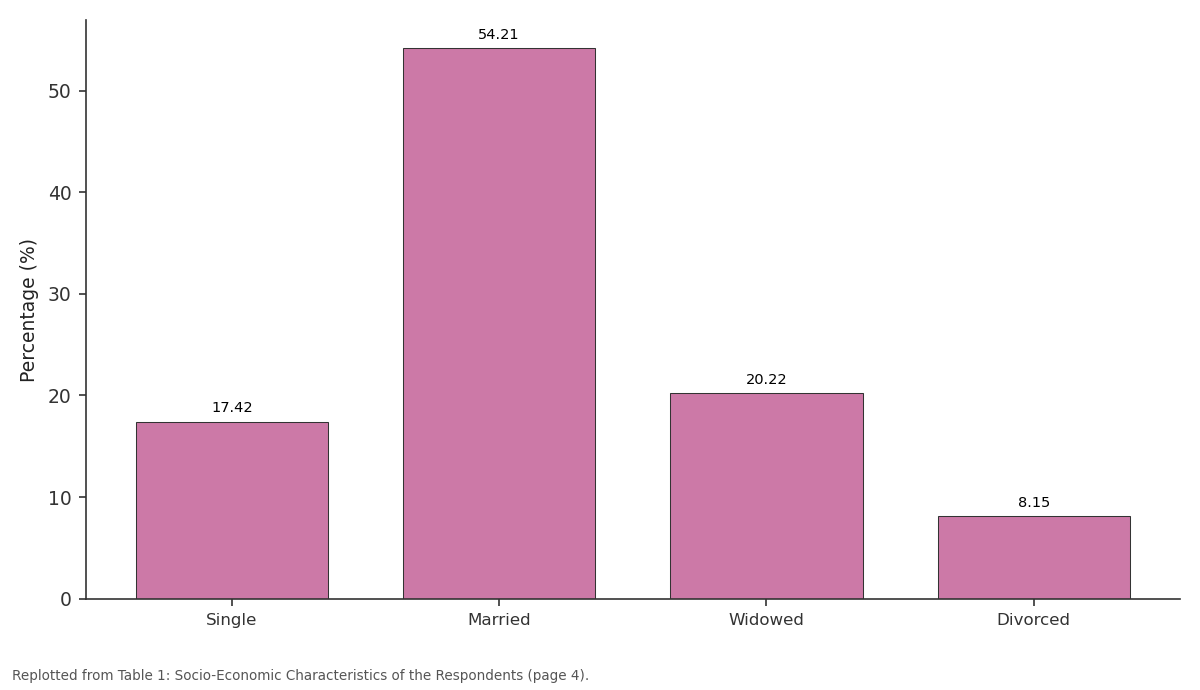
Percentage (%): Single vs Married vs Widowed vs Divorced
Replotted from Table 1 (page 4) of the original paper. Every bar is the paper's own table value.
View source evidence ↗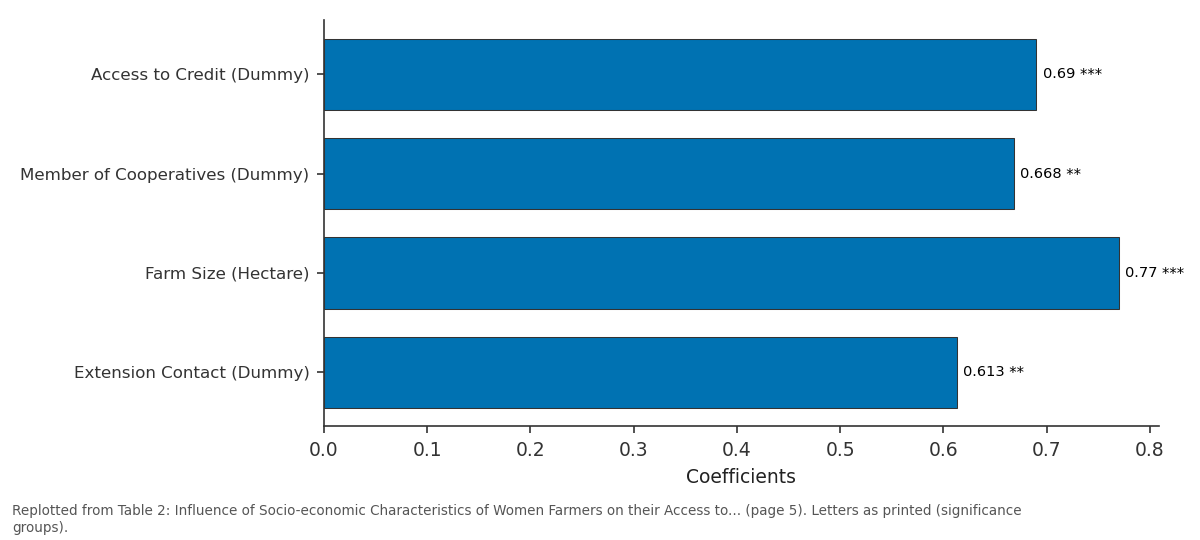
Coefficients: Access to Credit (Dummy) vs Member of Cooperatives... vs Farm Size (Hectare) vs Extension Contact...
Replotted from Table 2 (page 5) of the original paper. Every bar is the paper's own table value.
View source evidence ↗Figures & tables
From the original paper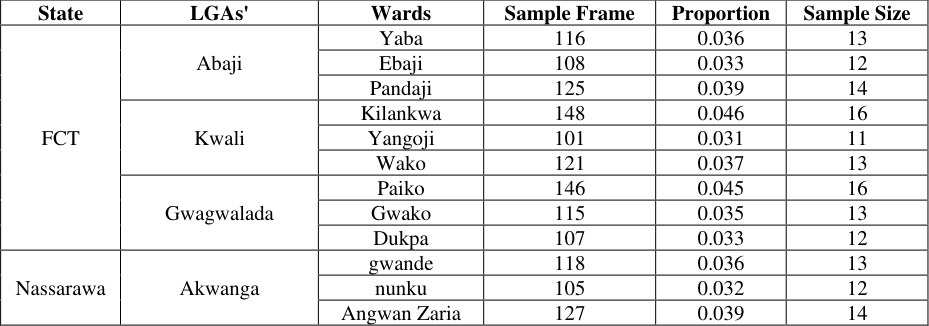 Table 1
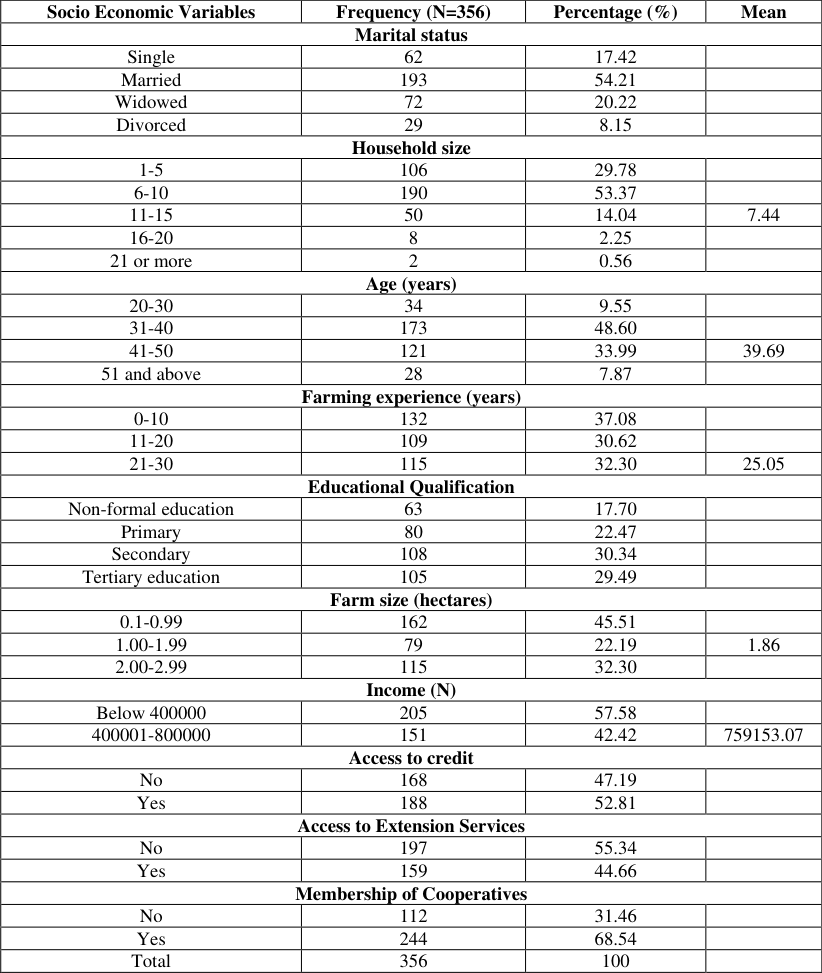 Table 1
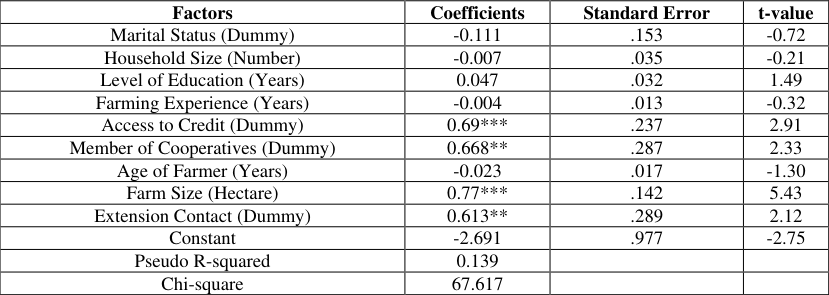 Table 2
Introduction
Agriculture plays an essential role in most non-industrial economies as a major contributor to the country's export earnings and as a source of employment and livelihood. The agricultural division is critical for stimulating growth, reducing poverty, and improving food security in Sub-Saharan Africa, as most of the poor rely on it for survival [1] . Access to improved seeds is an indispensable factor in the enhancement of agricultural productivity and the progress of any nation. However, most Nigerians rural farmers depend on grains from the previous farming season to cultivate the next cropping season. Such practice will not help tremendously to achieve the needed yield required to bridge the supply-demand gap for rice. Although there are many studies on rice production in Nigeria [2,3,4,1] , studies on access to quality improved rice seeds among rural women farmers in North central Nigeria are scarce. Furthermore, the relationship between seed access and farmers and their socio-economic characteristics has not been well documented in the literature in North Central Nigeria. Most existing studies have focused extensively on the impact of adopting improved varieties on income, welfare, and poverty [5] and are not in North Central. If a farmer does not have access to improved varieties, adoption would be impossible, and there would be no impact. For instance, despite the release of nearly 1,000 enhanced rice varieties in developing countries during 1988-2015, only a relatively small number have been adopted substantially by farmers [6] . Among different factors, the socio-economic characteristics of the farmers influence their production-decision in agribusiness. Women's contributions to agricultural production in Nigeria have been variously described in the literature [7] . Still, their role in the production-decision process in agribusiness has not been widely utilized or, at best, remains insignificant. Despite such positive moves by governments with programs and arrangements, there has been inadequate political will and supported promise to www.extensionjournal.com address the needs and interests of women by neighbourhood authorities and governments. Many factors militate against women in their cooperatives in agricultural production, some of which are socio-economic in nature. The task of surmounting such obstacles can be exceptionally overwhelming, despite the fact that women have, to a great extent, succeeded in defeating some of them. Gender inequalities in access to improved seeds limit agricultural productivity and proficiency and, in this manner, undermine the growth plan of the rice subsector. The opportunities for rural women to diversify their incomes are also limited. Many cultures proscribe their working outside the home, and even where this is not the case, rural women are so overburdened with the chores of mere subsistence that the possibilities of their being involved in non-farm incomegenerating activities are severely curtailed. Nevertheless, women farmers, particularly in rural areas of Nigeria, have always worked, and their labour plays a crucial part in the survival of millions of families. Most rural women are the invisible farmers in Nigeria and form the backbone of rural development.
Methodology 2.1 Study Area
The study was carried out in North Central Nigeria. North Central Nigeria consists of seven states situated geographically in the middle belt region of the country, spanning from the west, around the confluence of the River Niger and the River Benue. The area is rich in natural land features and boasts some of Nigeria's most exciting scenery. The states included in the study are the Federal Capital Territory, Benue, and Nasarawa. These states expand roughly from latitude 60 50'N to 90 30'N of the Equator and longitude 70 30'E to 100 00'E of the Prime Meridian. These areas are essentially located in Nigeria's savannah, with its northern edge bordering the Sahel and its southern edge bordering Nigeria's rainforest. The temperature ranges from 20 to 37 degrees Celsius throughout the year, and the annual rainfall ranges from 1000 to 1500 millimetres. The main occupation of the people is predominantly rain-fed agriculture. These areas are rich in the production of yams, rice, beans, cassava, maize, soybeans, sorghum, and millet.
Method of Data Collection
Primary data was used for this study. Professional enumerators from ADP (Agricultural Development Project), some of whom grew up in the study area, were retrained and contracted for data collection using well-structured questionnaires.
Sampling Technique and Sample Size
This study employed a purposive and multi-stage random sampling approach for selecting the respondents. The Federal Capital Territory, Nasarawa, and Benue states were purposefully chosen because of the high level of rice production activities across the rice value chain in the area [6] . Also, based on some common climate and major crop similarities shared between the three locations. In the first stage, three (3) Area Councils, including Abaji, Kwali, and Gwagwalada, were randomly selected in the Federal Capital Territory. In the second stage, using the raffle-draw ballot box method, three (3) wards were randomly selected in Abaji, Gwagwalada, and Kwali Area Councils. Similarly, in the first stage, Akwanga, Toto, and Nasarawa Eggon Area Councils were randomly chosen from the list of 12 local government areas in the state. In the second stage, three (3) wards were randomly selected out of ten (10) wards in Akwanga (Gwanje, Nunku, and Angwan Zaria); three (3) wards were randomly selected out of five (5) wards in Toto (adadu, biye, dare); and three (3) wards were randomly selected out of fourteen ( 14) wards in Nasarawa Eggon (Agunji, Aloce/ginda, and Alogani). Furthermore, In the first stage, three (3) local government areas, including Buruku, Gboko, and Apa, were randomly selected in Benue state. In the second stage, three (3) wards were randomly selected in each local Government Area Council, respectively, using the raffle-draw ballot box method. Finally, from equation (3.1), proportionate-random sampling was used to select a total sample size of 356 smallholder women rice farmers from a total sample frame of 3,243 rice farmers, as shown in Table 3.1. The study used [8] for estimating the sample size.
Where, n = Sample Size (Units) N= Sample Frame/Population size (Units) e = Level of Precision (5%)
Method of Data Analysis
The following analytical tools were used to carry out the stated objectives of this study:
Descriptive Statistics
This was used to examine the socio-economic characteristics of farmers in the study area. Descriptive statistics used mean, frequency, and percentages to describe the gender, marital status, household size, age, and level of education, among others, of the women rice farmers in the study area.
Logit Model Analysis
The Logit model following [9]
Results and Discussion
Results and Discussion
Socio-Economic Characteristics of the Respondents
Presented in Table 1 is the result of the socio-economic characteristics of the rural women farmers in the study area.
| Socio Economic Variables | Frequency (N=356) | Percentage (%) | Mean |
|---|---|---|---|
| Marital status | |||
| Single | 62 | 17.42 | |
| Married | 193 | 54.21 | |
| Widowed | 72 | 20.22 | |
| Divorced | 29 | 8.15 | |
| Household size | |||
| 1-5 | 106 | 29.78 | |
| 6-10 | 190 | 53.37 | |
| 11-15 | 50 | 14.04 | 7.44 |
| 16-20 | 8 | 2.25 | |
| 21 or more | 2 | 0.56 | |
| Age (years) | |||
| 20-30 | 34 | 9.55 | |
| 31-40 | 173 | 48.60 | |
| 41-50 | 121 | 33.99 | 39.69 |
| 51 and above | 28 | 7.87 | |
| Farming experience (years) | |||
| 0-10 | 132 | 37.08 | |
| 11-20 | 109 | 30.62 | |
| 21-30 | 115 | 32.30 | 25.05 |
| Educational Qualification | |||
| Non-formal education | 63 | 17.70 | |
| Primary | 80 | 22.47 | |
| Secondary | 108 | 30.34 | |
| Tertiary education | 105 | 29.49 | |
| Farm size (hectares) | |||
| 0.1-0.99 | 162 | 45.51 | |
| 1.00-1.99 | 79 | 22.19 | 1.86 |
| 2.00-2.99 | 115 | 32.30 | |
| Income (N) | |||
| Below 400000 | 205 | 57.58 | |
| 400001-800000 | 151 | 42.42 | 759153.07 |
| Access to credit | |||
| No | 168 | 47.19 | |
| Yes | 188 | 52.81 | |
| Access to Extension Services | |||
| No | 197 | 55.34 | |
| Yes | 159 | 44.66 | |
| Membership of Cooperatives | |||
| No | 112 | 31.46 | |
| Yes | 244 | 68.54 | |
| Total | 356 | 100 |
Table text extracted from the original PDF; superscript letters are shown inline. The original table image is below.
View original table image
| State | LGAs' | Wards | Sample Frame | Proportion | Sample Size |
|---|---|---|---|---|---|
| FCT | Abaji | Yaba | 116 | 0.036 | 13 |
| Ebaji | 108 | 0.033 | 12 | ||
| Pandaji | 125 | 0.039 | 14 | ||
| Kwali | Kilankwa | 148 | 0.046 | 16 | |
| Yangoji | 101 | 0.031 | 11 | ||
| Wako | 121 | 0.037 | 13 | ||
| Gwagwalada | Paiko | 146 | 0.045 | 16 | |
| Gwako | 115 | 0.035 | 13 | ||
| Dukpa | 107 | 0.033 | 12 | ||
| Nassarawa | Akwanga | gwande | 118 | 0.036 | 13 |
| nunku | 105 | 0.032 | 12 | ||
| Angwan Zaria | 127 | 0.039 | 14 |
Table text extracted from the original PDF; superscript letters are shown inline. The original table image is below.
View original table image
The result reveals that most (54.21%) respondents were married. Also, 20.22% were widowed, 17.42% were single, and the remaining 8.15% were divorced. This implies that most female farmers in the study area were married. This is in line with [10] that marriage provides the farmer with enough people that help in delivering more labour for their farming activities. The household distribution of the respondents in Table 1 reveals that the majority (53.37%) of the respondents had between 6-10 people living in their household, 29.78% had between 1-5 people in their household, and 14.04% had a household size ranging from 11-15 people. Meanwhile, the average household size of the respondents is 7.44. [11] stated that farming households with many people tend to use more family labour rather than hired labour to carry out their farming activities. This implies that they are likely to spend less on hired labour. The result in Table 1 further reveals that 48.6% of the respondents were within the age bracket of 31-40 years, 33.99% were within the age of 41-50 years, and 9.55% were between the ages of 21-30. With an average age of 39.69 years, the result implies that most of the respondents are still within their productive, active age, which means they can participate in farming activities effectively. According to [12] , young and middle-aged people are the most active in agricultural production activities. Most (37.08%) of the respondents had a farming experience of 0 to 10 years. Another 32.30% of the respondents had farming experience ranging from 21 to 30 years, while about 30.62% had a farming experience of 11 to 20 years. The average year of farming experience is 25.05 years. This aligns with the assertions of [13] , who opined that experienced farmers are likely to be able to make sound management decisions on allocating productive resources. Table 1 also shows the respondents' educational qualifications, and it was discovered that the majority (30.34%) of the respondents had only a secondary school education. Also, 29.49% of the respondents had tertiary education, while 22.47% had primary school education. Only 17.7% of them did not have any form of formal education. This result implies that the level of awareness and adoption of innovations among women farmers would be high because of their ability to obtain and comprehend information faster and take calculated risks. A high level of education also allows www.extensionjournal.com farmers to read and write and to be able to process information that can enhance their access to credit. Table 1 reveals that 45.51% of the respondents had less than 1 hectare of farmland, 32.30% of the respondents had a farm size of 2.00-2.99 hectares, and 22.19% of the respondents had a farm size of 1.00-1.99 hectares. However, their average farm size was 1.86 hectares. The result for the income of the respondents revealed that the majority (57.58%) of the respondents had less than N400,000 in annual revenue, while 42.42% had N400,001 to N800,000. The average income of the respondents was N759,153.07. As stated by [14] , most farmers engage in subsistence farming rather than commercial farming, which is the reason for their low income. The result also reveals that most (52.81%) women farmers had access to credit in the study area. If provided under proper conditions, agricultural credit can give agricultural development rapid growth by ensuring that the farmers can obtain relevant farm inputs. Also, Table 1 shows that most (55.34%) respondents did not have access to extension services. Extension services refer to different training and advisory services offered by extension officers. These services help farmers better equipped with adequate knowledge to participate more actively in production activities. Quality extension service is a major determinant of farmers' participation in agricultural activities [15] . The result further reveals that most (68.54%) of the women farmers were members of cooperative societies. According to [16] , membership in cooperative societies helps promote participation in agricultural production as it grants farmers the opportunity to enjoy privileges exclusive to group members.
Influence of Socio-economic Characteristics of Women Farmers on Access to Improved Rice Seeds in the Study Area
Table 2 shows the result of the logistic regression analysis on the effect of socio-economic characteristics of women farmers on their access to improved seeds in the study area. The result shows that pseudo-R 2 has a value of 0.139. The Chi-square value is 67.617 and significant at 1%. The result showed that access to credit and farm size were meaningful at 1%, while membership of cooperatives and extension contact were significant at a 5% probability level. The regression result reveals that access to credit was positive and significant at a 1% probability. This shows that there is a direct relationship between access to credit and access to quality-improved seed. It implies that greater access to credit for women farmers will result in greater access to quality improved seed. Access to credit makes it possible for farmers to buy productive inputs like improved seeds. It agrees with the findings of [16] , which stated that access to credit was a significant factor in determining the adoption of new rice technology among small-scale farmers. Membership in cooperatives was positive and significant at a 5% probability level. This shows that membership in cooperatives positively influences access to improved seeds. Membership in cooperative societies grants farmers access to information, credits, and inputs and allows them to save. This agrees with the findings of [16] , who found that membership in cooperative societies positively influences farmers' access to farm inputs. The result showed that farm size had a significant influence of 1% on access to improved seed and positively influenced access to improved seed. This implies that access to improved seeds increases with farm size. This finding suggests that farmers with large farm sizes will likely have access to improved seeds because they will have more land to cultivate. This result agrees with the finding of [10] , who reported that farm size was positive and had a significant relationship with participation in agricultural activities, which means that an increase in the size of the farm would require the use of more productive resources like an improved seed. The result further revealed that extension contact was significant at a 5% probability level and positively affected access to improved seed. This shows a direct relationship between extension contact and access to improved seed, which implies that as the women farmers have more contact with extension agents, the level of access to enhanced seed among them increases. This shows that the quality of extension services available to women farmers in the study area influences their access to improved seeds. This underlines the importance of training and advisory services provided by extension agents because of their role in delivering vital agricultural information and training to farmers. Farmers exposed to more knowledge and training will be better equipped to access production inputs. This agrees with Akpan et al. (2015), who found that extension service was a significant determinant of farmers' access to agricultural inputs.
| Factors | Coefficients | Standard Error | t-value |
|---|---|---|---|
| Marital Status (Dummy) | -0.111 | .153 | -0.72 |
| Household Size (Number) | -0.007 | .035 | -0.21 |
| Level of Education (Years) | 0.047 | .032 | 1.49 |
| Farming Experience (Years) | -0.004 | .013 | -0.32 |
| Access to Credit (Dummy) | 0.69*** | .237 | 2.91 |
| Member of Cooperatives (Dummy) | 0.668** | .287 | 2.33 |
| Age of Farmer (Years) | -0.023 | .017 | -1.30 |
| Farm Size (Hectare) | 0.77*** | .142 | 5.43 |
| Extension Contact (Dummy) | 0.613** | .289 | 2.12 |
| Constant | -2.691 | .977 | -2.75 |
| Pseudo R-squared | 0.139 | ||
| Chi-square | 67.617 |
Table text extracted from the original PDF; superscript letters are shown inline. The original table image is below.
View original table image
Conclusion and Recommendations
The study was conducted to determine the level of access of women farmers to quality-improved rice seeds. From the result of the logistic regression, it was concluded that women farmers' access to improved seeds is significantly influenced by their access to credit, farm size, membership in cooperative societies, and access to extension services. In line with the findings of this study, the following recommendations were made: Quality extension programmes which focus on rural women should be designed by the government and other private organizations involved in providing extension services. It will ensure that they are adequately equipped with information on improved seeds, where to access them and the cultural practices they should adopt. Also, quality seed should be affordable and within reach of women through subsidy schemes and the provision of agricultural credits. Interventions that enhance the knowledge and skills of women farmers should be prioritized while reinforcing their access to supporting and complementary resources, inputs and services.
References
12 in the original paper- Peter DO, Olohungbebe SA, Rahji MAY. Profitability and Technical Efficiency of Rice Production in Abuja, Nigeria. Nigerian Journal of Scientific Research. 2020;19(1):21-27.
- Afolabi CA, Obayelu AE, Agbonlahor MU, LawalAdebowale OA. Socio-economic analysis of rice farmers and effects of group formation on rice production in Ekiti and Ogun States of South-West Nigeria. Journal of Agricultural Science. 2012;4(4):233.
- Bello M, Salau ES, Ezra L. Analysis of factors www.extensionjournal.com influencing in continuance of technology adoption: The situation with some Nigerian farmers. Sustainable Agricultural Research. 2012;1(2):292-300.
- Bwala, Madu Ali, John, Aniobi. Profitability analysis of paddy production: A case of agricultural zone 1, Niger State Nigeria. Journal of the Bangladesh Agricultural University. 2018;16(1):88-92. DOI: 10.3329/jbau.v16i1.36486.
- Dontsop-Nguezet PM, Diagne A, Okuruwa VO, Ojehomon V. Impact of improved rice technology on income and poverty among rice farming household in Nigeria: A local Average treatment effect (LATE) approach. Contributed paper prepared for the 25th conference of the centre for the studies of African economies (CASAE) 20-22 nd 2011. St Catherine College, University of Oxford, UK; c2011.
- Adenuga AH, Omotesho OA, Ojehomon VE, Diagne A, Ayinde OE, Arouna A. Adoption of improved rice varieties and its impact on multi-dimensional poverty of rice farming households in Nigeria. Applied Tropical Agriculture. 2016;21(1):24-32..
- Oyinbo O, Chamberlin J, Vanlauwe B, Vranken L, Kamara YA, Craufurd P. Farmers' preferences for highinput agriculture supported by site-specific extension services: Evidence from a choice experiment in Nigeria. Agricultural Systems. 2019;173:12-26. https://doi.org/10.1016/j.agsy.2019.02.003,
- Mustapha SB, Undiandeye UC, Sanusi AM, Bakari S. Analysis of adoption of improved rice production technologies in Jeer local government area of Borno state, Nigeria, International Journal of Development and Sustainability. 2012;1(3):1112-1120.
- Saliu JO, Ibrahim MK, Eniojukan FO. Socio economic Determinants of Improved Rice Technologies' Adoption among Small Scale Farmers in Kogi State, Nigeria. Facta Universitatis, Series: Economics and Organization. 2016;13(2):217-232.
- Nuhu HS, Donye AO, Bawa DB. Barriers to women participation in agricultural development in Bauchi Local Government area of Bauchi State, Nigeria. Agriculture and Biology Journal of North America. 2014;5(4):166-174.
- Akpan SB, Patrick VI, James US, Agom DI. Determinants of decision and participation of rural youth in agricultural production: A Case study of Youth in Southern Region of Nigeria. Research Journal of Agricultural Science. 2015;43(7):35-48.
- Alarima CI, Kolawole A, Sodiya CI, Oladele OI, Masunaga T, Wakatsuki T. Factors affecting the adoption of sawah technology system of rice production in Nigeria. Journal of Food, Agriculture and Environment. 2011;9(3-4):177-183.
Cited by 4
From OpenAlex, OpenCitations and reference lists read by Scinovex
- Gender disparities in the adoption of improved management practices for soybean cultivation in North East Nigeria ↗
Amadu Yaya Kamara, Lucy Sahbong Kamsang, Amina Mustapha, Alpha Y. Kamara, Adetomiwa Kolapo, Nkeki Kamai · Journal of Agriculture and Food Research · 2025
This study examined gender disparities in the adoption and intensity of improved soybean management practices among 800 farming households in Borno State, Nigeria, with equal representation of male-led and female-led households. The findings reveal that while both male and female farmers adopt improved soybean varieties, fertilizer, and herbicides, the intensity of adoption varies due to differences in socioeconomic constraints. Male…
❝ 9PDF - Effect of socio-technical innovation bundles on male and female smallholder farmers’ empowerment in selected counties in Kenya ↗
Victor Nyamolo, Oscar Ingasia Ayuya, Cosmas Kweyu Lutomia, Eileen Bogweh Nchanji · Frontiers in Sustainable Food Systems · 2026
Smallholder farmers’ vulnerability to systemic barriers, weather variability and climate change has resulted in low farm productivity, derailing farmers’ chances for empowerment. Existing interventions aimed at enhancing smallholder farmers’ empowerment are largely technocentric. They focus on technical and technological innovations, assuming a one-size-fits all approach with little regard for farmers’ unique local contexts. With the over-reliance on technical and technological…
❝ 1PDF - A comparative synthesis of the socio-economic and adoption impacts of organic farming on smallholder households in east Africa
Joseph Mulema · International Journal of Geography Geology and Environment · 2025
Organic farming is widely promoted in East Africa as a pathway to improve smallholder livelihoods and environmental sustainability. This synthesis compares certified and non-certified organic systems across Kenya, Uganda, and Tanzania, examining socio-economic outcomes and adoption dynamics. Evidence shows that certification linked to reliable markets can reduce multidimensional poverty and raise net farm income and gross margins through price premiums and lower input costs. By contrast, “organic-by-default” subsistence farmers - who avoid synthetic inputs without market access or technical su
- A discussion of the Arondizuogu daughters association community service in Rural Arondizuogu Nigeria ↗
Kristine Fleming, Maria Okeke, Brian M Hickey · International Journal of Multidisciplinary Trends · 2024
This article highlights some of the current trends and issues confronting the rural school environment in Nigeria. It examines factors that contribute to the dilapidation of these rural schools and articulates intervention strategies instituted by independent philanthropic agencies to improve the school environment status in rural Arondizuogu Nigeria. Furthermore, recommendations for the community, teachers and student body are discussed.