
Research article · 2021 · Full text
International Journal of Advanced Chemistry ResearchCytotoxic activity, corrosion inhibition activity and molecular docking studies of Imidazolone scaffolds-A review
Volume 3(1) · Pages 19–24 · DOI: 10.33545/26646781.2021.v3.i1a.31 ↗
Research areasSynthesis and biological activitySynthesis and Characterization of Heterocyclic CompoundsSynthesis of heterocyclic compounds
Abstract
Author-writtenSeveral imidazole-based clinical drugs play imperious site in handling numerous diseases. Novel imidazoles with therapeutic values are being belligerently subjugated worldwide. Imidazoles exist in tautomeric forms and bind with receptors through vanderwaals forces, hydrogen bonding, dipole-dipole and π bonding interactions thereby exhibiting broad bioactivities and therapeutic action. Molecular docking studies of these compounds unravel the mode of interaction with bacterial enzymes and antifungal action. This article aims to review the work reported on the cytotoxic activities and molecular docking studies of imidazole derivatives.
Summary
Source-checkedPlain-language reading of the full paper, prepared with AI and checked against the text. Each point links to the authors' own words.
Why it matters
- Imidazole-based drugs are highly important for treating a wide variety of diseases. View evidence ↗
- Imidazoles are essential five-membered heterocyclic compounds used extensively in medicinal chemistry to create pharmacologically active agents. View evidence ↗
- The chemical structure of imidazole, specifically its nitrogen atom with a lone pair of electrons, makes it effective for bonding with metal surfaces to inhibit corrosion. View evidence ↗
The question
- The objective of this review is to summarize reported research on the cytotoxic activities and molecular docking studies of imidazole derivatives. View evidence ↗
What they did
- In one cited study, imidazolone derivatives were tested for in vitro cytotoxicity against MCF-7, Hela, HCT-116, and PC3 tumor cell lines using Doxorubicin as a control to determine IC50 values. View evidence ↗
- The effectiveness of amidated imidazolones in inhibiting the corrosion of iron in steel was measured using the weight loss method. View evidence ↗
- Molecular docking simulations were conducted using the crystal structures of hCA II (PDB 5LJT) and hCA IX (PDB 5FL4) via the Protein Preparation Wizard tool. View evidence ↗
What they found
- At a concentration of 10 μM, these derivatives induced cell cycle arrest at the G2/M phase in MCF-7 breast carcinoma cells. View evidence ↗
- Most tested compounds showed significant growth inhibition against HCT116, MCF7, and HepG2 cancer cell lines, with IC50 values ranging from 0.5 to 4.0 μM. View evidence ↗
- Imidazolone derivatives demonstrated potent cytotoxicity against the PC-3 prostate cancer cell line, with IC50 values between 28 and 68 nmol/ml. View evidence ↗
- Molecular docking indicated that the tested molecules are moderate to good inhibitors of the enoyl acyl carrier protein reductase (FabI) in Staphylococcus aureus. View evidence ↗
What it means
- The authors conclude that imidazolones are effective corrosion inhibitors for carbon and mild steel in acidic environments due to their high dipole moment. View evidence ↗
- The authors recommend testing these compounds on a wider variety of electrolytes and metals. View evidence ↗
Visual summary
1 visualsIllustrations explain the paper; they do not show study data.
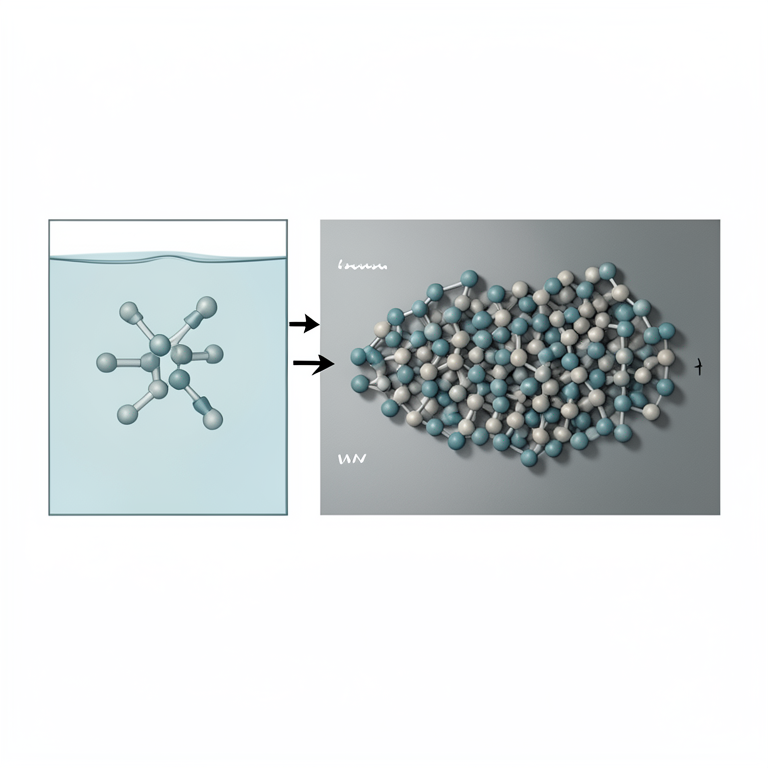
Mechanism of Corrosion Inhibition
AI-generated conceptual illustration (carbon steel surface and imidazolone molecules). It explains the idea and does not show study data.
View source evidence ↗Figures & tables
From the original paper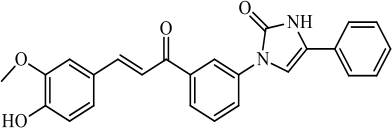 Figure 1
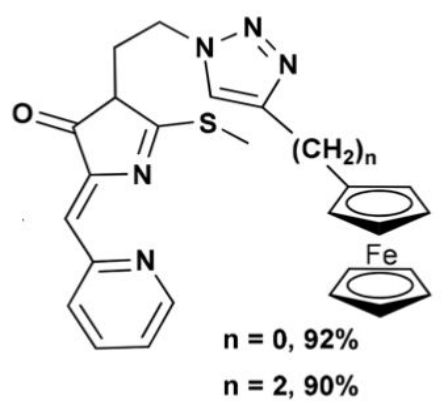 Figure 2
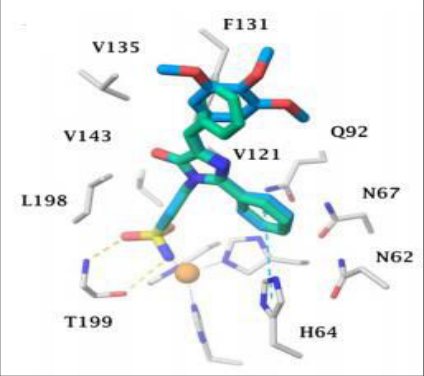 Figure 3
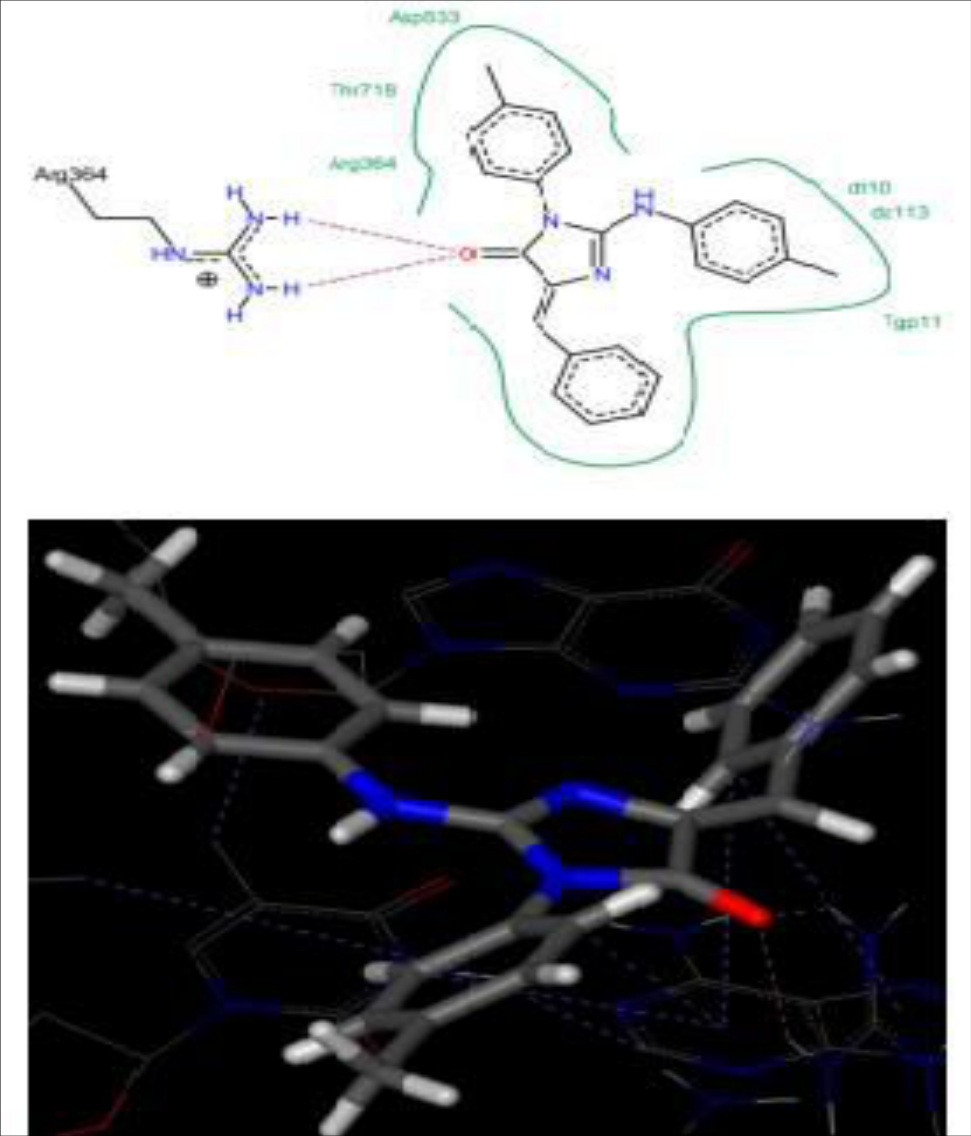 Figure 4
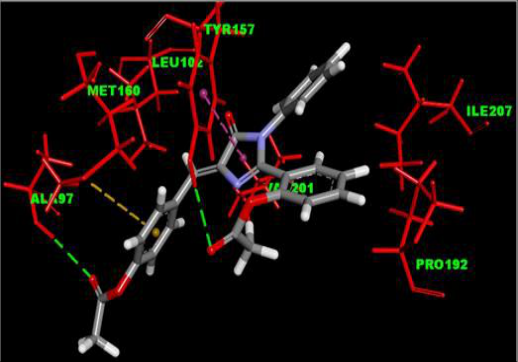 Figure 5
Introduction
Novel imidazoles with curative values are being aggressively exploited worldwide. Imidazoles encompass a key class of fivemembered heterocyclic compounds and have been found to be a vital part of many significant pharmacological active compounds in the field of medicinal chemistry. Imidazoles are also of general synthetic efficacy, since they permit functional group and structural modifications to synthesize a number of substituted heterocycles. They are classified based on the position of carbonyl group as 2-oxo-imidazoline, 4-oxoimidazoline and 5oxoimidazoline which are structurally correlated to amidines as well as guanidines. Imidazolones are synthetically available heterocyclic moieties that are studied for anticancer [1] and therapeutic benefits [2] . These moieties appear as proton donors or acceptors as well as in amino acids histidine and purine. Literature assessment reveals that a variety of imidazolone-5ones hold an extensive band of pharmacological and biological actions which are exhibited by their use as CNS depressant [3] , antifungal [4] , antihelmentic [5] , anticancer [6] , anticonvulsant [7] , anti-Parkinsonian [8] and monoaminoxidase inhibitory [9] agents. Few new disubstituted imidazolones were proved as anticonvulsant and succinate dehydrogenase suppressive agents [10] . Thus, the quest to explore many more modifications on imidazole moiety needs to be sustained. The versatility of 4imidazolones as cytotoxic compounds with potential anticancer activities prompted us to review them as potent cytotoxic agents and molecular docking studies reveal their binding interactions.
Based on the structure it can be perceived that imidazole moieties have two sites favourable for bonding with metal surface and also N atom with lone pair of electrons in aromatic ring which helps in inhibition of corrosion.
Imidazolones as potent cytotoxic agents
Numerous compounds have been studied as anticancer agents during the work on diverse phases of the cell cycle. These include often the N-containing heterocycles among which imidazole ring system signifies the foremost central structure. Imidazole and its derivatives have a great commonness in both natural products and synthetic molecules. The electron-rich characteristic permits these compounds to readily bind with diverse enzymes and receptors, thereby unveiling wide range of bioactivities [11] . Several activities including anticancer, anti-inflammatory [12] , cardio-activity, and angiotensin-II receptor antagonistic activity have been depicted specifically in compounds containing imidazolone moiety [13] . Additionally, many imidazolones have been used as biotin antagonists capable of inhibiting the growth of malignant tumors [14] . Imidazolones connected to chalcone moiety were shown to have excellent antioxidant and anticancer activities on various cell lines [15] . Abo-Elanwar et al., selected compound a as the lead compound to design and synthesize new imidazolone derivatives by replacing the 2-imidazolone ring by 4-substituted-5imidazolones with optimized conditions. The compounds investigate the potential effect on anti-tumoral activity [16] . The in vitro cytotoxicity of all synthesized imidazolone derivatives were assessed against four tumour cell lines: MCF-7, Hela, HCT-116 and PC3, taking Doxorubicin as a control and where IC50 values were determined which showed moderate to potent antineoplastic activity. human tumour cell lines derived from nine different cancer types with GI50 values ranging from 1.26 to 13.9 μM. The derivatives amazingly caused cell cycle arrest (G2/M phase) in breast carcinoma cells (MCF-7) at 10 μM concentration [17] . The FACS analysis data showed that these compounds seized the cell cycle at G2/M phase promoting in the design and expansion of new moieties based on these leads. D.A Guk et al., designed ferrocene-containing conjugate of 2alkylthioimidazolin-4-one b which was tested for cytotoxic activity [18] . The synthesized Ferrocene linked imidazolone complexes were tested for their in vitro cytotoxic activity against MCF-7,A-549 carcinoma cells and also against the noncancerous cell line Hek-293. The results displayed good cytotoxicity against the subjected cancer cell line compared with cisplatin. A.M Omar et al., studied cellular mechanisms in order to confirm apoptosis induction via ROS enhancement in a similar way to the natural lead tCA [27] and its derivatives [19] . In addition, potency against normal, highly proliferative mammalian cells were pursued as an indicator of electivity and preliminary toxicity [20] . All moieties were screened for their cytotoxic activity using sulforhodamine B (SRB) [21] assay against three diverse cancer cell lines: human colon adenocarcinoma (HCT116), human breast adenocarcinoma (MCF7) and human hepatocellular carcinoma (HepG2). These cell lines represent the most common spread of malignant diseases. The majority of the compounds unveiled substantial progress in inhibition of cancer cells against all three cancer cell lines [22] . Lamie, P. F et al., designed and synthesized novel 1,2-diaryl-4substituted-benzylidene-5(4H)-imidazolone derivatives by assimilation of benzoxazole/benzothiazole moiety with imidazolone nucleus c. The new compounds were evaluated for their cytotoxicity in four cancer cell lines (MCF7, Hep3B, PLC/PRF5, A2780) and normal human fibroblasts (BJ).All synthesized compounds showed moderate to potent cytotoxicity in hepatocellular carcinoma cells (Hep3B) and also in normal human fibroblasts [23] . Jung S.H et al., synthesized 1-arylsulfonyl-4-cyclohexyl-4,5dihydro-2-imidazolones and tested in vitro for their cytotoxicity against human ovarian(SK-OV-3),brain(XF 498),colon (HCT-15),lung carcinoma (A549) and human melanoma (SK-MEL-2) cell lines using B(SRB) assay which showed moderate to potent cytotoxic activity. The main focus was on planarity of the molecules which played essential role in binding these compounds to receptor as an important pharmacophore moiety [24] . Kumar D et al., synthesized compounds which were screened for in vitro cytotoxic activity against various cell lines such as, MCF-7 (breast cancer), HeLa (cervical cancer), (Human promyelocytic leukaemia) HL-60 and HepG2 (Hepatocellular carcinoma) by the MTT assay method [25] . Cisplatin was used as a reference drug in this study. From the results obtained it was found that electron donating groups have profound effect than the electron withdrawing groups. The cell viability was tested against MCF-7 and most of the compounds showed significant inhibitory concentration. Omar A.M et al., synthesized few imidazolone moieties and screened for their cytotoxic activity using SRB26 assay against three different cancer cell lines: human colon adenocarcinoma (HCT116), human breast adenocarcinoma (MCF7) and human hepatocellular carcinoma (HepG2).Majority of the compounds displayed noteworthy growth inhibition of cancer cells against all three cancer cell lines ranging from 0.5 to 4.0 μM IC50 values.
(b)
All the tested compounds showed advanced cytotoxic activities than the lead tCA [26] . Khodair A.I et al., synthesized novel imidazolone derivatives and were screened for their in vitro cytotoxicity against human prostate cancer cell line (PC-3), human breast cancer cell line (MCF-7) and non-cancerous human lung fibroblast cell line (WI-38) using 5-fluorouracil as a positive control by MTT assay [27] . IC50 values were given in μmol/ml and selectivity index (S. I.) values were calculated by dividing IC50 value of the target compound against the normal cell line over that against the cancer cell line are presented. All compound exhibited potent cytotoxic activities against PC-3 with IC50 range (28-68 nmol/ml) and all compounds are selective to PC-3 and MCF-7. The different cell lines stated above were used to determine the inhibitory effects of the tested compounds on cell growth using the MTT assay [28] .
Role of Imidazolones as corrosion inhibitor
Heping L et al., prepared two series of novel amidated imidazolones and studied the corrosion inhibition activity. The corrosion inhibition efficiency of iron in steel in presence of amidated imidazolones was examined by weight loss method [29] . The results indicated adsorption of synthesized imidazoles in HCl on surface of iron obeying Langmuir's adsorption isotherm which is proof for corrosion inhibition. El-Mekabaty et al., synthesized imidazolone derivatives by incorporating sulfonate moiety to investigate for antioxidant and anticorrosive studies. It was observed that incorporation of aryl sulfonate, oxazolone and imidazolone moieties in the same molecule provide high antioxidant and anticorrosive characteristics. On the other hand, incorporation of pyridine, thiazole, benzothiazole and pyrazole rings into imidazolone compounds was crucial for antioxidant and anticorrosive characteristics as in case of compounds. The synthesized compounds were tested as corrosion inhibitors for the corresponding lubricating oil using three diverse strips of copper, iron and aluminum with an area of 1 cm 2 . The results showed a loss in the weight of metal strips for oil without additives whereas in the presence of the compounds higher corrosion inhibition was observed [30] . Mangai, S. A et al., selected imidazole and benzimidazole as organic inhibitors which exhibited good inhibition efficiencies in the control of C38 steel corrosion in HCl acid medium up to a concentration of 4%. But above 4% the inhibition effect decreased due to desorption. On contrast alkaloid part of the extract part of the plant Trichodesma indicum was found to show maximum inhibition efficiency i.e 94.5% at a concentration of 75 mg/L at 30 ∘ C.Therefore, it is concluded that the alkaloid content of the selected medicinal plant acts as a good green inhibitor in comparision with imidazoles and benzimidazoles. It is recognized that the inhibition via adsorption of alkaloid part of Trichodesma indicum on the metal surface creating a protective barrier by it's synergistic or antagonistic effect might play an important role on the inhibition efficiency. Alkaloid compounds have been shown to possess substantial anticorrosion activity based on their structural characteristics [31] . Kumar D et al., studied the quantum chemical parameters and adsorption on Cu (111) surface of four different inhibitor molecules -imidazole, purine, adenine and 6-benzyl amino purine. The bond lengths, electronic density difference plots and PDOS of the most stable adsorption geometries indicate that formation of Cu-N covalent bonds for imidazole, purine and 6benzyl amino purine with the Cu (111) surface, whereas van derWaals interactions are largely responsible for the adenine-Cu (111)interactions.The computed HOMO-LUMO gaps and interaction energy magnitudes associate well with the trends in inhibition efficiencies reported experimentally [32] . In review studies reported by Mishra A et al., imidazole and its derivatives are widely used as corrosion inhibitors for various metals in different electrolytes [33] as their adsorption mechanism obeyed the Langmuir adsorption isotherm model. Results displayed that the verified imidazole derivatives exhibited good corrosion inhibition activity for copper in neutral solution. The Langmuir isotherm model, Polarization studies and quantum chemical studies showed that investigated imidazole based compounds acted as anodic type corrosion inhibitors. Mahmoud et al., synthesized 2-methylthio-5-benzylidine-4-one and studied corrosion on Al. The methods adopted were weightloss, volume of hydrogen evolution and polarization resistance measurement methods. Effect of inhibitor concentration on inhibition efficiency (%P) was studied. The rate of corrosion was determined gasometrically and using the weight-loss technique. Results could be explained on the assumption that inhibitor addition to HCl had a dual role in corrosion inhibition of Al. This behaviour could be explained on the basis that the inhibitor was the first adsorbed layer onto the metal surface, thereafter hindering the corrosion process in the case of high concentrations [34] .
Molecular docking studies of imidazolones
Eldehna et al., reported the synthesis of a series of 4-benzylidene-2-phenyl-5(4H)-imidazolone-based benzenesulfonamides and were evaluated for carbonic anhydrase and cytotoxic activities. Molecular docking studies were performed by taking the crystal structure of hCA II (PDB 5LJT) [35] and hCA IX (PDB 5FL4) which were prepared using the Protein Preparation Wizard tool. For the simulations with sulfonate derivatives, 5JLT and 5FL4 were prepared adding the zinc-bound water molecule as fourth ligand of the metal tetrahedral coordination sphere. 3D structure of ligand were prepared by Maestro [36a] and evaluated for their ionization states at pH 7.4 ± 0.5 with Epik [36b] .Ligand was docked with the standard precision mode of Glide [36c] and the best pose of the molecule o was retained as output which was assessed in terms of hydrogen bond interactions, hydrophobic contacts and coordination around the ligand [37] .
(c) [38] . [39,40] . Imidazole and benzimidazole derivatives act as inhibitors of Staphylococcus aureus and Escherichia coli enoyl acyl carrier protein reductase (FabI)that have been reported and crystallized. These structures help in determining the mode of interaction of the inhibitors with the enzyme, to elucidate the mode of interaction and binding of synthesized imidazole derivatives. Molecular docking studies were carried out on X-ray crystal structure of FabI of Staphylococcus aureus (pdb id: 4NZ9) obtained from protein data bank. All molecules showed good dock score, indicating that all molecules are moderate to good inhibitors of enoyl acyl carrier protein reductase (FabI). Dock pose and molecular interaction diagram of molecule e is shown with hydrogen bonding interaction with amino acid residue Tyr157, the major interaction with the protein were of hydrophobic nature with amino acid residues Leu102, Tyr147, Val154, Met160, Pro 192 and Ile207 [41] .
Conclusion
The Present review article implies the collection of recent advancement in the imidazolone based compounds as cytotoxic agents and corrosion inhibitors. Because of their high dipole moment, imidazolone and its derivatives are effectively assessed as corrosion inhibitor especially for mild steel and carbon steel in acidic media. Therefore, the implementation of these compounds for other metals and electrolytes should be tested. The cytotoxic studies revealed excellent inhibition activity. Most of the imidazolone compounds were tested on various bacterial proteins and evaluated for their molecular docking studies Although adequate literature studies are available on the cytotoxic activity, anticorrosive effect and molecular docking studies of imidazolone based organic moieties, we have presented few collections that are published recently.
Acknowledgement
AcknowledgementsAuthors are thankful to the department of Chemistry,Osmania University for providing lab facilites.We are also thankful to CRFD for providing spectral data.
Figures and tables from the paper
References
40 in the original paper- Kumar D, Mariappan G, Husain A, Monga J, Kumar S, Arabian Journal of Chemistry,2017:10:344-350.
- El-Araby M, Omar A, Hassanein HH, El-Helby AG, AbdelRahman AA. Molecules,2012:17:12262-12275.
- Gupta JK, De B&Saravanam VS. Indian J Pharm Sci,2005:67:373;Chem Abstr,2005:43:379067k.
- Mulwaad VV, Stawe D S, Indian J Heterocycl Chem,15,2006,327;Chem Abstr,2007:146:4193.
- Srinivas K, Sreenivas GM, Jayachandran F, Rao SD, Asian J Chem,2007:19:4193.
- Hirpara SB, Parikh KA, Merja BC, Parekh HH. Indian J Chem,42B,1172,2003;Chem Abstr,2003:139:180021c.
- Verma M, Chaturvedi AK, Chowdhari A, Parmar SS. J. Pharm. Sci,1974:63:1740.
- Naithani PK, Srivastava VK, Barthwal JP, Saxena AK, Gupta TK, Shanker K. Indian J. Chem. B,1989:28:990.
- Harfenist M, Soroko EF, Mckenzie GM. J. Med. Chem,1978:21:405.
- Shrimali M, Kalsi R, Sah R, Dixit KS, Nath C, Barthwal JP. Indian J. Chem. B,1990:29:85.
- Rapolu S, Alla M, Bommena VR, Murthy R, Jain N, Bommareddy VR. Eur J Med Chem,2013:66:91-100.
- Padmaja A, Rajasekhar C, Muralikrishna A, Padmavathi V. Eur J Med Chem,2011:46:5034-8.
- Akhtar J, Khan AA, Ali Z, Haider R, Shahar Yar M. Structure-activity relationship (SAR) Eur J Med Chem,2017:125:143-89.
- Mahapatra DK, Bharti SK, Asati V. Anti-cancer chalcones: structural and molecular target perspectives. Eur J Med Chem,2015:98:69-114.
- Mai CW, Yaeghoobi M, Abd-Rahman N, Kang YB, Pichika MR. Eur J Med Chem,2014:77:378-87.
- Kamal A, Ramakrishna G, Raju P, Viswanath A, Ramaiah MJ, Balakishan G, et al. Bioorg. Med. Chem. Lett.,2010:20(16):4865-4869.
- Guk DA, Krasnovskaya OO, Dashkova NS, Skvortsov DA, Rubtsova MP, Dyadchenko VP, et al. Dalton Transactions,2018:47(48):17357-17366.
- Hong SH, Ismail IA, Kang SM, Han DC, Kwon BM. Phytother. Res.,2016:30:754-767.
- Ka H, Park HJ, Jung HJ, Choi JW, Cho KS, Ha J, et al. Cancer Lett.,2003:196:143-152.
- Omar AM, Mahran MA, Ghatge MS, Chowdhury N, Bamane FH, El-Araby ME, Abdulmalik O, et al. Org. Biomol. Chem.,2015:13:6353-6370.
- Skehan P, Storeng R, Scudiero D, Monks A, McMahon J, Vistica D, et al. J. Natl. Cancer Inst.,1990:82:1107-1112.
- Omar AM, Abdelghany TM, Abdel-Bakky MS, Alahdal AM, Radwan MF, El-Araby ME. Chemical and Pharmaceutical Bulletin, 2018, c18-00398.
- Lamie PF, Philoppes JN, Rárová L. Archiv der Pharmazie, 2018:351(3-4):1700311.
- Jung SH, Kwak SJ. Archives of pharmacal research,1997:20(3):283-287.
- Kumar D, Mariappan G, Husain A, Monga J, Kumar S. Arabian Journal of Chemistry,2017:10(3):344-350.
- Omar AM, Abdelghany TM, Abdel-Bakky MS, Alahdal AM, Radwan MF, El-Araby ME. Chemical and Pharmaceutical Bulletin, 2018, c18-00398.
- Khodair AI, Elbadawi MM, Elsaady MT, Abdellatif KR. Journal of Applied Pharmaceutical Science,2017:7(09):058068.
- Denizot F, Lang R. J. immunol. Methods,1986:89:271-277.
- Heping L, Yanping L, Daowu Y. Journal-Changsha University Of Electric Power Natural Science,2002:17(2):68-70.
- El-Mekabaty A, Habib OM, Hassan HM, Moawad EB. Petroleum Science,2012:9(3):389-399.
- Mangai SA, Ravi S. Journal of Chemistry, 2013. 32. Kumar D, Jain V, Rai B. Corrosion Science,2020:171:108724.
- Mishra A, Aslam J, Verma C, Quraishi MA, Ebenso EE. Journal of the Taiwan Institute of Chemical Engineers, 2020.
- Mahmoud SS, El-Mahdy GA. Corrosion,1997:53(6):437439.
- Eldehna WM, Abdelrahman MA, Nocentini A, Bua S, AlRashood ST, Hassan GS, et al. Bioorganic chemistry,2019:90:103102.
- Schrödinger Suite Release 2018-2, Schrödinger, LLC, New York, NY, 2018: (a) Maestrov.11.6; (b) Epik, v.4.4; (c) Glide, v.7.9.
- Nocentini A, Gratteri P, Supuran CT. Chemistry-A European Journal,2019:25(5):1188-1192.
- Khodair AI, Elbadawi MM, Elsaady MT, Abdellatif KR. Journal of Applied Pharmaceutical Science,2017:7(09):058068.
- Cho AE, Guallar V, Berne BJ, Friesner R. Journal of computational chemistry,2005:26:915.
- Halgren TA, Murphy RB, Friesner RA, Beard HS, Frye LL, Pollard WT, Banks JL, Journal of Medicinal Chemistry,2004:47:1750.
- Aparna Y, Sharada LN, Subhashini NJP, Sreekanth S. Russian Journal of General Chemistry,2019:89(6):12021208.