
Research article · 2022 · Full text
International Journal of Advanced Chemistry ResearchA review on inorganic UV filter zinc oxide against keratinocyte cancer and photoaging
Volume 4(2) · Pages 332–336 · DOI: 10.33545/26646781.2022.v4.i2e.119 ↗
Research areasSkin Protection and Aging
Abstract
Author-writtenPhotoprotection has become pivotal in the prevention of keratinocyte cancer and photoaging. Organic ultraviolet (UV) filters such as oxybenzone and octinoxate have become controversial due to their possible impact on the environment and their potential human health risks. As such, inorganic UV filter, zinc oxide (ZnO), has become paramount in discussions about photoprotection. ZnO is used in sunscreens as nanoparticles, which denote a size
Summary
Source-checkedPlain-language reading of the full paper, prepared with AI and checked against the text. Each point links to the authors' own words.
Why it matters
- Keratinocyte cancer, which includes basal and squamous cell carcinoma, is the most frequent malignancy in the US, impacting up to 3 million people every year. View evidence ↗
- Ultraviolet (UV) radiation is a primary risk factor for the development of skin cancer and causes photoaging and erythema. View evidence ↗
- Organic UV filters, specifically octinoxate and oxybenzone, are controversial because of their potential risks to human health and the environment. View evidence ↗
The question
- The objective of this review is to examine the mechanisms and safety concerns associated with the use of zinc oxide (ZnO) inorganic filters for photoprotection. View evidence ↗
What they did
- In the context of this review, nanoparticles are defined as particles with a diameter of less than 100 nm. View evidence ↗
- Zinc oxide nanoparticles are categorized into three physical states: primary particles, aggregates, and agglomerates. View evidence ↗
What they found
- Zinc oxide provides broad-spectrum photoprotection because it has a flat absorption curve across both UVA and UVB radiation. View evidence ↗
- In a study of human volunteers using nanosized ZnO twice daily for five days, less than 0.01% of the substance was detected in the bloodstream. View evidence ↗
- Research using human volunteers and porcine models found that ZnO does not penetrate beyond the pilosebaceous units and stratum corneum in either intact or tape-stripped skin. View evidence ↗
- In animal models, pregnant rats exposed to ZnO showed a decrease in liver and body weight, but no adverse effects on their offspring or pregnancy were observed. View evidence ↗
- In vitro studies of human nasal mucosa cells showed that ZnO was present in the nucleus of 1.5% of cells and the cytoplasm of up to 10% of cells. View evidence ↗
- Zebrafish embryos exposed to ZnO nanoparticle solutions at concentrations greater than 1 mg/L exhibited mortality and abnormal embryogenesis. View evidence ↗
- Exposure to ZnO has been linked to poor root growth and decreased seed germination in several agricultural plant species. View evidence ↗
What it means
- The authors conclude that human health risks from ZnO are extremely low because the substance is not absorbed through damaged or intact skin. View evidence ↗
- The authors recommend that patients use photoprotective clothing, seek shade, and apply sunscreens by hand to exposed skin. View evidence ↗
- It remains unknown if environmental risks will increase as higher concentrations of inorganic filters leach into the environment. View evidence ↗
Visual summary
1 visualsIllustrations explain the paper; they do not show study data.
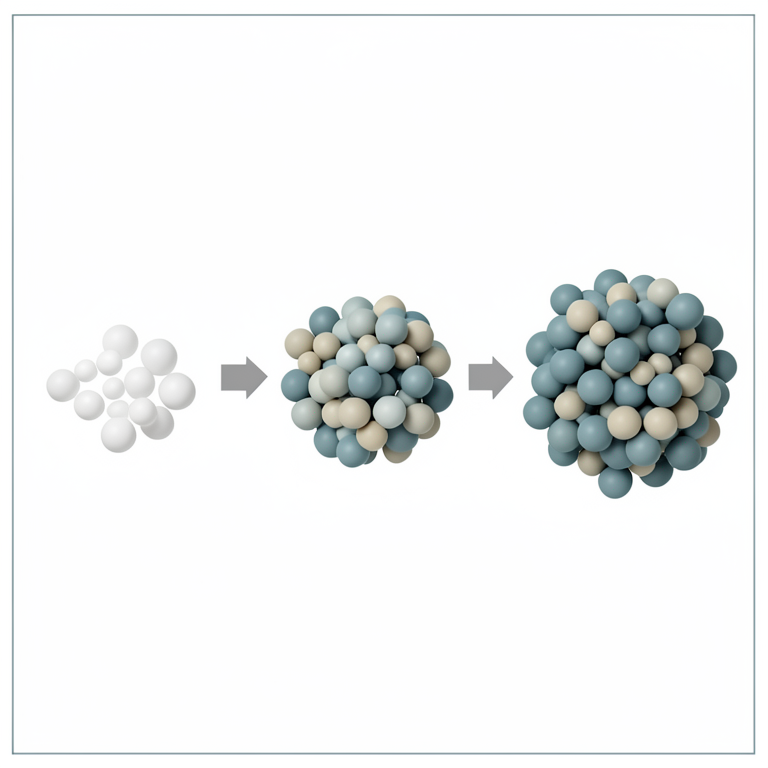
Physical States of ZnO
AI-generated conceptual illustration (zinc oxide nanoparticles). It explains the idea and does not show study data.
View source evidence ↗Introduction
Keratinocyte cancer, including basal and squamous cell carcinoma, is the most common malignancy in the United States [1] affecting up to 3 million Americans annually [2] Ultraviolet (UV) radiation is a main risk factor for skin cancer development; it also induces erythema and photoaging. Photoprotection is utilized to protect the skin from these negative effects of UV radiation with sunscreen as an integral part of the photoprotective strategy. In 2018, the Environmental Working Group (EWG) reported that two-thirds of the sunscreens available in the United States contained chemicals that EWG deemed to be harmful to the environment, which are predominantly organic filters [3] This is due to the environmental effects of these filters, including an effect on coral reefs, as well as their prevalence in the water supply and in aquatic animals. Furthermore, organic filters have been reported to have negative hormonal effects in animal models [4] . While there have not been any known effects in humans, they are continuing to be examined5 It should be noted that although these risks are being reported, a formal environmental risk assessment, as is done for pesticides and other chemicals, has not yet been performed. On May 1, 2018, the Hawaiian state legislature passed a bill banning the sale and distribution of sunscreens containing organic filters oxybenzone and octinoxate; [6] at the time of this writing, it is anticipated that the bill will become law, effective 2021. Other states are proposing similar legislation. With the controversies of organic sunscreens, the role of inorganic sunscreens has become paramount to consider for patients collect the reliable data on fuel wood consumption of the area and also to evaluate the impact of fuel wood collection on forest ecosystem. There are two inorganic filters (also known as mineral filters) approved by U.S. Food and Drug Administration (FDA): zinc oxide (ZnO); is a metal oxide particles [7] . The molecule absorb, reflect and refract UV photons but function in photo protection primarily by absorbing UV radiation [8] .
The initial formulations of mineral filter-containing sunscreens often left a white, chalky appearance on the skin, which is most noticeable in dark-skin individuals. Cosmetic and patient satisfaction encouraged new formulations by decreasing particle size culminating in the usage of nanoparticles. In 2018, the EWG reported a large increase in these inorganic filters with ~ 41% of sunscreens in the United States designated as mineral only. This figure has more than doubled (from 17%) since 2007 [3] . This review article will discuss the role of zinc oxide inorganic filters in photo protection, including mechanism and safety concerns.
What are nanoparticles?
Anoparticles have wide applications in the cosmetic industry; they are a key component of inorganic sunscreens. ZnO have been used in sunscreens since the 1980s.Normally, ZnO range in size from 200-400 nm, respectively.7 The larger particle size accounts for the white, chalky texture on the skin's surface as these particles reflect incident visible light, which is perceived by the retina as white.3Nanoparticles refer to particles that are <100 nm in diameter, which are small enough to be undetectable by conventional microscopes [10,11] . These smaller particles allow most sunscreen formulations to be applied smoothly and transparently [3] . Nanoparticles are an area of ongoing investigation and research. In 2002, there were over 22,000 articles and 1900 patents published compared to only 1000 articles 12 years prior [10] . ZnO nanoparticles utilized in sunscreens reflect only a small portion of incident visible light, which allows most products to appear transparent. It is important to note that increasing inorganic filter concentrations will decrease their transparency creating a white (ZnO) appearance. These particles provide photo protection mostly be absorbing UV radiation; a small degree of scattering May also occur [7,8] . In the United States, nanoparticles are regulated by the FDA with a broad definition that does not differentiate between variably sized particles smaller than 100 nm [10] . This inclusive definition does not discriminate amongst the different characteristics of nanoparticles of even the same molecule such as size, shape, and surface area [3] . The nanoparticles of ZnO exist in three main physical states: (a) primary particles, (b) aggregates, and (c) agglomerates. Primary particles are 5-20 nm in size. When put into suspension, these primary particles bind together through their innate chemical and physical properties forming aggregates. Aggregates range in size from 30 to 150 nm and are the most common physical manifestation of ZnO in sunscreens. When aggregates clump together, agglomerates are formed. This process occurs primarily during manufacturing where aggregates are exposed to heat and drying processes. These agglomerates are much larger (>1 μm), which reflect more visible light and leave a whitish discoloration on the skin. Agglomerates are converted back to aggregates in the final stages of the manufacturing process [9] . ZnO is utilized in sunscreens since they reflect and absorb UV photons. The ability of these particles to protect against UV exposure is directly related to particle size. ZnO has a flat absorption curve across the UVA and UVB spectrum [3,7,12,13] . When used together, ZnO provide good broadband UV protection [13] . ZnO nanoparticles can be coated with various products. Silica is thought to be one of the most effective coatings to prevent a photocatalytic event [13] . Nanoparticles of ZnO have the advantages of a non-greasy formulation that is transparent, inexpensive and does not degrade with UV radiation exposure [14] .
Health Concerns
As discussed earlier, smaller nanoparticles are important for the improved and ease of application, while providing UV protection. However, smaller nanoparticles have larger surface areas, which could lead to unwanted consequences identified in vitro such as generation of reactive oxygen species and toxicity [11 15, 16] . It should be highlighted that based on currently available data, inorganic UV filters have few to no health concerns in humans [3,17,18] . Oxidative stress and cellular toxicity could be a concern were ZnO able to penetrate the stratum corneum, enter the dermis and ultimately the blood supply. Fortunately, studies both in vivo and in vitro have found that these minerals do not permeate the skin to any significant degree [7,13,[18][19][20][21][22] . When nanosized ZnO was examined on human volunteers with twice daily applications over five consecutive days, subjects had < 0.01% identified in their bloodstream. Additionally, testing was unable to determine if the minimal increase in zinc in the blood was due to the insoluble nanoparticles from the sunscreen or from minute fluctuations in the body's zinc stores [23,24] . In two studies (in vitro porcine and in vivo human volunteers), ZnO depth of penetration was examined both in normal intact epidermis as well as tape-stripped skin and found a lack of penetration beyond the stratum corneum and pilosebaceous units [19,25] . In one experiment studying UVB damaged skin in a porcine model, ZnO nanoparticles did penetrate into the epidermis slightly. With most products regulated by the FDA, toxicity is examined. Given that ZnO nanoparticles do not appear to be readily absorbed, researchers examined the effects of increased Zn2+ions in the body. Zinc is an important ion in the body, and its levels are tightly regulated. Increasing zinc levels can lead to oxidative stress, mitochondrial dysfunction and cell death in vitro [7] . In vitro and in vivo human and animal studies examined the toxicity of oral and cutaneous exposure to ZnO nanoparticles as well as skin irritation, phototoxicity, photosensitization, and photo irritation. The risk of toxicity in humans is none to minimal [18, 27] . The risk of ZnO exposure during pregnancy and lactation has been studied. Experiments were done in mouse and rat animal models to examine the effects of ZnO in pregnancy, placental development, and fetal development. In these experiments, animals received 100-400 mg/kg/d of ZnO or 100 mg/kg body weight [29,30] . Pregnant rats exposed to ZnO had decreased body and liver weight; however, no issues related to their pregnancy or offspring [29] . An additional hen animal study found that liver dysfunction identified in pregnant mothers was transferred to offspring [31] . There are toxicity concerns when considering the manufacturing of ZnO nanoparticles for sunscreen and other cosmetic products. The lungs are unable to clear nanoparticles, which creates the potential for increased concentrations in the alveoli and possible absorption into the bloodstream. If this were to occur, there is potential for damage to internal organs [3] . In a study of human nasal mucosa cells in vitro, ZnO was detected in the cytoplasm in up to 10% of cells, and in the nucleus in 1.5% [32] . These nanoparticles appeared to induce DNA damage in this in vitro model [32,33] . An in vivo study with 12 human volunteers evaluated the risk of inhalation using 500 μg/m3 of ZnO nanoparticles for 2 hours; no acute systemic effect was detected when examining patient symptoms, leukocyte antigen markers, hemostasis, cardiac electrophysiology, and sputum [20,36] .
Photo Mutagenesis
Some forms of ZnO have semi-conductor and photocatalytic activity under specific conditions. When exposed to UV radiation, ZnO can induce free radical formation in vitro, raising the concern for photo mutagenesis [3,7] . Nanoparticles appear to be even more effective free radical generators than larger particles [3] . However, it is interesting that a separate in vitro study with murine cells found ZnO particles protected against UVR induced oxidative stress when used in large enough concentrations [7] . It is likely these discordant in vitro studies that encouraged the International Workshop on Genotoxicity in Test Procedures working group to conclude that photo genotoxicity should no longer be included in safety testing [37] . It has been suggested that the small amount of free radicals that may be generated on the skin's surface can be contained with the body's own antioxidants3 In vitro, certain microsized ZnO particles were found to be photo-stable and non-photocatalytic; [38] , however, pharmaceutical companies are not required to divulge their different formulations; thus, there may be products that are at higher risk. Because these agents are not readily absorbed, the risk of free radicals affecting cells beyond the superficial stratum corneum and desquamating skin cells is exceedingly low [20] .
Environment
The effect of nanoparticles on the environment is complicated. Because ZnO is a mineral found in the environment, it is difficult to differentiate the effect of the nanoparticles from naturally occurring particles.39 It has been estimated that the concentration of ZnO nanoparticles found in aquatic environments would be in the low 10 μg/L, which is very low [14,39] . A group out of Austria evaluated the concentration of nanoparticles in Old Danube Lake in Vienna from suspended particulate matter (SPM). This group used multiple methodologies to identify concentrations of nanoparticles in the environment and found that they could not differentiate sunscreen nanoparticles from natural titanium-bearing nanoparticles but did find a slight overall increase in titanium particles in the summertime that were transient in the SPM. Additionally, using electron microscopy, they found that the nanoparticles do not remain suspended freely in the water for a prolonged period of time but instead aggregate and fall to the sediment [39] . The same process is thought to occur in seawater [40] . Studies have evaluated the risk to aquatic animals from nanoparticles. In vitro, Zebrafish embryos were bathed in solutions of ZnO nanoparticles (extracted from sunscreens) at > 1 mg/L, which is much higher than current environmental estimates. These Zebrafish demonstrated abnormal embryogenesis and even mortality, which was thought to be due to elevated Zn concentrations but not specifically to the nanoparticles [14] . Another in vitro study found that ZnO nanoparticles were more toxic to zebrafish than Zn2+ alone. They concluded that the combination of Zn2+ in combination with ZnO nanoparticles is the most toxic to these animals. Interestingly, these effects were mitigated when the study was performed with ZnO particles in the sediment of the cultured zebrafish embryos [7,41,42] . ZnO was found to be detrimental to other living creatures, including roaches, algae, daphnia, earthworms, and other fish embryos [43][44][45] . In laboratory settings, ZnO nanoparticles caused severe and rapid bleaching of Acropora spp. of coral, the effects of nanoparticles on vegetation have been studied. A number of species of agricultural plants exposed to ZnO had decreased seed germination and poor root growth [7,48] . Therefore, studies had conflicting results regarding the risk of nanoparticles in the environment [49][50][51][52] at this time, the overall risk to the environment is considered extremely low. Zinc ions present in sunscreens contribute to the higher concentrations of zinc in the environment. As such, in the European Union, environmental concentrations of zinc are tightly regulated due to potential environmental concerns [27] . Whether the risks to the environment could increase with increasing concentrations of inorganic filters leaching into the environment remain to be observed [14] .
Conclusion
With increasing rates of keratinocyte cancer and patient concerns regarding photoaging, photoprotection has become an important part of preventative medicine. Organic sunscreen filters such as oxybenzone and octinoxate have become controversial due to their potential environmental risks. A discussion regarding the advantages, approaches and limitations on the use of ZnO NPs for various applications and drug delivery has been presented. The understanding of current challenges in terms of the potential toxic effects of ZnO NPs, the possible mechanisms and cellular consequences as a result of ZnO NPs interactions with host cells is necessary to provide better delivery options for ZnO NPs. The approaches discussed to improve their safety will further make them attractive for various applications. Based on currently available data, the health risks of ZnO to humans is extremely low, primarily due to a lack of absorption across both intact and damaged (tapestripped) skin. Patients should be counseled to seek shade when outdoors, use photo protective clothing including hats and sunglasses, and for exposed areas, to apply sunscreens by hand. For those concerned about the environmental impact of organic UV filters, ZnO containing sunscreens could be used.
References
52 in the original paper- CDC. Skin Cancer Statistics; c2017. https://www.cdc.gov/cancer/skin/statistics/index.htm. Accessed March 25, 2018. Google Scholar
- Accessed March 25, 2018. Google Scholar
- EWG's Sunscreen Guide; c2018. https://www.ewg.org/sunscreen/report/executivesummary/ Accessed June 5, 2018. Google Scholar
- Schlep M, Cotton B, Conscience M, Haller V, Steinmann B, Liechtensteiner W. In vitro and in vivo estrogen city of UV screens. Environ Health Percept. 2001;109(3):239-244. Cross ref CAS Pub Med Web of Science ® Google Scholar
- Janjua NR, Kongshoj B, Andersson AM, Wulf HC. Sunscreens in human plasma and urine after repeated whole-body topical application. J Eur Acad Dermatol Venereol. 2008;22(4):456-461. Wiley Online Library CAS Pub Med Web of Science ® Google Scholar International Journal of Advanced Chemistry Research https://www.chemistryjournals.net
- Osmond MJ, McCall MJ. Zinc oxide nanoparticles in modern sunscreens: an analysis of potential exposure and hazard. Nanotoxicology. 2010;4(1):15-41. Cross ref CAS Pub Med Web of Science ® Google Scholar
- Cole C, Shyr T, Ou-Yang H. Metal oxide sunscreens protect skin by absorption, not by reflection or scattering. Photodermatol Photoimmunol Photomed. 2016;32(1):5-10. Wiley Online Library CAS Pub Med Web of Science ® Google Scholar
- Wang SQ, Tooley IR. Photoprotection in the era of nanotechnology. Semin Cutan Med Surg. 2011;30(4):210-213. Cross ref CAS Pub Med Web of Science Google Scholar
- Nanotechnology Task Force Report 2007. In: Administration USFD, ED; c2018. https://www.fda.gov/ScienceResearch/SpecialTopics/N anotechnology/ucm402230.htm. Accessed October 21, 2018. Google Scholar
- Grande F, Tucci P. Titanium dioxide nanoparticles: a risk for human health? Mini Rev Med Chem. 2016;16(9):762-769. Cross ref CAS Pub Med Web of Science ® Google Scholar
- Beasley DG, Meyer TA. Characterization of the UVA protection provided by avobenzone, zinc oxide, and titanium dioxide in broad-spectrum sunscreen products. Am J Clin Dermatol. 2010;11(6):413-421. Cross ref Pub Med Web of Science ® Google Scholar
- Smijs TG, Pavel S. Titanium dioxide and zinc oxide nanoparticles in sunscreens: focus on their safety and effectiveness. Nanotechnol Sci Appl. 2011;4:95-112. Cross ref CAS Pub Med Google Scholar
- Hanigan D, Truong L, Schoepf J, et al. Trade-offs in ecosystem impacts from nanomaterial versus organic chemical ultraviolet filters in sunscreens. Water Res. 2018;139:281-290. Cross ref CAS Pub Med Web of Science ® Google Scholar
- Rihane N, Nury T, M'Rad I, et al. Microglial cells (BV2) internalize titanium dioxide (TiO2) nanoparticles: toxicity and cellular responses. Environ Sci Pollut Res Int. 2016;23(10):9690-9699. Cross ref CAS Pub Med Web of Science ® Google Scholar
- Ze Y, Hu R, Wang X, et al. Neurotoxicity and geneexpressed profile in brain-injured mice caused by exposure to titanium dioxide nanoparticles. J Biomed Mater Res A. 2014;102(2):470-478. Wiley Online Library CAS Pub Med Web of Science ® Google Scholar
- Nohynek GJ, Dufour EK. Nano-sized cosmetic formulations or solid nanoparticles in sunscreens: A risk to human health? Arch Toxicol. 2012;86(7):10631075. Cross ref CAS Pub Med Web of Science ® Google Scholar
- Schilling K, Bradford B, Castelli D, et al. Human safety review of "nano" titanium dioxide and zinc oxide. Photochem Photobiol Sci. 2010;9(4):495-509. Cross ref CAS Pub Med Web of Science ® Google Scholar
- Senzui M, Tamura T, Miura K, Ikarashi Y, Watanabe Y, Fujii M. Study on penetration of titanium dioxide (TiO(2)) nanoparticles into intact and damaged skin in vitro. J Toxicol Sci. 2010;35(1):107-113. Cross ref CAS Pub Med Web of Science ® Google Scholar
- Scientific Committee on Consumer Safety (SCCS); c2012. Opinion on Zinc oxide (nano form). http://ec.europa.eu/health/scientific_committees/consu mer_safety/docs/sccs_o_103.pdf.Accessed October 21, 2018.Google Scholar
- Dussert AS, Gooris E, Hemmerle J. Characterization of the mineral content of a physical sunscreen emulsion and its distribution onto human stratum corneum. Int J Cosmet Sci. 1997;19(3):119-129. Wiley Online Library CAS Pub Med Google Scholar
- Zvyagin AV, Zhao X, Gierden A, Sanchez W, Ross JA, Roberts MS. Imaging of zinc oxide nanoparticle penetration in human skin in vitro and in vivo. J Biomed Opt. 2008;13(6):064031. Cross ref CAS Pub Med Web of Science ® Google Scholar
- Gulson B, McCall M, Korsch M, et al. Small amounts of zinc from zinc oxide particles in sunscreens applied outdoors are absorbed through human skin. Toxicol Sci. 2010;118(1):140-149. Cross ref CAS Pub Med Web of Science ® Google Scholar
- Gulson B, McCall M, Gomez L, Korsch M, Casey P, Kinsley L. Dermal absorption of ZnO particles from sunscreens applied to humans at the beach. ICONN Abstract; c2010. http://realizebeauty.files.wordpress.com/2010/02/iconn 2010-abstract-gulson1.pdf. Accessed October 21, 2018. Google Scholar
- Lin LL, Grice JE, Butler MK, et al. Time-correlated single photon counting for simultaneous monitoring of zinc oxide nanoparticles and NAD(P)H in intact and barrier-disrupted volunteer skin. Pharm Res. 2011;28(11):2920-2930. Cross ref CAS Pub Med Web of Science ® Google Scholar
- Monteiro-Riviere NA, Wiench K, Landsiedel R, Schulte S, Inman AO, Riviere JE. Safety evaluation of sunscreen formulations containing titanium dioxide and zinc oxide nanoparticles in UVB sunburned skin: An in vitro and in vivo study. Toxicol Sci. 2011;123(1):264280. Cross ref CAS Pub Med Web of Science ® Google Scholar
- Bodar CW, Pronk ME, Sijm DT. The European Union risk assessment on zinc and zinc compounds: the process and the facts. Integr Environ Assess Manag. 2005;1(4):301-319. Wiley Online Library CAS Pub Med Web of Science ® Google Scholar
- Weir A, Westerhoff P, Fabricius L, Hristovski K, von Goetz N. Titanium dioxide nanoparticles in food and personal care products. Environ Sci Technol. 2012;46(4):2242-2250. Cross ref CAS Pub Med Web of Science ® Google Scholar
- Hong JS, Park MK, Kim MS, et al. Effect of zinc oxide nanoparticles on dams and embryo-fetal development in rats. Int J Nanomedicine. 2014;9(Suppl 2):145-157. Pub Med Web of Science ® Google Scholar
- Ebrahimzadeh Bideskan A, Mohammadipour A, Fazel A, et al. Maternal exposure to titanium dioxide nanoparticles during pregnancy and lactation alters offspring hippocampal mRNA BAX and Bcl-2 levels, induces apoptosis and decreases neurogenesis. Exp Toxicol Pathol. 2017;69(6):329-337.
- Hao Y, Liu J, Feng Y, et al. Molecular evidence of offspring liver dysfunction after maternal exposure to zinc oxide nanoparticles. Toxicol Appl Pharmacol. 2017;329:318-325. Cross ref CAS Pub Med Web of Science ® Google Scholar
- Hackenberg S, Scherzed A, Technau A, et al. Cytotoxic, genotoxic and pro-inflammatory effects of zinc oxide nanoparticles in human nasal mucosa cells in vitro. Toxicol in vitro. 2011;25(3):657-663. Cross ref CAS Pub Med Web of Science ® Google Scholar
- Hackenberg S, Zimmermann FZ, Scherzed A, et al. Repetitive exposure to zinc oxide nanoparticles induces DNA damage in human nasal mucosa mini organ cultures. Environ Mol Mutagen. 2011;52(7):582-589. Wiley Online Library CAS Pub Med Web of Science ® Google Scholar
- Beckett WS, Chalupa DF, Pauly-Brown A, et al. Comparing inhaled ultrafine versus fine zinc oxide particles in healthy adults: a human inhalation study. Am J Respir Crit Care Med. 2005;171(10):1129-1135. Cross ref Pub Med Web of Science ® Google Scholar 35. Lynch AM, Guzzie PJ, Bauer D, et al. Considerations on photochemical genotoxicity. II: report of the 2009 International Workshop on Genotoxicity Testing Working Group. Mutat Res. 2011;723(2):91-100. Cross ref CAS Pub Med Web of Science ® Google Scholar
- Mitchnick MA, Fairhurst D, Pinnell SR. Microfine zinc oxide (Z-cote) as a photostable UVA/UVB sunblock agent. J Am Acad Dermatol. 1999;40(1):85-90. Cross ref CAS Pub Med Web of Science ® Google Scholar
- Gondikas AP, Von der Kammer F, Reed RB, Wagner S, Ranville JF, Hofmann T. Release of TiO2nanoparticles from sunscreens into surface waters: A one-year survey at the old Danube recreational Lake. Environ Sci Technol. 2014;48(10):5415-5422. Cross ref CAS Pub Med Web of Science ® Google Scholar
- Botta C, Labille J, Auffan M, et al. TiO(2)-based nanoparticles released in water from commercialized sunscreens in a life-cycle perspective: structures and quantities. Environ Pollut. 2011;159(6):1543-1550. Cross ref CAS Pub Med Web of Science ® Google Scholar
- Zhu X, Zhu L, Duan Z, Qi R, Li Y, Lang Y. Comparative toxicity of several metal oxide nanoparticle aqueous suspensions to Zebrafish (Danio rerio) early developmental stage. J Environ Sci Health A Tox Hazard Subst Environ Eng. 2008;43(3):278-284. Cross ref CAS Pub Med Web of Science ® Google Scholar
- Zhu X, Wang J, Zhang X, Chang Y, Chen Y. The impact of ZnO nanoparticle aggregates on the embryonic development of zebrafish (Danio rerio). Nanotechnology. 2009;20(19):195103. Cross ref CAS Pub Med Web of Science ® Google Scholar
- Khosravi-Katuli K, Lofrano G, Pak Nezhad H, et al. Effects of ZnO nanoparticles in the Caspian roach (Rutilus rutilus caspicus). Sci Total Environ. 2018;626:30-41. Cross ref CAS Pub Med Web of Science ® Google Scholar
- Shin YJ, Lee WM, Kwak JJ, An YJ. Dissolution of zinc oxide nanoparticles in exposure media of algae, daphnia, and fish embryos for nano toxicological testing. Chem Ecol. 2018;34(3):229-240. Cross ref CAS Web of Science ® Google Scholar
- Canas JE, Qi B, Li S, et al. Acute and reproductive toxicity of nano-sized metal oxides (ZnO and TiO(2)) to earthworms (Eisenia fetida). J Environ Monit. 2011;13(12):3351-3357. Cross ref CAS Pub Med Web of Science ® Google Scholar
- Jovanovic B, Guzman HM. Effects of titanium dioxide (TiO2) nanoparticles on Caribbean reef-building coral (Montastraea faveolata). Environ Toxicol Chem. 2014;33(6):1346-1353. Wiley Online Library CAS Pub Med Web of Science ® Google Scholar
- Corinaldesi C, Marcellini F, Nepote E, Damiani E, Danovaro R. Impact of inorganic UV filters contained in sunscreen products on tropical stony corals (Acropora spp.). Sci. Total Environ 2018;638:12791285. Cross ref Web of Science ® Google Scholar
- Lin D, Xing B. Phytotoxicity of nanoparticles: inhibition of seed germination and root growth. Environ Pollut. 2007;150(2):243-250. Cross ref CAS Pub Med Web of Science ® Google Scholar
- Blaise C, Gagne F, Ferard JF, Eullaffroy P. Ecotoxicity of selected nano-materials to aquatic organisms. Environ Toxicol. 2008;23(5):591-598. Wiley Online Library CAS Pub Med Web of Science ® Google Scholar
- Haynes VN, Ward JE, Russell BJ, Agrios AG. Photocatalytic effects of titanium dioxide nanoparticles on aquatic organisms -current knowledge and suggestions for future research. Aquat Toxicol. 2017;185:138-148. Cross ref CAS Pub Med Web of Science ® Google Scholar
- Hu J, Wang J, Liu S, et al. Effect of TiO2 nanoparticle aggregation on marine microalgae Isochrysis galbana. J Environ Sci (China). 2018;66:208-215. Cross ref Pub Med Web of Science ® Google Scholar
- Minetto D, Libralato G, Marcomini A, Volpi Ghirardini A. Potential effects of TiO2 nanoparticles and TiCl4 in saltwater to Phaeodactylum tricornutum and Artemia franciscana. Sci Total Environ. 2017;579:1379-1386. Cross ref CAS Pub Med Web of Science ® Google Scholar
- Ramsi Vakayil, Sankareswaran Muruganantham, Nivedhitha Kabeerdass, Manikandan Rajendran, Anil Mahadeo Palve, Srinivasan Ramasamy, et al. Acorus calamus-zinc oxide nanoparticle coated cotton fabrics shows antimicrobial and cytotoxic activities against skin cancer cells, Process Biochemistry. 2021;111(1):18. ISSN: 1359-5113. https://doi.org/10.1016/j.procbio.2021.08.024.
- Jin T, Sun D, Su JY, Zhang H, Sue HJ. Antimicrobial efficacy of zinc oxide quantum dots against Listeria monocytogenes, Salmonella Enteritidis and Escherichia coli O157: H7. J Food Sci. 2009;74:M46-52.
- Zhang L, Jiang Y, Ding Y, Povey M, York D. Investigation into the antibacterial behavior of suspensions of ZnO nanoparticles (ZnO nanofluids). J Nanopart Res. 2007;9:479-489.
- Gunalan S, Sivaraj R, Rajendran V. Green synthesized ZnO nanoparticles against bacterial and fungal pathogens. Progress in Natural Science: Materials International. 2012;22:693-700.
Cited by 9
From OpenAlex, OpenCitations and reference lists read by Scinovex
- Pharmacodynamic evaluation of ash-zinc oxide nanoparticles: synergistic gel formulation for wound healing and anti-inflammatory applications ↗
Aishwarya Jain, Kiran Bhise · Drug Development and Industrial Pharmacy · 2025
Objective This study aims to develop and evaluate the wound-healing and anti-inflammatory potential of Ash–ZnO NPs and Ash–ZnO NPs gel formulation, synthesized using Saraca asoca extract and stabilized in a chitosan matrix. The goal was to overcome the limitations of conventional ZnO nanoparticles, including instability, cytotoxicity, and uncontrolled release.Significance Although ZnO nanoparticles possess antimicrobial and regenerative properties, their clinical utility…
❝ 4 - A comprehensive overview of sunscreen cream: Key actives and methods of formulation
Rohit Kumar Trivedi, Deepak Kumar, Amit Semwal, Vineet V. Joshi, Sudipta Mukhopadhyay · International Journal of Biology Sciences · 2025
Sunscreen creams are essential topical formulations designed to protect the skin from the harmful effects of ultraviolet (UV) radiation, particularly UV-A and UV-B rays. Excessive exposure to UV radiation is associated with acute skin damage, photoaging, and increased risk of skin cancers. This review provides a comprehensive analysis of sunscreen formulations, focusing on the classification of UV filters (chemical, physical, and hybrid), their mechanisms of action, and the key ingredients used. Advances in formulation technologies, including the use of emulsifiers, nanocarriers, and natural a
- Dominant recurrence factors in patients with squamous cell carcinoma of the skin following wide excision Surgery: A retrospective cohort study at RSUP Dr. M. Djamil Padang (2018-2024) ↗
Wiko Wicaksono, Daan Khambri, Rahmat Taufik · International Journal of Surgery Science · 2025
Background: Skin cancer is a major global health issue, with an increasing incidence particularly in non-melanoma skin cancer (NMSC) cases. Squamous cell carcinoma (SCC) represents the second most frequent subtype of NMSC, often associated with chronic sun exposure, immunosuppression, or prior radiation therapy. Despite adequate surgical treatment, SCC recurrence remains a substantial challenge. Objective: To determine the dominant recurrence factors
- Cyanobacteria and microalgae as promising sources of novel bioactive compounds: A review ↗
Suraj Singh, Swati Dwivedi, Manoj K. Shukla, Aditya Verma, Gulam Ahmad Siddique, Deepak Singh · Journal of Advances in Microbiology Research · 2025
Cyanobacteria and microalgae have emerged as promising and sustainable source of various bioactive compounds. They show remarkable diversity in their biochemical composition and have gained attention in recent years because of their health promoting potential. These microorganisms are rich sources of diverse bioactive compounds in the form of secondary metabolites like alkaloids, phenolic acids, terpenoids and tannins as well as
- Oral cavity melanoma and its impact on delayed diagnosis ↗
Norma Cruz Fierro, Sara Sáenz-Rangel, María Concepción Treviño Tijerina, María Teresa Pérez Quintero, Enrique Nieto Ramírez · International Journal of Applied Dental Sciences · 2025
Oral mucosal melanoma (OMM) is a rare and aggressive malignant neoplasm that accounts for between 0.2% and 8% of all melanomas and approximately 1.3% of oral cancers worldwide. Unlike cutaneous melanoma, its etiology is not yet fully understood, although it has been associated with factors such as chronic irritation, mechanical trauma, immunosuppression, and genetic predisposition. OMM is most frequently located
- Knowledge of screening and early detection of skin cancer among medical staff working at primary health care center in AL-Dora sector ↗
Rasha Wassef Omar, Farah Qahtan Mahgoob, Hiba D Al-Ameri · International Journal of Advanced Community Medicine · 2024
Background: Skin cancer, a major public health concern globally, poses significant morbidity and mortality risks if not detected and treated early. Among the various types of skin cancer, melanoma, basal cell carcinoma (BCC), and squamous cell carcinoma (SCC) are the most prevalent. The aim of study is to evaluate the knowledge of screening and early detection of skin cancer among
- Cytotoxicity and Characterization of Zinc Oxide Nanoparticles Synthesized using Saraca Asoca Bark Extract ↗
Aishwarya Jain, Kiran Bhise · Research Square · 2024
❝ 0PDF - Treatment modalities of melasma ↗
Yousra Ahmed Abo-Ismaeil, Ghada F. R. Hassan, Gamal M. El Maghraby, Rania Ahmed El‐Tatawy · International Journal of Dermatology Venereology and Leprosy Sciences · 2024
Melasma represents a common chronic relapsing pigmentary condition, affecting sun-exposed regions, particularly women within the reproductive age. This manuscript critically reviews the current understanding of photoprotection, topical and oral therapies, as well as procedures such as peels, laser treatments, and microneedling, which are the primary strategies for managing and preventing melasma.
- The interplay between tumor-associated macrophages and cancer progression ↗
Emily Brown · International Journal of Immunology Research · 2023
Tumor-associated macrophages (TAMs) are a significant component of the tumor microenvironment and play a crucial role in cancer progression. TAMs exhibit remarkable plasticity, influenced by various signals from the tumor microenvironment, and can adopt different functional states that either promote or inhibit tumor growth. This review aims to provide a comprehensive overview of the mechanisms by which TAMs contribute to