
Research article · 2025 · Full text
International Journal of Biology SciencesA comprehensive overview of sunscreen cream: Key actives and methods of formulation
Volume 7(6) · Pages 391–407 · DOI: 10.33545/26649926.2025.v7.i6f.405 ↗
Research areasPhytochemistry Medicinal Plant ApplicationsBee Products Chemical Analysis
Abstract
Author-writtenSunscreen creams are essential topical formulations designed to protect the skin from the harmful effects of ultraviolet (UV) radiation, particularly UV-A and UV-B rays. Excessive exposure to UV radiation is associated with acute skin damage, photoaging, and increased risk of skin cancers. This review provides a comprehensive analysis of sunscreen formulations, focusing on the classification of UV filters (chemical, physical, and hybrid), their mechanisms of action, and the key ingredients used. Advances in formulation technologies, including the use of emulsifiers, nanocarriers, and natural antioxidants, have led to the development of more effective and consumer-friendly products. Evaluation parameters such as Sun Protection Factor (SPF), photostability, and water resistance are discussed to assess product efficacy and safety. Additionally, the review examines regulatory guidelines and market trends, highlighting the importance of compliance and innovation in sunscreen development. The study concludes that continuous research and improved formulation strategies are vital for creating sunscreens that are both safe for human use and environmentally sustainable. Keywords: Sunscreen, UV radiation, SPF, UV filters, chemical sunscreen, physical sunscreen, nanotechnology, photoprotection, formulation, evaluation.
Summary
Source-checkedPlain-language reading of the full paper, prepared with AI and checked against the text. Each point links to the authors' own words.
Why it matters
- Excessive ultraviolet (UV) radiation exposure is a significant health concern because it leads to acute skin damage, premature aging (photoaging), and a higher risk of developing skin cancers. View evidence ↗
- UV-B rays are the primary cause of acute sunburn, while UV-A rays penetrate deeper into the skin and are major contributors to premature aging. View evidence ↗
- Sunscreen creams serve as essential topical barriers that protect the skin from the harmful effects of both UV-A and UV-B radiation. View evidence ↗
The question
- The aim of this review is to provide a comprehensive analysis of sunscreen formulations, specifically examining the classification, mechanisms, and key ingredients of chemical, physical, and hybrid UV filters. View evidence ↗
What they did
- The review analyzes product efficacy and safety by discussing key evaluation parameters, including Sun Protection Factor (SPF), water resistance, and photostability. View evidence ↗
- The paper examines how nanotechnology, using liposomes, polymeric nanoparticles, and nanostructured lipid carriers, is used to improve the water resistance, photostability, and distribution of sunscreens. View evidence ↗
What they found
- Chemical (organic) sunscreens work by absorbing UV radiation and converting it into heat, which is then released from the skin. View evidence ↗
- Physical (inorganic) sunscreens protect the skin by reflecting and scattering UV radiation away from the surface. View evidence ↗
- In real-world settings, sunscreens with SPF 100+ provide significantly better protection against erythema and sunburn compared to those with SPF 50+. View evidence ↗
- Among physical filters, coated titanium dioxide (TiO2) can achieve a higher SPF of approximately 38, whereas zinc oxide (ZnO) typically does not exceed an SPF of 10 at its maximum allowed concentration. View evidence ↗
- Certain chemical filters, specifically Octinoxate and Oxybenzone, are linked to impaired coral recruitment and coral bleaching, resulting in bans in Palau and Hawaii. View evidence ↗
- Using a microfluidizer for emulsification can produce droplet sizes of approximately 105 nm with a stability duration of 35 days or more for cosmetic applications. View evidence ↗
- Zinc oxide (ZnO) and Avobenzone offer superior protection against UVA radiation, particularly at wavelengths greater than 360 nm, when compared to titanium dioxide (TiO2). View evidence ↗
What it means
- The authors conclude that the use of nanotechnology and the addition of natural antioxidants have markedly improved the user acceptability and effectiveness of modern sunscreens. View evidence ↗
- The authors state that ongoing research and better formulation strategies are essential to develop sunscreens that are environmentally sustainable and safe for humans. View evidence ↗
- The authors note that challenges regarding environmental impact, ingredient safety, and formulation stability still persist and require further innovation. View evidence ↗
Visual summary
1 visualsIllustrations explain the paper; they do not show study data.
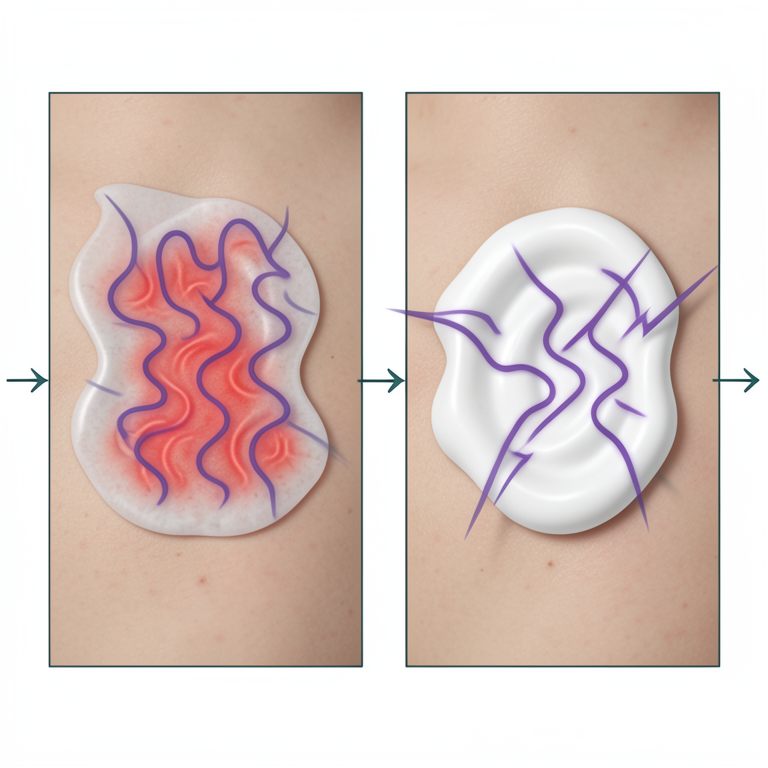
Comparison of UV Filter Mechanisms
AI-generated conceptual illustration (human skin surface with sunscreen cream). It explains the idea and does not show study data.
View source evidence ↗Figures & tables
From the original paper Table 1
 Table 2
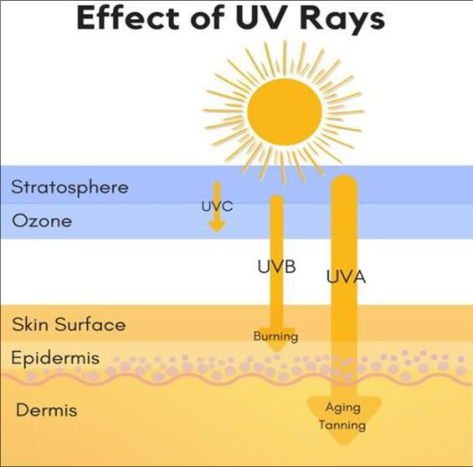 Figure 1
 Table 3
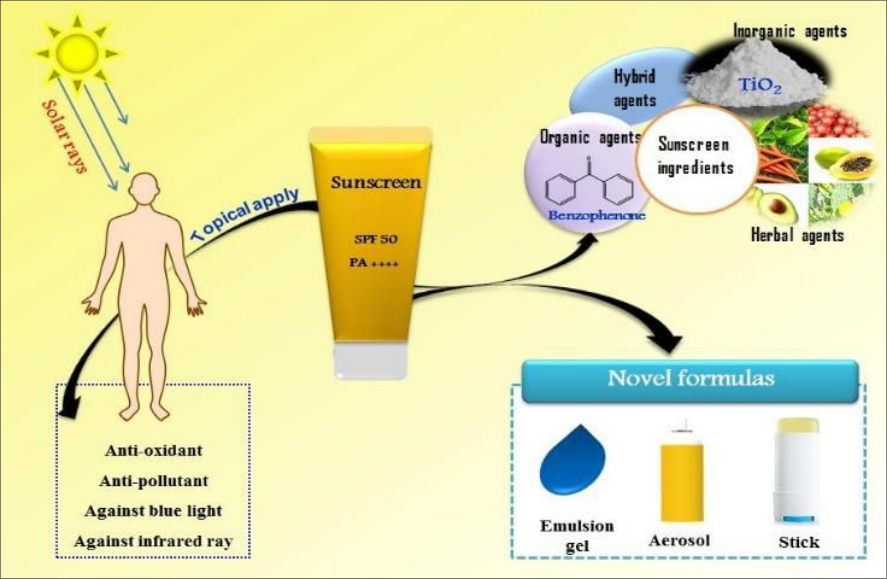 Figure 2
 Table 4
 Table 4
 Table 5
 Table 6
 Table 7
 Table 8
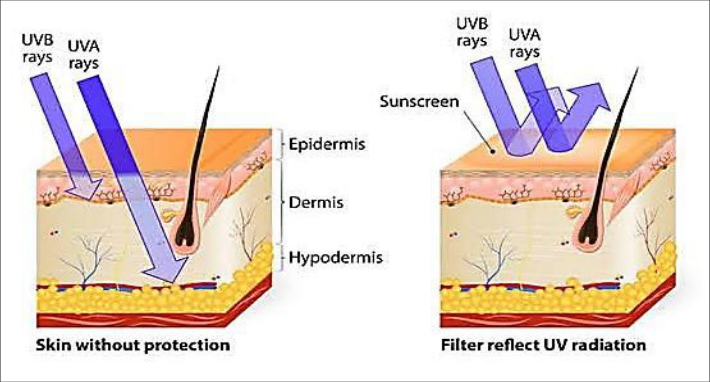 Figure 3
 Table 9
Introduction
Introduction
Overview of Skin Exposure to Ultraviolet (UV) Radiation
Nature and Sources of UV Radiation Ultraviolet (UV) radiation is a ubiquitous environmental factor, primarily from sunlight, but also from artificial sources like tanning lamps and medical devices. The skin, as the body's largest and outermost organ, is directly exposed to UV radiation, making it particularly vulnerable to its effects [1,2] .
Harmful effects of UV-A and UV-B rays (e.g., sunburn, premature aging, skin cancer). Ultraviolet (UV) radiation from the sun, specifically UV-A and UV-B rays, is a major environmental risk factor for skin health. Both UV-A and UV-B rays can cause sunburn, premature skin aging, and increase the risk of skin cancers. Protective measures are essential to reduce these harmful effects.
Harmful Effects of UV-A and UV-B Raysa
Sunburn: UV-B rays are primarily responsible for causing sunburn (erythema), an acute inflammatory response of the skin. Severe sunburn can overwhelm the skin's ability to repair DNA damage, increasing the risk of cancer development (Chiou, 2022a). Premature Aging (Photoaging): Chronic exposure to both UV-A and UV-B rays leads to premature aging, including wrinkling, atrophy, and pigmentary changes. UV-A penetrates deeper into the skin and contributes significantly to photoaging [12,13] . Skin Cancer: UV radiation is a well-established carcinogen. Both UV-A and UV-B can cause DNA mutations and immune suppression, leading to basal cell carcinoma, squamous cell carcinoma, and malignant melanoma. UV-B is more directly linked to DNA damage, while UV-A contributes to indirect DNA damage and oxidative stress [14][15][16][17] . Additional Health Risks Immune Suppression: Both UV-A and UV-B can suppress local and systemic immune responses, making the skin more susceptible to infections and reducing its ability to fight cancerous changes. Other Effects: UV exposure can also lead to eye damage (e.g., cataracts), and, in rare cases, affect reproductive and overall health.
Mechanisms
DNA Damage: UV rays cause direct DNA damage (especially UV-B) and generate reactive oxygen species (especially UV-A), leading to mutations and cellular dysfunction.
Impaired Repair: Overwhelming or repeated exposure can exceed the skin's repair capacity, increasing the risk of lasting damage and cancer.
Importance of using sunscreens as a protective barrier
Sunscreens are essential for protecting the skin from the harmful effects of solar ultraviolet (UV) radiation. Regular and correct use of sunscreen significantly reduces the risk of sunburn, skin cancer, and premature skin aging by acting as a protective barrier against UV damage.
Protective Benefits
Prevention of Skin Cancer and Sunburn: Sunscreens, when applied properly, lower the risk of developing skin cancers such as squamous cell carcinoma and actinic keratoses, and help prevent acute sunburns.
They also reduce the risk of photoaging, which includes wrinkles and pigmentation changes caused by cumulative sun exposure [21][22][23][24] . Barrier Function: Sunscreens protect the skin's natural barrier from UV-induced oxidative damage and help maintain its biomechanical integrity. Some formulations, especially those with ceramides, may further support the skin barrier [25][26][27] .
Application and Effectiveness
Broad-Spectrum Protection: It is important to use broad-spectrum sunscreens that protect against both UVA and UVB rays for comprehensive coverage [28] . Proper Usage: The effectiveness of sunscreen depends on correct and sufficient application. Under-application is common and can significantly reduce protection. Sunscreen should be reapplied regularly, especially after swimming or sweating [29] . Combination with Other Measures: Sunscreen should be used alongside other protective strategies such as wearing hats, clothing, sunglasses, and seeking shade for optimal sun safety [30] .
Safety and Recommendations
Safety: Sunscreens are generally safe for regular use and do not significantly affect vitamin D levels, bone density, or overall health. Side effects are rare and usually mild. Regulation and Education: High-quality, regulated sunscreen products and public education on proper use are crucial for maximizing protective benefits.
History and development of sunscreens.
The history and development of sunscreens reflect humanity's evolving understanding of sun exposure and its health effects. Early sun protection relied on physical barriers and natural substances, but scientific advances in the 20th century led to the creation of modern sunscreen products. Today, sunscreens are sophisticated formulations designed to protect against both UVB and UVA radiation, with ongoing innovation to improve safety, efficacy, and user experience.
Early Sun Protection Methods
Ancient and Pre-Modern Practices: Early humans used clothing, veils, hats, and umbrellas to shield themselves from the sun. Ancient Greeks, Egyptians, Mesopotamians, Chinese, and Indians all employed such physical barriers for sun protection [32][33][34] . Folk Remedies: Plant extracts, such as chestnutderived aesculin, were used in traditional medicine for sun protection. By the late 19th and early 20th centuries, substances like quinine sulfate and tightly woven veils were applied to prevent sunburn and treat photosensitive conditions [35] .
Emergence of Chemical Sunscreens
Early Chemical Agents: The late 19th and early 20th centuries saw the use of acidified quinine sulfate, tannic acid, and aesculin as some of the first chemical sunscreens [36] .
Key Milestones
1928: Benzyl salicylate and benzyl cinnamate emulsion developed in the US [37] . 1935: Eugène Schueller (L'Oréal) introduced "Ambre Solaire Huile," a UV-filtering product. 1943: P-aminobenzoic acid (PABA) patented. 1946: Franz Greiter developed "Gletscher Crème. 1956: Introduction of the Sun Protection Factor (SPF) concept.
Advances in Formulation and Regulation
Broad-Spectrum Protection: Early sunscreens mainly blocked UVB. Later, ingredients were developed to protect against UVA as well. Formulation Improvements: Advances include better photostability, water resistance, and cosmetic acceptability. Nanotechnology has enabled more effective and aesthetically pleasing sunscreens. Regulatory Frameworks: Governments and agencies have established lists of approved sunscreen chemicals and standards for efficacy and safety [40] .
Changing Perceptions and Uses
From Lifestyle to Health: Sunscreens were initially marketed for tanning without burning, then for skin cancer prevention, and now also for anti-aging and beauty. Public Awareness: Increased understanding of UV risks has driven sunscreen innovation and widespread use, with ongoing education needed for optimal protection [43] .
Types of sunscreens available in the market (chemical, physical, and hybrid): Sunscreens are essential for protecting the skin from harmful ultraviolet (UV) radiation, which can cause skin aging, burns, and cancer. The market offers a variety of sunscreen types, mainly categorized as chemical (organic), physical (inorganic), and hybrid formulations. Understanding these types helps consumers make informed choices based on their skin needs and preferences.
Chemical (Organic) Sunscreens
Active Ingredients: Contain organic compounds that absorb UV radiation, such as oxybenzone, avobenzone, and octyl methoxycinnamate [44,45] . Mechanism: Absorb UV rays and convert them into heat, which is then released from the skin [46] . Advantages: Typically lightweight, transparent, and cosmetically elegant, making them popular for daily use [47] . Considerations: Some chemical filters can cause allergic reactions, such as allergic contact dermatitis, especially with ingredients like oxybenzone. There are also concerns about long-term safety and skin penetration [48] .
Physical (Inorganic) Sunscreens
Active Ingredients: Use mineral filters like titanium dioxide and zinc oxide. Mechanism: Reflect and scatter UV radiation away from the skin. Advantages: Less likely to cause skin allergies or irritation; suitable for sensitive skin.
Considerations: Can leave a visible white residue, which may be less cosmetically appealing, especially for individuals with darker skin tones [52] . Application amount may be less than chemical sunscreens, potentially reducing effectiveness.
Hybrid and Novel Sunscreens
Hybrid Formulations: Combine chemical and physical filters to achieve broad-spectrum protection and improved cosmetic properties.
Innovative Approaches
Include encapsulation of chemical filters in natural or synthetic carriers (e.g., lignin, lipid-silica nanoparticles) to enhance stability, reduce skin penetration, and increase sun protection factor (SPF) [54] .
Natural Alternatives
Research is ongoing into natural UV-blocking agents like mycosporine-like amino acids (MAAs) from algae and cyanobacteria, which may offer safer, eco-friendly options
Effectiveness and Applications
Prevention of Skin Damage: Sunscreens are proven to reduce the risk of actinic keratoses, squamous cell carcinomas, nevi, melanomas, photo immunosuppression, and signs of photoaging when used correctly [57] . SPF Levels: Higher SPF sunscreens (SPF 100+) provide significantly better protection against sunburn and erythema than lower SPF products (SPF 50+), both in single-day and multi-day real-world settings [58,59] . Broad-Spectrum Protection: Sunscreens that protect against both UVA and UVB are more effective in preventing immunosuppression and other UV-induced effects than those that primarily block UVB [60,61] .
Types and Ingredients
Chemical vs. Physical Filters: Traditional sunscreens use organic (chemical) UV absorbers and inorganic (physical) blockers like titanium dioxide (TiO 2] and zinc oxide (ZnO). Micronized and nanoparticle forms of these minerals improve cosmetic acceptability and broaden UV protection [62] .
Natural Components
There is growing interest in natural antioxidants (e.g., lignin, melanin, silymarin) as sunscreen ingredients. These offer photoprotective and antioxidant effects but often have lower UV absorption and require formulation enhancements for effectiveness [63] .
Nanotechnology
Incorporating polyphenolic nanocarriers and nanotechnology can enhance UV protection and stability, though safety and regulatory concerns remain [64] . Formulation Techniques: Formulation of sunscreens involves careful selection and combination of actives and excipients to optimize efficacy, stability, and user acceptability. Emulsifier type and concentration significantly influence SPF, texture, and sensory properties [66] .
Nanotechnology-based approaches, such as nanostructured lipid carriers (NLCs), polymeric nanoparticles, and liposomes, enhance the distribution, photostability, and water resistance of sunscreens, while also allowing for reduced filter content without compromising protection [67,68] . Incorporating natural antioxidants as enhancers or modifiers is another strategy to boost SPF and provide additional skin benefits [69] . The formulation process must also address challenges like photostability, potential toxicity, and environmental impact [70] .
Evaluation Parameters
Key evaluation parameters for sunscreen products include Sun Protection Factor (SPF): Measures UVB protection and is calculated using standardized methods, such as spectrophotometry and the Mansur equation. UVA Protection Factor (PFA): Assesses protection against UVA rays, with higher values indicating better broad-spectrum efficacy. Photostability: Evaluates the stability of actives (e.g., avobenzone) under UV exposure, as photostabilizers and formulation strategies are crucial for sustained protection [73] . Skin Permeation: In vitro and in vivo assays determine the extent of active ingredient absorption, aiming to minimize systemic exposure while maintaining efficacy [73, 74] . Mechanical and Sensory Properties: Parameters like thixotropy, work of shear, and user sensory experience are assessed to ensure product usability and consumer acceptance Water Resistance: Tests the durability of protection after water or sweat exposure, especially important for outdoor use.
Analysis of Marketed Sunscreen Products and
Ingredients: Marketed sunscreens often use combinations of approved UV filters to achieve broad-spectrum protection and high SPF values. Ingredients such as OMC, BP-3, OC, avobenzone, BEMT, and DHHB are common, with some products incorporating boosters like lignosulfonate or antioxidants to enhance efficacy and safety [75,76] . The inclusion of zinc oxide, while effective, can sometimes increase photodegradation and toxicity when combined with certain organic filters [77] .
Safety, Regulatory, and Environmental Aspects
Safety concerns include skin irritation, sensitization, and rare photoallergic reactions. Regulatory agencies (e.g., FDA, EU) set limits on filter concentrations and require safety and efficacy testing. Environmental considerations are increasingly important, with efforts to minimize the impact of UV filters on marine ecosystems and to develop eco-friendly formulations using fewer or less harmful ingredients [78] . Ongoing research focuses on improving photostability, reducing toxicity, and expanding filter options to meet evolving safety and environmental standards [79] .
Classification of UV filters
UV filters are key ingredients in sunscreens and other products, designed to protect skin and materials from harmful ultraviolet (UV) radiation. They are broadly classified based on their chemical structure and mode of action. The two main categories are chemical (organic) UV filters and physical (inorganic or mineral) UV filters.
Main Types of UV Filters Chemical (Organic) UV Filters
Mechanism: Absorb UV radiation and convert it into less harmful energy (usually heat) [80,81] .
Common Classes
Aminobenzoic acid derivatives (e.g., PABA) Salicylic acid derivatives Cinnamic acid derivatives Benzophenones Dibenzoylmethane derivatives Benzylidene camphor derivatives Triazines Benzimidazole derivatives Benzotriazole derivatives [82,83] Examples: Octocrylene, p-methoxycinaminic acid derivatives [84] Physical (Inorganic/Mineral) UV Filters Mechanism: Reflect and scatter UV radiation away from the skin. UV filters, including both natural and synthetic compounds, to improve safety and photostability [86] .
Chemical filters: Avobenzone, Oxybenzone, Octocrylene, Octinoxate: Chemical filters such as Avobenzone, Oxybenzone, Octocrylene, and Octinoxate are widely used in sunscreens to protect skin from ultraviolet (UV) radiation. While these compounds are effective at UV absorption, concerns have emerged regarding their environmental impact, potential toxicity, and safety for human health.
Effectiveness and Applications
UV Protection: All four filters are effective at absorbing UV radiation, with Octocrylene also stabilizing Avobenzone to enhance broad-spectrum protection in cosmetic products [87] . Usage: These filters are commonly found in sunscreens and other personal care products to prevent skin damage and skin cancer [88] .
Environmental Impact
Aquatic Contamination: Oxybenzone, Octocrylene, Avobenzone, and Octinoxate are frequently detected in coastal and marine environments, especially in areas with high beach use [89,90] . Ecological Risks: These filters have been linked to coral bleaching, reduced coral growth, and toxicity in various marine organisms. Oxybenzone and Octinoxate, in particular, are associated with coral bleaching and impaired coral recruitment, leading to bans in places like Hawaii and Palau [91] . Plant Toxicity: All four filters can inhibit plant growth and photosynthesis, with Oxybenzone causing the most severe damage, followed by Avobenzone, Octinoxate, and Octocrylene [92] .
Human Health and Safety Endocrine Activity: Most studies show weak or negligible endocrine-disrupting activity for these filters at concentrations found in human plasma, with
Oxybenzone showing slightly higher activity but still well below levels of concern [93] . Photo-stability and Sensitization: Avobenzone and Octinoxate have low photo-stability, which can be improved with stabilizers. Octocrylene is a rare sensitizer but can cause photoallergic reactions, especially in combination with certain drugs. Regulatory Safety: When used within regulated concentrations, these filters are considered safe for human use, though prolonged exposure can lead to accumulation in the bloodstream.
Environmental Persistence and Removal
Wastewater Treatment: Conventional wastewater treatments are generally ineffective at removing these filters, leading to their accumulation in aquatic environments. Transformation Products: Ozonation can degrade some filters (OMC, OXY) but may leave transformation products that retain toxicity concerns [97] .
Physical filters: Zinc oxide, Titanium dioxide Physical (inorganic) filters such as zinc oxide (ZnO) and titanium dioxide (TiO 2 ) are widely used in sunscreens and other products for their ability to block ultraviolet (UV) radiation. These mineral filters are often chosen as alternatives to organic (chemical) filters due to their safety profile and broad-spectrum protection.
Mechanisms of Action and Efficacy
UV Protection Spectrum: ZnO provides broad UVA and UVB protection, while TiO2 is more effective in the UVB range but less so in UVA [98,99] . Efficacy Differences: TiO2, especially in coated forms, can achieve higher sun protection factors (SPF) than ZnO. For example, coated TiO2 can reach an SPF of 38, while ZnO typically does not exceed SPF 10 at its maximum allowed concentration. Particle Size and Cosmetic Acceptability: Both ZnO and TiO2 are used as nanoparticles (<100 nm) to reduce visible residue on the skin, improving cosmetic appeal [100] .
Safety and Allergenicity
Human Health: Both ZnO and TiO 2 have extremely low risk of skin absorption and are not associated with allergic or photoallergic contact dermatitis, unlike many organic filters.
Inhalation Risk: There is some concern about inhalation of nanoparticles, leading to recommendations against spray formulations containing these filters.
Toxicity: ZnO may have some toxicity concerns, while TiO 2 can generate free radicals under UV exposure, but coatings can reduce this effect.
Environmental Impact
Aquatic Toxicity: Both nZnO and nTiO2 can persist in aquatic environments, bioaccumulate, and release metal ions or generate reactive oxygen species, potentially harming aquatic organisms [104] .
Environmental Risk: Current evidence suggests low environmental risk, but ongoing monitoring is recommended as usage increases.
Innovations and Alternatives
New Materials: Research is ongoing into alternative UV filters like zinc stannate (Zn2SnO 4 ], which may offer effective UV protection with lower toxicity and less free radical production compared to ZnO and Ti02.
Nanostructure Modifications
Coating TiO2 with silica or silver can improve safety and add antibacterial properties, while maintaining or enhancing UV protection.
Combination formulations for broad-spectrum coverage
Combination formulations are increasingly used to achieve broad-spectrum coverage in both antimicrobial and sunscreen applications. These formulations aim to enhance effectiveness, address resistance, and provide protection against a wider range of pathogens or environmental factors.
Types and Purposes of Combination Formulations
Antimicrobial Combinations: Used to treat infections involving multiple pathogens or to prevent resistance.
Examples include combining antibiotics with different mechanisms or combining agents effective against bacteria and fungi for broader coverage [107,108] .
Sunscreen Combinations
Formulated to protect against a wider spectrum of solar radiation, including UVB, UVA, and visible light, by combining multiple UV filters or integrating natural antioxidants [109] .
Effectiveness and Applications Antibiotic Combinations
Combination therapy can select for broad-spectrum resistance in bacteria like Pseudomonas aeruginosa, sometimes leading to multidrug resistance through mechanisms such as efflux pump deregulation. In local drug delivery (e.g., PMMA bone cement), combining antibiotics extends antimicrobial activity duration and allows for post-implantation refilling, which is useful for recurrent or chronic infections. Dual drug-loaded nanofibrous inserts for ophthalmic use provide sustained, broad-spectrum antibiotic coverage and improved drug delivery compared to single-drug solutions [112] . Combining agents with different targets (e.g., cerium oxide nanoparticles and nitric oxide donors) can yield synergistic, broad-spectrum antimicrobial effects against bacteria and fungi [113] . Common clinical combinations include cell wall-active agents with aminoglycosides, beta-lactamase inhibitors with beta-lactams, and agents targeting sequential metabolic steps.
Sunscreen Combinations
New formulations combine innovative filters (e.g., TriAsorB) with other UV filters to achieve SPF50+ and protection against UVB, UVA, and blue light, reducing cellular photo damage. Nanoparticle-based sunscreens co-incorporate multiple organic filters for enhanced broad-spectrum protection, improved water resistance, and reduced skin absorption risks8. [114] Combining natural antioxidants (e.g., green tea polyphenols) with UV absorbers in nanoparticles offers broad-band absorption and improved biosafety. Global Trends: Regulatory frameworks are evolving to address the unique properties and potential risks of nanomaterials, with a focus on transparency, safety, and environmental impact [119] .
Benefits and Limitations
Benefits and Limitations
Regulatory Guidelines (BIS, FDA, EU)
Regulatory Guidelines (BIS, FDA, EU)
Recent Research Trends and Innovative Ingredients
Botanical Actives and Antioxidants: Plant-derived polyphenols, flavonoids, carotenoids, and green tea extracts are being incorporated for their antioxidant and anti-aging properties. Nanocarriers for Natural Compounds: Encapsulation of botanical actives and antioxidants in nanocarriers enhances their stability, skin penetration, and efficacy while reducing potential toxicity [121] . Combinational and Broad Spectrum Formulations: New sunscreens combine multiple UV filters and antioxidants for comprehensive protection and improved safety profiles [122] .
Challenges and Future Directions Safety and Environmental Concerns: Ongoing
research is needed to fully assess the long-term safety of nanomaterials and their environmental impact, especially on marine ecosystems. Consumer Awareness: Improved labeling and education are recommended to ensure informed use and minimize potential risks [124] . Regulatory Harmonization: Continued collaboration among regulatory bodies is essential to keep pace with technological advancements ensure global product safety.
Methods of Formulation:
Formulating topical and encapsulated products such as sunscreens, cosmetics, and drug delivery systems requires careful selection of base types, precise formulation steps, and attention to stability and packaging. Recent research explores various emulsion systems, encapsulation techniques, and stabilization strategies to optimize product performance and shelf life.
Types of Formulation Bases
Emulsions: Oil-in-water (O/W), water-in-oil (W/O), and double emulsions (W/O/W, O/W/O) are widely used for encapsulating both hydrophilic and lipophilic actives. Double emulsions allow for co-encapsulation and controlled release of multiple ingredients, including fragrances and bioactives [126] . Gels, Lotions, Sprays: While not detailed in the abstracts, these are common forms derived from emulsion bases, often chosen for their application properties and user experience.
Key Formulation Steps
Phase Preparation: Separate preparation of oil and aqueous phases is standard, followed by the incorporation of active ingredients (e.g., UV filters, antioxidants, drugs) [1 2 7] . Emulsification and Homogenization: High-energy methods (e.g., microfluidization, ultrasonic homogenization, rotor-stator mixing) are used to achieve fine droplet sizes and stable emulsions [128] . Addition of Additives: Preservatives, stabilizers, fragrances, and antioxidants are incorporated to enhance stability, sensory properties, and shelf life [129] . Stabilization: Use of surfactants (hydrophilic and lipophilic), biopolymers, or particles (Pickering stabilization) is critical for emulsion stability and encapsulation efficiency [130] .
Stability and Optimization Considerations
Photostability and pH Adjustment: Ensuring the stability of actives (e.g., UV filters, antioxidants) against light and maintaining optimal pH are important for product efficacy and safety [131] . Encapsulation Efficiency: Double and solid-in-oil-inwater emulsions improve retention and controlled release of actives, reducing burst release and enhancing stability.
Packaging and Application
Packaging: Use of UV-protective containers and materials that prevent degradation of sensitive ingredients is recommended for maintaining product stability. Spray Drying: For some emulsions, spray drying enables reconstitution and extends shelf life, especially in food and nutraceutical applications [137] .
Key Ingredients in Sunscreen Formulations
Sunscreen formulations rely on active ingredients known as UV filters to protect the skin from harmful ultraviolet radiation. These filters are categorized as organic (chemical) or inorganic (physical) agents, each with distinct properties, effectiveness, and safety profiles. Common organic filters include avobenzone, octocrylene, and homosalate, while titanium dioxide and zinc oxide are widely used inorganic filters.
Types and Roles of Key UV Filters Organic (Chemical) Filters
Avobenzone: Provides broad-spectrum UVA protection but is prone to photodegradation unless stabilized in formulation [137] .
Octocrylene and Homosalate
Commonly used for their UVB protection and ability to stabilize other filters like avobenzone [138] .
Inorganic (Physical) Filters Zinc Oxide (ZnO)
Offers broad UVA and UVB protection, superior UVA attenuation compared to titanium dioxide, and is less whitening in appearance [139] .
Titanium Dioxide (TiO 2] : More effective in the UVB range, often combined with ZnO for broad-spectrum coverage. Effectiveness and Photostability UVA and UVB Protection Avobenzone and ZnO provide superior UVA protection, especially at wavelengths >360 nm, compared to TiO2. TiO2 is effective for UVB but less so for longwave UVA.
Photostability
Avobenzone requires stabilizing agents or formulation strategies to prevent degradation under UV exposure [140] . Combining avobenzone with octocrylene or using nanoporous carriers can enhance stability and reduce skin penetration [141] . The presence of ZnO can increase photodegradation and toxicity of some organic filters under UV exposure, highlighting the need for careful formulation.
Safety and Toxicity Considerations
Organic Filters: Generally show low endocrine-disrupting activity and low risk of toxicity at typical human exposure levels, with oxybenzone being a notable exception for higher activity.
Inorganic Filters: ZnO and TiO 2 nanoparticles have minimal percutaneous absorption and low human health risks, though inhalation (e.g., from sprays) should be avoided. Both can induce some cytotoxicity and genotoxicity in specific conditions, especially with long-term exposure or in nanoparticle form.
Trends and Market Usage
Avobenzone, octocrylene, and titanium dioxide are among the most frequently used UV filters in commercial sunscreens [146] . There is a trend toward increased use of inorganic filters, especially in products for children, due to safety and environmental concerns.
Other excipients
Excipients such as emulsifiers, emollients, humectants, preservatives, and antioxidants are essential components in pharmaceutical, cosmetic, and food formulations. They influence product stability, efficacy, safety, and user acceptability. Recent research explores both synthetic and natural alternatives, their roles, and their impact on product performance and health.
Functions and Types of Excipients
Emulsifiers: Enable the mixing of oil and water phases, crucial for creams, lotions, and food emulsions. Examples include glyceryl stearate and surfactants like Tween 20/80. Emulsifier type affects the stability and bioavailability of active ingredients, such as curcumin and β-carotene, by influencing droplet formation and digestion behavior [1 4 8] .
Mollients: Soften and soothe the skin, improving texture and barrier function. Common emollients include cetyl alcohol and caprylic triglyceride. They are vital in treating dry skin and barrier disorders [149] .
Humectants: Attract and retain moisture in the skin or product, with glycerin being a typical example. Humectants are often combined with emollients in moisturizers (Pratik Gunwant Bobade & Akhil Maske, 2024) want Bobade & Akhil Maske, 2024).
Preservatives: Prevent microbial growth, extending product shelf life. Examples include parabens and phenoxyethanol. Both synthetic and natural preservatives are used, with a trend toward safer, eco-friendly options.
Antioxidants: Protect formulations from oxidative degradation and may provide skin benefits. Vitamin E and green tea extract are common antioxidants [151] .
Impact on Product Performance and Safety
Skin Barrier and Tolerability: Emulsifiers and other excipients can affect skin barrier integrity. Some may weaken the barrier, while others, like petrolatum or ceramide mixtures, can repair it. Patient acceptance is influenced by sensory properties and potential irritation. Bioavailability Enhancement: In food and nutraceuticals, excipient emulsions can significantly increase the bioaccessibility and absorption of hydrophobic nutrients and antioxidants, depending on emulsifier type and formulation [152] . Viscosity: Viscosity is a key indicator of a material's flow properties and is particularly important in predicting the aging of substances like asphalt binder. The viscosity ratio, in particular, serves as a reliable indicator for assessing long-term aging in both laboratory and field conditions [156] .
Natural vs. Synthetic Excipients
Natural vs. Synthetic Excipients
Spreadability:
While not specifically mentioned in the abstract, spreadability is often evaluated alongside viscosity to determine how easily a material can be applied or used.
Chemical Parameters pH: pH measurement is a standard chemical parameter for assessing the acidity or alkalinity of a formulation, which can affect stability and performance.
Content Uniformity: Ensures that the active or functional components are evenly distributed throughout the material.
Component and Functional Group Analysis: For asphalt binders, component analysis and functional group analysis (such as measuring the carbonyl area index) are used to identify chemical changes associated with aging. The carbonyl area index is highlighted as an effective chemical indicator of aging level.
Functional Tests
Performance-Related Tests: Functional tests are designed to assess how well a material performs its intended function after aging or under stress. In the context of asphalt binders, rheological properties are tested to evaluate performance changes due to aging.
SPF Determination Methods
In vitro UV Spectrophotometric Methods: SPF values can be measured using UV-Vis spectrophotometry, which quantifies the product's ability to absorb or block UV radiation in a laboratory setting. This method is widely used for initial screening and product development [159] .
In vivo Testing: Traditional in vivo methods involve applying the product to human skin and measuring the minimal erythemal dose (MED) after UV exposure. Newer techniques, such as Hybrid Diffuse Reflectance Spectroscopy (HDRS), combine in vivo skin measurements with in vitro data, providing accurate SPF and UVA-PF values without inducing skin reactions [160] .
Comparative Effectiveness: In vitro and in vivo SPF results generally correlate well, and advanced methods like HDRS offer ethical and practical advantages [161] .
Water Resistance Testing
In vitro Water Resistance: A novel in vitro technique uses excised human epidermis and transmission spectrometry to assess SPF before and after water immersion. This method closely matches in vivo results and allows for detailed analysis of how water exposure affects sunscreen performance and ingredient retention [162] .
Photostability Assessment
Photostability Testing: Photostability is evaluated by exposing sunscreen formulations to controlled UV irradiation and measuring SPF at intervals. This process helps determine how well the product maintains its protective effect over time and under sunlight, allowing classification of filters by their stability [163] . Release of Active Ingredients: Some formulations, such as those with nanoparticles, are tested for their ability to release active compounds while maintaining photostability [164] .
Skin Irritation/Sensitivity and Microbial Testing
Skin Irritation/Sensitivity: Patch tests and in vitro cell viability assays are used to assess irritation and phototoxicity. Products are applied to human skin or cell cultures, and reactions such as erythema, edema, or cell death are monitored. Most tested natural and nanoemulsion-based sunscreens show minimal to no irritation or phototoxicity [166] . Microbial Testing: Microbial safety and shelf life are evaluated by testing for contamination and resistance. Some studies also assess the product's effect on antibiotic-resistant bacteria and overall microbial safety in water and topical applications [167] .
Marketed Formulations
Brand Challenges and Future Directions The development of effective sunscreens is a significant challenge, particularly in achieving an optimal balance between performance, safety, sensory properties, and compliance with regulations, an issue further complicated by increasing restrictions on the use of certain chemical actives. At the same time, progress in nanotechnology and the emergence of new natural ingredients are stimulating innovative development in this field, with promising potential for enhanced photoprotection. However, such advances must be supported by continued research and diligent testing to determine their long-term safety, stability, and performance under conditions of normal use.
Conclusion
Sunscreen creams play a vital role in protecting the skin from the harmful effects of ultraviolet (UV) radiation, including sunburn, premature aging, and skin cancer. This review highlights the evolution, classification, and formulation of sunscreen products with a special focus on the key active ingredients and their mechanisms of action.
Through an in-depth study of chemical, physical, and hybrid sunscreen agents, it is evident that each type has unique advantages and limitations. The incorporation of natural antioxidants and the use of nanotechnology have significantly improved the effectiveness and user acceptability of modern sunscreens. Evaluation parameters such as SPF, photostability, and water resistance remain crucial for product performance, while regulatory compliance ensures safety and consumer trust. Moreover, the analysis of marketed products reveals a growing trend towards eco-friendly, broad-spectrum, and cosmetically appealing formulations. Despite advancements, challenges like formulation stability, ingredient safety, and environmental impact persist, requiring ongoing research and innovation.
In conclusion, understanding the science behind sunscreen formulations not only aids in the development of safer and more effective products but also promotes informed consumer choices and better skin health outcomes.
Figures and tables from the paper
| Effect/Aspect | Harmful Outcomes | Key Populations at Risk |
|---|---|---|
| Acute Exposure | Sunburn, inflammation | All, especially children |
| Chronic Exposure | Photoaging, skin cancer | Fair-skinned, high UV areas |
| Medical Applications | - | Patients with skin conditions |
| Prevention | Protective behaviours | Children, outdoor workers |
Table text extracted from the original PDF; superscript letters are shown inline. The original table image is below.
View original table image
| Effect | UV-B Rays. | UV-A Rays |
|---|---|---|
| Sunburn | Major cause | Minor role |
| Premature Aging | Contributes | Major contributor |
| Skin Cancer | Strongly linked | Contributes (less direct) |
Table text extracted from the original PDF; superscript letters are shown inline. The original table image is below.
View original table image
| Sunscreen Type | Main Ingredients | Mechanism | Key Features |
|---|---|---|---|
| Chemical | Oxybenzone, Avobenzone, etc. | Absorb UV | Lightweight, may cause allergies |
| Physical | Titanium dioxide, Zinc oxide | Reflect/Scatter | Low allergy risk, visible residue |
| Hybrid/Novel | Mix of above, encapsulated | Both | Enhanced protection, stability |
Table text extracted from the original PDF; superscript letters are shown inline. The original table image is below.
View original table image
| Type | Key Features | Limitations/Concerns |
|---|---|---|
| Chemical | Strong UVB absorption | Allergic reactions, environmental |
| Physical (TiO2/ZnO) | Broad-spectrum, non-absorptive | Cosmetic appearance, nanoparticle safety |
| Natural | Antioxidant, anti-inflammatory | Lower UV absorption, formulation |
Table text extracted from the original PDF; superscript letters are shown inline. The original table image is below.
View original table image
| UV Filter Type | Mechanism | Common Examples |
|---|---|---|
| Chemical (Organic) | Absorb UV, convert to heat | Benzophenones, Cinnamates, PABA |
| Physical (Mineral) | Reflect/Scatter UV | Titanium dioxide, Zinc oxide |
Table text extracted from the original PDF; superscript letters are shown inline. The original table image is below.
View original table image
| Filter | UV Range Covered | Max SPF (commercial) | Cosmetic Appearance |
|---|---|---|---|
| Zinc Oxide | UVA + UVB | ~10 | Less visible (nano) |
| Titanium Dioxide | UVB (mainly) | ~38 (coated) | Less visible (nano) |
Table text extracted from the original PDF; superscript letters are shown inline. The original table image is below.
View original table image
| Application Area | Benefits of Combination Formulations | Limitations/Considerations |
|---|---|---|
| Antimicrobials | Broader pathogen coverage, synergy, prolonged activity, resistance prevention | Risk of selecting for multidrug resistance, potential antagonism, need for careful evaluation[115] |
| Sunscreens | Enhanced spectrum of protection, improved stability, reduced skin absorption, antioxidant effects | Need for safety and efficacy validation, potential for decreased mechanical properties in some formulation |
Table text extracted from the original PDF; superscript letters are shown inline. The original table image is below.
View original table image
| Region/Agency | Key Regulatory Focuses |
|---|---|
| EU | Precautionary principle Mandatory disclosure of nano-ingredients on product labels Emphasis on consumer information |
| FDA (USA) | - Approval of specific UV filters (e.g., avobenzone, octocrylene) Evaluation of safety and photostability Consideration of environmental impact |
| BIS (India) | Ensures product safety and efficacy Compliance with international standards Addresses formulation stability and toxicity |
Table text extracted from the original PDF; superscript letters are shown inline. The original table image is below.
View original table image
| Method | Droplet Size | Stability Duration | Application Area |
|---|---|---|---|
| Microfluidizer | ~105 nm | ≥35 days | Food, cosmetics. |
| Two-step emulsification | Variable | Up to 3 months | Fragrance, drugs. |
| One-step (Pickering) | Variable | ≥2 months | Biocompatible products. |
Table text extracted from the original PDF; superscript letters are shown inline. The original table image is below.
View original table image
| Parameter | Type | Purpose/Use |
|---|---|---|
| Viscosity Ratio | Physical | Predicts aging in lab and field |
| Carbonyl Area Index | Chemical | Reflects chemical aging level |
| Rheological Tests | Functional | Assesses performance after aging |
Table text extracted from the original PDF; superscript letters are shown inline. The original table image is below.
View original table image
References
13 in the original paper- Mohania D, Chandel S, Kumar P, Verma V, Digvijay K, Tripathi D, et al. Ultraviolet Radiations: Skin Defense-Damage Mechanism. In 8 2017. p. 71-87.
- Mohania D, Chandel S, Kumar P, Verma V, Digvijay K, Tripathi D, et al. Ultraviolet Radiations: Skin Defense-Damage Mechanism. In 9 2017. p. 71-87.
- Henderson S, King K, Karipidis K, Tinker R, Green A. Effectiveness, compliance and application of sunscreen for solar ultraviolet radiation protection in Australia. Public Health 11 Res Pract. 2022;32(1).
- Rönsch H, Bauer A. The Preventive Value of Sun Protection. In 2021. p. 316-28.
- Gonzaga ER. Role of UV Light in Photodamage, Skin Aging, and Skin Cancer. Am J Clin Dermatol. 2009;10(Supplement 1):19-24.
- Surber C, Osterwalder U. Challenges in Sun Protection. In 2021. p. 1-43.
- Schalka S, Ravelli FN, Perim N, Vasconcelos R. Chemical and Physical Sunscreens. In: Daily Routine in Cosmetic Dermatology. Cham: Springer International Publishing, 2016, 1-9.
- Schalka S, Ravelli FN, Perim N, Vasconcelos R. Chemical and Physical Sunscreens. In: Daily Routine in Cosmetic Dermatology. Cham: Springer International Publishing. 2016, 1-9.
- Rajasekar M, Mary J, Sivakumar M, Selvam M. Recent developments in sunscreens based on chromophore compounds and nanoparticles. RSC Adv. 2024;14(4):2529-2563.
- Cowden AM, Whittock AL, Holt EL, Stavros VG, Wills M. Synthesis and characterisation of novel composite sunscreens containing both avobenzone and octocrylene motifs. RSC Adv. 2023;13(25):1701717027.
- Lod??n M. Role of Topical Emollients and Moisturizers in the Treatment of Dry Skin Barrier Disorders. Am J Clin Dermatol. 2003;4(11):771-788.
- Rohr M, Schrader A. HDRS -Hybrid Diffuse Reflectance Spectroscopy: Non-Erythemal In vivo Driven SPF and UVA-PF Testing. In 2021. p. 144-156.
- Aishwarya J, Bhise K. A review on inorganic UV filter zinc oxide against keratinocyte cancer and photoaging. Int J Adv Chem Res. 2022;4(2):332-336. doi:10.33545/26646781.2022.v4.i2e.119
Cited by 2
From OpenAlex, OpenCitations and reference lists read by Scinovex
- Comprehensive methodology for standardized ecotoxicological assessment of TiO2-based sunscreen leachates in aquatic environment ↗
Roberta Nugnes, Giulia De Negri Atanasio, Elisabetta Perata, Erica Lertora, Lorenzo Dondero, Federica Robino et al. · Frontiers in Toxicology · 2025
Introduction This study evaluates the ecotoxicity of micro- and nano-sized titanium dioxide (TiO 2 ), either as active ingredients or incorporated into sunscreen formulations in the aquatic environment, by proposing a leaching protocol simulating a realistic scenario of human immersion in freshwater and seawater. Methods To this aim, an ecotoxicological screening of micro- and nano-TiO 2 active ingredients and incorporated…
❝ 1PDF - Evaluation of Skin Irritation Potential of a Butterfly Pea (Clitoria ternatea) Extract Sunscreen Spray Using the Patch Test Method ↗
Nyoman Rudi Kusuma, Nanik Sulistyani, Nining Sugihartini · Journal of Pharmaceutical And Sciences · 2026
Background: Butterfly pea flower (Clitoria ternatea) contains high levels of anthocyanins with potent antioxidant activity, making it a promising natural ingredient for sunscreen formulations. However, the skin safety of sunscreen spray containing this extract must be evaluated before cosmetic application. Objective: This study aimed to evaluate the skin irritation potential of sunscreen spray formulations containing butterfly pea flower extract using…
❝ 0PDF