
Research article · 2022 · Full text
International Journal of Agriculture and NutritionMicrotopography change of agricultural lands during leaching by establishing internal field canal and drain network for soil salinity control in Sahl El-tina area, Egypt
Volume 4(2) · Pages 07–16 · DOI: 10.33545/26646064.2022.v4.i2a.56 ↗
Research areasSoil erosion and sediment transportSoil and Unsaturated FlowSoil Geostatistics and Mapping
Abstract
Author-writtenDespite of supplying recommended leaching fraction, the soil of Sahl El-Tina region in Egypt is moderately saline due to the land systematic irregularity of surface irrigation. The current experiment investigated the effectiveness of changing the land microtopography only during leaching by establishing internal field canals and drains. The baseline measurements showed little salinity of irrigation water, moderate soil salinity and high drainage water being 73 times of irrigation water. Failures were observed in internal canals’ berms attributed to soil salinity and its consequent dispersion and low breaching resistance. Canals’ cross section was maintained weekly until stability was achieved after four weeks, then the daily leaching discharge increased accelerating the salinity removal rate. The results showed strong inverse relationships between leaching water quantity and both drainage water and soil salinities. There was also a strong direct relationship between soil and drainage water salinity in internal field drains. The drainage water salinity and soil salinity decreased to 50% and 23% of initial values, respectively after 64 days with an accumulated water height of 71.4 cm. After 76 days, the drainage salinity decreased to 15% of initial value equivalent to only 10 times of irrigation water salinity and the soil salinity decreased to 17% with an accumulated water height of 104 cm. The experiment ended after 90 days as the drainage salinity became unchanged. The citizen science approach was applied by involving the landowner and farmers in construction, maintenance, measurements, and data analysis.
Summary
Source-checkedPlain-language reading of the full paper, prepared with AI and checked against the text. Each point links to the authors' own words.
Why it matters
- Soil salinity is a primary factor that limits the productivity of various crops in Egypt. View evidence ↗
- In the Sahl El-Tina region, soil salinity remains high because surface irrigation systems are systematically irregular, preventing leaching requirements from being fully delivered to downstream parts of the field. View evidence ↗
- The absence of an intensive internal drainage network forces leaching water to take longer routes to external drains, which hinders the complete flushing of salts. View evidence ↗
The question
- The study aimed to evaluate if changing land microtopography by establishing an integrated network of internal field canals and surface drains could improve soil salinity control. View evidence ↗
What they did
- The experiment was carried out on an 11.76 ha field located in the middle of the Sahl El-Tina area. View evidence ↗
- The researchers established internal canals with a triangular cross-section (1m width, 1m depth) and internal drains excavated to a bed depth of 1.60m. View evidence ↗
- Soil salinity was measured using the electrical conductivity (ECe) of saturated soil paste extracts from samples collected at a depth of 30 cm from four locations. View evidence ↗
What they found
- Baseline measurements showed moderately saline soil (12,530 µScm-1), with drainage water salinity (11,388 µScm-1) being significantly higher than irrigation water (156 µScm-1). View evidence ↗
- By day 76, with an accumulated water quantity of 10,481 m3/ha, drainage water salinity fell to 15% of the initial value (10 times irrigation water salinity) and soil salinity decreased to 17%. View evidence ↗
- After 85 days and 12,987 m3/ha of water, drainage water salinity reached 422 µScm-1 (4 times irrigation water salinity) and soil salinity dropped to 4% of the initial value. View evidence ↗
- A strong inverse relationship was found between the quantity of leaching water and both soil (R² = 0.955) and drainage water (R² = 0.937) salinities. View evidence ↗
- Initial high soil salinity caused the soil to be dispersive, leading to breaching failures in canal slopes and berms that persisted for the first four weeks. View evidence ↗
What it means
- The authors conclude that modifying land morphology is a significant factor in successfully reducing soil salinity. View evidence ↗
- The authors recommend that soil salinity be considered alongside physical characteristics when designing earthen canals to prevent structural failures. View evidence ↗
Visual summary
1 visualsIllustrations explain the paper; they do not show study data.
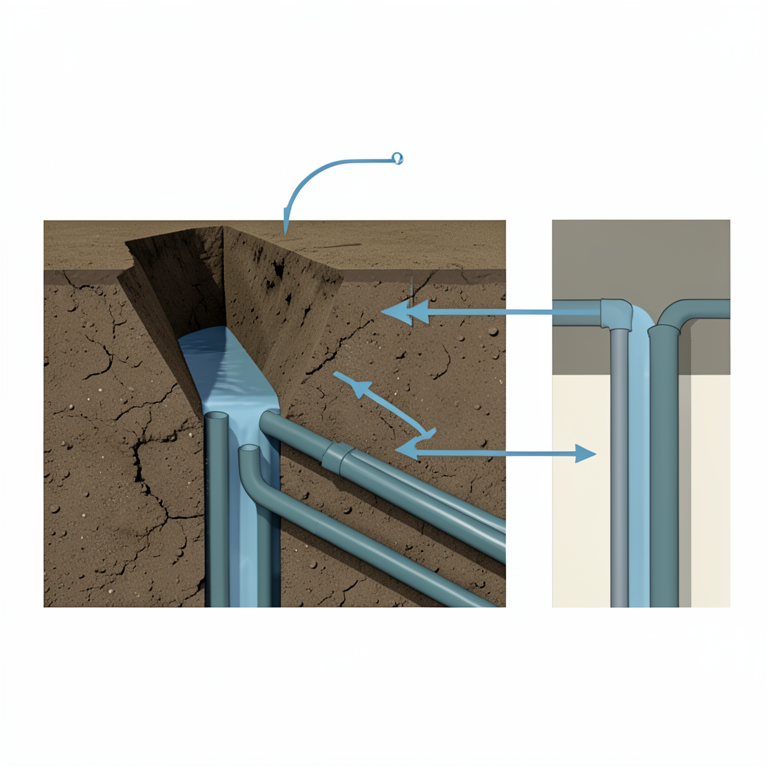
Proposed Microtopography Network
AI-generated conceptual illustration (Agricultural soil field with a network of irrigation canals and drainage pipes). It explains the idea and does not show study data.
View source evidence ↗Figures & tables
From the original paper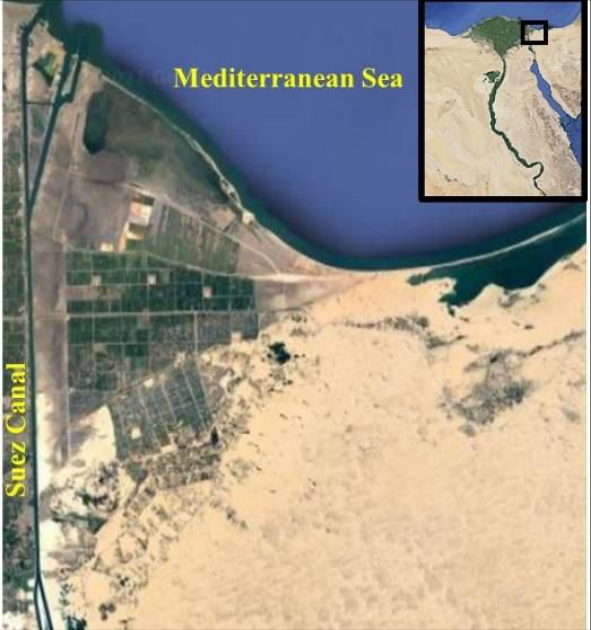 Figure 1
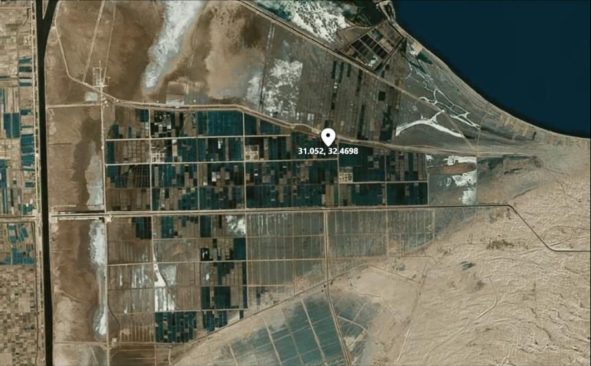 Figure 2
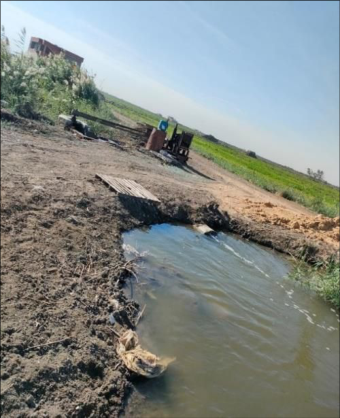 Figure 3
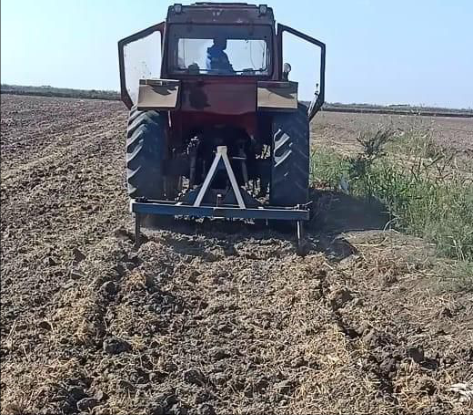 Figure 4
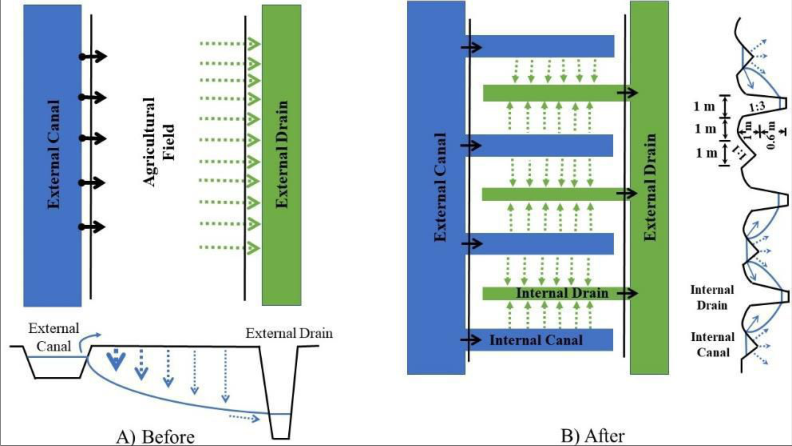 Figure 5
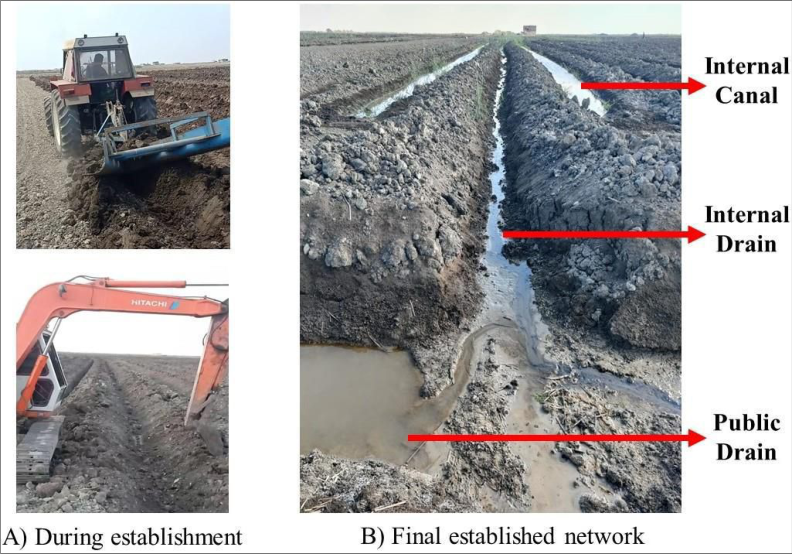 Figure 6
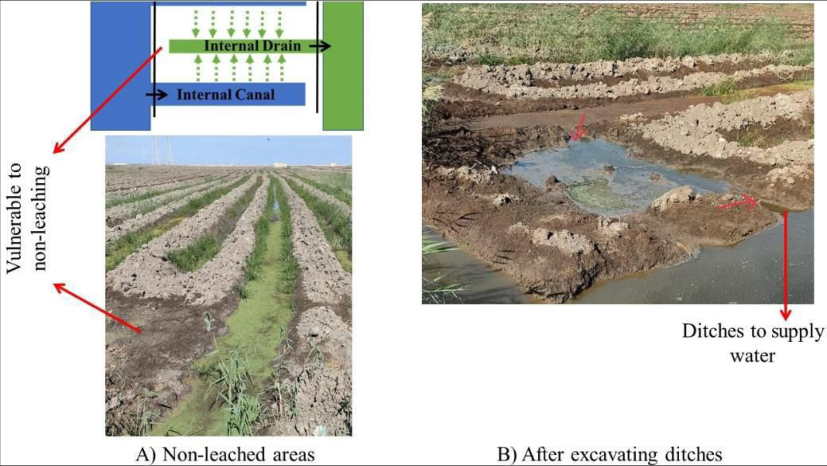 Figure 7
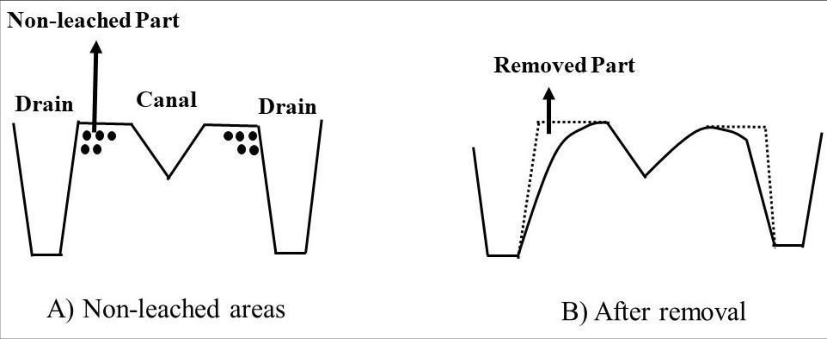 Figure 8
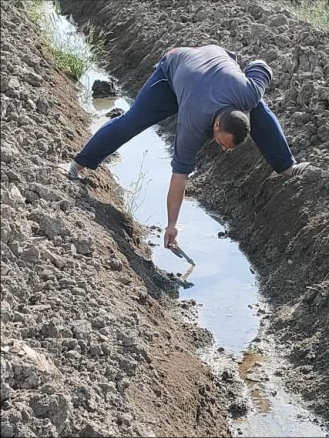 Figure 9
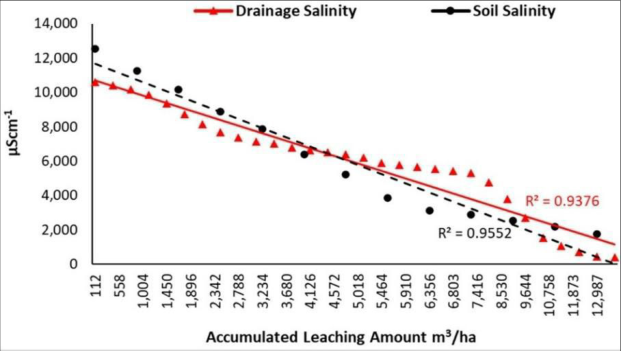 Figure 10
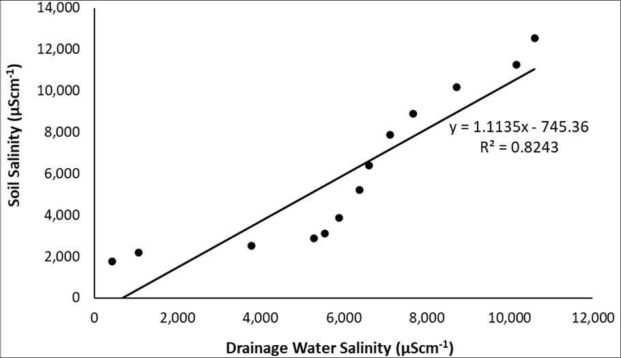 Figure 11
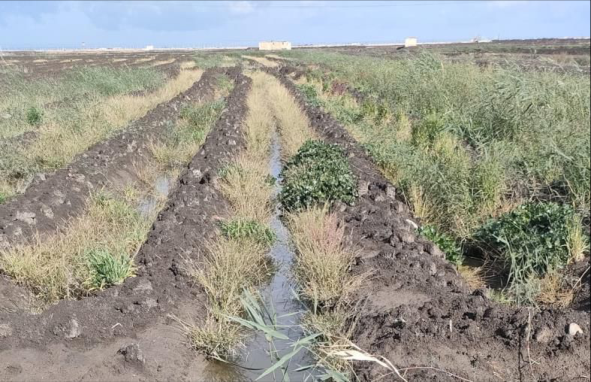 Figure 12
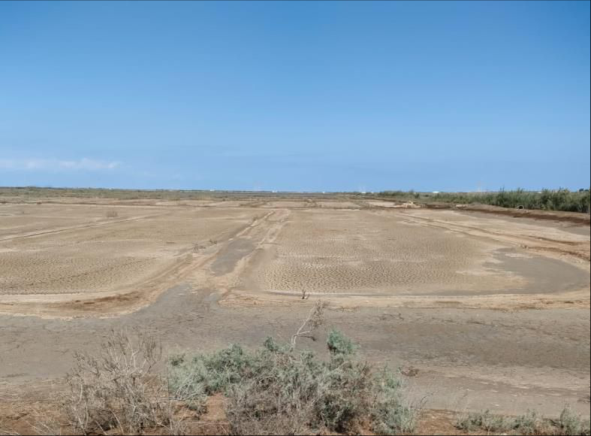 Figure 13
Introduction
Soil salinity is one of the main limiting factors affecting many crops' productivity in Egypt (Omar et al., 2020) [18] , (Hammam and Mohamed 2020) [23] , (Mohamed et al., 2019) [16] . Salt accumulation begins to affect crops' yields before salt is visible on the soil surface. Sahl El-Tina is a new reclaimed area in the northwestern Sinai on the coastal region of the Mediterranean Sea (Fig 1). Its irrigation water resource from El Salam main Canal transporting a mixture of drainage water from Bahr Hadous and El-Serw main drains with fresh Nile water from Damietta branch. The soil salinity of Sahl El-Tina reclaimed area is high owing to the drainage reuse, Mediterranean Sea and Suez Canal water intrusion, and the increase of shallow saline groundwater table. Nawar et al. (2011) [17] showed that the soil in Sahl Et-Tina reclaimed area was predominantly very strongly salinized and strongly saline, accounting for 53.1% and 27.5% of total survey area, respectively. While the area of moderately and slightly salinized soils covered 10.2% and 4.7% of the study area, respectively. Normally, the salt concentration of drainage water is 4 to 10 times higher than that of the irrigation water (van Hoorn, van Alphen, 2006) [20] . However according to Ali et al. (2018) [1] , the electrical conductivity (EC) of irrigation water in different fields in Sahl El-Tina area ranged from 1,392 to 2,760 µScm -1 with an average value of 1,851.71 µScm -1 , while the values of drainage water ranged from 12,210 to 49,900 µScm -1 with average value of 23,998 µScm -1 . This means that the salt concentration of drainage water is 13 times higher than that of irrigation water which is higher than the normal ratio indicating high soil salinity although leaching fraction was considered with applied irrigation water. Another major problem in Sahl El-Tina area is the poor soil permeability, water logging, and presence of the shallow clay layer (Abdel-Fattah and El Naka, 2015) [24] , (El Sheikh et al., 2013) [10] . All these problems caused a severe reduction in crops' productivity in Sahl El-Tina region. According to the Bulletin of the Agricultural Statistics (2016 to 2020) [4,5,6,7,8] published by the Economic Sector of Egyptian Ministry of Agriculture and Land Reclamation, the average productivities of most of crops in North Sinai governorate, where Sahl El-Tina area is located, are lower than the average productivities in the entire country. For example, wheat yield ranged from 0.90 to 2.14 ton/ha in North Sinai governorate for the period from 2016 to 2020, while it ranged from 5.88 to 6.50 ton/ha in the entire country (MALR, 2017, 2018, 2019, 2020, 2021). Leaching is the primary method of controlling soil salinity through application of water with a greater amount than evapotranspiration to flush away the excessive salts from the root zone. Leaching requirement is needed in addition to crop water requirements to leach soluble salts from the rootzone. Quantifying the leaching requirements is based on the salinity of both the irrigation water and soil saturation extract in the rootzone. Van Hoorn, van Alphen (2006) [20] recommended adding 10-20% of the irrigation water to leach the soil. (Amer and Abdel Khalek, 2014) [25] recommended that 100 -150 cm are often needed for leaching saline soils. (Wahby, 2014) [26] And (Amer, Abu-Zeid, 1990) [27] recommended that 50% of irrigation water in arid and semi-arid areas is a practical upper limit for leaching beyond which the feasibility of the project must be reconsidered. Abdel-Fattah, El Naka (2015) [24] applied leaching practice in one of the experimental sites in Sahl El-Tina area with addition of agricultural normal gypsum, phosphogypsum and calcium chloride and found that the latest treatment required lesser amounts of water for leaching compared to other treatments. Farmers in Sahl El-Tina region have been supplying the leaching fraction to their fields for many years by applying much more water than the net irrigation requirements. Nevertheless, the soil salinity is still very high owing to the systematic irregularity accompanied with the surface irrigation system, in which the irrigation water is applied from one side of the field, and then water moves and infiltrates into the soil. The amount of infiltrated water in the upstream parts of the field is higher than in its downstream parts as the contact time between water and soil is longer in the upstream parts. Therefore, leaching requirement cannot be fully delivered to the downstream parts of the field. In addition, lack of intensive field drainage network and dependence only on external drains elongate the route of leaching water through a highly dynamic soil water regimes until reaching the external drain. This prevents fully flushing out leaching water and causes a great variation in soil salinity in both the vertical and horizontal directions. Therefore, the objective of current research was to change the microtopography of land by establishing an integrated internal field canals and surface drains network in one of the fields in Sahl El-Tina area. The network function was to achieve systematic regularity for movement of leaching water through the entire field in a direction to internal drains, and to minimize the amount of water passing to water table. The internal field canals/drains network was assumed to be temporarily installed for one-time leaching prior to planting to prevent serious reduction of seed germination and seedling growth. The proposed system will be repeated whenever needed based on the soil salinity.
Methodology Experimental site
Sahl El-Tina is a newly reclaimed land located in the northwestern part of Sinai Peninsula, adjacent to eastern of Suez Canal. The reclaimed area is irrigated with El-Salam main canal, which involves the reuse of agricultural drainage water from Bahr Hadous and El-Serw main drains after mixing with Nile fresh water from Damietta branch. The area of Sahl El-Tina is about 21,000 ha. Agricultural roads, canals, agricultural drains, and residential buildings are about 6,636 ha. The current field experiment was conducted in an area of 11.76 ha located in the middle of Sahl El-Tina area with coordinates of 31° 3' 7.12008'' N and 32° 28' 11.30304'' E (Fig. 2).
Baseline situation of the experimental site
The irrigation water including leaching fraction before the experiment was applied in the site with an area of 11.76 ha using surface basin irrigation system by gravity via a gated pipe. The water was from an external branch canal of El Salam main canal. A diesel pump was also used to increase the quantity of applied irrigation water according to irrigation requirements (Fig. 3). The average water depth in the pipe was 15 cm when water was supplied only by gravity without operating the pump resulting in a daily applied water quantity of 111.51 m 3 /ha. The excessive water was drained out of the root zone into an external drain with a depth of 2.6 m. Both external canals and drains were public streams managed, operated, and maintained by the Public Authority for Housing and Agricultural Development. The soil of the experimental site was sandy loam consisting of coarse sand, fine sand, silt, and clay with 18.6, 52.2, 10.9, and 18.3%, respectively.
Fig 3: The irrigation pipe inlet
Fig 3: The irrigation pipe inlet
Establishing internal field canal and drain network for leaching
Land was levelled and a mole plow was used for deep ploughing and channeling the land to assist movement of leaching water into the proposed drains (Fig. 4). Hence, the mole drains' direction was perpendicular on the proposed internal drains' direction. The network of internal canals was established with a triangular cross section with a top width of 1 m, a depth of 1 m, and 1:1 side slope (Fig. 5). The length of each internal canal was 180 m and a slight design slope of 0.5% to prevent soil erosion and overtopping at their ends. From Manning formula calculations, the maximum water depth was calculated to be 0.6 m leaving a free board of 0.4 m. The flow velocity was calculated to be 0.2 m/s. According to Fortier and Scobey (1926) [13] , the maximum permissible velocity was 0.53 m/s for clear water in sandy loam soil.
The leaching water was collected via an intensive drains' network with a top width of 1 m and a side slope of 1:3. A great rise in water table had been expected as high quantity of water seeped into the ground from intensive network of internal canals and due to continuous application of leaching water to a land free of crops. Hence, the drains were excavated to a bed depth of 1.60 m to be lower than the expected water table and to flush out the leaching water. This drains' depth also allowed the drains' bed level to be above the bed level of the external drain. The equipment required for installing drains to a depth of 1.6 m was neither cumbersome nor expensive, and available in the study area (Fig. 6). The internal drains were graded towards the external drain with a slope of 0.3%. The red highlighted parts in Figure 7 representing the topsoil of areas behind the drains were expected to be highly vulnerable to non-leaching. Therefore, tiny ditches were excavated to supply leaching water from internal canals for only one full day every two weeks. The vulnerability of non-leaching was also expected in berms' corners, and accordingly those berms' parts were removed (Fig. 8).
The established network was a temporary procedure only for soil leaching until reaching the soil salinity to an acceptable level, then the land was prepared for planting. Leaching in general can be applied with each irrigation, every few irrigations, once a year, or after longer intervals, depending on salinity severity and crops. The current experiment assumed leaching only once for a period prior to planting and then can be repeated whenever sever soil salinity occurs. Chi and Wang 2010) [28,29,30,31] . This is due to the salt in the subsoil moving upward and accumulating in the topsoil as a function of evaporation (Yu et al. 2013) [32] . Zao et al.
(2016) [21] confirmed that the soil salinity in the top 10-cm layer at different locations in Northwestern China was about seven times of the salinity in the 20-40 cm layer. Hence, in the current experiment the soil samples of 30 cm depth were collected from four different locations before and during the experiment and analyzed at the Soil Fertility Laboratory, El Qantara Shark, Ministry of Agriculture and Land Reclamation. Saturated soil paste was prepared by adding deionized water to each collected soil sample in a ceramic dish while mixing with spatula. The saturated soil paste then was transferred into extraction cups and placed in the mechanical extractor, where the syringes were connected with tubes to obtain soil extracts. The electrical conductivity of the saturated soil paste extract (ECe) was measured using a conductivity meter expressed in dS m -1 .
The electrical conductivity (EC) of external canal and drain was measured before the experiment, and daily salinity of water in internal canals and internal drains were measured using a conventional on-field electrical conductivity meter (Fig. 9). The discharge of applied leaching water was calculated from Manning equation by measuring the water depth via the inlet pipe. The relationship between accumulated leaching water quantity and salinity of drainage water over time was assessed.
Results and Discussion
Baseline soil and water salinity in the experimental site The average baseline ECe was 12,530 µScm -1 indicating a moderately saline soil since its value ranged from 8,000 to 16,000 µScm -1 according to USDA, (1954) [19] . EC of irrigation water in the external canal and drainage water in the external drain was 156 µScm -1 and 11,388 µScm -1 , respectively. The irrigation water was of little salinity since its EC value was less than 250 µScm -1 according to USDA, (1954) [19] . However, EC of the drainage water was 73 times higher than that of irrigation water. This also indicated a high soil salinity as compared with the normal ranges recommended by (van Hoorn, van Alphen, (2006) [20] who reported that the salt concentration of the drainage water is normally 4 to 10 times higher than that of the irrigation water. After establishing the internal canals network in the experimental site, the average salinity of irrigation water in internal canals increased to 179.5 µScm -1 . The salinity of irrigation water in the experimental site was much lower than the average irrigation water salinity in the area, since Ali et al., (2018) [1] showed that the average EC value of irrigation water in different fields was 1,851 µScm -1 . This was attributed to the source of irrigation water of the current experimental field which was directly fed by a branch canal of El Salam main canal. However, the long distances that irrigation water takes from branch to distributary canals allow obtaining salts from soils or receiving drainage water for reuse.
The baseline analysis shows that the irrigation water is of low salinity, but the soil is highly saline. It is also emphasized that when irrigation water further flows from the source to internal canals, its salinity slightly increases as it penetrates field soils and obtains salts from soils.
Geotechnical-based maintenance of field canal network
Although the design flow velocity in internal canals was below the maximum permissible velocity, breaching failures were observed in slopes and berms in most of internal canals. Therefore, the maintenance works were conducted every week to maintain the proposed design. The number of breaching failures decreased with time until no failures were observed after four weeks. The failure in the beginning of experiment was attributed to the high soil salinity which made the soil dispersive and less resistant to channel slope and berm breaching. With gradual improvement in soil salinity, the soil became stable enough to maintain the proposed design. From this observation, it is recommended that the soil salinity should be considered in addition to soil physical characteristics when designing earthen canals.
Seepage and water table fluctuation
After applying the leaching water via the internal canals, it seeped into the earthen slopes and reached the internal field drains after only one day. The water table level varied due to changing the applied leaching water. The observable lag between when leaching water infiltrated the saturated zone and when the water table rises was because the water took time to trickle through spaces between sediments to reach the saturated zone and then seeped into the internal drains. (Barkhordari et al., 2020) [3] , (Zhang et al., 2017) [22] , and (Mohamed et al., 2019) [16] emphasized that the amount of evaporation losses in earthen canals is much lower than the seepage losses, and its calculation is usually neglected. Therefore, the quantity of seeped water represented most of the applied leaching water in the proposed system compared to the quantity that might evaporate.
Relationships among leaching quantity, drainage water salinity and soil salinity
The baseline soil salinity was 12,530 µScm -1 , and the drainage water salinity in the main public drain was 11,388 µScm -1 with a value 73 times higher than that of irrigation water salinity. After establishing the internal canals/drains network, the average salinity of drainage water in the internal drains on the first day was 10,600 µScm -1 with 68 times of irrigation water. Without pumping extra leaching water, the average daily leaching water applied by gravity was 111.51 m 3 /ha. The relationship between the accumulated quantity of leaching water and both the average salinity of internal field drainage and soil salinity was plotted in Figure 10. There were inverse relationships indicating a reduction of both soil and drainage water salinities with increased leaching water quantity. The predictive accuracy of this estimated relationship was explained by the R-squared (R 2 ) with values of 0.937 and 0.955 for drainage water and soil salinity, respectively. The relationships between leaching water quantity and both drainage and soil salinities were strong since R 2 was higher than 0.7 according to the rule of thumb for interpreting the strength of a relationship (Henseler et al., 2009) [34] , (Moore et al., 2013) [35] . It was noticed that after 64 days of leaching, the salinity of drainage water decreased by half and the soil salinity decreased to 23% of initial values with an accumulated leaching water quantity of 7,138 m 3 /ha. From the day 65 on, the pump was operated to raise the average daily applied leaching water discharge to 278.56 m 3 /ha. This increase was based on the observed strong soil stability obtained after four weeks since no failures had been found in slopes and berms. This increase in applied leaching water quantity accelerated the salinity removal rate from the soil. As a result, the salinity of drainage water decreased to 15% of the initial value equivalent to only 10 times of irrigation water salinity and the soil salinity decreased to 17% after 76 days with an accumulated leaching water quantity of 10,481 m 3 /ha. The salinity of drainage water further decreased until reaching a value of 422 µScm -1 after 85 days, which equaled only 4 times of irrigation water salinity, and the soil salinity decreased to 4% of initial value with an accumulated leaching water quantity of 12,987 m 3 /ha. The relationship between the drainage water salinity in internal field drains and soil salinity was plotted in Figure 11. There were a direct strong relationship indicating a close correlation with a R 2 value of 0.824. This agrees with Christen and Ayars (2001) [9] who found a strong direct relationship between drainage water salinity and soil salinity with a R 2 value of 0.94. Fayrap and Cocs (2012) [11] also emphasized the direct relationship in an irrigation area of 6,120 ha where high drainage water salinity was found with high soil salinity levels. Emergence of different plant species was observed during the leaching practice of current experiment. The species seeds had been disseminated in the land few months prior to starting the current experiment. The species included sugar beet and maize planted six and two months before the experiment, respectively, so as weeds (Fig 12). The seeds were not able to germinate due to the high soil salinity, but due to the reduction to an acceptable range, they were able to grow. On the contrary, an equal range of leaching water fraction failed to amend the soil salinity in the neighboring fields with the traditional surface irrigation system (Fig 13). This was attributed to the systematic land irregularity accompanied with public drainage system. The current paper emphasizes that changing the land morphology plays a significant role in reducing the soil salinity. This agrees with Amer et al., (2018) [2] reducing the soil salinity in Sahl El Tina area when changing the surface basin to raised beds and furrow rows.
Fig 13:
The neighboring fields where farmers didn't plant due to the high salinity despite of practicing soil leaching
In practice, the salinity of drainage water is used as an index of the actual amount of leaching water needed to reduce soil salinity to a desirable level. Reducing the salinity of drainage water to a normal value of only below 10 times higher than that of irrigation water can be achieved when the quantity of leaching water is 10,481 m 3 /ha or 104 cm in the study area. The quantity of leaching water that can reduce the drainage water salinity to a value of only four times higher than that of irrigation is 12,152 m 3 /ha or 122 cm. The quantity of applied leaching water in the current experiment falls within the leaching quantities recommended by (Amer, Abdel Khalek, 2014) [25] with 100 -150 cm. The current proposed network maximizes the soil salinity removal based on three compiled factors. The first factor is the lateral infiltration from canals' banks to drains as each canal is surrounded by two drains in both sides. The second is the vertical infiltration from canals as the drains bed level is much deeper than canals bed level. The third factor is the difference in osmotic pressure forcing the water to move to the direction of soil parts of higher salinity.
Citizen science conducted by Farmers
The soil salinity was the main limiting factor against yields and farmers' net income in Sahl El-alva area, where the conventional leaching accompanied with public drainage system was not able to solve the problem. Motivating the farmers for understanding the scientific approach and for implementation of the current experimental leaching technique was important for further out scaling of the proposed technique in the area. The landowner was neither professional nor scientist, but after a scientific guidance, he conducted the construction, maintenance, measurements, and monitoring activities during the experiment. Farmers in the area observed the improvement in drainage water and soil salinity, hence, they became confident that the proposed system would maximize their yields and net incomes and will minimize the risks of crop loss. The farmers' participation improved the scientific community's capacity and bridged the gap between scientists and farmers. Wide application of the proposed method in Sahl El-Tina area is expected. The cumulative effect of implementing the proposed method in many small-scale fields in the area will have enormous impacts. This participation of farmers on their fields is an example of citizen science that is described as public participation in scientific research, participatory monitoring, and participatory action research whose outcomes are often advancements in scientific research by improving the scientific community's capacity, as well as increasing the public's understanding of science (Stevan et al., 2019) [33] and (Hand 2010) [15] .
Conclusion
The agricultural land in Sahl El-Tina region is still waterlogged and salt-affected although leaching is practiced. The field systematic irregularity based on surface irrigation systems reduces the leaching efficiency, even if sufficient leaching fraction is applied. Hence, the agricultural productivity of the soil in the region has been much lower than what their fertility would allow. The current experiment investigated the effectiveness of establishing a network of internal canals and field drains whose design achieved high rates of drainage of leaching water and flushing out of salts. The baseline measurements showed that the irrigation water is of little salinity, but soil has a moderately high salinity, which increased the salinity of drainage water to 73 times higher than that of the irrigation water. After establishing the proposed network, a slight increase in irrigation water salinity in internal canals was observed emphasizing that the salinity of irrigation water further increases when it flows to smaller canals and penetrates field soils. First leaching applications caused breaching failures in slopes and berms in most of internal canals attributed to the high soil salinity which had made the soil dispersive and less resistant to channel slope and berm breaching. When the soil salinity decreased after two weeks, the soil was stable enough to maintain the proposed design.
From the geotechnical aspect, the soil salinity should be considered in addition to soil physical characteristics when designing earthen canals. The average salinity of drainage water in the established internal drains was about 68 times higher than that of leaching water in internal canals. There were strong inverse relationships between leaching water quantity and both drainage and soil salinities. There was also a strong direct relationship between the soil salinity and the drainage water salinity in internal field drains. The salinity of drainage water decreased by half and the soil salinity decreased to 23% of initial value after 64 days with an accumulated leaching water quantity of 7,138 m 3 /ha. From the day 65 on, the pump was operated to raise the average daily applied leaching water based on the observed strong soil stability. This increase in applied leaching water quantity accelerated the salinity removal rate decreasing the salinity of drainage water to 15% of the initial value equivalent to only 10 times of irrigation water salinity and the soil salinity decreased to 17% after 76 days with an accumulated leaching water quantity of 10,481 m3/ha. The salinity of drainage water further decreased to 4.5 times higher than that of irrigation water salinity after 82 days with an accumulated leaching water quantity of 12,152 m 3 /ha. The leaching application continued until the change of drainage water salinity became very low and the experiment ended after 90 days with drainage salinity of only 2.3 times higher than that of irrigation water salinity and with an accumulated leaching water quantity of 14,381 m 3 /ha. The proposed experiment was implemented based on the citizen science approach through the participation of farmers in a scientific research activity including construction, maintenance, measurements, and monitoring which overall increases the public's understanding of science.
References
24 in the original paper- Ali AM, Ibrahim SM, Abd El-Hady YA. Assessment of Bioavailability of Some Heavy Metals to Wheat and Faba Bean in Sahl El-Tina, Egypt. Agricultural Research. 2018;7(1):72-82. DOI: 10.1007/s40003-0180300-3.
- Amer AK, Kadria M, EL Azab AO, Ismail A, El-Shazly MA. Saline Soil Management to Improve its Fertility and Productivity by some Agricultural Practices Application. J. Soil Science and Agricultural Engineering, Mansoura University. 2018;9(12):743751.
- Barkhordari S, Hashemy Shahadany SM, Taghvaeian S, Firoozfar AR, Maestre J. Reducing losses in earthen agricultural water conveyance and distribution systems by employing automatic control systems. Computers and Electronics in Agriculture. 2020;168:105122. DOI: 10.1016/j.compag.2019.105122.
- El Sheikh AE, El Osta MM, El Sabri MA. Study of the phenomenon of groundwater levels rise in South El Qantara Shark Area, Ismailia, Egypt. Journal of Hydrogeology and Hydrologic Engineering. 2013;2:29. DOI: 10.4172/2325-9647.1000109.
- Fayrap A, Koç C. Comparison of Drainage Water Quality and Soil Salinity in Irrigated Areas with Surface and Subsurface Drainage Systems. Agric Res. 2012;1(3):280-284. https://doi.org/10.1007/s40003-012-0032-8.
- Fortier S, Scobey FC. Permissible canal velocities, Trans. 1926 Jan;89(1):940-56.
- Mohamed E, Belal AA, Ali RR, Saleh A, Hendawy EA. Land Degradation. In: El-Ramady H., Alshaal T., Bakr N., Elbana T., Mohamed E., Belal AA. (eds) The Soils of Egypt. World Soils Book Series. Springer, Cham, 2019, 159-174. DOI: 10.1007/978-3-319-95516-2_9.
- Nawar S, Reda M, Farag F, El Nahry A. Mapping soil salinity in El-Tina Plain in Egypt using geostatistical approach, Conference: GI Forum 2011-Geoinformatics Forum Salzburg at: Salzburg University; c2011.
- Omar MEDM, Moussa A, Hinkelmann R. Impacts of climate change on water quantity, water salinity, food security, and socioeconomy in Egypt. Water Science and Engineering. 2021;14(1):17-27. Doi: 10.1016/j.wse.2020.08.001.
- Washington DC, USA, 1954, 160.
- van Hoorn JW, van Alphen JG. Salinity control. In H.P. Ritzema, ed. Drainage principles and applications, 2006, 533-600. Wageningen, the Netherlands, International Institute for Land Reclamation and Improvement.
- Zao Y, Feng Q, Yang H. Soil salinity distribution and its relationship with soil particle size in the lower reaches of Heihe River, Northwestern China. Environ Earth Sci. 2016;75(9):810. https://doi.org/10.1007/s12665-016-5603-8.
- Zhang QQ, Chai JR, Xu ZG, Qin Y. Investigation of irrigation canal seepage losses through use of four different methods in Hetao irrigation district, China. Journal of Hydrologic Engineering. 2017;22(3):05016035. DOI: 10.1061/(ASCE)HE.19435584.0001470.
- Mohamed MG, Ebrahium SM, Hammam AS, Kuo SW, Aly KI. Enhanced CO2 capture in nitrogen-enriched International Journal of Agriculture and Nutrition https://www.agriculturejournal.net/ microporous carbons derived from Polybenzoxazines containing azobenzene and carboxylic acid units. Journal of Polymer Research. 2020 Aug;27(8):1-2.
- Abdel-Fattah MK, El-Naka EA. Empirical approach of leaching curves for determining the efficiency of reclaiming saline-sodic soils in Sahl El-Tina, Sinai, Egypt. International Journal of Plant & Soil Science. 2015;8(3):13-5.
- Abdel Razek AA, Khairy M, Nada N. Diffusionweighted MR imaging in thymic epithelial tumors: correlation with World Health Organization classification and clinical staging. Radiology. 2014 Oct;273(1):268-75.
- Saeed BO, Atabani GS, Nawwaf A, Nasr AM, Abdulhadi NH, Abu-Zeid YA, Alrasoul MA, Bayoumi RA. Hypoglycaemia in pregnant women with malaria. Transactions of the Royal Society of Tropical Medicine and Hygiene. 1990;84(3):349-50.
- Chen RJ, Zhang Y, Wang D, Dai H. Noncovalent sidewall functionalization of single-walled carbon nanotubes for protein immobilization. Journal of the American Chemical Society. 2001 Apr 25;123(16):3838-9.
- Rengasamy P. World salinization with emphasis on Australia. Journal of experimental botany. 2006 Mar 1;57(5):1017-23.
- Cunningham WA, Zelazo PD, Packer DJ, Van Bavel JJ. The iterative reprocessing model: A multilevel framework for attitudes and evaluation. Social Cognition. 2007 Oct;25(5):736-60.
- Lin YP, Wang CH, Jung TP, Wu TL, Jeng SK, Duann JR, Chen JH. EEG-based emotion recognition in music listening. IEEE Transactions on Biomedical Engineering. 2010 May 3;57(7):1798-806.
- Yu S, Zhang G, Li J, Zhao Z, Kang X. Effect of endogenous hydrolytic enzymes pretreatment on the anaerobic digestion of sludge. Bioresource technology. 2013 Oct 1;146:758-61.
- Voss HG, Stevan Jr SL, Ayub RA. Peach growth cycle monitoring using an electronic nose. Computers and Electronics in Agriculture. 2019 Aug 1;163:104858.
- Henseler J, Ringle CM, Sinkovics RR. The use of partial least squares path modeling in international marketing. InNew challenges to international marketing 2009 Mar 6. Emerald Group Publishing Limited.
Cited by 13
From OpenAlex, OpenCitations and reference lists read by Scinovex
- Mitigation of red chilli supply chain risks in Bali, Indonesia
Ratna Komala Dewi, Nyoman Parining, Bambang Admadi Harsojuwono · International Journal of Agriculture and Food Science · 2023
Red chilies (Capsicum annum) are perishable, seasonal, and come in all shapes and sizes. Throughout the supply chain, various treatments have been experienced, resulting in accelerated damage, both physiologically and mechanically, causing economic losses. The purpose of this study was to formulate identification, ranking, and risk mitigation plans for the red chillies supply chain at the red chili supply chain level in Bali Province. Supply Chain Operations Reference (SCOR) mapping is used to identify risk events and risk agents; risk ranking using the Failure Mode and Effect Analysis (FMEA)
- Freeze-thaw processes induce soil water and salt migration in farmland-ditch systems ↗
Huiwen Tian, Yue Li, Junjie Wu, Xiayang Yu, Pei Xin · Journal of Hydrology · 2026
❝ 0 - A field trial to estimate the efficacy of silicea terra 30ch in germination growth development and productivity of capsicum frutescens ↗
J Priyankka, Monica Matheswaran BHMS · International Journal of Homoeopathic Sciences · 2025
Agriculture is the backbone of Indian economy and it plays an important role in our living. Nowadays, agriculture as well as the soil has been spoiled by the usage of numerous chemical pesticides and fertilizers which not only makes the soil infertile but also affects human healthy life; in order to aid the society and nature we are in the
- Effect of nitrogen fertilization and number of cuttings on the green and dry forage yield of Triticale (Triticosecale wittmack X) crop ↗
Fatimah Ali Jamel, Taghreed MK Al-Farjawi · South Asian Journal of Agricultural Sciences · 2025
A field experiment was conducted at the Agricultural Research Station affiliated with the College of Agriculture, University of Basrah, located in Karma Ali, Basrah Governorate, during the winter season of 2023/2024. The soil at the site was of loamy texture. The objective of the study was to investigate the effect of nitrogen fertilization and cutting frequency on the green and
- Capacity of Gliricidia sepium and Indigofera zollingeriana plants which were given Rhizobium inoculants as a source of feed for Bali caws on post-mining lands ↗
I Gusti Lanang Swastika, Ni Nyoman Suryani, I Wayan Suarna Dan, A. A. A. S. Trisnadewi · International Journal of Fauna and Biological Studies · 2024
The aim of this research was to analyze the effect of differences in rhizobium inoculant levels on the quality and digestibility of forage G. sepium and I. zollingeriana planted on post-rock mining land. The research was conducted on post-rock mining land in Sebudi Village, Selat District, Karangasem Regency. The experimental design used was a nested randomized block design (RBD) with
- Aphids and Citrus responses to excessive nitrogen fertilization ↗
Mohamed Braham, Synda Boulahia‐Kheder, Mouna Kahia, Siwar Nouira · International Journal of Molecular Biology and Biochemistry · 2023
The aim of this study was to assess the effect of an excessive nitrogen mineral fertilizer on the vegetative growth of Citrus as well as on the densities and population dynamics of the main aphid species Aphis spiraecola Patch (Hemiptera, Aphididae). Two trials were conducted on clementine trees, Citrus clementine Hort. ex Tan. in 2016 and 2017. The quantities of
- Ecofriendly management of mosaic disease of chilli (Capsicum annuum L.) with plant products
Vipin Kumar, Ravindra Kumar · International Journal of Biology Sciences · 2023
A field experiment was conducted between the agricultural seasons of 2022 and 2023. Neem (Azadirachta indica L.) oil 0.03% 5ml/lit is one of seven plant products. 5% seed kernel extract of neem (Azadirachta indica L.) @ 6 ml/lit. 5 ml Karanj (Pongamia pinnata L.) oil per lit. Nimbecidine 0.03% at 4 ml/lit, Achook 0.03% at 3ml/lit, Neem gold 0.15% at 2 ml/lit, and Nimastin 0.15% at 2 ml/lit were tested against vector activity to lower the prevalence of mosaic disease. The treatment T2 with two sprayings of neem seed kernel extract 5% @ 5 ml /lit. at ten-day intervals had the lowest disease inci
- Christmas pepper: An ancient spice with a substantial quantity of bioactive substances and pharmacological potential: A summary ↗
Pratik Vaghasiya, Kajal Pradhan, Megha Gandhi, Savan Sabhani, Shital Faldu · International Journal of Pharmacognosy and Life Science · 2023
Chili is utilized as a spice in practically every cuisine due to its pungency, colon, and flavour. Capsaicin is the primary bioactive ingredient in chili, responsible for its intense flavour and a variety of health advantages. The chilhuacle chili (Capsicum annum L.) is a Mexican native cultivar whose production has been highly valued since it is the major component in…
❝ 0PDF - Correlates of socio-economic impact of shade-net house owners
Komal Shinde, YB Shambharkar, PK Wakle, RT Katole · International Journal of Statistics and Applied Mathematics · 2023
The present study entitled Socio-economic Impact of Shade net House on Its Owners was conducted in Deulgaon Raja and Sindhakhed Raja of Buldana district of Vidarbha region to ascertain the socio-economic impact of shadenet on its owners after cultivation of vegetable crops in shade net house. Exploratory research design of social research was used for the present investigation. Five villages from each selected tahsil were selected purposively based on more number of shade net and from each selected village 12 respondents were selected purposively in which four (4) respondents who were growing
- Impact of organic manures and biofertilizers on the growth and yield of Kasuri Methi (Trigonella corniculata L.) var. Pusa Kasuri ↗
Alessandra Conti · International Journal of Pharmacy and Pharmaceutical Science · 2023
This review paper aims to synthesize the current research on the impact of organic manures and biofertilizers on the growth and yield of Kasuri Methi (Trigonella corniculata L.) var. Pusa Kasuri. Emphasizing the benefits of sustainable agricultural practices, this paper discusses the effects of various organic amendments on crop performance, soil health, and overall productivity, focusing on the agro-climatic conditions…
- An experimental study on effectiveness of biochemic preparation kalium phosphoricum 6x in growth of capsicum annuum ↗
Archana SR · International Journal of Homoeopathic Sciences · 2022
To study effectiveness of Kalium Phosphoricum 6X in the growth of Capsicum AnnumTo evaluate the scope of Homoeopathy in growth of Capsicum Annum.To evaluate the effect of Kalium Phosphoricum on the growth of Capsicum Annum.Come to rational conclusion about use of Kalium Phosphoricum 6X in agricultural field.Homoeopathic medicine Kalium Phosphoricum 6X, was procured from Alva's Homoeopathic Pharmacy.Seeds of Capsicum Annum…
❝ 0PDF - Studies on the effect of culture, liquid and capsulated bio fertilizer on growth attributes of vegetable pea (Pisum sativum L.) ↗
Savita Rajput, Neeraj Shukla, Rajendra Lakpale, Rajshree Gayen, Shani Raj · International Journal of Chemical Research and Development · 2022
The experiment was conducted at the farm of Research cum Demonstration Farm, DKSCARS, Bhatapara, Indira Gandhi Krishi Vishwavidyalaya, Raipur (C.G.) during the rabi seasons of 2019-20 and 2020-21. The growth parameters like days to 50% flowering, plant height (cm), number of branches per plant, number of nodules per plant, fresh weight of nodules per plant (mg), dry weight of nodules
- The effect of phosphorus fertilizer on soybean performance ↗
Wan Zahari Mohamed · International Journal of Pharmacology and Clinical Research · 2022
Phosphorus (P) is a critical macronutrient for soybean (Glycine max L.) growth and productivity. This study investigates the effects of varying phosphorus fertilizer rates on soybean growth, development, and yield parameters. Field experiments were conducted to evaluate plant height, leaf area index, pod number, seed yield, and phosphorus use efficiency (PUE). Results indicate a significant improvement in growth and yield