
Research article · 2021 · Full text
International Journal of Agriculture and NutritionFood and beverage packaging using naturally occurring things up to modern technologies and its impact
Volume 3(1) · Pages 25–32 · DOI: 10.33545/26646064.2021.v3.i1a.42 ↗
Research areasConsumer Packaging Perceptions and TrendsFood Waste Reduction and Sustainability
Abstract
Author-writtenPackaging has been with humans for thousands of years in one form or the other. Previously, it was by shaping different materials in to packaging material like glass pottery and paper. Modern food packaging is believed to have begun in the 19th century with the invention of canning. The packaging system by now reach at capable of carrying out intelligent functions (such as detecting, sensing, recording, tracing, communicating, and applying scientific logic) to facilitate decision making to extend shelf life, enhance safety, improve quality, provide information, and warn about possible problems. Basically, packaging has roles like protection, reduce waste, product freshness and enhance sales in a competitive environment. However, the properties of the packaging material, the type of food/beverage to be packaged, possible food/package interactions, the intended market for the product, eventual package disposal, and costs should also considered during packaging since it has a great harm. This review was initiated with the objective to know about food and beverage packaging materials and their impact. The information about food packaging materials and their impact was collected from different publications over the past decade, research reports and databases from different organization were also reviewed. Various on-line sources including Google Scholar were browsed using some important key terms such as food packaging materials, history of food packaging, role of food packaging and the impact.
Summary
Source-checkedPlain-language reading of the full paper, prepared with AI and checked against the text. Each point links to the authors' own words.
Why it matters
- Packaging is essential for maintaining the quality of food and beverages during storage, transport, and consumption, while also aiding in marketing and distribution. View evidence ↗
- The primary roles of packaging include protecting the product, reducing waste, maintaining freshness, and increasing sales competitiveness. View evidence ↗
- Packaging can cause significant harm if factors such as material properties, food-package interactions, disposal methods, and costs are not carefully considered. View evidence ↗
The question
- The objective of this review was to investigate various food and beverage packaging materials and evaluate their overall impact. View evidence ↗
What they did
- Information was gathered from research reports, organizational databases, and various publications published over the last ten years. View evidence ↗
- The authors used online sources, including Google Scholar, searching for key terms related to the history, role, materials, and impact of food packaging. View evidence ↗
What they found
- Natural materials like leaves and vegetable fibers are unsuitable for long-shelf-life foods because they fail to protect against moisture, microorganisms, and pests. View evidence ↗
- Packaging significantly reduces food waste; for example, food unfit for consumption before reaching the consumer is 2% in the UK compared to over 40% in developing countries where packaging is less common. View evidence ↗
- There is a direct correlation between packaging and waste reduction, where a 1% increase in packaging leads to approximately a 1.6% decrease in food waste. View evidence ↗
- Packaging costs are a significant portion of the final retail price, accounting for between 10% and 50% of the cost of food items. View evidence ↗
- Chemical migration is a risk in packaging, specifically Bisphenol A, which can migrate from plastic bottles and metal cans and act as an endocrine disruptor. View evidence ↗
- Insufficient organic coatings on metal packaging can lead to the dissolution of metallic ions (such as iron, tin, and chromium) into acidic foods and fruit juices. View evidence ↗
- While the FDA recognizes glass as safe, some glass bottles may contain lead, which is a potent neurotoxin. View evidence ↗
- Preservatives used in packaging, such as nitrates, may be linked to an increased risk of certain cancers, including leukemia and brain tumors. View evidence ↗
What it means
- The authors recommend selecting appropriate packaging materials and avoiding those containing carcinogenic additives or chemicals that can migrate into food and beverages. View evidence ↗
Visual summary
1 visualsIllustrations explain the paper; they do not show study data.
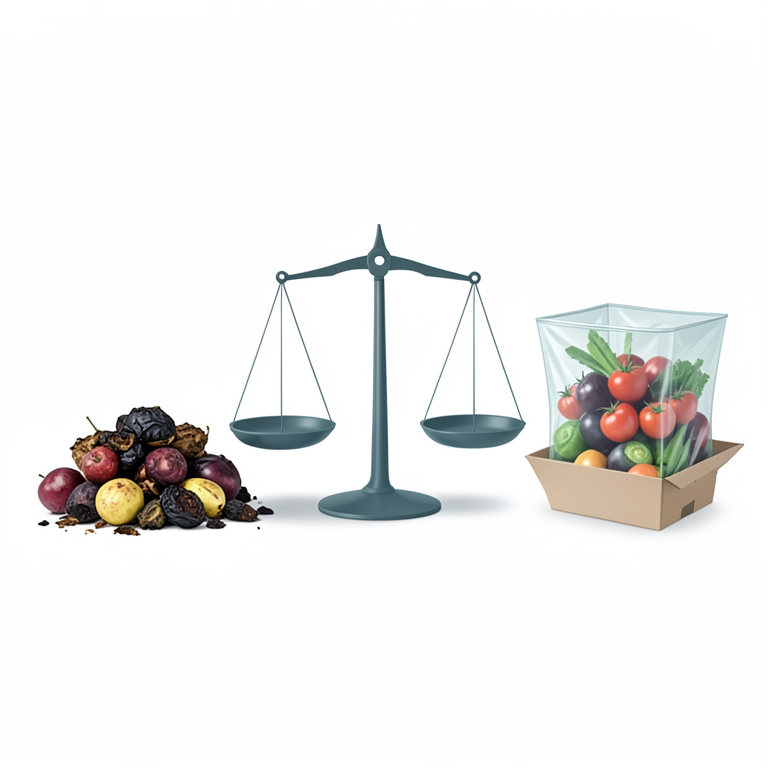
Packaging vs Food Waste
AI-generated conceptual illustration (Fresh produce and various food packaging materials). It explains the idea and does not show study data.
View source evidence ↗Figures & tables
From the original paper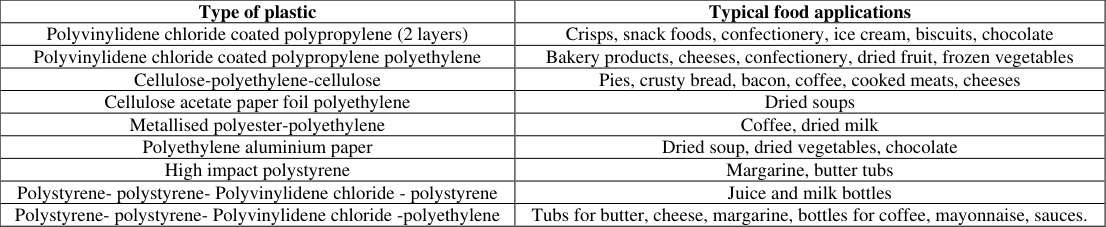 Table 1
 Figure 1
Introduction
Packaging is one of the most important processes to maintain the quality of food and beverages for storage, transportation and consumption. It prevents quality deterioration and facilitates distribution and marketing. The historical evolution of commercial products is strictly connected with the concomitant evolution of packaging that is container tools and contained goods are components of the same inseparable unit. This link is surely stronger and meaningful in the field of foods and beverages because of the notable symbolic value of food products. By now there is food packaging technology concerned with packaging activities regarding protection of food products from biological, physical or chemical agents [1] . Food and beverage processing includes the basic preparation of food, alteration of a food product into another form as well as preservation. Packaging is also one of the main elements of food and beverage processing that comes at the end. Processed food and beverage demand has increased significantly for higher value-added products, such as roasted nuts, processed canned and frozen fruits and vegetables, ice cream, ready-to-eat meals, jellies, candy and baked items. This is due in part to a rapidly growing middle class in developing and emerging countries. Also, Russia, Ukraine and other countries in the former Soviet Union have had a great appetite for higher value-added foods and beverages, especially alcoholic beverages [2,3] . There are three different types of packaging though packaging is commonly understood to be the material that surrounds a product that is sold to the customer. These are primary, secondary and tertiary packaging. Primary packaging is the direct (nearest) cover of the product prepared to sale to the users. Important information's related to the product such as branding, instructions how to use, content of the product and its disposal are obtained on this packaging. Because primary packaging also comes into direct contact with the product it must satisfy protection and preservation requirements. In the case of customer goods, primary packaging represents the sales unit intended for the final customer. Examples of primary packaging include bottles, beverage cans and tinned foods [4] . Secondary packaging is used to group a certain number of primary sales units together at a point of sale. It can be sold to the final user as a single unit or used to facilitate the movement of the product within the point of sale or to remove it without altering its characteristics. In the case of customer goods, secondary packaging can constitute both the sales unit intended for the final customer as well as the one intended for the reseller. Examples of secondary packaging are packages with multiple bottles, cans, tins and cartons of cigarettes. For the sake of transportation towards the customer whole cover of primary and secondary packages called tertiary packaging is very important. In the case of customer goods, tertiary packaging is reserved for internal use in distribution chains and, except for special cases, does not arrive at the final customer. An example of tertiary packaging is palletised unit loads [4] . The basic function of packaging is to hold the contents and keep them clean and secure without leakage or breakage until they are used. It protects foods/beverages against microorganisms, insects, birds and rodents, and also avoid spoilages due to moisture pickup or loss, oxidation and heat. Additionally, it gives convenient handling throughout the production, storage and distribution system, including easy opening, dispensing and re-sealing, and being suitable for easy disposal, recycling or re-use. It enables the consumer to identify the food, and give instructions so that the food is stored and used correctly. Apart from these packaging also has secondary functions-such as selling and sales promotion, which contributes significantly to a business profit [5,6] . Marketing and logistics are the two main macro functions of packaging. From a marketing perspective, packaging adds value to a product through a series of performance features. These can be substantially immaterial, such as the use of shapes or colors, or can be actual, material performance, such as the addition of information to the customer, improved product preservability, etc. Packaging thus represents a real promotional vehicle for the product. Instead, from a strictly logistical perspective, the basic function of packaging is to organize and protect the merchandise and to make it identifiable in order to facilitate its movement, storage, transport, distribution, sale, use and final consumption [4] . Good packaging, can be measured by the type of packaging material and the pack design, increase/enhance brand value due to the consideration of sustainability credentials of the product and its packaging [7] .
History of food and beverage packaging
When the lifestyle of human being changed beverage and food packaging system showed development. Before a long period of time, people just feed immediately after gathering around their living area. As people shifted from a nomadic lifestyle to staying in a sheltered area, the need arose for containers to store/hold food. They used naturally occurring things for instance gourds, leaves and shells until the 1800s. Grasses, wood, and bamboo were used to weave baskets [8] . Pottery, glass and paper were some of the early materials shaped into food containers since 7000 B.C up to the starting of industrialization by the in 1500 B.C. Although many additives have been developed to color glass and give it varying properties, the basic materials silica, sand, soda and limestone are still used [8] . The modern food packaging has begun in the 19th century with the invention of canning. These endeavors to preserve and package food were paralleled by several other packaging-related inventions such as cutting dies for paperboard cartons and mechanical production of glass bottles [9] . In the beginning of the 20th century, 3-piece tin-plated steel cans, glass bottles, and wooden crates were used for food and beverage distribution. Some food packaging innovations stemmed from unexpected sources. For example, Jacques E. Brandenberger's failed attempts at transparent tablecloths resulted in the invention of cellophane. In addition, wax and related petroleum-based materials used to protect ammunition during World War II became packaging materials for dry cereals and biscuits [10] . World War I and World War II contributes for the innovation of so many different packaging materials and systems such as aluminum foil, electrically powered packaging machinery, plastics, aseptic packaging, metal beer cans, flexographic printing, and flexible packaging. Most of these developments helped immeasurably in World War II by protecting military goods and foods from extreme conditions in war zones. Tin-plated soldered side-seam steel progressed to welded side seam tin-free steel for cans, and 2-piece aluminum with easy open pop tops were invented for beverage cans, spearheading the exponential growth of canned carbonated beverages and beer during the 1960s and 1970s. The development of polypropylene, polyester, and ethylene vinyl alcohol polymers led the incredible move away from metal, glass, and paperboard packaging to plastic and flexible packaging [11] . Active packaging (oxygen controllers, antimicrobials, respiration mediators, and odor/aroma controllers) and intelligent or smart packaging were obtained in 20 th century. Distribution packaging is already influenced by the potential role of radio frequency identification for tracking purposes. Products such as retort pouches and trays, stand-up flexible pouches, zipper closures on flexible pouches, coextrusion for films and bottles, and an inexorable drive by injection stretch blow molded polyester bottles and jars for carbonated beverages and water have emerged as rigid and semi-rigid packaging. Multilayer barrier plastic cans, microwave susceptors, dispensing closures, gas barrier bags for prime cuts of meat, modified atmosphere packaging, rotogravure printed full-panel shrink film labels, and dual ovenable trays are examples of innovations [12] . By now, packaging system capable detecting, sensing, recording, tracing, communicating, and applying scientific logic to facilitate decision making to extend shelf life, enhance safety, improve quality, provide information, and warn about possible problems. After sensing the environment and processing information different actions are applied based on the problem. For any fresh fruits, absorbing system is used as active packaging components to remove undesired gases and substances (oxygen, carbon dioxide, moisture, ethylene, and taints) in order to extend the shelf life [13] .
Considerations and roles of food packaging
Successful packaging consider the package material and design that assure competing requirements with regard to product characteristics, marketing considerations (including distribution needs and consumer needs), environmental and waste management issues, and cost. Additionally, the properties of the packaging material, the type of food to be packaged, possible food/package interactions, the intended market for the product, desired product shelf-life, environmental conditions during storage and distribution, product end use, eventual package disposal, and costs related to the package throughout the production and distribution process should also considered during packaging [6] . The main functions of food packaging are to save from harm food products from external influences, to contain the food, and to give consumers with ingredient and nutritional information. Product protection, product safety, product freshness, brand identity that is marketing/convenience/shelf appeal/branding/brand integrity and decreasing of wastage are also another main functions of packaging. Traceability, convenience, and tamper indication are secondary functions of increasing importance. It also contains food in a cost effective way that satisfies industry requirements and consumer desires, maintains food safety, and minimizes environmental impact [6] .
Protection and safety
It keeps food safe in transportation, handling and distribution. The packaging industry is always seeking innovative packaging solutions to ensure the product needs to get from the facility to the consumer in the same condition as when it left facility fresh and intact. To protect the product throughout the supply chain, this requires close consideration of the primary packaging or materials used to package the individual, sellable unit and secondary packaging materials, by corrugated box or pallet wrap, makes easy during transformation. Different packaging materials used such as bag-in-box packaging applications are used for both food (cereal) and beverages (wine) and aluminum is suited for cans of soda and to give food containers a premium look and feel (15). It avoids contamination that can occur at any point in the supply chain. For consumer safety, there are FDA regulations that enforces inclusion of certain information on food and beverage packaging such as an constituent list, probable effects of ingestion and date of manufacture and expiration [15,16] .
Product Freshness
Increases with the right packaging, helping appearance, taste, shelf life and quality regardless of how good food or beverage product's recipe is, if it doesn't taste fresh, chances are lost a potentially loyal consumer. With packaged goods, the time from when your product is made until the time it is consumed can vary from days to years. However, because the consumer often keeps a product at home for a period of time before consuming it, it's important the packaging helps maintain freshness beyond the sell by date [17] . There are tested and new packaging technology advancements allowing for food manufacturers to extend a product's shelf life and better control product freshness including materials in flexible packaging such as flow wrapped candy bars will have a much longer shelf life than foil and paper packaged ones. Resealability in the form of a zipper, lid or label closure is a great option for products meant to be consumed over multiple times [17] .
Brand Identity
A package is the face of a product that can enhance sales in a competitive environment. The package may be designed to boost the product image and/or to differentiate the product from the competition. For example, larger labels may be used to accommodate recipes. Packaging also provides information like item recognition, dietary importance, component statement, weigh cooking instructions, brand identification, and pricing to the consumer. The potential for packaging use/reuse eliminates or delays entry to the waste stream [18] .
Food waste reduction function
Packaging reduces waste in two important ways. First, it keeps food from spoiling and having to be discarded. In the United Kingdom, the proportion of food that is unfit for consumption before it reaches the consumer is 2 percent, whereas in developing countries, where packaging is not as widespread, this loss can be in excess of 40 percent Second, packaging permits foods to be processed more efficiently. Paper, metal, and glass packaging increase, food waste decreases. Increases in plastics packaging create the greatest reductions in food waste. Overall, for every 1 percent increase of packaging, food waste decreases by about 1.6 percent [19] .
Types of food packaging material
Package design and type of material used play a significant role in determining the shelf life, quality and freshness of a food/beverage product during distribution and storage. Materials that have traditionally been used in food packaging include leaves, vegetable fiber, wood, glass, ceramics, metals (aluminum, foils and laminates, tinplate, and tin-free steel), paper and paperboards, and plastics. Today's food packages often combine several materials to exploit each material's functional or aesthetic properties [20] . Let us see packaging category based on simplified subcategories of food containers or separated components, used raw materials, the simplified description of packaging structures and correlations with functional requisites [6] .
Leaves, vegetable fiber and woods
A long time ago banana or plantain leaves are often used for wrapping certain types of food (e.g. steamed doughs and confectionery). Corn husk and leaves (e.g. vine leaves, bamboo leaves) were used to wrap corn paste/unrefined block sugar and cooked foods of all types, respectively. are wrapped in leaves (e.g. vine leaves, bamboo leaves). Vegetable fibers like bamboo, banana, coconut, cotton, jute, raffia, sisal, and yucca were converted into yarn, string or cord and used to made the packaging material. These materials are very flexible, have some resistance to tearing, and are lightweight for handling and transportation. Being of vegetable origin, all of these materials are biodegradable and to some extent reusable [21] . The use of wooden containers has traditionally been used and continues Though plastic containers have largely replaced it. Especially, for some wines and spirits the transfer of flavour compounds from the wooden barrels improves the quality of the product. Leaves and vegetable fibres do not provide protection to food which has a long shelf-life since they offer no protection against moisture pick-up, micro-organisms, or insects and rodents [21] .
Metal Packages
Metal containers have positive features of notable rigidity and tensile strength, excellent 'barrier effect' against light, other external agents and penetrating fluids or solids. By contrast, these containers cannot be sealed without adequate plastic or metallic closures. In addition, metallic and plastic raw materials can interact with edible foods. These basic features depend mainly on the composition of basic supports that is with steel or aluminium [22] .
Basically, steel materials can be found on the market of metal containers in different forms, depending on the peculiar composition and protection processes against the metallic corrosion. Generally, three materials are fully recognisable at present. Electrolytic Tin Plate is a low-carbon steel with a thin superficial coating. This protection is obtained by the electrolytic deposition of metallic tin on the surface of black carbon steel coils. The structure of electrolytic tin plate is complex enough. With the exclusion of the steel support intermetallic iron-tin complex (FeSn2), metallic tin, mixed oxides of tin and chromium, Calcium carbonate (from normal washing treatments and finally an organic layer such as dioctyl sebacate against the superficial oxidation can be used [23] . The first subcategory of metal containers is recognised as 'steel-made food packaging because of the use of coated or uncoated steel supports. By contrast, the second subclass of metal cans is identified as aluminium made because of the use of aluminium alloys. It has to be noted that peculiar features of these materials (ductility and low density) determine the final destination of food package. Chemically, it can be affirmed that aluminium 'alloys' contain also manganese, magnesium and other metals in very low proportions. Another interesting property of aluminium alloys is the impossibility of welding. It should be added that aluminium-made containers are necessarily coated with organic coatings on the inner (food-contact) side for preventing damages to metallic surfaces by foods [23,24] . Generally, external and inner sides of body and ends are coated with organic lacquers or enamels. Several exceptions may be tolerated when speaking of nonaggressive foods (examples: weak acid fluids). On the other side, acid or high-pigmented foods such as harissa sauces may easily attack metallic surfaces with the consequent corrosion and the dissolution of metallic ions into foods and food packaging damages. In addition, the external appearance of 'tin cans' is decorated with lithographic systems. With the exclusion of twopiece drawn and wall-ironed containers, coating and lithographic operations are made on flat, coil or sheet metal supports. Every coating, enamel and printing ink has to be cured into conventional ovens or under UV lamps: the curing process implies the polymerisation of pre-polymerised resins [22] . The most important packed foods by metal container are canned fish, preserved vegetables (peas, maize, beans,…) and vegetable oils. Easy preservation, depending on the peculiar preservation during and after the packaging,absence of refrigeration and extremely resistant against mechanical damages during transportation and storage steps are the advanteges of canned foods. The presence of reduced air into packaged foods is one of main requirements for acceptable closures. As a result, it may be assumed that 'regular' canned foods should not suffer problems by air oxidation. Metal cans are not resistant to thermal treatment due to this they used as cooking, self-heating or self-cooling instruments [25] .
Glass
Glass containers for food applications are generally subdivided in two categories which are bottles (for wines, beers, mineral waters etc.) and jars. Actually, different types and subtypes of glass food packaging can be designed. Even though the designs are so many, the most part of similar containers are often found in these two groups. Glasses have properties of chemical inertness, impermeability, transparency, rigidity, breakability, birtual endless reusability, superficial properties (smooth appearance, roughened ice-like effect etc.), different shapes and perceived hygiene [25] . Improved break resistance glass allows manufacturers to use thinner glass, which reduces weight and is better for disposal and transportation [26] . Five main types of glass materials may be recognized at present. Let us see as follow White Flint Glass: Basically, clear glass corresponds to the 'pure' melted mixture of silica (72 %), lime or calcium oxide (12 %) and soda or sodium oxide (12 %). Other minerals may be present depending on the composition of original raw materials: alumina, magnesium oxide and potassium oxide. The neutral appearance is function of the absence of chromatically recognisable mineral elements with distinct colours. In other words, the 'white' and completely transparent glass corresponds to a tri-dimensional matrix based on silicon, oxygen, sodium and calcium. This network contains many intra-molecular empty spaces, also named 'vacancies', with the possible addition of different metallic ions. Should vacancies be filled with a metallic cation, the macroscopic network should appear as a coloured and possibly transparent matter to an external observer. The absence of recognisable colours is function of silicon, sodium and calcium [27] .
Dark Green Glass: This material is obtained by means of the addition of chromium oxide (Cr2O3) and iron oxide (Fe2O3) to glass mixtures. Chemically, empty spaces are filled with chromium and iron: the result is the 'dark green' appearance of the network. Actually, the intensity of blue-green colours is mainly caused by the prevailing amount of trivalent chromium if compared with iron [27] .
Pale Green Glass: This material, also named 'half white' glass, is obtained by means of the addition of Fe2O3 and Cr2O3 with the abundance of iron (green colour) if compared to trivalent chromium [27] .
Blue Glass: Normal 'blue glass' can be obtained by means of the addition of cobalt ions to glass mixtures with low abundance of iron. It should be considered that 'blue' types are very expensive in certain productions: as a clear result, blue bottles for carbonated soft drinks or mineral bottles may be expensive. For this reason, the chromaticity of certain beverages may be discussed with the aim of obtaining the desired colour of bottled products with transparent containers [27] . Amber Glass: The last type of glass material is widely used in the market of light-sensitive beverages because of the 'filtering' function against UV rays.The brown aspect of related bottles can be obtained by means of the addition of ferric ions to glass mixtures: ferrous ions should be much reduced. In addition, carbon atoms are inserted in the tri-dimensional matrix, while chromium should be virtually absent [27] . Because it is impermeable to gases and vapors, so it maintains product freshness for a long period of time without impairing taste or flavor. The ability to resist high temperatures makes glass useful for heat sterilization of both low-acid and high-acid foods. Glass is rigid, provides good insulation, and can be produced in numerous different shapes. The transparency of glass allows customers to observe the manufactured goods, so far variations in glass color can save from harm light-sensitive contents. In addition to these its reusable and recyclability glass packaging harmonize the environment. Like any material, glass has some disadvantages. Despite efforts to use thinner glass, its heavy weight adds to transportation costs. Another concern is its brittleness and susceptibility to breakage from internal pressure, impact, or thermal shock [26] .
Plastics
Plastics are made by polycondensation or polyaddition (addition polymerization). In polycondensation the monomer units with at least 2 functional groups such as alcohol, amine, or carboxylic groups condense where as in polyaddition polymer chains growby addition reactions, in which 2 or more molecules combine to form a larger molecule without liberation of byproducts. Polyaddition involves unsaturated monomers; double or triple bonds are broken to link monomer chains [28] . There are 2 major categories of plastics: thermosets and thermoplastics. Because thermoplastics can easily be shaped and molded into various products such as bottles, jugs, and plastic films, they are ideal for food packaging [28] . There have been some health concerns regarding residual monomer and components in plastics, including stabilizers, plasticizers, and condensation components such as bisphenol A. Despite these safety concerns, the use of plastics in food packaging has continued to increase due to the low cost of materials and functional advantages (such as thermos sealability, micro wavability, optical properties, and unlimited sizes and shapes) over traditional materials such as glass and tinplate [29] . Multiple types of plastics are being used as materials for packaging food, including polyolefin, polyester, polyvinyl chloride, polyvinylidene chloride, polystyrene, polyamide, and ethylene vinyl alcohol [30] . Although more than 30 types of plastics have been used as packaging materials, polyolefins [31] and polyesters are the most common [32,33] .
Paper and paperboard
Paper and paperboards are commonly used in corrugated boxes, milk cartons, folding cartons, bags and sacks, and wrapping paper. Tissue paper, paper plates, and cups are other examples of paper and paperboard products. Food and drug administration regulates the additives used in paper and paperboard food packaging [1] . Plain paper is not used to protect foods for long periods of time because it has poor barrier properties and is not heat sealable. When used as primary packaging (that is, in contact with food), paper is almost always treated, coated, laminated, or impregnated with materials such as waxes, resins, or lacquers to improve functional and protective properties. Many different types of paper used in food packaging. Kraft paper is one type of paper commonly used for bags and wrapping. It is also used to package flour, sugar, and dried fruits and vegetables. The other paper called sulfite paper which is lighter and weaker than kraft paper used to make small bags or wrappers for packaging biscuits and confectionary [20] . Beyond these papers the greaseproof paper is used to wrap snack foods, cookies, candy bars, and other oily foods. Glassine is greaseproof paper taken to an extreme (further hydration) to produce a very dense sheet with a highly smooth and glossy finish.
It is used as a liner for biscuits, cooking fats, fast foods, and baked goods. Parchment paper is made from acid-treated pulp (passed through a sulfuric acid bath). The acid modifies the cellulose to make it smoother and impervious to water and oil, which adds some wet strength. It does not provide a good barrier to air and moisture, is not heat sealable, and is used to package fats such as butter and lard [20,34] . Paperboard is thicker than paper with a higher weight per unit area and often made in multiple layers. It is commonly used to make containers for shipping such as boxes, cartons, and trays and seldom used for direct food contact. Laminated paper (laminated with plastic or aluminum) is used to package dried products such as soups, herbs, and spices [1] . Paper and paperboard packages show the positive features of low density, good stiffness, absence of fragileness and excellent printability. In addition, the related costs are quite low and can be easily folded, creased and coated with adhesive products (dextrines, etc.) for the subsequent assembling [25,34] .
Additives and sensors used in packaging
Additives or freshness enhancers that can participate in packaging applications enhance the preservation of food. Active packaging includes additives that are capable of scavenging or absorbing oxygen, carbon dioxide, ethylene, moisture and/or odour and flavor taints; releasing oxygen, carbon dioxide, moisture, ethanol, sorbates, antioxidants and/or other preservatives and antimicrobials; and/or maintaining temperature control. The wide diversity of active packaging devices have specific applications to individual food products for which the shelf-life can be extended substantially, so long as the food's unique spoilage mechanisms are understood and controlled (36).
The effectiveness and integrity of active packaging systems can be checked by intelligent packaging. Examples of intelligent packaging include time temperature indicators, gas leakage indicators, ripeness indicators, toxin indicators, biosensors, and radio frequency identification [37] . Among emerging technologies nanocomposite materials, which can improve the strength, barrier properties, antimicrobial properties, and durability to heat and cold; are predicted to make up a significant portion of the food and beverage packaging market in the near future, although not yet widely widespread. The strength, barrier properties, antimicrobial properties, and durability to heat and cold can be improved by nanocomposite materials. Other applications include carbon nanotubes or nanosensors. The first are cylinders with nanoscale diameters that can be used in food packaging to improve its mechanical properties, although it was recently discovered that they may also exert powerful antimicrobial effects, while nanosensors could be used to detect chemicals, pathogens, and toxins in foods [38,39] .
Impact of packaging materials
Packaging can be environmentally risky over the course of its life cycle though it gives safety, protecting and extending the shelf life of a wide range of foods, beverages and other fast-moving consumer goods. Packaging is the second highest cost factor in food marketing (after labor), according to the U.S. Department of Agriculture, manufacturers are often inclined to squeeze costs out of the packaging process According to the site packaging may account for 10 percent to 50 percent of the prices of food items.
Even the need for smaller packaging that meets federal and health standards further increases the production cost, which manufacturers transfer to the consumer [40] . Ahead of these, migration in to food and the chemicals that we add to maintain the food and beverage have their own disadvantages [40] . Plastics packaging material is their variable permeability to light, gases, vapors, and low molecular weight molecules. Incineration of PVC presents environmental problems because of its chlorine content. Bisphenol A migrates into food and drink from plastic bottles, metal cans, and other consumer products. It is just one of many known or suspected endocrine disruptors commonly found in food packaging that can migrate into food and drink [41,42] . Plastics for juice and milk packaging are called polyolefins. They contain benzophenone, a compound that mimics a female reproductive hormone estrogen and interferes with reproductive health of women. Use of paper and cardboard boxes for packaging foods is also debatable. Studies have shown that printing ink from newspapers get leached into foods and may cause hormonal disturbances. Recycled paper boxes may be contaminated with di-isobutyl phthalate and di-n-butyl phthalate which can cause digestion problems and severe toxicity [43] . Corrosion of metal supports and dissolution of metallic ions into foods is one of the disadvantages of packing foods and beverages by metal. The detection of iron, tin, chromium, copper ions or other foreign metals into certain acid foods (hot sauces etc.) or preserved fruit juices is caused by the insufficient coating of metal surfaces by organic lacquers or enamels, presence of micro or macro bubbles into organic coatings or enamels and presence of micro scratches on coated surfaces [24] . Storage temperatures, the extension of uncovered areas, insufficient coating thickness, Excessive amount of residual oxygen, passivation, high acidity and notable quantities of organic pigments in certain products may dissolve tin. The possible presence of 'catalysing' ions such as nitrate should be also remembered. Other contaminants may cause notable worries. The dissolution of iron may cause colorimetric modifications in peculiar foods. Aluminum could cause cloudiness or haze in sensitive beverages (beers). Thin aluminum and tin cans used to store beverages contain ortho phenylphenol (used to kill bacteria and fungus) which is a known carcinogenic [24,25] . Glass is recognized as a safe packaging material by the Food and Drug Administration but a few types of glass bottles used for storing liquids may contain lead. Lead is a potent known neurotoxin and is known to interfere with several functions of the body. Prolonged exposure to high concentrations of lead can cause vomiting, poisoning, and liver and kidney damage. Most of the glass bottles and jars are caped with metal caps. These caps release phthalate which is linked to several disturbances in the hormonal (endocrine) system [43] . Propyl gallate and tertbutylhydroquinone are antioxidant preservatives that help prevent the spoilage of fats and oils. They're found in processed foods, vegetable oils and meat products. According to the Center for Science in the Public Interest, animal studies reveal that low doses of propyl gallate may increase risk of cancer. Tertbutylhydroquinone increases the incidence of tumors in studies conducted on rats [44] . Ingesting of a large amount of Sodium nitrate and nitrite, often used to preserve meat and meat products, at one time may cause you to experiences abdominal pain, muscle weakness, bloody stools and fainting. They are also a threat for developing diabetes, diarrhea and respiratory tract infections in children. Consumption of nitrates may be linked to an increased risk of cancers, such as leukemia, brain tumors and nasopharyngeal tumors [45] . Additionally, Sulfites that used to preserve and maintain the organic color of some foods has a side effect of tearing down vitamin B-1 content and humans who are sensitive to it may possibly develop skin irritations, hypotension, abdominal pain, diarrhea and asthmatic breathing after eating them [46] . Sodium benzoate, or benzoic acid, is another preservative used to prevent bacterial growth in foods. According to the Center for Science in the Public Interest some people experienced hives, asthma or allergic reactions after consuming it. When combined with vitamin C, also known as ascorbic acid, sodium benzoate may pose a small risk of cancer, including leukemia. According to the WHO animal studies, high doses of the preservative may cause damage to the heart, spleen, liver, kidneys, brain and adrenal glands. But human studies and studies with lower consumption rates are limited [47] .
Conclusion
Packaging is one of the most important processes to maintain the quality of food and beverages for storage, transportation and consumption. It protects from biological, physical or chemical agents. It also act as a real promotional vehicle and facilitate its movement, storage, transport, distribution, sale, use and final consumption. Though packaging does improve safety, offer convenience and reduce theft, it also comes with a number of impacts. Some of the disadvantages are expensiveness, environmentally damaging over the course of its life cycle and migrated chemicals in to the food and beverage that we add to maintain the food and beverage have their own disadvantages. Some of packaging materials contain harmful compounds which are neurotoxin, carcinogenic effect, interferes with reproductive health of women and being act as causative agent of other health problems. Based on the finding of this review we recommend choosing of appropriate packaging material and try to decrease or avoid packaging materials that contain chemicals which can migrate to foods and beverages and those carcinogenic additives and preservatives.
Ethics approval and consent to participate
Ethics approval and consent to participate
Acknowledgement
AcknowledgementsNot applicable
Figures and tables from the paper
| Type of plastic | Typical food applications |
|---|---|
| Polyvinylidene chloride coated polypropylene (2 layers) | Crisps, snack foods, confectionery, ice cream, biscuits, chocolate |
| Polyvinylidene chloride coated polypropylene polyethylene | Bakery products, cheeses, confectionery, dried fruit, frozen vegetables |
| Cellulose-polyethylene-cellulose | Pies, crusty bread, bacon, coffee, cooked meats, cheeses |
| Cellulose acetate paper foil polyethylene | Dried soups |
| Metallised polyester-polyethylene | Coffee, dried milk |
| Polyethylene aluminium paper | Dried soup, dried vegetables, chocolate |
| High impact polystyrene | Margarine, butter tubs |
| Polystyrene- polystyrene- Polyvinylidene chloride - polystyrene | Juice and milk bottles |
| Polystyrene- polystyrene- Polyvinylidene chloride -polyethylene | Tubs for butter, cheese, margarine, bottles for coffee, mayonnaise, sauces. |
Table text extracted from the original PDF; superscript letters are shown inline. The original table image is below.
View original table image
References
45 in the original paper- Brunazzi G, Parisi S, Pereno A. Packaging and food: a complex combination. InThe Importance of Packaging Design for the Chemistry of Food Products, 2014, 7-56. Springer, Cham.
- Martinez MG. editor. Open innovation in the food and beverage industry. Elsevier, 2013, 22.
- Commissione europea. Food and beverage packaging main issues.(cited 2018 march 24);available from ://www.bayfor.org/media/uploads/.../IMAGEEN-FoodBeverage-Packaging.pdf
- Meghwal M, Goyal MR. Editors. Food Process Engineering: Emerging Trends in Research and Their Applications. CRC, 2016, 8.
- Coles R, McDowell D, Kirwan MJ. Editors. Food packaging technology. CRC, 2003, 15.
- Coles R, Kirwan MJ. Food and beverage packaging technology. John Wiley & Sons, 2011, 25.
- Berger KR. Reviewed by Welt, B. A Brief History of Packaging, ABE321, reviewed, 2005.
- Wilson CL, editor. Intelligent and active packaging for fruits and vegetables. CRC Press, 2007.
- Twede D, Selke SE, Kamdem DP, Shires D. Cartons, crates and corrugated board: handbook of paper and wood packaging technology. DEStech Publications, Inc, 2014.
- Lord JB. The food industry in the United States. Developing new food products for a changing market place. 2nd ed. Boca Raton, Fla.: CRS Press, 2008, 1-23.
- Brody AL, Bugusu B, Han JH, Sand CK, McHugh TH. Scientific status summary. Journal of food science,2008:1:73(8).
- Yam KL, Takhistov PT, Miltz J. Intelligent packaging: concepts and applications. Journal of food science,2005:1:70(1).
- Lopez-Rubio A, Almenar E, Hernandez-Muñoz P, Lagarón JM, Catalá R, Gavara R. Overview of active polymer-based packaging technologies for food applications. Food Reviews International,2004:1:20(4):357-87.
- Korhonen V, Elintarvikepakkaamisen nykytila jatulevaisuuden näkymiä. Pakkausteknologia-PTR, 2000.
- Appendini P, Hotchkiss JH. Review of antimicrobial food packaging. Innovative Food Science & Emerging Technologies,2002:3(2):113-26.
- Yam KL, editor. The Wiley encyclopedia of packaging technology. John Wiley & Sons, 2010, 5.
- Young S. Packaging design, consumer research, and business strategy: The march toward accountability. Design Management Review,2002:13(4):10-4.
- Davis G, Song JH. Biodegradable packaging based on raw materials from crops and their impact on waste management. Industrial crops and products,2006:1;23(2):147-61.
- Marsh K, Bugusu B. Food packaging-roles, materials, and environmental issues. Journal of food science,2007:1:72(3).
- Glenn D. Fibers and Vegetable packaging. 1 st edn.14 April 2006 (cited 2018 march 24);available from: https://doi.org/10.1002/0471743984.vse8042
- Coles R, McDowell D, Kirwan MJ, editors. Food packaging technology. CRC Press, 2003, 15.
- Parisi S. Alterazioni in imballaggi metallici termicamente processati: tecnologia, metodi di prova ed indagine retrospettiva. Gulotta, 2004.
- Coles R, McDowell D, Kirwan MJ, editors. Food packaging technology. CRC Press, 2003, 15.
- Parisi S. Food packaging and food alterations. Smithers Rapra, 2012.
- Allendorf MD. Research needs for coatings on glass. Summary of the US Department of Energy roadmapping workshop. Thin Solid Films,2001:30:392(2):155-63.
- Grayhurst P, Girling PJ. Packaging of food in glass containers. InFood and Beverage Packaging Technology Place: John Wiley & Sons Ltd UK, 2011.
- Marsh K, Bugusu B. Food packaging-roles, materials, and environmental issues. Journal of food science,2007:1:72(3).
- Lopez-Rubio A, Almenar E, Hernandez-Muñoz P, Lagarón JM, Catalá R, Gavara R. Overview of active polymer-based packaging technologies for food applications. Food Reviews International,2004:20(4):357-87.
- Sedlacekova Z. Food Packaging Materials: Comparison of Materials Used for Packaging Purposes, 2017.
- Willige RV, Linssen JP, Meinders MB, Stege HV, Voragen AG. Influence of flavour absorption on oxygen permeation through LDPE, PP, PC and PET plastics food packaging. Food Additives & Contaminants,2002:19(3):303-13.
- Monagas M, Bartolomé B, Gómez-Cordovés C. Evolution of polyphenols in red wines from Vitis vinifera L. during aging in the bottle. European Food Research and Technology,2005:220(3-4):331-40.
- Coles R, McDowell D, Kirwan MJ. editors. Food packaging technology. CRC Press, 2003, 15.
- Kirwan MJ, editor. Paper and paperboard packaging technology. John Wiley & Sons, 2008. 35. Food packaging and health. Food packaging material.october5,2005.https://www.foodpackagingforum.o rg/food-packaging-health/food-packaging-materials
- Restuccia D, Spizzirri UG, Parisi OI, Cirillo G, Curcio M, Iemma F et al. New EU regulation aspects and global market of active and intelligent packaging for food industry applications. Food Control,2010:21(11):1425-35.
- Kerry JP, O'grady MN, Hogan SA. Past, current and potential utilisation of active and intelligent packaging systems for meat and muscle-based products: A review. Meat science,2006:74(1):113-30.
- Ray S, Quek SY, Easteal A, Chen XD. The potential use of polymer-clay nanocomposites in food packaging. International Journal of Food Engineering, 2006, 18:2(4).
- Liu Y, Gore A, Chakrabartty S, Alocilja E. A Molecular biowire based multi-array biosensor with integrated potentiostat. In Bio medical Circuits and Systems Conference, 2007. BIOCAS 2007. IEEE, 2007, 29-32.
- Barry Morris. Controlling Packaging Costs in Food Manufacturing Keys to Protecting the Proper Sealant.2006 Sep.(cited 2018 march 24);available from: http://www2.dupont.com/Packaging/en_US/assets/downloa ds/controlling_packaging_costs_white_paper.pdf
- Bergman Å, Heindel JJ, Jobling S, Kidd K, Zoeller TR, World Health Organization. State of the science of endocrine disrupting chemicals summary for decision-makers, 2012.
- Fang X, Vitrac O. Predicting diffusion coefficients of chemicals in and through packaging materials. Critical reviews in food science and nutrition,2017:22:57(2):275312.
- Petersen JH, Jensen LK. Phthalates and food-contact materials: enforcing the 2008 European Union plastics legislation. Food Additives and Contaminants,2010:27(11):1608-16.
- Hasegawa R, Tiwawech D, Hirose M, Takaba K, Hoshiya T, Shirai T et al. Suppression of Diethylnitrosamine-initiated Preneo plastic Foci Development in the Rat Liver by Combined Administration of Four Antioxidants at Low Doses. Cancer Science,1992:83(5):431-7.
- International Agency for Research on Cancer. Ingested nitrate and nitrite, and cyanobacterial peptide toxins. IARC Press, International Agency for Research on Cancer, 2010.
- Vally H, Misso NL, Madan V. Clinical effects of sulphite additives. Clinical & Experimental Allergy,2009:39(11):1643-51.
- Joint FAO/WHO Expert Committee on Food Additives. Meeting, World Health Organization. Evaluation of certain food additives and contaminants: sixty-eighth report of the Joint FAO/WHO Expert Committee on Food Additives. World Health Organization, 2007.
Cited by 5
From OpenAlex, OpenCitations and reference lists read by Scinovex
- Vernonia amygdalina: a comprehensive review of the nutritional makeup, traditional medicinal use, and pharmacology of isolated phytochemicals and compounds ↗
Sileshi Degu, Asfaw Meresa, Zelalem Animaw, Mihretu Jegnie, Asaye Asfaw, Getachew Tegegn · Frontiers in Natural Products · 2024
Vernonia amygdalina is a perennial shrub that belongs to the family Asteraceae. The herb is an indigenous African plant that grows in most parts of sub-Saharan Africa. It is probably the most used medicinal plant in the genus Vernonia. Previous studies on the traditional medicinal value, nutritional composition, classes of phytochemical or compound isolation, and evaluation of their pharmacology activity…
❝ 46PDF - Investigating the faesibility of thermoplastic starch blends for eco-friendly food packaging applications ↗
Iyabo Priscilla Afitijagun, Great Iruoghene Edo, Joshua Othuke Orogu, Kugbere Emumejaye, Izuwa Iwanegbe, Ephraim Evi Alex Oghroro et al. · Journal of Materials Science Materials in Engineering · 2026
Abstract Food packaging is crucial in preserving the quality of food products, extending their shelf life, and protecting against deterioration of physical, chemical, and biological nature. Yet, there has been increased research into eco-friendly alternatives to petroleum-based plastic packaging owing to concerns about the adverse environmental effects of the materials used traditionally. Being plentiful, sustainable, biodegradable, and inexpensive, starches have…
❝ 0PDF - Formulation of carbonated peach juice beverage and study of phytochemical properties
Gagan Dip, Poonam Aggarwal · International Journal of Advanced Biochemistry Research · 2023
Carbonated beverages are popular for their ability to quench thirst and provide a refreshing experience, but they lack important nutritional components. An effort has been undertaken to create a carbonated drink based on fruit juice, utilizing peach juice concentrate at varying concentrations (5%, 7.5%, and 10%), in combination by addition of sugar syrup and chilled water containing carbon dioxide. The peach juice was obtained through a screw-type extractor and concentrated from 7.8 to 69.6 °B using a rotary vacuum evaporator. The assessment included determination of both the physicochemical a
- Performance comparison between healthcare and food & beverage sector companies listed on the Indonesia stock exchange: Before and during the COVID-19 pandemic ↗
Yustika Nurbasithoh T, Wiwik Utami · International Journal of Financial Management and Economics · 2023
This study aims to analyze and compare the financial and market performance between the Healthcare sector and the Food & Beverage sector listed on the Indonesia Stock Exchange (IDX) before and during the COVID-19 pandemic. The population of this study is the Healthcare and Food & Beverage sector companies listed on the Indonesia Stock Exchange. The 49 companies chosen as…
❝ 0PDF - Community Service Activities: Discover the Unique Selling Proposition of Fermented Cassava from Different Packaging ↗
Lorenta In Haryanto, Lola Rahmadona, Dessy Iriani Putri, Sukrianto, Dian Diani Tanjung · International Journal of Community Service Learning · 2023
Waru Village has excellent business prospects for Fermented Cassava as a home industry product. The existing problems encountered by the producer were limited product shelf life, the absence of a unique selling proposition, and the lack of brand identity. This community service activity aimed to educate the importance of good packaging and provide training on the production and packaging of…
❝ 0PDF