
Research article · 2023 · Full text
International Journal of Agriculture and Food ScienceRecent developments in ready-to-eat and ready-to-cook foods: An overview
Volume 5(1) · Pages 147–152 · DOI: 10.33545/2664844x.2023.v5.i1b.135 ↗
Research areasConsumer Attitudes and Food LabelingFood and Agricultural SciencesFood Waste Reduction and Sustainability
Abstract
Author-writtenThe convenience of ready-to-eat and ready-to-cook food products has led to their rapid rise in popularity in recent decades. Because of urbanisation, cultural shifts, and social transformation, people's eating habits and approaches to food preparation have undergone profound changes in recent years. Here, we break down the ready-to-eat/cook food market into its component parts: produce-based, grain- and pulse-based, and animal-based. Extrusion, baking, sterilisation, puffing, coating, cold plasma, high-pressure processing, etc. are all utilised in the creation of this category of food. Longer storage life of these foods may be achieved by proper packaging and microbiological protection. The most up-to-date developments in RTE/RTC food technology are highlighted in this article. While these foods are nutritious, practical, and easy to get, eating too much of them may have negative effects on our health.
Summary
Source-checkedPlain-language reading of the full paper, prepared with AI and checked against the text. Each point links to the authors' own words.
Why it matters
- Urbanization and social changes have significantly altered how people prepare and consume food, leading to a rise in convenience food popularity. View evidence ↗
- The ready-to-eat/cook food market in India is experiencing rapid growth, with its value projected to increase from $261 million in 2017 to $647 million by 2023. View evidence ↗
The question
- The authors aim to provide an overview of the most recent technological developments in the production of ready-to-eat and ready-to-cook foods. View evidence ↗
What they did
- The review categorizes the RTE/RTC market into three main components: produce-based, grain- and pulse-based, and animal-based foods. View evidence ↗
- The paper examines various processing technologies used for these foods, including extrusion, baking, sterilization, and high-pressure processing. View evidence ↗
What they found
- Chitosan (CH) edible coatings on blueberries were found to reduce microbial growth and improve antioxidant and nutritional quality. View evidence ↗
- Certain extruded morning cereals were found to have a lower glycemic index (GI) compared to 12 other rice- and maize-based cereals. View evidence ↗
- Adding 4% mushroom powder to instant noodles improved cooking time and tensile strength, increasing protein by 17.3% (to 11.32%) and fiber by 8.89% (to 1.96%) over the control. View evidence ↗
- Sorghum pasta supplemented with 20% gingelly showed increased protein, lipid, ash, and carbohydrate content, maintaining a shelf life of three months. View evidence ↗
- UV-C radiation at 4.4 kJ m-2 was identified as the optimal level for maintaining the texture and total sugar content of baby corn. View evidence ↗
- Nanoemulsion-based active coatings (NEACs) combined with natural antibacterial agents improved the safety and shelf life of ready-to-eat yao meat. View evidence ↗
- Microbiological analysis revealed that sprouts had the highest levels of contamination, with Cronobacter spp. confirmed in approximately 21 samples. View evidence ↗
What it means
- The authors conclude that while RTE/RTC foods are generally safe and convenient, excessive consumption can lead to negative health effects. View evidence ↗
- The authors emphasize that maintaining the highest standards of cleanliness and safety during manufacturing is critical for ready-to-eat products. View evidence ↗
Visual summary
1 visualsIllustrations explain the paper; they do not show study data.
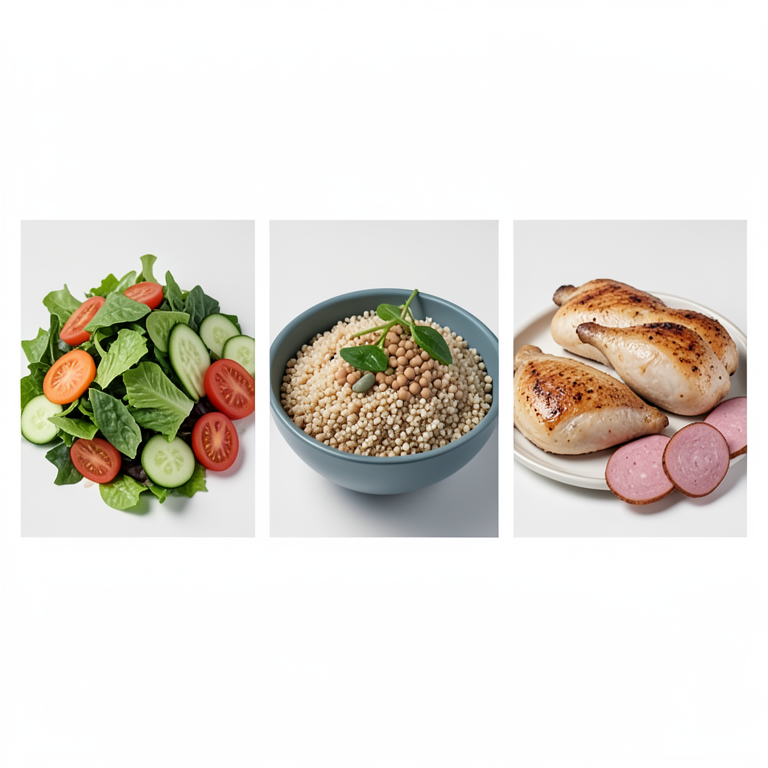
RTE/RTC Food Categories
AI-generated conceptual illustration (Assorted ready-to-eat and ready-to-cook foods including pre-cut vegetables, cooked grains, and processed meats). It explains the idea and does not show study data.
View source evidence ↗Introduction
The rapid urbanisation, cultural shifts, and socioeconomic transformations of recent decades have had a profound impact on traditional Indian diets and culinary practises. People favoured low-effort cooking techniques and ready-to-eat foods because they were too busy to prepare elaborate meals. In 2017, India's ready-to-eat/cook food industry was valued at $261 million. By 2023, that number is expected to more than double to $647 million, growing at a compound annual growth rate of over 16%. People in the modern day have shifted their diet and cooking habits to accommodate the abundance of fast food options on the market and their preference for fresh, simple ingredients. In contrast to "ready to cook" foods, which need additional steps before being consumed, such as heating or boiling, "ready to eat" foods do not require any kind of preparation before being consumed [1] . In the last five years, the fastest expanding food industry has been ready-to-eat (RTE) and ready-to-eat-now (REC) snacks. These foods gained more attention from buyers because of their appealing attributes (price, quality, variety, presentation, etc.). Because of the convenience of these technologies in the manufacturing of RTE and RTC snack productswhich need no further heating or preparation but instead place the emphasis on appealing packaging-these approaches have been widely used. Sweet, salty, fried, tinned, Fast food, baked, dried or preserved, extruded, etc. are all examples of ready-to-eat items. Bakery goods, extruded meals, quick snacks, fast food, morning cereals, biscuits, bars, and other similar items have largely replaced traditional cereals as the most commonly consumed forms of this food group. Because of their long shelf life, low weight, and increased nutritional value, as well as their convenience while shopping and storing, these food formulations are well received by consumers [2] . As a convenient alternative to our typical fare, ready-to-eat/serve/cook products have recently captured a sizable portion of the food industry. The majority of a young person's grocery budget is likely to be spent on ready-to-eat and prepare items. RTE food manufacturers have an easier time attracting a younger demographic because of the rising demand from young customers for these items. Because of its widespread availability, convenience, and the snacking habit of consumers, ready meals and snacks have captured their attention. Consumers in India and elsewhere are following a worldwide trend towards convenience foods that don't need any preparation [3] .
Major categories of ready-to-eat meals or meals that only need brief preparation include bakery foods, extruded foods, fermented foods, frozen foods, and weaning foods. These meals are great for providing quick bursts of energy and nutrients, but they often only satiate hunger to a limited extent. Because of its small size and convenient packing, it is simple to manipulate and alter.
Ready-to-eat food
Due to their convenience in preparation, storage, and consumption, ready-to-eat food items have widespread public acceptance. RTE food includes a wide variety of snack items, such as cookies, crackers, breads, sandwiches, rolls, soups, chips, fruit and vegetable salads, morning cereals, dairy goods, and more. The constant influx of new items falling under that umbrella means that this list has the potential to become extremely big very quickly. The most crucial raw materials for the manufacturing of ready-to-eat foods are fruits, vegetables, and grains [4] .
Food-Based
Fruits and vegetables serve a vital role in meeting the nutritional needs of consumers. It contains several beneficial bioactive substances, including polyphenols, antioxidant vitamins, and minerals. Due to the high moisture content and water activity, which promotes microbial development, fresh fruits and vegetables have a short shelf life. Fresh, healthful, easily prepared, and minimally processed fruits and vegetables are in high demand among shoppers. As a result of their popularity, affordability, and convenience, several businesses have sprung up to provide the growing demand for instant or ready-to-eat foods [5] . Because they may be eaten raw or prepared into a salad, fruits and vegetables are considered ready-to-eat foods. Juice, jam, jelly, marmalades, canned goods, prepared salad, vegetable curry, etc. are only some of the ready-to-eat foods that are based on fruits and vegetables. Some fruits, like strawberries and blueberries, are widely eaten owing to their distinctive look and flavour, but their perishable nature means substantial damage occurs during harvesting, storage, and transportation, resulting in nutritional loss. Mechanical qualities and quality parameters of chitosan edible algae (Palmaria palmata) on processed strawberries have been studied. Researchers found that a CH-PC edible coating decreased respiration rate, decreased product loss, and decreased microbial load while simultaneously increasing nutritious value. Research on the effects of an edible coating rich in dietary fibre on the quality of ready-to-eat blueberries is presented. Blueberries were coated in sodium alginate and chitosan edible coating with dietary fibre and then kept at 5 °C for 18 days, where their nutritional, microbiological, and physicochemical characteristics were analysed. The CH coating was shown to be effective in reducing microbial development, increasing antioxidant capabilities, and boosting the overall sensory and nutritional quality of blueberries. The product's nutrient and microbial content was analysed. Once hot milk and sugar are added, the product is ready to eat while maintaining its classic flavour. Semi-dried ready-to-eat tomato product quality was studied. They looked into the possibility that a combination of an antimicrobial chemical and a change in air pressure may extend the shelf life of semi-dried tomatoes. Due to its strong antibacterial action, potassium sorbate is extensively employed as a food preservative in the food business [6] .
Cereals and Pulses
The production of ready-to-eat foods relies heavily on the cereal and pulse industries. 'Roti', a flatbread made from wheat flour, is a staple in most Indian households. Instant snacks, quick food, morning cereals, cereal biscuits and bars, etc., have all but supplanted the more traditional cereals in people's diets. Because they need little to no further preparation on the part of the consumer, these food compositions are popular with buyers. Cereals including wheat, rice, maize and oats are utilized extensively, and they're fortified with various substances to increase their nutritional value and prolong their shelf life. Hot breakfast cereals are often made from wheat and oats, both of which need to be cooked before being eaten. Some breakfast cereals are meant to be consumed only after being mixed with hot milk or water. Cereals, legumes, and pulses are used in a variety of ready-to-eat food items, including extruded snacks, bakery goods, nutria bars, cereals based chocolate bars, etc. Customers were drawn to it because of its widespread availability, its convenience, and their penchant for between-meal snacking [7] . Single-screw extrusion was used to create this cereal, which is notable for being high in both fibre and minerals. They came to the conclusion that pomace from the carambola juice business may be used to create a product that is high in minerals and useful ingredients. The importance of food extrusion technology in the creation of nutritious extruded foods was investigated. The primary goal of the research was to find ways to use extruded technique to reduce agricultural waste while also making use of phytochemicals found in nature [8] . Process parameters for extruded snacks that may be eaten immediately have been optimized. Finger millets based extruded snacks enriched with banana powder were created using RSM. Banana powder is used to improve the nutritional value of a mix of rice flour, maize flour and cheese. We utilized RSM to find the sweet spot for the barrel temperature, extruder speed, banana powder content, and other process variables. Several product physical attributes are investigated using a central composite design with three layers and three components. RTE extruded snacks' physical qualities are very sensitive to variations in production settings. It's crucial to the growth of every extruded product that aims for excellence. Research on the quality of turkey's favorite ready-to-eat meals across a range of dimensions. Using extrusion technology, they created several forms of readyto-eat morning cereal and analysed their free sugar content, in vitro starch digestibility, and anticipated glycemic index. Results showed that the sample's GI was lower than that of 12 other morning cereals made with rice and maize. When oats are included in the formulation, the resulting extruded sample is sugar-free. Buckwheat and bread waste are used in the research of to create healthy, fat-free, ready-to-eat snacks that are high in protein, fibre, and minerals. Snacks prepared with buckwheat flour and leftovers from a bakery [9] . A nutritious breakfast should consist of ready-to-eat cereals, milk, and fruit. Because of their prevalence amongst European teenagers, the nutritional features of breakfast cereals were analysed. Breakfasts that include milk and fruit provide more glucose and fructose than, say, toast and cereal do. They determined that a more nutritionally sound breakfast would consist of ready-to-eat cereals, milk, and fruit. Ready-to-eat snack bars made from a combination of sorghum and cowpeas, created. Drought-resistant crops including sorghum, cowpea, and baobab are widely cultivated in Kenya and utilised in the creation of convenient snack bars. Five variations of a snack bar are studied, and their physical, nutritional, and sensory properties are analysed. Based on their findings, they recommend making and eating this cereal-based snack bar as a means of increasing nutrient intake through dietary variety [10] .
Meat, Fish and Poultry
Ready-to-eat foods based on meat, poultry, and fish are also commonly sold and consumed. Perishable foods like meat and fish have seen an increase in attention paid to their quality and safety as a result of rising demand and globalisation. Lipid oxidation is a severe loss of product quality during processing and storage, and microbial development and fungal contamination may drastically alter the taste, smell, texture, and colour of these items. The availability of numerous processing methods that render meat and poultry products ready-to-eat with minimum preparation at the home level is largely responsible for their convenience. The rising demand for meat and fish based snacks is mostly due to changes in people's diets, preferences, and general approach to life. Chemical preservatives, salt, and fat found in ready-to-eat beef contribute to an unhealthy lifestyle and illnesses including cancer and heart disease [11] . Nanoemulsion-based active coatings (NEACs) with a combination of natural antimicrobials are shown to have a native effect; these coatings are evaluated for their impact on the quality and safety of yao meat products that are ready for consumption. The purpose of this research was to develop and test the effects of an active coating based on nanoemulsions on the yao meat's qualitative characteristics. The study's findings revealed that using NEAC and a natural antibacterial agent improved the quality, safety, and shelf life of yeo meat items that were ready to eat. Antioxidants found in fruit may also be used on poultry and pork. Raw chicken patties were tested for their oxidative stability and colour retention in the presence of salt, Kinnow extract, and pomegranate fruit. The antioxidant impact of the fruit extract on the meat is measured by how well it keeps in the fridge. Chicken patties are subjected to a number of procedures in order to verify their effectiveness in preventing auto-oxidation and salt-promoted oxidation while they are stored. Fish powder is used in the extruded snacks created using maize, rice, roosted Bengal gramme dal, green gramme, black gramme and fish powder. Using a 5-point hedonic scale, we tested this product's acceptability after being stored in the lab for two months. The data demonstrates that fish powder extruded products are of higher quality and more widely accepted as snack foods [12] .
RTC Food Products
Ready-to-cook items, often known as convenience foods, are those that need little additional work beyond the normal cooking procedure. Both urbanisation and globalisation impact people's daily routines and the quality of their lives. Most individuals who buy RTC products live in cities, and this demographic includes single people who don't have families. There are a number of reasons for the rise in demand for ready-to-cook foods. These include the increasing urbanisation of domestic labour, the shortage of time, the convenience of the foods themselves, the rising per capita income, and the fact that even middle-class families can afford them. The rising number of working women means that ready-to-cook meals are becoming popular as a convenient alternative to cooking from scratch [13] .
Fruits and Vegetables
Fibre, vitamins, minerals, polyphenols, and other vital bioactive substances may all be found in abundance in plant foods like fruits and vegetables. It's crucial in meeting people's dietary needs. Vegetables spoil quickly because of the high levels of moisture and water activity that promote microbial development. Fresh fruits and vegetables that are low in processing and simple to prepare are in high demand. Dehydrated ready-to-cook veggies are in high demand in both emerging and developed nations as a result of these variables' effects on the food supply chain in the food market. Due to their little processing and lack of additional preservatives, fruits and vegetables that have been dehydrated or blanched are a good snack choice for health concerned individuals. The primary goal of study was to create a value-added product from raw jackfruit and conduct a quality analysis, and they did so by creating a jackfruit-based ready-to-cook instant 'avail' mix. Standardisation based on many characteristics was a crucial step in the processing of the jackfruit used to make the famous Kerala dish known as "Avail." The curry powder, cumin, green chilli, garlic, and jackfruit leaves are all part of this blend. They discovered that the middle and upper classes alike regarded this product to be very handy, acceptable, and desirable. Investigate the nutritional and microbial quality of prepackaged mixed vegetable curry. Cauliflower, peas, carrots, potatoes, beans, etc., were among the seasonal vegetables subjected to different preparation procedures. The curry was seasoned with powdered herb and spice gravy mix, onion, and garlic. Baby corn was exposed to UV-C radiation at 0, 2.2, 4.4, and 6.6 kJ m -2 , with the results indicating that a level of 4.4 kJ m -2 was optimal for preventing electronic loss but yet allowing for some sugar loss. Therefore, they decided that UV-C treatment at 4.4 kJ m -2 is the optimum option for keeping the baby corn's total sugar content and texture the same. To maintain the nutritional value of vegetables, created a ready-to-cook vegetable blend. Vegetable mix often includes the following five vegetables: carrot, cabbage, and eggplant, green bean and pumpkin. Total plate count testing, yeast and mould testing, and coliform testing all came back negative. Consumers are also willing to accept physicochemical and sensory evaluations [14] .
Cereals and Pulses
Cereals are a common ingredient in both fresh and frozen meal kits. Major cereals utilised in the production of readyto-cook products include rice, wheat, oats, sorghum and maize. Cereal based items include things like pasta, noodles, snack foods, weaning foods, morning cereals, modified starch, pet food, and many more. Puffing or popping is a time-honored method for preparing cereals like popcorn and popped rice. Cold extrusion is also used to create ready-tocook items like pasta, noodles, and papad from flour of grain and legumes. Snacks made from baked goods are widely consumed since they can be purchased for a cheap price, come in a variety of flavours and textures, and are often packaged in appealing ways. Poll consumers on their favorite rice-based ready-to-cook foods. Consumers in India spend over half of their income on food, whereas globally this figure sits at around a third. The authors argue that this research may be utilised in the development and promotion of ready meals or goods in response to the rising demand for such items. Oyster mushroom (P. ostreatus) instant noodle supplements are being studied for its nutritional and qualitative properties. The texture, nutritional value, and flavour of ready-to-cook instant noodles were tested with and without an added dose of mushroom powder (2-10%) as a protein supplement. The cooking time, water absorption, and tensile strength all improve dramatically after adding only 4% mushroom powder. They were able to optimise the product such that it had 11.32 percent protein and 1.96 percent fibre, which is 17.3 percent and 8.89 percent more, respectively, than the control sample. The processing and technology behind millet-based food items are reviewed. People in many parts of the globe rely heavily on millets because of their better nutritional profile compared to that of cereal. In this research, gingelly seeds were employed as a natural fortificant for zinc, and a value-added product was created using sorghum as the carrier [15] . Increases in protein, lipid, ash, and carbohydrate content may be seen in 20% gingelly supplemented sorghum pasta. The created product has a three-month shelf life without degradation. They found that gingelly supplemented sorghum pasta increased zinc levels in a precooked food item. Research on the demand of contemporary consumers for minor millets-based ready-to-eat flasks. Minor millets including small, proso, barnyard, and Ragi form the basis for many processed goods that are quick and easy to prepare for today's busy consumers. After analysing the minor millets for their physical and chemical qualities, they determined that tiny millet flask had the best overall sensory and microbiological quality. Approximately four months, when stored at room temperature.
Meat, Fish and Poultry
It's a great way to get your daily dose of protein and amino acids. The demand for meat snacks is on the rise because of its superior flavour, texture, and nutritional profile compared to other popular snack foods. Ready-to-cook meat and fish products were developed using a variety of cooking techniques, including extrusion, enrobing, coating, etc. Jerky, popped pig rind, fish cutlets, etc. are all examples of popular meat and fish items eaten as snacks across the globe. Fish and animal items that don't need to be cooked beforehand are often processed using extrusion. Their distinct flavour, texture, portability, and growing popularity have contributed to their meteoric rise in prominence [16] . Due to people's busy schedules, ready-to-cook fish items are rising in popularity. Ready-to-eat curries made from pangas fish (Pangasianodon hypophthalmus) have been the subject of research. Chilled fish and its products were packaged using MAP since it was shown to be effective at extending the shelf life of the product. Biochemical and microbiological analyses are the focus of this research. Frozen fish and fish products may be packaged in a modified atmosphere consisting of 75% carbon dioxide and 25% nitrogen. It is also useful in grocery stores for displaying different types of food that have a longer storage life. Although processing plants may get a lot of their nutrition from meat and poultry, keeping it fresh is a huge difficulty. The impact of a chitosan and bamboo vinegar edible coating on the antibacterial and antioxidant properties of RTC pork chops is studied. When applied to pork chops, CH-BV solution has the potential to improve both the product's freshness and its longevity in the fridge. According to their findings, edible coatings on ready-to-eat meat products are crucial for enhancing food safety and extending their shelf life. Created a ready-to-eat barbecue chicken covering made of cellulose nanofibers, ginger essential oil, and citric acid. The purpose of this research was to see whether wrapping barbecue chicken with cellulose nanofibers would increase its storage life. Citric acid and ginger essential oil both have antibacterial properties and may be used to delay deterioration. This research demonstrates the value of coating foods with antioxidant and antibacterial substances to lengthen their shelf life. A very nutritious, easy, and inexpensive food product may be easily formulated using fish meat-based extruded product. Due to their low protein content, extruded goods often have additional protein sources added to them. The extrusion procedure is becoming more popular as a means of boosting the use of fish-based goods. Value addition, affordable meals, and new forms of convenience foods all benefit greatly from this. Nutritional and flavour profiles of extruded fish snacks are assessed. Snacks that include fish protein are a healthier option because of the added protein. This research analyses the nutritional and organoleptic characteristics of a snack that includes dry fish powder. The created product was ultimately determined to be more palatable and nutrient-dense than its predecessor [17] .
Processing and packaging ready-to-eat and ready-tocook foods in a retort
Convenient, portable, and able to feed individuals, households, children, short-term hunger, working women, and travelers, the category of food known as "snacks" includes ready-to-eat and ready-to-cook goods. These foods are useful for providing energy and nutrients, and their primary function is to alleviate hunger to some extent. Because of its small size and convenient packing, it is simple to manipulate and alter. Due to shifting socioeconomic and cultural norms, there has been an uptick in the demand for both precooked and ready-to-eat meals [18] . Snack product packaging is vital to extending the life of food, preventing waste and cutting down on shipping costs. Most products nowadays are packaged in laminated materials because they are better able to maintain their original texture, moisture content, grease content, and resistance to air. Ready-to-eat items are more popular among consumers since they save them time and effort. Nutritional information, meal quality, shelf life, and product promotion may all be communicated via packaging. Research on the stability of ready-to-eat foods over time was done. Using bio diverse millet, they created a packaged product that is both nutritious and easy to use. Research of the packaging and longevity of ready-to-eat khichdi found that it was stable for consumption at room temperature. No artificial ingredients or preservatives were used to create this healthy and wholesome food.
5. Influence on health and microbiological safety of ready-to-eat and ready-to-consumer goods Foods that don't need much time or effort to prepare and devour are sometimes referred to as quick food. It's a broad category that covers things like frozen dinners, prepackaged snacks, bread, spaghetti, morning cereals, fruit snacks, sauces, processed meat, protein bars, etc. The nutritional and microbiological quality of these foods may either improve by processing or worsen due to ultraprocessing. Although these foods are generally safe for human consumption, eating too much of them at once may have negative effects [19] . Some fast food options are heavy in unhealthy ingredients like salt, sugar, and fat. Weight gain, cardiovascular issues, and other un favourable health outcomes are only some of the consequences of eating too much of it. Pizza, burgers, sandwiches, and fried chicken all have a hefty calorie and fat content because of ingredients like cheese and vegetable oil. Bread, chips, Kurkure, biscuits, cakes, lollipop, etc., include a lot of salt and sugar so that they taste good. However, over use of these foods has negative effects on health. The greatest levels of microbial contamination were found in samples of sprouts, and the presence of Cronobacter spp. was confirmed in around 21 samples. Swordfish that has been injected with the probiotic strain Lacticaseibacillus paracasei for three months at 40 °C temperature and then evaluated for quality. The microbiological test, fatty acid profile, and malondialdehyde concentration are all analysed in this research. Differences in lipid profile and lipid oxidation, as well as the expansion of probiotic strains, are shown by the findings. That's why they came to the conclusion that probiotic strains slow lipid oxidation and boost polyunsaturated fatty acid retention. The nutritional value of fruits and vegetables is greatest when they are consumed when still fresh. Microbial deterioration is accelerated by the increased respiration rate and ethylene generation of freshly cut fruits and vegetables. Consuming fruits and vegetables in their raw form may pose health risks. In which a single SLB (Selective Luria bertani broth) examination test and a loopmediated isothermal amplification (LAMP) kit have been created for the detection of salmonella in ready-to-eat meals. In the end, they determined that this method yielded more reliable results. The microbiological safety of minimally processed vegetables is discussed in depth. Reduce microbial burden, inactive pathogens, and minimise cross contamination using ready-to-eat veggies that have undergone minimum processing, as suggested by the researchers. They helped educate the public, businesses, and government agencies about the risks of RTE-MPV in food. For this reason, it is crucial to provide the highest standards of cleanliness and safety in the RTE manufacturing process [20] .
Conclusion
People in the modern day have shifted their eating habits to take advantage of the abundance of fast food outlets. They're reacting to the newly available and simple to make goods. Based on our research, we can say that ready-to-eat foods are a kind of prepared food that comes in pre-packaged form and is meant for on-the-spot consumption or minimallyprocessed cooking. The main types of food that go into manufacturing ready-to-eat and ready-to-cook meals include fruits, vegetables, cereals, pulses, meat, and fish. Numerous advances and a wide range of technology are used in the production of high-quality, pre-prepared foods that are both healthy and convenient. Although these foods are generally safe for human consumption, eating too much of them at once may have negative effects. A product's quality, its shelf life, and its impact on human health may all be affected by the presence or absence of microorganisms.
References
20 in the original paper- Bandara DA, Sarananda KH, Mahendran T, Hariharan G. Processing and Quality Evaluation of Ready-toCook (RTC) Dehydrated Vegetables Mixture. Processing and Quality Evaluation of Ready-to-Cook (RTC) Dehydrated Vegetables Mixture. 2018;3(1):1313.
- Arora B, Kamal S, Sharma VP. Nutritional and quality characteristics of instant noodles supplemented with oyster mushroom (P. ostreatus). Journal of Food Processing and Preservation. 2018;42(2):e13521.
- Rao BD, Kiranmai E, Hariprasanna K, Tonapi VA. Studies on ready to cook gingelly fortified extruded food-sorghum pasta. International Journal of Chemical Studies. 2018;6:2460-2464.
- Takhellambam RD, Chimmad BV, Prkasam JN. Readyto-cook millet flakes based on minor millets for modern consumer. Journal of Food Science and Technology. 2016;53(2):1312-1318.
- Pardeshi IL, Bhuskade SA, Kalmegh VB. Development of cold extruded ready-to-cook Mung (Vigna radiata L.) nuggets. Journal of Food Research and Technology. 2013;1(1):21-28.
- Dalbhagat CG, Mahato DK, Mishra HN. Effect of extrusion processing on physicochemical, functional and nutritional characteristics of rice and rice-based products: A review. Trends in Food Science & Technology. 2019;85:226-240.
- Benhur DR, Bhargavi G, Kalpana K, Vishala AD, Ganapathy KN, Patil JV. Development and standardization of sorghum pasta using extrusion technology. Journal of Food Science and Technology. 2015;52(10):6828-6833.
- Surasani VKR. Application of food extrusion process to develop fish meat-based extruded products. Food Engineering Reviews. 2016;8(4):448-456.
- Nayma K, Das KC, Alice EJ, Mehbub MF, Islam MT. Extension of shelf-life of ready-to-cook (RTC) pangas fish (Pangasianodon hypophthalmus) curry by modified atmosphere packaging at chilled storage. In IOP Conference Series: Earth and Environmental Science. IOP Publishing. 2020;414(1):012015.
- Zhang H, He P, Kang H, Li X. Antioxidant and antimicrobial effects of edible coating based on chitosan and bamboo vinegar in ready to cook pork chops. Lwt. 2018;93:470-476.
- Khaledian, Yousef, Alamoti P, Mohammadreza, Bazargani-Gilani, Behnaz. Development of cellulose nanofibers coating incorporated with ginger essential oil and citric acid to extend the shelf life of ready-tocook barbecue chicken. Journal of Food Processing and Preservation. 2019;43(10):e14114. 10.1111/jfpp.14114.
- Organoleptic Characteristics. Journal of Coastal Research. 2019;86(SI):61-64.
- Shahmohammadi HR, Bakar, Jamilah, Rahman A, Russly, Mohd A, et al. Puffed corn-fish snack development by extrusion technology. Iranian Journal of Fisheries Sciences. 2018;13:748-760.
- Silberbauer A, Schmid M. Packaging concepts for ready-to-eat food: recent progress. Journal of Packaging Technology and Research. 2017;1(3):113126.
- Chhabra I, Kaur A. Development of a convenient, nutritious ready to cook packaged product using millets with a batch scale process development for a smallscale enterprise. Journal of Food Science and Technology. 2022 Feb;59(2):488-497.
- Iqbal S, Thanushree MP, Sudha ML, Crassina K. Quality characteristics of buckwheat (Fagopyrum esculentum) based nutritious ready-to-eat extruded baked snack. Journal of Food Science and Technology. 2021;58(5):2034-2040.
- Hassan SA, Bhateja S, Arora G, Prathyusha F. Impact of junk food on health. Journal of Management Research and Analysis. 2020;7(2):57-59.
- Piano AMP, Israel, Katherine Ann. Physico-chemical quality and microbial safety evaluation of ready-to-eat freshcut watermelon and pineapple sold in Imus, Cavite, Philippines. Food Research; c2019. p. 10.26656/fr. 2017;3(6):139.
- Berthold-Pluta, Anna, Garbowska, Monika, Stefańska, Ilona, et al. Microbiological quality of selected readyto-eat leaf vegetables, sprouts and non-pasteurized fresh fruit-vegetable juices including the presence of Cronobacter spp. Food Microbiology. 2017;65:221230.
- Wan J, Lu Z, Bie X, Lv F, Zhao H. Improvement of a new selective enrichment broth for culturing Salmonella in ready-to-eat fruits and vegetables. Journal of Food Safety. 2020;40(5):e12817.
Cited by 8
From OpenAlex, OpenCitations and reference lists read by Scinovex
- Impacts of feed moisture content, barrel temperature, and screw speed on the physicochemical, functional, and sensory properties of Tomato–Maize–Soybean-Based extruded snack ↗
Abebe Mengist Asres, Aderaye Jembere Alemayehu, Mekuannt Alefe Adimas, Zemenu Tadesse Adimas, Biresaw Demelash Abera · Applied Food Research · 2026
• Extrusion variables significantly modified structure–function properties. • Barrel temperature reduced bulk density and enhanced expansion ratio. • Soybean enrichment improved protein (19.43%) and mineral content. • Optimal conditions maximized expansion and sensory acceptability. The development of nutrient-dense ready-to-eat (RTE) snacks from locally available raw materials is important for improving dietary quality and food security. This study investigated the effects…
❝ 1PDF - Marketing dynamics of ready-to-eat and ready-to-cook foods: Consumer behavior and sales strategies ↗
Ayman Al-Farsi, Hana Al-Mutlaq · International Journal of Research in Marketing Management and Sales · 2025
The rapid growth of Ready-to-Eat (RTE) and Ready-to-Cook (RTC) foods reflects significant shifts in consumer lifestyles, preferences, and market strategies. With increasing urbanization, rising disposable incomes, and evolving household structures, consumers are adopting convenience-oriented food options that save time while maintaining nutritional value. This study investigates the marketing dynamics of RTE and RTC foods by analyzing consumer behavior, purchase patterns,…
❝ 1PDF - Advances in value-addition of horticultural crops: postharvest shelf-life extension, clean-label preservation, minimally processed products, and byproduct valorization ↗
Raju Saravanan · Current Horticulture · 2026
India’s horticulture sector is expanding rapidly, yet substantial value is lost through postharvest deterioration and quality downgrading within fresh supply chains. Recent NABCONS estimates for 2020–22 indicate postharvest losses of 6.02-15.05% in fruits, 4.87-11.61% in vegetables, and 1.29-7.33% in plantation crops and spices, with notable losses in tomato, mango, banana, onion, cassava/tapioca, chilli, turmeric, and black pepper. This review synthesises…
❝ 0PDF - Academic perspectives on the growth of ready-to-cook and ready-to-eat food industries in emerging economies ↗
Mariana Silva, Carlos Pereira, Ana Paula de Souza · International Journal of Advanced Academic Studies · 2025
The growth of ready-to-cook (RTC) and ready-to-eat (RTE) food industries in emerging economies reflects a significant transformation in food consumption patterns driven by rapid urbanization, evolving lifestyles, and rising disposable incomes. These industries, once confined to niche markets, have expanded into mainstream consumer segments, shaping new supply chains and redefining relationships between producers, processors, and consumers. This paper explores the…
❝ 0PDF - Chemical preservation and safety mechanisms in ready-to-eat food products: Recent innovations and challenges ↗
Fatima Al-Mansoori, Khaled Al-Dosari, Rania Al-Farsi, Omar Al-Hamadi, Noura Al-Zahari · International Journal of Chemical Research and Development · 2025
The exponential rise in demand for ready-to-eat (RTE) food products has placed food preservation and safety at the forefront of contemporary research and industry innovation. Chemical preservation, traditionally achieved through the use of compounds such as benzoates, sorbates, nitrites, and sulfites, has served as the primary mechanism for extending shelf life and ensuring microbial stability. However, the widespread reliance on…
❝ 0PDF - Agronomic implications of processed food demand: Linking crop production to ready-to-cook food industries
Reza Karimzadeh, F. Mousavi, Mohammad Rahimi, Niloofar Jafari · International Journal of Research in Agronomy · 2025
The growing demand for ready-to-cook (RTC) foods has profound agronomic implications, reshaping agricultural systems to meet the needs of the processed food industry. This study investigates the complex link between crop production and the RTC food sector, examining how changing consumer preferences influence agricultural practices. Through a mixed-methods approach, the research combines quantitative data on crop production trends with qualitative insights from interviews with industry stakeholders, including farmers and food processors. The study finds that as RTC food consumption rises, crop
- A review article on eco-friendly synthesis through microwave-assisted reactions ↗
Saritha Karnati, Matam Shriya · International Journal of Chemical Research and Development · 2025
Linum usitatissimum L a member of Linaceae family, which is used for various medical purposes. Microwave assisted processes are useful instruments for scientific and industrial applications because they provide faster reactions, higher yields, energy efficiency, and improved product quality when compared to conventional heating. Microwave-assisted synthesis is increasingly finding applications in chemistry laboratories due to its ability to shorten reaction
- Ethnopharmacological methods in the search for anti-cancer therapies ↗
Meryem Hanci · International Journal of Pharmacognosy and Pharmaceutical Sciences · 2023
This review paper consolidates current knowledge on ethnopharmacological strategies employed in the discovery of anti-cancer agents. It emphasizes the use of traditional medicinal plants, highlights key bioactive compounds with anticancer properties, and discusses the transition from traditional applications to clinical research, focusing on how these ancient practices can inform and enhance modern oncology.