
Research article · 2021 · Full text
International Journal of Agriculture and Food ScienceFormulation and evaluation of sweet corn milk (Zea Mays) based mayonnaise
Volume 3(1) · Pages 33–38 · DOI: 10.33545/2664844x.2021.v3.i1a.49 ↗
Research areasAgriculture Sustainability and Environmental ImpactFood Science and Nutritional StudiesSensory Analysis and Statistical Methods
Abstract
Author-writtenVegan foods have shown an increasing trend in food consumption patterns, where the demand for vegan products is affected by physiological, socioeconomic, cultural, ethnic, and several other factors. The vegan market is predominantly occupied by soy-based products, whereas the remaining is constituted by almond, walnut, and other plant sources, which are comparatively high in cost. Exploring new sources for vegan products which are economical and commercializing could attract consumer’s attention and could have a good market share. Sweet corn is consumed across the world and is known for its unique taste and flavor. One of the major concerns with sweet corn is the very short optimum maturity period, before and after which it loses its characteristics. Various studies have formulated yogurt milk, native Indian products like dahi, shrikhand, etc., with corn milk in its pure and blended forms. An online survey was carried out to understand Consumers preference for vegan foods. The preliminary survey conducted revealed that respondents were open to trying out vegan mayonnaise when they had to choose among vegan products. Therefore, in this study, mayonnaise was formulated using sweet corn milk. Nutrient and sensory analyses were conducted for the mayonnaise samples. Organoleptic properties were evaluated using 9- point hedonic rating scale, duo-trio, and triangle tests. One-way ANOVA for the hedonic rating test revealed that there were no significant differences between control (eggless mayonnaises) and test samples (sweet corn milk mayonnaises). Nutrient profiling of sample V1 (SCMM 1:1) had the following result :417.6Kcal, 3.37g carbohydrates, 5.63g protein, and 42.40g fat per 100g.
Summary
Source-checkedPlain-language reading of the full paper, prepared with AI and checked against the text. Each point links to the authors' own words.
Why it matters
- The vegan food market is currently dominated by soy, while other plant-based alternatives like almond and walnut are more expensive. View evidence ↗
- Using sweet corn to create new products like mayonnaise can reduce agricultural waste and increase the overall utility of the crop. View evidence ↗
- Demand for plant-based milk alternatives is rising because of the prevalence of cow milk protein allergy and lactose intolerance. View evidence ↗
The question
- The study aimed to evaluate consumer preferences for vegan foods and dips, and to develop and test a mayonnaise based on sweet corn milk. View evidence ↗
What they did
- Two variations of sweet corn milk mayonnaise were created using corn extract diluted with water at ratios of 1:1 and 1:1.5. View evidence ↗
- Sensory evaluations, including hedonic rating, duo-trio, and triangle tests, were performed by 7 semi-trained panelists. View evidence ↗
- An online survey was conducted with 282 respondents to assess attitudes and preferences regarding vegan foods. View evidence ↗
- Nutrient analysis for energy, protein, fat, carbohydrates, and minerals was conducted using AOAC and IS standard methods. View evidence ↗
What they found
- Statistical analysis showed no significant difference in sensory acceptability between the sweet corn milk mayonnaises and the eggless control samples. View evidence ↗
- The sweet corn milk samples (V1 and V2) appeared darker than the controls, likely due to the natural yellow color of the corn milk. View evidence ↗
- In the duo-trio test, only the combination of V2 and C1 showed a significant difference; other samples were considered similar to the controls. View evidence ↗
- The triangle test results indicated that the sweet corn milk samples were significantly different from the control samples across all tested triads. View evidence ↗
- Compared to commercial eggless mayonnaise, the 1:1 sweet corn milk version (V1) had lower calories, fat, and carbohydrates, but higher protein content. View evidence ↗
- The nutrient profile for 100g of the V1 sample was 417.6 Kcal of energy, 5.63g of protein, 42.40g of fat, and 3.37g of carbohydrates. View evidence ↗
What it means
- The authors conclude that sweet corn milk mayonnaise is a nutritious alternative with good taste and flavor that helps in the efficient utilization of the sweet corn crop. View evidence ↗
Visual summary
2 visualsIllustrations explain the paper; charts are replotted from the paper's own table values.
Mayonnaise Formulation Process
AI-generated conceptual illustration (sweet corn kernels and corn-based mayonnaise). It explains the idea and does not show study data.
View source evidence ↗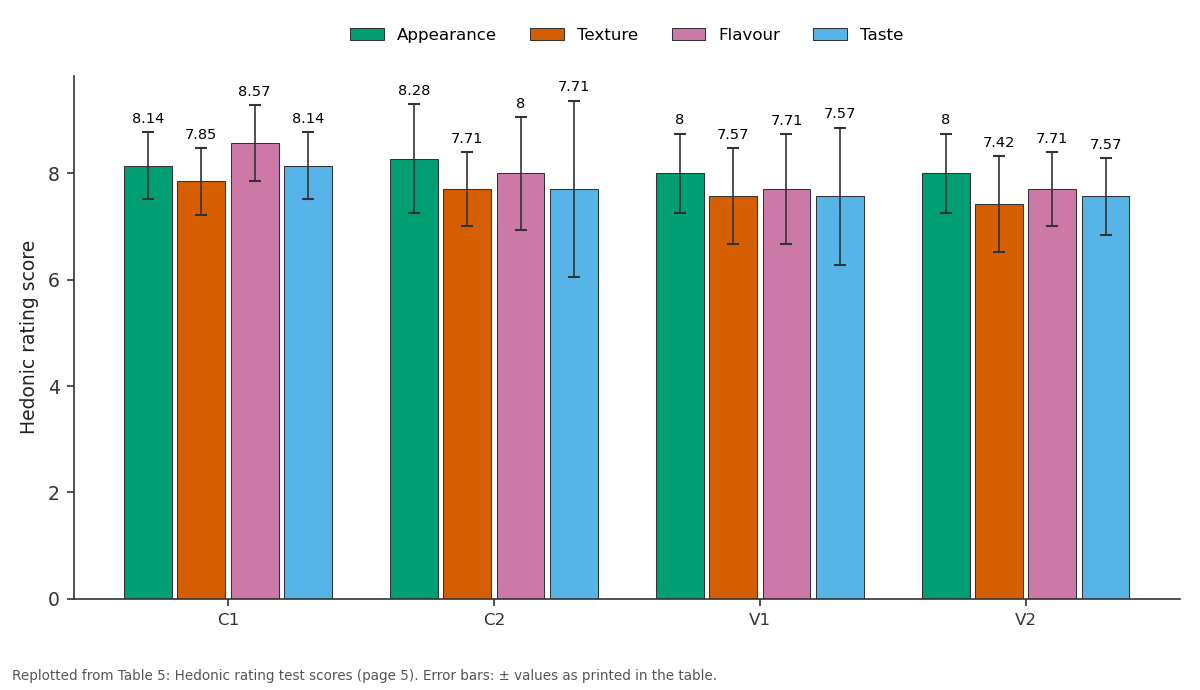
Appearance and Texture and more: C1 vs C2 vs V1 vs V2
Replotted from Table 5 (page 5) of the original paper. Every bar is the paper's own table value.
View source evidence ↗Figures & tables
From the original paper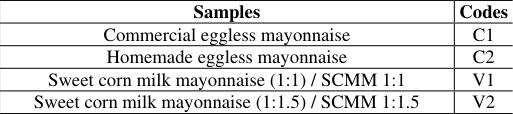 Table 2
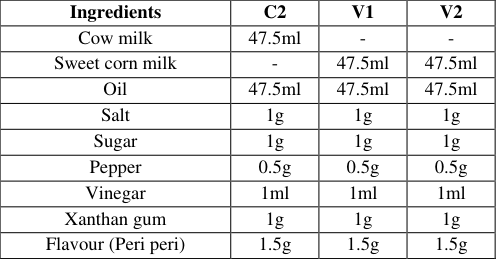 Table 1
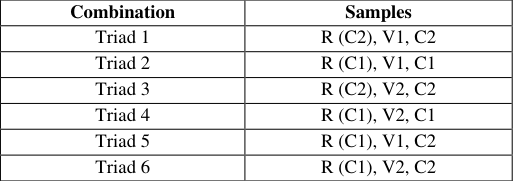 Table 3
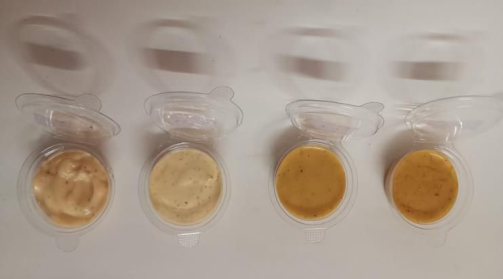 Figure 1
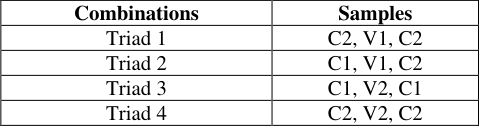 Table 4
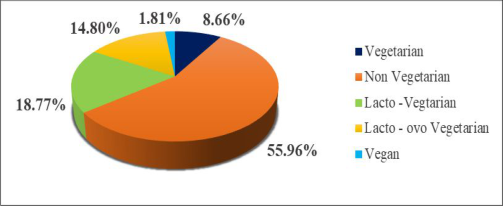 Figure 2
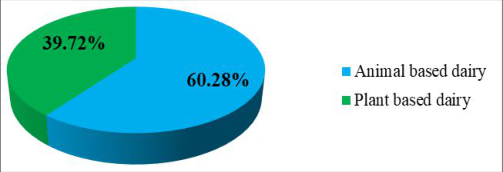 Figure 3
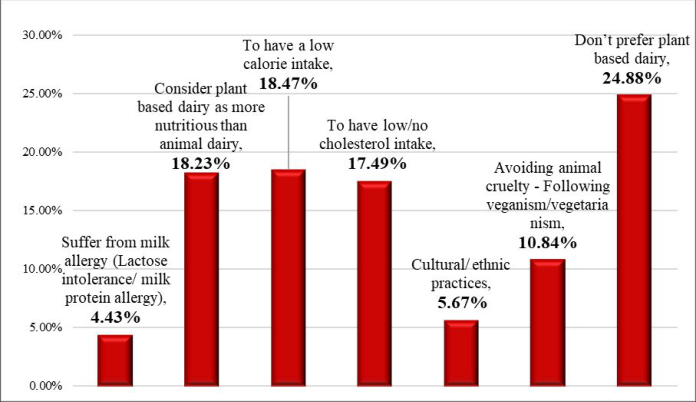 Figure 4
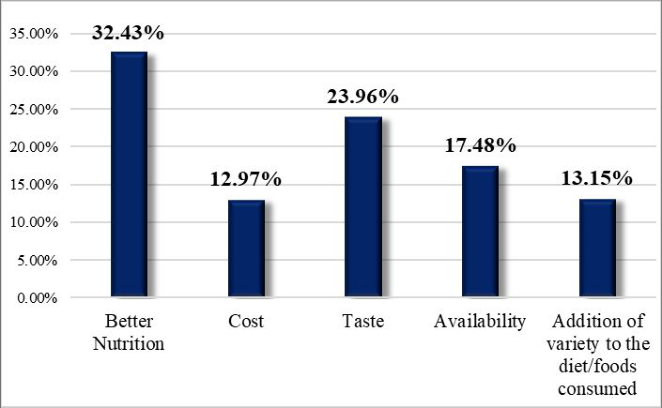 Figure 5
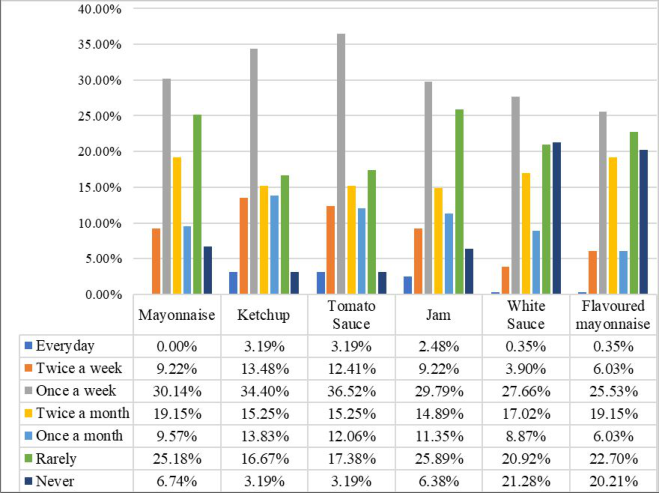 Figure 6
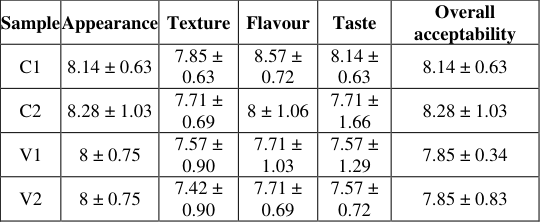 Table 5
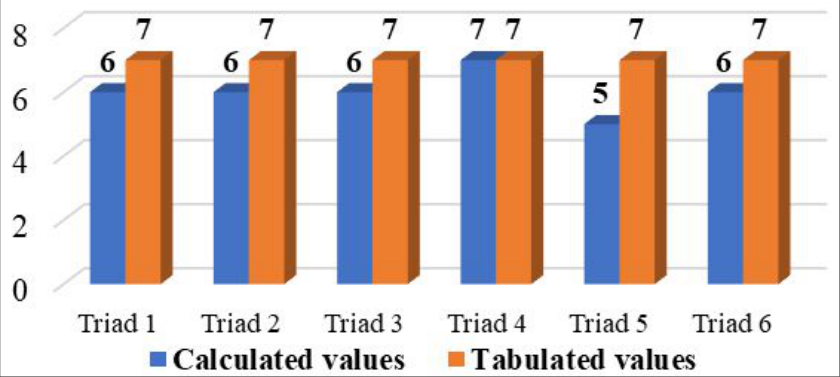 Figure 7
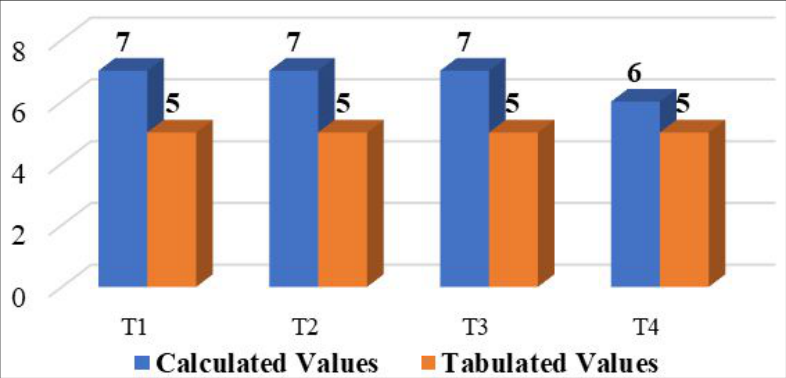 Figure 8
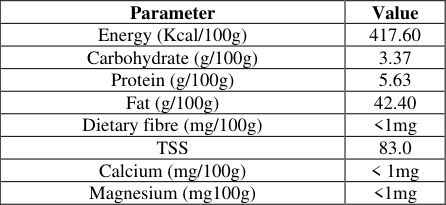 Table 6
Introduction
Dairy alternatives or substitutes have become a popular consumption trend notifying the shift in the nutritional, socioeconomical, and physiological status of the population. Consumption of dairy alternatives has taken a great spike with increasing veganism. Plant-based milk alternatives have the highest market share among vegan products. Milk alternatives are the ones where liquid milk analogs are extracted from various plant sources (cereals, pseudo cereals, legumes, and oils seeds), by soaking and grinding followed by filtration and further processed for homogenization for maintaining the particle size (5 -20 µm) similar to dairy-based milk to imitate its appearance and consistency (Sethi et al,2016) [10] . Milk alternatives have seen an increase in demand due to the increasing prevalence of lactose intolerance and cow milk protein allergy. Lactose intolerance can lead to discomforts like bloating and flatulence. Whereas, Cow milk protein allergy (CMPA) can lead to allergic reactions, which can sometimes lead to anaphylactic shocks (da Silva et al, 2019) [2] . Some of the common vegan products that are available in the market include milk, yogurts, mayonnaise, fermented cheese etc., where dairy alternative milk is produced in a large scale and are made available easily in the market. Soy dominates the vegan food range, due to the ease of getting formulated into different products such as soy milk (whole), combined soy milk, flavored soy milk, yogurts, mayonnaise, tofu etc., Even though, other plant-based milk such from almond, cashew, coconut are picking up their sales, but the market is still dominated by soy. Researchers are highly interested to find various new sources for vegan product formulation and standardization. Sweet corn milk is an extract that is obtained by grinding and filtering of kernels. It can be considered as a potential plant-based milk alternative and is being studied for its properties and quality. Several studies were done with sweet corn for the production of blended vegan milk, yogurt, native Indian products like shrikhand (Masih et al, 2020) [7] , gulab jamun (Patil et al, 2017) [9] and dahi (Padghan et al, 2015) [] . Utilizing sweet corn for formulating novel products like mayonnaise, white sauce base will increase the crop utility and reduces agricultural waste. Mayonnaise is a popular dip, which is consumed with or without flavorings. It is an emulsion that is formed with the addition of oil and liquids (where an egg is used and in case of eggless mayonnaise, milk or reconstituted milk solids are used). It usually contains vinegar, spices, salt and sugar, and other flavorings, emulsifiers, and antioxidants. Emulsion stability is majorly contributed by emulsifiers like Xanthan gum in eggless mayonnaises, whereas in egg-based mayonnaise, yolk and stabilizer contribute equally. (Singla et al, 2012) Dips are commonly consumed with all types of foods and are preferred for their flavor and taste. Similarly, sweet corn is preferred for its flavor and sweetness. Being a novel source to the vegan range, exploring its characteristics will help in understanding the processing parameters, formulation, and sensory characteristics. Since it's an abundantly cultivated crop in south India, processing and value addition will help in increasing its shelf life and improves its market value. Therefore, formulating mayonnaise, an emulsion that is commonly prepared from egg or milk, when substituted with sweet corn milk can be the better option for making the maximum use of the sweet corn production. This study aimed to understand the consumers' attitude and preference towards vegan foods, consumer preferences towards dips, and to formulate and evaluate sweet corn milk-based mayonnaise.
Methodology Survey on Consumer Attitude and Preferences towards Vegan Foods
A preliminary survey was conducted with a self-administered, structured questionnaire to understand and evaluate the consumer attitude and preferences towards vegan foods, estimate the taste and flavor preferences of the respondents. The first half of the questionnaire was designed to collect the basic information about respondents, whereas the latter part was designed to collect information about diet pattern, factors affecting the food choices, reasons which would make them choose vegan foods etc., The questionnaire was circulated through emails in online mode, using a convenience sampling method.
Raw Material Procurement
Raw materials which include sweet corn, oil, spices, and vinegar were purchased from a local market in Chennai. Emulsifier (Xanthan Gum) was procured from Sattvic Foods, Chimbel, Goa, and Seasoning (Peri-peri) were procured from Keya Foods, Thuravoor, Kerala.
Preparation of Mayonnaise
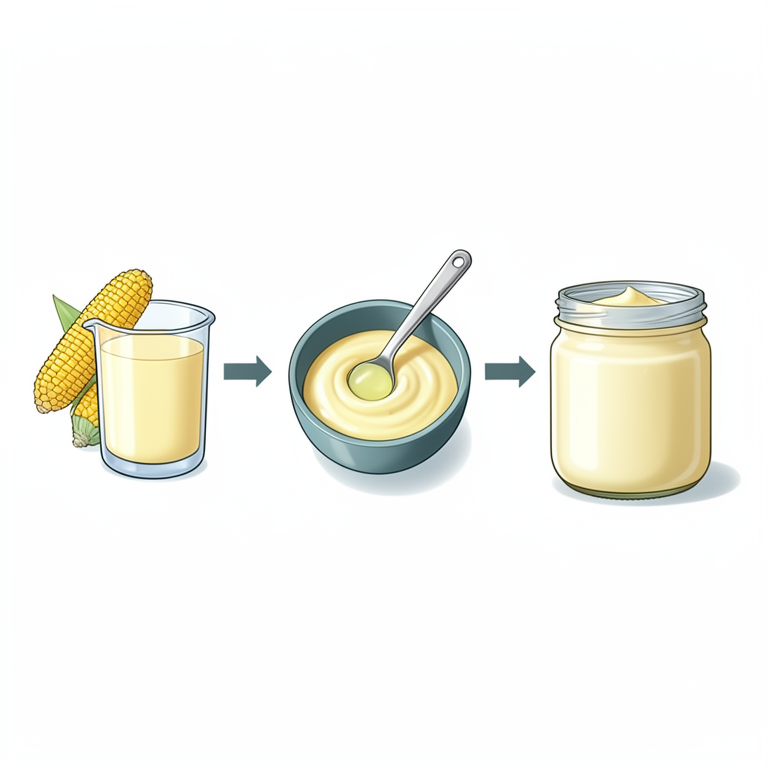
After carefully separating the kernels from the cob, the sweet corn was ground into a fine paste with a blender and filtered to obtain the corn extract. The extract obtained was diluted with water in the ratio of 1:1 and 1:1.5 (corn extract: water). Both the variations were used for formulating mayonnaise. Mayonnaise was prepared by blending sweet corn milk, oil, emulsifier, vinegar, salt, sugar, spices, and flavoring at high speed in a blender.
Nutrient Analysis
The following nutrients -carbohydrates, protein, fat, energy, dietary fibre, ash, magnesium and calcium are estimated by AOAC and IS methods. The total soluble solids (TSS) were also determined by standard method.
Statistical Analysis
One-way ANOVA was applied using MS -Excel 2013, for Hedonic rating test under sensory evaluation to understand if there were any significant differences in the samples. Survey results were reported with descriptive statistics.
Results and Discussion Survey on consumer attitudes and preferences towards vegan foods Demographic Background of respondents
Around 282 respondents (n=282) took part in an online survey that was conducted to understand the consumer attitudes and preferences towards vegan foods. Respondents between age of 18 -65 were considered for this survey, where around 58.16% (i.e., 164 respondents) were between the age of 18 -22 years, forming the major part of this survey. Of the total respondents 53.90% were male and 46.10% were female respondents. Students constituted to around 53.19% (i.e., 150 respondents), job or employed respondents in either private or government sector formed up to 25.53% (i.e., 72 respondents) and entrepreneurs comprised of 8.51% of the respondents. Around 40.43% of the respondents had more than INR 50,000 as their family income, whereas 7.80% had income less than INR 10,000.
Diet Pattern
The Diet pattern of the respondents revealed that almost half of the respondents (55.96%) were non-vegetarians. 18.77% of respondent were Lacto-vegetarians (diet contains animal milk but does not include eggs and flesh), 14.80% were Lacto-ovo vegetarian (diet includes animal milk and eggs, but does not include flesh), 8.66% were vegetarians (diet does not include eggs, meat or milk from animals).
Reasons to Choose Vegan Foods
Several reasons affect the diet pattern. Some of the reasons which include health, economic and other ethnic beliefs were given to respondents to understand why they would possibly shift to a vegan diet pattern. Around 24.88% did not prefer to have plantbased dairy or diet. Major reasons which would influence consumers were 'to have a low-calorie intake' (18.47%), "consider plant-based diet as more nutritious than animal-based dairy" (18.23%), and 'to have a low or no cholesterol intake' (17.49%). Other reasons constituted up to 20.94%, where respondents shifting to a plant-based diet to avoid cruelty towards animals comprised up to 10.84%, cultural/ ethnic beliefs impacted the choice of 5.67% of the respondents. Lactose intolerance accounted for 4.43%.
Factors Affecting Vegan Choices
Factors that affect consumers' choice for vegan products were evaluated by the respondents. The factors that were chosen were better nutrition (32.43%), taste (23.96%), availability (17.48%), just as a mere addition to the variety of foods consumed (13.15%), and cost (12.97%).
Frequency of DIP Consumption
The frequency graph showed that most of the dips was consumed once a week. Mayonnaise showed its highest frequency once in a week (30.14%), and 25.18% of the respondents had it rarely (a gap between consumptions usually exceeds 30 days). Preference in Vegan Product and Rating for Vegan DIPS Around 30.85% respondents were willing to try out mayonnaise in vegan range. Other preferences were for vegan milk (25.89%), vegan butter (20.57%), vegan yogurt (16.31%) and vegan white sauce (6.38%). The respondents were asked to rate the vegan dips on the scale of 1-5 ranging from disliked mostliked most. 62.77% of the respondents expressed a positive liking for the product by choosing between 4 and 5 (liked and liked most)
Taste and Flavour Preferences
For understanding taste preferences, basic tastes in which commercial dips are already available like spicy, sweet, sour, and bland were given, out of which 67.73% preferred spice nature, 21.63% preferred sweetness, 6.03% opted for sourness, and 4.61% chose bland taste in the dips. Common flavors in dips like peri-peri, tandoori, sriracha, mint, ranch, onion, and garlic were given to know the preference of consumers. Tandoori (21.85%), peri-peri (21.54%), and garlic (20.15%) were the top 3 preferred flavors.
Sensory Evaluation
Hedonic rating test V1 and V2 had a darker appearance when compared to controls (C1 and C2), this could be attributed to the yellow color of sweet corn milk. Overall acceptability and flavor scores of sweet corn milk mayonnaises were lower than that of the eggless mayonnaise.
One-way ANOVA for all the sensory attributes revealed that there were no significant differences between the samples. It can be inferred that test samples were as acceptable as control samples.
Duo-Trio Test
In triads 1,2,3,5 and 6, the number of correct identifications or calculated values is less than the required minimum number of correct responses needed to establish significant differences among the samples. Therefore, it can be assumed that panelists found V1 and V2 more similar to controls. Only triad 4 had the required number of correct identifications, with which it is concluded that V2 and C1 varied significantly.
Triangle Test
In all the triads, the panelists have correctly identified the odd sample from the given triad combinations. With the results of the triangle test, it was concluded that in all the triads the samples were significantly different from controls.
Nutrient Analysis
Nutrient profile of Sweet corn milk mayonnaise (V1) is presented in Table 6. The nutritive value of sweet corn milk mayonnaise (V1) 1:1 dilution when compared with commercial eggless mayonnaise, contained lesser calories, fat, and carbohydrates content. But the protein content of the sweet corn milk mayonnaise is much greater than the commercial eggless sample.
| Parameter | Value |
|---|---|
| Energy (Kcal/100g) | 417.60 |
| Carbohydrate (g/100g) | 3.37 |
| Protein (g/100g) | 5.63 |
| Fat (g/100g) | 42.40 |
| Dietary fibre (mg/100g) | <1mg |
| TSS | 83.0 |
| Calcium (mg/100g) | < 1mg |
| Magnesium (mg100g) | <1mg |
Table text extracted from the original PDF; superscript letters are shown inline. The original table image is below.
View original table image
Conclusion
A preliminary survey that was conducted revealed that respondents preferred to try out mayonnaise among the vegan range. Mayonnaise was formulated with sweet corn milk which was extracted with two different dilutions (V1 and V2).
Responses revealed that consumers considered vegan alternatives as low-calorie foods, and as more nutritious and has low cholesterol content. Consumers would like to shift to vegan foods for better nutrition and taste. Hedonic rating test showed that there were no significant differences in basic sensory attributes like (Appearance, texture, taste, flavor and, overall acceptability) between the controls and samples. Duo trio test revealed that samples were more similar to controls which were given as references. The Triangle test revealed that some differences could be identified by the panelists. Sweet corn milk mayonnaise can be used for providing a better nutritive alternative along with better taste and flavor. It can be used to improve the optimum and timely utilization of the crop
Figures and tables from the paper
| Samples | Codes |
|---|---|
| Commercial eggless mayonnaise | C1 |
| Homemade eggless mayonnaise | C2 |
| Sweet corn milk mayonnaise (1:1) / SCMM 1:1 | V1 |
| Sweet corn milk mayonnaise (1:1.5) / SCMM 1:1.5 | V2 |
Table text extracted from the original PDF; superscript letters are shown inline. The original table image is below.
View original table image
| Ingredients | C2 | V1 | V2 |
|---|---|---|---|
| Cow milk | 47.5ml | - | - |
| Sweet corn milk | - | 47.5ml | 47.5ml |
| Oil | 47.5ml | 47.5ml | 47.5ml |
| Salt | 1g | 1g | 1g |
| Sugar | 1g | 1g | 1g |
| Pepper | 0.5g | 0.5g | 0.5g |
| Vinegar | 1ml | 1ml | 1ml |
| Xanthan gum | 1g | 1g | 1g |
| Flavour (Peri peri) | 1.5g | 1.5g | 1.5g |
Table text extracted from the original PDF; superscript letters are shown inline. The original table image is below.
View original table image
| Combination | Samples |
|---|---|
| Triad 1 | R (C2), V1, C2 |
| Triad 2 | R (C1), V1, C1 |
| Triad 3 | R (C2), V2, C2 |
| Triad 4 | R (C1), V2, C1 |
| Triad 5 | R (C1), V1, C2 |
| Triad 6 | R (C1), V2, C2 |
Table text extracted from the original PDF; superscript letters are shown inline. The original table image is below.
View original table image
| Combinations | Samples |
|---|---|
| Triad 1 | C2, V1, C2 |
| Triad 2 | C1, V1, C2 |
| Triad 3 | C1, V2, C1 |
| Triad 4 | C2, V2, C2 |
Table text extracted from the original PDF; superscript letters are shown inline. The original table image is below.
View original table image
| Sample | Appearance | Texture | Flavour | Taste | Overall acceptability |
|---|---|---|---|---|---|
| C1 | 8.14 ± 0.63 | 7.85 ± 0.63 | 8.57 ± 0.72 | 8.14 ± 0.63 | 8.14 ± 0.63 |
| C2 | 8.28 ± 1.03 | 7.71 ± 0.69 | 8 ± 1.06 | 7.71 ± 1.66 | 8.28 ± 1.03 |
| V1 | 8 ± 0.75 | 7.57 ± 0.90 | 7.71 ± 1.03 | 7.57 ± 1.29 | 7.85 ± 0.34 |
| V2 | 8 ± 0.75 | 7.42 ± 0.90 | 7.71 ± 0.69 | 7.57 ± 0.72 | 7.85 ± 0.83 |
Table text extracted from the original PDF; superscript letters are shown inline. The original table image is below.
View original table image
References
12 in the original paper- AOAC. Official Methods of Analysis (17th ed.). Association of Analytical Chemists, International Gaithersburg, MD USA, 2000.
- Da Silva PH, Oliveira VC, Perin LM. Cow's Milk Protein Allergy and Lactose Intolerance. Raw Milk, 2019:295-309.
- Edelstein S, Choi SE. Food Science, An Ecological Approach (1st ed.). Jones & Bartlett Learning, 2013.
- FSSAI. Manual of Methods of Analysis of Foods. Food Safety Standards Authority of India, 2015.
- FSSAI. Manual of Methods of Analysis of Foods [E-book]. Food Safety Standards Authority of India, 2016.
- Lawless HT, Heymann H. Sensory Evaluation of Food: Principles and Practices (Food Science Text Series) (2nd ed. 2010 ed.). Springer, 2010.
- Masih A, Brodway AA, Rani R, Wasnik P, Bharti BK. Studies on the Utilization of Maize Milk for the Preparation of Shrikhand. International Research Journal of Engineering and Technology,2020:7(1):793-799.
- Padghan PV, Patil S, Jaybhaye RV, Katore VD, Deshmuk N. Studies on Cost of Production of Sweet Corn Milk and Its Blended Milk Products. Journal of Ready to Eat Food,2015:2(2):51-55.
- Patil S, Padghan PV, Patil RA. Physico-chemical properties of gulabjamun prepared from khoa of buffalo milk blended with sweet corn milk. Journal of Pharmacognosy and Phytochemistry,2017:6(6):69-72.
- Sethi S, Tyagi SK, Anurag RK. Plant-based milk alternatives an emerging segment of functional beverages: a review. Journal of Food Science and Technology,2016:539:34083423.
- Singla N, Verma P, Ghoshal G, Basu S. Steady state and time dependent rheological behaviour of mayonnaise (egg and eggless). International Food Research Journal,2013:20(4):2009-2016.
- Volumetric determination of Calcium and Magnesium using EDTA -IS 5949:1990. Bureau of Indian Standards, 2003.
Cited by 3
From OpenAlex, OpenCitations and reference lists read by Scinovex
- Consumer preferences and market trends in plant-based milk consumption ↗
Ahmet Kaya, Nuray Uzilday · International Journal of Research in Marketing Management and Sales · 2024
This paper examines the evolving consumer preferences and market trends associated with plant-based milk consumption. By analyzing consumer demographics, environmental consciousness, health awareness, and taste preferences, the study identifies key drivers behind the increasing popularity of plant-based milk alternatives. The paper also explores market growth, challenges, and future prospects for this segment within the functional beverages industry.
- Foliar application of humic acid with varied nutrient levels on performance of sweet corn
Kiran Haranal, M. Hanumanthappa, NS Mavarkar, Sarvajna B Salimath, Sadashiv Nadukeri · International Journal of Research in Agronomy · 2023
A field experiment was conducted at AHRS Kathalagere, KSNUAHS, Shivamogga, to study the effect of foliar application of humic acid with varied nutrient levels on the performance of sweet corn during the summer season of 2021. The experiment was laid out in RCBD with eight treatments replicated thrice. The results revealed that significantly higher total dry matter accumulation (218.59 g plant-1) at harvest, furthermore cob length (21.42 cm), cob girth (15.77 cm), fresh cob yield (198.18 q ha-1) and green fodder yield (263.80 q ha-1), total uptake of NPK (198.51, 48.94, 169.16 kg ha-1, respecti
- Effect of different organic nutrient management practices on yield and yield attributes of sweet corn (Zea mays L. var. Saccharata)
Pallavi Tiwari, Sunil Kumar · International Journal of Advanced Chemistry Research · 2022
The present experiment entitled “Effect of different organic nutrient management practices on yield and yield attributes of sweet corn (Zea mays L. var. Saccharata)” was carried out at Indira Gandhi Krishi Vishwavidyalaya, Instructional cum Research Farm, Raipur (C.G.) during 2021 Rabi season. The main motto was to explore out the effect of different organic treatments of nutrient application on yield and yield attributes of sweet corn crop. Variety ‘Sugar-75’ of sweet corn was taken as the test crop for the experiment. The test crop was sown on 20th December 2021 and the research experiment c