
Research article · 2023 · Full text
International Journal of Agriculture and Food ScienceInsects pest repellent, essential oils, is can be an efficacious alternative to synthetic pesticides
Volume 5(1) · Pages 117–125 · DOI: 10.33545/2664844x.2023.v5.i1b.130 ↗
Research areasInsect Pest Control StrategiesForest Insect Ecology and ManagementEssential Oils and Antimicrobial Activity
Abstract
Author-writtenThe aim of this study was to verify the degree of repellent effect of two chemical substances (DEET and 2-undecanone) and three essential oils (EOs), Allium sativum, Lavandula angustifolia and Eucalyptus globulus. Leptinotarsa decemlineata Say. Were exposed to different concentrations (0.2, 0.4 and 0.6%) in a two-choice olfactometer and (0.02, 0.04 and 0.06 ml/cm2) area preference assay. The effect was recorded 15 minutes, in olfactometer and 6-24 hours in area preference test, after the application of the treatments. It was found that A. sativum, E. globulus, and L. angustifolia had a significant repellent effect. We also found that the repellent effect increased with increasing concentration and time. An olfactometer and area preference assay achieved the highest repellency index (%) from (A. sativum, E. globulus, L. angustifolia, deet, and 2-undecanone), indicating RI 80% (15 mins) and RI 93% at 6-24 hours in concentration (0.6%, 0.06 ml/cm2). The present results show that the tested oils have high activity against L. decemlineata. We concluded that the EOs may have potential as an alternative to chemical control, all these efficient EOs could be used as effective biocontrol agents against various field pests.
Summary
Source-checkedPlain-language reading of the full paper, prepared with AI and checked against the text. Each point links to the authors' own words.
Why it matters
- The Colorado potato beetle (L. decemlineata) is identified as the most significant pest affecting potato crops. View evidence ↗
- Infestations by this pest can lead to defoliation, which may reduce potato tuber yields by over 50%. View evidence ↗
- The Colorado potato beetle has developed widespread resistance to synthetic pesticides, with over 300 cases of resistance to 56 different agents reported. View evidence ↗
The question
- The study aimed to evaluate the repellent effects of three essential oils (A. sativum, L. angustifolia, and E. globulus) against the Colorado potato beetle in a laboratory setting. View evidence ↗
What they did
- The experiment used approximately 1,000 adult beetles maintained at 20±1 °C and 50% relative humidity with a 16/8 hour light/dark cycle. View evidence ↗
- Repellency was tested using two methods: a two-choice olfactometer with concentrations of 0.2%, 0.4%, and 0.6%, and an area preference assay with doses of 0.02, 0.04, and 0.06 ml/cm². View evidence ↗
- Measurements were taken 15 minutes after treatment for the olfactometer test and at 6 and 24 hours for the area preference test. View evidence ↗
What they found
- At the highest concentration of 0.6%, all tested essential oils and chemical substances (DEET and 2-undecanone) produced a repellency index (RI) greater than 80% in the olfactometer test. View evidence ↗
- The lowest concentration tested (0.2%) resulted in the lowest repellency index of 20% across all substances. View evidence ↗
- In the area preference assay, all essential oils and chemicals showed a repellency index between 73% and 93% after 6 hours, and between 80% and 93% after 24 hours. View evidence ↗
- The maximum repellency achieved was 80% at 15 minutes (olfactometer) and 93% at 6-24 hours (area preference) using the highest concentrations (0.6% and 0.06 ml/cm²). View evidence ↗
- Repellency activity increased as the concentration of the treatments increased. View evidence ↗
What it means
- The authors conclude that these essential oils have potential as effective biocontrol agents and alternatives to synthetic chemical pesticides for managing field pests. View evidence ↗
- The authors state that further research is required both in laboratory and field settings. View evidence ↗
Visual summary
3 visualsIllustrations explain the paper; charts are replotted from the paper's own table values.
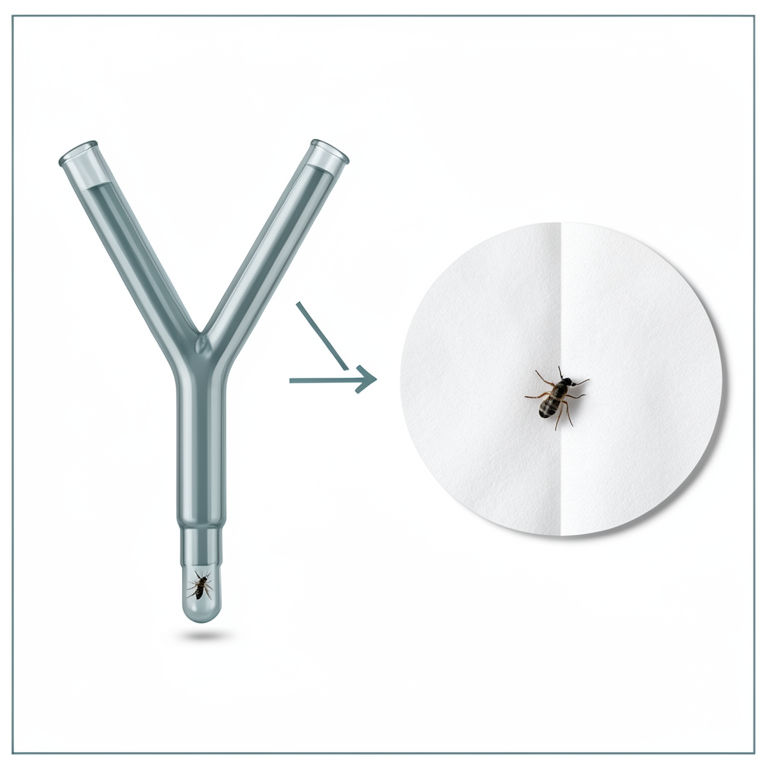
Experimental Setup Comparison
AI-generated conceptual illustration (agricultural pest insects in a laboratory setting). It explains the idea and does not show study data.
View source evidence ↗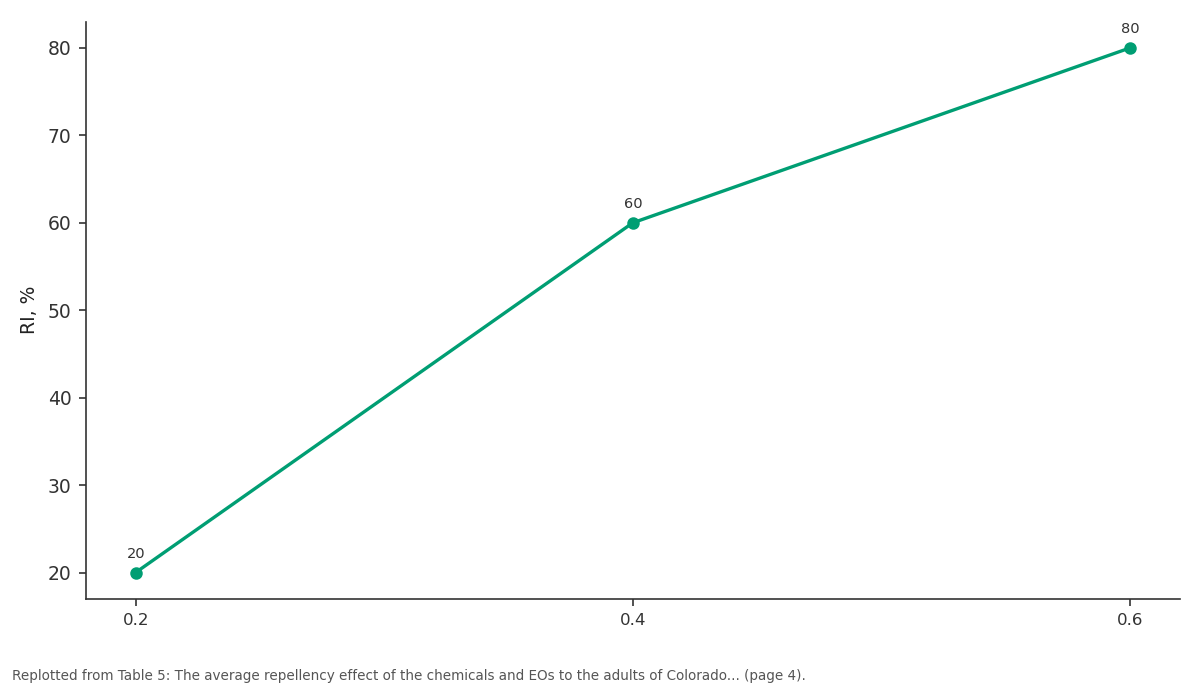
RI, %: 0.2 vs 0.4 vs 0.6
Replotted from Table 5 (page 4) of the original paper. Every bar is the paper's own table value.
View source evidence ↗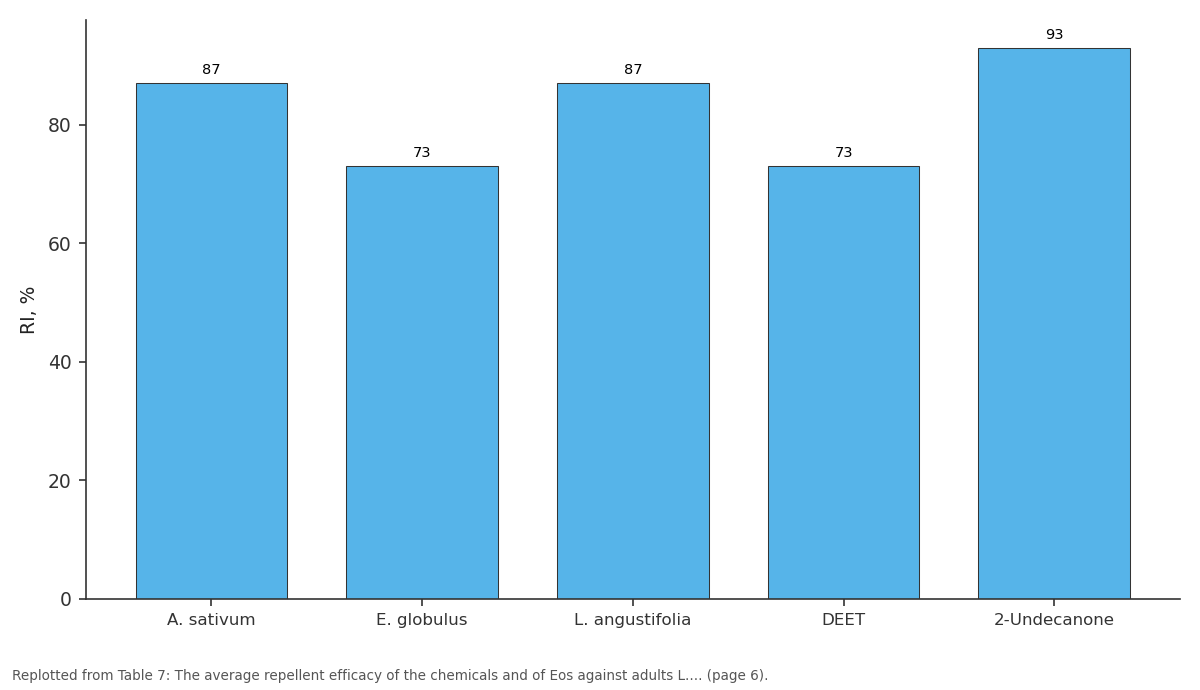
RI, %: A. sativum vs E. globulus vs L. angustifolia vs DEET vs 2-Undecanone
Replotted from Table 7 (page 6) of the original paper. Every bar is the paper's own table value.
View source evidence ↗Figures & tables
From the original paper Table 1
 Table 2
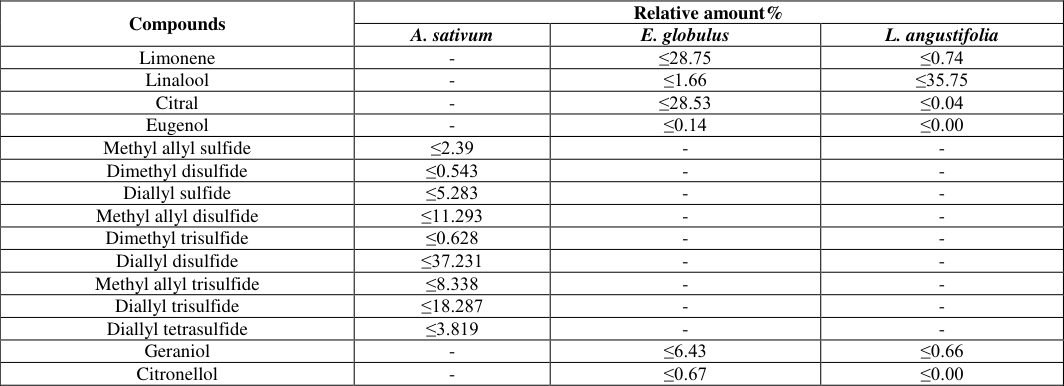 Table 3
 Table 4
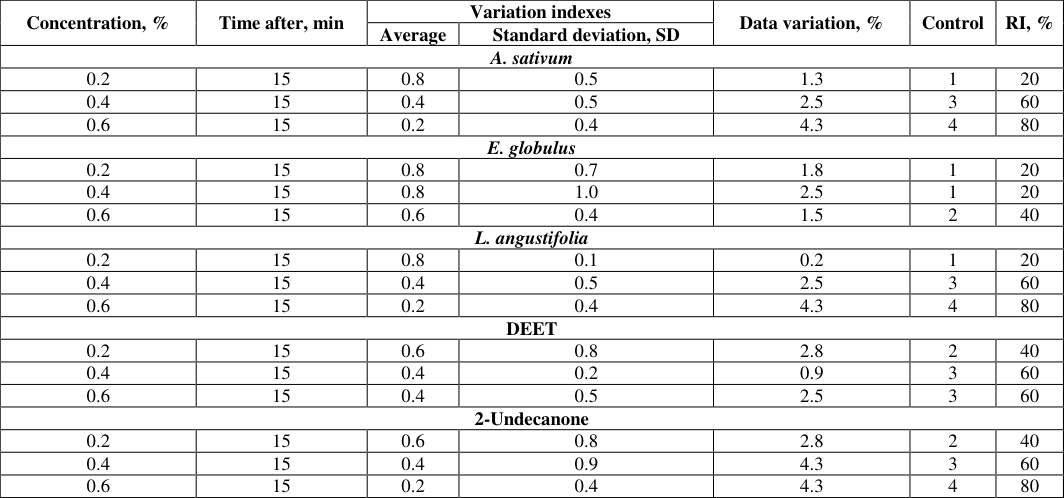 Table 5
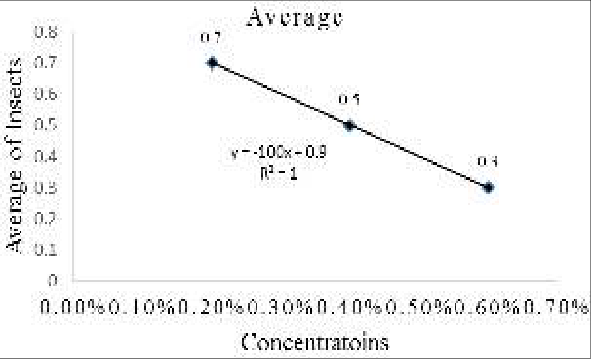 Figure 1
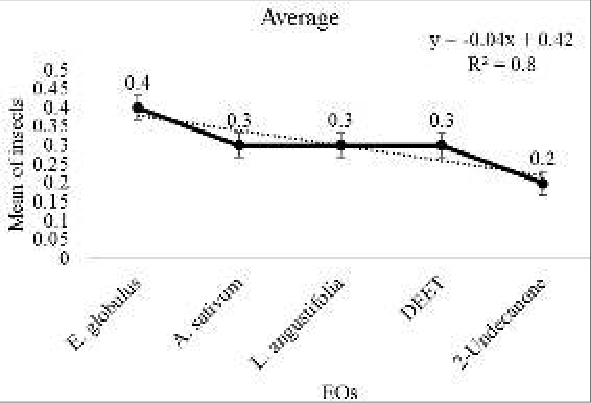 Figure 2
 Table 6
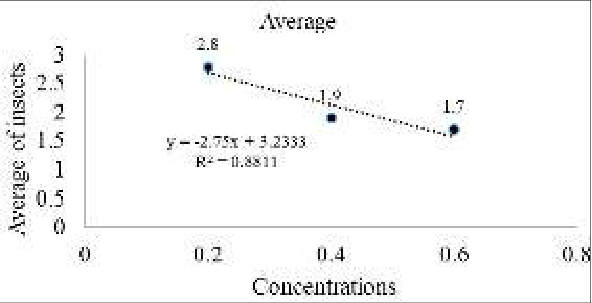 Figure 3
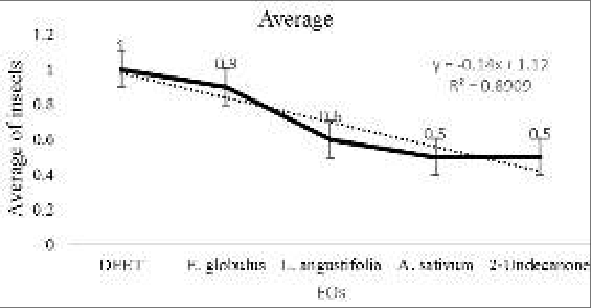 Figure 4
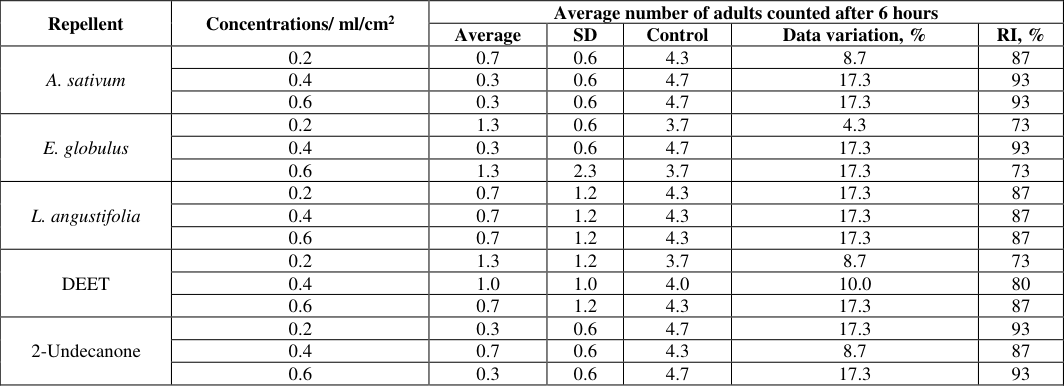 Table 7
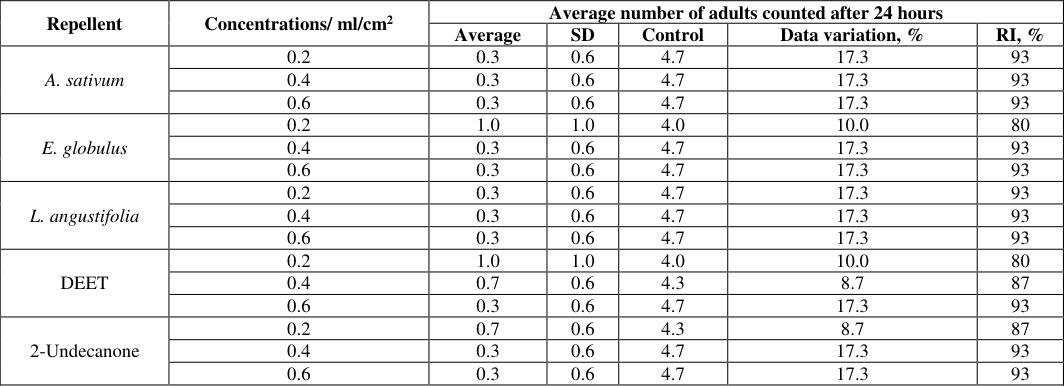 Table 8
Introduction
The Colorado potato beetle (Leptinotarsa decemlineata Say) is the most important pest of potato (FAO STAT, 2020) [9] . It is widespread in North America, Europe, and Asia, covering about 16 million km2, and continues to spread (James, 2011) [20] . In the 20 th century, this pest became a major problem throughout Europe, Asia, and China (Oerke, 2006) [27] . Defoliation can reduce tuber yield by, more than 50% (James, 2011) [20] . The first recorded case of plant protection by chemical insecticide was found in the 1950s after the application of DDT (James 2011) [20] . Over time, CPB developed resistance to many insecticides which were initially effective (FAO STAT, 2020) [9] . Up to day, more than 300 cases of L. decemlineata resistance to 56 insecticidal agents have been detected (FAO STAT, 2020) [9] . In addition, different alternative chemical control methods have been introduced since the 19th century that have minimized CPB infestations. Crop rotation, trap crops, and other agro-technical practices have been recommended to farmers (Hin, 2009) [14] . It has been concluded that the only two reliable methods are hand picking and mating with green. Hand picking, especially before mating, was found to be very effective but impractical on a larger scale. Therefore, most alternative methods for CPB management have failed, and it's high time to look for more economical and sustainable means (Isman, 2006) [15] . EOs can contain many terpenes and low molecular weight phenolic substances and are easily extracted from plant material by steam distillation (Regnault-Roger, 2008) [31] . Studies in several countries have confirmed that some plant essential oils repel insect pests and used insecticidal activity on certain pests upon contact or by fumigation (Regnault-Roger, 2008 & Mukarram et al., 2021a) [31,26] . Several commercial bioinsecticides are based on plant extracts (Essential oils) or their chemical compositions in many major agricultural regions, including: Europe, USA, China, and Latin America (Isman, 2017) [16] . The study literature reports that the plant species with insect repellent activities and their active ingredients have been published by ( [18,22,12,32] [1] . Garlic extract had effective repellent activity against Tribolium castaneum (Herbst, 1797) (Jahromi et al., 2012) [19] . The major chemical compositions of eucalyptus oils are 1, 8cineole and α-pinene or 1, 8-cineole and linalool (Boukhatem et al., 2020) [3] . The essential oil of Allium sativum Linnaeus, 1793, comprise sulphur-containing organic molecules, mainly diallyl disulfide, allyl propyl disulfide, allyl sulfoxide, and allicin. The activity of diallyl disulfide as a fumigant against many insects and pathogens was qualified by Chiam et al., (1999) [5] . Various essential oils are used in registered commercial biopesticides, especially in developed countries. Among these products, garlic oil is the most commonly used (Regnault et al., 2012) [30] . The most effective and well-known insect repellents currently on the market are DEET (N, N-diethyl-3methylbenzamide) and 2-undecanone (Maia, & Moore, 2011) [24] . DEET, an active ingredient used worldwide since 1946, is a highly effective repellent for a variety of insect species (Maia, & Moore, 2011) [24] . 2-undecanone (methyl nonyl ketone), a natural non-toxic insect repellent compound, has been found in palm kernel oil and soybean oil (Sanghong et al., 2015) [33] . Considering the needs for sustainable and environmentally friendly pesticides and the efficacy of EOs. The aim of our study was to investigate the repellency of A. sativum, L. angustifolia and E. globulus EO as plant secondary metabolites against Colorado potato beetle under laboratory conditions.
Materials and Methods
Materials and Methods
Basic experiment information
This study was carried out at the Laboratory of Entomology, Faculty of Agrobiology and Food Resources, Slovak University of Agriculture in Nitra. Laboratory investigations were divided into two experiments. The experiment included "two-choice olfactometer" repellences and Area preference assay with eight EOs, two chemicals against the L. decemlineata. The study was carried out under the laboratory conditions at the temperature of 20±1 °C, humidity 50 ± 1%, and /light/dark 16:08/ h. Insects used: Adults of the L. decemlineata were collected from a potato culture at a local field in Nitra (Slovakia) 48°18'16.7"N 18°05'41.3"E in August-September 2021. Nutrients were potato tubers as adult foods. Approximately 1000 adults were incubated at 20±1 °C and 50% relative humidity (RH) under a long day (16/8 h) photoperiod in plastic boxes (74 cm x 52 cm x 28 cm). Adults of both sexes of the approximately same age were used in the experiments.
Essential oils and chemical substances used
Essential oils were from plant species A. sativum, L. angustifolia and E. globulus. The most important chemicals in A. sativum EO were diallyl disulphide, diallyl trisulphide, and diallyl sulphide, in the case of L. angustifolia they were citral, coumarin, eugenol, geraniol, limonene, linalool, in EO from E. globulus they were 1, 8 cineole, dipentene, alpha phellandrene, beta pinene. Commercial chemical substances were purchased from Sigma-Aldrich (DEET (N, N-diethyl-3-methylbenzamide) at concentration 97%. 2-Undecanone (methyl nonyl ketone) in concentration 99%. According to the website of this company and Fusková, & Cagáň, (2021) [10] .
(https://www.mysticmomentsuk.com/collections/essential-oils?grid_list=grid-view).
Application of essential oils in two-choice olfactometer test
The experiments were conducted using a Y-tubeolfactometer. A 0.2%, 0.4% and 0.6% tested essential oils of each solution was dosed on a piece of filter paper (No. 2, 10×20mm), odour sources were placed in the treatment arm, and a filter paper treated with 10 μl of acetone was placed in the control side. Five replicates were used for each concentration %. Each replicate consisted of 5 responding CPB adults were leased individually into the olfactometer using flexible forceps. The measurement started after 15 minutes. The choices of the CPB were recorded. The calculated repellency index was % RI = (1 -(% T ⁄% C)) × 100, where % T is the percentage of insects on the treated arm and % C is the percentage of individuals on the control arm.
Area preference assay
The repulsive effect was determined by the area preference method on filter paper as described by (Abdel-Tawab, 2016) [2] . Filter paper (Whatman N°1) with a diameter of 9 cm was cut into two halves, and 10 μl of each concentration (0.02, 0.04, and 0.06 ml/cm 2 ) of treated Eos was applied separately to one half of the filter paper using a pipette. The second half (Control) was treated with 10 μl of the solvent (Acetone). Both halves of filter paper were allowed to dry at room temperature for 10 minutes. The test insects (five adults) were released in the center of each filter paper and the Petri dish was immediately covered. Each treatment was repeated three times. The average duration of a repetition was 6 and 24 hours. The coverings of the Petri dishes were ventilated through tiny-holes whose diameter was tinyenough to prevent insects from escaping. Petri dishes were labeled to prevent mixing of treated and untreated sides. The repellency percent (PR%) of the treatment oils was calculated using the following formula: The calculated repellency index was
Where % T is the percentage of insects on the treated arm and % C is the percentage of individuals on the control arm. [10] and the web page of this company (https://www.mysticmomentsuk.com/collections/essential-oils?grid_list=grid-view)
Results
Two-choice olfactometer test: All of the investigated plant essential oils A. sativum, E. globulus, L. angustifolia essential oil and two Deet and 2-Undecanone against L. decemlineata at all higher of the tested concentrations 0.6% caused a repellency index % higher a 80% (Table 5). On all 15 minutes of the investigation, the highest RI% rate of the L. angustifolia adults was observed at the highest concentration 0.6% with an A. sativum, L. angustifolia and 2-Undecanone.On the other hand, the lowest concentration 0.2% was observed the lowest repellency index 20% at all treated substances. The average repellency activity were increases with increasing the concentration and time 0.2% (0.7), 0.4% (0.5) and 0.6% (0.3) (Table 4). The average repellency activity was observed at the all concentrations and times, it was as follows: A "2-Undecanone (0.2), A. sativum (0.3), L. angustifolia (0.3), Deet (0.3) and E. globulus (0.4)" (Table 4).
| Concentration, % | Time after, min | Variation indexes | — | Data variation, % | Control | RI, % |
|---|---|---|---|---|---|---|
| Average | Standard deviation, SD | |||||
| A. sativum | ||||||
| 0.2 | 15 | 0.8 | 0.5 | 1.3 | 1 | 20 |
| 0.4 | 15 | 0.4 | 0.5 | 2.5 | 3 | 60 |
| 0.6 | 15 | 0.2 | 0.4 | 4.3 | 4 | 80 |
| E. globulus | ||||||
| 0.2 | 15 | 0.8 | 0.7 | 1.8 | 1 | 20 |
| 0.4 | 15 | 0.8 | 1.0 | 2.5 | 1 | 20 |
| 0.6 | 15 | 0.6 | 0.4 | 1.5 | 2 | 40 |
| L. angustifolia | ||||||
| 0.2 | 15 | 0.8 | 0.1 | 0.2 | 1 | 20 |
| 0.4 | 15 | 0.4 | 0.5 | 2.5 | 3 | 60 |
| 0.6 | 15 | 0.2 | 0.4 | 4.3 | 4 | 80 |
| DEET | ||||||
| 0.2 | 15 | 0.6 | 0.8 | 2.8 | 2 | 40 |
| 0.4 | 15 | 0.4 | 0.2 | 0.9 | 3 | 60 |
| 0.6 | 15 | 0.4 | 0.5 | 2.5 | 3 | 60 |
| 2-Undecanone | ||||||
| 0.2 | 15 | 0.6 | 0.8 | 2.8 | 2 | 40 |
| 0.4 | 15 | 0.4 | 0.9 | 4.3 | 3 | 60 |
| 0.6 | 15 | 0.2 | 0.4 | 4.3 | 4 | 80 |
Table text extracted from the original PDF; superscript letters are shown inline. The original table image is below.
View original table image
| (1) Concentration % | (4) Average number of insects/concentration | (2) Time after treatment, min | (4) Average number of insects/min | (3) EOs and chemicals | (4) Average number of insects/ EOs and chemicals |
|---|---|---|---|---|---|
| 0.2 | 0.7 | ||||
| 0.4 | 0.5 | 15 | 1.5 | A. sativum | 0.3 |
| 0.6 | 0.3 | // | // | E. globulus | 0.4 |
| // | // | // | // | L. angustifolia | 0.3 |
| // | // | // | // | DEET | 0.3 |
| // | // | // | // | 2-Undecanone | 0.2 |
Table text extracted from the original PDF; superscript letters are shown inline. The original table image is below.
View original table image
Table 4:
The average amount of L. decemlineata through experiment depending on the 1) concentrations%, (2), time per minutes (3), treated EOs and chemicals after application and (4) overall average number of insects in treated side.
Results of repellency activity of an area preference assay
The results of repellent activity of A. sativum, E. globulus, L. angustifolia (EOs) and two chemical substances deet and 2-undecanone against L. decemlineata are summarized in (Table 7 and8), respectively. All essential oil and the chemicals showed significant repellent activity (RI%) at the concentrations used. An average number of repellency effects was observed between treated and untreated half filter paper disk for the oil formulation (0.2, 0.4, and 0.6 ml/cm2). The repellency index (RI%) was range 73 to 93% after 6 hours and 80 to 93% after 24 hours for all EOs (A. sativum, E. globulus, L. angustifolia, deet and 2undecanone) and concentrations (0.2, 0.4 and 0.6 ml/cm 2 ). (table 6) shows the average number of insects on the treated side, all essential oils showed mode rate repellency activity lower with an average repellency values of 2.8 at 0.02 μl/cm 2 . The repellency was strongest in the first 24 hours after treatment. This pattern was observed in Table 7 and 8, which show that Eos achieved the highest repellency index (%) using CPB from (A. sativum, E. globulus, L. angustifolia, deet, and 2-undecanone), indicating 93% repellency at 6 and 24 hours in concentration (0.06 ml/cm2).
| Repellent | Concentrations/ ml/cm2 | Average number of adults counted after 6 hours | — | — | — | — |
|---|---|---|---|---|---|---|
| Average | SD | Control | Data variation, % | RI, % | ||
| A. sativum | 0.2 | 0.7 | 0.6 | 4.3 | 8.7 | 87 |
| 0.4 | 0.3 | 0.6 | 4.7 | 17.3 | 93 | |
| 0.6 | 0.3 | 0.6 | 4.7 | 17.3 | 93 | |
| E. globulus | 0.2 | 1.3 | 0.6 | 3.7 | 4.3 | 73 |
| 0.4 | 0.3 | 0.6 | 4.7 | 17.3 | 93 | |
| 0.6 | 1.3 | 2.3 | 3.7 | 17.3 | 73 | |
| L. angustifolia | 0.2 | 0.7 | 1.2 | 4.3 | 17.3 | 87 |
| 0.4 | 0.7 | 1.2 | 4.3 | 17.3 | 87 | |
| 0.6 | 0.7 | 1.2 | 4.3 | 17.3 | 87 | |
| DEET | 0.2 | 1.3 | 1.2 | 3.7 | 8.7 | 73 |
| 0.4 | 1.0 | 1.0 | 4.0 | 10.0 | 80 | |
| 0.6 | 0.7 | 1.2 | 4.3 | 17.3 | 87 | |
| 2-Undecanone | 0.2 | 0.3 | 0.6 | 4.7 | 17.3 | 93 |
| 0.4 | 0.7 | 0.6 | 4.3 | 8.7 | 87 | |
| 0.6 | 0.3 | 0.6 | 4.7 | 17.3 | 93 |
Table text extracted from the original PDF; superscript letters are shown inline. The original table image is below.
View original table image
The average repellency activity increased with increasing concentration and time 0.2 (2.8), 0.4 (1.9) and 0.6 ml/cm 2 (1.7), (table 6). The average repellency activity was observed at all concentrations and times, and was as follows: A "2-undecanon (0.5), A. sativum (0.5), L. angustifolia (0.6), E. globulus (0.9), and Deet (1.0)" (table 6).
Table 7:
The average repellent efficacy of the chemicals and of Eos against adults L. decemlineata after 6 hours. Repellent efficacy was based on area preference test. Three replicates were used for each concentration (0.02, 0.04, and 0.06 ml/cm 2 ). Standard deviation SD ±, data variation, %, and Repellency index was calculated as % RI = ((1 -(% T /% C)) × 100, where % T is the percentage of beetles on the treated filter paper half-disk and % C is the percentage of individuals on the control filter paper half-disk in the Petri dish. Five adults were placed in each Petri dish The average repellency effect of the chemicals and Eos against adults of L. decemlineata after 6 hours. The repellency was based on area preference assay. Three replications were used for each concentrations (0.02, 0.04 and 0.06 ml/cm 2 ). Standard deviation SD ±, Data variation, % and The repellency index was calculated as % RI = ((1 -(% T ⁄ % C)) × 100 where % T is the percentage of beetles on the treated half-disk of filter paper and % C is the percentage of individuals on the control half-disk of filter paper in the Petri dish. Five adults were included in each Petri dish.
Repellent
Repellent
Repellent
Repellent
Discussion
Insect repellents are substances that extracted locally to keep insects from flying onto, settling on, or stinging the skin of human or animals. Certain volatile plant compounds and essential oils derived from plants are known to repel various pest species and are considered minimal risk pesticides. The repellency of the essential oils and the two chemicals against adults L. decemlineata is shown in Tables 5,7, and 8, where the repellency generally increased with increasing concentration. On the other hand, the lowest repellency was observed at the lowest concentrations for all concentrations tested. The highest repellency (93%) of the oils were found at the highest concentrations with the area preference-based test, and the highest repellency rate (80%) of the two-choice odour test was also found at the same highest concentrations. Some study was found the fruits of Melia azedarach showed excellent repellency against many insects as reported by Panji, (1964) [28] , who found that a 5% ethanolic extract of Melia azedarach repelled adults Aulacophora foveicollis L. Kebede et al., (2010) [21] , found that a 5% ethanolic extract of Melia azedarach repelled at least 30% of Raphidopalpa foveicollis Lucas beetles (1 hour) and a maximum of 65% of beetles (48 hours), while a 10% extract repelled a maximum of 76% of beetles in 48 hours. Melia azedarach oil at 2% concentration provided 95.13%, for 7 hours and 20 minutes, while the 5% oil provided 96.20%, for 8 hours and 20 minutes against Phlebotomus orientalis (vector of visceral leishmaniasis), (Kebede et al., 2010) [21] . Our study showed the potential of DEET and 2-undecanone and especially A. sativum, E. globulus, L. angustifolia essential oil against L. decemlineata. In last years, the number of research publications on the use of plant biopesticides as pest control agents in integrated pest management has increased exponentially. In addition, many laboratories worldwide have concentrated studies on essential oils and their constituents to exploit their biopesticides properties (Grumezescu, 2017) [13] . However, despite these advances, there are still few commercially available products based on essential plant oils or their isolated components (Dougoud et al., 2019) [37] . Recently, the use of repellents has attracted the interest of scientists and the crop protection industry (Isman, 2000) [17] . The most promising are DEET and 2undecanone, which are already used as ingredients in insect repellents (Witting-Bissinger et al., 2008) [36] . Extracts of Allium sativum have considerable acaricidal and insecticidal properties against Coleoptera and Diptera pests (Abdalla et al., 2017) [1] . As well as the results in (Plata-Rueda et al., 2017 & Moncada et al., 2021) [29,25] . As reported by Fusková, & Cagáň, (2021) [10] , who found that the high repellency (90%) against Tenebrio molitor and high affinity to A. obtectus and T. confusum. Strikingly, high efficacy (95%) was observed even at the lowest concentration (0.01%). Our results confirmed high repellency (93% within 6 and 24 hours) against L. decemlineata, with the highest concentration (0.06%) based on an area preference test and a two-choice odour test. The use of Eucalyptus EO in our study showed the results of high repellency (93% within 24 hours), with the odor test based on area preference test and two choice, was found in the highest concentration (0.06%). Simillar results were also obtained by (Shahriari et al. 2019) [34] . Eucalyptus globulus EO had a significant effect on T. confusum and A. obtectus, which was simillar to the repellency previously determined for E. Kuehniella (80% within 24 hours). L. angustifolia EO confirmed in our results a high repellency (93% within 6 and 24 hours) against L. decemlineata, with the highest concentration (0.06%) based on an area preference test and a two-choice odor test.
According to the research of Germinara et al., (2017) [11] , the repellent activity of L. angustifolia EO seems to be high against all the pests tested (80%). The effect was detectable even at low concentrations, which is consistent with the results obtained for S. granaries. Moreover, the repellent effect was also significant, as also confirmed in various studies with different EOs (Chaudhari et [4,35,6] . Thus, we can conclude that these EOs may have significant potential against a wide range of pests. In summary, chemicals pesticides and repellency their kill rapidly target pests and provide highly control when applied. However, their application leaves toxic residues in field crops, soil, and stored grains that are harmful to consumers. Therefore, a new and valuable alternative approach should be found to reduce the use of insecticides in field warehouses and stored grains. One possible method is the encapsulation and emulsification of plant EOs as surfactants in greenhouses (De Oliveira et al., 2019) [7] . The second is the direct application of EOs. Both approaches could be powerful tools for integrated management of field and storage pests. However, more research needs to be done in the laboratory and in the field.
Conclusion
Novel insect pests repellency of the essential oils in our study was not established on particularly chemicals compositions to essential oils. The tested plant essential oils had the negative impact on L. decemlineata. Our results show that an Eos of A. sativum, E. globulus, and L. angustifolia, and the two chemicals deet and 2-undecanone were most effective against L. decemlineata. We also found that the most effective essential oils still showed elegant repellent effect when mingled to small concentrations. These essential oils can be suggested as adequate biopesticides agents under different controlled environmental conditions.
Acknowledgement
AcknowledgmentThis research was financially supported by the Operational Programme Integrated Infrastructure within the project: Sustainable smart farming systems taking into account the future challenges 313011W112, co-financed by the European Regional Development Fund.
Figures and tables from the paper
| EOs/Dose (μl) | Dose (ml) | Solvent (acetone)/ ml | Concentration% |
|---|---|---|---|
| 20 | 0.02 | 10 | 0.2 |
| 40 | 0.04 | 10 | 0.4 |
| 60 | 0.06 | 10 | 0.6 |
Table text extracted from the original PDF; superscript letters are shown inline. The original table image is below.
View original table image
| Factor A: Concentration, % and ml/cm2 | — | Factor B: Time after treatment | — | — | — | Factor C – EOs for treatments | — |
|---|---|---|---|---|---|---|---|
| 1. | 0.2 | Olfactometer | Area preference | 1. | E. globulus | ||
| 2. | 0.4 | Minutes | Hours | 2. | L. angustifolia | ||
| 3. | 0.6 | 1. | 15 | 1. | 6 | 3. | A. sativum |
| // | // | // | // | 2. | 24 | 4. | Deet |
| // | // | // | // | // | // | 5. | 2-Undecanone |
Table text extracted from the original PDF; superscript letters are shown inline. The original table image is below.
View original table image
| Compounds | Relative amount% | — | — |
|---|---|---|---|
| A. sativum | E. globulus | L. angustifolia | |
| Limonene | - | ≤28.75 | ≤0.74 |
| Linalool | - | ≤1.66 | ≤35.75 |
| Citral | - | ≤28.53 | ≤0.04 |
| Eugenol | - | ≤0.14 | ≤0.00 |
| Methyl allyl sulfide | ≤2.39 | - | - |
| Dimethyl disulfide | ≤0.543 | - | - |
| Diallyl sulfide | ≤5.283 | - | - |
| Methyl allyl disulfide | ≤11.293 | - | - |
| Dimethyl trisulfide | ≤0.628 | - | - |
| Diallyl disulfide | ≤37.231 | - | - |
| Methyl allyl trisulfide | ≤8.338 | - | - |
| Diallyl trisulfide | ≤18.287 | - | - |
| Diallyl tetrasulfide | ≤3.819 | - | - |
| Geraniol | - | ≤6.43 | ≤0.66 |
| Citronellol | - | ≤0.67 | ≤0.00 |
Table text extracted from the original PDF; superscript letters are shown inline. The original table image is below.
View original table image
| Repellent | Concentrations/ ml/cm2 | Average number of adults counted after 24 hours | — | — | — | — |
|---|---|---|---|---|---|---|
| Average | SD | Control | Data variation, % | RI, % | ||
| A. sativum | 0.2 | 0.3 | 0.6 | 4.7 | 17.3 | 93 |
| 0.4 | 0.3 | 0.6 | 4.7 | 17.3 | 93 | |
| 0.6 | 0.3 | 0.6 | 4.7 | 17.3 | 93 | |
| E. globulus | 0.2 | 1.0 | 1.0 | 4.0 | 10.0 | 80 |
| 0.4 | 0.3 | 0.6 | 4.7 | 17.3 | 93 | |
| 0.6 | 0.3 | 0.6 | 4.7 | 17.3 | 93 | |
| L. angustifolia | 0.2 | 0.3 | 0.6 | 4.7 | 17.3 | 93 |
| 0.4 | 0.3 | 0.6 | 4.7 | 17.3 | 93 | |
| 0.6 | 0.3 | 0.6 | 4.7 | 17.3 | 93 | |
| DEET | 0.2 | 1.0 | 1.0 | 4.0 | 10.0 | 80 |
| 0.4 | 0.7 | 0.6 | 4.3 | 8.7 | 87 | |
| 0.6 | 0.3 | 0.6 | 4.7 | 17.3 | 93 | |
| 2-Undecanone | 0.2 | 0.7 | 0.6 | 4.3 | 8.7 | 87 |
| 0.4 | 0.3 | 0.6 | 4.7 | 17.3 | 93 | |
| 0.6 | 0.3 | 0.6 | 4.7 | 17.3 | 93 |
Table text extracted from the original PDF; superscript letters are shown inline. The original table image is below.
View original table image
References
29 in the original paper- Abdalla MI, Abdelbagi AO, Hamma AMA, Laing MD. Use of volatile oils of garlic to control the cowpea weevil Callosobruchus maculatus (Bruchidae: Coleoptera). Scientific African Journal of Plant Soil. 2017;34(3):185-190. https://doi.org/10.1080/02571862.2016.1225232.
- Abdel-Tawab H, Mossa SA. Green Pesticides: Essential Oils as Biopesticides in Insect-pest Management. Journal of Environmental Science and Technology. 2016;9(5):354-378. DOI: 10.3923/jest.2016.354.378.
- Boukhatem MN, Boumaiza A, Nada HG, Rajabi M, Mousa SA. Eucalyptus globulus Essential Oil as a Natural Food Preservative: Antioxidant, Antibacterial and Antifungal Properties in Vitro and in a Real Food Matrix (Orangina Fruit Juice). Apply Science. 2020;10(16):5581. htStps://doi.org/10.3390/app10165581.
- Chaudhari AK, Singh VK, Kedia A. Essential oils and their bioactive compounds as eco-friendly novel green pesticides for management of storage insect pests: prospects and retrospects. Environmental Science Pollution Resource. 2021;28:18918-18940. https://doi.org/10.1007/s11356-021-12841-w.
- Chiam WY, Huang Y, Chen SX, Ho SH. Toxic and antifeedant effect of allyl disulphide on Tribolium castaneum (Coleoptera: Tenebrionidae) and Sitophilus zeamais (Coleoptera: Curculionidae). Journal of Economic Entomology. 1999;92(1):239-245. DOI: https://doi.org/10.1093/jee/92.1.239.
- Conboy NJ, McDaniel T, George D. Volatile Organic Compounds as Insect Repellents and Plant Elicitors: an Integrated Pest Management (IPM) Strategy for Glass house Whitefly (Trialeurodes vaporariorum). Journal of Chemical Ecology. 2020;46:1090-1104. https://doi.org/10.1007/s10886-020-01229-8.
- De Oliveira JL, Campos VR, Camara MC, Vechia JFD, De Matos STS, De Andrade DJ, et al. Hydrogels containing botanicals repellents encapsulated in zein nanoparticles for crop protection. American Chemical Society Applied Nano Mater. 2019;6(1):207-217. https://doi.org/10.1093/nar/gks1065.
- Saadaoui E, Yahia KB, Chemlali I, Belaïd S, Romdhane CB. Eucalypt in the Tunisian arid region: Diversity and valorization for honey production. Int. J Agric. Nutr. 2022;4(1):1-5. DOI: 10.33545/26646064.2022.v4.i1a.45
- Fusková M, Cagáň Ľ. Utilization of repellents for the control of Western corn rootworm (Diabrotica virgifera LeConte, 1868), Journal of Central European Agriculture. 2021;22(2):443-449. Received: January 21, 2021. Accepted: March 29, 2021. DOI: /10.5513/JCEA01/22.2.3160.
- Germinara GS, Di Stefano MG, De Acutis L, Pati S, Delfine S, De Cristofaro A, et al. Bioactivities of Lavandula angustifolia essential oil against the stored grain pest Sitophilus granaries. Bull. Insectology. 2017;70(1):129-139.
- Hin A. Colorado potato beetle management on potatoes: Current challenges and future prospects. Fruit Vegetable Cereal Science and Biotechnology. 2009;3(1):10-19. https://doi.org/10.1080/15569543.2018.1554588.
- Isman MB. Botanical insecticides, deterrents and repellents in modern agriculture and an increasingly regulated world. Annual Review Entomology. 2006;51(1):45-66. DOI: 10.1146/annurev.ento.51.110104.151146.
- Isman MB, Tak JH. Commercialization of insecticides based on plant essential oils: Past, Present, and Future. In Green pesticides handbook: Essential oils for pest control, Bioscience. Environment & Agriculture Boca Raton. 2017;7:27-39. DOI https://doi.org/10.1201/9781315153131.
- Isman MB. Plant essential oils for pest and diseases management. In Crop Protection. 2000;19(8-10):603608. DOI:doi.org/10.1016/S0261-2194 (00)00079-X.
- Jahromi GM, Pourmirza AA, Safaralizadeh MH. Repellent effect of sirinol (Garlic emulsion) against Lasioderma serricorne (Coleoptera: Anobiidae) and Tribolium castaneum (Coleoptera: Tenebrionidae) by three laboratory methods. African Journal of Biotechnology. 2012;11(2):280-288. DOI: https://doi.org/10.5897/AJB11.2548.
- James C. Global Status of Commercialized Biotech/GM Crops; ISAAA: Ithaca, NY, USA, Acquisition of AgriBiotech Applications (ISAAA). 2011;20(50):1-135.
- Kebede Y, Gebre-Michael T, Balkew M. Laboratory and field evaluation of neem (Azadirachta indica A. Juss) and chinaberry (Melia azedarach L.) oils as repellents against Phlebotomus orientalis and P. bergeroti (Diptera: Psychodidae) in Ethiopia. Acta Tropica. 2010;113(2):145-150. DOI: 10.1016/j.actatropica.2009.10.009.
- Khallaayoune K, Biron JM, Chaoui A, Duvallet G. Efficacy of 1% geraniol (Fulltec R ) as a tick repellent. Parasite. 2009;26(3):223-226. http://dx.doi.org/10.1051/parasite/2009163223.
- KOKO. Waraporn Juntarajumnong and Angsumarn Chandrapatya. Repellency, Fumigant and Contact Toxicities of Litsea cubeba (Lour.) persoon against Sitophilus zeamais Motschulsky and Tribolium castaneum (Herbst). Kasetsart Journal Natural Sciences (Thailand). 2009;43(1):56-63.
- Maia MF, Moore S. Plant -based insect repellents: A review of their efficacy, development and testing. In Malaria Journal. 2011;10(1):11-15. DOI 10.1186/14752875-10-S1-S11.
- Moncada A, Obed C, Cruz N, Isabel X. Efecto, delTiempo, y. La dosis del Allium sativum L. en el Control Biologico del Acanthoscelides Obtectus. Ingeniero Tesis. Facultad de Ingeniería y Arquitectura, Escuela Professional de Ingeniería Ambiental; Universidad César Vallejo: Trujillo, Perú; c2021. p. 60. Available online: https://repositorio.ucv.edu.pe/bitstream/handle/20.500.1 2692/81158/Asencio_MCO_Navarro_CXISD.pdf?sequence=1&isAllowed=y (accessed on 5 April 2021).
- Panji HR. Some observations on the insecticidal activities of the fruit of Darek Melia azedarach (L). Research Bulletin of the Punjab University: Science. 1964;15:4345-4346. https://doi.org/10.1515/znc-20113-406.
- Plata-Rueda A, Martínez LC, Dos Santos M, Fernandes FL, Wilcken CF, Soares MA, et al. Insecticidial activity of garlic essential oil and their constituents against the melanom beetle, Tenebrio molitor Linnaeus (Coleoptera: Tenebrionidae). Scientific Reports. 2017;7(1):464-466. DOI: https://doi.org/10.1038/srep46406.
- Regnault R, Arnason V. Essential oils in insect control low-risk products in a high-stakes world. In Annual Review of Entomology. 2012;57(1):405-424. DOI: 10.1146/annurev-ento-120710-100554. Doi: 10.1146/annurev-ento-120710-100554.
- Regnault-Roger C. Recherche de nouveaux biopesticidesd'origine vegetalea caracte'reinsecticide: de: de: de: de: de ḿarches me thodologiques et application aux plantes aromatiques me diterrane énnes. Biopesticides d'origine Végétale (2e éd.). 2008;98:2550.
- Sanghong R, Junkum A, Chaithong U, Jitpakdi A, Riyong D, Tuetun B. Remarkable repellency of Ligusticum sinense (Umbelliferae), an herbal alternative against laboratory populations of Anopheles minimus and Aedes aegypti (Diptera: Culicidae). Malaria Journal. 2015;14(1):305-307. https://doi.org/10.1186/s12936-015-0816-y.
- Shahriari M, Zibaee A, Shamakhi L, Sahebzadeh N, Naseri D, Hoda H. Bio-efficacy and physiological effects of Eucalyptus globulus and Allium sativum essential oils against Ephestia kuehniella Zeller (Lepidoptera: Pyralidae). Toxin Review. 2019;39(4):422-433.
- Witting-Bissinger BE, Stumpf CF, Donohue KV, Apperson CS, Roe EM. Novel arthropod repellent BioUD, is an efficacious alternative to DEET. Journal of Medical Entomology. 2008;45(5):891-898. DOI: https://doi.org/10.1603/0022-2585.
- Dougoud J, Toepfer S, Bateman M, Jenner WH. Efficacy of homemade botanical insecticides based on traditional knowledge: A review. In Agronomy for Sustainable Development. 2019;39(4):1-22. DOI https://doi.org/10.1007/s13593-019-0583.
Cited by 5
From OpenAlex, OpenCitations and reference lists read by Scinovex
- Efficiency of the Use of Lawn Grasses for Biology and Soil Conservation of Agricultural Systems in the Conditions of the Ukraine’s Podillia ↗
Hanna Pantsyreva, Valeriia Yu. Vovk, Lina Bronnikova, Tetiana Zabarna · Journal of Ecological Engineering · 2023
The aim of this study was to scientifically substantiate the peculiarities of the formation of lawn cultural phytocenoses of the Podillia zone of Ukraine based on the analysis of the qualitative state of the existing grass stand.The conducted research is devoted to biodiversity, namely soil conservation, as well as modern trends in the development of adaptive technologies for growing lawn…
❝ 13PDF - ESSENTIAL OILS AS A REPELLENT AND ANTIFEEDANT FOR SLUGS UNDER LABORATORY CONDITION ↗
Eisa Mubarak · Agriculture and Forestry · 2026
Plant-based biopesticides as repellents and antifeedants of animal’s pest, have been used for several years in traditional method as a useful the human, in their animals and crops protection measure against pests. Development of novel biopesticides based on plant secondary metabolic substances, are wide range of ideal properties, such as low mammalian toxicity, high target toxicity, low cost and eco-friendly.…
❝ 0PDF - Biochemical mechanisms underlying the insecticidal action of eucalyptus oil on Drosophila melanogaster ↗
Prasanna Dhondi, Javeria Uzma, Sai Krishna Talla, Kiranmayee Kasula · International Journal of Bioscience and Biochemistry · 2025
The growing concerns surrounding the environmental and health impacts of synthetic insecticides have led to a renewed interest in natural alternatives. This study investigates the insecticidal action of eucalyptus oil, particularly focusing on its primary component, 1, 8-cineole, and its effects on Drosophila melanogaster. The research aims to elucidate the biochemical mechanisms underlying the insecticidal activity of eucalyptus oil, with
- Development of essential oil-based pesticide formulations: Challenges and advances
Siti Rahmawati, Aditya Rio Prabowo, Agus Santoso · International Journal of Advanced Chemistry Research · 2025
The increasing reliance on synthetic pesticides in agriculture has led to significant environmental and health concerns, necessitating the development of safer, more sustainable alternatives. Essential oils (EOs), derived from plants, have gained attention due to their natural insecticidal, repellent, and fungicidal properties. However, their direct application in pest management is hindered by challenges such as high volatility, limited residual activity, and poor water solubility. This study investigates the development of essential oil-based pesticide formulations using Nanoemulsion and pol
- Essential oils as modulators of insect immune responses: Implications for pest resistance management ↗
Ahmet Yıldız, lif Çelik, Mustafa Karaca · International Journal of Chemical and Biological Sciences · 2023
The widespread use of synthetic insecticides in agriculture and public health has led to significant environmental, health, and resistance-related issues. This research explores the potential of essential oils (EOs) as modulators of insect immune responses, focusing on their role in pest resistance management. EOs, derived from plants, exhibit a wide range of biological activities, including insecticidal, repellent, and growth-regulating effects.