
Research article · 2023 · Full text
International Journal of Agriculture and Food ScienceLeafy vegetables production, marketing and constraints in Buea Subdivision of the Southwest Region of Cameroon
Volume 5(1) · Pages 34–40 · DOI: 10.33545/2664844x.2023.v5.i1a.120 ↗
Research areasSeed and Plant Biochemistry
Abstract
Author-writtenWith the increasing population and to cope malnutrition, vegetable production is necessary in Buea. This study was conducted to identify the production, marketing and constraints to leafy vegetables production in Buea, Cameroon. Questionnaire/interview and field surveys were carried out with vegetable farmers. The results showed that female, as well as educated farmers were found to be more involved in vegetable cultivation than their male counterparts. Six vegetables; waterleaf, huckleberry, Amaranthus, bitter leaf, anchia and ongaonga were outstanding as preferred by farmers and consumers. Vegetables were cultivated in different cropping systems. Monoculture cropping was rare and was practiced averagely only on 24.5% of the farms. Mono- mixed cropping was observed on 10% of the fields and 65.5% of the farms had mixed cropping system with other plant species other than vegetables. Most of the land used for cultivation were hired. Seed source were 63.3% from farmers’ farm as against 36.7% from the local market. Average of 180, 160 and 130 bundles were harvested biweekly for huckleberry, bitter leaf and water leaf respectively while ongaonga, amaranth and anchia, had an average of 20, 40 and 20 bundles respectively. The prices per bundle of vegetables varied from 200 to 700 cfa. Farmers, wholesalers and retailers were involved in the supply chain. Lack of farmland, decrease in soil fertility, lack of inputs, lack of certified seeds, high cost of labour for weeding, market related issues and diseases were constraints faced by farmers. These constraints not only aggravate the misery of farmers but also contribute to the loss of the region's economic influence in vegetable production. In order to ameliorate these difficulties, it is therefore essential to practice intensive cultivation with more inputs and especially using certified seeds.
Summary
Source-checkedPlain-language reading of the full paper, prepared with AI and checked against the text. Each point links to the authors' own words.
Why it matters
- Cameroon faces ongoing food deficits and severe malnutrition, which costs the country an estimated 0.6 billion USD annually. View evidence ↗
- Vegetables are critical for food security and human nutrition, providing essential minerals, vitamins, phytochemicals, and dietary fiber. View evidence ↗
- Vegetable production is viewed as a lucrative way to improve farmer livelihoods and promote economic development in remote areas. View evidence ↗
The question
- The study aimed to characterize vegetable production systems and identify constraints in the Buea subdivision of Cameroon to recommend improvements for food security. View evidence ↗
What they did
- Data was collected using field surveys, interviews, and questionnaires administered to vegetable farmers. View evidence ↗
- Market surveys were conducted across three selected markets, with 10 traders sampled from each. View evidence ↗
What they found
- Female farmers predominated in all three study areas, with participation rates of 83.3% in Muea, 73.3% in Mile 16, and 66.7% in Upper Buea. View evidence ↗
- Mixed cropping with non-vegetable species was the most common system (65.5%), while monoculture was rare (24.5%) and mono-mixed vegetable cropping occurred on 10% of fields. View evidence ↗
- Most farmers (63.3%) used seeds from their own farms, while 36.7% used local markets; no farmers used certified seed stores. View evidence ↗
- On an average farm of 0.59 ha, biweekly yields were highest for huckleberry (180 bundles), bitter leaf (160), and water leaf (130), while amaranth (40), ongaonga (20), and anchia (20) had lower yields. View evidence ↗
- The price of vegetable bundles fluctuated between 200 and 700 CFA depending on the season. View evidence ↗
- Farmers marketed the majority of their produce (77%), with only 23% kept for household consumption. View evidence ↗
- Key constraints for farmers included lack of farmland, declining soil fertility, lack of inputs and certified seeds, high weeding labor costs, market issues, and diseases. View evidence ↗
- Disease symptoms were observed in 100% of the visited farms, although the severity was reported as low. View evidence ↗
What it means
- The authors recommend adopting intensive cultivation practices with increased inputs and the use of certified seeds to overcome production constraints. View evidence ↗
- The authors conclude that farmers require training in weed control, disease seed treatment, and the use of improved vegetable varieties. View evidence ↗
- The study was unable to include all vegetable-growing villages because insecurity and farmer displacement made some areas inaccessible. View evidence ↗
Visual summary
2 visualsIllustrations explain the paper; charts are replotted from the paper's own table values.
Cropping System Distribution
AI-generated conceptual illustration (leafy vegetable plots in Cameroon). It explains the idea and does not show study data.
View source evidence ↗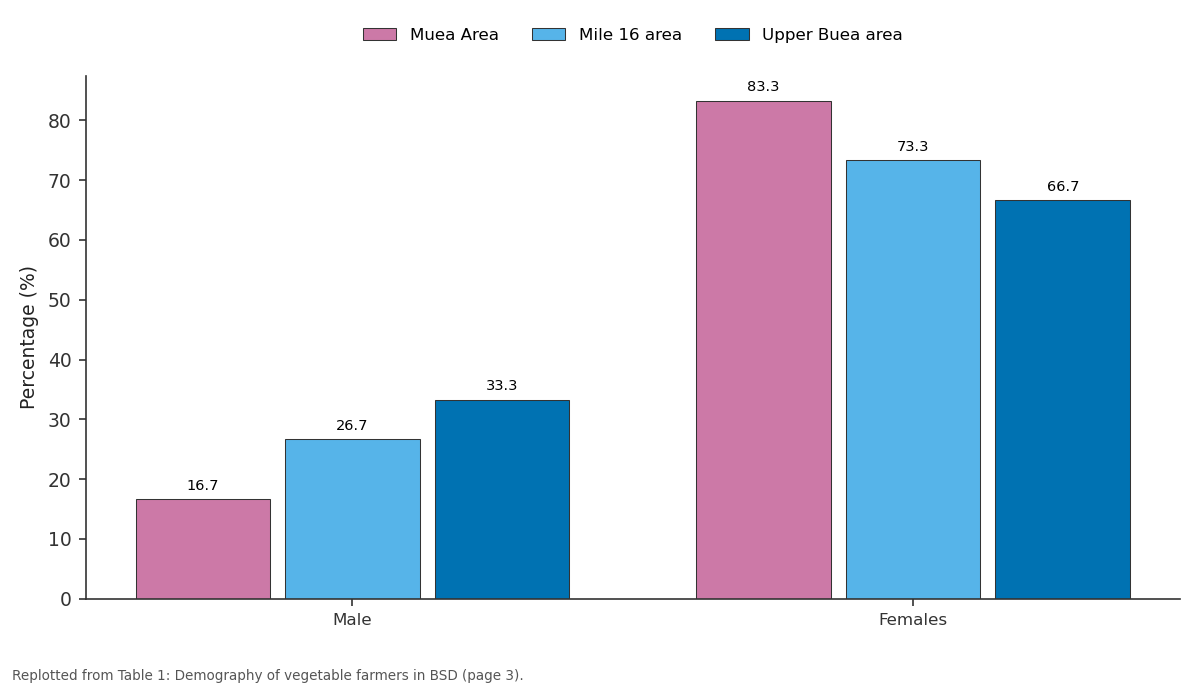
Muea Area and Mile 16 area and more: Male vs Females
Replotted from Table 1 (page 3) of the original paper. Every bar is the paper's own table value.
View source evidence ↗Figures & tables
From the original paper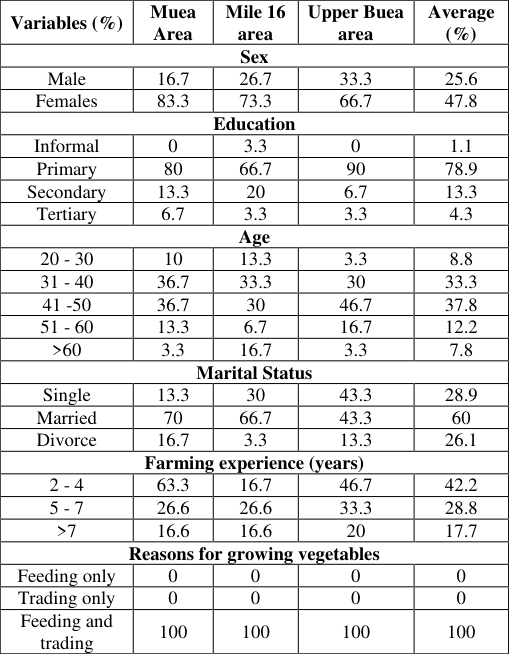 Table 1
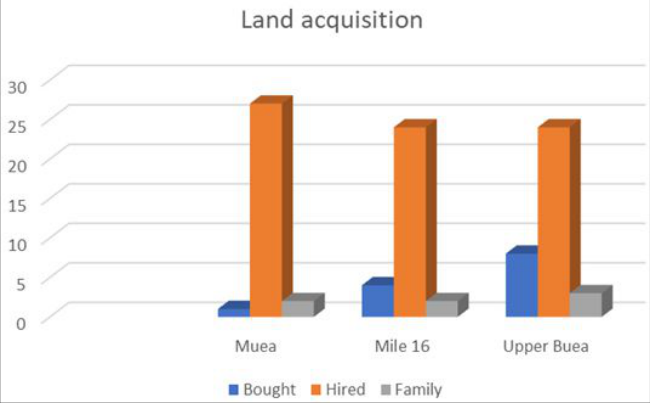 Figure 1
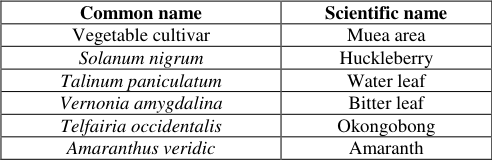 Table 2
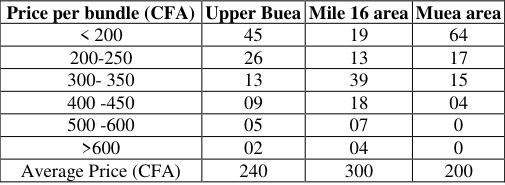 Table 4
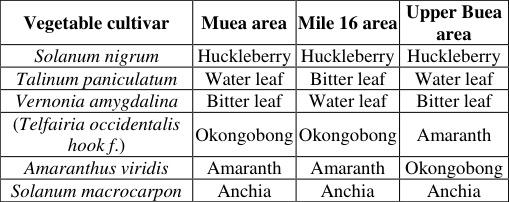 Table 3
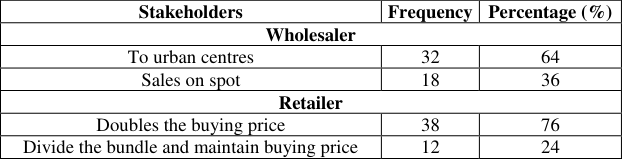 Table 5
 Table 6
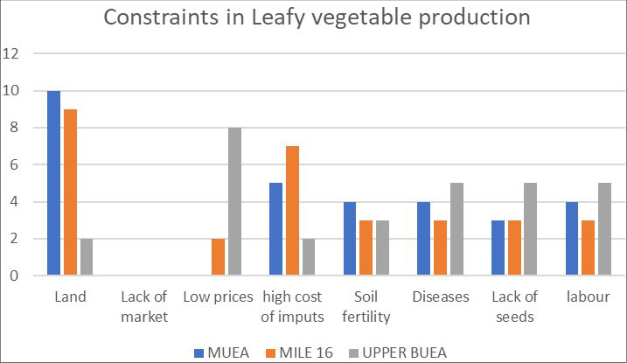 Figure 2
Introduction
Despite the steady increase in food crop production, Cameroon is still experiencing food deficit and severe malnutrition. The economic cost of malnutrition incurred per annum is estimated at 0.6 billion USD for Cameroon [1] . Vegetables play a significant role in human nutrition, especially as sources of vitamins, minerals, dietary fibre and phytochemicals [2] and food security [3] . Due to their nutritional characteristics, fruits and vegetables are essential to the diet, but in many countries their consumption is quite below the desirable amount, requiring the authorities to implement public policies to revert this setting [4] . The majority of rural and urban households rely on vegetables to fulfil their daily food and nutritional requirements for micronutrients, particularly vitamin A and iron [5] . Vegetable production in Cameroon is carried out by smallholder farmers under different production systems. Vegetable is cultivated in different ago-ecological zones, from low to mid altitudes where vegetable is intercropped with other food crops by smallholder farmers. The edaphic and ecological characteristics of this area are suitable for a prosperous agriculture and vegetable cultivation in particular. Different vegetables are mostly produced in subsistence systems for local consumption and the exceeding harvest sold on local or regional markets for income generation. These vegetables are prepared in varied forms depending on the tradition of the people using different recipes. In subsistence systems, vegetables are cultivated in a complex mixture of food crops including roots and tubers, legumes, and cereals vegetables are cereals.
Vegetables are recognized as lucrative enterprise for improving the livelihood of farmers and addressing the issues of self-sufficiency, food security and economic development of remote areas [6] . More recently, some market-oriented vegetables have been intensively managed in Buea, Cameroon. Cultivated for their edible leaves, the crops are fast assuming great importance in Buea and the Southwest region in general. The vegetables play very important role in income generation particularly for the rural farm families and often offer a significant opportunity for the producers and sellers to earn their living without requiring large capital investment [7] . In spite of its economic importance, vegetable production in general is still constrained by biotic and abiotic factors causing a decline in vegetable productivity in all cultivation areas. The alarming vegetable production situation for all the vegetable producing area of the Buea subdivision (BSD) is worsened by other factors such the recurrent armed conflicts in the in the region, where farmers are either directly or indirectly exposed to unprecedented food paucity. Currently, the Southwest region (SWR) in general and Buea subdivision (BSD) in particular is under farmland threat where farmers use single piece of land to cultivate over many crops including vegetables. Even though the individual production seems to be sufficient for the consumption needs of the farmers' household, it is still insufficient to meet the need of the actual domestic market as currently expressed. Besides, the potential for exportation of vegetables to neighbouring countries constitute an opportunity for investment in this supply chain, in order to attract the foreign currency to the farmers in particular and for the benefit of the economy of Cameroon in general. In view of this situation, this study was undertaken to characterize vegetable production systems in Buea, southwest Region of Cameroon and identify the related constrains for vegetable production in this Subdivision so as to recommend strategies for ameliorations and improve on food security.
Materials and Methods
Study site description: This study was conducted from May to June 2021 in Buea subdivision, Southwest Region of Cameroon. Buea is located in the humid forest with monomodal rain fall zone in the Southwest Region of Cameroon. Buea is located in the humid forest with monomodal rain fall zone in the Southwest Region of Cameroon. The area has a humid tropical climate, and the climatic pattern is sharply modified by the influence of topography. The mean annual rainfall is about 2085 mm. The mean annual temperature at sea level is about 28 °C. The Relative humidity is 86% and sunshine is 900 to 1200 hrs per annum. The soil type is mainly volcanic and relatively fertile and therefore intensively cultivated.
Sampling, data collection and Analysis Selection of farmers and fields
A reconnaissance field and market surveys were carried out to identify vegetable producing villages. This study proceeded by surveys for data collection along selected villages in Buea Subdivision (BSD). These villages were determined based on their current or past renown and importance in vegetable cultivation and production. The study area was sectioned into three, with three villages each.
Muea area (Muea, Lysoka and Mamou), Mile 16 area; (Bolifamba, Dibanda, and Mile 15) and Upper Buea area (Bonakanda, Bova and Bokova) were selected. Some other vegetable growing villages were not accessible due to the insecurity and hence our investigations were not extended to all the villages due to the displacement of majority of farmers of most of the villages. Using the knowledge of local residence who have been working on vegetable farming, a list of vegetable growers was generated. To select a farmer, simple random numbers from the highest to the lowest and 30 farmers per area was used as sample with 10 fields per village. Hence, 90 farmers proportionally distributed among the three areas were considered as representative sample in Buea subdivision and thirty fields were observed.
Market survey
The survey was to gather information on the supply chain of vegetables grown, trading techniques and consumers' preference. Three main markets were selected, one from each area and 10 traders were selected per market.
Field Survey
The fields of the selected farmers were visited to collect information on the cropping systems, size of farms and disease situation.
Data Collection
The data collected concerned the socio-economic characteristics of the farmers (age, sex, educational level, marital status and vegetable trading), area cultivated, years of farming, farming practices associated with crops, trading method and production constraints.
Data Analysis
Data collected from questionnaires and interviews were processed for descriptive statistics and subsequently presented in tables and figures.
Results and Discussion
The present investigation was to categories the demography of farmers and to investigate the major constraints faced by vegetable farmers in BSD.
Demography of vegetable farmers
All farmers sampled responded to the questionnaire/interview. That is the response was 100%. Majority of the farmers were females (83.3, 73.3 and 66.7) respectively for Muea, Mile 16 and Upper Buea area. The predominance of female in the three area is in accordance with the study by [8] among vegetable farmers in urban lowlands in Cameroon. This result was also in line with [9] in Uganda. The role of women in vegetable production was found to be prominent. Most of the vegetable cultivation activities viz. land preparation, nursery preparation, planting, watering and harvesting, post harvesting handling, processing etc. were done by women [10] contrarily to this result, Mittal and Kaur [11] observed a higher percentage of males than females involved in vegetable production in India. Almost all the farmers had attained formal education with only 3.3% in the Mile 16 area who did not have formal education. The mean age for the study was between 41-50 (37.8%), with Muea and Mile 16 recording percentages less than the mean (36.7% and 30% respectively). Varied marital status were also recorded (Table 1.) A higher percentage of farming was carried out for 2 to 4 years (42%), Mile 16 recording the least. All the vegetables produced were for feeding and trading. The lower participation of men in vegetable production in recent times may be explained by the increasing job diversification of male farmers. The increase of women in vegetable production can be explained by the fact that it is not labour intensive as to the production of cash crops which is mostly done by males. Since women are often more involved in the food supply of the family, this could improve nutrition as vegetables are often produced by women [12,13] . Often times the production and marketing of vegetables is dominated by women while laborious tasks and production of high cash crops are taken over by men [14] .
| Variables (%) | Muea Area | Mile 16 area | Upper Buea area | Average (%) |
|---|---|---|---|---|
| Sex | ||||
| Male | 16.7 | 26.7 | 33.3 | 25.6 |
| Females | 83.3 | 73.3 | 66.7 | 47.8 |
| Education | ||||
| Informal | 0 | 3.3 | 0 | 1.1 |
| Primary | 80 | 66.7 | 90 | 78.9 |
| Secondary | 13.3 | 20 | 6.7 | 13.3 |
| Tertiary | 6.7 | 3.3 | 3.3 | 4.3 |
| Age | ||||
| 20 - 30 | 10 | 13.3 | 3.3 | 8.8 |
| 31 - 40 | 36.7 | 33.3 | 30 | 33.3 |
| 41 -50 | 36.7 | 30 | 46.7 | 37.8 |
| 51 - 60 | 13.3 | 6.7 | 16.7 | 12.2 |
| >60 | 3.3 | 16.7 | 3.3 | 7.8 |
| Marital Status | ||||
| Single | 13.3 | 30 | 43.3 | 28.9 |
| Married | 70 | 66.7 | 43.3 | 60 |
| Divorce | 16.7 | 3.3 | 13.3 | 26.1 |
| Farming experience (years) | ||||
| 2 - 4 | 63.3 | 16.7 | 46.7 | 42.2 |
| 5 - 7 | 26.6 | 26.6 | 33.3 | 28.8 |
| >7 | 16.6 | 16.6 | 20 | 17.7 |
| Reasons for growing vegetables | ||||
| Feeding only | 0 | 0 | 0 | 0 |
| Trading only | 0 | 0 | 0 | 0 |
| Feeding and trading | 100 | 100 | 100 | 100 |
Table text extracted from the original PDF; superscript letters are shown inline. The original table image is below.
View original table image
Vegetables cultivation in BSD State of the farmland
Vegetables cultivation in BSD is confronted with scarcity of land resources, in which 09.3% of the surveyed cases of land was bought, acquired as inheritance (5.6%) by farmers and hired (85.2%) from landowners, resulting in the cultivation of vegetables on a small scale only. There was no field with size of an acre. The farm size ranged from 0.025ha to 0.925 ha [15] . Also noticed an average vegetable farm sizes of 0.6 ha. The small size of these farms can be justified by the demographic pressure due to movement of the population from other villages to the study site as a result of the crisis in the two English speaking regions of the country. Also, most of the lands inherited have been subjected to land fragmentation and sold out for urbanisation. The insecurity in BSD has forced farmers to rely on their nearby farms since they can no longer access their distant and spacious farmlands. The arable land scarcity has caused farmers to cultivate the small piece of available land for many foods as well as cash crops both for subsistence needs of the household and as source of income (Figure 1).
Vegetable cropping systems
In BSD, vegetables were cultivated in three different cropping systems, namely monoculture, vegetable food crops intercrop and in vegetable mono mixed cropping systems. Out of the 90 farms that were surveyed, monoculture cropping system of vegetable cultivation is rare among these small-scale farmers and was practiced averagely only on 24.5% of the farms. Mono-mixed cropping involving only vegetables species was observed on 10% of the fields and 65.5% of the farms had mixed cropping system with other plant species other than vegetables. This is an indication that intercropping is very common with peasant farmers. The food crops commonly intercropped with vegetables were maize (34.3%), cassava (54.3%) and banana (11.4%). The planting density of the food crops is reduced as compared with the vegetables.
Intercropping was most common in this study. This practice justifies, to some extent that, though the planting density of the food crops are low, they consequently reduce the production of vegetables demanded by the population. The intercropping system has an advantage in that, it diversifies agricultural production at different periods of the year on the same field.
Planting Materials
The planting materials used by most of the farmers are resourced from previously established vegetable farms. The percentage of farmers who obtained their seeds from their own farms represent 63.3% as against 36.7% of farmers who resource from the local market. None of the seeds were obtained from seed stores. This is an indication that the farmers do not have access to certified seeds. Their seeds are adapted cultivars and can survived with constraints. The farmers select their planting materials based on the production, consumer's preference and availability of market. Varied vegetable species were observed in the study areas (Table 2). Huckleberry, Water leaf, Bitter leaf, Okongobong, Amarantus and Anchia were the commonly grown vegetables encountered in the three areas. The vegetables occupied different positions on the scale of preference as shown on Table 3. These preferences depend on consumers' choices. The farmers had their personal reasons for growing these varied cultivars. In the three areas, the farmers planted what was on high demand by the population within and without. They prefer to grow what they also feed on. HB occupied the pride of place in the study area. This result is in conformity to [16] and [17] , who reported Huckleberry as being one of the most preferred vegetables in other parts of Cameroon. The vegetables were mainly cultivated for subsistence use and income generation. The reason could be that they all had varied form of preparation as different dishes. Similar results have been observed by [18] . Besides their economic, nutritional and medicinal importance, these indigenous vegetables in particular are considered valuable because of their ability to fit into year-round production systems [19] .
| Vegetable cultivar | Muea area | Mile 16 area | Upper Buea area |
|---|---|---|---|
| Solanum nigrum | Huckleberry | Huckleberry | Huckleberry |
| Talinum paniculatum | Water leaf | Bitter leaf | Water leaf |
| Vernonia amygdalina | Bitter leaf | Water leaf | Bitter leaf |
| (Telfairia occidentalis hook f.) | Okongobong | Okongobong | Amaranth |
| Amaranthus viridis | Amaranth | Amaranth | Okongobong |
| Solanum macrocarpon | Anchia | Anchia | Anchia |
Table text extracted from the original PDF; superscript letters are shown inline. The original table image is below.
View original table image
| Common name | Scientific name |
|---|---|
| Vegetable cultivar | Muea area |
| Solanum nigrum | Huckleberry |
| Talinum paniculatum | Water leaf |
| Vernonia amygdalina | Bitter leaf |
| Telfairia occidentalis | Okongobong |
| Amaranthus veridic | Amaranth |
Table text extracted from the original PDF; superscript letters are shown inline. The original table image is below.
View original table image
Vegetable production and marketing system
All respondents to the questionnaires acknowledged that they sell a greater proportion of their produce and receive higher benefits during the dry season than in the rainy season. In these three areas, the vegetables were harvested on biweekly as is the case of huckleberry, water leaf, amaranth and bitter leaf while Okongobong and anchia were harvested triweekly. This might be due to the fact that some of the vegetables have soft stems and higher growth rate than others. Where the vegetables are well established on the farms, the recorded average yield is estimated at 180, 160 and 130 bundles biweekly for huckleberry, biter leaf and water leaf respectively on an average farm of 0.59 ha. In the case of ongaonga, amaranth and anchia, an average of 20, 40 and 20 bundles respectively were harvested on the average farm size. The prices for the vegetables were cheaper in Muea area than in the other areas, with Upper Buea area selling more expensively. In the upper Buea area, most of the farmers cultivated mostly yam as cash crop and little attention is placed on vegetables. Once on the market, the price of a bundle of vegetable is set depending on the variety, the bundle size and the bundle quality. The distribution of bundles of the different varieties with regard to their prices is visualised in Table 4. The price of a bundle varies with the seasons and depends on its weight. During scarcity, price increase often deprives consumers form obtaining their preferred vegetable. The prices per bundle of vegetables varied from 200 to 700 cfa depending on the season. Higher prices in the dry season than in the rainy season. Vegetable bundles produced in BSD are either consumed by the farmers or marketed on the local and urban markets. The allocated share to household consumption is lower (23%) than that marketed (77%). The marketing chains for these vegetables were well established. Because of their perishability the vegetables were harvested either in the evening before the market day or during the day of the market. Some wholesalers had permanent contracts with the farmers and often provide them with credit. Others prefer to sell to traders on a first come first served basis. These wholesalers met the farmers in their farms, in the markets and at supply centres, where usually bulk buying takes place. The wholesaler either carried the produce to urban centres or retail them on spot. Once bought, the bundles are halved and sold at the same buying price or the priced is doubled for the same bundle, Table 5. Among the farmers who market part of their produce, only 50% were satisfied with income generated as against 50% of those who never got satisfied with these returns. Some of the wholesalers collected the vegetables from the farmers on borrowed basis and the payments are made in bits. With this attitude, farmers preferred selling directly to consumers. At low supply and the demand high, the prices increased up to 600 cfa per bundle of any of the vegetables. In Sub-Saharan Africa, vegetables are clearly a major potential source of cash income for small-holder farmers and offer a much more effective way for subsistence farmers to grow themselves out of poverty than growing starchy staples alone [20] . Vegetable production provides an economic pillar for the livelihood of rural smallholder farmers and therefore represents a livelihood strategy whose implementation should continuously be targeted through sustainable means [21] .
| Stakeholders | Frequency | Percentage (%) |
|---|---|---|
| Wholesaler | ||
| To urban centres | 32 | 64 |
| Sales on spot | 18 | 36 |
| Retailer | ||
| Doubles the buying price | 38 | 76 |
| Divide the bundle and maintain buying price | 12 | 24 |
Table text extracted from the original PDF; superscript letters are shown inline. The original table image is below.
View original table image
| Price per bundle (CFA) | Upper Buea | Mile 16 area | Muea area |
|---|---|---|---|
| < 200 | 45 | 19 | 64 |
| 200-250 | 26 | 13 | 17 |
| 300- 350 | 13 | 39 | 15 |
| 400 -450 | 09 | 18 | 04 |
| 500 -600 | 05 | 07 | 0 |
| >600 | 02 | 04 | 0 |
| Average Price (CFA) | 240 | 300 | 200 |
Table text extracted from the original PDF; superscript letters are shown inline. The original table image is below.
View original table image
Constraints to production
The following were the constraints faced by the farmer in BSD; Lack of farmland, decrease in soil fertility, lack of inputs, lack of certified seeds, high cost of labour for weeding, Market related issues and diseases (Figure 2). Being a developing country, these constraints are bound to exist. Most of the land has been used for urbanisation.
Urbanization increases competition for land use and, thus, reduces the amount of land available for agriculture. In order to maximize yields and returns, farmers generally engage in very intensive commercial production. Such commercial production is very labour intensive and often necessitates hired labour, which is mainly offered by young men [22] . The constraints faced by the farmers have also been observed in other parts of the world [9] . This calls for concern in large scale production. The fact that most of the land for vegetable production has been hired, there will come a time that vegetable will become scare as a result of urbanisation in this study area. For this reason, farmers should be trained on alternative methods of vegetable propagation. Vegetables are particularly vulnerable to a broad range of pathogens and insects. Effects might range from mild to severe symptoms. Such biotic constraints are often difficult to control because their populations are variable in time, space and genotype [23] . Diseases are bound to exist in the fields because the farmers keep on working on the same piece of land and cultivating the same crop for a long period without crop rotation. The farmers rely on former saved seeds or buy from the local markets. These sources are sometimes unreliable and of poor quality. Most of the seed might have been infected before planting. Since these farmers depend on their small pieces of land for cultivation, they farm on this land year in, year out with little crop or farm rotation. For these reasons, the soil might harbour pathogens, resulting to diseases. Majority (73%) of the fields were well managed, still symptom of diseases was observed.
In BSD the vegetables suffer from varied diseases. The symptoms range from bacteria to virus symptoms. All of the farms had plants with disease symptoms (100%) with a low severity for the vegetables. The most observed symptoms were necrotic spot and chlorosis (Table 6), with NS having most of the symptoms. Diseases have proven to be one of the most production limiting factor of vegetable production. Its management is therefore of outmost important in crop production to the millennium goal of 2050 of zero hunger. The most observed symptoms are necrotic spot and chlorosis (Table 6), with HB having most of the symptoms. These symptoms have been observed in other parts of the country [24] . The farmers need to be trained on improved varieties, diseases seed treatment and weed control. Though the fields were well managed, diseased plants were found in all the fields visited. This is an indication that some of the vegetable seeds were already infected. Formulating training courses in vegetable production techniques are of immense importance and will help to disseminate knowledge to the vegetable farmers, which will subsequently help to enhance the production and productivity of vegetables.
| Vegetable type | Necrosis | Yellowing | Crinkling | Chlorotic lesions | Leaf curl | Leaf role | Blistering | Puckering |
|---|---|---|---|---|---|---|---|---|
| HB | | | | | | | ||
| BL | | | | | ||||
| WL | | | | |||||
| OK | | | | |||||
| AM | | | | |||||
| AC | | | |
Table text extracted from the original PDF; superscript letters are shown inline. The original table image is below.
View original table image
Conclusion
The study revealed that women are the main vegetable farmers in Buea. Five vegetables were common in BSD.
The vegetables play a key role to the farmers as food and income generation. Notwithstanding, the production faces challenges amongst which are lack of farmland, decrease in soil fertility, lack of inputs, lack of certified seeds, high cost of labour for weeding, Market related issues and diseases. All the vegetables showed varied disease symptoms which if not well manage, might cause a devastating effect on production. The survey provided evidence to the fact that these vegetables offered a significant opportunity for the poorest population to earn a living, as producers and/or traders, without requiring large capital investments. These vegetables are also an important commodity because their prices are relatively affordable compared with other food items. Vegetable production should be highly encouraged. This study confirms that the size of the farm, the availability and the adoption of improved planting material play a critical role on vegetable production. The agricultural sector is mostly on the hands of rural dwellers who perceive it as their only primary supply source of food, thus practicing it at a subsistent level; they lack adequate agronomy education or training.
Acknowledgement
AcknowledgementWe wish to thank the population of the study area and the chiefs of the different villages in particular for their collaboration during the study.
References
16 in the original paper- Rani AJ. Knowledge and extent of adoption of recommended cultivation practices among the vegetable growers in Tamil Nadu. Agricultural Update. 2020;15(3):211-214.
- Moura SCR, Vialta A. Review: use of fruits and vegetables in processed foods: consumption trends and technological impacts. Food Science. Technology, Campinas. 2022;42:e66421.
- Chagomoka T, Drescher A, Glaser R, Marschner B, Schlesinger J, Nyandoro G. Vegetable Production, Consumption and Its Contribution to Diets along the Urban -Rural Continuum in Northern Ghana. African Journal of Food, Agriculture, Nutrition and Development. 2015;15(4):10352-10367.
- Nana SA, Falkenberg T, Rechenburg A, Adong A, Nbendah P, Borgemeister C. Farming Practices and Disease Prevalence among Urban Lowland Farmers in Cameroon. Central. Africa. Agriculture. 2022;12(2);
- Zziwa El, Kabirizi J. Constraints to Integration of Vegetable Production in Smallholder Dairy Systems of Uganda. International Journal of Research Studies in Biosciences. 2015;3(1):141-149. ISSN 2349-0357 (Print) & ISSN 2349-0365.
- Bargali K Vibhuti, Shahi C. Contribution of Rural Women in Vegetable Cultivation in home gardens of Nainital District Kumaun, Himalaya, India. Current Agriculture Research Journal. 2015;3(2):90-100.
- Mittal R, Kaur G. Gender Mapping in Vegetable Cultivation in Sangrur and Patiala districts of Punjab. Indian Journal of Extension Education. 2021;57(4):1-6.
- Tshwene C, Oladele I. Water use productivity and food security among smallholder homestead food gardening and irrigation crop farmers in Northwest province, South Africa. Journal of Agriculture, Environment and International Development. 2016;110(1):73-86.
- Singla R, Kaur G. Role of women in vegetable production in district Patiala. Asian Journal of Home Science. 2016;11(2):335-340.
- Kessler A, Streiffeler F, Obuobie E. Women in urban agriculture in West Africa. Urban Agriculture Magazine. 2004;12:1-16.
- Akamin A, Bidogeza JC, Minkoua JRN, Afari-Sefa V. Efficiency and productivity analysis of vegetable farming within root and tuber-based systems in the humid tropics of Cameroon. Journal of Integrative Agriculture. 2017;16(8):1865-1873.
- Asongwe GA, Yerima BPK, Tening AS. Vegetable Production and the Livelihood of Farmers in Bamenda Municipality, Cameroon. International Journal of Current Microbiology and Applied Sciences. 2014;3(12):682-700.
- Kamga R, Chagomoka T, Tenkouano A, Mecozzi M. Traditional vegetables: Recipes from Cameroon. Shanhua, Taiwan: AVRDC -The World Vegetable Centre. 2014;55;14-779.
- Djokoto J, Afari-Sefa V, Addo-Quaye A. Vegetable supply chain in Ghana: Production Constraints, Opportunities and Policy implications for Enhancing International Journal of Agriculture and Food Science https://www.agriculturaljournals.com Food and Nutritional Security. National Academy for Agricultural Science. 2015;33(3):2113-2121.
- Chadha ML, Mndiga HH. African eggplant-from underutilized to a commercially profitable venture. Acta Horticulture. 2007;752:521-523.
- Ngenoh E, Kurgat BK, Bett HK, Kebede SW, Bokelmann W. Determinants of the competitiveness of smallholder African indigenous vegetable farmers in high-value ago-food chains in Kenya: A multivariate probit regression analysis, Agricultural and Food Economics. Springer, Heidelberg. 2019;7(1):1-17.
Cited by 1
From OpenAlex, OpenCitations and reference lists read by Scinovex
- Neglected and underutilized crops of Africa: Diversity and distribution ↗
Zerihun Tadele, Lea Jäggi, Lorena Ramirez-Gonzales, Simeo Marco Sumuni · Elsevier eBooks · 2026
❝ 1PDF