
Research article · 2022 · Full text
International Journal of Veterinary Sciences and Animal HusbandryReview on the use of probiotics in poultry production (Layers and broilers) as feed additives
Volume 7(5) · Pages 37–42 · DOI: 10.22271/veterinary.2022.v7.i5a.442 ↗
Research areasAnimal Nutrition and PhysiologyAquaculture disease management and microbiotaPlant Pathogenic Bacteria Studies
Abstract
Author-writtenIn this paper, recent developments in the use and mechanism of probiotics (direct-fed microbial) in poultry are reviewed. Probiotics have been shown to enhance growth performance and feed conversion in broilers as well as egg mass, egg weight, and egg size in layers when added to the diet. The mode of action of probiotics in poultry includes maintaining normal intestinal microflora through competitive exclusion and antagonistic interactions; (ii) altering metabolism by increasing digestive enzyme activity and decreasing bacterial enzyme activity and ammonia production; (iii) improving feed intake and digestion; and (iv) neutralising enterotoxins and enhancing the immune system. Nutritional benefits include higher laying and egg quality, greater daily increments, and improved feed conversion ratio in flocks treated with probiotics (FCR). The quality of meat has also increased. This demonstrates how employing probiotics can improve production outcomes for producers. Poultry immunity is enhanced in addition to these advantages for production by giving the organism the ability to better protect itself against illnesses and stress. The versatility of probiotics and the fact that the bacteria used in their production are an essential component of animal digestive tracts make them safe feed additives, but more research is needed to address the lack of accuracy in the formulation of non-European preparations due to unknown interactions between probiotic bacteria strains as well as their metabolites.
Summary
Source-checkedPlain-language reading of the full paper, prepared with AI and checked against the text. Each point links to the authors' own words.
Why it matters
- Probiotics have become popular feed additives in poultry production as alternatives to antibiotic growth promoters, which have been banned. View evidence ↗
- Probiotics are valued in the poultry industry for their ability to combat zoonoses and diseases of bacterial origin by supporting intestinal immunity. View evidence ↗
- Poultry meat is a known vector for transmitting enteric pathogens such as Campylobacter spp and Salmonella to humans. View evidence ↗
The question
- The paper aims to review recent developments regarding the mechanisms and use of probiotics as direct-fed microbials in poultry. View evidence ↗
What they did
- Common probiotic microorganisms used in poultry include yeasts like Candida spp and various bacteria such as Bacillus, Lactobacillus, Streptococcus, Lactococcus, and Bifidobacterium spp. View evidence ↗
- Probiotics are most commonly administered via feed, though they can also be given through water, sprays, tablets, capsules, granules, or gavages. View evidence ↗
What they found
- Probiotics inhibit pathogenic gut flora primarily by lowering gut pH through the production of hydrogen peroxide, organic acids, and volatile fatty acids (VFAs). View evidence ↗
- Probiotics prevent the formation of pathogenic bacterial colonies by competing for adhesion sites on the intestinal epithelium. View evidence ↗
- In a study of 200 10-day-old Arbor Acres broiler chicks in hot/humid conditions, commercial lactobacilli significantly increased weight gain and lowered the feed-to-gain ratio compared to controls (p<0.05). View evidence ↗
- The addition of C. butyricum to broiler diets has been reported to improve meat tenderness, as evidenced by a decrease in shear force. View evidence ↗
- Lactobacillus-based probiotics at 100-200 mg/kg increased egg production, shell thickness, shell weight, and serum calcium, although they did not improve the feed conversion ratio (FCR). View evidence ↗
- One study found that intestinal pH, liver weight, and carcass yield did not differ significantly across various treatments. View evidence ↗
What it means
- The authors conclude that probiotics can serve as viable alternatives to antibiotics used for growth promotion. View evidence ↗
- A current limitation in the field is the lack of consensus regarding the optimal duration of feeding, the specific type or blend of probiotics, and the exact dosage required. View evidence ↗
Visual summary
1 visualsIllustrations explain the paper; they do not show study data.
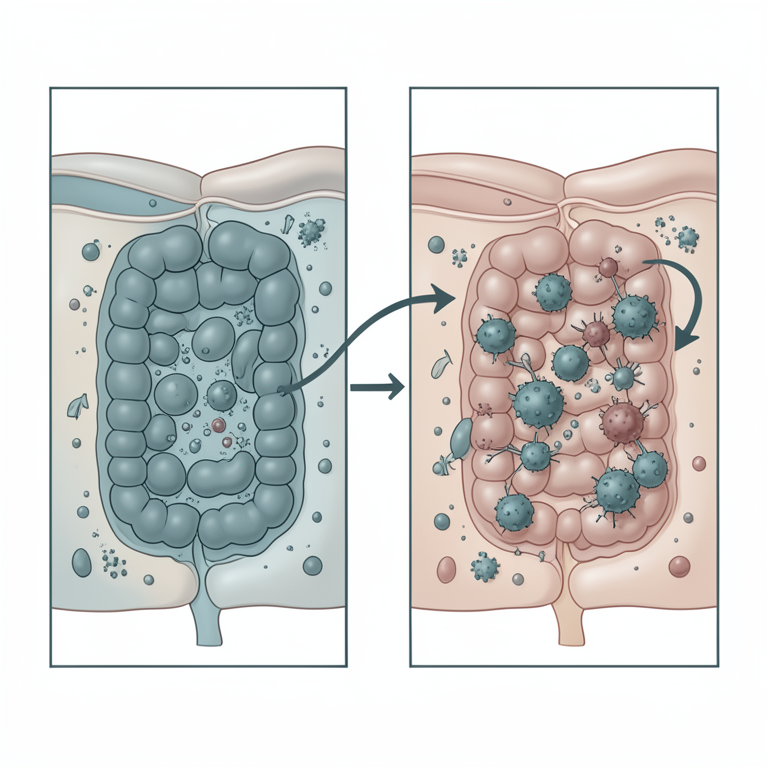
Probiotic Mechanisms of Action
AI-generated conceptual illustration (broiler chicken intestinal epithelium). It explains the idea and does not show study data.
View source evidence ↗Figures & tables
From the original paper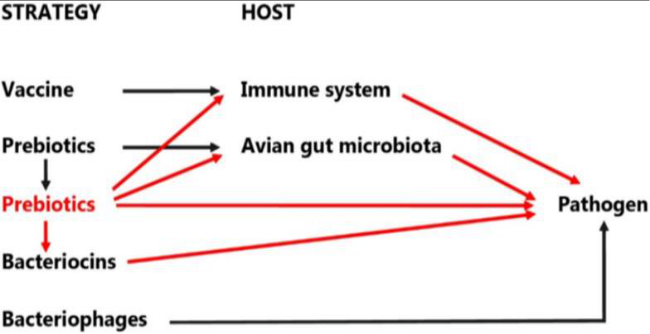 Figure 1
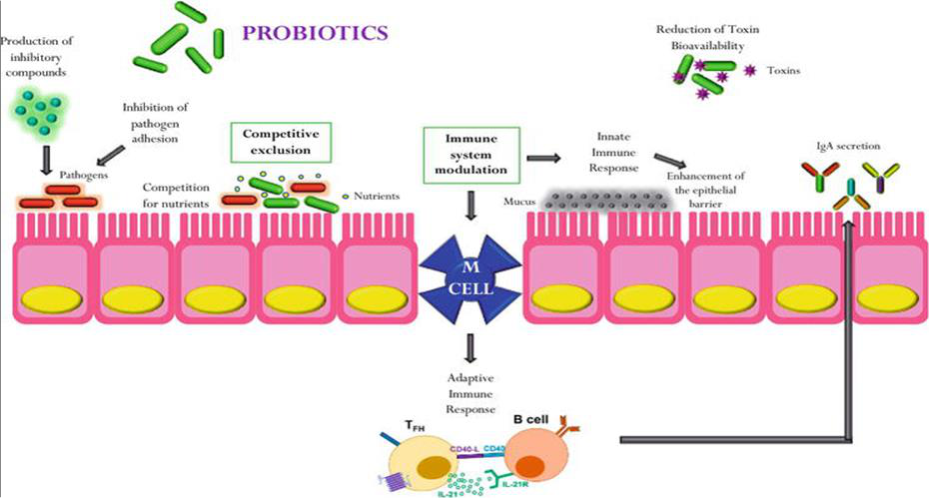 Figure 2
Introduction
Introduction
History of Probiotics
The first investigator in the area of fermentation and probiotics was Elie Metchnikoff, who worked at the Pasteur Institute in Paris. He reported the existence of increased human longevity by drinking large amounts of soured milk in Bulgarian peasants. This strengthened Metchnikoff's belief that the lower gut and overall health would be affected by microbes from the soured milk. Following this realization, he tested cultures of milk that were fermented by the Lactobacillus genus. For instance, Lactobacillus bulgaricus later became the strain popular for fermenting yoghurt (Forkus et al., 2017; Fuller, 1992; Ran et al., 2019) [5,6] . Probiotics are considered to be live microbial feed supplements that can benefit the poultry, otherwise known as the host. The word "Probiotic" means "for life" and originated from the Greek language (Fuller, 1992) [6] . Other sources have broken the word down more extensively, stating the pro stem is of Latin origin, meaning in favour of, the bios portion which means life, was derived from the Greeks word (Morelli & Capurso, 2012) [9] . The meaning of probiotics has changed over the years (Fuller, 1992) [6] . In 1953, Werner Kollath offered the scientific community the term "probiotic". His definition of the term stated live micro-organisms are essential for the healthy development of the gut for life. In 1965, Lilley and Stillwell redefined probiotics, they described probiotics as microorganisms that would aid in the growth of other beneficial microorganisms in the gut (Vila et al., 2010) [32] . They are given the majority of the credit for today's meaning, this definition caused it to have the opposite meaning of today's antibiotic (Fuller, 1992) [6] . Antibiotics inhibit the growth of bacteria by introducing a chemical substance (Wang et al., 2019) [17] .
Morelli and Capurso (2012) [9] described probiotics as the consumption of sufficient live micro-organisms with the Ability to contribute health benefits to the host. This added even more to the refinement of the term probiotic. The effectiveness of probiotic supplementation can be attributed to the species of microbes and the form of supplementation used, such as wet or powdered (Food and Agricultural Organization and World Health Organization, 2001) [48] .
Overview of probiotics in poultry production
Probiotics are feed additives that have gained popularity in poultry production following the ban on antibiotic growth promoters (AGP). They are one of the more universal feed additives and can be easily combined with other additives. Probiotics, above all, have many advantages, including stimulation of the host microflora or immunomodulation. The statement "immunity comes from the intestines" has become more important in the poultry industry because probiotics have proven helpful in the fight against diseases of bacterial origin and against zoonoses. Positive effects on the organism have already been studied at the cellular level, where probiotics were responsible for changes in gene expression, leading to the alleviation of heat stress. In addition to the health benefits, the utility value of the animal's increases in both production and health, and probiotics have improved the taste and quality of poultry products. Future prospects are promising as scientists are working to maximize the positive effects of probiotics by increasing the integrity of probiotics within the bird organism, taking into account, among others, bacterial metabolites. (Huque et al., 2018) [15] . Thirty probiotic preparations are currently registered in European Union. It is allowed to use preparations composed of several bacterial strains (Patyra et al., 2015) [33] . The most common types of microorganisms used to make probiotics are bacteria such as Bifidobacterium spp., Lactococcus spp., Lactobacillus spp., Bacillus spp., Streptococcus spp, as well as yeasts, such as Candida spp, the probiotic compositions of the present invention use isolates from probiotic bacteria that are designed to produce enzymes or substances that activate phytases, cellulase proteases or xylanases. Modern probiotics undergo a granulation process, which is a process that uses temperatures that are unfavourable to the bacteria. Therefore, for the production of these feed additives, for example, Bacillus spp. producing spores, thanks to heat-resistant spores, the probiotic does not lose its properties, and this makes it possible to create feeds with added probiotics, which are also produced using a granulation process (Ellez et al., 2018) [47] .
Administration of Probiotics on poultry
The most common method of administering probiotics on poultry farms is to add them to feed, while there are many other methods, such as gavages (vaccines or drops), sprays, granules, tablets, coated capsules, or sachets of powder. In addition to inflicting probiotics in the feed, growers are also opting to administer formulations in the water (Jiang et al., 2017) [11] . Each strategy has a different path to a common goal-the pathogen. The routes of action are explained in Figure 1. 2016) [3] .
Modes of action of probiotics in poultry production
The beneficial effects of probiotics are mediated by their mechanism of action through which they inhibit the growth and proliferation of pathogenic bacteria. The most common manner of inhibition is by lowering the pH of the gut, during in vitro studies it was found that primary metabolites, such as organic acids and hydrogen peroxide, are involved in the suppression of bacterial cultures, later volatile fatty acids (VFAs) were found to be equally effective in the suppression of pathogenic gut flora (Chichlowski et al., 2007) [1] . Probiotics produce VFAs and organic acids as part of their natural breakdown and metabolism of nutrients in the gut digests. These organic acids lower the pH below that essential for the survival of pathogenic bacteria such as E. [1,35] , another mechanism is through the competition for adhesion sites on the intestinal epithelium, thus preventing colonies of pathogenic bacteria from forming. This competitive exclusion' of harmful bacteria is achieved through colonization of favourable sites of adhesion such as the intestinal villus and colonic crypts, or excretion of the mucins (MUC2 and MUC3) from goblet cells which inhibits the adherence of enter pathogenic bacteria (Chichlowski et al., 2007) [1] . Competitive exclusion via probiotics depends upon the ability of the strain to adhere to the gut surface which is a host-specific phenomenon and varies from strain to strain within the same species. Lactic acid bacteria are well known to colonize the caecal wall in the chicken and their competitive exclusion effect has been explained (Yoruk et al., 2004) [18] . This stresses the point that a strain adhering well to the gut should be chosen while selecting a probiotic.
Another important mechanism involved in producing beneficial impacts on the host's body is the stimulation of the immune system. An accumulated body of evidence has shown that the protective effect of probiotics is associated with elevated humoral and cellular immune responses, which is achieved through increased production of T lymphocytes, CD + cells and antibody-secreting cells, expression of pro-and anti-inflammatory cytokines, interleukins, IFN-gamma, natural killer cells, antibody production, respiratory burst in macrophages and delayed-type hypersensitivity reactions (Musa et al., 2009; Ohashi and Ushida, 2009) [10,36] . Another mode of action of probiotics is lowering the activities of the intestinal and faecal β-glucosidase and β-glucuronidase bacterial enzymes. These enzymes are involved in the formation of toxins in the body. The Lactobacillus culture may reduce β-glucosidase and β-glucuronidase activities by attaching themselves along the chicken intestine, thus preventing colonisation of the bacteria with toxicantpromoting enzymes (Jin et al., 2000) [19] .
Probiotics in Broilers
The addition of either pure lactobacilli cultures or mixtures of lactobacilli and other bacteria in broiler diets has produced variable results. Kim et al. (2018) [20] showed that supplementation of a commercial probiotic (L . sporegenes) increased the weight gain of chickens given a diet containing 10% mouldy maize at 2 or 6 weeks of age. Consistent improvements in body weight gain of chickens fed a culture of L. sporegenes, have also been reported by Kalbande et al.
(1992) [8] . Jin et al. (1996a) [38] , using 200 10-day-old Arbor Acres broiler chicks under a hot and humid environment, found that the weight gain in broilers given feeds incorporated with commercial lactobacilli was significantly higher than that of the control birds (p<0.05). Those fed lactobacilli in the feed had a significantly lower feed-to-gain ratio (p<0.05).
Using adherent Lactobacillus cultures isolated from the intestine of chickens, addition to the feed from 0 to 6 weeks of either a single strain of L. acidophilus I 26 or a mixture of Lactobacillus significantly improved body weight and feed to gain ratios of broilers (p<0.05). Jin et al. (1997a) [21] also found that the highest growth rate was obtained when broilers were fed a concentration of 0.1% Lactobacillus cultures. Yeo and fim (1997) [39] reported that feeding a diet containing probiotics (L. cusei) significantly increased average daily weight gain during the first 3 weeks (p<0.05) but not during weeks 4-6 of growth. They pointed out that the increase was partly accounted for by increased feed intake.
Effects of probiotics on meat quality
There is widespread agreement that probiotics supplementation could improve the meat quality of broilers. Intramuscular lipid content is involved in determining meat quality particularly nutrition, tenderness, odour, tastes and flavour characteristics. Endo and Nakano (1999) [37] reported a greater tendency of a higher ratio of unsaturated fatty acid to saturated fatty acids in pectoral and thigh meat of broilers fed with probiotics supplemented diet containing Bacillus, Lactobacillus, Streptococcus, Clostridium, Saccharomyces and Candida. The results suggested that the fat in meat was converted into favourable fat in the presence of probiotics, which in turn contributed to smoother meat texture. Improved tenderness which was indicated by decreased shear force was reported by Yang et al. (2010) [16] when probiotic C. butyricum was added in the diet of broiler, the decrease in shear force observed in the study was positively correlated with increased muscular fat content, the same study also demonstrated that probiotic inclusion in broiler diet modulated fatty acid composition in breast meat of broiler by increasing omega-3 fatty acids concentration especially eicosapentaenoic acid (EPA) and docosahexaenoic acid (DHA) while contents of omega-3 fatty acids in the meat of control broilers remain relatively low. Sensory assessment on chicken meatballs conducted by Mahajan et al. (2000) [22] revealed that overall organoleptic scores in terms of appearance, texture, juiciness and overall acceptability were higher in probiotic Lactobacillus fed broilers than counterparts fed with a traditional basal diet. Evaluation of the effects of probiotics on the skin colour of broilers elucidated that probiotic Lactobacillus saliva could increase xanthophyll accumulation in tissue, thus improving the visual appearance of meat products (Zhu et al., 2009) [10] . Meat in broilers fed with probiotics Lactobacillus acidophilus, Lactobacillus casei, Bifidobacterium bifidum, Aspergillus oryzae, Streptococcus faecium and Torulopsis sp displayed higher content of moisture, protein and ash compared to the control (Khaksefidi and Rahimi, 2005) [23] . The results indicated that chicken fed with probiotics has better retention of minerals especially phosphorus, calcium and nitrogen as well as protein efficiency ratio. A higher protein efficiency ratio may subsequently help promote meat yield as observed by Hossain et al. (2012) [2] where the addition of probiotics increased breast meat absolute and relative weight. Besides, the carcass quality of broilers was also reported to be improved by probiotics with a lesser occurrence of Salmonella contamination.
Probiotics in layers
Egg production supplementation of probiotics in the diet of laying chicken favours egg production performance either by increasing egg number or maintaining production. Some probiotic preparations are also effective in adverse or stressful conditions and are supposed to have no detrimental effects when used in the appropriate amount. Research findings showed the hat use of probiotics in layer diets enhanced egg production (Ribeiro et al., 2014; Peralta-Sánchez et al., 2019) [3, 40] . Deviations from these observations also exist, but in many cases, it affects the production positively or at least maintain production as usual. The inclusion of Lactobacillus acidophilus (109 cfu/kg feed) significantly enhanced the number of eggs (Abbas et al., 2020) [26] . A combination of Lactobacillus spp. and Bacillus spp. as liquid probiotics mixed culture when fed to the ISA Brown layers showed an increase in egg production (Raka et al., 2014) [41] . Abdelqader et al. (2013a) [42] showed that feeding of Bacillus subtilis (maximum 2.3×10⁸ cfu/g) had significantly better egg production compared to control at doses of 1g/kg feed and 0.5 g/kg feed for a duration of 10 weeks during late production period starting from 64 weeks. Results of a study by Khan et al. (2020) depicted that the addition of probiotics (2×10⁹ cfu/g) to the layer diet improved egg production. The probiotic organisms used in the trial were L. plantarum, L. bulgaricus, L. acidophilus, L. rhamnosus, Bifidobacterium bifidum, and Streptococcus thermophiles. Khatun et al. (2020) conducted an experiment with three concentrations of dietary probiotic (0, 200 and 400 g/t feed) containing 4×10⁹ cfu/g of B. subtilis involving three different breeds (White Leghorn, Saudi black and Saudi brown). They found statistically no significant difference in egg production performance among dietary treatments. Martinez conducted an experiment using S. cerevisiae fermentation product at a dose of 1.25 g/kg where they found no differences in egg production of the Hy-Line commercial layer (Ray et al. 2022) [31] . Probiotics increase egg production, improve egg quality and decrease egg contamination (Haddadin et al., 1996; Kurtoglu et al., 2004; Van Immerseel et al., 2006) [43][44][45] . Further, it has been reported that probiotics increase egg shell weight, shell thickness and serum calcium in layers (Panda et al., 2003) [12] . Balevi et al. (2001) [46] found that commercial probiotic (Protexin™) supplemented diets resulted in a decreased broken egg ratio in layers. Yoruk et al. (2004) [18] found that egg production increased linearly with increasing levels of probiotics (Lactobacilli spp. + Enterococcus faecium + Bifadobacterium bifidum + Aspergillus oryza) during the late laying period in layers. Panda et al. (2003) [12] reported no improvement in FCR, however, increased egg production, shell weight, shell thickness and serum calcium were recorded by feeding a Lactobacillus-based probiotic at the rate of 100 mg/kg and 200 mg/kg of feed, although there was no significant difference between the two treatments. In the same experiment, the eggshell and serum calcium improved significantly. Panda et al. (2008) [12] .
Reducing foodborne bacteria
Intensive genetic selection in broilers and layers in recent years for high-performance traits has resulted in increased susceptibility to infectious diseases. Poultry meat has been associated with the transmission of enteric pathogens, including Salmonella and Campylobacter spp (Cox and Pavic, 2009) [14] . Callaway et al. (2008) [24] stated that the 'link between human Salmonella and host animals is most clear in poultry' and that raw eggs and undercooked poultry are considered to be hazardous. Eggs have been implicated as vehicles in numerous outbreaks of Salmonella; in particular, egg the s are the major vehicle of transmission of strains of Salmonella enteritis's (Cox and Pavic, 2009) [14] . Probiotics have been extensively used to control pathogenic Salmonella in chickens to reduce mortality. Salmonella is one of the most important food-borne zoonotic diseases around the world (El-Ghany et al., 2020) [25] . Salmonella spp. contamination of poultry products primarily originates from the GIT of poultry, specifically the caeca, where there is high microbial activity. To produce Salmonella-free meat and eggs.
Probiotics and Their Relationship to Enzymes
Enzymatic production by different strains of bacteria has caused rapid growth and advancement in the field of probiotics. Bacillus licheniformis strains have been heavily used in the industry because of its ability to produce amylase, alkaline, protease, and keratinise (Qattan et al., 2020) [27] A study conducted by Sohail et al. (2010) [28] utilized 250 broiler chicks under either thermoneutral (TN) conditions or heat stress (HS) conditions. The birds were divided into five groups, and after day 21, HS was administered for up to 42 days to some of the treatments. The treatments included the TN basal diet, the HS basal diet, a HS basal diet supplemented with 0.5% MOS, the HS basal diet supplemented with 0.1% PM (Probiotics International consisting of Lactobacillus plantarum, Lactobacillus acidophilus, L. bulgaricus, Lactobacillus rhamnosus, Bifidobacterium bifidum, Streptococcus thermophilus, Enterococcus faecium, Aspergillus oryzae and Candida pintolopesii, with a minimum combined total of 6 × 10 7 colony-forming units cfu/g of product) or the HS basal diet supplemented with a combination of the probiotic. The TN, basal treatment was significantly the highest for the paraoxonase enzyme (p<.05) compared with all the HS treatments. However, the probiotic mixture and symbiotic group were numerically the highest in paraoxonase when compared back to the prebiotic and basal HS treatments. Still, it was not completely effective in increasing all enzyme levels measured. The study also measured total probiotics (Protein) resulted in the highest intestinal weight, but also the highest intestinal length in broilers reared to 42 days of age. However, a combination of antibiotics (Flavomycin) and organic acids (Genex) resulted in the highest numerical increase for performance (BW gain, FI and carcass weight). The study also found that carcass yield, liver weight and intestinal pH were not significant across all treatments (Denli et al., 2003) [4] . The numerous advantages are overshadowed by a few drawbacks, which include the possibility of lowering semen quality in roosters and the diversity of production processes affecting the persistence of the probiotic.
Conclusion
The beneficial effects of probiotics are the result of improved immune function, better feed utilisation, absorption of nutrients, resistance to infectious bacteria and beneficial changes in the intestinal architecture. As such, probiotics may serve as alternatives to growth-promoting antibiotics. Although the intake of probiotics has been associated with many beneficial effects in poultry production, the exact mechanism through which they produce these beneficial effects is still not completely understood. Moreover, this review paper shows that there is no consensus on the exact dose or type/blend of probiotic (s) to be fed and the duration of feeding. Future research should be focused on the exact mechanism of action of these probiotics through which they produce their beneficial effects, as well as their exact dose, type and duration of feeding.
Figures and tables from the paper
References
46 in the original paper- Chichlowski M, Croom WJ, Edens FW, McBride BW, Qiu R, Chiang CC, et al. Microarchitecture and spatial relationship between bacteria and ileal, cecal, and colonic epithelium in chicks fed a direct-fed microbial, Prima Lac, and salinomycin. Poultry science. 2007;86(6):11211132.
- Chowdhury A, Hossain Md N, Mostazir NJ, Fakruddin Md, Md. Billah M, et al. Screening of Lactobacillus spp. from Buffalo Yoghurt for Probiotic and Antibacterial Activity. J Bacterial Parasitol. 2012;3:156.
- Coelho MC, Silva CCG, Ribeiro SC, Dapkevicius MLNE, Rosa HJD. Control of Listeria monocytogenes in fresh cheese using protective lactic acid bacteria. International Journal of Food Microbiology. 2014;191:53-59.
- Forkus B, Ritter S, Vlysidis M, Geldart K, Kaznessis YN. Antimicrobial probiotics reduce Salmonella enterica in turkey gastrointestinal tracts. Scientific reports. 2017;7(1):1-9.
- Goossens H. Antibiotic use in Eastern Europe: a crossnational database study in coordination with the WHO Regional Office for Europe. The Lancet Infectious Diseases. 2014;14(5):381-387.
- Kalbande VH. Effect of probiotic and nitro fur in on performance of growing commercial pullets. Indian Journal of Poultry Science. 1992;27:116-117.
- Morelli L, Capurso L. FAO/WHO guidelines on probiotics: 10 years later. Journal of clinical gastroenterology. 2012;46:S1-S2.
- Musa HH, Wu SL, Zhu CH, Seri HI, Zhu GQ. The potential benefits of probiotics in animal production and health. J anim. vet. Adv. 2009;8(2):313-321.
- Neelapu SS, Locke FL, Bartlett NL, Lekakis LJ, Miklos DB, Jacobson CA, et al. Axicabtagene ciloleucel CAR Tcell therapy in refractory large B-cell lymphoma. New England Journal of Medicine. 2017;377(26):2531-2544.
- Panda AK, Rama Rao SS, Raju MV, Sharma SS. Effect of probiotic (Lactobacillus sporogenes) feeding on egg production and quality, yolk CHOLESTEROL and humoral immune response of White Leghorn layer breeders. Journal of the Science of Food and Agriculture. 2008;88(1):43-47.
- Patyra E, Kwiatek K, Nebot C, Gavilán RE. Quantification of veterinary antibiotics in pig and poultry faces and liquid manure as a non-invasive method to monitor antibiotic usage in livestock by liquid chromatography mass-spectrometry. Molecules. 2020;25(14):3265.
- Pavic A, Groves PJ, Cox JM. Utilization of a novel autologous killed tri-vaccine (serogroups B [Typhimurium], C [Mbandaka] and E [Orion]) for Salmonella control in commercial poultry breeders. Avian Pathology. 2010;39(1):31-39.
- Salim HM, Huque KS, Kamaruddin KM, Haque Beg A. Global restriction of using antibiotic growth promoters and alternative strategies in poultry production. Science progress. 2018;101(1):52-75.
- Sun YZ, Yang HL, Ma RL, Lin WY. Probiotic applications of two dominant gut Bacillus strains with antagonistic activity improved the growth performance and immune responses of grouper Epinephelus coioides. Fish & shellfish immunology. 2010;29(5):803809.
- Wang J, Wang S. Preparation, modification and environmental application of biochar: A review. Journal of Cleaner Production. 2019;227:1002-1022.
- Yörük MA, Gül M, Hayirli A, Macit M. The effects of supplementation of humate and probiotic on egg production and quality parameters during the late laying period in hens. Poultry Science. 2004;83(1):84-88.
- Jin H, Zhou H, Cheng X, Tang R, Munoz M, Nguyen N. Recombinant respiratory syncytial viruses with deletions in the NS1, NS2, SH, and M2-2 genes are attenuated in vitro and in vivo. Virology. 2000;273(1):210-218.
- Teng PY, Kim WK. Roles of prebiotics in intestinal ecosystem of broilers. Frontiers in Veterinary Science. 2018;5:245.
- Jin LZ, Ho YW, Abdullah N, Jalaludin S. Probiotics in poultry: modes of action. World's Poultry Science Journal. 1997;53(4);351-368.
- Mahajan P, Sahoo J, Panda PC. Effect of probiotic (Lacto-Sacc) feeding and seasons on the different quality characteristics of poultry meat. Indian Journal of Poultry Science. 2000;35(3);297-301.
- Khaksefidi A, Rahimi S. Effect of probiotic inclusion in the diet of broiler chickens on performance, feed efficiency and carcass quality. Asian-Australasian Journal of Animal Sciences. 2005;18(8):1153-1156.
- Callaway TR, Edrington TS, Anderson RC, Harvey RB, Genovese KJ, Kennedy CN, et al. Probiotics, prebiotics and competitive exclusion for prophylaxis against bacterial disease. Animal health research reviews. 2008;9(2):217-225.
- Abd El-Ghany WA. Salmonellosis: A food borne zoonotic and public health disease in Egypt. The Journal of Infection in Developing Countries. 2020;14(07):674678.
- Alaqil AA, Abbas AO, El-Beltagi HS, El-Atty HKA, Mehaisen GM, Moustafa ES. Dietary supplementation of probiotic Lactobacillus acidophilus modulates cholesterol levels, immune response, and productive performance of laying hens. Animals. 2020;10(9):1588.
- Abd El-Hack ME, El-Saadony MT, Shafi ME, Qattan SY, Batiha GE, Khafaga AF, et al. Probiotics in poultry feed: A comprehensive review. Journal of animal physiology and animal nutrition. 2020;104(6):1835-1850.
- Sohail MU, Ijaz A, Yousaf MS, Ashraf K, Zaneb H, Aleem M, et al. Alleviation of cyclic heat stress in broilers by dietary supplementation of mannanoligosaccharide and Lactobacillus-based probiotic: Dynamics of cortisol, thyroid hormones, cholesterol, Creactive protein, and humoral immunity. Poultry science. 2010;89(9):1934-1938.
- Khan S, Chousalkar KK. Salmonella Typhimurium infection disrupts but continuous feeding of Bacillus based probiotic restores gut microbiota in infected hens. Journal of animal science and biotechnology. 2020;11(1):1-16.
- Chowdhury SD, Ray BC, Khatun A, Redoy MRA, Afsana AS. Application of probiotics in commercial layer diets: A review. Bangladesh Journal of Animal Science. 2020;49(1):s1-12.
- Ray BC, Chowdhury SD, Das SC, Dey B, Khatun A, Roy BC, et al. Comparative effects of feeding single-and multi-strain probiotics to commercial layers on the productive performance and egg quality indices. Journal of Applied Poultry Research. 2022;31(3);100257.
- Vilà M, Basnou C, Pyšek P, Josefsson M, Genovesi P, Gollasch S, et al. How well do we understand the impacts of alien species on ecosystem services? A pan-European, cross-taxa assessment. Frontiers in Ecology and the Environment. 2010 Apr;8(3):135-44.
- Patyra E, Kwiatek K. Glucosinolates-anti-nutritional feed constituents. Życie Weterynaryjne. 2015;90(10):674-7.
- Al-Haddad A, Che Ab Aziz ZA. Bioceramic-based root canal sealers: A review. International journal of biomaterials. 2016 May 3;2016.
- Choudhari SM, Ananthanarayan L, Singhal RS. Use of metabolic stimulators and inhibitors for enhanced production of β-carotene and lycopene by Blakeslea trispora NRRL 2895 and 2896. Bioresource technology. 2008 May 1;99(8):3166-73.
- Ohashi Y, Ushida K. Health-beneficial effects of probiotics: Its mode of action. Animal Science Journal. 2009 Aug;80(4):361-71.
- Endo T, Nakano M. Influence of a probiotic on productivity, meat components, lipid metabolism, caecal flora and metabolites, and raising environment in broiler production. Nihon Chikusan Gakkaiho. 1999 Jul 25;70(4):207-18.
- Jin DS, Ensher JR, Matthews MR, Wieman CE, Cornell EA. Collective excitations of a Bose-Einstein condensate in a dilute gas. Physical review letters. 1996 Jul 15;77(3):420.
- Yeo WH, Yun BS, Back NI, Kim YH, Kim SS, Park EK, et al. 9-Hydroxycrisamicin Aa New Cytotoxic Isochromanquinone Antibiotic Produced by Micromonas sp. SA246. The Journal of Antibiotics. 1997 Jul 25;50(7):546-50.
- Peralta-Sánchez JM, Martín-Platero AM, Ariza-Romero JJ, Rabelo-Ruiz M, Zurita-González MJ, Baños A, et al. Egg production in poultry farming is improved by probiotic bacteria. Frontiers in microbiology. 2019 May 24;10:1042.
- Raka IG, Astawa MD. State-of-the-art report on partiallyprestressed concrete earthquake-resistant building structures for highly-seismic region. Procedia Engineering. 2014 Jan 1;95:43-53.
- Abdelqader A, Al-Fataftah AR, Daş G. Effects of dietary Bacillus subtilis and inulin supplementation on performance, eggshell quality, intestinal morphology and microflora composition of laying hens in the late phase of production. Animal Feed Science and Technology. 2013 Jan 31;179(1-4):103-11.
- Haddadin MS, Abdulrahim SM, Hashlamoun EA, Robinson RK. The effect of Lactobacillus acidophilus on the production and chemical composition of hen's eggs. Poultry science. 1996 Apr 1;75(4):491-4.
- Kurtoglu V, Kurtoglu F, Seker E, Coskun B, Balevi T, Polat ES. Effect of probiotic supplementation on laying hen diets on yield performance and serum and egg yolk cholesterol. Food additives and contaminants. 2004 Sep 1;21(9):817-23.
- Van Immerseel F, Russell JB, Flythe MD, Gantois I, Timbermont L, Pasmans F, et al. The use of organic acids to combat Salmonella in poultry: A mechanistic explanation of the efficacy. Avian pathology. 2006 Jun 1;35(3):182-8.
- Balevi T, Ucan US, Coşun B, Kurtoğu V, Cetingül IS. Effect of dietary probiotic on performance and humoral immune response in layer hens. British poultry science. 2001 Sep 1;42(4):456-61.
- Karabekmez S, Yildirim G, Akamca GÖ, Ellez AM, Bulut AN. Okul öncesi dönem çocuklarının mesleklere yönelik toplumsal cinsiyet algılarının incelenmesi. Bilim Eğitim Sanat ve Teknoloji Dergisi. 2018;2(1):51-70.
- Food and Agricultural Organization and World Health Organization. Amount of poor-quality pesticides sold in developing countries alarmingly high. Press Release, 1st February, 2001. Rome; c2001.
Cited by 9
From OpenAlex, OpenCitations and reference lists read by Scinovex
- Probiotics in Poultry: Unlocking Productivity Through Microbiome Modulation and Gut Health ↗
Muhammad Naeem, D.V. Bourassa · Microorganisms · 2025
This review explores the role of probiotics in improving productivity and gut health in poultry through microbiome modulation, particularly during early life. Gut health is pivotal to poultry performance, influencing nutrient absorption, immune function, and disease resistance. Early-life interventions target the microbiome to shape long-term health and productivity. Probiotics, live microorganisms providing health benefits, improve gut health through the competitive…
❝ 120PDF - Limosilactobacillus fermentum IKP 111 reduces pathogen load and improves immunity of broilers when challenged with Salmonella enteritidis ↗
Imran Khan, Muhammad Nawaz, Aftab Ahmad Anjum, Mansur-ud-Din Ahmed, Rabia Tanvir, Noreen Sarwar et al. · Microbial Pathogenesis · 2023
❝ 4 - Review on probiotics and prebiotics' in healthcare poultry's prevention of intestinal bacterial infection ↗
Getu Abera Nugusa, Rebuma Watare Kasa · Acta Entomology and Zoology · 2024
The most affordable source of animal protein is poultry, which helps fulfill the world's increasing demand for animal food products. With the increase in global population, likewise, trading and consuming poultry products do. Antibiotic resistance develops as a result of antibiotic additives to feed used as growth promoters in chicken production, and their residual effects on animal-derived food provide a
- Prospecting and characterization of potential probiotic Lactobacillus species from animal gut and food sources ↗
Chioma Vivian Asiegbu, Frederick Tawi Tabit · 2026
❝ 0 - Prospecting and characterization of potential probiotic lactobacilli from animal gut and food sources ↗
Chioma Vivian Asiegbu, Frederick Tawi Tabit · Scientific Reports · 2026
Indigenous Lactobacillus species from African environments remain insufficiently characterised, despite their potential to serve as locally adapted, cost-effective probiotic candidates. This study explored plant- and poultry-derived lactobacilli to identify strains with functional traits relevant to gastrointestinal survival, host interaction, and food-related applications. Eighteen isolates recovered from chicken gut, tomatoes, cucumbers, and bananas were identified by 16S rRNA sequencing and assessed…
❝ 0PDF - Moderate Dietary Lactobacillus acidophilus Supplementation Enhances Mid-Growth Nutrient Utilization and Shifts Intestinal Lactobacillus and Escherichia coli Counts in Yellow-Feathered Broilers ↗
Buheliqiemu Yushanaji, Xiao Zhang, Tian Tian, Qianqian Kou, Junmei Li, Jiancheng Liu et al. · Animals · 2026
This study tested the hypothesis that dietary L. acidophilus would improve nutrient utilization in yellow-feathered broilers mainly through intestinal changes rather than a consistent increase in growth performance. A total of 195 one-day-old broilers were assigned to a control group (basal diet), a T1 group (basal diet with 10 g/kg L. acidophilus), or a T2 group (basal diet with 15…
❝ 0PDF - Effect of Pineapple Peel Probiotics in Drinking Water on The Production Performance and Egg Quality of Quail ↗
Retno Budi Lestari, Edy Permadi, Andri Andri, Yuli Arif Tribudi, Zainul Mustaqim · JURNAL ILMIAH PETERNAKAN TERPADU · 2025
This study aimed to evaluate the effects of adding pineapple peel probiotics to drinking water on quail productivity and egg quality. The experiment used 240 Peksi strain quails, aged 12 weeks, and pineapple peel probiotics containing Lactobacillus casei. A completely randomized design was applied, with six treatment groups receiving varying concentrations of pineapple peel probiotics in drinking water: 0% (P0),…
❝ 0PDF - Effect of Different Levels of Saccharomyces cerevisiae Supplementation on Blood Biochemical Profile of Broiler Chickens
Deepika Wakhare, VM Vasave, Shravani Sutar, S. S. Patil · International Journal of Agriculture and Food Science · 2025
The present investigation was conducted to assess the effect of different levels of Saccharomyces cerevisiae supplementation on the blood biochemical profile of broiler chickens. A total of 120-day-old Cobb-400 chicks were randomly allotted to four dietary treatments: T₀ (control), T₁ (1.0% yeast), T₂ (1.5% yeast), and T₃ (2.0% yeast), each with five replicates of six birds. Blood samples were collected on the 21st and 42nd days of age for the estimation of serum metabolites and enzyme activities. The results revealed that dietary supplementation of yeast significantly (p
- Pro- and Postbiotics in Broiler Feed: The matrix reassessed ↗
Samuel C G Jansseune · 2025
Pro- et postbiotiques dans l'aliment du poulet de chair : la matrice ré-évaluée Les probiotiques (micro-organismes bénéfiques vivants, souvent des bactéries), et plus récemment les postbiotiques (micro-organismes bénéfiques morts et/ou les composés qu'ils ont produits au cours de leur croissance), ont reçu ces dernières années un intérêt croissant de la part des fabricants d'aliments pour animaux comme moyen d’améliorer les…
❝ 0