
Research article · 2019 · Full text
International Journal of Biology SciencesMicrobial β-glucosidase: Source, production and applications
Volume 1(1) · Pages 14–22 · DOI: 10.33545/26649926.2019.v1.i1a.5 ↗
Research areasEnzyme Production and CharacterizationMicrobial Metabolites in Food BiotechnologyBiofuel production and bioconversion
Abstract
Author-writtenβ-glucosidase is an enzyme that is ubiquitous in nature and is produced by bacteria, fungi, plants and animals, including humans. Although, microorganisms especially fungi are considered the best choice for enzyme production as in industrial utilization especially from Trichoderma reesei, the filamentous fungus Acremonium persicinum, Aspergillus oryzae and Thermoascus aurantiacus. Classification of β-glucosidase is based on substrate specificity, nucleotide sequences identity and hydrophobic cluster analysis. β-glucosidase is known to hydrolyse the glycosidic bond of a carbohydrate moiety to release non-reducing terminal glycosyl residues, glycoside and oligosaccharides. Microbial β-glucosidases are produced in low quantities, and are inhibited by glucose, which is their end product. This results in accumulation of cellobiose during cellulolysis, which in turn inhibits endo-glucanase and exo-glucanase thereby making β-glucosidase the key enzyme in determining the cellulase efficiency. β-glucosidases have diverse biotechnological applications in food, biofuel, and agricultural industries. The search for novel and improved β-glucosidase is still continued to fulfil demand of an industrially suitable enzyme with high productivity of β-glucosidase and high glucose tolerance, thermostability and catalytic efficiency. This review article, describes the classes of β-glucosidases, mode of actions, microbial sources of β-glucosidases, production methods, factors affecting their production and biotechnological application.
Summary
Source-checkedPlain-language reading of the full paper, prepared with AI and checked against the text. Each point links to the authors' own words.
Why it matters
- β-glucosidase is a naturally occurring enzyme found across all domains of life, including animals, plants, fungi, and bacteria. View evidence ↗
- The primary function of β-glucosidase is to break the glycosidic bonds in carbohydrates to release oligosaccharides, glycosides, and non-reducing terminal glycosyl residues. View evidence ↗
- In microbial systems, β-glucosidase is often produced in low amounts and is inhibited by its own end product, glucose; this creates a bottleneck in cellulolysis by allowing cellobiose to accumulate and inhibit other cellulase enzymes. View evidence ↗
The question
- The objective of this review is to describe the classification, mechanisms, microbial sources, production methods, influencing factors, and biotechnological applications of β-glucosidases. View evidence ↗
What they did
- β-glucosidases are generally classified using two methods: based on their substrate specificity or based on hydrophobic cluster analysis and nucleotide sequence identity. View evidence ↗
- Microbial production of the enzyme typically utilizes either submerged (liquid state) fermentation in tanks or solid state fermentation (SSF) on substrates like wheat bran or rice straw. View evidence ↗
What they found
- While both bacteria and fungi produce β-glucosidase, fungi are the preferred industrial source because they are the primary source of cellulase enzymes. View evidence ↗
- Aspergillus niger serves as the primary commercial source for β-glucosidase, marketed as Novazym188. View evidence ↗
- Optimal production pH varies by species, ranging from pH 4.5 (Penicillium italicum, Phoma spp.) to pH 6.0 (Fusarium oxysporum, Aspergillus oryzae). View evidence ↗
- The optimal fermentation period for enzyme production varies, taking 4 days for Aspergillus niger and 5 days for Trichoderma species. View evidence ↗
- Optimal production temperatures are species-specific, ranging from 25°C (Daldinia eschscholzii) to 50°C (Thermoascus aurantiacus) for fungi. View evidence ↗
- In biofuel production, β-glucosidase is the rate-limiting step because it must remove cellobiose to prevent inhibition of other cellulases, yet it is itself inhibited by the resulting glucose. View evidence ↗
- β-glucosidase is used to detoxify cassava by hydrolyzing harmful cyanogenic glycosides like linamarin and lotaustralin. View evidence ↗
What it means
- The authors conclude that there is a continuing need to find novel β-glucosidases that offer higher productivity, better glucose tolerance, and improved thermostability for industrial use. View evidence ↗
- The authors state that the exact mechanisms by which various fermentation factors influence β-glucosidase production are not yet understood and appear to be species-specific. View evidence ↗
Visual summary
1 visualsIllustrations explain the paper; they do not show study data.
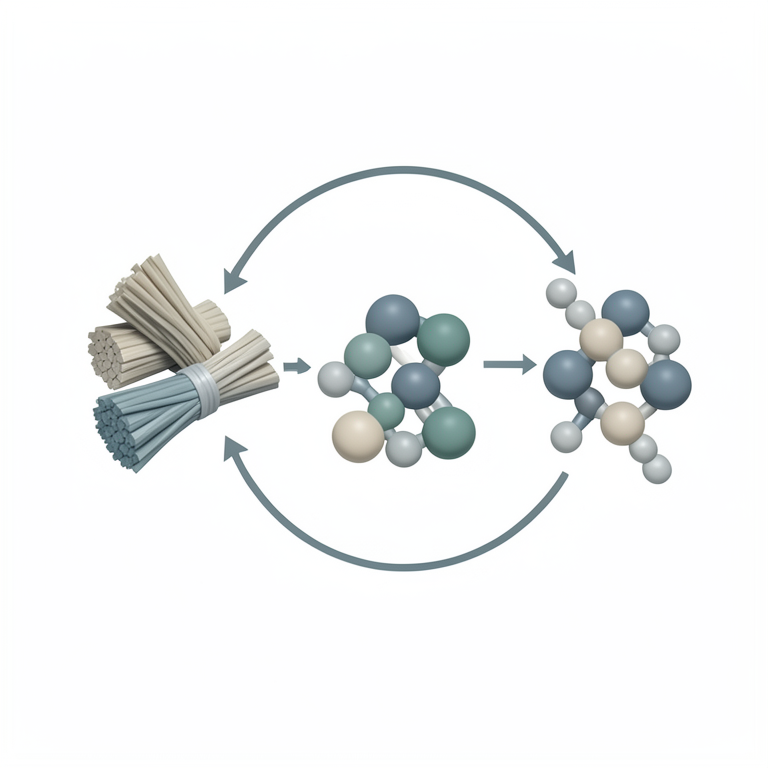
The Cellulolysis Bottleneck
AI-generated conceptual illustration (Cellulose fibers, cellobiose molecules, and glucose molecules). It explains the idea and does not show study data.
View source evidence ↗Figures & tables
From the original paper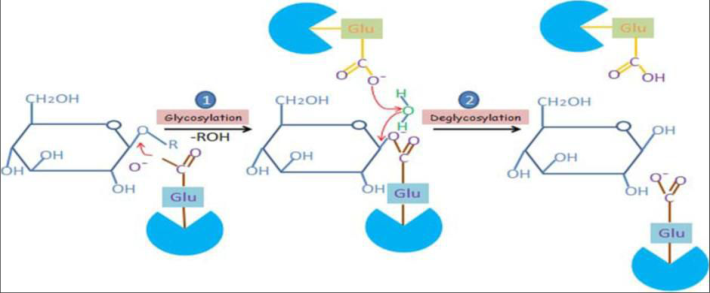 Figure 1
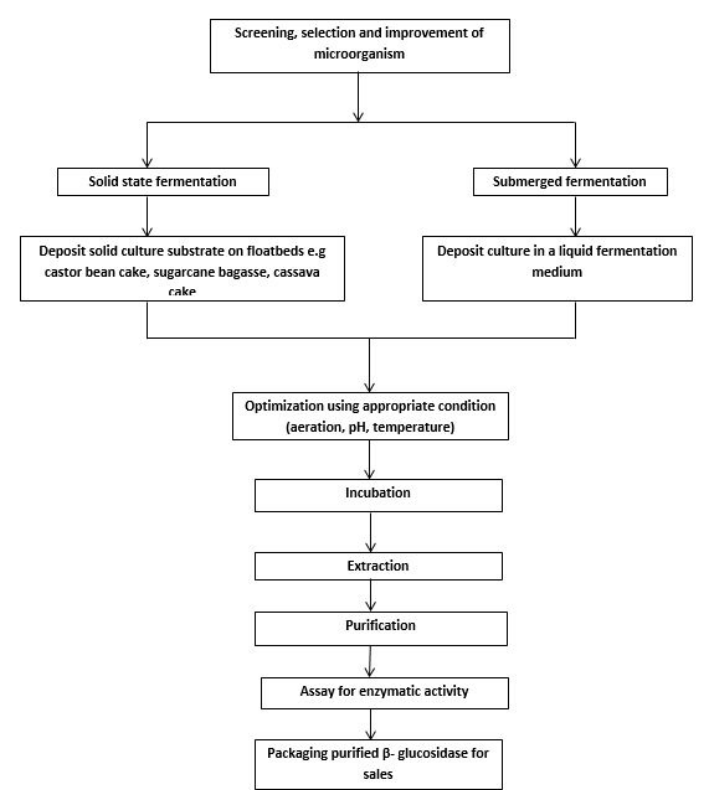 Figure 2
Introduction
β-glucosidase is an enzyme that is ubiquitous in nature and it is being produced by bacteria, fungi, plant and animal not leaving out humans; that are regarded as the non-cellulolytic organisms (Tiwari et al.,2013) [56] . Bhatia et al. (2002) [7] defined β-glucosidase as enzymes which hydrolyse the glycosidic bond of a carbohydrate moiety to release nonreducing terminal glycosyl residues, glycoside and oligosaccharides. Additionally, some novel β-glucosidases with β-galactosidase and β-xylosidase activity have also been reported that it has the ability to hydrolyse β-D-glucosidic bonds of different compounds comprising alkyl-β-D-glucosides, aryl-β-Dglucosides, cyanogenic glucosides, disaccharides and short chain oligosaccharides liberating glucose from their nonreducing end, (Zhou et al., 2012) [61] . β-glucosidase also catalyzes synthetic reactions of oligosaccharides or glycosides under certain situations (Sonia et al., 2008) [52] , of which occurs either by reverse hydrolysis which is a reaction that lowers water activities, traps products or high substrate concentration resulting in a shift of reaction equilibrium toward synthesis under thermodynamic control or by transglycosylation; in this reaction, the donor glycoside is hydrolysed by the enzyme resulting in enzyme-glycosyl intermediate which is in turn attacked by a nucleophile other than water such monosaccharide, disaccharide, aryl-amino, alkyl-alcohol or monoterpene alcohol to yield a new elongated product under the kinetic control (Singhania et al.,2013) [50] . In many physiological processes, β-glucosidase plays important fundamental roles (veena et al., 2013) such roles in plants are; defense against pests, phytohormones activation, catabolism of cell wall in plants and both plant-microbes and plant-insects interaction, lignification, secondary metabolism and fruit ripening (Morant et al., 2008; Ren et al., 2008) [36] . Examples of such roles in microorganisms are; cellulose hydrolysis, carbon recycling and cellulase gene induction (Doi and Kosugi, 2004) [15] . In mammals, example of the roles is; hydrolysis of glucosyl ceramides and in humans its defect causes Gaucher's disease in which accumulation of glycoceramides takes place in the lysosomal tissues (Butters, 2007) [11] . Microbial β-glucosidases have the potential application in many biotechnological processes such as bioethanol production, improvement of the aroma in wine and fruit juices industry through release of the aromatic compounds from flavourless glycosides and are also used to hydrolyse isoflavone glycosides thereby increasing its absorption from small intestine positively affecting human health (Michlmayr and Kneifel, 2014) [35] . β-glucosidases is also important in the detoxification of cassava and deinking of waste paper (Obili et al., 2004; Elliston et al., 2013) [37,17] . β-glucosidase is used in biosynthesis of alkyl glycosides and oligosaccharides which are compounds that have wide range of uses in medicine as therapeutics agents, diagnostics tools, and as growth promoters for probiotics bacteria (Seeberge and Werz, 2007) [46] . Alkyl glycosides possess an anionic surfactant properties and can be used as antimicrobial agents, and in cosmetics, detergent pharmaceutical, and foods industries (Bankova et al.,2006) [6] . Microbial β-glucosidases are produced in low quantities, and DOI: https://doi.org/10.33545/26649926.2019.v1.i1a.5 are in turn inhibited by glucose which is their end product (Yang et al., 2015) [60] , resulting in accumulation of cellobiose during cellulolysis which in turn inhibits endo-glucanase and exo-glucanase thereby making β-Glucosidase the key enzyme in determining the cellulase efficiency and the bottle neck in bioethanol production through biomass conversions (Rani et al., 2014) [40] . Researches are ongoing towards finding or developing microorganisms with high productivity of βglucosidase with high glucose tolerance, thermostability and catalytic efficiency (Amer et al., 2017) [2] . The classification of β-glucosidase is a challenge, because when β-glucosidase cleaves β-D-glucosidic bonds from a variety of compounds glucose is released as the end product, thus, differing greatly in their substrate specificity particularly with regard to the aglycone moiety (Bhatia et al., 2002) [7] but the two widely accepted methods for their classification are; Classification based on substrate specificity where it is further categorized into three classes which are; aryl-β-glucosidases hydrolyzing only aryl-β-glucoside linkage, cellobiases hydrolyzing only cellobiose, and broad substrate specificity βglucosidase hydrolyzing wide range of substrates with different bonds such as β(1→4), β(1→3), β(1→6), α(1→4), α(1→3), and α(1→6) linkage of which most of the known microbial β-glucosidases show broad substrate specificity (Langston et al., 2006; Singhania et al., 2013) [27,50] Classification based on nucleotide sequences identity and hydrophobic cluster analysis (Krisch et al.,2010), here βglucosidases are placed in Glycoside Hydrolase (GH) family 1 and family 3 as in Carbohydrate active enZyme database "CaZy" (Bohlin et al.,2013) [8] of which β-Glucosidases belonging to GH family 1 are reported from archeabacteria, plants and animals while β-glucosidases belonging to GH family 3 are from bacteria, fungi and yeast, although βglucosidase can also be found in family 5, 9, 30 and 116 (Michlmayr and Kneifel, 2014) [35] . Depending on the configuration of anomeric carbon atom of the released glucose β-glucosidase are either retaining or inverting enzymes for example; inverting β-glucosidase the resulting glucose has α-configuration whereas in retaining βglucosidase cleaves β-glucosidic bond with the resulting glucose unit has β-configuration. β-Glucosidase belonging to GH family 1 and 3 are retaining enzyme while those placed in GH family 9 are inverting enzymes (Caim and Esen, 2010) [12] . The mechanism of action employed by both inverting and retaining enzymes follow acid-base catalysis mechanism with two residues at their active site, in catalysis generally, acid or base catalyst and nucleophile, are involved. Retaining enzymes use two step reaction to catalyse the hydrolysis which are; glycosylation and deglycosylation, or double displacement mechanisms. In glycosylation step, a proton is donated by the catalytic acid or base to the substrate leading to formation of oxocarbonium ion, and then the nucleophile attacks the anomeric carbon atom yielding enzyme-glycosyl intermediate while in the deglycosylation step, a water molecule attacks enzyme-glycosyl intermediate to displace the catalytic nucleophile from the glucose with basic assistance of the catalytic acid/base as shown in figure 1 (Qi et al., 2008) [39] . Inverting enzymes uses a step reaction to catalyse the hydrolysis of glycosidic bond, where one water molecule acts as nucleophile and attacks the anomeric carbon atom to displace the aglycone (Qi et al., 2008) [39] . [2] . This review will describe the microbial sources of βglucosidases, production methods along with factors affecting their production and biotechnological applications of βglucosidases based on hydrolytic and synthetic activities.
Sources of β-Glucosidase
β-lucosidase is an enzyme that is ubiquitous in nature enzyme and can be produced by all life domains such as bacteria, fungi, plants and animals, the β-glucosidase produced by animals and plants has been purified and characterized (Li et al., 2005). Microorganisms are considered the best choice for enzyme productions in industrial utilization due to the following reasons; rapid microbial growth thereby speeding up the production of enzyme, easy handling of microorganisms since they require less space making the processes cost effective, microorganisms can easily be manipulated with help of genetic engineering, mutagenesis and direct evolution and furthermore, some microorganisms possess the ability to produce enzymes with special characteristic such as alkalophilicity and thermostablility which can be utilized in many industries requiring such harsh conditions (Sundarram and Murphy, 2014) [55] . β-glucosidase can be produced by fungi and bacteria, but fungal βglucosidase are the preferred because fungi are preferred source of cellulase enzymes (Amore et al., 2013) [3] .
Fungal Sources of β-Glucosidase
Majority of β-glucosidase extracellular enzymes belonging to GH family 3 has been isolated, purified, and characterized from many fungal species, for instance, β-glucosidase has been produced and characterized from Trichoderma reesei, the filamentous fungus Acremonium persicinum, Aspergillus oryzae, lanuginosus-SSBP, Thermoascus aurantiacus, Chaetomium thermophilum var. coprophilum, Penicillium purpurogenum, Daldinia eschscholzii, Melanocarpus spp. MTCC 3922, Neocallimastix patriciarum W5, Monascus purpureus and brown-rot basidiomycete Fomitopsis palustris (Amer et al., 2017) [2] . β-glucosidase recently has also been produced from Penicillium purpurogenum KJS506, Phoma spp. KCTC11825BP, Aspergillus fumigatus Z5, Penicillium italicum, Fusarium proliferatum NBRC109045, Aspergillus saccharolyticus, Aspergillus niger A20, Fusarium solani, Flammulina velutipes, Monascus sanguineus, Sporothrix schenckii, Gongronella butleri and Fusarium oxysporum (Amer et al., 2017) [2] . Although Trichoderma reesie is the major source of industrial cellulase, it lacks sufficient amount of β-glucosidase activity for efficient cellulolysis, therefore supplementary β-glucosidase is required for efficient biomass hydrolysis. The fungal species Aspergillus niger is the major source of commercial β-glucosidase under the name of Novazym188 (Sørensen et al., 2013) [53] .
Bacterial Sources of β-Glucosidase
Bacteria have been the centre of many researchers for production of cellulases and β-glucosidase because of their high multiplication rate and robust properties exhibited by bacterial enzymes but they secrete cellulase enzyme in low quantities (Lynd et al., 2013) [29] . Several bacterial species have the ability to produce β-glucosidase and they have been identified, purified and characterized from several bacterial species such as Clostridium thermocellum, Pyrococcus furiosus, Bacillus circulans subspp.
Alkalophilus, flavobacterium johnsoniae, Actinomycete Thermobifida fusca, Paenibacillus spp. Strain C5, Lactobacillus brevis, Caldicellulosiruptor saccharolyticus, and Terrabacter ginsenosidimutans spp (Amer et al., 2017) [2] . High glucose tolerant β-glucosidase with high specific activity toward cellobiose from Thermoanaerobacterium thermosaccharolyticum has been characterized and βglucosidase with ability to transform ginsenoside Re to the minor ginsenoside Rg 2 from Pseudonocardia spp. Gsoil 1536 has also been identified (Du et al., 2014).
Microbial Production of Β-Glucosidase
The major source of concern to researchers generally is the search for microorganisms with high β-glucosidase productivity to overcome the problem of low amount production of β-glucosidase, for instance, Trichoderma reesie, cellulase hyperproducer species lacks sufficient β-glucosidase activity (Martinez et al., 2008) [32] . Solid state fermentation (SSF) or submerged fermentation (SMF) have been used to produce β-glucosidases from number of fungi and bacteria (Baraldo et al., 2014) [9] . Solid state fermentation (SSF) has been extensively studied with thousands of publications describing various types of bioreactor designs, process conditions and microorganisms for the production of various value added products like SCP, feeds, enzymes, ethanol, organic acids, B-complex vitamins, pigments, flavours, (Singhania et al., 2009) [49] . This process consists of depositing a solid culture substrate, such as rice or wheat bran, on flatbeds after seeding it with microorganisms; the substrate is then left in a temperature-controlled room for several days. Liquid state fermentation is performed in tanks, which can reach 1,001 to 2,500 square metres (10,770 to 26,910 sq ft) at an industrial scale. Liquid culture is ideal for the growing of unicellular organisms such as bacteria or yeasts. To achieve liquid aerobic fermentation, it is necessary to constantly supply the microorganism with oxygen, which is generally done via stirring the fermentation media and accurately managing the synthesis of the desired metabolites requires regulating temperature, soluble oxygen, ionic strength and pH and control nutrients (Capalbo et al., 2001) [13] . In solid state fermentation, the microorganism is grown on solid substrate which is used up steadily and slowly, therefor can be carried out for long period of time. Examples of substrate used are; castor bean cake, sugarcane bagasse, cassava cake, wheat bran, rice straw or corn husk solely or in combination. Solid state fermentation is more suited for cultivation of microorganisms with less moisture content requirement. The merits of SSF are high productivity, cheap substrate utilization, low energy requirement, minimal water output and lacking of foam up, while heat generation and lacking knowledge on automation are the demerit of SSF (Coradi et al., 2014) [14] . Generally, in submerged process of fermentation, substrate used for fermentation is always in liquid state which contains the nutrients needed for growth. The fermentor which contains the substrate is operated continuously and the product biomass is continuously harvested from the fermentor by using different techniques then the product is purified and screened for enzyme activity, aeration is also an important operation in the cultivation, heat is generated during cultivation and it is maintained by using a cooling device and the microbial biomass can be harvested by various methods (Kargi et al., 2005) [25] . In submerged fermentation, microorganisms are cultivated in free flowing liquid such as molasses and broth containing different nutrients, into which bioactives, enzymes, and metabolic wastes are secreted into this liquid fermentation medium and the substrates are rapidly utilized therefore continuous supplementation with nutrients is needed. This fermentation technique is best for cultivation of microorganisms that require high moisture content such as bacteria. The major merits of SMF are the easiness of; sterility, heat and mass transfer, process monitoring and automation, and extraction and recovery of enzymes and bioactives (Subramaniyam and Vimala, 2012) [54] . After the fermentation process, the enzyme will be extracted using appropriate extraction technique and purified before being assayed for its enzymatic activity and finally packaged for marketing and sale. The flow chart for the production is illustrated in figure 2.
Factors to Consider During Production of β-Glucosidase
One of the very important steps for profitable enzyme production and commercialization is optimization of fermentation conditions, of which there are many factors which needed to be carefully optimized during fermentation processes for enzyme production and such factors include; carbon source and concentration, nitrogen source and concentration, salts, pH, temperature, oxygen availability, fermentation period, inoculum size (Melikoglu et al., 2013) [33] . among others factors, the optimal conditions for fermentation vary depending on the species of microorganisms, desired end product such as enzymes, and method of production.
Carbon source
Microorganisms synthesize β-glucosidase which is an inducible enzyme among other cellulases, in response to various carbon sources incorporated into the fermentation medium and these carbon sources may be complex in nature such as cellulose, wheat bran, rice straw, rice husk, sugar cane bagasse, and pectin, or simple sugar such as glucose, lactose, cellobiose, or sophorose. Complex sugar cannot enter the cells through cell membrane, it is therefore believed that some constitutively expressed enzymes degrade them to simple sugar such as cellobiose and lactose, which can then be transported through the cell membrane using specific transporters to the cytosol where they induce the expression of these enzymes in poorly understood mechanism (Zhou et al., 2012) [61] . Metabolizable sugar such as glucose in phenomenon also known as catabolite repression represses the synthesis of β-glucosidase, and other cellulases (Sirilun et al., 2016) [51] . In the production of β-glucosidase, the optimal carbon source varies depending on the species used in βglucosidase production, fermentation method, and other fermentation parameters and interaction among these factors. For instances, optimum production of extracellular and intracellular β-glucosidase from Chaetomium thermophilum var. coprophilum was achieved when sugarcane bagasse and avicel used as carbon source, respectively (venture et al., 2002). In the production of β-glucosidase with high glucosetolerance (HGT-BGL) using Aspergillus oryzae optimum production is achieved by using quercetin as carbon source (Amer et al., 2017) [2] . Two extracellular β-glucosidase are expressed when pectin was used as carbon source under solid state fermentation by Aspergillus strain SA 58 (Ng et al., 2010). Microbial consortium of Aspergillus niger and A. oryzae's optimal production of β-glucosidase was achieved when wheat bran was used as carbon source, more interestingly, an optimal production of extracellular βglucosidase from Candida peltata was achieved when it was grown on glucose and xylose containing broth medium both of which are considered simple metabolizable sugar and a catabolite repressor for these genes (Amer et al., 2017) [2] . Kluyveromyces marxianus produced optimal β-glucosidase when cultivated in medium containing cellobiose, sucrose and lactose and Aureobasidium pullulans produced highest level of extracellular β-glucosidase when cultivated on medium containing lactose and corn bran (Iembo et al., 2002) [22] . Optimum production of extracellular β-glucosidase from Proteus mirabilis VIT117 was achieved in medium supplemented with sorbitol as carbon source (Amer et al., 2017) [2] .
Nitrogen source
Nitrogen is essential for microbial growth, thus making nitrogen source a vital component of the fermentation medium to enable microorganism to synthesize amino acids, proteins, nitrogenous compounds, vitamins, nucleic acids and bioactives (Sundarram and Murthy, 2014) [55] . Nitrogen source can either be from organic source such as; peptone, yeast extract, beef extract, tryptone, and soybean meal or from inorganic sources such as ammonium sulphate, ammonium chloride, ammonium hydrogen phosphate. Different species required different nitrogen sources for optimum β-glucosidase production, medium containing bean cake powder as nitrogen source for optimum production of β-glucosidase from Penicillium simplicissimum H-11, when Chaetomium thermophilum var. coprophilum was grown using peptone and yeast extract as nitrogen source, optimum production of βglucosidase was achieved (Venturi et al., 2002) [52] . Aspergillus strain SA 58 produced high level of extracellular β-glucosidase when cultured on medium containing beef extract as nitrogen source while least production was observed when cultured on ammonium salts as nitrogen source (Ng et al., 2010). Flammulina velutipes produced highest βglucosidase activity when L-asparagine was used as nitrogen source in comparison to other ammonium salts which produced negligible to low activity (Jeya and Lee, 2013) [23] . The mechanism by which these nitrogen sources influence the expression of β-glucosidase is not clear and more future investigation is required (Amer et al., 2017) [2] .
Temperature
Temperature is essential in microbial cell growth and the production of β-glucosidase temperature varies from species to species but usually in line with optimal temperature for microorganism growth. For instance, β-glucosidase has been produced from Monascus purpureus at 30°C, Penicillium italicum at 28°C, Chaetomium thermophilum var. coprophilum at 45°C, Penicillium simplicissium H-11 at 30°C, Daldinia eschscholzii at 25°C, Thermoascus aurantiacus at 50°C, and Aspergillus oryzae at 28°C (Venturi et al., 2002; Amer et al., 2017) [58,2] . β-Glucosidase have also been produced by bacterial species like; Clostridium thermocellum at 60°C, archaeon Pyrococcus furiosus at 90°C, Lactobacillus brevis at 25°C, flavobacterium Johnsonae at 28°C, psychrotolerant Shewanella spp. G5 at 15°C, these temperatures are exactly the same for species growth and researches has also been conducted on the optimization of temperature for β-glucosidase production from various species rather an arbitrary temperature usually the same for optimal growth is used (Michlmayr et al., 2010) [34] . pH For optimal production of β-glucosidase, different species required different initial pH just like in the case of temperature, pH for β-glucosidase production an arbitrary pH is used and atthis pH, these species grow optimally. For instance, β-glucosidase has been produced from Fusarium oxysporum at pH 6, Penicillium italicum at pH 4.5, Aspergillus oryzae at pH 6.0, Fusarium proiferatum NBRC109045 at pH 5.0, Candida peltata at pH 5.0, Daldinia eschscholzii at pH 5.5, and Phoma spp. KCTC11825BP at pH 4.5. Aspergillus strain SA 58 was found to produce optimal βglucosidase at pH 5.0 when screened from pH 3.0-9.0. Pichia pastoris achieved optimal β-glucosidase production at pH 7.5 when screened from pH 4-8. The microbial consortium of A. niger and A. oryzae was found to produce optimal βglucosidase at pH 5.5 when it was screen from pH 4.5 and 7 (Ng et al., 2010; Amer et al.,2017) [2] .
Fermentation period
Fermentation period is another important factor affecting the production of enzymes. The optimum time for fermentation process has to be considered otherwise optimal production of specific value-added product like enzyme cannot be achieved. Enzyme production of increased with increase of incubation time till it reaches an optimal peak beyond what there is a decline in enzyme production and activity of which the decline in the enzyme production may be attributed to decline in the nutrient availability, accumulation of toxic of waste products, and decrease in the stability of the enzyme itself, for instance; it takes after 4 and 5 days of fermentation, respectively, for optimal β-glucosidase production from Aspergillus niger and Trichoderma spp. after which the production was decreased gradually (Melikoglu et al.,2013) [33] . Optimum extracellular β-glucosidase production from Penicillium purpurogenum, and Chaetomium thermophilum var. coprophilum takes about 96 and 140 hours, respectively (Venturi et al.,2002) [58] , for optimum production of an extracellular β-glucosidase from Fusarium solani, Lichtheimia ramose, and Thermomucor indicae-seudaticae it takes 72, 96 and 196 hours using solid state fermentation (Raza et al., 2011; Abdella et al., 2016) [43,1] . Additionally, there are other number of other factors affecting the production of these bioactives or enzymes such βglucosidase during fermentation processes, these factors include; size of inoculum, moisture content, methods of fermentation, volume of fermentation, fermenter size, substrate concentration, salts and its concentration, aeration, and additives. The exact mechanism by which these factors affects the production of β-glucosidase is not yet understood and it appears to be specific to each species and greatly influenced by interaction between these factors. Future investigation should be centred on understanding the mechanisms by which these factors influence the production of this valuable enzymes and the interaction between various factors so that designing of cost effective processes may be initiated. Moreover, isolation of new microbes, fungi and bacteria, and optimization of fermentation conditions for βglucosidase production under solid state fermentation and submerged fermentation should be highly encouraged in research (Amer et al., 2017) [2] .
Applications of Β-Glucosidase
β-Glucosidase is a hydrolytic enzyme which acts upon β(1-4) glucosidic bonds of disaccharides, oligosaccharides and glucose-substituted molecules and under certain conditions, it also possess the ability to catalyses synthetic reactions through reverse hydrolysis or transglycosylation. β-Glucosidase has numerous biotechnological applications which is broadly classified into two based on its applications, they are; based on hydrolytic activity and based on synthetics activity.
Application Based on Hydrolytic Activity
β-Glucosidase takes part in the hydrolysis of β(1-4) glucosidic linkages of disaccharides like cellobiose, oligosaccharides and glucose-substituted molecules, but some of the novel βglucosidase can hydrolyse bonds such as β (1-3), β (1-6), β (1-2) bonds, thus making it useful in biofuel production, food technology, and biomedical sciences.
Biofuel production
Biofuel production from plant biomass makes use of many enzymes whose major components are cellulases and xylanases that act synergistically to degrade the lignocellulosic material to pentose and hexose sugar which in turn is fermented to ethanol (Hu et al., 2011). The three enzymes that makes up cellulase enzymatic system are, endoglucanase, cellobiohydrolyase, which degrade the cellulose chain to cellobiose and short oligosaccharide and both get inhibited by cellobiose, then β-glucosidase which is the third enzyme hydrolyses cellobiose and oligosaccharides into glucose unit eliminating cellobiose inhibition and increasing the rate of cellulolysis but glucose which is the end product inhibits β-glucosidase itself and thus limiting the rate of cellulose hydrolysis therefore β-glucosidase is considered as the rate-limiting step in cellulolysis pathway and the bottle neck in biofuel production (Balan, 2014; Rani et al., 2015) [5,41] . T. reesei, a filamentous fungus which is regarded as cellulase hyperproducers lacks sufficient amount of βglucosidase, which is another problem in biomass conversion and biofuel production (Treebupachatsakul et al., 2016) [57] . Therefore, majority of reported β-glucosidase identified and characterized for their biochemical and kinetics properties are meant to be used in biomass hydrolysis and in solving these problems associated with β-glucosidase like low productivity and glucose sensitivity (Pei et al., 2012) [38] .
Flavour improvement
Research over the decade has shown that that most of the flavour compounds in plants and fruit tissue exist in form of glycoconjugate rendering them flavourless and non-volatile compounds (Maicas and Mateo, 2005) [31] . Fruits such as grape, yellow plum, mango, and strawberry contain glycoside flavour compounds that are complex and diverse in their structures particularly aglycone moiety and the glycone part usually consist of glucose unit conjugated to various glycosides such as 6-O-α-L-arabinofuranosyl-β-Dglucopyranosides, and 6-O-α-L-arabinopyranosyl-β-Dglucopyranosides. Flavourless compounds are made available to flavour content by hydrolysing them, the to release aglycone part the hydrolysis can be carried out using acids or, most preferably enzymes (Whitaker et al., 2003) [59] . The enzymatic hydrolysis is carried out in two sequential steps, firstly, enzymes such as α-L-rhamnosidase, or α-Larabinosidase cleaves of the terminal sugar: arabinose and rhamnose, secondly, β-glucosidase acts upon the corresponding β-D-glucoside releasing glucose and aglycone moiety such as monoterpenol, but, β-glucosidase from plants such as grapes has low activity and unstable under wine making conditions therefore adding β-glucosidase from microbes with high activity and stability is mandatory for complete hydrolysis of flavour compounds. β-Glucosidase with high hydrolytic efficiency for terpenyl glycoside has been reported from Sporidiobolus pararoseus, and Aureobasidium pullulans suggesting their potential application for the development of wine aroma (Baffi et al.,2013) [4] .
Cassava detoxification
Cassava is a carbohydrate rich tuber that grows in many parts of the world and are consumed by about 500 million people in the world, but the consumption of raw cassava is harmful to human health due the presence of cyanogenic glycoside such as linamarin and lotaustralin however, β-Glucosidase has been used in the detoxification of cassava (Amer et al., 2017) [2] . Moreover, a correlation between prolonged consumption of cassava products and human central nervous system syndrome "Konzo" has been established. Normally, during processing and grating by endogenous β-glucosidase and linamarase present in the root, cassava is detoxified, but these enzymes are expressed insufficiently leaving part of cyanogenic glycosides even in the processed food. It is therefore suggested that an exogenous linamarase and β-glucosidase from microbial sources can be utilized to enhance the hydrolysis of cyanogenic glycoside from this important food (Etsuyankpa et al.,2015) [19] .
Deinking of Waste Paper
One of the industries that consume wood the most is paper and pulp industry, and due to increase in the world economy and population this industry is expected to be expanded more thus creating more waste paper which is one of the major environmental pollutants. Presently the recycling of these waste paper is attracting more attention in order to solve this two-dimensional problem which are; forest wood consumption and landfills pollution. Enzymes or chemicals can be used in the recycling of waste paper. The major problem with waste paper recycling is the removal of ink which can be carried out by conventional methods which utilizes several chemicals which are environmentally harmful and decreases the brightness of the paper but the enzymatic method for waste paper recycling has been reported to be efficient in solving these problems. The enzyme preparations for waste paper recycling contain cellulase, β-glucosidase and hemicellulose (Lee et al., 2013; Elliston et al., 2014) [23,18] . Application Based on Synthetic Activity β-glucosidase is known to possess synthetic activity other than hydrolytic activity, for instance, transglycosylation and reverse hydrolysis resulting in the synthesis of a variety of oligosaccharides, aryl-and alkyl-β-D-glycosides which has wide range of applications. The higher regio-and stereoselectivity synthesis of oligosaccharides by β-glucosidase is preferred over glycosyl transferase. Moreover, synthesis of these compounds by β-glucosidase does not require any input energy in form of sugar nucleotides as is the case of glycosyl transferases (Bruins et al., 2003) [10] . Alkyl glycosides have a wide range of applications due to their biodegradable nonionic surfactants owning good emulsifying and antimicrobial properties imparted by their carbohydrate head group (Rather and Mishra, 2013) [7] . N-alkyl glucoside ester formed by reaction of phenyl butyric acid and n-alkyl butyl glucoside by β-glucosidase -lipase is used in treatment of fever. On other hand, synthetic oligosaccharides can be applied as therapeutics agents such as heparin and acarbose, carbohydrate based techniques such as antibacterial, antiparasite and antiviral vaccines, and probiotic agents since they enhance the growth of beneficial microorganisms in human gut flora (Bruins et al., 2003) [10] .
Conclusion β-glucosidase is a vital component of cellulase system
produced by all life domains and playing important roles in many processes of life, therefore, making it to have wide spectrum of applications for instance in biofuel production, food technology and biomedical sciences. Although βglucosidase is produced by microorganisms in low quantities, and inhibited by glucose which is its end-product thereby limiting its application in biomass hydrolysis and biofuel production. The search for novel and improved β-glucosidase is still continued to fulfil the demand of an industrially suitable enzyme with high productivity of β-glucosidase with high glucose tolerance, thermostability and catalytic efficiency.
Recomendations
Recomendations
Strain improvement research should centre on finding
improved strains of microorganisms with high βglucosidase production and catalytic efficiency, thermostability and glucose-tolerance. 2. Studies should be conducted towards identifying the structure of β-glucosidase at molecular level.
3. Identification of more strains of microorganisms able to produce β-glucosidase and genetically manipulating these microorganisms to produce β-glucosidase on a large scale.
References
60 in the original paper- Abdella A, Mazeed TES, El-Baz AF, Yang ST. Production of β-glucosidase from wheat bran and glycerol by Aspergillus niger in stirred tank and rotating fibrous bed bioreactors. Journal of Process Biochemistry. 2016; 51(10):1331-1337.
- Amer A, Faiz UN, Kashfa B, Aasia B. Microbial βGlucosidase: Sources, Production and Applications. Journal of Applied and Environmental Microbiology. 2017; (5)1:31-46.
- Amore A, Giacobbe S, Faraco V. Regulation of cellulase and hemicellulase gene expression in fungi. Current genomics. 2013; 14(4):230-249.
- Baffi MA, Tobal T, Lago JHG, Boscolo M, Gomes E, Da-Silva R. Wine aroma improvement using a βglucosidase preparation from Aureobasidium pullulans. Applied biochemistry and biotechnology. 2013; 169(2):493-501.
- Balan V. Current challenges in commercially producing biofuels from lignocellulosic biomass. ISRN biotechnology. 2014; 87(4):467-478.
- Bankova E, Bakalova N, Petrova S, Kolev D. Enzymatic synthesis of oligosaccharides and alkylglycosides in water-organic media via transglycosylation of lactose. Biotechnology and Biotechnological Equipment. 2006; 20(3):14-119.
- Bhatia Y, Mishra S, Bisaria V. Microbial β-glucosidases: cloning, properties, and applications. Critical reviews in biotechnology. 2002; 22(4):375-407.
- Bohlin C, Praestgaard E, Baumann MJ, Borch K, Praestgaard J, Monrad RN, Westh P. A comparative study of hydrolysis and transglycosylation activities of fungal β-glucosidases. Applied microbiology and biotechnology. 2013; 97(1):159-169.
- Baraldo JA, Borges DG, Tardioli PW, Farinas CS. Characterization of β-Glucosidase Produced by Aspergillus niger under Solid-State Fermentation and Partially Purified Using MANAE-Agarose. Biotechnology research international. 2014; 9(3):370-375.
- Bruins ME, Strubel M, van Lieshout JFT, Janssen AEM, Boom RM. Oligosaccharide synthesis by the hyperthermostable β-glucosidase from Pyrococcus furiosus: kinetics and modelling. Enzyme and Microbial Technology. 2003; 33(1):3-11.
- Butters TD. Gaucher disease. Current Opinion in Chemical Biology. 2007; 11:412-418.
- Cairns JRK, Esen A. β-Glucosidases. Cellular and Molecular Life Sciences. 2010; 67(20):3389-3405.
- Capalbo FH, Moraes IO, Pelizer MH. Solid-state fermentation of Bacillus thuringiensistolworthi to control fall armyworm in maize. Electrical Journal of Biotechnology. 2001; 4(2):1-5.
- Coradi GV, Da Visitação VL, De Lima EA, Saito LYT, Palmieri DA, Takita MA, et al. Comparing submerged and solid-state fermentation of agro-industrial residues for the production and characterization of lipase by Trichoderma harzianum. Annalysis of Microbiology. 2013; 63(2):533-540.
- Doi RH, Kosugi A. Cellulosomes: plant-cell-walldegrading enzyme complexes. Nature Reviews Microbiology. 2004; 2(7):541-551.
- Du J, Cui CH, Park SC, Kim JK, Yu HS, Jin FX, et al. Identification and Characterization of a GinsenosideTransforming β-Glucosidase from Pseudonocardia sp. Gsoil 1536 and Its Application for Enhanced Production of Minor Ginsenoside Rg 2 (S). PloS one. 2014; 9(6):e96914.
- Elliston A, Collins SRA, Wilson DR, Roberts IN, Waldron KW. High concentrations of cellulosic ethanol achieved by fed batch semi simultaneous saccharification and fermentation of waste-paper. Bioresource technology. 2013; 134:117-126.
- Elliston A, Collins SRA, Faulds CB, Roberts IN, Waldron KW. Biorefining of Waste Paper Biomass: Increasing the Concentration of Glucose by Optimising Enzymatic Hydrolysis. Applied biochemistry and biotechnology. 2014; 172(7):3621-3634.
- Etsuyankpa M, Gimba C, Agbaji E, Omoniyi K, Ndamitso M Mathew J. Assessment of the Effects of Microbial Fermentation on Selected Anti-Nutrients in the Products of Four Local Cassava Varieties from Niger State, Nigeria. American Journal of Food Science and Technology. 2015; 3(3):89-96.
- Handelsman J. Metagenomics: application of genomics to uncultured microorganisms. Microbiology and molecular biology reviews. 2004; 68(4):669-685.
- Hu J, Arantes V, Saddler JN. The enhancement of enzymatic hydrolysis of lignocellulosic substrates by the addition of accessory enzymes such as xylanase: is it an additive or synergistic effect. Biotechnology for biofuels. 2011; 4(1):1-14.
- Iembo T, Da Silva R, Pagnocca F, Gomes E. Production, Characterization, and Properties of β-Glucosidase and βXylosidase from a Strain of Aureobasidium sp. Applied Biochemistry and Microbiology. 2002; 38(6):549-552.
- Jeya M, Lee JK. Optimization of β-glucosidase production by a strain of Stereum hirsutum and its application in enzymatic saccharification. Journal of Microbiology Biotechnology. 2013; 23(3):351-356.
- Kabera JN, Semana E, Mussa AR, He X. Plant Secondary Metabolites: Biosynthesis, Classification, Function and Pharmacological Properties. Journal of Pharmacy and Pharmacology. 2014; 2:377-392.
- Kargi F, Shuler ML, Vashon R, Seeley HW, Henry A, Austic RE. Continuous aerobic conversion of poultry waste into single-cell protein using a single reactor: Kinetic analysis and determination of optimal conditions. Biotechnology and Bioengineering Journal. 2005; 22:1567-1600.
- Krisch J, Takó M, Papp T, Vágvölgyi C. Characteristics and potential use of β-glucosidases from Zygomycetes. Current research, technology and education topics in applied microbiology and microbial biotechnology, 2010, 640-655.
- Langston J, Sheehy N, Xu F. Substrate specificity of Aspergillus oryzae family 3 β-glucosidase. Biochimica et Biophysica Acta (BBA)-Proteins and Proteomics. 2006; 1764(5):972-978.
- Lee CK, Ibrahi D, Omar IC. Enzymatic deinking of various types of waste paper: Efficiency and characteristics. Process Biochemistry. 2013; 48(2):299305.
- Lynd LR, Weimer PJ, Zyl WH, Isak S. Microbial cellulose utilization: fundamentals and biotechnology microbiology. Molecular Biology Reviews, 2002, 66.
- Ng IS, Li CW, Chan SP, Chir JL, Chen PT, Tong CG, Yu SM, Ho THD. High-level production of a thermoacidophilic β-glucosidase from Penicillium citrinum YS40-5 by solid-state fermentation with rice bran. Bioresource technology. 2010; 101(4):1310-1317.
- Maicas S, Mateo JJ. Hydrolysis of terpenyl glycosides in grape juice and other fruit juices: a review. Applied microbiology and biotechnology. 2005; 67(3):322-335.
- Martinez D, Berka RM, Henrissat B, Saloheimo M, Arvas M, Baker SE, Chapman J, Chertkov O, Coutinho PM, Cullen D. Genome sequencing and analysis of the biomass-degrading fungus Trichoderma reesei (syn. Hypocrea jecorina). National Biotechnology. 2008; 26(5):553-560.
- Melikoglu M, Lin CSK, Webb C. Stepwise optimisation of enzyme production in solid state fermentation of waste bread pieces. Food and Bioproducts Processing. 2013; 91(4):638-646.
- Michlmayr H, Schümann C, Barreira Braz Da Silva N, Kulbe K, Del Hierro A. Isolation and basic characterization of a β-glucosidase from a strain of Lactobacillus brevis isolated from a malolactic starter culture. Journal of applied microbiology. 2010; 108(2):550-559.
- Michlmayr H, Kneifel W. β-Glucosidase activities of lactic acid bacteria: mechanisms, impact on fermented food and human health. FEMS Microbiology letters. 2014; 352(1):1-10.
- Morant AV, Jørgensen K, Jørgensen C. Paquette SM, Sánchez-Pérez R, Møller BL, Bak S. β-Glucosidases as detonators of plant chemical defense. Phytochemistry. 2008; 69(9):1795-1813.
- Obilie EM, Tano-Debrah K, Amoa-Awua WK. Souring and breakdown of cyanogenic glucosides during the processing of cassava into akyeke. International Journal of Food Microbiology. 2004; 93(1):115-121.
- Pei J, Pang Q, Zhao L, Fan S, Shi H. Thermoanaerobacterium thermosaccharolyticum βglucosidase: a glucose-tolerant enzyme with high specific activity for cellobiose. Biotechnology Biofuels. 2012; 5(31):1-10.
- Qi M, Jun HS, Forsberg CW. Cel9D, an Atypical 1,4-β-dGlucan Glucohydrolase from Fibrobacter succinogenes: Characteristics, Catalytic Residues, and Synergistic Interactions with Other Cellulases. Journal of bacteriology. 2008; 190(6:1976-1984.
- Rani V, Mohanram S, Tiwari R. Nain L, Arora A. BetaGlucosidase: Key Enzyme in Determining Efficiency of Cellulase and Biomass Hydrolysis. Journal of Bioprocess Biotechniques. 2014; 5(197):2.
- Rani V, Mohanram S, Tiwari R, Nain L, Arora A. Betaglucosidase: Key enzyme in determining efficiency of cellulase and biomass hydrolysis. Journal of Bioprocessing & Biotechniques. 2015; 6(4):145-150.
- Rather M, Mishra S. β-Glycosidases: An alternative enzyme based method for synthesis of alkylglycosides. sustain chemistry process. 2013; 1(1):1-15.
- Raza F, Raza NA, Hameed U, Haq I, Maryam I. Solid state fermentation for the production of β-glucosidase by co-culture of Aspergillus niger and A. oryzae. Pakistan Journal of Botany. 2011; 43:75-83.
- Ren JN, Yang ZY. Tai YN, Don M, He MM, Fan G. Characteristics of β-glucosidase from oranges during maturation and its relationship with changes in bound volatile compounds. Journal of the Science of Food and Agriculture, 2014.
- Rooks DJ, McDonald JE, McCarthy AJ. Metagenomic approaches to the discovery of cellulases. Methods Enzymology. 2012; 510:375-394.
- Seeberger PH, Werz DB. Synthesis and medical applications of oligosaccharides. Nature Biotechnology. 2007; 446(7139):1046-1051.
- Simon C, Daniel R. Metagenomic Analyses: Past and Future Trends. Applied and environmental Microbiology. 2011; 77(4):1153-1161.
- Singh BK. Exploring microbial diversity for biotechnology: the way forward. Trends in Biotechnology. 2010; 28(3):111-116.
- Singhania AK, Soccol CR, Pandey A. Recent advances in solid state fermentation. Biochemical Engineering Journal. 2009; 9:667-789
- Singhania RR, Patel AK, Sukumaran RK, Larroche C, Pandey A. Role and significance of beta-glucosidases in the hydrolysis of cellulose for bioethanol production. Bioresource Technology. 2013; 127:500-507.
- Sirilun S, Chaiyasut C, Pengkumsri N, Peerajan S, K, Suwannalert P, Sivamaruthi BS. Screening and characterization of β-glucosidase production by Saccharomyces cerevisiae, International Journal Science Nature. 2016; 7:420-426.
- Sonia K, Chadha B, Badhan A, Saini H, Bhat M. Identification of glucose tolerant acid active βglucosidases from thermophilic and thermotolerant fungi. World Journal of Microbiology and Biotechnology. 2016; 24(5):599-604.
- Sørensen A, Lübeck M, Lübeck PS, Ahring BK. Fungal beta-glucosidases: a bottleneck in industrial use of lignocellulosic materials. Biomolecules. 2013; 3(3):612631.
- Subramaniyam R, Vimala R. Solid state and submerged fermentation for the production of bioactive substances: A comparative study. International Journal Science Nature. 2012; 3:480-486.
- Sundarram A, Murthy TPK. α-amylase production and applications: A review. Journal of Applied & Environmental Microbiology. 2014; 2(4):166-175.
- Tiwari P, Misra B, Sangwan NS. β-Glucosidases from the fungus Trichoderma: an efficient cellulase machinery in biotechnological applications. BioMedical research international, 2013.
- Venturi LL, de Lourdes Polizeli M, Terenzi HF, dos Prazeres Melo Furriel R, Jorge JA. Extracellular β-Dglucosidase from Chaetomium thermophilum var. coprophilum: production, purification and some biochemical properties. Journal of basic microbiology. 2002; 42(1):55.
- Whitaker JR, Voragen AG, Wong DW. Handbook of food enzymology: Marcel Dekker, 2003.
- Yang Y, Zhang X, Yin Q, Fang W, Fang Z, Wang X, et al. A mechanism of glucose tolerance and stimulation of GH1 β-glucosidases. Scientific Reports. 2015; 5:17296.
- Zhou J, Bao L, Chang L, Liu Z, You C, Lu H. Betaxylosidase activity of a GH3 glucosidase/xylosidase from yak rumen metagenome promotes the enzymatic degradation of hemicellulosic xylans. Letter of Applied Microbiology. 2012; 54(2):79-87.
Cited by 3
From OpenAlex, OpenCitations and reference lists read by Scinovex
- β-Glucosidase Activity of Lactiplantibacillus plantarum: A Key Player in Food Fermentation and Human Health ↗
Gianluca Paventi, Catello Di Martino, Francesca Coppola, Massimo Iorizzo · Foods · 2025
β-glucosidases are a relevant class of enzymes in food industry due to their role in hy-drolyzing different types of glycosidic bonds. This activity allows for formation of vola-tile compounds and release of bioactive aglycone compounds. In addition to endoge-nous β-glucosidase activity present in raw material, the function of β-glucosidases of fermenting microorganisms has been progressively clarified and increasingly appreci-ated. In…
❝ 71PDF - Biochemical Characterization of a Novel, Glucose-Tolerant β-Glucosidase from Jiangella ureilytica KC603, and Determination of Resveratrol Production Capacity from Polydatin ↗
Arife Kaçıran, Miray Şahinkaya, Dilşat Nigar Çolak, Numan Saleh Zada, Murat Kaçağan, Halil İbrahim Güler et al. · Applied Biochemistry and Biotechnology · 2025
Abstract Β-glucosidase, a ubiquitous enzyme, is responsible for catalyzing the hydrolysis of β-glycosidic linkages present in polysaccharides and contributes significantly to several industrial sectors such as food, agriculture, and biofuel production. β-glucosidases can convert polydatin to resveratrol through de-glycosylation. Resveratrol is important for human health and has potential applications in pharmacology. The preference of enzymatic conversion methods for resveratrol production…
❝ 2PDF - Characterization and detection techniques of marine microbial products ↗
Innocent Ojeba Musa, Abdulhakeem Idris Abdulhakeem, Peter Olabisi Abioye, Helen Shnada Auta, Mustapha Abdulsalam, Miracle Uwa Livinus et al. · Elsevier eBooks · 2026
❝ 0