
Research article · 2020 · Full text
International Journal of Biology SciencesPeople perception on wildlife in national Chambal sanctuary, Madhya Pradesh, India
Volume 2(1) · Pages 08–15 · DOI: 10.33545/26649926.2020.v2.i1a.16 ↗
Research areasWildlife Ecology and ConservationWildlife-Road Interactions and ConservationAnimal and Plant Science Education
Abstract
Author-writtenToday, successful wildlife conservation plan involves not only an understanding of the biology of the species and its habitat, but also an understanding of local attitudes toward and knowledge about the wildlife species and attitudes toward possible management approaches to the wildlife species. Human-induced action in natural landscapes tends to increase interaction between wildlife and people inside and outside protected areas. People Perceptions provide an important means of assessing the performance of conservation projects so that better policies on wildlife may be developed for effective biodiversity protection and the wellbeing of people living near protected areas.
Summary
Source-checkedPlain-language reading of the full paper, prepared with AI and checked against the text. Each point links to the authors' own words.
Why it matters
- Effective wildlife conservation requires understanding both the biology of species and the attitudes and knowledge of local people regarding those species and their management. View evidence ↗
- Analyzing people's perceptions helps assess conservation project performance to develop policies that protect biodiversity while supporting the wellbeing of nearby residents. View evidence ↗
- Human activities cause fragmentation of natural landscapes, which increases the frequency of interactions between people and wildlife. View evidence ↗
The question
- The study aims to report and understand the perceptions of local people regarding wildlife management in the National Chambal Sanctuary. View evidence ↗
What they did
- Field visits and data collection were conducted in the study area from January 2017 to December 2019. View evidence ↗
- The research used a two-stage approach: semi-structured questionnaire interviews with randomly selected village respondents and questionnaires for relevant wildlife management departments to gather secondary data. View evidence ↗
- The study sampled a total of 2,240 respondents across 125 villages within the National Chambal Sanctuary. View evidence ↗
What they found
- A majority of respondents (73.00%) reported having experienced wild animals in their natural habitat. View evidence ↗
- Perceptions of wildlife presence in the sanctuary were split, with 39.47% supporting it and 38.86% disliking it. View evidence ↗
- A significant portion of respondents disagreed (43.07%) or strongly disagreed (13.06%) that the presence of wildlife in the sanctuary benefits tourism for the forest department. View evidence ↗
- When comparing crocodile species, 38.89% of respondents viewed the mugger as more dangerous to humans than the gharial, while 28.10% viewed the gharial as more dangerous. View evidence ↗
- Awareness of crocodile conservation was very low, with 81.44% of respondents stating they were not aware of it. View evidence ↗
- Most respondents (71.42%) had never seen a dolphin in the sanctuary, while only 28.58% had seen or known of them. View evidence ↗
- Illegal sand mining along the river banks severely negatively impacts the basking and nesting sites used by Gharials. View evidence ↗
What it means
- The authors conclude that there is a critical need to increase awareness among local villagers regarding the benefits and goals of wildlife conservation programs. View evidence ↗
- The authors recommend creating job opportunities for local residents to reduce their economic dependence on forest resources. View evidence ↗
Visual summary
2 visualsIllustrations explain the paper; charts are replotted from the paper's own table values.
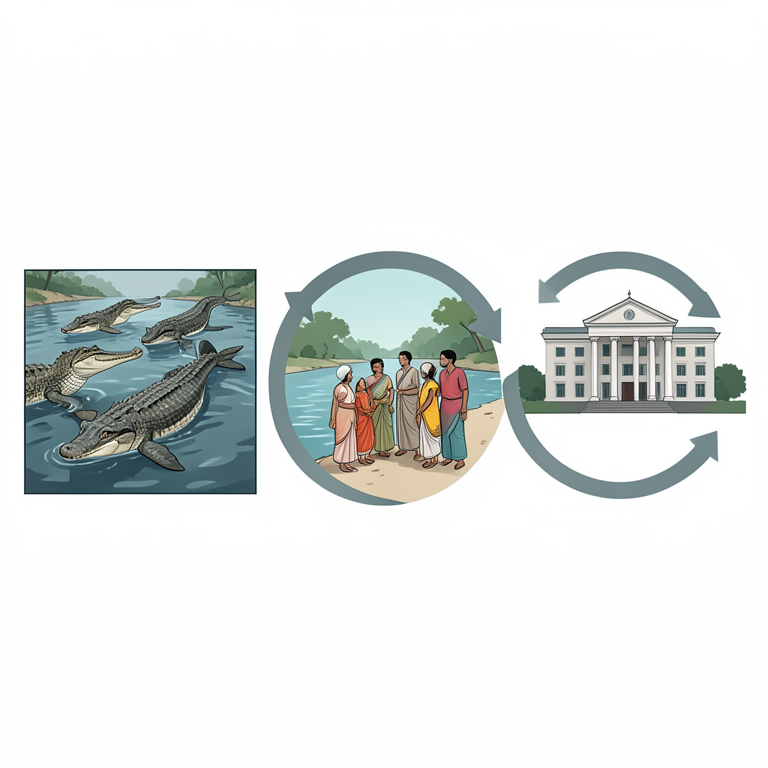
The Conservation Feedback Loop
AI-generated conceptual illustration (Gharials, Gangetic dolphins, and local villagers in the National Chambal Sanctuary). It explains the idea and does not show study data.
View source evidence ↗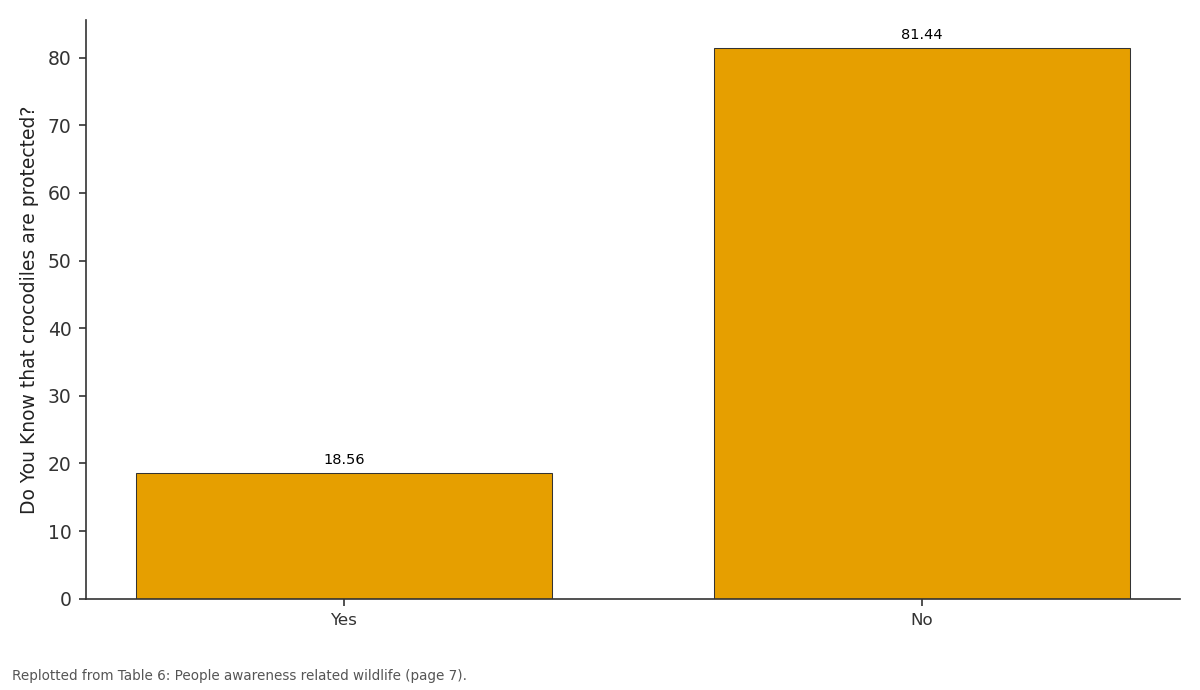
Do You Know that crocodiles are protected?: Yes vs No
Replotted from Table 6 (page 7) of the original paper. Every bar is the paper's own table value.
View source evidence ↗Figures & tables
From the original paper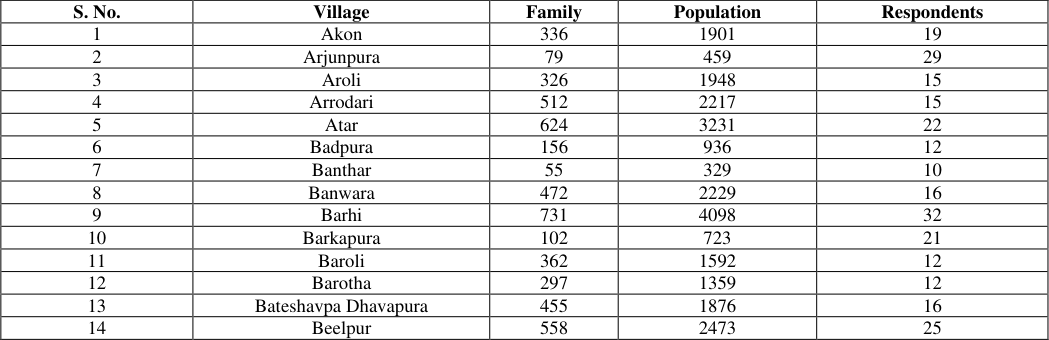 Table 1
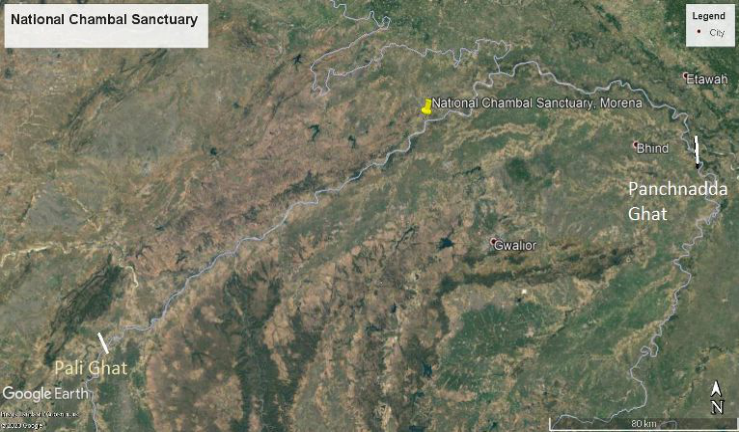 Figure 1
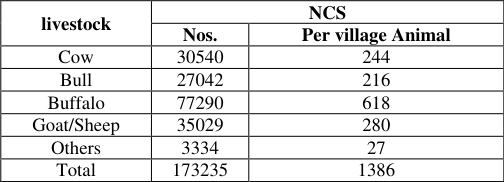 Table 2
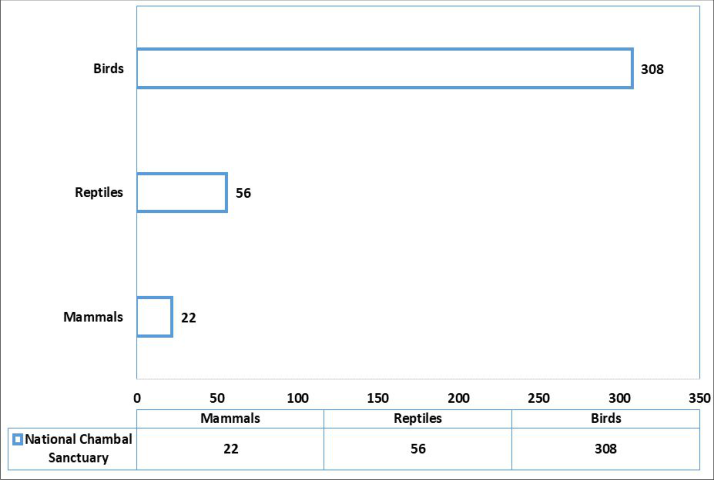 Figure 2
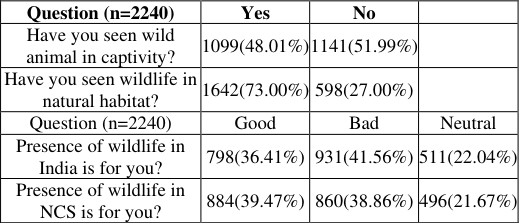 Table 3
 Table 4
 Table 5
 Table 6
Introduction
Over 20 million km 2 of the planet are covered by protected areas (PAs) that harbour extraordinary biodiversity while home to millions of people (Juffe Bignoli et al., 2014) [9] . Much of world's biodiversity is concentrated in areas where dense human populations have grown by 15% between 2000 and 2010 (Williams, 2011) [21] . The existing PA network would need to expand from 12 to 17% of the planet to achieve conservation targets for terrestrial vertebrates alone, and even more if other species were to be included (Visconti et al., 2016) [18] . Anthropogenic activities fragment natural landscapes, leading to increased interactions between wildlife and people inside and outside protected areas (PAs; Watson et al., 2016). Such interactions could be positive such as naturebased tourism that encourages people's affinity for wildlife and wild places while providing revenue and employment (Sinha, Qureshi, Uniyal, & Sen, 2012) [15] . Other benefits include pollination or hydrological services (Chang, Karanth, & Robbins, 2018; Kremen et al., 2007; Nesper et al., 2017; Tscharntke et al., 2011) [3,23,12,17] . Among vertebrates, amphibians and reptiles are considered the most susceptible groups to the changes imposed by human activities (Barrett and Guyer, 2008; Cushman, 2006; Wake and Vredenburg, 2008). [1,4,19] In fact, amphibians and reptiles have a significantly higher proportion of threatened species than birds or mammals (IUCN, 2020; Nori 015; Stuart, 2004) [8,13,16] Madhya Pradesh is the second largest state in India with an area of 3, 08,245 km 2 covers almost 9.38% of geographical area of the country of which 25.13% is forested. It has the largest forest cover 77,462 km 2 among all the Indian states. It has 9 National Parks and 25 Wildlife Sanctuaries and 5 Tiger Reserves as Protected Areas which constitutes 3.25% of total geographic area (WII Report, 2016) [22] . People Perceptions provide an important means of assessing the performance of conservation projects so that better policies may be developed for effective biodiversity protection and the wellbeing of people living near protected areas. Exploring perceptions in different facets of conservation initiatives can help identify aspects of the initiatives that are succeeding and those that are failing (Haruna and Raphael, 2020) [7] . Today, successful wildlife conservation plan involves not only an understanding of the biology of the species and its habitat, but also an understanding of local attitudes toward and knowledge about the species and attitudes toward possible management approaches to the species. The present paper was report the understanding the people perception on wildlife management in National Chambal Sanctuary.
Study Area National Chambal Sanctuary
The National Chambal Sanctuary (NCS), was notified in 1978 by Madhya Pradesh, under Section 18(1) of the Wildlife Protection Act, 1972, comprises of 600km of the 965km long Chambal River. It was notified in after 1 year in 1979 by Rajasthan and Uttar Pradesh Governments. It is the longest riverine and first sanctuary in India and managed by three states viz., Madhya Pradesh, Rajasthan and Uttar Pradesh. The Chambal River originates from the summit of Janapav hill in the Vindhyan range at an altitude of 854m above the median sea level (MSL) at 22°27' N and 75°37' E in Mhow, Indore, Madhya Pradesh, India. The river has a course of 965 km up to its confluence with the Yamuna River in the Etawaha districts of Uttar Pradesh. A 600 km stretch of the Chambal River between Jawahar Sagar dam and Panchhnada confluence (Yamunha and Chambal River) has been protected as the National Chambal Sanctuary for the conservation of wildlife species. The upper Chambal basin is marked by hilly terrain of the DOI: https://doi.org/10.33545/26649926.2020.v2.i1a.16
Vindhyan chain, with fairly sloping terrain along the Chambal River and its tributaries. The climate of the basin is affected by its location with respect to the Tropic of Cancer and the presence of the Vindhyan ranges in the upper reaches. The area is semiarid and the temperature in the region varies from 2° to 48°C during winter and summer, respectively. The study area is lies between Pali (upstream point of the National Chambal Sanctuary, 0 km) and Panchhnada (downstream point of the Sanctuary, 425 km) (Fig. -01). The National Chambal Sanctuary is easily accessible from Gwalior (75km). The sanctuary is about 10 km away from South-East of Dholpur, Rajasthan which is the nearest railway station and the town and the sanctuary is 25km away from North-west of Morena town. The nearest airport is located at Gwalior
Methodology
Field visits was made in monthly basis in study area. Methodology are set of questions based on sources of data obtain from primary and secondary sources. Data was collected in two stages. In first stage, interview based semi-structured questionnaire survey was conducted in randomly selected concern respondents in selected villages. At the second stage, we were set the questionnaire for the concerned departments which directly and indirectly related to wildlife management and thus, secondary data was obtained. Field visits to the study area were carried out between January 2017 to December 2019 I have interacted with the forest staff and officials to fill the questionnaire and an interview method was used for data collection from the illiterate people in National Chambal Sanctuary.
Sample Size
National Chambal Sanctuary has a large area, managed by 3 states and it has 226 total villages in 2 kilometer periphery of the sanctuary area under Madhya Pradesh (Table -01). A total of 2240 respondents in 125 villages were selected for present study in National Chambal Sanctuary. Data of population in National Chambal Sanctuary was varied, the highest population were found in Khandoli (9601) village with total families 1814. While the lowest population was lived in Kuroli (119) villages with total families 21.
Major Wildlife
The main aquatic wildlife in the National Chambal sanctuary are Mugger, Gharial seven species of freshwater turtles, dolphins, otters and 308 species of birds. The river system harbours the largest population of critically endangered Gharial, which is endemic to the Indian subcontinent, and the highest density of the endangered Gharial endemic to Gangetic System. The fauna of the sanctuary also included Hyena, Jackal, Carakal, Cheetal, Chinkara, Neelgai, Sambhar, Mongoose, Monitor lizard etc. (Fig. -02).
Human Induced Activities in National Chambal Sanctuary
Major socio-economic issues in the sanctuary were poverty and illiteracy. These issues further give rise to anti-social elements. People are largely dependent on the river as a source of water. Locals also install individual water pumps to draw water for agriculture. Locals are also dependent on the Chambal River and the surrounding ravines for Non Timber Forest Produce (NTFP), fuel wood and fodder.
Illegal Sand mining
Activities such as sand mining, stone mining and fishing have adverse effects on the quality of the habitat. Sand-mining along the banks of the Chambal has a severe negative impact on the Gharial's use of these sites for basking and nesting.
Continuous human activity in the river bank precluded the Gharials from using these sites, and their numbers were consistently lower in areas with mining operations. Sandmining common in the upper sections of the river, causes considerable disturbances to wildlife, destroys key breeding habitats like otter holts and provides easy access to ammunition for dynamite fishing.
Funeral Activities
Locals in villages burn dead bodies on Chambal river bank and they thrushes burnt body ash in the river. it was observed during field survey in whole banks of the Chambal river in National Chambal Sanctuary.
Idol immersion
The river is however used for immersing religious idols, especially during the 'Navratri' festival, when the villagers worship the goddess Durga. Idol immersion in National Chambal Sanctuary is totally banned but some areas of Chambal that have road connectivity to peoples so locals in the sanctuary do idol immersion stealthily in the Chambal river.
Grazing of Livestock
Cattle, buffalo and goats were the most common livestock in this region. Livestock grazing was carried out throughout the year along the river banks. The river is also used for drinking and bathing for the livestock by their herders. During the field survey, grazing of livestock was observed in whole area of National Chambal Sanctuary that tend to habitat degradation (Table -02).
People perception towards wildlife conservation
Locals in the sanctuary area had their own perception over the human-wildlife and wildlife conservation and in sanctuary areas, villager's awareness about wildlife were not too good.
Most of the people give their opinion for the conservation of wildlife.
They do not support their view by direct involvement in wildlife conservation. Mostly, they were farmers and they depend on water, wood for their livelihood in all three protected areas. 38.89% (6.98±3.9) of respondents agreed that mugger was most dangerous for humans as compared to gharial but other 28.10% (5.89±3.3) were considered that Gharial was most dangerous as compared with mugger. Although 33.01% (5.89±3.3) responded that both were the most dangerous wild animals for mankind (Table -05).
Awareness on wildlife in National Chambal Sanctuary
Some questions in questionnaire were based on awareness about wildlife in National Chambal sanctuary that gives a trends on wildlife management in protected areas. 81.44% of people were responded that they were not aware on conservation of crocodile species. With 18.56% were aware of crocodile is protected species in National Chambal Sanctuary. When asked to people on 'Do you go for Fishing?' then 22.46% of locals responded 'Yes' and 77.54% of people were denied on go for fishing in National Chambal sanctuary area. 68.30% of people were responded that they were denied, when asked are you thinking of on evacuation from here because of crocodile habitat. Yet 31.70% of people responded that they wanted to evacuate from sanctuary due to the presence of crocodiles. 18.39% respondents preferred the construction of public well/rain harvesting as an alternative source of drinking water but 51.27% were disliked to construction of public well/rain harvesting as an alternative source of drinking water and it was slightly high as compared with 18.29% preferred people. 28.58% of people responded that they had known and seen the dolphin in Chambal River but 71.42% of people responded that they had never seen the dolphin in the National Chambal sanctuary and it was the majority of people in the sanctuary (Table -06).
Discussions
Interactions between locals and wildlife can be positive, neutral or negative (Redpath et al., 2015; Fisher, 2016) [14,6] Positive interactions include benefits such as pollination, seed dispersal services, pest management and ecotourism (Zhang et al., 2007) [23] . Negative interactions include loss of property, crops, livestock, and human lives, and pose a significant challenge to conservation efforts in wildlife reserves (Fernando et al., 2005; Naughton-Treves & Treves, 2005) [5,11] . During the field survey, positive and negative interaction observed in National Chambal Sanctuary. Perception was measured using four thematic areas: social impacts of conservation, ecological outcomes of conservation, legitimacy of conservation governance and acceptability of conservation management (Bennett, 2016) [2] . In present study, perception was measured in terms of wildlife conservation in National Chambal Sanctuary. Public perceptions on social impacts of conservation are usually assessed based on context-specific dimensions of particular areas and conservation projects. Equity in the distribution of social costs and benefits of conservation amongst stakeholders may engender positive attitudes and support for conservation projects (Bennett, 2016) [2] . Local perception is important in the Management of wildlife in protected areas because without local, conservation of wildlife species cannot be completed.
Conclusions
Locals in protected areas are key factor in management of wildlife species. The study was conducted to assess the perception of locals on wildlife management in National Chambal Sanctuary. The presence or absence of human activities which creates forest disturbance or fragmentation was assessed. The major threats survival of wildlife are human encroachments like sand mining, agriculture, water extraction for drinking purpose, bathing and washing and disruption of populations through fishing and other hunting activities.Observation in the present study showed that locals play a unique role in wildlife protection and conservation. By the participatory projects, locals can interact with project on wildlife species and realize the importance of wildlife species. Most of the people were affected due to human-wildlife conflict. Residents in protected areas have faced many issues like crop-raiding, unemployment and human conflicts so they do not take part to support wildlife conservation and they engage with illegal sand and stone mining. Locals in the NCS believe that they don't have development in the village area due to wildlife in the sanctuary area.
Recommendations
Present study is revealed that due to human wildlife interactions local and wildlife authority relation is not cordial.
Locals believed that wildlife conservation programmes in the protected areas are major hurdles for poverty improvement as they depend primarily on these forests for livelihood but the Government restricts the use of resources for wildlife conservation. Information collected in this study is useful and thereby provide an insight into the human-wildlife conflict in the north Madhya Pradesh and help in taking measures for the conservation management of crocodiles. There is a need for increase of awareness with the local villagers on the wildlife conservation programmes and their benefits. It is essential to monitor the conflict between wildlife and people living in the Sanctuary. Job opportunities should be created for locals to engage themselves in earning money so that they depending on forest resources is reduced.
Acknowledgement
Acknowledgement
Figures and tables from the paper
| S. No. | Village | Family | Population | Respondents |
|---|---|---|---|---|
| 1 | Akon | 336 | 1901 | 19 |
| 2 | Arjunpura | 79 | 459 | 29 |
| 3 | Aroli | 326 | 1948 | 15 |
| 4 | Arrodari | 512 | 2217 | 15 |
| 5 | Atar | 624 | 3231 | 22 |
| 6 | Badpura | 156 | 936 | 12 |
| 7 | Banthar | 55 | 329 | 10 |
| 8 | Banwara | 472 | 2229 | 16 |
| 9 | Barhi | 731 | 4098 | 32 |
| 10 | Barkapura | 102 | 723 | 21 |
| 11 | Baroli | 362 | 1592 | 12 |
| 12 | Barotha | 297 | 1359 | 12 |
| 13 | Bateshavpa Dhavapura | 455 | 1876 | 16 |
| 14 | Beelpur | 558 | 2473 | 25 |
Table text extracted from the original PDF; superscript letters are shown inline. The original table image is below.
View original table image
| livestock | NCS | — |
|---|---|---|
| Nos. | Per village Animal | |
| Cow | 30540 | 244 |
| Bull | 27042 | 216 |
| Buffalo | 77290 | 618 |
| Goat/Sheep | 35029 | 280 |
| Others | 3334 | 27 |
| Total | 173235 | 1386 |
Table text extracted from the original PDF; superscript letters are shown inline. The original table image is below.
View original table image
| Question (n=2240) | Yes | No | — |
|---|---|---|---|
| Have you seen wild animal in captivity? | 1099(48.01%) | 1141(51.99%) | |
| Have you seen wildlife in natural habitat? | 1642(73.00%) | 598(27.00%) | |
| Question (n=2240) | Good | Bad | Neutral |
| Presence of wildlife in India is for you? | 798(36.41%) | 931(41.56%) | 511(22.04%) |
| Presence of wildlife in NCS is for you? | 884(39.47%) | 860(38.86%) | 496(21.67%) |
Table text extracted from the original PDF; superscript letters are shown inline. The original table image is below.
View original table image
| Question (n=2240) | Strongly Disagree | Disagree | Neutral | Agree | Strongly Agree |
|---|---|---|---|---|---|
| The presence of wildlife in your area favours tourism in the Forest department? | 283 (13.06%) | 980 (43.07%) | 312 (14.06%) | 512 (22.99%) | 153 (6.82%) |
| Reintroduction program of Wildlife Species in NCS? | 244 (11.01%) | 291 (12.89%) | 863 (38.70%) | 643 (28.53%) | 199 (8.88%) |
Table text extracted from the original PDF; superscript letters are shown inline. The original table image is below.
View original table image
| Questions (N=2240) | Yes | No | Neutral |
|---|---|---|---|
| Do You Know that crocodiles are protected? | 18.56% | 81.44% | - |
| Do you go for Fishing? | 22.46% | 77.54% | - |
| Are You thinking of Evacuation from here because of crocodile habitat? | 31.70% | 68.30% | - |
| Would You Prefer construction of Public Well/Rain Harvesting as an alternative Source of drinking water? | 18.39% | 51.27% | 30.34% |
| Have you seen dolphins in the Chambal river? | 28.58% | 71.42% | - |
Table text extracted from the original PDF; superscript letters are shown inline. The original table image is below.
View original table image
References
15 in the original paper- Juffe-Bignoli D, Burgess ND, Bingham H, Belle EMS, de Lima MG, Deguignet M. Protected Planet Report 2014. Cambridge: UNEP-WCMC, 2014.
- Kremen C, Williams NM, Aizen MA, Gemmill-Herren B, LeBuhn G, Minckley R, et al Pollination and other ecosystem services produced by mobile organisms: A conceptual framework for the effects of land-use change. Ecology Letters. 2007; 10(4):299-314. doi:10.1111/j. 1461-0248.2007.01018.x
- Naughton-Treves L, Treves A. Socio-ecological factors shaping local support for wildlife: crop-raiding by elephants and other wildlife in Africa. In People and Wildlife: Conflict or Coexistence? (eds R. Woodroffe, S. Thirgood & A. Rabinowitz) Cambridge University Press, Cambridge, UK, 2005, 252-277.
- Nesper M, Kueffer C, Krishnan S, Kushalappa CG, Ghazoul J. Shade tree diversity enhances coffee production and quality in agroforestry systems in the Western Ghats. Agriculture, Ecosystems & Environment. 2017; 247:172-181. doi:10.1016/j.agee.2017.06.024.
- Nori J, Lemes P, Urbina-Cardona N, Baldo D, Lescano, J, Loyola R. Amphibian conservation, land-use changes and protected areas: a global overview Biol. Conserv. 2015; 191:367-374. 10.1016/j.biocon.2015.07.028.
- Redpath SM, Bhatia S, Young J. Tilting at wildlife: reconsidering human-wildlife conflict. Oryx. 2015; 49:222-225.
- Sinha BC, Qureshi Q, Uniyal VK, Sen S. Economics of wildlife tourism-contribution to livelihoods of communities around Kanha Tiger Reserve, India. Journal of Ecotourism. 2012; 11(3):207-218. doi:10.1080/ 14724049.2012.721785
- Stuart SN. Status and trends of amphibian declines and extinctions worldwide, Science. 2004; 306:17831786. 10.1126/science.1103538.
- Tscharntke T, Clough Y, Bhagwat SA, Buchori D, Faust H, Hertel D, et al. Multifunctional shade-tree management in tropical agroforestry landscapes-A review. Journal of Applied Ecology. 2011; 48(3):619629. doi:10.1111/j.1365-2664.2010.01939.x
- Visconti P, Bakkenes M, Baisero D, Brooks T, Butchart SHM, Joppa L. Projecting global biodiversity indicators under future development scenarios. Conserv. Lett. 2016; 9:5-13. doi: 10.1111/conl.
- Wake DB, Vredenburg VTColloquium paper: are we in the midst of the sixth mass extinction? A view from the world of amphibians Proc. Natl. Acad. Sci. U.S.A. 2008; 105 (l):11466-11473, 10.1073/pnas.08019 21105, 2008.
- Watson FGR, Becker MS, Milanzi J, Nyirenda M. Human encroachment into protected area networks in Zambia: implications for large carnivore conservation. Reg. Environ. Chang. 2015; 15:415-429.doi: 10.1007/s10113014-0629-5
- Williams J. "Human population and the hotspots revisited: a 2010 assessment," in Biodiversity Hotspots: Distribution and Protection of Conservation Priority Areas, eds F. E. Zachos and J. C. Habel (Berlin; Heidelberg: Springer), 2011, 61-81.
- WII Report Management Plan for National Chambal Sanctuary, Madhya Pradesh -2018-19 to 2027-28, 2016.
- Zhang W, Ricketts TH, Kremen C, Carney K, Swinton SM. Ecosystem services and dis-services to agriculture. Ecological Economics. 2007; 64:253-260.
Cited by 6
From OpenAlex, OpenCitations and reference lists read by Scinovex
- Current State of Mugger Populations ↗
Milena Bors, Pogiri Gowri Shankar, Joanna Gruszczyńska · Animals · 2024
) is a medium-sized crocodilian inhabiting South Asia. As a result of intensive hunting, its range declined drastically up till the 1970s. Currently, the world mugger population is fragmented and threatened mainly by habitat loss and the consequences of human-crocodile conflict, being classified as Vulnerable by the IUCN. The goal of this paper is to comprehensively determine the mugger's current…
❝ 2PDF - Conflict in paradise: Understanding the drivers of human-wildlife discord in central Western Ghats, Karnataka ↗
Ramu MS, Umesh KB, G. M. Gaddi, Sadhana HS, Nayana HN · The Pharma Innovation · 2023
The study, conducted in the Central Western Ghats of Karnataka, India, specifically in Sakleshpur and Mudigere taluks, centered on human-wildlife conflict. The primary data were collected from 200 respondents during 2022-23. The analysis revealed that the majority of farmer respondents living in medium-sized family category and the average size of land holdings is slightly higher in Mudigere (5.76 acres) compared…
❝ 1PDF - Weight-length relationship and condition factor of Sarotherodon melanotheron (Rüppell, 1852) in the special wildlife reserve of Gueumbeul (RSFG) in Senegal ↗
Amadou Guissé, Farokh Niass · International Journal of Fisheries and Aquatic Studies · 2021
The Special Wildlife Reserve of Gueumbeul (RSFG) consists of a water reservoir (the basin) frequented by a diversity of fish and migratory birds. The most represented in terms of abundance is the species Sarotherodon melanotheron. The objective of this study was to determine the relations weight-length and to characterize the condition factor of S. melanotheron, in the basin of Gueumbeul.
- Nutritive values of most preferred forage species eaten by giraffe (Giraffa camelopardalis) in Sumu wildlife park, Bauchi state, Nigeria
Mamman GS · International Journal of Agriculture and Nutrition · 2023
This study evaluated the nutritive values of most preferred forage species eaten by Giraffa camelopardalis in Sumu Willdlife park, Bauchi State, Nigeria. The most preferred forage species were obtained following the time spent on sighting the animal browsing on each of the species among the individuals. Time spent was measured between 1 - 30 minutes and 30 - 60 minutes on species preferred. The nutritive values of the most preferred forage species were obtained using proximate analysis following the Association of Analytical Chemist (AOAC). Results obtained revealed that during the wet season,
- A early successional forest management for biodiversity conservation on private lands as a coupled human and natural system ↗
Rajesh Seenivasan · International Journal of Financial Management and Economics · 2021
Facilitating voluntary conservation on private lands is a crucial element of policies that seek to mitigate forest habitat loss and fragmentation around the world. Previous research emphasizes the role of social factors (e.g., landowner characteristics, economics) in forest management, but environmental outcomes of past management can also affect landowner decisions. Our objective was to evaluate how positive outcomes for wildlife…
❝ 0PDF - A case study on the impact of pesticides on human beings and farm animals ↗
Dr. Aradhana Verma · International Journal of Advanced Academic Studies · 2021
Pesticides are chemical compounds that are used to kill pests, including insects, rodents, fungi and unwanted plants (weeds). Over 1000 different pesticides are used around the world. Pesticides are used in public health to kill vectors of disease, such as mosquitoes, and in agriculture to kill pests that damage crops. Pesticides can cause harm to humans, animals, or the environment…
❝ 0PDF