
Research article · 2020 · Full text
International Journal of Veterinary Sciences and Animal HusbandryReview on improving nutritive value of forage by applying exogenous enzymes
Volume 5(6) · Pages 72–79
Research areasRuminant Nutrition and Digestive PhysiologyMicrobial Metabolites in Food BiotechnologyBiofuel production and bioconversion
Abstract
Author-writtenThe use of exogenous enzymes in animal nutrition dates back to the mid-1920s, however, nowadays the development of interdisciplinary sciences exploiting molecular methods create new opportunities and deliver new tools to assess effectiveness of their utilization. The proper use of exogenous enzymes in animal nutrition allows obtaining maximum benefit from their action not only for the animals, but also for the environment. The strategies of exogenous enzymes utilization in nutrition of high yielding ruminant animals are intended to be published in this special issue. Effectiveness of enzymes in animal nutrition depends on (i) type, (ii) source, (iii) level of supplemented enzymes, as well as (iv) the type of diet fed, (v) animal health and (vi) animal productivity. In most tropical countries, the ruminant feed is based on fibrous resources with a cell wall content between 40 and 70% of dry matter, of which less than 50% is quickly digested, which generates high excretion of nutrients to the environment and low productivity in their production systems. Recently, forage cell wall digestibility has undergone significant improvements through exogenous enzyme technology. In terms of enzyme technology, the two most popular enzyme complexes are those of the cellulase and hemicellulose families, generally known to be multicomponent enzymes that when added to forage could possibly assist in the preservation of forages, especially silage. Enzymes can be applied to straw in their pure form or through inoculation with appropriate cell wall degrading microbes. There are many bacterial sources of enzymes. However, in general, Bacillus subtilis, Lactobacillus acidophilus, L. plantarum, and Streptococcus faecium, spp. are the source of bacterial enzymes. Fungal enzymes generally come from Aspergillus oryzae, Trichoderma reesei, and Saccharomyces cerevisiae species.
Summary
Source-checkedPlain-language reading of the full paper, prepared with AI and checked against the text. Each point links to the authors' own words.
Why it matters
- In many tropical regions, ruminant feed relies on fibrous resources with high cell wall content (40-70% of dry matter), but low digestibility (less than 50%), leading to poor productivity and nutrient waste. View evidence ↗
- Feed costs are a major economic burden for dairy farms, accounting for 40-60% of total production costs. View evidence ↗
- Exogenous fibrolytic enzymes (EFE) offer a potentially cheaper alternative to energy-intensive physical treatments (heat, steam, pressure) or hazardous chemical treatments (acids, alkalis, ammonia, ozone) for improving fiber digestibility. View evidence ↗
The question
- The objective of this review is to evaluate whether using exogenous enzymes is a feasible way to improve the nutritive value of forage. View evidence ↗
What they did
- The review focuses on the two most common enzyme complexes used in forage technology: cellulase and hemicellulase. View evidence ↗
- Enzymes are sourced from bacteria (such as Bacillus subtilis and Lactobacillus species) and fungi (such as Aspergillus oryzae and Trichoderma reesei). View evidence ↗
- Submerged fermentation is the dominant commercial production method, used for approximately 90% of available enzymes. View evidence ↗
- Enzymes are applied through various methods, including pre-treatment during harvesting or silage making, application at feeding (TMR, hay, or concentrate), or direct rumen application. View evidence ↗
What they found
- A five-year analysis of enzyme treatment during ensiling showed increases in feed intake (28% of studies), gain (40% of studies), and milk production (33% of studies). View evidence ↗
- In dairy cows, the use of exogenous fibrolytic enzymes significantly improved milk yield compared to control groups. View evidence ↗
- In beef cattle, fibrolytic enzymes improved hot carcass yield and tended to reduce shear force, though they did not significantly affect gain or feed conversion. View evidence ↗
- In Ossimi sheep, adding enzymes to rice straw grown barley significantly increased (p<0.05) TDN%, digestibility, ruminal ammonia-N, plasma total volatile fatty acids, and total protein. View evidence ↗
- Some studies on proteolytic enzymes in cows found that improved nutrient digestibility was offset by decreased dry matter intake and decreased milk yields. View evidence ↗
- Proteolytic enzymes increased ruminal ammonia nitrogen concentrations in cows fed high forage (17.2 vs 14.5 mg/d L) and low forage (13.1 vs 10.4 mg/d L) diets. View evidence ↗
What it means
- The authors recommend treating forage with exogenous enzymes to increase the digestibility of low-quality forages and maximize production. View evidence ↗
- The authors recommend applying enzymes in liquid spray form to ensure uniform distribution across the forage. View evidence ↗
- The authors state that further research is needed regarding optimum enzyme dosages, wide-scale extraction methods, application methods, and feed-specific enzyme activity. View evidence ↗
Visual summary
1 visualsIllustrations explain the paper; they do not show study data.
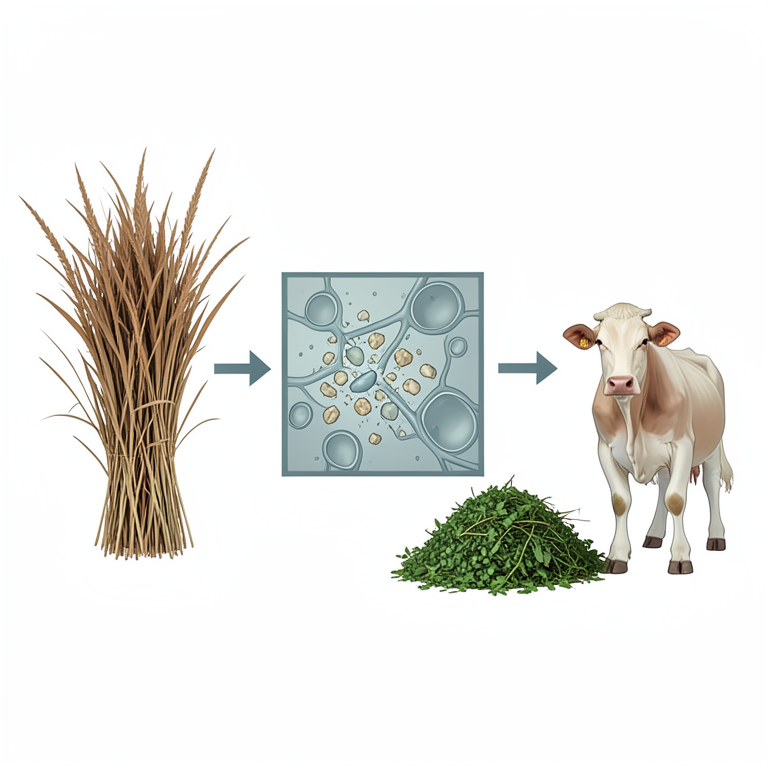
The Forage Improvement Cycle
AI-generated conceptual illustration (Tropical fibrous forage and ruminant cattle). It explains the idea and does not show study data.
View source evidence ↗Figures & tables
From the original paper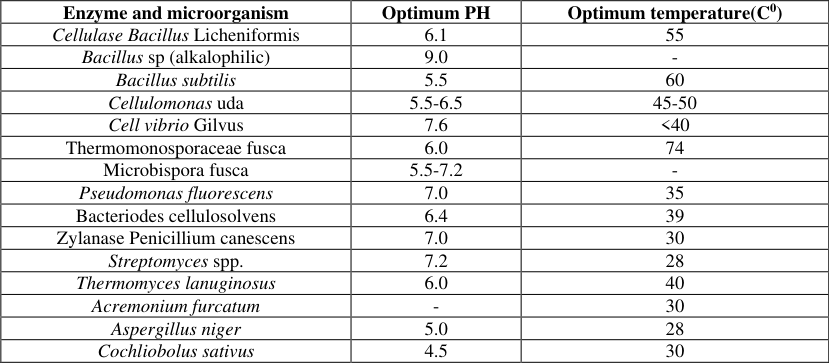 Table 1
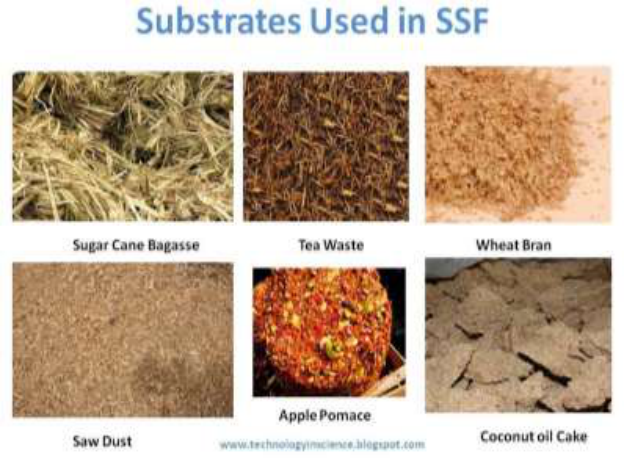 Figure 1
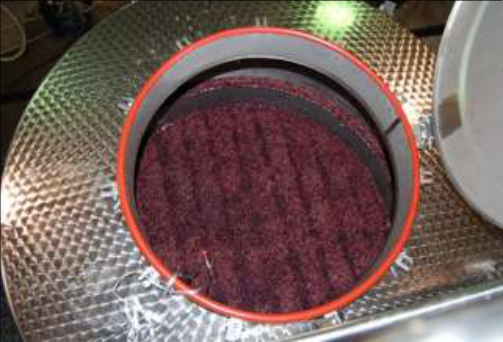 Figure 2
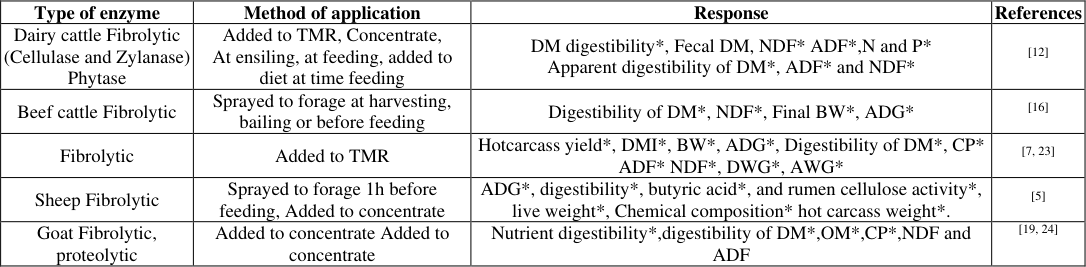 Table 2
Introduction
Ruminant animal production systems are dependent on forage as the main nutritional components [24] . Feed cost represents 40-60% of the total cost of production in dairy farms [7] . Thus, nutritionists are constantly looking for an efficient way of animals' feed utilization particularly in terms of feed intake and digestibility. Increasing fiber digestibility is a common practice of reducing feed costs and ensuring profitability. Forages are ideal ruminant animal feed and will continue to be the most important components of their diets under any production system [5] . In most tropical countries including Ethiopia, ruminant animals are fed on fibrous feed resources, high in cell wall content (40-70%) and low in digestibility and productivity. At present, one of the major constraints to increased livestock production in developing tropical countries is availability and quality of feed resources. In the past, various physical, chemical and biological methods were developed to overcome the problems associated with livestock feed resource. With the emergence of concerns of food safety issues related to animal products, applications of biological treatment methods are very much appealing. As a biological treatment method, the utilization of exogenous enzymes has attracted the attention of researches and animal nutritionists [15] . Significant attempts were made in the area of improving locally available low quality forage and roughages for ruminant animal feeding. The attempts made included plant breeding and management for improved digestibility and increase in feed utilization through physical, chemical and/or biotechnological treatments [13] . Some of the recent advancements made in fermentation technology and biotechnology, led to the production of large quantities of low cost biologically active enzymes to be used as animal feed additives.
It is acknowledged that enzyme preparations with specific activities could be used to enhance specific metabolic and digestive processes in the gastrointestinal tract, increase natural digestive processes and improve the availability of nutrients and feed intake [15,9] . The improvement of forage quality, efficiency of utilization and increased productive efficiency of ruminants' animals has been milestones of forage research. Recently, forage cell wall digestibility has undergone significant improvements through plant breeding, agronomic advancements [4] and enzyme production technology. In terms of enzyme technology, the two most popular enzyme complexes are those of cellulase and hemicellulase families, generally known to be multicomponent enzymes, used as silage inoculant to enhance fermentation and preservation. It was reported that fibrolytic or cell wall degrading enzymes applied alone, or in combination with the other additives, may enhance preservation of forage within the silo by increasing the levels of lactic acid [12] . According to [9] enzyme treatments reduced the retention time of digesta in the rumen. In the fermentation proses, the enzymes acting on structures of the plant cell walls increased access of ruminal microbes to the potentially fermentable fiber [6] for this case the objective of this review is the feasibility of improving the nutritive value of forage through the use of exogenous enzyme.
Literature Review 2.1 Improving nutritive value of forage by applying exogenous enzymes
Worldwide demands for animal products are increasing in a booming rate thus emphasizing the essentiality of applying strategies to improve animal productivity. Ruminant animal feed energy utilization could be increased with the use of enzyme as feed additives, particularly with that of fibrolytic properties [8] . The use of these enzymes increase the overall quantities of enzymes available to digest fiber materials in the rumen aimed at enhancing the utilization of fibrous feedstuff [23] . Enzyme supplementation provides more flexibility when formulating a diet, since the feed ingredient quality or the animal digestibility capacity could positively be manipulated [18] . Commercial enzyme feed additives are usually powdered products that need to be diluted before application or feeding. [8] . Ready made fibrolytic enzymes could be provided or fed through feed ingredient such as molasses-based liquid feed. This situation might reduce on-farm labor, and increase the acceptance of the feeding technology and decrease the errors of enzyme preparation. The use of molasses's is designed to provide sugar and improve particle adhesion. Molasses could help to enhance binding of the enzyme with the feed substrate, and might increase the resistance of enzyme to proteolysis in the rumen. According to [4] applying a solution of enzymes to the feed allows the enzyme to bind to substrate, which increases the resistance of the enzymes within the rumen. The use of Exogenous fibrolitic Enzymes (EFE) to improve forage quality can also replace other expensive strategies aimed at increasing fiber digestibility like physical agent treatments such as heat, steam, and pressure, or with chemicals treatments such as applications of acids, alkalis, NH3, and ozone. The latters are high in capital investment and are energy intensive methods (steam or pressure explosion and, pelleting). Feed chopping or grinding might result in limiting salivary buffering of ruminal acids. Moreover, the corrosive and/or hazardous nature of chemicals such as NH3 and NaOH might add potential for excessive DM losses following hydrolysis [1,19] .
Biological treatments of forage
Enzymes are at the core of biological treatments used to reduce lignin or liberate carbohydrates in roughage feed resource. Beauchemin [5] identified the use of exogenous cell wall degrading enzymes as a promising technology with the potential of improving feed utilization in ruminant animals. Roughage feed resource including straws could directly be treated with enzymes or indirectly through inoculation with fungi or bacteria. Enzymes have been used alone (Dai, 2007) or in combination with physical and/or chemical treatments [18, 23] . Enzymes used in fiber digestion are series of endo and exo-enzymes [4] , usually originated from either fungi (Trichoderma, Aspergillus, etc.) or bacteria (Bacillus sp.) [12,16] ). The effects of enzymes on ruminant animal performance have been studied extensively and it was found that some of the enzymes may have promising effects, even if their mode of action is not well known yet [4] Some of the fiber digesting enzymes are reported to have improved the major animal performance parameters (dry matter intake, average daily gain, and feed efficiency) in beef cattle, but did not improve DM intake or milk production in dairy cattle. Particular enzyme could improve fiber digestion in alfalfa but not in corn silage probably due to the nature of the fiber (cellulose versus hemicellulose or lignin) [9] . The use of EFE have shown promise at hydrolyzing plant cell walls [6] and revealed new opportunities to improve feed utilization in animal nutrition [9] . In animal nutrition, EFE are currently been recognized as feed additives with potential of depolymerisation of fibrous components [6] . The EFE, like other feed enzymes, are of natural origin and non-toxic. They are mostly commercial products of microbial fermentation of Trichoderma and Aspergillus on safe, simple and inexpensive solid agricultural and agro industrial residues [10,16] . These enzymes are often used at low concentrations and are easy to apply to feed. The addition of EFE can be done during feed processing, on processed feed in storage and/or on feedstuffs in feeder bins before feeding [2] .
Types, sources and extraction of enzymes
Exogenous enzymes used in ruminant animal nutrition are e characterized into three main categories i.e fibrolytic, amylolytic and proteolytic enzymes. In additional to major categories of enzymes, phytase which is extensively used in mono-gastric animal feeding is also popular in ruminant feeding [8,17] .
Exogenous fibrolytic enzymes
The challenge in the successful farming of ruminants (dairy and beef cattle or sheep and goats) lies in the efficient utilization of feed resources, as feed costs represent the largest component of production costs. Forages are ideal feed of ruminant feeds and comprises of the largest segment of research area of improvement. The use of exogenous fibrolytic enzymes represents one way of improving fibre digestibility [14] ). Enzymes are proteins that catalyze (increase the rates of chemical reactions [6] . In enzymatic reactions, the molecules at the beginning of the process, called substrates, are converted into different molecules, called products. Methods that increase fiber digestion are likely to play a role in improving available energy content of ruminant diets and reducing feed costs [23] . Low forage digestibility limits the intake of available energy by ruminant animals and contributes to excessive nutrient excretion through feces [5] . Increase in feed prices, especially grains, and declines in enzyme costs have prompted interest in using enzyme as feed additives in dairy cattle diets to increase nutrient utilization, profitability and sustainability of animal production [4] . Enzymes could enhance feed utilization efficiency by increasing the rate and extent of pre-ingestive, ruminal, and post ruminal fiber hydrolysis, digestion, and degradation through increasing ruminal passage rate, ruminal microbial population and attachment, stimulating ruminal fermentation and decreasing digestive fluid viscosity [1,4] Plant cell wall digestion is complex as its three major polysaccharides (cellulose, hemicellulose and pectin) are cross-linked with lignin, a polyphenol macromolecule strongly resistant to chemical and biological degradation [11] . Plant cell walls are also linked with structural proteins, and proteoglycans, forming an intricately linked network that provides strength and durability to its structure [19] . Therefore, numerous enzymes are required in the process of plant cell wall digestion [21] . The use of exogenous fibrolytic enzymes (EFE) is an alternative to increase the ruminal hydrolysis of cell wall contents, attributed to increased capacity of the microbial binding capacity to digest, stimulation of microbial populations, and the development of synergy between the enzymes synthesized in the rumen and polysaccharides contained in the products [4] . Enzymes normally used as feed additives are primarily cell-wall degrading or fibrolytic enzymes, and the principles behind their usage are To promote plant cell break down and render the cellulose and starch found in the plant fiber (ADF and NDF) more accessible to desirable acid-producing bacteria To partially breaking down plant cell walls so that animal performance on the hay would be more similar to performance on hay harvested at a more immature stage [14] The addition of fibrolytic enzymes to ruminant animal diets has been the research interest of many researchers [8,17] as digestion of the fibrous fraction of feed in ruminant's digestive system only reaches up to 65-70% even under ideal conditions. Exogenous fibrolytic enzymes can be classified further based on their specific activity as cellulase, which hydrolyzes the fiber of plant cell wall to glucose, cellobiose or cellooligosaccharides with combined activity of three enzymes namely, endoglucanase, exoglucanases and glycosidase [19] Xylanase catalyzes the hydrolysis of 1, 4-beta-D-xylosidic linkages in xylans that are constituents of hemicellulose, a structural component of plant cell walls.
Table 1: Cellulase and xylanase producing microorganisms and optimum conditions for the production [21] Enzyme species and some yeasts. Cellulase are produced using both fungi and bacteria with more emphasis on the use of fungi because of their capability to produce ample amounts of enzymes [22] , which are often less complex than bacterial cellulase and easy for extraction and purification. However, with the refining knowledge on microbiology the isolation and characterization of novel cellulase from bacteria are now becoming more popular due to the following reasons: Bacteria often have a higher growth rate than fungi allowing for higher recombinant production of enzymes Bacterial cellulases are often more complex and are in multi-enzyme complexes providing increased function and synergy Bacteria inhabit a wide variety of environmental and industrial niches like thermophilic or psychrophilic, alkaliphilic or acidophilic and halophilic strains.
| Enzyme and microorganism | Optimum PH | Optimum temperature(C0) |
|---|---|---|
| Cellulase Bacillus Licheniformis | 6.1 | 55 |
| Bacillus sp (alkalophilic) | 9.0 | - |
| Bacillus subtilis | 5.5 | 60 |
| Cellulomonas uda | 5.5-6.5 | 45-50 |
| Cell vibrio Gilvus | 7.6 | <40 |
| Thermomonosporaceae fusca | 6.0 | 74 |
| Microbispora fusca | 5.5-7.2 | - |
| Pseudomonas fluorescens | 7.0 | 35 |
| Bacteriodes cellulosolvens | 6.4 | 39 |
| Zylanase Penicillium canescens | 7.0 | 30 |
| Streptomyces spp. | 7.2 | 28 |
| Thermomyces lanuginosus | 6.0 | 40 |
| Acremonium furcatum | - | 30 |
| Aspergillus niger | 5.0 | 28 |
| Cochliobolus sativus | 4.5 | 30 |
Table text extracted from the original PDF; superscript letters are shown inline. The original table image is below.
View original table image
Large scale production of exogenous enzymes combines the disciplines of microbiology, genetics, biochemistry and engineering with the basic principle of fermentation [21] . Fermentation methods are divided into two categories i.e. Solid State Fermentation (SSF) and Submerged Fermentation (SmF) [21,22] . Submerged fermentation (SMF) utilizes free flowing liquid substrates, such as molasses and broth [22] . The solid state fermentation is best suited for fermentation techniques involving fungi and microorganisms that require less moisture content. Submerged fermentation is commonly practiced with microorganisms such as bacteria that require high moisture content. Approximately 90% of the commercial enzymes currentely available on market are produced by submerged fermentation method as the as the method allows better control of the conditions required during the fermentation. The solid state fermentation methods develop a tight contact with the insoluble substrate and achieve higher substrate concentration for the fermentation process. Solid state fermentation involves relatively little liquid when compared with submerged fermentation and downstream Photolytic enzymes
Amylolytic enzymes
Amylolytic, or starch degrading enzymes are often fed with cereal grains such as corn and barley. The amylolytic enzymes could produce as much as 600 metabolizable glucose units by targeting glycosidic bonds [14] making them an available high energy source. [20] Reported that the amylolytic enzyme a-amylase was involved in increased starch digestion when tested in ruminally cannulated beef steers.
Alternatively, [20] hypothesized that amylolytic enzymes, such as a-amylase, work by cross-feeding mechanisms of ruminal bacteria through oligosaccharides produced by the enzyme, creating modified products of ruminal fermentation. The effect of supplementing exogenous amylolytic enzymes to ruminant animals has been shown to work effectively in some causes but not in others. For example, [15] found no differences in ruminal or total tract digestibility in lactating dairy cattle fed high grain diets supplemented with polysaccharide degrading enzymes. On the contrary, [19] found increased proportions of acetate and propionate in steers and lactating dairy cattle supplemented with exogenous a-amylase enzymes. Differences in efficacy could be related to several factors including enzyme dose, type of feed, host and management factors [18] .
Proteolytic enzymes
Proteolytic enzymes are responsible for the degradation of protein and release of amino acids throughout the digestive tract including the rumen and small intestine. These enzymes could be effective in the diets with low digestibility due to their ability to target nitrogen cross-linkages in the cell wall of forages. Nitrogen in cell walls may account for only 7-11% of total cell wall content. However it could be argued that degradation of cell wall-bound nitrogen may provide additional nitrogen to digestible nitrogen pool, and increase the total amount of fermentable organic matter in the rumen [5,9] In ruminant animals, supplementations of exogenous proteolytic enzymes are not as common as in non-ruminants because of an abundance of endogenous proteolytic enzymes produced by the microorganisms in the rumen. However, [12,4] studied the effects of exogenous proteolytic enzymes in lactating Holstein cows fed high or low forage diets and found increased acid detergent fiber, neutral detergent fiber, and hemicellulose digestibility in enzyme-supplemented low forage diets, showing an efficacy of proteolytic enzymes in ruminant animal diets. The authors also observed decreased dry matter intake associated with decreased milk yields in enzyme-fed cows masking the benefits of improved nutrient digestibility. It is difficult to explain why dry matter intake decreased when enzymes were fed.
However, ammonia nitrogen concentration in the rumen increased for the exogenous proteolytic enzyme in both groups of cows fed high (17.2 vs. 14.5 mg/d L) or low (13.1 vs. 10.4 mg/d L) forage diets. [20] Demonstrated that dry matter intake decreased as rumen ammonia nitrogen concentration exceeds 15.3 mg/d L in cattle. The increased rumen ammonia concentration may have negatively affected intake [12,4] . There have been some efforts to improve efficacy of proteolytic enzyme supplementation in ruminants through identification of different types of proteases. A number of studies have shown exogenous alkaline and serine-type proteases to have a potential to increase feed digestibility in ruminants [5,12,9] . This might be due to the ability of proteins to bypass rumen degradation and contribute to protein digestion in the small intestine. It has also been suggested that exogenous proteases may work closely with endogenous enzymes by potentially providing endogenous enzymes greater access to nutrients particularly in cell wall matrices [9] creating a symbiotic relationship between endogenous and exogenous enzymes, enhancing overall feed digestibility. Such a relationship could be quite beneficial in improving nutrient availability and feed conversion efficiency of ruminants.
Role of Exogenous Enzymes in animal feed
The principle rationale for the use of enzyme technology is to improve the nutritive value of feed stuffs. All animals use enzymes in the digestion process of feed, either by the animal itself or by the microbes present in the digestive tract. However, the digestive process is somewhere near 100% efficient. For example, swine are unable to digest 15-25% of the food they eat. Therefore, supplementation of the animal feed with suitable enzymes to increase the efficiency of digestion could be seen as an extension of the animal's own digestion process [18] . Roughage feeds need to be supplemented with exogenous enzymes for the following reasons.
To breakdown anti-nutritional factors present in many tropical feed ingredients, many of which are not susceptible to digestion by the animal's endogenous enzymes. Anti-nutritional factors interfere with the normal digestion, causing poor performance and digestive upsets [13] To increase the availability of starches, proteins, and minerals that are either enclosed within the fiber-rich cell wall or not accessible to the animal's own digestive enzymes, or bound up in a chemical form that the animal is unable to digest (e.g. phosphorus as phytic acid). To break down specific chemical bonds in raw materials those are not usually broken down by animal's own enzymes. To supplement the enzymes produced by young animals where, because of the immaturity of their own digestive system, endogenous enzyme production may be inadequate [13] In addition to improving diet utilization, enzyme addition could reduce the variability in nutritive value between different feedstuffs and improving the accuracy of feed formulations. Ruminant animals typically browse low energy forages, such as grasses or other plant material, rich in nutritional potential (sugar polymer plant fibres) but not easily accessible to the ruminant without rumen fermentation. The microbial ecosystem of the rumen is stable and at the same time dynamic. The ruminal microorganisms degrade and ferment carbohydrates in plants cell walls and provide volatile fatty acids and protein to the host animal. Some factors which control fiber digestion in ruminant animals include: The structure and composition of ingested plants which affect bacterial access to the nutrients; Nature of the population densities of the predominant fiber digesting microorganisms; Microbial factors that regulate the attachment and hydrolysis by complexes of hydrolytic enzymes of the adherent microbial populations; and Animal factors that increase the availability of nutrients through mastication, salivation and digesta kinetics (Cheng,991).https://www.researchgate.net/publication/23 3966902_Application_of_exogenous_feed_enzyme technology in ruminant_nutrition
Method of Application of Enzymes
The beneficial impact of the addition of EFE depends on several factors such as diet composition, type of enzyme preparation method, enzyme stability, specific enzyme activities, amount of enzyme added and application method [8,5] . There are several enzyme application methods widely used but the most effective method is yet to be recognized. The application methods vary from a pretreatment of the feed for a period of time before feeding (e.g., silage making, forage harvesting) to application at the time of feeding (application to the hay, in Totally Mixed Rations (TMR), concentrate), even the direct application to the rumen. As enzyme activity strictly depends on the type of feed the enzyme-feed specificity should be given a special consideration when selecting an appropriate method [18] . Applying fibrolytic exogenous enzymes in a liquid form on the feeds prior to consumption can have a positive effect on animal performance [10,13] On the contrary, infusion of enzymes into the rumen has not been effective [10] The close association of enzymes with feed may enable some form of pre-digestive attack of the enzymes upon the plant fiber and/or enhance binding of the enzymes to the feed, thereby increasing the resistance of the enzymes to proteolysis in the rumen. Enzymes have been applied to TMR hay, ensiled forages, concentrate, supplement, or premix [13] . Exogenous enzymes may be expected to be more effective when applied to high-moisture feeds (such as silages) compared to dry feeds because of the higher moisture content. Exogenous fibrolytic enzymes have been evaluated to improve fiber digestibility in diets and feedstuffs for ruminants [10] , [18] , using different application procedures to enhance the action mechanism of enzymes in these feeds [4] . Enzymes on dry form have been solubilized in water and sprayed directly onto feeds before feeding [5,9] , applied in a liquid form directly onto the feed [5] or as a dry additive directly onto the feed.
Enzyme Application during Ensiling
Enzyme application at the time of ensiling is practically attractive because uniform distribution throughout the forage could be ensured when enzymes are applied using properly calibrated sprayers on the forage harvesters and chopped. If effective, the enzymes could hydrolyze plant cell walls into simple sugars that could be used as fermentable substrates by homolactic bacteria. Fibrolytic enzyme application makes the silage fermentation more homolactic and result in a reduction in proteolysis and dry matter (DM) losses in addition to increasing the digestibility of the forage. Several silage additives contain a mixture of inoculant bacteria and fibrolytic enzymes in order to ensure that sufficient homo fermentative bacteria are available to utilize the sugars released by enzyme action and dominate the fermentation. Several studies have also demonstrated that enzyme application especially in the presence of microbial inoculants improves the fermentation of tropical grasses [1] , and wheat silage. Although some studies have also shown that enzyme application improves the fermentation of corn silage [9] showed that over a five-year period, enzyme treatment at ensiling had increased feed intake, gain and milk production in 28, 40 and 33 % of studies respectively.
Enzyme application at feeding
Enzyme application to diets at a time of feeding is attractive because the fermentable substrates released by enzyme action can be directly fermented by ruminal bacteria, thereby releasing energy for the host animal. However care is needed to ensure an even distribution of the enzyme added.
Nevertheless, several studies have demonstrated that enzyme application at a time of feeding improves milk production, in dairy animals and average daily gain in beef cattle [9] 2.1.7 Production responses in ruminants Apart from fibrolytic enzymes, there is evidence that exogenous proteolytic enzyme could increase the total tract digestibility of DM, Organic Matter (OM), Acid Detergent Fiber (ADF) and NDF with larger increases in digestibility in the case of cows though the feeding of proteolytic enzyme unexpectedly decreased in feed intake [12,5] 2.1.7.1 Dairy cattle: From a study done by [17] it was reported that supplementation of early lactating dairy cow diet with fibrolytic enzymes (Enzyme was added to the TMR at the time of feeding), did not cause any significant changes in dry matter intake. Others reported that supplementing diets of dairy cows and feedlot cattle with fiber degrading enzymes could improve feed utilization and animal performance through enhancing fiber degradation in vitro [13,8] . Supplementation of exogenous fibrolytic enzymes resulted in significant improvement in milk yield compared to that of dairy cows placed on control treatment. There was also significant improvement in energy corrected milk and feed efficiency in the case of early lactating dairy cows compared to that of the control group. These results were consistent with that of [11] who observed enhanced milk production with xylanase-esterase enzyme supplementation. There was also a tendency of improvement in DMI and milk production with xylanase and cellulase enzyme supplementation [10] observed that dry matter intake, milk production, and milk compositions were not affected by the addition of fibrolytic enzymes. The slight differences of milk production observed might be due to repartitioning of energy between milk and body reserves for cows receiving supplementary enzymes. Similar results, were recorded from the animals placed on supplementation of direct fed microbial and enzyme mixture was observed by [16] . The exogenous enzyme product (ZADO®), sourced from anaerobic bacterium and added to the TMR of cows in early lactation, increased milk production due to enhanced nutrient intake, and nutrient digestibility, as well as increased rumen microbial protein synthesis.
Beef cattle:
The ultimate goal of using enzymes in beef cattle feeding is to increase average daily body weight gain and feed conversion efficiency. The responses to exogenous enzymes are expected to be greater in beef cattle fed roughage-based diets as compared with those fed highgrain diets. Many exogenous enzyme formulations have shown promising effects in cattle fed barley-based finishing diets [23,4] conducted feeding trials to determine the impact of different levels of a fibrolytic enzyme in a finishing diet on steer performance and carcass characteristics. With the enzyme treatment hot carcass yield improved and the shear force tended to be reduced. No significant differences were detected in gain, feed conversion and loin characteristics concluding that fibrolytic enzymes do not affect steer performance but improve carcass yield and tenderness.
2.1.7.3 Goat: Shami goats were used in a study by [21] to disclose the influence of fibrolytic enzymes on weaning weight and milk production. Their results showed that there was significant increment in both parameters with supplementation. Supplementing dairy goat concentrate with a fibrolytic enzyme mixture enhanced DM and OM in vivo total tract digestibility [14] .
2.1.7.4 Sheep: [24] conducted a research with supplementation of diets with fibrolytic enzymes (Optimum doses under in vitro conditions were selected). Enzyme combination of cellulase-xylanase 12,800 to 12,800 IU gG1 was selected and its effect on feed intake and rumen fermentation pattern were evaluated. The results obtained showed that the total volatile fatty acids and ammonia-N concentration was higher in enzyme supplemented group, while no effect was observed on dry matter intake, ruminal pH and total nitrogen concentration [14] Utilized exogenous anaerobic bacterial enzyme in a different way by growing green barley on enzyme treated rice straw and fed to Ossimi sheep to investigate digestibility parameters. Adding enzyme to rice straw grown barley significantly increased (p<0.05) TDN%, digestibility coefficients, ruminal ammonia-N-concentration, total volatile fatty acid in plasma and total protein values. High doses of Exogenous Fibrolytic Enzymes (EFE) were evaluated for their effects on lamb performance [23] . The results obtained showed that there was linearly decrease in intake with increasing level of enzyme supplementation. Sheep Fibrolytic Sprayed to forage 1h before feeding, Added to concentrate ADG*, digestibility*, butyric acid*, and rumen cellulose activity*, live weight*, Chemical composition* hot carcass weight*. [5] Goat Fibrolytic, proteolytic
Added to concentrate Added to concentrate Nutrient digestibility*,digestibility of DM*,OM*,CP*,NDF and ADF [19, 24] 3. Summary Ruminant animal productions are based on the available natural pastures and crop residues in developing countries. These feed resources are poor in nutritive value and consists of highly lignified stems. The opportunity of efficient forage utilization is subjected to seasonal variation. Improvement in nutritive value of the fibrous feed resource through the use of exogenous enzyme was reported to be appealing. In the past two decades, the application of exogenous fibrolytic enzymes (EFE) demonstrated to have the potential of increasing forage utilization. Supplementation of ruminant animal diets with exogenous enzymes showed beneficial effects on feed utilization, growth and production performance. The supplementary enzymes used were derived primarily from four bacterial (Bacillus subtilis, Lactobacillus acidophilus, L. plantarum and Streptococcus faecium, spp.), three fungal (Aspergillus oryzae, Trichoderma reesei and Saccharomyces cerevisiae) species and some yeasts. Enzymes have been applied to TMR, hay, ensiled forages, concentrate and premixes.
Exogenous enzymes may be expected to be more effective when applied to high-moisture feeds (such as silages) compared to dry feeds. Enzyme application to diets at feeding is attractive because the fermentable substrates released by enzyme action could directly be fermented by ruminal bacteria. However care is needed to ensure an even distribution of the enzyme added.
Recommendations
Generally from this it is recommended that Forage should be treated by exogenous enzyme to improve the nutritive value for maximum production since exogenous enzymes are cell wall degrading and increase digestibility of low quality forages. Enzyme application in liquid form that sprays to forage is important because uniform distribution through the forages. Using enzyme technology should be expanded through the farmer level and the farmers should be promoted and educated by making awareness and through experiences sharing. Generally, future studies are highly needed with the special emphasis on feed specific enzyme activity, method of extracting enzyme widely, method of application and optimum dosage of enzymes.
Acknowledgement
First and foremost, I would like to thanks God for giving me health, strength and encouragement to pursue this academic undertaking. I would like to thanks my advisor Prof. Solomon Demeke, for his editorial work and guidance. Thanks also go to Jimma University, College of Agriculture and Veterinary Medicine (JUCAVM) for giving me the opportunity of enrolling in graduate study in animal production.
Figures and tables from the paper
References
22 in the original paper- Adesogan AT. Adesogan Improving forage quality and animal performance with fibrolytic enzymes Proc. Annual Florida Ruminant Nutrition Symposium, Gainesville, Florida 2005, 91-109.
- Pinos-Rodriguez G, Herrera JM, Garcia JG, Gonzalez JC, Barcena SSR. Effects of exogenous fibrolytic enzymes on ruminal digestibility in steers fed high fibre rations. Livestock Sci. 2009;121:150-154.
- Borhami B. Effects of exogenous enzymes on nutrients digestibility and growth performance in sheep and goats. Trop. Subtrop. Agroecosyst 2011;14:867-874.
- Beauchemin KA, Colombatto D, Morgavi DP, Yang WZ. Use of exogenous fibrolytic enzymes to improve feed utilization by ruminants J Anim. Sci 2003;81:E37-47E.
- Beauchemin et al., Beauchemin KA, Colombatto D, Morgavi DP, Yang WZ, Rode LM. Mode of action of exogenous cell wall degrading enzymes for ruminants Can. J Anim. Sci 2004;84:13-22.
- Bhat MK. Cellulases and related enzymes in biotechnology. Biotechnol. Adv 2000;18:355-383.
- Bozic M, Newton J, Thraen CS, Gould BW. Mean reversion in income over feed cost margins: Evidence and implications for managing margin risk by US dairy producers. J Dairy Sci 2012;95:7417-7417.
- Chung YH, Zhou M, Holtshausen L, Alexander TW, lMcAllister et al., A fibrolytic enzyme additive for lactating Holstein cow diets: Ruminal fermentation, rumen microbial populations and enteric methane emissions. J Dairy Sci 2012;95:1419-1427.
- Colombatto et al., Colombatto D, Mould FL, Bhat MK, Owen E. Use of fibrolytic enzymes to improve the nutritive value of ruminant diets: a biochemical and in vitro rumen degradation assessment Anim. Feed Sci. Technol 2003;107:201-209.
- Elwakeel et al., Elwakeel EA, Sutton EC et al., Titgemeyer BJ, Johnson CK, Armendariz JE. Shirley Fibrolytic enzymes to increase the nutritive value of dairy feedstuff J Dairy Sci. 2001-2007;90:5226-5236.
- Gado HM, Salem AZM, Robinson PH, Hassan M. Influence of exogenous enzymes on nutrient digestibility, extent of ruminal fermentation as well as milk production and composition in dairy cows. Anim. Feed Sci. Technol 2009;154:36-46.
- Gomaa R, Gado H, El-Sayed H, Abd El Mawla S. Usage of treated rice straw with exogenous anaerobic bacterial enzymes (ZAD) for Ossimi sheep. Ann. Agric. Sci. 2012;57:183-190.
- McAllister TA, Hristov AN, Beauchemin KA, Rode LM, Cheng KJ. Enzymes in ruminant diets. Agriculture and Agri-Food Canada (AAFC), Department of Animal Science, University of British Columbia, Lethbridge, Canada 2003.
- Miller DR, Granzin BC, Elliott R, Norton BW. Effects of an exogenous enzyme, Roxazyme® G2 Liquid, on milk production in pasture fed dairy cows. Anim. Feed Sci. Technol 2008;145:194-208.
- Mohamed DEA, Borhami BE, El-Shazly KA, Sallam SMA. Effect of dietary supplementation with fibrolytic enzymes on the productive performance of early lactating dairy cows. J Agric. Sci. 2013;5:146-155.
- Pinos-Rodríguez et al., Pinos-Rodríguez JM, Paloheimo et al., Moreno R, González SS, Robinson PH, Mendoza G, Álvarez G. Effects of exogenous fibrolytic enzymes on ruminal fermentation On digestibility of total mixed rations fed to lambs Anim. Feed Sci. Tecnol 2008-2011, 142.
- Ranilla MJ, Tejido ML, Giraldo LA, Tricarico JM, Zhang, Lynd Carro MD. Effects of exogenous fibrolytic enzyme preparation on in vitro ruminal fermentation of three forages and their isolated cell walls. Anim. Feed Sci. Technol 2004-2008;145:109-121.
- Rojo R, Mendoza GD, Gonzalez SS, Landois L, Barcena R, Crosby MM. Effects of exogenous amylases from Bacillus licheniformis and Aspergillus niger on ruminal starch digestion and lamb performance. Anim. Feed Sci. Technol 2005;123:655-665.
- Sadhu S, Maiti TK. Cellulase production by bacteria: A review. Br. Microbiol. Res. J 2013;3:235-258.
- Subramaniyam R, Vimala R. Solid state and submerged fermentation for the production of bioactive substances: A comparative study. Int. J Sci. Nat 2012;3:480-486.
- Vinci de Vyver, Dawson WFJ, Casey KA, Tricarico NHJM. Effect of glycosylation on the stability of fungal xylanase exposed to proteases or rumen fluid in vitro 2004.
- Wilkins. Nim. Feed Sci. Technol Bhasker 2000;116:259269.
Cited by 7
From OpenAlex, OpenCitations and reference lists read by Scinovex
- Impact of temperature and relative humidity in quality and shelf life of mango fruit
Arebu Hussen · International Journal of Horticulture and Food Science · 2021
The quality of mango is affected by environmental factors, but only a few are the basic limiting factors. Temperature and relative humidity are serious problems under field conditions in harvesting, table and processing mango. In addition, these two basic factors affect quality of mango crop by influencing its physiological processes such as photosynthesis, respiration and other related aspects of the crop activities. This paper review is done for summarizing those factors, affecting mango environment in our country. Successful optimizing of the key factors (temperature and relative humidity)
- A Review on the Role of Exogenous Fibrolytic Enzymes in Ruminant Nutrition ↗
Anil, Sukanshi Yadav, V. M. Anand, Rakesh Chouraddi, Sushil Kumar Yadav, Amit Kumar Singh et al. · Current Journal of Applied Science and Technology · 2022
Dairy production system in developing countries mainly depends on forage plants and crop residues as major portion of the Ruminants diet. The majority of the dry matter in forage crops is made up of fibre whose digestibility is limited in rumen ecosystem. Use of exogenous fibrolytic enzymes (EFE) is gaining popularity in recent days as they overcome the limitations of…
❝ 4PDF - Recent Advancement in Goat Nutrition ↗
Jacob Matovu, Ahmet Alçicek · IntechOpen eBooks · 2021
Nutrition or feeding is one of the most important components in livestock production and it’s associated with high costs. In goat production, it can typically account for 60% or more of total production costs. As a result, there is much new research being conducted on goat feeding and nutrition in a variety of areas regarding production costs, sustainability, and quality…
❝ 4PDF - Fibrolytic enzymes in animal and fish nutrition ↗
Munnurpal Satyanarayana Mahesh, Hujaz Tariq, Amlan Kumar Patra · Elsevier eBooks · 2024
❝ 2 - Impact of Concentrate Supplementation on Biodegradability and Acidosis in In-Vitro Rumen Fermentation of Forage ↗
Darwin Darwin, Ramayanty Bulan, Tiya Humaira Humaira, Ami Muliawati, Fajria Agustina, Giefaraz Shafiera Tasya Baszanova · International Journal of Design & Nature and Ecodynamics · 2023
The present study aimed to evaluate degradability of various substrates supplemented with concentrates in the rumen culture and their potential for generating acidosis.Concentrates used in this study is the commercial concentrates, which mainly consist of carbohydrates.The proportion of the concentrates added in the rumen culture fermenting forage was varied from 0 to 100%.Low proportion of concentrates in the feed may…
❝ 1PDF - Technology Validation of Leguminous Plants Enzyme-based Formulated Feeds for Hog Industries ↗
Marcos E. Bollido, Felisa E. Gomba · Agricultural Science Digest - A Research Journal · 2025
Background: This study aims to validate Leguminous Plants Enzyme Based Formulated Feeds (LPEBFF) nutrient content; comparative analysis of LPEBFF versus Commercial Feeds (CF); growth performance of hogs; cost of feeds; meat quality and to determine the significant difference among hogs in terms of growth performance, quality of meat and cost using the LPEBFF and commercial feeds. Methods: The study utilized…
❝ 0PDF - A Study of status of liver enzymes in malaria ↗
Deepti KS, Narendr KL · International Journal of Clinical and Diagnostic Pathology · 2021
Mildly elevated liver enzymes have been reported in dengue infection. Malaria destroys the liver tissue and the enzymes are elevated in blood that is absorbed partially or fully in the blood stream. The liver enzymes in malaria are elevated in early malaria infection and it’s a rule and natural history of the disease. The enzymes can be used as a…
❝ 0PDF