
Research article · 2020 · Full text
International Journal of Geography Geology and EnvironmentAssessing the impact of climate change on medicinal herbs in Humla district
Volume 2(2) · Pages 11–17
Research areasAgricultural Economics and Practices
Abstract
Author-writtenHimalaya of Nepal is recognized as the rich source of medicinal herbs. Impacts of climate change are serious issues especially in this region and the resultant effects are on the natural resource equally. However, there is very limited research related to this in high hill of Nepal. Thus, this research was objectively conducted to assess the trend of temperature, rainfall and their impact on production of medicinal plants. Humla district was selected as the study site. Observation, household survey, FGD and KII were applied to collect primary data. While secondary data was collected from DHM, DFO and other related governmental agencies and authorities. The trend analysis of maximum temperature showed the increasing trend in Humal district. The recorded temperature was the highest 18.7 0C in 2003 which was the lowest only 5.0 0C in 1991. The minimum temperature was also increasing from 1990 to 2018 which was the highest 6.4 0C in 2018 but it was the lowest -2.5 0C in 1997. The estimated annual rainfall was deceasing by -5.1313 mm every year from 1980 to 2018. In fact, it was the highest 1750 mm which was declined to 400 mm in years 1982 and 2001. The production of Morchella esculenta (Guchhi chau) is generally related to the annual rainfall. The rainfall record of 2010 was not available but the most of the people shared that there was more rainfall in this year so the production of Morchella esculenta was the highest 13496 kg in 2010. It was found that the production of Delphinium himalayai decreased with increased of temperature. It was found that the production of Nardostachy grandiflora was the highest 36429 kg in 2009. Rheum australe grows in cold arid climate but thesedays the production had been decreased from 2005. Paris polyphylla grows best in warm temperature so the production had been increasing. The production of Swertia chirayita was the highest in 2010. The impacts of climate change were positive as well as negative on the production of medicinal herbs. Therefore, this study will be useful to understand the impact of climate change on medicinal herb in Himalaya.
Summary
Source-checkedPlain-language reading of the full paper, prepared with AI and checked against the text. Each point links to the authors' own words.
Why it matters
- The Himalayan region of Nepal is a significant source of medicinal herbs. View evidence ↗
- Medicinal herbs are recognized by Nepal's 2009 trade policy as having high potential for commercialization and export. View evidence ↗
- In the Humla district, local populations rely on medicinal herbs for their livelihoods and as their primary means of treating diseases. View evidence ↗
The question
- The study aimed to assess temperature and rainfall trends and determine how these climatic changes impact the production of medicinal plants. View evidence ↗
What they did
- The research was conducted in the Humla district of northwestern Nepal, which covers an area of 5,655 km². View evidence ↗
- The researchers surveyed 40 households out of a total of 201 in the study area. View evidence ↗
- Secondary climatic data was obtained from the Department of Hydrology and Meteorology, covering temperature from 1990 to 2018 and rainfall from 1980 to 2018. View evidence ↗
What they found
- Production of Morchella esculenta peaked at 13,496 kg in 2010, coinciding with a year of increased annual rainfall. View evidence ↗
- The production of Delphinium himalayai was found to decrease as temperatures increased. View evidence ↗
- Nardostachys grandiflora production increased with rising temperatures, reaching a peak of 36,429 kg in 2009. View evidence ↗
- Production of Rheum australe declined from 2005 onward, and the species is now believed to be extinct in the district. View evidence ↗
- Paris polyphylla, which prefers warm temperatures, was found in 2014 during a year of high temperature, indicating a positive impact of climate change for this species. View evidence ↗
What it means
- The authors conclude that climate change has both positive and negative impacts on medicinal herbs depending on the specific species. View evidence ↗
- The authors state that further intensive research is needed to justify these findings. View evidence ↗
Visual summary
1 visualsIllustrations explain the paper; they do not show study data.
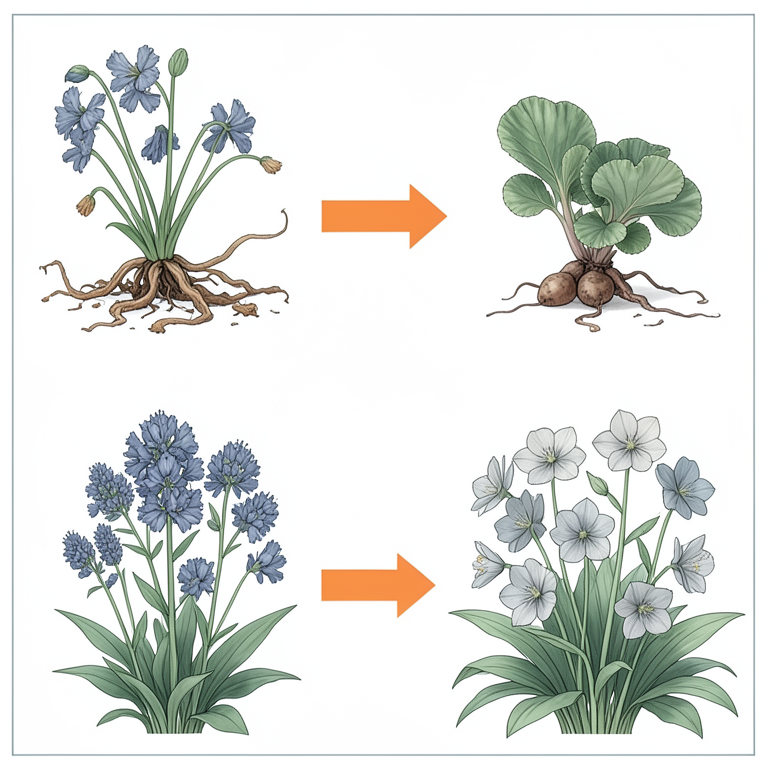
Species-Specific Climate Response
AI-generated conceptual illustration (Medicinal herbs (Delphinium himalayai, Nardostachys grandiflora, Rheum australe, and Paris polyphylla) in a Himalayan山地(). It explains the idea and does not show study data.
View source evidence ↗Figures & tables
From the original paper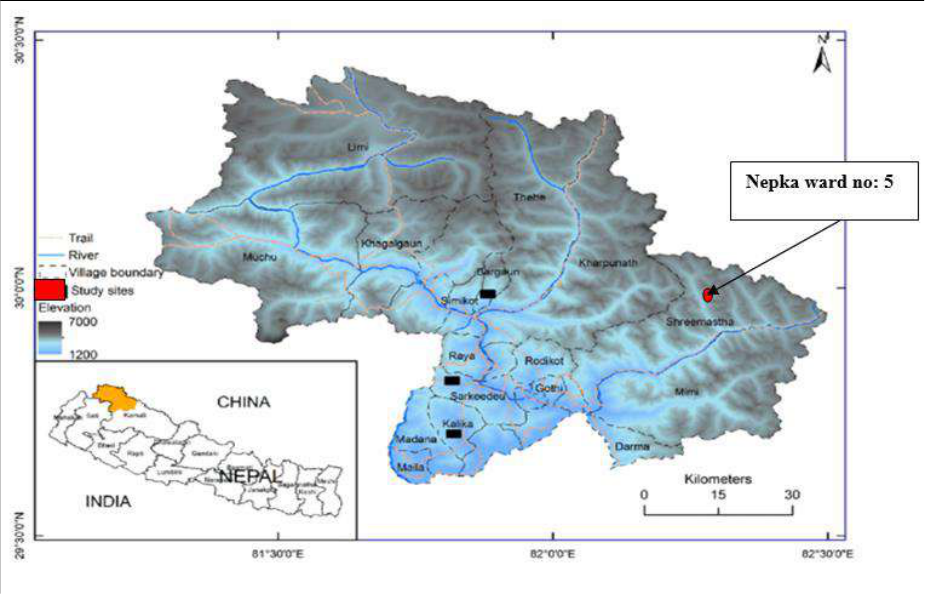 Figure 1
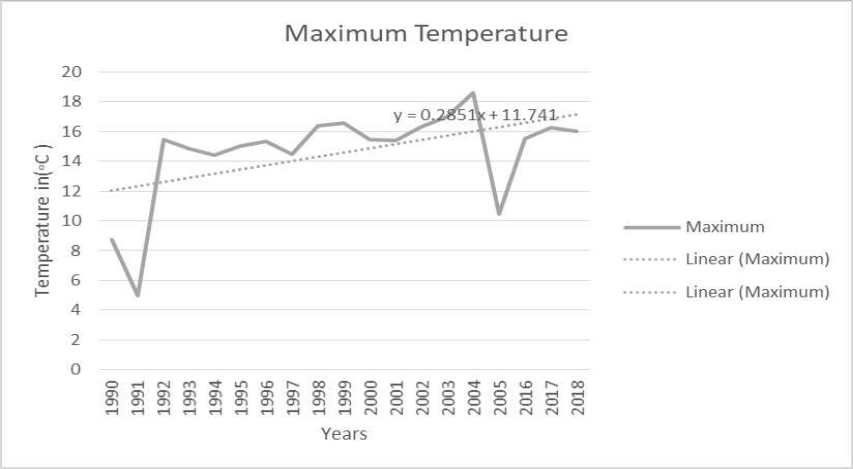 Figure 2
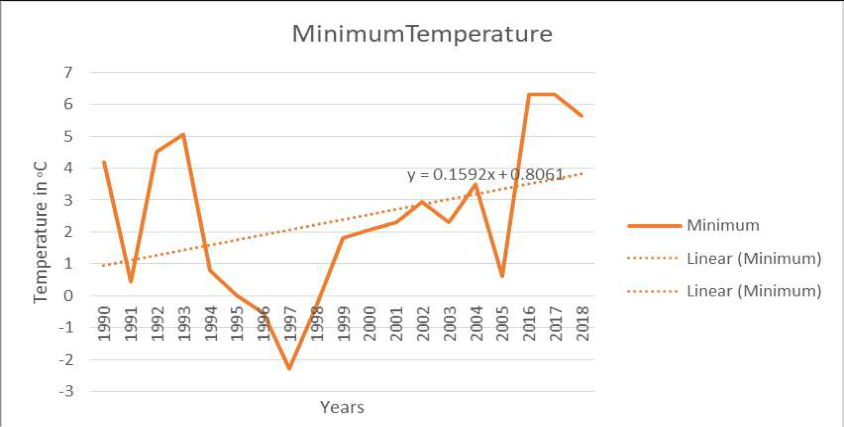 Figure 3
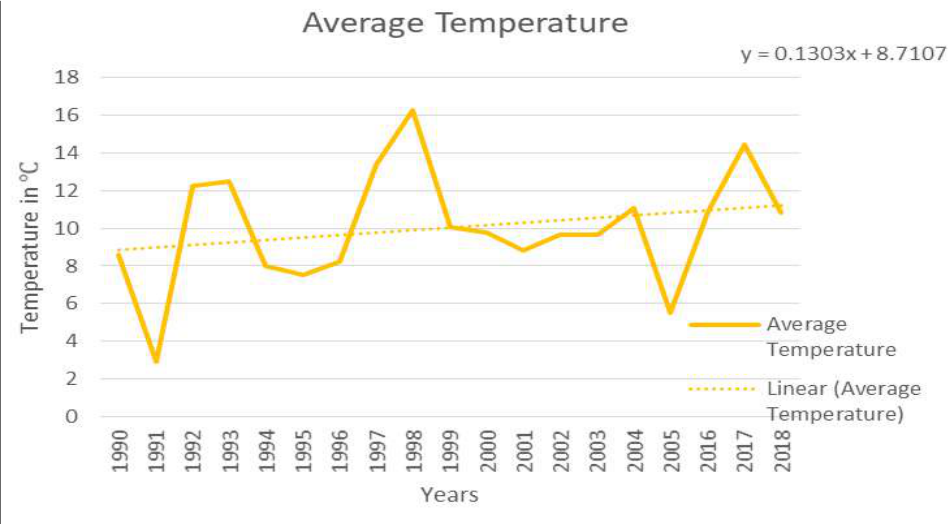 Figure 4
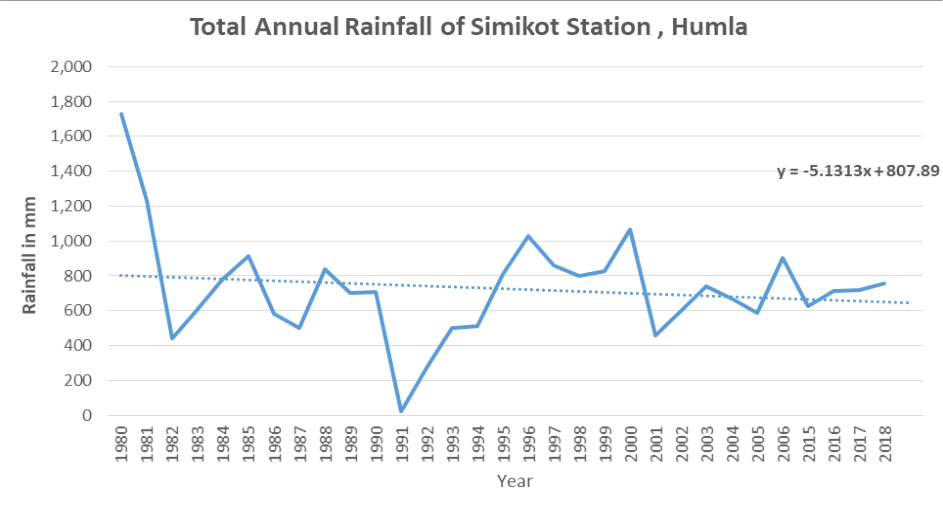 Figure 5
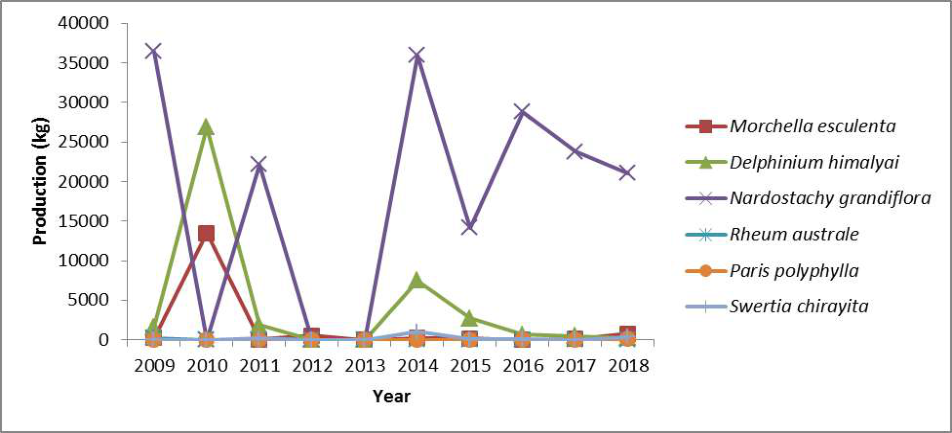 Figure 6
Introduction
Earth's average temperature has risen by 1.5°F over the past century and is projected to rise another 0.5 to 8.6°F over the next hundred years (Sapkota, 2017) [13] . Small changes in the temperature of the planet can translate to large and potentially dangerous shifts in climate and weather. Nepal lies in Hindu-Kush Himalayan region. Nepal is 4 th rank among top ten countries impacted by climate change (WFP, 2009) [15] . Review of many paper shows that Himalayan and Trans-Himalayan region of Nepal are among the most vulnerable region of Climate Change. The high altitude, harsh climatic condition, low productivity, fragile ecosystem, uneven topography, dependency only on livestock farming and agriculture make the human inhabitants more vulnerable to climate change in this regions. There have been worldwide changes in seasonal patterns, weather events, temperature ranges and other related weather and climate phenomenon and all has been reported and analyzed to global climate change (Das, Jain, & Malhotra, 2016) [1] . Medicinal herbs are being impacted by the climate change so far. This in turn might bring uncertain and more effects on medicinal herbs in the future. As these tremendous changes of climate may place the life of medicinal herbs including we human being at great risk (Das et al., 2016) [1] . It is estimated that around 300,000 of plant species exist in the world and among them 21,000 species have the strength of being used as medicine (WHO, 2001). Medicinal Herbs are mostly present in the high Himalayas in the cold areas. About 65% to 80% of medicinal herbs have been used by developing countries as remedies and Nepal is one of them. Nepal's position in the centre of Himalaya enables it to host 3000 species that are traded internationally, among which 2000 of them are particularly traded in the European Country like Germany, Switzerland and France (Kalauni et al., 2018) [6] .
Trade policy 2009 has identified medicinal herbs as one of the products having high export potential for its commercialization and export enhancement (Kalauni & Joshi, 2018) [6] . But Climate change has impacted on ecological habitats and ecosystems, putting pressure on them. This directly impacts on the economy of the country and livelihood of the people in Himalayan region. On the other hand, rising temperature makes the situation of the food security even worse by decreasing in the Agriculture production and directly affect the personal hygiene and human health by increased activities of the pathogens (Pant, 2011) [9] . Study of medicinal herbs in Humla district shows that altogether 161 plant species belong to 61 families and 106 genera were identified (Rokaya &Timisina, 2011). Himalayan countries like Nepal, India, Bhutan, China and Pakistan are experiencing the impacts of climate change already and more intensely than many other parts of the world (Goirola et al., 2010). So, Humla district lies in high altitude with hardship of livelihood. Medicinal herbs are the life sustaining substances in which local people of Humla district depend upon. The only means of curing diseases are local people's traditional ways of using medicinal herbs. But recent years socio-economic transformation, Climate Change and weather variability as well as the changing life style of human beings leads to habitat fragmentation, overexploitation, overharvesting of medicinal herbs in Humla district. In addition to this, Humla is highly vulnerable to the potential impact of Climate Change. However, there is gap in study related impacts of climate change on medicinal herbs in Himalayan region. Thus, this study was objectively to assess the trend and changes of rainfall and temperature and explore the impact of climate change on medicinal herbs production.
Materials and Methods
Study site: The study of assessing the impact of climate on medicinal herbs and their contribution to society and economy was carried out in the Humla district situated in the northern west part of Nepal with area of 5,655 km². It lies in the province no 6 with population of 50,858 as per the census of 2011. The Northern part of Humla district is inhibited by Buddhists originating from Tibet, whereas the South is mostly inhabited by Hindus. A widely average temperature of Humla ranges from 25 °C to -28 °C. Yearly rainfall varies from 25.4mm to 169 mm from Northern to Southern Humla. Topographically, Humla entails 29 0 35' North to 30 0 57' North latitude and from 81 0 10' East to 82 0 10' East longitude. This research was carried out in Nepka-5 of Humla district (Figure 1).
Method of Data collection
The primary and secondary information were collected to carry out the research work. The data need was both qualitative as well as quantitative and hence the mixed method was applied to collect the data. This includes household survey, key informant interview, focus group discussion and observation.
Household survey: Study area consists of 201 households. Among them 40 households were surveyed. The respondents were non-randomly selected and semi-structure questionnaire were asked to collect data and information from the people on climatic parameter and the impact posed to medicinal herbs. After the information, list of medicinal herbs collected by the users were noted to obtain valid data and to reduce error. The data was collected directly from the field.
Key Informant Interview:
Total thirty five key informant interviews were carried out to collect the data related to impacts of climate change on medicinal herbs. The key informants were staff of division forest office, experts of medicinal herbs, users of community forests, collectors and business men. The check list related to impacts of climate change on medicinal herbs were prepared, examined and used to collect the data.
Focus Group Discussion: Two group discussions were conducted to collect the information regarding the impacts of climate change on medicinal herbs and hence the check list was prepared and used. The focus group discussion was organized with the collector of the medicinal herbs.
Observation:
The field observation was conducted from 1 st September to 26 th November 2019 at Nepaka village, Humla Nepal. We observed the field for 1 week.
Secondary Data Collection: Secondary data were collected from different journal, articles, books, websites, thesis reports, and annual reports from different agencies from DFO and DHM. Total 30 years Temperature data from 1990 to 2018 and rainfall data from 1980 to 2018 of Humla district were collected from regional Department of Hydrology and Meteorology (DHM). However, there was large gap in the record of temperature and rainfall as well.
Data analysis:
The collected data were analyzed using the descriptive statistical analysis. The trend analysis and response of variation in production of medicinal herbs was correlated with the varying temperature and rainfall.
Results
Trend Maximum Temperature: The trend analysis of maximum temperature was showed the increasing trend in Humla district. The recorded temperature was the highest 18.7 0 C in 2003 which was the lowest only 5.0 0 C in 1991 (Figure 2). The minimum temperature was also increasing from 1990 to 2018. The highest temperature was recorded 6.4 0 C in 2018 but it was -2.5 0 C in 1997 (Figure 3).
Impact of climate change on Delphinium himalyai (Atis)
The plant species Delphinium himalayai grows best in cool and moist summer climates, but do not grow well in hot dry summer. So, in figure 6, the production of Delphinium himalyai was the highest in 2006, in the same year maximum temperature had decreased as shown in figure 2. While analysis of overall annual rainfall from 1980 to 2018 in figure 5 and average temperature of same period in figure 4 relating with annual production of Delphinium himalayai from 2004 to 2014 showed that, the production of Delphinium himalayai decreased with increased of temperature. It shows increase in temperature has impacted the growth and production of Delphinium himalayai.
Impact of climate change on Nardostachys grandiflora (Jatamasi)
The plant species Nardostachys grandifliora grows in warm temperature and its production affected any change in temperature. The production of Nardostachy grandiflora was the highest 36429 kg in 2009 (Figure 6), in the same year average temperature in figure 4 increased and rainfall decreased in figure 5. While analyzing overall annual rainfall from 1980 to 2018 as shown in figure 5 and average temperature from 1990 to 2018 in figure 4 with annual production of Nardostachy grandiflora from 2004 to 2014 in figure 6 showed, the production of Nardostachy grandiflora had increased with increased of temperature. There is unavailable of data of production of medicinal herbs from 2014 but its production is increasing as informed by the DFO due to increase of the temperature by 0.1303 0 C.
Impact of Climate change on Rheum australe (Padamchal)
The species Rheum australe grows well in cold arid climate with rainfall. The production of Rheum australe had decreased and it is totally diminished as shown in figure 6. It was found that production of Rheum australe had decreased from 2005 onward. While analysis of annual rainfall from 1980 to 2018 in figure 5 and average temperature of same period in figure 4 relating to the production of Rheum australe from 2005 to 2014 in figure 6 depicted that the decreasing trend. In fact, there is no more Rheum australe in this district now as it is believed that this species has been completely extinct from this district. It shows Rheum australe is highly impacted due to irregular and untimely rainfall and high temperature.
Impact of Climate change on Paris polyphylla (Satuwa)
The plant species Paris polyphylla grows generally best in warm temperature. Trend analysis of production of Paris polyphylla from 2005 to 2013, revealed that there was no more production of this in this district. But in 2014 it was found and in the same year temperature was also high, this may be the main reason of introduction of this species. It was positive trend of production which is indication of positive impact of climate change on Paris polyphylla.
Impact of climate change on Swertia chirayita (Chiraito)
The plant species Swertia chirayita (Chiraito) grows generally best in medium rainfall and long winter. The production of Swertia chirayita was the highest in 2010 as shown in figure 6, in the same year the rainfall in figure 5 had increased and Maximum temperature had decreased in figure 2. Looking to the relation of overall annual rainfall from 1980 to 2018 and average temperature from 1990 to 2018 with the production of Swertia chirayita from 2005 to 2014 revealed that the production of Swertia chirayita was increased as per the increase in temperature than past years. It is found that there has been positive impact of climate change on Swertia chirayita. From overall Analysis of medicinal herbs production trend, it shows that majority of medicinal herbs were in the highest level of production in the year 2006, 2010, 2011. During these years, analysis of rainfall and temperature trend, showed too high rainfall but low temperature. Therefore, it can be concluded that medicinal herbs grow in cold temperature if the rainfall is higher based on the analysis of climatic parameter and production of medicinal herbs. However, overall correlation between the climatic parameter and production of medicinal herbs was more negative. It indicates that the impacts of climate change on medicinal herbs are serious these days.
Discussion
Humla district is known as one of cold arid climatic region. Production of medicinal herbs is one of the major sources practiced by the local people for the livelihood subsistence and improvement. As per the overall analysis of temperature and rainfall trend of Humla district, the finding related to trend of both maximum and minimum temperature was increasing for last 30 years from 1990 to 2018. Annual maximum temperature of this district area has increased by 0.139 0 C from 1990 to 2018, which is also supported by the findings of Nepal's climatic data analysis report (DHM, 2017) [3] , it was mentioned that the maximum temperature increased by 0.056 0 C from 2071 to 2014. In same pattern, the annual minimum temperature of Humla district was also increased by 0.1592 0 C and this was also recorded in case of minimum temperature of Nepal too, which showed the annual increase was by 0.002 0 C (DHM et al., 2017) [3] . Our findings were justified with these reports, significantly. Moreover, several other studies, reported that annual maximum and minimum temperature of Nepal has increased by 0.044 0 C and 0.042 0 C (Devkota, 2014) [2] . His findings are very close to our research findings. Similarly, another important aspect of our study depicted that there was increasing trend in average temperature by 0.1303 0 C and this is justified the study done this author showing annual increase by 0.043 0 C (Devkota et al., 2014) [2] . Similarly, total annual rainfall of Humla district was showing the decreasing trend. Annual rainfall of this district was decreased by 14.327 mm/yr but it is quite contradict with other studies. Annual rainfall trend of Nepal showed the increased by 0.004 mm/yr (Devkota et al., 2014) [2] . In our study it was negative correlation which was also supported by people's perception stating that rainfall pattern is in decreasing from few years. Annual rainfall of Nepal also shows the decreasing trend (DHM et al., 2017) [3] from 1971 to 2014 which is insignificant.
According to the data taken from DFO, the production of medicinal herbs is in decreasing trend as shown in figure 6. Temperature is the most important climatic factor for the medicinal herbs production. Majority of medicinal herbs needs cold weather for flowering and budding. As increasing trend of temperature the production of medicinal herbs had decreased. Similarly, the duration of rainfall used to be long in the past but now the duration is less (DHM et al., 2017). The short duration, irregular timing of rainfall has also hampered the medicinal herbs growth a lot. According to the people's perception about the impact of climate change on medicinal herbs, 99% of the respondent of Nepka, Humala said that there is change in Medicinal herbs production while 1% said that there is no change in production and size of medicinal herbs. It means majority of people says climate change had impacted on medicinal herbs. While reviewing the previous study it was found that due to rise in temperature , some cold adopted alpine species of medicinal herbs are migrating upward until there is no higher areas to inhabit, at which point they may be faced with extinction (Fang & Byg, 2009) [4] . Similarly, Medicinal herbs, Nardostachys grandiflora (Jatamasi) required warm temperature. The production of Nardostachys grandiflora (Jatamasi) in figure 6, it was found that it's production was the highest 2010, in the same year average temperature in figure 4 increased and rainfall decreased in figure 5. Analysis of overall annual rainfall from 1980 to 2018) in figure 5 and average temperature from 1990 to 2018, as shown in figure 4 with annual production of Nardostachys grandiflora from 2004 to 2014 as indicated in figure 6, showed increasing trend. This finding was supported from people perception found in FGD and KII. Their opinion was there was increase in the production of Nardostachys grandiflora as temperature is being increased. It means there has been positive impact of climate change on the production of Nardostachys grandiflora. Rheum austral grows well in cold arid climate with rainfall which was noted in the production of this from 2005 to 2014. It showed decreasing trend of the production of Rheum australe which is about to extinct from this district. The record of division forest office, Humla justified reasoning that irregular and untimely rainfall and high temperature impacted on the production of this species.
Thus, overall analysis clarified that, climate change has a positive as well as negative impact on medicinal herbs according to species categories.
Conclusion and recommendation
There is noticeable change in temperature and rainfall pattern. Trend analysis shows both maximum and minimum temperature showed increasing by 0.2851 0 C and 0.1592 0 C respectively from 1990 to 2018. The trend of average temperature was also increased by 0.1303 0 C. However, annual rainfall trend was more irregular and decreasing by 14.327mm. Annual production of medicinal herbs shows both positive and negative trend when correlating with rainfall and temperature trend. Majority of people were unaware about negative and positive effects of climate change on medicinal herbs. Untimely rainfall, increase/decrease temperature during unwanted time have negative impact on medicinal herbs production. It will be beneficial to understand the impacts of climate change on production of medicinal herbs. However, further research should be initiated to justify intensively.
References
22 in the original paper- Das M, Jain V, Malhotra SK. Impact of climate change on Medicinal and aromatic plants: Review. Indian Journal of Agricultural Sciences, 2016; 86(11):13751382.
- Devkota RP. Climate Change: Trends and People's Perception in Nepal. Journal of Environmental Protection, 2014; 05(04):255-265. https://doi.org/10.4236/jep.2014.54029
- DHM. Observed Climate Trend Analysis of Nepal. Department of Hydrology and Meteorology, Nepal, (June). https://doi.org/10.1016/S2005-2901(10)600222, 2017.
- Fang Z, Byg A. Eastern Himalayan alpine plant ecology, Tibetan ethnobotany, and climate change. Global Environmental Change,. 2009; 19(2):147-155. https://doi.org/10.1016/J.GLOENVCHA.2009.01.008
- Gaire BP, Subedi L. Medicinal Plant Diversity and their Pharmacological Aspects of Nepal Himalayas. Pharmacognosy Journal, 2011; 3(25):6-17. https://doi.org/10.5530/pj.2011.25.2
- Kalauni, Dharmendr, Joshi A. Status of Medicinal and Aromatic Plant (MAPs) and Socio-Economic Influence. Acta Scientific Agriculture (ISSN: 2581-365X), 2(9 th September), 2018, 123-130.
- Ngawang, Jamba, kumar BM. Frontiers _ Medicinal Plants in the Broad-Leaf Mixed Coniferous Forest of Tshothang Chiwog, Bhutan_ Floristic Attributes, Vegetation Structure, Ethnobotany, and Socioeconomic Aspects _ Environmental Science. Front. Environ. Sci. 5:96. Retrieved from https://doi.org/10.3389/fenvs.2017.00096, 2018.
- Palhares RM, Drummond MG, Brasil Bd SA, Cosenza GP, Brandao Md GL, Oliveira G. Medicinal Plants Recommended by the World Health Organization_ DNA Barcode Identification Associated with Chemical Analyses Guarantees Their Quality, 2015, 10(5). https://doi.org/10.1371/journal.pone.0127866
- Pant K. Economics of climate change for smallholder farmers in Nepal. The Journal of Agriculture and Environment, 2011; 12:113-126.
- Pramanik M, Paudel U, Mondal B, Chakraborti S. Climate Risk Management Predicting climate change impacts on the distribution of the threatened Garcinia indica in the Western Ghats, India. Climate Risk Management, 2018; 19(2017):94-105. https://doi.org/10.1016/j.crm.2017.11.002
- Pramod Lamsal, corresponding author1 Lalit Kumar, 1 Kishor Atreya, 2 and Krishna Prasad Pant3. Vulnerability and impacts of climate change on forest and freshwater wetland ecosystems in Nepal_ A review. 2017; 46(8):915-930. https://doi.org/10.1007/s13280017-0923-9
- Pyakurel D, Sharma IB, Ghimire SK. Trade and conservation of medicinal and aromatic plants in western Nepal. -Journal of Plant Science, II, 2017, 2737.
- Sapkota R. Climate Change And Its Impacts In Nepal A term paper report Institute of Science and Technology. (September). 2017.
- Wangchuk P, Samten U. High Altitude Medicinal Plants of Bhutan: An Illustrated Guide for Practical Use, 1st Edn. Thimphu. Pharmaceutical and Research Unit, Institute of Traditional Medicine Services. 2009.
- WFP. No Title The Future of Food Creating sustainable communities through climate adaptation. WFP Nepal - Food For Thought, 2009, (2).
- Xavier TF, Kannan M, Lija L, Auxillia A, Rose AK, KS. Ethnobotanical study of Kani tribes in Thoduhills of Kerala, South India. Journal of Ethnopharmacol., 2014; 152(1):78-90. https://doi.org/10.1016/j.jep.2013.12.016.
- GLORIA. Changing biodiversity and landscapes of alpine environment of the world, 2011.
- Rokaya MB, Timsina B. medicinal plants from Humla district of western Nepal. Nepal Journal of Plant Sciences, 2010.
- Nepal BK, Sapkota P. Resource Analysis and indigenous knowledge on plant use: A case study of Humla district, Nepal. Nepal Journal of Plant Sciences. 2005.
- Ghimere SKT. Heterogeneity in ethno ecological knowledge and Management of medicinal plants in the Himalayas of Nepal: Implications for Conservation Ecology and Society, 2004.
- INDC. Government of Nepal. Ministry Of Population and Environment, 2016.
- Gyawali R, Poudel PN, Pyakurel D, Regmi P. Impact of climate change on the plant based traditional medicine of lower Mustang, Nepal. Research Gate, 2016.
Cited by 9
From OpenAlex, OpenCitations and reference lists read by Scinovex
- Climate Change and Its Impact on Crops: A Comprehensive Investigation for Sustainable Agriculture ↗
Aradhna Kumari, G. Lakshmi, Gopinathan Kumar Krishna, Babita Patni, Soban Prakash, Malini Bhattacharyya et al. · Agronomy · 2022
Plants are a highly advanced kingdom of living organisms on the earth. They survive under all climatic and weather variabilities, including low and high temperature, rainfall, radiation, less nutrients, and high salinity. Even though they are adapted to various environmental factors, which are variable, the performance of a crop will be compensated under sub/supra optimal conditions. Hence, current and future…
❝ 84PDF - Standardization of herbal drugs: An overview ↗
Prajakta Tambare, Firoj A. Tamboli, Harinath N. More · International Journal of Pharmacognosy and Pharmaceutical Sciences · 2021
Many different types of medicinal herbs and their formulation have been used since time immemorial. Practical experience and several modern research works have clearly shown that therapy using medicinal plants is more esteemed than using synthetic chemicals. The world is rich in medicinal plants growing wild or cultivated, forming a huge natural and economical health which must be protected, increased
- Antifungal volatiles from medicinal herbs suppress Fusarium oxysporum f. sp. lycopersici ↗
Praveen Thangaraj, Krishnamoorthy As, S. Nakkeeran, Sivakumar Uthandi, D. Amirtham · Journal of Entomology and Zoology Studies · 2021
Medicinal herbs are the potential sources for antimicrobial compounds against soil-borne pathogens. The present investigation focuses on assessing the efficacy of antifungal activity of volatile organic compounds (VOCs) produced by seven different medicinal herbs in the suppression of F. oxysporum f.sp. lycopercisi, the causal agent of wilt disease in tomato plants. Among the seven samples tested in-vitro, the blend of
- Broad-spectrum antimicrobial activity of medicinal herbs: A potential solution towards microbial drug resistance ↗
Santosh Kodgire, Chandrashekharaiah PS, Jatinkumar Solanki, Debanjan Sanyal, Santanu Dasgupta · Journal of Medicinal Plants Studies · 2023
Infectious diseases are major threats to humankind and are main reasons for mass mortality. As a survival mechanism microbes continuously evolve and change their genetic make up to gain resistance against the drugs which they come in contact. Hence, there is a growing interest in identifying alternative and safe medicines to overcome microbial drug resistance. The use of medicinal plants
- Effect of seed priming on seed vigour in Podophyllum hexandrum Royle: An important medicinal herb of temperate Himalayan region ↗
Dinesh Thakur, Anju Thakur, Kartikey Sahil · International Journal of Chemical Studies · 2021
The present investigation was conducted with an objective to study the effect of seed priming on seed vigour in Podophyllum hexandrum Royle. The seeds of Podophyllum hexandrum were subjected to seventeen priming treatments and stored thereafter, for 0, 1and 2 months. Radicle length was found maximum (4.02 cm) in T8 i.e. GA3 100 ppm for 48 hours as compared to
- An overview of Portulaca oleracea: Phytochemistry and pharmacological activities ↗
Sara Chetehouna, Ouidad Atoussi, Samir Derouiche · International Journal of Pharmacognosy and Clinical Research · 2021
Purslane (Portulaca oleracea L.) is an annual herbaceous plant belongs to the family Portulacaceae. These plants have various pharmacological properties, including antioxidant, anti-inflammatory and analgesic activities and a variety of phytochemicals. Purslane is a medicinal herb, which is frequently used by the traditional practitioners in Algeria, north afreca and many other countries of the world for the treatment of various
- Biological studies of terpenoids and chemical transformations extracted from essential oil of Cyperus scariosus ↗
Poonam Rani, K. Sujatha, Chinnababu Sanapala, Nagaraju Sampathirao, Charan Sai Suna · International Journal of Chemical and Biological Sciences · 2024
Cyperus scariosus is a potential medicinal herb belonging to the family Cyperaceae. The GC-MS analysis of the oil showed cyprene (16.21%) as the major terpene present in it. Cyprene was isolated from the non-polar fraction of the oil using hexane as solvent and characterized using TLC and spectral techniques (IR and 1H NMR). Cyprene was derivatized to cyprene epoxide by
- Rauvolfia serpentine (Linn) an herb with health benefits and pharmacological therapeutic effects
Shubham Bhosale, Aniket Lendal, Kishor Godage, Mahesh Gawade · International Journal of Agriculture and Nutrition · 2022
Ayurvedic literature and contemporary science both describe the medicinal herb sarpagandha, Rauwolfia serpentina. The presence of alkaloids, carbohydrates, flavonoids, glycosides, phlobatannins, phenols, resins, saponins, sterols, tannins, and terpenes in the plant is recognised for its ability to treat a variety of illnesses. With particular emphasis on the plant's role in treating high blood pressure and hypertension, this review focuses on the use of Rauwolfia as a treatment for many diseases, as well as its botany, chemistry, and mode of action. We also critically examine its unfavourable
- Therapeutic usefulness of Delphinium denudatum (Jadwar): An update ↗
Raka Jain, Mohd Zakir Siddiqui, Mohd Waseem, Rahul Raghav, Azhar Jabin, Sonali Jhanjee · International Journal of Herbal Medicine · 2021
Delphinium denudatum (Jadwar) is a potent drug of Central Nervous System, an annual herb belongs to family Ranunculaceae occurring in the western Himalayas from Kashmir to Uttarakhand. The word Jadwar is Arabic form of Persian Zadwar means the great purifier or antidote. It is also called Nirbisi due to its antidotal properties. According to Dymock Jadwar is of five types.