
Research article · 2026 · Full text
International Journal of Horticulture and Food ScienceFood metabolites, nutritional value assessment of foods, secondary metabolites, pharmaceutical industry, GC and NMR
Volume 8(4) · Pages 113–120 · DOI: 10.33545/26631067.2026.v8.i4b.870 ↗
Research areasMetabolomics and Mass Spectrometry StudiesSpectroscopy and Chemometric AnalysesFood and Agricultural Sciences
Abstract
Author-writtenSubstances called secondary metabolites have attracted much attention because of their virtually limitless applications in many industries. Although they are mainly used in bioactive applications, their increased sensitivity in analytical chemistry has also resulted in their use in food authentication and quality control parameters, thus contributing to the fight against food fraud and food adulteration and to information about the nutritional content of different food products. Metabolomics is beginning to prove to be a powerful tool in the food research toolbox, with a few examples of how it can be used including food analysis, food safety testing and food traceability. All these developments in the metabolomics field and their possible applications in food analysis are summarized in Figure 5. The volatile compounds that contribute to the unique fragrance of a food are usually created during processing (e.g., roasted coffee beans or fermented dairy products) and GC/MS is a powerful tool used to identify these compounds. However, other analytical platforms, such as NMR and LC/MS appear more appropriate for profiling non-volatile polar phytonutrients such as glycosides and phenolics, and comparative metabolomics methods are required to get a more comprehensive picture of the food metabolome. For these industrial food applications, as in the case of drug analysis using chemometric tools, direct spectroscopic measurement (NIR) is more appropriate than hyphenated techniques, such as checking consistency among food batches. Portable near – infrared (NIR) analysis and detection instruments, mass spectrometry (MSI) and other technologies have recently made metabolism a popular choice in the industry. There is a need to enhance the sensitivity and accuracy of technologies associated with metabolomics. Some metabolites with low levels are difficult to detect, and there are many methods that have difficulties to distinguish molecules with the same mass, or isomers. The standardization of initiatives can be developed to facilitate the comparison between various experimental settings and equipment, data processing technologies and statistical approaches have not been standardized, and the library of metabolites in food is not sufficient. Additionally, technology linked to metabolomics can be difficult to use to describe the metabolism pathway and mechanism of action of the output chemical; most metabolomics studies can only look at the output chemical. For this, it can be coupled with other omics technologies for collaborative analysis such as genomes and proteomics.
Summary
Source-checkedPlain-language reading of the full paper, prepared with AI and checked against the text. Each point links to the authors' own words.
The question
- The paper aims to summarize developments in the field of metabolomics and their specific applications in food analysis. View evidence ↗
What they did
- Nuclear Magnetic Resonance (NMR) and Liquid Chromatography-Mass Spectrometry (LC/MS) are preferred for profiling non-volatile polar phytonutrients. View evidence ↗
What they found
- The presence of salicylic and uric acids in urine serves as an indicator of a high-fiber diet rich in fruits and vegetables. View evidence ↗
What it means
- Current technologies struggle to detect low-level metabolites and often cannot distinguish between isomers or molecules with identical masses. View evidence ↗
Figures & tables
From the original paper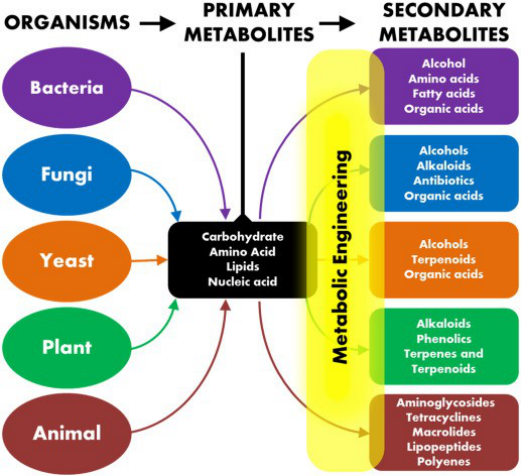 Figure 1
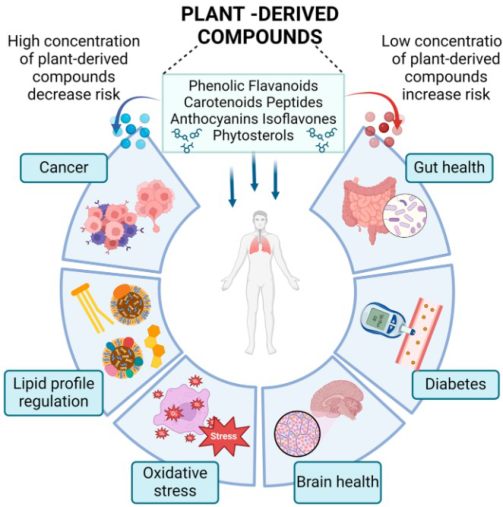 Figure 2
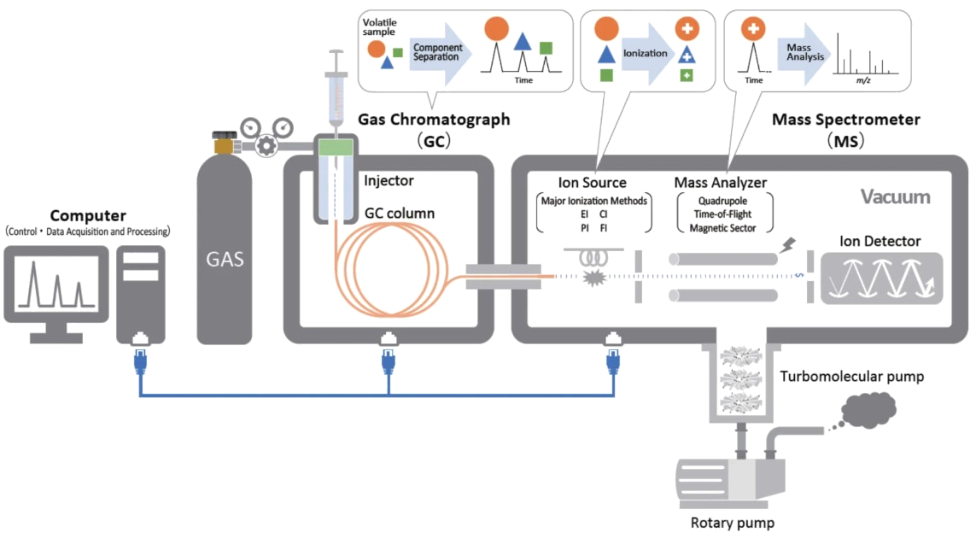 Figure 3
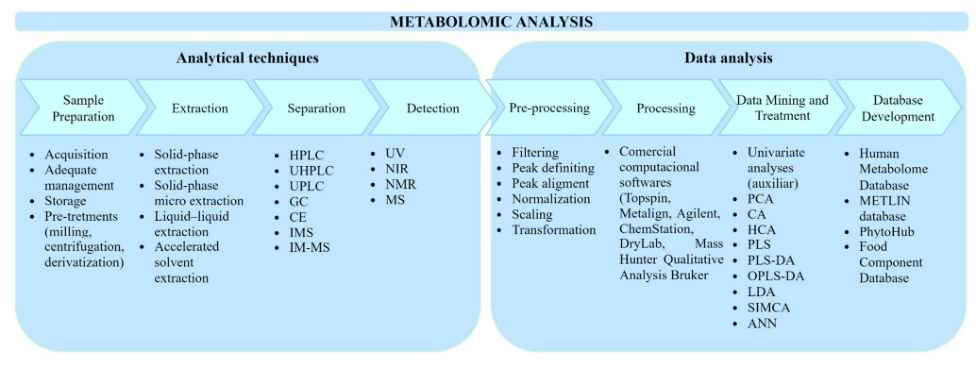 Figure 4
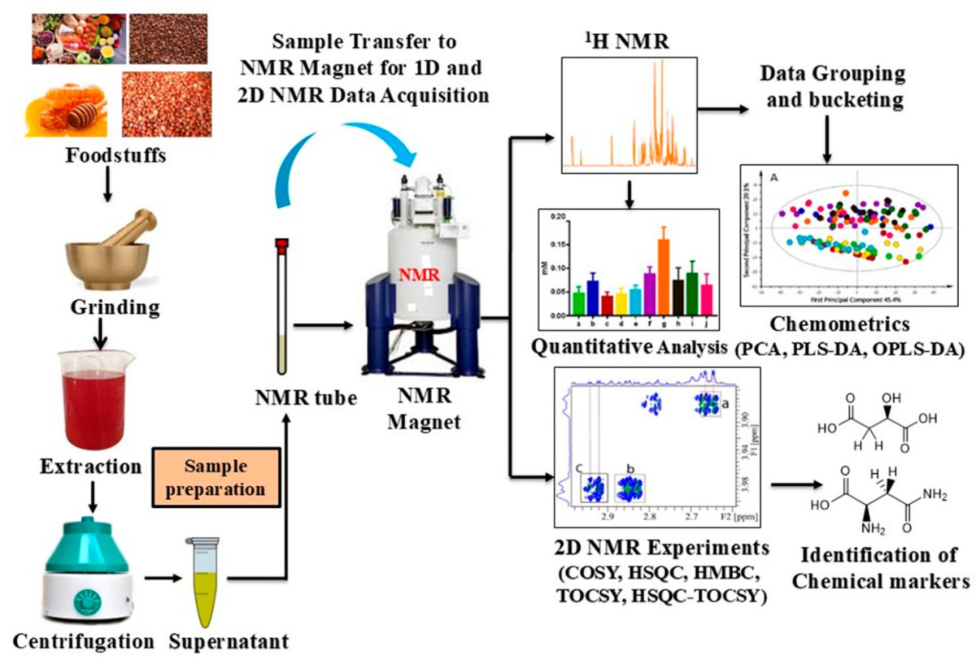 Figure 5
Introduction
Metabolomics (or metabonomics) is a relatively new area that has rapidly gained popularity since the beginning of the 20th century. It is mainly used for the study of the metabolic responses of organisms to internal and external factors and has a molecular weight range of less than 1500 kDa. Metabolomics' predictability and non-targeted attributes allow it to quantitatively and qualitatively indicate the impact of both internal and external stimuli on organisms' metabolism at a systemic level. This kind of research can be comprehensive and systematic and can shed light on the mechanisms of bioactive compounds, dietaries, screening of new biomarkers, and prescription drugs in metabolic diseases. The use of metabolomics has increased in recent years, especially in the field of food technology, the development of new technologies such as (UPLC), (CE) and (MALDI) have contributed to these developments. Auxiliary databases like the Fiehn library, the Golm Metabolome Database and the Wiley Database can be used for fast identification of relevant metabolites by mass spectrometry (MS) (Klont et al., 2021; Cramer et al., 2011) [1,2] . When it comes to food industry analysis, search engines like Mascot and Request are great for analysing peptide segments and then matching proteins. Additionally, the SPINE database in the field of nuclear magnetic resonance (NMR) allows for NMR analysis; it is developed to bolster the endeavours of producing product samples and determining their structures. Also, there are a number of open-source, all-inclusive database systems, such as Mass Bank.
Metabolomic information, including biomarkers, disease causes and new drugs, is used in numerous fields, including agriculture, food science, environmental research, and medicine. Metabolomics can be a powerful tool to expedite the drug development process. It has many applications in drug validation such as identification of the corresponding metabolite or biomarker, identification of the drug in chemical mixtures, drug metabolism and identification of possible effects on the organism (toxicity and efficacy). When studying the effects of climate change on the biological systems of animals and plants, biomarkers can be helpful in identifying the presence of contaminants. investigated the metabolic reactions of marine bivalves to pollutants like lead and found that this pollutant could induce dysregulation of energy metabolism, osmotic pressure, and neurotoxicity (Almuhayawi et al., 2021) [3] . However, the author also highlighted the possible interconnections among environmental stresses and contaminants. His research on the effects of the pollutant polycyclic aromatic hydrocarbon fluoranthene in mussels shows that nutritional stress could similarly cause changes in metabolic concentrations similar to those caused by pollution (Cozzolino, 2015; Jacobs et al., 2021) [4, 5] . Metabolomics has the potential to help in the medical field by analysing metabolic pathways to determine how new medications work and, when combined with other tests, to find those with therapeutic promise. Other potential applications include the discovery of relevant biomarkers, the investigation of the effects of medication on organisms, and the understanding of how diseases and other health issues affect organisms. Epidemiology databases are an example of information generated by research that can be applied to medicine and other disciplines. Environmental metabolomics aims to elucidate the biochemical effects of xenobiotics and diseases (e.g., differences in metabolite concentrations) on metabolic processes, and the link between these changes in metabolism and changes in biological functions under environmental stresses, both natural and anthropogenic. Since 2001, Cramer et al. showed that the stress on biological systems has been increasing due to abiotic stress (water, light, chemicals, N Ox oxide) affecting them, which may impact farming and yield of harvest (Kim et al., 2016) [6] . The complexity and dynamic nature of metabolic reactions, which might differ depending on parameters such as the kind and amount of stress, the kind of cell, the species of plant, and so on. They also performed a number of studies linking important features of abiotic stresses to the consequences on plant metabolic responses, and they demonstrated how water scarcity can stunt growth and how reactive oxygen and nitrogen species can change enzyme activity and gene regulation, impacting plant sugars. To comprehend the regulatory pathways and effects connected to environmental stresses, a multitargeted "omics" strategy is necessary. This will allow the development of key regulatory network models for future applications in agriculture using biotechnology, and the consistent identification of desired molecules. Alfalfa sprouts were analyzed for their response to elevated CO 2 and the results indicated that the plant's photosynthetic processes are stimulated, resulting in higher levels of vitamins, minerals, bioactive compounds (phenolics, flavonoids, antioxidants), and anti-inflammatory and antioxidant properties. The plant was also shown to be useful for a functional food by the author. Typically, when people think about climate change and global warming, only negative things come to mind. However, the previous studies indicated that there is a need to study the metabolic processes from multiple perspectives and to understand how to benefit from the challenge of higher CO 2 . Methylotomics is a branch of molecular biology that has applications in the food industry (Pavagadhi et al., 2020) [7] . It can be applied to understand the content, quality and safety of food, the bioactivity of food metabolites and the relationship between food consumption and health outcomes. It is necessary to use multi-disciplinary methodologies to gain a better understanding of the food product and its complex production chain from agriculture to production, storage, preparation, and consumption. Analytical tools such as multi-factor analysis can be helpful to decipher these interactions and their implications for food safety and quality. In recent years, food has become increasingly important economically and for human health, which has resulted in a rise in metabolomic studies of food. New demands from new customers for healthier, more sustainably sourced and all natural food products present continued challenges to the food business. In this context, the sector has to adapt to remain productive and produce safe and quality food products, but this is difficult because of the challenges caused by climate change, resource variability, and others. In the era of popular plant-based products, one of the areas where metabolomics can be applied to guarantee food safety is in the ever-greater consumption of plant based foods which have been associated with various health and environmental benefits in multiple studies (Wu et al., 2021) [8] . Secondary metabolites in plant-based products are closely related to their sensory properties. Amongst these attributes is a group of molecules that are primarily associated with smell and taste: flavour. Generally, volatile metabolites (esters, alcohols, aldehydes, terpenoids, apocarotenoids) are directly linked to aroma, while primary and secondary non-volatile metabolites (organic acids, polyphenols, alkaloids, tannins, peptides) are associated with taste. Therefore, application of omic technologies in the study of biochemical profile of the fresh plant based products, based on the metabolites of the flavour, can be a valuable tool for the quality and freshness assessment of the product and may enable further investigation of nutritional value, economic stability and shelf life. Remarkably, the continuous development of omic technologies and research, and the growing integration of the analysis across different molecular profiles, have unleashed a new branch of omics, known as "foodomics" (Cifuentes, 2009) [9] . An omic approach to nutrition and food analysis is encompassed by this phrase, which arose at the beginning of the 21st century. Foodomics is a tool for understanding the effect of food items on human health, their toxicity, authenticity, quality, traceability, presence or absence of pollutants. An understanding of secondary metabolites is essential to metabolomics and foodomics to understand their impact on food and health and their potential application in food verification for food authentication, quality and nutritional profile.
Primary and secondary Metabolites
Metabolites are small molecules which act in metabolic processes. The metabolites come in two categories: endogenous metabolites, which occur in the body (such as sugars, lipids, amino acids, fatty acids, vitamins, polyphenols, and alkaloids); and exogenous metabolites, which are obtained from the outside of the body (such as food additives, contaminants, and medications). Metabolites are also categorized based on their source (primary or secondary) based on the type of metabolism that produces them. Chemicals called primary metabolites (PM) help carry out 3 basic functions of all living things: growth, development and reproduction. Only a few examples are amino acids, carbohydrates, nucleotides, vitamins, ethanol, and organic acids. Secondary metabolites (SM) such as phenolics, alkaloids and polyketides are compounds that do not directly aid in growth and development of the organism but are part of the defence system of the organism. Although production of secondary metabolites is low as compared to primary metabolites, they are useful natural products with a huge variety of structural variation. These can be made by a variety of organisms, such as plants, fungus, and bacteria. Plants synthesize approximately 350,000 secondary metabolites (primarily phenolic) and microbes about 70,000. In the case of microbe metabolites, it would be hard to imagine a real-world application, such as medicine, farming, etc., for most of the metabolites (Skov et al., 2014; Steuer et al., 2019) [10,11] . Nutrient deficiency or otherwise limited growth resources usually trigger an increase in SM production in response to environmental stresses. The secondary metabolite has a related and often-used word, namely the bioactive molecule. They do not involve with cellular fundamental functions so they can be categorized as SM. When activated, these molecules can exhibit several beneficial health properties such as reduced cardiovascular disease, cancer, diabetes, allergies and inflammation. Due to their bioactivity, they have already been widely utilized in the nutraceutical and phar maceutical industries, and are increasingly being used by the food industry. A number of bioactive SMs have been discovered that inhibit the growth of fungi, bacteria, protozoa, insects and parasites -all of which are metabolites sought by the pharmaceutical industry. Here are a few instances of SM: the antibiotics penicillin and cephalosporin, the pharmaceuticals statins and cyclosporin, and the mycotoxins that humans are toxic for. However, in addition to the numerous other life-saving bioactivities that lovastatin offers, there is also the capacity for lovastatin to reduce cholesterol and cyclosporine's immunosuppressant properties. As a result, these compounds have a lot of promise as agricultural chemicals and in the medical field, particularly in the areas of medication development and discovery. Many fungi are able to thrive in diverse habitats, and fungi secondary metabolites (SM) play a critical role in doing so, in multiple forms. They report that less than 10% of the fungus have had their bioactive chemicals studied and some fungi produce multiple classes of secondary metabolites. One type of SM that can affect food is the mycotoxins, which can contaminate food and can develop moulds in enclosed areas (Sanchez et al., 2008) [12] . Understanding and identifying their bioactive pathway is crucial, as is finding measures to minimise their contamination, which is why studying these chemicals is important.
Gas chromatography (GC)
GC is a separation technique that can analyse complex matrices and is performed using a gas as the mobile phase. The main concept of the apparatus is to let the sample evaporate before it enters a gas flow column, where the sample will not be detectable. The mobile phase of the column is usually a gas, for example hydrogen or helium, and the stationary phase may be a solid, liquid or porous material that can retain the compounds to be identified. The column separates the components as the mobile phase traverses the column. When the stationary phase in each of the columns reaches equilibrium with the solvent, some of the solute will remain in the stationary phase. The rest of the fraction is moved to the next parts of the column with the mobile phase and the process is repeated. The time to the attainment of the equilibrium depends on the solubility of each component at the column temperature ( [13,14,15] . GC has good repeatability of fragmentation, high sensitivity and good thermal stability, and can be used to find the volatiles, gaseous compounds, polar and non-polar metabolites that are reliable and easy to detect. GC can be used to analyze various types of substances such as lipids, carbohydrates, amino acids, and phosphorylated metabolites. However, while derivatization processes are not required for LC, they can be required for GC, thus requiring thermal stability and volatility of the sample. This can lead to inaccuracies and instability, affecting reliability and making data comparison challenging. The outcomes of five pasta products' industrial processing on metabolic profiles. Metabolic profiling was carried out using GC-MS and LC-MS and statistical classifications were performed such as ANOVA, PCA, factor analysis. Seven Hundred and Six Metabolites were identified. With prolonged processing, phytosterols, hydroxy fatty acids, tocopherols and carotenoids can be degraded to affect quality, health benefits, and nutritional value of pasta (Keller et al., 2005; Andryukov et al., 2019) [16,17] . The target treatments based on results of metabolomic studies include regulation of the production conditions, including a decrease in production temperature. For this reason, these investigations are essential for the development of food product quality, its nutritional value and safety.
Nuclear magnetic resonance (NMR)
Along with MS, nuclear magnetic resonance (NMR) has been on the rise in the past 20 years as a popular and extensively used method in metabolomic research. NRM is an efficient technique that can be used to identify and characterise metabolites in complex systems, such as food, in both liquid and solid matrices. The principle of this technique is based on the magnetic properties of odd numbered atomic numbers. A nuclear spin is produced, leading to the creation of a magnetic moment, as a result of the odd number. Therefore, NMR is able to retrieve sample information by applying an external magnetic field, which interacts with the sample. The support of the NRM methodology for food isotope identification is based on the knowledge that most foodstuffs contain at least one isotope of hydrogen, carbon . Although nuclear magnetic resonance (NMR) methods are approximately half as sensitive as mass spectrometry methods, they have the advantage of having lower operating costs owing to the cheap sample preparation costs, which allows for a direct and quantitative correlation between molar concentration and the magnetic resonance values. In a field of food science, these benefits and developments (including cryogenic probes, higher magnetic fields and automation) are beginning to distinguish NRM and bring it to the forefront of concepts concerning quality, authenticity, safety, sensory evaluation, nutritional composition and interactions with human health in such products as meats, vegetables, oils, and beverages. Although this approach is costly, it is regarded as better than the MS based approaches in the big scale applications. Commercial metabolomics technology, based on 1 H NMR is now available for wine quality and authenticity verification. Utilising NMR metabolomic techniques, such as secondary metabolite examples, to gather information about several facets of winemaking. The authors cited a study assessing the anthocyanins (peonidin-3-glucoside and malvidin-3-glucoside) in red wines from Slovenia, where 1D and 2D nuclear magnetic resonance (NMR) was used to identify anthocyanins derived from black rice, and another study where LC-NMR and LC-MS were used to analyze the composition of four grape varieties. Another use case was identifying different types of white wine starter fermentations by analyzing the 1 H NMR data together with a PCA score plot (Zhan et al., 2012; Cubero-Leon et al., 2014) [22,23] . The authors highlighted the importance of using NMR alongside other techniques, such as LC-MS and GC-MS, to obtain more comprehen sive metabolomic profiles of wine, encompassing tannins, aromatics and volatiles.
The safety of food is assured
Food safety has been a topic of growing focus in recent years, due to the relative ease with which regional products can be marketed internationally and to stricter laws, and increased consumer knowledge. To safeguard consumers and guaranty quality, this matter has thus become an integral part of the focus of regulatory bodies and governments. For instance, in the case of food labelling, the job of the regulators is to ensure food safety; in the prohibition of substances, the job is to ensure that no substances are permitted in food; in the control of what is done/not done in food, the job of the regulators is to control. The development of MS based metabolomics analysis offers a strong tool for regulatory and food safety chemical detection. The European Union (EU) legislation (n• 1169/2011) sets out the principles, requirements and obligations for provision of food information, including food labelling which are intended to ensure the safety of consumers. The European Union (EU) has implemented several measures to address food fraud, such as establishing the Food Fraud Network, and the adoption of geographical indicators, including Protected Geographical Indications (PGIS), products from the EU's most remote regions and mountain products, which guarantee the high quality consumers expect of these products (Cevallos-cevallos et al., 2009) [24] . A set of rules and regulations on the nutritional content and labelling of foods is available from the Codex Alimentarius, a result of the collaboration of the Food and Agriculture Organisation of the United Nations and the World Health Organisation Food Standards Programme. The accurate measurement and validation of food quality and authenticity are vital to the safety of food.
Food quality assurance
Evaluating food quality is not a simple task, as it involves many food properties such as flavour, colour, product composition, aroma and other physical and chemical properties. Considering all these factors simultaneously, it should be obvious that there is no one analytical method that will be enough. Impacts on food quality may occur throughout the product life cycle. In the end, a plant's metabolome determines its quality. An example of a tea where non-volatile metabolites play a crucial role in flavour and functionality is green tea. Caffeine, catechins and flavonoid glycosides have an influence on the bitterness, while organic acids influence the fruitiness and acidity. Carotenoids and fat-soluble chlorophylls are responsible for the appearance of dry tea, such as its colour and shape. It is also important to test for the presence of pollutants, microbes, heavy metals and maximum levels of allowed materials after harvest to assess the quality of plant-based products. During processing, the food is subjected to several changes which alters the characteristics, including nutritional and textural changes that occur due to various processes such as heating, mixing, drying and fermentation (Mihailova et al., 2021) [25] . Again, secondary metabolite analysis is a useful tool for quality and safety evaluations. Metabolites produced during industrial processing of semi-liquid and liquid tomato, broccoli and carrot based products. Metabolomics profiling uses targeted methods such as high-performance liquid chromatography (HPLC) with photodiode array detector and gas chromatography-mass spectrometry (GC-MS), or untargeted methods including 1 H NMR for polar components, reversed phase LC-PDA-QTOF MS for semi polar components or headspace solidphase micro extraction (SPME) for volatile components. In this instance, the author pointed to the possibility of the alteration of vegetable phytochemical profiles -carotenoids and volatiles -when the order of processing (blending vs heat treatment) was changed (Tan et al., 2009) [26] .
of any information provided on the label, including where, how and what a product is made from, and its nutritional content. Some of the most common adulteration that occurs for economic reasons such as the product being made cheaper are: adding low value or non-food ingredients to a high value product, mixing and matching low value ingredients, and changing the description on the label to indicate where and how the product was produced. Cutting-edge omic technologies appear to be able to help combat food fraud on this basis. The added value of organic products is usually greater than that of inorganic products due to the additional costs of producing the organic products, including certification. Data suggests that the organic products market in the US should grow fivefold by 2025, and the product's final worth can be as much as 50% higher. Consequently, frauds are on the rise along with the industry. A potential weapon in the battle against these frauds is the use of metabolomic methods using high resolution mass chromatography. These methods include targeted analysis of metabolites (phenolic compounds, organic acids), and untargeted metabolomic fingerprint analysis. The main aims of food authentication studies are (1) identification of differences between samples of the same population (e.g., a specific food product) and ( 2) establishing of statistical models that predict the associations of compounds under different environmental conditions. These variations can be separated from the presence of biomarkers using metabolic profiling as an analytical fingerprint. Phenolic compounds are secondary metabolites present in plant meals which may be used as markers because of their protective action against external stresses. For instance, if a pesticide is not administered to the plants, then the plants react by making more secondary metabolites. There is no consensus among scientists regarding this authentication method, and metabolic profiles may vary with factors such as genetic and environmental effects, as well as climate variations, so further extensive research is required to support the efficacy. In the food industry, the seeds are called "superfoods" because of their high economic value, when combined with metabolomics and machine learning. The selected method included untargeted GC-MS metabolomic profiling, data processing by PCA and random forest analysis (ML technology).
The study also identified biomarkers of processing-dependent for chia and linseed, as well as two unknowns, that can be used as potential biomarkers for sesame seeds in cookies (Beleggia et al., 2011; Palamareva, 2005; Swartz, 2005) [27,28,29] . The molecules detected however, were not optimal markers and may not be reliable for authentication. The author also highlighted the need of conducting further research into the seeds' biomarkers at various stages of processing and using other analytical methods, such as LC-MS, to potentially discover additional compounds that could serve as biomarkers.
Security issues in food
When it comes to microbiological food safety, both the industry and consumers are very concerned. The planting, manufacturing, processing, storage, and distribution phases of the food production chain are all potential entry locations for food contamination. Microbes can multiply and spread in contaminated food, making it a risk to health. Some poisons can be toxic, but not change the organoleptic properties, upon intake. These poisons are mainly produced by algae, fungus and bacteria. This illustrates the importance of collaboration between all parties in the food safety monitoring and assurance process. By utilising this approach, "foodomics" can be a valuable tool in the fight against food-borne diseases and their prevention throughout the production process. The detrimental effects of food contamination on the body have piqued the public's interest in the topic of fungal toxins in food and the security of food processing. Many different foods (fruits, vegetables, grains, meat) may contain mycotoxins and they can be carried over to the final product through the multi-stage process of food production. A potential solution to keep the food safe and high in quality is to apply the metabolomics technique to monitor and manage fungal contamination. Identification of biomarkers for mycotoxins is essential for having a better understanding of how to assess risk in processed foods and for understanding the dynamics of mycotox-ins. IMS is one of the many high throughput techniques that might be useful to screen for and detect these harmful compounds in plant and animal-based foods. In addition, metabolomic studies can provide metrics and metabolites resulting from infection, and they can also provide insights into the role that microbes have in health issues and food poisoning (Cubero-Leon et al., 2018) [30] . Metabolomic databases can be used to guarantee food safety in the presence of microorganisms and give more accurate responses to food contamination outbreaks. Food spoilage and potential health problems are both caused by the presence of toxins. Some fungi genera produce toxins that are a problem in the food supply. Fusarium, Monascus and Penicillium are genera in these. MS-based methods can be used to identify these compounds.
Assessing the nutrient density of foods (NNF)
Nutritional metabolomics deals with the interconnections and repercussions of microbes, food, nutrients, bioactive components and nutrition to metabolic processes in living organisms. One difference between nutritional metabolomics and pharmacological studies is that the findings of the two sets of research do not always agree. In nutritional metabolomics, metabolomic changes of the disease state are investigated by comparing the effect of different diets (e.g. nutraceutical diet or functional food) or individual chemical, based on the patient's pre-treatment health status. The differences in "subjects" are generally less pronounced and the differences in medication are more noticeable and clearly defined. Because of their sensitivity to studies with certain meals and their effects on the individual's organism, LC-MS and GC-MS are the techniques of choice. One of the main points of nutritional evaluation is to evaluate the possible effects of the individual compounds on the organism, the synergy of the various compounds, and the relationship with the health via biomarkers. Indicators of the nutritional state of the organism can be provided by these substances. Lack of molecules such as certain fatty acids, carotenoids, vitamins, etc. may cause dysregulation in fat deposition, cholesterol levels and insulin activity all of which can contribute to the onset of chronic diseases, such as obesity. One example is investigating the effect of various diet patterns on the body such as plantbased, high meat or fruit-based diet and examining the associated biomarkers. Another type of possible evaluation is blood, urine or saliva metabolite monitoring which works the same way as drug presence assays. Analysing the physiological and biochemical impacts of metabolites in the body can be aided by this type of monitoring. Body clearance of biomarkers (e.g., phytochemicals, glycosylated, glucuronated or sulfated conjugates) from specific diets makes urine testing more useful than blood. Salicylic and uric acids are indicators of a high fibre diet and are present in the urine of someone who regularly consumes lots of vegetables and fruits (vegetarian) as a result. Energy metabolism and plasma substance changes were reportedly affected by premenopausal women's consumption of soy isoflavones. The study showed a correlation between fruits and vegetables intake and contents of omega-3, omega-6 and β-carotene; while the intake of dairy products correlated with the level of retinol and pyridoxine (Stringer, 2005) [31] . Because of the relationship between food consumption and diet quality, it was concluded that children and adolescents' diets were not healthy because they were not eating enough fruits and vegetables, dairy or grains. Additionally, it validated the index and biomarkers as tools to help future nutritional and metabolomics studies, which is an important finding.
Conclusions
Customers opinion is linked to the possibility of innovation. Biosensors could be developed for the detection of secondary metabolites. Biosensors can be used to help assess sensory characteristics of goods derived from plants, by measuring volatile metabolites. The most prominent examples include electronic noses and electronic tongues which can mimic some of the senses that humans possess, by mimicking scents and flavours by patterns of metabolite profiles. A subsequent evaluation of the metabolic impact can then be performed in regard to the post harvest and storage quality and freshness of produce. Combined with GC-MS technology, these biosensors can provide additional information about metabolites associated with sensory issues and sample composition. Furthermore, the multi-block method is a novel approach to foodomic research which combines data sets from several analysis techniques (e.g., MS and NMR) and statistics among sample variables. In foodomics more comprehensive multivariate analysis is adopted and complex interactions are also included. Also, analytical data is always increasing, as there is more research and more complete databases. Thus, chemometrics is an important field for providing a more comprehensive understanding of biological systems. A further method that has been gaining in popularity and is helping to improve comprehension of complex biological processes is the fusion of several identification methods. Even with technological advances, it is a challenge to reduce the "anonymity" of these chemicals because there is a large number of unidentified metabolites, a majority of which are secondary metabolites. The number of publications and the appearance of new subfields of metabolomics, like foodomics, indicate an increasing trend for the application of metabolomics in the food industry. New opportunities for the development of these applications have been enabled by the recent improvements of chemometrics, bioinformatics, and analytical technology, and the development of more reliable metabolomics datasets. These techniques, which are becoming more "accessible" to the business, contribute to the enhancement of food safety, food quality, food control, and food authentication in a world of global food trade and customer preferences. The goal of metabolomics is to enhance traceability, quality, security and safety through identification of markers and its subsequent application to different sectors. The potential of secondary metabolomics is vast and only limited by the investment of funds into the field to further discover it. As metabolomics technologies develop and metabolite coverage in the food database increases, knowledge of the role and mechanism of those related metabolites in raw food and food processed by different methods (fermentation, roasting, sprouting, etc.) will be possible in the future. The use of metabolomics in optimisation of food processing steps can guaranty the optimal parameters that, when combined with these kinds of untargeted analyses, produce the desired chemical output. While a number of reports have been published regarding metabolomics in food classification and food origin tracing of plant-based foods, there are relatively few reports of the use of metabolomics for the classification and origin of animal-based foods, and even less have been reported for seafood, which has a different matrix type than plant-based foods. Getting a completely reliable analysis result from a single method of food metabolism analysis seems to be a bit difficult. To ensure more reliable analytical results, spectral fusion technology could fuse numerous data sources together to thoroughly analyze trace component changes in food using a combination of various data modifications and calculations. In addition, the processing capacity and efficiency of the current electronic computers is limited; but with the complete implementation of the quantum computers, it could greatly enhance the food metabolomics data processing and analysis speed and accuracy. No reports have been made of applying metabolomics to assess consistency or quality of prepackaged convenience food mixes.
Figures and tables from the paper
References
30 in the original paper- Klont F, Kremer D, Gomes Neto AW, Berger SP, Touw DJ, Hak E, Bonner R, Bakker SJL, Hopfgartner G. Metabolomics data complemented drug use information in epidemiological databases: Pilot study of potential kidney donors. J. Clin. Epidemiol. 2021;135:10-16.
- Cramer GR, Urano K, Delrot S, Pezzotti M, Shinozaki K. Effects of abiotic stress on plants: A systems biology perspective. BMC Plant Biol. 2011;11:163.
- Almuhayawi MS, Hassan AHA, Al SK. Influence of elevated CO 2 on nutritive value and health-promoting prospective of three genotypes of Alfalfa sprouts (Medicago Sativa). Food Chem. 2021;340:128147.
- Cozzolino D. Foodomics and infrared spectroscopy: From compounds to functionality. Curr. Opin. Food Sci. 2015;4:39-43.
- Jacobs DM, van den Berg MA, Hall RD. Towards superior plantbased foods using metabolomics. Curr. Opin. Biotechnol. 2021;70:23-28.
- Kim S, Kim J, Yun EJ, Kim KH. Food metabolomics: From farm to human. Curr. Opin. Biotechnol. 2016;37:16-23.
- Pavagadhi S, Swarup S. Metabolomics for evaluating flavor-associated metabolites in plant-based products. Metabolites. 2020;10:197.
- Wu B, Wei F, Xu S, Xie Y, Lv X, Chen H, Huang F. Mass spectrometry-based lipidomics as a powerful platform in foodomics research. Trends Food Sci. Technol. 2021;107:358-376.
- Cifuentes A. Food analysis and foodomics. J. Chromatogr. A. 2009;1216:7109.
- Skov T, Honoré AH, Jensen HM, Naes T, Engelsen SB. Chemometrics in foodomics: Handling data structures from multiple analytical platforms. Trends Anal. Chem. 2014;60:71-79.
- Steuer AE, Brockbals L, Kraemer T. Metabolomic strategies in biomarker research-new approach for indirect identification of drug consumption and sample manipulation in clinical and forensic toxicology? Front. Chem. 2019;7:319.
- Sanchez S, Demain AL. Metabolic regulation and overproduction of primary metabolites. Microb. Biotechnol. 2008;1:283-319.
- Canarini A, Kaiser C, Merchant A, Richter A, Wanek W. Root exudation of primary metabolites: Mechanisms and their roles in plant responses to environmental stimuli. Front. Plant Sci. 2019;10:157.
- Tyc O, Song C, Dickschat JS, Vos M, Garbeva P. The Ecological Role of Volatile and Soluble Secondary Metabolites Produced by Soil Bacteria. Trends Microbiol. 2017;25:280-292.
- Bills GF, Gloer JB. Biologically active secondary metabolites from the fungi. In The Fungal Kingdom. Hoboken, NJ, USA: Wiley; 2017:1087-1119.
- Keller NP, Turner G, Bennett JW. Fungal secondary metabolism -From biochemistry to genomics. Nat. Rev. Microbiol. 2005;3:937-947.
- Hamacher M, Malisch CS, Reinsch T, Taube F, Loges R. Evaluation of yield formation and nutritive value of forage legumes and herbs with potential for diverse grasslands due to their concentration in plant specialized metabolites. Eur. J. Agron. 2021;128:126307.
- Liu Z, Sun J, Teng Z, Luo Y, Yu L, Simko I, Chen P. Identification of marker compounds for predicting browning of fresh-cut lettuce using untargeted UHPLC-HRMS metabolomics. Postharvest Biol. Technol. 2021;180:111626.
- Pereira GE, Padhi EMT, Sudarshana MR, Fialho FB. Impact of grapevine red blotch disease on primary and secondary metabolites in 'Cabernet Sauvignon' grape tissues. Food Chem. 2021;342:128312.
- Zhan J, Yu XJ, Zhong YY, Zhang ZT, Cui XM, Peng JF, Feng R, Liu XT, Zhu Y. Generic and rapid determination of veterinary drug residues and other contaminants in raw milk by ultra-performance liquid chromatography-tandem mass spectrometry. J. Chromatogr. B Anal. Technol. Biomed. Life Sci. 2012;906:48-57.
- Cubero-Leon E, Peñalver R, Maquet A. Review on metabolomics for food authentication. Food Res. Int. 2014;60:95-107.
- International Journal of Horticulture and Food Science https://www.hortijournal.com 26631075, 2026, 8(4), Downloaded from https://www.doi.org/10.33545/26631067.2026.v8.i4b.870 by International Journal of Horticulture and Food Science on [15/02/2026]. See the Terms and Conditions (https://www.hortijournal.com) for rules of use; OA articles are governed by the applicable Creative Commons License
- Mihailova A, Kelly SD, Chevallier OP, Elliott CT, Maestroni BM, Cannavan A. High-resolution mass spectrometry-based metabolomics for the discrimination between organic and conventional crops: A review. Trends Food Sci. Technol. 2021;110:142-154.
- Tan K, Ipcho SVS, Trengove RD, Oliver RP, Solomon PS. Challenges for molecular plant pathology over the next ten years: Assessing the impact of transcriptomics, proteomics and metabolomics on fungal phytopathology. Mol. Plant Pathol. 2009;10:703-715.
- Beleggia R, Platani C, Papa R, Di Chio A, Barros E, Mashaba C, Wirth J, Fammartino A, Sautter C, Conner S, et al. Metabolomics and food processing: From semolina to pasta. J. Agric. Food Chem. 2011;59:9366-9377.
- Palamareva MD. Liquid Chromatography: Overview. In Encyclopedia of Analytical Science, 2nd ed. Amsterdam, The Netherlands: Elsevier Ltd; 2005:102-106.
- Swartz M. Liquid chromatography: Mobile phase selection. In Encyclopedia of Analytical Science, 2nd ed. Amsterdam, The Netherlands: Elsevier Ltd; 2005:135-142.
- Cubero-Leon E, De Rudder O, Maquet A. Metabolomics for organic food authentication: Results from a long-term field study in carrots. Food Chem. 2018;239:760-770.
- Stringer R. Electrophoresis: Overview. In Encyclopedia of Analytical Science, 2nd ed.; Worsfold P, Townshend A, Poole C, Eds.; Elsevier Ltd.: Amsterdam, The Netherlands; 2005:356-363.
- How to cite this article: Al-Shalah ZM. Food metabolites, nutritional value assessment of foods, secondary metabolites, pharmaceutical industry, GC and NMR. International Journal of Horticulture and Food Science. 2026;8(4):113-120. doi: https://w ww.doi.org/10.33545/26631067.2026.v8.i4b.870 International Journal of Horticulture and Food Science https://www.hortijournal.com 26631075, 2026, 8(4), Downloaded from https://www.doi.org/10.33545/26631067.2026.v8.i4b.870 by International Journal of Horticulture and Food Science on [15/02/2026]. See the Terms and Conditions (https://www.hortijournal.com) for rules of use; OA articles are governed by the applicable Creative Commons License