
Research article · 2026 · Full text
International Journal of Biology SciencesA novel polyherbal syrup with antioxidant potential: formulation, physicochemical characterization, and prospects for stress management
Volume 8(10) · Pages 14–21 · DOI: 10.33545/26649926.2026.v8.i10a.1003 ↗
Research areasPhytochemicals and Medicinal PlantsMedicinal Plant ResearchMedicinal Plants and Bioactive Compounds
Abstract
Author-writtenThe present study was aimed to develop and formulate a polyherbal syrup from the roots of Asparagus racemosus and Withania somnifera, leaves of Andrographis paniculata and Ocimum sanctum, and fruits of Piper nigrum to mitigate the vaccine-induced stress in animals. The formulation was prepared using traditional decoction method, combined with a simple syrup base and pharmaceutical preservatives. The physicochemical evaluation of the syrup revealed a reddish-brown color, aromatic odour, sweet taste, pH of 6.7, density of 1.180 g/ml, and a viscosity suitable for an oral liquid dosage form. Stability studies on the preparation showed no significant changes in these parameters after one month of storage at 4 °C and room temperature. Qualitative phytochemical screening of the preparation confirmed the presence of alkaloids, flavonoids, phenolics, and tannins. Quantitatively, the syrup exhibited a high total phenolic (158.30 ± 3.38 mg GAE/g) and total flavonoid (123.70 ± 0.88 mg QE/g) content. The formulation demonstrated potent in vitro antioxidant activity with an IC50 value of 86.21 μg/ml in the DPPH assay. The results indicate that the developed polyherbal syrup is a stable and pharmaceutically viable formulation with significant antioxidant potentials and these findings support its potential use as a supplement for alleviating vaccine induced stress and further warranting in-vivo studies to evaluate its immunomodulatory efficacy in animals.
Summary
Source-checkedPlain-language reading of the full paper, prepared with AI and checked against the text. Each point links to the authors' own words.
Why it matters
- Animal vaccinations, while essential for disease prevention, can cause temporary oxidative stress and lower productivity, which negatively affects farmers' livelihoods. View evidence ↗
- There is a significant practical need for safe and affordable immunomodulators to manage the stress induced by vaccinations in animals. View evidence ↗
- Herbal remedies, based on traditional knowledge, are considered a viable way to address vaccine-induced stress. View evidence ↗
The question
- The study aimed to create a polyherbal syrup using five specific plants, Asparagus racemosus, Withania somnifera, Andrographis paniculata, Ocimum sanctum, and Piper nigrum, to reduce vaccine-induced stress in animals. View evidence ↗
What they did
- The final syrup was produced by mixing the plant decoction with a simple syrup base in a 1:5 ratio. View evidence ↗
- Stability was tested by storing ten syrup samples in amber glass bottles at 4°C and room temperature, with evaluations performed at 24 hours, 48 hours, 72 hours, and one month. View evidence ↗
What they found
- The polyherbal formulation remained stable with no changes in its physicochemical characteristics after one month of storage. View evidence ↗
- The syrup contained high levels of bioactive compounds, specifically 158.30 ± 3.38 mg GAE/g of total phenolics and 123.70 ± 0.88 mg QE/g of total flavonoids. View evidence ↗
- The syrup showed strong in vitro antioxidant activity with an IC50 value of 86.21 μg/ml, although this was higher (less potent) than the ascorbic acid standard (55.37 ± 1.25 μg/ml). View evidence ↗
Visual summary
2 visualsIllustrations explain the paper; charts are replotted from the paper's own table values.
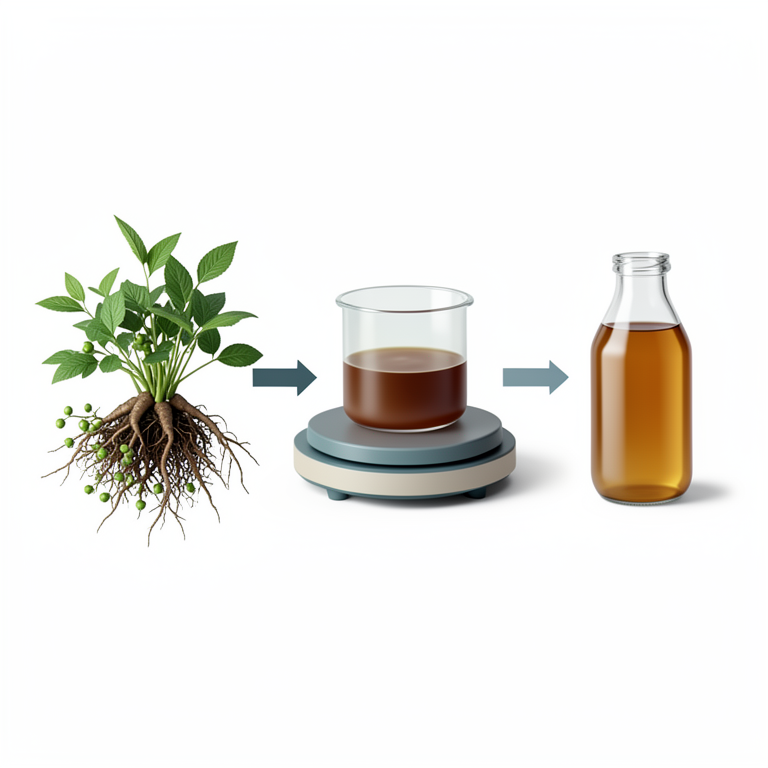
Syrup Production Workflow
AI-generated conceptual illustration (roots, leaves, and fruits of medicinal plants). It explains the idea and does not show study data.
View source evidence ↗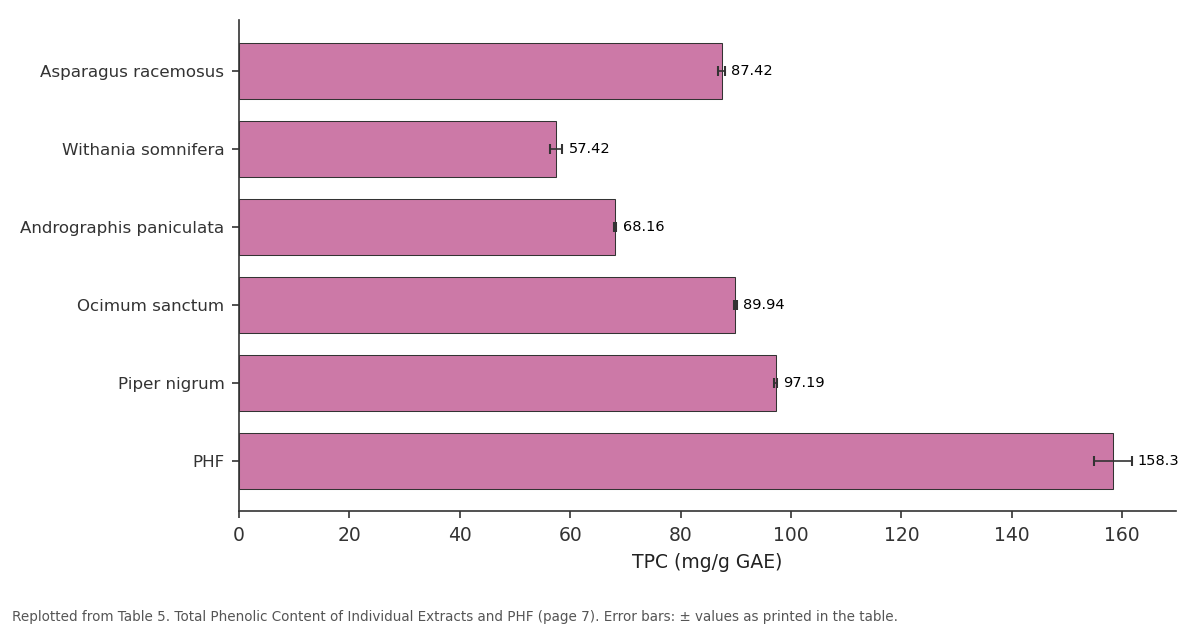
TPC (mg/g GAE): Asparagus racemosus vs Withania somnifera vs Andrographis paniculata vs Ocimum sanctum vs Piper nigrum
Replotted from Table 5 (page 7) of the original paper. Every bar is the paper's own table value.
View source evidence ↗Figures & tables
From the original paper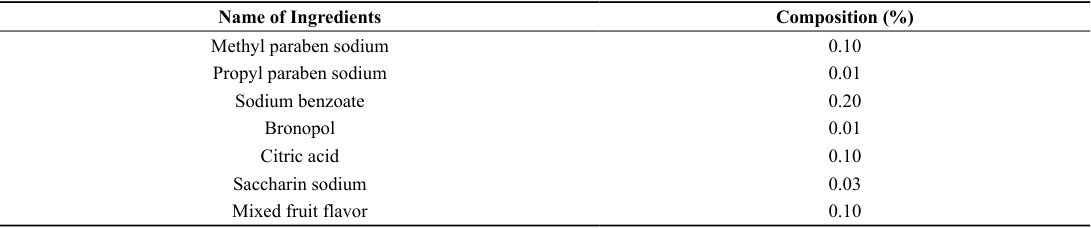 Table 1
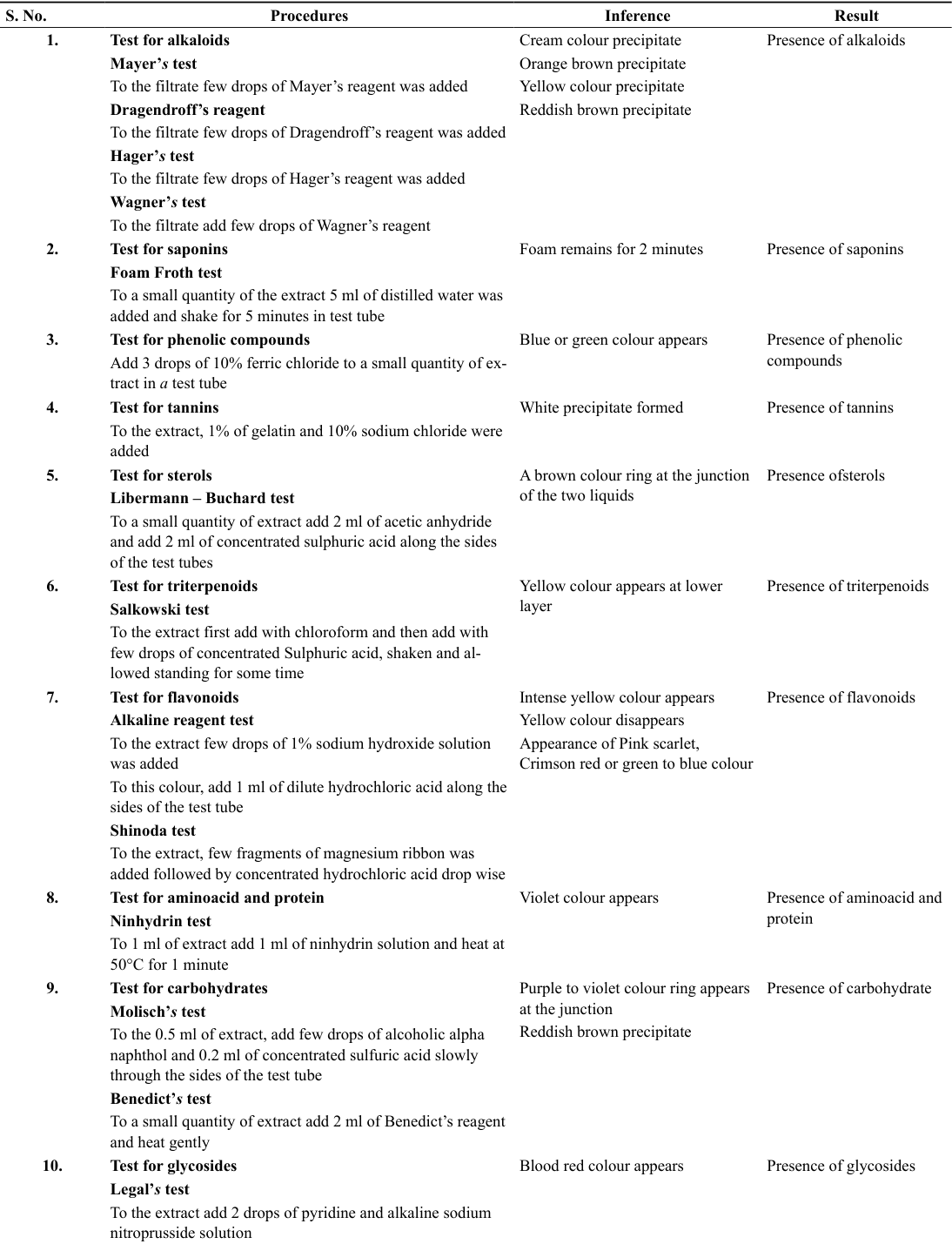 Table 2
 Table 2
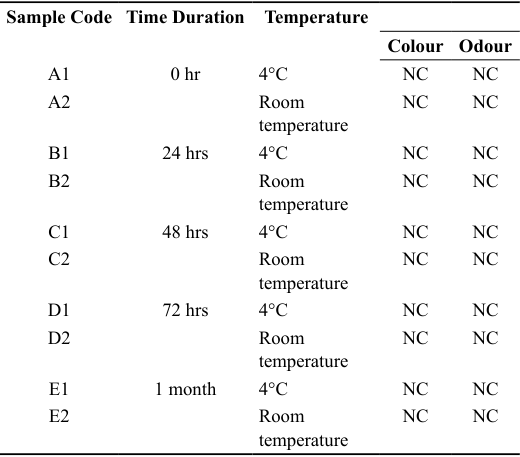 Table 3
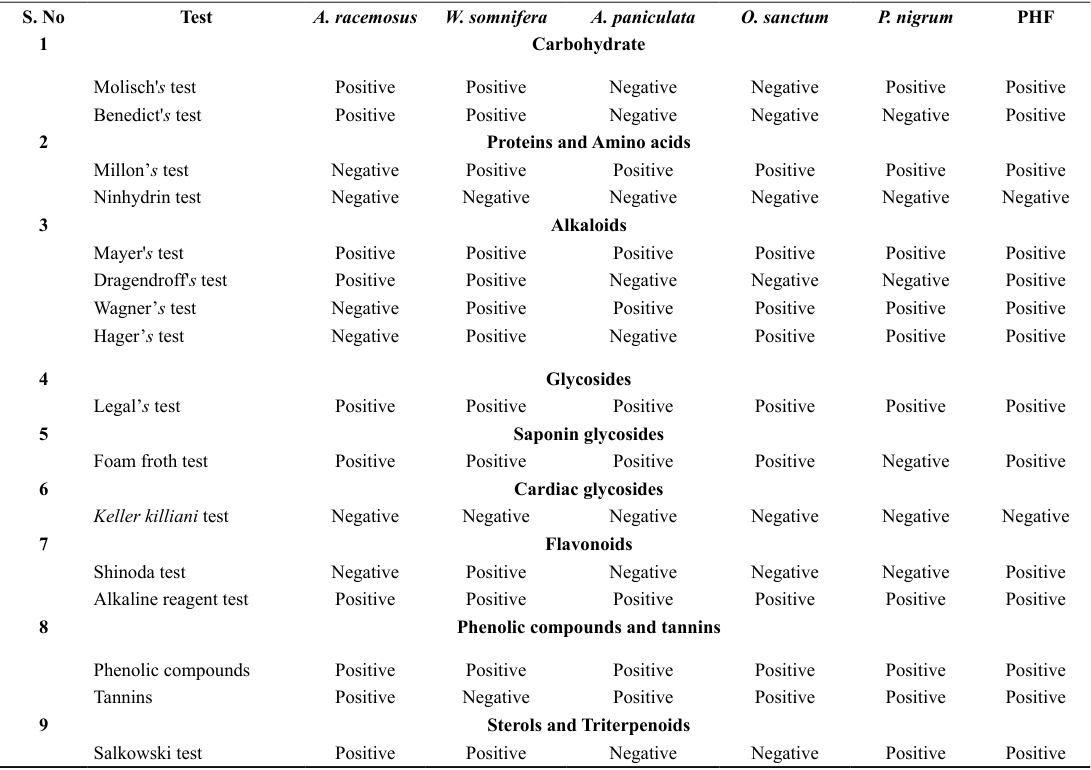 Table 4
 Table 5
 Table 6
 Table 7
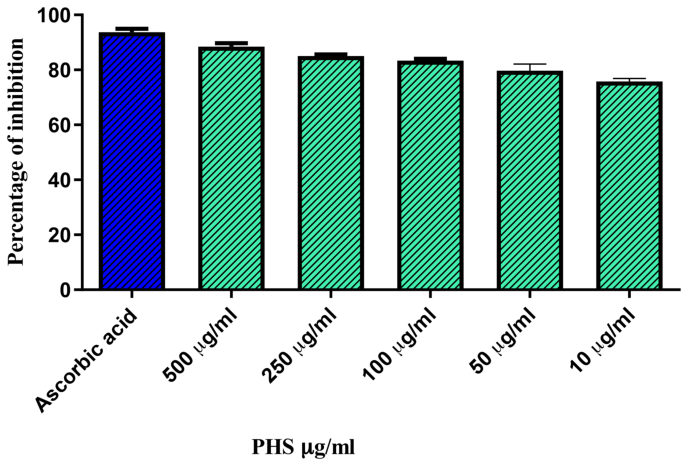 Figure 1
Introduction
Vaccination against diseases is an essential protocol for preventing diseases in animals, but often induces a transient response characterized by oxidative stress and reduced productivity, which primarily impacts the farmer's livelihood. Hence, addressing this vaccine stress with safe, cost-effective, immunomodulators is of high practical importance. Herbal remedies offer a viable solution rooted in traditional knowledge. This study focuses on developing a polyherbal syrup combining five well-known Indian medicinal plants Asparagus racemosus, Withania somnifera, Andrographis paniculata, Ocimum sanctum and Piper nigrum selected for their synergistic, adaptogenic and immunostimulant properties. The aim was to create a stable, palatable, and easy-to-administer formulation to support goat's health during the critical post-vaccination period. This paper reports the development of polyherbal formulation, physicochemical evaluation and in-vitro antioxidant potential.
Materials and Methods
Materials and Methods
Selection, collection and authentication of medicinal plants
The roots of Asparagus racemosus and Withania somnifera, leaves of Andrographis paniculata and Ocimum sanctum and fruits of Piper nigrum were selected based on traditional Indian medicinal use and scientific support. Plant materials were sourced from the Ethno-Veterinary herbal garden, Veterinary College and research Institute, Orathanadu, Thanjavur, Tamil Nadu. Botanical authentication was done by the Siddha
Development of polyherbal formulation
Development of polyherbal formulation
Method of preparation of decoction
The oral polyherbal formulation was crafted using the aqueous decoction method of extraction (Shailaja et al (Shakeel et al., 2015) [1] ). To initiate this process, powdered raw materials of the five selected plants were combined in equal proportions. The decoction method requires the addition of water at a ratio of 16 times the weight of the raw powder. The mixture was then heated until it boiled and subsequently condensed to approximately one-fourth of its initial volume. After boiling, the mixture was allowed to cool and subsequently filtered. The resulting filtrate was left to stand overnight and was subsequently used in the preparation of the final polyherbal syrup.
Method of preparation of simple syrup
The simple syrup was prepared by blending 66.7 % sugar with water and was heated until the sugar dissolved completely, with continuous stirring.
Preparation of polyherbal syrup
The polyherbal syrup was meticulously formulated by combining the decoction and the simple syrup in a precise ratio of 1:5 (Thangarathinam et al (Yahfoufi et al., 2018) [2] ). Additionally, specific quantities of methyl paraben sodium, propyl paraben sodium, sodium benzoate, bronopol, citric acid, saccharin sodium and a mixed fruit flavoring agent were added to the mixture (Rowe et al (Shankar et al., 2016) [3] ) and the exact composition (in %) of these ingredients for the polyherbal formulation are listed in table 1.
| Name of Ingredients | Composition (%) |
|---|---|
| Methyl paraben sodium | 0.10 |
| Propyl paraben sodium | 0.01 |
| Sodium benzoate | 0.20 |
| Bronopol | 0.01 |
| Citric acid | 0.10 |
| Saccharin sodium | 0.03 |
| Mixed fruit flavor | 0.10 |
Table text extracted from the original PDF; superscript letters are shown inline. The original table image is below.
View original table image
Evaluation of the polyherbal formulation
The polyherbal formulation underwent a comprehensive assessment of its physicochemical properties (Karishma et al (Madaan et al., 2011) [4] , Senthilkumar et al [5] , Shakeel et al (Thangarathinam et al., 2013) [6] ). The parameters include colour, odour, taste and pH. To determine pH, precisely measured 10 ml of the final syrup was transferred to a 100 ml volumetric flask and diluted with distilled water to reach a total volume of 100 ml. The solution underwent sonication for approximately 10 minutes, after which the pH was measured using a digital pH meter.
Density and specific gravity
The determination of density and specific gravity of the syrup and its vital physicochemical properties were carried out using a well-defined procedure (Senthilkumar et al [5] ) to ensure precision and accuracy. The specific gravity bottle was meticulously cleaned with chromic acid. The bottle was rinsed at least two to three times with distilled water. The weight of the empty dry bottle with a capillary tube stopper (w 1 ) was measured. The bottle was filled with the water and sealed with the stopper. Excess liquid on the outside of the tube was gently wiped off using tissue paper. The bottle with the unknown liquid was weighed on an analytical balance (w 2 ). The weight in grams of the unknown liquid (w 3 ) was calculated. The syrup's density was calculated using the formula:
× Density of water Specific gravity was calculated using the formula:
Viscosity
Viscosity measurements were carried out using a Brookfield viscometer (Shankar et al (SenthilKumar et al., 2022) [5] ) with an S18 spindle. Viscosity was assessed at varying shear rates, including 200 rpm, 150 rpm, 100 rpm, 60 rpm and 30 rpm.
Stability testing
The stability of the prepared polyherbal formulation was determined by exposing ten portions of the final syrup (A1, A2, B1, B2, C1, C2, D1, D2, E1 and E2) to accelerated temperature conditions. These samples were stored in amber-colored glass bottles at a temperature of 4°C and room temperature. At intervals of 24 hours, 48 hours, 72 hours and 1 month the samples were evaluated for the physicochemical parameters, turbidity and homogeneity with the objective of detecting any alterations in their properties.
Qualitative phytochemical screening
The extracts of the selected plants and the PHF were subjected to phytochemical screening to know the presence of secondary metabolites which includes alkaloids, saponins, phenolic compounds, tannins, sterols, triterpenoids, flavonoids, proteins, amino acids, carbohydrates and glycosides (Shaikh and Patil (Shailaja et al., 2017) [7] ). Procedures for the different phytochemical screening were mentioned in table 2.
| S. No. | Procedures | Inference | Result |
|---|---|---|---|
| 11. | Test for cardiac glycosides | Blue colour appears in the acetic | Presence of cardiac |
| Keller Killiani test | acid layer. | glycosides | |
| To the extract add 0.4 ml of glacial acetic acid containing a | |||
| trace amount of ferric chloride. It was transferred to a small | |||
| test tube and then 0.5 ml of concentrated sulphuric acid was | |||
| added carefully by the side of the test tube, |
Table text extracted from the original PDF; superscript letters are shown inline. The original table image is below.
View original table image
| S. No. | Procedures | Inference | Result |
|---|---|---|---|
| 1. | Test for alkaloids | Cream colour precipitate | Presence of alkaloids |
| Mayer’s test | Orange brown precipitate | ||
| To the filtrate few drops of Mayer’s reagent was added | Yellow colour precipitate | ||
| Dragendroff’s reagent | Reddish brown precipitate | ||
| To the filtrate few drops of Dragendroff’s reagent was added | |||
| Hager’s test | |||
| To the filtrate few drops of Hager’s reagent was added | |||
| Wagner’s test | |||
| To the filtrate add few drops of Wagner’s reagent | |||
| 2. | Test for saponins | Foam remains for 2 minutes | Presence of saponins |
| Foam Froth test | |||
| To a small quantity of the extract 5 ml of distilled water was | |||
| added and shake for 5 minutes in test tube | |||
| 3. | Test for phenolic compounds | Blue or green colour appears | Presence of phenolic |
| Add 3 drops of 10% ferric chloride to a small quantity of ex- | compounds | ||
| tract in a test tube | |||
| 4. | Test for tannins | White precipitate formed | Presence of tannins |
| To the extract, 1% of gelatin and 10% sodium chloride were | |||
| added | |||
| 5. | Test for sterols | A brown colour ring at the junction | Presence ofsterols |
| Libermann – Buchard test | of the two liquids | ||
| To a small quantity of extract add 2 ml of acetic anhydride | |||
| and add 2 ml of concentrated sulphuric acid along the sides | |||
| of the test tubes | |||
| 6. | Test for triterpenoids | Yellow colour appears at lower | Presence of triterpenoids |
| Salkowski test | layer | ||
| To the extract first add with chloroform and then add with | |||
| few drops of concentrated Sulphuric acid, shaken and al- | |||
| lowed standing for some time | |||
| 7. | Test for flavonoids | Intense yellow colour appears | Presence of flavonoids |
| Alkaline reagent test | Yellow colour disappears | ||
| To the extract few drops of 1% sodium hydroxide solution | Appearance of Pink scarlet, | ||
| was added | Crimson red or green to blue colour | ||
| To this colour, add 1 ml of dilute hydrochloric acid along the | |||
| sides of the test tube | |||
| Shinoda test | |||
| To the extract, few fragments of magnesium ribbon was | |||
| added followed by concentrated hydrochloric acid drop wise | |||
| 8. | Test for aminoacid and protein | Violet colour appears | Presence of aminoacid and |
| Ninhydrin test | protein | ||
| To 1 ml of extract add 1 ml of ninhydrin solution and heat at | |||
| 50°C for 1 minute | |||
| 9. | Test for carbohydrates | Purple to violet colour ring appears | Presence of carbohydrate |
| Molisch’s test | at the junction | ||
| To the 0.5 ml of extract, add few drops of alcoholic alpha | Reddish brown precipitate | ||
| naphthol and 0.2 ml of concentrated sulfuric acid slowly | |||
| through the sides of the test tube | |||
| Benedict’s test | |||
| To a small quantity of extract add 2 ml of Benedict’s reagent | |||
| and heat gently | |||
| 10. | Test for glycosides | Blood red colour appears | Presence of glycosides |
| Legal’s test | |||
| To the extract add 2 drops of pyridine and alkaline sodium | |||
| nitroprusside solution |
Table text extracted from the original PDF; superscript letters are shown inline. The original table image is below.
View original table image
Quantitative analysis of polyherbal formulation
In the quantitative analysis of the PHF, the determination of both total phenolic content (TPC) and total flavonoid content (TFC) was conducted by Folin-Ciocalteu method and Aluminum Chloride Colorimetric Assay, respectively (Madaan et al (Majumdar et al., 2021) [8] , Phuyal et al (Rajmane et al., 2020) [9] ).
Estimation of total phenolic content (TPC)
The concentration of phenolic compounds in the PHF was determined using the Folin-Ciocalteu method. Standard gallic acid solution and the PHF were prepared by dissolving them in methanol. Various concentrations of both the gallic acid solution and the PHF (6.25, 12.5, 25, 50, 75, and 100 μg/ml) were prepared.
One ml of aliquot of each concentration was diluted with 10 ml of distilled water and added with 1.5 ml of Folin-Ciocalteu reagent (FCR) and then incubated at room temperature for 5 minutes, then 4 ml of 20% Na 2 CO 3 was added and the volume was adjusted with distilled water to 25 ml. The resulting blue-coloured mixture was thoroughly mixed and incubated for 30 minutes at room temperature. After incubation, the absorbance was measured at 765 nm against a blank. The FCR reagent oxidizes phenolic compounds in the PHF, causing it to change into a dark blue color, which was then quantified using a UV-visible spectrophotometer. The total phenolic content of the PHF was expressed as milligrams of gallic acid equivalents (GAE) per gram of the sample in dry weight (mg/g).
Estimation of total flavonoid content (TFC)
The total flavonoid content in the PHF was determined through an Aluminum Chloride Colorimetric Assay. Stock solutions (4 mg/ml) of quercetin and the PHF were prepared by dissolving them in methanol. Then, both the standard solution and the sample were subsequently serially diluted to create various concentrations of 0.25 mg/ml, 0.5 mg/ml, 0.75 mg/ml and 1 mg/ml solutions. For each concentration, 1 ml of quercetin and 1 ml of the PHF were added in a test tube containing 4 ml of distilled water. Simultaneously, 0.3 ml of 5% NaNO 2 was introduced into the test tube, followed by an addition of 0.3 ml of 10% AlCl 3 after 5 minutes. Subsequently, 2 ml of 1 M NaOH was added to the mixture after 6 minutes. The volume of the mixture was adjusted to 10 ml by promptly adding 4.4 ml of distilled water. The flavonoid content was expressed as quercetin equivalent (mg QE/g) using a linear equation derived from the standard calibration curve.
Determination of in vitro antioxidant activity 2, 2 diphenyl-1-picrylhydrazyl radical (DPPH) scavenging activity
The free radical scavenging capacity of the PHF was assessed using the DPPH assay (Harichandan et al (Hossain et al., 2012) [10] ). The DPPH solution (0.004% w/v) was prepared by dilution in methanol. Stock solutions of the polyherbal formulation (1 mg/ml) and standard ascorbic acid (0.05 g/ml) were prepared using methanol. Various concentrations (10-500 µg/mL) of the polyherbal formulation and ascorbic acid were placed in test tubes. To each test tube, 1 ml of freshly prepared DPPH solution was added and the test tubes were shielded from light by covering them with aluminum foil. The final volume in each test tube was adjusted to 2 ml with methanol and the mixtures were incubated in the dark for 30 minutes at room temperature. After incubation, the absorbance was measured at 517 nm using a spectrophotometer. A control sample was prepared, which contains the same volume of methanol and DPPH without any polyherbal formulation, and another one with reference ascorbic acid. Methanol was used as the blank. The calculation of free radical scavenging was performed using the following formula:
Results
Results
Evaluation of polyherbal formulation
Evaluation of polyherbal formulation
Physicochemical properties
The polyherbal formulation showed acceptable physicochemical properties. It had a reddish-brown colour, aromatic odour and sweet taste, including good palatability. The pH (6.7) was near neutral, suitable for oral use. The density (1.180 g/ml) and specific gravity (1.184) confirmed proper consistency. The viscosity were found to be 13.0 cP, 12.9 cP, 12.7 cP, 12.6 Cp, 11.7 cP at 200 rpm, 150 rpm, 100 rpm, 60 rpm, 30 rpm, respectively, indicating good flow properties. The stability testing showed that there was no characteristic changes in PHF, stored after one month and the results were showed in table 3.
Qualitative phytochemical screening
The results of the qualitative phytochemical screening of the individual extracts and the PHF are summarized in table 4. The individual extracts and the PHF showed the presence of carbohydrates, proteins, amino acids, alkaloids, glycosides, saponin glycosides, flavonoids, phenols, tannins, sterols and terpenoids. The carbohydrate is absent in Andrographis paniculata and Ocimum sanctum. In Asparagus racemosus, proteins and amino acids were absent. Cardiac glycosides is absent in all the selected plants, whereas the PHF exhibited the presence of all phytochemical constituents, except cardiac glycosides.
Quantitative analysis of polyherbal formulation
Quantitative analysis of polyherbal formulation
Total phenolic content (TPC) and total flavonoid content (TFC)
The total phenolic content of individual herbs and PHF were measured by Folin-Ciocalteu reagent in terms of gallic acid equivalent (GAE) and is showed in table 5 and the total flavonoid content was expressed in terms of quercetin equivalent and the results were shown in table 6.
| S. No | Plants | TFC (mg/g QE) |
|---|---|---|
| 1 | Asparagus racemosus | 152.70 ± 1.45 |
| 2 | Withania somnifera | 1.90 ± 0.06 |
| 3 | Andrographis paniculata | 1.10 ± 0.06 |
| 4 | Ocimum sanctum | 88.50 ± 0.29 |
| 5 | Piper nigrum | 98.00 ± 0.58 |
| 6 | PHF | 123.70 ± 0.88 |
Table text extracted from the original PDF; superscript letters are shown inline. The original table image is below.
View original table image
| S. No | Plants | TPC (mg/g GAE) |
|---|---|---|
| 1 | Asparagus racemosus | 87.42 ± 0.56 |
| 2 | Withania somnifera | 57.42 ± 1.13 |
| 3 | Andrographis paniculata | 68.16 ± 0.22 |
| 4 | Ocimum sanctum | 89.94 ± 0.19 |
| 5 | Piper nigrum | 97.19 ± 0.31 |
| 6 | PHF | 158.30 ± 3.38 |
Table text extracted from the original PDF; superscript letters are shown inline. The original table image is below.
View original table image
In vitro antioxidant activity 2, 2 diphenyl-1-picrylhydrazyl radical (DPPH) scavenging activity
The DPPH free radical scavenging activity exerted by PHF as well as ascorbic acid were summarized in table 7 and figure 1. The IC 50 of PHF was found to be 86.21 μg/ml.
Discussion
Discussion
Evaluation of polyherbal formulation
In the present study, the PHF exhibited a reddish brown color, sweety taste and neutral pH. The pH obtained from the prepared polyherbal formulation was 6.7, which is correlated with Rajmane et al (Rowe et al., 2006) [11] , reported the pH of antitussive syrup was 6.98 and 6.51. Maintaining a near-neutral pH is essential as it enhances formulation stability, minimizes irritation and ensures compatibility with biological systems. The density of the PHF was 1.18 g/ml, which is close to 1.43 g/ml of anti-tussive syrup prepared by Rajmane et al (Rowe et al., 2006) [11] and almost nearer to 1.06 g/ml of a polyherbal syrup prepared by Patil et al (Phuyal et al., 2020) [12] . This indicates uniformity in composition and proper solubilization of ingredients in preparation. The specific gravity of the PHF was found to be 1.184 which correlates to the findings of Karishma et al (Madaan et al., 2011) [4] and Thangarathinam et al (Yahfoufi et al., 2018) [2] , reported as 1.26 and 1.18, respectively for polyherbal syrups. It ensures the consistency and reproducibility of the formulation. The viscosity of the PHF was 13 cP, which is similar to the findings of 17.05 cP viscosity of polyherbal syrup by Karishma et al (Madaan et al., 2011) [4] . This moderate viscosity ensures ease of administration while maintaining adequate suspension of active constituents, thereby preventing rapid sedimentation. Stability ensures a drug product meets defined standards for identity, strength, purity, and quality over a specific storage period. All components, whether active molecules or excipients, can impact stability. Additionally, particle size, pH, container properties, and the presence of contaminants affect the stability of the drug product. The goal of the present investigation is to maintain these essential characteristics within predefined limits. The prepared PHF were stored for a period of one month and does not show any changes in the physicochemical characters.
Qualitative phytochemical screening
The phytochemical screening of individual extracts and the PHF revealed the presence of flavonoids, alkaloids, glycosides, phenolic compounds, tannins, terpenoids, sterols, carbohydrates, proteins and amino acids. The immunomodulatory properties are mainly due to the presence of phenols and flavonoids. Flavonoids and phenolic compounds contributed antioxidant and anti-inflammatory effects (Cecchini et al [13] ), alkaloids might have interacted with immune cells, glycosides influence cellular signaling, tannins affect cytokine production, and terpenoids and sterols possessed antimicrobial properties. The present study's findings, especially those related to the identified phytocomponents are in agreemet with the results reported by Majumdar et al (Patil et al., 2019) [14] . who demonstrated the immunomodulatory, antioxidant and diverse pharmacological activities of the polyherbal formulation.
Quantitative analysis of polyherbal formulation Total phenolic content (TPC)
Phenolic compounds are a diverse group of secondary metabolites found in plants and are known for their antioxidant properties. A higher total phenolic content is generally associated with increased antioxidant activity, which can be beneficial by neutralizing free radi-cals and reducing oxidative stress (Yahfoufi et al (Zahiruddin et al., 2022) [15] ). In this study, the polyherbal formulation showed the higher phenolic content which could be (158.30 ± 3.38) due to the synergistic action of the selected plants that might have acted as antioxidants and anti-inflammatory agents, supporting immune modulation by regulating responses and interacting with immune cells and signaling pathways. These results are in accordance with the findings of (Cecchini et al) [13] , the higher phenolic and flavonoid content ob served in the polyherbal formulation suggested their potential role in facilitating antioxidant immunomodulatory effects.
Total flavonoid content (TFC)
Flavonoids are a diverse group of polyphenolic compounds found in plants. The determination of total flavonoid content has been studied for their antioxidant, anti-inflammatory, antiviral, anticancer including immunomodulatory properties in various studies (Hosseinzade et al (Karishma et al., 2021) [16] ). In this investigation, the polyherbal formulation demonstrated an elevated flavonoid content, attributed to the synergistic effects of the chosen plants. Flavonoids showcase antioxidant properties by neutralizing free radicals, binding metal ions (such as iron and copper), and hindering enzymes responsible for free radical generation (Hossain et al (Hosseinzade et al., 2019) [17] ).
In-vitro antioxidant activity 2, 2 diphenyl-1-picrylhydrazyl radical (DPPH) scavenging activity
The IC 50 value of the polyherbal formulation was found to be 86.21 μg/ml which is less compared to the standard ascorbic acid (55.37 ± 1.25 μg/ml), revealed high invitro antioxidant property and almost similar to Zahiruddin et al [18] who showed the IC 50 (82.54 ± 2.54 μg/ml) of the prepared immunomodulatory polyherbal formulation comprises Phyllanthus emblica L., Piper nigrum L., Withania somnifera (L.) Dunal, and Tinospora cordifolia (Wild). The combined extracts (PHF) revealed a superior antioxidant potential compared to the individual ones. The IC 50 value denotes the concentration of substrate causing a 50% reduction in free radical activity. A lower IC 50 value indicates increased antioxidant activity in the combination. The plant extracts present in the polyherbal blend contained elevated levels of phenols and flavonoids, likely contributing to the observed antioxidant effects (Deepak and Anurekha (Harichandan et al., 2019) [19] ).
Conclusion
The developed polyherbal formulation demonstrated good physicochemical stability, significant antioxidant activity and the presence of key bioactive phytoconstituents. These findings suggest its potential as a safe and effective formulation for mitigating vaccine induced stress and supporting immunomodulation in animals.
Acknowledgement
AcknowledgmentsThe authors express their sincere gratitude to Tamil Nadu Veterinary and Animal Sciences University (TANUVAS), Chennai, Tamil Nadu for providing the permission, funding, facilities and infrastructure necessary for conducting this research. We thank the faculty mem-bers, technical staff, and laboratory personnel of the Department of Veterinary Pharmacology and Toxicology and other departments of Veterinary College and Research Institute, Orathanadu, Thanjavur, Tamil Nadu for their valuable assistance and support throughout the study.
References
19 in the original paper- Shakeel S, Shaikh ZA, Zaidi SF, Usmanghani K. Development and evaluation of polyherbal Entoban syrup. Spatula DD. 2015;5(2):97-102.
- Yahfoufi N, Alsadi N, Jambi M, Matar C. The Immunomodulatory and Anti-Inflammatory Role of Polyphenols. Nutrients. 2018;10(11):16-18.
- Shankar R, Sarangi B, Gupta R, Pathak K. Formulation and Characterization of Polyherbal Cream for Skin Manifestations. JAASP. 2016;(1):360-66.
- Madaan R, Bansal G, Kumar S, Sharma A. Estimation of Total Phenols and Flavonoids in Extracts of Actaea spicata Roots and Antioxidant Activity Studies. Indian J. Pharm. Sci. 2011;73(6):666-669.
- SenthilKumar M, Valarmathi S, Sathish R, Naveena E, Pavithra D, Nivash P, Praveen G. Formulation and Evaluation of Polyherbal Syrup with Antidiabetic activity. IJPRA. 2022;7(1):867-872.
- Thangarathinam N, Jayshree N, Metha AV, Ramanathan L. Development, Standardization and Evaluation of a Polyherbal Syrup. Int. J. Pharm. Sci. Rev. Res. 2013;20(2):149-154.
- Shailaja R, Sugunthan S, Pitchiah Kumar M. A review on polyherbal formulation -vishasura kudineer chooranam -a classical anti-viral drug used in siddha system of medicine. EJPMR. 2017;4(9):184-192.
- Majumdar A, Shukla SS, Pandey RK. In-vitro and In-vivo Immunomodulatory Effect of Polyherbal Suspension on Cyclophosphamide Induced Experimental Animal. Indian J Pharm Edu Res. 2021;55(1):s225-s232.
- Rajmane RB, Shaikh AAQ, Joshi AA, Sayyed ATIQ. Formulation and Evaluation of Polyherbal Anti-Tussive Syrup. Am J Pharm Health Res. 2020;8(4).
- Hossain MD, Sharmin FA, Akhter S, Bhuiyan MA, Md Shahriar. Investigation of cytotoxicity and In-vitro antioxidant activity of Asparagus racemosus root extract. Int. Curr. Pharm. J. 2012;1:250-257.
- Rowe RC, Sheskey PJ, Owen SC. Handbook of Pharmaceutical Excipients, 5th edition. The Pharmaceutical Press; 2006:76, 185, 466, 629, 641, 662.
- Phuyal N, Jha PK, Raturi PP, Rajbhandary S. Total Phenolic, Flavonoid Contents, and Antioxidant Activities of Fruit, Seed, and Bark Extracts of Zanthoxylum armatum DC. Sci. World J. 2020;8780704.
- Cecchini S, Paciolla M, Caputo AR, Bavoso A. Antioxidant Potential of the Polyherbal Formulation "ImmuPlus": A Nutritional Supplement for Horses. Vet.Med.Int. 2014;434239.
- Patil JK, Mali DR, More KR, Jain SM. Formulation and evaluation of herbal syrup. World J. Pharm. Res. 2019;8(6):1061-1067.
- Zahiruddin S, Parveen A, Khan W, Ibrahim M, Want MY, Parveen R, Ahmad S. Metabolomic profiling and immunomodulatory activity of a polyherbal combination in cyclophosphamide-induced immunosuppressed mice. Front. Pharmacol. 2022;https://doi.org/10.3389/fphar.2021.647244.
- Karishma SU, Yadevendra Y, Chand SK. Stability Analysis for Polyherbal Formulation. JETIR. 2021;8(7):b32-b38.
- Hosseinzade A, Sadeghi O, Biregani AN, Soukhtehzari S, Brandt GS, Alisheikh A. Immunomodulatory Effects of Flavonoids: Possible Induction of T CD4+ Regulatory Cells Through Suppression of mTOR Pathway Signaling Activity. Front. Immunol. 2019;10:51.
- Harichandan SP, Sahu AK, Gautam S, Nemani R. Phytochemical screening and antioxidant activity of methanolic extract of Ocimum sanctumLinn. Leaves. GSC Biol. Pharm. Sci. 2019;8(2):022-033.
- How to cite this article: Madhupriya S, Raja M, Kesavan G, Ranganathan V, K ST, Kannan K, et al. A novel polyherbal syrup with antioxidant potential: formulation, physicochemical characterization, and prospects for stress management. International Journal of Biology Sciences. 2026;8(10):14-21. doi: https://www. doi.org/10.33545/26649926.2026.v8.i10a.1003