
Research article · 2026 · Full text
International Journal of Geography Geology and EnvironmentMicroplastics and nanoplastics: Distribution, toxicity, removal and awareness
Volume 8(9) · Pages 172–180 · DOI: 10.22271/27067483.2026.v8.i9b.878 ↗
Research areasMicroplastics and Plastic PollutionPharmaceutical and Antibiotic Environmental ImpactsEnvironmental Toxicology and Ecotoxicology
Abstract
Author-writtenThe present high demand for plastics and relatively non-sustainable waste disposal manner has tremendously increased the incidence of particles, which are less than 5 mm in size and referred to as microplastics and those that are smaller than a micrometre known as nanoplastics. The environment are directly linked to inherent micromorphological properties such as size, geometry, chemical nature of the polymer and surface properties influencing their effective life span, transport, persistence and recyclability. The steadily increasing volume of data gathered from experimental and real-life scenarios indicates that there are several environmental concerns brought about by the presence of both microplastics and nanoplastics in the environment. That being said, Nanoplastics pose a higher level of toxicity on account of being able to traverse biological membranes and manifest at the biochemical level. Furthermore, broken down micro-particles and nanoparticles can also release dangerous containments such as plastics, polymers’ fillers, additives, heavy metals, pathogens and act as a cofactor of increasing their toxic limit in the body. It is also considered that the possibility of human health consequences via contamination of food and air is possible but there still is a lack of overall assessment on the mixtures contained. This article will focus on the prevailing statistics concerning microplastics and nanoplastics pollution levels across the globe, their inherent limitations, testing difficulties and developments, coped at the moment and the present due to the advanced technical guidelines and policy interpretations adopted by every country. This article emphasizes that future investigations on tendencies in microplastics and nanoplastics should outline gaps and development for actions and policies to apply more abstract principles rather than expect all forms of plastic pollution to be addressed.
Summary
Source-checkedPlain-language reading of the full paper, prepared with AI and checked against the text. Each point links to the authors' own words.
Why it matters
- Global plastic production has increased dramatically from approximately 2 million tons in 1950 to over 400 million tons per year currently. View evidence ↗
- Ineffective waste disposal and the widespread use of disposable plastics create a significant threat to environmental protection and human welfare. View evidence ↗
The question
- The paper aims to review global pollution statistics for micro- and nanoplastics, the challenges in testing them, and current technical and policy developments. View evidence ↗
What they did
- The authors conduct a review of existing literature and data regarding the distribution, toxicity, and removal of plastic particles. View evidence ↗
What they found
- Microplastics are ubiquitous, appearing in oceans, freshwater, soils, glaciers, polar ice, high mountain systems, and the atmosphere. View evidence ↗
- Nanoplastics smaller than 1μm can cross biological barriers and accumulate in organs including the brain, liver, kidneys, lungs, and reproductive organs. View evidence ↗
- Exposure to microplastics can cause oxidative stress by producing reactive oxygen species (ROS), leading to protein oxidation and lipid peroxidation. View evidence ↗
- In fish, microplastic exposure is linked to encephalopathy and pathological changes in the liver, kidney, brain, and paranasal sinuses. View evidence ↗
- Nanoplastics in soil can be absorbed by plant roots, which may block nutrient uptake, hinder root growth, and reduce total plant weight and photosynthesis. View evidence ↗
- Microplastics have been detected in human blood, liver, lung tissue, breast milk, and the placenta of both mothers and newborns. View evidence ↗
- Standard wastewater treatment processes, including biological treatment and sludge settling, can trap between 80% and 95% of microplastics. View evidence ↗
- Identifying nanoplastics smaller than 1μm remains difficult because current optical detection methods have inherent limitations. View evidence ↗
What it means
- The authors conclude that long-term mitigation requires an integrated plan focusing on source reduction, sustainable production, and effective waste management. View evidence ↗
- The authors recommend a coordinated effort involving governments, industry, researchers, and the general public to curb plastic pollution. View evidence ↗
- The authors note that it is currently difficult to establish direct causative links between environmental microplastic exposure and specific human health issues. View evidence ↗
Visual summary
2 visualsIllustrations explain the paper; they do not show study data.
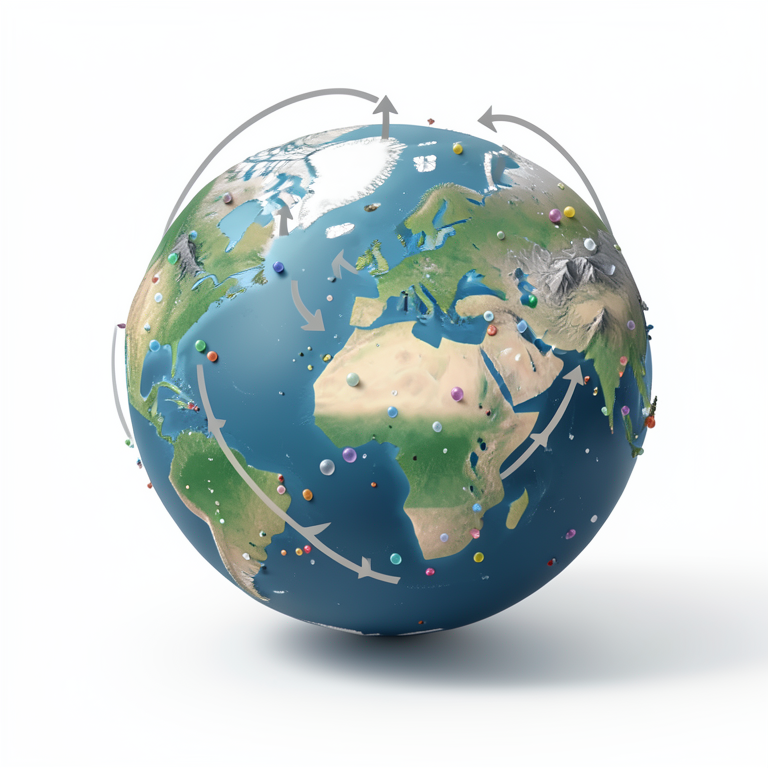
Global Distribution of Microplastics
AI-generated conceptual illustration (a globe showing oceans, continents, polar ice caps, and high mountain ranges). It explains the idea and does not show study data.
View source evidence ↗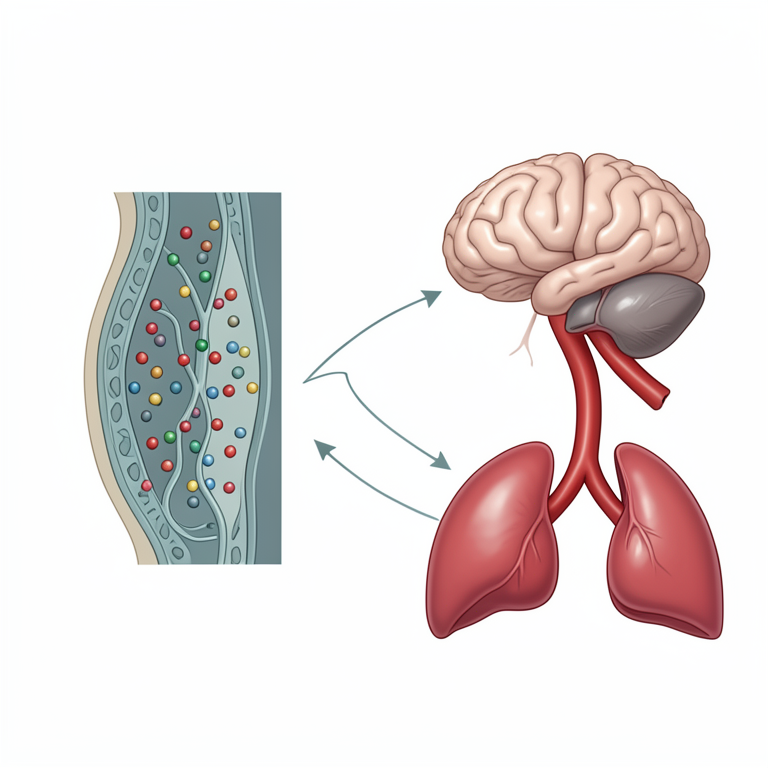
Biological Penetration of Nanoplastics
AI-generated conceptual illustration (human biological tissues and organs). It explains the idea and does not show study data.
View source evidence ↗Figures & tables
From the original paper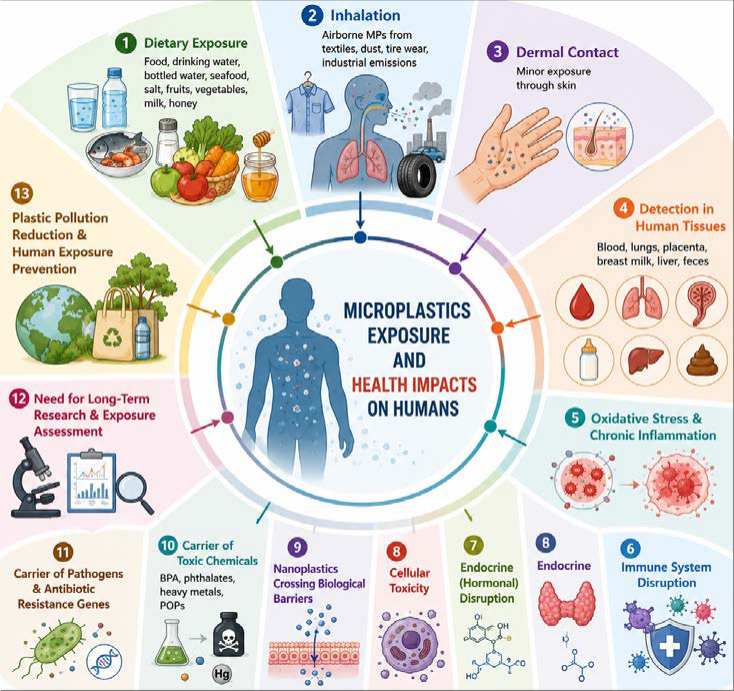 Figure 1
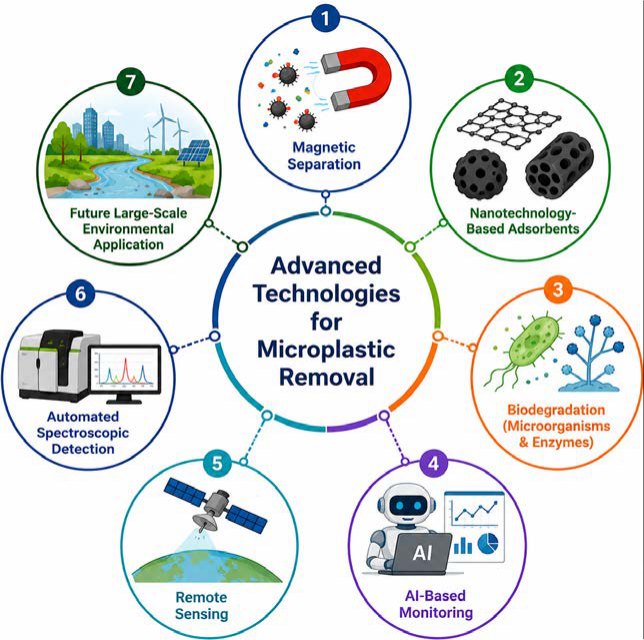 Figure 2
Introduction
Utilization of plastics is unbearable in this age and time as a result of the numerous benefits that relax with these materials such as resistance to degradation, the ability to absorb other desirable properties, and in simple rubric, cost. For instance, buy anything and 99% of the times it will be made of plastic in the medical sector, in the agriculture field. It is also noted that there has been a global increase in the production of plastic materials; in 1950 it was already around 2 million tons which is currently over 400 million tons per year and it is projected to be even more in the coming years [1] . However, one issue comes in: ineffective waste disposal as well as massive use of disposable plastic items and refusal among people to change their practices contributes to the rapid and considerable scattered plastic pollution becoming noticeable which posts a serious threat to environmental protection and welfare of the citizens. Barely do our eyes see the other expanse of plastic pollution reminds of the charming microplastics. The report on microplastics have made a Mini plash on surfaces, being approximately less than 5 mm in size, and they are in principle, classified on primary microplastics in the sense that they are made on-the-go in small proportions, e.g., microbeads in cosmetics, industrial threads and fibres, and synthetic conglomerates that are fine enough to be made. The rest can be called secondary microplastics. These arise as larger plastics items fragment through processes like exposure to ultraviolet light, mechanical and weathering stresses and biological degradation as per Andrady (2011) and GESAMP (2015) [2] . On account of their dimension, they tend to be quite slow in getting completely digested and, hence, one of the reasons as to why they stay in the environment for long periods. They are also quite mobile, able to be transported by rivers, ocean currents, wind and even through the troposphere. The problem with microplastics is that they can be found in almost any environmental compart including oceans, fresh waters, soils, sediments, glaciers, polar ice, mountain systems comprised of the alpine and Himalayan type, and even the atmosphere [3] . Water sources, fish, and other relevant food have tested positive for microplastics. Other resin injection and plastic carrier health products, water naturally, all cultivated countries, to highlight commodities, areas of food crop cultivation, role of beef, and corresponding tissue samples such as blood, placenta, or lung, causing great suspicions as regards both risks in this problem, and environmental exposure microplastics may last in distributive interaction of living systems [4] . Even more troubling, their potential to adsorb and accumulate harmful chemicals, heavy metals, persistent organic pollutants (POPs), and microbial contamination provide yet another angle on the microplastic toxicity issue. The discussion of the environmental consequences of microplastic contamination goes beyond the affected individuals and includes impact the damage caused to ecosystems such as stunted growth and development, reproductive failure, changes in behaviour and food habits in aquatic organisms and terrestrial animals as well as the disruption of all the food chains and other relevant processes [5] . Quite a lot has been done and is still being done to identify the sources of MP and what they are all about but then we still have serious gaps in knowledge, among them include its long term fate, impacts of nanoplastic on human health, the development of BESS testing methods and actually NO operational extraction methodologies [4,6] . In this summation, the writer attempts to provide an oversight of the problem of microplastic contamination, and discusses how microplastics can be defined up to their sources and modes of transport. In most microplastic studies, the sources and pollution levels remain unknown because it focuses mainly on distribution and effects. Worryingly, the concentration on particles properties, evaluation of these properties, and corresponding test development in various legislative areas actually aggravates measurement difficulty. There is also an update on the state of the art in monitoring technologies and their application toward remediation. However, it invariably reminds the stakeholders that thorough examination can only be possible with the help of an expert from another field [3] . Still present as the goal are the improvement of waste disposal techniques that are sustainable, and the alteration of international policies toward reducing this rapidly advancing microplastic pollution crisis.
Sources and global distribution Aquatic ecosystems
It is extensively debated that aquatic ecosystems are among the most significant routes for the accumulation of MP fragments in the environment. This is mainly applicable to croplands, urban centres and industries where sewage, irrigation water and rubbish are disposed in rivers, reservoirs and artificial water bodies. For instance, most outfalls are located downstream of a town or city due to the rationale that the point of discharge is at a higher elevation from where wastewater can be transported to an effluent treatment plant. In other words, these waste-disposal systems are rendered ineffective when rising and when the sewage treatment plants are shut down at floods. At the level of plant survival, it is most critical that the quantity and composition of the demineralized water used in plants or cooling reasons is not only determined in accordance with the source of water, but its consumption rate in winter is also minimal [4,6] . Peri-urban and industrial areas are responsible for 90% of all pollutions, so combining them with artificial diversions harms biological communities. Military recruitment thus remains low and rural-urban migration is encouraged. Coastal areas are also marked when associated with industrial activities. Forests and significantly elevated or undulating areas drained valuable water, thereby limiting agriculture growth and irrigation, while steep sided relief as well as flat relief had no such problems due to the drainage of excess water, and thus allowed the implementation of well-managed schemes. Due to the greatly expanded and high phytoplankton productivity, the temperatures in the upper layer will start becoming higher even despite the disproportionate sunlight. Sea cucumbers and corals grow there adequately, but there is a certain temperature threshold beyond which they can sustain their growth and multiplication [6,7] . It has also been found that the release of carbon dioxide at extremely low concentrations over a long period of time is needed to improve plant development. It is therefore reasonably unlikely that the blame for afforestation will be placed either on forestry or on reforestation. In the case of marine areas, a part of the shallow waters that are located near the shoreline is striped or eliminated; marshes are reclaimed to make the land suitable for construction. Both liquid and solid wastes can actually pose greater threat as the amount of waste that must be disposed of increases as well as its toxicity from one stage to another. Agriculture residues available for a year have a significant effect on bioenergy productivity in South Africa. On average some 60 tons of unprocessed oil was to be treated. Despite the fact that people can easily obtain the soilvegetative cover-being far from renewable energy, and even free of charge, they choose to conserve instead of recovers. The "permitted resources" clause under the PPP explicitly allows for such provision of plantation resources and inventories as a source of funding because the wood may even be withdrawn from the said reserves [7,8] . The socket type aeration perforated pipeline covers a much larger area than does open construction. Also, the architecture of each building within the industrial complex or other places, which is the property of the subject of natural resources with an energy-saving normative legal base, is based on the parameters of each building or facility and the legal requirements of the local billeting norms. The cost of green projects far exceeds the affordable funds that could be accessed in the market; the purpose of the paper is thus to outline the loan programs for green investment aimed at the development and reconstruction of green MIS. Epidemiological studies of Oncohematological diseases of children among the residents of the Kurgan region are carried out. Seagull chick growth was found to be affected by DDT levels and the number of contaminant loadings from Lake Ontario. With optic faults the best a patient can expect is to slow down the course of the disease rather than cure it, and not permanently welcome recovery through automatic chemical treatment as in the previous era [9,10] . Marine environments contain a large variety of plastics viz.
low density polyethylene, polypropylene, polystyrene, polyethylene terephthalate, polyvinyl chloride, and countless others. There is the likelihood that currents will transport these items over extended distances, leading to their deposit in such subtropical areas as Japanese or Texas Pacific Garbage Patches. Microplastics have also been found in deep sea sediments, coral reefs, mangroves, Arctic sea ice, and the seas of Antarctica, all of which indicates a wide distribution [6,7] . Fresh water bodies such as rivers are increasingly recognized in many parts of the world as being very important microplastics sinks and pathways because microplastics do matter here. In lakes, reservoirs, and rivers in or close to towns and factories, the loads of microplastics are more crammed a part, again, most frequently domestic sewage, man-made fibre particles, tire crumbs, and rubbish [8, 9] . Such quantities are retained by the sewage treatment plant (STP) very effectively but a substantial proportion still spills over to the sewage and infiltrates into the rivers as the standard design of modern treatment units fails to contemplate the complete removal of microplastics [10] . Once again, aquatic animals like tiny organisms such as zooplankton, molluscs, crustaceans adapt light reaction to it, the fish, seabirds as well as sea turtles, and marine mammals, consume microplastics in and around their environments do so directly or indirectly via feed. According to reversal, this kind of ingestion might cause less foraging effect and concerns regarding blocked intestinal tract, lipid peroxidation, infertility, or transport of harmful compounds or contaminants through the trophic structure of water bodied ecosystems [10,11] . In addition, deposit acquisition also tends to contain a more lethal dose of MPs than what you get to see in surface waters on account of bio fouling and aggregative effects elevating the particle to medium density. Then the particles come to rest, and may remain there for a considerable period.
Terrestrial environments
Microplastic pollution is also quite high in terrestrial habitats, especially since these ecosystems have been less studied. For instance, croplands, forests, grasslands, urban soils, and the saturated materials that build up in landfills among other places, can all matter a lot for MP levels in the environment most days of the year. Plastic films, including mulch and greenhouse covers, treated sewage sludge, compost, polyester, nylon, and polypropylene fibres, car tire scrapings, thin plastic remnants from current food and drink packaging, plus Lubchenco, Chapin & McLean, 2019 industrial discharge, are among the main inputs driving pollution in land based ecosystems [12] . Crop soils are particularly prone to this issue because, for many years, plastic geomembranes made from polyethylene have been used widely. Over time that material breaks down, as ultraviolet radiation and mechanical stress gradually fragment it, with weathering and microbial activity helping that process along. In a similar way, when sewage sludge and organic fertilizers are reapplied along agricultural rows, at larger centre wider than 500 households where up to 90 percent of plastic particles can stick to the treatment effluent, then encapsulated plastics in carriers end up being released into the farmland. After contaminants spread, they can then reshape soil organization, changing bulk density, shifting water retention either upward or downward, reducing nutrient distribution, or even removing soil microbial communities that are considered essential for ecosystem functioning [13] . In the urban environment it is very common to have soil contamination affected by microplastics, mainly from road traffic and tire wear, building materials, domestic refuse, and microplastics also arise from atmospheric deposition. The destruction of tires caused by friction while the vehicle is in motion can lead to tire fragments that dominate land based microplastics across many parts of the world to a large extent [12] . A greater availability of tire particles (TP) which is another important carrier of MPs can be linked to aging pits. Because of that, it is possible that some waste materials such as TPs will be absorbed over time by landfills and the deposition process breaks down the larger plastic pieces, producing even more microplastics, to convert back into dust which then can be sheltered in the earth, or soils. From there it can also move into natural aquifers, transported by leachate coming out of landfills. Microplastics can be present in a huge number of rock dwellers, including, albeit not only, earthworms, insects, nematodes, birds, and even mammals. Moreover, this kind of close contact may sometimes disrupt growth, procreation, and other necessary life processes, so yeah it is not just a background issue. From time to time, it is argued that certain vegetation can take up nanoplastics, carry them around inside the organism, for example through roots, and then they end up being processed in a way that humans consume. That has become quite a concern about food quality. Also there is the drawback of chemical pollution, because it can also head straight into food, and that may affect human health, since some products come from processed agriculture [14,15] .
Atmospheric presence
The atmosphere has recently been seen as a major corridor for moving and re-allocating microplastics in the environment. Airborne MPs tend to start from synthetic textile fibres, tire wear, industrial emissions, construction activities, indoor and outdoor household dust, degraded plastic litter, and agricultural operations [15] . Because they are so light, these particles can ride atmospheric circulation across hundreds to thousands of kilometres, and then later end up depositing. Discovery of microplastics is greatly widespread because they can be found in urban, rural, mountainous and Polar Regions and this signifies that longrange atmospheric conveyance can be highly efficient. Needless to say, inhalation has emerged as a major route for the exposure of humans, particularly if they reside in towns or do some textile related work [16,17] . Both dry sedimentation and precipitation expose airborne microplastics to their fate in the terrestrial and marine environment any of these two options is true in practice. It has been noted that particulate plastic fouling of forests, agricultural landscapes, rivers, glaciers, and oceans is enhanced by the presence of precipitation and consequent surface melt of ice, therefore connecting atmospheric pollution to other ecosystems [18] . As a result of this relatively smooth exchange of microplastics between the three compartments mention above; air, water and soil, plastic pollution has transformed into a real global environmental threat. It is necessary to understand the sources, routes, extent of MP pollution and designing the needs of effective pollution prevention requiring the understanding of the pathways of MP transport and distribution at a local and global level so that human beings' and the environment's health risks may decrease.
Toxicity and biological impact
Microplastics (MPs) being plastic part with dimensions less than 5mm in diameter and the levels in which the pollutants have increased over the years is approaching alarming levels as there is no solution for them. They are capable of adsorbing and swallowing which has them everywhere and flocculating, being a matter of concern operators and biota are exposed to the effects of microplastics. Mechanical blockage is not the only risk associated with microplastics, it is anticipated that smaller MPs will cause additional damage to the liver due to oxidative stress, liver inflammation, immunosuppression and the debilitative distribution of hazardous compounds and pathogenic microorganisms. Since they are barely noticeable, MPs are very easy to take up through digestion or respiration by aquatic and terrestrial creatures and even human beings causing humiliating outcomes on cellular, organism and ecosystem levels [10] . The degree of the harmful effects varies along the lines of the particle size, polymer composition, concentration, shape, surface chemistry and so forth in so far as environmental contaminants also adsorbed on these particles surface.
Mechanisms of toxicity
Any form of toxicity that develops as a result of exposure to microplastics refers to multiple levels. Among them, the main is rather physical and characterized by direct injury. Following the introduction and at times even inhalation, people face digestion or respiratory issues, which in turn bring the accumulation of the microparticles within the organ's tissues triggering tensile stresses, damage via wear and tear, risk of blockage, lowered nutrient bioavailability as well as a continuing inflammation in the former tissuemucosa for example [10] . When the particles are smaller, especially those nanoparticles less than 1μm long, they are able to penetrate biological barriers then travel in the blood and set in certain organs such as the liver, kidneys, lungs, brain, and reproductive organs as well [17] . The danger of chemical toxicity is also high. Plastics encapsulate elements such as bisphenol A (BPA), phthalates, halogen-containing substances, antioxidants and stabilizers, which are contained within the plastics, but with time, they are incorporated into them. Meantime these materials also contribute to the fact that MPs can not only interact with particular biochemical compounds contained in the POS, drugs and heavy metals in the environment but also help in the ingestion of heavier loads of these same substances by the organism [18,19] . Obviously, exposure to MPs leads to oxidative stress, of course, by also aliquoting large amounts of ROS; result step b is peroxidation of lipids and oxidation of proteins as well. It as well interferes with mitochondrial activity and causes harm to DNA from the evidence that permeable [20] . When persistent oxidative stress symptoms appear for an extended period, it can activate inflammatory signalling mechanisms and suppress cellular communication networks and eventually lead to cellular suicide. Moreover, the use of MPs can suppress the immune function by changing the production of cytokines and immune cells leading to the increase in susceptibility of individuals to infectious diseases [21] . In addition to these findings, there has been suggestions that exposure to MPs can disrupt the colonization of the microorganisms in the host's body as well as development of the metabolic functions.
Effects on aquatic organisms
When it comes to pollution by microplastics, aquatic environments are the initial and the most critical, as aquaticliving organisms become exposed. This means that the plastic can be traced in the food chain even up to the corals, fish and other aquatic organisms which feed on the bigger organisms that have already been contaminated by the MPs. Such animals as mussels, zooplankton and oysters filter any substance that is present in the water, and so they consume the floating MPs as well since there are particles with energy and nutrition constituent representing food [22] . This then decreases food intake increased physical activity most probably needed to obtain more food, and hence less starvation especially in a context with constant optimum water content of the body coupled with the long periods of starvation. Umbanhowar et al. (1983) reported that feeding rates as measured by the gut evacuation or the oil globule production rates showed that the efficiencies moved in inverse directions: feeding efficiency declined as activity increased. Also cited enlarged gut cavities or stomachs, heightened usage of prey captures and reduced feeding of smaller prey, or selection upon variation in dinner size as a general benefit and concomitant cost of living. Exposure of fish to MPs results in the development of encephalopathy and pathological changes in most organs including the brain, liver, kidney, paranasal sinuses, and so forth. Marine invertebrates often show delayed larval development, less successful fertilization, and lower reproductive output after long term exposure [23] . Predatory fish and marine mammals constantly gain MPs by consuming contaminated food, which aids in both the trophic transfer, and the bioconcentration. The ultimate result is that the safety of sea foods ends up being highly configured around the consumption of fish, or shellfish, as well as exposure concerns of people with pollutants in the ocean.
Impacts on terrestrial organisms
Currently, terrestrial environments are understood as essential reservoirs of microplastics. Such an understanding has serious implications for various flora and fauna in the terrestrial ecosystems. Different vectors such as soil organisms, plants, insects, birds, livestock, and wild animals very often become directly or indirectly exposed to these contaminants through contaminated soils or food and water systems as well as through atmospheric transport [13] . Upon exposure, they exhibit retarded growth, poor fecundity, nesting, and nutrition, and overall feeding activity. Consequently, soil microbial decomposition processes and nutrient dynamics are also likely to be affected [23] . Such undesired results were also found in nematodes and insects whereby their growth was stunted and their mortality increased. Nanoplastics can be available in the soil, in which roots of plants tend to take them up for instance blocking root growth, nutrient uptake, light absorption for the process of photosynthesis and total plant weight growth [14] . Due to the fact that the agriculture may be used for several years in the processes in which MPs are accumulated in the soil, it may lead to degradation of the crop performance and make it easier for the enhanced plastic fragments to be transmitted to the edible plant fragments. Birds, rodents, and livestock can also get the MPs that have found their way to the soils or indirectly through the food chain they feed on. This type of exposure has also been found to cause various gastrointestinal responses, alterations in the healthy balance of the gut bacteria, better digestion and reduced efficiency in other normal body functions. Furthermore, MPs are also capable of encapsulating bacteria that have developed resistance to antibiotics among other environmental pathogens, hence exacerbating the occurrence of diseases in lower trophic levels over the ecosystems of the world [3] .
Human health concerns
Risks of currently possible exposure to microplastics for humans are primarily associated with consumption, breathing and to a lesser extent, contact of skin with these particles. Microplastics have been identified in tap water, e.g. bottled water, and derivatives of foodstuffs such as seafood, table salt, vegetables, fruits, milk and honey among others rendering food ingestion one of the most significant routes of exposure [24] . In addition, airborne microplastics which come from synthetic textile, household cleaning agents, tire wear and from industrial activities enter the body through inhalation in cases of urban living and at work, as there are direct respiratory activities or processes [17] . Recent medical research has investigated the possibility of microplastics in blood, lung tissue, placenta, breast milk, liver, and excrements of mothers, newborns, adults, and children, which is an indication of the fact that the particles can potentially get within the organism and move-orienting there. However, it is not known what will be the effects on health over the course of time, because this is still under research, and laboratory as well as epidemiology studies suggest that there might be oxidative stress, chronic inflammation, change in the function of the immune response, the estrogenic effect and even toxicancy of microplastics [25,26] . Nanoplastics provide a particular concern, as they can even penetrate biological barriers and potentially reach vulnerable tissues. In conclusion, as stated in WHO presentations, microplastic objects are one of the routes through which dangerous chemicals like BPA, phthalates to mention those only should be conveyed as well as many, many others that are functional metals as well as the persistent and bio-soluble ones like DDT and others. Those in turn, even in low concentrations in healthy people have shown to have an impact on the hormonal balance, affect the reproductive health, impair the CNS functions, and interrupt some metabolic processes. Moreover, such microplastics can act as primary sources of transport for several infections to the human body and genes conferring resistance to antibiotics. This results in the emergence of secondary risks of human health associated with these chemicals and microplastics in particular [27] . In practice, it may still be difficult to find the evidence of causative relationships between environmental MP exposure and specific human health problems.
Analytical challenges
The problem of microplastics in terms of scientific study is that they cannot be easily detected. It's also quite impossible to identify and quantify these particles largely due to their availability in different forms such as size, shape, polymer, and contents. Furthermore, the nonexistence of severe analytical standards despite some protocols available have incentives is having even larger disparity rates between the findings of different studies [28] . Because of this appropriate and meaningful analysis is crucial for the study of the sources, pathways, fates, and potential impacts of MP and the development of monitoring and implementation measures that are effective. One challenge faced during sample testing problems, is collecting and maintaining samples in a rather very clean state. Even in laboratories, tests were subjected of microplastics as they were conducted in an open system, so the chances that the sample would be contaminated by, for instance, floating synthetic fibres in the air, laboratory supplies, or even the people themselves were very high. Therefore, standard measurement steps should be taken, such as running blanks, changing into cotton laboratory wear, using glass vessels as well as working under the laminar flow hood. This is important integration as to cut the contamination levels [29] . In recent years, the issue of processing raw broken epoxy residues within the solid state and compacting them into a solid product has become a breakthrough in technology. Twentyfour hours after the entire substance was produced, you could see the appearance of solvent vapours at the sides of the synthesizer wall [30] . However, these procedures, for the sake of plastic identification, have a number of disadvantages. First of all, such methods are based on costly equipment. Secondly, they require well trained personnel. Thirdly, the problem arises in the examination of extremely small polymer particles as even such devices find it hard to detect nanosize plastics. Detecting nanoplastics smaller than 1μm is still incredibly challenging due to its inherent limitations within some of the optical methods that are readily available. As a result, this remains a hazy subject which does not provide clear resolution. It is difficult to make out every detail in the pictures. Additional and more sensitive time-specific methods and problem-specific methods, including SEM, Py-GC/MS, TEM, TED-GC/MS and NTA, have been developed to a point where they could be used to track down the nanometer-sized particles, but they are usually cost-intensive and time-consuming.
Removal strategies
Owing to the increasing prevalence of microplastics (MPs) enveloping the aquatic, terrestrial and atmospheric realms, there has been mounting emphasis on need for practical solutions for removal and mitigation. Eliminating legislators from the ecosystem is difficult due to the current technologies. Reducing plastic output designs early, improving sewage treatment capacity, promoting the removal and reduction techniques and applications of any remaining plastics, or enacting plastic disposal laws. Stopping micro plastics pollution calls using a combination of the technological advancement, policy measures and public education [1,27] .
Source reduction
Source reduction is, in most cases, the most sustainable and also cost-effective way to control microplastic pollution because it stops MPs from getting into the environment in the first place. If production and consumption of single-use plastics is reduced, and if we push biodegradable plus biobased alternatives, and also apply the ideas behind a circular economy, then plastic waste generation can drop quite a lot [1] . On top of that, legal actions that ban or limit primary microplastics, like cosmetic microbeads and industrial plastic pellets, have already been carried out in several countries, with encouraging results [2] . Improved waste management practices, including the efficient collection, recycling, segregation, and safe disposal of plastic waste, are just as important. Public awareness campaigns that promote responsible plastic use, reuse, and recycling further help lower environmental plastic leakage. Also, the setup of microfiber filters in washing machines and the creation of low-shedding synthetic textiles can greatly reduce the release of textile related microfibers into wastewater [31] .
Wastewater treatment
The water treatment structures that are divided into WWTPs are the expected hub in intercepting most microplastics dead by transport to nearby natural water bodies. Additionally, typical treatments such as primary and final sludge settling, biological treatment and central sedimentation are capable of trapping 80% to 95% of the MPs. However, the daily transport of waste in such amounts at times as these are impossible to perfect. Improvements to tertiary treatment technologies have indeed enhanced efficiency greatly, but not everywhere or on all sectors. Nevertheless, the application of membrane treatments or configurations such as microfiltration, ultrafiltration, nanofiltration, and reverse osmosis effectively restricts the passage of microplastics even though this particular strategy is costly and requires regular maintenance [32] . There are other therapeutic means as well. These are diaphragm press with dissolved air, rapid sand filtration, membrane bioreactors, and the processes of coagulation-flocculation, which effective the adhesion of particles and their subsequent separation. And of course, proper sewage treatment care is vitally important because the MPs that were captured can go back to the atmosphere once the sewage sludge is spread on the agricultural lands.
Emerging technologies
One of the recent advancements in environmental research appears to be the development of technologies for microplastic removal which have only emerged in the nearer past. One of those is the magnetic separation, which has gained a lot of traction, is an application where hydrophobic magnetic nanoparticles adhere to MPs, and then they are quickly removed using an external magnetic field [6] . Besides that, nanotechnology/microtechnology adsorbent materials, activated charcoal filter, graphene in other form, bio coal, and other engineered nanomaterial have also detailed intrinsic properties of all adsorptive microplastics in in vitro studies. Apart from recovery, materials are concentrated to such an extent that it becomes economically viable to treat and hence use microplastics. Another way is degradation by living organisms using plastic-degrading enzymes. A few of the bacteria and fungi that were isolated, such as Ideonella sakaiensis, are capable of producing enzymes efficient in degrading polyethylene terephthalate (PET), but the reaction speed is not satisfactory enough for immediate integration in specific industrial processes [33] . The development of most of these technologies is still quite young, but they come with significant benefits for potential wide dissemination.
Environmental remediation
Mostly, environmental rejuvenation is the neutralization of the previously deposited micropollutants in the natural settings. Allocations in the territories along rivers and the sea, floating devices and filtration barriers of solid wastes, storm water, make it possible to prevent plastics from reaching the marine and limit the production of secondary microplastics. In particular, wetlands and biofiltration barriers among others have helped to control microplastic contaminants caused by fine suspended sediment from rivers ending up in other water bodies. For cases related to the ground environment where there is inability to manage the soil improvement, control measures are taken by way of tackling organic waste that contain MP content, and by rlandscaping the affected areas to eradicate mud issue in the future. Methods of biodegradation in controlled landfills are considered as remedies for post disposal problems. Processes which involve living organisms may relate to such activities as the use of microorganisms together with plant aimed transformation of specific types of plastic into other compounds and in a more environmentally friendly way. Nonetheless, despite these developments, it is understood routes to end microplastic pollution by only one technology remains an elusive quest. In the end one uses it in combination with reduction at the sources, advanced wastewater treatment gauge, innovative plastic waste cleaning strategies, environmental rehabilitation, strong legal regulations and social mobilization, to reach sustainable management over micropollution as well as to prevent adverse effects of both systems and people's health [2] .
Public awareness
At the present moment, public understanding of the causes and effects of increasing incidence of microplastic pollution cannot be overemphasized. For this reason, even when technology advancements and a legal framework are in existence, little action is taken unless people, or rather society is aware and changes their behaviour accordingly. When more people grasp the source of microplastic explain how they actually contaminate the environment, the risks in using them and the health risks associated with them, donors are likely to promote sustainable practices that discourage the use of plastic materials in the first place in most countries [2] . Another effective method is the creation of large information materials through educational organizations that are responsible for spray publicity of information, that is, through various programs, a lot of video, audio, and textual materials. Publicizing through television, radio and social media or using Campaign some time together with certain other efforts like the community outreach programs help to educate in various ways on how to reduce single-use plastics and the right way of waste segregation and enhancing reusing and effective managing the disposal of the waste [27] . These actions help with promoting reusability, such as a cloth bag, or a reusable water bottle or similarly about biodegradable packaging, and this it is quite pragmatic behaviour for them. Possible improvement in demand, which consumer is useful by the way, will affect how industries carry on [2] . People who take part in such activities as beach clean-up, river monitoring, or plastic waste surveys also get ill-informed about their environment thereby contributing because they actually get to perform some of the environmental activities and some seemingly dangerous research in the most beautiful and natural landscapes. These steps enhance the bridge among the research community and can be weight since there is no awkwardness in interaction of policy-makers with researchers as well as NGOs and local communities about the issue of environmental protection [34,35] . In most cases, government measures and initiatives are executed effectively on the ground only if they are accompanied by a well-informed and pro-active citizenry rather than a passive lot that waits to be directed. Take after as a norm does not impose constraints on people's behaviour until it becomes clear to them that the advantages of the changes are environmentally relevant. So it cannot be denied that there is also the question of cooperation integration of efforts of authorities with educational systems, businesses, and social organizations, because working together on these grounds helps in increasing and supporting the implementation of tasks in the area of decreasing plastic wastes [36] . Eventually, the awareness of the public is a way of making people take a stop and participate actively in nature conservation. It serves not to only embrace boundless values of nature through such practices enabling consumption but also adorning plants with more value whereas this plants utilization can be done so as to decrease the eco-indicators of nature harm, soil degradation, mainly heating and treatment of some props that are likely.
Conclusion
Microplastic pollution has emerged as one of the more pressing environmental issues of the twenty-first century, and it is reaching aquatic, terrestrial, and even atmospheric systems across the entire globe. It comes from primary as well as secondary sources, and then the microplastics spread everywhere because plastic manufacture keeps climbing, trash management is often insufficient, and these particles remain stubbornly intact once they enter the environment. These days you can see them throughout oceans, rivers, soils, and in air, and also in remote areas such as the Arctic, and the Antarctic, which makes coordinated international action feel urgent. The ecological consequences are rather wide ranging. Many investigations have reported that MPs can injure aquatic organisms, terrestrial fauna, vegetation, and microbial communities through physical damage, oxidative stress, inflammation, endocrine disruption and even the transfer of toxic substances. When they can also cling to persistent organic pollutants, heavy metals, and disease associated microbes, the environmental and biological risks become worse, rather quickly. Even with major improvements in analytical techniques, there are still persistent problems when it comes to finding, describing, and quantifying microplastics, particularly nanoplastics. In real use, consistent procedures, verified reference materials, and reporting formats that line up well are genuinely important if we aim for stronger worldwide surveillance and a credible risk assessment. Just as important, is moving forward with new elimination approaches, for instance better wastewater treatment, biodegradable material design, pathways for microbial degradation, and remediation strategies that lean on nanotechnology based systems. For long term mitigation, microplastic pollution needs an integrated plan, with a clear emphasis on cutting sources, enabling sustainable plastic production, and waste management that actually performs in practice. It also depends on circular economy principles, plus scientific innovation and hard environmental regulations. At the same time, public awareness and environmental education matter just as much, because they support people in making responsible consumer decisions. They can lift recycling rates, and they can also encourage daily participation in pollution prevention programs, even when the efforts appear small. In conclusion, dealing with microplastic contamination needs coordinated effort between governments, researchers, industries, policymakers, and regular people. When research findings are matched with tech innovation, and when policies are actually enforced while community involvement is active, then it's possible to curb microplastic presence in a real way. This also backs environmental sustainability, biodiversity, ecosystem services, and human well-being for future generations as well.
Acknowledgement
AcknowledgementsThe authors of the article are grateful to the Seacom Skills University for all kind of support to complete the review work.
Figures and tables from the paper
References
36 in the original paper- United Nations Environment Programme. From pollution to solution: a global assessment of marine litter and plastic pollution. Nairobi: UNEP; 2021.
- GESAMP. Sources, fate and effects of microplastics in the marine environment: a global assessment. London: IMO/FAO/UNESCOIOC/UNIDO/WMO/IAEA/UN/UNEP; 2015.
- Bank MS, Hansson SV. The microplastic cycle. Environ Sci Technol. 2019;53(13):7177-7179.
- Leslie HA, van Velzen MJM, Brandsma SH, et al. Discovery and quantification of plastic particles in human blood. Environ Int. 2022; 163:107199.
- Wagner M, Scherer C, Alvarez-Muñoz D, et al. Microplastics in freshwater ecosystems: what we know and what we need to know. Environ Sci Eur. 2014; 26:12.
- Barnes DKA, Galgani F, Thompson RC, Barlaz M. Accumulation and fragmentation of plastic debris in global environments. Philos Trans R Soc B Biol Sci. 2009; 364:1985-1998.
- Cózar A, Echevarría F, González-Gordillo JI, et al. Plastic debris in the open ocean. Proc Natl Acad Sci U S A. 2014;111(28):10239-10244.
- Konar A, Singh P, Ghosh P, Kaur J, Chakraborty S, Ganguly P. Role and importance of biopolymers in wastewater treatment and purification. In: Microbial applications in industrial wastewater treatment. Singapore: Springer Nature Singapore; 2026. p. 73-96.
- Sun J, Dai X, Wang Q, van Loosdrecht MCM, Ni BJ. Microplastics in wastewater treatment plants: detection, occurrence and removal. Water Res. 2019; 152:21-37.
- Wright SL, Thompson RC, Galloway TS. The physical impacts of microplastics on marine organisms: a review. Environ Pollut. 2013; 178:483-492.
- Bläsing M, Amelung W. Plastics in soil: analytical methods and possible sources. Sci Total Environ. 2018; 612:422-435.
- Nizzetto L, Futter M, Langaas S. Are agricultural soils dumps for microplastics of urban origin? Environ Sci Technol. 2016; 50:10777-10779.
- Rillig MC, Lehmann A, De Souza Machado AA, Yang G. Microplastic effects on plants. New Phytol. 2019; 223:1066-1070.
- Li L, Luo Y, Li R, et al. Effective uptake of submicrometre plastics by crop plants via a crack-entry mode. Nat Sustain. 2020; 3:929-937.
- Allen S, Allen D, Phoenix VR, et al. Atmospheric transport and deposition of microplastics in a remote mountain catchment. Nat Geosci. 2019; 12:339-344.
- Ghosh P, Konar A, Dalal DD, Roy A, Chatterjee S. Phytoremediation technology: a review. Int J Agric Plant Sci. 2023; 400:5-00.
- Prata JC, da Costa JP, Lopes I, Duarte AC, RochaSantos T. Environmental exposure to microplastics: an overview on possible human health effects. Sci Total Environ. 2020; 702:134455.
- Brahney J, Hallerud M, Heim E, Hahnenberger M, Sukumaran S. Plastic rain in protected areas of the United States. Science. 2020;368(6496):1257-1260.
- Rochman CM, Brookson C, Bikker J, et al. Rethinking microplastics as a diverse contaminant suite. Environ Toxicol Chem. 2019; 38:703-711.
- Bhattacharya P, Lin S, Turner JP, Ke PC. Physical adsorption of charged plastic nanoparticles affects algal photosynthesis. J Phys Chem C. 2010;114(39):1655616561.
- Ghosh P, Konar A, Tabia T. Multi-omics approaches in wastewater bioprocess systems: advancing sustainability and resource recovery. Int J Sci Res Eng Trends. 2026;12(1):1-9.
- Andrady AL. Microplastics in the marine environment. Mar Pollut Bull. 2011;62(8):1596-1605.
- Huerta Lwanga E, Gertsen H, Gooren H, et al. Microplastics in the terrestrial ecosystem: implications for Lumbricus terrestris. Environ Sci Technol. 2016; 50:2685-2691.
- Cox KD, Covernton GA, Davies HL, et al. Human consumption of microplastics. Environ Sci Technol. 2019;53(12):7068-7074.
- Ragusa A, Svelato A, Santacroce C, et al. Plasticenta: first evidence of microplastics in human placenta. Environ Int. 2021; 146:106274.
- Leslie HA, van Velzen MJM, Brandsma SH, et al. Discovery and quantification of plastic particles in human blood. Environ Int. 2022; 163:107199.
- World Health Organization. Dietary and inhalation exposure to nano-and microplastic particles and potential implications for human health. Geneva: WHO; 2022.
- Cowger W, Gray A, Christiansen SH, et al. Critical review of processing and classification techniques for images and spectra in microplastic research. Appl Spectrosc. 2020;74(9):989-1010.
- Hermsen E, Mintenig SM, Besseling E, Koelmans AA. Quality criteria for the analysis of microplastic in biota samples. Environ Sci Technol. 2018;52(18):1023010240.
- Smith M, Love DC, Rochman CM, Neff RA. Microplastics in seafood and the implications for human health. Curr Environ Health Rep. 2018; 5:375386.
- Shim WJ, Hong SH, Eo S. Identification methods in microplastic analysis: a review. Anal Methods. 2017; 9:1384-1391.
- Iyare PU, Ouki SK, Bond T. Microplastics removal in wastewater treatment plants: a critical review. Environ Sci Water Res Technol. 2020; 6:2664-2675.
- Yoshida S, Hiraga K, Takehana T, Taniguchi I, Yamaji H, Maeda Y, et al. A bacterium that degrades and assimilates poly (ethylene terephthalate). Science. 2016;351(6278):1196-1199.
- European Commission. European strategy for plastics in a circular economy. Brussels: European Commission; 2019.
- Browne MA, Dissanayake A, Galloway TS, Lowe DM, Thompson RC. Ingested microscopic plastic translocates to the circulatory system of the mussel Mytilus edulis. Environ Sci Technol. 2008;42(13):50265031.
- Ghosh P, Konar A, Halder S, Shivaranjani DS, Kaur J. Impact of nanotechnology on the environment: a review. Environ Sci Arch. 2024;3(1):152-163