
Research article · 2026 · Full text
International Journal of Agriculture and NutritionNourish to flourish: Unlock mental wellness through nutrition
Volume 8(9) · Pages 84–90 · DOI: 10.33545/26646064.2026.v8.i9b.748 ↗
Research areasNutritional Studies and DietGut microbiota and healthTryptophan and brain disorders
Abstract
Author-writtenDepression and anxiety are two of the most common mental health disorders and adversely affect one in five individuals. These disorders can produce a large, long-lasting decrease in health and functioning. While depression and anxiety can be partially managed by psychotherapy and medications, many people do not experience relief from their symptoms and may even experience symptom returns. Long-term dietary habits can provide mental health benefits by acting on multiple different pathways, as opposed to a single nutrient. Refined carbohydrate diets and high sugar diets lead to increased stress response and dysregulated glycemic control, and subsequently cause mood dysregulation. Poor diet can disrupt homeostasis and cause immune system activation that leads to symptoms of anxiety and depression. The gut-brain axis is also impacted by diet. An imbalance in gut microbiota can lead to activation of inflammatory pathways and production of neuroactive compounds. Diets consisting of healthy fats and fiber protect gut microbiota and brain function. Selecting a healthy diet can significantly improve depression and anxiety symptoms and may be an inexpensive supplement to care for patients with these disorders.
Summary
Source-checkedPlain-language reading of the full paper, prepared with AI and checked against the text. Each point links to the authors' own words.
Why it matters
- Standard treatments like medication and psychotherapy are often insufficient, as many patients experience partial relief or relapses. View evidence ↗
- These mood disorders represent a major global health burden, affecting over 300 million people and ranking high in disability-adjusted life years (DALYs). View evidence ↗
The question
- The authors aim to explore dietary patterns as a potential new strategy to supplement classical interventions for mood disorders. View evidence ↗
What they did
- The authors conducted a review of existing trials and literature evaluating the impact of dietary interventions on depression and anxiety. View evidence ↗
What they found
- Diets high in sugar and refined carbohydrates can cause mood dysregulation by disrupting glycemic control and increasing the stress response. View evidence ↗
- Deficiencies in specific micronutrients, including B-complex vitamins, iron, magnesium, zinc, and omega-3s, are linked to increased anxiety, depression, and reduced stress resilience. View evidence ↗
- Restrictive fad diets may negatively impact mental health by disrupting the endocrine system and the hypothalamic-pituitary-adrenal (HPA) axis. View evidence ↗
- Consumption of processed meats, fried foods, and sugary drinks increases depression risk, while diets rich in fish, vegetables, and fruits reduce it. View evidence ↗
- Patients with depression consistently show higher levels of inflammatory markers, specifically IL-6 and CRP, compared to healthy individuals. View evidence ↗
- A 2022 meta-analysis found that psychobiotics provide a moderate benefit for mood and anxiety in patients with mild-to-moderate symptoms. View evidence ↗
- Combining motivational interviewing (MI) with counseling improves adherence to a Mediterranean diet and reduces depression symptoms more effectively than counseling alone. View evidence ↗
What it means
- The authors conclude that nutrition is a viable adjunctive treatment for mental illnesses, positively affecting core symptoms of depression and anxiety. View evidence ↗
- The authors recommend an integrated approach where nutrition is a key element of care alongside pharmacotherapy and psychotherapy. View evidence ↗
Visual summary
1 visualsIllustrations explain the paper; they do not show study data.
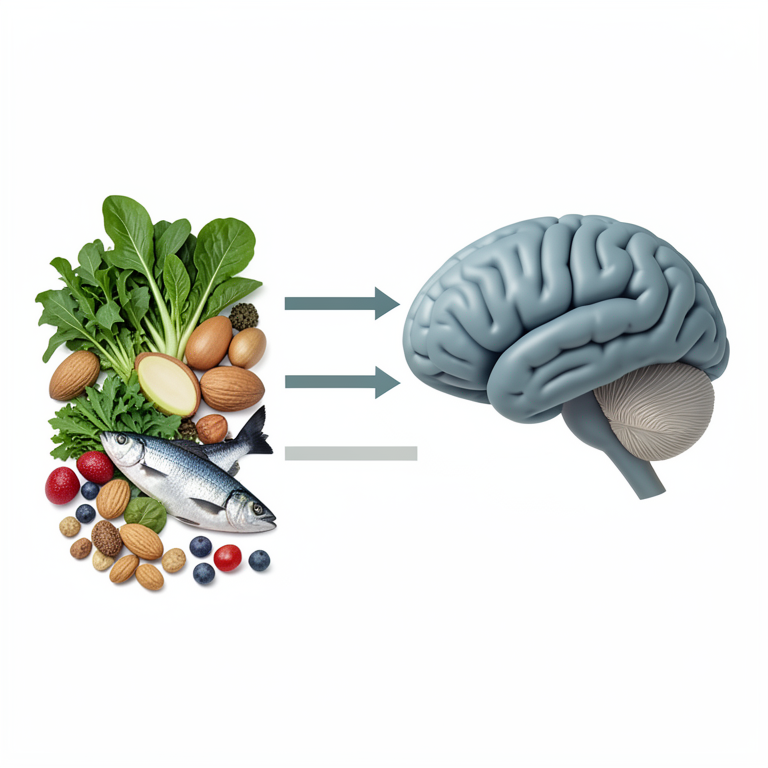
Study overview
AI-generated conceptual illustration (human brain and various whole foods). It explains the idea and does not show study data.
View source evidence ↗Introduction
Depression and anxiety disorders result in health and economic consequences worldwide and have a significant impact on the quality of life by ranking high among disability-adjusted life years (DALYs) (World Health Organization [WHO], 2021 [1] ; Global Burden of Disease [GBD], 2019). The Global Burden of Disease estimates depression and anxiety disorders to rank highly among the causes of DALYs, afflicting over 300 million people across the globe. Subclinical variants of depression and anxiety have been reported to represent a spectrum of difficulties in functioning and reduced quality of life among members of the general population (Steel et al., 2014) [3] . Mood disorders are a serious global health problem that contributes to the burden of disability-adjusted life years, and consequently, adversely affects health and economics (World Health Organization [WHO], 2021 [1] ; Global Burden of Disease [GBD], 2019). While groundbreaking advances have been made in developing pharmacological and psychotherapeutic interventions, many patients experience unsatisfactory treatment outcomes. The challenge of partial remissions, relapses, and the chronic nature of mood disorders demonstrates the need for seeking new strategies beyond classical interventions. There are substantial data demonstrating the importance of diet in mental health and overall wellness. There is a growing body of evidence based on dietary patterns that conveys a possible effect on mood disorders. Dietary patterns have the capability of influencing, inflammation, oxidation, dysfunction of the mitochondrion, and neuroplasticity, and gut-brain signaling. The integration of neuroscience, psychiatry, nutrition, and other relevant disciplines has led to the emergence of nutritional psychiatry. This enhanced understanding led to the emergence of nutritional psychiatry, a field that integrates insights from neuroscience, psychiatry, and nutrition to explore how diet quality relates to mental health outcomes across the lifespan (Marx et al., 2020) [4] .
Disorders, Fifth Edition (DSM-5). Mood disorders are classified as depressive disorders or bipolar and related disorders, depending on the patterns of symptoms. They may include persistently sad moods and the inability to experience pleasure (anhedonia), along with other neurovegetative and cognitive symptoms. Examples of depressive disorders are major depressive disorder, persistent depressive disorder (dysthymia), premenstrual dysphoric disorder, and seasonal affective disorder. Common symptoms are reduced energy, sleep and eating disturbances, changes in the speed of movements and thinking, difficulty paying attention, and problems with thinking and organizing plans and actions. Neuroinflammation, along with imbalances in monoamines and neurogenesis, and problems with the body's metabolism may cause these symptoms. It is now believed that these problems can be altered by diet.
Bipolar and Associated Disorders
Swings between depressive episodes and manic or hypomanic episodes repetitively characterize bipolar and associated disorders. Between episodes, individuals display fluctuations in depression, mania and/or hypomania, and energy levels and behaviors. Within the spectrum of disorders lie bipolar I, bipolar II, and cyclothymic disorders. Bipolar disorders, beyond their predisposition to cyclic episodes, are associated with a predisposition toward elevated cardiovascular and metabolic diseases and chronic systemic inflammation. Biological processes underlying these disorders share similarities with those of depressive disorders. There is growing evidence that underlying bipolar disorders are inflammation, oxidative stress, and disrupted neurotransmitters. This evidence supports the need for studying the role of diet in these disorders (Berk et al., 2013) [17] .
Fad Diets and Mental Health Essay
Fad diets are characterized by a reduction of calories or the exclusion of particular food groups. They are intended to provide a rapid weight loss result but are based on little scientific evidence. This trend has gained popularity over the years, although there is growing evidence that fad diets can have detrimental effects on mental health and psychological well-being (Sarris et al., 2020) [5] . The first factor that explains the potential negative impact of fad diets is the development of nutrient deficiencies caused by their improper nutrition. It is known facts that restrictive diets lead to the depletion of several micronutrients essential for the proper functioning of neurotransmitters, synapses, mitochondria, and the brain as a whole. For example, a lack of B-complex vitamins, iron, magnesium, zinc, and omega-3 polyunsaturated fatty acids can lead to depression, anxiety, irritability, impaired learning and memory, and reduced resilience to stress (Zielińska et al., 2023) [6] . In addition, fad diets can cause mental disorders by disrupting the endocrine system's work and leading to dysfunction of the hypothalamic-pituitary-adrenal axis and imbalance of sex hormones (Marx et al., 2021) [57] . This can happen as a result of calorie restriction or the exclusion of certain food groups, such as carbohydrates. Consequently, fatigue, mood instability, increased stress sensitivity, and emotional reactivity may arise (Anderson et al., 2022) [7] . In addition, imbalances in glucose due to malnutrition or highly restrictive diets may trigger neuroendocrine stress reactions, such as the hypothalamic-pituitary-adrenal axis. This means fad diets are even more dangerous to mental health by exacerbating the symptoms of anxiety and depression (Benton et al., 2020) [8] . Psychologically, popular diets, such as fad diets, are likely to encourage rigidity in dietary control and dichotomous thinking about food. This approach is related to more preoccupation with eating, guilt about diet violations, and food-related anxiety. As a result, these elements are highly likely to have a negative influence on emotional regulation and are associated with higher psychological distress, poor body image, and disordered eating behaviors (Linardon et al., 2021) [9] . The cyclical pattern of food restriction and relapse is detrimental to selfefficacy and esteem that further worsen mood-related problems (Treasure et al., 2020) [10] . Additionally, many fad diets have a detrimental effect on the gut-brain axis by restricting dietary fiber and food diversity. These changes affect the structure and function of the gut microbiome, possibly promoting inflammation and impairing the production of neuroactive metabolites by microbes (Dash et al., 2022) [11] . This mechanism is widely considered a crucial mediator in the development of mood disorders. It can, therefore, be concluded that fad diets may have a detrimental effect on mental health by impairing nutritional status, increasing psychological stress and disrupting the interconnected metabolic, inflammatory, and neurobiological systems essential for proper mood regulation (Sarris et al., 2020; Marx et al., 2021) [5,57] .
Dietary Approaches to Support Mental Health Essay
There is accumulating evidence from nutritional neuroscience and psychiatric epidemiology that overall dietary quality, rather than any specific nutrients or calorie restriction, is critically implicated in mental health and wellbeing (Appleton et al., 2021) [12] . The balanced approach to nutrition characterized by diversity and sustainability was found to confer a decreased risk of depression, anxiety, and psychological distress through various physiological and psychological mechanisms. Healthy diets were associated with positive mood, reduced stress and mental fatigue, improved cognitive performance, and enhanced emotional regulation abilities (Lane et al., 2022) [20] . Diets that promote mental well-being are rich in minimally processed plant foods, including vegetables, fruits, whole grains, legumes, nuts, and seeds. Their regular consumption provides a wide array of dietary fiber, vitamins, minerals, antioxidants, and phytochemicals beneficial for neurotransmitter production and function, neuroplasticity, antioxidant defense, and gut microbiota modulation. Healthy fats, particularly polyunsaturated fatty acids, mainly omega-3, from fatty fish, walnuts, flaxseeds, and olive oil, are crucial for normal neuronal function and decreasing inflammation and are considered to play a protective role in mood regulation and depression. Finally, diets rich in protein from fish, legumes, dairy products, and lean meats provide essential amino acids involved in the biosynthesis of serotonin, dopamine, and GABA, neurotransmitters playing a key role in modulating mood, motivation, cognition, and behavior. Micronutrients, including B-complex vitamins, iron, zinc, and magnesium, are integral components of neurotransmitter synthesis enzymes and facilitate normal neuronal functioning; their deficiency disrupts numerous neurotransmission systems, resulting in depressed mood, impaired cognitive performance, and emotional
dysregulation (Berk et al., 2013) [17] . A balanced and healthy diet can impact mental health and well-being through several different mechanisms. There are a few key pathways connecting dietary intake with depression and anxiety. One of them includes the regulation of inflammatory responses and oxidative stress, both strongly implicated in the development and persistence of depression and anxiety. Proinflammatory cytokines and oxidative stress disrupt normal neurotransmission, induce neuroinflammation, and impair neuronal plasticity, while a diet rich in antioxidants helps reduce neuroinflammation and protect neurons from oxidative damage (Gibson-Smith et al., 2020) [19] . Another important connection between nutrition and mental health is regulation of the brain's glucose metabolism (O'Neil et al., 2022) [17] . Eating regular balanced meals throughout the day provides a sufficient amount of glucose to fuel the brain and prevent sudden drops of energy, hunger, and fatigue during the day. If glucose metabolism is impaired, a person may experience emotional instability and greater vulnerability to stressors, depression, and irritability (Pasco et al., 2012) [21] .
Finally, recent discoveries have emphasized the gut-brain axis as a critical modulator of the diet-psychological state relationship. The food consumed affects the composition of the gastrointestinal microbiota its impact on the immune system and the production of neurotransmitters and neural connections through the vagus nerve. Dysregulation of the microbiota has been associated with depression and anxietylike behavior in both human and animal studies (Ríos-Hoyo and Gutiérrez-Salmeán, 2021) [22] . A number of observational and longitudinal studies have confirmed the association between diet quality and mental health. For example, in the study by Guo et al. (2022) [23] , a proinflammatory dietary pattern characterized by the high consumption of fried food, sugar-sweetened beverages, and processed meats was associated with an increased risk of developing depression, whereas a prudent dietary pattern rich in fruits, vegetables, and fish was associated with a reduced risk. Molendijk et al. (2023) [24] performed a metaanalysis of data from more than 100,000 participants and found that an unhealthy diet was independently associated with an increased risk of depression in all analyzed population groups and age categories. On the other hand, a diet high in ultra-processed foods, added sugars, and saturated fatty acids and low in whole grains, fiber, and unsaturated fats is linked to systemic inflammation, metabolic disorders, dysbiosis, and mental health problems (Lassale et al., 2023) [26] . Therefore, the modern diet of people with mental disorders should be balanced, not depriving them of favorite foods but guiding them to choose healthy options and follow cultural habits, which would prevent the development of depression and anxiety and promote adherence to the diet, improving the patient's quality of life (Parletta et al., 2022) [27] .
Mechanistic Pathways Linking Diet and Mood Disorders Glycemic Regulation and Neuroendocrine Stress Responses
As noted earlier, the glycemic index (GI) and glycemic load (GL) indicate how quickly foods containing carbohydrates raise blood sugar. Consuming foods with a high glycemic index and load results in postprandial hyperglycemia, followed by reactive hypoglycemia. These alterations affect the neuro-endocrine stress pathway, which is triggered by elevated cortisol, adrenaline, and glucagon levels, potentially worsening depression and anxiety symptoms. This matters because sustained activation of the hypothalamus-pituitary-adrenal (HPA) axis leads to mood dysregulation and impaired brain function. A longitudinal cohort study, Whitehall II, showed over a decade that eating high-GI/GL foods is associated with the onset of depressive symptoms. Results from that study indicated that individuals following high GL and GI diets experienced faster progression of depressive symptoms (Gangwisch et al., 2015) [28] . Beyond observational research, controlled feeding trials have demonstrated that high-GI meals negatively affect mood, causing irritability and fatigue. Moreover, recent neuroimaging studies have shown that glucose variability affects functional connectivity and activity in the hippocampus and prefrontal cortex, areas essential for emotional regulation and cognition (Khalil et al., 2022) [29] . It has also been recently discovered that glucose dysregulation triggers oxidative stress and mitochondrial dysfunction, leading to neurodegeneration and neuroinflammation that may contribute to depression (Schiavone et al., 2020) [30] . Interventions designed to stabilize glucose, such as low-GI diets and intermittent fasting, have shown potential for improving mood and cognitive function (Papamichou et al., 2022) [31] . Low-grade chronic systemic inflammation is a key factor in the development of depression (Raison and Miller, 2016) [32] . The anti-inflammatory effects of such diets are backed by meta-analyses of inflammatory biomarkers in depressed patients. In comparison to healthy controls, depressed participants consistently exhibited higher levels of IL-6 and CRP. Additionally, randomized controlled trials testing antiinflammatory drugs, including non-steroidal antiinflammatory drugs (NSAIDs) and cytokine inhibitors, reduced depressive symptoms, confirming inflammation as a therapeutic target (Su et al., 2021) [33] . Furthermore, several nutrients have anti-inflammatory properties. Omega-3 fatty acids, particularly EPA, decrease the production of pro-inflammatory eicosanoids and cytokines, and improve neuronal membrane fluidity, enhancing neurotransmission (Grosso et al., 2014) [34] . Polyphenols found in fruits, vegetables, and olive oil possess antioxidant properties and regulate pathways involved in inflammation and neuroprotection (Benton, 2011) [8] . A recent meta-analysis of omega-3 supplementation trials in depressed patients found some improvement, especially when inflammatory markers were elevated (Martins, 2020) [36] . Recent studies also suggest that the NLRP3 inflammasome, which regulates innate immunity, plays a role in inflammation associated with depression. The effect of diet on inflammasome activation has been shown (Alcocer-Gómez et al., 2017) [37] . A diet high in antioxidants and low in processed foods inhibits NLRP3 activation, so proper eating habits may help ease depressive symptoms. The gut-brain axis, which involves neural (vagus nerve), immune, and endocrine signaling pathways, is crucial for mood regulation. Gut microbiota dysbiosis, marked by altered composition and reduced diversity, has been increasingly linked to depression and anxiety (Kelly et al., 2016) [38] . Animal studies show that transferring fecal microbiota from depressed patients induces depressive behavior in rodents, indicating a causal relationship (Zheng et al., 2016) [39] . Diet affects the diversity of gut microbes. Diets high in saturated fat and sugar but low in fiber reduce populations of bacteria that produce SCFAs, including Faecalibacterium prausnitzii and Roseburia, which have anti-inflammatory and neuroprotective properties (Valdes et al., 2018) [40] . Such gut microbiota imbalance can increase intestinal permeability, also called "leaky gut," allowing LPS to enter the bloodstream and trigger systemic inflammation and mood disorders (Kelly et al., 2015) [41] . Conversely, diets following the Mediterranean pattern, rich in dietary fiber and polyphenols, enhance gut microflora diversity and increase SCFA production, helping maintain blood-brain barrier integrity and affect microglial activation (Johnson et al., 2020) [42] . Butyrate, a key SCFA, has been demonstrated to reduce neuroinflammation and promote neurogenesis in preclinical studies (Stilling et al., 2016) [44] . Recent human clinical trials using probiotics (Lactobacillus and Bifidobacterium species) and prebiotics have shown some efficacy in treating depression and stress responses, though results remain limited and inconsistent (Wallace and Milev, 2017) [43] . The 2022 systematic review and meta-analysis concluded that psychobiotics have a moderate effect on mood and anxiety in patients with mild-to-moderate symptoms (Huang et al., 2022) [45] . Furthermore, research is exploring postbiotics (bacterial metabolic products) and synbiotics (combining probiotics and prebiotics) as nextgeneration therapies for the gut-brain axis (Vazquez-Moreno et al., 2023). Employing dietary strategies to modify gut microflora represents a promising alternative treatment for mood disorders.
Future Directions and Clinical Implications Personalized Nutrition and Integration into Psychiatric Care
The precision psychiatry paradigm represents an innovative strategy of individualizing treatment, including nutritional interventions, for persons diagnosed with mood disorders (Lin and Schmidt, 2023) [47] . Advances in genomic, metabolomic, and microbiome profiling enable the development of nutraceutical strategies targeting the unique biological and psychosocial characteristics of persons with mood disorders. For example, single nucleotide polymorphisms associated with increased inflammation and altered neurotransmission may dictate the most appropriate type and dose of omega-3 fatty acids or B vitamins for a person with depression (Berk et al., 2022) [18] . Similarly, stratification of patients on the basis of microbiome fingerprints or intestinal permeability may guide the selection of prebiotic or probiotic supplements (Kelly and Borre, 2021) [48] . The integration of multiomics data will promote the development of dietary guidelines that consider the heterogeneity of nutritional needs among psychiatric patients. A collaborative care model, wherein psychiatrists, clinical psychologists, dietitian/nutritionists, and primary care providers work together in concert, is critical for the successful implementation of precision psychiatry (Murphy et al., 2023). A recent pilot study examining the effectiveness of a nutritional assessment tool found increased engagement from patients as well as reduced depressive symptoms in those who received services from dieticians as part of their mental health treatment team (Murphy et al., 2023). Digital health technologies offering continuous data collection and feedback on nutritional status, mood, and other domains are valuable tools in promoting personalized mental health nutrition care.
Addressing Barriers and Enhancing Adherence
Although the evidence on the effectiveness of nutritional interventions is growing, the challenge of improving adherence among persons with mood disorders remains paramount (Vancampfort et al., 2019) [50] . Patients with mood disorders often experience executive dysfunction and reduced motivation to engage in behavior change, which can undermine nutritional interventions (Firth et al., 2021) [52] . Furthermore, the risk for antidepressant-induced weight gain also contributes to treatment nonadherence (Firth et al., 2022) [52] . Future research and practice in mental health nutrition should prioritize the role of the physical and socioeconomic environments in influencing dietary behaviors and mental health outcomes. In particular, the role of poverty and food insecurity on the ability of persons with mood disorders to follow a healthy diet requires greater consideration (Walker et al., 2020) [53] . Affordable access to nutritional items, healthy eating programs, and urban agriculture will be critical in bridging the gap between nutritional recommendations and population health needs. Behavioral economic interventions such as motivational interviewing (MI) and solution-focused brief therapy have been found to improve treatment engagement and adherence to nutritional recommendations (Hall et al., 2021) [54] . For instance, a randomized controlled trial (RCT) examining the efficacy of MI plus counseling compared to counseling alone found that the former enhanced adherence to a Mediterranean-style diet while also improving depression symptoms (Nguyen et al., 2022) [55] . Group and peer support interventions are also valuable in enhancing adherence to nutritional guidelines through increased social support and shared learning. Patients with severe mental disorders stand to benefit from such interventions given the high likelihood of isolation and reduced support networks (Adjibade et al., 2021) [56] . Additionally, psychoeducation and basic nutritional counseling from mental health professionals can serve as a useful supplement to the care provided by dieticians when the latter are unavailable (Jacka et al., 2021). Integrating nutritional screening and interventions into routine mental health practice will enhance early detection and management of unhealthy dietary patterns in this population.
Conclusion
Diet is an essential and multifaceted variable that plays a significant role in depression and anxiety via diverse mechanisms. Namely, it affects glycemic control and the neuroendocrine stress response, triggers inflammatory processes which intensify neurobiological dysfunction in mood disorders, and positively influences the gut-brain axis and microbiota. There is a growing body of evidence that diet is one of the key modifiable domains associated with mental health problems. It means that food intake and nutrition influence metabolic processes, proinflammatory pathways, and neurobiology. The consideration of nutritional factors in public health and mental health care may transform clinical practices and improve global health outcomes. Trials aiming to evaluate dietary interventions for depression and anxiety disorders were reviewed. They proved the notion that nutrition could be used as an adjunctive treatment for mental illnesses. The changes in diet observed positive effects on the core symptoms of the two conditions. Yet, the effect sizes were small, which prompts a need for additional trials and exploration of the mechanisms that link diet, nutrition, and mental health. Moreover, there is a necessity to address the barriers to implementing dietary interventions as they are reported to have limited efficacy in patients due to multiple challenges. To conclude, nutrition is a key element of management and care for patients with psychological conditions that should be complemented by pharmacotherapy and psychotherapeutic interventions. This task is complex and multidimensional and involves health providers, policymakers, and individuals with mental health problems. Addressing the issues related to nutrition and mental health requires a more comprehensive approach to managing the condition and is of crucial importance. It demands interdisciplinary collaboration and the consideration of diverse individual aspects, ranging from biological to socioeconomic. Individuals with mental health disorders experience tremendous difficulties with adhering to dietary interventions. These barriers are diverse and vary from person to person, which makes it essential to analyze each case from several perspectives and address the main issues that prompt the failures to comply with dietitian's recommendations.
References
57 in the original paper- World Health Organization. Depression and other common mental disorders: global health estimates. Geneva: World Health Organization; 2021.
- Murray CJ, Abbafati C, Abbas KM, Abbasi M, AbbasiKangevari M, Abd-Allah F, et al. Five insights from the Global Burden of Disease Study 2019. Lancet. 2020;396(10258):1135-1159.
- Steel Z, Marnane C, Iranpour C, Chey T, Jackson JW, Patel V, et The global prevalence of common mental disorders: a systematic review and meta-analysis 19802013. Int J Epidemiol. 2014;43(2):476-493.
- Kluge S, Janssens U, Welte T, Weber-Carstens S, Marx G, Karagiannidis C. German recommendations for critically ill patients with COVID-19. Med Klin Intensivmed Notfmed. 2020;115(Suppl 3):111-114.
- Sarris J, Thomson R, Hargraves F, Eaton M, De Manincor M, Veronese N, et al. Multiple lifestyle factors and depressed mood: a cross-sectional and longitudinal analysis of the UK Biobank (N=84,860). BMC Med. 2020;18(1):354.
- Zielińska M, Łuszczki E, Dereń K. Dietary nutrient deficiencies and risk of depression (review article 20182023). Nutrients. 2023;15(11):2433.
- Vivancos R, Anderson C, Blomquist P, Balasegaram S, Bell A, Bishop L, et al. Community transmission of monkeypox in the United Kingdom, April to May 2022. Euro Surveill. 2022;27(22):2200422.
- Benton DJ, Wrobel AG, Xu P, Roustan C, Martin SR, Rosenthal PB, et al. Receptor binding and priming of the spike protein of SARS-CoV-2 for membrane fusion. Nature. 2020;588(7837):327-330.
- Linardon J, Tylka TL, Fuller-Tyszkiewicz M. Intuitive eating and its psychological correlates: a meta-analysis. Int J Eat Disord. 2021;54(7):1073-1098.
- Treasure J, Willmott D, Ambwani S, Cardi V, Clark Bryan D, Rowlands K, et al. Cognitive interpersonal model for anorexia nervosa revisited: the perpetuating factors that contribute to the development of the severe and enduring illness. J Clin Med. 2020;9(3):630.
- Saha T, Dash C, Jayabalan R, Khiste S, Kulkarni A, Kurmi K, et al. Intercellular nanotubes mediate mitochondrial trafficking between cancer and immune cells. Nat Nanotechnol. 2022;17(1):98-106.
- Appleton R, Williams J, Vera San Juan N, Needle JJ, Schlief M, Jordan H, et al. Implementation, adoption, and perceptions of telemental health during the COVID-19 pandemic: systematic review. J Med Internet Res. 2021;23(12).
- Guu K, Lee K, Tung Z, Pasupat P, Chang M. Retrieval augmented language model pre-training. In: Proceedings of the 37th International Conference on Machine Learning; 2020. p. 3929-3938.
- Trumpff C, Michelson J, Lagranha CJ, Taleon V, Karan KR, Sturm G, et al. Stress and circulating cell-free mitochondrial DNA: a systematic review of human studies, physiological considerations, and technical recommendations. Mitochondrion. 2021;59:225-245.
- Paysan-Lafosse T, Blum M, Chuguransky S, Grego T, Pinto BL, Salazar GA, et al. InterPro in 2022. Nucleic Acids Res. 2023;51(D1).
- Li Y, Zhang Y, Timofte R, Van Gool L, Yu L, Li Y, et al. NTIRE 2023 challenge on efficient super-resolution: methods and results. In: Proceedings of the IEEE/CVF Conference on Computer Vision and Pattern Recognition; 2023. p. 1922-1960.
- Berk M, Williams LJ, Jacka FN, O'Neil A, Pasco JA, Moylan S, et al. So depression is an inflammatory disease, but where does the inflammation come from? BMC Med. 2013;11(1):200.
- Berk LE. Development through the lifespan. Thousand Oaks (CA): Sage Publications; 2022.
- Gibson-Smith D, Bot M, Brouwer IA, Visser M, Giltay EJ, Penninx BW. Association of food groups with depression and anxiety disorders. Eur J Nutr. 2020;59(2):767-778.
- Lane MM, Gamage E, Travica N, Dissanayaka T, Ashtree DN, Gauci S, et al. Ultra-processed food consumption and mental health: a systematic review and meta-analysis of observational studies. Nutrients. 2022;14(13):2568.
- Pasco JA, Jacka FN, Williams LJ, Evans-Cleverdon M, Brennan SL, Kotowicz MA, et al. Dietary selenium and major depression: a nested case-control study. Complement Ther Med. 2012;20(3):119-123.
- Uriarte-Frías G, Hernández-Ortega MM, GutiérrezSalmeán G, Santiago-Ortiz MM, Morris-Quevedo HJ, Meneses-Mayo M. Pre-hispanic foods oyster mushroom (Pleurotus ostreatus), nopal (Opuntia ficus-indica) and amaranth (Amaranthus sp.) as new alternative ingredients for developing functional cookies. J Fungi. 2021;7(11):911.
- Wishart DS, Guo A, Oler E, Wang F, Anjum A, Peters H, et al. HMDB 5.0: the human metabolome database for 2022. Nucleic Acids Res. 2022;50(D1).
- Molendijk J. Predicting elections: comparing the individual-level and valence dimension of the economic voting theory in the Dutch general elections of 2021 [doctoral dissertation]. Tilburg: Tilburg University; 2021.
- Lane MM, Gamage E, Travica N, Dissanayaka T, Ashtree DN, Gauci S, et al. Ultra-processed food consumption and mental health: a systematic review International Journal of Agriculture and Nutrition https://www.agriculturejournal.net and meta-analysis of observational studies. Nutrients. 2022;14(13):2568.
- Duclos G, Fleury M, Grosdidier C, Lakbar I, Antonini F, Lassale B, et al. Blood coagulation test abnormalities in trauma patients detected by sonorheometry: a retrospective cohort study. Res Pract Thromb Haemost. 2023;7(4):100163.
- Parletta N, Zarnowiecki D, Cho J, Wilson A, Procter N, Gordon A, et al. People with schizophrenia and depression have a low omega-3 index. Prostaglandins Leukot Essent Fatty Acids. 2016;110:42-47.
- Gangwisch JE, Hale L, Garcia L, Malaspina D, Opler MG, Payne ME, et al. High glycemic index diet as a risk factor for depression: analyses from the Women's Health Initiative. Am J Clin Nutr. 2015;102(2):454-463.
- Khalil A, Abdelli ME, Mogaji E. Do digital technologies influence the relationship between the COVID-19 crisis and SMEs' resilience in developing countries? J Open Innov Technol Mark Complex. 2022;8(2):100.
- Schiavone F, Leone D, Sorrentino A, Scaletti A. Redesigning the service experience in the value cocreation process: an exploratory study of a healthcare network. Bus Process Manag J. 2020;26(4):889-908.
- Papamichou D, Panagiotakos DB, Holmes E, Koutsakis P, Katsoulotos H, Loo RL, et al. The rationale and design of a Mediterranean diet accompanied by time restricted feeding to optimise the management of type 2 diabetes: the MedDietFast randomised controlled trial. Nutr Metab Cardiovasc Dis. 2022;32(1):220-230.
- Miller AH, Raison CL. The role of inflammation in depression: from evolutionary imperative to modern treatment target. Nat Rev Immunol. 2016;16(1):22-34.
- Su S, Du L, Jiang S. Learning from the past: development of safe and effective COVID-19 vaccines. Nat Rev Microbiol. 2021;19(3):211-219.
- Grosso G, Pajak A, Marventano S, Castellano S, Galvano F, Bucolo C, et al. Role of omega-3 fatty acids in the treatment of depressive disorders: a comprehensive meta-analysis of randomized clinical trials. PLoS One. 2014;9(5).
- Benton D. Dehydration influences mood and cognition: a plausible hypothesis? Nutrients. 2011;3(5):555-573.
- Martins RX. A covid-19 e o fim da educação a distância: um ensaio. EmRede-Revista de Educação a Distância. 2020;7(1):242-256.
- Alcocer-Gómez E, Casas-Barquero N, Williams MR, Romero-Guillena SL, Cañadas-Lozano D, Bullón P, et al. Antidepressants induce autophagy dependentNLRP3-inflammasome inhibition in major depressive disorder. Pharmacol Res. 2017;121:114-121.
- Kelly JR, Borre Y, O'Brien C, Patterson E, El Aidy S, Deane J, et al. Transferring the blues: depressionassociated gut microbiota induces neurobehavioural changes in the rat. J Psychiatr Res. 2016;82:109-118.
- Zheng P, Zeng B, Zhou C, Liu M, Fang Z, Xu X, et al. Gut microbiome remodeling induces depressive-like behaviors through a pathway mediated by the host's metabolism. Mol Psychiatry. 2016;21(6):786-796.
- Valdes AM, Walter J, Segal E, Spector TD. Role of the gut microbiota in nutrition and health. BMJ. 2018;361.
- Kelly CR, Kahn S, Kashyap P, Laine L, Rubin D, Atreja A, et al. Update on fecal microbiota transplantation 2015: indications, methodologies, mechanisms, and outlook. Gastroenterology. 2015;149(1):223-237.
- Yee J, Unger L, Zadravecz F, Cariello P, Seibert A, Johnson MA, et al. Novel coronavirus 2019 (COVID19): emergence and implications for emergency care. J Am Coll Emerg Physicians Open. 2020;1(2):63-69.
- Taalman H, Wallace C, Milev R. Olfactory functioning and depression: a systematic review. Front Psychiatry. 2017;8:190.
- Stilling RM, Van De Wouw M, Clarke G, Stanton C, Dinan TG, Cryan JF. The neuropharmacology of butyrate: the bread and butter of the microbiota-gutbrain axis? Neurochem Int. 2016;99:110-132.
- Huang HY, Lin YC, Cui S, Huang Y, Tang Y, Xu J, et al. miRTarBase update 2022: an informative resource for experimentally validated miRNA-target interactions. Nucleic Acids Res. 2022;50(D1).
- Duarte-Campos JF, Vázquez-Moreno CN, MartínezMarcial M, Chavarría A, Ramírez-Carreto RJ, Velasco Velázquez MA, et al. Changes in neuroinflammatory markers and microglial density in the hippocampus and prefrontal cortex of the C58/J mouse model of autism. Eur J Neurosci. 2024;59(1):154-173.
- Lin X, Schmidt SW. Empowering online adult educators: integrating artificial intelligence for enhanced instructional strategies. New Dir Adult Contin Educ. 2025;2025(188):24-30.
- Borre ED, Kaalund K, Frisco N, Zhang G, Ayer A, Kelly-Hedrick M, et al. The impact of hearing loss and its treatment on health-related quality of life utility: a systematic review with meta-analysis. J Gen Intern Med. 2023;38(2):456-479.
- Morgan E, Arnold M, Gini A, Lorenzoni V, Cabasag CJ, Laversanne M, et al. Global burden of colorectal cancer in 2020 and 2040: incidence and mortality estimates from GLOBOCAN. Gut. 2023;72(2):338-344.
- Vancampfort D, Stubbs B, Van Damme T, Smith L, Hallgren M, Schuch F, et al. The efficacy of meditation-based mind-body interventions for mental disorders: a meta-review of 17 meta-analyses of randomized controlled trials. J Psychiatr Res. 2021;134:181-191.
- Torous J, Bucci S, Bell IH, Kessing LV, FaurholtJepsen M, Whelan P, et al. The growing field of digital psychiatry: current evidence and the future of apps, social media, chatbots, and virtual reality. World Psychiatry. 2021;20(3):318-335.
- Firth J, Torous J, López-Gil JF, Linardon J, Milton A, Lambert J, et al. From "online brains" to "online lives": understanding the individualized impacts of Internet use across psychological, cognitive and social dimensions. World Psychiatry. 2024;23(2):176-190.
- Walker PG, Whittaker C, Watson OJ, Baguelin M, Winskill P, Hamlet A, et al. The impact of COVID-19 and strategies for mitigation and suppression in low-and middle-income countries. Science. 2020;369(6502):413-422.
- Hall VJ, Foulkes S, Charlett A, Atti A, Monk EJ, Simmons R, et al. SARS-CoV-2 infection rates of antibody-positive compared with antibody-negative health-care workers in England: a large, multicentre, prospective cohort study (SIREN). Lancet. 2021;397(10283):1459-1469.
- Mogaji E, Nguyen NP. Managers' understanding of artificial intelligence in relation to marketing financial services: insights from a cross-country study. Int J Bank Mark. 2022;40(6):1272-1298.
- Julia C, Leroy P, Adjibade M, Assmann KE, Touvier M, Hercberg S, et al. Public health potential of guidelines-based dietary scores for non-communicable diseases mortality prevention: simulation study using the Preventable Risk Integrated ModEl (PRIME) model. Public Health Nutr. 2021;24(16):5539-5549.
- Berding K, Vlckova K, Marx W, Schellekens H, Stanton C, Clarke G, et al. Diet and the microbiota-gutbrain axis: sowing the seeds of good mental health. Adv Nutr. 2021;12(4):1239-1285.