
Research article · 2026 · Full text
International Journal of Geography Geology and EnvironmentPhytochemical profiling and Antioxidant activity of Gloriosa superba
Volume 8(9) · Pages 107–111 · DOI: 10.22271/27067483.2026.v8.i9b.869 ↗
Research areasMedicinal Plant ResearchPhytochemical Studies and BioactivitiesPhytochemicals and Medicinal Plants
Abstract
Author-writtenGloriosa superba, an important medicinal climber of the family Colchicaceae, and commonly known as flame lily is valued for its diverse therapeutic potential. The plant has records in the Ayurvedic treatments in India. However, habitat exploitation and unsustainable way of collection have somehow decreased in its population. Mahanadi River in Odisha harbours important habitats for such medicinal plants. The plant has been traditionally utilized in the management of gout, arthritis, inflammation, wounds and other ailments, while its pharmacological potential includes anti-inflammatory, antioxidant, antimicrobial, analgesic and cytotoxic activities. The present study was carried out to collect the plant parts, identify using photographs and with key morphological characters The study mainly aims to document the qualitative and quantitative phytochemical profile, bioactive potential through quantitative antioxidant assay. Phytochemical investigations revealed presence of important primary and secondary metabolites, including proteins, carbohydrates, phenolic compounds, flavonoids, tannins, saponins, terpenoids, steroids and alkaloids. The quantitative phytochemical analysis revealed that It contains appreciable amounts of secondary metabolites, with tannin (56.87 mg/100 mL) being predominant, followed by saponin (10.24%), phenol (4.96 mg/100 mL) and flavonoids (0.1 mg/mL). The quantitative antioxidant assay evaluated through DPPH assay in both ethanolic and aqueous extracts showed higher inhibition (54.09-59.03%) for ethanolic extracts than the aqueous extract (45.60-57.65%), indicating stronger free-radical-scavenging potential of the ethanol extract of the study plant. However, all parts of G. superba, particularly the tubers, are highly poisonous and excessive exposure to colchicine and related alkaloids may cause severe toxicity. G. superba represents a valuable source of pharmacologically important phytochemicals, its medicinal utilization requires appropriate identification, standardized extraction, dosage control and rigorous toxicological evaluation. The findings emphasize the therapeutic significance of G. superba and support further investigation of its bioactive constituents for safe and controlled pharmaceutical applications.
Summary
Source-checkedPlain-language reading of the full paper, prepared with AI and checked against the text. Each point links to the authors' own words.
Why it matters
- Gloriosa superba, also known as the flame lily, is a medicinal climber from the Colchicaceae family recognized for its wide range of therapeutic uses. View evidence ↗
- The plant is traditionally used to treat conditions like gout, arthritis, and inflammation, and is noted for its antioxidant and antimicrobial pharmacological potential. View evidence ↗
- The population of G. superba has declined due to unsustainable collection methods and the exploitation of its habitat. View evidence ↗
The question
- The study aims to document the qualitative and quantitative phytochemical profiles of the plant and evaluate its bioactive potential using an antioxidant assay. View evidence ↗
What they did
- Plant materials were collected from the banks of the Mahanadi River basin in Cuttack, Odisha. View evidence ↗
- The whole plant was cleaned, cut, shade-dried, and then coarsely ground for analysis. View evidence ↗
- Qualitative screening was performed to detect primary metabolites (such as proteins and carbohydrates) and secondary metabolites (such as tannins and alkaloids). View evidence ↗
- Antioxidant activity was measured using a DPPH radical-scavenging assay with a 0.1 mM DPPH solution. View evidence ↗
What they found
- Quantitative analysis showed that tannin was the most abundant secondary metabolite at 56.87 mg/100 mL, followed by phenol at 4.96 mg/100 mL. View evidence ↗
- The plant contained 10.24% saponin, while flavonoid levels were relatively low at 0.10 mg/mL. View evidence ↗
- Qualitative analysis revealed that alkaloids were present only in the aqueous extract and absent in the ethanol and n-hexane extracts. View evidence ↗
- Primary metabolites showed varying distribution: proteins were in both aqueous and ethanol extracts, while starch was found only in the aqueous extract. View evidence ↗
- Ethanolic extracts showed higher antioxidant activity (54.09-59.03% inhibition) compared to aqueous extracts (45.60-57.65% inhibition). View evidence ↗
What it means
- The authors conclude that while G. superba is a promising source of bioactive compounds, further research on toxicity, dose standardization, and compound isolation is required for safe use. View evidence ↗
- A significant limitation for the plant's use is its high toxicity, primarily due to colchicine and related alkaloids, which can cause fatal poisoning if not strictly controlled. View evidence ↗
Visual summary
1 visualsIllustrations explain the paper; they do not show study data.
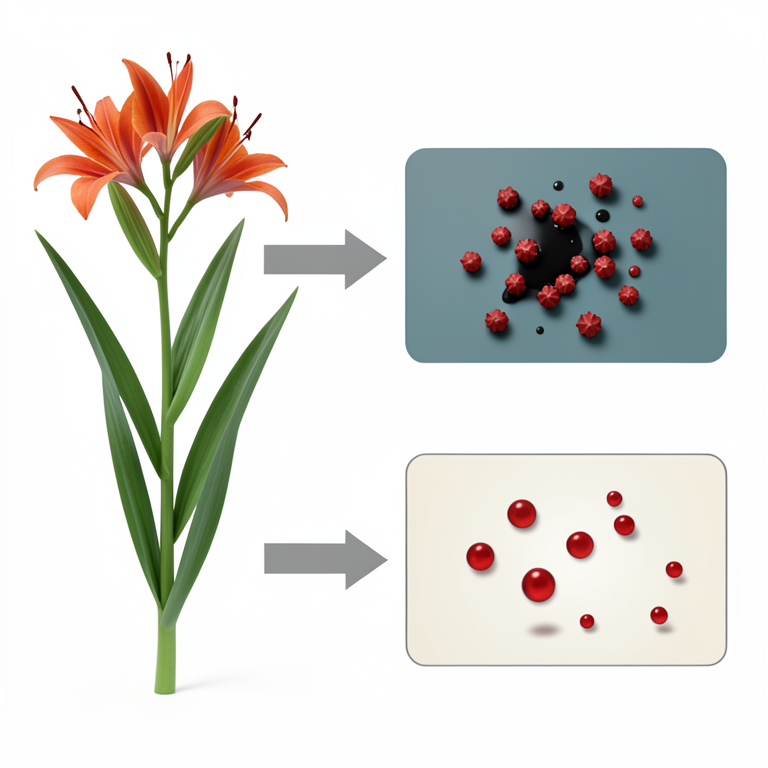
Antioxidant Activity Comparison
AI-generated conceptual illustration (Gloriosa superba (Flame Lily) plant). It explains the idea and does not show study data.
View source evidence ↗Figures & tables
From the original paper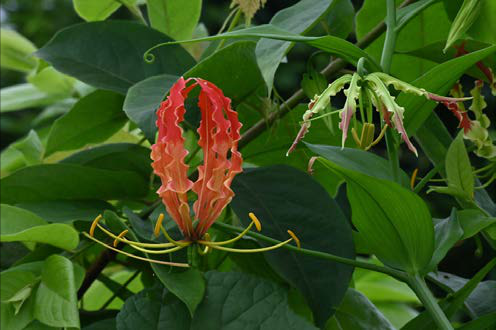 Figure 1
 Table 1
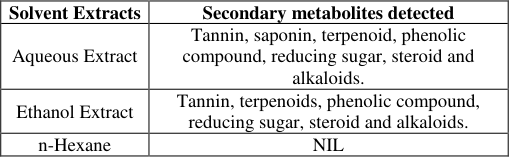 Table 2
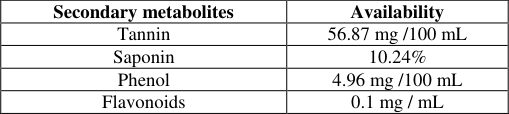 Table 3
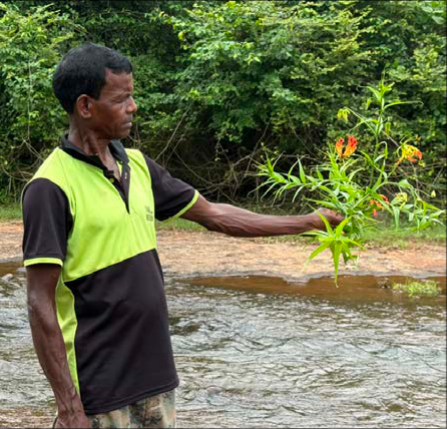 Figure 2
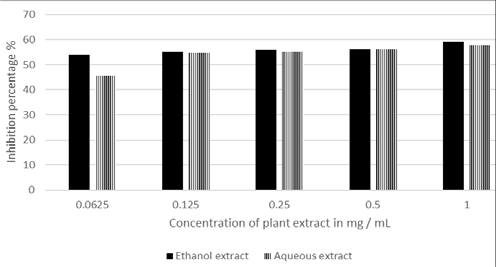 Figure 3
Introduction
Gloriosa superba is an important medicinal climber belonging to the family Colchicaceae. It is commonly known as glory lily or flame lily and distributed in tropical and subtropical regions of Africa and Asia and occurs in several parts of India. The species is generally found in tropical deciduous forests, forest margins, scrublands, grasslands, hedges, thickets, field boundaries and other relatively open habitats (Peele et al., 2022; Joshi et al., 2024) [15] . In India, G. superba has been reported from several states, including Tamil Nadu, Kerala, Karnataka, Andhra Pradesh, Maharashtra, Odisha, Uttar Pradesh, West Bengal, Jharkhand and parts of northern India. Its occurrence have been reported across diverse ecological regions of India (Kumar et al., 2026; Sharma et al., 2026) [16,26] . Despite its wide distribution, wild populations have declined in many areas because of habitat destruction, indiscriminate collection, overexploitation of tubers and seeds and poor natural regeneration. It also has a long history of ethnomedicinal use in Ayurvedic and traditional African and Asian medicine (Padmapriya et al., 2015) [22] . Various plant parts, especially the tubers, roots, seeds and leaves, have traditionally been employed for treating several ailments (Peele et al., 2022; Kumar and Sagar, 2015; Padmapriya et al., 2015) [18,22,23] . The tubers are traditionally used for the treatment of gout, arthritis, rheumatism, muscular and joint pain, inflammation, [26] . Tubers have also been used traditionally in preparations associated with snakebite and other inflammatory disorders ( [5,15,23,26] . In some traditional systems, preparations of the plant have been used for reproductive disorders, including as an abortifacient and to induce labour (Peele et al., 2022; Padmapriya et al., 2015) [22,23] . Leaves and other aerial parts have also been used traditionally for certain skin ailments, wounds and inflammatory conditions, while the seeds have considerable medicinal and pharmaceutical importance because of their high alkaloid content (Kumar and Sagar, 2015; Jasmine et al., 2020b) [11,18] . The present work aims to collect the G. superba from the Mahanadi River areas of Cuttack, Odisha and evaluate the qualitative phytochemical and quantitative screening of primary and secondary metabolites in addition to access the quantitative secondary metabolites and evaluate the antioxidant activity.
Methodology
Authors have collected the plant material of the study plant from the banks of Mahanadi River basin of Cuttack, Odisha. Photographs of the plants was also taken during the collection of the study plant. Morphology of the plant was recorded and compared with the regional flora books for identification. It has a long history and literature on the traditional therapeutic uses (Jena et al., 2025) [14] . The collected plant materials (whole plant) were cleaned and cut into small pieces and shade dried before course grounded. The qualitative phytochemical analysis was screened for the primary (proteins, carbohydrates, starch, sucrose, lipids and amino acids) and secondary metabolites (tannins, saponins, flavonoids, terpenoids, phenolics, reducing sugars, steroids and alkaloids). Further quantitative screening of secondary metabolites (Tannin, saponin, phenol and flavonoid) was estimated. The bioactivity for antioxidant activity was assessed quantitatively to correlate the phytochemical present in the study plant.
Qualitative phytochemical analysis
For qualitative phytochemical analysis, standard colour and precipitation tests were employed to detect primary metabolites (proteins, carbohydrates, starch, sucrose, lipids and amino acids) and secondary metabolites (tannins, saponins, flavonoids, terpenoids, phenolics, reducing sugars, steroids and alkaloids). The presence of individual metabolites was confirmed based on characteristic colour changes, precipitate formation or froth production (Kumar et al., 2013; Devi et al., 2022; Marndi et al., 2024; Jena et al., 2024) [8,13,17,20] .
Quantitative phytochemical analysis
The quantitative phytochemical estimation was carried out following standard procedures:
Estimation of total phenol
Total phenolic content was estimated following Swain and Hillis (1959) [29] . 0.5 g of plant material was extracted with 60% methanol and centrifuged at 5000 rpm for 20 min. The extract was treated with 0.1 N HCl, sodium nitritemolybdate reagent and 1 N NaOH, followed by incubation in the dark for 20 min. Absorbance was measured at 515 nm, and phenolic content was calculated from the gallic acid standard curve.
Estimation of Total Tannin
Tannin content was estimated according to Sadasivam and Manickam (2009) [25] . 5mg of plant material were boiled with distilled water for 30 min and centrifuged at 2000 rpm for 20 min. The supernatant was reacted with Folin reagent and 20% sodium carbonate and incubated in the dark. Absorbance was recorded at 720 nm, and tannin content was determined using a tannic acid standard curve.
Estimation of Total Saponin
Total saponin was estimated following Obadoni and Ochuko (2001) [21] . 5 gm of plant material were extracted with aqueous ethanol at 45°C for 4 h, filtered and concentrated. The extract was partitioned with diethyl ether and n-butanol, and the n-butanol fraction was washed with 5% sodium chloride. The fraction was evaporated and dried at 40°C to constant weight. Saponin content was expressed as a percentage of the initial sample weight. % of Saponin = (final weight of sample/initial weight of extracts) x 100
Estimation of total flavonoid
Total flavonoid content was determined by the aluminium chloride colorimetric method (Chang et [7,24,28] . 100 µL of extract was mixed with sodium nitrite, followed by aluminium chloride and sodium hydroxide, and incubated in the dark for 15 min. Absorbance was measured at 510 nm, and flavonoid content was calculated from a quercetin standard curve.
Quantitative antioxidant activity through dpph assay radical-scavenging activity
For antioxidant evaluation, dried plant material was extracted by maceration using selected solvents for 48 h, followed by filtration, concentration and preparation of working extracts in 1% DMSO. DPPH radical-scavenging activity was assessed using a 0.1 mM DPPH solution. Extracts at different concentrations were mixed with DPPH in a 1:1 ratio and incubated in the dark at room temperature for 10 min. Absorbance was measured at 517 nm, and the percentage radical-scavenging activity was calculated. Quercetin was used as the reference standard, and inhibition percentage was plotted against extract concentration to compare antioxidant activity (Abubakar and Haque 2020; Baliyan et al., 2022; Majhi et al., 2026) [1,4,19] .
Results and Discussion Morphology
Gloriosa superba is a glabrous, herbaceous, deciduous perennial climber, generally growing to about 2-3 m or more depending on environmental conditions. The plant develops from a characteristic fleshy, subterranean, tuberous rootstock, which is usually bifid or V-shaped and serves as the principal underground storage and perennating structure (Figure 1) (Kumar and Sagar, 2015; Peele et al., 2022; Kumar et al., 2026) [16,18,23] . The stem is slender, green, soft and climbing, and may branch depending upon the growing conditions. The leaves are simple, entire, green and lanceolate to ovate-lanceolate, with a distinctive tendril-like modification at the apex. This leaf-tip tendril enables the plant to attach itself to surrounding vegetation and climb upwards (Padmapriya et al., 2015; Kumar et al., 2026) [16,22] . The flowers are the most conspicuous feature of the plant. They are generally solitary and borne on long pedicels. Each flower possesses six narrow tepals, which are typically yellow, orange, scarlet or crimson and become strongly reflexed at maturity. The margins are characteristically wavy or undulate, giving the flower its flame-like appearance and providing the basis for the common name "flame lily" ( [16,18,23,26] .
Fig 2: Informant on the ethnobotanical uses of Gloriosa superba
Fig 2: Informant on the ethnobotanical uses of Gloriosa superba
Ethnobotany
The local communities near the Mahanadi River bank of Cuttack informed that the tubers of G. superba is applied to get rid of arthritis and joint pain (Figure 2).
Qualitative analysis of primary metabolites
The qualitative phytochemical screening of the whole plant of G. superba revealed a differential distribution of primary metabolites among the different solvent extracts (Table 1).
| Solvent Extracts | Primary metabolites detected |
|---|---|
| Aqueous Extract | Protein, carbohydrate and starch |
| Ethanol Extract | Protein and carbohydrate |
| n-Hexane | NIL |
Table text extracted from the original PDF; superscript letters are shown inline. The original table image is below.
View original table image
Protein was detected in both aqueous and ethanol extracts. Carbohydrates showed strong presence in the aqueous extract and moderate positivity in the ethanol extract. Starch was detected only in the aqueous extract. The predominance of proteins and carbohydrates in the aqueous fraction can be attributed to the relatively polar nature of these primary metabolites. The absence of these constituents in n-hexane is consistent with the non-polar character of the solvent, which is more suitable for extracting lipophilic compounds rather than polar macromolecules. The absence of detectable lipids in all three extracts may indicate either their low concentration in the tested material or concentrations below the detection limits of the qualitative assays.
Qualitative analysis of secondary metabolites
The screening of secondary metabolites demonstrated a more pronounced phytochemical diversity in the aqueous and ethanol extracts (Table 2). Tannins were detected in both aqueous and ethanol extracts. Saponins were detected only in the aqueous extract. Terpenoids, phenolic compounds, reducing sugars and steroids were detected in both aqueous and ethanol extracts. Alkaloids were detected only in the aqueous extract, while they were absent from ethanol and n-hexane extracts. The absence of detectable secondary metabolites in the n-hexane extract indicate that the compounds investigated by these qualitative assays were predominantly polar or moderately polar constituents.
| Solvent Extracts | Secondary metabolites detected |
|---|---|
| Aqueous Extract | Tannin, saponin, terpenoid, phenolic compound, reducing sugar, steroid and alkaloids. |
| Ethanol Extract | Tannin, terpenoids, phenolic compound, reducing sugar, steroid and alkaloids. |
| n-Hexane | NIL |
Table text extracted from the original PDF; superscript letters are shown inline. The original table image is below.
View original table image
Table 2: Quantitative analysis of secondary metabolites of Gloriosa superba
Table 2: Quantitative analysis of secondary metabolites of Gloriosa superba
Solvent Extracts Secondary metabolites detected
Solvent Extracts Secondary metabolites detected
Aqueous Extract
Tannin, saponin, terpenoid, phenolic compound, reducing sugar, steroid and alkaloids.
Ethanol Extract Tannin, terpenoids, phenolic compound, reducing sugar, steroid and alkaloids. n-Hexane NIL
Quantitative phytochemical composition
Quantitative estimation further confirmed the presence of several important secondary metabolites in the whole plant of G. superba. Tannin was the most abundant quantified constituent, with a concentration of 56.87 mg/100 ml, followed by phenol at 4.96 mg/100 ml. The saponin content was 10.24%, whereas the flavonoid concentration was comparatively low at 0.10 mg/ml (Table 3). The relatively high tannin content indicates that tannin-rich phenolic compounds constitute an important component of the phytochemical profile of the investigated plant material.
| Secondary metabolites | Availability |
|---|---|
| Tannin | 56.87 mg /100 mL |
| Saponin | 10.24% |
| Phenol | 4.96 mg /100 mL |
| Flavonoids | 0.1 mg / mL |
Table text extracted from the original PDF; superscript letters are shown inline. The original table image is below.
View original table image
The substantial tannin content may contribute to some of the biological properties including antioxidant and antimicrobial activities. Tannins are polyphenolic compounds capable of interacting with proteins and microbial cell components and may therefore contribute to antimicrobial effect (Fabbrini et al., 2022) [10] . Likewise, the phenolic content of 4.96 mg/100 ml may contribute to the antioxidant potential of the plant through hydrogen-or electron-donating mechanisms (Camarda et al., 2026; Ernawiati et al., 2022) [6,9] . The saponin content of 10.24% was estimated. Saponins are amphiphilic compounds that possess a wide range of biological activities, including antimicrobial, antioxidant and membrane-interacting properties. Their detection exclusively in the aqueous extract in the qualitative analysis is consistent with their generally greater affinity for polar extraction systems. The comparatively low flavonoid concentration (0. [11,12,27] .
Quantitative antioxidant activity through dpph assay radical-scavenging activity
The DPPH radical-scavenging assay was evaluated for the whole-plant extracts of Gloriosa superba and demonstrated that percentage inhibition increased progressively with increasing extract concentration. The ethanol extract exhibited highest inhibition ranging from 54.09% to 59.03%, whereas the aqueous extract showed comparatively lower activity, increasing from 45.60% to 57.65% over the same concentration range (Figure 3). The comparatively higher activity of the alltested concentrations may indicate the presence of non-polar or moderately lipophilic antioxidant constituents capable of donating hydrogen atoms or electrons to neutralize DPPH radicals.
The observed antioxidant potential of G. superba may be associated with its diverse phytochemical composition. Phenolic compounds, flavonoids, tannins and other secondary metabolites are widely recognized for their ability to scavenge free radicals through hydrogen donation and electron-transfer mechanisms. Earlier research activities revealed the presence of diverse range of phytochemicals including alkaloids, phenolics, flavonoids, terpenoids, tannins, saponins, steroids, glycosides and other secondary metabolites (Kumar and Sagar, 2015; Jasmine et al., 2020a; Ahire, 2020 [2] ; Sharma and Mishra, 2024; Balamurugan and Sivakumar, 2026) [3,18] . The most important phytochemical group is the tropolone alkaloids, among which colchicine is the principal bioactive compound. Other reported alkaloids and colchicine-related compounds include 3demethylcolchicine, 3-demethyl-N-deformyl-Ndeacetylcolchicine, colchicoside, gloriosine, lumicolchicine, N-formyl-deacetylcolchicine and superbine (Peele et al., 2022; Joshi et al., 2024; Sharma et al., 2026) [15,23,26] . Therefore, the antioxidant activity observed in the present study may reflect the combined contribution of different phytoconstituents present in the whole-plant extracts. However, the toxicological profile of G. superba is dominated by colchicine and related alkaloids. (Kumar and Sagar 2015; Jasmine et al., 2020a) [11,12] . Its medicinal use requires strict dose control and appropriate processing, as excessive exposure to colchicine can result in serious or potentially fatal poisoning (Padmapriya et al., 2015; Peele et al., 2022) [22,23] .
Conclusion
Gloriosa superba is a medicinally important but also highly toxic plant possessing a diverse array of bioactive phytoconstituents. The phytochemical profile indicates the presence of several primary and secondary metabolites, including phenolics, flavonoids, tannins, saponins, terpenoids, steroids and alkaloids, which may contribute to its biological activities. However, the therapeutic potential of the species must be considered alongside its significant toxicity, particularly due to colchicine and related alkaloids. Therefore, G. superba represents a promising source of pharmacologically active compounds, but further studies on compound isolation, toxicity evaluation, dose standardization and mechanism of action are essential for its safe and effective utilization.
References
29 in the original paper- Abubakar AR, Haque M. Preparation of medicinal plants: basic extraction and fractionation procedures for experimental purposes. Journal of Pharmacy and Bioallied Sciences. 2020;12(1):1-10.
- Ahire SV. A comparative phytochemical composition of Gloriosa superba L. callus tissues and its natural leaf and fresh tuber roots extracts. Journal of Emerging Technologies and Innovative Research. 2020;7(3):1314-1316.
- Balamurugan R, Sivakumar PV. Comprehensive phytochemical profiling and evaluation of antioxidant and antimicrobial activities of Gloriosa superba L. extracts. International Journal of Drug Delivery Technology. 2026;16(25s):288-298.
- Baliyan S, Mukherjee R, Priyadarshini A, Vibhuti A, Gupta A, Pandey RP, et al. Determination of antioxidants by DPPH radical scavenging activity and quantitative phytochemical analysis of Ficus religiosa. Molecules. 2022;27(4):1326. doi:10.3390/molecules27041326.
- Boddu S, Begum F, Philip E, Pasala SE, Tumuluri D, Tenali SN, et al. Comprehensive exploration of phytochemical composition and bioactive potentials (antioxidant and antibacterial activities) in Gloriosa superba (adavinabhi) rhizomes. International Journal of Biosciences. 2024;24(5):58-70.
- Camarda L, Budriesi R, Corazza I, Frosini M, Marzetti C, Mattioli LB. Antioxidant and health-related effects of tannins: from agri-food by-products to human and animal health. Antioxidants (Basel). 2026;15(1):104.
- Chang CC, Yang MH, Wen HM, Chern JC. Estimation of total flavonoid content in propolis by two complementary colorimetric methods. Journal of Food and Drug Analysis. 2002;10(3):3-5.
- Devi R, Manjula BL, Kumar M, Kumar S, Marndi S. Food and medicinal values of some Ficus species. Medico-Biowealth of India. 2022;6:21-26.
- Ernawiati E, Agustrina R, Kanedi M. Kembang sungsang (Gloriosa superba L.): a potential plant as a source of biomutagens. Magna Scientia Advanced Biology and Pharmacy. 2022;7(1):36-43.
- Fabbrini M, D'Amico F, Barone M, Conti G, Mengoli M, Brigidi P, et al. Polyphenol and tannin nutraceuticals and their metabolites: how the human gut microbiota influences their properties. Biomolecules. 2022;12:875.
- Jasmine JAP, Gurusamy V, Palanisamy K, Balakrishna V, Sundari T. Phytochemical analysis and colchicine concentration in cultivated Gloriosa superba L. among different accessions of Tamil Nadu State, South India. International Journal of Botany Studies. 2020;5(4):170175.
- Jasmine JAP, Sundari T, Balakrishnan V. Phytochemical analysis of Gloriosa superba L. using GC-MS from five different ecotypes of Tamil Nadu State, India. Current Botany. 2020;11:1-6.
- Jena N, Rout S, Devi RS, Kumar S. Phytochemical and cytotoxicity analysis of fruits of Zanthoxylum asiaticum (L.) Appelhans, Groppo & J. Wen: a minor fruit plant of Odisha, India. e-planet. 2024;22(1):62-70.
- Jena N, Vimala VC, Singh B, Patra A, Sharma BP, Hossain E, et al. Methods for ethnobotanical data collection, phytochemistry, antioxidant, anthelmintic, and antimicrobial activities for pharmacological evaluation of medicinal plants. Journal of Biodiversity and Conservation. 2025;9(2):87-107.
- Joshi BC, Durgapal S, Mukhija M, Bhargava A. An overview on the phytopharmacological insights into Gloriosa superba L. (Kalahari): a promising endangered plant species. Discover Plants. 2024;1:57.
- Kumar A, Singh R, Singh SP. "Gloriosa superba L. (flame lily or glory lily) Colchicaceae DC.: a comprehensive review of plant morphology, and medicinally" a new distributional report for NorthWestern Uttar Pradesh. Annals of Plant Sciences. 2026;15(8):1-4.
- Kumar S, Behera SP, Jena PK. Validation of tribal claims on Dioscorea pentaphylla through phytochemical screening and evaluation of antibacterial activity. Plant Science Research. 2013;35:55-61.
- Kumar SK, Sagar VG. Phytochemical and pharmacological evaluation of Gloriosa superba. Journal of Drug Delivery and Therapeutics. 2015;5(4):27-42.
- Majhi S, Pradhan MK, Marndi S, Rout S, Jethy S. Gliricidia sepium (Jacq.) Kunth (Fabaceae): antioxidant potential of the flowers of a shade tree. Journal of Biodiversity and Conservation. 2026;10(1):117-124.
- Marndi S, Barik M, Kumar S. Phytochemical and cytotoxicity analysis of Eulophia explanata Lindl. (tuber extracts). African Journal of Biological Sciences. 2024;6(Suppl 4):2756-2766.
- Obadoni BO, Ochuko PO. Phytochemical studies and comparative efficacy of the crude extracts of some homeostatic plants in Edo and Delta States of Nigeria. Global Journal of Pure and Applied Sciences. 2001;8:203-208.
- Padmapriya S, Rajamani K, Sathiyamurthy VA. Glory Lily (Gloriosa superba L.): a review. International Journal of Current Pharmaceutical Review and Research. 2015;7(1):43-49.
- Peele KA, Indira M, Siby L, Pallavi G, Lavanya D, Krupanidhi S, et al. Phytochemical and bioactive potential of Gloriosa superba. In: Pullaiah T, editor. Biomolecules and Pharmacology of Medicinal Plants. Vol. 2. Apple Academic Press/CRC Press; 2022.
- Raina AP, Misra RC. Phytochemical evaluation of Costus speciosus (Koen.) J.E. Sm. germplasm from Eastern India-an important antidiabetic plant. Medicinal Plants. 2023;15(4):723-731.
- Sadasivam S, Manickam A. Biochemical Methods. 3rd ed. New Delhi: New Age International Publishers; 2009.
- Sharma BP, Kandari SK, Kumar Anil N, Swati, Sunita K. Habitat, distribution, medicinal values & bioactive compounds of Gloriosa superba L. (Colchicaceae). Journal of Biodiversity and Conservation. 2026;10(1):13-21.
- Sharma P, Mishra T. Phytochemical studies of Gloriosa superba L. grown in Terai Region of Uttar Pradesh. Indian Journal of Applied & Pure Biology. 2024;39(3):2093-2099.
- Shirazi OU, Khattak MMAK, Shukri NAM, Nasyriq MNA. Determination of total phenolic, flavonoid content and free radical scavenging activities of common herbs and spices. Journal of Pharmacognosy and Phytochemistry. 2014;3(3):104-108.
- Swain T, Hillis WE. The phenolic constituents of Prunus domestica. I. The quantitative analysis of phenolic constituents. Journal of the Science of Food and Agriculture. 1959;10:63-68.