
Research article · 2026 · Full text
International Journal of Horticulture and Food ScienceEffluent treatment in the dairy industry: A comprehensive review of characteristics, treatment technologies, process design, resource recovery and future perspectives
Volume 8(9S) · Pages 01–10 · DOI: 10.33545/26631067.2026.v8.i9sa.848 ↗
Research areasWastewater Treatment and ReuseWastewater Treatment and Nitrogen RemovalAnaerobic Digestion and Biogas Production
Abstract
Author-writtenThe dairy processing sector is intrinsically water intensive because water is required for milk reception, processing, product formulation, equipment cleaning, cleaning-in-place (CIP), sanitation, cooling and utility operations. Consequently, dairy plants generate wastewater streams that are highly variable in flow, composition and pollutant loading. The principal contaminants are biodegradable organic matter, expressed as biochemical oxygen demand (BOD) and chemical oxygen demand (COD), suspended solids, milk fat and other lipids, proteins, lactose, nitrogen, phosphorus, dissolved salts and residues of detergents, acids, alkalis and sanitizers. Product losses, particularly milk, cream and whey, can cause short-duration but severe organic-load shocks. If inadequately treated, dairy effluent can cause oxygen depletion, eutrophication, odour generation and deterioration of receiving waters [1-5]. A reliable dairy effluent treatment plant (ETP) therefore requires an integrated treatment train rather than dependence on a single unit process. Screening, equalization and pH control stabilize the influent, dissolved-air flotation (DAF), coagulation or primary clarification can reduce fats and suspended matter; and biological systems remove the major biodegradable organic fraction. Aerobic processes such as activated sludge, sequencing batch reactors (SBR), moving bed biofilm reactors (MBBR) and membrane bioreactors (MBR) provide high-quality effluent, whereas anaerobic reactors such as upflow anaerobic sludge blanket (UASB), anaerobic filters and anaerobic sequencing systems are attractive for high-strength wastewater because they require less aeration and can recover energy as biogas [6-15]. Hybrid anaerobic aerobic systems are increasingly favoured because anaerobic treatment can reduce the bulk organic load while aerobic polishing improves final effluent quality and enables nutrient removal. Membrane processes, electrocoagulation, advanced oxidation and constructed wetlands provide additional options for polishing and water reuse. Current research is moving from end of pipe pollution control towards circular wastewater management, including product recovery, biogas generation, nutrient recovery and treated-water reuse [16-25]. This review synthesizes the characteristics and sources of dairy wastewater, treatment principles, process selection criteria, operational challenges, emerging technologies and resource-recovery opportunities, with particular attention to practical ETP configuration and future research needs.
Summary
Source-checkedPlain-language reading of the full paper, prepared with AI and checked against the text. Each point links to the authors' own words.
Why it matters
- The dairy industry is highly water-intensive due to the extensive need for water in processing, cleaning, and utility operations. View evidence ↗
- Untreated dairy wastewater poses significant environmental risks, including the depletion of oxygen in water bodies and the cause of eutrophication. View evidence ↗
- Dairy effluent contains a variety of pollutants, primarily biodegradable organic matter (BOD and COD), fats, proteins, lactose, and chemical residues from cleaning. View evidence ↗
The question
- The review aims to assess dairy effluent treatment by linking the characteristics of the wastewater to the selection of treatment processes, with a focus on integrated systems and resource recovery. View evidence ↗
What they did
- The authors synthesized information on wastewater sources, treatment principles, selection criteria, operational challenges, and emerging technologies to provide guidance on effluent treatment plant (ETP) configuration. View evidence ↗
- A standard, robust approach for treating dairy effluent involves a combination of physical, physicochemical, and biological treatment stages. View evidence ↗
What they found
- Equalization is considered the most critical hydraulic control step because it stabilizes the dramatic fluctuations in flow and composition caused by production changes and cleaning cycles. View evidence ↗
- High-rate anaerobic systems can be very effective; one full-scale anaerobic-filter/SBR combination achieved over 90% COD removal in the anaerobic stage with loading rates of 5–6 kg COD/m³·d. View evidence ↗
- Conventional activated sludge treatment is limited by high energy requirements for aeration and the generation of significant amounts of excess biological sludge. View evidence ↗
- Anaerobic treatment systems are susceptible to instability caused by fat accumulation, pH swings, and toxic cleaning chemicals. View evidence ↗
- Membrane systems face a critical limitation in the form of fouling, driven by the presence of proteins, fats, and colloids in dairy wastewater. View evidence ↗
- Constructed wetlands are more effective as a tertiary polishing step than as a primary treatment for high-strength dairy wastewater. View evidence ↗
- Anaerobic treatment allows for resource recovery by converting organic matter into biogas, which can offset the plant's energy costs. View evidence ↗
What it means
- The authors conclude that the most effective treatment pathway is a staged approach: source control, pretreatment, anaerobic conversion, aerobic polishing, and selective advanced treatment. View evidence ↗
- The authors recommend moving from simple pollution control to integrated resource recovery to reduce the industry's overall environmental footprint. View evidence ↗
- A major challenge is that many studies rely on synthetic wastewater or lab reactors, which may not accurately reflect the complexity and variability of full-scale dairy plant operations. View evidence ↗
Visual summary
1 visualsIllustrations explain the paper; they do not show study data.
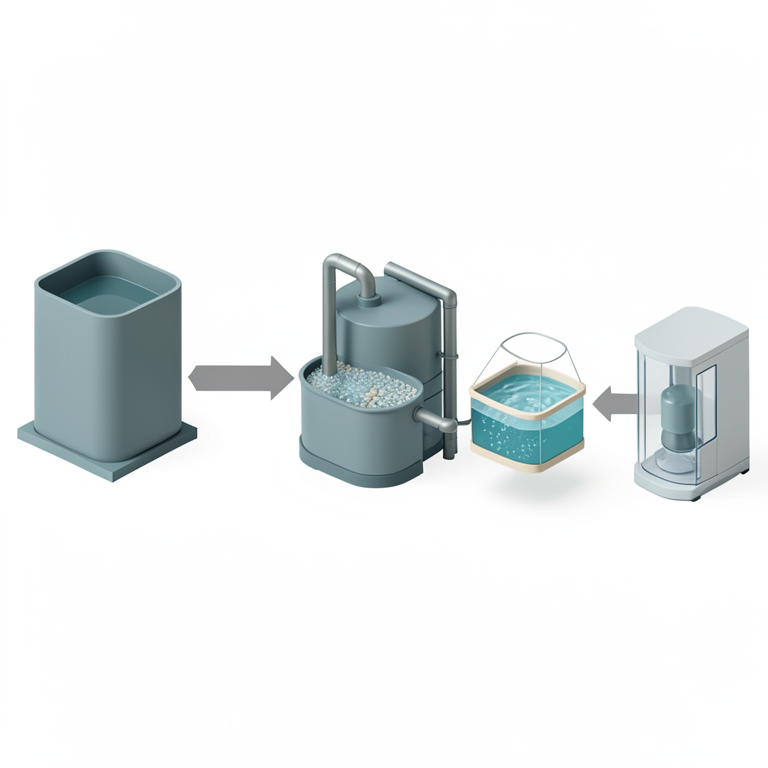
Integrated Dairy ETP Flow
AI-generated conceptual illustration (dairy industry wastewater treatment plant). It explains the idea and does not show study data.
View source evidence ↗Figures & tables
From the original paper Table 1
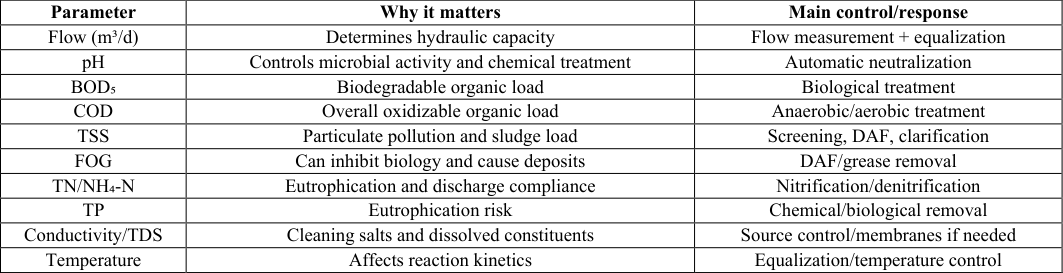 Table 2
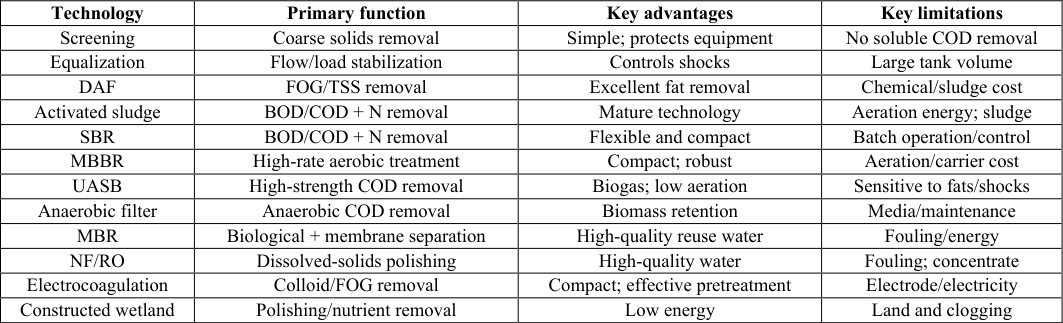 Table 3
Introduction
The dairy industry is one of the major food-processing sectors globally and includes the manufacture of pasteurized and sterilized milk, yoghurt and fermented milks, cheese, paneer, butter, cream, ice cream, condensed milk, milk powder, whey products and other valueadded products. Although dairy processing generates food products of high nutritional and economic importance, it also produces substantial quantities of liquid waste. Wastewater arises from process losses, equipment washing, floor cleaning, CIP, tanker washing, cooling and utility operations [1,3,4] . The environmental significance of dairy wastewater is largely determined by its organic content. Milk contains lactose, proteins, lipids and minerals, all of which can enter the wastewater stream through spills, drainage, equipment residues and cleaning operations. Thus, even apparently dilute wastewater can carry a substantial organic load. Cheese and whey-processing operations may generate especially concentrated streams because whey contains high levels of lactose and soluble organic matter [5,26] . Dairy wastewater is also unusual because its characteristics can change rapidly during a production day. The wastewater generated during a normal production period can differ markedly from that produced during alkaline and acid CIP cycles. The resulting fluctuations in pH, temperature, conductivity and organic load can destabilize biological treatment unless sufficient equalization is provided [1,9,10] . Historically, dairy wastewater treatment has relied heavily on aerobic biological treatment. However, rising energy prices, stricter discharge requirements, water scarcity and the need to reduce greenhouse-gas emissions have increased interest in anaerobic digestion, membrane systems, nutrient recovery and water reuse [6,13,16,24] . The objective of this review is to provide a consolidated, publication-oriented assessment of dairy effluent treatment, linking wastewater characteristics to treatment-process selection and emphasizing integrated systems and resource recovery.
Sources and Generation of Dairy Wastewater Milk reception and storage
Wastewater from milk reception and storage originates from tanker and platform washing, cleaning of storage tanks, drainage of residual milk and accidental spills. These streams may contain relatively high concentrations of fat, protein and lactose. Preventing product from entering drains is therefore one of the simplest and most cost-effective pollution-prevention measures available to dairy plants [3,9,27] .
Milk processing and product manufacture
Pasteurization, homogenization, separation, standardization and packaging generate wastewater through equipment cleaning and process losses. Manufacture of cheese, paneer and other concentrated products can produce whey and curd-related streams with higher organic strength than ordinary milk-processing wastewater. Butter and cream operations can generate streams with appreciable lipid concentrations [5,14,26] .
Cleaning-in-place operations CIP systems are essential for hygienic dairy production but are a major source of hydraulic and chemical variability. Typical sequences involve pre-rinsing, alkaline washing, intermediate rinsing, acid washing, final rinsing and sanitization. Depending on the chemicals used, the wastewater can become strongly acidic or alkaline and may contain surfactants, chelating agents, salts and disinfectants [1, 3, 28] .
Whey and concentrated product losses
Whey is an especially important stream because its soluble lactose and protein fraction can produce very high COD. Prazeres et al. described whey management as a major environmental and resource-recovery issue and emphasized that valorization is preferable whenever technically and economically feasible [26] . Direct discharge of concentrated whey should therefore be prevented whenever possible.
Utility and ancillary wastewater
Boiler blowdown, cooling-system drainage, water-treatment reject streams, laboratory wastewater and sanitary wastewater may also enter the overall drainage system. Segregation of incompatible streams is desirable because it allows high-strength product streams to be recovered or separately treated and reduces shock loading to the biological ETP [3,27] .
Characteristics of Dairy Wastewater
Dairy wastewater should be characterized on both a concentration basis (mg/L) and a load basis (kg/d). Concentration alone can be misleading because two plants with identical COD concentrations may have very different environmental loads if their flow rates differ. Danalewich et al. demonstrated the value of characterizing dairy waste streams in relation to biological nutrient removal and treatment practices [27] . Reported dairy wastewater composition varies widely because of differences in products, water-use intensity, process configuration and sampling location. Slavov reported that dairy effluents can have high BOD and COD, suspended solids, fats and nutrients, with large fluctuations linked to production and cleaning [1] . Stasinakis et al. subsequently emphasized the importance of wastewater quantity, product category and regulatory context when evaluating dairy wastewater management [16] .
Organic matter
The organic fraction consists mainly of lactose, soluble proteins, peptides, amino acids, lipids and particulate milk solids. Lactose is readily biodegradable, whereas fats and some protein-associated compounds may degrade more slowly. High organic biodegradability is the principal reason why biological treatment is generally preferred for dairy effluents [1,6,27] .
BOD and COD
BOD represents the biologically oxidizable fraction under the selected test conditions, whereas COD provides a broader measure of chemically oxidizable material. A high BOD/COD ratio generally indicates good biological treatability. However, the ratio can vary substantially when wastewater contains cleaning chemicals, fats or concentrated whey [1,9] .
Fats, oil and grease
Milk fat can inhibit anaerobic microorganisms at elevated concentrations and can cause flotation, scum formation, pipe blockage and oxygen-transfer limitations. Vidal et al. showed that fats and proteins can strongly influence anaerobic biodegradability, while Perle et al. demonstrated inhibitory effects of milk fat and its hydrolysis products on methanogenic activity [29,30] .
Nitrogen and phosphorus
Dairy wastewater contains nitrogen primarily in proteins and soluble nitrogenous compounds and phosphorus from milk constituents and, in some plants, phosphate-containing cleaning formulations. If treated effluent is discharged to nutrient-sensitive water bodies, nitrification, denitrification and phosphorus removal may be necessary [27,31] . pH and temperature pH is highly variable because of alternating acid and alkaline cleaning solutions. Temperature may also fluctuate because wastewater can receive hot cleaning water and process drainage. Equalization and neutralization are therefore essential for maintaining stable biological conditions [1,10,28] .
Environmental Impacts of Untreated Dairy Effluent
Untreated dairy effluent can produce rapid oxygen depletion because readily biodegradable organic matter stimulates microbial respiration in receiving waters. The resulting decline in dissolved oxygen can stress aquatic organisms and shift receiving-water ecosystems toward anaerobic conditions [1,2] . Nitrogen and phosphorus can contribute to eutrophication, particularly where receiving waters have limited assimilative capacity. Dairy wastewater applied to land without adequate nutrient management may also contribute to nutrient losses to surface and groundwater. Watkins and Nash reviewed the potential environmental effects associated with land application of dairy factory wastewater [32] . Fat and grease can form surface films or accumulate in sediments and drainage systems. High organic loads can produce odours through anaerobic decomposition, while extreme pH caused by cleaning chemicals can cause acute disturbances to receiving-water chemistry [1,29] . These impacts reinforce the importance of pollution prevention at source. Recovering whey, reducing milk losses, optimizing CIP water use and segregating concentrated streams can reduce the load presented to the ETP before treatment even begins [14,26,32] .
Integrated Dairy Effluent Treatment flow
A robust dairy ETP normally combines physical, physicochemical and biological treatment. The sequence should be tailored to the plant's flow and pollutant load, intended discharge point and water-reuse objectives. A generic configuration is shown in Figure 1. The most important design principle is protection of downstream biological processes. Screening protects mechanical equipment; equalization reduces shock loads; pH control prevents biological inhibition; and FOG/TSS removal reduces fouling and sludge problems. Biological reactors then provide the principal removal of biodegradable COD and BOD, with tertiary treatment added where stringent discharge or reuse requirements apply [1,6,9,16] .
Preliminary and Primary Treatment Screening
Bar screens and fine screens remove coarse solids, packaging fragments, fibres and other materials that can damage pumps and downstream equipment. Although screening has little direct effect on soluble COD, it is essential for mechanical reliability and reduces the solids burden on subsequent units [3,33] .
Equalization
Equalization is arguably the most important hydrauliccontrol step in a dairy ETP. Wastewater flow and composition can change dramatically during production changeovers and CIP. A properly mixed equalization tank reduces the amplitude of these fluctuations and provides a more stable feed to chemical and biological treatment [1,9,28] . Equalization capacity is normally determined from a massbalance of hourly or sub-hourly flow and pollutant-load data. In practice, several hours of effective equalization may be required, but the correct volume must be derived from actual plant operation rather than adopted as a universal rule. Mechanical mixing or controlled aeration prevents settling and septic conditions.
pH neutralization
Neutralization may be performed upstream or within the equalization tank using acid or alkali dosing under automatic pH control. The objective is not merely to meet a discharge pH value but to establish a stable environment for subsequent biological treatment. Excessive chemical dosing should be avoided because it increases operating cost, salinity and sludge production [1,10] .
Dissolved-air flotation and coagulation
DAF is highly suitable for dairy wastewater because milk fat and suspended colloidal material can be floated when microbubbles attach to destabilized particles. Coagulation/flocculation may improve removal where colloidal proteins and fine solids are significant. Sengil and Ozacar demonstrated the applicability of electrocoagulation for dairy wastewater, while traditional physicochemical pretreatment has long been used to reduce suspended and emulsified constituents [9,33,34] .
Primary clarification
Primary settling is useful where a substantial particulate fraction is present. However, clarification alone does not adequately remove soluble lactose and other biodegradable organics; therefore, it should be considered a protective or load-reducing step rather than the main treatment process [1,6] .
Biological Treatment Technologies
Biological treatment is central to dairy wastewater management because the organic fraction is generally highly biodegradable. The major decision is whether to employ aerobic treatment, anaerobic treatment, or a staged combination [1,6,13] .
Activated sludge
Conventional activated sludge uses suspended microbial biomass in an aeration basin followed by secondary clarification. It can achieve high BOD removal and, with suitable anoxic and aerobic zones, can remove nitrogen. The principal disadvantage is energy consumption associated with aeration and the production of excess biological sludge [1, 35] . Dairy wastewater can also create sludge-settling problems when nutrient balance, F/M ratio, dissolved oxygen or influent variability are poorly controlled. Routine monitoring of mixed liquor suspended solids, sludge volume index, dissolved oxygen and return activated sludge is therefore important.
Sequencing batch reactor
An SBR performs fill, react, settle and decant stages in a single reactor. This arrangement is attractive where wastewater generation is intermittent or where flexible nitrogen removal is required. Neczaj et al. reported the use of an SBR for co-treatment involving dairy wastewater, while more recent pilot work has demonstrated intermittentaeration SBR operation specifically for dairy effluent [36,37] .
Moving-bed biofilm reactor
MBBR systems use suspended carriers to provide a protected surface for biofilm growth. The high concentration of attached biomass allows high volumetric loading with relatively compact reactors. MBBR-type systems can be advantageous when upgrading an existing plant where additional tank volume is limited. Wang et al. evaluated an anaerobic moving-bed biofilm reactor for dairy milk permeate, and biofilm-based systems are widely discussed in dairy wastewater reviews [38,39] .
Membrane bioreactor
MBR combines biological degradation with membrane separation, producing a low-solids effluent suitable for advanced polishing. The principal limitation is membrane fouling, caused by colloids, extracellular polymeric substances, fats and other foulants. Proper pretreatment and membrane-cleaning strategies are therefore essential [40] .
Aerobic polishing after anaerobic treatment
A staged anaerobic-aerobic system is often more energyefficient than treating the full organic load aerobically. Anaerobic treatment reduces the bulk COD and produces biogas; the aerobic stage removes residual biodegradable organics and can provide nitrification. Full-scale and pilot studies support the feasibility of such combinations [13,41,42] .
Anaerobic Treatment
Anaerobic treatment is particularly attractive for concentrated dairy wastewater because it converts biodegradable organic matter into methane-rich biogas with relatively low biomass yield. The four conceptual stages are hydrolysis, acidogenesis, acetogenesis and methanogenesis [13, 43] .
Advantages
Major advantages include lower aeration energy demand, lower excess-sludge production and potential energy recovery. These benefits become more important as COD concentration increases. Bella and Rao reviewed the influence of pH, temperature, C/N ratio, organic loading rate, hydraulic retention time, solids retention and mixing on dairy anaerobic digestion [43] .
Limitations
Anaerobic reactors can be sensitive to fat accumulation, long-chain fatty acids, sudden pH changes, toxic cleaning chemicals and insufficient alkalinity. Perle et al. found that milk fat and oleic acid can inhibit methanogenic activity, highlighting the importance of appropriate pretreatment and acclimatization [30] .
UASB reactors
UASB reactors retain high concentrations of anaerobic biomass in granular or flocculent sludge beds. Ramasamy et al. demonstrated the feasibility of UASB treatment of dairy wastewater, while Gavala et al. investigated dairy wastewater treatment in UASB systems [8,44]. A full-scale anaerobic-filter/SBR combination treating complex dairy wastewater achieved more than 90% COD removal in the anaerobic stage at reported organic loading rates of approximately 5-6 kg COD/m³•d, illustrating the potential of high-rate anaerobic systems when the reactor is properly operated [45] .
Anaerobic filters
Fixed-film anaerobic filters retain microorganisms on packing media and can offer strong resistance to biomass washout. Omil et al. reported successful industrial-scale operation for complex dairy wastewater, with subsequent SBR polishing producing a final effluent with low residual COD and nitrogen [45] .
Anaerobic sequencing systems
Anaerobic sequencing batch reactors provide operational flexibility and can be integrated with aerobic SBR systems. Matsumoto et al. evaluated anaerobic followed by aerobic sequencing treatment for dairy-plant wastewater, illustrating the value of staged biological treatment [41] .
Anaerobic co-digestion
Dairy wastewater may sometimes lack sufficient nutrients or alkalinity for optimal anaerobic performance. Co-digestion with other compatible organic substrates can improve substrate balance and biogas yield, but co-substrate selection must consider contaminants, logistics and process stability [43,46] .
Physicochemical and Advanced Treatment Electrocoagulation
Electrocoagulation generates destabilizing species in situ from sacrificial electrodes. It can reduce suspended solids, fats and colloidal matter and may be used as pretreatment or polishing. Sengil and Ozacar demonstrated treatment of dairy wastewater with mild-steel electrodes, while Tezcan Un and Ozel investigated electrocoagulation of yoghurtindustry wastewater [34,47] .
Adsorption
Adsorbents such as activated carbon can remove residual dissolved organics and other compounds. Kushwaha et al. investigated activated carbon and bagasse fly ash for dairy wastewater, demonstrating the potential of low-cost adsorbents but also highlighting the need to address spent adsorbent disposal or regeneration [48] .
Advanced oxidation
Photocatalysis, ozonation and Fenton-type processes can transform recalcitrant organics and improve effluent quality. Their main limitations are chemical or energy requirements and, in some cases, generation of transformation products. Advanced oxidation is therefore generally more attractive as polishing or pretreatment for specific contaminants than as a replacement for biological treatment of high-strength biodegradable wastewater [49] .
Membrane filtration
Microfiltration, ultrafiltration, nanofiltration and reverse osmosis can provide progressively finer separation. Koyuncu et al. demonstrated low-pressure nanofiltration for recovery and reuse of dairy effluents. More recent membrane-based systems have combined biological treatment and ultrafiltration for water-reuse applications [50,51] .
Membrane fouling
Fouling is a critical limitation because dairy wastewater contains proteins, fats, colloids and microbial products. Effective pretreatment, controlled flux, crossflow or air scouring, periodic backwashing and chemical cleaning are required. Membrane systems should therefore be designed as part of an integrated treatment train rather than as isolated polishing units [40,50,51] .
Nature-Based Treatment and Constructed Wetlands
Constructed wetlands use plants, microbial biofilms, porous media, filtration, adsorption and biological transformation to polish wastewater. They can be particularly useful for small facilities or as tertiary treatment where land is available. Healy et al. evaluated constructed wetlands and intermittent sand filtration for dairy wastewater, while Schierano et al. demonstrated high removal of COD, BOD, TSS and nitrogenous compounds in a horizontal subsurface-flow wetland used as tertiary treatment [52,53] . The main advantages are low energy demand, operational simplicity and ecological integration. Limitations include land requirement, seasonal effects, clogging and the need for adequate pretreatment. For high-strength dairy wastewater, wetlands are generally better suited to polishing than to receiving the raw effluent directly [52,53] .
Nutrient Removal
Nutrient management becomes increasingly important when effluent is discharged to sensitive water bodies or when reuse specifications require low nitrogen and phosphorus. Nitrification converts ammonium to nitrite and nitrate, while denitrification converts nitrate to nitrogen gas under anoxic conditions. Biological phosphorus removal and chemical precipitation can be added where necessary [27,31] . The carbon-to-nitrogen ratio of dairy wastewater can sometimes be favorable for denitrification, but actual nutrient balance must be determined experimentally or from plant data. Integrated anaerobic-anoxic-aerobic configurations can be considered where nitrogen limits are stringent [16,54] .
Sludge Management
Dairy ETP sludge originates from screening, DAF, primary clarification, biological treatment and chemical precipitation. DAF sludge can contain substantial fat and protein, whereas biological sludge contains microbial biomass and adsorbed organic matter. Sludge handling therefore needs to be integrated into ETP design rather than treated as an afterthought [3,9] . Typical sludge-management steps include thickening, conditioning, mechanical dewatering, storage and beneficial utilization or compliant disposal. Where appropriate, organic sludge can be anaerobically digested to recover biogas. However, the presence of cleaning chemicals, salts or other contaminants should be evaluated before agricultural application [43,55] .
Resource Recovery and Circular Economy
The concept of circular dairy wastewater management changes the objective from maximum pollutant destruction to maximum recovery of value. First, product-rich streams should be prevented from entering the drain and should be recovered as products or feedstocks whenever possible. Whey, for example, can be converted into lactose-rich products, protein concentrates, fermentation substrates and other value-added materials [14,26] . Second, anaerobic treatment can convert soluble organic matter into biogas. Biogas can be used for steam generation, hot water or combined heat and power, thereby offsetting part of the energy demand of the dairy plant. Reviews of dairy anaerobic digestion consistently identify energy recovery as a major benefit [43,46] . Third, treated water can be reused for selected non-product-contact applications after appropriate polishing and disinfection. High-quality reuse may require MBR, ultrafiltration, nanofiltration or reverse osmosis depending on the intended application [16,50,51] . Finally, nutrient recovery may be considered where nitrogen and phosphorus loads are sufficiently high and the recovered products have a feasible end use. This resource-oriented perspective is consistent with the current movement toward circular-economy approaches in the dairy sector [16,24] .
Process Design Considerations for a Dairy ETP
ETP design should begin with a detailed wastewater audit. At minimum, the design dataset should include flow, pH, temperature, BOD, COD, TSS, FOG, total nitrogen, ammonium, total phosphorus, conductivity and alkalinity. Samples should cover different processes, products and CIP cycles. A single grab sample is rarely adequate for design.
Hydraulic design
Hydraulic capacity should be based on average and peak flow. Equalization should be designed from an hourly mass balance. Pumping capacity should consider both average flow and short-duration CIP peaks. Where possible, highstrength streams should be segregated before they reach the common collection system.
Organic loading
For a reactor, organic loading can be expressed as kg COD applied per m³ of reactor volume per day. Reactor volume is therefore related to flow, influent COD and selected design loading. For biological systems, laboratory or pilot testing is recommended when wastewater composition is highly variable or when an anaerobic process is proposed for a new application.
Aeration requirement
Aerobic treatment energy is strongly influenced by oxygentransfer efficiency, dissolved-oxygen set point, diffuser performance, temperature and biomass concentration. Finebubble aeration and variable-frequency blower control can reduce energy consumption, while intermittent aeration can support simultaneous carbon and nitrogen removal in suitable systems [37] .
Anaerobic loading
Anaerobic design must consider organic loading rate, hydraulic retention time, temperature, alkalinity, pH, FOG and biomass characteristics. Start-up should be gradual, with careful monitoring of alkalinity, volatile fatty acids and methane production. Sudden increases in COD can destabilize methanogenesis even when the average load appears acceptable [13,30,43] .
Secondary clarification
Aerobic systems using suspended biomass require reliable solids separation. Clarifier design should account for settling characteristics, peak solids loading and returnsludge requirements. Poor settling can cause elevated TSS in the final effluent even when soluble COD removal is satisfactory.
Operational and Maintenance Considerations
Successful ETP operation depends as much on monitoring and preventive maintenance as on process selection. The following operational controls are recommended: continuous flow and pH monitoring; routine COD and BOD analysis; FOG monitoring; dissolved-oxygen control in aerobic reactors; mixed-liquor and settling tests; anaerobic alkalinity and volatile-fatty-acid monitoring; regular DAF sludge removal; screen cleaning; blower and pump maintenance; and membrane-pressure/flux monitoring where applicable. A major operational lesson from the dairy literature is that shock loads should be managed before they reach biological reactors. Milk dumping, concentrated whey, strong CIP solutions and sudden changes in production can all produce rapid disturbances. Equalization and source segregation are therefore not merely ancillary features but fundamental process-control tools [1,9,13,45] .
Operator training should include recognition of early warning indicators: falling pH and alkalinity in anaerobic reactors, rising sludge volume index in activated sludge, sudden changes in dissolved oxygen demand, increasing DAF carryover, membrane transmembrane-pressure rise and abnormal biogas production. Corrective action at this stage is usually less expensive than recovery after a major biological upset.
Major Challenges Variability and scale-up
Many published studies use synthetic wastewater or laboratory reactors. Results from such systems cannot always be transferred directly to full-scale plants because real dairy wastewater contains fluctuating fats, detergents, salts, cleaning chemicals and variable solids. More longterm pilot and full-scale datasets are required.
Low-temperature anaerobic treatment
Anaerobic treatment can be slower at lower temperatures, which is relevant to plants without wastewater heating. Research on low-temperature high-rate reactors and reactor configurations is therefore important for improving net energy performance [43,56] .
Membrane fouling
Membrane fouling remains a major barrier to economical water reuse. Research should focus on pretreatment, lowfouling membranes, dynamic operation, fouling prediction and chemical-cleaning minimization.
\Nutrient recovery
Most ETPs are still designed primarily for pollutant removal rather than recovery. Future systems should evaluate nitrogen and phosphorus recovery, as well as carbon conversion into useful products.
Life-cycle assessment
A treatment process with high removal efficiency may still have a large environmental footprint if it consumes large quantities of electricity and chemicals. Life-cycle assessment should therefore accompany process optimization, especially when comparing aerobic, anaerobic, membrane and advanced-oxidation alternatives [16, 24] .
Emerging and Future Technologies
Emerging dairy wastewater research includes immobilized microbial systems, microalgal-bacterial treatment, microbial fuel cells, advanced membranes, electrochemical treatment and integrated resource-recovery systems. Immobilized microbial reactors can retain high active biomass and may provide resilience to variable loading. Chen et al. demonstrated high COD and nitrogen removal using polyurethane-foam immobilized microorganisms in a dairy wastewater reactor [57] . Microalgae can assimilate nitrogen and phosphorus while generating biomass with potential downstream value. Chokshi et al. investigated phycoremediation of dairy industry wastewater as an integrated route toward biomass and biofuel production [58] . Such systems remain promising but require careful management of light, land area, harvesting and downstream biomass utilization. Microbial fuel cells and other bioelectrochemical systems are being explored for simultaneous treatment and energy recovery. Recent work illustrates the continuing shift toward systems in which wastewater treatment and energy generation are integrated rather than treated as separate objectives [59] . Hybrid treatment trains are likely to dominate future applications because no single process simultaneously provides optimal solids removal, organic degradation, nutrient removal, energy recovery and water-reuse quality. The most technically credible pathway is therefore staged treatment with source control, pretreatment, anaerobic conversion, aerobic polishing and selective membrane or advanced treatment.
Conclusion
Dairy wastewater is a complex but highly treatable industrial effluent. Its major characteristics-high biodegradability, variable flow, elevated BOD/COD, fats, suspended solids, nutrients and strong CIP-related pH fluctuations-make integrated treatment essential.
Screening, equalization and pH control establish stable conditions; DAF or related physicochemical processes remove fats and particulate matter; and biological systems provide the principal organic-load reduction. Aerobic technologies such as activated sludge, SBR and MBBR remain robust choices for polishing, while anaerobic technologies such as UASB and anaerobic filters can reduce high-strength organic loads with lower aeration demand and simultaneous biogas recovery [1,6,13,45] . Future dairy ETPs should increasingly be designed around circularity. Product-rich streams should be recovered before entering the wastewater system; organic matter should be considered a potential energy resource; treated water should be reused where safe and economically justified; and nutrients should be recovered where practical. Hybrid anaerobic-aerobic systems combined with selective membrane or nature-based polishing appear particularly promising. The transition from conventional end-of-pipe treatment to integrated resource recovery will be important for reducing freshwater consumption, energy use, sludge production and the overall environmental footprint of dairy processing [16,24,26,43] .
Figures and tables from the paper
| Source | Typical pollutants | Operational concern | Preferred management |
|---|---|---|---|
| Milk reception/tanker washing | Milk solids, fat, protein, lactose | High biodegradable load | Product recovery + equalization |
| Milk processing | Lactose, proteins, fat, TSS | Variable COD/BOD | Segregation + biological treatment |
| Cheese/paneer production | Whey, proteins, lactose, fat | Very high COD possible | Whey recovery/valorization |
| Butter/cream processing | Fat, suspended solids | FOG accumulation | DAF/grease removal |
| CIP | Acid/alkali, detergents, salts | pH shock | Equalization + neutralization |
| Floor/equipment washing | Organic solids, detergents | Hydraulic peaks | Screening + equalization |
| Laboratory/utility streams | Chemicals, salts, variable COD | Potential inhibition | Segregation and controlled discharge |
Table text extracted from the original PDF; superscript letters are shown inline. The original table image is below.
View original table image
| Parameter | Why it matters | Main control/response |
|---|---|---|
| Flow (m³/d) | Determines hydraulic capacity | Flow measurement + equalization |
| pH | Controls microbial activity and chemical treatment | Automatic neutralization |
| BOD₅ | Biodegradable organic load | Biological treatment |
| COD | Overall oxidizable organic load | Anaerobic/aerobic treatment |
| TSS | Particulate pollution and sludge load | Screening, DAF, clarification |
| FOG | Can inhibit biology and cause deposits | DAF/grease removal |
| TN/NH₄-N | Eutrophication and discharge compliance | Nitrification/denitrification |
| TP | Eutrophication risk | Chemical/biological removal |
| Conductivity/TDS | Cleaning salts and dissolved constituents | Source control/membranes if needed |
| Temperature | Affects reaction kinetics | Equalization/temperature control |
Table text extracted from the original PDF; superscript letters are shown inline. The original table image is below.
View original table image
| Technology | Primary function | Key advantages | Key limitations |
|---|---|---|---|
| Screening | Coarse solids removal | Simple; protects equipment | No soluble COD removal |
| Equalization | Flow/load stabilization | Controls shocks | Large tank volume |
| DAF | FOG/TSS removal | Excellent fat removal | Chemical/sludge cost |
| Activated sludge | BOD/COD + N removal | Mature technology | Aeration energy; sludge |
| SBR | BOD/COD + N removal | Flexible and compact | Batch operation/control |
| MBBR | High-rate aerobic treatment | Compact; robust | Aeration/carrier cost |
| UASB | High-strength COD removal | Biogas; low aeration | Sensitive to fats/shocks |
| Anaerobic filter | Anaerobic COD removal | Biomass retention | Media/maintenance |
| MBR | Biological + membrane separation | High-quality reuse water | Fouling/energy |
| NF/RO | Dissolved-solids polishing | High-quality water | Fouling; concentrate |
| Electrocoagulation | Colloid/FOG removal | Compact; effective pretreatment | Electrode/electricity |
| Constructed wetland | Polishing/nutrient removal | Low energy | Land and clogging |
Table text extracted from the original PDF; superscript letters are shown inline. The original table image is below.
View original table image
References
54 in the original paper- Slavov AK. General characteristics and treatment possibilities of dairy wastewater: a review. Food Technol Biotechnol. 2017;55(1):14-28. https://doi.org/10.17113/ftb.55.01.17.4520
- Kushwaha JP, Srivastava VC, Mall ID. An overview of various technologies for the treatment of dairy wastewaters. Crit Rev Food Sci Nutr. 2011;51(5):442452. https://doi.org/10.1080/10408391003663879
- Britz TJ, Van Schalkwyk C, Hung YT. Treatment of dairy processing wastewaters. In: Wang LK, Hung YT, Lo HH, Yapijakis C, editors. Waste treatment in the food processing industry. Boca Raton: CRC Press; 2006. https://doi.org/10.1201/9781420037128.ch1
- Nadais MH, Capela I, Arroja L, Hung YT. Anaerobic treatment of milk processing wastewater. In: Wang LK, Tay JH, Tay STL, Hung YT, editors. Environmental bioengineering. Totowa: Humana Press; 2010. p. 555618.
- Carvalho F, Prazeres AR, Rivas J. Cheese whey wastewater: characterization and treatment. Sci Total Environ. 2013;445-446:385-396. https://doi.org/10.1016/j.scitotenv.2012.12.038
- Demirel B, Yenigün O, Onay TT. Anaerobic treatment of dairy wastewaters: a review. Process Biochem. 2005;40(8):2583-2595. https://doi.org/10.1016/j.procbio.2004.12.015
- Sarkar B, Chakrabarti PP, Vijaykumar A, Kale V. Wastewater treatment in dairy industries-possibility of reuse. Desalination. 2006;195(1-3):141-152. https://doi.org/10.1016/j.desal.2005.11.015
- Ramasamy EV, Gajalakshmi S, Sanjeevi R, Jithesh MN, Abbasi SA. Feasibility studies on the treatment of dairy wastewaters with upflow anaerobic sludge blanket reactors. Bioresour Technol. 2004;93(2):209-212. https://doi.org/10.1016/j.biortech.2003.11.001
- Kasapgil B, Anderson GK, Ince O. An investigation into the pre-treatment of dairy wastewater prior to aerobic biological treatment. Water Sci Technol. 1994;29(9):205-212. https://doi.org/10.2166/wst.1994.0481
- Thompson TG, Meyer GE. Waste management issues for dairy processors. Filtration. 1998;1-10.
- Leena AV, Balasundaram N, Meiaraj C. Assessment of dairy waste treatment based on sludge volume index technique. Int J Civ Eng Technol. 2016;7:368-381.
- Arvanitoyannis IS, Giakoundis A. Current strategies of dairy waste management: a review. Crit Rev Food Sci Nutr. 2006;46(5):379-390. https://doi.org/10.1080/10408390591000695
- Karpati A, Bencze L, Borszeki J. New process for physico-chemical pretreatment of dairy effluents with agricultural use of sludge produced. Water Sci Technol. 1990;22(9):93-100. https://doi.org/10.2166/wst.1990.0071
- Ahmad T, Aadil RM, Ahmed H, Rahman U, Soares BCV, Souza SLS, et al. Treatment and utilization of dairy industrial waste: a review. Trends Food Sci Technol. 2019;88:361-372. https://doi.org/10.1016/j.tifs.2019.04.003
- Sinha S, Srivastava A, Mehrotra T, Singh R. A review on the dairy industry wastewater characteristics, its impact on environment, and treatment possibilities. In: Emerging issues in ecology and environmental science. Cham: Springer; 2019. p. 73-84. https://doi.org/10.1007/978-3-319-99398-0_6
- Stasinakis AS, Charalambous P, Vyrides I. Dairy wastewater management in EU: produced amounts, existing legislation, applied treatment processes and future challenges. J Environ Manage. 2022;303:114152. https://doi.org/10.1016/j.jenvman.2021.114152
- Tikariha A, Sahu O. Study of characteristics and treatments of dairy industry wastewater. J Appl Environ Microbiol. 2014;2(1):16-22. https://doi.org/10.12691/JAEM-2-1-4
- Rosenwinkel KH, Austermann-Haun U, Meyer H. Industrial wastewater sources and treatment strategies. In: Jördening HJ, Winter J, editors. Environmental biotechnology: concepts and applications. Weinheim: Wiley-VCH; 2004. https://doi.org/10.1002/3527604286.ch2
- Vidal G, Carvalho A, Méndez R, Lema JM. Influence of the content in fats and proteins on the anaerobic biodegradability of dairy wastewaters. Bioresour Technol. 2000;74(3):231-239.
- Birwal P, Deshmukh G, Priyanka SPS. Advanced technologies for dairy effluent treatment. J Food Nutr Popul Health. 2017;1:3-7.
- Mohan SV, Babu VL, Sarma PN. Effect of various pretreatment methods on anaerobic mixed microflora to enhance biohydrogen production utilizing dairy wastewater as substrate. Bioresour Technol. 2008;99(1):59-67. https://doi.org/10.1016/j.biortech.2006.12.004
- Prazeres AR, Carvalho F, Rivas J. Cheese whey management: a review. J Environ Manage. 2012;110:48-68. https://doi.org/10.1016/j.jenvman.2012.05.018
- Saddoud A, Hassaï I, Sayadi S. Anaerobic membrane reactor with phase separation for the treatment of cheese whey. Bioresour Technol. 2007;98(11):21022108. https://doi.org/10.1016/j.biortech.2006.08.013
- Watkins M, Nash D. Dairy factory wastewaters, their use on land and possible environmental impacts-a mini review. Open Agric J. 2010;4:1-8. https://doi.org/10.2174/1874331501004010001
- Wang S, Chandrasekhara Rao N, Qiu R, Moletta R. Performance and kinetic evaluation of anaerobic moving bed biofilm reactor for treating milk permeate from dairy industry. Bioresour Technol. 2009;100(24):5641-5647. https://doi.org/10.1016/j.biortech.2009.06.028
- Sengil A, Özacar M. Treatment of dairy wastewaters by electrocoagulation using mild steel electrodes. J Hazard Mater. 2006;137(2):1197-1205. https://doi.org/10.1016/j.jhazmat.2006.04.009
- Qasim W, Mane AV. Characterization and treatment of selected food industrial effluents by coagulation and adsorption techniques. Water Resour Ind. 2013;4:1-12. https://doi.org/10.1016/j.wri.2013.09.005
- Tezcan Ün Ü, Özel E. Electrocoagulation of yogurt industry wastewater and the production of ceramic pigments from the sludge. Sep Purif Technol. 2013;120:386-391. https://doi.org/10.1016/j.seppur.2013.09.031
- Karadag D, Koroglu OE, Ozkaya B, Cakmakci M. A review on anaerobic biofilm reactors for the treatment of dairy industry wastewater. Process Biochem. 2015;50(2):262-271. https://doi.org/10.1016/j.procbio.2014.11.005
- Bezerra RA, Rodrigues JA, Ratusznei SM, Zaiat M, Foresti E. Whey treatment by AnSBBR with circulation: effects of organic loading, shock loads, and alkalinity supplementation. Appl Biochem Biotechnol. 2007;143(3):257-275. https://doi.org/10.1007/s12010007-8030-1
- Farizoglu B, Uzuner S. The investigation of dairy industry wastewater treatment in a biological high performance membrane system. Biochem Eng J. 2011;57:46-54. https://doi.org/10.1016/j.bej.2011.08.007
- Sivrioglu O, Yonar T. Determination of the acute toxicities of physicochemical pretreatment and advanced oxidation processes applied to dairy effluents on activated sludge. J Dairy Sci. 2015;98(4):2337-2344. https://doi.org/10.3168/jds.2014-8278
- Amini M, Younesi H, Lorestani AAZ, Najafpour G. Determination of optimum conditions for dairy wastewater treatment in UAASB reactor for removal of nutrients. Bioresour Technol. 2013;145:1-9. https://doi.org/10.1016/j.biortech.2013.01.111 34. Gannoun H, Khelifi E, Bouallagui H, Touhami Y, Hamdi M. Ecological clarification of cheese whey prior to anaerobic digestion in upflow anaerobic filter. Bioresour Technol. 2008;99(13):6105-6111. https://doi.org/10.1016/j.biortech.2007.12.037
- Hassan AN, Nelson BK. Invited review: anaerobic fermentation of dairy food wastewater. J Dairy Sci. 2012;95(11):6188-6203. https://doi.org/10.3168/jds.2012-5732
- Neczaj E, Kacprzak M, Kamizela T, Lach J, Okoniewska E. Sequencing batch reactor system for the co-treatment of landfill leachate and dairy wastewater. Desalination. 2008;222(1-3):404-409. https://doi.org/10.1016/j.desal.2007.01.133
- Rodriguez-Sanchez A, Gil-Pulido B, Leonard P, Finnegan W, Zhan X, Dobson ADW, et al. Treatment of dairy wastewater using intermittent-aeration sequencing batch reactor at pilot-scale. Bioresour Technol Rep. 2024;26:101864. https://doi.org/10.1016/j.biteb.2024.101864
- Ozturk A, Aygun A, Nas B. Application of sequencing batch biofilm reactor (SBBR) in dairy wastewater treatment. Korean J Chem Eng. 2019;36:248-254. https://doi.org/10.1007/s11814-018-0198-2
- Cicek N, Winnen H, Suidan MT, Wrenn BE, Urbain VMJ. Effectiveness of the membrane bioreactor in the biodegradation of high molecular weight compounds. Water Sci Technol. 1996;34(5-6):197-203. https://doi.org/10.1016/S0273-1223(96)00805-0
- Matsumoto EM, Osako MS, Pinho SC, et al. Treatment of wastewater from dairy plants using anaerobic sequencing batch reactor followed by aerobic sequencing batch reactor aiming at removal of organic matter and nitrification. Water Pract Technol. 2012;7. https://doi.org/10.2166/wpt.2012.048
- Kongsil P, Irvine JL, Yang PY. Integrating an anaerobic Bio-nest and an aerobic EMMC process as pretreatment of dairy wastewater for reuse: a pilot plant study. Clean Technol Environ Policy. 2010;12:301-311. https://doi.org/10.1007/s10098-009-0211-x
- Bella K, Rao PV. Anaerobic digestion of dairy wastewater: effect of different parameters and codigestion options-a review. Biomass Convers Biorefin. 2023;13:2527-2552. https://doi.org/10.1007/s13399-020-01247-2
- Gavala HN, Kopsinis H, Skiadas IV, Stamatelatou K, Lyberatos G. Treatment of dairy wastewater using an upflow anaerobic sludge blanket reactor. J Agric Eng Res. 1999;73(1):59-63.
- Omil F, Garrido JM, Arrojo B, Méndez R. Anaerobic filter reactor performance for the treatment of complex dairy wastewater at industrial scale. Water Res. 2003;37(17):4099-4108. https://doi.org/10.1016/S00431354(03)00346-4
- Dareioti MA, Kornaros M. Anaerobic mesophilic codigestion of ensiled sorghum, cheese whey and liquid cow manure in a two-stage CSTR system: effect of hydraulic retention time. Bioresour Technol. 2015;175:553-562. https://doi.org/10.1016/j.biortech.2014.10.102
- Banu JR, Anandan S, Kaliappan S, Yeom IT. Treatment of dairy wastewater using anaerobic and solar photocatalytic methods. Sol Energy. 2008;82(9):812819. https://doi.org/10.1016/j.solener.2008.02.015
- Kushwaha JP, Srivastava VC, Mall ID. Treatment of dairy wastewater by commercial activated carbon and bagasse fly ash: parametric, kinetic and equilibrium modelling, disposal studies. Bioresour Technol. 2010;101(9):3474-3483. https://doi.org/10.1016/j.biortech.2010.01.002
- Healy MG, Rodgers M, Mulqueen J. Treatment of dairy wastewater using constructed wetlands and intermittent sand filters. Bioresour Technol. 2007;98(12):22682281. https://doi.org/10.1016/j.biortech.2006.07.036
- Schierano MC, Panigatti MC, Maine MA, Griffa CA, Boglione R. Horizontal subsurface flow constructed wetland for tertiary treatment of dairy wastewater: removal efficiencies and plant uptake. J Environ Manage. 2020;272:111094. https://doi.org/10.1016/j.jenvman.2020.111094
- Koyuncu I, Turan M, Topacik D, Ates A. Application of low pressure nanofiltration membranes for the recovery and reuse of dairy industry effluents. Water Sci Technol. 2000;41(10-11):213-221. https://doi.org/10.2166/wst.2000.0031
- Habtu TS, Zielińska M. Post-treatment of dairy wastewater by activated sludge-ultrafiltration for water reuse. Desalin Water Treat. 2018;115:24-32. https://doi.org/10.5004/dwt.2018.22454
- Chokshi K, Pancha I, Ghosh A, Mishra S. Microalgal biomass generation by phycoremediation of dairy industry wastewater: an integrated approach towards sustainable biofuel production. Bioresour Technol. 2016;221:455-460. https://doi.org/10.1016/j.biortech.2016.09.070
- Usmani Z, Sharma M, Gaffey J, et al. Valorization of dairy waste and by-products through microbial bioprocesses. Bioresour Technol. 2022;346:126444. https://doi.org/10.1016/j.biortech.2021.126444
- McAteer PG, Christine A, Thorn C, et al. Reactor configuration influences microbial community structure during high-rate, low-temperature anaerobic treatment of dairy wastewater. Bioresour Technol. 2020;307:123221. https://doi.org/10.1016/j.biortech.2020.123221
- Chen L, Qin J, Zhao Q, Ye Z. Treatment of dairy wastewater by immobilized microbial technology using polyurethane foam as carrier. Bioresour Technol. 2022;347:126430. https://doi.org/10.1016/j.biortech.2021.126430