
Research article · 2026 · Full text
International Journal of Advanced Chemistry ResearchThe Anti-Inflammatory signaling pathways of Adiponectin and its Dysregulation in obesity: A systematic review of evidence in Arab countries
Volume 8(9) · Pages 25–32 · DOI: 10.33545/26646781.2026.v8.i9a.744 ↗
Research areasAdipokines, Inflammation, and Metabolic DiseasesAdipose Tissue and MetabolismPeroxisome Proliferator-Activated Receptors
Abstract
Author-writtenBackground: Obesity has been redefined over the past two decades from a simple disorder of caloric excess into a chronic, low-grade inflammatory condition originating within dysfunctional adipose tissue. Adiponectin, the most abundant protein secreted by adipocytes, functions as a central anti-inflammatory and insulin-sensitizing signal, yet its circulating concentration falls precisely when adiposity rises. This paradox situates adiponectin as both a biomarker of metabolic risk and a candidate therapeutic target across populations undergoing rapid metabolic transition, including much of the Arab world. Objectives: This systematic review synthesizes the intracellular anti-inflammatory signaling cascades activated by adiponectin, examines the cellular and molecular mechanisms responsible for its suppression during adipocyte hypertrophy, consolidates clinical, biochemical, and genetic evidence describing adiponectin biology across Arab countries, with Iraq examined in particular depth, and benchmarks this Arab regional evidence against broader international data on ADIPOQ variation. Methods: In line with PRISMA methodology, a structured search was conducted across PubMed and Scopus for international mechanistic literature, complemented by a targeted search of the Iraqi Academic Scientific Journals (IASJ) database and of Arab-country-affiliated publications more broadly for regionally generated clinical and genetic data on adiponectin, inflammatory cytokines, and ADIPOQ gene polymorphisms. A supplementary comparative search identified studies from other Arab countries and broader international cohorts against which the Iraqi and Arab regional findings could be benchmarked. Results: Adiponectin signals principally through the receptors AdipoR1 and AdipoR2, engaging APPL1-dependent AMPK activation and PPAR-alpha nuclear signaling respectively, both of which converge on the suppression of NF-kappaB-driven transcription of pro-inflammatory genes. Clinical cohorts across Arab countries, most extensively documented in Iraq, consistently reported hypoadiponectinemia among obese individuals, tightly correlated with elevated interleukin-6 (IL-6), high-sensitivity C-reactive protein (hs-CRP), and an unfavorable leptin-to-adiponectin ratio. Genetic surveys identified ADIPOQ variants, including rs266729, rs2241766, and rs1501299, as significant contributors to reduced adiponectin expression and heightened metabolic susceptibility in Iraqi cohorts, with further evidence linking these variants to coronary artery disease and gestational diabetes risk. Comparison with Saudi, Jordanian, and Egyptian cohorts, together with broader international meta-analytic data, indicated a pattern of directional consistency accompanied by population-specific differences in the magnitude and statistical significance of individual ADIPOQ variants. Conclusion: The collapse of adiponectin-mediated anti-inflammatory protection appears to be a central mechanistic node accelerating metabolic disease across Arab countries, compounded by population-specific genetic vulnerability that is broadly, though not uniformly, consistent with patterns observed elsewhere in the region and internationally. These findings support the prioritization of adiponectin-restorative lifestyle and pharmacological strategies within Arab clinical practice, while underscoring the need for dedicated, adequately powered studies within each Arab country rather than extrapolation from neighboring populations.
Summary
Source-checkedPlain-language reading of the full paper, prepared with AI and checked against the text. Each point links to the authors' own words.
Why it matters
- Obesity is now understood as a chronic, low-grade inflammatory condition that begins in dysfunctional adipose tissue, rather than just a result of too many calories. View evidence ↗
- Adiponectin is the most common protein secreted by fat cells and acts to reduce inflammation and improve insulin sensitivity, but its levels decrease as body fat increases. View evidence ↗
- Arab countries have seen a rise in obesity and metabolic syndrome due to rapid urbanization, changes toward Western diets, and less physical activity. View evidence ↗
The question
- The review aims to synthesize adiponectin's anti-inflammatory signaling, explain why it declines during fat cell growth, and consolidate clinical and genetic evidence from Arab countries (especially Iraq) to compare it with international data. View evidence ↗
What they did
- Following PRISMA guidelines, the authors searched PubMed, Scopus, and the Iraqi Academic Scientific Journals (IASJ) for data on adiponectin, cytokines, and ADIPOQ gene variants. View evidence ↗
- Because of differences in how studies were conducted and measured, the authors used a narrative synthesis instead of a quantitative meta-analysis. View evidence ↗
What they found
- Adiponectin works through AdipoR1 (activating AMPK) and AdipoR2 (activating PPAR-alpha) to stop the production of pro-inflammatory genes driven by NF-kappaB. View evidence ↗
- In Iraqi patients with obesity, diabetes, and hypertension, serum adiponectin was significantly lower than in lean controls, and this decrease correlated with higher levels of inflammatory markers hs-CRP and IL-6. View evidence ↗
- Centrally obese Iraqi women showed a combination of low adiponectin and high levels of leptin and resistin. View evidence ↗
- The rs266729 G allele was more common in obese Iraqi patients and was linked to lower adiponectin, higher fasting insulin, and increased insulin resistance (HOMA-IR). View evidence ↗
- The rs2241766 G allele in Iraqi populations is associated with unstable ADIPOQ mRNA, which leads to lower levels of the adiponectin protein. View evidence ↗
- In Iraqi patients, specific ADIPOQ gene variants and haplotypes were associated with a higher risk of coronary artery disease (CAD) due to low adiponectin and poor lipid profiles. View evidence ↗
- In Jordan, low adiponectin levels and the rs1501299 variant were both associated with an increased risk of prediabetes. View evidence ↗
- International data shows the rs2241766 GG genotype increases obesity risk, with the strongest effect seen in Chinese populations and a weaker effect in other groups. View evidence ↗
What it means
- The authors recommend prioritizing lifestyle and drug treatments that restore adiponectin in Arab clinical practice and call for more specific studies in each Arab country instead of relying on data from neighbors. View evidence ↗
- Because most clinical studies were cross-sectional, the authors cannot definitively prove whether adiponectin decline causes inflammation or vice versa. View evidence ↗
- The comparison between Arab countries was narrative rather than quantitative and used representative benchmarks instead of an exhaustive search of all available literature. View evidence ↗
Visual summary
1 visualsIllustrations explain the paper; they do not show study data.
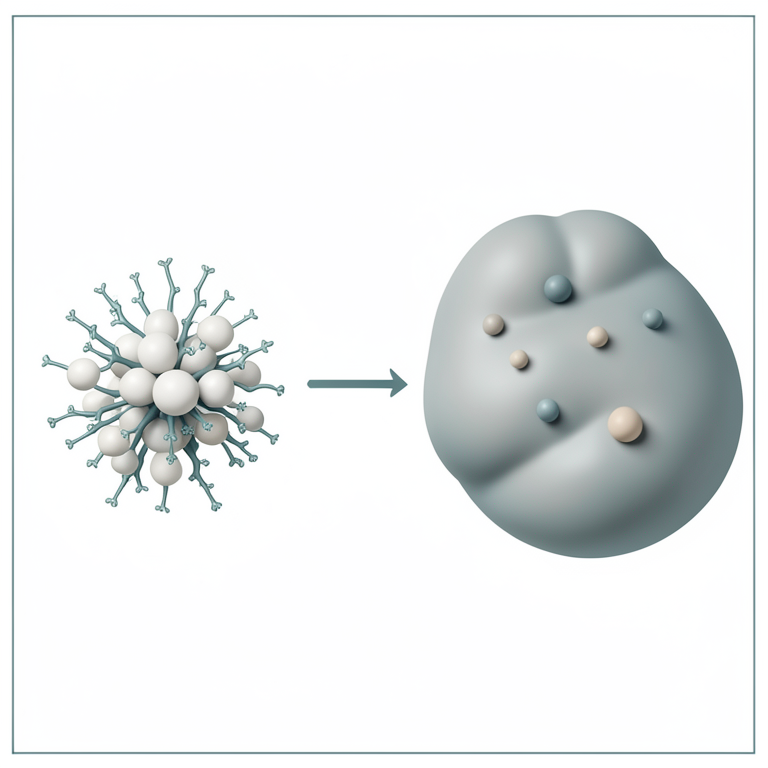
Study overview
AI-generated conceptual illustration (Human adipose tissue and adiponectin protein molecules). It explains the idea and does not show study data.
View source evidence ↗Introduction
The conceptual model of obesity has shifted decisively over the last twenty years. Where excess adiposity was once understood primarily as a passive reservoir of stored energy, contemporary evidence positions expanded white adipose tissue (WAT) as an active, dynamically remodeling endocrine organ that drives systemic, low-grade inflammation [1] . As adipocytes accumulate lipid beyond their vascular and structural capacity, hypertrophic expansion outpaces local oxygen delivery, generating focal hypoxia, oxidative stress, and cellular necrosis. These stressors alter the adipose secretome, tilting the balance of adipokine output away from metabolic protection and toward chronic pro-inflammatory signaling. Among the more than one hundred bioactive peptides secreted by adipose tissue, adiponectin occupies a uniquely protective position. Encoded by the ADIPOQ gene on chromosome 3q27, adiponectin is distinguished from other major adipokines, such as leptin and resistin, by an inverse relationship with fat mass: rather than rising with adiposity, its circulating concentration falls as visceral fat accumulates [3] . This inverse relationship, often termed the "adiponectin paradox, " has made the hormone one of the most closely studied links between obesity, insulin resistance, and vascular inflammation Adiponectin itself was first identified three decades ago as a novel, highly abundant secretory protein produced almost exclusively by adipocytes, structurally related to the complement factor C1q and initially characterized as a 30-kDa protein before its cloning established it as a distinct hormone in its own right [2] . This origin as a purely adipocyte-derived signal is what makes its behavior in obesity so counterintuitive: unlike most other adipokines, whose secretion scales upward with expanding fat mass, adiponectin's production appears to be actively suppressed by the very cellular stress that accompanies adipocyte hypertrophy, a paradox that motivates much of the mechanistic and clinical synthesis that follows. Arab countries, including Iraq, Saudi Arabia, Jordan, and Egypt, have collectively undergone a rapid epidemiological transition characterized by urbanization, dietary westernization, and declining physical activity, all of which have contributed to a rising prevalence of obesity and metabolic syndrome across the region. Because ethnic and genetic background can modulate both baseline adiponectin expression and its physiological response to adiposity, evidence generated specifically within Arab cohorts carries particular clinical relevance, and Iraq, in particular, has produced a comparatively rich body of local investigation. Iraqi researchers have examined hypoadiponectinemia in relation to inflammatory markers such as IL-6 and hs-CRP [4] , sex-specific adipokine imbalance in obese women [5] , and several ADIPOQ polymorphisms associated with metabolic risk [6,7,8] . At the same time, no single Arab country's findings can be assumed to generalize automatically to the rest of the region, and interpreting the Iraqi evidence responsibly requires situating it against data from other Arab countries and against the wider international literature on adiponectin biology, a comparative task this review undertakes directly. This systematic review pursues four interconnected aims. First, it consolidates the molecular architecture of adiponectin's anti-inflammatory signaling, tracing the pathway from receptor engagement to transcriptional suppression of inflammatory genes. Second, it examines the mechanistic basis for adiponectin's paradoxical decline during adipocyte hypertrophy. Third, it synthesizes the available Iraqi clinical, biochemical, and genetic literature, as the most extensively documented Arab dataset, to characterize how these globally described mechanisms manifest within a population undergoing rapid metabolic transition. Fourth, it compares these Iraqi findings against evidence from other Arab countries and against broader international data to determine which aspects of the evidence appear to reflect a shared, cross-population biology and which appear to be more population-specific.
Methods
This review was conducted in accordance with the Preferred Reporting Items for Systematic Reviews and Meta-Analyses (PRISMA) framework, adapted for a narrative-mechanistic synthesis of international molecular biology literature and regionally generated Arab clinical and genetic data, extended by a structured comparative benchmarking exercise across Arab countries and against broader international evidence.
Search Strategy
A structured, three-tiered search was performed. The first tier targeted international biomedical databases, principally PubMed and Scopus, using combinations of the terms "adiponectin, " "AdipoR1, " "AdipoR2, " "AMPK, " "PPAR-alpha, " "NF-kappaB, " "adipokine, " and "obesityrelated inflammation, " to establish the mechanistic foundation of adiponectin signaling. The second tier searched the Iraqi Academic Scientific Journals (IASJ) repository, together with PubMed and Scopus filtered for Iraq-affiliated institutions, using the terms "adiponectin, " "ADIPOQ, " "obesity, " "metabolic syndrome, " "leptin, " and "polymorphism" in combination with "Iraq, " "Baghdad, " "Babylon, " "Thi-Qar, " and "Al-Diwaniyah." The third tier, added to support the pan-Arab comparative scope of this review, repeated the ADIPOQ-and polymorphism-related search terms in combination with the names of other Arab countries (Saudi Arabia, Jordan, Egypt) and with the terms "meta-analysis" and "ethnicity", in order to identify representative studies from across the Arab region and internationally examining the same or closely related ADIPOQ variants.
Eligibility Criteria
Studies were eligible for inclusion in the mechanistic synthesis if they described receptor-level, intracellular, or transcriptional signaling events attributable to adiponectin. Studies were eligible for inclusion in the Iraqi regional synthesis if they reported original clinical, biochemical, or genetic data collected from Iraqi participants, addressing adiponectin concentration, associated inflammatory markers, or ADIPOQ gene variants in relation to obesity or metabolic disease. Studies were eligible for inclusion in the broader Arab and international comparative synthesis if they reported original data or pooled meta-analytic estimates for a non-Iraqi Arab or international population examining one or more of the same ADIPOQ variants (rs266729, rs2241766, or rs1501299) addressed in the Iraqi literature. Editorials, conference abstracts without extractable data, and studies lacking a clearly described study population were excluded from the regional and comparative syntheses, though foundational international mechanistic reviews were retained where they provided the physiological basis needed to interpret the regional and comparative findings [1,3] .
Data Extraction and Synthesis
For each eligible study, data were extracted on study setting and country or province, participant characteristics (obesity status, sex, comorbidities), the adipokines and cytokines measured, the ADIPOQ polymorphisms genotyped where applicable, and the principal direction and magnitude of association reported. Given the heterogeneity of assay methods, population strata, and outcome definitions across the included Iraqi, other Arab, and international comparator studies, a narrative synthesis approach was adopted rather than quantitative meta-analysis.
Comparative Analytic Approach
To situate the Iraqi findings within their broader Arab regional and international context, comparator studies identified through the third search tier were not intended to be reviewed exhaustively, but rather to serve as representative benchmarks against which the direction, and where reported, the approximate magnitude of the Iraqi associations could be evaluated. For each ADIPOQ variant examined in the Iraqi literature, the corresponding comparator studies from Saudi Arabia, Jordan, and Egypt were reviewed to establish whether the same variant had been examined, whether the direction of association with adiponectin level or metabolic outcome matched the Iraqi finding, and whether any pooled, meta-analytic, cross-ethnic estimate was available to place the Arab regional picture within a still broader international frame. This qualitative, like-for-like comparative approach was chosen over formal pooled meta-analysis because of substantial heterogeneity in outcome definitions, genotyping methods, and population strata across the included studies, which would have limited the validity of a combined quantitative estimate.
Molecular Anti-Inflammatory Signaling Pathways of Adiponectin
Adiponectin does not circulate as a single homogeneous molecule. Instead, it self-assembles into a spectrum of oligomeric complexes, low-molecular-weight (LMW) trimers, medium-molecular-weight (MMW) hexamers, and high-molecular-weight (HMW) multimers, each with somewhat distinct receptor affinities and tissue actions [3] . Its principal receptors, AdipoR1 and AdipoR2, are seventransmembrane proteins structurally distinct from classical G-protein-coupled receptors. AdipoR1 is expressed almost ubiquitously but is particularly abundant in skeletal muscle, whereas AdipoR2 is concentrated in hepatic tissue, giving the two receptors partially divergent downstream physiology despite converging on a shared anti-inflammatory endpoint [1] .
The APPL1-AMPK Axis
Ligand binding at AdipoR1 recruits the adaptor protein APPL1, a molecule containing pleckstrin homology, phosphotyrosine-binding, and leucine-zipper domains that allow it to dock at the receptor's intracellular tail immediately upon activation. APPL1 recruitment initiates phosphorylation of AMP-activated protein kinase (AMPK), the cell's principal sensor of energy status. Beyond its canonical role in regulating glucose uptake and fatty acid oxidation, activated AMPK exerts a direct inhibitory effect on the innate immune transcription factor Nuclear Factorkappa B (NF-kappaB). Under resting conditions, AMPK activity constrains the phosphorylation and degradation of the inhibitory protein IkB, which normally sequesters NF-kappaB in the cytoplasm; by preserving IkB integrity, AMPK activation prevents NF-kappaB from translocating into the nucleus and initiating transcription of inflammatory response genes [1] . This mechanism gives adiponectin a distinctive dual identity: it is simultaneously a metabolic regulator, through AMPK's control of energy substrate utilization, and an immunological regulator, through AMPK's restraint of NF-kappaB. The convergence of these two functions on a single signaling node helps explain why disruptions to adiponectin signaling manifest clinically as combined metabolic and inflammatory disease rather than as an isolated derangement of either system.
The PPAR-alpha Axis
In parallel, adiponectin engagement of AdipoR2 activates Peroxisome Proliferator-Activated Receptor-alpha (PPARalpha), a nuclear receptor that governs the transcriptional program for fatty acid beta-oxidation and lipid clearance, predominantly within hepatocytes. Beyond its lipid-handling functions, PPAR-alpha activation suppresses the expression of endothelial adhesion molecules such as vascular cell adhesion molecule-1 (VCAM-1) and intercellular adhesion molecule-1 (ICAM-1), thereby reducing the recruitment and activation of circulating monocytes and macrophages at the vascular endothelium [3] . Because leukocyte adhesion is an early step in the development of atherosclerotic plaque, this arm of adiponectin signaling is frequently cited as the mechanistic basis for the hormone's anti-atherogenic reputation, independent of its direct anti-inflammatory actions within adipose and muscle tissue.
Convergent Suppression of Inflammatory Cytokines
Through the combined action of the AMPK and PPARalpha axes, adiponectin restrains the transcription and secretion of Tumor Necrosis Factor-alpha (TNF-alpha) and Interleukin-6 (IL-6), two cytokines central to the systemic inflammatory phenotype of obesity, while simultaneously promoting the expression of the anti-inflammatory cytokine Interleukin-10 (IL-10) [1] . The net physiological effect is a shift in the local and systemic cytokine milieu away from a pro-inflammatory, macrophage-activating state and toward one that favors tissue repair and insulin sensitivity. This convergent suppression is the mechanistic thread that connects adiponectin biology to the downstream clinical markers, hs-CRP, IL-6, and the leptin-to-adiponectin ratio, that recur throughout the Iraqi and wider Arab clinical literature reviewed in Sections 5 and 6.
Landmark Evidence for Adiponectin's Insulin-Sensitizing and Anti-Atherogenic Actions
The mechanistic model described above is anchored by several foundational studies that first established adiponectin's causal role in metabolic and vascular protection, independent of the more recent Arab regional literature reviewed later in this article. Early cross-sectional work comparing lean, obese, and type 2 diabetic subjects across multiple ethnic groups demonstrated that circulating adiponectin concentrations are inversely and specifically related to insulin resistance and hyperinsulinemia, more closely than to adiposity itself, indicating that hypoadiponectinemia is not merely a passive marker of excess fat mass but a biochemical correlate of the insulin-resistant state [9] . This observation was extended mechanistically in animal models, where administration of recombinant adiponectin was shown to reverse insulin resistance in both lipoatrophic and diet-induced obese mice by reducing triglyceride accumulation in skeletal muscle and liver, directly linking restoration of adiponectin signaling to measurable improvement in whole-body glucose handling rather than to correlation alone [10] . In parallel, vascular biology studies demonstrated that adiponectin directly inhibits NF-kappaB activation in endothelial cells through a cAMP-dependent pathway, providing an endothelial-specific mechanistic parallel to the adipocyte-and macrophage-centered NF-kappaB suppression described in Section 3.1, and establishing the biochemical basis for adiponectin's long-recognized antiatherogenic reputation [11] . Together, these three lines of evidence, insulin resistance correlation, causal reversal in animal models, and direct endothelial anti-inflammatory action, constitute the foundational evidence base upon which the more recent receptor-level, Iraqi, and pan-Arab comparative findings described in this review are built.
Mechanisms of Adiponectin Dysregulation in Obesity
If adiponectin functions as a molecular brake on inflammation, obesity can be understood as the progressive release of that brake. The mechanisms responsible for this decline are rooted in the physical and metabolic stress experienced by adipocytes as they expand beyond a sustainable size.
Adipocyte Hypertrophy and Hypoxia
As white adipose tissue expands to accommodate positive energy balance, individual adipocytes can enlarge considerably before angiogenesis restores adequate perfusion. This mismatch between tissue growth and vascular supply produces localized hypoxia within the adipose depot. Hypoxic adipocytes generate excess reactive oxygen species (ROS) and, in more severe cases, undergo necrosis. Dying adipocytes are surrounded by infiltrating macrophages that organize into so-called "crown-like structures, " a histological hallmark of inflamed adipose tissue and a marker of the transition from a metabolically protective to a metabolically hostile fat depot [1] .
TNF-alpha-Mediated Suppression of ADIPOQ Transcription
The macrophages recruited to hypoxic, necrotic adipose tissue predominantly adopt an M1, pro-inflammatory polarization state and, together with the stressed adipocytes themselves, hyper-secrete TNF-alpha and IL-6. Critically, TNF-alpha does not act only as a downstream inflammatory output; it also feeds back directly on adipocyte gene expression, suppressing transcription of the ADIPOQ gene itself. This creates a self-reinforcing cycle in which the inflammatory consequences of obesity actively erode the very hormone that would otherwise restrain them [3] .
The NF-kappaB Feedback Loop
The downstream consequence of falling adiponectin is a loss of AMPK-mediated restraint on NF-kappaB. As adiponectin declines, NF-kappaB is released from its cytoplasmic sequestration and translocates into the nucleus with greater frequency, driving further transcription of TNF-alpha, IL-6, and related inflammatory mediators. The result is a selfamplifying loop: obesity suppresses adiponectin, adiponectin loss disinhibits NF-kappaB, and NF-kappaBdriven cytokine production further suppresses adiponectin. This feedback architecture helps explain why hypoadiponectinemia in obese populations tends to track closely with markers of systemic inflammation rather than fluctuating independently of them, a pattern that is directly reflected in the Iraqi and wider Arab clinical data reviewed below.
Evidence from Iraq: A Detailed Case Study within the Arab Region
Applying this global mechanistic framework to the Iraqi clinical and genetic literature, the most extensively documented Arab dataset available for this review, reveals a consistent pattern: obese Iraqi individuals display a pronounced deficit in circulating adiponectin, this deficit correlates tightly with elevated inflammatory markers, and a subset of ADIPOQ genetic variants appears to compound this vulnerability at the population level.
Clinical and Biochemical Data in Iraqi Cohorts
Clinical investigations conducted at Al-Nasiriya Teaching Hospital in Thi-Qar Province examined adiponectin, leptin, and inflammatory markers among obese patients with comorbid type 2 diabetes and hypertension. This work documented a marked reduction in serum adiponectin among obese, diabetic, hypertensive patients relative to leaner controls, with the degree of adiponectin suppression tracking closely with rises in hs-CRP and IL-6, reinforcing the mechanistic link between adiponectin loss and systemic inflammatory burden described in Sections 3 and 4 [4] . Complementary biochemical screening among Iraqi women with central obesity, conducted in Babylon Governorate, examined a broader adipokine panel encompassing leptin, resistin, adiponectin, TNF-alpha, and IL-6. This investigation found that centrally obese women exhibited simultaneously suppressed adiponectin and elevated leptin and resistin, a pattern consistent with the adipokine imbalance described in the introduction [5] . The resulting elevation in the leptin-to-adiponectin (L/A) ratio has been proposed by Iraqi investigators as a composite clinical indicator, integrating two opposing adipokine signals into a single marker that correlates with endothelial dysfunction and insulin resistance, and that may offer greater discriminatory value than either hormone measured in isolation. Taken together, the clinical and biochemical evidence from Baghdad, Babylon, and Thi-Qar provinces converges on a common phenotype: Iraqi patients with obesity, and particularly those with coexisting type 2 diabetes, hypertension, or central adiposity, exhibit substantial hypoadiponectinemia accompanied by elevated proinflammatory cytokines. This pattern mirrors the international mechanistic model in which TNF-alpha and IL-6 both result from, and further drive, adiponectin suppression [3] .
Genetic Polymorphisms of ADIPOQ in Iraq
Beyond acquired, adiposity-driven suppression, several Iraqi genetic studies indicate that inherited variation at the ADIPOQ locus on chromosome 3q27 modulates individual susceptibility to hypoadiponectinemia and its metabolic consequences.
A molecular analysis performed at the University of Baghdad examined the promoter-region variant rs266729 among obese Iraqi patients and lean controls. The minor G allele was found substantially more often among obese participants than among lean controls, and carriers of this variant demonstrated lower circulating adiponectin alongside elevated fasting insulin and higher HOMA-IR values, indicating a direct link between this promoter polymorphism, reduced adiponectin expression, and worsened insulin resistance in the Iraqi population [6] .
Screening for the exon-2 variant rs2241766 in Al-Diwaniyah and Babylon provinces demonstrated that the G allele is associated with alterations in ADIPOQ messenger RNA stability, producing downstream reductions in adiponectin protein expression. This variant was linked to amplified metabolic susceptibility, consistent with findings reported more broadly across Arab populations, suggesting that this particular polymorphism may carry regional relevance beyond Iraq alone [7] .
A further variant, rs1501299, was investigated among obese Iraqi women, including those with polycystic ovary syndrome, a population known to exhibit compounded metabolic and reproductive dysfunction. This work associated the variant with lowered serum adiponectin and heightened risk of broader metabolic disruption, extending the genetic evidence base beyond generalized obesity to a clinically important subgroup of reproductive-age Iraqi women [8] . Collectively, these three variants, rs266729, rs2241766, and rs1501299, sketch a genetic architecture in which multiple independent loci across the ADIPOQ gene converge on a shared downstream effect: reduced circulating adiponectin. While each study was conducted in a distinct Iraqi province and patient subgroup, the directional consistency across these findings, lower adiponectin, worse insulin resistance, greater metabolic risk, strengthens the case that genetic vulnerability compounds the adiposity-driven suppression of adiponectin described in Section 4.
Adiponectin in Iraqi Cardiovascular and Gestational Contexts
Beyond the general obesity-focused cohorts described above, two further Iraqi investigations extend the clinical relevance of adiponectin biology to specific disease contexts of substantial public health importance. A multi-center casecontrol study examined ADIPOQ polymorphisms, including rs2241766, rs1501299, rs17300539, rs266729, and rs822395, in Iraqi patients with coronary artery disease (CAD), and reported that both individual single-nucleotide variants and multi-locus haplotypes across the ADIPOQ gene were associated with elevated CAD risk, with the effect appearing to operate through a combination of lowered circulating adiponectin and a more atherogenic lipid profile [12] . This finding extends the genetic architecture summarized in Section 5.2 beyond generalized obesity and insulin resistance to overt atherosclerotic cardiovascular disease, suggesting that the same inherited variants that predispose Iraqi individuals to hypoadiponectinemia in the context of obesity may also confer independent cardiovascular risk, consistent with the endothelial anti-inflammatory mechanism described in Section 3.4. A second study, conducted at Mustansiriyah University in Baghdad, evaluated maternal adiponectin alongside the triglyceride-glucose (TyG) index as candidate screening tools for gestational diabetes mellitus (GDM) in gestationalage-and BMI-matched pregnant Iraqi women, addressing a life stage in which adiponectin's insulin-sensitizing role becomes acutely relevant to both maternal and fetal metabolic outcomes [13] . Considered alongside the coronary artery disease findings above, this gestational diabetes evidence indicates that the adiponectin-centered mechanisms reviewed in this paper are clinically relevant across a broader range of Iraqi patient populations and life stages than obesity alone, spanning atherosclerotic cardiovascular disease at one end of the spectrum and pregnancy-related glucose dysregulation at the other.
Comparative Analysis: Findings from Other Arab Countries and International Context
Interpreting the Iraqi evidence summarized above in isolation risks either overstating its uniqueness or overlooking population-specific nuances that would be missed by assuming Iraqi findings simply replicate the wider Arab or international literature. The following sections benchmark the Iraqi clinical and genetic evidence against comparable studies from other Arab countries and against broader international meta-analytic data, following the comparative approach described in Section 2.4.
Findings from Other Arab Countries
Placing the Iraqi ADIPOQ findings alongside data from other Arab countries reveals a pattern of broad directional consistency accompanied by population-specific differences in magnitude and in which particular variant reaches statistical significance. In Saudi Arabia, a large screen of type 2 diabetes-related single-nucleotide polymorphisms found that several ADIPOQ variants were associated with altered serum adiponectin and features of metabolic syndrome, reinforcing the general Iraqi rs266729 and rs2241766 findings summarized in Section 5.2, although the specific variants reaching significance differed somewhat from those highlighted in the Iraqi cohorts, illustrating the variant-level heterogeneity that can exist even within genetically related Arab populations [14] . In Jordan, a casecontrol study of prediabetic and control subjects found that serum adiponectin itself, independent of genotype, was inversely associated with prediabetes risk, and that the rs1501299 variant specifically, the same locus examined in the Iraqi polycystic ovary syndrome cohort described in Section 5.2.3, was associated with increased prediabetes risk in a dose-dependent manner across genotypes, closely paralleling the direction of the Iraqi finding despite the different clinical endpoint [15] . In Egypt, a substantially larger cohort of patients with type 2 diabetes, stratified by the presence and severity of diabetic nephropathy, confirmed that the rs2241766 minor allele was associated with both diabetes susceptibility and progressively worsening albuminuria, while unexpectedly finding that a separate ADIPOQ promoter variant was associated with increased, rather than decreased, adiponectin among patients with macroalbuminuria, a nuance not captured in the Iraqi literature reviewed in Section 5.2 and one that suggests the relationship between ADIPOQ genotype and circulating adiponectin may not always be unidirectional once advanced renal complications are present [16] . Taken together, the Saudi, Jordanian, and Egyptian evidence indicates that the Iraqi ADIPOQ findings summarized in this review sit within a broader, largely consistent Arab regional pattern, even as country-specific differences in which variant is significant, and in the precise clinical endpoint studied, caution against treating any single Arab country's findings as fully representative of the region as a whole.
Comparison with Broader International and Meta-Analytic Evidence
Beyond the Arab region, pooled meta-analytic evidence offers a still broader benchmark against which to interpret both the Iraqi and wider Arab findings. A meta-analysis of case-control studies of the rs2241766 polymorphism, drawing predominantly on East Asian and, to a lesser extent, European cohorts, found that the GG genotype conferred a significantly elevated risk of obesity relative to the TT genotype, with the association strongest in Chinese populations and considerably weaker, though still directionally consistent, in non-Chinese cohorts [17] . This pattern of an apparently ethnicity-dependent gradient in effect size, strong in East Asian cohorts, more modest in the Arab cohorts reviewed in Sections 5.2 and 6.1, and comparatively attenuated in reported European samples, suggests that rs2241766 penetrance may interact with background genetic architecture or environmental exposures that differ systematically across world regions, rather than exerting a fixed, population-invariant effect. Taken as a whole, the international comparative picture supports treating the Iraqi and Arab regional ADIPOQ associations not as an isolated curiosity but as one node within a broader, if unevenly characterized, global genetic landscape of adiponectin regulation, one in which Arab-country-specific allele frequencies and effect sizes still merit dedicated, adequately powered confirmation rather than extrapolation from East Asian, European, or even neighboring Arab populations.
Discussion
This review integrates three levels of evidence that are rarely examined together: the intracellular signaling architecture through which adiponectin exerts its antiinflammatory effects, the population-specific clinical and genetic data describing how that architecture appears to fail within Iraq as a detailed Arab case study, and a comparative benchmark against other Arab countries and international evidence. Several themes emerge from this synthesis. First, the mechanistic literature establishes that adiponectin's anti-inflammatory action is not a single pathway but a coordinated, dual-receptor system, AdipoR1/APPL1/AMPK and AdipoR2/PPAR-alpha, that converges on suppression of NF-kappaB and downstream cytokine transcription [1,3] . This dual architecture means that disruptions at multiple points, whether through reduced ligand availability, altered receptor expression, or impaired downstream signal transduction, can each independently degrade the system's protective capacity.
Second, the Iraqi clinical literature reviewed here consistently reproduces the inflammatory signature predicted by this mechanistic model: obese patients display low adiponectin alongside elevated IL-6 and hs-CRP [4] , and an unfavorable leptin-to-adiponectin ratio in centrally obese women [5] . The consistency of this pattern across different provinces and patient populations, diabetic and hypertensive patients in Thi-Qar, centrally obese women in Babylon, suggests that the mechanistic relationship between adiponectin and systemic inflammation is not a laboratory abstraction but a clinically observable phenomenon within Iraqi patients, and, as Section 6.1 demonstrates, in other Arab populations as well. Third, the genetic evidence adds a layer of populationspecific nuance that pure mechanistic biology cannot supply. The overrepresentation of the rs266729 minor allele among obese Iraqi patients [6] , together with the mRNAdestabilizing effect attributed to rs2241766 [7] and the association of rs1501299 with metabolic risk in obese women with polycystic ovary syndrome [8] , suggests that some Iraqi individuals may carry an inherited predisposition toward lower baseline adiponectin expression, independent of adiposity. The extension of this genetic architecture to coronary artery disease and gestational diabetes described in Section 5.3 further suggests that ADIPOQ risk variants in the Iraqi population are not confined to a single metabolic phenotype but may represent a broader, disease-spanning vulnerability. If confirmed in larger, adequately powered cohorts across other Arab countries, this would imply that genetic screening could eventually help identify patients at elevated risk of adiponectin-related metabolic and cardiovascular disease before overt obesity develops, throughout the region rather than in Iraq alone. Fourth, the comparative analysis in Section 6 tempers any temptation to treat the Iraqi findings as either wholly unique or as a simple echo of the wider Arab or international literature. The broad directional consistency across Saudi, Jordanian, and Egyptian cohorts [14,15,16] supports the biological plausibility of the Iraqi associations, while the variant-by-variant and outcome-by-outcome discrepancies, particularly the unexpected Egyptian finding of increased rather than decreased adiponectin in advanced diabetic nephropathy, illustrate that genotype-phenotype relationships in ADIPOQ biology can shift with disease stage and country-specific population background in ways that a purely Iraq-focused synthesis would not reveal. The ethnicity-dependent gradient in effect size observed internationally [17] reinforces the conclusion that Iraqi and Arab-regional effect sizes cannot simply be inferred from data collected in East Asian or European populations, however directionally similar the associations may appear. Clinically, these findings converge on a shared therapeutic implication: interventions capable of restoring adiponectin signaling, whether through weight reduction, which relieves the adipocyte hypertrophy and hypoxia described in Section 4, or through insulin-sensitizing pharmacological agents known to upregulate adiponectin expression, may simultaneously address both the metabolic and inflammatory dimensions of obesity-related disease across Arab countries. Because the AMPK and PPAR-alpha pathways are druggable at multiple points, adiponectin biology also represents a plausible target for future pharmacological development tailored to Arab populations with high rates of ADIPOQ risk alleles.
These mechanistic insights also point toward two complementary pharmacological strategies for restoring adiponectin's protective signaling, each already validated in principle outside the Arab-region literature reviewed here. The first repurposes an existing drug class: thiazolidinediones, PPAR-gamma agonists used clinically as insulin sensitizers, have been shown to substantially raise circulating adiponectin in lean, obese, and diabetic subjects alike, suggesting that part of their clinical benefit may operate through partial correction of the hypoadiponectinemia described throughout this review [19] . The second strategy bypasses the need to raise adiponectin levels at all: a synthetic, orally active small molecule identified through chemical screening directly activates both AdipoR1 and AdipoR2, reproducing adiponectin's AMPKand PPAR-alpha-dependent effects and improving insulin sensitivity in obese animal models without requiring any change in the native hormone's circulating concentration [18] . For Arab patients whose hypoadiponectinemia is compounded by unfavorable ADIPOQ genotypes such as those described in Sections 5.2, 5.3, and 6.1, receptor-level agonism of this kind may prove more reliably effective than strategies that depend on first raising an already genetically constrained hormone. Several limitations affect the interpretation of this synthesis. The Iraqi studies reviewed here vary in sample size, diagnostic criteria for obesity and metabolic syndrome, and laboratory assay methodology, which complicates direct cross-study comparison and precluded formal quantitative meta-analysis. Most of the included clinical studies are cross-sectional, meaning that causal directionality between adiponectin decline and inflammatory marker elevation cannot be firmly established from this evidence base alone. Genetic association studies, while informative, were generally conducted in single-province or single-center cohorts of moderate size, and replication in larger, multicenter Iraqi and other Arab-country samples would strengthen confidence in the reported allele associations. The comparative analysis in Section 6 is similarly limited by its narrative, rather than quantitative pooled, design; the Saudi, Jordanian, and Egyptian comparator studies included were selected as representative benchmarks rather than through an exhaustive systematic search of every Arab country's ADIPOQ literature, and several Arab countries with substantial obesity burdens, including much of the Gulf, the Levant beyond Jordan, and North Africa beyond Egypt, are not separately represented in this synthesis. Heterogeneity in genotyping methods and outcome definitions across studies further precludes formal effectsize comparison. Finally, because the search was concentrated on adiponectin-specific and ADIPOQ-specific terms, related but distinct areas of Arab metabolic research, such as broader adipokine or micro-RNA regulatory studies, may not be fully captured in this review.
Conclusion
Adiponectin functions as a central molecular checkpoint restraining systemic metabolic inflammation, acting through the AMPK and PPAR-alpha pathways to silence NF-kappaB-driven cytokine production [1,3] . In obesity, adipocyte hypertrophy and hypoxia progressively dismantle this regulatory network, producing a self-reinforcing cycle of hypoadiponectinemia and inflammation. Evidence drawn from Iraqi clinical and genetic studies, examined here as the most detailed available Arab case study, indicates that this vulnerability is particularly pronounced within Iraq, reflected in consistently elevated inflammatory markers among obese patients [4,5] , in the presence of ADIPOQ risk variants that appear to compound adiposity-driven adiponectin loss [6,7,8] , and in the extension of this genetic vulnerability to coronary artery disease and gestational diabetes [12,13] . Comparative analysis against Saudi, Jordanian, and Egyptian cohorts, together with broader international meta-analytic evidence, indicates that these Iraqi patterns are broadly, though not uniformly, consistent with the wider Arab and global ADIPOQ literature, underscoring that Iraq is neither a genetic outlier nor a simple mirror of other populations [14,15,16,17] . Restoring adiponectin homeostasis, through weight management, insulin-sensitizing therapy, and eventually genotypeinformed risk stratification, represents a rational and mechanistically grounded strategy for mitigating the growing burden of obesity-related metabolic disease across Arab countries, one best pursued with dedicated research in each Arab country rather than assumptions imported wholesale from other populations.
Acknowledgement
AcknowledgmentsThe author express their sincere gratitude to all the participants who volunteered to take part in this study. Special thanks are extended to the clinical and laboratory staff for their technical support, precise sample processing.
References
19 in the original paper- Ouchi N, Parker JL, Lugus JJ, Walsh K. Adipokines in inflammation and metabolic disease. Nat Rev Immunol. 2011;11(2):85-97.
- Scherer PE, Williams S, Fogliano M, Baldini G, Lodish HF. A novel serum protein similar to C1q, produced exclusively in adipocytes. J Biol Chem. 1995;270(45):26746-26749.
- Kadowaki T, Yamauchi T, Kubota N, Hara K, Ueki K, Tobe K. Adiponectin and adiponectin receptors in insulin resistance, diabetes, and the metabolic syndrome. J Clin Invest. 2006;116(7):1784-1792.
- Al-Hamdi AK, Hussain MG. Clinical changes in adiponectin, leptin, and some inflammatory factors in the serum of obese patients with type 2 diabetes and hypertension in Thi-Qar Province, Iraq. Iraqi Journal of War and Public Health. 2025;4(2):45-53.
- Jasims M, Al-Khafaji A. Evaluation of selected physiological and immunological markers (Leptin, Resistin, Adiponectin, TNF-alpha, IL-6) among obese women in Babylon Governorate. Iraqi Journal of Health and Sports Medicine. 2025;7(3):263-272.
- Al-Shammaree SA, Al-Muakhhar MH. Investigation of the relationship between adiponectin gene polymorphism (rs266729) and metabolic parameters in a sample of obese Iraqi patients. Baghdad Journal of Biochemistry and Applied Biological Sciences. 2024;5(3):110-121.
- Kadhim HM, et al. Association of ADIPOQ +45 T/G polymorphism (rs2241766) with metabolic syndrome features in Iraqi adults. Baghdad Science Journal. 2025;22(1):1407-1415.
- Al-Saeed NA. Evaluation of adiponectin hormone and its gene polymorphism (+276 T/G) in obese women with polycystic ovary syndrome. Kirkuk University Journal-Scientific Studies. 2024;19(2):45-56.
- Weyer C, Funahashi T, Tanaka S, Hotta K, Matsuzawa Y, Pratley RE, Tataranni PA. Hypoadiponectinemia in obesity and type 2 diabetes: close association with insulin resistance and hyperinsulinemia. J Clin Endocrinol Metab. 2001;86(5):1930-1935.
- Yamauchi T, Kamon J, Waki H, Terauchi Y, Kubota N, Hara K, et al. The fat-derived hormone adiponectin reverses insulin resistance associated with both lipoatrophy and obesity. Nat Med. 2001;7(8):941-946.
- Ouchi N, Kihara S, Arita Y, Okamoto Y, Maeda K, Kuriyama H, et al. Adiponectin, an adipocyte-derived plasma protein, inhibits endothelial NF-kappaB signaling through a cAMP-dependent pathway. Circulation. 2000;102(11):1296-1301.
- Hussain MK, Al-Aadily IRJ, Al-Rashid Algenabi AHA, Kaftan AN, Al-Barqaawi MA, Al-Fahham LAA, Merza TJ, Kadhim IJ, Khikani MAA. Insight into adiponectin gene impact on coronary artery disease from a polymorphism case-control study in Iraqi individuals. Diabetes Metab Syndr. 2025;19(7):103269.
- Al-Rawi HAG, Nori W, Salman DA, Issa AH, Akram W. The utility of maternal adiponectin and triglycerideglycemic index for gestational diabetes mellitus screening: a cross-sectional study. Clin Exp Obstet Gynecol. 2024;51(12):262.
- Al-Daghri NM, Al-Attas OS, Krishnaswamy S, Mohammed AK, Alenad AM, Chrousos GP, Alokail MS. Association of type 2 diabetes mellitus related SNP genotypes with altered serum adipokine levels and metabolic syndrome phenotypes. Int J Clin Exp Med. 2015;8(3):4464-4471.
- Alfaqih MA, Al-Mughales F, Al-Shboul O, Al Qudah M, Khader YS, Al-Jarrah M. Association of adiponectin and rs1501299 of the ADIPOQ gene with prediabetes in Jordan. Biomolecules. 2018;8(4):117.
- El-Shal AS, Zidan HE, Rashad NM. Adiponectin gene polymorphisms in Egyptian type 2 diabetes mellitus patients with and without diabetic nephropathy. Mol Biol Rep. 2014;41(4):2287-2298.
- Wu J, Liu Z, Meng K, Zhang L. Association of adiponectin gene (ADIPOQ) rs2241766 polymorphism with obesity in adults: a meta-analysis. PLoS One. 2014;9(4).
- Okada-Iwabu M, Yamauchi T, Iwabu M, Honma T, Hamagami K, Matsuda K, et al. A small-molecule AdipoR agonist for type 2 diabetes and short life in obesity. Nature. 2013;503(7477):493-499.
- Yu JG, Javorschi S, Hevener AL, Kruszynska YT, Norman RA, Sinha M, Olefsky JM. The effect of thiazolidinediones on plasma adiponectin levels in normal, obese, and type 2 diabetic subjects. Diabetes. 2002;51(10):2968-2974.