
Research article · 2026 · Full text
International Journal of Geography Geology and EnvironmentPharmacological potential and antioxidant activity of Hellenia speciosa (J.Koenig) S.R. Dutta
Volume 8(9) · Pages 01–06 · DOI: 10.22271/27067483.2026.v8.i9a.859 ↗
Research areasMedicinal Plant ResearchPhytochemicals and Medicinal PlantsPhytochemical Studies and Bioactivities
Abstract
Author-writtenHellenia speciosa is a rhizomatous plant belonging to the family Costaceae. It is often found in moist and humid habitats of the tropical moist deciduous and semi-evergreen forests and can also occur in plains, forest margins and disturbed habitats with adequate moisture content of soil. The plant is often known in Southeast Asian countries for its traditional therapeutics. In India, it is used in Ayurvedic medicine for treatment of various ailments. The study aims to document the morphology, habitat, ethnobotany and evaluate the available bioactive compounds including qualitative and quantitative phytochemical and antioxidant potential of the of Hellenia speciosa. The ethnobotanical survey revealed that it is used in relieving joint pain and blood sugar levels. Primary metabolite analysis revealed the presence of proteins in aqueous and ethanol extracts and carbohydrates in the ethanol extract. Among the secondary metabolites, tannins and terpenoids were detected in aqueous and ethanol extracts, while saponins were detected only in the aqueous extract. Quantitative analysis recorded 19.42% saponin, 10.05 mg/100 mL tannin, 0.41 mg/100 mL phenol and 0.039 mg/mL flavonoid. DPPH assay demonstrated antioxidant activity in both ethanol and aqueous extracts. At 0.0625-1.0 mg/ mL, inhibition increased from 46.28% to 57.87% in the ethanol extract and from 48.54% to 58.36% in the aqueous extract. The aqueous extract showed slightly higher radical-scavenging activity at the highest concentration tested. The present study indicates that H. speciosa possesses diverse bioactive constituents and appreciable antioxidant potential supported by the presence of phenolic compounds and flavonoids. Further studies can be carried to investigate the compound identification and validation of its pharmacological properties.
Summary
Source-checkedPlain-language reading of the full paper, prepared with AI and checked against the text. Each point links to the authors' own words.
Why it matters
- Hellenia speciosa is a rhizomatous plant from the Costaceae family, typically found in humid, tropical moist deciduous and semi-evergreen forests. View evidence ↗
- The plant is recognized for traditional therapeutic uses in Southeast Asian countries and is used within Ayurvedic medicine in India. View evidence ↗
- Previous research indicates that the rhizomes of the plant are traditionally used for various applications, including anti-inflammatory, antidiabetic, and antimicrobial purposes. View evidence ↗
The question
- The study aims to document the plant's morphology, habitat, and ethnobotany, while evaluating its bioactive compounds and antioxidant potential. View evidence ↗
What they did
- Plant materials were collected from semi-shaded forest-edge habitats located near the banks of the Mahanadi River. View evidence ↗
- The researchers performed qualitative and quantitative analyses of primary and secondary metabolites and evaluated the antioxidant activity of the plant parts. View evidence ↗
- Antioxidant activity was measured using a DPPH radical scavenging assay on 1 g of dried leaf powder extracted with either distilled water or ethanol for 48 hours. View evidence ↗
What they found
- An ethnobotanical survey in the Cuttack district found that leaves are used to control blood sugar and rhizomes are used in herbal formulations for joint pain. View evidence ↗
- Qualitative analysis showed proteins in aqueous and ethanol extracts, while carbohydrates were only present in the ethanol extract. View evidence ↗
- Tannins and terpenoids were found in both aqueous and ethanol extracts, whereas saponins were only detected in the aqueous extract. View evidence ↗
- At the maximum tested concentration of 1.0 mg/mL, the aqueous extract had a higher inhibition rate (58.36%) than the ethanol extract (57.87%). View evidence ↗
What it means
- The authors conclude that H. speciosa has promising antioxidant and phytochemical potential, making it a valuable source of bioactive compounds. View evidence ↗
- The authors state that further studies on compound isolation, chromatographic profiling, and bioactivity assays are needed to validate therapeutic potential and identify specific active compounds. View evidence ↗
Figures & tables
From the original paper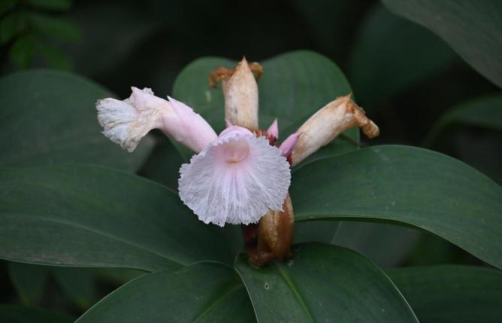 Figure 1
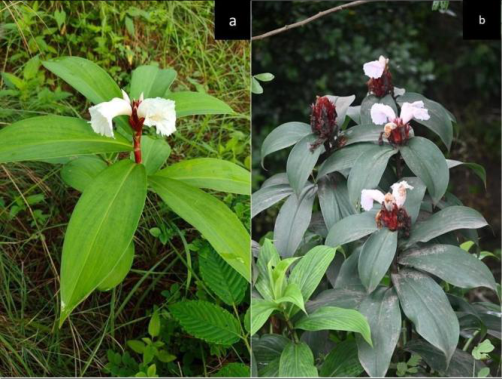 Figure 2
 Table 1
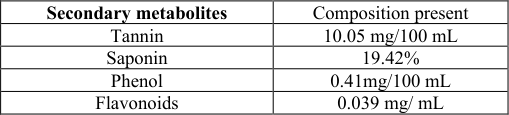 Table 2
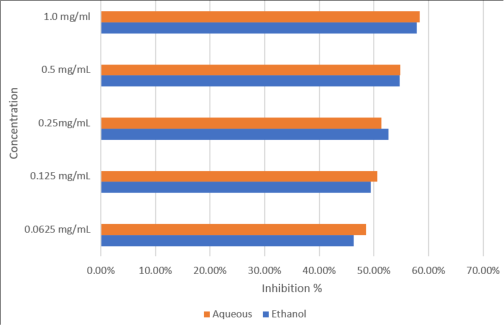 Figure 3
Introduction
Hellenia speciosa (J.Koenig) S.R.Dutta, commonly known as crepe ginger, is a large perennial rhizomatous plant belonging to the family Costaceae. The species has synonyms such as Cheilocostus speciosus and Costus speciosus commonly referred in earlier literatures. It has a tuberous rhizome with erect, sometimes subwoody stem that may attain approximately 1.2-2.7 m in height. The plant is characterized by spirally arranged leaves and conspicuous terminal inflorescences with white flowers and reddish bracts (Figure 1). The species has considerable ethnobotanical importance across South and Southeast Asia. Its medicinal significance is particularly associated with the rhizome, roots and leaves, which are traditionally used for a wide range of ailments (Pandel et al., 2023) [12] . The plant has also been used as a food resource in parts of Southeast Asia. H. speciosa is predominantly associated with moist and humid habitats and occurs in tropical moist deciduous and semievergreen forests and can also occur in plains, forest margins, wastelands and other disturbed habitats where adequate moisture is available (Raina and Misra 2023) [13] . In the Indian subcontinent, the species is particularly associated with moist undergrowth, stream banks and shaded habitats (Figure 2) (Malabadi et al., 2016) [9] . The species is widely distributed in the Indo-Malayan region and Sri Lanka, while in India it occurs across several biogeographic regions, including portions of the Himalaya, Northeast India, Eastern Ghats and Western Ghats. It generally performs well in moist, fertile and humus-rich soils, including clayeyloam soils, particularly under partially shaded conditions. It has a long history of use in Ayurvedic, folk and indigenous systems of medicine. Earlier researchers have reported that rhizomes are traditionally associated with anthelmintic, anti-inflammatory, antidiabetic, hepatoprotective, antihyperlipidemic, antispasmodic and antimicrobial applications (El-Far et al., 2018) [5] . Traditional knowledge concerning the species varies considerably between geographical regions and cultural groups. In Indian traditional medicine, the rhizome or root preparations have been used for conditions such as inflammation, rheumatism, bronchitis, asthma, fever, headache, constipation, skin disorders, jaundice, urinary disorders and other ailments (Azhagu et al., 2021) [1] . It has also traditionally been administered for leprosy and headache. Leaves are reported to be used externally, including as a bath or bruised preparation during fever. The plant has also been incorporated into traditional dietary practices. The rhizome has been reported as an edible vegetable and has been used in preparations such as pickles, while flowers and leaves have been used in beverages in some regions (Kumar et al., 2025) [7] . One of the most frequently documented contemporary ethnobotanical applications of H. speciosa is its use for diabetes management. The leaves have been traditionally consumed for regulating blood glucose. It is important, however, to distinguish traditional claims from clinically established therapeutic efficacy (Waisundara and Watawana 2015) [19] .
The present study attempts to document the morphology, habitat, ethanobotany and to evaluate the phytochemical constituents and the nutritional contents. Quantitative analysis of the secondary metabolites was further investigate the antioxidant potential was further examined to access the bioactivity potential of the study plant.
Methodology
The plant material of H. speciosa was collected from semishaded forest-edge habitats near the banks Mahanadi River. During field collection, photographic documentation of the plant in its natural habitat was carried out. Detailed morphological characters, including habit, leaves, inflorescence, flowers and other diagnostic features, were recorded and carefully examined. The collected specimens were subsequently identified through comparison with relevant regional floras, taxonomic literature and authenticated botanical resources to confirm their identity. Further qualitative and quantitative analysis of primary and secondary metabolites was investigated and antioxidant of the plant parts were evaluated (Saxena and Brahmam 1996; Jena et al., 2025) [16,6] .
Analysis for Primary metabolites (Kumar et al., 2013; Marndi et al., 2024) [8,10] Test for Proteins 1 mL of the filtrate obtained from the plant extract was mixed with 2-5 drops of Millon's reagent and incubated in a water bath for 30 minutes. The development of a pink coloration indicated the presence of proteins.
Test for Carbohydrates 1 mL of the plant extract filtrate was mixed with 2-5 drops each of Fehling's solutions A and B and heated in a water bath for 30 minutes. Reducing sugars react with Fehling's reagent under alkaline conditions to produce orange to red precipitates. The formation of an orange or red precipitate indicated the presence of carbohydrates.
Test for Starch 1 mL of the plant extract filtrate was treated with 2-3 drops of concentrated hydrochloric acid (HCl) and heated for 1-2 minutes. Sodium hydroxide (NaOH) followed by Benedict's reagent was then added, and the mixture was heated in a water bath. A change in colour from bluish-green to redorange indicated the presence of starch.
Test for Sucrose 1 mL of the plant extract filtrate was mixed with 2-3 drops of iodine solution. The appearance of a blue-black coloration was recorded as a positive test for sucrose.
Test for Lipids 1 mL of the plant extract filtrate was mixed with 2-5 drops of Sudan III reagent. The formation of pink-or red-coloured droplets indicated the presence of lipids.
Test for Amino acids 1 mL of the plant extract filtrate was mixed with five drops of ninhydrin reagent and heated in a water bath for 30 minutes. The development of purple coloration indicated the presence of amino acids.
Analysis for Secondary metabolites
Test for Tannins 1 mL of the plant extract was taken in a test tube, and 3-5 drops of 10% lead acetate solution were added. The formation of a gelatinous precipitate indicated the presence of tannins.
Test for Saponins 1 mL of the plant extract was mixed with 1 mL of distilled water and shaken vigorously. The formation of persistent froth indicated the presence of saponins.
Test for Flavonoids 1 mL of the plant extract was treated with 2 mL of 2% sodium hydroxide (NaOH) solution, followed by the addition of 3-4 drops of dilute hydrochloric acid (HCl). The development of an intense yellow colour upon addition of NaOH, followed by disappearance of the colour after acidification, indicated the presence of flavonoids.
Test for Terpenoids 1 mL of the plant extract was mixed with 5-6 drops of chloroform and heated in a water bath for a few minutes. Subsequently, 5-6 drops of concentrated sulphuric acid (H₂SO₄) were added carefully. The formation of a reddishbrown colour at the interface indicated the presence of terpenoids.
Test for Phenolic compounds 1 mL of the plant extract was treated with a few drops of 5% ferric chloride (FeCl₃) solution. The development of a dark bluish-black colour indicated the presence of phenolic compounds.
Test for Reducing sugars 1 mL of the plant extract was mixed with 2 drops each of Fehling's solutions A and B and heated in a water bath for several minutes. The formation of a red-orange precipitate indicated the presence of reducing sugars.
Test for Steroids 1 mL of the leaf extract was mixed with 1 mL of chloroform, followed by the careful addition of 1 mL of concentrated sulphuric acid (H₂SO₄). The development of a red colour in the upper layer and a yellow colour in the lower layer, accompanied by green fluorescence, indicated the presence of steroids.
Test for Alkaloids 1 mL of the leaf extract was treated with 3-4 drops of Dragendorff's reagent. The formation of a reddish-brown precipitate indicated the presence of alkaloids.
Quantitative phytochemical analysis Estimation of Total Phenol (Swain and Hills, 1959)
For total phenol estimation, three replicates of 0.5 g of plant material were crushed with 60% methanol using a mortar and pestle and centrifuged five times at 5000 rpm for 20 min. For the assay, 0.1 and 0.2 mL of each extract were taken separately, and the volume was adjusted to 1 mL with 60% methanol. Subsequently, 1 mL of 0.1 N HCl and 1 mL of sodium nitrite-molybdate reagent was added, mixed thoroughly, and allowed to stand for a few minutes in the dark. The mixture was then diluted with 5 mL of distilled water, followed by the addition of 2 mL of 1 N NaOH, and incubated for 20 min. Absorbance was measured at 515 nm, and the total phenol content was determined from the gallic acid standard calibration curve. Estimation of Tannin (Sadasivam and Manickam, 2009) [15] Tannin content was estimated using the Folin-Ciocalteu method. For preparation of the standard curve, tannic acid (0.5 mg) was dissolved in 1 mL of distilled water, and aliquots of 5, 15, 25, 35, and 50 µl were diluted to 1 mL. To each solution, 0.5 mL of Folin reagent and 2.5 mL of 20% sodium carbonate were added, mixed thoroughly, and kept in the dark for 40 min. Absorbance was measured at 720 nm. For sample extraction, 5 mg of plant material was boiled with 75 mL distilled water for 30 min and centrifuged at 2000 rpm for 20 min. The supernatant was collected and made up to 100 mL. One millilitre of the extract was then mixed with 75 mL distilled water, 5 mL Folin reagent, and 10 mL of 20% sodium carbonate, and the volume was adjusted to 100 mL. After shaking for 5 min, absorbance was measured at 720 nm, and tannin content was calculated from the tannic acid standard curve. Estimation of Saponin (Obadoni and Ochuko, 2001) [11] Total saponin content was determined following the method of Obadoni and Ochuko (2001), with minor modifications. 5 g of plant material was extracted with 100 mL of 20% aqueous ethanol by stirring for 30 min, followed by heating at 45°C for 4 h. The extract was filtered through Whatman No. 1 filter paper, and the residue was re-extracted with an additional 100 mL of 25% aqueous ethanol. The combined extracts were concentrated and transferred to a separating funnel, followed by extraction twice with 20 mL diethyl ether; the ether layer was discarded. The aqueous fraction was subsequently extracted with 30 mL n-butanol and washed twice with 10 mL of 5% aqueous sodium chloride. The n-butanol fraction was evaporated, and the residue was dried at 40°C to constant weight. Saponin content was calculated as the percentage of the final dried saponin weight relative to the initial sample weight. [3,17,13] Total flavonoid content was estimated using the aluminium chloride colorimetric method. Briefly, 100 µl of aqueous plant extract was mixed with 100 µl of 5% sodium nitrite and allowed to stand for 5 min. Subsequently, 150 µl of aluminium chloride was added and incubated for 6 min, followed by the addition of 200 µl of 1 M sodium hydroxide. The final volume was made up to 3 mL with distilled water, and the mixture was incubated for 15 min at room temperature in the dark. Absorbance was measured at 510 nm, and the flavonoid content was calculated from a quercetin standard calibration curve.
Antioxidant Activity
Antioxidant activity was evaluated using the DPPH radical scavenging assay following maceration-based extraction. 1 g of dried leaf powder was extracted with 10 mL of distilled water and ethanol separately for 48 h with occasional stirring. The extracts were filtered, concentrated by drying, and reconstituted in 1% DMSO to prepare the working extracts. A 0.1 mM DPPH solution was prepared in methanol and protected from light. Different concentrations of the extracts were mixed with DPPH solution in a 1:1 ratio, while extract blanks and a DPPH control were maintained. The reaction mixtures were incubated in the dark at room temperature for 10 min, and absorbance was measured at 517 nm using a UV-Visible spectrophotometer. Quercetin was used as the standard, and the percentage of DPPH radical inhibition was calculated and plotted against extract concentration (Runam et al., 2026) [14] .
Inhibition in% = [Absorbance (control) -Absorbance (sample) / Absorbance (control) ] x 100
Results and Discussion
Results and Discussion
Morphology and Habitat
It is a large perennial, rhizomatous herb belonging to the family Costaceae. The plant is erect and generally grows up to about 1-2 m tall, arising from a stout, aromatic rhizome. The stems are cylindrical, fleshy and unbranched, with spirally arranged leaves. Leaves are simple, alternate, sessile or shortly petiolate, broadly lanceolate to elliptic-lanceolate, with an entire margin and a prominent midrib; the leaf sheath forms a characteristic spiral arrangement around the stem. The inflorescence is terminal, compact and cone-like, consisting of overlapping green to reddish bracts. Flowers are large, white to pinkish-white, showy and often emerge successively from the bracts. The corolla is tubular with spreading lobes, while the fertile stamen is conspicuous and petaloid. Fruits are capsular, containing numerous seeds, which may bear an aril. The plant commonly occurs in moist, shaded habitats, forest margins and along stream banks, particularly in tropical and subtropical regions of India (Figure 2).
Ethnobotany
The survey carried out at the villages of Cuttack district near Mahanadi River revealed that the leaves of the study plant are sometimes consumed to control blood sugar levels. Its rhizomes are used in a mix herbal formulation to get rid of joint pain.
Qualitative phytochemical analysis
Qualitative analysis of primary metabolites The qualitative phytochemical screening of the H. speciosa revealed differential distribution of primary metabolites among the three solvent extracts. Protein was detected in both aqueous and ethanol extracts but was absent in the nhexane extract. Carbohydrates were detected only in the ethanol extract, whereas they were absent in the aqueous and n-hexane extracts. The study recorded absence of starch, sucrose, lipids and amino acids in all three extracts which may be either these constituents were present below the detection limit of the respective qualitative tests or were not efficiently extracted under the conditions employed (Table 1).
| Phytochemicals | Aqueous Extract | Ethanol Extract | n-Hexane Extract |
|---|---|---|---|
| Primary metabolites detected | Protein | Protein, and Carbohydrates | NIL |
| Secondary metabolites detected | Tannin, Saponin and Terpenoid | Tannin and Terpenoid | NIL |
Table text extracted from the original PDF; superscript letters are shown inline. The original table image is below.
View original table image
Qualitative analysis of secondary metabolites
The screening of secondary metabolites demonstrated the presence of tannins and terpenoids in both aqueous and ethanol extracts, while these compounds were not detected in the n-hexane extract. Saponins were detected only in the aqueous extract. In contrast, flavonoids, phenolic compounds, reducing sugars, steroids and alkaloids were not detected in any of the tested extracts. The occurrence of tannins in both aqueous and ethanol extracts indicate the presence of polar phenolic constituents, although the qualitative test for the broader phenolic group was negative.
Similarly, the detection of terpenoids in aqueous and ethanol extracts is indicative of the presence of relatively polar or glycosylated terpenoid constituents. The presence of tannins, saponins and terpenoids is particularly relevant because these classes of secondary metabolites are widely associated with biological activities such as antioxidant, antimicrobial, anti-inflammatory and protective effects. However, qualitative phytochemical screening only establishes the presence or absence of detectable classes of compounds and does not provide information on their concentration (Table 1).
Quantitative Phytochemical Analysis of Secondary Metabolites
The quantitative phytochemical analysis revealed the presence of appreciable amounts of tannins, saponins, phenols and flavonoids. Among the estimated secondary metabolites, 19.42% saponin, 10.05 mg/100 mL tannin, 0.41 mg/100 mL phenolic compounds were recorded. Flavonoids were detected at 0.039 mg/ mL. The quantitative results complement the qualitative screening, particularly for tannins and saponins, although the qualitative test did not detect flavonoids or phenolic groups. Such differences may result from variations in the sensitivity and specificity of qualitative and quantitative assays. The occurrence of these secondary metabolites may contribute to the biological and pharmacological potential of H. speciosa. Tannins and phenolic compounds are commonly associated with antioxidant and antimicrobial properties, while flavonoids are recognized for their antioxidant and anti-inflammatory activities. Saponins, which constituted the highest proportion in the present analysis, have been reported to possess diverse biological activities, including antimicrobial, antioxidant and anti-inflammatory effects (Table 2).
| Secondary metabolites | Composition present |
|---|---|
| Tannin | 10.05 mg/100 mL |
| Saponin | 19.42% |
| Phenol | 0.41mg/100 mL |
| Flavonoids | 0.039 mg/ mL |
Table text extracted from the original PDF; superscript letters are shown inline. The original table image is below.
View original table image
Antioxidant Activity
The DPPH radical-scavenging assay revealed increase in antioxidant activity with the increase in concentration in both ethanol and aqueous extracts of H. speciosa. The ethanol extract showed inhibition ranging from 46.28% to 57.87%, while the aqueous extract exhibited slightly higher activity, ranging from 48.54% to 58.36% at concentrations of 0.0625 -1.0 mg/ mL. At the highest concentration (1.0 mg/ mL), the aqueous extract showed the maximum inhibition (58.36%), compared with 57.87% for the ethanol extract. The aqueous extract demonstrated marginally stronger DPPH radical-scavenging activity than the ethanol extract. The progressive increase in inhibition with increasing concentration indicates the presence of concentration-dependent antioxidant constituents in H. speciosa (Figure 3). The study revealed that the plant possesses appreciable antioxidant potential, which may be associated with its phenolic, flavonoid and other bioactive constituents (Byun and Choi 2026) [2] . Further studies using quantitative and chromatographic approaches are recommended to identify the specific compounds contributing to the observed antioxidant activity. The present study demonstrated that the whole plant of H. speciosa possesses a diverse phytochemical profile, including important primary and secondary metabolites. Qualitative screening detected proteins, carbohydrates, tannins, saponins and terpenoids in different solvent extracts, while quantitative analysis confirmed the presence of tannins, saponins, phenols and flavonoids. Among the quantified metabolites, saponins occurred in the highest proportion, followed by tannins. The DPPH radicalscavenging assay demonstrated antioxidant activity in both ethanol and aqueous extracts, with the aqueous extract exhibiting slightly higher inhibition than the ethanol extract. Earlier studies correlate with the presence ascorbic acid, αtocopherol, β-carotene, glutathione, phenolic compounds and flavonoids that support the antioxidant activity (Devi and Urooj 2010) [4] . The present study indicates that H. speciosa is a promising source of phytochemicals with potential antioxidant properties. The observed bioactivity may be associated with the combined effects of its phenolic, flavonoid, tannin, saponin and terpenoid constituents.
Conclusion
The present study demonstrated that the whole plant of Hellenia speciosa contains several biologically important primary and secondary metabolites, including proteins, carbohydrates, tannins, saponins, terpenoids, phenols and flavonoids. Quantitative analysis revealed appreciable levels of saponins and tannins. The DPPH assay further demonstrated antioxidant activity in both ethanol and aqueous extracts. The present indicate that H. speciosa possesses promising phytochemical and antioxidant potential and may serve as a valuable source of bioactive compounds. Further investigations involving compound isolation, chromatographic profiling and in vitro/in vivo bioactivity assays are necessary to validate its therapeutic potential and identify the specific compounds responsible for the observed antioxidant activity.
References
19 in the original paper- Azhagu MS, Ganesan S, Sripriya R, Priyadharshini R. A literature review of anti-diabetic medicinal plant properties (Costus speices). J Biomed Res Environ Sci. 2021;2(5):305-310.
- Byun HJ, Choi HS. Upcycling of hull from a traditional black soybean (Rhynchosia nulubilis): NRF2-HO-1mediated antioxidant and anti-adipogenic effects. J Ethnic Foods. 2026;13:23.
- Chang CC, Yang MH, Wen HM, Chern JC. Estimation of total flavonoid content in propolis by two complementary colorimetric methods. J Food Drug Anal. 2002;10(3):3-5.
- Devi DV, Urooj A. Nutritive profile and antioxidant componants of Costus speciosus (Koen.) Sm. and Costus igneus Nak. Indian J Nat Prod Resour. 2010;1(1):116-118.
- El-Far AH, Shaheen HM, Alsenosy AW, El-Sayed YS, Jaouni SK, Mousa SA. Costus speciosus: Traditional uses, phytochemistry, and therapeutic potentials. Pharmacogn Rev. 2018;12(23):120-127.
- Jena N, Vimala VC, Singh B, Patra A, Sharma BP, Hossain E, et al. Methods for ethnobotanical data collection, phytochemistry, antioxidant, anthelmintic, and antimicrobial activities for pharmacological evaluation of medicinal plants. J Biodivers Conserv. 2025;9(2):87-107.
- Kumar B, Syed AA, Kulsum U, Mukesh N, Vishnupriya S, Suneetha A, et al. Costus speciosus: Traditional medicinal remedies for diabetes and other pharmacological activities. 2025;2(2):7-13.
- Kumar S, Behera SP, Jena PK. Validation of tribal claims on Dioscorea pentaphylla through phytochemical screening an evaluation of antibacterial activity. Plant Sci Res. 2013;35:55-61.
- Malabadi RB, Chalannavar RK, Meti NT, Gani RS, Vijayakumar S, Mulgund GS, et al. Insulin plant, Costus speciosus: Ethnobotany and pharmacological updates. 2016;3(7):151-161.
- Marndi S, Barik M, Kumar S. Phytochemical and cytotoxicity analysis of Eulophia explanata Lindl. (tuber extracts). Afr J Biol Sci. 2024;6(Si4):2756-2760.
- Obadoni BO, Ochuko PO. Phytochemical studies and comparative efficacy of the crude extracts of some homeostatic plants in Edo and Delta States of Nigeria. Global J Pure Appl Sci. 2001;8:203-208.
- Pandel TW, Gurunani SG, Kaikade AR. Costus speciosus (Ketaki) -A herb with numerous medicinal properties. 2023;11(5):M366-M388.
- Raina AP, Misra RC. Phytochemical evaluation of Costus speciosus (Koen) J. E. Sm. germplasm from Eastern India-an important antidiabetic plant. Med Plants. 2023;15(4):723-731.
- Runam R, Devi RS, Jethy S, Das K, Yadav R. Morphology, phytochemical screening and antioxidant activity of Gymnosporia rothiana (Walp.) M.A. Lawson. Plant Arch. 2026;6(2):2113-2117.
- Sadasivam S, Manickam A. Biochemical methods. 3rd ed. New Delhi: New Age International Publishers; 2009.
- Saxena HO, Brahmam M. The flora of Orissa. Vol. IV. Bhubaneswar: Regional Research Laboratory and Orissa Forest Development Corporation Limited; 1996.
- Shirazi OU, Khattak MMAK, Shukri NAM, Nasyriq MNA. Determination of total phenolic, flavonoid content and free radical scavenging activities of common herbs and spices. J Pharmacogn Phytochem. 2014;3(3):104-108.
- Swain T, Hillis WE. The phenolic constituents of Prunus domestica. I.-the quantitative analysis of phenolic constituents. J Sci Food Agric. 1959;10(1):6368.
- Waisundara VY, Watawana MI. Costus speciosus and Coccinia grandis: Traditional medicinal remedies for diabetes. S Afr J Bot. 2015;98:1-5.