
Research article · 2026 · Full text
International Journal of Advanced Chemistry ResearchUnfolding organochlorine pesticides toxicity in seasonal fruits and vegetables of Agra region using QuEChERS method coupled with gas chromatography detection
Volume 8(9) · Pages 01–13 · DOI: 10.33545/26646781.2026.v8.i9a.741 ↗
Research areasPesticide Residue Analysis and SafetyPesticide Exposure and ToxicityPesticide and Herbicide Environmental Studies
Abstract
Author-writtenWorldwide, Organochlorine pesticides are banned for agricultural use due to their toxicity and highly persistence that were introduced into the environment, biomagnifying and bioaccumulation in food chains and long range transport led to extensive contamination of various environmental matrices such as air, water, soil and biota. But at the large quantity, the compound residues and metabolites are persist in crops due to illegal or historical applications. This study investigated residual concentrations and human health implications of legacy Organochlorine pesticides in fruits and vegetables of wholesale market of Agra region. Samples of 8 vegetables (Okra, cucumber, sponge gourd, pointed gourd, favabeans, green peas, cabbage and spinach) and 8 fruits (Plum, mosambi, avocado, custard apple, grapes, Cape gooseberry, strawberry and sapota) were collected from Agra market. The pesticides were extracted using modified QuEChERS method and analyzed by GC-ECD. Estimate organochlorine pesticides α-BHC, β-BHC, γ-BHC, δ-BHC, endosulfan-I, endosulfan sulfate, endrin, dieldrin, heptachlor, heptachlor epoxide, aldrin, α-chlordane, γ-chlordane, 4,4’-DDE, 4,4’-DDD, endrin aldehyde, 4,4’-DDT, endrin ketone, endosulfan-II and methoxychlor. The fruits and vegetables samples contained α-BHC, γ-BHC, β-BHC, Heptachlor, Aldrin, Endosulfan-I, γ-chlordane and dieldrin were detected at varying frequencies. However, all residues were detected below or above the quantification limit of 0.05 mg/kg and none exceeded FAO/WHO maximum residue limits. This study will provide data regarding emphasizing the importance of user education, enhanced regulatory frameworks and integrated pest management; sponsored for a strategic shift towards practices that minimize environmental harm and safeguard human health. Executing these procedures can significantly contribute to the advancement of sustainable agriculture by reducing pesticide dependence and endorse ecological stability.
Summary
Source-checkedPlain-language reading of the full paper, prepared with AI and checked against the text. Each point links to the authors' own words.
Why it matters
- Organochlorine pesticides are banned globally because they are highly persistent and toxic, leading to widespread contamination of air, water, soil, and living organisms through bioaccumulation. View evidence ↗
- Despite bans, these pesticide residues and their metabolites persist in crops due to historical use or illegal applications. View evidence ↗
- Exposure to specific organochlorines like DDT, DDE, and heptachlor epoxide is linked to severe health issues, including cancer, diabetes, and impaired neuro-development. View evidence ↗
The question
- The study aimed to investigate the concentrations of legacy organochlorine pesticides in fruits and vegetables from the wholesale market of the Agra region and their implications for human health. View evidence ↗
What they did
- Pesticide extraction was performed using a modified QuEChERS method, followed by analysis using gas chromatography with an electron capture detector (GC-ECD). View evidence ↗
- The analytical method demonstrated recovery percentages between 80% and 100%, with detection limits ranging from 0.001 to 0.005 mg/kg. View evidence ↗
What they found
- Half of the analyzed fruit and vegetable samples (50%) were contaminated with pesticide residues, while the other half showed no detectable residues. View evidence ↗
- In vegetables, Okra contained Endosulfan I at a concentration of 2.836 mg/kg, which significantly exceeds the maximum residue limit (MRL) of 0.05 mg/kg. View evidence ↗
- Aldrin was detected in Okra (1.138 mg/kg) and Cucumber (0.684 mg/kg), both of which are above the MRL of 0.02 mg/kg. View evidence ↗
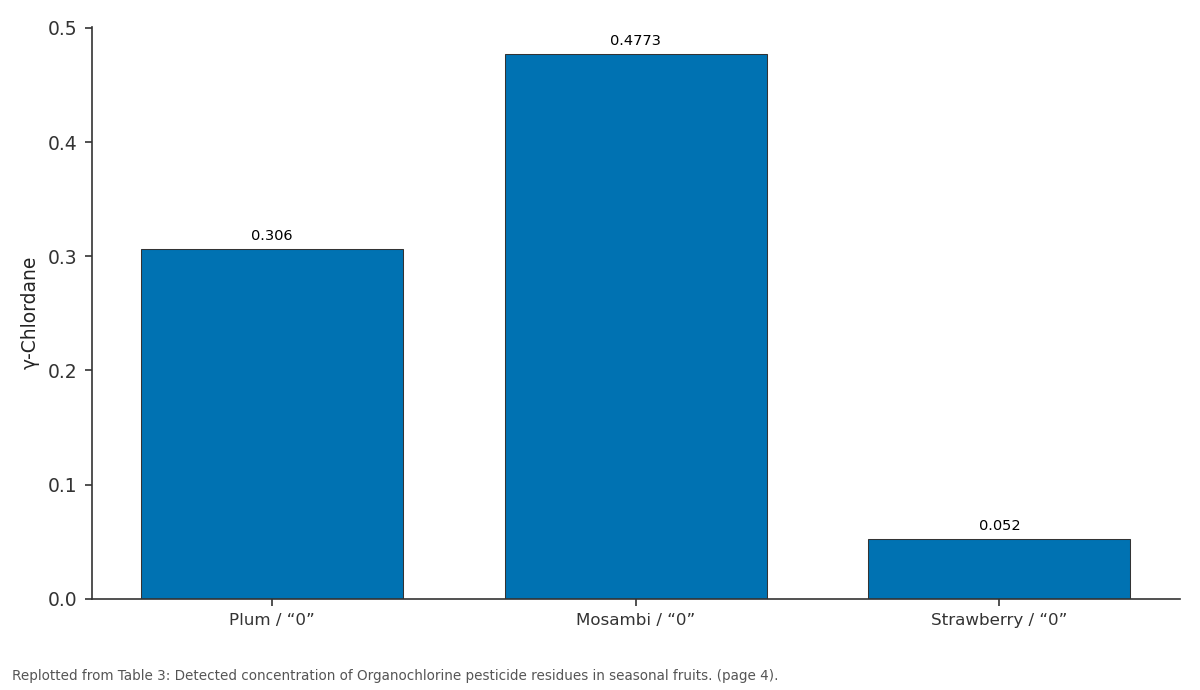
- In fruits, γ-Chlordane was found in Plum (0.3060 mg/kg), Mosambi (0.4773 mg/kg), and Strawberry (0.052 mg/kg), all exceeding the MRL of 0.05 mg/kg. View evidence ↗
- Cape gooseberry contained Dieldrin at 0.094 mg/kg, which is above the MRL of 0.01 mg/kg. View evidence ↗
- No pesticide residues were detected in samples of sponge gourd or favabeans. View evidence ↗
What it means
- The authors conclude that there is a need for increased supervision and enforcement of pesticide regulations because farmers continue to use banned substances. View evidence ↗
- The authors recommend that regulatory agencies increase awareness about safe pesticide use and implement routine monitoring of seasonal produce. View evidence ↗
- The authors state that future studies should use broader and more systematic sampling frameworks to provide a more representative assessment of dietary exposure. View evidence ↗
Visual summary
1 visualsIllustrations explain the paper; charts are replotted from the paper's own table values.
γ-Chlordane: Plum / “0” vs Mosambi / “0” vs Strawberry / “0”
Replotted from Table 3 (page 4) of the original paper. Every bar is the paper's own table value.
View source evidence ↗Figures & tables
From the original paper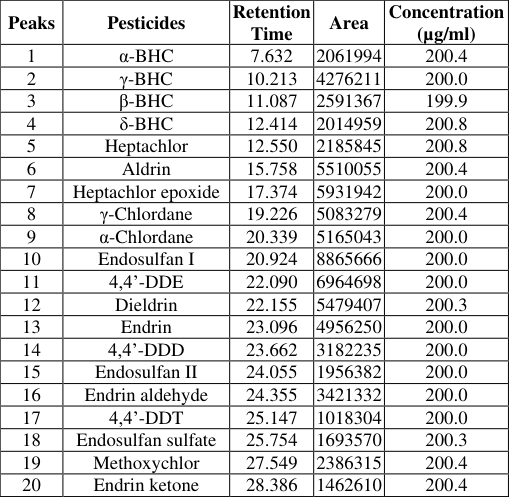 Table 1
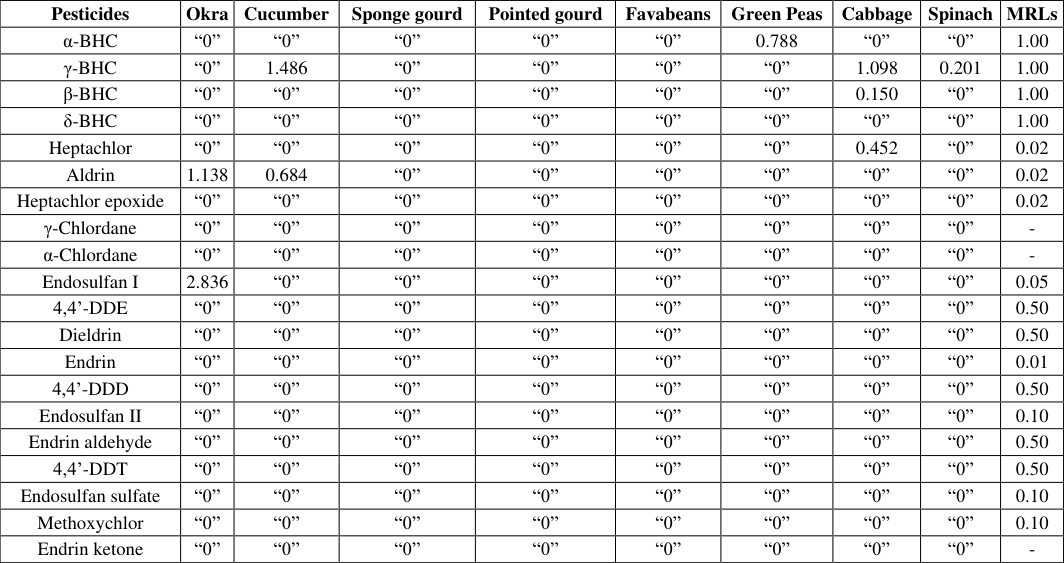 Table 2
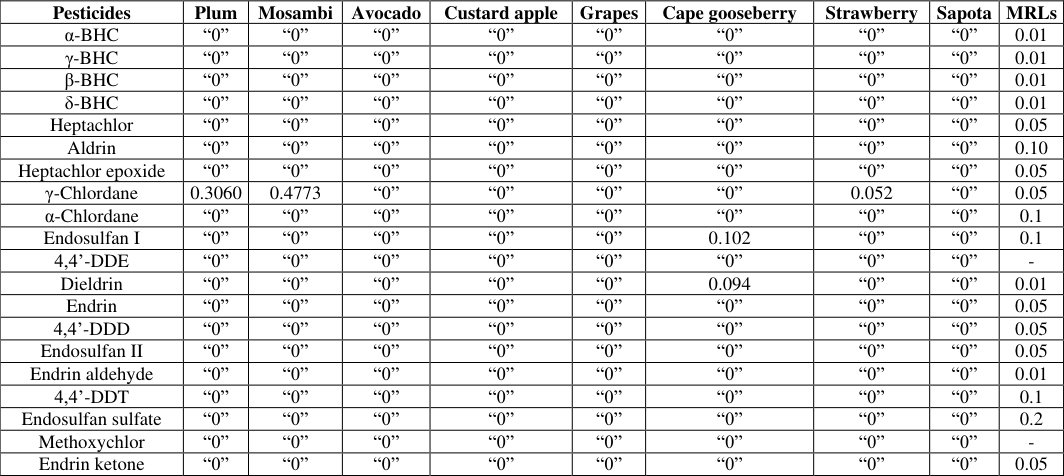 Table 3
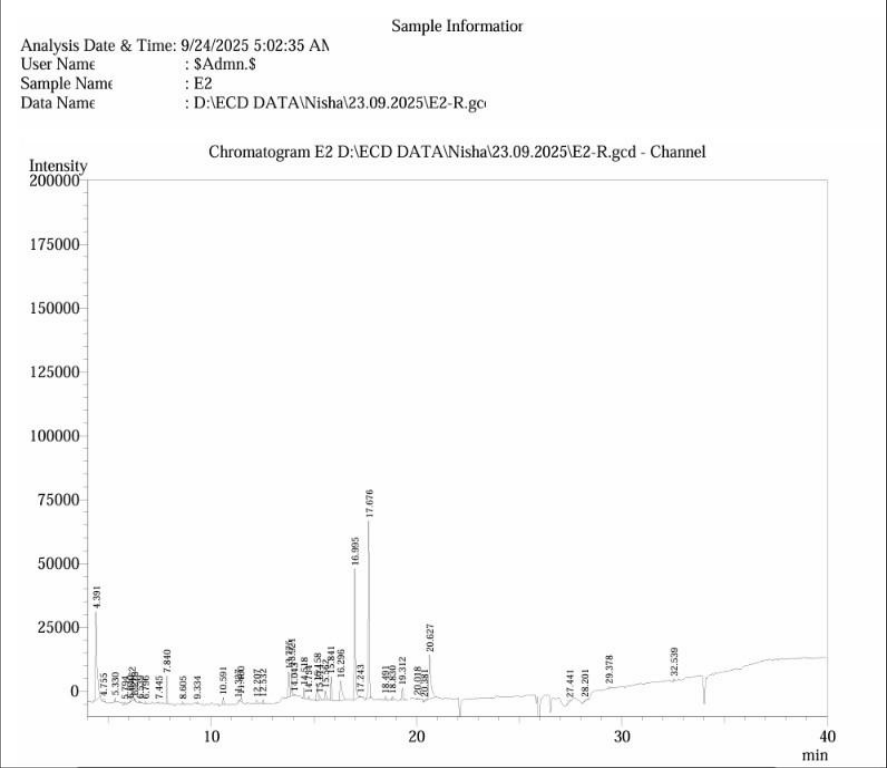 Figure 1
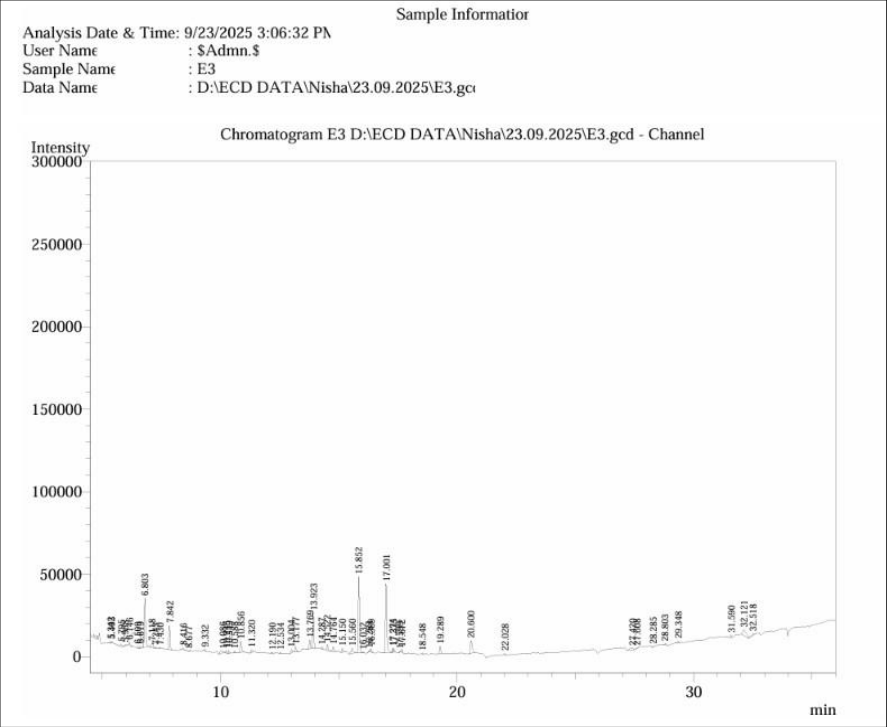 Figure 2
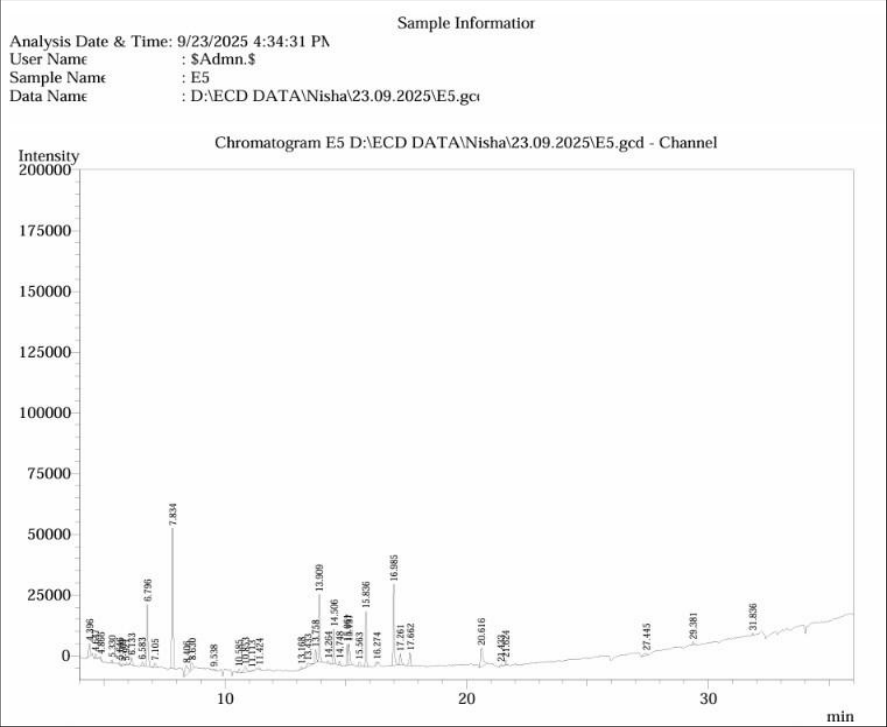 Figure 3
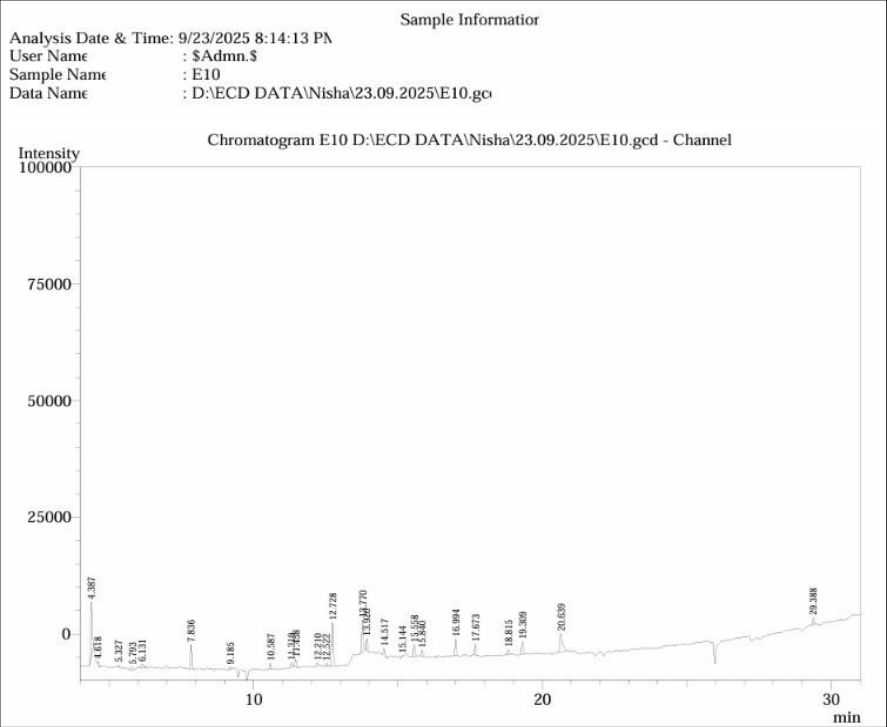 Figure 4
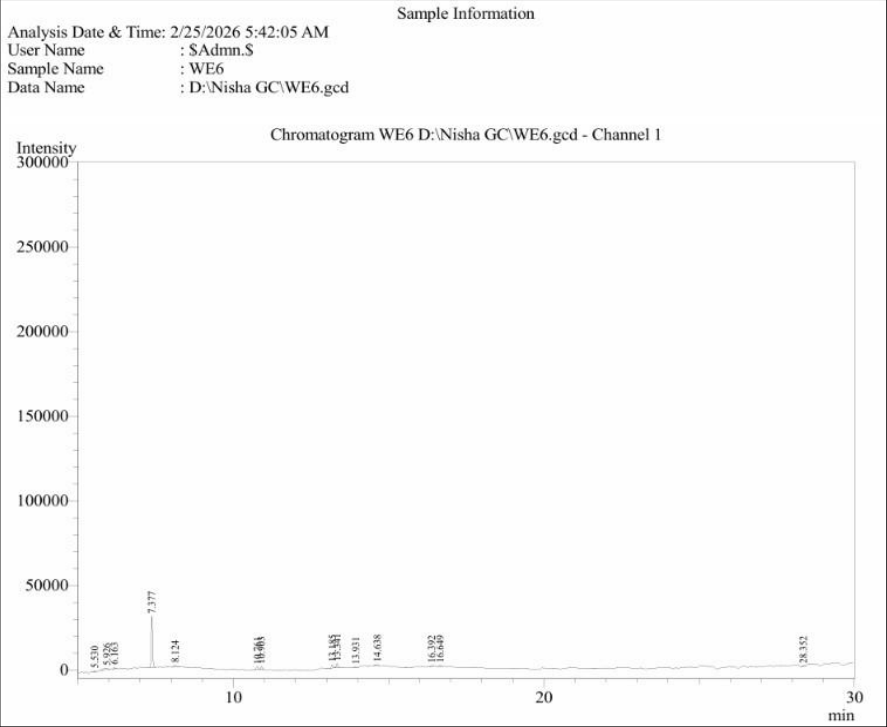 Figure 5
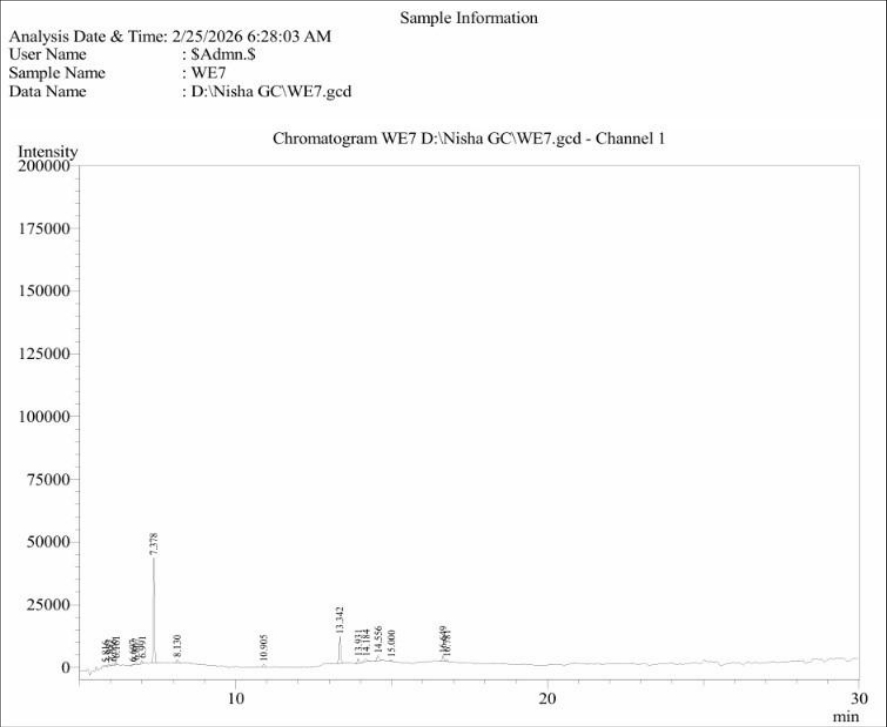 Figure 6
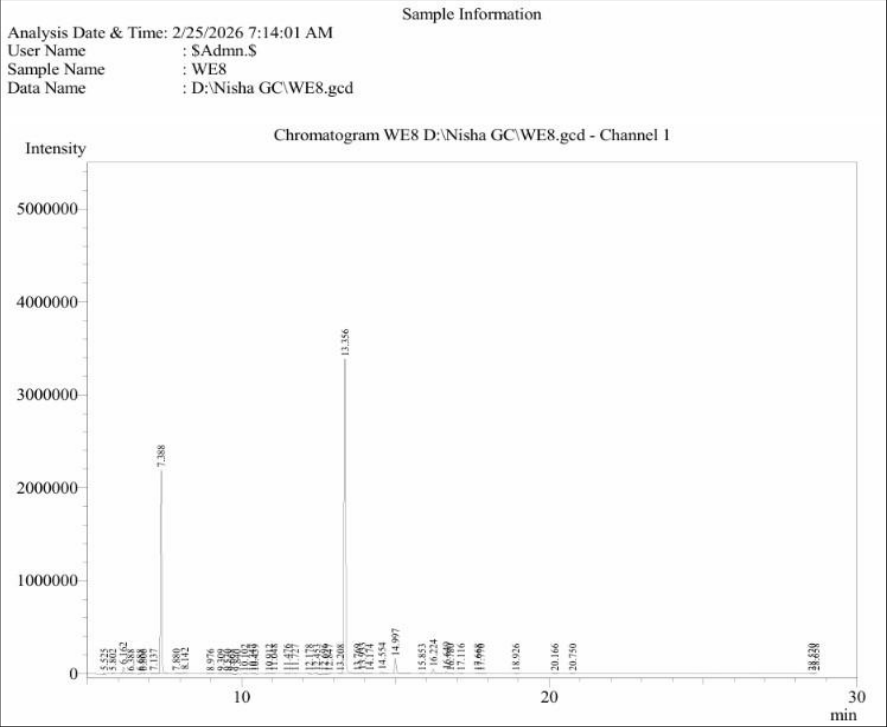 Figure 7
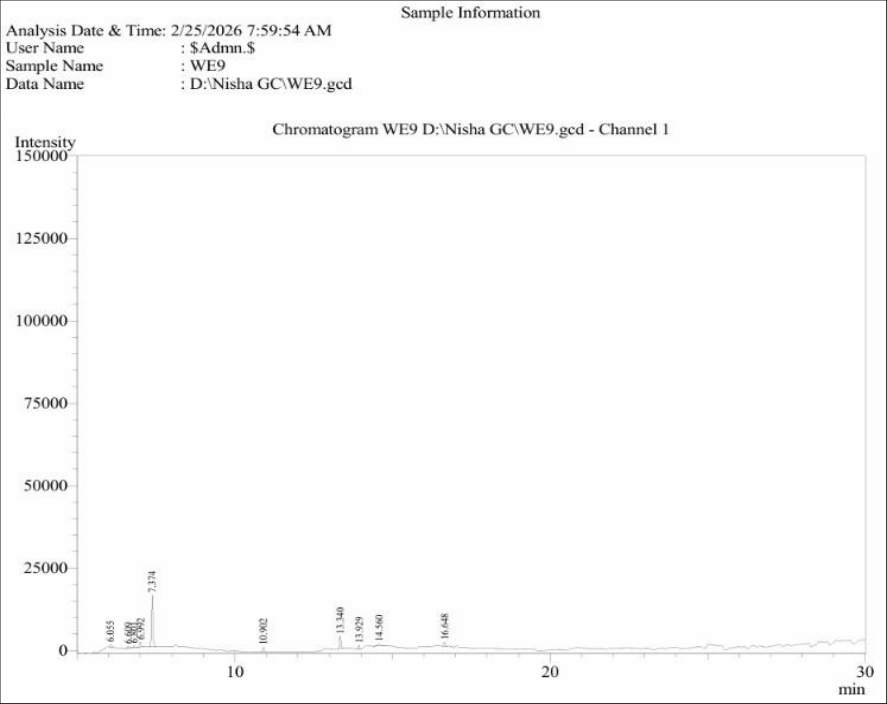 Figure 8
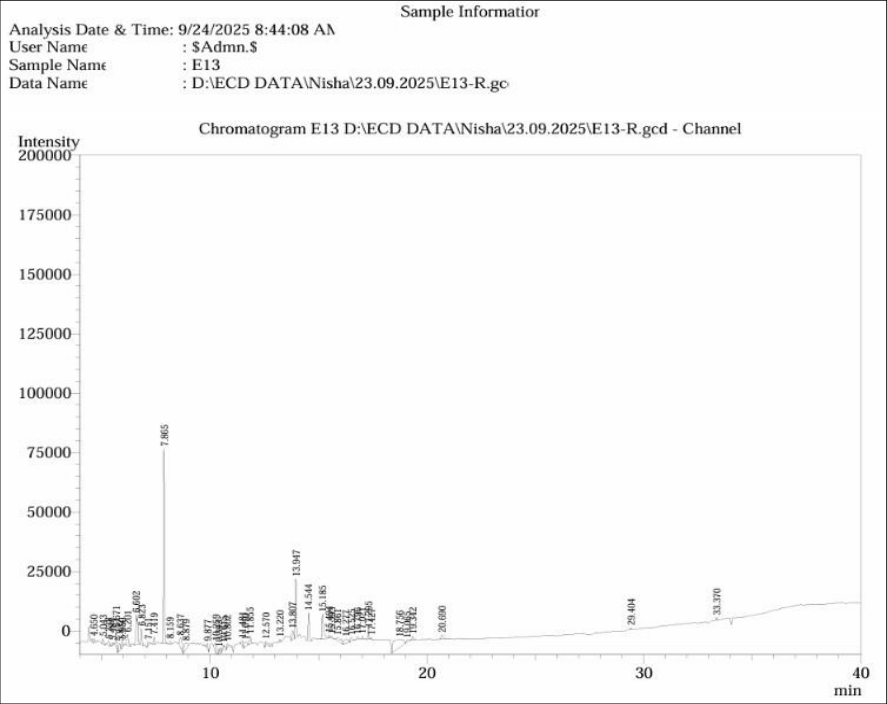 Figure 9
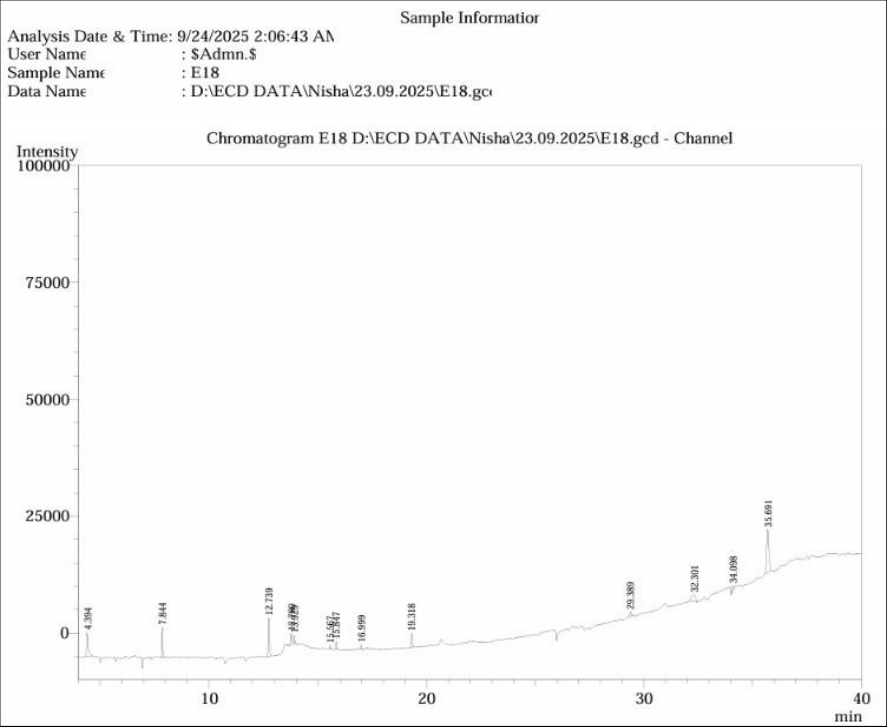 Figure 10
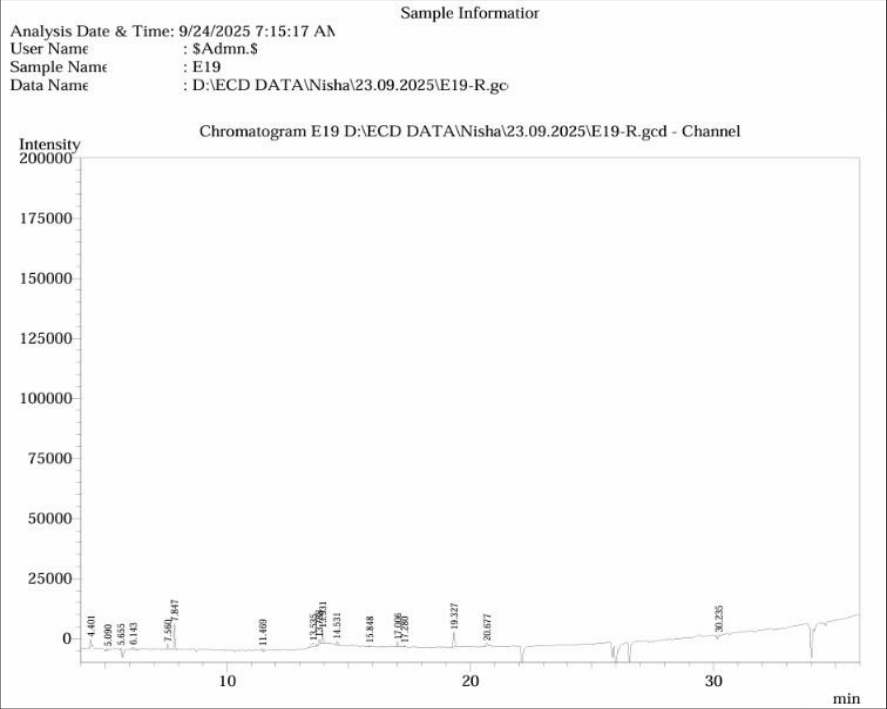 Figure 11
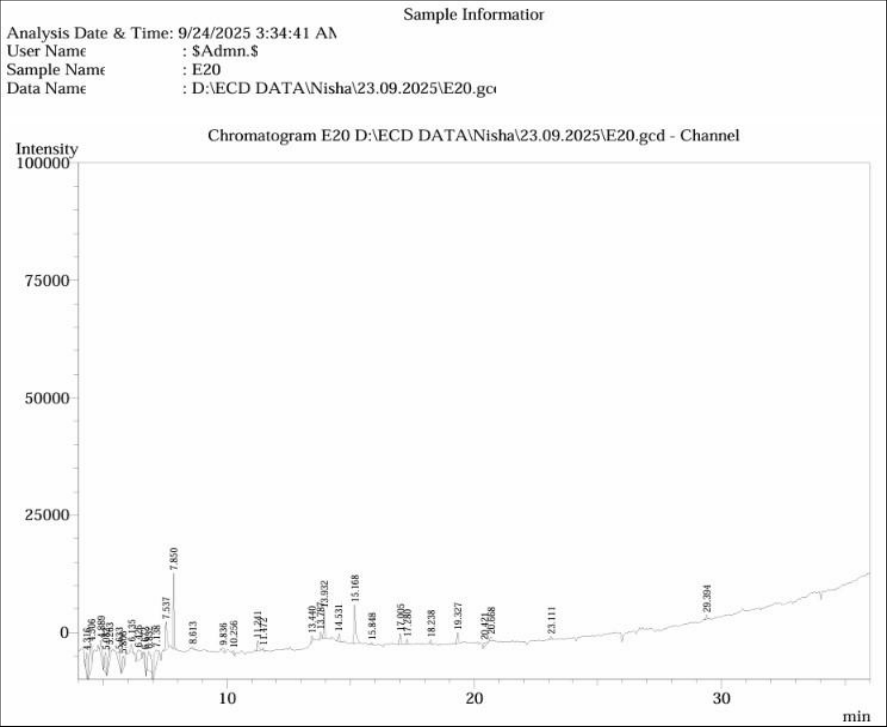 Figure 12
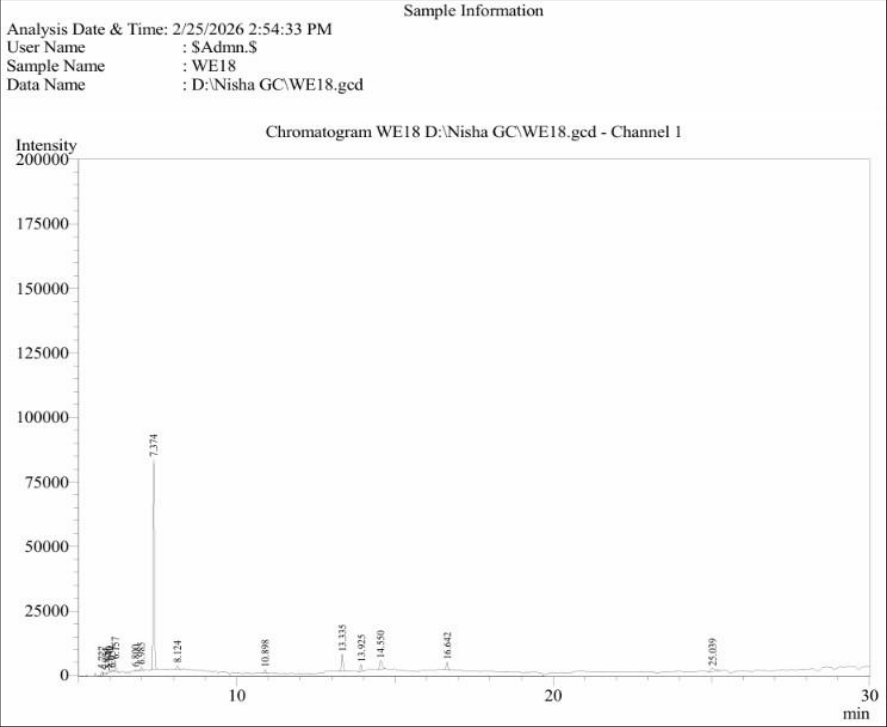 Figure 13
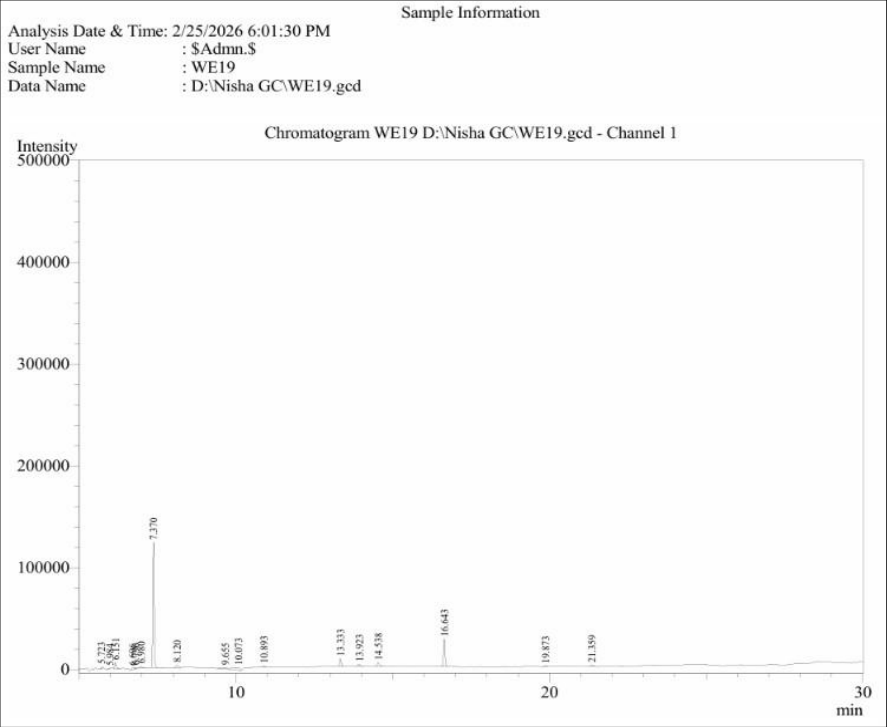 Figure 14
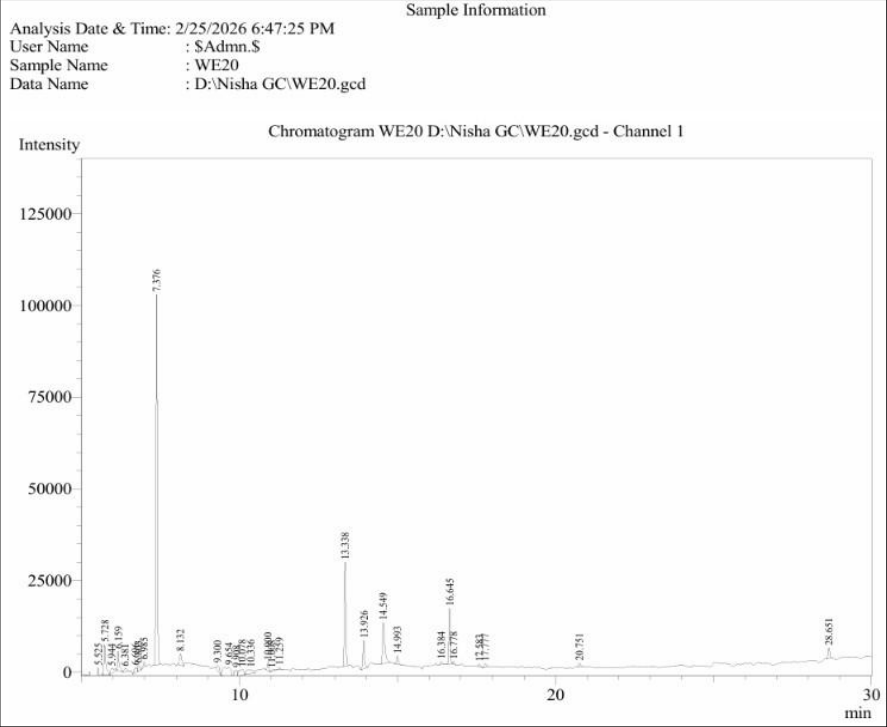 Figure 15
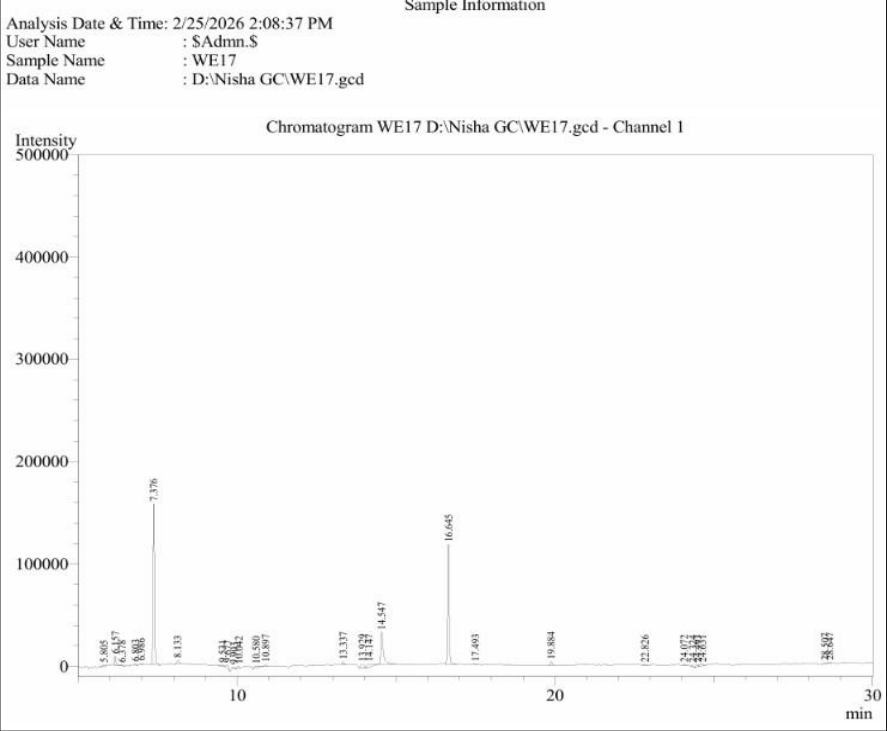 Figure 16
Introduction
The aim of this study is to depict the presence of organochlorine pesticide residues in fruits and vegetables, mainly how they are introduced, dispersed, ruined, distressed by food dispensation system and their risk assessment. Vegetables and fruits are vital for human being diet while they afford vital nutrients that are required for most of the reactions occurring in the body. High intake of these commodities has been expectant not only to prevent vitamin deficiency but also to reduce the occurrence of major diseases. In the year 2026, as per estimation the worldwide production of vegetables and fruits was 2.1 billion metric tons; india is the second largest producer of vegetables and fruits. In 2025, the global market of fruits was 19.35 billion US dollars and expected to grow 27.31 billion in 2030 at a compound annual growth rate of 7.1%. When the pests are attacked during the crop production that reduced the quality and yield of the crops. To reduce the loss and maintain the quality of vegetables and fruits, the use of pesticides is one of the tools. Pesticides are used with other pest management techniques during cropping to prevent diseases and destroy pests. About 1000 compounds (inorganic and organic) are used as active ingredients of pesticides.
Organochlorine pesticides which were banned 40 years ago are still found in fruits and vegetables. The uses of organochlorine pesticides have increased because they have effectiveness on crop production and low-cost in market. Intensive fruits and vegetable production using pesticides has biggest threat to growers and the consumers. In recent years, the widespread use of pesticides has led to serious health concern for humans and animals. As they are intrinsically toxic and deliberately spread in the environment, manufacture, distribution and use of pesticides necessitate strict instruction and control. Before they can be authorized for use, pesticides should first be tested for possible health effects and the results should be analyzed by experts to assess the risk to humans. In collaboration with FAO, WHO is responsible for assessing the risk to humans of pesticides. They have been through direct exposure and through residues in fruits and vegetables and for recommending adequate protections. Risk assessments for pesticide residues in food are conducted by an independent, international expert scientific group, the joint FAO/WHO meeting on pesticide residues (JMPR). In such order the accumulation of pesticide residues is increased due to relatively short pre-harvest interval. Use of pesticides without knowing the label claim information increases the cost of production, number of spray and labour cost, ultimately leading to decrease in farmers profitability. Hence, the adoption of pesticide as per label claim is very much essential. The metabolites of pesticides exhibit different toxicological profiles compared to their parent compounds and in some cases they can be more harmful. The exposure to DDT or DDE may cause adverse health effects for example, diabetes, imared neuro-development in children, breast cancer and spontaneous abortion. Heptachlor epoxide accumulates in the liver and is associated with long-term effects such as the development of liver tumor. This study involves the determination of concentration of organochlorine pesticide residues in seasonal (summer and winter) fruits and vegetables procured from wholesale market of agra region. The pesticides were extracted using modified QuEChERS method and analyzed by GC-ECD and GC-MS techniques. The application of organochlorine pesticides on crops because of protect crop and increase their yield because of their effectiveness on crop production, low-cost, ease of application and ease of use. The pesticides are accumulated in vegetables and fruits from water and soil. These contaminated commodity consumed by human being cause adverse health effects. The scope of the study included the evaluation of seasonal trends in pesticide contamination in vegetables and fruits to provide insight into patterns of pesticide application and potential consumer exposure risks in the study area. That was hypothesized that the concentrations of residues in vegetables and fruits varied significantly between the season (summer and winter) reflecting variations in agricultural practices, environmental degradation and pest pressure processes.
Materials and Methodology
The fruits and vegetables were collected randomly from Agra region from the different fruits and vegetables salesperson (Okra, cucumber, sponge gourd, pointed gourd, favabeans, green peas, cabbage and spinach) and fruits (Plum, mosambi, avocado, custard apple, grapes, cape gooseberry, strawberry and sapota). The total number of fruits and vegetables samples collected from the April 2025 to February 2026 was total of 16 different types of fruits and vegetables and was a total 16 samples were collected. Each sample was collected and placed in a polybag and transfer to the laboratory for extraction and experimental work.
Chemicals and Reagents
All chemical and reagents were obtained from Merck grade (India) i.e, n-hexane, acetonitrile, acetone, ethyl acetate, cyclohexane, dichloromethane, anhydrous sodium sulphate silica gel, activated charcoal whereas the technical grade pesticide standards were of Restek 110 Benner Circle. Bellefonte, PA 16823 USA. For preparing stock solution, standard was dissolved in hexane. The standard was stored in a freezer at-4 o C.
Sampling
Fruits and vegetables samples were washed for few minutes under running water to remove dirt. Then, the samples were dried with filter paper. After drying, each sample was chopped into small pieces and to make a fine paste in warring blender.
Extraction and Clean Up Extraction Method for Vegetables
Extraction of pesticides from all vegetables was prepared and using a modified method. Take 50 g of blended standardized fine paste of each vegetables sample in separating funnel and subjected to shaken with 100 ml acetonitrile for 2-3 hr. The extract was filtered through filter paper, then filtration the remaining filtrate were transferred into separating funnel and adding 50 ml acetonitrile again and shaken for 2 hr. Again filter the solvent and adding 50 ml n-hexane and acetone with 3:2 v/v then shaken for 3-4 hr. After some times, the separating funnel was permitted at vertical position for about 2 hr to obtain the two different layers. The upper layer; there were high density and more non-polar solvent and high chances to accumulated pesticide residues in that layer. So, that layer was separated out from the separating funnel. This extraction process was repeated three times using 50 ml n-hexane and acetone with 3:2 v/v each step. Then, the collected extract was concentrated at 40 o C temperature by using rotatory evaporator; the solvent concentrated upto 2 ml and in that solvent dissolved the nhexane 10 ml and then take it for analysis of pesticide residues in laboratory.
Extraction Method for Fruits
Extraction of pesticides from all fruits was prepared and using a modified method. Take 50 g of blended standardized fine paste of each fruits sample in separating funnel and subjected to shaken with 100 ml acetonitrile for 2-3 hr. The extract was filtered through filter paper, then filtration the remaining filtrate were transferred into separating funnel and adding 50 ml acetonitrile again and shaken for 2 hr. Yet again, filter the solvent and adding 50 ml n-hexane and ethyl acetate with 3:2 v/v then shaken for 3-4 hr. After some times, the separating funnel was permitted at vertical position for about 2 hr to obtain the two different layers. The upper layer; there were high density and more non-polar solvent and high chances to accumulated pesticide residues in that layer. So, that layer was separated out from the separating funnel. This extraction process was repeated three times using 50 ml n-hexane and acetone with 3:2 v/v each step. Then, the collected extract was concentrated at 40 o C temperature by using rotatory evaporator; the solvent concentrated upto 2 ml and in that solvent dissolved the nhexane 10 ml and then take it for analysis of pesticide residues in laboratory.
Purification
The extracts were collected and subjected for clean up by column packed with silica gel and activated charcoal with (5:1 w/w) silica gel : activated charcoal : silica gel and eluted by solvent. Then, eluted extract was further concentrated upto dryness and re-dissolved in 10 ml nhexane and then subjected to GC-ECD for separation, detection and confirmation of pesticides in samples.
Results and Discussion
The chromatographic analyses for the organochlorine pesticide residues; the recovery percentage, limit of detection for that are presented in Table 1. The detection limits ranged from 0.001 to 0.005 mg/kg and the recovery percentage ranged from 80 to 100%. All calibration curves for all organochlorine pesticide residues of interest showed good linearity with regression coefficients indicating reliable analytical performance.
| Peaks | Pesticides | Retention Time | Area | Concentration (µg/ml) |
|---|---|---|---|---|
| 1 | α-BHC | 7.632 | 2061994 | 200.4 |
| 2 | γ-BHC | 10.213 | 4276211 | 200.0 |
| 3 | β-BHC | 11.087 | 2591367 | 199.9 |
| 4 | δ-BHC | 12.414 | 2014959 | 200.8 |
| 5 | Heptachlor | 12.550 | 2185845 | 200.8 |
| 6 | Aldrin | 15.758 | 5510055 | 200.4 |
| 7 | Heptachlor epoxide | 17.374 | 5931942 | 200.0 |
| 8 | γ-Chlordane | 19.226 | 5083279 | 200.4 |
| 9 | α-Chlordane | 20.339 | 5165043 | 200.0 |
| 10 | Endosulfan I | 20.924 | 8865666 | 200.0 |
| 11 | 4,4’-DDE | 22.090 | 6964698 | 200.0 |
| 12 | Dieldrin | 22.155 | 5479407 | 200.3 |
| 13 | Endrin | 23.096 | 4956250 | 200.0 |
| 14 | 4,4’-DDD | 23.662 | 3182235 | 200.0 |
| 15 | Endosulfan II | 24.055 | 1956382 | 200.0 |
| 16 | Endrin aldehyde | 24.355 | 3421332 | 200.0 |
| 17 | 4,4’-DDT | 25.147 | 1018304 | 200.0 |
| 18 | Endosulfan sulfate | 25.754 | 1693570 | 200.3 |
| 19 | Methoxychlor | 27.549 | 2386315 | 200.4 |
| 20 | Endrin ketone | 28.386 | 1462610 | 200.4 |
Table text extracted from the original PDF; superscript letters are shown inline. The original table image is below.
View original table image
Analytical results
In 8 out of 16 analysed fruits and vegetables samples, no detectable pesticide residues were found, although 8 samples were contaminated with residues. 3 samples were contained residues above MRLs, while 5 samples contained the residues at or below MRLs as set by the European pesticides database. The fruits and vegetables samples such as, Okra, cucumber, pointed gourd, green peas, cabbage and spinach have been contaminated with highest percentage of residues. No pesticide residues were detected in any of the sponge gourd and favabeans, Samples. Out of 100% samples, 50% samples showed the highest number of samples that despoiled MRLs.
Pesticides
Okra Cucumber Sponge gourd Pointed gourd Favabeans Green Peas Cabbage Spinach MRLs α-BHC "0" "0" "0" "0" "0" 0.788 "0" "0" 1.00 γ-BHC "0" 1.486 "0" "0" "0" "0" 1.098 0.201 1.00 β-BHC "0" "0" "0" "0" "0" "0" 0.150 "0" 1.00 δ-BHC "0" "0" "0" "0" "0" "0" "0" "0" 1.00 Heptachlor "0" "0" "0" "0" "0" "0" 0.452 "0" 0.02 Aldrin 1.138 0.684 "0" "0" "0" "0" "0" "0" 0.02 Heptachlor epoxide "0" "0" "0" "0" "0" "0" "0" "0" 0.02 γ-Chlordane "0" "0" "0" "0" "0" "0" "0" "0" α-Chlordane "0" "0" "0" "0" "0" "0" "0" "0" -Endosulfan I 2.836 "0" "0" "0" "0" "0" "0" "0" 0.05 4,4'-DDE "0" "0" "0" "0" "0" "0" "0" "0" 0.50 Dieldrin "0" "0" "0" "0" "0" "0" "0" "0" 0.50 Endrin "0" "0" "0" "0" "0" "0" "0" "0" 0.01 4,4'-DDD "0" "0" "0" "0" "0" "0" "0" "0" 0.50 Endosulfan II "0" "0" "0" "0" "0" "0" "0" "0" 0.10 Endrin aldehyde "0" "0" "0" "0" "0" "0" "0" "0" 0.50 4,4'-DDT "0" "0" "0" "0" "0" "0" "0" "0" 0.50 Endosulfan sulfate "0" "0" "0" "0" "0" "0" "0" "0" 0.10 Methoxychlor "0" "0" "0" "0" "0" "0" "0" "0" 0.10 Endrin ketone "0" "0" "0" "0" "0" "0" "0" "0" -Table 3: Detected concentration of Organochlorine pesticide residues in seasonal fruits.
| Pesticides | Plum | Mosambi | Avocado | Custard apple | Grapes | Cape gooseberry | Strawberry | Sapota | MRLs |
|---|---|---|---|---|---|---|---|---|---|
| α-BHC | “0” | “0” | “0” | “0” | “0” | “0” | “0” | “0” | 0.01 |
| γ-BHC | “0” | “0” | “0” | “0” | “0” | “0” | “0” | “0” | 0.01 |
| β-BHC | “0” | “0” | “0” | “0” | “0” | “0” | “0” | “0” | 0.01 |
| δ-BHC | “0” | “0” | “0” | “0” | “0” | “0” | “0” | “0” | 0.01 |
| Heptachlor | “0” | “0” | “0” | “0” | “0” | “0” | “0” | “0” | 0.05 |
| Aldrin | “0” | “0” | “0” | “0” | “0” | “0” | “0” | “0” | 0.10 |
| Heptachlor epoxide | “0” | “0” | “0” | “0” | “0” | “0” | “0” | “0” | 0.05 |
| γ-Chlordane | 0.3060 | 0.4773 | “0” | “0” | “0” | “0” | 0.052 | “0” | 0.05 |
| α-Chlordane | “0” | “0” | “0” | “0” | “0” | “0” | “0” | “0” | 0.1 |
| Endosulfan I | “0” | “0” | “0” | “0” | “0” | 0.102 | “0” | “0” | 0.1 |
| 4,4’-DDE | “0” | “0” | “0” | “0” | “0” | “0” | “0” | “0” | - |
| Dieldrin | “0” | “0” | “0” | “0” | “0” | 0.094 | “0” | “0” | 0.01 |
| Endrin | “0” | “0” | “0” | “0” | “0” | “0” | “0” | “0” | 0.05 |
| 4,4’-DDD | “0” | “0” | “0” | “0” | “0” | “0” | “0” | “0” | 0.05 |
| Endosulfan II | “0” | “0” | “0” | “0” | “0” | “0” | “0” | “0” | 0.05 |
| Endrin aldehyde | “0” | “0” | “0” | “0” | “0” | “0” | “0” | “0” | 0.01 |
| 4,4’-DDT | “0” | “0” | “0” | “0” | “0” | “0” | “0” | “0” | 0.1 |
| Endosulfan sulfate | “0” | “0” | “0” | “0” | “0” | “0” | “0” | “0” | 0.2 |
| Methoxychlor | “0” | “0” | “0” | “0” | “0” | “0” | “0” | “0” | - |
| Endrin ketone | “0” | “0” | “0” | “0” | “0” | “0” | “0” | “0” | 0.05 |
Table text extracted from the original PDF; superscript letters are shown inline. The original table image is below.
View original table image
Pesticides Plum Mosambi Avocado Custard apple Grapes Cape gooseberry
Strawberry Sapota MRLs α-BHC "0" "0" "0" "0" "0" "0" "0" "0" 0.01 γ-BHC "0" "0" "0" "0" "0" "0" "0" "0" 0.01 β-BHC "0" "0" "0" "0" "0" "0" "0" "0" 0.01 δ-BHC "0" "0" "0" "0" "0" "0" "0" "0" 0.01 Heptachlor "0" "0" "0" "0" "0" "0" "0" "0" 0.05 Aldrin "0" "0" "0" "0" "0" "0" "0" "0" 0.10 Heptachlor epoxide "0" "0" "0" "0" "0" "0" "0" "0" 0.05 γ-Chlordane 0.3060 0.4773 "0" "0" "0" "0" 0.052 "0" 0.05 α-Chlordane "0" "0" "0" "0" "0" "0" "0" "0" 0.1 Endosulfan I "0" "0" "0" "0" "0" 0.102 "0" "0" 0.1 4,4'-DDE "0" "0" "0" "0" "0" "0" "0" "0" -Dieldrin "0" "0" "0" "0" "0" 0.094 "0" "0" 0.01 Endrin "0" "0" "0" "0" "0" "0" "0" "0" 0.05 4,4'-DDD "0" "0" "0" "0" "0" "0" "0" "0" 0.05 Endosulfan II "0" "0" "0" "0" "0" "0" "0" "0" 0.05 Endrin aldehyde "0" "0" "0" "0" "0" "0" "0" "0" 0.01 4,4'-DDT "0" "0" "0" "0" "0" "0" "0" "0" 0.1 Endosulfan sulfate "0" "0" "0" "0" "0" "0" "0" "0" 0.2 Methoxychlor "0" "0" "0" "0" "0" "0" "0" "0" -Endrin ketone "0" "0" "0" "0" "0" "0" "0" "0" 0.05 The GC-ECD parameters for each pesticide residues are illustrated in Table 1. A total of 16 samples of fruits and vegetables were studied for 20 organochlorine pesticide residues by using GC techniques. The limits of detection of pesticide residues were ranged from 0.05to2.836 µg/ml. The results of the study revealed that, the contamination of pesticide residues in fruits and vegetables samples. As Table 2 indicates, 50% fruits and vegetables samples were contaminated with pesticide residues and 50% samples were not detected any pesticide residues. The details of the detected residues and the contamination ranges of the samples are showed in table 2 and 3. Pesticide residues were found in 50% sample of the fruits samples, whereas 50% samples of vegetables found residues. So, MRLs were not available from either the European Union or codex. Eight out of the twenty pesticide residues, including α-BHC, γ-BHC, β-BHC, Heptachlor, Aldrin, Endosulfan-I, γ-chlordane and dieldrin were detected in analysed samples. The recovery of each pesticide residues is summarized in table 2 and 3; Such as, In vegetables such as okra and cucumber Aldrin were detected; in cucumber, cabbage and spinach γ-BHC were detected; α-BHC were detected in green peas; β-BHC were detected in cabbage; heptachlor were detected in cabbage. Therefore in fruits samples such as, in plum, mausambi and strawberry γ-chlordane were detected; Endosulfan-I was detected in Cape gooseberry and Dieldrin was detected in Cape gooseberry. In other fruits and vegetables out of these commodities, any residues were not detected and the residues were detected below or above MRLs values. In this research, the limit of detection of the pesticides was defined as 0.05-2.836 µg/ml that was estimated based on the detection level of chromatograms of the samples and the standard peaks. The results of the present study showed that, the residues of the restricted or banned pesticides such as BHC and their metabolites were present in the analysed samples. The residue levels from the monitored pesticides were significantly (P < 0.05) below or high than the accepted MRLs as adapted by the FAO/WHO.
| Pesticides | Okra | Cucumber | Sponge gourd | Pointed gourd | Favabeans | Green Peas | Cabbage | Spinach | MRLs |
|---|---|---|---|---|---|---|---|---|---|
| α-BHC | “0” | “0” | “0” | “0” | “0” | 0.788 | “0” | “0” | 1.00 |
| γ-BHC | “0” | 1.486 | “0” | “0” | “0” | “0” | 1.098 | 0.201 | 1.00 |
| β-BHC | “0” | “0” | “0” | “0” | “0” | “0” | 0.150 | “0” | 1.00 |
| δ-BHC | “0” | “0” | “0” | “0” | “0” | “0” | “0” | “0” | 1.00 |
| Heptachlor | “0” | “0” | “0” | “0” | “0” | “0” | 0.452 | “0” | 0.02 |
| Aldrin | 1.138 | 0.684 | “0” | “0” | “0” | “0” | “0” | “0” | 0.02 |
| Heptachlor epoxide | “0” | “0” | “0” | “0” | “0” | “0” | “0” | “0” | 0.02 |
| γ-Chlordane | “0” | “0” | “0” | “0” | “0” | “0” | “0” | “0” | - |
| α-Chlordane | “0” | “0” | “0” | “0” | “0” | “0” | “0” | “0” | - |
| Endosulfan I | 2.836 | “0” | “0” | “0” | “0” | “0” | “0” | “0” | 0.05 |
| 4,4’-DDE | “0” | “0” | “0” | “0” | “0” | “0” | “0” | “0” | 0.50 |
| Dieldrin | “0” | “0” | “0” | “0” | “0” | “0” | “0” | “0” | 0.50 |
| Endrin | “0” | “0” | “0” | “0” | “0” | “0” | “0” | “0” | 0.01 |
| 4,4’-DDD | “0” | “0” | “0” | “0” | “0” | “0” | “0” | “0” | 0.50 |
| Endosulfan II | “0” | “0” | “0” | “0” | “0” | “0” | “0” | “0” | 0.10 |
| Endrin aldehyde | “0” | “0” | “0” | “0” | “0” | “0” | “0” | “0” | 0.50 |
| 4,4’-DDT | “0” | “0” | “0” | “0” | “0” | “0” | “0” | “0” | 0.50 |
| Endosulfan sulfate | “0” | “0” | “0” | “0” | “0” | “0” | “0” | “0” | 0.10 |
| Methoxychlor | “0” | “0” | “0” | “0” | “0” | “0” | “0” | “0” | 0.10 |
| Endrin ketone | “0” | “0” | “0” | “0” | “0” | “0” | “0” | “0” | - |
Table text extracted from the original PDF; superscript letters are shown inline. The original table image is below.
View original table image
Gas chromatograms of vegetables samples
Gas chromatograms of vegetables samples
Conclusion
This research explored the occurrence of organochlorine pesticides in seasonable different fruits and vegetables in Agra region and their comparison with FAO/WHO MRLs. The investigation developed and authenticates an efficient and stout GC-ECD technique for the separation, identification and confirmation of pesticide residues in fruits and vegetables. The results exhibited that fruits and vegetables are generally contaminated with residues trace levels of organochlorine pesticide residues. These findings revealed for increased supervision and enforcement of pesticide regulations to ensure food safety and the fact that farmers are still using it despite the ban due to its persistence in the environment and the health effects. The regulatory agencies such as the National Food and Drugs Administration should create more awareness on the safe use of pesticides. There should be more routine monitoring of pesticide residues in seasonable fruits and vegetables. Farmers should be educated on the use of pesticides when to use them and how to use them. To ensure a more robust and regionally representative assessment of dietary exposure, future studies should adopt broader and more systematic sampling frameworks. Therefore, prioritizing continuous monitoring of pesticide residues in fruits and vegetables and evaluating their potential health impacts is essential to ensure effective consumer protection against the harmful effects of pesticide contamination.
Acknowledgement
AcknowledgmentsThe authors appreciatively acknowledge to, Department of Chemistry, Agra College, Agra for providing indispensible facilities during research work and also thankful to (AIRF) Advanced Instrumentation Research Facility, Jawaharlal Nehru University, New Delhi, India for providing gas chromatography (GC-ECD) analysis for results of samples.
Figures and tables from the paper
References
16 in the original paper- Philippe V, Neveen A, Marwa A, Basel AYA. Occurrence of pesticide residues in fruits and vegetables for the Eastern Mediterranean Region and potential impact on public health. Food Control. 2021;119:107457.
- Zhou W, Li M, Achal V. A comprehensive review on environmental and human health impacts of chemical pesticide usage. Emerging Contam. 2025;11(1):100410.
- Ahmadi S, Khazaei S. The concentration of pesticide residues in vegetables: a systematic review and metaanalyses. J Agric Food Res. 2024;15:101027.
- Majumder S, Reddey BR, Pandey J, Paul A, Kumar A, Banerjee K. Pesticide residue and bio-pesticides in vegetable crops. Veg Sci. 2024;51:77-96.
- Patel NG, Dhale DA, Rathod MC. Analysis of pesticide residue in fruit using the QuEChERS method coupled with LC-MS/MS detection. Curr Agric Res J. 2024;12(2):865.
- Pujeri US, Pujar AS, Hiremath SC, Pujari KG, Yadawe MS. Analysis of pesticide residues in vegetables in Vijayapur, Karnataka, India. World J Pharm Pharm Sci. 2015;4(7):1743-1750.
- Adnen KS, Sweety SJ, Tisha SS, Hoque MM, Tusher TR. Occurrence and human health implications of legacy organochlorine pesticides and their metabolites in fruits and vegetables of Bangladesh. Food Saf Health. 2026;4(2):359-373.
- Kumar A, Bhople BS, Jeganathan J. Balancing food security and environmental health: the dual challenge of pesticide use in India. Environ Sci Pollut Res Int. 2025;32(9):4949-4956.
- Shuaibu M. Seasonal dynamics of organochlorine pesticide residues in fruits and vegetables and associated health risks in North-Western Nigeria. Middle East J Appl Sci Technol. 2026;9(1):67-77.
- Chandra R, Sharpanabharathi N, Prusty BAK, Azeez PA, Kurakalva RM. Organochlorine pesticide residues in plants and their possible ecotoxicological and agrifood impacts. Sci Rep. 2021;11(1):17841.
- Kumah EK, Arah IK, Anku EK, Akuaku J, Aidoo MK. Determination of levels of organochlorine pesticide residues in some common grown and consumed vegetables purchased from Ho Municipal markets, Ghana. Cogent Food Agric. 2023;9(1):2191810.
- Kumar U, Patel OS, Siddiqui S, Kumar KS, Prasad SM. Unfolding pesticide toxicity: food safety, health risk, and sustainable agriculture. Vegetos. 2025:1-13.
- El-Sheikh ESA, Ramadan MM, El-Sobki AE, Shalaby AA, McCoy MR, Hamed IA, et al. Pesticide residues in vegetables and fruits from farmer markets and associated dietary risks. Molecules. 2022;27(22):8072.
- Algharibeh GR, AlFararjeh MS. Pesticide residues in fruits and vegetables in Jordan using liquid chromatography/tandem mass spectrometry. Food Addit Contam Part B Surveill. 2019;12(1):65-73.
- da Silva Costa FR, Amaral SMB, de Melo Freitas JV, da Silva FS, de Farias VL, Damaceno MN, et al. A short review of extraction methods associated with chromatographic analysis for the control of pesticide residues in processed fruit juices. Microchem J. 2023;186:108312.
- Rekha R, Kumar A. Integrated assessment of pesticide efficacy against Aceria litchii (Keifer) in litchi orchards of Bihar, India. J Adv Biol Biotechnol. 2025;28(4):388398.